

Clear plastic tea cups have become an essential asset for businesses in the beverage industry, including bubble tea shops, restaurants, and catering services. Their lightweight design, customizable features, and robust materials make them the go-to choice for serving a variety of drinks, from refreshing bubble tea to gourmet coffees. This article will explore the various types and specifications of these cups, showcase their numerous applications, provide insights on where to procure them, and highlight the benefits of customization—all aimed at helping your business make an informed choice that enhances customer experience and reinforces brand identity.
Crystal Clarity and Craft: How Materials and Design Define Clear Plastic Tea Cups
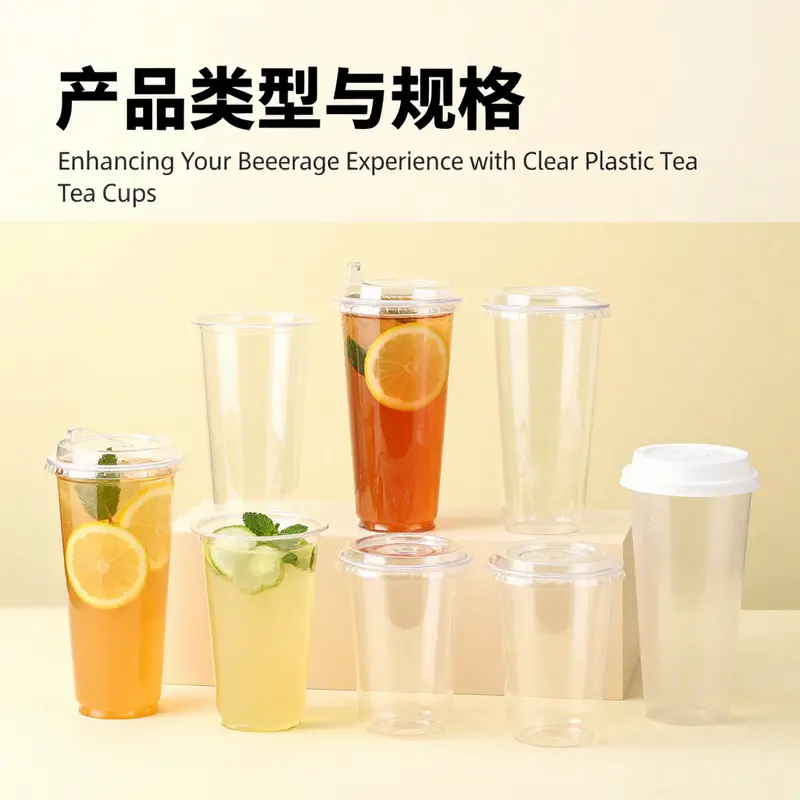
Transparent plastic tea cups have evolved far beyond simple serveware. In the busiest cafés, on street corners, or in corporate break rooms, these cups carry stories as much as beverages: the story of safety, function, and aesthetic clarity working together to shape a consumer experience. The cup is the visible face of a complex choice, balancing materials that resist heat, withstand repeated handling, and preserve the sensory appeal of the drink inside. Clear plastic cups serve a wide spectrum of beverages—from creamy milk teas to vibrant fruit infusions and even hot beverages—yet the success of each cup hinges on a few core decisions about material and design. The conversation begins with material selection, because the polymer at the heart of a cup determines how it will perform in real-world use. Two material families dominate mainstream production: BPA-free clear copolyester and food-grade polypropylene. The copolyester family is prized for its exceptional clarity, which allows the drink’s color and texture to be judged at a glance, a factor customers often equate with quality. It also delivers notable heat tolerance and impact resistance. This means a cup can withstand hot liquids and the rough handling that comes with busy service spaces and consumer transport, while remaining visually pristine. The tradeoffs tend to be cost and weight. Copolyester cups are typically more expensive than their polypropylene counterparts and can be heavier to ship in bulk. For high-volume operators seeking durable, premium-feeling cups, the investment in a BPA-free copolyester option often pays dividends in consumer perception and long-term durability. On the other side of the spectrum lies food-grade polypropylene. PP is lighter, cheaper, and well suited to mass production. It maintains reasonable clarity, though it may not rival the crispness of the finest copolyester blends. PP cups are robust enough for both cold drinks and hot beverages within a broad temperature window, and they tolerate short handling periods without warping or deforming. This makes PP a reliable choice for disposable or semi-disposable contexts where cost and logistics are paramount. For takeout and delivery systems that prioritize speed and price, PP remains a workhorse option. Together, these two families cover most market needs, offering a spectrum of performance and price that operators weigh against their service model and brand positioning. In practice, the decision often comes down to what the cup is expected to endure: a cup designed for long-term reuse and hot beverages will justify a BPA-free copolyester construction, while a line focused on maximizing unit throughput and minimizing cost will often lean toward food-grade PP, with suitable thickness and sealing to prevent leaks. The implication for professionals in beverage service is clear: understand the tradeoffs between clarity, heat tolerance, weight, and cost, and select a material that aligns with the cup’s role in the consumer journey. Clarity is not merely a visual luxury; it is a signal that the drink is unaltered by the vessel, a reassurance for the customer that the beverage’s appearance will remain true from first pour to last sip. Temperature stability is equally vital. A cup that maintains its shape under hot liquids contributes to a safer, more comfortable drinking experience, reducing the risk of scalding and spill during handling. Likewise, a cup with strong impact resistance can better withstand the inevitable bumps and drops of real-world use, whether in a busy cafe during peak hours or during a home delivery when a rider negotiates stairs and potholes. This is where the material choice translates into a practical advantage for operators and a reassuring cue for guests. Yet material is only one half of the story; design embodies the other. Modern clear plastic tea cups have grown to incorporate a suite of features that augment usability while preserving, and sometimes enhancing, the drink’s appeal. One notable design feature is the integration of a tea-water separation mechanism in cups intended for tea lovers who want a cleaner infusion. An internal filter or chamber keeps loose tea leaves apart from the drink as the user pours, reducing bitterness and sediment without complicating the brewing process. This approach blends the ritual of tea with the convenience expected in today’s fast-paced service environments. Another recurrent innovation is the one-touch opening lid combined with a secure seal. The lid design emphasizes ease of use—allowing one-handed operation during travel or while walking—while the seal minimizes leakage when tilting or tossing a cup into a bag. The result is a more confident consumer experience, whether the cup is used for a morning commute or a post-workout refreshment. In addition to sealing tech, many clear cups benefit from ergonomic, user-centric touches such as thicker walls for a more substantial grip and a broader base to improve stability on tables and counter edges. These features speak to a broader design philosophy: the cup should be as reassuring to hold as the beverage is refreshing to taste. Large-capacity variants—often in the 800 to 950 milliliter range—have gained popularity for all-day hydration, meal deals, or long social sessions where refills are expected. The weight and thickness of the cup contribute to a premium feel and help prevent collapse when pressed by a palm or squeezed in transit. Conversely, smaller, more streamlined cups—ranging roughly from 300 to 600 milliliters—serve everyday use in homes, hotel rooms, and casual gatherings. The key is to ensure that even smaller cups maintain a sense of sturdiness and high clarity so customers can appreciate the beverage through the glass-like surface. The visual character of a clear cup matters, too. A high degree of transparency enhances the color and hue of the drink, which is especially important for beverages with layered visuals, such as milk tea with pearls or fruit-infused drinks where the visual contrast is part of the appeal. Conversely, the appearance of the cup itself should not distract from the drink; a clean, bright surface free from distortions or clouding preserves the integrity of the customer’s visual assessment. Beyond clarity, the perceived quality of the material so often stems from its smoothness and lack of odor. A cup that preserves the drink’s aroma, does not impart any plastic scent, and remains free from off-flavors after repeated washing or extended storage is essential for repeat purchases and brand trust. In practice, both material families can deliver this experience with careful formulation, processing, and quality control. The interplay between material and form is most evident in how the cup feels to touch. A cup that is too thin can feel insubstantial, undermining consumer confidence in the beverage, while an excessively thick cup may add needless weight and cost. The sweet spot balances tactile satisfaction with efficient logistics. For operators who aim to project a premium image, the choice of a clear, durable copolyester with excellent glass-like clarity communicates quality at first glance. For those prioritizing affordability and scale, a well-designed PP cup can deliver a similarly positive impression when paired with sturdy lids and reliable seals. In short, the science of clear plastic tea cups is a careful negotiation among three axes: clarity, safety, and usability. Clarity communicates color and freshness; safety assures there are no harmful substances and the cup performs under heat; usability translates the material into a practical tool that integrates into the daily rhythms of service, delivery, and home consumption. The market reflects this balance in the breadth of options, catering to different business models and consumer expectations. A typical 2026 lineup includes portable cups designed for sports and travel, featuring features such as integrated lids and sometimes sliding or magnetic closures for leak resistance. Tea-specific cups offer filtration or separation features that preserve a clean tea flavor, while multipurpose home or hotel cups emphasize durability and ease of cleaning in addition to visual appeal. These categories are often defined not only by their primary use but also by their thickness, wall stiffness, and capillary interactions with the lids and seals that accompany them. In practice, the procurement decision becomes a matter of mapping the cup’s intended ecosystem—how it will be carried, how hot the beverages it will hold, how long it needs to last, and how it will be branded or customized for a business identity. Customization has become a standard option in many supplier ecosystems, ranging from printed logos to color accents and even textured surfaces that improve grip. While customization can elevate a product’s market presence, it also adds steps in production, which can impact lead times and unit costs. The most value arises when customization directly supports the drink’s experience—logo placement that reinforces branding without compromising readability, or color accents that align with a beverage line’s packaging while keeping the cup’s transparency intact to showcase the drink’s natural beauty. From a broader supply perspective, this category sits at the intersection of drinkware and disposable packaging. For operators seeking to align with sustainable goals, it is important to note that many suppliers offer recycled content options or post-consumer recycled (PCR) materials for certain cup lines, alongside technologies that enable safe reuse or responsible disposal. Though not every use-case requires a sustainable solution, thoughtful selection can contribute to a brand’s environmental narrative and align with consumer expectations around responsible packaging. Procurement decisions should also account for regulatory compliance and safety certifications. Cups used for hot beverages, for instance, should be tested for heat resistance and structural integrity when filled with near-boiling liquids. Seals, lids, and joining methods should resist leakage under expected handling conditions, including transport and tipping during delivery. The interplay of these elements—material, design, and process—forms a cohesive system that defines performance in real-world contexts. In the landscape of online and offline purchasing, one can explore a range of options under the broad umbrella of drinkware, which includes many vessels beyond cups themselves. This broader context helps buyers understand where the clear plastic tea cup fits within a larger packaging and service strategy. For further exploration of related drinkware offerings, you can visit the drinkware category. External resources and supplier catalogs further illuminate the choices, including wholesale platforms that illustrate bulk pricing and customization possibilities. For reference, a widely consulted product page from a major e-commerce platform demonstrates how material claims, safety certifications, and product specs are communicated to buyers seeking BPA-free, food-grade cups with clear visibility and reliable sealing. External reference: https://item.jd.com/100048687923.html
透明塑料茶杯的场景叙事与应用维度
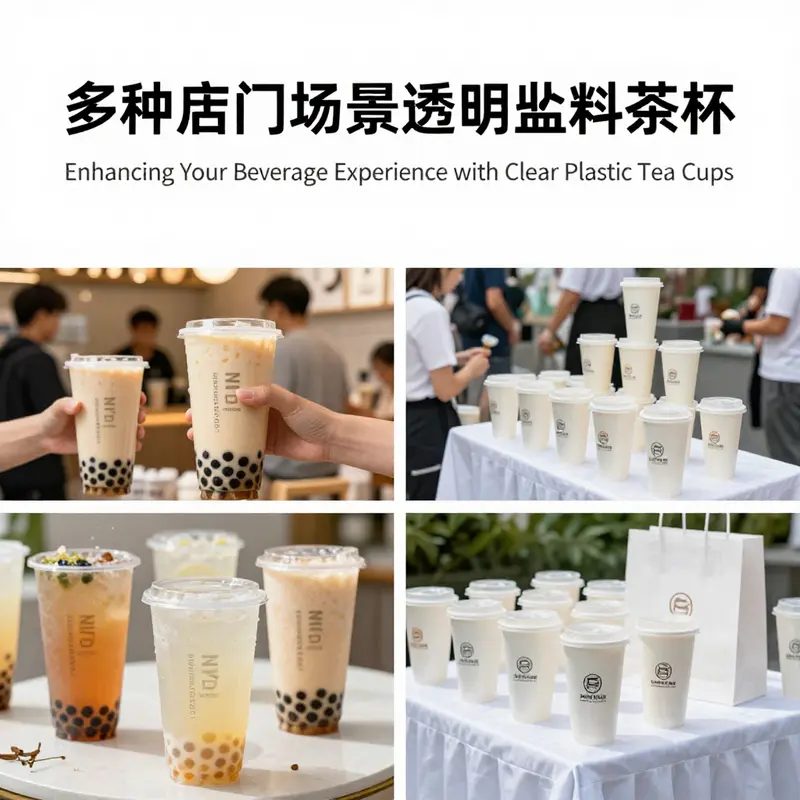
透明塑料茶杯不仅是盛装饮品的容器,它的透明度、轻量与可塑性使饮品的色泽、层次在顾客感知中成为直观的叙事媒介。杯身清澈映照出珍珠、果汁的分层,以及奶盖的厚度,让视觉信息成为购买决策的直接辅助。
在材质与设计层面,PET与PP是常见的基本材料,各自的透明度和耐温性不同;容量覆盖从8盎司到32盎司,杯壁厚度、密封盖、滑块盖等附件的设计影响保温与携带体验。定制印刷服务让品牌LOGO、口号、环保标语在杯身或杯盖上直接呈现,提升场景的一致性。
在日常餐饮场景,透明杯的作用尤为突出。顾客能直观看到珍珠大小、果肉分布、奶盖厚度等视觉信息,提升信任感。品牌通常通过较厚的杯壁来提升保温性与抗变形,确保高客流下的稳定性。
在公共活动与礼品包装方面,透明杯具备低成本与高效性,便于现场分发与回收。作为纪念品的一部分,杯子可与包装、丝带、卡片等元素结合,形成可携带的记忆点。
关于环境趋势,PLA等生物基材料为透明杯提供新的方向,但回收体系、堆肥条件与实际环境效益需要综合评估。提升回收率、确保设计上的可回收性、与回收渠道对接,是实现可持续的关键。
消费者教育与信息披露同样重要。品牌应在产品页与门店说明材料来源、回收路径和可持续性承诺,帮助消费者做出理性选择,同时推动行业形成更透明的废弃物处理标准。
总体而言,透明塑料茶杯在多场景中连接色彩、质感、品牌与体验,未来的挑战在于材料创新与信息透明的深化。
透明塑料茶杯采购全景:以阿里巴巴为脉络的供应网络与定制化趋势
在饮品服务的前沿,透明塑料茶杯早已超越了简单的包装功能,成为展示饮品魅力、传递品牌个性的重要载体。消费者往往被杯身清澈透明的质感吸引,杯口的光泽与杯壁的透视感让奶茶、果汁、冷饮甚至热饮的色泽更为明显。因此,门店采购的每一个决定都不仅仅关乎成本,更涉及到供应的稳定性、个性化设计的实现可能,以及与品牌故事的对接。基于最新的阿里巴巴平台数据,透明塑料茶杯的采购信息与供应商分布呈现出一个高度动态、以量取胜、且极具区域特征的市场图景。这个图景不仅揭示了价格区间和容量矩阵,还反映了材料选择、包装形式和定制需求如何在现实交易中被放大成可执行的采购策略。对经营者而言,理解这一全景意味着可以在不同阶段做出更理性的决策,从而在激烈的同质化竞争中保持优势。
从材料到容量,市场上可供选择的透明塑料杯具有多样的组合。常见材质包括 PP(聚丙烯)、 PET(聚对苯二甲酸乙二醇酯)以及 PLA(聚乳酸),其中一次性透明杯的需求量占据市场主导地位。容量方面,消费者和商家最熟悉的范围从 8 盎司(约 240 ml)到 32 盎司(约 946 ml),同时也存在常见的 200 ml、300 ml、500 ml、700 ml、900 ml、1000 ml 等规格,以及 12 oz(355 ml)和 16 oz(473 ml)等英制容量。透明杯通常配以透明盖,某些款式还支持定制设计,如带滑块盖、无吸管盖,甚至可以印刷品牌标志。这些设计特征并非单纯的美观考虑,而是在提升顾客体验、强化视觉营销、以及在外卖配送链路中提升辨识度方面发挥着关键作用。
价格结构是采购决策中的核心变量之一。阿里巴巴平台显示,价格区间因材质、容量、是否带盖、包装数量、采购量和定制需求而呈现显著差异。以常见的批量采购场景为例,1000只装的加厚家用小号航空杯在特定条件下的参照价格约为 37.00 元,展示了单位成本在大宗订单中的可控性。另一方面,单个批发价低至约 1.35 元/个的说法,常见于与高硼硅玻璃口杯相关的场景(需要注意这类杯型并非塑料杯)。对于多数透明塑料杯而言,常见的批发价在 2.00 元左右,且以 100 只/包等包装形态示范的交易量最为活跃。这一价格结构背后的逻辑是规模效应与规格组合的共同作用:更大包装、薄型材料或更短的交货周期往往带来更具竞争力的单位成本。成交数据也映射出市场的活跃度:例如,一款“透明pp杯塑料杯”在短期内达到数万笔的成交记录,显示出供应链对高频次、低单价订单的强大承载力。
供应网络的地域分布在很大程度上塑形了可获得性与价格弹性。广东作为中国制造业的核心区域,聚集了大量相关供应商,其中以揭阳市为重要的生产基地之一,专注于塑料产品及其周边领域,能够提供多种容量与材质组合的透明杯。浙江与湖南也各自拥有稳健的供应体系,像浙江的东阳市及湖南的长沙区域,凭借成熟的制造与加工能力,提供从基础杯身到带盖、定制印刷等全链路的服务。佛山顺德区的企业则以灵活的产能和较短的交付周期著称,能够在短时间内完成批量生产与物流对接。这种地理分布带来的直接效应,是品牌方与餐饮连锁在扩张阶段能否实现稳定供货、降低风险的重要因素。当供应商集中度较高时,品牌方可以通过长期合同、价格锁定和共同的质量标准来提升采购稳定性;而覆盖多个地区的供应网则有助于在节日高峰、区域性需求波动等情况下保持灵活调配。
与此同时,市场的新趋势也在推动行业向定制化和可追溯性更强的解决方案转型。定制化不仅包括在杯身印刷企业标志、促销信息,甚至涉及对杯体厚度、壁厚分布、盖子密封结构等微观参数的精细化设计,以适应不同饮品的物理特性与配送条件。对于品牌方而言,这种定制室内化为更高的品牌曝光率和消费者记忆点,但在采购阶段也意味着更高的前期沟通成本和更细致的规格确认需求。另一方面,外卖市场与线下体验店对透明杯的要求不断提高,杯身的透明度、封口的稳定性、以及对饮品呈现效果的影响,成为影响顾客满意度的重要指标。
在数字化采购的路径上,线上平台成为获取信息、比对供应商、比较价格的主导渠道。阿里巴巴等平台以海量厂商、海量货源、灵活的出价机制和便捷的批量采购流程,成为当前最具效率的入口。通过平台,商家能在同一时间段内接触到来自不同地区的报价、交期和定制选项,从而快速做出决策。正是这种信息密集环境,促使供应商在提升产品透明度、标准化包装、提供样品与快速响应方面下更大功夫。对于采购方来说,除了关注单位成本,还应评估交付时效、质量追溯、以及售后服务的可靠性。为帮助读者进一步了解可选的产品目录与相关类别,可以参考本站的塑料杯产品目录,其中对不同材质、容量和包装形态的组合进行了系统整理,方便快速对比并定位合适的货源:塑料杯产品目录。这种内部资源不仅提升了选型效率,也便于在对比时将品牌与设计需求对接到具体的供应商能力上。
在这一全景视角下,采购策略的制定也需要与门店的运营节奏保持一致。小型连锁店或试点店在初期阶段往往偏好较小包装、较低门槛的产品,以降低库存风险和资金占用;而区域性连锁或外卖密集型业态则更可能通过大批量采购、长期合同以及集中发货来实现成本优化。无论是哪种模式,透明杯的质量稳定性都直接映射到饮品的外观呈现和口感体验,因此采购方应将材料选择、壁厚分布、密封性测试、耐热性以及耐摔性能纳入验收标准。尤其对热饮场景,杯体材质在承受高温时的变形与渗漏风险需要被预先评估,确保运输过程中的完整性不被破坏。
此外,市场对杯身的视觉呈现也在促使供应链进行整合创新。清晰度、色泽均匀性、以及印刷与喷涂的可控性,成为衡量供应商综合能力的关键维度。视觉展示的提升并非只为美观,而是直接影响消费者对饮品的第一印象,以及在社媒传播中的可视性效果。这些因素共同促成了一个以品牌定制为核心、以供应稳定性为基石、以价格敏感性为边界条件的采购生态。对采购方而言,系统化的需求管理、明确的规格书、以及紧密的供应商协同,是将复杂市场转化为可执行行动的关键。
在持续观察市场动态时,读者可以把目光放在一个更为清晰的工作路径图上:一方面,明确自己的容量需求和材质偏好,结合预算制定分级采购计划;另一方面,利用线上平台的价格与供货信息,建立稳定的供应商名单,并通过样品和试用来验证质量与适配性。此外,定制服务将成为品牌区分度的重要手段,但需要在合同条款中对印刷区域、色彩管理、最小起订量、交货期以及售后保障进行清晰约定。通过建立长期合作关系,品牌方也能获得更具竞争力的价格、更快的交付响应以及更高的一致性。对于行业观察者而言,阿里巴巴平台的数据仍将持续提供一个反映市场真实状况的窗口,帮助企业把握价格波动、供应波动与需求变化之间的关系。外部参考资源可访问全球电子商务平台,以获取最新行情与供应商动态: https://www.alibaba.com/。
综上所述,透明塑料茶杯的采购不是简单的买卖行为,而是一个涉及材料科学、供应链管理、品牌营销与客户体验的综合课题。通过对市场结构、地域分布、定制趋势与线上交易生态的理解,企业可以在保持成本效益的同时,提升产品在货架与屏幕前的表现力。未来的采购将更加注重多元材料选择的灵活性、供应链的韧性,以及与消费者情感连接的设计语言。对于正在筹划扩张或优化门店体验的运营者而言,掌握这一全景并以数据驱动的方式管理采购,将成为提升竞争力的关键路径。
外部资源参考: https://www.alibaba.com/
透视定制的力量:透明塑料茶杯如何成为品牌传播的载体
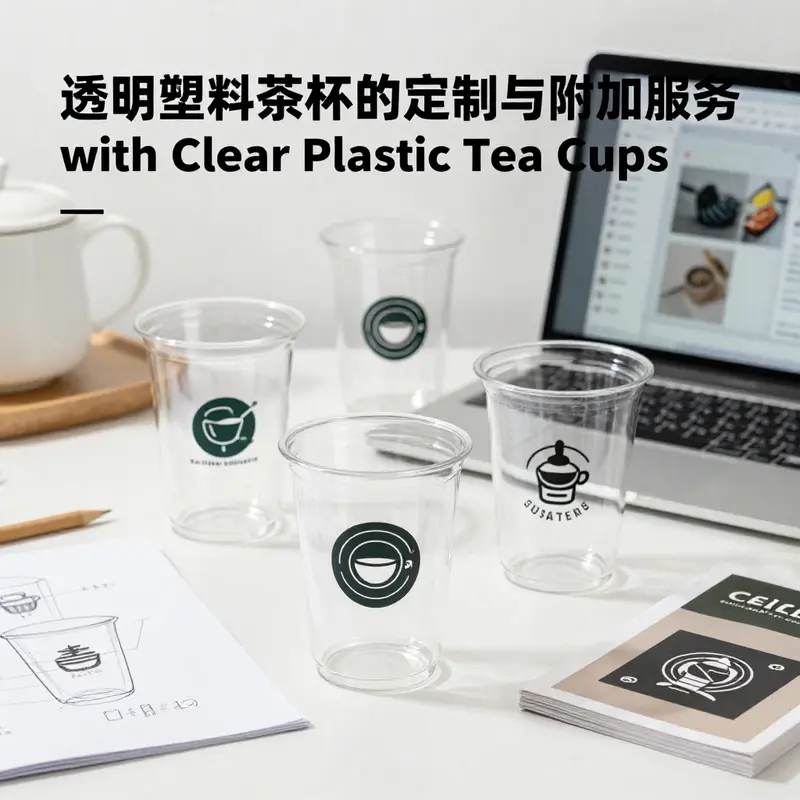
透明塑料茶杯因其通透的杯壁和简约的轮廓,早已超越了单纯的容器属性。它们在奶茶店、果饮吧,甚至企业活动中,扮演着移动的品牌载体。杯身的清澈程度不仅让饮品色泽一览无余,也为品牌信息的传达提供了一个不被遮挡的画布。正是在这种“看得见的透明度”背后,定制与附加服务的价值才得以放大。品牌将LOGO、标语、吉祥物或专属图案印在杯身上,宛如把品牌的声音直接带到顾客手中。消费者在路上、在办公室、在聚会现场举杯时,看到的不再是一个普通的容器,而是一则随手可得的品牌曝光,甚至成为社交分享的视觉焦点。这种效应既来自杯子的视觉冲击力,也来自其在日常场景中的高频接触率。与其他包装相比,透明杯更容易实现“品牌与产品色彩的自然融合”。当杯身承载的饮品颜色与杯子本身的透明度相互映衬时,色彩策略的边界被拉得更为清晰,品牌的调性、情感诉求和市场定位就更容易被消费者领会并记忆。
在定制过程中,企业可以通过在杯身印刷LOGO、标语或独特的图案来提升辨识度与记忆点。供应商通常提供“印刷LOGO”或“定制图案”的服务,支持多种印刷工艺以确保透明材质上的清晰呈现。这些印刷不再局限于单纯的色块填充,更多的是对品牌元素的精准再现——线条的粗细、字体的比例、以及边缘与视觉留白的处理都需要与饮品的场景相配合。为了帮助企业在从概念到成品的每一步都达到预期,许多制造商提供“免费设计”和“免费现有样品”等附加值服务。通过专业设计团队的协助,企业能够在短时间内得到可视化的视觉方案,并在小批量试产中快速验证色彩和材质的效果。
此外,尺寸定制与材料选择成为实现品牌传达个性化的重要手段。容量范围从8盎司到32盎司不等,企业可以根据不同饮品类型、消费场景与营销走向设定合适的杯型与盖型组合。对一些需要在特殊场景中进行大规模促销的品牌而言,定制大容量杯不仅能提供更高的携带便利,也能在同一个场景中实现更强的视觉集中力。材料方面,PET与PP是最常见的选项,兼具透明度、耐用性和食品安全性。越来越多的厂商也在探索生物降解材料如PLA的应用,以响应环保诉求。PLA杯在保持透明度和耐用性的前提下,能在使用后自然分解,帮助品牌传达社会责任与可持续发展的理念。对以环保为核心价值的品牌而言,这种材料组合往往成为叙事的一部分:从原材料选择、生产过程到最终的处置,透明杯的生命周期被纳入品牌故事的叙述框架。
定制与附加服务并非简单地止于外观。很多供应商还提供与印刷及包装相关的综合解决方案,例如在杯盖、滑块盖、无吸管盖等方面实现统一风格,形成整套的外观一致性。杯盖的设计与杯身的印刷风格需要协同考虑,以确保在运输和使用过程中的稳定性与美观性俱具。对于注重全方位品牌体验的企业,杯身与盖子的色彩、材质和印刷风格的统一,会对消费者的场景体验产生连锁反应。若要进一步理解并评估不同定制选项的组合效果,可以参考包装与印刷类别页面,这一资源提供了与杯子相关的定制印刷方案与案例概览:包装打印类别页面.
设计与生产并行推进的过程中,企业应关注色彩管理、可读性与可追溯性。透明杯的美观不仅来自色彩的明亮,也来自字体与图案在小尺寸上的清晰呈现。LOGO需要在不同光线下保持辨识度,文字应具有足够的对比度,并避免过于细小的细节在现实印刷中失真。另一方面,定制流程中的样品阶段极为关键。免费现有样品能帮助团队确认颜色、厚度、清晰度与触感等参数;在大批量生产前进行多轮校验,能显著降低后续返工的成本与时间成本。材料选择不仅影响外观,更决定了运输过程中的防漏性、热饮耐受性和对温度变化的反应。若企业希望通过透明杯来传达持续的品牌体验,建议将材料、印刷与杯身造型作为一个统一的品牌叙事来设计。
从市场趋势看,透明杯的品牌化策略越来越强调情感共鸣与场景叙事。一个杯身不仅承载饮品,更承载着故事与记忆。品牌可以在不同节日、活动或主题促销时,通过更换杯身图案、颜色搭配和文案,创造连贯的跨渠道传播。比如,在校园活动、音乐节或企业年会等场景中,统一的杯身视觉语言能让参与者在无形中形成对品牌的归属感与认同感。这种情感驱动的传播模式,往往比单次促销更具持久力,因为它嵌入了日常生活的真实场景,成为人们自愿传播的媒介。
除了美观与传播力,环保诉求也是当下定制透明杯时不可忽视的维度。消费者日益关注可持续性,企业在选择材料时往往综合考虑环保性能与用户体验。PLA等可降解材料的使用,与品牌愿景相互印证,能帮助企业在市场沟通中提高可信度与忠诚度。需要强调的是,选择环保材料并不妨碍品牌的视觉冲击力。通过高质量的透明度、均匀的成型和清晰的印刷,环保材料同样能实现强烈的视觉表达与品牌个性。
在实际运作中,定制流程的高效性离不开供应链的协同。从初步设计、样品确认到大货生产,时间与成本的控制取决于供应商的响应速度、设计资源与生产能力。免费设计服务不仅减轻了企业的前期投入,也为品牌团队提供了跨部门协作的机会。通过设计团队的专业视角,品牌可以更精准地将视觉元素与市场定位对齐,确保最终成品能够与店内陈列、线上广告与线下推广形成一致性。企业礼品、亲友赠送、展会纪念品等场景也成为杯子定制的有效应用领域。定制杯在这些场景中具有高辨识度与长使用周期,能够持续承载品牌信息并在日常生活中不断被重新发现。
综合来看,透明塑料茶杯的定制不仅改变了一个产品的形态,更将品牌传播延伸到每一个使用瞬间。通过印刷、材料选择、尺寸定制、附加设计服务等多维度组合,企业能够构建出一整套以品牌为核心、以场景为驱动的传播体系。这个体系的核心在于协同设计与高效执行:从视觉策略的初步确立,到样品评估的真实反馈,再到大货生产的稳定交付,所有环节都应围绕品牌故事的连贯性与消费者体验的真实感展开。透明杯因此成为一种独特的“移动品牌空间”,它不需额外的广告牌,就能在日常生活的流动场景中不断重复曝光,形成记忆点,促使口碑传播与重复购买。未来,随着材料科技、印刷工艺与环保理念的进一步融合,透明杯的品牌表达将更加丰富多元,也将继续以这种“看得见的透明度”推动市场对品牌叙事的认知升级。
外部参考资源:PLA可降解透明杯的应用与实践提供了关于材料环保与消费者接受度的实证视角,帮助企业在传递品牌责任的同时保持产品体验的一致性。你可以通过以下链接了解更多相关信息:外部参考资源:PLA可降解透明杯示例
Final thoughts
Clear plastic tea cups are more than just functional vessels; they represent an opportunity for businesses to enhance the customer experience with stylish, customizable solutions that align with their brand identity. By understanding the wide range of types available, their various applications, and the procurement options through trusted suppliers like Alibaba, businesses can make enlightened decisions that elevate their service offerings. Additionally, integrating customizable designs can further engage customers and enhance marketing efforts. Investing in quality clear plastic tea cups allows you to delight your customers and stand out in a competitive market.