

Small disposable gold bowls are the ideal solution for businesses looking to enhance presentation while maintaining practicality. Crafted from durable materials like PS and PET, these bowls combine charm with functionality. This article explores their materials and characteristics, technical specifications and design, application scenarios, and the advantages and limitations they bring. Each section will provide valuable insights for bubble tea shops, beverage chains, restaurants, food trucks, catering services, event planners, and corporate procurement teams, guiding them to elevate their service offerings.
金光下的微型盛器:小号一次性金箔塑料碗的材料与特性及其应用边界
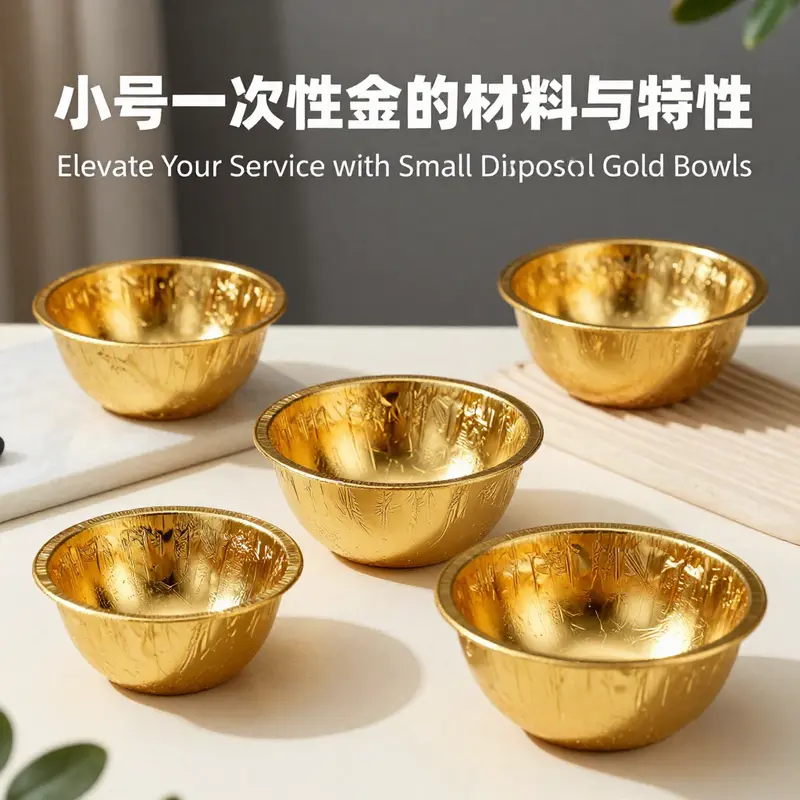
当盛放美味的瞬间被外观所放大时,一只小号的金箔塑料碗仿佛成了舞台上的小小灯塔。它的存在不仅仅是为了承载食物,更是在餐饮环境中传递一种仪式感与高端氛围的微型媒介。正是在这样的场景里,材料与加工工艺的选择,决定了它的表现力、可靠性与边界。小号一次性金箔塑料碗的核心在于以极低的成本实现视觉上的奢华,同时保持日常服务中的高效性。要理解它的材料与特性,必须把焦点放在基底塑料的安全性与热稳定性、表面装饰的工艺组合,以及环保与物流层面的权衡之上。它们在设计与制造中所做出的取舍,直接影响了餐饮业在节庆、婚宴、展会以及日常快节奏场景中的表现方式。对从业者而言,理解这一枚小碗的材料逻辑,就是理解它如何在不同情境下完成“既美观又合规、既便捷又稳妥”的服务承诺。
在材料选择上,行业的主线逐步清晰起来。尽管市场上曾存在多种塑料基材的探索,但对于小号、金箔装饰的碗碟而言,聚丙烯(PP)成为最广泛采用的基底材料。这并非偶然,而是因为PP在食品接触材料领域的综合表现符合行业对安全、耐用和可加工性的基本诉求。食品级PP材料经过严格的安全标准检验,通常具备无毒无味的特性,确保在盛放直接食用食品时不会向食品中迁移有害物质。这一点在英国食品标准局(FSA)的材料安全指南中得到明确支持,即在合理使用条件下,食品级PP被普遍认定为安全的材料选择。这份公认的背书,为小碗在公众场合中的信任度提供了基础底座。
PP之所以成为首选,还在于它的热稳定性与耐温性能。相对而言,PP对温度的容忍度较高,通常能承受100℃以上的热环境,足以应对常温食品、热汤、热菜等情形的装载需求。这意味着在某些情境下,餐厅可以简化流程,直接以热食品进入餐具容纳单元,提升上桌速度与工作流效率。然而,需强调的是,装饰性的金箔层往往不宜与高温直接接触协同工作。在碗身表面的金箔装饰通常通过镀膜、印刷或薄膜层实现,这些精准工艺会在热传导、边缘强度和外观持久性之间达到微妙平衡。因此,尽管PP本身具备较好的热稳定性,实际应用中仍需遵循关于“饰层与基材的分离性、热影响区域”的设计原则。换句话说,碗的热耐受性来自两层要素的协同:PP基底的耐热能力,以及表层装饰材料与粘结体系在热应力下的表现。
在结构与重量方面,PP的另一大优势在于轻便与抗变形能力。小号碗的设计目标之一,就是在食品盛装时保持形状稳定,避免因重量较大而导致的边缘翘起、纹理断裂或变形。这对于餐桌上快速增减的服务节奏尤为重要。以往常见的塑料碗若承载较重食物就容易出现底部受力不均、边缘开裂等问题,而PP通过分子结构的刚性与加工工艺的优化,能够提供相对坚固的边缘与稳定的碗壁,即使在堆叠与搬运过程中也不易变形。这一点对现场服务的顺畅性具有直接影响,尤其是在自助餐、甜品台、前菜展示等场景下,碗具的耐久性直接关系到观感与卫生。
在表面处理方面,金箔外观的实现方式构成了这类碗具的独特卖点。表面可以通过金色涂层、印刷油墨、或薄膜贴膜来达到光泽与色调的统一。金色外观不仅提升视觉吸引力,还强化了高端餐饮的氛围。这类装饰在不同光线下呈现的反射效果,会使甜点、果盘或小食的色彩看起来更为鲜亮。与此同时,装饰工艺也带来一系列工程上的挑战:粘结性、耐磨性、抗剥离性以及对卫生清洁的影响。印刷层若处理不当,容易在清洗或长时间暴露于湿热环境中发生脱落或褪色,从而影响整体美观与卫生标准。因此,供应商通常会在装饰工艺与基材之间设定严格的涂层配方与粘合体系,确保金箔效果在出货前后都能维持稳定的观感。对于采购方而言,理解这一点有助于在不同场景下选择合适的表面处理方案,以实现更持久的视觉效果。
关于环保与回收性,材料与装饰的组合带来的是复杂的后续处理现实。综合行业信息,部分产品确实标注为可回收材料,这为环境友好型的应用提供了潜在路径。然而,金箔装饰通常会在回收流程中引入额外的处理难度。不同地区的回收体系在对“含装饰层的塑料餐具”处理上存在差异,某些回收流可能将其视作可回收塑料,但同时也要求对产品进行单独分离或特殊处理。更广泛的判断是,若要实现高效回收,需采用可单独回收的材料组合,或在设计阶段就尽量简化复合层,降低单元回收成本。对习惯于一体化解决方案的餐饮业者而言,这就意味着在采购阶段就需要对回收体系的可用性进行评估,了解所在地区的回收可行性与成本结构。
容量与形制方面,8盎司至16盎司的区间是最为常见的区间选择。这一容量区间的设定,正好覆盖了多种前菜、小甜点、蘸酱、果盘等轻量食品的需求。圆形与光滑边缘的设计,是为了提高卫生性、降低食物残渣的藏匿,同时也使口感体验更为一致。对于边缘采用金色镶边的变体,视觉焦点往往集中在食品与装饰之间的对比,强化了“高档感”在第一时间传达给顾客的效应。这种设计不仅提升了摆放的美观度,也方便在餐桌上进行快速分发和快速清理,符合快餐化、节庆性活动及高客流量场景的实际需求。
从应用层面看,这类碗具最常出现在婚礼、生日派对、企业活动以及礼仪性场合中。它们通过金色光泽与简约线条,将细节处理与场景需求结合起来,成为视觉与功能的并行表达。除了高端活动,金箔碗也逐步进入快餐店、咖啡馆、甜品店的展示与分装领域,用于呈现甜点拼盘、轻食组合、装饰性佐食等。消费者在这些情境中往往被较高的观感所吸引,愿意为一次性用品支付略高于普通餐具的价差,因为这份美感与仪式感在社交场景中具有传递情感与身份的作用。与此同时,作为一个一次性用品,碗具的卫生与便捷性是它们在外卖、自助餐台或礼品包装中的核心价值之一。
然而,每一个材料选择背后都潜藏着使用界面的边界。首先,尽管PP本身具有较好的耐温性,但由于金箔或金色涂层的存在,微波炉使用的适用性会变得更为复杂。某些装饰层在高温或高湿环境中可能会产生粘连、变色甚至剥离,因此在实操中,常建议在处理这些碗时遵循装饰层的使用说明,必要时移除装饰层后再进行微波处理。其次,长期存储并非其主要设计目标。作为一次性餐具,它的最佳使用期通常集中在单次服务与短期展现内。在高强度的日晒、湿热环境或化学性清洗剂作用下,饰层的稳定性与外观都可能受到影响。第三,环境方面的现实要求需要被清晰地传达。尽管存在可回收选项,但复合装饰层往往会降低回收效率,促使餐饮业者在量产、储运、清洁和处置环节需要有更完整的计划。综合来讲,这些碗在带来美观与便利的同时,也要求从业者对场景、温度、清洁流程和回收策略进行周密的设计与执行。
在把材料特性转化为商业可操作性的过程中,理解消费者感知同样重要。金箔碗并非只是一味追求华丽外观的装饰物;它们还要在现实世界的日常使用中承担“可及性”的责任——价格、堆叠性、一次性使用后的处置难度、以及在不同地区卫生法规中的合规性。这些因素共同构成了供应链中“前端材料设计、加工工艺选择、后端处置与环境影响”的完整性。企业在采购时,往往会结合活动性质、客流规模、食品类型、运输距离及垃圾分类体系进行权衡。若活动需较大规模的美观呈现,又要求快速放置、快速撤台,此类碗具可能成为理想的解决方案。若场景对回收要求极高、且当地回收网络不完善,企业 might 选择更简化的材料组合,或改以更易回收的设计,以降低环境成本与运营风险。
在研究材料与特性时,行业也强调信息对称的重要性。供应端需要向用户清晰传达材料来源、使用边界、清洗与再利用的可能性以及回收路径等关键要素。对行业而言,建立一套可追溯的材料说明体系,是提升信任度与合规性的有效途径。对消费者而言,理解材料与工艺,也有助于在消费决策中做出更符合场景需要的选择。跨越不同市场的实践提醒人们,金箔碗的美不仅来自于表面的金光,更来自于它能够在合规、卫生与便利之间找到平衡点的能力。
在继续探索这类碗具的材料与工艺时,读者不妨将注意力投向同类产品的分类页面,以便对比不同的装饰层、粘结体系与基材组合,从而在采购时做出更明智的选择。有关该类别的进一步信息,可以参考该分类页面——一个帮助用户理解“ disposable bowls ”在实际应用中的视觉效果与功能定位的资源。 disposable bowls。此外,为了确保在健康与安全方面的最佳实践,请访问并遵循英国食品标准局关于食品接触材料的指南。外部资源可查看:https://www.food.gov.uk/。
光泽边缘与日常便利:小号一次性金箔塑料碗的材料、设计与应用透视
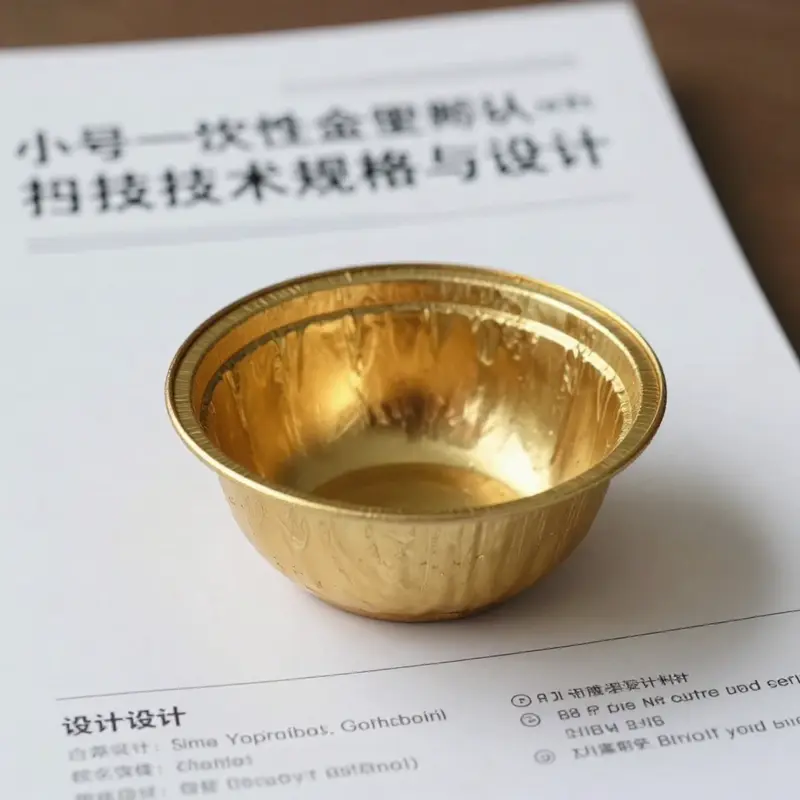
外部参考资源与延伸信息:若需核对技术演变与市场趋势,请参考电商平台商品页与行业分析资料,示例链接:https://item.jd.com/100038678989.html
Small Gold-Foil Disposable Bowls in Practice: Elevating Events with Effortless, Elegant Serving
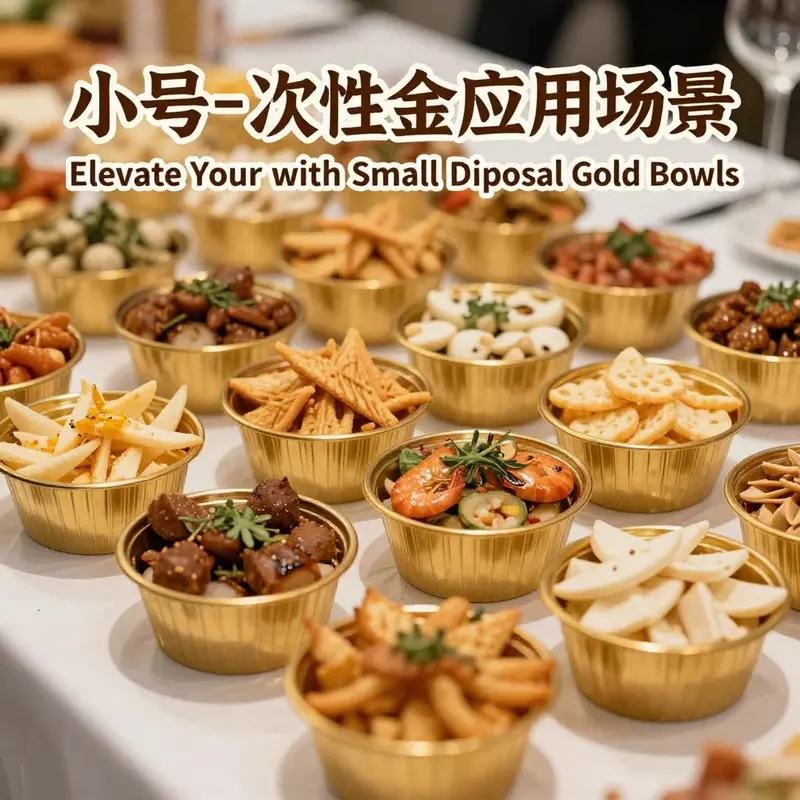
In the evolving language of event dining, small gold-foil disposable bowls sit at an intriguing intersection of luxury and practicality. They promise a moment of elegance without the weight of formal place settings, a way to cue celebration while preserving the pace and ease demanded by contemporary catering. The gold foil finish is not merely aesthetic; it serves as a visual shortcut to opulence, signaling to guests that the moment they are about to experience is special. Yet these bowls are designed for speed and simplicity. Their disposable nature frees hosts from the heavy burden of washing up after a party, and their compact form makes them ideal for portable service, dessert tables, or bite-sized stations where guests float from platter to platter with minimal friction. When used thoughtfully, they help create a cohesive tableau in which food, presentation, and atmosphere reinforce one another. When misused or overextended, they risk appearing as a practical afterthought rather than a deliberate design choice. The balance between form and function is what gives these small vessels their distinctive place in modern hospitality.
The materials behind the bowls are a matter of both performance and perception. Most commonly they are produced from either polystyrene (PS) or polyethylene terephthalate (PET). Each material brings its own set of characteristics to the serving moment. PET bowls are valued for their strength and transparency. In the context of a gold-foil effect, that strength translates into a vessel that can carry small but stable portions without flexing or buckling under the weight of delicate hors d’oeuvres or fruit arrangements. PET’s clarity also helps the gold finish punch more vividly, allowing the metallic gleam to catch the light from a chandelier or candle without becoming dull. PS bowls, by contrast, carry a reputation for sturdiness that can feel more substantial in the hand. They may be slightly more forgiving in stacking and handling during a busy service, a practical consideration when a caterer is passing fifty or a hundred portions in a single hour. The choice between PET and PS isn’t simply a matter of cost; it is a decision that shapes the guest experience as much as the food does.
The golden surface itself is a carefully engineered feature. In most implementations, the gold tone arrives through a surface treatment—either a thin metallic coating or an embossed print that mimics foil. For some designs, the gold rim or edge creates a crisp visual boundary that helps guests identify the bowl’s sweet spot for certain finger foods. The rim can also contribute to a tactile cue, guiding guests to pick up the bowl without hesitation. The bowls themselves are generally round, with smooth, safe edges, and favored in sizes that span roughly 8 to 16 ounces. This range supports a wide array of portioned offerings: bite-sized canapés, bite-service desserts, fruit medleys, or sauces that accompany an eye-catching garnish. The finish isn’t limited to a single look; some versions emphasize a full gold body, while others present a white interior or a contrasting trim—“Edge White With Gold Rim” being a typical example of the play between positive and negative space. Such variations underline a broader principle: a small vessel can carry a bold personality, provided the design remains cohesive with the event’s overarching aesthetic.
From a production standpoint, the combination of a sturdy base material and a metallic finish creates a balance between rigidity and glamor. The bowls must survive the rigors of a service line: being stacked, passed through lines, and sometimes dispatched into a line for quick pickup. A bowl that warps or sags under the pressure of a thin food layer loses its visual impact and can impede smooth service. The PET-based options tend to perform well in terms of stability, while PS-based variants often edge ahead in terms of cost efficiency and durability in the short term. In practice, event planners and caterers are drawn to the shimmer of the finish and the reliability of the form, but they also weigh the practicalities of storage, transport, and eventual disposal. The finish, though visually striking, is not a free pass for all hosting scenarios. The heat profile of the foods chosen to go into these bowls matters; while the material may handle room temperature and cool foods gracefully, it is not designed to bear high temperatures for extended periods. Food safety must guide placement, with hot dishes directed into heat-stable vessels rather than these decorative serving pieces.
The contexts in which these bowls shine are openly celebratory. Weddings, anniversaries, and milestone parties are a natural fit, where a gold motif resonates with the ceremonial mood and the wish to create a photographic moment. They also find a home in corporate events where a curated, upscale impression can be delivered without the burden of formal china. For home entertaining, they offer a practical option for dessert tables, antipasto stations, or tapas spreads. In all these environments, the bowls function as both containers and stage props—frames that elevate the presentation while remaining decryptable by guests who value convenience. The ability to dispense with washing up after a celebration makes them especially appealing for large gatherings and pop-up events, where time and labor constraints are realities that cannot be ignored. In such settings, a set of small, gleaming bowls on a dessert bar or a dip station creates an elegant vignette, guiding guests toward the foods on offer and enhancing the overall rhythm of the occasion.
There is also an appetite for versatility among operators who use these bowls in takeaway contexts. A customer may enjoy a dessert cup for a stroll through a festival or a campus event, then discard the container with little ceremony. In this domain, the small gold bowls can serve as elegant packaging for confections, fruit assortments, or delicate finger foods that travelers or busy attendees will appreciate as a finishing touch. The same design principles then inform retail and dining-out environments, where a display featuring these bowls can set a mood that aligns with seasonal themes such as springtime citrus or autumnal spices. In other words, the bowls function across the spectrum from formal to casual, anchored by their shimmering finish and their uncomplicated disposal logic. That duality is a core strength, allowing venues to tailor the serving experience to fit the moment without committing to a heavy or fragile table setting.
Of course, any discussion of disposable serving ware must address sustainability and waste management. The bright allure of gold foil can be tempered by practical concerns about recyclability and environmental impact. In many markets, the barrier to recycling is not the base plastic alone but the coating or lamination that contributes the gold effect. When the finish is simply a decorative layer, it can complicate the recycling stream because facilities must separate the metalized surface from the plastic substrate. The upshot is that, despite a tempting appearance and a favorable price point for quick-service contexts, these bowls are typically not designed for reuse. They are designed for single-use convenience. They do not fit into traditional composting streams in most regions, especially where the coating prevents straightforward biodegradation or compostability. This reality places the onus on event planners and retailers to communicate clearly with guests about disposal and to provide appropriate waste streams.
In practice, thoughtful use becomes a matter of pairing the bowls with appropriate foods and service moments. Foods that stay dry or only lightly moist tend to perform better, because moisture can interact with the inner surface and the finish, potentially affecting the look or structural integrity. Dried fruit assortments, crisps with dips, or small bite-sized pastries can ride comfortably in these vessels. Desserts that rely on delicate textures—mousse in nominally cool conditions, fruit cups with clean syrup, or layered petit-fours—reflect the balance between presentation and practicality. When dipping sauces or highly liquid fillings are involved, a careful approach is required: the outer decorative surface is visible and appealing, but the interior should be kept clean and dry to preserve the intended aesthetic. The serving protocol matters as well; servers who handle plates with gloved hands, and who move swiftly with minimal contact, help preserve the pristine appearance of the bowls throughout a service.
For hosts who are curious about expanding beyond the single-use model, the impulse to find greener alternatives is strong. The conversation now often turns toward hybrid strategies—using durable, reusable tableware for main courses and supplementing with decorative, dessert-focused disposables for the final moments of the event. In this context, the small gold bowls play a transitional role: they offer a quick, elegant finish at a fraction of the effort required by traditional serveware, while nudging the guest experience toward a higher perceived value. They become, in essence, a ceremonial prop rather than a mere container. Still, such strategies require careful planning, because the aesthetic they create is intimately tied to the material’s limits and disposal realities.
To support planners who want to lean into the broader ecosystem of disposable serving ware, it helps to consider how these bowls fit within a larger catalog of options. If one is designing a cohesive, elegant display for a dessert bar, for instance, selecting bowls that share a common tonal palette and finish can unify the space. The design language should be consistent with other elements in the display—perhaps a gold-rimmed plate or a glass stand that echoes the same reflective quality. The combination of risk and reward is real: you get a striking, photogenic table that is easy to assemble and dismantle, but you also shoulder the responsibility of ensuring guests understand the disposal process and that waste streams are clearly signposted. In this light, the use of the bowls becomes a careful choreography, aligning taste, style, convenience, and environmental consideration in a single gesture.
From a practical perspective, the selection process for these bowls often starts with a clear brief: target guest experience, expected headcount, service duration, and the types of foods most likely to be served. The material choice between PS and PET is then weighed against the event’s temperature profile, transportation realities, and the practicalities of stacking and storage prior to service. The finish choice—full gold body or gold Rim variants—further refines the look and the feel of the station. And while the bowls deliver an immediate sense of occasion, the broader conversation about waste and sustainability should remain central to the planning process. If the aim is to minimize environmental impact while still achieving a luxurious impression, organizers may explore options that combine short-term glamor with more durable or compostable aftercare practices in other parts of the event ecosystem. In the end, the responsible use of small gold bowls lies not only in how they perform at the moment of service but in how they fit into a thoughtfully designed, end-to-end hospitality experience.
For those who want to explore related categories while keeping the focus on disposables, the broader family of products in this space offers useful context. See the Disposable Bowls category to understand the range, finish options, and applications that align with this aesthetic and functional profile. This broader view can help planners connect the look of gold bowls with the operational realities of service, storage, and cleanup, ensuring that the moment of glamour remains both memorable and manageable. Disposable Bowls.
In sum, the small gold-foil disposable bowl embodies a carefully calibrated blend of visual appeal and service practicality. It leverages the timeless allure of gold to signal celebration while delivering the swift, low-labor advantages that modern events demand. Used judiciously and with a clear understanding of disposal realities, these bowls can anchor a narrative of elegance and efficiency that guests feel—from the first glance at a dessert display to the last bite of a well-curated tasting. They are a reminder that design is not only about what guests consume, but also about how the act of consumption is experienced: with grace, ease, and a touch of radiant spectacle.
External resource: For a broader regulatory perspective on food contact materials and packaging, see the guidance and standards published by official food-safety authorities. https://www.fda.gov/food/packaging-labeling-food-contact-substances
在光泽与便捷之间:小号一次性金箔塑料碗的优势、局限与场景
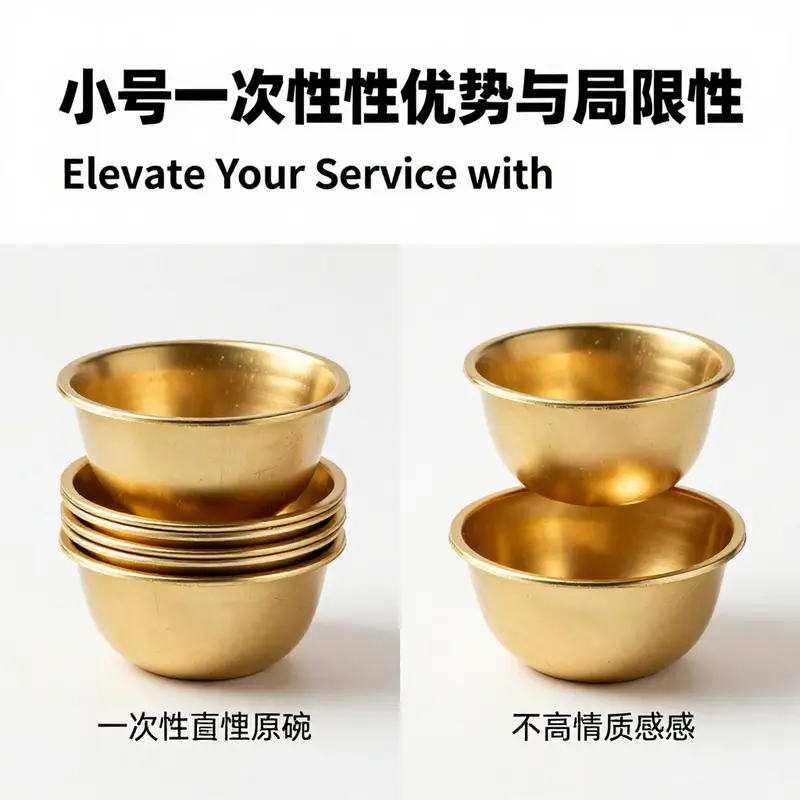
当灯光洒在桌面,细小的金色碗口在光泽面上折射出温润的光,仿佛把餐桌瞬间拉入一个盛宴的幻境。小号一次性金箔塑料碗以其独特的外观和便捷性,成为现代餐饮场景中一种颇具仪式感的容器选择。其核心魅力在于把奢华的视觉语言与日常的服务效率结合起来,既能营造高端氛围,又能在快速的餐饮节奏中保持无缝运营。这种碗通常以聚对苯二甲酸乙二醇酯PET或聚苯乙烯PS为基材,表面通过镀膜或印刷实现金色外观,既提高了观感,也在一定程度上增强了抗脆性与密封性。不同容量的选择,通常落在8盎司到16盎司之间,既能盛装小份前菜,也能承载精致甜点和蘸酱。设计往往以圆形为主,边缘光滑,个别款式还以金边或镶嵌效果增强立体感。正因为如此,这类碗在婚礼、生日派对、企业活动等场合中,常被用作餐桌的点睛之笔,既有视觉冲击力,又具备一次性用品的清洁便利。对于快餐店、咖啡馆、甜品店等商业场景来说,这类碗也能作为展示或分装容器,提升顾客的感官体验,起到“看到即想尝试”的心理促动作用。值得注意的是,尽管金箔的外观赋予碗具一种奢华的气质,但它的核心材料仍然是塑料,决定了碗具在耐热、耐用性、再利用性等方面的边界。要在保持美观的前提下,兼顾日常使用的实效性,便是这类产品设计与应用的关键挑战之一。若要深入了解同类产品在不同场景中的组合与搭配,可以参考该品类的分类页面,那里汇聚了多种尺寸、形状与设计的 disposable-bowls 选项,供专业采购与场景搭配时进行比较和选型,便于从预算、风格与功能之间找到平衡点。在购买与选型时,消费者和餐饮从业者往往会把视觉冲击力与实用性同时纳入考量,好的选择是对这两者的兼容与折中,而不是只追求一方的极致。链接指向的页面提供的并不仅是单一产品,而是一整套对比和参考的入口,帮助用户从多维度评估碗具的尺寸、材料、承载能力与封装方式,以及它们在实际场景中的表现差异。进一步的设计与材料考虑,也会影响最终的使用体验。对于这类金箔塑料碗而言,材料选择往往决定了外观的呈现与实用性之间的张力。PET材料往往具备较高的强度、良好的透明度以及较低的脆裂风险,使碗体在搬运和堆叠时更稳定;而PS材料则以坚固耐用著称,能在多种温度和环境条件下维持结构完整性。金色外观的实现,通常通过表面镀膜或印刷实现,这种工艺既要确保色泽的均匀性,又要控制边缘的光滑度,以避免在就餐过程中对口腔皮肤造成刺激。加厚设计成为增强耐用性的重要手段,使碗体在盛放热食时仍能保持轮廓的稳定,防渗漏的能力也得到提升,从而提升用餐体验的连贯性。另一方面,密封包装和全新未使用的卫生性成为这类产品的显著卖点之一。许多消费者愿意接受一次性餐具的使用,因而密封开封的过程被视作对卫生的额外保证,远超过重复使用的传统餐具所带来的卫生顾虑。这种“开盒即用”的场景,恰恰契合了宴会、展览、快餐配送和自助餐台等需要快速、卫生、且无后顾之忧的供餐模式。金箔碗的卫生性也常与食品安全标准绑定。行业中的一些产品在材料选择上强调食品级特性,例如食品级PP塑料作为一种常见的基材,被用于确保无毒无味,能安全盛放各类食物,甚至热汤与米饭等。这样的信息传递对消费者心理有着直接影响:当包装和标签解释清楚材料的食品级属性时,使用者更容易对一次性方案产生信任,愿意在更长时间的活动中持续使用这种形式的餐具。与此同时,设计师与供应链也在不断优化表面工艺,以实现更自然的质感和更稳定的色泽。镜面般的金色表面在视觉上极具冲击力,但若处理不当,易出现划痕、色差或边缘起毛的问题,这些细节会直接影响到使用者对“高端感”的判断。正因如此,品牌与制造商在生产环节通常严格控制厚度、表面涂层的均匀性,以及印刷油墨的耐粘附性,以确保碗体在洗涤与搬运过程中的外观保持一致。尽管如此,现实世界中的应用场景很容易暴露出这类产品的两极性质:它们在短期活动中能创造强烈的仪式感和归属感,但在长时间的使用与高温处理下的表现却受限。因此,厨师和服务人员在调配菜品与安排用餐流程时,应将碗具的潜在边界纳入计划,以避免因为器皿的温度限制而影响菜肴的最佳呈现。作为一个更广阔的趋势观察,这类碗具的设计与使用并非孤立存在。它们的兴起与餐饮文化、场景经济和消费者偏好之间存在相互作用。舞台感强、亲民价格与一次性便利性三者之间的权衡,成为决定其持续性的重要因素。一方面,金箔碗的美学驱动了场景化表达,使活动现场的视觉叙事更具吸引力;另一方面,环保诉求与成本压力也在推动行业向更可持续的方向探索。很多场景会在同一桌上采取混合使用:一部分为需要高视觉冲击力的点心、甜品或小份前菜使用金箔碗,另一部分则采用更经济的普通塑料餐具,形成功能层级分明的餐具体系。这种组合既能保留仪式感,又能控制总体的用餐成本与环境影响。对于活动方而言,采购决策往往不仅看重单件产品的外观,还要评估整场活动的供应量、废弃物处理方式,以及回收与再利用的可能性。在这一层面,供应链与品牌也在推动更清晰的垃圾分类信息与回收路径,以缓解单次性餐具带来的环境压力。尽管如此,消费者的心态也在变化。越来越多的人开始审视一次性产品的生命周期,权衡美观与可持续性的关系。此时,金箔碗的选择就不仅是景观设计的一环,更成为传递场景价值与品牌责任的一种方式。若将这一切放回日常家庭场景,金箔碗仍有其不可替代的节庆意义。家庭聚会、节日宴席以及亲友聚餐时,金色的器皿往往被视为“仪式的包装”,让简单的美食获得一种特别的呈现。它不仅承载食物,也承载着情感的表达与节日的气氛。用户在使用时会感到方便和愉悦,因为省去了清洗和重复使用的负担,同时感知到对美好时刻的一种尊重。这层次的体验,是许多企业与家庭愿意在价格上做出妥协的理由之一,因为它带来的是时间、秩序与情感的综合收益。综观上述因素,小号一次性金箔塑料碗在追求仪式感与便捷性的场景中具有显著的价值,它们以视觉的豪华、操作的简单、卫生的安全性和使用的灵活性构成了一种独特的餐饮工具组合。与此同时,其环保成本、长期经济性以及热处理的局限性也构成了不可忽视的现实约束。这意味着在实际采购与使用中,需要对场景需求、预算限制以及品牌对可持续性承诺进行综合评估。通过对材料、工艺、设计和场景的综合考量,才能在确保美学享受的同时,尽量减少环境负担并优化总体体验。若读者希望进一步了解同类碗具在不同场景中的实操指南与搭配思路,可以访问内部分类页面,浏览更多尺寸与风格的 disposable-bowls,以便在未来的活动中实现更高效的采购与布置。外部资源方面,相关行业信息也提示我们,尽管这一类产品在市场上广受欢迎,但在环境保护议题上的争议与讨论仍在持续,需以负责任的态度进行选择与使用。外部参考链接请参阅相关报道以了解更多背景与观点:https://www.sohu.com/a/789012345_123456
Final thoughts
Small disposable gold bowls represent an intersection of elegance and convenience, making them highly suitable for various food service applications. They cater beautifully to high-end presentations while offering practical benefits like ease of use and disposal. However, it’s essential to consider their limitations, such as temperature durability and environmental impact. By understanding these factors, businesses can make informed choices, ultimately enhancing the overall customer experience. Select these bowls to add a touch of luxury to your offerings, be it for catering or direct service.