
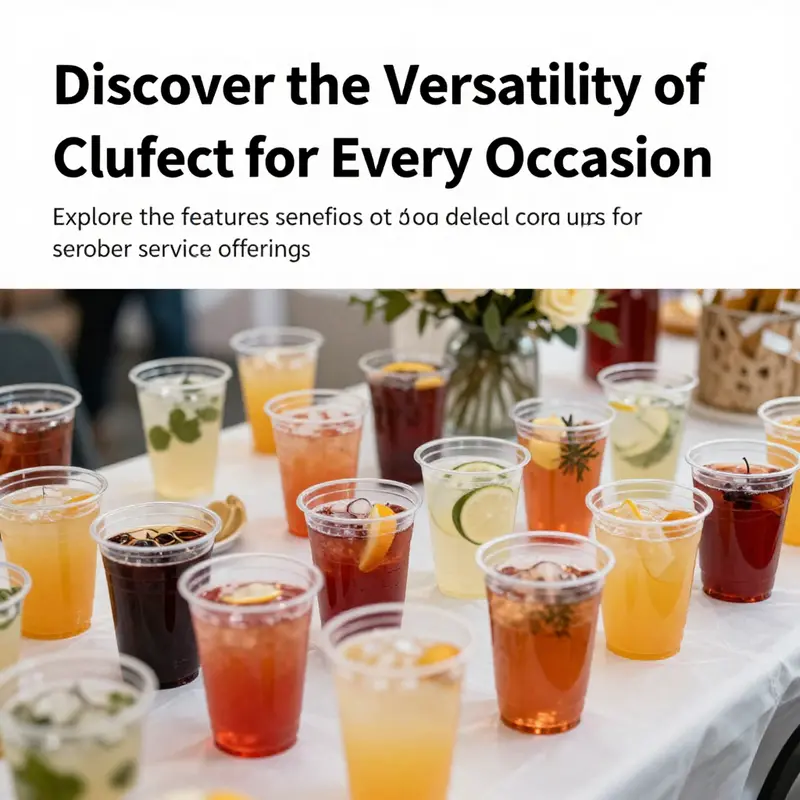
In the fast-evolving landscape of dining and event hosting, the need for reliable, versatile, and cost-effective disposable products is paramount. The Club Cups 3 oz Clear Plastic Cups 200 ct stand out as a solution tailored for a variety of sectors, including bubble tea shops, restaurants, food trucks, catering services, and corporate events. This article delves into the specific features and benefits of these cups, examining their applications in different settings, the economic advantages of bulk purchasing, and the fundamental safety standards that ensure your peace of mind. By the end, you will have a comprehensive understanding of how these cups can elevate your business operations.
Clear, Countable, and Composed: The 3 oz Cup in a 200-Count Bundle
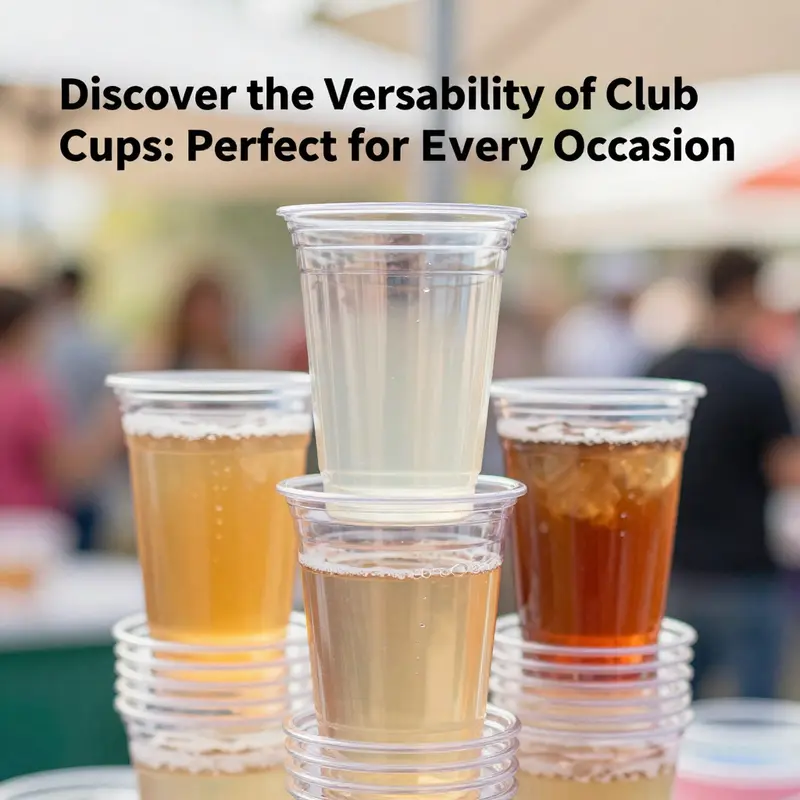
When event planners map the flow of a party or corporate gathering, they rely on dependable tools that keep service moving smoothly. The 3 oz clear cup in a 200-count bundle is one such workhorse. It is compact, versatile, and designed to support consistent portions across multiple stations. The small 3-ounce size is ideal for tasting flights, samples, and portioned beverages, while the crystal-clear walls enable quick visual checks for fill levels and garnishes.\n\nMaterials and safety: these cups are typically made from food-grade plastics such as polypropylene (PP) or polystyrene (PS), often BPA-free and compliant with relevant food-safety standards. The 200-count packaging supports bulk purchasing, simplifies inventory, and reduces restocking frequency. Lids or other accessories can be paired to create a seamless service flow.\n\nDurability and reliability matter in busy events: the cups are designed to resist bending and leakage under typical handling, while remaining lightweight to minimize waste. They provide a neutral canvas for branding without overpowering the drink itself. In terms of sustainability, many cups are recyclable, and venues can pair them with clearly labeled recycling streams or explore compostable options where appropriate. The packaging count balances having enough supply with storage constraints and minimizes leftovers.\n\nIn practice, the 200-count cup serves as a practical backbone for beverage programs, tastings, and small-portion service at weddings, conferences, and exhibitions. It supports a consistent guest experience, reduces decision fatigue for staff, and keeps the focus on the beverage and the guest.
Clear Windows, QuickCare: How 3 Oz Clear Plastic Cups Shape Events and Healthcare

The 3 oz clear plastic cup, packaged in bulk as a 200 count box, is a small object with outsized impact. Its geometry is simple: short straight sides, a clean lip, and a transparent wall. This design supports rapid service in high volume settings. The clarity lets staff and guests gauge liquid levels at a glance and supports efficient check of portion size. Made from food grade plastics, the cups withstand brief heating or cooling without compromising integrity and are formed to resist crack propagation under normal handling. The small capacity makes them ideal for samples, tastings, or patient hydration while maintaining controlled portions. Being disposable eliminates washing stations or return logistics, which is a practical advantage in fast moving events or clinics that must limit cross contamination between guests or patients. The combination of high clarity, light weight, and low cost per unit translates into meaningful savings during planning and execution, especially when dozens or hundreds of participants are involved. In short these cups streamline the logistics of serving, sampling, and dispensing, without sacrificing visibility or safety. In events the lightweight form factor and clear material enable precise hygienic service at a glance. They work well as tasting cups in food shows, wine or beverage tastings, and product demonstrations where attendees sample small pours or condiments. The transparency allows staff to verify the liquid color and clarity, which supports hygiene checks and portion accuracy. They can also function as compact sample containers for sauces, dressings, or beverages, dispensed in uniform portions. Because the cups are disposable, event teams reduce the labor burden associated with washing and returning glassware, a benefit at larger scales. The cups can be branded or left unadorned to fit a range of environments, from promotional to premium. The simplicity of the cup makes it a neutral vessel that frames the beverage rather than competing with it. The cup’s compatibility with a wide temperature range supports offerings from ice cold drinks to room temperature samples without risk of rapid degradation or condensation. Planners often pair cups with lightweight lids for transport or with napkins or splash guards during sampling to keep service tidy. In healthcare settings the cups support safe and clear hydration and dosing practices. In clinics, dental offices, nursing homes, and veterinary practices, staff can provide small quantities of water, mouth rinses, or medications for patients who have limited dexterity. The compact size reduces spills and eases handling for elderly patients. Clear walls help caregivers confirm liquid levels quickly, supporting dosing accuracy and reducing cognitive load for staff who monitor multiple patients. The single use nature aligns with infection control by minimizing cross contamination. The cups are durable enough to withstand bumps and routine handling in busy care environments. They are well suited for post procedure rinses, specimen collection, or small storage for basic observations. The disposable format helps simplify hygiene workflows and lowers the barrier to rapid turnover when patient flow is high. From a procurement perspective bulk packaging offers predictable unit costs and steady supply. Standard sizing creates uniformity across service lines and helps staff train quickly. The compact packaging reduces storage footprint and streamlines restocking during busy periods. In practice event coordinators can keep stations stocked, while healthcare teams can maintain readiness across rooms. End of life considerations such as BPA free materials and recycling pathways can align with sustainability goals. The absence of complex features means wide compatibility with lids, napkins, and other service components. The disposal friendly nature supports infection control and environmental responsibility when facilities permit. Beyond function these cups enable practical branding and experiential storytelling. In events a disposable vessel can support a clean, professional look that fits a range of themes. In healthcare the emphasis on safety and clarity reinforces trust and a commitment to hygiene. The understated design invites guests and patients to focus on the content and not the container. The cups pair well with basic lids for transport or quick kit readiness and with splash guards during sampling. This simple economical disposable option thus plays a quiet but essential role in delivering efficient, safe, and visually calm service across venues.
null
null
Clear Boundaries, Safe Sips: Safety Standards and Environmental Considerations for 3 Oz Club Cups in Bulk
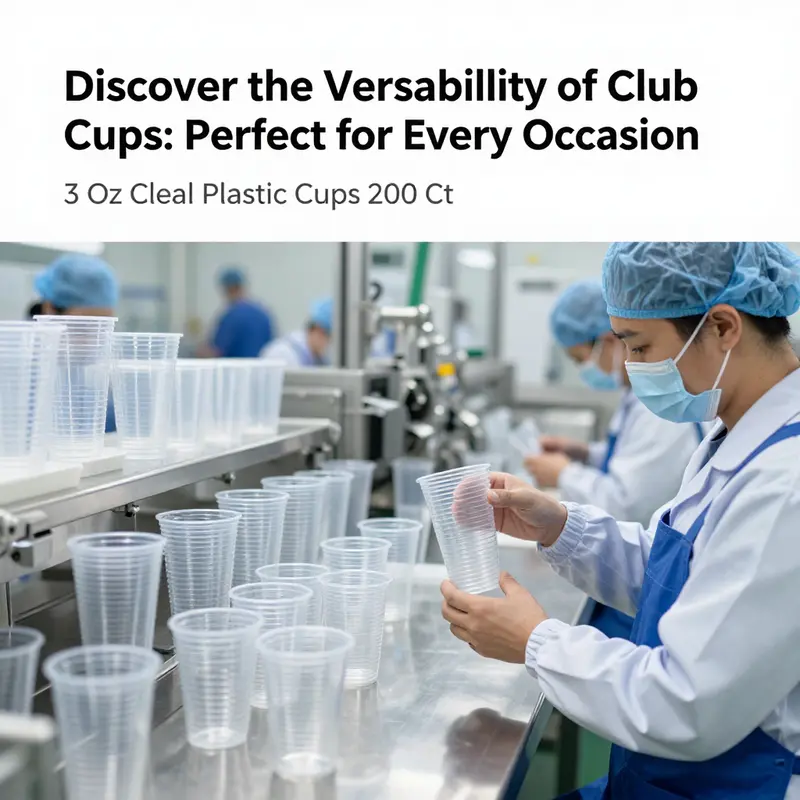
In the tempo of a bustling club scene, every detail matters, down to the tiny, transparent vessel that holds the evening’s beverages. The 3 oz clear plastic cup, sold in bulk for events and venues that move quickly, is more than a convenience. It sits at the intersection of practicality, safety, and responsibility. On the surface, it is a simple disposable container—light, stackable, and almost invisible in the glow of the dance floor. But for organizers who want to deliver a seamless guest experience without compromising health or the environment, the choice of these cups becomes a study in standards, material science, and life-cycle thinking. The chapter that follows treats safety standards and environmental considerations as a single, coherent conversation. It is not a call to fetishize compliance or to overemphasize green rhetoric; it is a practical guide to understanding how these cups perform under real-world conditions and how the decisions behind them ripple outward to guests, staff, and the broader waste system.
Safety is the foundation. Any cup designed for contact with beverages—especially in venues that serve a continuous flow of drinks—must comply with strict safety regulations. Reputable suppliers commonly verify adherence to core regulatory frameworks, notably the FDA in the United States and corresponding EU requirements for products marketed in Europe. The practical implication is straightforward: the materials used must be suitable for contact with food and beverages, without releasing substances that could migrate into liquids. A consistent theme across responsible manufacturers is the avoidance of certain chemicals that have raised health concerns, particularly bisphenol A (BPA) and lead. When a cup is marketed as BPA-free and lead-free, it signals a commitment to reducing chemical leaching, an important consideration for any beverage service that might involve warmer drinks or longer contact times with the plastic.
Material choice sits at the heart of safety and performance. Polypropylene (PP) is a common workhorse for small, clear cups because it blends clarity with sturdy heat resistance and structural integrity. PP-based cups retain their shape and resist cracking when cold, and they endure a reasonable range of temperatures without releasing harmful compounds. This makes them suitable for both cold beverages and, in many designs, warmer pours that venues might offer in limited service contexts. The durability of the cup is more than a matter of comfort; it translates into safer handling for staff, reduces the risk of leaks during serving, and minimizes the chance that a cracked vessel could lead to spills or contamination. In practice, buyers should request documentation that confirms PP usage or any other food-grade polymer that has been vetted for beverage contact, along with evidence of compliance with applicable regulatory standards.
Beyond the material and regulatory compliance, the production and labeling process play a crucial role in safety. Good manufacturing practices (GMP) and clear labeling help venues verify that the cups came from a responsible facility and that they are intended for food contact. Labels may indicate the material type, safety certifications, and whether the cups are suitable for hot liquids. In venues that operate around the clock, where staff turnover is high and supply choices must be made rapidly, such documentation offers a reliable baseline to ensure that service remains consistent and safe, even as orders scale up.
Environmental considerations enter the conversation as soon as the cups are brought into a venue’s procurement plan. Public awareness about plastic waste has shifted the calculus for bulk purchases. Traditional plastics, including PET and PP, are frequently marketed as recyclable. However, the practical reality hinges on local recycling infrastructure and post-consumer processing. A bulk 200-count pack certainly reduces the per-cup packaging compared to smaller lots, which is one lever venues can use to lower packaging waste. Yet recycling success depends on whether the cups are accepted by local programs and whether they are emptied and prepared for recycling correctly. In many places, clear plastic cups can be recycled, but the yield and efficiency of the process vary, and contamination remains a risk when cups are still holding liquids or other debris.
For venues seeking a more deliberate environmental stance, the conversation broadens to the question of end-of-life options. Some cups are advertised as recyclable, but true sustainability hinges on end-of-life processing. A growing segment of the market explores plant-based bioplastics, such as PLA, which are compostable under industrial conditions. These materials can reduce the reliance on fossil-based feedstocks, but they also introduce specificity requirements for composting facilities. The bottom line is that the environmental benefit of any cup depends not only on the material itself but also on how guests dispose of it and whether local systems can process that material appropriately. In other words, sustainability lives at the intersection of product design and community waste management habits.
To navigate these waters, venues often balance practical constraints with aspirational goals. Recyclability is a baseline expectation, but it should be paired with transparency about material composition and real-world recyclability. The packaging footprint matters too. Bulk packs, such as a 200-count option, generally reduce the amount of secondary packaging per cup, which is a straightforward way to cut waste in storage rooms and inventory processes. This is particularly relevant for clubs and event spaces that run frequent restocks and high turnover. When evaluating options, organizers should request verifiable documentation about the cup’s recyclability or compostability, as well as any certifications from independent bodies. Suppliers that can supply third-party verification tend to offer greater confidence for venues that publish sustainability commitments in their procurement policies.
The sustainability narrative also invites reflection on the broader supply chain. Eco-conscious venues want to support manufacturers that pursue responsible sourcing and efficient manufacturing practices. This can include minimizing water use, reducing energy consumption, and adopting packaging practices that cut waste at the source. While not every cup can be a flagship of sustainability, a thoughtful procurement approach can ensure that the bulk purchase aligns with an event’s environmental standards. In practice, this means asking for lifecycle information, including a rough estimate of energy use and waste associated with producing and distributing the cups, as well as whether the supplier prioritizes recyclable or compostable options and properly marked packaging that reduces confusion for waste crews.
As a practical guide for decision-makers, the safety and environmental considerations converge on a few core actions. First, insist on FDA/EU compliance documentation and BPA-free/lead-free assurances. This reduces health risks and aligns with regulatory expectations across markets where a venue may operate or partner with suppliers. Second, favor materials that demonstrate robust performance across cold and warm beverage scenarios, especially if the club menu includes hot drinks or samples that guests might try quickly. Third, evaluate end-of-life pathways with honesty about local recycling infrastructure and the potential for industrial composting where applicable. Fourth, consider the advantages of bulk packaging not only for cost efficiency but also for reducing packaging waste, recognizing that the broader environmental impact results from both the production phase and how waste is managed after service. Finally, maintain a steady flow of information with vendors. Reliable suppliers will provide the necessary documentation, answer post-purchase questions about safety and recyclability, and offer clear guidance on best practices for disposal at events.
For readers seeking a concrete starting point in the broader ecosystem of cup selection, a practical avenue is to explore resources that bridge compliance and sustainability. One relevant avenue is a supplier resource that frames eco-friendly, printed, and logo-enabled paper cup options within broader take-away and event contexts. This kind of resource can help procurement teams compare options that balance safety, aesthetics, and practical waste management considerations for large gatherings. See the resource linked here: eco-friendly-printed-logo-buy-paper-cup-take-away-coffee-cup.
Ultimately, the chapter on safety standards and environmental considerations for 3 oz clear cups in bulk rests on a simple ethic: choose products that meet proven safety benchmarks and pursue end-of-life outcomes that fit local capabilities. The aim is not to overstate what disposables can deliver but to recognize their integral role in guest experience, staff safety, and collective responsibility for the environment. The 3 oz cup, modest in size, can embody a pragmatic balance—one that respects the health and safety of guests, supports efficient service, and advances toward waste systems that work more effectively for communities and ecosystems alike. As venues plan future events and as suppliers refine their formulations and processes, the conversation will continue to evolve. What remains constant is the north star of safety, followed closely by thoughtful stewardship of resources, both during service and after the last call.
External resource for further reading: For detailed guidance on safety standards for food contact materials, see the FDA guidelines cited in this chapter: https://www.fda.gov/food/food-contact-materials/fda-food-contact-materials-guidelines
Final thoughts
The Club Cups 3 oz Clear Plastic Cups serve as a quintessential addition to your service offerings. Their versatility, economic benefits through bulk purchasing, and alignment with safety regulations make them an intelligent choice for various industries—from food and beverage services to event planning and healthcare. As businesses strive to create memorable experiences, these cups stand ready to support your needs while ensuring safety and satisfaction. In a world where quality and reliability are essential, selecting the right disposable ware can significantly influence your operational efficiency.