
Introduction
As the coffee industry continues to evolve, the importance of quality and sustainable coffee cup lids cannot be overstated. From preserving beverage integrity to meeting the growing demand for eco-friendly solutions, manufacturers are stepping up their game. This article delves into key coffee cup lid manufacturers who are making waves in the market, explores the diverse materials they use, examines prevailing sustainability trends, and offers insights into market dynamics that affect business owners. Each chapter provides valuable knowledge to help business owners make informed decisions about their coffee cup lid suppliers.
Tables of Contents
Chapter 1: Exploring Advances in Coffee Cup Lid Manufacturing: A Focus on Innovation
- Pioneering Sustainable Solutions: Innovations by Leading Coffee Cup Lid Manufacturers
- Financial Dynamics and Market Impact of Prominent Coffee Cup Lid Producers
- Shaping Environmental Responsibility Through Coffee Cup Lid Innovations
Chapter 2: Innovations and Sustainability in Coffee Cup Lid Materials
- Material Evolution: Technology Behind Coffee Cup Lids
- Navigating Economic Influences on Coffee Cup Lid Material Choices
- Navigating Consumer Preferences and Future Directions in Coffee Cup Lid Materials
Chapter 3: Harnessing Innovation: A Study of Sustainable Materials in Coffee Cup Lid Manufacturing
- Cutting-Edge Materials Driving Sustainable Practices in Coffee Cup Lid Production
- The Influence of Regulatory Developments on Eco-Friendly Innovations in Coffee Cup Lid Production
- Consumer-Driven Innovations in Sustainable Coffee Cup Lid Manufacturing
Chapter 4: Navigating the Emerging Landscape: Insights into the Coffee Cup Lid Manufacturing Market
- Understanding Market Trends: The Surge in Demand for Eco-Friendly Paper Cups and Lids
- Harnessing Regional Growth and Sustainability in Coffee Cup Lid Manufacturing
- Sustainable Solutions: Innovations and Challenges in Coffee Cup Lid Materials
Chapter 1: Exploring Advances in Coffee Cup Lid Manufacturing: A Focus on Innovation
1. Pioneering Sustainable Solutions: Innovations by Leading Coffee Cup Lid Manufacturers
As the coffee culture continues to flourish, manufacturers in the coffee cup lid segment are compelled to innovate, focusing on sustainable practices while enhancing user experience. Companies like Mondi, Friendlier, and others are not just keeping pace with market demands; they are setting the stage for future possibilities in the beverage packaging industry.
Mondi, recognized globally for its packaging expertise, has made significant strides with its innovative CoffeeCapLid. This solution addresses the rising need for recyclable packaging while emphasizing functionality. By incorporating advanced materials such as mono-PE and mono-PP, Mondi ensures they maintain high production speeds without compromising on the environment. The CoffeeCapLid allows for easier separation of components post-consumption, an essential step toward achieving true recyclability. Collaborations with well-known coffee producers like Paulig illustrate how Mondi seeks to align its product offerings with broader circular economy goals, making a substantial impact on waste management and resource preservation.
Moreover, Mondi’s commitment doesn’t end at innovating new packaging. They also focus on internal processes, substituting traditional materials with bio-based alternatives that significantly reduce CO₂ emissions. This comprehensive approach aligns not only with environmental standards but also with consumer preferences, indicating a shift towards products that not only serve their purpose but contribute positively to our planet’s future.
On the other end of the spectrum, Friendlier has emerged as a leader in promoting reusable solutions. Their strategy revolves around the development of durable coffee cup lids capable of supporting up to 100 uses before the end of their lifecycle. This innovation comes at a critical time when the push against single-use plastics is more pronounced than ever. The design of Friendlier’s lids, tailored to fit a wide range of cups, integrates seamlessly into centralized reuse systems, encouraging both consumers and businesses alike to rethink their purchasing habits and packaging dynamics.
The focus on functionality doesn’t overshadow health and safety considerations. Friendlier’s products adhere to rising food safety standards, all while offering a practical alternative to traditional lids. As consumers become more conscious of their environmental footprint, solutions that marry convenience with sustainability are likely to thrive.
Furthermore, the integration of smart technologies into coffee cup lid design represents an exciting frontier. An intriguing example is the Ecoldbrew thermos lid, introduced at CES 2026. Although not exclusively designed for disposable lids, this innovation encapsulates the trend towards multifunctionality in beverage packaging. The Ecoldbrew lid not only allows users to grind and brew coffee in five minutes but also enables wireless charging capability. This convergence of utility and technology signifies a broader shift where manufacturers might explore incorporating more functionalities into traditional designs.
Industry trends echo these advancements, highlighted at events like Packaging Innovations & Empack 2026, where the emphasis is strongly on sustainable materials and automated processes. Key players in coffee cup lid manufacturing are collaborating across sectors to bring these innovations to fruition, signifying a collective movement towards more responsible production methodologies.
As sustainability remains a pivotal factor driving consumer choices, manufacturers such as Mondi and Friendlier underscore the importance of continuous innovation. Their initiatives not only reflect current market dynamics but also set a precedent for future developments in coffee cup lid manufacturing.
In light of these emerging technologies and innovations, stakeholders across the beverage industry should remain vigilant. The call for sophisticated, eco-friendly coffee lid solutions is paramount as consumer behavior increasingly favors brands demonstrating a commitment to sustainability. As the market evolves, those who embrace and harness these technological advancements will not only cater to changing consumer preferences but will also play a crucial role in shaping a sustainable future for food packaging.
Incorporating eco-friendly designs as part of a broader commitment to sustainability, manufacturers are cementing their role in an environmentally conscious marketplace. To discover more about versatile and environmentally-friendly packaging options, check out innovative solutions offered by industry players.
2. Financial Dynamics and Market Impact of Prominent Coffee Cup Lid Producers
The coffee cup lid manufacturing sector wields a substantial influence on economic dynamics, driven by cost optimization strategies, product quality, and an evolving market landscape. This manufacturing niche not only provides essential components for the food and beverage industry but also plays a significant role in shaping consumer behavior and broader economic trends. Understanding the financial implications stemming from key manufacturers allows us to appreciate the complexities involved in this industry.
At the core of the economic landscape lies the cost structure associated with various lid types. For instance, budget polystyrene (PS) lids are priced between $0.03 and $0.05 per unit, while premium polypropylene (PP) lids command higher prices, typically ranging from $0.08 to $0.12 per unit. This stark price difference might suggest that budget options dominate the market cost-wise. However, exploring the total cost per successful serve unveils a different narrative. Budget lids often suffer from failure rates of 12–18%, leading to cumulative costs of $0.51 to $0.53 per successful serve when factoring in remakes and potential reputational damage. In contrast, premium lids undercut these costs significantly, achieving failure rates of just 2–4%, resulting in a much lower cost of $0.19 to $0.22 per successful serve. This crucial distinction illustrates the economic advantages of opting for higher-quality lids, which are consistently in demand.
Switching from budget to premium lids has quantifiable benefits, particularly for high-volume coffee-serving operations. For an establishment serving around 800 cups daily, transitioning to premium lids can lead to net monthly savings of approximately $6,960 to $7,680, solely by negating the costs associated with product failures. This economic incentive drives consistent purchasing patterns favoring manufacturers devoted to delivering quality products—fostering stable relationships between producers and consumers alike. Such savings ripple throughout the supply chain, benefiting not only retailers but also manufacturers that specialize in durable, high-performance lids.
In parallel, the growth of the packaging ecosystem, particularly within the coffee service sector, offers another dimension to economic impacts. The paper cups industry, complementary to lid production, is projected to reach a volume of 5.41 million tonnes by 2026, showcasing a steady annual growth rate of 3.45%, eventually ascending to 6.41 million tonnes by 2031. Notably, the office coffee service market is expected to expand by $3.79 billion at a striking annual growth rate of 10.7% from 2024 to 2029. Such developments signal a burgeoning market that would inherently boost demand for accompanying products, including coffee cup lids, across both institutional and commercial segments.
As the market for coffee service expands, manufacturers continue to innovate in response to evolving consumer preferences. The significant pivot towards eco-friendly solutions—as seen with compostable and biodegradable options—shows a broader economic trend towards sustainability. Manufacturers like Detmold Pack and Ancheng are tapping into these shifting demands, producing commercially compostable CPLA lids and certified biodegradable options, respectively. Such innovations not only address the market demand for environmental responsibility but also position these manufacturers competitively in a rapidly changing landscape, opening doors for new business opportunities and partnerships.
Despite the overarching economic insights, data specifically revealing individual lid manufacturers’ revenues, market shares, or profitability remains elusive. A nuanced analysis of manufacturer-specific financial reports or data concerning industry consolidation would shed further light on the economic impact of key players in the coffee cup lid manufacturing space. However, the overarching trends indicate a shift where performance quality drives economic viability, and sustainability plays an increasingly pivotal role.
As the industry continues to evolve and new players enter the market, the interconnectedness of manufacturing practices, consumer behavior, and economic strategy will only grow deeper. This dynamic underscores not just the importance of coffee cup lid manufacturers in the economic landscape but also their potential to lead future innovations in sustainability—creating a positive feedback loop between economic performance, product development, and consumer satisfaction. For businesses in this arena, leveraging these insights can become paramount, allowing for informed decision-making that aligns with both economic objectives and emerging consumer ethical standards.
For those keen on exploring sustainable packaging solutions, options abound as demonstrated in many products available, including eco-friendly containers carefully designed for various applications in the food service market view customizable containers.
3. Shaping Environmental Responsibility Through Coffee Cup Lid Innovations
As consumer awareness of environmental issues continues to rise, coffee cup lid manufacturers are at the forefront of a notable transition in the industry towards sustainability, innovation, and compliance. These companies are not just reacting to market demands; they are actively shaping societal values related to environmental responsibility. As global bans on single-use plastics loom larger, manufacturers are responding with a wave of innovative products designed not only to adhere to compliance requirements but also to invite consumers into a culture of sustainability.
Manufacturers are adjusting their product lines and focusing on eco-friendly materials, prompted by significant regulatory shifts around the world. For instance, the European Union’s stringent recyclability mandates and the upcoming U.S. FDA restrictions on potentially harmful substances like PFAS are critical junctures that compel companies to rethink their packaging strategies. Many manufacturers are moving away from traditional plastics towards more sustainable options such as fiber-based lids and plant-based bioplastics like PLA (polylactic acid). This alignment with global sustainability goals is becoming a competitive advantage for brands that can demonstrate real commitment and effectiveness in solving environmental issues.
In this light, innovative products have emerged as key offerings from leading manufacturers, merging functionality with eco-friendliness. Seda Group, for example, has developed the EcoFit Lid, which not only caters to the need for compostability but also enhances the overall consumer experience by providing an improved seal that reduces spills and preserves beverage temperature. This innovation serves dual purposes: it addresses the demand for environmentally responsible products while ensuring a premium experience that coffee enthusiasts increasingly seek.
Market dynamics reflect these shifts, as consumer preferences increasingly lean towards products that balance cost and ecological impact. Double-wall lids, which offer superior insulation properties, are projected to capture significant market shares, contributing to a forecast of 47.10% market penetration by 2025. This preference underscores an evolving coffee culture that increasingly values premium experiences, even in casual consumption. Conversely, the rise of single-wall formats, expected to grow at a 5.78% CAGR, reveals that cost-effectiveness remains a priority for many consumers.
As part of their commitment to a greener future, manufacturers are also exploring circular economy principles. Implementations of closed-loop systems and the utilization of bio-based materials such as PHA (polyhydroxyalkanoates) signal an industry-wide shift towards a regenerative economy. This evolution is indicative of a growing consumer demand for zero-waste solutions in everyday products. Eco-innovations spearheaded by companies like Amcor, with their introduction of AmFiber™ recyclable fibers, are paving the path for a new benchmark in packaging sustainability.
Furthermore, regional players, particularly in rapidly urbanizing areas like China, exhibit robust growth projections with an expected CAGR of 8.9% due to the rising demand for sustainable dairy and coffee packaging. This not only highlights the global spread of these trends but also reflects a cultural shift towards incorporating eco-consciousness in daily consumption norms. The role of manufacturers in embedding sustainability into the core of their operations is becoming not just a response to regulation but an integral strategy for market relevance and consumer loyalty.
Looking ahead, the future of coffee cup lids will undoubtedly be shaped by ongoing innovations and adaptations in manufacturing practices. For instance, Graphic Packaging’s planned mill upgrades are poised to enhance their production capabilities, specifically in the realm of sustainable lids, facilitating wider adoption across coffee retailers. This evolution indicates that manufacturers will continue to lead the charge in transforming consumer attitudes towards environmentally responsible packaging.
In conclusion, the current landscape of coffee cup lid manufacturing is a testament to how industry players can cultivate societal trends toward sustainability. With manufacturers prioritizing eco-friendliness and aligning their offerings with consumer needs, the future of coffee consumption looks not only promising but also significantly more responsible. As brands engage in sustainable practices, they invite consumers to join a culture that prioritizes the planet, fostering a shared commitment to environmental stewardship.
The transformation in coffee culture is emblematic of wider societal shifts, revealing that consumer preferences can effectively drive change when supported by innovative thinking and responsible manufacturing practices. It’s an exciting time for the coffee industry as it navigates this crossroads, paving the way for a future that values both convenience and the planet.
For more information on sustainable packaging solutions, explore options for eco-friendly coffee cup lids here.
Chapter 2: Innovations and Sustainability in Coffee Cup Lid Materials

1. Material Evolution: Technology Behind Coffee Cup Lids
The materials utilized in coffee cup lids reflect both technological innovation and the growing emphasis on sustainability. For decades, plastic has dominated the market due to its favorable molding properties, allowing manufacturers to craft lids with intricate designs that enhance functionality. However, a notable shift is occurring as manufacturers respond to increasing consumer awareness and environmental concerns, leading to the incorporation of biodegradable and eco-friendly alternatives.
Historically, the journey of coffee cup lids has been marked by significant advancements aimed at improving usability and minimizing waste. Initial designs, dating back to the late 1960s, focused primarily on creating tight seals and effective steam vents to prevent spills without offering a drinking opening. This changed dramatically in the early 1980s with the introduction of ‘drink-through’ lids, epitomized by the Solo Traveler lid, which ingeniously accommodates sipping while maintaining the integrity of the beverage hot and contained. This innovative lid design is now recognized in prestigious collectibles, showcasing how far technology has advanced in functionality from its rudimentary beginnings.
The evolution of materials used for lids is largely driven by two fundamental priorities: leak prevention and temperature management. Conventional plastic lids remain prevalent due to their ease of production and versatility in accommodating features like sip holes and stacking. Yet, as awareness of plastic pollution escalates globally, manufacturers are gravitating towards innovations in materials like polylactic acid (PLA). Made from renewable resources, PLA offers a compostable solution that degrades into harmless byproducts within months when properly disposed of in industrial composting facilities.
Moreover, recent developments have led to enhanced lid designs catering specifically to popular beverages, such as lattes topped with microfoam. These specialized lids enable superior usability while ensuring that the desired consistency and temperature of the drinks remain unaltered. For instance, some lids are engineered with double-walled structures, improving thermal insulation without sacrificing the seal that prevents spills. Such advancements reflect a conscious effort to align product performance with eco-friendly initiatives.
Manufacturers like Detmold Pack focus on CPLA lids made from renewable bioplastics. These lids not only ensure a tight seal for hot drinks, minimizing the risk of leaks, but are also commercially compostable, addressing both consumer convenience and environmental sustainability. This shift demonstrates how manufacturers can prioritize function while embracing responsible sourcing and end-of-life solutions for their products.
Another noteworthy player in this field is the Univest Company, a prominent Ukrainian supplier specializing in molded fiber lids crafted from cellulose. These lids not only serve high-volume clients like KFC and Nescafé but also mark a commitment to sustainability and environmental stewardship. Their production capacity showcases a scalable approach to eco-friendly manufacturing, as molded fiber can be molded and processed into various forms, offering significant design flexibility while maintaining a reduced environmental impact compared to traditional plastics.
As consumer preferences progress towards sustainability, reusable options are also gaining traction. Brands like Just A Lid advocate for ceramic lids that offer a microplastic-free design while ensuring that flavor and temperature retention are enhanced. These lids are not just designed for aesthetics but to withstand the rigors of daily use, demonstrating the emerging trend of durable, reusable alternatives in a typically disposable market. It’s a targeted approach to mitigate the plastic burden while catering to health-conscious consumers.
The market is further invigorated by companies launching compostable disposable lids, such as those offered by Ancheng, which come with the added benefit of custom branding. These options appeal to coffee shops aiming to bolster their eco-friendly image while benefitting from the versatility of bulk manufacturing.Entering the realm of single-use lids, many manufacturers now employ advanced materials and innovative designs to meet consumer demand for functionality while satisfying regulatory pressures related to sustainability.
This thorough consideration of material properties and functionality stands poised at the intersection of consumer needs and environmental responsibility, emphasizing how the responsible development of coffee cup lids not only contributes to the immediate enjoyment of beverages but also addresses larger global challenges. As the industry standard shifts towards biodegradable, compostable, and reusable options, the coffee cup lid begins to exemplify a broader commitment to sustainability and innovation in product design.
This ongoing evolution showcases a future where beverage convenience coexists with ecological mindfulness, paving the way for smarter packaging solutions that do more than simply contain liquid—they embody a vision for a more sustainable world. To explore high-quality, eco-friendly packaging solutions, you can check out related products at Cofe-Cup.
2. Navigating Economic Influences on Coffee Cup Lid Material Choices
In the competitive landscape of coffee cup lid manufacturing, economic factors play a pivotal role in shaping the selection of materials. Manufacturers grapple with the delicate balance between cost-efficiency and sustainability, continually adjusting their strategies to meet market demands while adhering to regulatory standards. The economic calculus encompasses several key dimensions, including raw material costs, total cost of ownership, market demand trends for eco-friendly options, and the complexities brought on by supply chain volatility.
Raw Material Costs
At the heart of material selection lies the cost of raw materials. Traditionally, coffee cup lids made from petroleum-based plastics, such as polypropylene (PP) and polystyrene (PS), have been more affordable. For instance, PS flat lids are available at bulk prices ranging from $0.03 to $0.05 per unit, while PP dome lids fall between $0.05 and $0.08. In contrast, bioplastic options like polylactic acid (PLA) and paper-based lids command higher prices, often ranging from $0.06 to $0.12. This price differential stems from the higher processing costs associated with plant-based materials, as well as the volatile pulp prices affecting paper production.
As the global market navigates environmental challenges, the trade-offs made by manufacturers can significantly impact their profitability. The fluctuations in pulp prices—driven by supply chain disruptions and rising energy costs—can force manufacturers to reconsider their material choices. For example, projected pulp prices may reach EUR 1,380 per metric ton in 2024. Such increases can squeeze margins, often compelling manufacturers to revert to less expensive, plastic-based options.
Total Cost of Ownership and Labor Dynamics
While raw material costs are critical, total cost of ownership extends beyond initial purchases. This concept integrates factors such as failure rates and labor costs associated with production. Initially, budget PS lids appear economically attractive at $0.03 per unit, but they are plagued by high failure rates—between 12% and 18%. In consequence, the effective cost per successful lid jumps to approximately $0.51 to $0.53 when accounting for the number of faulty lids produced. Conversely, premium PP lids, with failure rates between 2% and 4%, yield a significantly lower effective cost of around $0.19 to $0.22 per lid. For high-volume operations, this difference can translate into savings of over $6,000 per month, an impactful figure in an industry driven by tight margins.
Furthermore, the labor component in manufacturing introduces its own complexities. As lid production sophistication increases, so too can labor costs, which are commonly around $15 to $20 per hour. For example, utilizing lower-nickel varieties, such as 201 stainless steel, in the manufacturing process can heighten the risk of defects and subsequently increase labor requirements, pushing overhead costs higher.
Market Demand and Sustainability Shifts
Current consumer preferences are dynamically shifting toward sustainable products, heavily influencing manufacturers’ material choices. A significant 65% of consumers express a willingness to pay a premium for eco-friendly lids, demonstrating the financial implications of market demand. Even as plastic lids dominate due to their cost, the rise of environmentally conscious options is reshaping the competitive landscape. Thus, businesses that align with sustainability objectives may enhance their brand loyalty and sales prospects.
Innovative materials like PLA and compostable options have surged in popularity, particularly in areas with robust composting infrastructure. As brands look to meet ESG compliance and consumer expectations, eco-friendly alternatives are emerging as necessary investments rather than optional choices. This trend is sustained by regulatory pressures, such as the anticipated phase-out of PFAS compounds by the U.S. FDA in 2025, which further elevates the demand for safer, non-toxic packaging solutions.
Supply Chain Challenges and Regulatory Influence
The intricacies of the supply chain add another layer of strategic consideration. Fluctuations in oil prices directly impact the costs of plastic production, while pulp and energy supply shocks can create bottlenecks in the availability of paper products. Instances such as labor strikes affecting production output in Finland highlight potential vulnerabilities. Additionally, regulatory trends toward recyclable and compostable materials have prompted further innovation, pressuring manufacturers to steer clear of multi-layer laminate designs in favor of sustainable alternatives. This regulatory climate encourages the exploration of novel materials, such as compostable metallic options and innovations like mono-material polypropylene (PP) to enhance recycling capabilities.
In summary, navigating the economic landscape influences the decisions of coffee cup lid manufacturers in profound ways. As they contend with raw material costs, total ownership expenses, and shifting consumer preferences, companies must strategically prioritize sustainability. A forward-looking approach that embraces technological advancements and anticipates changing regulations will be essential for maintaining a competitive edge in the evolving marketplace.
3. Navigating Consumer Preferences and Future Directions in Coffee Cup Lid Materials
As the landscape of coffee cup lid manufacturing evolves, societal trends increasingly influence the choice of materials, leading to innovation that prioritizes sustainability and aesthetic appeal. Manufacturers are making a deliberate shift towards recyclable and mono-material designs, reflecting both regulatory influences and changing consumer expectations in a market that favors environmentally conscious products. This transformation is grounded in the broader conceptual framework of the circular economy, which promotes the continual reuse of materials and strives to minimize waste.
The advent of regulations like the Packaging and Packaging Waste Regulation (PPWR) underscores the urgency of adopting sustainable practices. These frameworks mandate the integration of recycled content into packaging materials, prompting manufacturers to reconsider their existing designs. The trend is notably evident in the adoption of mono-material constructions as opposed to multi-layer composites, which present challenges in efficiently sorting and recycling. For instance, Mondi’s CoffeeCapLid exemplifies this innovation, showcasing a recyclable lidding solution designed to streamline sorting processes and keep valuable materials circulating through the economy.
In the manufacturing arena, the choice between mono-polypropylene (PP) and mono-polyethylene (PE) highlights practical considerations that are pivotal to production efficiency. Mono-PP provides superior performance when utilizing existing vertical form-fill-seal (VFFS) lines, particularly due to its ability to withstand higher sealing temperatures of roughly 130–140°C. Conversely, mono-PE exhibits remarkable elongation and drop-test resistance, making it more suitable for applications that necessitate durability, especially for heavier beverages. For manufacturers, the ultimate determining factor is which material structure adheres to streamlined production processes while minimizing trim waste during production.
Yet, this evolution goes beyond mere functionality. There is a growing consumer desire for products that visually communicate their sustainability. Easy-to-identify natural aesthetics resonate with the modern buyer, as unbleached, earthy tones gain traction in packaging design. Materials like bagasse and bamboo fiber are being increasingly recognized not only for their eco-friendliness but also for their visual appeal, helping to further establish a connection with environmentally conscious consumers.
The emphasis on sustainable materials is bolstered by data that shows a robust market preference for eco-conscious options. Many consumers actively seek products made from recycled materials, including stainless steel and certified recycled clay, signaling a clear demand for transparency and responsibility in the manufacturing processes. As businesses adapt to these preferences, coffee cup lids and their accompanying products are evolving to reflect this commitment to sustainability, integrating materials that not only serve functional purposes but also boast ecological credentials.
Meanwhile, the rise of compostable and biodegradable materials represented by companies like Detmold Pack and Ancheng further highlights the industry’s ongoing transformation. Detmold’s CPLA (crystalline polylactic acid) lids—crafted from renewable bioplastics—embody a commitment to sustainability while maintaining practical utility, offering a reliable no-spill seal for hot drinks. Similarly, Ancheng’s BPI-certified compostable lids allow brands to meet regulatory requirements without compromising on quality or user experience. Such innovations do not merely confer benefits to the environment; they also reflect a strategic engagement with consumer values, helping brands position themselves favorably in competitive markets.
Moving forward, the coffee cup lid manufacturing sector stands at a pivotal crossroads. As environmental concerns escalate and regulatory frameworks become increasingly stringent, manufacturers must embrace innovative material solutions that speak to consumer needs while fostering an eco-addictive market. This embrace of sustainability, coupled with the prioritization of aesthetic appeal, shapes a future where coffee cup lids can convey messages of responsibility alongside their utilitarian function.
In effect, the future of materials in coffee cup lid manufacturing is poised to weave together threads of innovation, sustainability, and consumer preference in cohesive and compelling ways. The embrace of mono-material designs coupled with aesthetic considerations can usher in a new era for manufacturers, leading to products that not only perform but tell a story of environmental stewardship and respect for the resources we share. By aligning production practices with societal trends and eco-consciousness, the industry can redefine its identity and role in a rapidly changing world, paving the way for a sustainable future in coffee consumption.
Engage more with the latest innovations in sustainable packaging solutions by exploring our offerings here.
Chapter 3: Harnessing Innovation: A Study of Sustainable Materials in Coffee Cup Lid Manufacturing
1. Cutting-Edge Materials Driving Sustainable Practices in Coffee Cup Lid Production
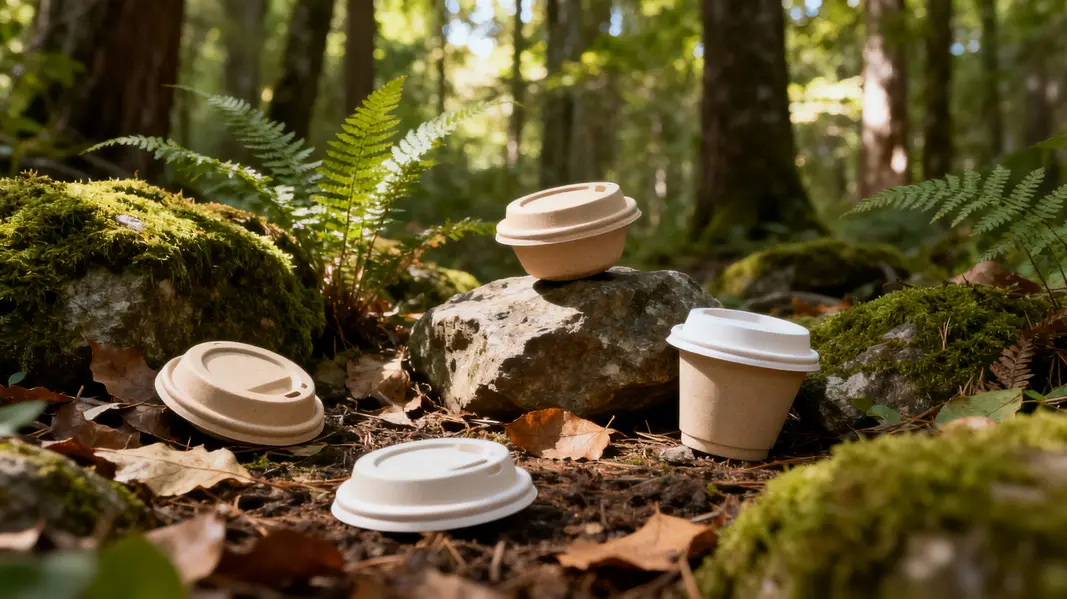
As the coffee industry moves towards sustainability, coffee cup lid manufacturers are at the forefront of developing materials that not only meet the needs of today’s consumers but also align with ecological values. This transformation is particularly evident in the innovative materials adopted by several leading manufacturers, each committing to reduce environmental impact while ensuring product functionality and safety. Among these, polylactic acid (PLA), crystalline PLA (CPLA), molded paper pulp, and reusable ceramics stand out for their sustainable characteristics and practical applications.
PLA Lids
PLA is a biopolymer derived from renewable plant starches, such as corn or sugarcane. It offers a compelling alternative to traditional plastics because it is both renewable and certified compostable, complying with rigorous standards such as ASTM D6400 and BPI. One of the notable aspects of PLA lids is their temperature tolerance, allowing them to sustain hot beverages within a range of 45-60°C during industrial composting, making them suitable for standard coffee-serving sizes of 10-20 oz. This material not only serves an immediate consumer need but also helps meet emerging regulatory requirements for clear labeling, as seen in states like Washington and Colorado.
CPLA Lids
Building on the properties of PLA, CPLA represents a crystalline variant designed to withstand higher temperatures—up to 85-100°C—making it ideal for hot coffee and tea. CPLA lids have emerged as a go-to solution for many manufacturers, particularly where the infrastructure supports commercial composting, such as in environmentally progressive cities like San Francisco and Portland. Their ability to provide a tight seal without spills further enhances their desirability among coffee drinkers, combining convenience with sustainability.
Molded Paper Pulp Lids
In the quest for eco-friendly alternatives, molded paper pulp lids have gained attention for their unique combination of functionality and eco-credentials. Often featuring coatings of PLA or water-based materials, these lids offer home and industrial compostability, making them versatile in various settings. Morphologically, they provide an opaque surface which, while prone to softening due to condensation, aids in maintaining product integrity. These lids are positioned at a premium within the market, attractive for establishments keen on promoting sustainable credentials, priced generally between $0.06-0.10 per unit.
Reusable Ceramic Lids
Perhaps the most robust option in terms of sustainability is the reusable ceramic lid, crafted entirely from food-grade ceramic materials. These lids eliminate the risk of microplastic contamination, a growing concern among health-conscious consumers. In addition to maintaining flavor integrity and heat retention, ceramic lids are designed to fit standard 12-20 oz disposable cups and travel mugs, encouraging long-term use that directly addresses the issues associated with single-use plastics. As a result, consumers can enjoy their favorite beverages while contributing to a reduction in overall environmental waste.
Recommendations and Industry Perspectives
Insiders across the manufacturing sector recommend using CPLA lids for hot drinks due to their superior heat tolerance and effective sealing capabilities. Conversely, PLA lids are suggested for cold beverages, allowing flexibility in product offerings. Additionally, manufacturers emphasize the advantages of fiber-based solutions, particularly molded pulp, as premium sustainable options not only in functionality but also in marketplace appeal. The consensus suggests that compostable solutions perform significantly better than recyclable options in regions with strong composting infrastructure, signaling a clear path towards a circular economy in packaging.
In this evolving landscape, embracing materials that prioritize compostability, renewability, and microplastic elimination is not merely an environmental initiative; it is becoming a market necessity. The transition from traditional single-use plastic lids to advanced sustainable materials reflects broader consumer awareness and demand for eco-friendly practices. As the market continues to adapt and grow, stakeholders from manufacturers to consumers are poised to benefit from a collaborative effort towards preserving our environment. Further details on these innovative products can be found at Sustainable Coffee Accessories.
2. The Influence of Regulatory Developments on Eco-Friendly Innovations in Coffee Cup Lid Production
Regulatory developments have emerged as a formidable force behind the sustainable transformation of coffee cup lid manufacturers. In-depth compliance requirements drive the industry toward embracing materials that are compostable, recyclable, and free of harmful substances like PFAS. As a result, manufacturers are increasingly prioritizing water-based coatings and PLA-based lids to meet evolving standards around the globe. This shift aligns with a growing market that is projected to reach a staggering $250 billion by 2030, as both consumers and regulatory bodies push for responsible practices.
Regulatory Frameworks Prompting Change
In the European Union (EU), recent milestones have drastically changed the landscape for coffee cup lid manufacturers. The EU Single-Use Plastics (SUP) Directive primarily targets non-recyclable plastics, implementing notable restrictions on single-use items when viable alternatives exist. These bans mean manufacturers must swiftly adapt, often shifting from traditional materials like polyethylene linings to biodegradable options certified to EN13432 or OK Compost standards. Moreover, new directives enforce the incorporation of tethered lids, enhancing customer convenience while reducing litter.
Extended Producer Responsibility (EPR) schemes further amplify these regulatory expectations, delegating waste management and reporting on recycled content back to producers. As a result, coffee cup lid manufacturers must innovate to develop products that not only comply with stringent regulations but also resonate with eco-conscious consumers who are demanding more from the brands they support.
North American Landscape
Across the Atlantic in North America, the situation mirrors that of Europe, albeit with its unique regulations. Manufacturers are urged to comply with ASTM D6400 and BPI certifications, which set guidelines for sustainable materials. The emphasis on PFAS-free water-based coatings for paper products marks a significant departure from previous practices, enhancing both the sustainability and safety of food contact materials. The US Federal Food, Drug, and Cosmetic Act (FFDCA) stipulates rigorous migration testing to ensure compliance with health standards. Consequently, brands are increasingly turning to PLA/fiber lids, which align seamlessly with growing zero-waste ambitions within local cafes and educational settings.
Global Regulatory Drivers
Internationally, regulatory trends are shifting toward more aggressive bans on single-use plastics, as seen in countries like India and China. The EU Packaging and Packaging Waste Regulation (PPWR) aims for full recyclability by 2030, prompting manufacturers globally to adopt innovative packaging solutions such as closed-loop reusable systems. Incorporating smart packaging technology—like QR codes for lifecycle tracking—becomes increasingly appealing as manufacturers adapt to meet both consumer demand and regulatory requirements.
Leading manufacturers who embrace environmental certifications, such as FSC and ISO 14001, frequently report real benefits—ranging from 15% sales increases attributed to eco-friendly branding to measurable reductions in carbon footprints through the use of thinner, bio-based linings as substitutes for traditional PE/PLA materials. This indicates a positive correlation between sustainability initiatives and enhanced market performance.
The Path Ahead
Despite the promising advancements, the path to fully sustainable coffee cup lid production is fraught with challenges. For instance, verifying the compatibility of various substrates with innovative materials remains a critical hurdle. Additionally, managing end-of-life costs for products that promise sustainability can complicate financial planning for manufacturers. While firms based in North America and Europe lead the way, further efforts are required to expand environmentally sustainable practices industry-wide.
Conclusion
In conclusion, the interplay between regulatory frameworks and market demand is reshaping the coffee cup lid manufacturing sector in unprecedented ways. As regulations continue to tighten, manufacturers must prioritize not just compliance but also sustainable innovation. Collaboration with regulatory bodies, together with a commitment to craft environmentally responsible products, will be essential for a successful transition to a more sustainable future. By doing so, manufacturers not only contribute to a healthier planet but also align themselves with a growing base of environmentally conscious consumers.
For more insights on eco-friendly packaging solutions, explore some of the custom packaging options available.
3. Consumer-Driven Innovations in Sustainable Coffee Cup Lid Manufacturing
The evolution of coffee cup lid manufacturing is profoundly influenced by consumer preferences and regulatory trends that advocate for sustainability. As community awareness about environmental issues continues to rise, so does the demand for packaging solutions that prioritize ecological integrity over conventional plastic materials. The market dynamics are rapidly shifting from purely functional packaging towards innovative, eco-friendly alternatives that align with consumer values.
Recent surveys illustrate a marked shift in consumer attitudes, where an overwhelming majority now favor lids made from recyclable or compostable materials. Findings from Bain’s survey highlight that a staggering 60% of global packaging is still plastic, despite strong consumer pressure to pivot towards more sustainable options. In particular, coffee cups and lids remain a critical focus for change, as they are often disposed of after a single use, exacerbating the global waste crisis. The push for non-plastic substrates is particularly prominent in regions like the U.S., where fiber-based, paper, and plant-derived options are becoming the norm.
With many jurisdictions enacting stricter regulations on the use of plastics, companies within the coffee industry are feeling the heat. States such as California and New York have implemented bans on foam and specific plastic materials, prompting manufacturers to explore alternatives that comply with these new laws. The urgency to innovate is not just a response to governmental mandates; it reflects evolving consumer desires for environmentally responsible products. Compostable lids that accommodate takeout meals are increasingly appealing to eco-conscious patrons at cafés, who opt for packaging that can seamlessly transition from customer to compost.
Manufacturers are currently investing substantially in material innovation. The advent of fiber-based lids with enhanced barrier properties signals a significant improvement over the older materials traditionally used in cottonwool designs. Simultaneously, compostable options made from materials such as PLA (polylactic acid) derived from corn starch are being increasingly utilized. These advancements illustrate how manufacturers are balancing performance and environmental impact, enabling a product that mirrors the convenience of plastic while effectively mitigating landfill waste. Additionally, some innovators are experimenting with bioplastics derived from more unconventional sources like sugarcane and seaweed, offering a glimpse into the future of sustainable packaging.
Each manufacturer’s ability to adapt is also influenced heavily by economic pressures. As raw material costs fluctuate, firms are implementing AI-driven efficiencies in their production processes to maintain competitiveness while simultaneously prioritizing sustainability goals. Economic realities do not diminish consumer demand for transparent labeling; in fact, simplicity in messaging is vital. Shoppers gravitate toward brands that offer straightforward communication about the environmental benefits of their products rather than convoluted sustainability claims.
The integration of extended producer responsibility (EPR) schemes emphasizes accountability in packaging waste management, further nudging companies towards eco-friendly materials. Such models are designed to motivate manufacturers to create packaging that is easier to recycle and manage after consumer use. As part of these initiatives, many companies are actively promoting their compostable and recyclable products to attract the environmentally conscious customer base while ensuring compliance with impending legislation.
A compelling factor influencing the contemporary market environment is the trend toward promoting sustainability as a central tenet of brand loyalty. Coffee shops and retailers are more frequently seen incentivizing customers to choose reusable or compostable lids alongside recyclable offerings. This approach not only reinforces a brand’s commitment to sustainability but also cultivates a community of consumers who share similar values. Ultimately, this paves the way for a new customer experience that is aligned with environmental stewardship.
As coffee cup lid manufacturers navigate these consumer-driven shifts, they are also confronted with the challenge of maintaining quality while adhering to the rising expectations for sustainable design. The continued development of alternative materials and the integration of eco-conscious practices in manufacturing reflect a broader industry commitment to sustainability. This synthesis of market dynamics and consumer preferences plays a crucial role in reshaping coffee cup lid production, demonstrating that sustainability is not merely a trend but an evolving standard that manufacturers must embrace to remain relevant and responsible within the marketplace. As collaboration between manufacturers, regulators, and consumers strengthens, the coffee cup lid industry stands on the brink of a significant transformation, positioning itself as a leader in sustainable packaging solutions.
Chapter 4: Navigating the Emerging Landscape: Insights into the Coffee Cup Lid Manufacturing Market

1. Understanding Market Trends: The Surge in Demand for Eco-Friendly Paper Cups and Lids
As the coffee culture continues to thrive alongside a growing emphasis on sustainability, the paper cups market is poised for significant development over the coming years. Currently, the paper cups market supporting the demand for compatible lids is projected to expand from 5.41 million tonnes in 2026 to 6.41 million tonnes by 2031, achieving a Compound Annual Growth Rate (CAGR) of 3.45%. This uptick is largely influenced by the increasing proliferation of quick-service outlets, the expansion of specialty coffee chains, and an escalating focus on eco-friendly packaging solutions.
The surge in popularity of hot paper cups, which captured 44.92% of the market share in 2025, reflects more than just a shift in consumer preference; it highlights the industry’s commitment to providing more sustainable choices to an environmentally conscious market. Notably, the demand for hot cups is expected to grow at an impressive CAGR of 5.24% through 2031. Specialty coffee brands are at the forefront of this change, prioritizing features that ensure heat retention and enhanced branding. Their reliance on advanced designs, such as double-wall constructions that constitute 47.10% of market share, demonstrates a deliberate strategy aimed at improving both functionality and consumer experience.
The environmental aspect remains crucial, as regulatory pressures amplify consumer shifts toward recyclable and compostable packaging. The global paper cups market, valued at USD 15.0 billion in 2026, is on track to reach USD 29.0 billion by 2036, growing at a robust 6.8% CAGR. This expansion is particularly noticeable in regions such as China, projected to grow at 8.5% CAGR through 2035, chiefly due to a burgeoning urban café scene, and in the USA, where the specialty coffee sector—with its growing prevalence of drive-thrus—drives market dynamics at a 6.3% CAGR.
Major players, including Huhtamaki Oyj, Dart Container, and Georgia-Pacific, are shifting their investment strategies towards renewable materials and advanced forming techniques. Their focus aligns with consumer demand for products that embody sustainability without sacrificing performance. The emphasis on creating lids compatible with new innovations, such as single-wall and double-wall cups, positions these companies to capture a more substantial share of a market that values both functionality and eco-friendliness.
Innovative developments fuel this competitive landscape, particularly in the realm of compostable and recyclable materials. Manufacturers such as Sumkoka and Smurfit Kappa are ramping up production on molded fiber lids and plant-based options like PLA to meet rising demand from coffee chains committed to environmentally responsible practices. Moreover, the introduction of reusable systems, designed for repeated use up to 100 times, offers an appealing alternative to single-use products, showcasing the industry’s potential to innovate within sustainable parameters.
The influence of institutional buyers cannot be overlooked. Their emphasis on traceable sourcing and comprehensive life-cycle assessments exerts pressure on manufacturers to advance their own practices, focusing on enhancing on-site recycling capabilities and premium features like QR-coded branding initiatives. This evolution towards greater accountability allows institutions to mitigate risks associated with sustainability gaps in procurement processes.
As the market continues to segment, price-sensitive consumers are leaning towards straightforward, cost-effective options such as single-wall lids, while higher-end markets prioritize insulation properties and stackability favors—qualities crucial for specific sectors like airlines and vending services.
Notably, the sector does face challenges, particularly with the existing limitations in recycling infrastructure and variances in material diversification. Addressing these issues will be vital for maintaining the momentum of market trends. Conversely, there exists a wealth of opportunities as the demand for office coffee services burgeons and the popularity of plant-based beverages rises, projected to experience a 9.6% CAGR growth.
Utilizing advancements in robotics could further enhance production efficiency, allowing manufacturers to scale up operations and meet the escalating demand. Additionally, leveraging government initiatives aimed at encouraging local eco-production and promoting standardized practices could further stimulate growth within this dynamic sector.
Coffee cup lid manufacturers are thus urged to focus their strategies on tapping into these high-growth segments while forming partnerships that innovate in the realm of compostable materials. Engaging with the urbanization trends, particularly within the Asia-Pacific region, presents an additional avenue for achieving substantial volume gains, aligning the evolving landscape with broader consumer trends towards eco-consciousness.
2. Harnessing Regional Growth and Sustainability in Coffee Cup Lid Manufacturing
The coffee cup lid market is currently experiencing a transformative phase, heavily influenced by burgeoning coffee culture and increasing consumer preference for sustainable packaging solutions. As established markets mature, key manufacturers are setting their sights on regional expansion, particularly in the Asia-Pacific and North American regions, where demand for innovative, eco-friendly products continues to surge.
Market Drivers
At the core of this growth is a notable shift towards paper and compostable lids, sparked by the rising popularity of takeaway beverages. This trend has been accelerated by a global cultural affinity for coffee, as seen in cafes and fast-paced work environments that prioritize convenience. Additionally, the global push for sustainability is influencing purchasing decisions, as consumers become more aware of the environmental impact of disposable products. Companies that emphasize eco-conscious manufacturing processes and materials are gaining significant traction in the marketplace.
Paper Cup Market Growth
The paper cup segment is poised for remarkable growth, projected to expand from an estimated USD 15 billion in 2026 to approximately USD 29 billion by 2036, with a compound annual growth rate (CAGR) of 6.8%. This expansion is driving a complementary need for appropriately designed lids that can enhance usability, address aesthetic considerations, and meet environmental standards. For instance, manufacturers are developing more advanced materials, including bio-based plastics and molded fibers, which are designed to be compostable and offer better performance for hot beverages.
Regional Expansion Dynamics
Asia-Pacific
Among all global regions, the Asia-Pacific market is expected to witness the fastest growth, with forecasts suggesting up to an 8.9% CAGR. Notably, countries like India and China are leading this charge. In India alone, the market for disposable packaging is predicted to reach a staggering USD 204.81 billion by 2025, benefiting from a burgeoning café culture which is intertwined with urbanization and lifestyle changes. As cities expand, the simultaneous growth of quick-service restaurants (QSRs) and coffee shops creates an urgent need for sustainable cup lid solutions, driving innovation and investment into this hitherto underserved market.
North America
Conversely, North America’s coffee cup lid market is also on the ascendancy, particularly in the USA, where projected CAGRs range between 6.3% and 7.2%. The rise of specialty coffee shops and the popularity of drive-thru services have created a significant demand for single-use lids that are not only functional but also eco-friendly. Major players like Starbucks and Dunkin’ Donuts are increasingly adopting sustainable practices, which in turn fosters a competitive landscape that rewards innovation and commitment to environmental responsibility.
Economic Insights and Sustainability Trends
The economic insights surrounding the coffee cup lid market highlight a dual focus: increasing profitability through innovation and a commitment to sustainability. The office coffee service market is anticipated to reach USD 3.79 billion, emphasizing the significance of workplace culture in driving demand for premium, eco-friendly products. This sector is growing robustly as organizations strive to make more sustainable choices regarding disposable products used within their operations.
Moreover, innovations in lid design and materials are becoming crucial as manufacturers respond to heightened consumer expectations. For example, leading companies like Huhtamaki are introducing molded fiber lids that are not only biodegradable but also offer better durability and usability for hot beverages. Such advancements have positioned manufacturers to meet the challenges posed by high consumer demand for sustainable packaging options in various sectors, including food service, catering, and retail.
Strategic Opportunities and Future Considerations
As manufacturers look to capitalize on these growth opportunities, strategic positioning is paramount. Targeting QSRs, which are increasingly upsizing their cup offerings, presents a clear path for market players to expand their product lines. The rise in demand for larger cup sizes (13-20 oz) coupled with the continued preference for durability and eco-innovation opens doors for entering markets with tailored solutions.
At the same time, manufacturers must navigate challenges such as diversifying material options beyond bagasse and aligning pricing strategies with western standards while maintaining competitive advantages. However, the convergence of rising incomes, branded cafés, and awareness around sustainability offers substantial long-term market demand.
In conclusion, the coffee cup lid market stands at a pivotal juncture. As manufacturers concentrate on regional expansion and sustainability, those who innovate diligently and align with evolving consumer preferences are likely to emerge as leaders in this ever-evolving landscape. For more details on sustainable packaging options, check out these products.
3. Sustainable Solutions: Innovations and Challenges in Coffee Cup Lid Materials
In recent years, the coffee cup lid market has emerged as a vital component of the broader coffee industry, evolving alongside the increasing demand for takeaway beverages in a world that is becoming progressively health and environmentally conscious. As the popularity of specialty coffee grows, so too does the necessity for coffee cup lids that are more than just functional; they must also meet the rising expectations for sustainability and innovation. This reality shapes a dynamic market landscape, enriched by significant growth forecasts and a collective drive toward eco-friendly solutions.
At the center of these changes lies the burgeoning demand for coffee cups, which is projected to escalate from 5.41 million tonnes in 2026 to 6.41 million tonnes by 2031. This growth will naturally influence the lid market as hot cups, with an anticipated 44.92% market share by 2025, become the preferred choice due to their ability to retain heat. Not only does this shift in consumer preference highlight the importance of lids; it also emphasizes manufacturers’ responsibilities in developing solutions that align with these trends while catering to a market increasingly motivated by environmentally sound practices.
Sustainability Challenges arise predominantly from the need to replace conventional single-use plastics, which have long dominated the packaging landscape. Manufacturers are now exploring compostable alternatives such as plant-based bioplastics (PLA) and sustainable fiber materials. Regulatory pressures are driving this transition as governments worldwide enact stricter guidelines concerning waste and pollution. However, the nascent state of recycling infrastructure poses substantial barriers. Many biodegradable products still struggle to match the moisture resistance and durability provided by traditional plastics, factors critical to ensuring consumer trust and acceptance.
Demand from institutional buyers, such as cafes and fast-food chains, is leading to a growing expectation for traceability in sourcing materials. Markets in the USA and China are leading the charge, with growth rates spanning from 6.3% to 8.5% CAGR through 2035, driven mainly by urban expansions and the increasing coffee culture. Companies are responding by evaluating lifecycle assessments of their products—an essential step in meeting both consumer and regulatory expectations.
Innovations are spearheading change in the coffee cup lid space, with several key players taking charge. Huhtamaki Oyj, Dart Container, and Georgia-Pacific have invested in the production of compostable lids derived from PLA and molded fiber, integrating sustainable practices into their operations. These innovations do not come without challenges; manufacturers must scale up production and refine the performance of biodegradable materials to match consumer expectations in terms of usability and aesthetic appeal.
Emerging solutions such as bagasse-based products are also gaining traction within the market, with brands like Sumkoka and Smurfit Kappa leading the charge in this sector. These products are not only innovative but also align with the principles of a circular economy, aiming to decrease waste through sustainable resource management. The combination of innovation and sustainability highlights a vital trend that manufacturers should embrace: a commitment to developing products that minimize environmental impact while meeting consumer expectations.
The emphasis on reusable systems further supports this shift, as companies like Friendlier have demonstrated the viability of durable solutions. Their containers can be used up to 100 times and serve as a testament to innovation disrupting industry norms. Such models have gained financial backing—such as the recent USD 5 million funding received by Friendlier—which underscores a significant industry shift around sustainability and waste reduction.
On a regional scale, markets such as the UAE anticipate considerable growth within the single-use container sector, from USD 285.86 million in 2025 to USD 401.21 million, driven heavily by the foodservice industry’s expansion. Consumers there are increasingly gravitating towards premium, printed sustainable lids to foster brand loyalty in coffeehouses. However, as they adopt single-wall lids—due to cost sensitivity—premium double-wall lids hold their ground, favored for their tactile and thermal properties, reinforcing the premiumization of coffee consumption.
In conclusion, the coffee cup lid manufacturing sector stands at the crossroads of necessity and innovation, shaped by evolving consumer preferences and pressing sustainability challenges. While the transition from traditional materials is fraught with difficulties, the future of this industry is brightened by ongoing innovations and a collective commitment to producing eco-friendly, market-responsive products. This drive, alongside regional dynamics and a need for quality, ensures that the coffee cup lid market adapts and thrives in alignment with a more sustainable, environmentally conscious world. Manufacturers will only solidify their relevance through strategic investments and thoughtful product development as they navigate this rapidly changing landscape. Visit Cofe-Cup to explore sustainable coffee packaging solutions.
Final thoughts
Understanding the landscape of coffee cup lid manufacturing is crucial for business owners seeking to navigate the complexities of supplier choices and market demands. As evidenced throughout this discussion, leading manufacturers are innovating not only in design and functionality but also in materials that promote sustainability. Embracing these trends can position businesses favorably in a competitive market while contributing positively to the environment. Selecting the right coffee cup lid supplier can enhance product offerings and appeal to increasingly eco-conscious consumers.
Choose our reliable disposable tableware and packaging solutions for your business. We offer quality products that meet safety standards, with fast delivery and flexible options. Partner with us today to elevate your service – contact our team now for a tailored quote!
About us
We specialize in manufacturing and supplying disposable tableware, packaging paper, and boxes. With years of experience, we prioritize safety, durability, and eco-friendly practices. Our goal is to provide businesses with trusted, cost-effective solutions backed by responsive customer support.