

Introduction
In the competitive landscape of food service and event planning, choosing the right disposable products is crucial for enhancing customer satisfaction while managing costs. Low-price paper bowls are emerging as a popular choice among business owners looking to balance affordability with quality. This article elaborates on the various facets of low-price paper bowls, from wholesale pricing and material composition to customization options and environmental impacts, providing a comprehensive understanding necessary for informed purchasing decisions.
Tables of Contents
Chapter 1: Understanding Low-Cost Market Dynamics for Paper Bowls in the Wholesale Space
- Decoding the Pricing Strategies Behind Affordable Paper Bowls
- Exploring the Global Supply Chain for Economical Paper Bowl Solutions
- Navigating Market Dynamics: The Influence of Economic and Social Trends on Low Price Paper Bowls
Chapter 2: Understanding the Structural Integrity of Low Price Paper Bowls
- Material Foundations of Economical Paper Bowls: The Role of Kraft Paper and Cardboard
- The Essential Coatings: Balancing Functionality and Environmental Accountability in Paper Bowls
- Balancing Cost, Performance, and Environmental Impact in Low Price Paper Bowls
Chapter 3: Unlocking Potential: Customization Choices for Low Price Paper Bowls in Your Business
- Transforming Paper Bowls into Branding Opportunities with Custom Printing Options
- Versatile Customization of Sizes and Shapes for Low Price Paper Bowls
- Exploring Material Choices and Customization Features for Affordable Paper Bowls
Chapter 4: Navigating the Complexities of Eco-Friendly Disposable Ware
- The Hidden Environmental Costs of Low-Cost Paper Bowls: Understanding Waste and Recycling Challenges
- Material Choices and Environmental Considerations in Low Price Paper Bowls
- Sustainable Choices: Compostable Paper Bowls and Their Impact
Chapter 5: Navigating the Eco-Friendly Landscape: The Demand for Budget-Friendly Paper Bowls
- Fueling Trends: The Economic Forces Behind Low-Price Paper Bowl Growth
- Technological Advancements Transforming the Low Price Paper Bowl Market
- Navigating Geopolitical and Supply Chain Factors Affecting Low Price Paper Bowls
Chapter 1: Understanding Low-Cost Market Dynamics for Paper Bowls in the Wholesale Space
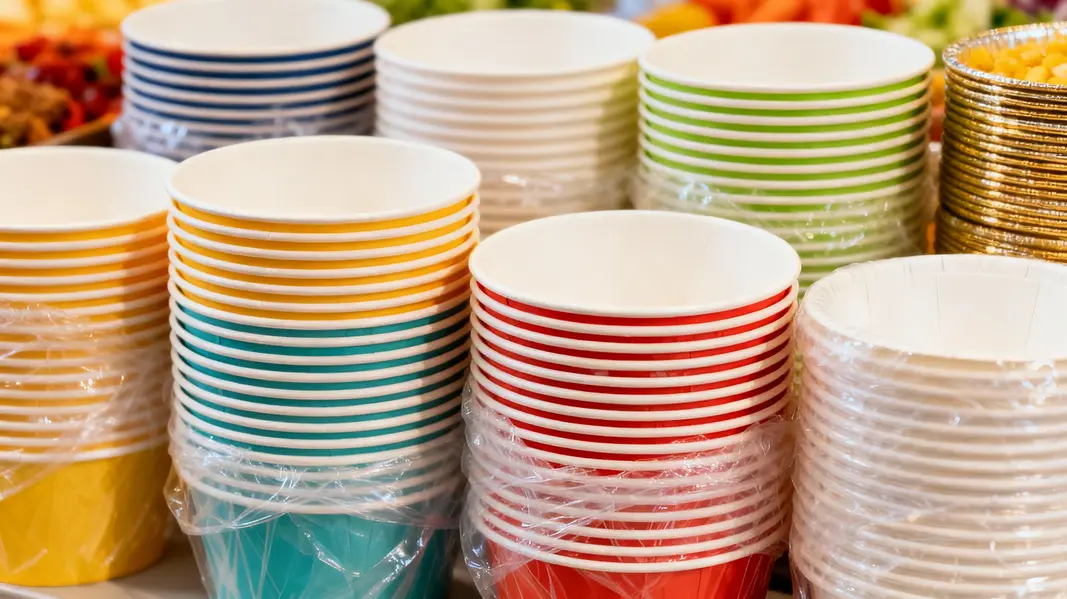
1. Decoding the Pricing Strategies Behind Affordable Paper Bowls
The wholesale landscape for low-price paper bowls is a dynamic interplay of various factors that drive affordability without compromising quality. Typically available from suppliers between $0.50 and $3.60 per unit, low-cost offerings are particularly appealing for food service businesses, catering events, and bulk consumer needs. A keen look into the pricing mechanisms reveals that the starting point for bulk disposable plates is just $1.19 per unit, showcasing a market eager to cater to value-driven consumers.
Central to the pricing structure are several key elements: minimum order quantities (MOQ), material utilization, and additional value-added services provided by suppliers. Many suppliers set MOQs as low as 100 units, allowing small businesses to engage without significant upfront investment. This is advantageous for emerging brands looking to maintain cash flow while ensuring they have the necessary supplies to meet customer demand in a competitive market.
The material choice also plays a crucial role in shaping wholesale prices. Options like compostable paper, sugarcane bagasse, or palm leaf can significantly lower production costs and, in turn, the selling price. Suppliers often utilize these eco-friendly materials in their offerings, ensuring that products like heavy-duty, biodegradable soup bowls remain both budget-friendly and environmentally conscious.
For instance, platforms such as Alibaba feature over 100 verified suppliers who provide competitive rates for eco-friendly alternatives. Suppliers offer 48 oz sizes, perfect for hearty meals, at prices reflecting the economies of scale enjoyed by bulk purchasing. The diversity in materials not only aims to attract environmentally conscious consumers but also helps in maintaining lower pricing tiers for wholesale options.
Moreover, many manufacturers incorporate additional services that increase the perceived value without substantially raising the price. Free shipping, customizable branding, and design services enhance the appeal of paper bowls. This strategy leads to a multifaceted value proposition for buyers, particularly for those organizing events or catering services that require specific branding for their products.
Despite the generally low pricing, product categories like heavy-duty disposable bowls stand out and serve as a benchmark. Although not commonly found below the $0.50 price point, they often compete closely with disposable plates for pricing, ensuring that even higher-quality products remain accessible.
Availability across varied channels ensures that a wide range of customer needs is met. As the foodservice industry increasingly seeks sustainable solutions, the intricate balance between material costs, order quantities, and supplier services defines favorable pricing mechanisms in the wholesale market. For end-users focused on affordability and sustainability, these insights are invaluable, presenting a compelling case for investing in affordable paper bowls as an integral part of their operations. For those considering a purchase, exploring suppliers who offer competitive pricing coupled with valuable services can yield not only cost savings but potential branding opportunities as well. For more options, explore the available resources at Cofe-Cup.
2. Exploring the Global Supply Chain for Economical Paper Bowl Solutions
The pursuit of low-price paper bowls has opened avenues for businesses to explore a variety of suppliers across the globe, particularly spotlighting the competitive Chinese market. With numerous wholesale options available, the cost-effective procurement of paper bowls is not only feasible but can also be tailored to suit diverse catering needs and sustainability goals. Suppliers provide an array of products made from eco-friendly materials like kraft paper, bamboo pulp, and bagasse. These materials not only ensure functionality—being food-grade and leak-resistant—but also align with growing environmental considerations, making them a preferred choice for many businesses.
Among the key players in this marketplace is Xiamen Zi Heng, a company established in 2014 that specializes in an assortment of kraft paper bowls and biodegradable options. Their emphasis on high-volume production allows them to offer competitive prices, making them an attractive choice for businesses looking to order in bulk. Another notable supplier is Bioleader, which provides disposable paper containers in various sizes and emphasizes durability and sustainability, thereby meeting the demands for both functionality and environmental responsibility.
As consumers increasingly prioritize eco-conscious choices, companies like World Centric and Global Sources are stepping up to meet this demand. World Centric focuses on compostable fiber bowls made from sustainable plant materials that are suitable for both hot and cold food applications. Global Sources enhances the customization options available for biodegradable paper bowls, allowing businesses to implement branding while remaining environmentally friendly. This focus on both sustainability and customization is critical for food service operators and event planners who require functional yet appealing packaging.
Furthermore, the growth of e-commerce has eased the access to these products through wholesale platforms. For example, searching for biodegradable paper bowls within the Alibaba marketplace reveals numerous options, including 500ml hot soup bowls that cater to both local and international clients, ensuring rapid delivery and robust service models. The affordability of these products also encourages businesses to experiment with their presentations, allowing for unique customization that stands out in a competitive market.
For vendors interested in maximizing their margins, purchasing directly from Chinese manufacturers presents a strategic advantage. Such throughput ensures significant cost savings, often reaching up to 30%, especially when negotiating minimum order quantities. However, it remains vital for businesses to request product samples and verify shipping terms to mitigate risks associated with international procurement.
Thus, the landscape for obtaining low-price paper bowls is both expansive and promising. With an emphasis on sustainability and customization, the diverse offerings from global suppliers present ideal solutions for businesses aiming to balance cost and environmental considerations. For those looking to delve deeper into eco-friendly packaging, options abound at this site where a multitude of paper bowl designs and materials await your exploration.
3. Navigating Market Dynamics: The Influence of Economic and Social Trends on Low Price Paper Bowls
The market for low-price paper bowls is witnessing an upsurge, driven by a convergence of economic factors and societal shifts towards sustainability. As communities become increasingly aware of the environmental impacts of single-use plastics, there is a palpable demand for disposable, biodegradable options. Reports suggest that the food trays and bowls market, which includes paper bowls, is anticipated to grow from USD 18.02 billion in 2026 and reach approximately USD 24.19 billion by 2031, showcasing paperboard as the fastest-growing product category, with a compound annual growth rate (CAGR) of 7.89%. This growth is fueled by the material’s recyclability and its alignment with environmental, social, and governance (ESG) objectives pursued by retailers.
Several key drivers are influencing this burgeoning market segment. One significant factor is the increasing regulatory pressure; many regions are enforcing bans on single-use plastics, compelling food service providers to seek out biodegradable alternatives. The shift in consumer preferences towards sustainable choices is not merely a trend but a lasting shift in behaviour that facilitates research and development into high-performance paper materials. Innovations such as AmFiber Performance Paper promise the durability of plastics while offering recyclable solutions for convenience stores and catering markets. These advancements highlight the industry’s response to demand for eco-friendliness paired with functionality.
The expanding biodegradable tableware market demonstrates a similar trajectory, expected to burgeon from USD 2.1 billion in 2025 to USD 5.3 billion by 2032, reflecting a robust CAGR of 14.2%. This growth is particularly notable in regions with well-developed recycling infrastructures and stringent plastic regulations, laying the groundwork for sustainable materials like paperboard and wheat straw to capture market share. For instance, reports indicate that demand in India surged by 30% in 2024, evidencing the global momentum towards greener tableware options.
Institutional sectors—aided by health-conscious trends in food consumption—play a pivotal role in sustaining the demand for robust, reheating-compatible paper bowls. Institutions such as airlines, hospitals, and schools are increasingly utilizing these eco-friendly solutions, integrating them within their service offerings. Furthermore, the explosion of food delivery and takeout services heightens the appeal of low-price paper bowls, projecting the disposable food container market towards a remarkable USD 42.5 billion valuation by 2035, at a CAGR of 6.9%.
Sustainability innovations continue to bolster the value proposition of low-price paper bowls. With advancements in fiber-based packaging—such as lightweight, polyethylene-laminated paperboard and molded fiber—manufacturers are able to reduce costs through improved production efficiencies. Stabilizing raw material prices post-2023, combined with the pressures of rising regulations, ensures that eco-friendly alternatives remain competitive against traditional plastic products.
Overall, the growth trajectory for low-price paper bowls is bright, presenting numerous opportunities for manufacturers and suppliers alike as they pivot to meet the evolving demands of environmentally conscious consumers. For those interested in these sustainable solutions, a wide range of customizable options is now available, as shown in offerings like custom-printed kraft paper bowls.
Chapter 2: Understanding the Structural Integrity of Low Price Paper Bowls

1. Material Foundations of Economical Paper Bowls: The Role of Kraft Paper and Cardboard
The evolution of low-price paper bowls hinges significantly on their material composition, predominantly centered around kraft paperboard and cardboard. These materials are meticulously chosen not merely for their affordability but for their ability to provide sufficient structural integrity essential for various food service applications. Typically derived from virgin wood pulp or recycled fibers, kraft paper serves as the foundational element, meeting stringent food safety standards necessary for ensuring consumer health and safety.
One of the key advantages of using kraft paper is its strength-to-weight ratio. For budget-friendly solutions, the utilization of recycled fibers can further reduce production costs while still allowing for effective performance in food containment. In instances where structural support is paramount, various thicknesses of kraft paper can be adapted to enhance durability, especially for bowls intended to hold heavier or wetter food items.
However, kraft paper by itself is not adequate for all applications. To optimize the functionality of low-price paper bowls—especially against leaks and moisture penetration—manufacturers frequently apply specialized coatings. The most prevalent of these is polyethylene (PE) coating, typically seen in a double PE configuration. This layering provides an effective barrier against oils and moisture, crucial for holding fried foods or soups that may otherwise compromise the bowl’s integrity.
Alternatively, for producers focused on sustainability, polylactic acid (PLA) coating has emerged as a compostable option, appealing to environmentally-conscious consumers. Similarly, some formulations utilize polyethylene terephthalate (PET), aiming to extend the bowl’s usability while maintaining cost-effectiveness. Molded fiber, another innovative material, also presents a viable alternative, incorporating recycled paper or wood fibers into durable configurations suited for various food applications.
The performance specifications of low-price paper bowls further illuminate the careful design considerations in their production. Typically, these bowls are constructed with a single-wall design; despite being lighter and less expensive, this method still affords sufficient temperature resistance—up to 100°C for water-based items and up to 120°C for oily foods. The balance of maintaining a low-cost point while satisfying user demands is a testament to the ongoing innovations within the discarded product segment.
Overall, the development of low-price paper bowls encapsulates a blend of economic strategy and material science, ensuring that consumers receive both usability and value. For those seeking eco-friendly disposable options, suppliers such as Cofe Cup provide an array of choices tailored to meet diverse needs—demonstrating a growing commitment to sustainability in the food service industry.
2. The Essential Coatings: Balancing Functionality and Environmental Accountability in Paper Bowls
Low-price paper bowls are typically crafted from kraft paper, which is derived from either virgin or recycled wood pulp fibers. This material choice is pivotal as it contains the essential qualities needed for disposable tableware. Most often, these bowls are designed as single-walled structures, enhancing their cost efficiency without compromising their fundamental purpose. Priced between $0.10 and $0.18 per unit, they align well with budget-conscious clients seeking economical yet functional dining solutions.
A critical aspect of the effectiveness of low-price paper bowls lies in their coating materials. While uncoated kraft paper can adequately serve dry products, its porous nature limits its utility for wet foods, including soups and sauces. To remedy this common limitation, manufacturers frequently apply polyethylene (PE) coatings, or even double PE coatings, which enhance moisture and grease resistance. This ensures the bowls can safely hold hot soups and oily dishes, withstand temperatures reaching 100-120°C, and prevent undesirable leaks, thus maintaining food integrity during service.
In addition, plant-based PLA coatings are emerging as an alternative that provides similar moisture resistance while also contributing to composting capabilities. However, bowls featuring PLA coatings typically fall at a higher price point. On the other hand, some manufacturers utilize PET/PE linings that offer superior leak-proof characteristics. Yet, this combination presents challenges from an environmental perspective, as they complicate recycling and composting processes.
When evaluating the sustainability of low-price paper bowls, it becomes clear that various factors significantly contribute to their environmental footprint. While the use of recycled kraft paper improves ecological friendliness, it may introduce trade-offs regarding the bowl’s durability. Moreover, coatings like PE and PET often hinder both recyclability and compostability, casting shadows on the overall sustainability narrative of these bowls.
The eco-friendliest options typically are either uncoated or made from innovative materials such as sugarcane bagasse or molded fibers. These alternatives successfully avoid reliance on plastic coatings and are entirely biodegradable. Nonetheless, their adoption in budget-centric markets remains limited due to their inherently higher production costs.
As the demand for eco-conscious products continues to rise, understanding the role of coatings and material composition in the low-price paper bowl sector becomes increasingly relevant. When selecting these disposable items, consumers are encouraged to weigh both their cost-effectiveness and their potential environmental impacts. The conversation surrounding sustainable practices must remain a priority for manufacturers as they innovate within the realms of affordability and eco-friendliness. For those looking to explore an array of packaging options that echo both affordability and sustainability, a great starting point can be found at customizable eco-friendly solutions such as those available here: Custom Kraft Paper Bowl Options.
3. Balancing Cost, Performance, and Environmental Impact in Low Price Paper Bowls
The material composition of low-price paper bowls is a critical factor that influences not only their performance but also their environmental impact. The primary building block for these bowls is kraft paper or paperboard, produced from wood pulp through the kraft pulping process, which utilizes sodium hydroxide and sodium sulfide. Often, manufacturers opt for unbleached kraft paper as a cost-saving measure, although some bowls may employ bleached paper or incorporate recycled content to cater to eco-conscious consumers.
When assessing the additives and coatings used in low-price paper bowls, one encounters several common materials. Polyethylene (PE) is frequently applied for its water and oil-resistant properties, creating an effective barrier for food items. In contrast, innovative alternatives such as water-based coatings that derive from water-soluble resins and natural additives are becoming more prevalent among environmentally focused producers. Furthermore, polylactic acid (PLA), which comes from renewable resources like corn starch or sugarcane, offers the potential for biodegradable options. Low-cost paper bowls, however, generally prioritize affordability, often leading to the use of less environmentally friendly coatings like PE, which lacks biodegradability.
Understanding the variances in biodegradability of different products is essential for consumers concerned about sustainability. Uncoated kraft paper or plant-fiber alternatives, such as bagasse and wheat straw, are fully biodegradable, quickly breaking down in natural environments. Conversely, bowls that are coated with PE are likely to resist degradation due to the presence of plastic composites, rendering them non-recyclable. Some low-price offerings leverage water-based or PLA coatings that meet composting certifications like ASTM D6400 or EN13432. However, many low-cost products fail to gain such certification, which heightens concerns about hazardous chemicals, including PFAS and BPA, that can hinder their biodegradability and impact health safety.
In this context, food safety regulations play a pivotal role in determining acceptable material compositions. Regulations such as the US FDA 21 CFR 176 mandate that manufacturers utilize low-migration additives and promote the use of virgin pulp over recycled sources to prevent contamination from harmful substances like heavy metals or dioxins. This stipulation adds a layer of complexity as low-price bowls may risk non-compliance if they utilize unapproved recycled content or unsafe coatings.
While cost-effective solutions for paper bowls are abundant, the challenge lies in balancing competitive pricing with quality, safety, and environmental consciousness. However, the market has responded with a variety of options that strike a balance between performance and environmental impact. By prioritizing eco-friendly materials and innovative production methods, manufacturers can offer low-price paper bowls that cater to both budget-conscious consumers and environmentally aware operators. As demand for sustainable practices increases, future innovations in the composition of these products are likely to further enhance their functionality while preserving the earth’s wellness. For a selection of sustainable options, explore offerings available here.
Chapter 3: Unlocking Potential: Customization Choices for Low Price Paper Bowls in Your Business
1. Transforming Paper Bowls into Branding Opportunities with Custom Printing Options
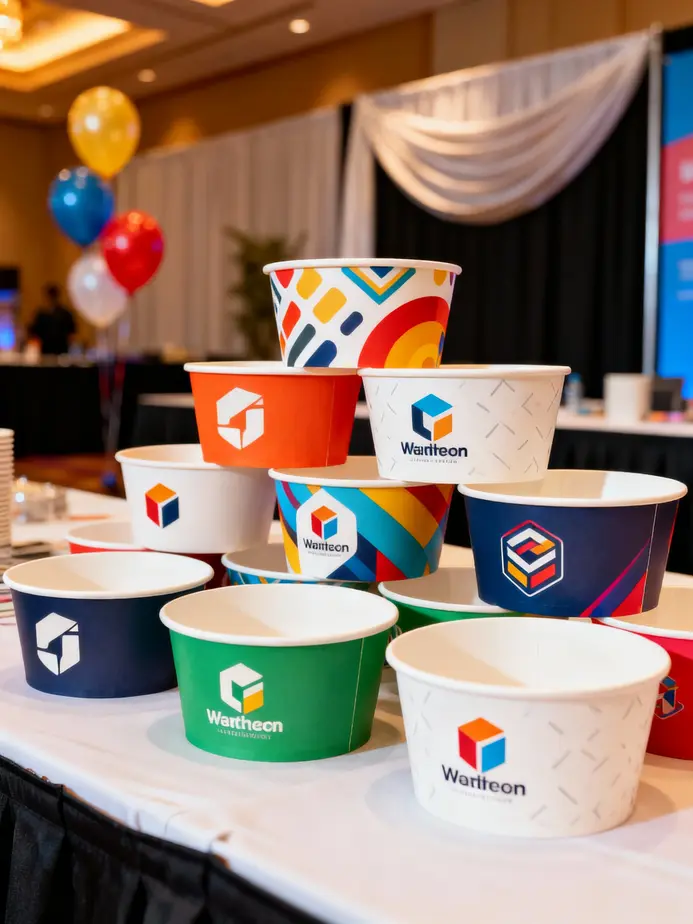
The significance of customizable paper bowls goes beyond mere functionality; they serve as a dynamic canvas for branding and marketing strategies. Custom printing options, such as flexographic, digital, offset, and screen printing, allow businesses to imprint logos, slogans, and enticing designs onto paper bowls. This not only augments brand recognition but also fosters customer loyalty, effectively transforming an ordinary serving vessel into an eye-catching promotional tool. For instance, at events or within the food service industry, visually appealing paper bowls can greatly enhance customer engagement relative to generic alternatives.
When choosing a customization method, understanding the advantages of each printing technique is paramount. Flexographic printing is distinguished by its efficiency, utilizing flexible plates to transfer ink at high speeds, which makes it a go-to choice for large volume orders. The cost-effectiveness of flexographic printing becomes particularly apparent when ordering over a thousand units, as it significantly reduces per-unit costs, making it ideal for businesses planning large-scale events or catering. However, it is recommended for simpler designs, as intricate images may not render well due to its limitations in detail.
On the other hand, digital printing offers flexibility, especially for smaller batches, as it enables rapid production without the need for physical plates. This method is perfect for businesses looking to test new designs with short runs, providing high-quality output with vibrant colors and sharp graphics. However, it’s worth noting that the per-unit cost can be 20-50% higher for larger orders compared to flexographic. Offset printing, while typically more cost-effective for large runs, has higher initial setup costs, presenting a trade-off between quality and cost-efficiency.
For those interested in bold and textured designs, screen printing stands out by allowing for thick applications of ink, which provide a durable finish. While this method is brilliant for creating distinctive aesthetics, it may fall short when dealing with fine intricate details or gradients, making it less suitable for more complex designs.
Beyond choosing a printing style, careful consideration of the design elements is critical. Opting for brand-matching colors and prominent logos minimizes costs while maximizing impact. Furthermore, adding protective coatings—such as wax or PLA—can enhance the durability of printed designs and ensure the bowls retain their functionality when holding hot or oily foods.
Retailers like Fusenpack offer supportive services, including reduced minimum order quantities for startups, reinforcing that personalization in packaging doesn’t have to be financially out of reach. With the right combination of print techniques, design simplicity, and material choices, businesses can achieve effective branding through low-price paper bowls without breaking their budget. Embracing these customization options can truly elevate paper bowls from mere disposables into powerful allies for business success, turning them into memorable components of the customer experience.
For affordable and customizable packaging options, consider exploring suppliers that specialize in tailored, eco-friendly paper solutions that cater to your unique business vision.
2. Versatile Customization of Sizes and Shapes for Low Price Paper Bowls
The world of low-price paper bowls is not just about affordability; it’s also about adaptability. With customizable sizes and shapes, these bowls cater to a multitude of food service needs, offering both practicality and style. The pricing for custom paper bowls generally starts around $0.50 per unit, with minimum order quantities that can be as high as 50,000 pieces for direct factory supplies. This structure is particularly appealing to businesses looking to stock up for events or ongoing food service operations, as larger quantities lead to more significant savings.
The materials selected for these bowls further enhance their customization capabilities. Manufacturers typically use eco-friendly materials such as kraft paper or sturdy cardstock, ensuring that sustainability aligns with both your brand’s values and customer expectations. In addition to the base materials, the option to add printing or special finishes allows for creative branding opportunities that do not significantly inflate costs.
When it comes to size customization, suppliers boast a broad selection to meet various requirements. Businesses can order bowls of different heights, widths, and diameters—tailoring the capacity to suit the most delicate appetizers or robust entrees. For example, a tapered bowl might dimensions that support a diverse range of foods, from salads to stews. An 8 oz cup could measure about 3 inches tall with a 2.75-inch top diameter and a narrow base of 1.8 inches, making it functional yet aesthetically pleasing. Many suppliers also provide OEM/ODM services, allowing clients to design bowls with precise specifications, which can be created based on samples or even 3D models.
Shape options are equally compelling, allowing businesses to choose from common forms such as round or rectangular bowls. Round bowls remain the go-to choice for soups, salads, and noodle dishes, while rectangular designs not only save on space but also offer greater branding flexibility during events. Interestingly, many of these designs boast leak-proof and microwave-safe features that enhance their usage across various food types and serving contexts.
From an affordability perspective, the lower price point is supported not just by bulk purchasing but also by using lighter biodegradable papers and optimized production processes. Bowl stock can range from 10pt to 28pt, ensuring that the final product remains durable enough to withstand typical food service challenges while promoting an eco-conscious image. In essence, the commitment to quality and sustainability in low-price paper bowls does not limit creativity; instead, it frees businesses to explore customized solutions that resonate with their target audiences.
For those keen on exploring options that blend quality and innovation, various suppliers offer customizable designs ideal for a myriad of applications. Whether for food service in a bustling café or for special events, tailored paper bowls can enhance both presentation and customer satisfaction. Take a look at some options for customizable food packaging here: Custom Paper Packaging Options.
3. Exploring Material Choices and Customization Features for Affordable Paper Bowls
The rise in popularity of low-price paper bowls can be attributed not only to their affordability but also to the diverse range of materials and features that allow for extensive customization. Manufacturers utilize a variety of options including white kraft and brown kraft paper, as well as biodegradable alternatives like sugarcane bagasse. These materials are designed to maintain food safety and sustainability while remaining budget-friendly, often available through wholesale suppliers with no minimum order limits. Such specifications make these bowls ideal for food service environments, events, and catering, ensuring that businesses can find suitable solutions that don’t break the bank.
Key aspects of these materials include their food-grade quality, which is essential to safely serving both hot and cold dishes. The integration of functional coatings, such as polylactic acid (PLA), water-based, or polyethylene (PE) coatings, enhances the performance of these bowls. For example, PLA coatings help in creating a moisture barrier, enabling the bowls to hold liquids without leakage—an increasingly important feature for serving soups, salads, or ramen. Additionally, many of these bowls are microwave-safe, reflecting growing demands for convenience in food preparation and serving.
Customization options for low-price paper bowls further enhance their appeal. These bowls come in a variety of sizes ranging from compact 4×4 inches up to larger designs measuring 13×6 inches, catering to different serving needs, such as appetizers or large entrees. Capacities typically span from 8oz (240ml) all the way to 64oz (1890ml), accommodating everything from small snack portions to hearty meals. This variability provides greater flexibility for businesses to tailor their offerings based on client preferences and event sizes.
An essential part of the customization process is the printing capability, which allows businesses to create brand-specific designs. Suppliers often offer full-color imprints, which can include custom logos, monograms, and unique artwork, all without incurring die or plate charges. This not only helps in reinforcing a brand’s presence but also elevates the overall dining experience for customers. Additionally, many vendors provide complimentary design services and rapid turnaround times—often as quick as seven days—so that businesses can receive their products in time for events or promotions without compromising on quality.
Many suppliers emphasize eco-friendly aspects in their offerings. Biodegradable traits of the materials used for these bowls position them favorably amidst growing environmental concerns. This focus on sustainability is coupled with attractive pricing and options for oversized bowls, catering to both individual and large-group serving needs. Furthermore, the option for lids ensures that takeaway orders maintain freshness and prevent spills, further enhancing their practicality.
Ultimately, low-price paper bowls represent an intersection of economy, sustainability, and creativity, making them a compelling choice for food service brands. Not only are these versatile containers designed for function, but their customization potential allows businesses to enhance their brand visibility while adhering to eco-friendly practices. For those interested in exploring such offerings, there are exciting product options available, including custom-sized bowls that contribute to sustainable catering solutions. For further information on product selections, visit this link.
Chapter 4: Navigating the Complexities of Eco-Friendly Disposable Ware
1. The Hidden Environmental Costs of Low-Cost Paper Bowls: Understanding Waste and Recycling Challenges
Low-cost paper bowls have become a staple in numerous settings, from food service to catering events. While they are often marketed as eco-friendly solutions, examining their environmental impact reveals a complex tapestry of challenges, particularly concerning waste management and recyclability.
Material Composition and the Recycling Dilemma
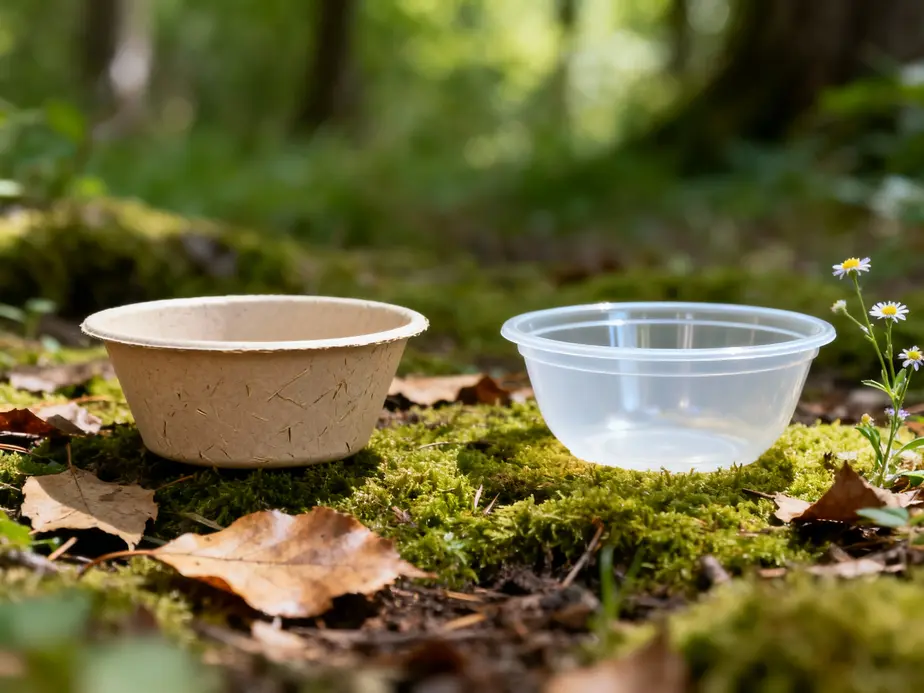
A significant issue lies in the material composition of many affordable paper bowls. Commonly, these bowls are lined with polyethylene (PE) or other plastic coatings, which drastically undermine their environmental promise. The presence of these petroleum-based coatings complicates the recycling process, rendering the paper essentially unrecyclable. This misleads consumers into believing they are making a sustainable choice, when in fact, these items may very well linger in landfills for prolonged periods, contributing to ongoing waste issues.
Waste Generation Amplified by Single-Use Culture
The allure of convenience often drives the increased consumption of these disposable products. Each use necessitates a new bowl, urging a culture of single-use consumption that generates vast amounts of waste. Unlike durable alternatives that can be washed and reused, the nature of paper bowls means that significant material ends up in waste disposal systems after a single meal. When improperly discarded, particularly in regions lacking effective composting facilities, these bowls become contributors to long-term environmental degradation.
Infrastructure Gaps in Composting Efforts
While some paper bowls boast compostable materials, such as those made from bagasse or PLA, the efficacy of these options largely relies on community access to appropriate composting facilities. In many areas, such infrastructure is either nonexistent or inadequate. This disconnect means that even genuinely compostable products risk being disposed of in landfills, where they fail to break down naturally, further exacerbating the problem of waste accumulation.
Production Footprint of Paper Bowls
The production process for paper bowls is not without its environmental costs. Manufacturing requires considerable water and energy, especially as facilities strive to apply coatings and produce sturdy products capable of holding various foods. While advancements in using water-based coatings have improved the profile somewhat, the energy-intense production processes remain a concern. Furthermore, lower-end pricing often encourages manufacturers to cut corners on sustainable practices, which may compromise the environmental integrity of the product further.
Microplastic Pollution
As many of these bowls succumb to wear and tear and eventually degrade, another alarming concern arises: microplastics. PE-lined bowls that break down in landfills contribute to microplastic pollution, adversely affecting soil and groundwater quality. Such pollution has long-term repercussions, reaching places far removed from the original site of disposal.
Conclusively, while low-cost paper bowls provide a quick and convenient solution for food service, they come with a myriad of hidden environmental costs. Understanding these complexities is essential for consumers wanting to make informed choices about sustainable options. For further insights into sustainable food packaging, explore eco-friendly container options from trusted suppliers.
2. Material Choices and Environmental Considerations in Low Price Paper Bowls
The choice of materials for low-price paper bowls is crucial in balancing affordability with sustainability in the disposable tableware market. At the forefront of these options is kraft paper, known for its economic benefits and inherent biodegradability. Both white and brown kraft paper are selected often due to their minimal processing. These materials resonate with manufacturers looking to streamline costs while ensuring food-grade safety. However, while kraft paper is a commendable option, it serves as a representation of broader trade-offs within the realm of disposable products.
Another popular choice is bagasse, made from sugarcane fiber byproducts. These bowls offer a sturdier alternative that efficiently resists moisture, an essential property for serving hot or wet foods. Bagasse bowls typically decompose within 60 to 90 days under proper composting conditions, making them an environmentally conscious option. The advantages of these materials extend beyond their physical sustainability; they provide a pathway for utilizing agricultural waste, reducing overall manufacturing costs compared to traditional material sources.
Yet, the drive for low pricing in paper bowl production does not come without its sustainability trade-offs. While biodegradability is a clear advantage, the quest for cost-cutting can compromise environmental integrity in several ways. Processing methods employed in the production of these bowls often involve either chemical treatments for coating or techniques that prioritize speed over eco-friendliness. While water-based coatings are available as environmentally safer alternatives, they may simultaneously push production costs upward, negating some of the very affordability this niche seeks to provide.
Moreover, the variations in material thickness and GSM ratings in cheaper paper bowls can significantly impact their performance. Lower-priced bowls often rely on thinner materials, reducing the expenditure at the manufacturing stage but pushing the product closer to the edge of food safety standards. This approach may lead to additional coatings for leak resistance, inadvertently elevating the environmental footprint of seemingly eco-friendly products.
Energy consumption is another crucial factor in the sustainability equation. While biodegradable bowls utilize methods designed to lower energy usage, mass production practices can overlook these efficiencies. Manufacturers offering the cheapest product options usually standardize their materials rather than customizing them for specific food types, which could either compromise structural integrity or necessitate the use of additional, potentially harmful coatings.
Understanding these dynamics is essential for stakeholders in the food service and catering sectors to make informed decisions. For those seeking customization, companies like Wax Papers offer opportunities to design personalized paper bowls tailored to specific needs, reinforcing a commitment to sustainable practices without sacrificing brand identity. As we continue exploring the implications of economic factors on the low-price paper bowl market, these material choices and their environmental implications will remain central considerations.
3. Sustainable Choices: Compostable Paper Bowls and Their Impact
The growing demand for low-price paper bowls presents an opportunity to address significant environmental concerns associated with disposable tableware. Often, these inexpensive options come with coatings that impede their biodegradability, such as plastics or waxes. Consequently, this results in considerable landfill waste and the harmful emissions of methane—a potent greenhouse gas—during decomposition. Transitioning to compostable alternatives helps mitigate these issues, offering a practical and sustainable solution for consumers and businesses alike.
Traditional low-cost paper bowls are frequently lined with materials that prevent them from breaking down efficiently. Specifically, wax or plastic linings compromise their recyclability, as only clean, unsoiled materials can be processed responsibly. This often leads to disposal in landfills, where they contribute to a staggering 5.2 million tons of annual waste in the United States. Methane emitted from these landfills can be 28 times more harmful than carbon dioxide. At events, where disposable products are often favored for convenience, these concerns escalate, resulting in overwhelmingly wasteful practices.
To alleviate these pressing environmental issues, compostable alternatives—such as PLA (polylactic acid made from corn starch), bagasse (sugarcane fiber), or molded fiber bowls—have emerged as viable options. These materials excel when subjected to industrial composting environments, where they can decompose efficiently, reducing landfill contributions by up to 90% compared to traditional plastics. PLA bowls, for instance, can withstand temperatures up to 212°F (100°C), making them suitable for hot foods without the risk of chemical migration, adhering to FDA standards for food safety.
Moreover, bagasse and cornstarch bowls remain durable under a variety of conditions, making them excellent choices for serving items like ramen or salads. Some innovative products also incorporate water-based coatings, offering a biodegradable solution that decomposes into natural materials suitable for composting and fertilization. Bulk purchasing from suppliers focused on sustainability not only cuts packaging waste but also supports the establishment of a greener supply chain.
To ensure the effectiveness of these compostable products, it’s important to adopt best practices. First, seek out certified compostable items labeled explicitly for industrial composting facilities. Home composting PLA products can actually lead to methane emissions, so proper disposal is crucial. Keeping exposure to hot foods minimal, ideally under 45 minutes, can help maintain the structural integrity of the bowls while lessening disposal needs.
Furthermore, sourcing materials from recycled or sustainably managed forests and opting for bulk purchases can lower packaging waste. Embracing eco-friendly accessories, such as compostable utensils, amplifies efforts towards sustainability, especially in event settings. By integrating these practices, businesses and consumers can make significant strides toward promoting sustainability while meeting their needs for low-cost disposable tableware.
In summary, switching to compostable paper bowls is an effective and conscientious step toward lessening environmental impact while enjoying the convenience of disposable products. For a broader selection of eco-friendly options, consider exploring sources that specialize in sustainable packaging available at competitive prices. The shift toward environmentally responsible choices is not just beneficial—it is essential for a sustainable future.
Chapter 5: Navigating the Eco-Friendly Landscape: The Demand for Budget-Friendly Paper Bowls

1. Fueling Trends: The Economic Forces Behind Low-Price Paper Bowl Growth
The low-price paper bowl market is witnessing a remarkable transformation, driven by a convergence of economic dynamics and societal shifts towards sustainability. This sector, which falls under the broader umbrella of disposable paperware, is benefitting from the increasing demand for eco-friendly alternatives to single-use plastics, particularly as quick-service restaurants (QSRs) proliferate and plastic bans gain traction in various regions. While comprehensive data outlining the specifics of the low-price paper segment remains sparse, projections reveal a promising trajectory with compound annual growth rates (CAGRs) expected to range between 3.45% and 6.8% from 2031 to 2036, fostering optimism within the industry.
Several key economic drivers are at play in this evolving market. First and foremost, sustainability regulations combined with a pronounced shift in consumer preferences are spurring demand for biodegradable and recyclable paper bowls. As legislative measures increasingly discourage the use of conventional plastics, low-cost paper options, often produced with PE-coated or aqueous-coated base papers, are stepping in to fill the void. These affordable alternatives are particularly advantageous in food delivery and QSR segments, where efficient and sustainable packaging is essential.
The surge in QSR and food delivery services further amplifies this trend. With the rapid expansion of global fast-food chains, including well-known brands like McDonald’s and Starbucks, there is a consistent demand for cost-effective and versatile packaging solutions, such as affordable paper bowls. Common sizes like 300ml for snacks and 1000ml for main dishes cater to a variety of customer needs, with the Asia-Pacific region anticipated to dominate the market, holding a whopping 39.10% share by 2025.
Moreover, raw material sourcing and production efficiencies contribute significantly to the affordability of low-price paper bowls. With advancements in production technologies, including AI-driven forming lines, manufacturers are achieving higher throughput and lower costs. Regional expansions in pulp production, particularly a projected 10% increase in China by 2024, will optimize costs and enhance output, positioning suppliers to meet the burgeoning demand effectively.
Urban convenience also plays a vital role in the rising popularity of paper bowls. The ongoing trend of urbanization has led to increased consumption of takeaway items, especially in densely populated areas within the Asia-Pacific, expected to expand at a CAGR of 6.55%. Government initiatives promoting zero-waste policies, such as India’s prohibition on single-use plastics, further bolster this trend, encouraging a shift towards affordable, eco-friendly packaging.
As we look towards the horizon, the growth projections for the low-price paper bowl segment paint an optimistic picture. We can expect a 41.9% increase from 2025 to 2030, primarily driven by escalating takeaway demand. Following this period, innovations in coatings and lightweight designs may lead to an even more significant 58.1% growth post-2030. However, fluctuations in raw material prices, particularly in the pulp market, may pose challenges that manufacturers will need to navigate carefully. The landscape of low-price paper bowls is not just a reflection of consumer preference but is intricately tied to broader economic strategies that embrace sustainability and efficiency in food service.
For businesses looking to explore eco-conscious packaging options, consider the wide range of environmentally friendly disposable packaging available, such as compostable paper bowls that suit both hot and cold food items.
2. Technological Advancements Transforming the Low Price Paper Bowl Market
The landscape of low-price paper bowls is evolving rapidly thanks to an array of technological innovations that are not only enhancing production efficiency but also addressing the growing demand for eco-friendly disposable options. While there may be limited specific data on low-price paper bowls, trends in the broader category of paper disposables reveal significant market growth, largely driven by the popularity of quick-service restaurants (QSRs), increasing food delivery services, and a global shift away from single-use plastics. Particularly noteworthy is the rapid growth in the Asia-Pacific region, which has established a commanding presence in the paper products market, boasting a 39.10% market share in paper cup tonnage as of 2025, with an anticipated 6.55% CAGR through 2031.
Central to this advancement is the specialization in coating technologies that enable manufacturers to produce sustainable paper bowls capable of serving a variety of food items. Innovations such as biodegradable linings and moisture barriers make these bowls ideal for wet and greasy foods, ensuring customer satisfaction while adhering to environmentally friendly practices. These improvements aim to substitute traditional plastic-lined options while maintaining compliance with food safety regulations.
Moreover, the adoption of AI-driven high-speed forming lines is revolutionizing production lines, dramatically reducing manufacturing costs. These automated systems are making it possible to create high-quality, affordable paper bowls that meet the evolving consumer preferences for sustainability without sacrificing strength or usability. As manufacturers streamline operations, they can divert focus towards enhancing recyclability and customizability—features that are increasingly important to environmentally-conscious consumers.
Compostable materials are also at the forefront of this market shift. Innovations leading to lightweight fiber structures are enabling the creation of entirely recyclable products that do not compromise on performance. These bioproducts, often sourced from sugarcane bagasse or kraft paper, are contributing to a significant reduction in the environmental footprint associated with food service packaging. For instance, companies producing 100% recyclable single-layer bowls in regions like India have thrived under government initiatives aimed at reducing plastic waste.
Market trajectories suggest a promising future for the low-price paper bowl segment, reflecting a notable trend towards custom-printed designs that further enhance brand visibility. Given these advancements and the influence of megatrends such as urban convenience culture and international regulatory shifts—such as India’s Green Public Procurement initiative—the demand for low-price, eco-friendly disposable options is set to proliferate.
In light of these factors, the market for low-price paper bowls appears poised for growth, driven not only by changes in consumer behavior but also by substantial technological advancements. As manufacturers continue to innovate, the future of paper bowls looks brighter, aligning sustainability with the need for efficient, cost-effective food service solutions. For those interested in exploring the diverse options available in sustainable takeaway packaging, this link provides a glimpse into the range of customizable choices on the market today.
3. Navigating Geopolitical and Supply Chain Factors Affecting Low Price Paper Bowls
As the demand for low-price paper bowls surges, influenced by a greater advocacy for sustainable products and the strategic pivot away from single-use plastics, it’s essential to understand the geopolitical and supply chain dynamics shaping this market. The intersection of these factors plays a critical role in determining pricing, availability, and ultimately, market trends.
The global push towards sustainability is supported by regulatory frameworks that have intensified scrutiny on plastic usage. Countries around the world, particularly in the Asia-Pacific region, are now enacting legislation that not only encourages but mandates the transition to biodegradable alternatives. India, for instance, has seen a burgeoning market for coffee shops, creating an upward trajectory in the demand for disposable foodware like paper bowls. This growing market aligns with government initiatives aimed at reducing plastic waste and promoting eco-friendly solutions. Hence, suppliers who provide low-cost options, such as those made from kraft paper or sugarcane bagasse, are not only tapping into a lucrative niche but are also aligning themselves with these proactive environmental policies.
However, the path toward sustainability is not without its challenges. Geopolitical tensions can obscure supply chains, impacting cost structures and product availability. Trade agreements and tariffs can suddenly alter the landscape in which these products are sourced and manufactured. Countries with abundant raw materials for paper bowl production, like sugarcane, can experience fluctuations due to global economic conditions, thereby influencing price sensitivity for consumers and businesses relying on low-cost items. For example, disruptions in the supply chain due to conflicts or trade wars may lead to increased costs which are often passed on to the end user, prompting businesses to either absorb these expenses or raise retail prices.
Furthermore, the competitive landscape fueled by numerous wholesale suppliers striving for market share can contribute to pricing wars that diminish profit margins but increase accessibility for end-users. Companies like Bioleaderpack and Wax Papers emphasize low-cost, bulk options along with eco-friendly credentials, thus attracting various segments from event planners to large restaurants looking to optimize costs without sacrificing sustainability. A balance between affordability and eco-friendliness proves vital in maintaining customer loyalty while also complying with evolving market demands.
Ultimately, understanding the nuances of supply chain dynamics—such as inventory management, production capabilities, and reliable distribution networks—becomes paramount. Suppliers that can navigate these complexities effectively are more likely to thrive, ensuring the steady availability of low-price paper bowls amidst fluctuating geopolitical landscapes. This fluidity is critical as the paper bowl market continues to expand, offering endless possibilities for eco-conscious consumers demanding both affordability and environmental responsibility. As businesses make sourcing decisions, engaging with suppliers who understand these dynamics will be essential for cultivating a sustainable product narrative.
For further insights into innovative packaging solutions and sustainable options available in the paper bowl market, consider exploring these eco-friendly disposable food containers.
Final thoughts
Choosing low-price paper bowls can significantly enhance business operations, offering not only affordability but also eco-friendly options that appeal to today’s conscious consumers. By understanding wholesale pricing, material characteristics, customization capabilities, and environmental impacts, business owners can make judicious choices that align with their operational goals and customer expectations. With the right information, investing in paper bowls can deliver both quality and sustainability, leading to enhanced customer satisfaction and loyalty.
Choose our reliable disposable tableware and packaging solutions for your business. We offer quality products that meet safety standards, with fast delivery and flexible options. Partner with us today to elevate your service – contact our team now for a tailored quote!
About us
We specialize in manufacturing and supplying disposable tableware, packaging paper, and boxes. With years of experience, we prioritize safety, durability, and eco-friendly practices. Our goal is to provide businesses with trusted, cost-effective solutions backed by responsive customer support.