
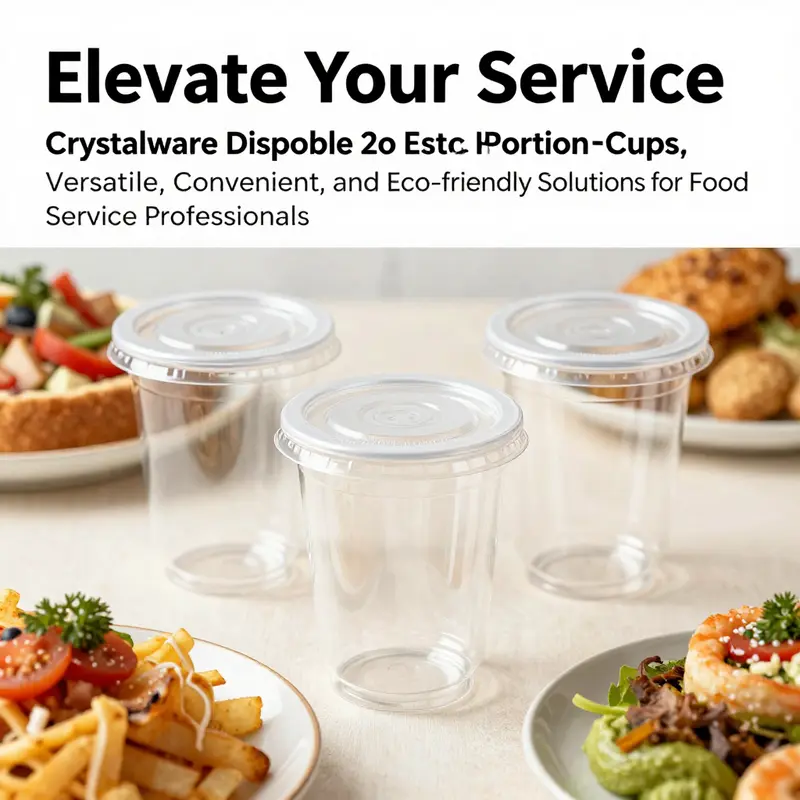
In the competitive landscape of food service and event planning, the right tools can lead to exceptional customer experiences. The Crystalware Disposable 2oz Plastic Portion Cups with Lids are a prime example of how functionality meets convenience, making them a favorite among bubble tea shops, restaurants, food trucks, catering services, event planners, and corporate procurement teams. This article delves into the features and specifications of these cups, explores their various applications in the food service industry, addresses current market trends, and discusses sustainability considerations that impact their use. By examining these aspects, we aim to illuminate how Crystalware’s cups can enhance your operations and impress your clients.
Clear Convenience in Small Servings: Design, Durability, and Deployment of 2oz Plastic Portion Cups with Lids
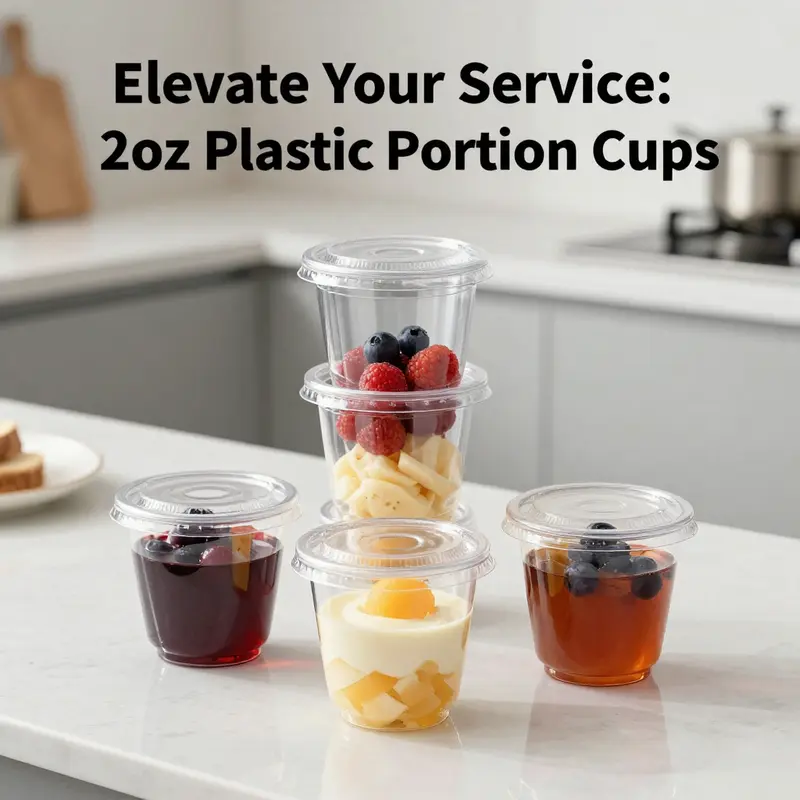
Clear, small, and purpose-built, the two-ounce disposable cups with snug lids sit at a quiet intersection of practicality and presentation. In the evolving landscape of food service, sampling programs, and event catering, such cups are more than mere vessels; they are a modular component of workflow, a tangible expression of portion control, hygiene, and logistical efficiency. The chapter that follows threads together how the material choice, geometry, and sealing design work in concert to support quick service environments, delicate handling of sauces and dips, and the balance between convenience and responsibility that today’s buyers increasingly seek. This is not just about a cup with a lid; it is about how a compact packaging unit can influence a line cook’s rhythm, a caterer’s margins, and a guest’s impression of care and consistency.
From the outset, the material story is foundational. The cups are crafted from food-grade, BPA-free, crystal-clear polypropylene. This choice matters on multiple fronts. First, it assures a basic standard of safety for holding a spectrum of foods—from thin dressings and condiments to thicker spreads and even dessert elements like jelly or yogurt-based samples. The BPA-free guarantee responds to growing consumer expectations for packaging that respects both health concerns and sensory experience. Second, the crystal-clear appearance is not merely aesthetic. It allows the contents to speak for themselves. In a setting where guests or customers make quick visual judgments, the ability to see the product inside—its color, texture, or garnish—can reinforce perceived freshness and quality. And finally, the choice of PP supports temperature resilience. These cups can accommodate both hot and cold items without compromising integrity, a feature that matters to operators who rotate offerings, test seasonal dips, or serve warm samples in a tasting flight. The material’s performance under viscous stress—think olive oil, thick sauces, or a gelatin dessert—speaks to durability that reduces the risk of leaks or deformation during transfer, countertop handling, or portable service.
Design is where clarity meets convenience. The cups’ transparent body invites instant content recognition, a boon in fast-paced service lines or self-serve stations where guests are selecting from a range of small portions. The ergonomic, rounded shape is not accidental; it supports easy opening and closing, which translates into smoother guest interactions and fewer spills during dipping, scooping, or lifting. The lid, engineered to seal snugly, is a critical partner in the equation. A leak-proof or highly sealable cap means desserts, sauces, and dressings can travel from kitchen to event space or customer’s desk with minimized risk of seepage. This is especially valuable in transport scenarios where a spill could compromise presentation, stain clothing, or create cleaning headaches for staff. A secure seal also helps maintain product integrity over time, preserving texture and flavor while reducing waste that happens when containers are left exposed or mishandled.
Capacity matters as a practical constraint and a strategic lever. The cups are precisely 2 ounces, or roughly 59 milliliters. That size offers a standardized portion that supports consistent plating and predictable cost control in both high-volume kitchens and boutique sampling setups. In the world of catering, a standardized 2-ounce serve helps with inventory planning, reduces guesswork, and promotes uniform experience across multiple service points. For venues that rely on sampling—whether a hotel, a trade show, or a tasting bar—this dose is often just enough to convey a sense of flavor or texture without overwhelming a guest or needing a larger commitment of product. At the same time, the small footprint of the cup aids in stacking and storage. The collapsible, space-saving feature eases inventory management in crowded kitchens or mobile catering rigs, where every inch of shelf and cart capacity matters. The practical benefits extend to transport as well; compact cups with lids stack securely, decreasing the risk of tipping and allowing for more efficient loading and unloading during shifts that straddle kitchen, truck, and venue.
Versatility is a throughline that continually reemerges in discussions of disposable portion cups. These little vessels are compatible with a wide array of food types—more than twenty, in the language of supplier literature—and that breadth is more than a convenience. It translates into real-world flexibility. A dip for a bread basket, a sauce for a salad, a small dessert, a pet treat, or even a tiny sample in a retail setting can all be accommodated without swapping packaging systems. This versatility underwrites the case for keeping such cups in rotation across departments: cafeteria lines, catering teams, home party planners, and even product developers who want to stage tasting sessions or pilot new recipes without committing to larger packaging formats. The presence of a matching lid further enhances multi-use applicability. In buffet lines, in takeaway windows, or during home deliveries, the secure lid addresses concerns about cross-contamination and drips, while also enabling guests to carry the product to a seat or a car without hesitation.
The practical implications of their design extend into everyday operational realities. In kitchens, the transparency of the cup supports quick inventory checks and visual quality control. Staff can see at a glance whether a sauce has begun to separate, if a dessert layer has settled, or if a dip has reached the point of needing replacement. This reduces the need for unnecessary handling and helps maintain hygiene standards, a signal especially important in settings that emphasize rapid service and cleanliness. The round, ergonomic shape is more than a tactile comfort; it supports efficient use in assembly lines, where a worker can consistently pick up, fill, and cap each cup with a predictable motion. The lid’s fit is equally important. When it snaps into place with a secure seal, it offers a predictable barrier against leaks during transport and a stable exposure profile for portion control. In a catering environment, where dozens or hundreds of cups may be packed and moved at once, reliable lids minimize the risk of accidental spills and product loss, making the entire operation smoother and more predictable.
Another facet worth highlighting is the interaction between packaging and presentation. In public-facing settings, the visual clarity of the cup pairs with a clean, unbroken seal to deliver a neat, professional look. The simple geometry—clear walls and a tightly fitting lid—reduces distractions and focuses attention on the product contained within. For event planners and hospitality teams that rely on display and quick recognition, such packaging becomes a silent facilitator of guest experience. It tells a story of thoughtful design: a commitment to portion accuracy, to ease of use, and to the simplicity of hospitality that guests notice, even when they are not actively thinking about the packaging itself.
No discussion of disposables would be complete without acknowledging the environmental conversation that frames modern purchasing decisions. While the category faces scrutiny for its contribution to waste, there is room for informed choices within the landscape of single-use packaging. The materials used here—PP, BPA-free, food-grade, and crystal-clear in appearance—reflect a balance between safety, functionality, and end-of-life consideration. Many providers in this space reference certifications such as compostability or industrial composting standards, while others emphasize recyclability within appropriate municipal systems. The prudent approach for buyers who want to align with sustainability goals is twofold: verify any certifications claimed by a supplier and confirm the disposal pathways available in their locale. In practice, this means checking whether specific products carry recognized certifications or align with industrial composting facilities, and ensuring that the chosen packaging strategy harmonizes with existing recycling, composting, or waste management capabilities at events or venues. The capacity to make responsible packaging choices can be integrated into procurement conversations, alongside cost, compatibility with food types, and performance in transit and service.
Demand signals and market dynamics also color the narrative around these cups. Reports and observations note that items of this kind can move quickly from “in stock” to back-ordered as demand climbs, especially in periods of rising takeout and delivery activity. This pattern reflects broader shifts in how meals and snacks are consumed outside traditional dining rooms. It also underscores the importance of supply chain visibility for operators who depend on consistent packaging to maintain service levels. The practical takeaway for buyers is to plan ahead, to hedge against shortages by establishing relationships with multiple suppliers, and to test a few related formats that can bridge gaps when specific 2-ounce cups with lids are temporarily unavailable. In this framework, the cups serve as more than a single-use option; they become a decision point about how an operation maintains flow, preserves product integrity, and preserves the guest experience during peak periods.
To speak to sourcing considerations, one may see a wide spectrum of listings that categorize items like these cups under generic descriptors such as “disposable 2 oz plastic sauce cups with lids.” For buyers, the key is to scrutinize not just price, but material safety data, compatibility with hot items, and the reliability of the lid seal. A robust purchasing decision considers whether the cups are made from USP-compliant, food-grade plastics, the precise tolerances in the lids, and the ease with which staff can perform routine tasks—filling, capping, and stacking—without friction or risk of leakage. And because these items often serve in mixed-service environments—from self-serve stations to high-volume catering—their performance under stress matters. Operators will want to know how well the cups hold up when filled to capacity, how resilient the lids are to repeated opening and closing, and whether the cups can be nested and stacked without deforming after weeks of use.
For readers seeking a broader context on packaging options that share similar sealing and presentation benefits, consider this example of eco-friendly paper cup solutions with lids. It offers a useful contrast in materials and use cases while underscoring the shared goals of visibility, hygiene, and transportability. eco-friendly printed-logo paper ice-cream cups with lids. This reference points to how lid-enabled cups, even when made from different materials, are shaped by the same demands of display, handling, and user experience. The overarching message is that the choice of container is not just about containment; it is about the choreography of service—from the moment a guest leans in to sample a bite to the final moment the lid is sealed for transport.
Within this framework, the presented 2-ounce cups with lids emerge as a practical, versatile, and thoughtfully designed solution for a broad array of settings. They offer precise portion control, reliable sealing, and a transparent canvas that showcases the product inside without distraction. For operators, they present an opportunity to streamline workflows, protect the product during transit, and preserve the integrity of presentation—without sacrificing speed or simplicity at the point of service. For guests, they translate into predictable experiences, where a neat, clean, and clearly visible portion invites tasting and enjoyment. And for the planet, they prompt a careful appraisal of disposal pathways and certifications that can guide more sustainable choices where possible. Taken together, these cups symbolize a small but meaningful element of modern food service: a compact package engineered to deliver clarity, reliability, and ease at every turn.
External resource: https://www.alibaba.com/product-detail/Fuling-31-Years-Supplier-Disposable-2-oz_1600495852575.html?spm=a2700.1.recommended.1.7f1e3a3bTQJyVn
Tiny Yet Mighty: How 2 oz Disposable Cups with Lids Shape Food Service and Events
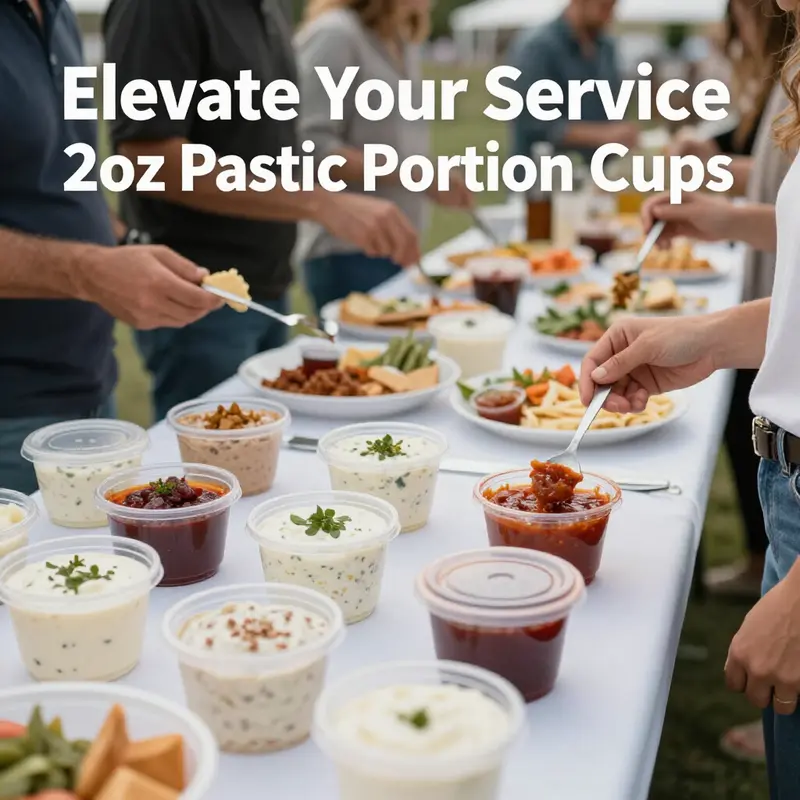
A 2-ounce disposable cup with a secure lid is a small tool with outsized impact across food service and events. Its compact portion control supports consistent servings, predictable food costs, and reduced waste. Transparency lets staff and guests identify contents at a glance, which speeds service and reduces mistakes; snap-on lids protect portions in transit and in crowded spaces where spills are costly.
In everyday food service, these cups standardize condiments, dressings, sauces, and samples. Pre-portioned servings discourage overuse, simplify inventory forecasting, and reduce cleaning and cross-contamination risks. Their light, stackable construction saves storage space and handling time, enabling teams to prep dozens of portions quickly for high-volume windows like drive-thru or catering pickup.
At events — tastings, trade shows, festivals, or weddings — the cups enable neat, hygienic sampling and small-portion presentations that keep lines moving. The sealed lids maintain freshness during setup and guest circulation, while the clear walls let visual presentation do the work without custom printing. For family-oriented spaces, they also provide single-serve snack options that minimize contact and preserve product integrity.
Sustainability is an important and evolving consideration. While many cups are made from PP or PET, compostable and BPI-certified alternatives are increasingly available. Buyers balance performance (clarity, heat resistance, leak resistance) with environmental goals to choose solutions that align with brand values and local disposal infrastructure.
Operationally, these cups improve forecasting and reduce variability. Standardized portions create predictable usage patterns that simplify ordering and cut waste. The stackable form factor lowers storage footprint and speeds restocking. When supply disruptions occur, versatile, widely available portion cups are easier to replace without disrupting service.
In short, the 2-ounce cup with a lid is a pragmatic, high-utility component of modern hospitality and catering: it supports portion control, protects product integrity, streamlines logistics, and can be selected to meet sustainability priorities. Internal resource: https://cupbowlpack.com/product/senang07-eco-friendly-printed-logo-paper-ice-cream-cups-with-lid-ice-cream-paper-bowl-paper-ice-cream-cups-with-lid/ External resource: https://www.walmart.com/ip/Crystalware-Clear-PP-Portion-Cups-With-Lids-200-Sets-2-oz/1483759863
Crystal Clarity in the Market: Trends, Availability, and the Practical Role of 2oz Plastic Portion Cups with Lids
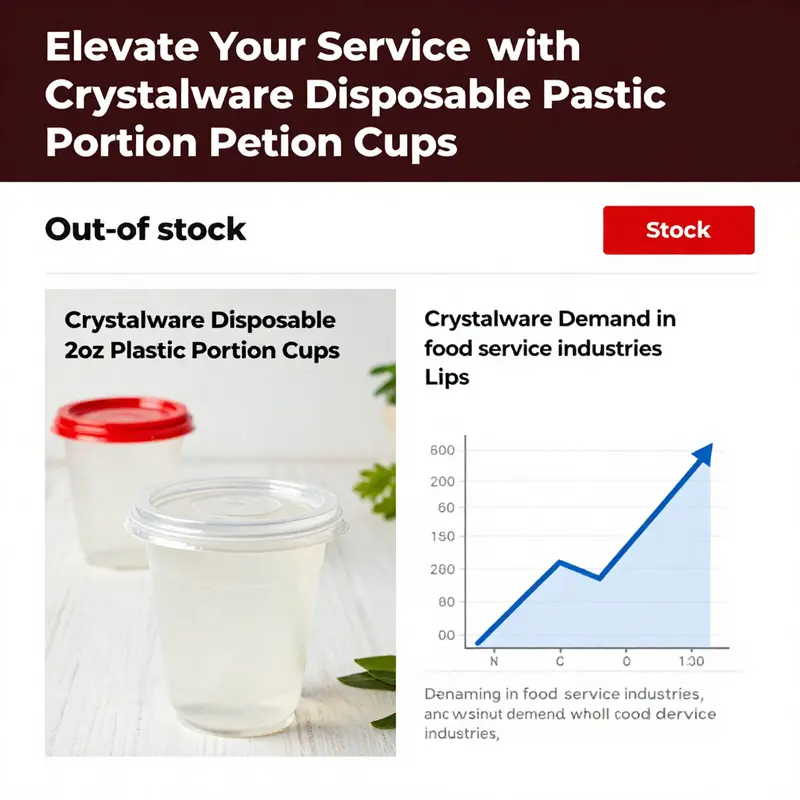
The marketplace for small, clear disposable cups with lids functions more like a lens than a container. In food service, sampling rooms, and event settings, these compact vessels do more than hold a product; they reveal it. The transparency of a 2-ounce cup is not merely a design choice. It is a strategic feature that enables quick visual assessment of color, texture, and portion integrity at a glance. In busy kitchens and fast-paced take-out environments, staff need reliable, portable packaging that supports precise portioning, minimizes waste, and preserves presentation from the moment a customer sees it on a display or counter to the moment it reaches the consumer’s hands. The transparency of a 2-ounce cup is not merely a design choice. It is a strategic feature that enables quick visual assessment of color, texture, and portion integrity at a glance. In busy kitchens and fast-paced take-out environments, staff need reliable, portable packaging that supports precise portioning, minimizes waste, and preserves presentation from the moment a customer sees it on a display or counter to the moment it reaches the consumer’s hands. This practical clarity translates into tangible outcomes for operators who are balancing speed, cost, and quality in a climate where presentation remains a differentiator and hygiene standards are non-negotiable.
Market demand for single-use, easy-to-handle packaging continues to grow, and the 2-ounce cup with a matching lid sits at a pivotal crossroads of convenience and control. Takeout culture, grocery store sampling, and catered events all rely on discrete portions that can be stored, transported, and served with minimal fuss. The post-pandemic dining landscape has further entrenched the expectation that products should arrive ready to go, with minimal handling and maximum safety. In this context, the small, clear plastic portion cup with a secure lid embodies a practical ideal: a compact unit that maintains product integrity, reduces the risk of leaks during transit, and supports quick setup for front-of-house service. This practical clarity translates into tangible outcomes for operators who are balancing speed, cost, and quality in a climate where presentation remains a differentiator and hygiene standards are non-negotiable. At the same time, the abundance of micro-portions aligns with contemporary portion-control norms in both commercial kitchens and home meal-prep routines, where consumers seek to manage calories, ingredients, and dietary preferences with confidence. The result is a steady, if measured, upward drift in demand for these containers, alongside heightened attention to material choice and end-of-life outcomes.
In discussions about materials, the dialogue often centers on PET, PP, and PS as the main contenders for clear, rigid disposable cups. PET, in particular, has gained traction in February 2026 market insights due to its crystal-clear appearance and robust moisture and gas barrier properties. Its recyclability in many municipal streams adds another layer of appeal for businesses that want to present a clean, professional image while aligning with sustainability goals. The trade-offs are nuanced, of course. While PET offers clarity and barrier performance, cost dynamics, availability, and compatibility with hot items can influence material selection for a given application. PP and PS bring their own strengths. PP can offer excellent heat resistance and a lighter footprint, making it a solid choice for sauces that might be warmed briefly or kept at stable temperatures during service. PS, with its rigidity and economical profile, remains attractive for low-cost, high-volume applications where presentation must still feel premium enough to justify the price point. The industry is attentive to these distinctions, and suppliers frequently present customers with a range of material options, enabling a deliberate, performance-driven choice that considers shelf life, shipping conditions, and environmental impact. In short, the materials conversation is less about a single “best” option and more about balancing appearance, barrier properties, temperature tolerance, and end-of-life considerations in line with customer values and regulatory expectations.
Availability across major channels reinforces the practicality narrative. Across dominant e-commerce platforms, listings for 2-ounce cups with lids are common, with multiple configurations available to suit different scales of operation. For many buyers, the ability to purchase in multi-hundred or multi-thousand unit packs, with clear specifications about diameter, height, and lid compatibility, reduces procurement complexity and supports consistent inventory planning. The presence of such products on widely used marketplaces signals a well-trodden supply chain, capable of meeting the demands of commercial kitchens, caterers, and home meal-prep enthusiasts who rely on reliability and uniformity in packaging. Yet, even as availability appears robust on prominent platforms, there are moments when stock levels can fluctuate. The reasons are multifaceted: rapid uptake from growing take-out and delivery ecosystems, seasonal demand spikes tied to events, and the natural cadence of production cycles that respond to shifting material costs and supplier capacity. It is not unusual to encounter periods where specific colorways, lid-fit options, or bundle sizes show limited stock or temporary delays. For operators, these ebbs and flows reinforce the value of building relationships with multiple suppliers and maintaining a flexible procurement strategy that can pivot between different packaging configurations while preserving the core benefits of the format—portion control, leak resistance, and visual appeal.
Another dimension shaping market expectations is the drive toward customization and environmental responsibility. Businesses seeking to align packaging with branding or to streamline large-scale procurement often work directly with factory suppliers, which can broaden the range of compatible materials beyond PET, PS, and PP. Eco-friendly alternatives such as PLA-based cups are increasingly discussed as part of a broader strategy to reduce plastic waste, though they come with trade-offs in cost, availability, and performance under certain temperatures. In practice, many buyers weigh the advantages of a transparent, recyclable option against the realities of supply chain sustainability commitments and the practical requirements of their use case. The trend is less about selecting a single, definitive solution than about adopting a packaging toolkit that provides dependable functionality, while offering paths toward reduced environmental impact where feasible. The market therefore rewards versatility: the ability to choose among materials, to adjust for temperature needs, and to tailor the packaging system to align with brand identity and operational constraints in line with evolving consumer expectations.
Within this evolving landscape, the role of the Lids—designed for maximum sealability and transport security—cannot be overstated. A lid that fits snugly and resists leakage is essential for maintaining product quality during transit, whether a tray is jostled on a delivery route or a staff member carries a handful of samples between events. The combination of a 2-ounce cup and a reliable lid delivers three practical advantages that resonate across the value chain. First, it supports consistent portioning, which is particularly important for menus that rely on precise condiment or dessert servings. Second, it controls contamination potential by reducing handling and exposure, an attribute increasingly valued by consumers who expect clean and safe packaging. Third, it simplifies inventory management and logistics. Because these cups stack efficiently, they reduce clutter in crowded kitchens and streamline the stacking, counting, and restocking processes that sustain a high-performing operation.
The importance of a steady supply cannot be overstated in a field where customer expectations rise with each season and where competition hinges on efficiency and presentation. While some market signals showed a temporary stockout on certain platforms, the broader availability picture remains positive, with multiple listings and continuous replenishment supporting ongoing demand. For buyers, this means that even during a period of heightened consumer activity, there are viable pathways to secure the essential components of a complete packaging solution. It also invites strategic planning around delivery windows, bulk purchasing milestones, and package customization that can help secure favorable terms and predictable lead times. In this way, the packaging ecosystem behaves much like a living system, where demand patterns, material science advances, and distribution network efficiencies co-evolve to shape what is possible in a given quarter.
From the perspective of end users, these trends translate into practical decision-making rituals. Operators ask about the exact compatibility between cup and lid options, the capacity to withstand temperature extremes, and the ease with which cups can be stored in a crowded prep area. They evaluate stackability, which influences shelving and freezer space. They assess the aesthetics of the clear body, which communicates content quality to customers and influences impulse choices at point of sale. They consider the environmental narrative associated with disposable packaging and the degree to which it harmonizes with their corporate sustainability goals. All of these considerations converge on a core insight: the value of a robust, transparent, and trustworthy packaging system that can scale from small sampling events to large catering engagements without compromising safety, appearance, or portability. For buyers seeking to explore supplier breadth and ordering options, one practical example of how such containers can be positioned within a wider take-away packaging ecosystem can be explored here: Senang food-grade take-away bowls with lids.
Despite the positive momentum, buyers remain mindful of the environmental conversations that accompany disposable packaging. While PET is celebrated for its clarity and recyclability in many municipalities, there is increasing scrutiny over overall plastic waste, and businesses are compelled to weigh the environmental trade-offs against the benefits of hygiene and convenience. As a result, the market is leaning toward more sustainable practices where feasible, such as using recyclable materials, optimizing packaging counts to reduce waste, and exploring compostable or bio-based alternatives where demand and cost structures permit. This evolving stance does not diminish the practical value of the 2-ounce cup with a lid; instead, it reframes it as part of an adaptable, sustainability-conscious toolkit. Companies that can transparently communicate the recyclability of their packaging and offer end-of-life guidance tend to gain trust with operators who are balancing cost, performance, and environmental stewardship.
In sum, the market for 2-ounce disposable plastic portion cups with lids—the practical, clear vessels that support portion control and presentation—continues to mature in response to the intertwined forces of demand, material science, and supply-chain resilience. The trend lines point toward a packaging approach that values crystal-clear visibility, reliable sealing, and flexible material choices, all calibrated to the realities of modern take-out, sampling, and catering workflows. Availability remains robust across major platforms, even as occasional stock fluctuations remind buyers to plan ahead and cultivate supplier relationships that can weather demand cycles. Customization options, including eco-friendly alternatives, broaden the horizon for brands aiming to align packaging with brand narratives and sustainability commitments. For buyers, the challenge and opportunity lie in selecting a configuration that delivers on presentation, protection, and price while maintaining the agility needed to serve a diverse range of applications—from dips and dressings to petite desserts and beyond. The result is a packaging solution that not only functions well in isolation but also enhances the broader consumer experience by delivering trust, consistency, and a sense of crisp, clean presentation with every served portion.
External reference: https://www.ebay.com/itm/394872595624
Weighing Waste: Environmental Costs and Practical Choices for 2oz Disposable Plastic Portion Cups with Lids
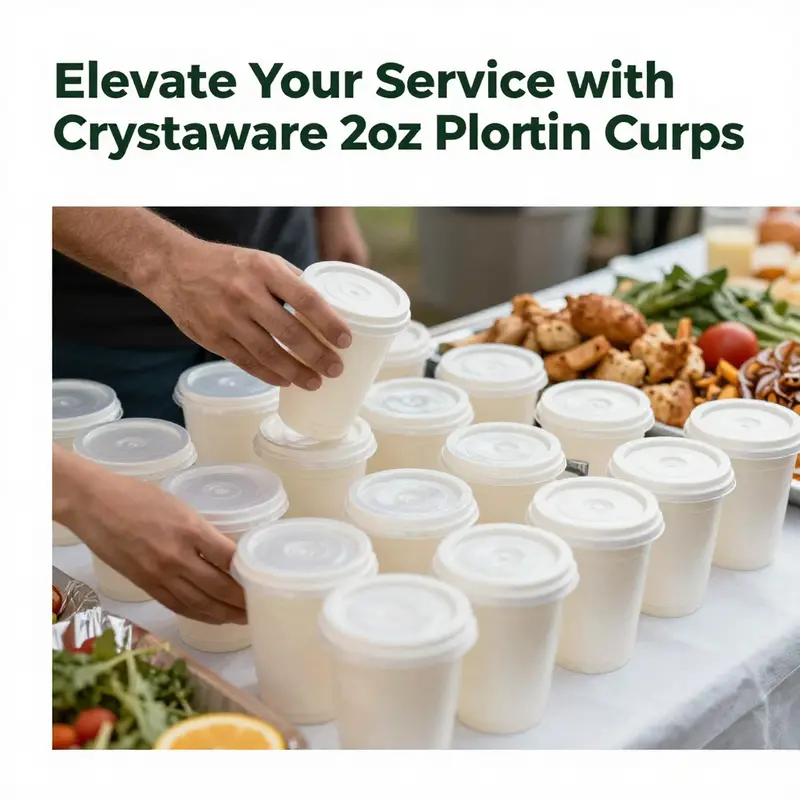
Small, clear 2oz portion cups with snap-on lids have become staples in catering, sampling, and home entertaining. They deliver precise servings, keep sauces and dressings separate, and present finger-food elegantly. Yet the convenience they offer brings environmental trade-offs that deserve careful consideration. This chapter explores the life cycle of these tiny containers, the material realities that shape their impact, and the practical decisions businesses and consumers can make to reduce harm without sacrificing hygiene or efficiency.
The raw material for many single-use portion cups is polypropylene (PP) or polyethylene terephthalate (PET). Both are petroleum-derived thermoplastics chosen for clarity, light weight, and resistance to moisture and fats. These properties make them excellent for food use. They also mean the cups do not break down in natural environments. In landfill conditions, temperatures and microbial activity are too low for meaningful decomposition. The physical durability that protects food therefore translates into persistence once discarded.
Production of these plastics consumes fossil fuels and emits greenhouse gases. Extraction, polymerization, and molding require energy. Packaging and transport add further emissions. Though a single 2oz cup contains little material, scale matters. Thousands of venues use them daily. Over time, cumulative production becomes a meaningful source of emissions and resource demand. When these items enter waste streams, they often fragment into microplastics. Those particles travel in air, soil, and water, and they enter food chains. Scientific studies link microplastics to ecological disruption, though research into long-term human health effects continues.
Recycling is often proposed as the answer, but real-world recycling of small, food-soiled plastics has limits. Collection systems vary regionally, and many municipal programs exclude thin, lightweight items because they jam sorting machinery. Food residue reduces the value of recovered plastic and can contaminate batches. Lids and cups sometimes use different resin grades or be too small to be economically processed. Even when technically recyclable, the low mass-to-volume ratio makes transport and handling inefficient. As a result, a significant proportion of portion cups never move beyond the trash bin.
Industrial composting and bioplastics offer alternative paths, but they carry constraints. Some manufacturers promote compostable plastics or PLA-based cups. Those materials need industrial composting temperatures and oxygen levels to break down effectively. Home compost piles rarely reach those conditions. Without a dedicated facility, so-called compostables can behave like conventional plastics in the environment. Certification standards exist to clarify claims, but availability of compliant processing infrastructure remains uneven. For venues committed to compostables, verifying local acceptance is critical before switching.
Material choice is not the only factor. Design decisions affect environmental outcomes. Thicker walls increase durability but add material. Integrated lids reduce the number of separate pieces but may complicate recycling if composed of mixed polymers. Clear cups made from PET often provide better visibility but PET has a higher recycling value than PP in many markets. Stackability aids storage efficiency and reduces shipping volume, which lowers transportation emissions—an often overlooked benefit. When vendors choose portion cups, balancing material weight, clarity, and separability matters for downstream waste handling.
Operational practices in foodservice also change the environmental balance. Portion control reduces waste and can lower overuse of condiments and dressings. Pre-portioning helps with portion control but increases single-use container counts. Training staff to use reusable dispensers where appropriate can reduce single-use demand. For delivery and outdoor services, sealed individual cups prevent cross-contamination and maintain quality; in those contexts, hygiene considerations may justify disposables. The decision often hinges on volume, customer expectations, and local waste infrastructure.
For businesses seeking lower-impact options, there are several pragmatic strategies. First, audit usage patterns to find where disposables are essential and where they are optional. Second, choose containers designed for easy recycling where systems exist. Third, consider hybrid models: for in-house dining, switch to reusable glass or stainless alternatives; for takeout, offer disposable cups on request only. Fourth, partner with waste haulers and local composters to align purchasing with processing capabilities. Simple policy changes, like asking customers if they need individual cups, reduce unnecessary consumption.
Alternatives to petrochemical plastics are becoming more available. Fiber-based trays, molded pulp inserts, and sugarcane bagasse containers offer compostable serviceware options that handle hot and moist foods. These alternatives can perform well for single-portion needs and often carry industrial compostability credentials. Businesses adopting them should verify the supplier’s certification and confirm local acceptance of those materials. An example of an option to explore is bagasse sugarcane biodegradable containers, which can replace plastic in many serving scenarios without sacrificing sturdiness.
Switching materials shifts environmental burdens rather than eliminating them entirely. Growing crops for bio-based plastics or fiber containers uses land, water, and fertilizers. Transportation and processing still consume energy. Life-cycle assessments show trade-offs: some compostable materials have lower fossil fuel footprints, while others may have higher agricultural impacts. The best choice depends on local energy mixes, waste processing availability, and expected end-of-life. What matters most is system matching: align the chosen packaging with the waste management options customers and vendors actually have.
Policy and certification frameworks help cut through marketing claims. Standards for compostability and biodegradability set performance thresholds for disintegration and ecological safety. Third-party certifications add credibility. Businesses should prefer products that display recognized marks and keep documentation on hand. At the municipal level, procurement policies can shape supply chains by favoring materials that local processors accept. Collective action by industry groups can accelerate infrastructure investment, turning compostable options into practical solutions rather than niche choices.
Even with the right materials and systems, education plays a vital role. Clear labeling tells users whether items belong in recycling, compost, or landfill. Simple visual cues and brief instructions reduce contamination rates. Staff training on separation and customer-facing signage further improves diversion outcomes. Investing a small amount in labeling and training yields outsized improvements in actual recycling and composting performance.
Cost considerations weigh heavily in decisions. Disposable plastic cups are often cheaper per unit than certified compostable or fiber-based alternatives. Upfront costs influence procurement decisions, especially for high-volume operators. However, a broader accounting that includes waste disposal fees, landfill costs, and brand value tied to sustainability can change cost comparisons. Some venues find that offering eco-conscious options attracts customers willing to pay a small premium, offsetting material price differences.
Supply dynamics also matter. Recent listings have shown popular portion cups going temporarily out of stock due to spikes in demand. Such shortages amplify the need for procurement flexibility. Maintaining relationships with multiple suppliers, keeping a small stock buffer, and having backup material options can reduce operational risk. These measures make it easier to transition to alternatives without disrupting service.
Ultimately, reducing the environmental footprint of 2oz disposable portion cups hinges on layered choices. Select materials with realistic end-of-life pathways. Optimize design for separability and transport efficiency. Change operational practices to avoid unnecessary disposables. Adopt credible certifications and align purchases with local waste infrastructure. Where possible, switch to reusable serviceware for in-house dining and reserve disposables for situations where hygiene or logistics demand them. These steps, taken together, can dramatically lower cumulative impacts.
Small items accumulate into large problems only when systems ignore them. By considering the lifecycle of portion cups, foodservice operators and consumers can make targeted, practical changes. Those changes protect brand integrity, meet hygiene needs, and reduce contribution to long-term pollution. For more detailed guidance on compostability standards and certification, consult the official site of the certification body that evaluates compostable products: https://www.bpiworld.org
Final thoughts
Crystalware Disposable 2oz Plastic Portion Cups with Lids stand out as a versatile and indispensable tool for professionals in the food service and event planning industries. Their lightweight and durable construction, combined with their practical applications for serving food and beverages, make them a go-to choice for many establishments. Understanding the current market trends sheds light on the rising demand for such products, while sustainability considerations remain crucial. By opting for these functional cups, businesses can ensure they deliver quality service while also being mindful of environmental impact. As the industry continues to evolve, integrating these cups into your operations could be the key to meeting customer expectations and enhancing the overall experience.