
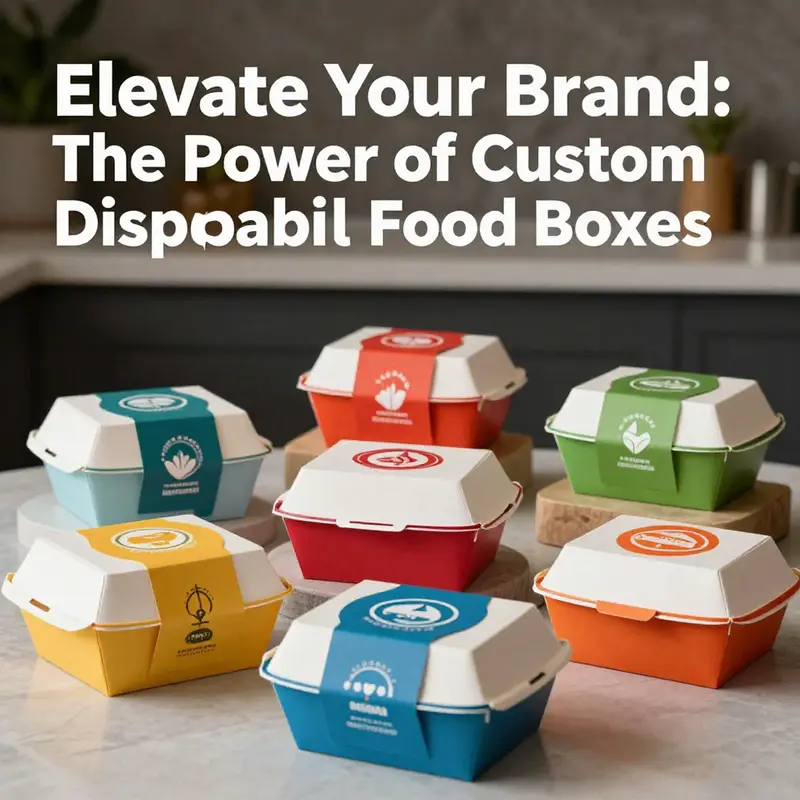
Custom printed disposable food boxes have emerged as essential tools in modern food service, impacting branding, customer experience, and sustainability. As businesses like bubble tea shops, restaurants, food trucks, and catering services strive for differentiation in a competitive landscape, the potential of personalized packaging cannot be overstated. These boxes serve not only as functional containers for food and beverages but also as effective branding platforms that resonate with environmentally conscious consumers. In this exploration, we will unravel the multifaceted roles of custom printed disposable food boxes. Chapter one will delve into their significant impact on branding and marketing. Chapter two will uncover the sustainable practices that align packaging solutions with eco-friendly demands. Finally, chapter three will address cost and supply chain considerations essential for efficient packaging. Together, these chapters will provide a comprehensive understanding of how custom printed food boxes can contribute to business success.
Branding on the Move: How Custom Printed Disposable Food Boxes Shape Perception, Loyalty, and Sustainability
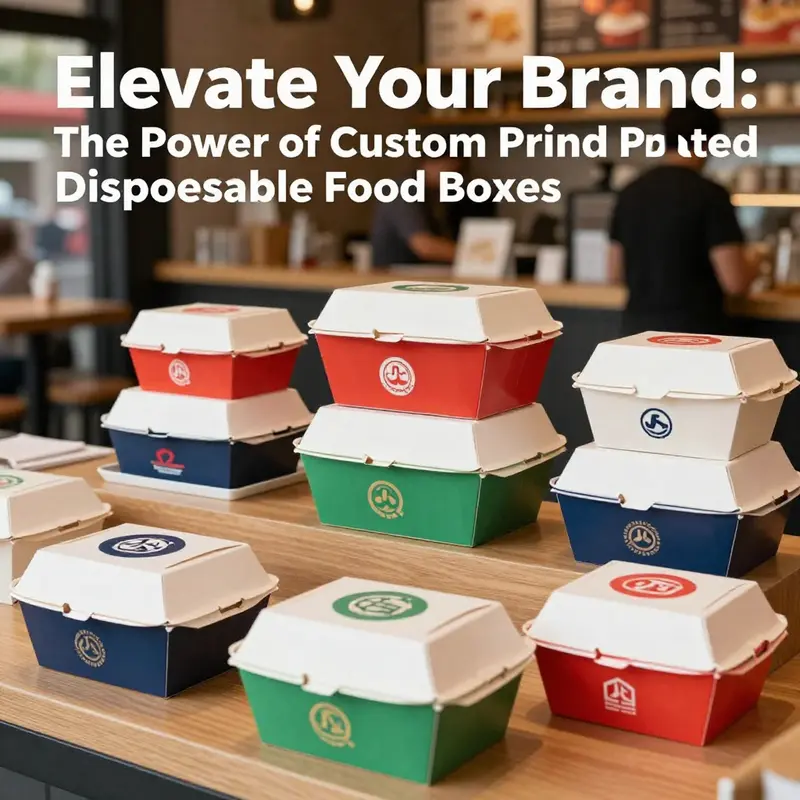
A disposable box is often the first physical touchpoint a customer has with a brand after the menu is closed and the plate is carried away. In today’s food service landscape, packaging has evolved from a mere containment solution to a strategic branding and marketing asset. Custom printed disposable food boxes carry branding beyond the counter, turning every takeout meal into a portable billboard. They are as much about storytelling as they are about functionality, and they do so with a efficiency that is hard to match with other channels. The insight driving this shift is straightforward: people remember what they see, and packaging is a constant visual and tactile reminder of a brand’s values, promises, and style. When a box is printed with a distinctive logo, a coherent color palette, and a concise message, it becomes a microcosm of the brand—an impression that travels with the customer from the restaurant to the street, to the office, and finally to the home kitchen shelf where it can spark recall and conversation long after the meal is finished. In a market where consumers increasingly evaluate businesses by their sustainability practices, the packaging itself signals a company’s commitments. The choice of materials, the level of recyclability, and the presence of independent certifications all contribute to credibility and trust. The boxes’ potential to reinforce a brand’s environmental stance is not incidental; it is an integral part of a strategy that seeks to attract and retain customers who expect responsible behavior from the brands they support. This creates a legitimate and practical alignment between branding and sustainability, a pairing that can amplify loyalty and encourage repeat purchases while reducing perceived risk in a crowded space. When customers see a brand’s values reflected on packaging, they are more likely to trust the business with future orders. The effect compounds as packaging becomes shared content on social media, in online reviews, and in recommendations within a customer’s social circle. The visual impact of a well crafted design is not merely aesthetic; it is a memory cue. Branded patterns, bold logos, and well chosen color schemes can lift a product from being just another meal to an experience that resonates with shoppers. In this sense, the disposable box does not merely transport food; it communicates brand personality, quality, and a commitment to a set of standards the customer can gauge at a glance. The design language that travels on these boxes—color harmonies, clean typography, and strategic negative space—also supports ease of recognition during the critical moment of decision making. On crowded delivery platforms and in busy takeout traffic, a box that instantly says who it is and what it stands for stands a better chance of being noticed, remembered, and chosen again. This is why the most effective brands approach packaging design as a core element of their marketing mix rather than a separate, afterthought activity. The process begins with a careful selection of materials that can carry the brand promise while meeting practical requirements. Kraft paper and FSC certified cardboard have become leading choices because they deliver a balance of durability, printability, and environmental stewardship. Kraft paper brings a tactile warmth and a natural aesthetic that can be paired with bold ink to create a high-contrast, memorable look. The use of FSC certified materials signals a real commitment to responsible forest practices and traceability, which in turn supports consumer confidence. In markets where regulations and consumer expectations push for greater transparency, such as Europe, the alignment between packaging materials and sustainability claims becomes a competitive differentiator. When a brand can point to certifications like FSC as part of its packaging narrative, it signals compliance with rigorous environmental standards and a willingness to be held accountable. This transparency matters because it builds long term trust with both customers and regulators. The packaging choice then flows into the design language that travels with the box. A strong brand can leverage a range of customization options: logos that scale cleanly across multiple sizes, color palettes that translate across ink types and substrates, and patterns that reinforce the brand story without overpowering the food inside. A common approach is to deploy vibrant cartoon or geometric patterns that catch the eye in social feeds and on delivery shelves. The visual economy of these designs matters; the most effective boxes communicate quickly at a glance. The brand message can be as simple as a tagline or as complex as a call to action that invites customers to engage with the brand beyond the meal. Even small messages on the box can influence perception and recall. Research in packaging and marketing indicates that branded designs can increase customer recall by as much as thirty percent. That boost in recognition translates into higher likelihood of repeat order, word-of-mouth referrals, and social media sharing. It is not just the logo that matters, but the entire message architecture—the typography, the tone, and the imagery that accompanies the brand. In practice, this means aligning the box design with the brand’s core story and the culinary context of the product. A fast casual concept with a playful identity might embrace bold, friendly typography and dynamic shapes, while a premium takeaway concept might opt for restrained elegance, metallic accents, and a minimalist palette. The packaging then acts as a portable stage where the food is framed and the brand persona is projected. The experience of receiving and opening the box matters too. Aesthetics aside, the functional design of the packaging supports brand promises such as convenience, reliability, and safety. For instance, by integrating waterproof coatings or aseptic construction, the boxes protect contents from moisture and contamination during transit. These features are essential in maintaining the integrity of the product and the customer’s perception of the brand. A box that keeps a salad crisp, a hot meal warm, or a dessert intact is a quiet ambassador for quality, and such reliability reinforces brand trust just as surely as a beautifully printed logo. The functional characteristics of custom printed boxes extend into the user experience at the point of consumption. Built-in handles, easy-to-open lids, or magnetic closures can transform a routine pickup into a more convenient, even delightful, interaction. These small design decisions reduce friction and heighten satisfaction, which in turn fosters positive associations with the brand. The box becomes part of the dining ritual rather than a disposable artifact. From a sustainability perspective, the modern consumer expects packaging choices to align with environmental values. The market has responded with materials and processes designed to minimize ecological impact while maintaining performance. Eco-friendly kraft and recycled content cardboard are widely used to meet this demand. In addition to material selection, the supply chain has adopted practices that enhance sustainability across the lifecycle of the packaging. Certification schemes such as FSC provide third party assurance that the raw materials originate from responsibly managed forests. In some cases, additional certifications or standards, such as seedling oriented programs or other credible environmental benchmarks, help reinforce the credibility of sustainability claims. Brands that pursue these certifications demonstrate that they are acting in good faith, not merely marketing the rhetoric of sustainability. This credibility matters when customers, particularly Millennials and Gen Z, are evaluating a brand’s broader commitments. They are more likely to support businesses that show clear, verifiable environmental responsibility. In addition to certifications, consumer trust grows when brands communicate about disposal and recycling options clearly. Boxes printed with simple instructions on disposal or composting, and with information about local recycling streams, reduce confusion for customers and encourage responsible behavior. The packaging then becomes not only a product feature but a behavior cue that nudges customers toward sustainable habits. The growing attention to sustainability also has implications for product variety and customization options. A wide range of box types exists for different food formats and use cases, from salad bowls with lids to pizza boxes, burger boxes, sushi boxes, donut boxes, snack containers, and even specialized meal kits for airline catering. This variety ensures that packaging can be tailored to the exact needs of the item, reducing waste and improving transport efficiency. Capacities vary from five hundred milliliters to thirteen hundred milliliters, accommodating everything from small snacks to full meal portions. The packaging can be tailored not just to the item but also to the service model, whether it is a fast food outlet, a casual dining concept, a catering service, or an event. The ability to customize size, color, lid type, and even the internal structure of the box—such as inserts for stability or compartments for sauces—gives brands a flexible toolkit to optimize both branding and functionality. The result is a packaging ecosystem that supports efficiency in operations as well as the success of the marketing strategy. From a sourcing perspective, the economics of custom printed disposable food boxes are favorable for scaling. Bulk procurement enables competitive per unit pricing, often with very low cost per piece at high volumes. Lead times vary with the complexity of the customization. Simple print runs may ship in as little as a week to ten days, while more intricate handmade or specialty designs can require two to three weeks. This speed-to-market is critical for brands that need to respond to seasonal menus, pop-up concepts, or event driven demand. The capacity to scale makes these boxes a practical solution for emerging brands that need consistent, dependable packaging as they grow. The process also frequently includes original equipment manufacturer services, allowing businesses to create unique packaging solutions that align precisely with brand specifications. The result is a packaging solution that is not only a practical feed for the product but a strategic extension of the brand. Platforms that connect buyers with suppliers provide additional assurances. For example, trade assurance and other security measures can help ensure smooth transactions, while supplier expertise in food-grade packaging and compliance with food safety standards reduces risk for the brand. The sourcing landscape makes it feasible for a brand to maintain a consistent look and feel across multiple markets, ensuring that the brand identity travels with the product across regions. The potential of custom printed disposable food boxes to impact branding and marketing goes beyond the immediate purchase. The box is a resource for storytelling and for reinforcing brand values across channels, from in-store displays to social media feeds. A striking design can become a talking point on platforms like Instagram or TikTok, where users photograph and share packaging that stands out. This social amplification is a powerful, cost-effective way to extend the reach of the brand and to elicit engagement with the audience. Because packaging is shareable content, the investment in design can yield a higher lifetime value of each customer, particularly when the packaging invites interaction or prompts feedback. The packaging then becomes a vehicle for co-creation with customers, inviting them to participate in the brand narrative through the way they use or reuse the box or through posted photos that tell a story about the product and its values. In sectors where events and hospitality are prominent, the packaging can also act as an event credential. For weddings, corporate functions, or large gatherings, custom printed boxes provide a uniform, branded presence that contributes to the overall mood and experience. A cohesive packaging approach helps create a sense of occasion and continuity, which can be especially meaningful in experiences where food is central to the event. The same logic holds across a broad spectrum of contexts, from a casual dinner to a formal setting. The packaging design acts as a thread that ties together all points of contact, shaping how the customer feels about the brand in aggregate. While the opportunities are considerable, there are practical considerations to balance when developing a custom printed packaging strategy. Material selection should be guided by performance needs and environmental expectations. For example, even within eco-friendly options, decisions around moisture resistance, heat tolerance, and shelf life must be aligned with the food categories served. A box that protects a delicate dessert should differ in structure and coating from one designed for a greasy takeaway. Print quality and ink compatibility matter as well. Food-grade inks and coatings that resist smudging, fading, or chemical transfer ensure that branding remains legible throughout the product’s life cycle. The more robust the branding, the more confident a customer can be that the box reflects the standards of the brand. On the sourcing side, cost and lead time considerations are real. Bulk pricing can be highly competitive, and suppliers may offer a range of customization options that fit different budgets. Yet, the choice to print in full color, add textured finishes, or implement special closures can extend lead times and raise price points. Brands must weigh these trade-offs against the expected marketing impact and the operational benefits of the materials. The future of custom printed disposable food boxes looks set to blend sophistication with sustainability even more deeply. Innovations in coatings, barrier properties, and compostable or recyclable substrates will further reduce environmental impact while preserving or enhancing performance. Smart packaging, where feasible, could add layers of value through traceability and consumer engagement without sacrificing the core advantages of portability and brand expression. As this space evolves, the most successful brands will integrate packaging decisions with broader marketing and sustainability goals. They will view the box as a living component of the brand narrative rather than a one off asset. The packaging ecosystem will become more collaborative, with designers, suppliers, and operators aligning around a shared vision of responsible production, clear communication, and compelling aesthetics. This alignment will be essential for maintaining consistency as brands scale across markets and diversify their offerings. In the end, the impact of custom printed disposable food boxes on branding and marketing is not merely about what the box looks like. It is about the message the box conveys, the experience it enables, and the trust it builds. It is about turning a practical necessity into a lasting impression, and about ensuring that a meal carried home in a well designed box can feel like part of a carefully choreographed brand experience. For brands seeking to source or design packaging that supports both performance and perception, the path is clear: embrace materials and processes that reflect environmental responsibility, invest in bold, resonant design that tells a story, and leverage packaging as a strategic asset that travels with the customer long after the meal ends. In this way, the disposable box becomes not a disposable afterthought but a durable contributor to brand value, loyalty, and growth. By harmonizing sustainability, usability, and visual storytelling, custom printed disposable food boxes help brands communicate who they are, what they stand for, and why a customer should care enough to choose them again and again. External resource: https://www.alibaba.com/product-detail/Custom-Printed-Togo-Kraft-Paper-Burger_62754814595.html?spm=a2700.100137.0.0.3d7a1c5bNvYqKZ
Branding with a Green Footprint: Sustainable Practices in Custom Printed Disposable Food Boxes
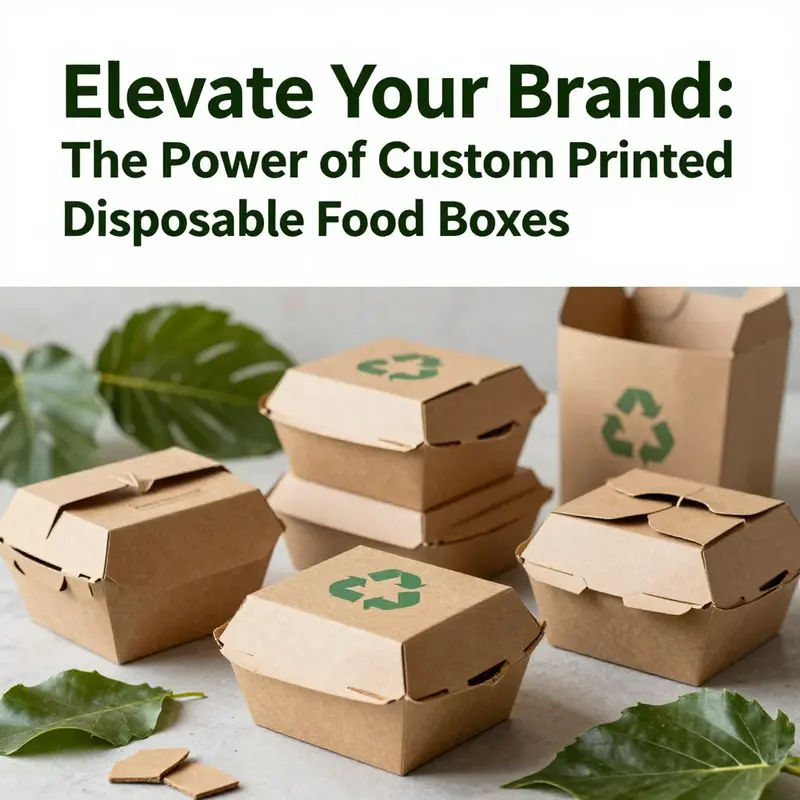
Every era of food service has its own packaging story, but today’s narrative centers on a clean balance between strong branding and responsible stewardship. Custom printed disposable food boxes have evolved beyond mere containment; they are active touchpoints with customers, messengers of a brand’s values, and, increasingly, ambassadors for a sustainable future. When a box can carry a logo, a message, and a commitment to the environment, it becomes more than packaging. It becomes a portable extension of the business’s ethos. In this chapter, we explore how sustainable practices shape the design, production, and use of these boxes, and why responsible choices in materials, manufacturing, and end-of-life management are not merely regulatory or reputational considerations but core drivers of brand trust and operational resilience. The aim is to paint a cohesive picture of how green packaging integrates with branding, logistics, and customer loyalty in a way that feels seamless rather than transactional, and to show how contemporary suppliers and manufacturers are meeting the demand for packaging that does both the job and the planet a favor.
Material selection sits at the heart of sustainable practice. Modern sustainable boxes increasingly rely on materials drawn from renewable agricultural byproducts, not virgin timber. Two materials that appear repeatedly in leading designs are 100% compostable wheat straw fiber and sugar pulp. Wheat straw is the leftover stalk from grain crops after harvest, a plentiful resource that would otherwise accumulate as waste. Sugar pulp, derived from the fibrous residue of sugar production, aligns with circular economy principles by converting byproducts into functional packaging rather than discarding them. The shift toward these materials reduces landfill burden, lowers the life-cycle carbon footprint, and supports sustainable farming systems by creating demand for agricultural residues that would otherwise have limited value. What matters beyond the raw material is the chain of custody: certifications that verify responsible sourcing and endings. Certifications such as FSC (Forest Stewardship Council) and regional programs like EPR Germany indicate that the paper-based components originate from responsibly managed forests and that end-of-life management is feasible and defined. These certifications reduce the risk of greenwashing and give businesses a tangible framework for communicating sustainability to customers who look for credible claims rather than vague promises.
Material choice is only one side of the coin. The other side concerns how those materials are turned into a package that performs under real-world conditions. In manufacturing, sustainability extends from the fibers to the inks, coatings, and general process chemistry used to decorate and finish the boxes. The industry has progressively embraced water-based inks and plant-derived coatings as alternatives to solvent-heavy solutions. Water-based inks typically emit far fewer volatile organic compounds (VOCs), contributing to better air quality in production facilities and a safer environment for workers. Coatings derived from renewable sources, when used judiciously, can deliver the same performance in terms of moisture resistance and sheen while maintaining recyclability and compostability. The design phase also matters for end-of-life outcomes. A key feature of modern sustainable designs is a robust yet lightweight structure that resists moisture and grease long enough to reach the consumer but remains amenable to industrial composting at the end of its life. In practice, this often translates to a 2mm-thick moisture-resistant kraft paper base that can hold greasy, hot, or wet foods without leaking or wicking. This thickness offers a reliable performance envelope without resorting to layers that hinder compostability or recycle streams. The result is a box that can perform in the same contexts as traditional options while presenting a cleaner end-of-life profile.
Customization in this space is not purely cosmetic. While gloss and embossing can elevate shelf appeal, the choices around lamination, coatings, and even lid design can influence transport efficiency, stackability, and leak resistance. A common approach combines a minimalist aesthetic with functional reinforcement. Embossing and subtle texture can enhance grip and perceived value while using minimal additional materials. When a waterproof or moisture barrier is needed, designers turn to coatings that are compatible with composting streams or that can be easily separated in the recycling process. The use of plant-based inks and coatings also supports the broader sustainability narrative by reducing VOC emissions and aligning with consumer expectations for “green” production processes. The practical payoff is clear: boxes that perform under demanding conditions—hot soup, greasy sandwiches, sushi with moisture—without compromising their end-of-life integrity or requiring complex disposal steps. In effect, better design reduces waste, lowers the need for secondary packaging, and shortens transit cycles by ensuring more food arrives in good condition and in a single container.
Beyond the raw materials and the manufacturing choices, the real-world applications of sustainable printed boxes reveal how packaging can support a broader corporate sustainability agenda. The boxes are engineered for a spectrum of foods and use cases, from sandwiches and sushi to salads and beverages. Their compostability is typically tied to industrial facilities that can process the materials under defined temperature and moisture conditions. The reference to industrial composting is important because it recognizes the difference between truly compostable materials and those labeled as such but only meet criteria in controlled environments. In the right facilities, these boxes break down into organic matter without leaving recoverable microplastics or toxic residues. This aligns with circular economy principles, where materials are kept within productive loops rather than ending up as long-term waste. The packaging design also emphasizes space efficiency and stackability, which translates into reduced transportation emissions and improved warehouse management. Fewer trips and more compact pallets help shrink the carbon footprint of a typical takeout operation, particularly at scale.
A critical theme in sustainable practice is the alignment of packaging with regulatory expectations and market norms. In many regions, environmental regulations are tightening around packaging materials and end-of-life stewardship. Regions across Europe, for example, are moving toward stricter disclosures of sourcing practices and more explicit requirements for end-of-life management. The goal is to ensure that packaging does not contribute to litter or resource depletion while still meeting the practical needs of busy foodservice operations. In this context, a box that is designed to be composted in an industrial facility, certified for responsible sourcing, and printed with inks that do not hinder compostability becomes a practical solution for restaurants, cafes, and caterers that want to differentiate themselves through responsible packaging. These considerations are not merely about staying on the right side of the law. They influence brand positioning, risk management, and long-term cost of ownership. A company viewed as a steward of the environment can build deeper trust with customers who increasingly scrutinize the entire lifecycle of a product, from procurement to disposal.
The business case for sustainable customization also hinges on economic realities that shape supplier behavior and customer expectations. On the procurement side, many suppliers offer scalable options that make sustainable packaging affordable at large volumes. Bulk pricing can be highly competitive, with some quotations indicating low per-piece costs when orders reach tens of thousands of units. This pricing dynamic helps offset the upfront investment in more environmentally friendly materials and processes. Lead times become a practical consideration and vary with the level of customization. Simple printed boxes may be produced and shipped in as little as seven to ten days, while more intricate designs—such as handmade finishes or specialty embossing—may extend to fifteen or twenty days. The trade-off is a predictable timeline for design validation, production readiness, and shelf-ready packaging that aligns with marketing calendars and seasonal demand. For businesses seeking distinct packaging aligned with branding, original equipment manufacturer (OEM) services provide the flexibility to translate a brand brief into a packaging system that is consistent across SKUs and campaigns. OEM arrangements enable a company to specify size, color, lid type, and branding elements that reinforce identity across channels and markets. The ability to tailor packaging to a particular food category, customer segment, or event—such as weddings or corporate catering—enhances the perceived value and strengthens loyalty.
A practical pathway to sustainable packaging is to view packaging decisions as part of a larger supply chain strategy rather than isolated choices. Platforms that connect buyers with global suppliers have become central to this approach. They enable standardized procurement, performance testing, and supplier evaluation across a range of criteria, including food-grade safety, compliance with environmental standards, and reliability of supply. For example, a buyer can seek suppliers who offer 100% compostable materials, FSC-certified content, and water-based inks, while simultaneously requesting samples to test for grease resistance, insulation performance, and print fidelity. Such a structured approach minimizes risk, ensures consistency, and supports scale. It also helps teams strike a balance between the precise visual identity a brand requires and the practical realities of foodservice operations, where margins and throughput are critical. In practice, many brands use a mix of standard stock boxes for everyday takeout and customized options for premium or event-based offerings, a strategy that allows for targeted investment where it yields the highest returns in terms of brand equity and customer satisfaction.
The internal design language of sustainable packaging often focuses on clarity and transparency. Communicating environmental responsibility can take the form of concise labeling on the box, simple icons indicating compostability in industrial facilities, and a short narrative within the marketing materials that accompanies the box design. Consumers, especially younger demographics, increasingly expect brands to be explicit about the environmental assumptions behind packaging choices. A well-crafted sustainability message on a box can reinforce trust, particularly when the message is backed by verifiable certifications and third-party validations. This is where certifications and end-of-life claims matter: they provide the evidence that the packaging lives up to its stated environmental attributes, reducing the risk of greenwashing and supporting long-term brand credibility. It is important to strike a balance between marketing value and practical honesty; overstatement can backfire, while precise, verifiable claims can create a durable competitive advantage.
The practical implications for a business choosing sustainable printed boxes extend beyond aesthetics and regulatory compliance. Operationally, these boxes can contribute to a leaner supply chain by lowering the need for secondary packaging and reducing waste generated by leakage or damage in transit. The moisture-resistant base, coupled with reliable closures and, in some cases, interactive features like built-in handles or magnetic closures, can improve customer experience by making carry-out and delivery smoother and more convenient. A well-executed packaging system can contribute to faster throughput in busy service environments, as staff spend less time managing messes or re-packaging items for customers. The cumulative effect of these design and process improvements can be measured in customer satisfaction scores, repeat orders, and the overall sustainability metrics that many brands now track as part of their corporate responsibility programs.
To illustrate how these principles translate into tangible choices, consider the role of an octagonal or uniquely shaped take-away box. The shape is not merely a visual flourish; it optimizes stacking during storage and reduces space in transit, which, in turn, lowers fuel use and emissions. The option to specify a PET lid for salad bowls or a windowed design for bakery or sushi items can influence consumer perception and the perceived freshness of the product, while also supporting the functional requirement to keep contents secure. An emblematic example of how form and function intersect in sustainable practice is the selection of a box that combines a moisture-resistant base with a lid system designed to minimize air exposure, extending freshness and reducing waste. For businesses that want to visualize these options, a practical reference within the supply ecosystem is available at octagonal kraft takeaway boxes that showcase how a distinctive shape can add value without compromising recyclability or compostability. See more on this approach here: octagonal kraft takeaway boxes.
The broader market context reinforces why sustainable packaging is not a niche concern but a mainstream factor in competitive strategy. As regulatory scrutiny intensifies and consumer expectations evolve, brands must design packaging that aligns with sustainable goals, supports brand narratives, and remains financially viable. The upfront costs associated with renewable materials and specialized production methods are real, but they are increasingly balanced by longer-term savings in waste reduction, improved logistics efficiency, and stronger consumer loyalty. In many markets, the willingness of customers to pay a small premium for packaging that clearly communicates environmental responsibility helps restore and even enhance margins over time. The best packaging strategies weave together materials science, manufacturing discipline, supply-chain pragmatism, and marketing clarity to deliver a single, coherent story: that sustainability and brand excellence can advance hand in hand rather than compete for attention.
Finally, it is essential to acknowledge the value of external knowledge and benchmarks that accompany this field. Industry references and case studies provide deeper insights into standards, certifications, and real-world outcomes. For readers seeking a broader perspective on compostable food containers and the underlying material science, a comprehensive resource is available that delves into certification standards, material performance, and practical applications in a way that complements the operational focus of this chapter. In practical terms, this external perspective can inform supplier selection, product development, and customer communication strategies, ensuring that sustainable packaging remains credible and impactful across channels. For a deeper context on compostable packaging standards and implementation, see EcoEnclose’s exploration of compostable food containers. The dialogue between supplier capabilities, regulatory expectations, and consumer demand continues to shape how these boxes perform in kitchens, on storefront shelves, and in the hands of customers who care about the footprint of what they carry.
In sum, sustainable practices in custom printed disposable food boxes embody a practical fusion of environmental responsibility and brand programming. Through thoughtful material selection, responsible manufacturing, careful end-of-life planning, and transparent communication, these boxes enable food businesses to meet today’s performance standards while laying a credible path toward a more sustainable tomorrow. The result is packaging that is not only fit for purpose but also aligned with a brand’s promise to customers, employees, and communities. As the market continues to mature, the most effective packaging strategies will be those that integrate sustainability into every decision—from the fibers in the sheet to the stories told on the box—and recognize that every box shipped is a chance to reinforce trust and demonstrate a genuine commitment to a better planet.
From Raw Material to Brand Message: Navigating Costs and the Supply Chain of Custom Printed Disposable Food Boxes

Costs and supply chain dynamics are not ancillary to the value of custom printed disposable food boxes. They form the backbone of whether brands can scale, maintain quality, and stay true to their sustainability commitments while delivering a reliable customer experience. The journey from a sheet of material to a branded, functional box that travels from kitchen to table involves a cascade of decisions. Each choice—materials, printing, finishes, volume, and logistics—cascades into costs that compound at scale. Yet when managed well, these decisions transform packaging from a mere container into a tangible expression of a brand’s promise, while supporting operational efficiency and environmental accountability. In this chapter, the thread connecting cost, supply chain reliability, and brand value is traced through the lifecycle of a typical custom printed disposable box, illustrating how strategic choices can align commercial goals with responsible practices.
Material selection is the first and most influential cost lever. Options range from paperboard to corrugated board and, in some cases, bioplastics. Paperboard boxes sourced from renewable wood pulp tend to be the most cost-effective for lightweight dry or semi-dry foods. They offer clean print surfaces, predictable behavior in automated packaging lines, and a favorable environmental profile when produced from responsibly managed forests. For heavier items or boxes that must withstand stacking and rough handling, layered paperboard with a fluted inner core delivers superior strength and rigidity. That added performance—crucial for bulk or multi-portion meals—comes at a higher price point, but it can reduce breakage, improve pallet density, and lower total landed cost per unit when measured across the entire fulfillment chain. The trade-off between weight, strength, and material cost is not merely a material science exercise; it is a strategic choice that affects storage, transportation, and end-of-life outcomes.
The rise of eco-conscious consumer expectations amplifies the cost implications of material choice. Recycled content and FSC-certified sources carry premium but carry with them reputational and regulatory benefits. FSC certification signals to customers and regulators that the fiber in the box comes from responsibly managed forests. In regions with strict reporting requirements and heightened scrutiny of supply chains, this traceability strengthens brand credibility and can support eligibility for certain green procurement programs. The materials discussion cannot ignore barrier performance. For moisture-sensitive items or those with sauces, coatings and barrier properties become decisive. A waterproof coating may be essential to prevent leakage during transit, but it adds material costs and can influence recyclability. The packaging must be robust enough to avoid contamination while still being designed for efficient recycling streams. These considerations—strength, moisture resistance, recyclability—often determine whether a given material is a non-starter for a particular use case or a viable path to dependable performance that customers notice in a positive way.
Printing complexity and finishes are another major cost driver. The more colors, the more layers, and the more intricate the design, the higher the per-unit cost. A simple one- or two-color print might be quick and affordable, especially on high-volume runs, but brands frequently seek full-color branding, gradient shading, and fine typography that require more advanced press techniques. Special finishes—such as matte or gloss lamination, UV coating, foil stamping, debossing, or embossing—enhance shelf appeal and tactile experience, which can justify a higher price point through elevated consumer perception and stronger in-store impact. Finishes also influence functional attributes. Lamination can improve water resistance and scuff protection, while certain coatings may affect recyclability. The cost calculus then includes not only the print setup and running costs but also the downstream implications for waste management and circularity. A careful design phase can optimize both aesthetics and throughput, leveraging fewer colors or converting to spot colors where possible, while still achieving the desired brand statement. It is a balancing act between visual impact, production speed, and end-of-life considerations.
Volume matters, of course. Production scale enables economies of scale that reduce unit cost. The relationship is straightforward: higher volumes lower the fixed cost per unit, provided the production line operates efficiently and yields are consistent. This is where minimum order quantities (MOQs) come into play. MOQs reflect setup costs, the fixed overhead of die creation, plate changes, and the expected yield rates. For some suppliers, MOQs align with large campaigns or multi-month promotions, while others offer lower MOQs for more iterative brand experiments. The key is to map demand forecasts against MOQs to avoid overstock while preserving flexibility for seasonal campaigns. In practice, a brand might run a modest initial test order to validate market response, followed by a staged expansion that aligns with sales velocity and the supplier’s capacity to ramp up without sacrificing quality or delivery timelines.
Production volume also interacts with design complexity. A simple design can be produced quickly and repeatedly with less risk, whereas a complex design with specialty finishes may require longer lead times and tighter quality control checks. Lead times—ranging from the 7–10 days for straightforward printed boxes to 15–20 days for more handcrafted or specialized designs—have a direct bearing on launch calendars and promotional windows. In some markets, supply chains can be fragile, so contingency planning becomes a cost discipline. Brands that diversify suppliers, establish preferred partners with transparent supply chains, and maintain a rolling forecast can mitigate risk and preserve continuity during demand surges or material shortages. Transparent supply chains—where the origin of pulp, the milling process, and the printing inks are traceable—are not a luxury but a risk management practice. They reduce uncertainty and build consumer trust at the same time.
Sourcing emerges as a focal point for balancing cost with compliance and brand value. Suppliers who align with international standards such as ISO 14001 for environmental management and FDA compliance for food contact materials present a compelling profile. ISO 14001 demonstrates a systematic approach to environmental stewardship, ensuring that operations minimize waste, optimize energy use, and reduce emissions. FDA compliance for food contact materials signals that the packaging meets safety standards for direct contact with food, a non-negotiable requirement for many foodservice providers. When a supplier provides traceability data—documenting the fiber content, origin, and processing steps—brands can respond more effectively to audits, consumer inquiries, and regulatory inspections. Traceability also supports recall readiness, a crucial capability in an industry where the integrity of the product and packaging must be maintained from kitchen to consumer. A robust supplier partnership that emphasizes traceability tends to reduce risk and, paradoxically, can lower total cost over time by decreasing waste, reducing delays, and lowering warranty and rework expenses.
Beyond raw materials and printing, the broader supply chain framework includes logistics, risk management, and collaboration with manufacturers who prioritize transparent practices. Regional logistics determine delivery times, storage costs, and inventory carrying costs. If suppliers are geographically distant, longer lead times and higher freight costs can erode margins, even if unit prices appear favorable. Conversely, local or regional partners can shorten cycles, improve responsiveness to demand shifts, and enable just-in-time replenishment strategies. The decision is rarely about one factor alone; it is about the alignment of production schedules, inventory policies, and customer expectations. In this light, the supply chain becomes a living system—one that must adapt to volume spikes, material shortages, and evolving sustainability regulations while preserving consistent quality and branding.
Partnerships with manufacturers who offer transparent supply chains help mitigate risk. A transparent partner reveals sourcing locations, processing methods, and quality control checkpoints. When a supplier can attest to FSC-certified paper sources, it provides an environmental attribute that resonates with brands seeking to demonstrate stewardship to eco-conscious consumers. This transparency also supports corporate social responsibility reporting and third-party verification, which increasingly influence purchase decisions for business customers and end users alike. For brands seeking to communicate a story of responsibility, such clarity around origin and process can transform packaging from a cost center into a credible narrative of sustainability. It is not merely about meeting regulatory thresholds; it is about delivering trust in every layer of the product experience—from the visual branding to the sheet of fiber and the way it decomposes in a given waste stream.
In the practical realm, design choices can be tuned to improve both performance and cost. A common strategy is to optimize the balance between single-wall and double-wall configurations. Single-wall designs generally offer lower material costs and faster production cycles, suitable for lighter foods and everyday takeaway. Double-wall configurations deliver superior insulation and rigidity, supporting temperature management for hot and cold items and enabling a more premium feel at the point of sale. The insulation benefit, however, is often accompanied by increased material thickness and heavier weight, which affects shipping costs and storage. The decision is not purely technical; it is a consumer experience choice. In many markets, customers interpret the extra heft and sturdiness as a signal of quality, potentially justifying a premium price point that offsets the higher production cost.
Interactivity and functional design features offer additional avenues to differentiate packaging without breaking the bank. Some box designs incorporate built-in handles, magnetic closures, or snap-fit lids that improve usability during transit. These features can cut down on domestic customer service issues related to packaging failure, leaks, and spillage, thereby reducing post-sale costs and protecting the brand’s reputation. Yet each added feature carries incremental costs—material, tooling, assembly time, and potential impacts on recyclability. The challenge for brand teams is to weigh these benefits against the lifecycle costs in a comprehensive way, including disposal and potential regulatory incentives for more sustainable design. A packaging solution that enhances user convenience while fitting within a defined waste stream and recycling infrastructure can be a differentiator that supports repeat purchases and positive word-of-mouth among eco-conscious consumers.
When brands consider the entire lifecycle, the cost conversation expands beyond the initial purchase. End-of-life outcomes—whether the box is recycled, composted, or disposed of in a landfill—have material implications for both environmental footprint and brand perception. In markets with robust recycling streams, the emphasis may tilt toward designs that maximize recyclability and minimize contamination. In regions with emerging or evolving waste management systems, compostability or biodegradable options may be attractive, albeit often at a higher price and with careful consideration of maturation conditions required for composting. This dimension of packaging design—how a box behaves after use—requires collaboration with waste management partners and thoughtful product stewardship planning. A product that aligns with local infrastructure reduces the risk of “wish cycling” where consumers place boxes in inappropriate disposal streams, which can undermine recycling efforts and erode the perceived value of sustainability commitments.
To capture the strategic value of these cost and supply chain decisions, many teams adopt a holistic approach that links procurement, design, and marketing. Cross-functional collaboration helps ensure that branding ambitions are grounded in feasibility and that sustainability goals translate into measurable outcomes. It also supports the development of supplier scorecards that rate performance on cost, quality, lead time, and environmental stewardship. With a transparent scorecard, brands can identify gaps, forecast risks, and set improvement targets that align with corporate strategy. The result is a packaging ecosystem that not only supports a competitive price but also builds resilience into the supply chain and confidence among customers who increasingly expect packaging to reflect their values.
The choices made in sourcing, printing, and finishing are more than manufacturing decisions; they are statements about how a brand wants to be seen in a competitive market. A packaging program built on responsibly sourced materials, traceable supply chains, and clear environmental credentials can amplify brand storytelling. It provides a platform for consistent marketing narratives across channels—retail shelves, delivery apps, and social media—where the box itself serves as a quiet ambassador for quality, care, and respect for the environment. In that sense, the cost of a given design is not simply the price paid at the supplier’s invoice; it is an investment in reliability, trust, and long-term customer loyalty. As markets continue to evolve, the most enduring packaging solutions will be those that knit together cost efficiency, supply chain transparency, and a credible sustainability proposition into a cohesive, scalable system. The modern consumer, and the modern restaurant ecosystem, demand exactly this harmony: packaging that performs, promotes, and sustains its values across every mile of its journey.
For readers seeking a deeper dive into the standards and performance benchmarks that underpin these packaging solutions, a comprehensive external resource outlines the standards, properties, and applications of disposable food box manufacturers, offering technical context to the considerations discussed here: https://www.foodservicepackaging.com/understanding-disposable-food-box-manufacturer-standards-properties-and-applications. In addition, the landscape of internal content can support practical decision-making. For example, brands may explore one example of branding through packaging and how a logo and finish can be integrated into the logistics plan by visiting a representative product page that demonstrates custom-logo production on kraft-based packaging. This resource illustrates the tangible link between design intent and production feasibility while highlighting how such integrations influence both cost and time-to-market. custom-logo-eco-friendly-disposable-matt-lamination-brown-kraft-catering-takeaway-sushi-food-box
In closing, the economics of custom printed disposable food boxes is a story of balance. It requires balancing raw material cost with the value of branding, printing complexity with throughput, and sustainability with practicality. It demands disciplined sourcing, transparent partnerships, and a willingness to adapt as market expectations and regulatory landscapes shift. When these elements are aligned, the packaging no longer sits on a shelf as a cost center but becomes a strategic asset that reinforces a brand’s promise, enhances the customer experience, and supports a resilient, responsible supply chain capable of meeting the demands of modern food service across takeout, delivery, and special events.
Final thoughts
In conclusion, custom printed disposable food boxes are not just packaging solutions; they are powerful branding assets, eco-friendly alternatives, and vital parts of a smart supply chain strategy. As consumer preferences shift towards sustainability and companies strive for unique branding, these boxes offer the perfect convergence of function, identity, and responsibility. By investing in custom printed packaging, food businesses can attract customers, reduce their environmental footprint, and streamline operations, ultimately leading to enhanced profitability. As such, embracing custom printed food boxes is a strategic move that aligns with market demands and customer expectations, setting the stage for future success in the food service industry.