
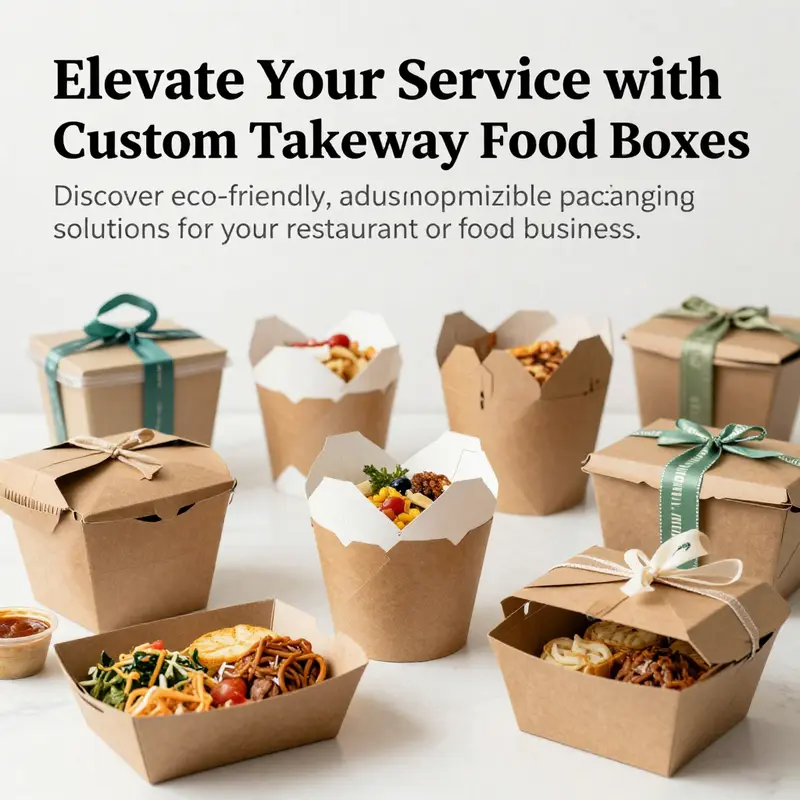
With an ever-growing emphasis on sustainability and branding in the food industry, custom takeaway food boxes are becoming vital for restaurants, beverage chains, food trucks, and catering services. These versatile boxes not only help in delivering delicious food and drinks efficiently but also play a significant role in enhancing brand visibility. This article delves into the critical aspects of custom takeaway food boxes, exploring sustainability trends, customization options, cost analysis, and innovative designs that enhance functionality and consumer experience. Each chapter offers insights that will help you make informed decisions in choosing the ideal packaging solutions for your business needs.
From Footprint to Flavor: Sustainable Design Practices in Custom Takeaway Boxes
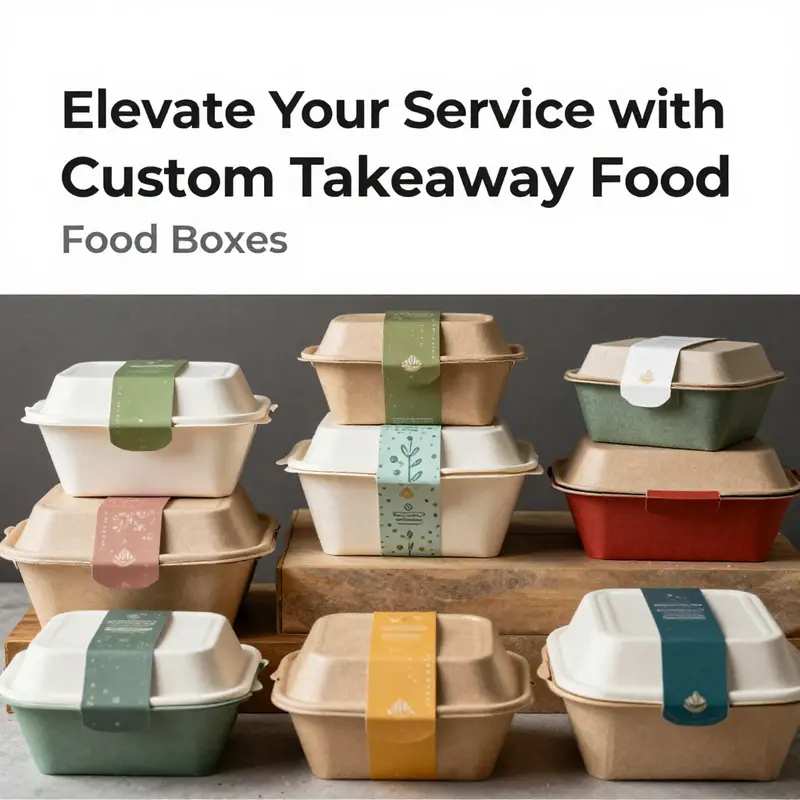
Packaging for takeout has moved beyond mere containment. It now plays a central role in a restaurant’s sustainability narrative and in a consumer’s daily choices. Custom takeaway boxes are the stage on which brands tell their values. The shift toward eco friendly materials is not a niche trend but a structural change in how the industry designs for durability, functionality, and environmental stewardship. When a box is sturdy enough to survive the journey, leak proof enough to keep sauces contained, and lightweight enough to reduce shipping loads, it does more than protect food. It reinforces trust. It invites customers to see a brand as responsible and modern. The choice of material and finish influences every downstream step—from sourcing to end of life. Cardboard and paperboard, when sourced from forests managed under credible standards, rise to meet these demands. They offer a combination of strength and versatility that plastic cannot easily match. And as consumer expectations evolve, operators are increasingly evaluating not only how a box carries a meal but how it carries a message about sustainability. This is the frontier where functionality meets responsibility, where a well designed box signals that a brand cares about people and the planet alike.
Eco friendly materials are the backbone of sustainable custom boxes. Modern options rely on renewable resources such as cardboard and paperboard that come from responsibly managed forests. Certification schemes like FSC help ensure that the wood fiber is harvested with regard to biodiversity, soil health, and the livelihoods of forest workers. In addition to sustainable sourcing, there are standards that define the environmental performance of the finished packaging. Some materials are described as OK Biobased, indicating a substantial fraction of renewable content. When these materials are used with care, they behave as fully recyclable products after their service life. They may be compostable under industrial conditions, though you cannot assume home composting will handle them. The packaging industry is clear that end of life matters just as much as the materials themselves. Recyclability and compostability are not mutually exclusive goals; they are intertwined within a circular economy model. The best designs aim to be uncoated or minimally coated so that the fibers remain sealable and recyclable. Yet moisture resistance often requires coatings; the trick is to balance performance with recyclability, choosing coatings that can be separated from the fiber during recycling. In practice, this means selecting barrier layers that preserve the box’s integrity while allowing it to enter standard recycling streams. The result is a packaging option that supports both food safety and environmental responsibility without forcing operators to choose between durability and sustainability.
Design is where sustainability becomes tangible in the consumer experience. Boxes are no longer featureless vessels; they are canvases for branding and signals of environmental responsibility. Custom features allow brands to present themselves visually while minimizing waste. Lightweight, space efficient shapes reduce packaging volume and shipping emissions, a practical benefit for operators who move meals across city streets or country roads. At the same time, the design can support portion control and meal composition. For foods that release oils or moisture, moisture resistant coatings protect the box and the surface beneath while keeping the food inside. Some packages incorporate modular compartments so sauces, sides, and utensils can be organized without adding extra plastic cups or wrappers. Others include windows made from transparent sheets to showcase the food, tempting customers while reducing the need for secondary packaging to reveal the contents. The branding opportunities are wide; options include UV coating for eye catching branding impressions, embossed logos that feel tactile, and color schemes that reinforce a brand’s green commitments. All these design choices can be aligned with corporate sustainability goals, turning packaging into a powerful communication tool rather than a disposable afterthought. Food types such as rice dishes, curries, pastas, and stir fries all benefit from thoughtful designs that hold up under heat and humidity. A well engineered box resists deformation, preventing leaks and mess that would otherwise require additional containment or spill mitigation. The result is not only a better eating experience but a more efficient supply chain, where every box is designed with its journey in mind.
Beyond the box itself, the lifecycle narrative matters. Packaging is part of a system that includes harvesting, manufacturing, distribution, use, and end of life. When the materials are sourced from sustainable forests and produced with minimal waste, the environmental footprint shrinks from the start. If the box is designed to be recycled or composted after use, it completes a loop that returns fibers to new products rather than adding to landfills. The circular economy framework celebrates reuse and recovery, guiding manufacturers to optimize packaging for recyclability and energy efficiency. In practice this means choosing adhesives and coatings that do not hinder recyclability, and designing box structures that can be easily flattened for recycling streams or composting facilities. The net effect is a reduction in plastic use, a safer ecosystem for wildlife, and a conservation of resources for future generations of restaurateurs and consumers alike. Companies increasingly measure performance not only by shelf life or leak resistance but by the full life cycle of the packaging, including whether it can be recycled or composted, and how easily it can be integrated into municipal waste streams. This broader view makes sustainability a living, measurable part of brand performance rather than a quiet afterthought.
Volume and versatility drive customization options. Suppliers produce boxes in a range of capacities from compact 300 milliliters up to expansive 3000 milliliters, with dimensions tailored to fit kebabs, hot dogs, burgers, rice bowls, bento style meals, and noodle bowls. When designed with modularity in mind, a single box family can accommodate multiple meal configurations while maintaining a uniform brand look. For instance a 500 milliliter box might feature a compact top opening and a separate interior pocket for sauces, while a 700 milliliter version grows to serve heartier combos. Some designs include transparent windows to display the contents, which can enhance perceived freshness and reduce the need for secondary presentation packaging. This is not just about aesthetics; the visibility of the meal inside the box can influence ordering decisions and minimize waste by reducing returns and substitutions born of uncertain expectations. The right combination of size, structure, and finish means the same packaging line can support a fast casual concept, a family diner, or a mobile vendor with different menus yet a consistent identity. Boxes that are engineered to resist moisture and heat stabilize the product during transit and when placed under warming cabinets or heat lamps in the dining room, delivering a reliable consumer experience. In short, thoughtful dimensional planning translates into fewer damaged meals and happier customers, which in turn strengthens a brand’s reputation for reliability and care.
Access to a diverse supplier ecosystem makes sustainable customization feasible at scale. Online platforms bring together manufacturers who can produce biodegradable, compostable, and recyclable packaging in varied quantities. For smaller operators, low minimum order quantities and flexible pricing enable experimentation with sustainable options without tying up capital. Bulk orders become more economical, with unit costs decreasing as volumes rise, while early prototypes and sample sets help teams validate performance, branding, and sustainability claims before committing to larger runs. Secure payment options and clear trade terms further reduce risk when establishing new supplier relationships. The combination of credible sourcing, transparent pricing, and responsive service creates a practical pathway for restaurants, food trucks, caterers, and institutional kitchens to adopt green packaging without sacrificing speed, reliability, or margins. In short, sustainable boxes are not a niche product but a core element of modern food service operations, capable of strengthening brand loyalty while advancing environmental goals. The supply landscape rewards thoughtful planning, clear expectations, and collaborative testing with partners who share a commitment to cleaner practices and better packaging design.
When we talk about sustainability in packaging, it is essential to balance environmental performance with business realities. Kicking off with the right material choice sets a tone for downstream decisions about coatings, printing, and brand messaging. Transparent communication about the environmental benefits of a packaging solution can strengthen consumer trust and support premium pricing where appropriate. The visual identity offered by embossing, debossing, or UV branding adds a tactile plus to the consumer experience. Consumers often notice the care that goes into packaging, and perception matters as much as actual performance. In many markets, sustainability claims must be credible and verifiable, supported by certifications and standards that reassure buyers about the chain of custody from forest to box. For restaurants that want to bake sustainability into their brand story, packaging becomes a storytelling device that reinforces ethical sourcing, reduced waste, and responsible disposal. The opportunity extends beyond the box to the supply chain, encouraging partners to pursue greener logistics, waste reduction in production, and energy efficiency in warehouses. With a well designed packaging program, the business can achieve not only compliance with regulations but also differentiation in a crowded market. This is where sustainability translates into competitive advantage, turning responsible packaging into a value proposition visible to customers at the moment of choice.
To bring this to life, imagine how a single packaging ecosystem supports a menu without compromising on sustainability. A family meal that includes rice, curry, and a salad can travel in a box that keeps moisture in check yet remains fully recyclable. A street food concept serving kebabs and fried items can rely on a sturdy, leak proof shell with a separate tray for sauces, reducing the need for cling wrap and disposable sauce cups. The packaging design can align with the restaurant’s colors, logo, and typography, offering a cohesive brand impression both in the storefront and in delivery. Even with the growing emphasis on eco friendly materials, developers must navigate practical constraints. Some coatings and barrier layers, while protecting the contents, can complicate recycling streams if not chosen with end of life in mind. The best solutions are those that minimize or simplify the post use process for customers, encouraging participation in recycling or composting programs that local municipalities can manage. With thoughtful selection of materials and a clear plan for end of life, the packaging program becomes a driver of customer satisfaction, compliance, and environmental stewardship. This is not a one size fits all story; it is a flexible framework that adapts to menus, locations, and customer expectations while keeping sustainability at the center of design decisions.
Finally, for readers exploring the supply landscape, consider the broader ecosystem of packaging options and the knowledge that credible suppliers are ready to support your sustainability goals. The market recognizes that packaging is not a disposable afterthought but an ongoing partnership with customers, waste streams, and municipal programs. For more context on how packaging categories are evolving, you can explore the Paper packaging, which highlights the breadth of materials and formats available to brands seeking to promote sustainability in their takeaway solutions. The right partnership combines material science, clever design, and transparent communications to deliver packaging that supports safe food service and a healthier planet. This is the connective tissue between brand experience and environmental responsibility, a space where every box tells a story that customers are glad to repeat with their wallets and with their values. External resource: https://www.alibaba.com/product-detail/Maibao-Disposable-Take-Away-Food-Packaging_1600732854639.html?src=gc&spm=a2700.19181227.0.0
Brand Signals on the Go: How Custom Takeaway Boxes Build Identity and Drive Consumer Appeal
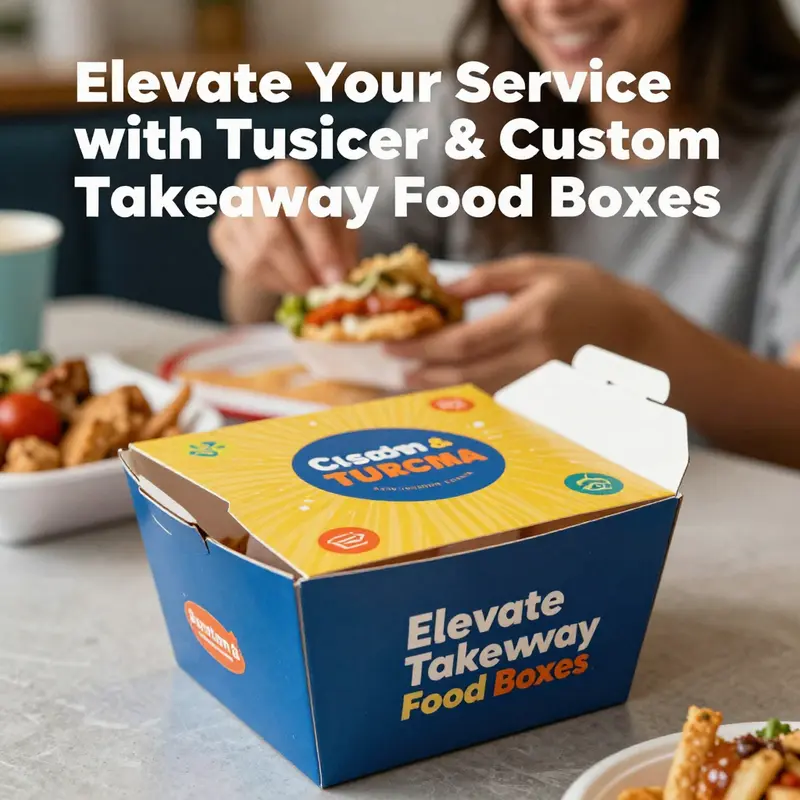
The moment a meal leaves a kitchen and enters a customer’s hands, the packaging that surrounds it has already begun to tell a story. Takeaway boxes do more than transport food; they carry a brand’s voice, values, and promises across streets, airports, offices, and homes. In a crowded marketplace, where countless meals compete for attention, a well-crafted box becomes a portable billboard, a tactile ambassador, and, for many customers, the first real impression of a brand’s quality. The opportunity here is not simply to contain food securely but to articulate identity in a single, practical object that travels far beyond the restaurant’s counter. Customization options for takeaway boxes, when chosen with care, translate brand strategy into everyday use, turning ordinary packaging into a powerful driver of consumer appeal without demanding extra effort from busy diners.
At the heart of effective customization is branding that is legible, consistent, and relevant to the consumer’s moment of decision. A box can carry a logo, a distinctive icon, a color story, or a simple label that signals what the brand stands for. When a logo appears clearly on the lid or a side panel, it reinforces recognition with every glance. A carefully chosen label or sticker can communicate flavor profiles, sustainability commitments, or a seasonal message, creating a vignette of the brand’s personality right there in the consumer’s hand. The value of these elements goes beyond aesthetics; they shape perceptions of professionalism, attention to detail, and trust. When customers feel confident in a brand’s packaging, they reciprocate with confidence in the food inside, which often translates into repeat orders and positive word-of-mouth.
Design is not merely about graphics; it is an orchestration of form, function, and feeling. One of the most powerful techniques in packaging customization is printing directly onto the box. The ability to render crisp logos, precise icons, and small, tasteful text improves readability and ensures the brand message survives the rigors of transport. Beyond basic printing, advanced techniques such as UV coatings and embossing introduce a premium tactile and visual finish. A gloss or spot UV can highlight key elements, making a brand mark pop against a matte base. Embossing adds a subtle lift, inviting the customer to run a finger over the surface and engage more deeply with the brand’s identity. These features are not frivolous frills; they communicate durability, sophistication, and care, signaling that the brand has invested in the packaging as much as in the food.
Material and finish choices are also central to how packaging communicates. Kraft paper, with its natural, earthy tone, resonates with eco-conscious consumers who are attuned to the environmental footprint of their meals. A box crafted from this material can convey sustainability as an intrinsic value, not a peripheral claim. For brands seeking a more contemporary or vibrant expression, colored cartons, dynamic color blocking, or metallic accents can signal trendiness and energy, appealing to younger audiences eager for a dining experience that feels current and Instagrammable. The finishes—matte, glossy, or a combination such as a matte base with selective gloss—shape the tactile and visual experience. When color schemes align with a brand’s identity, packaging becomes a seamless extension of the brand’s character, allowing customers to recognize and remember the brand even in a sea of choices.
Even the smallest design decisions can influence customer perception. Functional elements, often overlooked in the branding conversation, play a critical role in the consumer experience. Side handles on boxes, for instance, boost ease of use, especially for hot or heavier meals. A well-designed handle reduces the perceived effort of carrying a meal, which can translate into a calmer, more confident user experience. Ventilation features or leak-proof coatings reinforce reliability, a signal customers pick up subconsciously. When packaging feels thoughtful and practical, it elevates the overall dining experience, reinforcing a sense of value and care that reflects back on the brand. Function and aesthetics do not compete; they reinforce one another, creating a cohesive impression that travels with the customer from the restaurant to the table, and onward to any location the box lands.
Customization is also a gateway to storytelling. A box can narrate a brand’s origins, food philosophy, or seasonal campaigns through a concise set of visuals and words. This is more than decoration; it is content that travels. When a design embodies a story—perhaps a rustic, handmade appearance for a neighborhood cafe, or a sleek, modern look for a fintech-friendly dining concept—the packaging itself becomes a channel for narrative. The story can be reinforced by modular design elements such as compartments or dividers that accommodate sauces and sides in a tidy, organized way. A modular approach supports the practical needs of the meal while offering a canvas for brand messaging, whether through color-coded sections, subtle iconography, or a small, memorable emblem that appears at strategic points on the box. In effect, the packaging becomes an experiential extension of the menu, inviting customers to engage with the brand beyond taste.
From a marketing perspective, the box’s branding opportunities extend well beyond the moment of purchase. A well-branded box is a portable advertisement that moves with customers through a community, a campus, or a business district. Each takeout order becomes an ephemeral display of the brand’s consistency and identity, extending reach far beyond the four walls of the restaurant. When design elements endure across multiple orders, customers develop a sense of reliability and familiarity. The box becomes a familiar cue that signals a dependable experience, which in turn fosters loyalty. This is particularly true for brands that emphasize sustainability; a box that clearly communicates eco-friendly choices reinforces a broader commitment to responsible practices. In such cases, customers may feel pride in supporting a brand that aligns with their own values, turning a simple meal into a small, everyday action toward a larger goal.
The practical realities of customization are essential to consider, particularly as brands balance aesthetics with cost, production feasibility, and supply chain realities. Customization is most effective when it supports the overall brand strategy and enhances the user experience without introducing unnecessary complexity. For instance, a brand might opt for a consistent color palette and logo treatment across all box sizes, ensuring recognizability even as the packaging scales to accommodate different portions. It is also critical to gauge the durability of chosen finishes in real-world conditions. A moisture-resistant coating helps protect branding and legibility when sauces are present, while a robust print layer preserves color integrity during transit. Materials chosen should align with sustainability goals without compromising performance. Eco-friendly alternatives, such as recyclable or compostable papers and boards, provide a meaningful differentiator for brands seeking to appeal to environmentally minded consumers, while still delivering the necessary strength to protect hot and heavy meals during delivery.
For brands exploring how to translate identity onto cardboard, there is a rich ecosystem of tools and options. A box may feature direct printing with bold branding, label-based accents for seasonal campaigns, or embossed elements that reward close inspection. The choice of finish can influence perceived quality: a matte finish tends to feel more understated and premium in a minimalist way, while a gloss finish can lift colors and create a more energetic impression. Color choices should be purposefully aligned with the brand’s broader visual identity and the emotions it seeks to evoke. The interplay of natural textures with vivid hues can communicate a brand’s dual emphasis on authenticity and modernity, a combination that tends to resonate with a wide range of consumers.
Beyond the aesthetics, there is a fundamental consumer psychology at play. People judge the value of a meal not only by its flavor but by how well it feels packaged. A box that communicates care—through high-quality print, precise alignment, and clean finishes—signals that the brand cares about the customer’s entire experience. This interpretation extends to the unboxing moment. A well-branded box that opens smoothly, displays the logo in a respectful size, and reveals a neatly organized interior can turn a routine takeout into a small celebration of the brand. In environments where food is shared or photographed for social media, the visual appeal of packaging becomes part of the story customers tell about their meals. It is not merely about looking good; it is about creating a coherent, shareable experience that reinforces brand perception across touchpoints.
This balance between form and function, aesthetics and practicality, becomes even more critical when brands consider how packaging supports sustainability goals. Eco-conscious design does not mean sacrificing elegance or impact. Instead, it invites a different kind of storytelling—one that highlights responsible sourcing, recyclable or compostable materials, and a commitment to reducing waste. When customers see a box that reflects these values—whether through natural textures, subdued color palettes, or clear, transparent messaging about recyclability—that transparency strengthens trust. It also helps brands differentiate themselves in a crowded market where many options claim to be sustainable but offer conflicting narratives about actual impact. The most effective customization strategies weave sustainability into the visual language, so the packaging communicates both identity and responsibility in a single, cohesive statement.
In practice, brands typically approach customization with a blend of strategic choices and practical steps. A well-considered plan begins with a clear brand brief that translates into a set of design rules: logo usage, color standards, typography, and allowable finishes. From there, packaging designers collaborate with suppliers to select materials that meet performance requirements for different foods, while also accommodating branding priorities such as logos, windows, or embossed accents. The result is a packaging system that is flexible enough to cover a range of products and formats but disciplined enough to remain unmistakably on-brand. A consistent system, reinforced by materials and finishes that echo the brand’s core personality, makes every order a reaffirmation of identity rather than a one-off expression. In this sense, customization becomes a strategic asset, not an afterthought.
For teams planning their next steps, the practical takeaway is straightforward: treat packaging as a strategic extension of the brand, not a separate logistical concern. When exploring customization options, prioritize elements that strengthen recognition, support the user experience, and align with environmental commitments. Consider how each choice—whether a logo placement, a coating, or a material—contributes to a cohesive narrative customers can repeat across meals, regions, and moments. A thoughtful approach to packaging customization makes every takeaway a mobile touchpoint that speaks to quality, consistency, and care. And as consumer expectations evolve toward more sustainable and aesthetically refined packaging, embracing these opportunities becomes a way to future-proof the brand while delivering tangible benefits to customers.
To connect with the practical side of these decisions, brands can explore packaging printing options that help translate the design brief into production-ready assets. A reliable resource for understanding how to realize branding on packaging is the packaging printing category, where discussions range from color management to print durability and on-demand production considerations. Packaging printing options provide a gateway to understanding how the visual language of a brand can be faithfully reproduced on cardboard and boards, ensuring consistency across orders and batch runs. This pathway supports a consistent customer experience while keeping production efficient and scalable.
As brands navigate the balance between customizability and practicality, they will naturally gravitate toward solutions that harmonize aesthetics with performance. Boxes that look intentional and feel reliable communicate a promise to customers: we respect your meal and your time. The combination of branding clarity, thoughtful design, durable finishes, and sustainable materials signals a modern, responsible, and customer-centered approach. In a landscape where delivery and takeout are integral to daily life for many people, such packaging does more than preserve food; it preserves trust, reinforces loyalty, and invites customers to engage with the brand in ways that extend beyond the moment of receipt. The box thus becomes more than packaging—it becomes a concise narrative of what the brand stands for, delivered in a way that travels with the consumer and leaves a lasting, favorable impression.
External considerations inevitably shape the scope and execution of customization. Brands must weigh certifications, supply chain realities, and the availability of materials that meet both performance standards and ecological expectations. The packaging ecosystem is complex, but it also offers many pathways to meaningful differentiation. As consumer values converge on sustainability, transparency, and aesthetic refinement, the most compelling packaging strategies are those that synchronize branding, function, and environmental responsibility into a seamless, credible experience. When done well, customization transforms a simple takeout container into a reliable ambassador for the brand, a catalyst for positive associations, and a catalyst for ongoing engagement that extends far beyond the first bite.
For readers seeking a broader context on sustainability and certification, a foundational external resource provides insight into how eco-certifications inform packaging decisions and consumer perceptions. https://www.fsc.org/en-us/about-fsc
Boxed Value: Weaving Cost, Branding, and Sustainability into Custom Takeaway Containers
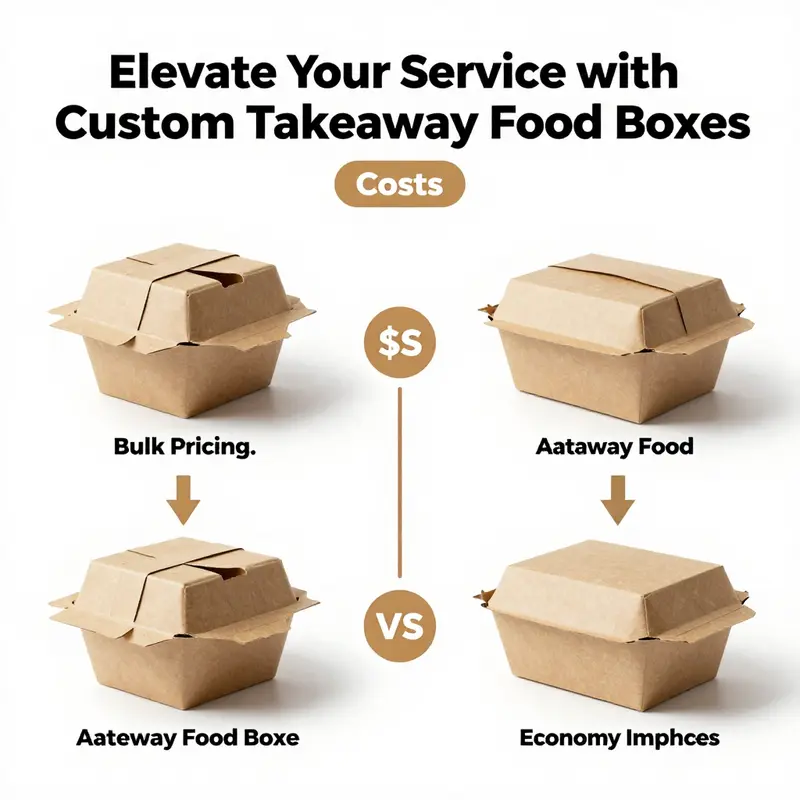
Cost is never merely a line item on the P&L when the topic is custom takeaway boxes. It threads through material choices, production scale, design complexity, supplier location, and the growing demand for sustainability. For restaurants, fast-casual concepts, catering services, and food trucks, these boxes are not just packaging; they are a footprint of the brand and a lever on the bottom line. The most successful pricing and sourcing strategies recognize this dual role. They treat a box as a product and a platform—one that can preserve food quality, enforce safety, and communicate a story to the customer while also reducing waste, lowering logistics costs, and improving store operations. In that sense, the cost conversation about takeaway packaging becomes a broader dialogue about value creation across the entire business model.
Material selection remains the most visible and often the most influential determinant of cost. Boxes that rely on traditional plastics tend to have lower unit costs in high-volume runs, thanks to mature supply chains and fast manufacturing cycles. Yet the market is shifting toward materials that align with environmental goals and consumer expectations. Biodegradable and compostable options—such as plant-based polymers and paper- based laminates—offer a different cost profile. While they can command a premium compared to conventional plastics, the premium is increasingly offset by incentives, certifications, and the growing availability of sustainable production lines in major manufacturing hubs. In practice, the choice among polypropylene, PET, and PLA-based packaging hinges on several intertwined factors: barrier performance, moisture resistance, heat tolerance, storage stability, and end-of-life considerations. PP may deliver excellent barrier properties at a moderate price, while PET can provide clarity and stiffness that enhance on-pack branding or windowed designs. PLA and other bioplastics, although more environmentally friendly, require careful validation of compostability claims and standards compliance to avoid greenwashing and post-purchase confusion.
Manufacturing geography also shapes cost. A significant portion of the global supply for takeaway packaging comes from high-volume producers in busy manufacturing corridors, where integrated ecosystems connect mold making, printing, coating, and downstream logistics. When a supplier can leverage proximity to export ports, access to raw materials, and automated workflows, per-unit costs come down, sometimes by a sizable margin. The cost advantage is not just about the raw material price; it includes reduced lead times, tighter production planning, and lower risk of disruptions that can cascade into stockouts or last-minute substitutions for a given promotion or menu change. This is why many businesses gravitate toward suppliers anchored in dense industrial clusters. It also explains why the same packaging solution can be more affordable when ordered in bulk versus a small, customized run.
Equally important is the design itself. The conversation about cost must extend beyond the outer shell to how the box is engineered for efficiency. Modular, stackable designs reduce space in storage and during shipping, lowering warehousing costs and improving delivery efficiency. Flexible interior layouts enable multiple food types to share a single box family, limiting the number of SKUs a kitchen must stock and simplifying packaging procurement. A thoughtful interior design can cut material usage without compromising strength or leak resistance. For example, including a moisture-resistant coating or a simple, effective seal can dramatically reduce the likelihood of soggy food and device the need for additional inner packaging. In turn, that reduces waste and supports sustainability claims, which can translate into consumer trust and higher willingness to pay for a premium, responsibly packaged meal.
Economies of scale remain a dominant driver of unit cost. In practice, larger order volumes unlock lower per-unit costs through better equipment utilization, reduced setup times, and more favorable terms across the supply chain. The math is straightforward: when the fixed costs of tooling, mold creation, and prepress are amortized over more units, the incremental cost per box declines. Strategic sourcing—consolidating orders, aligning with suppliers who offer modular design options, and aiming for long-term partnerships—can compound savings. The most successful operators treat packaging as a shared platform. They partner with suppliers who can adapt to evolving menu needs, provide rapid prototyping for new formats, and maintain consistent quality across thousands or even millions of pieces over time. In such relationships, the true cost of a box is not only the price tag at purchase but the stability of supply, the predictability of lead times, and the ability to scale with promotional campaigns or seasonal menus.
Pricing strategies for custom takeaway boxes must also account for the broader economic impact of packaging decisions. Cost–benefit analyses may consider the lifecycle economics of different materials, including end-of-life handling, energy use in production, and transportation emissions. Some campuses and institutions that pilot reusable container programs demonstrate how dynamic pricing and active management of the container lifecycle can yield positive net benefits for operators and customers alike. While these examples come from specific contexts, they illustrate a wider principle: sustainable packaging is not merely a cost line to be minimized; it can be a source of revenue or savings when integrated with a carefully designed program for reuse, cleaning, and return logistics. In commercial settings, brands can reflect this value in pricing strategies by bundling packaging costs with service fees or offering promotional discounts tied to sustainable options, while still maintaining competitive menu prices.
Beyond the economics of the box itself lies the critical question of supplier selection. Choosing a partner is not just about chasing the lowest unit price or meeting a minimum order quantity. It is about building a sustainable, reliable backbone for the brand’s packaging needs. A rigorous evaluation framework should consider technical compliance with food safety standards, operational reliability, and lead-time consistency. It should also account for the supplier’s ability to support ongoing innovation—such as modular design options, practical grip designs for staff, or improved seal technologies that reduce leakage during transit. Proximity to manufacturing centers that excel in rapid prototyping—while maintaining environmental and quality standards—can shorten cycle times and increase the velocity of go-to-market for new meals or seasonal promotions. In many regions, clusters that focus on plastic and printed paper boxes exist alongside more eco-friendly paper-based alternatives like kraft box solutions and laminated paper bags. These regional strengths shape not only price levels but the breadth of available formats, customizations, and finishings, influencing how a brand can tell its story through packaging.
Within this landscape, the most effective cost management combines material science, strategic sourcing, design optimization, and lifecycle thinking. It requires data-driven pricing and forecasting that align with menu planning, marketing campaigns, and the operational realities of a busy kitchen. When a business adopts a holistic view—seeing packaging as an extension of the product, a conduit for brand identity, and a lever for sustainability—it gains a durable competitive edge. This perspective helps reconcile the tension between upfront cost and long-term value: an investment in better packaging can yield savings in food quality preservation, reduced waste, smoother logistics, and improved consumer perception. In practical terms, operators can pursue several concrete steps: seek modular designs that enable cross-utilization across menu items; prioritize coatings and sealants that protect contents while minimizing material thickness; and negotiate terms that reflect a supplier’s capacity for scale and reliability rather than one-off quotes for niche runs.
For those who want to explore related material choices and packaging formats, the broader landscape of paper-based and packaging options offers a valuable context. A reliable way to start is to browse reputable categories that curate sustainable alternatives and practical designs for a wide range of food-types and service models. Paper Packaging provides a window into how different papers, laminates, and coatings can balance aesthetics, barrier performance, and environmental considerations, helping teams envision how a given box family might align with their brand story and operational goals. This kind of exploratory step is essential, especially when teams plan a comprehensive packaging strategy that will endure as the business grows and menus evolve.
The decision-making process in this space is rarely linear. Instead, it unfolds through iterative testing, vendor conversations, and real-world feedback from kitchens, delivery teams, and customers. Early-stage pilots can reveal how a particular material behaves under typical carrying conditions, how it holds up to sauces and heat, and whether the inner layout can accommodate different meal configurations without creating extra waste. In parallel, procurement teams must negotiate lead times and terms that provide stability during peak periods, such as holidays or promotional launches. The most resilient operators standardize on a few core formats capable of handling multiple menu items, then layer in customization only where it adds meaningful value for the consumer experience. This approach minimizes complexity and reduces the risk that a single change cascades into supply-chain headaches or cost spikes.
As the market continues to evolve, the economic logic behind custom takeaway boxes will increasingly hinge on transparency and accountability. Consumers want to know that the packaging they receive aligns with their values, and regulators are paying closer attention to labeling and end-of-life claims. Brands that embrace rigorous sustainability commitments—supported by credible certifications and verifiable supply chain practices—will not only meet expectations but also differentiate themselves in a crowded marketplace. In that sense, cost analysis in this arena is not a sterile exercise about unit prices; it is a strategic instrument for reinforcing quality, safety, and brand promise while driving operational efficiency. The more a company treats packaging as a live platform—capable of adapting to new foods, new markets, and new sustainability targets—the greater the potential to realize value across the customer journey. External metrics, including supplier reliability, waste reductions, and consumer engagement with branded packaging, will increasingly influence the overall profitability and reputation of the brand.
External reference for further reading and context: https://www.alibaba.com/suppliers/1100000000017598519?scm=1007.12897.143342.0&source=suppliersearchresult&searchType=product&keyword=custom+takeaway+food+boxes
Design Innovations in Custom Takeaway Food Boxes: Enhancing Functionality and Consumer Experience
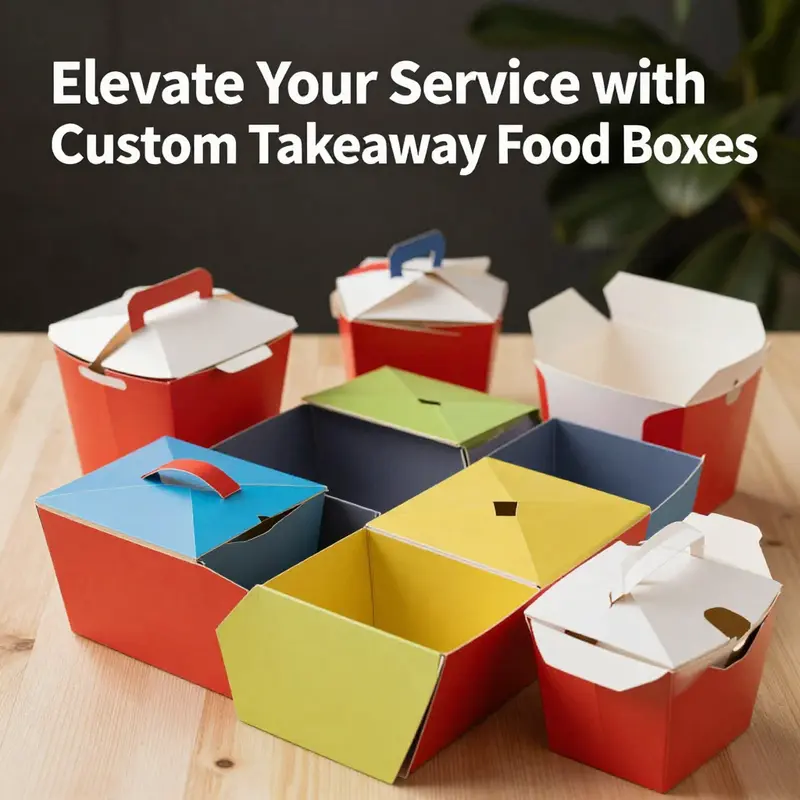
Packaging for takeaway has evolved from a simple container to a collaborative interface between a restaurant, a courier network, and a diner. The modern custom takeaway box is not merely a box; it is a designed interaction that preserves temperature and texture, communicates brand values, and shapes the moment of eating itself. At its best, design aligns with function so seamlessly that the consumer notices little of the effort behind it—except, perhaps, the newfound ease of opening, the clean handling of sauces, and the confident sense that the meal has been crafted with care. This chapter traces how material technology, interactive design, intelligent structural engineering, and scenario-specific thinking converge to create packaging that performs under real-world pressures while reinforcing a brand’s story. The narrative stays anchored in practical outcomes—reliable transport, waste-conscious choices, and memorable consumer experiences—because in the field, a box that fails is not merely an inconvenience; it undermines the trust customers place in the business behind the box.
Material technology sits at the core of true packaging innovation. Food-grade craft papers and corrugated boards are no longer mere shells; they are engineered with reinforced layers that resist crushing and moisture without sacrificing recyclability. In practical terms, this means a box can carry a greasy slice of peppered goodness or a saucy noodle bowl through a city’s bustle without compromising the product inside. The strength comes from smart layering, where adhesives and coatings are chosen for food contact safety, barrier performance, and end-of-life options. The result is a material system that remains light enough for efficient delivery while offering credible protection against leaks and texture loss. For businesses seeking to balance performance with environmental responsibility, these advanced materials deliver a compelling proposition: a sustainable choice that does not force a concession on safety or quality. The industry’s shift toward Kraft paper and certified sustainable cardboard mirrors a broader expectation from consumers who want packaging that reflects their own values without appearing to be mere marketing.
This sustainability narrative is not only about materials but about certification and lifecycle transparency. The packaging ecosystem increasingly embraces certifications that attest to compostability, biodegradability, and responsible sourcing. When a box bears credible labels, it communicates more than compliance; it invites trust. The awareness is especially potent in sectors where margins are tight and the competition is intense. A box that clearly signals environmental stewardship, without complicating the customer experience, can become a subtle, durable point of difference. In this sense, the design challenge is not to push the most aggressive eco-claim but to optimize the balance between performance during transit and the box’s post-use fate. For many operators, that balance translates into a packaging suite that supports a circular economy—materials that can be recycled or composted within standard municipal systems and traced back through supply chains to sustainable sourcing.
Beyond the raw materials, the surface craft of packaging—through textures, finishes, and branding elements—plays a decisive role in how a box is perceived and used. Interactive design has become a practical expansion of branding, where embossing, UV coatings, and tactile finishes transform a box into a first encounter with a restaurant’s identity. A bold embossed logo can catch the eye without relying on loud color choices, while a subtle UV-coated flourish can catch light and guide the customer’s hand toward key information such as handling instructions or the placement of sauces. The psychological impact is real: the packaging feels premium, which primes the diner for a positive experience before the first bite. Equally important is the ability to tailor designs to seasonal campaigns or local events, creating a cohesive brand narrative that travels with the meal. In this way, packaging becomes a marketing tool as well as a functional one, weaving together aesthetics with utility so that the consumer’s memory of the meal is colored by the packaging as a positive, cohesive moment.
Structural engineering advances have redefined what a takeaway box can endure and how it behaves in transit and storage. Reinforced foldable corners and stable rectangular forms improve stackability, reduce the risk of crushing, and simplify warehouse handling. This is not about adding bulk but about distributing stress more intelligently across the container. The modular, sometimes compartmentalized design, supports multi-item meals while minimizing cross-contact between hot and cold items or between strong flavors. A well-engineered box can keep a meal intact whether it is carried by a courier, dropped during a crowded handoff, or stored for a few hours in a customer’s fridge. The modular approach also enables efficient use of space in delivery fleets and retail shelves, supporting more predictable packing plans and reducing the chances of product damage during peak service hours. The durability is complemented by thoughtful features such as sealing options that prevent leakage and venting mechanisms that manage steam without letting aromas escape too aggressively. Together, these engineering choices ensure that the box is not the weak link in the delivery chain but a reliable partner that preserves quality from kitchen to doorstep.
Another pillar of contemporary design is scenario-specific versatility. The most forward-looking boxes are not single-purpose; they accommodate a spectrum of foods and dining contexts. A single container family may offer a main compartment for protein and base dish, a secondary well for sides, and an integrated lid that can double as a tray or a dipping dock. The concept extends to specialized formats where the box includes a dedicated sauce component or a moisture-control feature to keep delicate foods crisp. The aim is to reduce packaging complexity for the operator while expanding the consumer’s convenience. For instance, a lunch-box style format might be designed with a separate pocket for utensils and napkins, with a window that showcases the meal and stimulates appetite without compromising cleanliness. In another direction, pizza or flatbread variants may incorporate a venting system to manage steam, ensuring the base remains supple rather than soggy upon arrival. Even dessert items can benefit from thoughtful compartmenting that safeguards fragile components like fragile toppings or brittle accents. When a single box can adapt to multiple meal configurations, it becomes a strategic asset in a brand’s packaging portfolio, lowering total cost of ownership and increasing reliability across menus.
The practical implications of these design strands extend into real-world procurement and operations. As operators explore custom sizes, the spectrum from compact 300–500 milliliter formats to larger, family-oriented 1800–3000 milliliter configurations illustrates the demand for flexibility. The right size and shape reduce waste, improve loading efficiency, and create consistent delivery outcomes. A uniform modular system can simplify supplier negotiations, simplify assembly lines, and decrease the time spent on packing at peak hours. It also enables more precise stock planning, since a single family of boxes can be used across different meals. In parallel, the economics of customization—where economies of scale meet branding ambitions—continue to evolve. Bulk orders can achieve very favorable per-unit costs, yet the practical reality is that many operators still start with moderate quantities to test fit, durability, and customer reception. The availability of samples and design test sets helps teams validate performance and refine aesthetics before committing to larger production runs. The combination of robust materials, refined finishes, and modular geometry thus emerges as a holistic approach to packaging that respects both the practicalities of delivery and the aspirations of a brand’s identity.
Within this framework, it is worth noting how packaging design intersects with consumer experience at the moment of unboxing. The first touch, the way the box sits in the hand, and even the acoustic feedback of a lid opening contribute to the perceived quality of the meal. An enhanced user experience can begin well before the first bite. A clearly labeled but discreetly styled lid, a well-marked heat retention feature, and easy-access compartments all contribute to a sense of care. Even the act of removing a protective film or sliding a sleeve becomes part of the ritual, shaping how the consumer feels about the brand. The windowed designs that reveal the food through a transparent pane can entice appetite while offering a practical preview that helps customers confirm the order without exposing the contents to environmental contaminants. Such design choices reinforce the idea that packaging is not an obstacle to flavor but an enabler of it, a principle that resonates with a growing segment of consumers who judge brands by their packaging as a product attribute in its own right.
To keep pace with evolving expectations, the packaging ecosystem increasingly emphasizes end-to-end sustainability alongside performance. The most credible innovations balance recyclability and compostability with the realities of urban waste streams. This means using coatings and adhesives that do not hinder recycling, choosing barrier technologies that can be recovered through standard municipal processes, and avoiding materials that complicate disassembly at the end of life. It also means ensuring transparency so customers understand how to dispose of the packaging correctly. When a box clearly communicates its environmental credentials and easy disposal steps, it reinforces a brand’s promise and reduces confusion at the point of consumer action. The broader narrative thus connects packaging to environmental goals, turning a logistical decision into a strategic statement about a restaurant’s values and its role in a sustainable food culture.
As these design threads converge, one finds a practical pathway for brands seeking to differentiate themselves without sacrificing reliability or cost-effectiveness. The right combination of reinforced materials, tactile branding, intelligent geometry, and scenario-driven versatility yields a packaging system that supports growth across categories—snacks, bowls, wraps, salads, and beyond—while maintaining a coherent aesthetic and predictable performance. For operators, the takeaway is clear: invest in packaging that acts as a platform for service and storytelling, not merely as a container. The payoff extends beyond the box itself. It translates into steadier delivery experiences, higher customer satisfaction, and stronger brand loyalty, all of which are essential as foodservice businesses compete not only on what they cook but on how they deliver it.
For readers seeking related exploration of packaging formats and eco-conscious options, a broader view of the paper boxes category can be a helpful starting point. It offers a spectrum of sustainable formats that align with the material and design principles described here, enabling brands to extend their identity through packaging that travels with the meal. See the paper boxes category for more on materials, finishes, and configurable formats that support a resilient, customer-centric takeaway strategy: paper boxes category.
In sum, the contemporary custom takeaway box is a finely tuned instrument. It integrates material science, user experience, and brand storytelling into a single, coherent object that travels from kitchen to doorstep with grace and reliability. The most persuasive packaging strategies in today’s market do more than contain food; they safeguard quality, elevate the consumer’s moment of dining, and reinforce a brand’s environmental commitments. If the industry’s trajectory holds, the next wave of innovations will continue to blur the line between packaging and service, turning every meal into a well-orchestrated experience that starts with the box and ends with satisfaction. For practitioners, that means embracing a holistic design discipline—one that respects the realities of delivery logistics while inviting customers to engage with packaging as a meaningful, informative, and enjoyable part of the meal.
Final thoughts
Custom takeaway food boxes are more than just packaging; they are a strategic asset for businesses aiming to thrive in today’s competitive food industry. By investing in sustainable materials, embracing customization, analyzing costs effectively, and incorporating innovative designs, your business can ensure that every meal not only tastes great but is delivered with a strong brand presence. As consumers increasingly prioritize environmental responsibility alongside quality, aligning your packaging choices with these values will enhance not just customer satisfaction but also your brand’s reputation. Embrace the power of custom takeaway solutions to elevate your service and meet the demands of today’s eco-conscious market.