
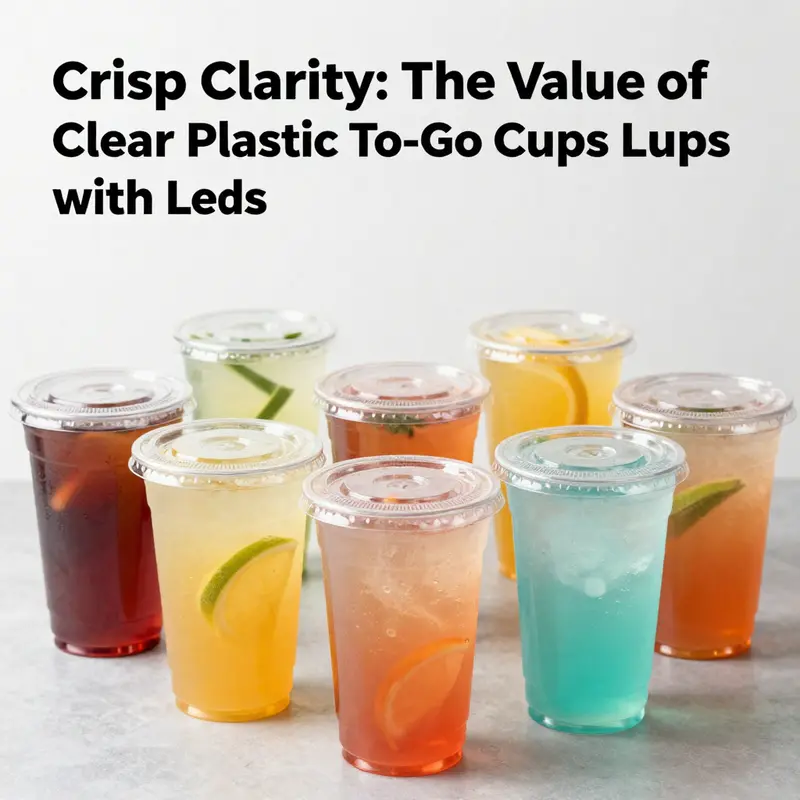
Clear plastic to-go cups with lids have become indispensable for food service establishments such as bubble tea shops, restaurants, food trucks, and catering services. Offering a combination of versatility, transparency, and ease of use, these cups serve a wide variety of food and beverages, enhancing customer experience while ensuring convenience. As we delve into this article, we’ll explore how these cups connect with the bustling food service environment, the key considerations for sourcing them effectively, and their economic impact across the industry. Together, these insights will illuminate the benefits and considerations of utilizing clear plastic to-go cups with lids.
Clear Containers, Clear Choices: The Versatile Role of Transparent To-Go Cups with Lids in Modern Food Service
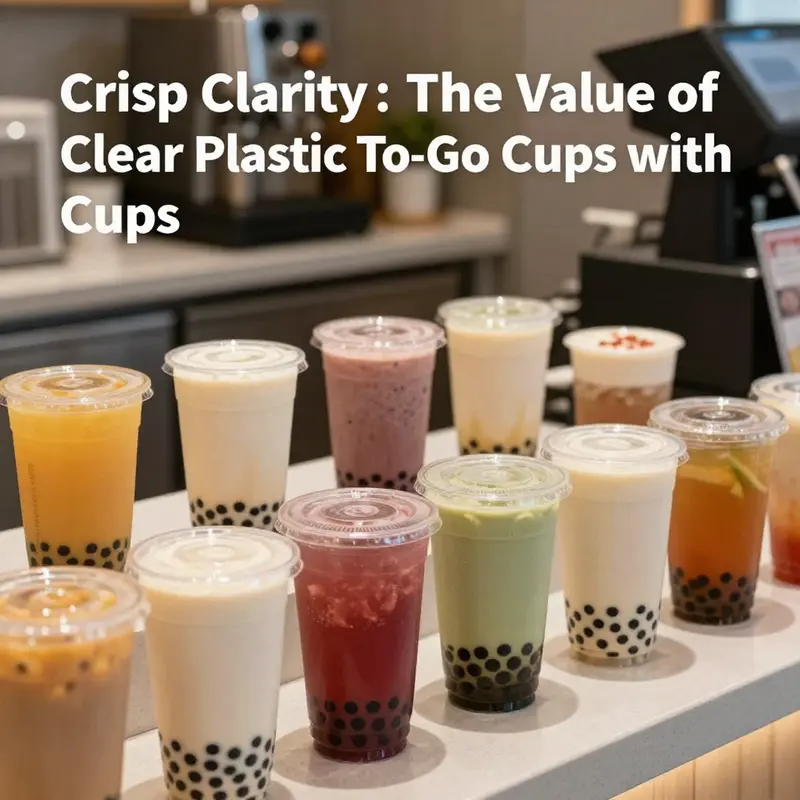
Transparency is more than a visual cue; it is a strategic instrument in food service. Clear plastic to-go cups with lids do more than hold beverages and foods. They function as portable showcases for color, texture, and portioning, a quiet form of advertising, and a practical tool that translates a dine-in menu into a ready-to-go experience. In many operations, the cup becomes a first handshake with the customer, a tangible promise of freshness and cleanliness, and a subtle prompt to the eye that invites taste. The value of clarity lies not only in aesthetics but also in information. A transparent cup reveals layered desserts, vibrant smoothie hues, or the precise ratio of ingredients in a takeout soup. This visibility reduces confusion at the point of purchase, supports portion control, and helps customers make quick decisions in crowded spaces. The cup, with its lid, becomes a micro-mensuration device in consumer hands, communicating what the vendor has prepared and, in turn, what the consumer should expect when removing the lid at the counter or on the way home.
The reach of these cups extends across a broad spectrum of food service contexts. Cafés, juice bars, and food trucks lean on the visual appeal of a clear container to entice passersby and to differentiate a brand on a busy street. Catering services rely on the portability and leak resistance of these cups to maintain presentation and hygiene during transportation. Home cooks and party planners find similar value in clear cups for portion-controlled servings of soups, salads, or layered desserts that travel well and present neatly upon arrival. The versatility is not limited to beverages. While the cups are excellent for coffee, tea, smoothies, and iced beverages, they also accommodate items like parfaits, salad dressings, jello shots, and small portions of soups. This breadth makes the format a flexible backbone of many menus and service models, enabling operators to test new items, adjust serving sizes, and experiment with seasonal offerings without committing to a different packaging system for each case.
A central driver of this versatility is the material choice. Food-grade PET plastic offers a transparent, lightweight, and shatter-resistant platform that can handle a range of temperatures with appropriate lid designs. PET’s clarity is pivotal for brand storytelling. The eye is drawn to the food’s color, the smoothie’s gradient, or the layered assembly of a dessert. That visual appeal translates into perceived quality and appetite stimulation, which is especially important in fast-paced environments where customers make rapid choices. Yet, the material must also support practical needs: stability during transport, resistance to minor impacts, and a level of temperature tolerance that keeps hot beverages from warping or sweating on the outside of the cup. Modern clear cups are engineered to meet these expectations with wall thickness and shape that balance strength against weight, along with rims and lips that ergonomically accommodate lids and straws or strawless systems. This combination of clarity, durability, and tactile comfort is what sustains the cup’s role across many service models.
Operationally, the lid is not a mere afterthought but a core design element. The pocket of space created by a well-fitted lid influences how a cup travels through a service line, into a bag, and onto a customer’s seat. Leak resistance and spill-proof performance are not optional extras; they are essential for maintaining cleanliness, reducing waste, and protecting brand reliability. The development of dome lids for beverages with toppings, or snap-on and press-fit designs for grab-and-go needs, has turned the simple cup into a secure package for urban transport, office deliveries, and curbside pickups. When a lid seals securely, it preserves temperature, minimises evaporation, and limits contamination from airborne particles. In practice, this translates to fewer spills during peak service hours and more consistent experiences for customers who rely on takeout as a daily habit.
The compatibility of these cups with various lid types is a quiet driver of operational flexibility. Operators can tailor the user experience by selecting straw-compatible lids for traditional beverages or vented, heat-resistant designs for hotter offerings. The ability to swap lids without changing the cup itself lets a single cup design support multiple product lines and service channels. This flexibility reduces the need for parallel packaging inventories and streamlines procurement. It also enables owners to respond quickly to customer preferences or seasonal shifts in drink trends. The interplay between cup and lid is a careful balance of seal integrity, user convenience, and sensory expectations—factors that influence repeat purchases and customer satisfaction more than most operators realize.
Branding opportunities are an underappreciated, yet powerful, aspect of clear cups. The possibility of custom logo printing on the cup surface turns this disposable item into a mobile advertisement. Each cup becomes a tiny courier for the brand, traveling from break room to street corner to home kitchen. The impact extends beyond visual identity; consistent branding on packaging reinforces a sense of professionalism and reliability. The consumer experience of a well-branded cup—where color, typography, and messaging are legible through the cup’s clarity—contributes to perceived value and trust. In practice, branding on clear cups supports loyalty programs, seasonal campaigns, and cross-promotions with co-branded beverage partners. For a café or juice bar, these cups are more than containers; they are part of the service story that customers carry with them throughout their day.
Sustainability is increasingly integrated into both design and procurement decisions. The market has evolved to recognize the tension between convenience and environmental responsibility. Modern clear cups often align with certifications and eco-friendly credentials that reassure customers and regulators alike. Certifications like the Biodegradable Products Institute (BPI) or other sustainability labels can indicate the product’s alignment with composting or recycling pathways. In practice, operators may choose cups and lids designed to be recycled in local programs, or that are compatible with compostable lids where available. This environmental framing matters not only for corporate responsibility narratives but also for compliance with regional packaging mandates and customer expectations. When a brand communicates that its packaging supports responsible end-of-life options, it reinforces a broader commitment to sustainability that resonates with environmentally conscious consumers and employees who handle waste streams in-store and on the road. And as consumer awareness grows, the ability to offer a visually appealing, leak-resistant, and responsibly sourced packaging solution can become a differentiator in a crowded market.
The practical considerations of materials and manufacturing add another layer to the chapter of versatility. PET provides clarity and rigidity while remaining relatively lightweight, which is advantageous for both shipping costs and on-site handling. The manufacturing processes that produce these cups must also meet food-safety standards, with consistent clarity and absence of surface defects that could harbor contaminants or compromise visual appeal. Wall thickness, rim design, and surface finishes are tuned to ensure easy stacking for storage, predictable performance in heat and cold, and compatibility with a wide range of lid closures. The choice of plastic, combined with the cap design, often determines how the cup performs during a busy service shift. A well-designed system minimizes leaks, reduces breakage, and ensures cups do not warp or deform under the pressure of hot liquids. The result is a dependable packaging solution that supports both high-volume throughput and the nuanced expectations of a brand’s customer base.
From a supply-chain perspective, the decision to standardize on clear cups with lids is tied to reliability and predictability. Operators must balance cost with quality, ensuring that the chosen supplier can deliver consistent product dimensions, clear glass-like transparency, and compliant food-contact materials. This is where careful supplier vetting matters. Firms that prioritize material compliance, traceability, and robust quality assurance practices reduce risk for buyers and their customers. The ability to secure stable lead times, predictable pricing, and reliable replacement parts or lids is essential for maintaining service levels. In a market where demand can surge during seasonal peaks and promotional periods, the advantage goes to partners who provide accurate order visibility, transparent communication, and straightforward returns for any quality concerns. Reliability in the supply chain translates directly into operational stability, which in turn supports customer satisfaction and brand reputation.
For operators exploring procurement options, the broader ecosystem includes renowned wholesale platforms and regional distributors that offer a spectrum of options—from standard bulk packs to customization services. These channels allow small to midsize distributors and startups to test demand, iterate on packaging formats, and scale as their market presence grows. While price is a consideration, it is not the sole determinant. Operational reliability, technical capacity, supply-chain transparency, and adherence to food-safety regulations are equally critical. The right partner helps ensure that the product not only looks appealing but also performs consistently across temperatures, handling conditions, and transport scenarios. In this light, clear plastic to-go cups with lids emerge not merely as packaging components but as a strategic facility that supports service design, brand storytelling, and sustainability commitments. They enable restaurants, cafés, and caterers to deliver a dependable, appetizing, and legible consumer experience that travels with the customer from point of sale to plate and beyond.
In this context, it is useful to connect with the broader catalog of disposable drinkware, especially the category that includes clear plastic cups with lids. For readers exploring procurement avenues and product categories, a practical entry point is the Disposable Drinkware section of a reputable supplier catalog. This category collects the core components that make on-the-go beverage service possible, including clear PET cups with lids, as well as compatible accessories and alternative designs. By examining the options within this category, operators can quickly compare features such as lid geometry, leak resistance, and branding possibilities, while keeping a consistent standard for materials and safety across their operations. The approach to selection should emphasize alignment with the establishment’s service model, customer expectations, and sustainability goals, rather than focusing solely on price per unit. In practice, a well-considered packaging choice supports the entire customer journey—from first contact with the product display to the moment the lid is removed at the table or on a commute.
From the vantage point of consumer behavior, the appeal of clear cups lies in more than just aesthetics. The ability to see the beverage or food item informs sensory anticipation. For foods and desserts with visible layers, the cup becomes a storytelling vessel that communicates freshness and care in preparation. For beverages, the color and transparency provide a cue about ingredients, fruit purée, or espresso crema, which can influence perceived quality and value. This perceptual effect is particularly pronounced in markets where customers have many takeout options within a short radius. A clear cup with a well-fitted lid stands out not only because of its transparency but also because it signals hygienic handling and attention to detail. In addition, the packaging can accommodate branding elements—logo placement, color accents, and typography integrated with the cup’s surface—without compromising the product’s visibility. The result is a packaging solution that is as much about communicating a brand story as it is about keeping contents intact during transit.
As the food service landscape continues to evolve, one theme recurs: the interplay between convenience, presentation, and responsibility. Clear plastic to-go cups with lids anchor this dynamic by offering a simple, scalable format that satisfies a broad set of needs. They support rapid service in fast-casual environments while preserving the integrity of hot and cold items, enabling precise portion control and reducing waste through controlled servings. They enable operators to present visually appealing offerings that are easy to transport and reliable to consume in any setting. They also invite brands to express their identity through color, labeling, and design while aligning with sustainability priorities that increasingly shape consumer preference and policy. In short, the modern clear cup is more than a package; it is a platform for service design, brand strategy, and responsible consumption.
For readers who want to explore this packaging category within a wider product ecosystem, one useful starting point is a broad catalog of disposable drinkware that showcases how clear cups with lids fit with other single-use items. Disposable Drinkware offers a consolidated view of related items, illustrating how a cohesive lineup supports cross-selling opportunities, stack efficiency in storage, and consistent customer messaging across channels. This integration helps operators plan for seasonal menus, event-driven offerings, and cross-department promotions, all while maintaining a clear standard for material quality and food safety. The end result is a packaging strategy that feels seamless to customers and efficient for staff alike.
External resources continue to influence how practitioners implement packaging choices. For a deeper dive into the procurement and compliance landscape—beyond the immediate design considerations—industry literature and supplier catalogs offer practical guidance on choosing materials, testing for leaks, and aligning packaging choices with regional waste-management frameworks. An external resource that provides a snapshot of supplier options and product specifications can be informative for teams looking to benchmark quality and cost. These references, while not product endorsements, help organizations understand what robust packaging programs look like and how to structure supplier relationships to sustain quality and safety over time. Access to such resources supports an evidence-based approach to packaging decisions, reducing risk and supporting a consistent customer experience across multiple channels.
In summary, the versatility of clear plastic to-go cups with lids stems from a careful orchestration of clarity, durability, lid compatibility, branding potential, and sustainability considerations. The cup is not merely a passive container but an active element in the service design that shapes how customers perceive value, how staff execute service, and how brands tell their story in a crowded marketplace. When approached with an eye toward reliability and a heart toward responsible packaging, these cups enable operators to deliver visually appealing, spill-resistant, temperature-stable, and brand-consistent experiences that travel with the consumer long after the purchase. They embody a practical elegance: a straightforward, scalable solution that honors both form and function in the modern food-service ecosystem.
External resource for further reading: https://www.alibaba.com/product-detail/Fuling-PET-CUP-16-oz-Clear-Plastic-Cups_1600498227756.html?spm=a2700.10260537.0.0.7f1d3b3cYqkZxQ
Clear Paths to Reliable Serveware: Mastering the Sourcing of Clear Plastic To-Go Cups with Lids

Sourcing clear plastic to-go cups with lids is more than a procurement task; it is a strategic move that threads together product safety, supply chain resilience, and brand integrity. In a market where every cup can carry a first impression, the choice of supplier, the characteristics of the container, and the reliability of the fulfillment process become a single, interconnected decision. The journey from concept to counter service begins with a clear map of what the business needs to achieve and how those needs translate into measurable supplier capabilities, material standards, and collaboration models. The aim is not merely to acquire a container but to secure a stable platform that preserves product quality, protects customer trust, and scales with demand as operations evolve.
At the heart of this sourcing effort lies a triad of core considerations: material integrity, process capability, and supply chain transparency. When a cafe, a catering operation, or a small distributor contemplates the move to clear to-go cups with lids, the first question is about safety and compliance. Food-grade PET or PP resins must meet international standards so that beverages and accompanying items can travel from kitchen to consumer without contamination or leaching risk. The procurement team should demand documentation that attests to food safety compliance, and more than that, verify that the supplier’s systems can consistently deliver material that remains within spec across batches. In practical terms, this means validating certifications and corroborating them with tangible performance data, such as lot traceability records, batch release protocols, and third-party test results. Certifications provide a crucial assurance, but they should be read in conjunction with operational metrics that signal reliability in real-world lead times and fulfillment performance.
One of the defining structural realities of this category is the geographic dispersion of manufacturing capacity. The global footprint of producers serving the clear cup market is concentrated in certain hubs, each with distinct strengths. In markets where the pace of innovation is rapid and product customization is in high demand, proximity to a manufacturing cluster can shave weeks off development timelines and enable faster iteration. In more cost-driven contexts, the emphasis shifts toward efficient high-volume production and stable supply, with a focus on long-run price stability and MOQs that align with business scale. The story of sourcing thus unfolds across three regional profiles that consistently surface in industry conversations.
First, a major cluster emphasizes rapid prototyping and customization. This is where brands that want to differentiate their cups—through unique shapes, specific lid geometries, or branded embossing—tend to find alignment with partner facilities capable of agile mold design and tight tolerance control. The ability to move from concept to test sample quickly is not a luxury but a necessity for brands testing new beverage concepts, seasonal offerings, or limited-time promotions. The practical value in this scenario is a shorter path from idea to market, a factor that translates into better time-to-revenue metrics and a more resilient pipeline when consumer trends shift rapidly.
Second, a region oriented to high-volume, cost-efficient production is where scale becomes a differentiator. For many operators, the economics of a cup with a tight specific tolerance and a secure lid depend on the ability to amortize mold costs and run overhead more effectively. Injection molding capacities in high-output environments can lower unit costs and improve predictability of supply, especially for large events, seasonal campaigns, or business models that rely on repeated order cycles. The reliability of this production approach often shows up in lower variability across shipments and more consistent capacity to meet peak demand during holidays or promotional periods. The interplay between price discipline and delivery assurance becomes a central negotiation point with suppliers in these hubs.
Finally, there is a shorter, more flexible niche where MOQs tend to be lower and the emphasis shifts toward responsiveness and flexible packaging solutions. Startups and mid-size distributors, testing market demand or piloting new formats, often benefit from suppliers in these regions who offer adaptable MOQs, shorter lead times for samples, and the possibility to adjust run lengths as demand signals evolve. In practice, this means less capital lock-in and a smoother path to scale, provided the supplier can still demonstrate robust quality management, clear material specifications, and transparent communication across the supply chain.
To translate these regional advantages into a practical sourcing plan, it helps to adopt a holistic supplier evaluation framework that moves beyond price alone. Premium suppliers in this space typically combine a robust quality management system with a strong emphasis on food safety and material compliance. They will champion the use of food-grade PET or PP materials that meet recognized standards such as FDA guidelines, EU REACH, and RoHS requirements. These standards are not just regulatory checklists; they are living commitments that the supplier should be able to demonstrate through ongoing testing, clear batch lineage, and consistent process controls. Certifications are a starting point, but what truly matters for day-to-day reliability are correlating metrics that reveal how well a supplier performs on key operational dimensions.
Two metrics often surface in supplier performance conversations. The first is on-time delivery, a straightforward indicator of how well a supplier synchronizes with customer calendars, seasonal peaks, and the volatility of foodservice demand. A supplier that consistently meets promised lead times helps cafes and caterers design menus, inventory, and staffing around predictable cycles. The second metric is reorder rate, which signals repeat business confidence. A high reorder rate can be a proxy for product satisfaction and service stability, but it must be interpreted with nuance. A low on-time performance paired with a high reorder rate may reveal nuanced supply chain dependencies, such as temporary surges in demand or market-specific challenges that require contingency planning. The broader goal is to weave these metrics into a continuous improvement dialogue with suppliers, turning data into actionable steps that tighten fulfillment reliability over time.
Material selection and design are not separate from the sourcing conversation; they are intertwined with the choice of supplier. PET and PP materials offer distinct advantages in terms of clarity, strength, and barrier properties, which influence consumer perception and product performance. Clarity matters not only for aesthetic reasons but also for transparency, allowing customers to see the contents clearly through the cup walls. This factor can affect perceived freshness and appeal, particularly in segments like smoothies, layered desserts, or beverages with visually appealing ingredients like fruit layers or toppings. Yet clarity must be balanced with safety and performance. The lid interface matters just as much as the cup itself. Flat lids with straw holes facilitate fast service and handle common beverages with ease, while fully sealed lids with no holes provide superior leakage protection, a critical feature when customers are transporting drinks in vehicles or bags. The choice between these lid configurations is not a cosmetic decision; it is a risk management choice that influences spill incidents, customer satisfaction, and the overall trust customers place in the brand.
In addition to core materials and lid configurations, modern sourcing conversations increasingly incorporate sustainability considerations. Many buyers today seek end-to-end solutions that offer compatibility with biodegradable or recyclable options, creating a bridge between on-shelf appeal and lifecycle responsibility. This aspiration introduces another layer to supplier evaluation: the ability to provide eco-friendly alternatives without compromising performance. The supplier should be able to discuss not only the material properties and performance metrics but also the end-of-life options, including whether the cups and lids can participate in recycling streams or composting programs where available. For brands that emphasize environmental stewardship, the ability to articulate a credible sustainability plan—from material selection to packaging and end-of-life handling—becomes a differentiator that resonates with a growing cohort of eco-conscious consumers.
As sourcing professionals, we must also consider the procedural and logistical scaffolding that enables smooth partnerships. A primary requirement is clear, verifiable documentation of the supplier’s capability to meet food safety and regulatory expectations. This includes not only certifications but also traceability practices, supplier audits, and the presence of quality control laboratories or partner testing facilities. Traceability is not merely about compliance; it is a practical mechanism for rapid issue resolution. When a batch variation is detected, a robust traceability system enables quick isolation of affected lots, ensuring minimal disruption to the supply chain and reducing the potential for widespread quality concerns. Conversely, weak traceability can amplify risk, create blind spots, and complicate remediation during a product fault event.
The procurement channel through which these cups and lids are sourced is another dimension to consider. In today’s market, a broad spectrum of procurement platforms serves as gateways to manufacturers and distributors worldwide. For seasoned buyers, these platforms offer the convenience of bulk ordering, customizable sizing from compact 8-ounce options to larger 32-ounce containers, and the flexibility to select a durable, clear construction that showcases beverages with maximum visual appeal. Yet the decision to engage through a particular platform must be anchored in careful due diligence: assessing platform reliability, the cultural fit of the supplier network, the clarity of product specifications, and the platform’s ability to support post-purchase service, returns, and problem resolution. When evaluating platforms, it is not enough to consider upfront price; buyers should probe the platform’s track record for consistency, the breadth of the supplier base, and the transparency of transactional data that informs future sourcing decisions.
In this broader evaluation, it is useful to situate the internal capabilities of the sourcing team itself. The ideal arrangement balances market knowledge with practical operating discipline. It requires a cross-functional lens that brings together product development insight, regulatory awareness, and logistics planning. The team should be able to translate a brand’s particular needs—be it premium presentation, rapid market testing, or sustainable packaging commitments—into supplier selection criteria that drive reliable, scalable outcomes. A collaborative vendor relationship becomes a strategic asset, not merely a procurement tactic. This is especially important for brands that plan to expand into new markets or adjust to shifting consumer preferences, because a well-structured supplier relationship can absorb shocks, sustain product quality, and support brand storytelling in the moment when it matters most.
As part of a cohesive sourcing narrative, it is helpful to anchor selections in tangible, forward-looking criteria that guide negotiations and ongoing supplier development. These criteria include clear technical capacity for molding and finishing processes, the ability to meet defined MOQs that align with business scale, and a demonstrated commitment to product safety and regulatory compliance. They also include the supplier’s willingness to tailor design options—such as lid types, straw hole configurations, and branding opportunities—without sacrificing performance or reliability. A successful sourcing partnership recognizes that the cost of a container is only part of the equation; the total cost of ownership, including waste, returns, and potential downtime due to quality issues, often dwarfs the upfront price.
For those who want to optimize supplier selection further, the practice of requesting and evaluating samples before committing to a full run is invaluable. A sample program can reveal subtle differences in wall thickness, clarity under various lighting, and the fit between cup and lid geometries that measurements alone might miss. The lager aim is to simulate real-use conditions—shaking a cold beverage at the counter, sliding the cup into a carrier, encountering a gentle jostle during transit—and observe how the product performs in the wild. The objective is not to select a perfect specimen on paper, but to converge on a supplier that demonstrates consistent performance across multiple test scenarios, with a track record that suggests stability when production scales up. In parallel, it is prudent to test compatibility with common beverage formulations and toppings, ensuring that the chosen cup and lid arrangement preserves appearance and containment across typical use cases.
Within this comprehensive framework, an internal link to a broader catalog of packaging options can be useful. For teams exploring the wider landscape of packaging materials, the Plastic Packaging category offers a consolidated view of related solutions, including other clear or transparent containers and ancillary items that may pair well with cups and lids. This category can act as a reference point for cross-pollinating ideas, enabling product teams to consider options that complement the clear cup aesthetic while maintaining the same standards of food safety and supply chain reliability. See the Plastic Packaging collection for related items and ideas that can harmonize with a clear cup strategy, helping brands maintain visual consistency and operational efficiency across packaging families. Plastic Packaging
The sourcing decision is ultimately about balancing cost, quality, speed, and sustainability. It is about partnering with suppliers who share a commitment to food safety, who can deliver consistent performance, and who can grow with the business as demand expands. It is about choosing a design path for the lid and cup that reduces leakage risk and enhances user experience, while maintaining the flexibility to adapt to new flavors, formats, or campaigns. And it is about building a vendor ecosystem in which transparency and collaboration replace procurement friction. As businesses evolve—from single-location cafes to multi-site operations and event-driven catering—the ability to manage this ecosystem with clarity becomes a decisive competitive advantage. A well-structured sourcing approach transforms a simple, disposable container into a reliable, scalable platform for on-the-go beverage service, where each cup becomes a dependable touchpoint with customers and a tangible reflection of a brand’s quality standards.
The path from supplier evaluation to shelf-ready supply is not linear, but it is navigable with a disciplined, data-informed mindset. It requires collectors of truth in the form of documentation, performance metrics, and direct feedback from the front lines of service. It requires listening to the voices of cafe staff who repeatedly handle the cups, delivery drivers who transport them, and customers who rely on them to keep their beverages sealed and pristine. It requires suppliers who treat quality and safety as core values, not as checkboxes on a compliance sheet. And it requires buyers who approach negotiations with both pragmatism and curiosity, seeking partners who will stand with them through the cycles of demand, expansion, and occasional disruption.
In closing, sourcing clear plastic to-go cups with lids is a multifaceted discipline that blends technical know-how with strategic supplier relations. It is a discipline that recognizes how early-stage decisions about material, mold design, and lid configuration ripple through the entire customer experience, from the moment a beverage is poured to the moment it is enjoyed on the go. It is about building a supply chain that is not only capable of delivering cups but capable of sustaining brand promises—of clarity, of cleanliness, and of reliability. For teams that want to translate this vision into concrete action, the path is to align regional production strengths with the brand’s product design goals, to demand rigorous safety and performance data, and to cultivate a network of partners who share a long-term view of quality and service. In this way, sourcing becomes the foundation for consistent quality and enduring customer trust, the quiet engine behind every successful grab-and-go experience. External reference: https://www.alibaba.com/product-detail/Disposable-Plastic-Drink-Cups-with-Lids_1600573415122.html
Crystal Clarity, Closed-Lid Confidence: The Economic Engine Behind Clear Plastic To-Go Cups in the Modern Food System
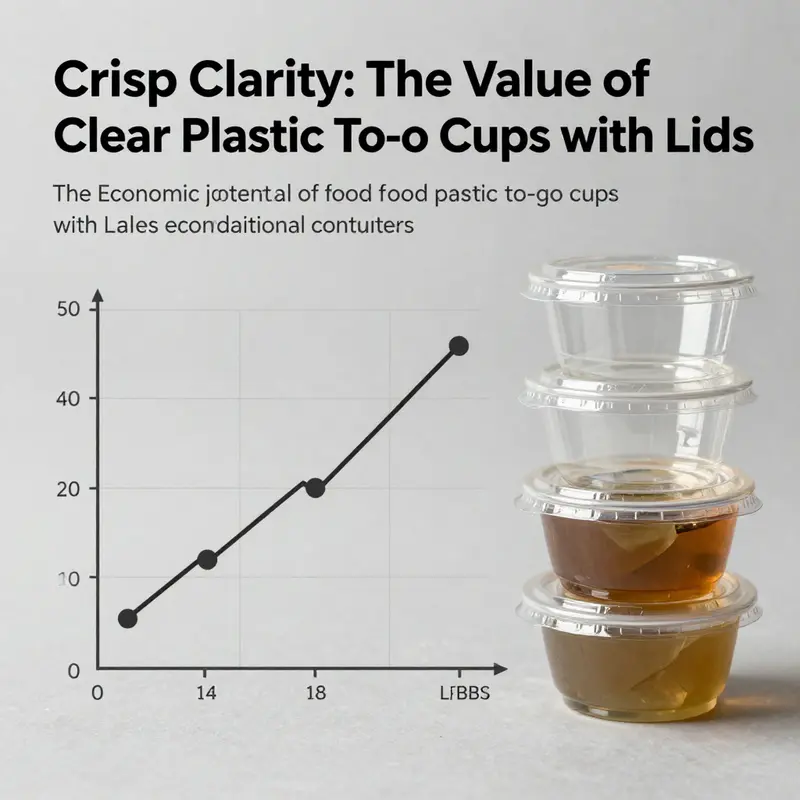
Clear plastic to-go cups with lids appear unremarkable at first glance—a simple, disposable vessel you might grab on your way to a meeting, a gym, or a park. Yet behind their transparent surface lies a complex web of design decisions, manufacturing prowess, supply chain choreography, regulatory guardrails, and shifting consumer expectations that together drive a sizable slice of the food service economy. These cups are not just receptacles; they are conduits for presentation, reliability, and speed. They enable menus to travel without spilling, allow customers to glimpse layers of a parfait or the gradient of a smoothie, and ensure that beverages, salads, sauces, and semi-solid desserts reach their destination with the same accuracy and appeal as when they left the prep station. In that sense, the economics of clear plastic to-go cups with lids illuminate how seemingly small, standardized components shape big-market dynamics across restaurants, cafes, food trucks, convenience stores, and caterers alike.
From a design perspective, the cups embody a careful balance of form and function. The structural logic is deceptively simple: a wider conical base that narrows toward the top. This geometry stabilizes the cup on crowded shelves and crowded hands, reducing wobble on the way to the table or the car cup holder. The taper also makes stacking efficient, a feature that matters as operations scale from a handful of daily serves to tens or hundreds of thousands per month. When you pair the cup with a compatible lid—whether snap-on or press-fit—the result is a compact unit that can be securely sealed for transport without sacrificing accessibility at the point of service. The transparency, far from being a cosmetic flourish, is a practical choice that turns product presentation into a form of nonverbal marketing. A customer can judge ripeness, freshness, and portion without opening the container, a factor that influences purchase confidence and reduces hesitation at the counter. In many cases, this clarity serves as a visual menu extension, letting the contents tell part of the story alongside the staff’s written cues.
Within the broader category of disposable drinkware, clear plastic cups with lids sit at the center of market attention. Their dominance is underscored by the fact that they command a sizable share of the global cups and lids market, a trend reflected in 2025 market data that placed clear cups in a dominant position with a roughly six-tenths share of the segment. That kind of market presence isn’t accidental. It reflects a convergence of consumer demand for easy, hygienic take-away options and operator needs for equipment that minimizes downtime, waste, and breakage. In practice, this means cafes and food-service setups can move more quickly, serving more customers without contending with fragile glass or heavy, break-prone alternatives. At scale, the reliability of these cups translates into predictable packing outcomes, fewer customer complaints about leaks, and steadier service times, all of which contribute to a more efficient operation and a more favorable cost-per-service metric.
The supply chain behind these cups is a study in globalization and automation. Production centers concentrate where specialized thermoforming and injection-molding capabilities have evolved into mature ecosystems. In many instances, provinces such as Fujian, Guangdong, and Jiangxi have become hubs where tens of millions of units move through factories each month, driven by automated lines, precision tooling, and high uptime. The supply chain is tightly integrated; raw materials, resin blends, preforms, and finished cups move through coordinated stages that minimize delay and ensure consistent quality. For international buyers, lead times typically range from 15 to 30 days, a window that supports scalable production models for startups testing demand and for large buyers planning seasonal campaigns. The ability to adjust run sizes quickly—whether adding a new color, adjusting a lid style, or introducing a logo print—offers a degree of flexibility that is prized in a market where promotions, holidays, and regional tastes can swing demand markedly.
Customization is more than a marketing flourish; it is a strategic lever. Operators can access options like logo printing, multi-color designs, and even subtle functional variations that accommodate different beverage temperatures or viscosity. The capacity to align the packaging with branding messages—without sacrificing the reliability of the container—gives food-service businesses a practical means to differentiate themselves in a crowded landscape. In the competitive theater of quick-service, the packaging can close the loop between product and purchase decision, especially when display cases, take-out counters, and drive-thru lanes rely on a uniform, instantly recognizable presentation. Yet customization must be balanced against cost and supply realities. Each color, print line, or embossing step adds complexity to the production flow and can impact yield. Savvy buyers weigh these trade-offs with suppliers, looking for a balance between brand distinction and operational efficiency.
The economics of clear cups with lids also hinge on the perception of value in relation to price. For many small-to-mid-sized distributors and startups, unit costs matter, but they must be weighed against reliability, delivery speed, and the ability to scale. The low manufacturing cost of these containers, when combined with a strong, reliable supply chain, creates a rational business case for widespread adoption. This is particularly true in markets where portion control, uniformity, and hygienic transport are critical to customer satisfaction. The cups enable rapid turnover of beverages and semi-solid foods—think smoothies, yogurt cups, layered desserts, soups, dressings, and even small portions of jello or mousse—each of which benefits from a packaging solution that can be produced at high volume with predictable tolerances. The efficiency gains are not purely logistical; they ripple through menu design and pricing strategies. Operators often design portions and combos around these containers, ensuring that the packaging itself supports the operational rhythm of the business, rather than becoming a bottleneck.
From a market dynamics perspective, the strength of clear cups with lids is reinforced by their role in a broader ecosystem of consumer choices. The cups are synonymous with grab-and-go convenience, a category that has grown alongside the expansion of food halls, food trucks, and micro-fulfillment models in urban environments. The transparency of the cup complements the growing emphasis on sensory marketing—consumers want to see, almost tactilely, what they are purchasing. A visible beverage with a vibrant color, a layered parfait, or a salad dressing with distinct strata can be more appetizing than a product presented in opaque packaging. The cup thus acts not only as a container but as a stage for product storytelling, aligning with the aesthetics of the brand and the expectations of the consumer in peak service moments. The implications for sales, customer satisfaction, and repeat visits are meaningful, especially when speed and clarity intersect with a positive sensory impression at the moment of purchase.
Supply chain reliability and food-safety standards add a crucial layer of risk management to the economic narrative. Suppliers operate under a demanding framework of recognition and compliance. Food-contact materials must meet stringent standards that protect public health, including regulations in major markets. For instance, food-contact resins and finished cups are evaluated for safety to prevent leaching or contamination, with certifications and traceability baked into the vendor’s processes. The regulatory landscape—while varying by region—impacts both price and sourcing strategy. Companies typically prioritize suppliers who can demonstrate robust testing, consistent quality, and clear documentation of materials and processes. The cost of non-compliance can be high, not merely in regulatory penalties but in reputational harm and disrupted production schedules. In this environment, strategic sourcing becomes as important as design or branding. An informed buyer searches for partners who can combine capacity with transparency, aligning material safety with delivery commitments and the predictable performance that hundreds of service points rely on daily.
As sustainability pressures intensify, the conversation about clear plastic cups grows more nuanced. Consumer expectations and regulatory scrutiny are converging on the environmental footprint of single-use plastics. The sector faces rising interest in biodegradable materials, recycled content, and even reusable or semi-reusable systems where feasible. These shifts can alter cost structures and risk profiles over the long term. Yet the current economics demonstrate that clear cups with lids remain economically viable for many operations. Their durability protects contents during transport, and their clarity preserves product appeal, both of which support minimizing waste through better portion control and reduced spoilage. The balance between environmental responsibility and economic practicality is delicate. Operators who seek sustainable options often pursue a two-track strategy: maintain the core benefits of clear cups where they drive measurable value, while gradually integrating greener materials or recycling programs as supply and price points permit. In practice, this requires careful supplier collaboration, testing, and a willingness to adapt formulations as consumer and regulatory expectations evolve.
In this evolving landscape, behavioral insights intersect with material science to shape adoption trajectories. Consumers increasingly associate packaging with quality, cleanliness, and safety. The visible cleanliness of a clear cup—free of scratches, clouding, or residue—signals that a product has been handled with care and that hygiene standards are upheld. This perception feeds back into operational practices: kitchens invest in cleaner facilities, staff training, and quality assurance checks that preserve the integrity of the container and the contents. For brand owners and distributors, this creates a virtuous circle where packaging does not merely hold product but reinforces trust and reliability at the moment of purchase. The ability to exchange a damaged cup for a replacement quickly, given the scale of production in leading hubs, further mitigates the risk of a negative customer experience and keeps the service cadence steady across channels.
The strategic value of clear plastic cups with lids extends into branding and market testing. Startups exploring new beverage lines, salad concepts, or dessert offerings often rely on the stability and predictability of a common packaging format to gauge consumer response before committing to more expensive, custom packaging solutions. The availability of customization options offers a pathway from concept to market with manageable risk. For a brand that wants to test a limited-time flavor or a signature layered dessert, a customized lid color or small logo print on the cup can deliver incremental differentiation without triggering a full-scale packaging refresh. This incremental approach helps minimize upfront investment while preserving the capacity to scale quickly if demand proves favorable.
One practical implication of these dynamics is the role of platforms and marketplaces in enabling efficient procurement. Reputable B2B channels provide access to a broad range of manufacturers and distributors, allowing buyers to compare lead times, prices, and customization capabilities. The value proposition here is not only cost per unit but the entire service ecosystem: reliability of supply, the ability to source compatible lids, and the flexibility to adjust order sizes as market demand shifts. For businesses evaluating suppliers, factors such as operational reliability, supply chain transparency, and adherence to food safety regulations are as decisive as the sticker price. In this sense, the economics of clear cups are inseparable from the governance and risk management practices that undergird the supply chain. A well-chosen supplier network supports consistent product quality, reduces the risk of delays, and sustains customer satisfaction across multiple touchpoints—from the counter to the consumer’s hands.
In contemplating the future, it is clear that the economic importance of clear plastic to-go cups with lids will endure, even as markets evolve toward more sustainable frameworks. The interplay of design efficiency, mass production, and a robust distribution network will continue to support operational efficiency for countless food-service operators. Yet as policy landscapes tighten and consumer awareness grows, the industry will likely see a gradual reconfiguration of cost bases. The introduction of recycled-content resins, advances in lightweight formulations, and innovations in lid engineering could yield incremental savings or new performance benefits. In some contexts, this may even herald a shift toward reusable or semi-reusable systems, especially for venues with high-volume throughput or strong take-back programs. These transitions will require careful orchestration of supplier capabilities, consumer behavior, and capital investment, but they represent a natural evolution of an essential packaging format that has, for decades, anchored the take-away experience in the food industry.
Ultimately, the story of clear plastic to-go cups with lids is a study in how a simple component can carry complex implications. It is about how a design choice affects stability during transport, how a manufacturing ecosystem supports scale, and how regulatory and environmental considerations shape strategy. It is about price, yes, but also about reliability, branding, and the ability to deliver a consistent customer experience at the moment of truth—the quick decision to pick up a beverage or a ready meal and the confidence that it will arrive intact and appealing. For operators, the cups offer a practical, scalable solution that aligns with today’s demand for speed and clarity while leaving room for thoughtful evolution as markets demand more sustainable options. For suppliers, they are a continuous incentive to innovate around process, materials, and service, to ensure not only that a cup meets a standard today but that it can meet a standard tomorrow, when market conditions, regulations, and consumer expectations may shift anew. This enduring alignment of utility, presentation, and reliability is what makes clear plastic to-go cups with lids more than a packaging component. They are a core economic engine within the food industry, quietly enabling millions of daily decisions that shape a multi-trillion-dollar sector.
For readers seeking a practical path to smarter sourcing and supplier partnerships in this space, a deeper dive into strategic sourcing can be illuminating. See the guide on strategic sourcing of clear plastic cups with lids for a structured approach to evaluating material compliance, supplier reliability, and total cost of ownership. disposable drinkware
External resource: For a broader understanding of supplier strategies and market dynamics, refer to the external guide on strategic sourcing in this category: https://www.b2b-sourcing-guide.com/strategic-sourcing-clear-plastic-cups-lids-b2b-supplier-guide
Final thoughts
In summary, clear plastic to-go cups with lids are more than just a packaging solution; they represent an essential tool in the modern food service landscape. Their versatility allows businesses to minimize waste while satisfying consumer demands for convenience and aesthetic presentation. When sourcing these cups, assessing supplier reliability becomes crucial to maintaining quality and adhering to food safety standards. Finally, their economic impact on businesses cannot be overstated, as they contribute significantly to operational efficiency and customer satisfaction. Embracing these clear plastic solutions can elevate your food service offerings and create lasting impressions on customers.