
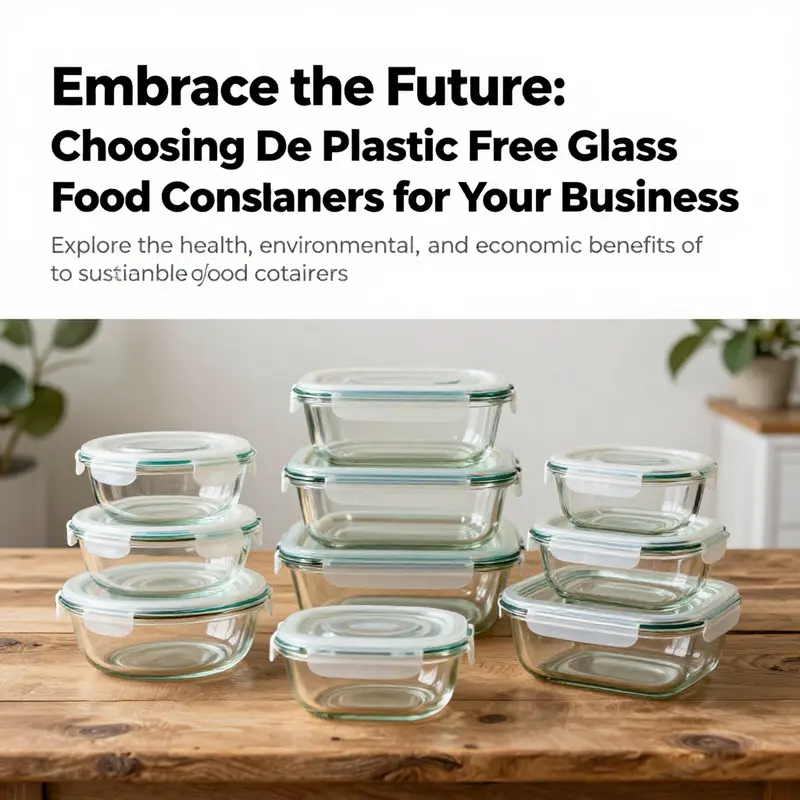
As health-conscious consumers and environmentally-aware businesses converge in today’s marketplace, the shift towards using de plastic free glass food containers is gaining momentum. These containers not only promote food safety by eliminating harmful chemicals commonly found in plastic but also enhance the overall aesthetic and sustainability of your offerings. This guide breaks down the myriad advantages across three key areas: health benefits, environmental impact, and economic considerations, all aimed at supporting restaurants, beverage chains, catering services, and event planners in their quest for a more sustainable solution. Each chapter delves into how adopting glass food containers can revolutionize your operations while appealing to a conscientious clientele.
Glass Without Compromise: The Health Benefits of Plastic-Free Glass Food Containers
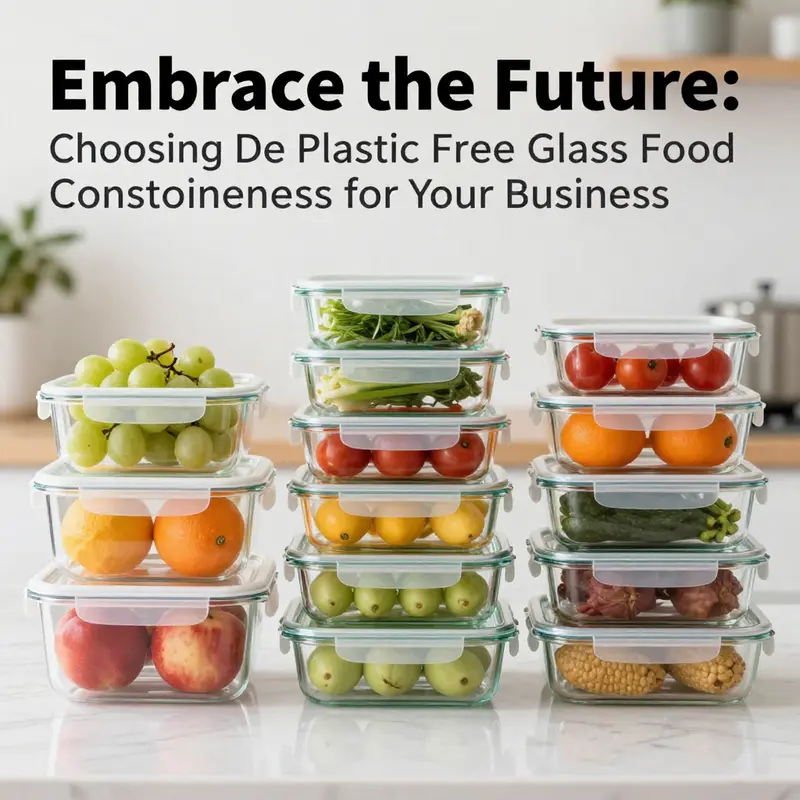
When people look for safer ways to store and preserve food, the choice often becomes a quiet, practical decision that mirrors larger commitments to health and responsibility. The shift from plastic to plastic-free glass storage is not merely a matter of taste or aesthetics; it is a deliberate move toward a storage system that honors the body it serves and the planet that sustains it. The chapter that follows moves through the heart of that decision, weaving together science, everyday experience, and the lived realities of households seeking fewer toxins, better preservation, and less waste. It is a narrative of how something as ordinary as a glass container can make a meaningful difference in long-term health outcomes, from the kitchen counter to the heart and beyond. The thread connecting these ideas is simple but powerful: glass containers, designed for direct food contact and subjected to routine heating and cleaning, offer a safer, more stable haven for a multitude of foods than many plastics can provide.
Perhaps the most persuasive starting point lies in the elimination of well-known endocrine disruptors that have long shadowed plastics. Bisphenol A (BPA) and phthalates have been widely discussed in medical literature and public conversations for years because of their potential to interfere with hormonal signaling. In cardiology circles, doctors like Dr. Elizabeth Klodas and Dr. Aaron Feingold have underscored the importance of minimizing exposure to these compounds as part of a broader strategy for heart health. When food sits in containers that leach chemicals, those tiny particles or compounds can travel into the food, especially if the container is heated, cooled, or stored for extended periods. The concern is not merely immediate irritation or a short-term reaction; it is a potential contribution to longer-term hormonal imbalances that can influence cholesterol handling, blood sugar stability, and inflammatory processes. In other words, switching to glass is not just a precautionary preference but a practical, health-conscious habit with tangible implications for cardiovascular well-being over time.
Glass brings with it a chemical safety profile that plastics often cannot match. The inert nature of glass means it does not release compounds into food, even under conditions that would stress many plastics. High-quality borosilicate glass, in particular, has earned regulatory respect for direct food contact and resilience across temperature shifts—an impressive feat when considering the everyday realities of cooking, reheating, and storing. The safety message here is not limited to the theoretical; it translates into everyday confidence. When you place leftovers into a glass container and heat them in the same container, you’re relying on a material that is unlikely to degrade into the food you eat. This is especially important for items that are acidic—like fruit sauces or tomato-based dishes—that can react with certain plastics and alter flavor, scent, or even chemical composition. The idea that glass can withstand heat without releasing toxic substances is not merely reassuring; it is essential for people who routinely use microwaves, ovens, or dishwashers as parts of their food preparation and preservation routines.
While the health narrative is compelling, the practical advantages of glass also illuminate how this material supports safer, more mindful eating. The impermeability of glass to air and moisture is not mere trivia; it translates to real-world outcomes in freshness and nutrient retention. Foods stored in glass tend to experience slower quality decline because oxygen and moisture are kept at bay more effectively than in many plastics. This barrier property helps preserve flavors, textures, and nutritional value for longer periods, reducing the frequency of spoilage and the associated risk of consuming compromised foods. Transparent containers make it easy to monitor contents at a glance, inviting a more mindful approach to meal planning and reducing the behavioral tendency to discard perfectly good ingredients simply because visibility is limited. In this sense, glass storage supports a form of kitchen literacy: you learn to recognize when food is at its best, and you waste less because you can see what you have before it deteriorates.
Beyond the immediate kitchen benefits, the health story of glass extends into environmental considerations that loop back to human well-being. Plastic-free glass containers contribute to a larger, healthier ecosystem by avoiding microplastic contamination and the ongoing introduction of synthetic compounds into soils and waterways. When communities and households opt for durable, reusable glass options, the demand for single-use plastics declines, and so does the accumulation of waste that can eventually reenter food chains indirectly through environmental pathways. The health link here is indirect but potent. A cleaner environment translates into fewer exposures to pollutants that have subtle, cumulative effects on respiratory and immune function, along with broader, ecosystem-level benefits that support overall public health.
The practical implications of choosing glass extend into everyday reliability. Borosilicate glass is particularly well-suited to the diverse temperatures and conditions of daily life. It can handle the heat of reheating and the chill of refrigeration without the risk of cracking, which preserves container integrity over time. This durability matters because it reduces the need for frequent replacements, which in turn minimizes the consumer’s exposure to potential contaminants that could arise from degraded containers over time. It also means fewer microbreakages in the kitchen, a tangible benefit in households with children or busy schedules where sturdy containers can withstand the occasional drop or mishandling without compromising safety. The ability to clean thoroughly, sanitize, and reuse glass containers in dishwashers or ovens—while maintaining structural integrity—offers a practical edge over many plastics that may degrade with repeated cycles.
The health advantages of plastic-free glass storage are not solely about avoiding harm. They also facilitate a more nutritious and stable approach to eating. When containers perform reliably and incompletely degraded materials are not contaminating food, you preserve more of the food’s intrinsic flavors and nutrients. The clear glass provides a visual cue that encourages more mindful portioning and meal planning. You can see the color and texture of the contents, which supports better judgment about freshness and appropriateness for consumption. This visibility contributes to a deeper respect for the food you prepare and store, reinforcing a habit of mindful eating that aligns with broader health goals—from weight management to metabolic health—and reduces the cognitive load of guessing what’s still good to eat.
This discussion naturally leads to a broader sense of responsibility that extends beyond the kitchen. In emergencies and crisis situations, the integrity of stored food becomes a matter of safety rather than convenience. Glass, with its inert composition and robust physical properties, offers a reliable option for preserving prepared meals or staples during periods of disruption. The ability to store items for extended periods without the risk of chemical leaching helps ensure that what you feed yourself and your family remains dependable when supply lines are stressed or access to fresh food is limited. The safety and durability of glass storage are not luxuries; they are practical safeguards that support resilience during challenging times.
For readers who want to explore the practical dimension of selecting and using glass storage more thoroughly, consider the community of options available under the broader category of storage containers. Examining the range of shapes, sizes, and lids can illuminate how best to balance ease of use with long-term health considerations. The key is to choose a system that minimizes repeated heating and cooling cycles in plastic alternatives and leverages glass’s neutral chemistry and strength. When you adopt this approach, you’re not only minimizing exposure to potentially harmful chemicals but also embracing a more consistent and sustainable practice that aligns with a growing movement toward plastic-free living. To make this transition smoother, you can integrate simple habits—washing glass containers promptly after meals, drying thoroughly to prevent odor retention, and keeping a few essentials on hand for everyday use. Small, deliberate changes accumulate into a healthier, more predictable routine that supports well-being over time.
The health narrative in favor of plastic-free glass storage is nuanced and grounded in evidence that resonates with medical professionals and everyday cooks alike. It is not merely about compliance with a trendy standard; it is about building a kitchen culture that prioritizes safety, flavor, and longevity. When you choose glass, you select a material that remains faithful to the food’s own chemistry rather than altering it. You also opt for a product that is easier to clean and sanitize, reducing the likelihood of lingering odors or stains that can color future cooking experiences. This clarity, born from a simple swap, underpins a broader sense of control over one’s health and a proactive stance toward prevention rather than reaction.
The dialogue about plastic-free glass storage would be incomplete without acknowledging how it intersects with the science of food safety in a modern home. The FDA’s recognition of glass as a safe, non-reactive option for direct food contact reinforces what many kitchen practitioners already observe: glass does not introduce unwanted substances into food under common conditions of storage and use. When households switch to borosilicate glass, they gain a familiar, user-friendly interface that supports diverse culinary needs—from heating leftovers to preserving delicate sauces and ferments. The health benefits layered into these practical advantages compound over time, offering the potential for long-term improvements in heart health, hormonal balance, and metabolic regulation by reducing exposure to harmful chemical leachates and restoring a more stable internal environment.
In closing, the health benefits of plastic-free glass storage are best understood as a synergistic package. Eliminating BPA, phthalates, and other potentially harmful compounds, leveraging the inert nature of glass under heat, preserving food quality, and reducing environmental impact together create a compelling case for a kitchen shift that is as practical as it is principled. The evidence and expert perspectives summarized here align with a growing body of consumer health guidance that invites individuals to make choices that safeguard today’s meals and tomorrow’s well-being. The path toward a safer, more sustainable dietary routine begins with a simple ingredient—the container that holds your food—and a small, steady commitment to glass as a trusted, long-lasting storage partner. For readers seeking further context on the health benefits of glass storage, a broader review is available through Healthline’s discussion of the safety and advantages of glass food containers: https://www.healthline.com/health/health-benefits-of-glass-food-containers. If you are building out your own article or guide, you might also explore the practical side of container choices in the storage containers category to complement the health narrative with actionable, everyday options that respect both body and environment. The journey toward a plastic-free kitchen is not a single leap but a series of considered steps that, taken together, advance health, sustainability, and confidence in what we eat and how we store it.
Internal link example for practical consideration: storage containers can be a helpful first stop for evaluating sizes, lids, and durability in a plastic-free context. Each choice you make shapes not only your daily meals but your long-term relationship with the foods you prepare, the way you feed your family, and the footprint you leave behind. The health benefits described here are the kind of outcomes that accumulate slowly but leave a lasting impression on your life and your community, just as the stories of patients and families who prioritize preventive care leave a lasting impression on the field of medicine. In that sense, the transition to plastic-free glass storage becomes part of a broader conversation about how daily habits can support heart health and overall resilience over the years ahead.
Glass Without Guilt: Assessing the Environmental Footprint of Plastic Free Glass Food Containers
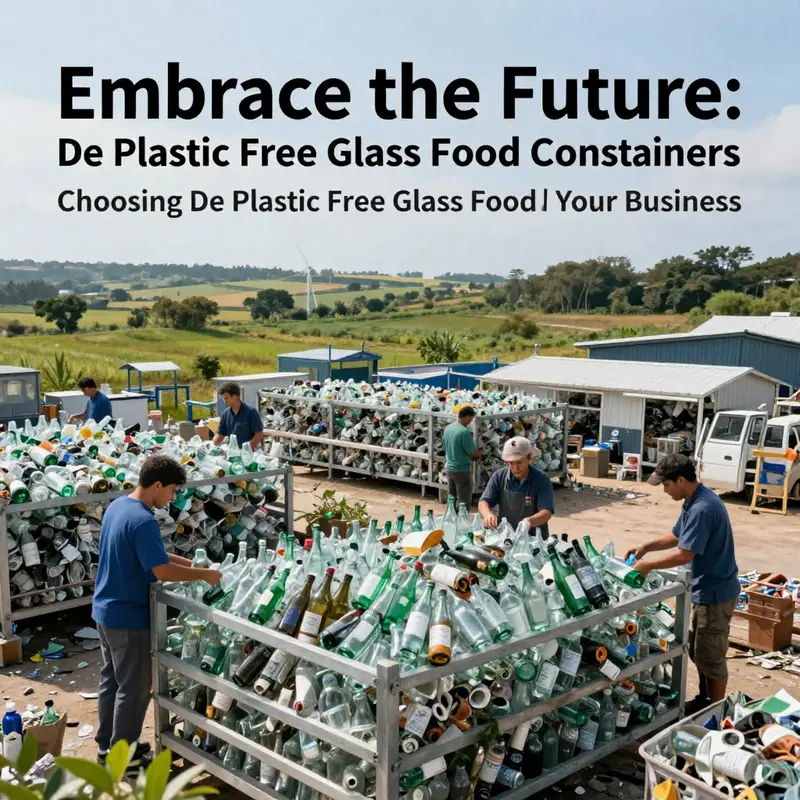
Choosing glass as a default for food storage and preservation has become a centerpiece of many households aiming to cut plastic use. The logic seems straightforward: glass is inert, it does not leach chemicals, it can be cleaned and reused, and it is endlessly recyclable. Yet the environmental truth is more nuanced than a simple material switch. To understand the real footprint of plastic free glass food containers, we must journey through the lifecycle of these vessels—from the heat of the furnaces that melt silica to the quiet routine of washing and reusing, and finally to the moment they face a recycling bin or a landfill. In this exploration, the core message emerges with clarity: the environmental benefits of glass are highly context dependent, and the most meaningful gains arise when reuse is extended, and end of life is managed with intention and care.
During the production phase, the picture quickly becomes more complex. Glass manufacturing demands extremely high temperatures, typically well above 1,500 degrees Celsius, to melt the raw ingredients like silica sand, soda ash, and limestone into a homogeneous melt that can be shaped into jars, bottles, and containers. This energy intensive process translates into substantial greenhouse gas emissions at the point of manufacture. Authorities such as the U.S. Environmental Protection Agency recognize glass production as a meaningful contributor to the emissions associated with the industrial sector. The energy required to reach those temperatures is often derived from fossil fuels, which means a large upfront carbon footprint accompanies each new glass container. In parallel, independent assessments have shown that the upfront burden of producing glass can be higher than that of plastic in some scenarios. Some studies suggest that producing glass bottles may have up to three times the initial carbon footprint compared with their plastic counterparts. This is not a rejection of glass as a recyclable material, but a reminder that the production phase cannot be overlooked when calculating overall environmental impact. The takeaway is not that glass is inherently worse; it is that the production hurdle is a real factor, one that sets an ambitious baseline for any lifecycle comparison.
Yet the story does not end at production. The sturdiness and reusability of glass containers are what many people rely on to offset that heavy start. Here the literature points to a critical lever: reuse. The environmental advantage of glass becomes far more apparent when containers are used again and again, potentially for years. However, the magnitude of that advantage hinges on how often and how long the containers stay in circulation. In a comprehensive lifecycle perspective, researchers have found that reusable glass containers can, in some comparisons, display 12 to 64 percent higher environmental impacts than reusable plastic containers over their lifecycle when reuse is infrequent or short-lived. Those figures illuminate a cautionary tale: glass can be less favorable if it is bought and used only briefly or if it fails to realize a high number of reuse cycles. The same bodies of work, though, also show a powerful counterpoint. When a glass container is reused ten, twenty, or more times, the per-use burden drops dramatically. In these sustained-use scenarios, the cumulative environmental cost of glass can move toward or even past the sustainability of plastic alternatives that are used sparingly but are inherently not designed for the long, repeated life that glass can offer. In other words, the reuse rate is not simply a footnote; it is the central axis around which the environmental story of glass rotates. The more times a glass container is employed to store food—from dry grains to sauces, from leftovers to hot meals—the more glass earns its place as a durable ally in a low environmental impact kitchen.
The end of life adds another layer of nuance to the equation. Glass holds itself remarkably well within circular systems because it is infinitely recyclable without a loss of quality. In practice, this quality makes glass a strong candidate for closed loop recycling where bottles and jars are melted down and remanufactured into new containers. There is a compelling counterpoint, however. The physical weight of glass means that transportation emissions can rise compared with plastics, and its fragility increases the likelihood of breakage during handling and shipping. Breakage may reduce the effective recycling rate if damaged material cannot be collected or processed efficiently. By contrast, many plastics benefit from lighter weight and greater resilience during transport, which can translate into lower transport emissions per unit if the systems are not designed to capture end of life effectively. The broader reality is stark: globally, only a fraction of plastic produced is recycled, with estimates hovering around ten percent in many regions. The environmental risks of microplastics, and the ongoing concerns about chemical leaching in certain plastic types, continue to push public and policy attention toward materials like glass that avoid those outcomes altogether.
When we pull these threads together, the overarching conclusion is nuanced and highly contextual. Glass is chemically stable and does not leach substances into food under a range of conditions, including heat and acidity. This is a chemical safety advantage that matters for both everyday meals and emergency storage. But environmental footprint cannot be reduced to chemistry alone. The sustainability of plastic-free glass storage is optimized when three conditions align: persistent reuse, high recovery in recycling systems, and efficient logistics that minimize transport emissions. If any one of these levers underperforms—if glass is bought in excess, used only briefly, or shipped in ways that generate avoidable emissions—the perceived ecological benefits diminish. In a world that is increasingly oriented toward sustainability and resilience, the path to real impact lies not in abandoning plastics per se but in cultivating a culture of durability and responsible end of life. This is where public policy, industry infrastructure, and personal habits converge to shape outcomes.
The broader literature supports this synthesis and underscores the importance of a systems view. It is not enough to market glass as a greener option on a per unit basis. Consumers and communities must champion long life spans, robust repair and maintenance practices, and recycling streams that minimize losses. The case for glass grows stronger when households commit to keeping containers in active circulation, separating and cleaning them properly to avoid breakage and contamination, and returning them to efficient recycling channels at the end of their usable life. In such a scenario, glass can reduce chemical exposure while also contributing to a decline in single use plastics and associated waste. The ecosystem benefits multiply when reuse is integrated with effective recycling networks that can absorb the materials at end of life, rather than allowing breakage to become a discarded loss.
To ground this narrative in what experts are measuring, consider the recent synthesis of lifecycle analyses that places emphasis on both reuse rates and end of life mechanisms. The message is consistent: the environmental footprint of glass is not a fixed number, but a dynamic outcome of consumer behavior, technological efficiency, and local recycling infrastructure. In practice, this implies that households should not view glass as a universal green shortcut but as a material that, when paired with disciplined reuse and supportive end-of-life systems, offers meaningful environmental advantages. It also suggests that communities seeking to reduce plastic waste must invest in a recycling ecosystem that keeps glass in circulation, mitigates breakage losses, and minimizes transport emissions through optimized routing and regional collection networks. In other words, the environmental impact of plastic-free glass containers is a story about how people use and manage them as much as about the glass itself.
For readers seeking a concise source that ties these themes together, the most relevant English resource among current discussions provides a detailed, peer-reviewed comparison of lifecycle emissions and environmental burdens of glass and plastic bottles. This work emphasizes that it is the interplay between production intensity, reuse frequency, and end-of-life management that ultimately determines whether glass helps or hinders environmental objectives. It reinforces the idea that the promise of glass is most fully realized when it is embedded in routines of repeated use and integrated into recycling systems designed to maximize recovery without excessive transport costs. Such a view aligns with a broader movement toward sustainable materials management, one that values durability, low chemical risk, and systemic solutions over single fixations on a single material characteristic.
From a practical standpoint, readers who want to apply these insights can begin by assessing how they actually store and reuse their containers. If a household uses glass containers for a variety of foods and keeps them in service for many years, the upfront production impact is spread thinly across numerous cycles, improving the overall environmental picture. If, on the other hand, glass is purchased in limited numbers or used only briefly before disposal, the benefits may be dwarfed by the energy required to manufacture new containers and the emissions associated with frequent replacements. The middle ground—where glass storage is part of a long-term habit that replaces many disposable options—tends to produce the strongest environmental advantage. In this mode, the benefits extend beyond individual households to communities that organize shared storage systems, repair services, and circular recycling streams that support extended lifespans for glass products.
Within this frame, consumers can optimize the environmental performance of their glass storage choices in several ways. First, prioritize containers designed for heavy reuse, with sturdy seals and robust rims that resist chipping and cracking. Second, maintain and sanitize containers consistently so they stay in use longer and avoid odors or stains that might tempt premature disposal. Third, plan for end of life in advance by knowing your local recycling guidelines, preparing containers for proper sorting, and supporting infrastructure that can remelt and remake glass efficiently. These practical steps do not erase the energy consumed in production, but they magnify the long-term benefits of glass by extending its useful life and narrowing the gap with plastic alternatives in scenarios where reuse is the dominant factor. When households adopt these practices, the environmental profile of plastic-free glass becomes less a static comparison and more a dynamic, improving trajectory that aligns with a broader ambition to reduce plastic waste and chemical risk in daily life.
An element worth highlighting in this discussion is how information and behavior interact. Consumers who seek to minimize their footprint are often motivated by a desire for safer storage that limits chemical exposure and food contamination. Glass offers a reassuring answer here, since it does not leach under typical culinary conditions. But safety and sustainability go hand in hand only when the container becomes part of a durable practice rather than a one-off purchase. Hence a key recommendation for readers is to treat glass storage as a long-term investment rather than a single upgrade. This means building a kit of reliable containers intended for frequent reuse, learning to care for them in a way that preserves their integrity, and aligning daily habits with local recycling opportunities that can reintroduce glass into the production cycle rather than losing it to waste.
For those who want to explore the practicalities more deeply in a way that ties to broader product ecosystems, a dedicated exploration of storage solutions reveals how the design and durability of containers influence reuse lifespans. The field of kitchen storage is moving toward more durable, sanitary, and versatile options that can accommodate a wide range of foods while withstanding repeated heat exposure and washing cycles. In this context, the decision to prioritize glass connects with a larger goal: to align everyday storage choices with environmental outcomes that deepen over time as reuse rates rise and recycling networks mature. The path forward is not a single magic switch but a set of deliberate, cumulative decisions that collectively reshape the environmental footprint of our kitchens.
In the end, the environmental impact of plastic-free glass food containers is not a verdict etched in stone. It is a narrative written by how people use, reuse, and responsibly recycle them. When the reuse curve is steep and the end-of-life system is efficient, glass can deliver meaningful reductions in both chemical risk and plastic waste. When these conditions are not met, the scale tips toward higher upfront impacts and less favorable outcomes. The practical implication for households is clear: commit to long reuse, maintain containers well, and participate in recycling streams that preserve glass quality across cycles. This triad of actions—reuse, care, and proper end-of-life management—offers the most credible path to leveraging the chemical safety advantages of glass while also contributing to broader environmental goals. For readers seeking a broader frame that situates these findings within the wider field of lifecycle analysis, a rigorous external resource provides a comprehensive lifecycle comparison that reflects the nuance described here. It highlights how regional differences in recycling infrastructure and consumer behavior shape the ultimate environmental profile of glass versus plastic containers.
Further reading and a more technical comparison can be found in external research on lifecycle emissions and environmental burdens. This source reinforces that the glass advantage emerges most clearly when reuse is sustained and recycling systems function efficiently, reducing losses and transport-related emissions over time. It serves as a valuable reference for readers who want to deepen their understanding of how material choices interact with behavior and policy to shape environmental outcomes. https://www.zerowasteeurope.org/reports/plastic-vs-glass-bottles-environmental-impact/
Economics in Focus: Charting the Path to Widespread Adoption of Plastic-Free Glass Food Containers

Economic considerations often determine which packaging options gain a foothold in homes, kitchens, and institutions long before environmental intentions become habitual. When the idea of plastic-free glass food containers is framed as a broader movement toward safer, cleaner storage, the conversation quickly shifts from what they are to whether they can be affordable and practical at scale. The narrative is not simply about preference for a greener option; it is about how price, incentives, logistics, and perceived value align to move a market from novelty to norm. In this chapter, we explore the economic logic that shapes adoption, tracing how higher upfront costs, transport realities, and the counterbalance of long-term savings intersect with consumer psychology, returnable packaging models, and the design of scalable systems. The goal is to map a feasible pathway where the advantages of glass—chemical inertness, a robust barrier to oxygen and moisture, and ease of cleaning and sanitization—are not overshadowed by economic friction. By examining the mechanics of cost and benefit, we can illuminate the conditions that unlock broad uptake without compromising the environmental integrity that motivates the shift in the first place.
At first glance, the most conspicuous barrier is economic: glass containers typically demand higher initial outlays than plastic equivalents. Glass is heavier, more fragile, and demands different handling in manufacturing, packaging, and shipping. These factors translate into higher transportation costs per unit and a greater risk of breakage along the supply chain. Retail prices for glass storage options tend to reflect these realities, particularly in price-sensitive markets where every cent counts. A 2025 study by B. Thompson underscored a simple but powerful dynamic: price remains a decisive variable in consumer choice, and deposit levels can amplify or dampen the appeal of returnable packaging options, including glass, even when environmental concerns tilt the balance toward sustainability. The study’s insight is not just that price matters, but that the structure of the price—upfront cost versus ongoing returns—can fundamentally reshape decision-making. When deposits are set too high, participation wanes; when they are balanced with predictable returns, participation rises. This finding situates economic design as a core lever in the transition away from single-use plastics toward reusable glass ecosystems.
Yet the picture is not bleak. Economic barriers are not immutable obstacles but design challenges that can be mitigated through creative systems thinking. The emergence of returnable or reusable packaging models offers a plausible path to offset initial disadvantages. In such systems, consumers pay a deposit or purchase a durable glass container with the understanding that it will be cleaned and reused through a closed-loop cycle. The deposit-return mechanism can stimulate high return rates if calibrated carefully. Still, Thompson’s work also signals that there is a delicate balance: deposits must be sufficiently attractive to motivate participation, yet not so burdensome that potential users feel locked in or discouraged from participating at all. The economic design problem, then, is to engineer a cycle that minimizes net costs over time while maximizing the environmental return. In other words, the objective is to tilt the cost–benefit calculus toward long-term value rather than short-term expenditure. This is particularly critical when the audience includes households that must budget for staple needs alongside occasional premium purchases.
A complementary layer to this cost calculus is consumer willingness to pay a premium for packaging perceived as genuinely sustainable. The same year’s mixed-method study found that credibility of the sustainability claim matters just as much as the claim itself. When a glass solution is framed with transparency about closed-loop recycling, documented reuse, and clear life-cycle benefits, environmentally minded consumers readily accept a higher upfront cost. This aligns with broader shifts in consumer behavior where the perceived integrity of a product’s environmental narrative translates into willingness to invest more in storage that promises cleaner food, less environmental waste, and a more resilient household routine. The implication for manufacturers and retailers is not that price can be ignored, but that price can be justified through transparent messaging about real benefits—benefits that extend beyond the immediate act of buying to the ongoing story of reuse, maintenance, and waste reduction. If price is the barrier, credible environmental framing and evidence-based benefits can convert it into a perceived long-term savings, particularly when the customer is also drawn to the ease of cleaning, odor resistance, and the stain-free efficiency of glass.
The economic conversation cannot ignore the total cost of ownership, which encompasses more than the sticker price. Glass containers, with their durability and resistance to chemical leaching, may offer cost advantages that accumulate with use. In practice, the long-run costs can be competitive when breakage rates are managed through design improvements and robust packaging trades. Advances in glass formulation, manufacturing precision, and shock-absorbing packaging materials in transit can reduce loss rates and damage. Additionally, glass’s superior barrier against oxygen and moisture helps preserve foods longer, which in turn can reduce food waste—a non-monetary yet highly material benefit that translates into real savings for households and institutions with tight food budgets. The more transparent the value chain, the easier it becomes to translate these benefits into measurable economic gains: fewer spoilage incidents, lower disposal costs, and a reduced need for frequent repurchasing of spoiled items. In this light, glass becomes not merely a storage medium but a strategic component of a more efficient, waste-conscious pantry.
From a business perspective, the adoption of glass storage is also shaped by market structure and scale. Small households may find glass more expensive upfront, but they can reap long-term value through the durability and longevity of a well-maintained set. Institutions—schools, workplaces, and food services—pose a different calculus. They can achieve significant economies of scale through bulk procurement, standardized sizes, and shared cleaning facilities that optimize the reuse cycle. The key is not simply to reduce unit costs but to orchestrate a system where the deposits, returns, cleaning, and redistribution operate with predictable cadence. This requires investment in logistics infrastructure and partnerships that support efficient pick-up and drop-off, centralized sanitization, and reliable traceability. The absence of such an ecosystem often constrains adoption in the early stages, even when consumers and institutions prefer glass on environmental grounds. The challenge is to align supply chain capabilities with consumer behavior, so that the practicalities of return, reuse, and rapid replenishment do not erode the perceived value of the glass option.
An important dimension of this ecosystem design is the choice architecture presented to the consumer. Pricing strategies that misalign with consumer expectations can create cognitive dissonance, undermining the willingness to participate in returnable systems. Conversely, pricing that communicates value—such as a combination of a modest upfront cost and a clearly framed long-term savings trajectory—can foster a durable habit of reuse. It is here that the broader packaging and storage ecosystem, including the role of cross-category incentives, becomes relevant. A consumer who buys into glass storage may also appreciate related offerings—such as a family of glassware and storage solutions that fit together within a single kitchen ecosystem. In this sense, bundling glass storage with compatible, easily cleanable lids or modular organizers can lower the perceived friction of adoption and increase the perceived value. The idea is to create a seamless user experience that makes reusable glass containers not just an option but a natural choice when upgrading kitchen storage.
To connect economics with everyday decision-making, consider how a simple household act—buying a new set of storage containers—unfolds across a year. If a household substitutes a few plastic units with glass and commits to a closed-loop, returnable system, the initial premium can be offset by fewer replacements, lower waste disposal costs, and reduced exposure to chemical leaching risks, especially under heat or acidic storage conditions. The more credible and tangible these benefits appear, the more likely a purchase decision will tilt toward glass, even in markets where immediate sticker price comparisons point toward plastic. This is not merely about being green; it is about being smart with household resources, planning for durability, and avoiding recurring costs associated with frequent replacements. In practice, a well-designed glass storage system acts as a gateway to a broader climate-conscious routine that integrates with food safety, pantry organization, and sustainable living.
The interplay of consumer psychology and economic design becomes even more interesting when we look at the potential for policy and infrastructure to unlock adoption. Deposit-return schemes, extended producer responsibility, or subsidies for reusable packaging can create a policy environment that nudges behavior toward more circular outcomes. The effectiveness of such policies, however, depends on calibration. If deposits are too low, return rates may stagnate; if too high, participation can decline due to perceived burden or risk of loss. The lesson for policymakers and industry leaders is to pursue a balanced, transparent approach that rewards responsible stewardship without creating unintended barriers. In addition to monetary incentives, clear communication about the environmental benefits and the practical ease of reuse—such as easy cleaning, no odor retention, and resistance to staining—helps anchor the economic argument in everyday reality. Returns, refunds, or credits should be paired with accessible logistics, convenient drop-off points, and reliable sanitation standards to ensure that the system remains frictionless for busy households and service providers alike.
The adoption pathway also hinges on market segmentation and channel strategy. Households that already prioritize sustainability may be early adopters, especially when the glass option is positioned as part of a broader lifestyle choice—one that combines recyclable materials with durable design and safety. Restaurants, cafeterias, and catering services face a different calculus. In these settings, the cost of disposables is a known burden, and glass containers can offer meaningful long-term savings through reuse, reduced waste disposal costs, and improved food safety. The challenge, again, is to develop scalable systems that handle high volumes, automate cleaning and redistribution, and ensure that glass containers arrive back at the point of use in a timely, sanitary condition. Economies of scale may not eliminate upfront cost completely, but they can tilt the equation toward viability and profitability by spreading fixed costs across larger usage footprints and by improving turnover in the return pipeline. The real winner is the ecosystem that couples glass storage with a dependable logistics backbone, a credible environmental narrative, and a pricing framework that communicates fairness and value to all participants.
In weaving together these economic threads, we arrive at a more nuanced understanding of what it takes for plastic-free glass food containers to move from niche option to everyday standard. The material advantages of glass—non-reactivity, odor and stain resistance, and barrier performance—are compelling reasons to adopt them. Yet those advantages must be packaged with tangible economic signals that resonate with consumers and operators alike. Transparent life-cycle information, credible claims about reduced carbon footprints through reuse, and well-calibrated return schemes can convert environmental preference into repeat purchases and sustained participation. The story is not merely about the product’s physical properties; it is about the economic design of a system that makes reuse easy, affordable, and appealing. If the price signal, the logistical framework, and the value proposition align, glass storage can become not only a safer and cleaner option but a financially sensible one as well.
From a practical standpoint, the internal link to practical storage solutions becomes relevant. For readers seeking to explore glass options within a broader storage ecosystem, the storage containers category on our site offers a range of reusable glass choices that fit into a wide array of kitchens and meal routines. This is not just about acquiring a container; it is about integrating a durable, washable, and reusable element into a kitchen workflow that values efficiency and sustainability. By viewing glass storage as part of a larger home organization strategy, households can realize compounded benefits: less waste, better food preservation, and a calmer, more predictable pantry experience that aligns with both environmental goals and budget realities. Such integration can help bridge the gap between willingness to adopt and sustained, long-term practice.
Ultimately, the economics of adopting plastic-free glass storage are a test of how effectively institutions, retailers, and households can collaborate to create a viable circular system. The balance between higher upfront investments and long-run savings demands careful design of pricing, returns, and communication. The evidence points to a promising path: when the economic design is thoughtful, credible, and user-centered, the green promise of glass storage translates into real economic and environmental gains. The transition is not instantaneous, and it is not guaranteed. It requires ongoing experimentation with deposit levels, return logistics, and consumer education, all aimed at reducing friction and enhancing perceived value. If these elements align, the adoption curve for plastic-free glass food containers can accelerate, propelled not only by concern for health and safety but by a robust, practical economics that makes reuse the natural choice rather than an aspirational one.
External research reference: Thompson, B. (2025). Adoption of returnable packaging depends on price. Science of the Total Environment. https://www.sciencedirect.com/science/article/pii/S095605422500138X
Internal link: For households exploring durable storage solutions within a broader kitchen organization strategy, see the storage containers category on our site. https://cupbowlpack.com/product-category/storage-containers/ (
Note: The internal link is integrated into the narrative as a practical pointer to related offerings that support the transition discussed above.)
Final thoughts
Transitioning to de plastic free glass food containers presents your business with a unique opportunity to enhance food safety, support environmental conservation, and improve economic viability. By aligning with consumer desires for healthier and more sustainable options, you not only elevate your brand but also contribute to a global movement towards reducing plastic waste. Investing in glass containers reflects a commitment to quality, health, and sustainability that will resonate with your customers while setting your establishment apart in a crowded market. Make a choice that benefits your business, your community, and the planet.