
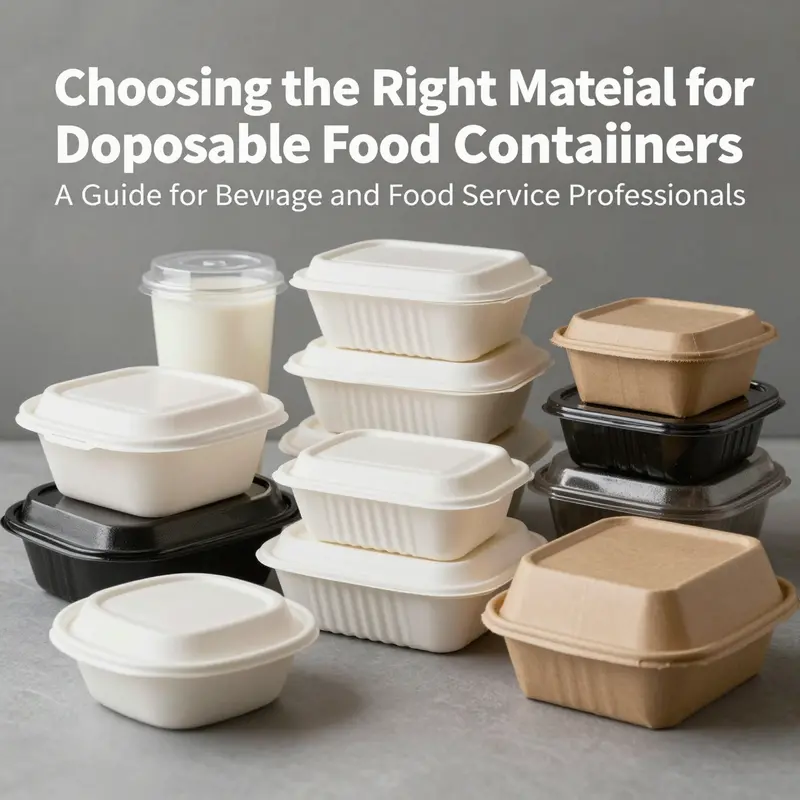
The food industry faces increasing pressure to balance convenience and environmental responsibility in packaging. Selecting the appropriate material for disposable food containers is crucial for businesses such as bubble tea shops, restaurants, and food trucks. Each material brings its benefits and challenges. This guide explores common materials, including plastics, EPS foam, paper, and biodegradable options, while addressing safety and sustainability concerns. By understanding these materials, food service professionals can make informed choices that align with their business values and customer expectations.
Plastic as the Frontline Material: Balancing Performance, Cost, and Sustainability in Disposable Food Containers
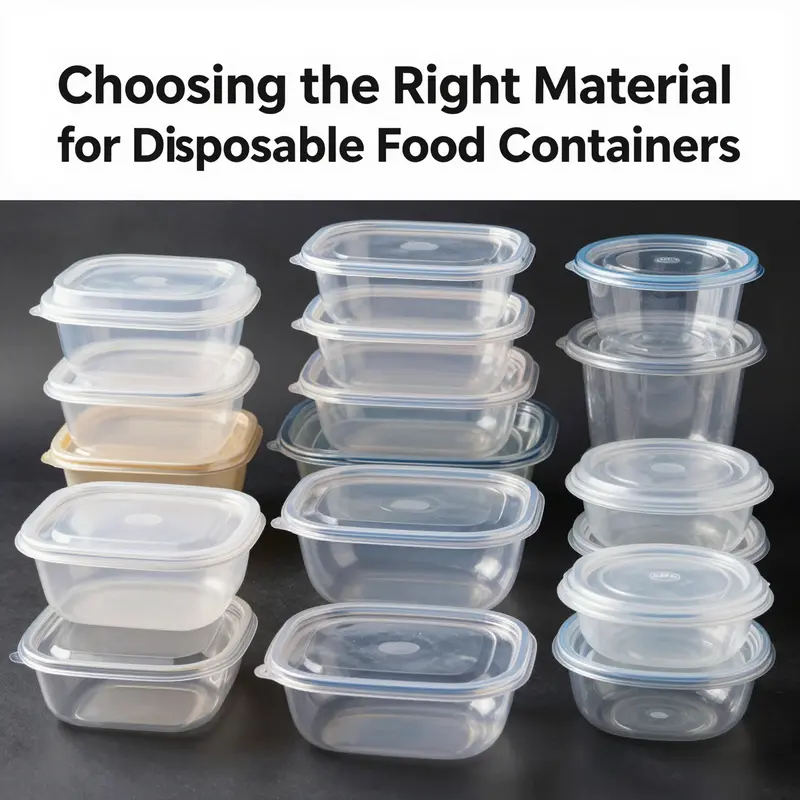
Plastic sits at the center of the disposable food container dialogue not by accident, but by design. It offers a rare combination of tunable properties, scalable manufacturing, and affordability that has made it the default choice for a wide range of foods and services. The practicality of plastics—the way a single resin family can be molded into rigid clamshells, flexible film wraps, and microwave-safe containers—has shaped supply chains, consumer expectations, and the economics of foodservice. In this chapter, we carve a cohesive arc through the dominant plastic families that underpin most disposable containers: polystyrene (including its expanded form), polyethylene, and polypropylene. Each material brings distinct advantages, yet each also carries its own set of environmental and regulatory challenges that increasingly constrain how it is used, disposed of, and perceived by the public.
Polystyrene, especially in its expanded form, is the archetype of efficiency in the takeout world. EPS foam is renowned for its thermal insulation, lightweight character, and grease resistance. It keeps hot meals warm and cold items cool while remaining easy to handle in busy service settings. The clamshells, cups, and meal boxes that many diners recognize owe much of their popularity to this material’s low density and strong barrier properties. Yet EPS also embodies a paradox. Its environmental footprint is heavy: non-biodegradable, notoriously difficult to recycle, and often subject to end-of-life mismanagement. When exposed to high heat, EPS can degrade in ways that raise concerns about chemical leaching, particularly in long or repeated use scenarios. As such, a growing arc of municipal and regional policies has moved toward banning or restricting its use, while restaurants and retailers push toward alternatives that can meet the same functional demands without the same disposal baggage. The regulatory landscape around EPS is a powerful reminder that material choice in disposable packaging is inseparable from governance and public health considerations.
Polyethylene represents another broad and influential branch of disposable packaging. Its versatility is evident in both its low-density (LDPE) and high-density (HDPE) forms, which serve up moisture resistance, chemical inertness, and a wide range of product formats—from flexible bags to rigid trays. PE’s resilience to moisture and oils makes it a staple for fruit, vegetables, dry goods, and many liquid items. It is affordable, adaptable, and partially recyclable in many regions, factors that sustain its ubiquity in grocery and takeout contexts alike. However, the environmental realism remains persistent: PE is not biodegradable, and recycling rates vary widely by geography and collection infrastructure. The durability that makes PE attractive in everyday use also complicates collection and processing at the end of a container’s life, underscoring the need for streamlined recycling streams and better consumer participation in separation efforts.
Polypropylene occupies a sweet spot where heat resistance and mechanical durability meet economic practicality. PP containers are prized for their ability to withstand higher temperatures, maintain shape under microwave conditions, and present a glossy, transparent appeal that supports product visibility. This combination makes PP particularly well-suited to microwave-ready meals, hot-side takeout, and a broad spectrum of wraps and liners. Compared with PS and PE, PP often enjoys higher recyclability in certain systems, yet it still faces fragmentation in global collection and processing infrastructure. The result is a nuanced picture: a material that can deliver high performance and improved end-of-life options in some places, while in others remains tethered to limited recycling capacity and inconsistent policy signals.
Taken together, PS, PE, and PP illustrate how plastics became the backbone of disposable food containers. They enable a leaner supply chain, scalable production, and products that perform predictably under diverse conditions. The engineering of these materials is not merely about keeping foods safe or maintaining temperatures; it is about enabling fast service, satisfying consumer expectations for convenience and presentation, and supporting diverse formats—from single-serve cups to multi-compartment trays. Yet the same properties that offer such advantages—moldability, lightness, barrier performance—also complicate the ecological equation. Most conventional plastics derive from fossil fuels, sculpting a path that leads to significant environmental persistence unless robust end-of-life solutions exist. It is this tension that drives ongoing material innovation and a more purposeful dialogue about what “sustainability” means in packaging.
The environmental concerns surrounding plastics in disposable containers have sharpened the debate beyond mere recyclability. Industry and policymakers alike recognize that the life cycle of these materials extends from feedstock extraction through production, use, and finally disposal or recovery. Each stage offers opportunities to improve energy efficiency, reduce greenhouse gas emissions, and minimize waste. In practice, this translates into a mosaic of strategies: improving resin formulations to reduce additives and impurities; redesigning packaging to use less material while preserving performance; expanding recycling infrastructure; and exploring end-of-life pathways such as chemical recycling or advanced mechanical recycling where feasible. The conversation naturally expands to include alternatives that promise lower environmental impact, including plant-based polymers, compostable options, and materials sourced from agricultural byproducts. Still, it remains essential to broker a credible balance between functionality and sustainability, ensuring that alternatives do not simply swap one set of environmental concerns for another.
A cornerstone of responsible packaging discourse is adherence to food-contact standards that govern what materials can legitimately meet the needs of safe storage and delivery. Regulatory guidance, such as that provided by agencies responsible for food-contact substances, anchors the technical vetting process. This framework helps ensure that materials, coatings, and additives do not migrate into food at levels that could pose risks to consumers. It also fosters transparency and consistency across manufacturers, retailers, and regulators, which is critical when consumer trust hinges on the perceived safety and integrity of a container’s contents. The FDA, for instance, maintains guidance that helps manufacturers align with established safety criteria for materials that come into contact with edible products. Although the regulatory landscape can appear dense, its core aim is practical: to keep the foods we rely on safe while allowing innovation to advance in thoughtful, evidence-based ways.
As the market presses toward sustainability, the conversation expands to alternatives that complement or even replace conventional plastics in certain applications. Polylactic acid (PLA), a compostable polymer derived from renewable resources like cornstarch, offers a compelling example. PLA-based containers are designed to be biodegradable under industrial composting conditions, presenting a route to reduced long-term persistence in the environment. Similarly, bagasse, a pulp derived from sugarcane, and other plant-based materials are explored for their potential to deliver grease resistance, moisture management, and end-of-life advantages in specific contexts. These options respond to consumer demand for eco-conscious packaging and to regulatory pushes that favor more responsible disposal. Yet, their deployment is not without caveats. Industrial composting facilities, specialized processing conditions, and geographic variability in composting capabilities all shape the feasibility and environmental performance of these alternatives. In essence, the future of disposable packaging will likely be a portfolio approach, where plastics and bio-based materials coexist in a carefully managed system designed to optimize performance, waste reduction, and responsible recovery.
Within this evolving landscape, there is also recognition of the broader packaging ecosystem that accompanies food service—food-grade paper coatings, inner linings, and compatibility with hot or oily foods. Even when the primary material is plastic, the choice of coatings, films, and barrier layers impacts recyclability, energy use, and the container’s ultimate fate. For brands aiming to communicate value through sustainability, the narrative must extend beyond the container itself. It includes supply chain choices, labeling clarity, consumer education on disposal, and partnerships that promote recycling or composting infrastructure. This integrated approach is essential to move from isolated product improvements to systemic gains in environmental performance.
An avenue of practical exploration in the current era is the use of responsible alternatives for the surrounding packaging ecosystem. For instance, there are notable opportunities to pair plastic-based containers with compostable utensils and liners that align with a broader sustainability strategy. See an example of eco-friendly, biodegradable utensils designed for disposable use here: eco-friendly-biodegradable-bamboo-utensils-dinnerware-cutlery-tableware-set-napkins. This kind of linkage reflects a growing emphasis on packaging ecosystems rather than isolated components, acknowledging that consumer perception often intertwines the entire takeout experience with a brand’s environmental posture.
In sum, plastic remains the backbone of disposable food containers because it delivers unmatched performance at scale. The challenge—and the opportunity—lies in translating that performance into a system that reduces environmental impact without sacrificing safety or convenience. Innovation must navigate a spectrum that spans resin chemistry, product design, end-of-life processing, and credible, consumer-facing sustainability narratives. The path forward will likely involve a blend of enhanced recycling, smarter material design that reduces content while maintaining barrier properties, and viable, large-scale bio-based or compostable alternatives where appropriate. The aim is a packaging toolkit that not only protects and preserves food but also aligns with responsible stewardship of resources and ecosystems, serving both current needs and future generations. The chapter that follows builds on this foundation, unpacking how alternative materials, processing innovations, and policy developments are shaping the spectrum of options available to manufacturers and retailers alike.
External resource for deeper technical context on plastic materials and environmental implications: https://www.epa.gov/epahome/plastics
Insulation at a Price: EPS Foam in Disposable Food Packaging and the Push Toward Sustainable Alternatives
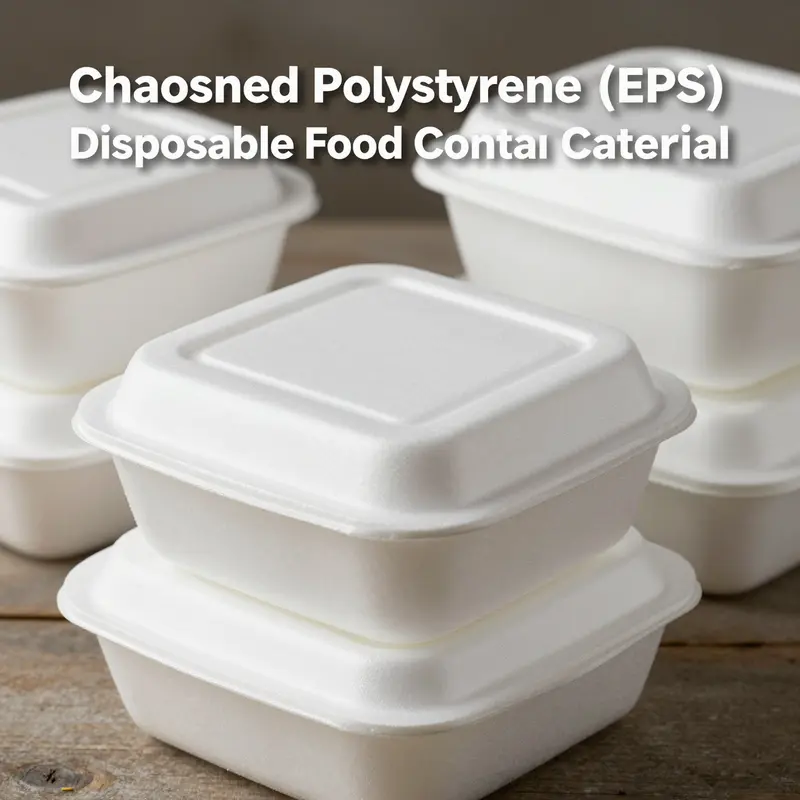
Expanded Polystyrene foam, widely recognized by its familiar beadwork and foam-quiet efficiency, has long been a cornerstone of disposable food packaging. Its metal-trimmed simplicity belies a complex balance of performance, cost, and environmental consequence. In the fast-paced world of takeout, delivery, and casual dining, EPS has thrived by delivering reliable thermal insulation, a light touch, and a price point that fits mass production and consumer needs. The material’s insulation comes from a lattice of tiny air pockets formed when polystyrene beads expand and fuse under steam. Those pockets trap air, reducing heat transfer and helping hot soups stay hot and cold beverages cold without the need for heavy shells or thick walls. This core feature—thermal retention with a featherweight footprint—makes EPS an appealing choice for cups, clamshells, and molded services that must survive the rigors of transit, while remaining affordable for large-scale foodservice operations.
The production line itself underscores EPS’s practical strengths. Beads are inflated with steam, then fused into rigid, cellular structures. The resulting foam can be molded into diverse shapes—from square containers to round cups—tailoring form to application without sacrificing bulk efficiency. The versatility of EPS extends to its moisture and grease resistance, a critical attribute for seafood packaging, fried foods, and dairy-based desserts where surface oily films and liquid leakage pose real challenges. In many supply chains, this resilience translates into fewer product losses during handling, a smoother handoff to delivery drivers, and a lower total cost per package when volume is a driving factor.
Yet, the attractive echo of EPS’s performance fades when one surveys the environmental chorus surrounding disposable packaging. EPS is non-biodegradable and notoriously persistent in the environment. If it escapes the waste stream, it can linger for centuries, fragmenting into smaller pieces that mislead waste-collection streams and complicate cleanup. Incineration, while reducing volume, can release toxic emissions, including dioxins, with potential implications for air quality and public health. This paradox—high performance with a heavy environmental footprint—has mobilized policymakers and consumers to demand clearer signals about where EPS is permissible, how it should be managed, and what alternatives might rival its core advantages.
The debate around EPS is not merely about disposal. It begins with end-of-life realities: recycling infrastructure, collection systems, and consumer participation. Technically, EPS can be recycled through several pathways, including mechanical, chemical, or solvent-based methods. In practice, however, recovery rates remain stubbornly low in many regions due to logistical barriers. The material’s low density and high bulk create costs that many communities struggle to internalize, while contamination from food waste and the challenge of sorting EPS from other recyclables slow the feedstock’s return to the recycling stream. Even where recycling is feasible, the economics are sensitive to oil prices, plastic resin markets, and municipal waste management priorities, which can tilt decisions toward landfilling or incineration rather than recovery.
To push the needle toward more sustainable outcomes, researchers and industry players are exploring a spectrum of strategies. One avenue focuses on enhancing the recycling process itself. Chemical recycling, for instance, promises to break EPS down into its constituent monomers or into fuels that can be repurposed, potentially expanding the material’s circularity. Solvent-assisted approaches—sometimes described in the context of specialized solvents or bio-based solvents—aim to dissolve and separate polymer components for reuse. While these methods show potential, they also require scale, specialized facilities, and rigorous environmental safeguards to ensure that the process does not simply relocate the problem to a different phase of the life cycle.
Another path addresses the power-to-weight equation by offering alternatives that mimic EPS’s performance while delivering clearer end-of-life credentials. The rise of molded fiber and bagasse-based products demonstrates how plant-derived fibers can provide comparable insulation and structural integrity with a more favorable compostability profile in industrial systems. Bioplastics, including polylactic acid (PLA) and other starch- or sugar-derived polymers, present a broader ecosystem of options. They often boast compostability claims and renewable feedstocks, but their real-world performance, compatibility with existing utensils and microwaving needs, and the realities of industrial vs. home composting must be weighed. PLA, for example, can be microwave-safe and oil-resistant, yet it typically requires industrial composting facilities to yield meaningful degradation, leaving a question mark for regions without such infrastructure.
In this evolving landscape, EPS’s role remains substantial, particularly in applications that demand high insulation at a low unit cost. The material’s legacy is not erased by bans or restrictions in some jurisdictions; rather, it is reframed as a call to innovate around performance, end-of-life management, and supply chain resilience. Policymakers are increasingly inclined to couple performance criteria with clear environmental standards, nudging manufacturers toward better labeling, better containment of waste, and investment in end-of-life solutions. Consumer awareness also matters. As people become more attuned to the lifecycle of their meals—from the moment food is packaged to the moment it reaches the table or doorstep—the demand for packaging that can clearly demonstrate a lower ecological footprint grows stronger. This shift does not imply an abrupt purge of EPS from the market; instead, it accelerates a transition toward materials that can deliver similar thermal and mechanical properties while improving recyclability or compostability.
To illustrate a practical sense of how the industry is diverging, consider the broader family of sustainable materials that compete for the same roles EPS has occupied. Natural fiber-based packaging and bagasse-derived products are increasingly positioned as alternatives for meals and beverages that require insulation without compromising end-of-life outcomes. A useful reference point for this transition is a compostable, sugarcane bagasse-based option that mimics the convenience and microwave compatibility of conventional disposables while offering a distinct end-of-life pathway. For a concrete example of this approach, see the natural sugarcane bagasse pulp-based product line, which illustrates how a plant-derived matrix can deliver functional performance in take-away contexts. You can explore this option here: natural-sugarcane-bagasse-pulp-salad-bowl-microwave-bagasse-take-away-food-dinnerware-round-bowl-disposable.
The story of EPS, then, is not a simple narrative of triumph or failure. It is a nuanced account of a material that performed exceptionally well under cost and handling constraints while presenting a long-term environmental challenge that demands a collaborative, systems-level response. As packaging designers and supply chains evolve, the willingness to pair EPS with robust recycling streams, or to substitute it with materials that offer analogous performance and improved end-of-life outcomes, will determine the pace of change. In practice, this means a dual track: maintain the reliability that EPS has historically provided for hot and cold foods during transit, while catalyzing the development and adoption of packaging solutions whose life cycles deliver transparent, verifiable sustainability gains.
From a consumer perspective, the decision matrix is increasingly transparent. Labels and certifications that communicate recyclability or compostability become as important as the product’s functional performance. Restaurants and retailers, in turn, face a tension between standardizing processes around familiar, cost-effective packagings and investing in innovative alternatives that align with broader environmental commitments. The economics are nuanced. Even with improved end-of-life options, the upfront costs of new materials and the capital investments required for modernized sorting or composting infrastructure can weigh against the established cost advantages of EPS. This is why the industry’s progress tends to be incremental, integrating small but meaningful shifts: targeted trials of alternative materials in select SKUs, expanded take-back programs in urban centers, or collaborations with municipal waste facilities to ensure better mechanical or chemical recycling outcomes.
The broader implication for the article’s focus on disposable food container material is that EPS is a critical, instructive case study. It reveals how a material’s intrinsic properties—insulation, lightness, and cost—shape application choices, even as external pressures push toward optimization of life-cycle performance. The chapter that follows will further illuminate how other material families balance these same pressures, revealing an ecosystem of options that collectively determine the sustainability trajectory of disposable food packaging. In this sense, EPS is not only a material choice but a lens through which to examine the interplay between functionality, economics, and environmental stewardship in the modern food service supply chain. For readers seeking a concrete comparison to a plant-based alternative that shares similar performance goals, the linked example above provides a tangible reference point for how bagasse-based products are positioned to complement or, in some contexts, replace traditional foams in delivery and takeaway.
External resources provide critical depth for those who want to explore material standards, regulatory implications, and the broader environmental context. The Environmental Protection Agency’s overview of sustainable management of materials offers a rigorous grounding for understanding EPS within a larger waste-management framework, including its challenges and opportunities in a shifting regulatory landscape: https://www.epa.gov/sustainable-management-materials/expanded-polystyrene-eps
From Kraft to Coatings: How Paper and Paperboard Shape Sustainable Disposable Food Containers
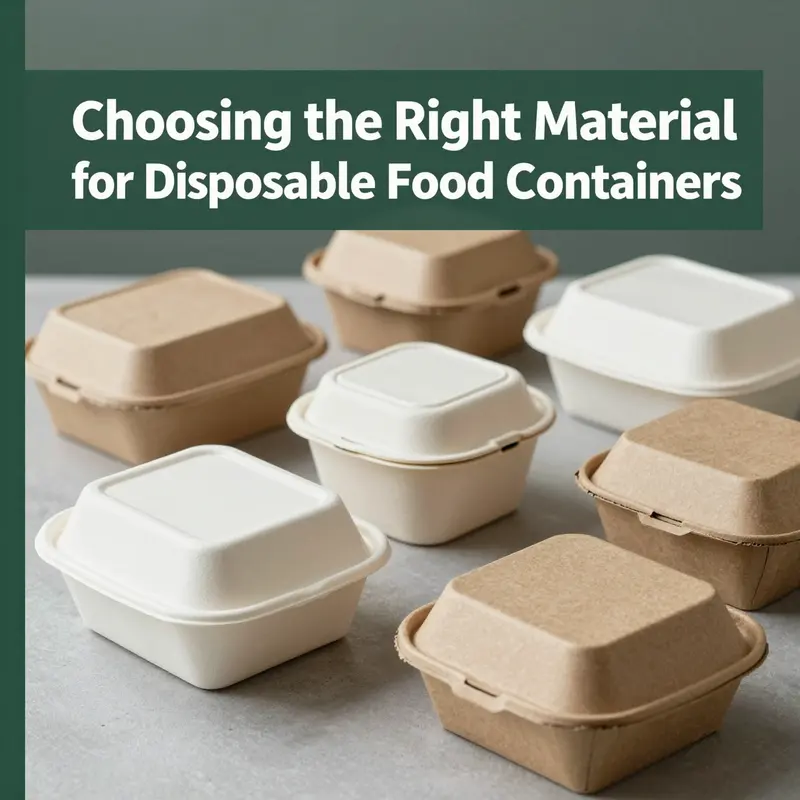
Paper and paperboard occupy a central position in the family of disposable food containers, chosen not only for their light weight and printability but for a pragmatic blend of sustainability, strength, and adaptability. In practical terms, these materials support a wide range of uses—from simple sandwich boxes to multi-functional meal trays—while offering a design language that brands can lean into without sacrificing performance. The narrative of paper and paperboard is not merely about fiber; it is about the way that fibers are organized, how thickness and structure are engineered, and how protective layers interact with moisture, grease, heat, and even consumer perception. At the heart of this story lies a balance between natural resource use and end‑of‑life options, a balance that designers and manufacturers continually negotiate as markets push toward lower footprints without compromising reliability in transit and on the plate.
The source fibers for these materials span corrugated and solid bleached sulfate grades, each with distinct mechanical signatures. Corrugated structures provide robustness and stackability, which is essential for transport efficiency and product protection during busy service periods. Solid bleached sulfate fibers, often used for more premium or visually prominent packaging, deliver crisp printing and a clean, smooth interior that can resist light greases and moisture. Kraft paper, derived from renewable agricultural residues or short fibers, is valued for its natural appearance and renewable sourcing. The very texture and color of kraft communicate a grounding in responsible material choices, which increasingly matters to consumers who associate brown pages with environmental mindfulness. When higher rigidity is required, designers turn to paperboard forms, sometimes in corrugated or laminated configurations, to achieve the necessary stiffness for meal boxes, salad containers, and sandwich holders.
Yet raw strength tells only part of the story. The true test of a disposable container is how it behaves in real life—whether it can shield food from leaks, whether it can keep a hot item from collapsing the structure, and whether it can withstand repeated handling in a busy takeaway environment. This is where barrier properties and coatings become central. Paper and paperboard inherently offer reasonable moisture and grease resistance, but the demands of modern food service often require enhancements. Coatings and laminates play a pivotal role here. Wax-based barriers, plastic laminates, and barrier coatings such as water-based or solvent-based polymers extend the film’s life against oil and moisture. These layers can dramatically improve performance for hot, oily, or wet foods, yet they also raise questions about recyclability and compostability. The design decision to coat a material or to leave it uncoated hinges on the intended end‑of‑life path, regulatory requirements, and the supply chain realities of the brand.
A particularly influential strand in this space is the use of biodegradable or compostable coatings—most notably those based on polylactic acid (PLA) or other plant-derived polymers. PLA-coated papers can be marketed as compostable in industrial facilities and are attractive to brands pursuing lower environmental footprints. The upside is clear: a meaningful reduction in persistent plastic waste and a signaling gesture to sustainability-minded consumers. The caveat, however, is nuanced. Industrial composting facilities are not universally available, and home composting is rarely feasible for these coatings. Moreover, while compostable coatings improve end‑of‑life outcomes, they can complicate standard recycling streams if not properly sorted. The design calculus, therefore, must consider not only the direct performance in the kitchen but also the diversion pathways that communities can support.
In practice, paper and paperboard packaging often navigate a spectrum of barrier strategies. For some applications, a simple, moisture-resistant interior coating suffices, while others require multilayer laminates that combine stiffness, heat resistance, and oil barrier performance. The result is a family of solutions that can be tailored to hot or cold foods, to greasy items like fried foods, or to delicate items that demand a clean, grease-free surface for branding and consumer appeal. These choices also influence the container’s aesthetic and tactile experience. A kraft or coated paper container can be printed with vibrant graphics, soft textures, and pastel hues that reinforce a brand’s story without slowing production or inflating costs. The visual and tactile cues—grainy kraft textures, the smoothness of a coated interior, or the subtle sheen of a laminated surface—become part of the consumer’s perception of freshness, quality, and responsibility.
The environmental narrative for paper and paperboard is inseparable from its life cycle. Paper-based packaging benefits from abundant recycling streams and a generally favorable carbon balance compared to many plastics, particularly when the paper is sourced from certified forests or waste fibers. Coatings and laminates complicate this picture, because they can hinder recycling or composting if not properly designed. For example, a wax or thermoplastic coating might resist oil, but it can also complicate pulp recovery in recycling mills. Conversely, coatings designed to be easily separated during pulping or those that are compatible with existing recycling streams can maintain recyclability while still delivering the needed barrier performance. In this light, the conversation about paperboard packaging frequently centers on how to maximize recyclability and compostability without sacrificing operational reliability in the field.
Coatings and laminates also impact the container’s heat tolerance and microwave suitability. Paper-based containers can be designed to withstand brief microwave exposures if appropriate materials are used and if venting and structural integrity are maintained. This capability expands their use from cold snacks and salads to warmed meals, aligning with consumer expectations for convenience. Yet every solution carries trade-offs. Higher heat tolerance may entail thicker walls, greater material mass, or more complex laminates, all of which alter the container’s cost, weight, and end‑of‑life handling. In this sense, the evolution of paper and paperboard packaging is as much about smart design as it is about chemistry; it requires a careful orchestration of fiber science, coating technology, and process engineering to deliver a product that looks good, performs well, and leaves a lighter legacy.
Manufacturability and scale also shape which options prevail in different markets. Paper and paperboard are compatible with high-speed converting lines, die-cutting, scoring, and folding processes that support the rapid production demands of food service. The adhesives used to assemble boxes and lids must secure performance during thermal shifts and moisture exposure, yet they should not hinder recycling or composting. In many cases, the choice of liner, seal, and lid design becomes as important as the sheet material itself. The result is a system where fiber, coating, adhesive, and lid interplay to define a container’s overall performance. In cafes, bakeries, and events that favor quick turnover, this translates into packaging that arrives intact, maintains product integrity, and visually communicates the brand’s ecological stance. The broader implication is that paper-based containers, when well designed, can deliver a compelling value proposition without relying on high‑cost plastics or more persistent materials.
An emblematic strand within this evolution is the increasing attention to lifecycle realities, including how packaging integrates with recycling infrastructure and composting facilities. The conversation is not merely about what is best in a vacuum, but what is feasible in communities with varied waste management capabilities. Paper and paperboard often fare well where there is robust fiber recycling and composting ecosystems, yet coatings and laminates must be engineered to be compatible with those pathways. This is not a universal constraint but a design parameter that brands, manufacturers, and waste managers must negotiate together. In this sense, the material’s sustainability profile depends as much on system-level integration as on the intrinsic properties of the sheet itself.
As the chapter closes a circle toward broader industry dynamics, it becomes clear that the strength of paper and paperboard lies in their adaptability. They can cover a spectrum from simple, economical options to more sophisticated, barrier-demanding configurations. This adaptability aligns with consumer expectations for responsible packaging, as well as with the regulatory and logistical realities of waste streams. For brands seeking to tell a credible sustainability story, the details matter: fiber origin, thickness, barrier coating choice, and end‑of‑life pathways must coalesce into a packaging solution that performs in the kitchen, travels well, and fits within the local recycling or composting infrastructure. The path forward is not one-size-fits-all; it is a menu of well‑matched options that respect both the science of paper and the logistics of modern food service. And while paper remains deeply rooted in traditional strengths, its ongoing evolution—through coatings, laminates, and innovative laminations—continues to expand what is possible for disposable containers without sacrificing the consumer’s trust in a more sustainable future.
For readers seeking additional technical grounding, the broader literature on paper and paperboard utilization in disposable food container material offers both empirical data and interpretive frameworks that illuminate these design decisions. See the external resource for a deeper dive into the material science and life-cycle considerations that underpin these choices: https://www.researchgate.net/publication/345762019PaperandPaperboardUtilizationinDisposableFoodContainer_Material
From Plant to Plate: PLA and Cornstarch as the Green Thread in Disposable Food Containers
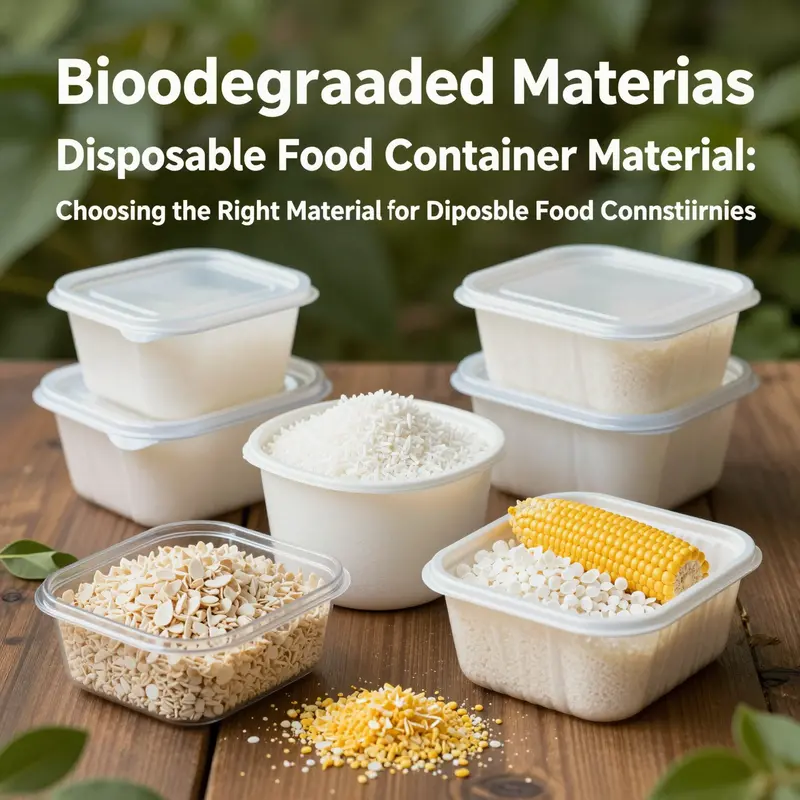
A shift is underway in the world of disposable food containers. It is not merely a pledge to reduce waste, but a careful recalibration of materials to meet the demands of hot and cold foods, grease resistance, stacking efficiency, and cost. The challenge is to thread sustainability through every link of the chain—from resin chemistry and extrusion lines to consumer use and end-of-life disposal. In this evolving landscape, two biodegradable families stand out for their market presence and technical promise: polylactic acid (PLA) and cornstarch-based bioplastics. They represent a broader move away from conventional petroleum-based plastics toward packaging that can reduce the environmental burden without sacrificing performance. Yet their appeal hinges on a nuanced balance of materials science, manufacturing practicality, and waste management realities. Understanding this balance helps explain why many brands are experimenting with PLA and cornstarch in a wide range of disposable containers designed for hot meals, cold desserts, and mixed fare alike, even as the industry continues to refine compatibility with existing processing equipment and consumer disposal habits.
PLA is a biodegradable aliphatic polyester synthesized from renewable resources such as corn and sugarcane. It has earned attention not just for its renewable origin but for its versatility in packaging applications. In the container world, PLA can be fashioned into film, molded into cups, clamshells, and dome lids, and used as a structural component in composite systems. Its appeal lies in a combination of clarity, rigidity, and processability that align with light- to mid-weight packaging needs. Importantly, PLA can degrade under industrial composting conditions, a feature that aligns with circular economy goals when proper facilities exist. The biodegradation pathway for PLA is not instantaneous and depends on heat, moisture, and microbial activity, yet when managed in the right facilities it breaks down into innocuous byproducts. This end-of-life trajectory has made PLA a focal point for sustainability claims in the packaging sector.
From a manufacturing standpoint, PLA is compatible with established production methods. It can be processed by solvent casting in lab settings and by conventional melt-processing techniques such as injection molding, extrusion, and thermoforming in mass production. This compatibility matters because it allows brands to scale up PLA packaging with relatively familiar equipment and flow-through processes. Research into enhancing PLA’s performance has spurred the development of composites. For example, scientists are exploring the incorporation of grape pomace and copper particles to create bioactive packaging that not only degrades safely but also can inhibit microbial growth and extend shelf life under certain conditions. Such innovations illustrate how PLA can be more than a passive container; it can become part of a packaging strategy that supports product quality while still aiming for reduced environmental impact.
Cornstarch-based bioplastics offer another path toward sustainability. Derived from agricultural crops such as maize, cornstarch can be transformed into bioplastic materials that are compostable and non-toxic. In practice, cornstarch-based containers are frequently molded into cups, bowls, and trays that are designed for dry or semi-moist foods. Moisture resistance, a constant hurdle for starch-based systems, is often improved through coatings or by blending with PLA or starch derivatives. This approach can yield a package that maintains grease and moisture resistance long enough for product integrity while still enabling compostability as an end-of-life option. In many cases, cornstarch-based products are positioned as cost-effective alternatives to PLA, offering attractive economics for certain use cases, especially where home or industrial composting is accessible. The thermal and mechanical properties of cornstarch-based materials can vary, but in general they show good rigidity and an ability to perform in the short-to-medium term under typical serving conditions.
A subtle but important distinction emerges when considering end-of-life disposal. PLA’s compostability is generally tied to industrial facilities that reach specific temperatures and residence times. Home composting, while possible in some cases, is less reliable for PLA due to slower degradation and variable conditions. Cornstarch-based polymers can be engineered to be more forgiving in nonindustrial environments, yet their rate and completeness of composting likewise depend on temperature, humidity, and microbial presence. These realities underscore a core principle: the environmental promise of biodegradable materials is real, but it is bounded by the infrastructure that handles post-consumer waste. Without robust composting networks or clear consumer guidance on disposal, even the most eco-friendly material can miss its sustainable target. That is why many researchers and industry practitioners emphasize a systemic approach, linking material choice with collection, sorting, and composting capabilities.
In practice, business decisions about PLA versus cornstarch hinge on several factors. Thermal performance remains a central criterion. Hot foods demand materials with stable heat resistance and minimal deformation. PLA’s rigidity and higher glass transition temperature give it an edge for hot-food containers, while cornstarch-based options are often favored for cold or room-temperature applications where moisture management can be tuned with coatings. End-use environments also shape the decision. Microwave safety is a common requirement in takeout packaging. PLA and certain starch derivatives can meet microwave safety standards under defined conditions, but each material system carries its own caveats regarding oil resistance, leak protection, and sensitivity to moisture. For brands seeking to align with compostability claims, the availability and sustainability of end-of-life facilities become a decisive factor. Industrial composting, home composting, and standard recycling streams—each pathway has distinct rules, performance expectations, and regulatory considerations.
Beyond performance, the economics of bio-based containers influence adoption rates. The feedstocks for PLA—corn, sugarcane, or other sugars—introduce crop- and region-dependent price variability. Processing costs, supply chain stability, and the capital investments required to adapt molding lines, coating steps, and adhesive systems all factor into the feasibility calculus. In some markets, the preference for a fully compostable solution may justify higher unit costs due to the potential for reduced end-of-life disposal costs or enhanced brand value. In others, the priority remains on minimizing cost and maintaining compatibility with existing recycling streams, which can favor starch-derivative systems or blended formulations. As producers experiment with composites, such as PLA reinforced with natural fibers or starch-based matrices, the industry moves closer to packaging that balances performance with environmental stewardship. Yet the pursuit of sustainability is not a binary choice between PLA and cornstarch; it is an ongoing exploration of how these materials can complement each other, optimize processing, and fit within regional waste-management ecosystems.
The narrative around PLA and cornstarch also intersects with consumer perception and labeling. Clear, credible information about compostability and recycling helps consumers make informed choices. It is essential that brands communicate the intended end-of-life pathway accurately and avoid greenwashing. Consistency with regulatory guidance, including food-contact safety standards, is critical. The U.S. Food and Drug Administration provides guidance on food contact substances to help ensure safety across material types. When selecting materials, brands weigh not only how a container performs in a kitchen but how its life cycle aligns with local waste infrastructure and consumer behavior. This broader perspective—combining chemistry, process engineering, supply chain practicality, and waste-management realities—defines the current frontier of biodegradable disposable containers. It is a frontier where science can offer real gains, but only if the logistics of disposal are designed in concert with material innovation.
For readers seeking a broader view of plant-based packaging options beyond PLA and cornstarch, consider exploring related discussions on natural sugarcane bagasse materials. A detailed example is provided by resources focusing on sugarcane pulp products used in disposable containers, which illustrate how agricultural byproducts can be transformed into sturdy, compostable packaging components while maintaining compatibility with current manufacturing lines. See Natural Sugarcane Bagasse Pulp Salad Bowl for a representative look at this approach.
In closing, PLA and cornstarch represent more than a trend. They embody a strategic pivot toward materials that can support a circular economy when paired with appropriate end-of-life infrastructure. Their strengths—renewable sourcing, compostable pathways, and adaptable processing—make them compelling options for many disposable-container applications. Their limitations—variability in composting availability, moisture management, and cost fluctuations—urge a careful, site-specific assessment by brands, manufacturers, and municipalities. As research continues to advance, including work on bioactive composites and improved barrier properties, the potential for plant-based packaging to rival traditional plastics in performance while steering waste away from landfills grows stronger. The ongoing balance among functional performance, environmental impact, and waste-system compatibility will determine how widely PLA and cornstarch-based containers become the standard rather than the exception in the evolving landscape of disposable food packaging.
External resource: A recent peer-reviewed review on bio-based polymers in sustainable food packaging provides a comprehensive scientific context for PLA and related materials. See https://www.ncbi.nlm.nih.gov/pmc/articles/PMC10759684/ for a detailed exploration of production, properties, and applications.
Beyond Compliance: Navigating Safety, Sustainability, and the Lifecycle of Disposable Food Container Materials
Disposable food container materials exist at the intersection of health, commerce, and the environment. They are selected not only for their immediate functional needs—thermal insulation, barrier properties, mechanical durability, and cost—but also for how they will be regulated, how they will endure in the waste stream, and how their use aligns with evolving social expectations about safety and sustainability. This chapter follows that trajectory from the moment a material is chosen to the final disposition of the packaging, weaving together regulatory guardrails, practical migration concerns, and the broader environmental footprint that shapes industry choices today. The conversation is not about a single material in isolation but about a continuum of options and trade-offs that manufacturers must manage in a world that increasingly links consumer health with planetary health. In this landscape, regulatory clarity and environmental stewardship rise in tandem as guiding forces behind material design and selection.
Migration, the core safety concept governing food contact materials (FCMs), anchors much of the regulatory dialogue. Migration refers to the potential transfer of chemical components from packaging into food during contact, influenced by temperature, the acidity and fat content of the food, and the duration of storage. A material that performs well on the shelf must also remain inert under real-world conditions, especially when hot foods are involved or when fatty substances are present. Regulatory bodies respond to these risks with frameworks that set limits, require testing, and demand conformity with good manufacturing practices. A comprehensive synthesis from recent literature underscores that FCMs cover plastics, metals, paperboard, adhesives, and printing inks, each carrying its own migration profile and safety considerations. The goal is not to eliminate all trace-level interactions but to ensure that any migration remains within levels deemed safe for human contact.
The regulatory map varies by region, reflecting different risk perceptions, governance structures, and enforcement capacities. In the European Union, for example, food contact materials are governed by Regulation (EC) No 1935/2004 and related measures, which establish overarching safety principles, specific migration limits, and a strong emphasis on the integrity of materials and manufacturing practices. The United States follows a more facilitative approach through the FDA, which relies on a premarket notification system to evaluate substances used in FCMs and to ensure that new materials meet safety expectations before widespread use. These regional orientations shape how companies approach product development and market entry. They also influence the transparency and documentation that accompany packaging, from ingredient lists to test data, so that regulators, manufacturers, and consumers can trace safety assurances across markets.
Within this regulatory milieu, certain chemicals have repeatedly prompted concern due to their potential health effects. Across various disposable plastic containers, migration studies have identified substances such as styrene, bisphenol A (BPA), and formaldehyde as points of attention. While specific exposure scenarios depend on the material and its use, the presence of these compounds has driven tighter controls and, in some cases, a shift toward alternative chemistries or barrier technologies. The ongoing evolution of risk assessment reflects not only toxicology findings but also advances in analytical methods that reveal trace-level migration previously undetectable. In practice, this means that a container designed for hot, fatty foods must exhibit robust heat resistance and low migration potential, while a container destined for cold beverages must avoid different sets of interactions. The net effect is a more nuanced, science-forward approach to formulating and selecting materials that keep safety front and center without impeding innovation.
Beyond the confines of safety, environmental considerations increasingly constrain material choice and end-of-life pathways. The environmental narrative surrounding disposable packaging is not monolithic; it depends on the material’s production energy, its ability to be recycled, its compatibility with composting streams, and the broader implications of landfilling or litter. A nuanced assessment from a 2019 study highlights that extruded polystyrene (EPS) containers can involve relatively low energy requirements during production and make efficient use of material, attributes that appear attractive from a lifecycle perspective. Yet the same material presents a stubborn recycling challenge and can persist in ecosystems for long periods, complicating its overall environmental appeal. Such findings illustrate a recurring theme: a material’s demonstrated advantages in one phase of the lifecycle can be offset by constraints in another, prompting a more holistic evaluation of total environmental burden rather than a single metric.
Biodegradable and bio-based alternatives add further layers to the environmental calculus. Polylactic acid (PLA) and cornstarch-based containers illustrate the renewable-resource promise, offering compostability and resistance to oils and water in many applications. However, their practical environmental benefits hinge on the availability of appropriate end-of-life facilities. Industrial composting infrastructure remains uneven across regions, which means that some seemingly eco-friendly options may fail to realize their intended advantage in areas lacking dedicated composting streams. In this context, the environmental footprint of a packaging system cannot be judged solely by material type; it must be appraised through a life cycle lens that includes feedstock cultivation, processing energy, transportation, end-of-life infrastructure, and the behavior of the packaging in real-world waste systems.
In the regulatory sphere, the regional divergence in standards and enforcement creates a dynamic where manufacturers must balance health protection with sustainability commitments. The European regime’s emphasis on risk management and product traceability pushes for rigorous testing and transparent data packages. The U.S. framework encourages proactive safety demonstration via premarket review and ongoing post-market considerations, while increasingly integrating sustainability criteria into supply chain expectations. Taken together, these regulatory architectures push firms toward safer chemistries, better barrier technologies, and packaging systems designed for higher recyclability and reuse, all without compromising the primary objective of keeping food safe. The practical upshot is a shift from simple material selection toward integrated packaging design that accounts for chemistry, processability, and end-of-life viability in equal measure.
The environmental dimension also intersects with policy initiatives aimed at advancing a circular economy. In such a model, the emphasis shifts from disposal to stewardship—designing packaging with the end of its life in mind, aligning materials with suitable recycling streams, composting facilities, or repurposing pathways. This shift invites a broader conversation about infrastructure investments and standardized testing protocols that can reliably gauge a material’s compatibility with diverse waste-management systems. The literature consistently advocates for safer chemistries, enhanced recyclability infrastructure, and standardized life-cycle assessments to guide decision-making. In practice, this means research and development teams must not only optimize barrier properties and heat performance but also prioritize compatibility with recycling schemes and composting facilities, where appropriate.
For brands seeking tangible examples of how these principles translate into real-world choices, consider eco-friendly kraft-paper options that align with both safety and environmental objectives. A representative path is the adoption of kraft-paper-based, paper-lid takeout solutions that leverage compostable or recyclable combinations, offering a credible route to reduce plastic dependence while preserving functional integrity. See an example of this kind of packaging here: eco-friendly disposable kraft paper soup cup with paper lid.
Of course, generic guidance cannot replace region-specific compliance strategies or a site-specific life-cycle analysis. Companies must map their product families to applicable migration limits, identify credible testing plans, and align with the local waste-management landscape. This alignment often requires cross-functional coordination among regulatory affairs, product development, supply chain, and sustainability teams. The goal is not merely to meet a regulatory checklist but to establish a credible, verifiable narrative about how a given packaging system protects food while minimizing environmental impact. In that sense, the modern disposable container becomes a portfolio of choices—each material option selected not in isolation but as part of a coherent strategy that integrates health safety, consumer expectations, and environmental responsibility.
For readers who seek to deepen their understanding of the regulatory and environmental dimensions of food-contact materials, a broader scholarly resource provides a comprehensive synthesis of migration risks across materials, manufacturing practices, and regulatory regimes. See the external resource for a rigorous overview of current thinking and ongoing debates in the field: https://www.sciencedirect.com/science/article/pii/S0956053X23002874.
Final thoughts
Selecting the right disposable food container material is essential for enhancing customer satisfaction while minimizing environmental impact. Businesses must weigh the benefits and limitations of materials such as plastics, EPS foam, paper, and biodegradable options. Staying informed about regulations will help ensure compliance and align offerings with consumer preferences for sustainability. By making thoughtful choices, companies can elevate their brand image and contribute positively to the environment.