
As the demand for takeout and delivery continues to rise, the food service industry seeks innovative solutions that combine functionality with sustainability. Disposable paper box food containers have emerged as a critical component for businesses ranging from bubble tea shops to large catering services. This comprehensive guide will dive into essential elements such as product features, design innovations, customization options, material safety standards, and market pricing. Each chapter presents insights to empower food businesses in choosing the ideal disposable packaging that meets their needs while appealing to environmentally conscious consumers.
Durable, Deliverable, and Green: A Deep Dive into the Product Landscape of Disposable Paper Box Food Containers
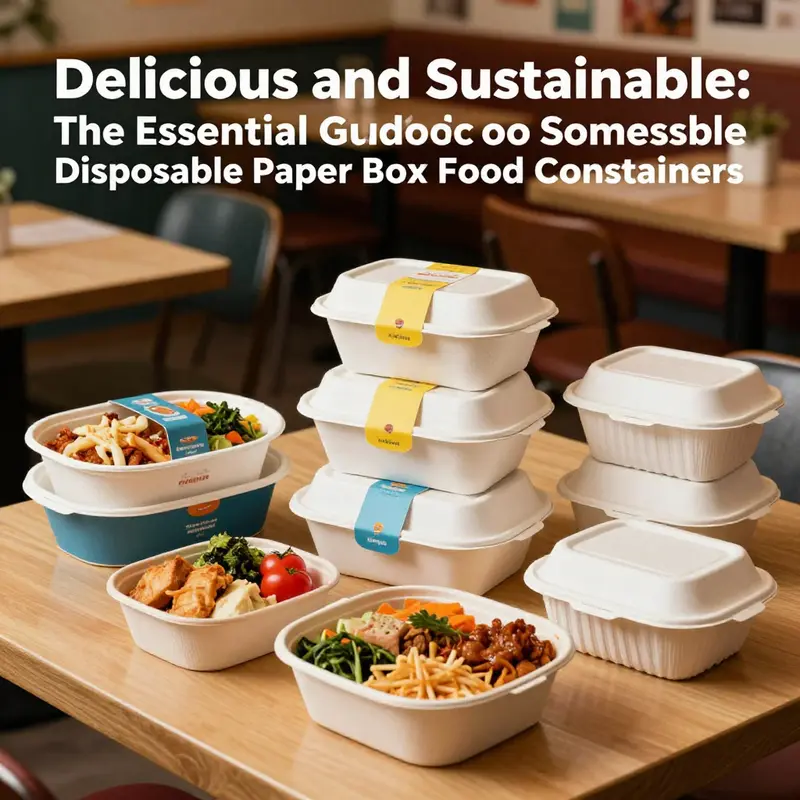
Disposable paper box food containers have moved beyond mere convenience to become a strategic component of modern food service. They stand at the intersection of performance, sustainability, and customer experience, offering a reliable means to protect, present, and transport a wide range of foods from noodle bowls and salads to sandwiches and baked goods. In practice, these containers are engineered with care to balance stiffness and lightness, ensuring that a stack of meals can survive the rigors of delivery or the bustle of a busy cafe line without collapsing or leaking. The core materials—food-grade coated paper and kraft derivatives—reflect a deliberate choice to favor renewables while still providing the practical resistance needed for wet or oily items. The coating layer is more than a nice-to-have; it is essential for leak resistance and moisture management, creating a container that can hold liquids, dressings, and sauces with a level of security that customers expect when meals traverse street corners and doorsteps. In this sense, the product landscape becomes less about a single box and more about a family of solutions designed to accommodate variety while preserving performance under heat and humidity. The resulting versatility supports a range of business models—from quick-service counters that bundle a mains-and-sides option in one package to catering operations that require multi-item configurations for event dinners and corporate lunches. Within this broader ecosystem, the most durable and widely adopted designs include features that reinforce confidence in both operators and diners: reinforced coated paper structures; moisture-resistant finishes that deter sogginess; and shapes that resist deformation during stacking and transit. To a restaurant owner, these attributes translate into fewer complaints about leaks, fewer damaged boxes, and a cleaner handoff to customers who expect a seamless, no-muss experience. The modern packaging palette extends beyond simple containment. In many cases, these containers offer design elements that function as marketing tools and brand ambassadors. The surface can be flexo-printed with brand colors, decorative patterns, or seasonal imagery, turning the box into a disposable storefront that travels with the meal. Some models even incorporate embossed textures to convey a sense of quality and care, creating tactile cues that reinforce a restaurant’s commitment to presentation as well as practicality. The capacity to tailor shapes and sizes through OEM/ODM arrangements is a consequential driver for operators seeking to optimize portioning across categories—from compact snack boxes to larger, multi-cup configurations that hold main courses alongside salads, rice, or fruit. These customization options are not merely cosmetic; they enable restaurants to maximize throughput, reduce waste, and improve the customer experience by aligning container geometry with the specific characteristics of each dish. While the packaging industry has embraced branding as a core value proposition, it has also responded to the practical demand for visibility. Paper lunch boxes with PET windows—clear panels that reveal the contents without exposing them to the external environment—have gained traction in markets where shoppers like to preview meals. At its best, this feature supports impulse purchases and trust, enabling guests to judge freshness and portion size at a glance while preserving the integrity of the product inside. The design ethos also extends to convenience features that improve the user experience in real-world settings. Built-in handles simplify transport, especially for crowded pick-up windows or street-side service. Venting lids help prevent condensation and sogginess when warm foods are packed, reducing the chance that steam will dampen the experience. In some instances, insulated variants with double walls or insulating layers offer enhanced temperature retention, a critical factor for delivery services competing on timeliness and quality. The functional performance of these containers sits on a foundation of safety and compliance. They are manufactured from food-grade coated paper or kraft-based materials that meet widely recognized hygiene standards and certifications. The emphasis on safety is not merely procedural; it directly affects consumer trust and regulatory alignment in markets around the world. Certifications that address food contact safety give operators confidence that the packaging will not transfer harmful substances to meals, even when items are heated or stored for extended periods. Beyond safety, the sustainability story of disposable paper boxes has become a central narrative for many brands. The materials used are chosen to be recyclable and, in some cases, compatible with industrial composting streams. This is a nuanced distinction that matters in practice: “biodegradable” does not automatically imply easy composting, and the success of any green claim depends on the availability of appropriate facilities. Operators must therefore consider both the end-of-life pathway and the local infrastructure when forecasting environmental impact. The lifecycle profile of these containers is further enhanced by their relative lightness. Compared with plastics of equivalent strength, paper-based boxes can reduce transport emissions simply by cutting weight, which translates into lower fuel use and better margins in tight delivery windows. Yet the balance between weight, strength, and moisture resistance requires careful material engineering. Premium variants may achieve 1 millimeter of thickness or more, delivering robust stacking resistance while maintaining the flexibility needed for diverse shapes and configurations. Pricing in this segment remains highly sensitive to order volume and specification. Basic configurations tend to be more economical for large-scale programs, while complex, customized formats with multiple compartments or branding elements command higher per-piece costs. The economics also reflect the broader market dynamics of a packaging ecosystem that historically relied on plastics and now increasingly emphasizes sustainability. For operators, a critical question is whether the higher upfront cost is offset by improved consumer perception, regulatory alignment, and reduced environmental impact, with longer-term savings stemming from improved efficiency in delivery, less product loss, and stronger brand differentiation. The supplier landscape for these containers is global, with a notable presence in Asia. Manufacturers and distributors offer a spectrum of capabilities—from plain, unprinted options suitable for large-volume usage to fully customized, embossed, and branded solutions. One compelling advantage for buyers is the ability to tailor compartment configurations to different categories of food, including beverages, desserts, fried items, or fruit, ensuring that each product type has an appropriate container that preserves quality during transit. The supply chain also supports flexible MOQs, which is essential for startups testing market demand or chains scaling up new menus. The trend toward a circular economy is reflected not just in the materials but in the design philosophy. Packaging is increasingly designed to be recycled, reused, or repurposed, with attention to how the box can fit into a local waste-management ecosystem. To researchers and practitioners alike, the appeal of these containers lies in their ability to deliver a cohesive experience: food arrives as expected, branding remains legible, and the overall environmental footprint is brought into clearer focus. For readers seeking practical pathways to explore these options, a quick tour of the product category landscape can reveal a wide array of packaging choices that align with sustainability goals while maintaining the flexibility needed to support diverse menus. If you are evaluating packaging suppliers, consider the breadth of customization, the strength of the coatings, and the compatibility of materials with your food safety standards. For those who wish to see how these options are presented in a broader product catalog, explore the paper packaging category to compare designs, sizes, and finishes that could fit your operation. the paper packaging category. As part of ongoing sourcing research, several industry listings remain a trusted starting point for bulk procurement, including well-established supplier platforms that facilitate verified sourcing, quality assurance, and clear MOQs. For more information on sourcing or technical specifications, you can consult the external listing at this industry platform: https://www.alibaba.com/product-detail/Custom-Printed-Disposable-Paper-Noodle1600587549214.html?spm=a2700.productlist.search.0.0&src=ssearch
Beyond the Box: How Design Innovations Redefine Disposable Paper Food Containers
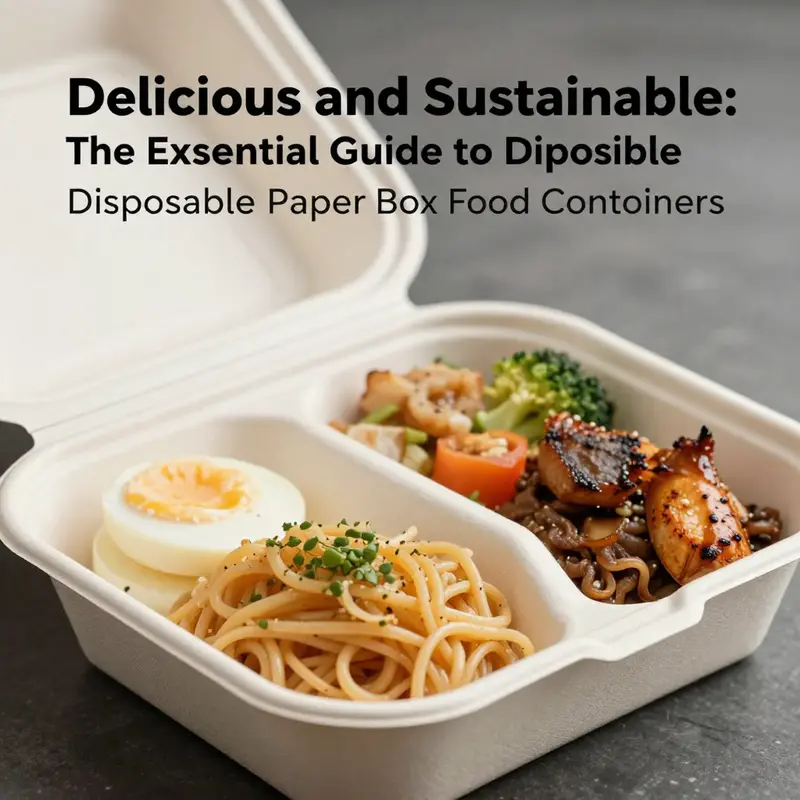
In the fast-paced world of takeout, delivery, and catering, a disposable paper box is more than a container; it is a quiet ambassador for a restaurant’s values, reliability, and care for the consumer. The chapter that follows surveys how design innovations in disposable paper food containers are shaping not only how food travels from kitchen to curb but how brands tell their stories, how sustainability is measured, and how convenience harmonizes with safety. At the center of this evolution is a conviction that form should follow function without sacrificing a brand’s voice. Structural ingenuity, material science, and imaginative finishing techniques converge to transform a simple box into a smart, responsive, and market-ready packaging solution that can be tailored to diverse cuisines, portions, and service models. The result is a packaging language that speaks to quality, practicality, and responsibility in equal measure.
One of the most visible advances in design is the deliberate rethinking of the container’s geometry. Traditional disposable boxes often relied on a single, uniform shape, which limited how products could be stacked, transported, and portioned. Contemporary designs experiment with rounded cups, square forms, and mixed geometries that optimize space in delivery bags and on prep counters. These shapes reduce wobble and spillage during transit while maintaining the integrity of the food inside. A box that nests neatly with its peers, resists crushing at the bottom of a bag, and accommodates taller stacks earns reliability by default. For operators, this reliability translates into fewer complaints and a smoother handoff from driver to customer. For customers, it translates into trust that the meal will arrive intact, hot, and ready to enjoy.
Alongside geometry, moisture and grease resistance have become non-negotiable performance criteria. Advanced coatings—some derived from biodegradable waxes or plant-based polymers—have moved the standard beyond basic paper strength. The integration of such coatings is closely tied to the nature of the food being packaged. A container intended for greasy noodles, saucy salads, or fried items must resist seepage without compromising the palate’s perception of quality. In practice, this often means a multi-layer approach: a food-contact compliant core combined with an internal or external barrier that keeps moisture from seeping into paper fibers and keeps oils from weakening the structure. In some implementations, sugarcane bagasse components are leveraged for their natural barrier properties and compostability. The aim is to prevent leakage while ensuring that the box remains easy to handle, stack, and open without tearing. The result is a more confident consumer experience and a reduced risk of mishaps that can tarnish a brand’s reputation.
Eco-friendly materials and manufacturing processes are now core to the design narrative rather than afterthoughts. Recycled kraft paper, when paired with lightweight corrugated liners, offers comparable strength and rigidity to traditional virgin materials while substantially lowering the environmental footprint. This alignment with sustainability is reinforced by a growing slate of certifications and regulatory expectations. Standards such as CEN/TS 15968, EU 10/2011, and extended producer responsibility (EPR) regulations from major European markets influence how containers are designed, produced, and recycled. Beyond compliance, these standards guide material selection, end-of-life considerations, and the overall life cycle of the packaging, encouraging brands to pursue a circular economy model where boxes are designed for recycling or composting wherever feasible. This shift matters because it frames disposable packaging as a deliberate choice with environmental consequences, not merely a disposable convenience. When consumers see a box that clearly signals responsibility through its materials and certification, it reinforces trust and brand affinity.
Customization and branding have matured far beyond surface-level printing. Modern finishing techniques elevate packaging from a utility item to a marketing touchpoint that can speak across languages and cultures. Embossing adds tactile dimension; UV coatings and varnishes deliver gloss or matte effects that catch the eye; and selective lamination enhances durability while creating distinctive textures. Together with offset or flexo printing, these techniques enable vibrant branding that remains legible from the curb to the kitchen. Importantly, customization now extends to the internal structure itself. Compartments can be tailored to separate items such as mains and sides, ensuring flavors do not mingle and presentation remains pristine. Some designs even incorporate transparent PET windows, allowing customers to glimpse their meals without compromising hygiene or sealing performance. The ability to adapt compartment sizes, shapes, and even the lid geometry means a single packaging family can accommodate a wide range of menu items, from single-portion lunches to multi-item meals suitable for sharing. In effect, packaging becomes a platform for brand storytelling, displaying logos, color palettes, and messaging that reinforce the restaurant’s identity with every delivery.
Another frontier of design innovation is the integration of microwave-safe features and temperature management capabilities. As consumer habits shift toward reheating meals at home or at the office, containers that tolerate brief microwave use without compromising safety become increasingly valuable. Microwave-safe design often entails careful material selection and assembly that prevent harmful migration of coatings into food or the release of unwanted compounds when heated. In parallel, insulated or double-walled configurations help maintain ideal temperatures during transit, keeping soups warm, noodles steaming, and rice fluffy. Temperature control is less about a gimmick and more about preserving the sensory experience—aroma, texture, and mouthfeel—that influence diners to return. The engineering challenge is to balance insulation with recyclability and cost, ensuring the final product remains practical for mass deployment across diverse service contexts.
The inner mechanics of these innovations are complemented by an expansive approach to service design. Dual compartments, for example, address a practical kitchen reality: many meals are composed of multiple components that benefit from separation to preserve freshness and flavor. A responsibly designed dual-compartment system can hold a main dish and a side in separate zones, minimizing cross-contamination of sauces and oils while enabling efficient packing in a single box. This separation also supports branding opportunities, as each compartment can be color-coded or labeled to guide diners through their meal. In addition, the broader ecosystem of paper packaging continues to grow through the use of dedicated packaging lines that accommodate different product families, be it beverages, desserts, or fruit. For operators exploring expansion into new menus or formats, the ability to retool existing packaging lines with minimal downtime becomes a critical competitive advantage. The connection to the wider packaging ecosystem is reinforced by a strong online and retail presence; for example, the paper boxes category on packaging platforms serves as a central hub where designers and manufacturers experiment with new shapes, finishes, and functions while maintaining consistent supply and quality controls. paper boxes is one such hub where these explorations find practical expression and market validation.
The design narrative is not simply about making a box more robust or prettier; it is about aligning packaging with the broader values of modern foodservice. The move toward more sustainable materials, clearer end-of-life pathways, and stronger consumer-brand alignment reflects a conscientious industry response to environmental concerns and consumer demand for transparency. This alignment also influences supplier relationships and pricing strategies. As materials shift toward recycled content and compostable components, manufacturers must navigate trade-offs between cost, performance, and sustainability. The economics of scale play a significant role here: larger orders reduce unit costs and enable the investment in sophisticated coatings, printing, and finishing techniques that were previously cost-prohibitive. The net effect is a package that is cheaper to produce at scale while offering better performance and a stronger brand proposition—all of which matter when a consumer ultimately judges the meal by its packaging as much as by its contents.
In practical terms, the ongoing innovations in disposable paper boxes are helping food businesses differentiate themselves in crowded markets. A well-designed container can signal reliability, hygiene, and environmental stewardship from the moment a customer glimpses it in the bag or on a shelf. It can simplify logistics for operators, enabling more predictable packing and easier handling for drivers. It can also enable a more cohesive brand narrative—from the moment the customer sees the box to the moment they finish their meal and consider recycling or disposal. The convergence of robust structural design, advanced coatings, eco-conscious materials, and rich visual language thus stands as a powerful testament to how packaging can do more than protect; it can communicate, extend, and elevate the entire dining experience.
For readers seeking concrete examples of external innovations in this space, one can refer to industry resources and marketplaces that showcase eco-friendly, food-grade packaging options with custom branding. A representative external reference illustrates how suppliers are presenting sustainable, compliant, and adaptable packaging solutions that meet stringent European regulations while remaining attractive to global markets. See the broader context here: https://www.alibaba.com/product-detail/Eco-Friendly-Food-Grade-Custom-Logo-Disposable_1600437175755.html. This resource offers a snapshot of the kinds of collaborations, certifications, and design capabilities that drive now-commonplace features like embossed finishes, windowed lids, and multicompartment layouts, all of which feed back into the design conversation for disposable paper boxes.
In summary, design innovations in disposable paper box food containers are less about novelty and more about an integrated approach to performance, sustainability, and storytelling. By reimagining forms, enhancing barrier properties, embracing eco-friendly materials and standards, expanding branding capabilities, and enabling consumer-friendly features like microwave reheating and temperature retention, the packaging industry is transforming a simple box into a strategic tool for efficiency, loyalty, and trust. This evolution not only improves the daily operations of foodservice businesses but also supports a more responsible approach to packaging in a world that increasingly questions the true cost of convenience.
Designs That Deliver: Customization as the Engine of Brand, Convenience, and Sustainability in Disposable Paper Box Packaging
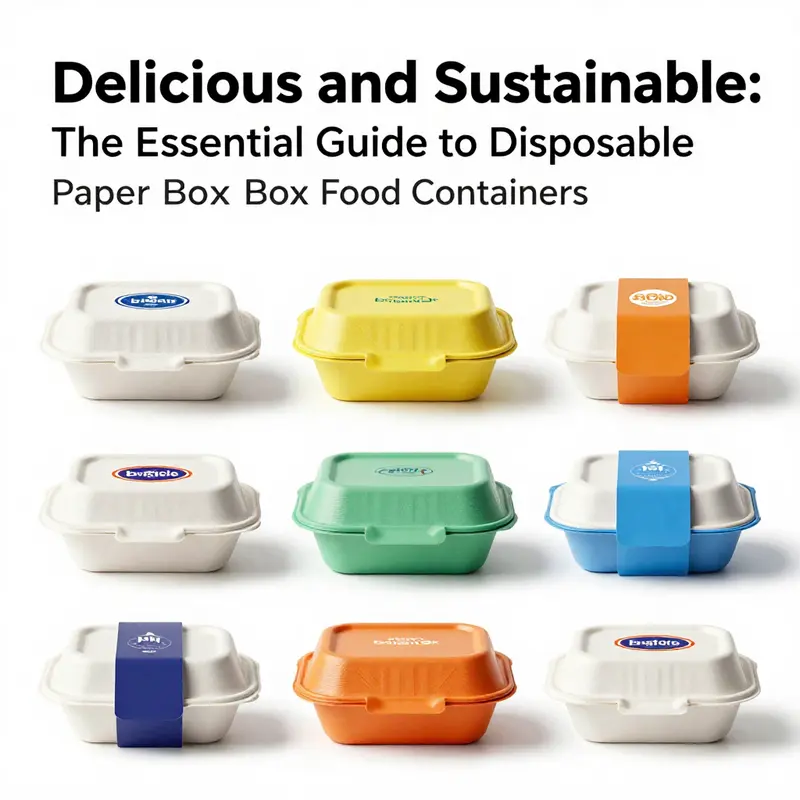
Customization is less a feature and more a strategic language for disposable paper box food containers. In a landscape where takeout, delivery, and catering are as much about experience as they are about food safety, the packaging that carries a brand becomes a silent ambassador. The choices a business makes about size, shape, material, coating, printing, and accessories translate directly into customer perceptions of reliability, quality, and care. When a container feels sturdy yet lightweight, communicates a clear brand story, and keeps its contents secure and appetizing from kitchen to curbside, the entire dining moment is elevated. This is where customization steps beyond aesthetics and becomes a practical driver of operational efficiency, food safety, and environmental responsibility. It is a deliberate choreography of form and function that can turn ordinary packaging into a powerful touch point for brands that want to stand out without sacrificing sustainability or cost control.
Size and shape arrive first in the customization conversation because they anchor everything else. The goal is to create a container that fits the food it holds with minimal waste and maximum stability during transport. This often means offering a spectrum of capacities and shapes, with practical options ranging from compact snack boxes to medium lunch portions and larger multi-compartment configurations. While rectangular footprints dominate for their space efficiency and stacking advantages, bespoke shapes are possible to suit particular menus or presentation ideas. The key is to balance the food’s dimensions with the logistic realities of packing, shipping, and storage, ensuring that the package remains robust enough to resist crushing, yet flexible enough to accommodate different food types without crowding or leakage.
Material and coating choices sit at the core of both safety and performance. The base materials are typically food-grade kraft paper or ivory-board, selected for their strength, printability, and environmental compatibility. The coating, often a polyethylene or similar barrier layer, provides waterproofing and grease resistance essential for wet or oily foods. This protective layer shields the contents and the consumer, reducing the risk of leaks during transit. Importantly, coating choices can be tailored to specific uses—greaseproof for fried items, moisture resistance for sauces, and even microwave-safe configurations where reheating is anticipated. Beyond function, material selection can signal sustainability commitments. Recyclable or compostable options, when properly labeled and supported by recycling streams, offer a path to lower the environmental footprint while still delivering on performance.
Printing and branding transform a disposable container from a simple carry vessel into a mobile marketing platform. The most common techniques—offset printing and flexo printing—enable vibrant logos, brand colors, and distinctive patterns that reinforce a company’s identity. Special effects such as matte lamination, subtle varnishing, or light stamping can add tactile and visual depth without compromising recyclability. The challenge is to maintain legibility and color integrity on a curved surface and under heat exposure, which means selecting inks and coatings compatible with the chosen substrate. When done well, branding on packaging can create a familiar, trustworthy impression that customers associate with consistent quality, even before they taste the food. In parallel, brand messaging on the exterior can communicate sustainability claims, health and safety assurances, or chef-driven narratives that deepen loyalty and encourage repeat orders.
A thoughtful approach to packaging and accessories further enhances the user experience. Optional features such as windows in paper lunch boxes offer visibility while preserving structure and hygiene, and accessory options like compatible lids, venting mechanisms, and easy-pack configurations support practical daily use. Packaging can also be bundled with specific quantities per pack, such as counts per bag or per carton, to streamline restaurant operations and reduce handling time for staff. While these details may seem minor, they directly affect throughput during busy service periods and can reduce breakage or miscounts, contributing to lower waste and improved efficiency. The idea is to design packaging that integrates smoothly with kitchen workflows, order fulfillment, and delivery handoffs, so the container becomes a reliable, repeatable component of the service model.
The customization conversation naturally extends into the realms of process and practicality. Many suppliers offer OEM (original equipment manufacturing) and ODM (original design manufacturing) services, enabling brands to co-create packaging that aligns with their product categories and service style. This collaborative approach can tailor compartment configurations to specific food families, such as salads, fried items, or desserts, while preserving the integrity and stackability of the overall system. There are clear cost implications tied to customization depth. Simple, plain versions with straightforward dimensions can carry lower minimum order quantities, while printed or highly engineered solutions typically require larger MOQs and longer lead times. For brands exploring a test run or limited edition packaging, early-stage samples can reveal how materials react to heat, how inks hold up under condensation, and how the finished piece feels in hand, enabling iterative refinements before large-scale production.
From a safety and compliance perspective, customization must respect food-contact regulations and hygiene standards. Materials and coatings are selected not only for performance but for compliance with relevant certifications. Reputable suppliers emphasize food-grade status, and many provide documentation aligned with international hygiene standards. Microwave safety is an additional option to consider, offering customer convenience for reheating while ensuring that the chosen materials and seams maintain integrity under heat. While these considerations are technical, they directly influence consumer trust. Packaging that demonstrates rigorous safety and quality controls reinforces a brand’s credibility and willingness to stand behind its products.
When branding and safety converge, the potential for storytelling through packaging becomes a powerful strategic asset. Color choices, typography, and graphic elements can evoke the cuisine’s origin, the restaurant’s philosophy, or the chef’s signature approach. Tactile cues—such as embossed textures, soft-touch finishes, or subtle gloss contrasts—can stimulate memory and preference. A unified system, where the flavor profile, the packaging, and the service experience echo a shared narrative, makes the consumer journey more cohesive. Even practical cues, like color-coded compartments or labeling for allergen information, serve dual roles as marketing and safety features. The packaging thus becomes a quiet, consistent partner in building trust and driving brand recall with every carried meal.
For businesses that want to explore the breadth of customization options, the broader landscape of paper packaging options is worth examining. In this regard, the paper packaging category on the main supplier platform provides a gateway to a range of standard and bespoke solutions, from simple, single-compartment boxes to multi-compartment systems with branding and accessory options. This ecosystem supports experimentation with different finishes, laminations, and viewing windows, while maintaining the core advantages of paper-based packaging: recyclability, light weight, and supply chain adaptability. See the paper packaging category for an overview of options and to begin communicating your requirements to a supplier who can translate your brand ambitions into a practical, cost-conscious design.
As the chapter of customization continues to unfold, practical considerations equally shape the final outcome. Lead times, MOQ, and pricing are never abstract; they determine whether a concept remains a concept or becomes a scalable reality. A well-managed customization project includes clear specifications for dimensions, wall thickness, coating type, print area, color palette, and finish. It also defines the intended service level—whether the container will pass through microwave reheating, whether it will receive a window, and how the packaging will be packed for shipment. An efficient supplier collaboration will present multiple iterations, price bands, and feasibility notes that help brands balance ambition with budget. In this sense, customization is a project management exercise as much as a design challenge, requiring clear communication, precise specifications, and a shared timeline between client and manufacturer.
The future of disposable paper box packaging lies in the alignment of performance, aesthetics, and sustainability. Innovation is most effective when it respects recyclability and reduces environmental impact without compromising experience. This can mean selecting coatings that minimize composite contamination, using inks with lower volatile organic compound footprints, or pursuing certified recyclable streams that support recycling programs. Brands that integrate sustainability into the customization brief—not as an afterthought but as a core criterion—meet rising consumer expectations and regulatory demand while preserving the convenience and cost advantages of disposable packaging. The outcome is packaging that conveys a story of responsibility and care, and that customers feel confident will perform reliably in real-world conditions, from the kitchen to the doorstep and beyond.
For readers seeking concrete steps to begin a customization project, start with a clear brief: desired container type, approximate capacity ranges, target markets, and any brand constraints. Gather references for color, finish, and graphics, and specify required certifications or testing standards. Request material samples, edge cases for leak and heat resistance, and a pilot run to gauge production feasibility. Finally, design a decision framework that weighs cost, lead time, print quality, and environmental goals. This approach ensures that customization yields tangible benefits—brand differentiation, improved customer satisfaction, and operational efficiency—while maintaining the practical realities of supply chains and regulatory compliance. External resources and supplier catalogs can provide additional guidance and real-world benchmarks for the journey ahead.
External reference: https://www.made-in-china.com/products/20260109-0178398112-218717895.html
Safeguarding Food Contact: Material Safety Standards Shaping Disposable Paper Box Packaging
The interface where food meets packaging is more than a surface; it is a crucial boundary that protects consumer health and upholds trust in the entire takeout and catering ecosystem. When we examine disposable paper box food containers through the lens of material safety, regulations become not just rules to be checked but guiding principles that determine how a package behaves under real-world conditions. In this chapter, we trace how Thailand’s 2025 ministerial regulations and the accompanying industrial standards redefine what is permissible in terms of materials, migration, heat exposure, and hygiene. The outcome is a coherent narrative about how packaging design and supplier validation align with safety imperatives, market access, and lasting customer confidence. The story is not about discrete features alone but about the long, careful calibration of materials, test methods, and process controls that ensure every box that carries hot noodles, velvety sauces, or delicate salads remains inert to the food it houses while still serving as a reliable deliverable during transit. This calibration is increasingly relevant as the packaging sector grows more sophisticated, with layers of coatings, inks, adhesives, and liners all contributing to performance and risk. The regulations illuminate a path for manufacturers and suppliers, forcing a disciplined approach to material choice and process validation that harmonizes safety with practical use.
At the core of the Thai regulatory framework are two ministerial regulations enacted in 2025. The first mandates that all products designated as paper for food contact conform to a specific industrial standard, aligning with the Thai Industrial Standard for unbleached pulp paper, paperboard, and paper-based containers used for both general food contact and hot-fill applications. This standard pays particular attention to the migration risk—the possibility that substances from packaging can migrate into food, which is a central concern for any disposable container intended for wet or oily foods. By anchoring safety in a recognized standard, the regulation creates a clear objective for material selection: products must demonstrate that their composition, barrier properties, and surface treatments do not introduce unacceptable levels of chemical migration. The second regulation narrows the focus to high-temperature cooking paper, detailing a standard geared toward paper and board that may encounter heat up to 220 degrees Celsius. It specifies the types of fibers permissible, whether pure or in mixed compositions with certain non-colored synthetic fibers, and it carves out explicit requirements for material composition, capacity, labeling, migration limits, and hygiene. Taken together, these regulations articulate a comprehensive safety grammar for disposable paper containers across both cold and hot serving contexts.
The enforcement architecture accompanying these standards is precise and practical. Effective June 22, 2026, the Thai Industrial Standards Institute assumes responsibility for oversight, including factory inspections and product testing. The introduction of an Electronic License System further modernizes the compliance landscape by enabling online submission of conformity documentation and related evidence. This digitalization reduces the friction historically associated with bringing compliant products to market, but it also raises the bar for documentation quality and traceability. For manufacturers, the implication is clear: compliance is not a one-off certification but an ongoing program of material verification, supplier qualification, and periodic testing that must be integrated into production planning and quality management systems. In practice, a supplier will need to verify that every batch of paper base material aligns with the applicable TIS provisions, that coatings or laminates used as moisture barriers do not introduce hazardous substances at migration levels above the permitted thresholds, and that printing inks, adhesives, and coatings used in the final assembly are compatible with food contact requirements. The testing methods and hygiene criteria embedded in TIS standards guide laboratories and certification bodies in conducting standardized migration tests, ensuring that results are reproducible and defensible across markets and time.
To design with safety in mind, manufacturers must consider more than the base fiber and the barrier layer. Paper food containers are often made from coated papers or kraft-like substrates that are chosen for moisture resistance and strength. The safety discourse emphasizes that coatings, laminates, and inner liners must be food-grade and compatible with the intended food categories, whether it is a hot-fill soup, a greasy fried item, or a delicate fruit cure. The migration discussions underpin a practical design ethic: choose materials whose interaction with common food types remains within established limits, maintain clarity around what is in contact with food, and avoid unnecessary additives that could complicate compliance. The standards also recognize microwave and reheating considerations, even as some products are designed for ready-to-heat use in consumer kitchens. In such scenarios, the package should not introduce hazardous substances into the reheated meal, and the design must prevent contamination from adhesives or surface finishes that could degrade during heating. The overarching message is that safety cannot be added at the end of the design cycle; it must be embedded from the earliest material selection and reinforced through robust testing and verification.
Beyond technical compliance, these standards shape how brands communicate with customers and how packaging performs in the real world. The push toward standardized safety metrics, alongside labeling and traceability requirements, helps retailers and consumers understand that a container has met defined safety criteria. The dynamic is not only about avoiding harmful migration but also about ensuring that packaging can withstand logistics realities—exposure to moisture during delivery, condensation inside a closed car trunk, or variations in temperature during transit—without compromising integrity or safety. At the same time, the safety framework does not preclude aesthetic and functional innovation. Customization options that support branding, such as embossed prints or subtle visual branding on paper-box formats, remain compatible with safety standards as long as the materials and processes used for decoration do not undermine barrier performance or introduce migration risks. In short, material safety standards become a backdrop that encourages responsible creativity rather than stifling it, guiding designers toward choices that marry form with function and risk management.
From a procurement and supply-chain perspective, the regulatory shift elevates the importance of supplier qualification and material specification. Buyers must work upstream to obtain material data sheets, certification documents, and test reports that verify conformance to TIS 2948-2562 and TIS 3438-2565 where applicable. They must also establish clear incoming inspection protocols, ensuring that each material batch aligns with the migration limits and hygiene standards. The decision framework for selecting packaging solutions now routinely weighs not only cost and performance under typical service conditions but also the assurance of regulatory compliance in the destination markets. This alignment reduces the likelihood of supply interruptions due to non-conforming materials and helps brands protect their reputation by avoiding incidents where packaging fails during transit or reheating. The digital licensing system adds a new layer of accountability and transparency, enabling faster response times when regulators request evidence of compliance and facilitating smoother trade across borders that recognize these standards.
For readers navigating this chapter, a practical pointer to further exploration within our own content is to review the paper boxes category in our packaging catalog, which illustrates how suppliers balance moisture resistance, rigidity, and printing options while preserving safety integrity. See the paper-boxes section for a concise view of how different box formats can meet specific food-contact requirements and practical shipping needs. This alignment with safety standards is not merely regulatory trivia; it is a live compass that guides product development, supplier selection, and consumer trust across the entire disposable paper container ecosystem. The regulatory horizon continues to evolve as science advances and as markets demand safer, more sustainable packaging solutions. Keeping pace with regulatory expectations requires ongoing collaboration among material scientists, packaging engineers, and quality assurance professionals, all focused on delivering containers that protect food quality without compromising safety or environmental responsibility.
External resource: For official requirements and the online compliance process, see the Thai Industrial Standards Institute portal. https://www.tisi.go.th
Pricing Paths for Disposable Paper Box Food Containers: How Size, Material, and Customization Shape Takeout Costs
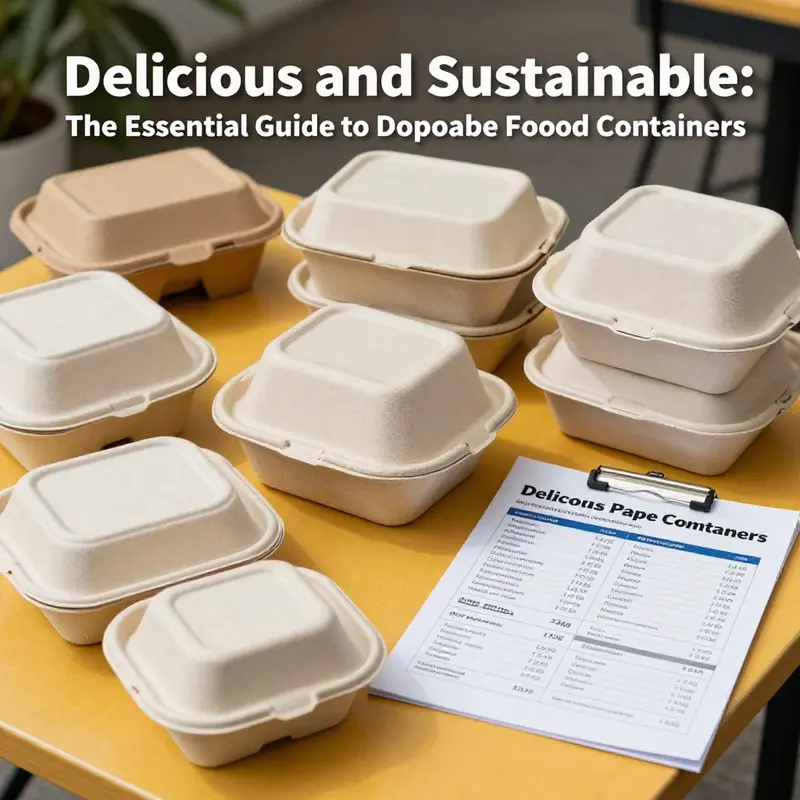
Pricing for disposable paper box food containers is not a single number but a map of evolving costs that reflect size, material choices, customization, and the scale of the order. In early 2026, the market presents a tiered landscape where basic, ready-to-use options sit alongside more specialized, eco-friendly and branded solutions. For anyone coordinating a takeout program or a catering service, understanding these price drivers is essential to balance budget, sustainability, and customer experience. The most accessible entry point is the basic kraft paper lunch box. On bulk terms—think millions of pieces—the unit price can start around US$0.023. That baseline assumes standard dimensions and no extra embellishments; it also benefits from the efficiencies of large-scale production and a simple, proven structure designed to hold meals without collapsing during transit. When a buyer wants to distinguish their packaging through customization, the economics shift. Customization, including printing logos or branding and adjusting dimensions to accommodate specific dish profiles, is commonly available, but it carries incremental costs that accumulate with the level of detail and the complexity of the design. The pricing model often invites a negotiation around minimums, lead times, and the feasibility of achieving the exact branding effect without compromising performance during delivery. The base price is thus the starting point; the final quote is a function of what a customer needs to convey through the packaging and how much volume the supplier can efficiently handle.
A step up in the market is the category of compostable or eco-friendly paper and cardboard boxes. These options are increasingly demanded by brands seeking to align packaging choices with environmental commitments. The typical price range here sits roughly between US$0.04 and US$0.067 per piece, with a minimum order quantity commonly around 100,000 units. The premium over basic kraft reflects the additional materials, certifications, and manufacturing processes required to ensure compostability and safety in direct contact with food. The range is broad because vendors balance factors such as the specific compostability standard they meet, the fiber sources, and whether the packaging includes any coatings that could affect composting timelines. For institutions keen on communicating sustainability, the higher upfront cost can be justified by end-user perceptions of responsible practices and by potential advantages in waste stream management.
Beyond boxes, disposable paper vessels such as bowls that cover larger portions or special-use formats typically command higher unit prices, especially in high-volume settings. For example, a 750ml–1000ml disposable paper bowl, commonly used for parties or wholesale food-service events, tends to be priced around US$0.086 per piece when ordered in very large quantities, such as 1,000,000+ units. The higher cost factor here reflects the combination of volume, the need for structural rigidity in larger vessels, and the feasibility of maintaining heat and moisture during transit. These vessels often require thicker grades or additional coatings to prevent leakage and softening, which in turn influences both the material expense and the manufacturing process.
Several factors consistently shape pricing across all formats. Eco-certifications and compliance with food-contact safety standards add cost by necessitating audits, certifications, and traceable supply chains. A packaging solution that carries credible certifications can command a price premium, but it also reduces risk for buyers who must meet regulatory or brand requirements. The type of coating inside the container is another critical lever. A moisture-resistant inner coating protects against sogginess and prevents breakage or leakage when packaging sauces, oils, or soups. While this coating is essential for performance, it also adds a small but meaningful cost component, particularly when buyers demand superior leak resistance or microwave-friendly reusability. Brand-imposed design features—such as embossed printing, logos, or custom fiber textures—add another layer to the price structure. Flexo printing, color vibrancy, and the ability to tailor dimensions to specific food categories (beverages, desserts, fried items, or fruit) all carry incremental costs tied to setup, materials, and print runs.
Supplier reliability and market channels also shape the cost of disposable paper containers. In today’s global market, many suppliers operate out of regions with established manufacturing ecosystems, where the share of production, logistics, and supplier verification can tilt pricing. A supplier with a long-standing presence and documented audit history can offer more favorable terms as a reflection of predictable quality and reduced risk. For buyers, this means that the cheapest quote is not always the best value when it fails to deliver on consistency, safety, or timely delivery. In addition, the ability to source and replenish quickly matters. A supplier able to offer rapid lead times, stable MOQs, and reliable shipping helps minimize stockouts and the related cost of last-minute substitutions. These considerations become part of the overall cost of ownership, especially for businesses with tight fulfillment windows or seasonal demand spikes.
Volume remains a decisive force in pricing strategy. The uniform logic is simple: higher volumes reduce the per-unit cost through production efficiencies, bulk purchasing discounts, and amortization of tooling or setup fees. Conversely, lower-volume orders typically carry a higher per-unit price because fixed costs are spread over fewer units. This dynamic encourages buyers to forecast demand with reasonable accuracy and to negotiate multi-stage pricing that incentivizes larger early commitments or repeat orders. If a brand’s seasonal menu or recurring catering needs can be bundled with longer-term procurement deals, the value proposition improves substantially. At the same time, some buyers might trade off a portion of customization for standard, off-the-shelf options to secure lower unit costs while meeting functional requirements.
To navigate these choices effectively, buyers often consult sourcing platforms that aggregate supplier profiles, provide verification, and present a spectrum of options from standard to premium. While the numbers tell one half of the story, the trust and credibility behind a supplier can tip the balance in favor of a particular partner, especially when drawings or samples are required to validate performance. An ongoing conversation about the balance between price, performance, and sustainability helps ensure that packaging decisions align with brand values and operational realities. The pricing map also hints at the strategic value of localization. For buyers with a global footprint, sourcing from nearby suppliers can reduce shipping costs and lead times, sometimes offsetting higher unit costs with savings in logistics. For those with broader geographic reach, centralized procurement can unlock better leverage in negotiations, particularly when a company can consolidate multiple packaging needs into a single, predictable order channel.
An important takeaway from the current pricing environment is that the raw unit price is only part of the equation. The total cost of ownership includes minimum order quantities, customization setup, lead times, coatings and certifications, and the ability to scale without compromising performance. In practice, a buyer might choose a basic kraft option for everyday takeout, a compostable variant for a sustainability-focused campaign, and a premium, branded version for special events or high-visibility partnerships. The ability to mix and match formats within a single supply relationship can yield efficiencies in procurement processes, storage, and inventory management, while also enabling a coherent packaging narrative across menus and channels.
For readers curious about broader option sets and related packaging families, the chance to explore related categories can be valuable. The paper packaging collection presents a spectrum of choices, from general box formats to specialized boards and printing capabilities. This contextual view helps buyers connect price to performance in a way that resonates with real-world decisions. You can explore the broader paper packaging category here: paper packaging category.
As with many packaging decisions, real-time pricing and current availability are critical. For those seeking the latest market entries, regional variations, and the most up-to-date quotes, industry platforms that host verified supplier profiles can be particularly helpful. These sources often provide secure payments, refund guarantees, and detailed supplier credentials, offering a safer route to compare offers and avoid mispricing or supply gaps. Real-time listings can reflect shifts—such as a supplier expanding capacity, a new certification, or a logistics upgrade—that influence the overall value proposition. If you want to view current listings and specific quotes in one place, you can reference the external marketplace resource that aggregates these options: https://www.made-in-china.com/products/231951832832.html. This external resource showcases a range of packaging options and supplier profiles that may be useful for benchmarking pricing and features.
In summary, while base prices provide a starting point for budgeting, the true cost picture for disposable paper box food containers emerges from a careful assessment of size, material and coating choices, customization ambitions, and the scale of purchase. The most cost-efficient path often blends standard, reliable formats for everyday use with selective investments in compostable or branded solutions for campaigns that demand a distinct identity. By forecasting demand, negotiating favorable MOQs, and weighing the value of certifications and sustainability, buyers can craft a packaging strategy that supports both economic and brand objectives. This approach helps ensure that the packaging not only protects and preserves food during transit but also reinforces the story a brand wants to tell about its commitment to quality, safety, and the environment.
Final thoughts
In conclusion, disposable paper box food containers represent a strategic investment for businesses in the food service industry, making them versatile and environmentally friendly choices. By understanding the product features, embracing innovative designs, exploring customization options, ensuring material safety, and being aware of market pricing, businesses can select packaging solutions that not only meet operational needs but also attract environmentally conscious customers. As your business navigates the ever-evolving market, choosing the right food packaging can significantly enhance your service and customer satisfaction.