
Introduction
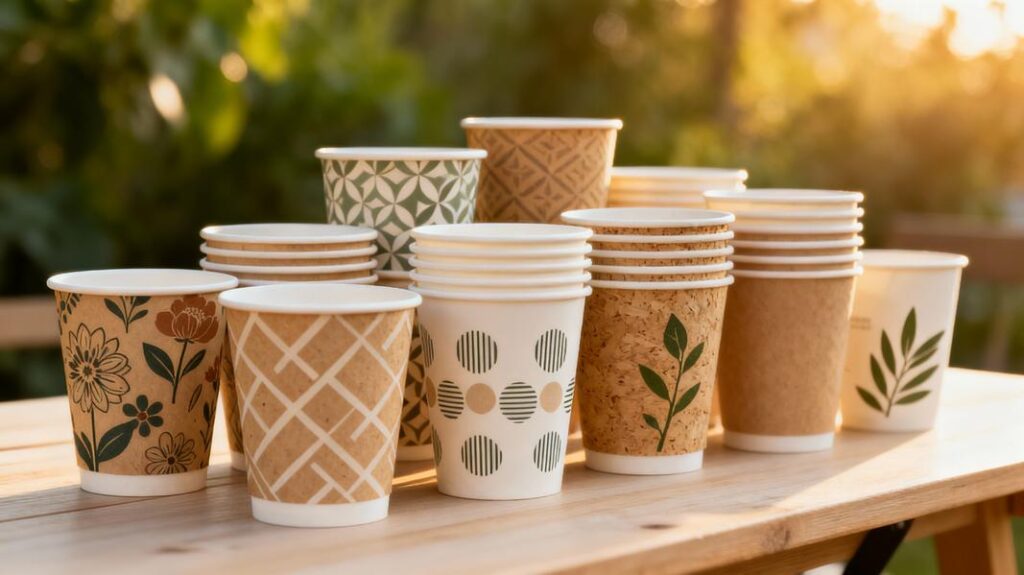
Disposable paper cups have transformed the beverage industry, serving as essential items for cafes, restaurants, and events. Their quick convenience and eco-friendly options cater to businesses aiming to balance efficiency and sustainability. Understanding the various facets of disposable paper cup wholesale—including key suppliers, material sustainability, customization possibilities, and market demand—can empower business owners. This article delves into these aspects, providing a comprehensive insight into how making informed choices in disposable paper cup sourcing can enhance your business’s operational efficiency and environmental responsibility.
Tables of Contents
Chapter 1: Exploring Green Alternatives in Disposable Paper Products
- Ancheng’s Commitment to Eco-Friendly Dining Solutions
- Jolly Chef: Elevating Events with Sustainable Disposable Tableware
- Innovative Approaches to Customization and Sustainability from Hyde Package
Chapter 2: Harnessing Renewable Materials for Sustainable Disposable Paper Cup Production
- Bio-Based Innovations in Disposable Paper Cup Manufacturing: A Deep Dive into Sustainable Practices
- Advancements in Biodegradable Linings and Coatings: A New Era for Disposable Paper Cups
- Material Choices and Their Economic Impact on the Sustainability of Disposable Paper Cups
Chapter 3: Elevating Brand Identity Through Custom Designs in Disposable Paper Cups
- Crafting Unique Experiences: The Power of Customization in Disposable Paper Cups
- Transformative Customization in Disposable Paper Cups: Materials and Sustainability Concerns
- Crafting Consumer Connections Through Customization and Innovative Branding Strategies
Chapter 4: Evolving Consumer Preferences in the Sustainable Disposable Paper Cup Market
- Navigating Sustainability Trends and Market Demand in Disposable Paper Cup Wholesale
- Key Economic Catalysts Shaping the Disposable Paper Cup Wholesale Industry
- How Geopolitical Trends and Societal Changes Shape Disposable Paper Cup Demand
Chapter 1: Exploring Green Alternatives in Disposable Paper Products
1. Ancheng’s Commitment to Eco-Friendly Dining Solutions
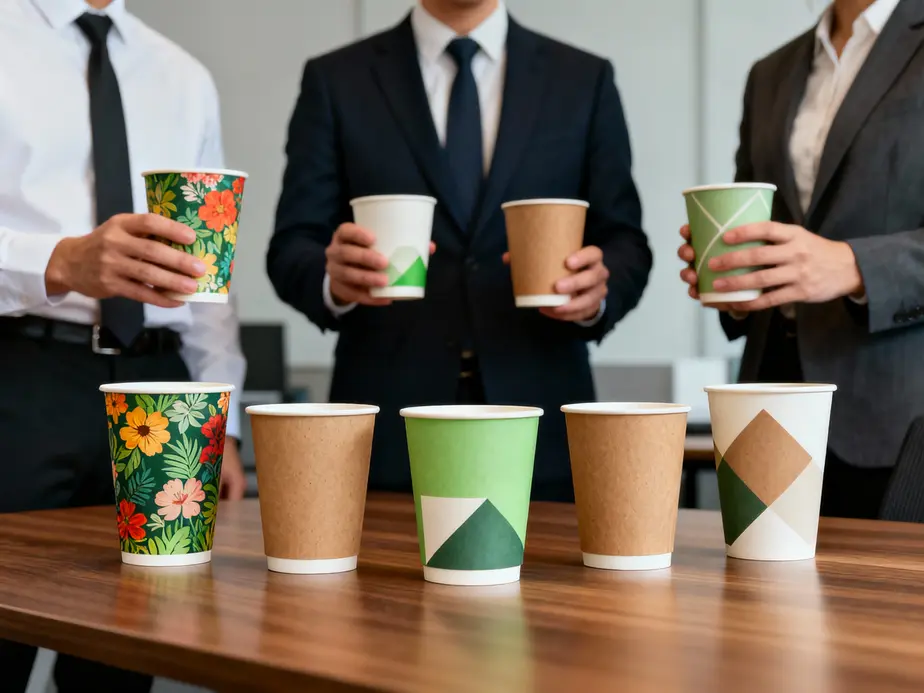
In recent years, the push towards sustainability has significantly transformed the food service industry, resulting in a strong demand for eco-friendly disposable products. Among the various suppliers in this space, Ancheng stands out with its dedication to creating biodegradable alternatives that cater to the growing consciousness around environmental preservation. Thrust into action since its establishment in 1998, Ancheng specializes in producing wooden and bamboo cutlery, plates, and tableware, making it a noteworthy player in the conversation around sustainable dining solutions.
Ancheng’s focus lies predominantly on utilizing natural materials such as birch wood and bamboo in its product lines. These offerings serve as compostable alternatives to conventional plastic dining items, effectively aiding in the reduction of plastic waste that clogs landfills and oceans. Understanding the vitality of integrating ecological responsibility into everyday dining, Ancheng has managed to carve a niche for itself by providing products that resonate with environmentally conscious consumers.
The manufacturing process at Ancheng is meticulous and purposeful, illustrating their commitment to quality. Their production involves several stages including steaming, cutting, forming, drying, polishing, and thorough selection. Every step ensures that the products are not only durable but also fit for food service applications, showcasing a blend of functionality and sustainability. The company’s output is impressive, with an annual production capacity exceeding $30 million USD, serving various clients such as restaurants and catering services across more than 30 countries.
Credentials play a vital role in reinforcing trust in any supplier, and Ancheng does not fall short in this aspect. The company boasts certifications from respected organizations such as the Forest Stewardship Council (FSC), the FDA, and the British Standards Institute (BSI). These certifications validate Ancheng’s commitment to sustainable practices and assure customers of the safety and environmental integrity of their products. Such endorsements not only enhance their market credibility but also serve as a reassurance for businesses that prioritize eco-friendly practices.
Customer engagement stands as a cornerstone of Ancheng’s operations, with many clients expressing high satisfaction levels regarding the services, communication, and product quality offered. Testimonials indicate long-term partnerships, some stretching beyond five years, which is a testament to Ancheng’s reliability and steady performance in a competitive marketplace. Their customizable options, such as personalized logos, specialized packaging, and unique molds, further enrich customer experiences, allowing businesses to create a branding strategy that aligns with their ecological values.
Despite the impressive portfolio, it’s essential to clarify that Ancheng does not specialize in disposable paper cups as central to its offerings. This specificity is noteworthy when discussing suppliers in the wholesale sector for disposable paper products. Their existing product lines do incorporate sugarcane bagasse—a material that is often utilized in paper cups—but Ancheng’s primary focus remains firmly on wooden and bamboo items. The inclusion of sugarcane bagasse in their range signals an understanding of the holistic approach to sustainability but does not place them directly in the wholesale paper cup market.
As businesses and consumers increasingly seek out biodegradable options, Ancheng’s model stands as a promising example of how companies can shift towards more sustainable practices. The trend in the food service industry is not only looking at single-use items but focusing on comprehensive solutions that marry convenience with ecological stewardship. For example, businesses can explore various products such as compostable cutlery and dining ware alongside potential options for biodegradable paper cups provided by other suppliers.
This synergy between different suppliers in eco-friendly products can drive momentum in a market that increasingly prioritizes sustainability. Ancheng is establishing itself as a leader in dining alternatives, advocating for a shift in consumer behavior away from detrimental disposable products. Their initiative to promote products created from sustainable resources reflects the broader movement towards an eco-conscious dining experience.
For those looking to explore options in disposable paper cups alongside environmentally friendly dining solutions, visiting dedicated platforms can expand available choices. The shift towards eco-friendly practices within the food service industry not only fulfills consumer demand but also contributes positively towards the planet’s future health. Embracing sustainability through suppliers like Ancheng can significantly complement businesses seeking to redefine their operational ethos in a more environmentally responsible manner.
2. Jolly Chef: Elevating Events with Sustainable Disposable Tableware
Within the expansive market of disposable paper cup wholesale, Jolly Chef stands out as a premier supplier committed to providing environmentally friendly products specifically tailored for events, catering, and parties. Their extensive offerings include a range of versatile paper cups designed to meet the varied needs of both casual gatherings and sophisticated events.
Jolly Chef’s paper cups are available in multiple sizes, accommodating everything from single servings of hot coffee to larger portions ideal for buffets or casual social settings. The design of these cups is not only functional but also aesthetically appealing, making them a perfect choice for events that prioritize presentation. With clean lines and options that include elegant gold-rimmed styles, these cups serve not just a purpose but enhance the visual experience of any gathering.
Beyond their variety of paper cups, Jolly Chef excels in providing a comprehensive assortment of complementary tableware. This ranges from disposable plates and drinkware to napkins, enabling event planners to secure all their disposable tableware needs from a single source. This level of convenience not only saves time but also ensures cohesion in the overall theme and decor of the event being hosted.
Quality and safety remain at the forefront of Jolly Chef’s business philosophy. All their products are BPA-free, meeting stringent food-safety standards, which assures customers that they are using safe options for their culinary presentations. Each product is crafted for durability, ensuring that guests can enjoy their beverages without concern over leaks or spills, which are common frustrations in event settings.
A significant aspect of Jolly Chef’s appeal lies in their commitment to eco-friendliness. They offer a range of compostable products alongside their traditional offerings, underscoring their dedication to sustainability. By utilizing biodegradable and recyclable materials, Jolly Chef positions itself as a responsible choice for environmentally conscious consumers, contributing positively to waste reduction in the event industry without sacrificing quality.
Speed and reliability in logistics are other hallmarks of the Jolly Chef brand. With rapid shipping from their warehouse, they cater notably to catering services, food trucks, and hosts who require quick turnaround times to ensure their events run smoothly. Regardless of the scale of the event—from intimate gatherings to large public festivals—Jolly Chef’s efficient distribution system guarantees that customers receive the necessary supplies without unnecessary delay.
The quality of design in Jolly Chef’s products is particularly noteworthy. The company not only emphasizes functionality but also integrates style into their disposable tableware. This attention to detail enhances the dining experience, allowing hosts to elevate ordinary events with minimal hassle. By choosing products that combine durability with an elegant aesthetic, Jolly Chef creates a balance that appeals to both hosts and guests alike.
Positioning itself competitively within the wholesale market, Jolly Chef clearly outshines broader suppliers that may not specialize in the same eco-conscious materials or range of disposable tableware. Their targeted focus allows for a superior selection of products tailored specifically for event-type needs, enhancing their stature as a leader in the wholesale segment. Unlike general competitors like AOZITA, which offer services across the board, Jolly Chef hones in on delivering quality and style specifically for memorable occasions.
In addition to their core offerings of paper tableware, Jolly Chef expands their inventory to include complementary plastic items, such as clear tumblers and shot glasses. These additions provide customers with extended flexibility to customize their events further, ensuring that every need is met, whether it be an upscale wedding or a lively birthday bash.
For those interested in exploring Jolly Chef’s vast product range, from elegant disposable cups to versatile tableware, more information can be found through their website. By consolidating your event supplies with a supplier dedicated to quality, sustainability, and aesthetic value, you can elevate every occasion while supporting environmentally responsible practices.
For a deeper dive into their range of products, including customizable options, visit their official platform and discover how Jolly Chef can transform your next gathering into an elegantly presented affair.
3. Innovative Approaches to Customization and Sustainability from Hyde Package
In the ever-evolving landscape of disposable packaging, Hyde Package stands out as a leader in the wholesale supply of eco-friendly paper cups. With a commitment to sustainability and customization, the company has carved a niche for itself in the global market since its founding in 2011. Located in Hefei City, Anhui Province, China, Hyde Package specializes in offering a wide range of disposable paper cups tailored to meet the diverse needs of clients in various sectors, including food service and event management.
Hyde Package’s extensive product line includes paper cups with capacities ranging from 8 oz (240ml) to 64 oz (1890ml), catering to a spectrum of applications, from daily coffee offerings to large-scale event catering. Each cup is designed with the end-user in mind, utilizing PE-coated materials for hot beverages and wax-coated options for cold drinks. This versatility not only enhances functionality but also plays a crucial role in sustainability efforts, as the materials used are biodegradable and compostable. The company’s commitment to producing eco-friendly products is evident in its array of offerings, which include kraft paper cups and specialized containers such as popcorn and ice cream cups. These products are integral for businesses looking to maintain a green footprint while still serving their customer needs effectively.
One of Hyde Package’s standout features is its customization capabilities. The ability to tailor products according to specific client requirements has revolutionized how businesses approach packaging solutions. Clients can request bespoke designs, which can include custom coffee cup sleeves designed for various sizes, from 8 oz to over 20 oz. This level of personalization not only assists in branding but also enhances the customer experience by allowing companies to create a unique identity in a saturated market. Furthermore, Hyde Package emphasizes its ability to offer complementary biodegradable packaging solutions. This includes items such as paper bags, pizza boxes, food containers, and bagasse straws, reinforcing their eco-friendly ethos while catering to the broader needs of food service businesses.
Through its innovative approach and comprehensive product offerings, Hyde Package effectively addresses the dual demands of customization and sustainability. Businesses today are increasingly aware of the importance of reducing their environmental impact. By choosing products from Hyde Package, they can ensure that their packaging aligns with these values, thus enhancing their brand image while contributing positively to the environment. Notably, the demand for such eco-friendly solutions is on the rise as consumers become more discerning about their buying choices, often preferring brands that practice environmental stewardship.
While Hyde Package appears prominently in discussions surrounding leading suppliers of disposable paper cups, it’s important to note the limited publicly available information regarding other potential suppliers such as Courtesy Products. Although specifics about Courtesy Products’ offerings in wholesale disposable paper cups, its customization options, or sustainability initiatives are scant, interested parties are encouraged to reach out directly to learn more about their catalog. This uncertainty may speak to the strength of Hyde Package’s market position, characterized by transparency and a robust supply chain that prioritizes sustainability. With their agile production system, Hyde Package can quickly respond to market trends and customer inquiries—further solidifying their role as a reliable partner in disposable packaging solutions.
In conclusion, Hyde Package exemplifies how suppliers within the wholesale disposable paper cup market are embracing eco-friendly materials and customization strategies to meet the evolving needs of consumers and businesses. Their focus on sustainability, alongside their comprehensive range of products, sets a benchmark for suppliers seeking to lead in environmentally-conscious practices while simultaneously catering to the multifaceted requirements of their clients. As creativity and sustainability continue to drive the packaging sector, Hyde Package remains a vibrant and essential player committed to fostering a healthier planet through responsible product choices.
For readers interested in taking their commitment to sustainability a step further, Hyde Package offers not just cups, but a variety of other biodegradable packaging options that can enhance their green initiatives. Explore their offerings further, and consider how integrating such solutions can benefit your business and the environment alike.
Chapter 2: Harnessing Renewable Materials for Sustainable Disposable Paper Cup Production
1. Bio-Based Innovations in Disposable Paper Cup Manufacturing: A Deep Dive into Sustainable Practices
In the realm of disposable paper cup production, choosing the right materials is critical not just for functionality, but increasingly for sustainability. These cups, often seen as essential for coffeehouse culture, fast foods, and events alike, are evolving in response to consumer preferences and environmental concerns. Manufacturers are making significant strides by utilizing renewable resources, fundamentally changing how disposable products are conceived.
At the forefront of eco-friendly materials is virgin wood pulp, which is primarily harvested from sustainably managed forests. This pulp plays a vital role in ensuring the strength and safety of the cups, being rigorously assessed for food safety standards. Materials like wood pulp are often certified by the Forest Stewardship Council (FSC), guaranteeing that the sources used in production have minimal negative impact on the environment.
Shifting away from reliance on petroleum-based products, many manufacturers have begun to incorporate PLA (Polylactic Acid) linings derived from renewable sources such as corn or sugarcane. This bio-based polymer serves as a replacement for traditional polyethylene, providing leak-proof qualities and thermal resistance without contributing to the plastic pollution crisis. Perhaps most notably, PLA offers a pathway toward commercial compostability, making it an increasingly attractive option for environmentally conscious consumers and businesses alike.
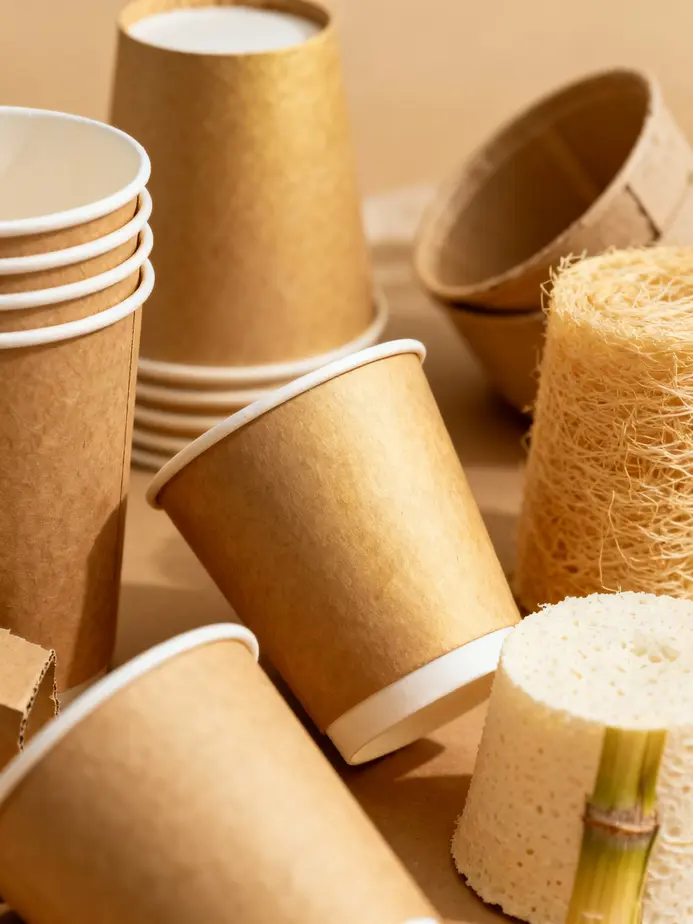
Another innovative material making waves in the industry is sugarcane bagasse, the residual fibers left after sugar extraction. This byproduct not only reduces waste from sugar production but also offers an entirely biodegradable alternative for disposable cups. When used, bagasse transforms the cup into a product that biodegrades fully in various environments without leaving harmful residues. Its incorporation underscores a growing trend of using food waste as a resource in product design.
In addition to these key materials, disposable cups can also be made from various kinds of paper, including kraft paperboard, solid bleached sulfate (SBS), and solid bleached board (SBB). These papers employ advanced processing techniques to enhance moisture resistance and durability, which are crucial for holding both hot and cold beverages. The long-chain cellulose fibers used in these materials contribute to their strength, reinforcing the structure of the cup while ensuring an environmentally friendly footprint.
The push for sustainability isn’t limited to the raw materials used for the cups themselves; it also extends to the entire production process and end-of-life options. Many companies are now adopting compostable manufacturing processes, ensuring that their products meet stringent industry standards like BPI or ASTM certifications. This commitment to compostability signifies that many of these disposable cups can be responsibly disposed of in composting facilities, promoting a circular economy that values waste reduction. Notably, the use of biodegradable lids and inks—often printed with soy-based formulations—further enhances the eco-credentials of these products, creating a fully sustainable sipping experience.
Market demand has prompted wholesale suppliers to accelerate the integration of these sustainable practices. Cafes and quick-service restaurants (QSRs) are increasingly seeking out suppliers that can offer eco-friendly packaging solutions tailored to their needs. This shift is poised to fuel significant growth in the disposable paper cup segment as both consumers and businesses lean toward responsible choices. Many suppliers now provide full customization options, allowing customers to incorporate their branding onto cups while still adhering to ecological standards.
However, several hurdles remain in this landscape of innovation. For one, the detailed lifecycle analysis comparing the carbon footprints of renewable versus non-renewable options reveals gaps in transparency that need addressing. Additionally, the practical aspect of compostability hinges on access to appropriate facilities, which can inhibit the effectiveness of even the best-designed products. As the industry progresses, it is crucial for manufacturers and suppliers to collaborate with waste management facilities to ensure that the full ecological potential of these materials is realized.
In conclusion, the evolution of disposable paper cups within the wholesale market reflects an empowering shift toward sustainability. As innovative materials like virgin wood pulp, PLA, and bagasse become more prevalent, they illustrate our growing commitment to environmental stewardship. The advancements in design not only enhance performance but also align with consumer expectations for responsible consumption. As the market adapts to these trends, businesses stand to benefit from integrating these sustainable practices into their operations, serving both their customers’ needs and the planet’s future. For those interested in exploring additional eco-friendly packaging solutions, options like biodegradable kraft paper containers can be found here.
2. Advancements in Biodegradable Linings and Coatings: A New Era for Disposable Paper Cups
The rising demand for sustainable packaging solutions is transforming the wholesale market for disposable paper cups, leading to significant innovations in materials and design. Central to these advancements are eco-friendly linings and coatings that prioritize compostability and environmental responsibility. Traditional disposable cups, which often utilize polyethylene (PE) coatings derived from petroleum, have contributed significantly to landfill waste due to their non-degradable nature—often lasting over two decades. In contrast, the new generation of disposable paper cups employs plant-based materials, such as polylactic acid (PLA) and sugarcane bagasse, to create more sustainable alternatives that align with consumer preferences for environmentally friendly products.
Key Eco-Friendly Linings and Coatings
One of the standout innovations in the realm of disposable paper cups is the incorporation of PLA linings. PLA is sourced from renewable plant resources, including corn starch or sugarcane, and serves as an effective liquid barrier. This biodegradable option composts within 90 to 180 days in industrial facilities, significantly reducing the impact on landfills. Additionally, PLA-laden cups meet strict industry certifications, such as ASTM D6400, which ensure their suitability for both hot beverages (up to 80°C) and cold drinks. Importantly, the environmental footprint of PLA is far lower than that of its fossil-fuel-based counterparts, as it minimizes both soil and water pollution.
Another compelling material making waves in this sector is bagasse, or dried sugarcane pulp. Composed entirely of plant matter, bagasse cups eliminate plastic coatings entirely, allowing them to be composted more efficiently without barriers that impede their breakdown. The performance of bagasse cups in handling both hot and cold beverages is akin to that of conventional cups, but they offer the significant advantage of being completely plastic-free. This not only meets sustainability targets more effectively but also provides a transparent solution that appeals to an increasingly eco-conscious consumer base.
The wholesale market is also witnessing the advent of additional plant-based innovations, such as PFAS-free paper cups, designed specifically to be home or industrially compostable. These innovations include labels and ink derived from recyclable materials, along with FSC-certified fibers that enhance the environmental friendliness of disposable cups further. Such advancements cater particularly well to businesses, such as cafes and catering services, aiming to integrate sustainable practices into their operational model.
| Feature | Traditional PE-Lined | PLA-Lined Paper | Bagasse |
|————————–|—————————-|——————————–|——————————-|
| Base Material | Paper + fossil plastic | Paper + plant PLA | 100% sugarcane fiber |
| Compostable | No | Yes (industrial, 90-180 days) | Yes (industrial/home) |
| Hot Drink Safe | Yes | Yes (up to 80°C) | Yes |
| Environmental Impact | High landfill time | Lower carbon, renewable | Fully plastic-free, natural breakdown |
Sustainability Benefits and Wholesale Considerations
The transition to these eco-friendly materials not only aids in the reduction of greenhouse gas emissions but also promotes the use of renewable resources, averting the toxic breakdown of conventional plastics. For wholesale buyers, this shift represents an opportunity to align with growing consumer expectations regarding sustainability. Regions like Washington State and Colorado, known for their stringent environmental regulations, offer the potential for significant market advantages for suppliers who adhere to standards such as BPI certification. This certification permits buyers to ensure suitability for various beverage types while also evaluating long-term costs associated with compostable options against traditional offerings.
However, challenges still exist, particularly regarding the infrastructure needed for industrial composting. Areas lacking the proper facilities may find themselves at a disadvantage as the shift towards compostable products accelerates. Despite these limitations, the advantages provided by bagasse and PLA innovations highlight an overall trend toward better practices in disposable paper cup wholesaling.
Investing in sustainable packaging not only enhances brand image but also supports a broader commitment to environmental stewardship. As consumers increasingly seek out biodegradable options, suppliers and wholesalers who prioritize eco-friendly materials will likely see increased demand. Therefore, ensuring a diverse range of options and selecting high-quality suppliers are essential to thrive in this evolving market.
For further insights into the compostability and advantages of PLA in paper cups, you can explore this link: A Practical Guide for Buyers on Paper Cup Compostability. Understanding these innovations is crucial for businesses aiming to meet modern consumer demands while preserving our planet.
3. Material Choices and Their Economic Impact on the Sustainability of Disposable Paper Cups
The growing concern over environmental sustainability has prompted a significant shift in the materials used for disposable paper cups. Today, advisable options notably include biodegradable and compostable materials such as bagasse—derived from sugarcane fiber, responsibly sourced paper, and food-grade Kraft paperboard. This transition away from traditional polyethylene-lined cups, which pose environmental challenges, has become a focal point for businesses aiming to reduce their ecological footprints while maintaining operational efficiency. Innovations in paper technology, such as long-chain cellulose fibers and aqueous coatings, enhance the moisture resistance and durability of these cups without relying on harmful plastics, thereby reinforcing their viability as a sustainable choice.
The economic implications of adopting sustainable materials in disposable paper cup wholesale are overwhelmingly positive. As eco-conscious consumerism gains traction, buyers increasingly prefer products that are environmentally friendly, driving demand for these innovative solutions. Wholesalers report a pronounced interest in custom compostable options, particularly from coffee shops, catering services, and large food events. This aligns with the broader trend of shifting consumer preferences towards businesses that demonstrate a commitment to sustainability.
Platforms connecting suppliers with importers seeking insulated and branded sustainable cups have emerged, effectively facilitating cost savings through improved supply chain efficiencies and fiber recovery processes. Wholesalers benefit from purchasing in bulk, allowing for significant savings that can be passed onto customers. Additionally, integrating materials such as Virgin Wood Pulp or recycled fibers ensures that production scalability is achieved without compromising quality.
As market trends continue to evolve, there is a pronounced shift towards compostable and Forest Stewardship Council (FSC)-certified products. These certifications not only assure consumers of responsible sourcing but also enhance brand value. High coffee consumption regions, such as Australia, indicate a consuming population of around 37 million kilograms of coffee annually, illustrating the robust market potential for sustainable cup solutions. In response, many distributors begin prioritizing single-wall cups crafted from plant-based PLA or incorporating sugarcane lids. Furthermore, there is a notable increase in the demand for double-wall FSC-certified paper cups as businesses undergo rebranding efforts focused on sustainability, which emphasizes premium quality and consumer-oriented designs.
Yet, this transition is not without its challenges. A primary concern observed among manufacturers is the balancing act between cost and performance. Developing renewable materials like molded fiber or incorporating post-consumer recycled content requires improved infrastructure for effective composting and recycling. As these materials gain traction, suppliers must also navigate the complexities of attaining necessary certifications—such as ASTM, BPI, and NSF—while remaining competitive. For many wholesale distributors, especially those targeted at catering and large events, maintaining compliance and appealing product offerings become crucial for sustained market presence.
Despite these challenges, the market’s trajectory suggests a steady embrace of sustainability, amplified by technological advancements and evolving consumer standards. As consumers continue to demand eco-friendly options, the industry is adapting to create leak-proof designs that deliver food-grade safety and sustainability, marking a significant evolution in the disposable paper cup sector. Through platforms like Tradewheel, suppliers are increasingly connected to importers across more than 200 countries, enhancing export opportunities and allowing for the effective distribution of eco-friendly products globally.
In summary, the integration of sustainable materials in the wholesale disposable paper cup market presents significant economic advantages while expanding consumer choices. The emphasis on biodegradable, compostable, and recyclable materials positions suppliers to meet growing demand while capitalizing on the global movement towards environmental responsibility. This ensures that companies not only remain competitive but also contribute positively to environmental stewardship—a vital consideration in today’s marketplace.
For further insights into innovative biodegradable products and sustainable practices, visit this resource on eco-friendly disposable solutions.
Chapter 3: Elevating Brand Identity Through Custom Designs in Disposable Paper Cups
1. Crafting Unique Experiences: The Power of Customization in Disposable Paper Cups
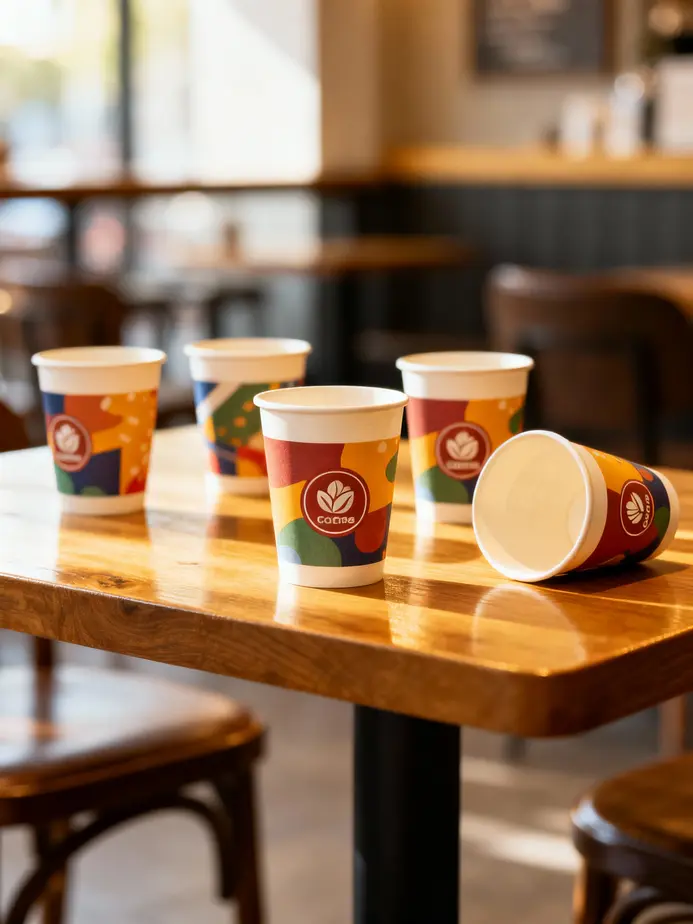
Customization and branding have become essential strategies for businesses looking to distinguish themselves in a crowded market. Disposable paper cups offer an excellent canvas for creativity while serving a functional purpose, transforming an ordinary product into a marketing tool that enhances customer experiences and promotes brand loyalty. By integrating unique design elements, companies can create products that not only meet practical needs but also resonate with their target audience’s aesthetics.
When it comes to customization, the possibilities are almost limitless, allowing brands to imprint their identity directly onto the cups. Logos and Artwork play a central role in this endeavor, enabling companies to showcase their brand image prominently on each vessel. By employing high-resolution graphics using methods such as digital, offset, or flexographic printing, businesses can ensure that their logos remain sharp and vivid, even under heavy usage. Additionally, elements such as slogans or thematic patterns provide further opportunities for personalization, creating a unique visual identity that consumers can easily recognize.
Color and design are crucial in this customization journey. With access to full-color CMYK or Pantone matching options, businesses can ensure their cups align perfectly with their brand colors or seasonal themes. The ability to create diverse palettes and designs not only lends a professional appearance but also invites consumers to engage more with the product. Event-specific designs or limited-time offerings can create excitement and enhance brand recall, transforming the humble cup into a collector’s item for loyal customers.
Aesthetic considerations are integral to the functional capabilities of disposable paper cups. Sizes vary dramatically, accommodating needs from intimate tastings in 4oz cups to robust servings in 30oz containers. The choice of wall types—single, double, or ripple—can significantly enhance both the feel and functionality of the cup. For instance, double-wall constructions provide insulation for hot beverages, ensuring that the user enjoys their drink without the risk of burns. This not only elevates the perceived quality of the product but also reflects the brand’s commitment to customer safety and comfort.
Materials and Finishes also play a pivotal role in customization. Eco-friendly and biodegradable options are increasingly in demand, as consumers become more conscientious about their environmental impact. Utilizing materials like kraft paper or sugarcane bagasse not only supports sustainability efforts but connects with eco-aware customers. The addition of polyethylene (PE) coatings provides leak-proofing while preserving the design integrity, presenting a quality product that consumers can trust. Such materials allow businesses to balance aesthetics with usability, facilitating an eco-friendly choice that does not compromise on performance.
With various printing techniques available, businesses can adapt their orders based on needs and quantities. Flexographic printing excels in high-volume runs with quick production times and cost-effectiveness, which is excellent for large-scale operations. Conversely, offset printing delivers incredible detail, making it ideal for smaller runs requiring finer design elements. For businesses interested in bespoke designs without the need for bulk production, digital printing offers flexibility and ease, allowing for rapid turnover and customization of individual cups. This scalability ensures that companies, whether small cafés or large corporations, can find the right solution that fits their branding needs.
From a practical standpoint, the durability of disposable paper cups is essential. Eco-focused materials coupled with solid construction deliver a product that can maintain its integrity throughout handling and consumption. Businesses benefit from robust designs that withstand varying temperatures and resist leaks, all while maintaining the aesthetic appeal of customized prints. When customers encounter functional yet visually compelling products, the likelihood of repeat business and brand advocacy increases significantly.
Ordering personalized disposable paper cups is a streamlined process for wholesale customers, many of whom enjoy quick quotes, free shipping, and rapid turnaround times. Brands that offer customizable options often also provide advice on the best designs and materials to use based on specific events or business needs. As a result, businesses have the opportunity to elevate not only their product offerings but also their overall brand presence in the market.
In conclusion, the enhancement of brand identity through customized disposable paper cups is multifaceted. Each cup can convey a story, encapsulate a brand’s values, and spark consumer engagement—all with an attention to aesthetics. By investing in thoughtful design and customization, companies can create memorable experiences that resonate with customers long past the last sip. For those interested in exploring these opportunities further, consider examining a variety of customized cup options in the e-commerce landscape.
2. Transformative Customization in Disposable Paper Cups: Materials and Sustainability Concerns
Customization has become a cornerstone in the disposable paper cup wholesale industry, blending unique brand messaging with environmental responsibility. With the right choices, businesses can leverage this opportunity to stand out while affirmatively impacting the planet. The customization features of disposable paper cups range across a spectrum of options designed to elevate brand visibility and consumer experience.
Printing Options are at the forefront of customization, allowing businesses to incorporate distinct logos, artwork, slogans, and even QR codes onto their cups. This personalization cultivates a connection with customers and invites repeat business. Utilizing advanced printing methods like flexographic, offset, and digital printing opens avenues for diverse designs. The choice between CMYK and Pantone printing provides an additional layer for businesses looking to maintain strict brand colors. This flexibility affirms that merchandise is not just functional but also a reflection of brand identity.
When it comes to product variety, cup types can accommodate an array of customer needs. Ranging from single-wall for light-use scenarios, to double-wall and ripple-wall styles for insulation against hot beverages, the adaptability offered by different sizes—from 4oz to 30oz—ensures that businesses can align their cups with their service offerings. For instance, cafes often prefer 8oz and 12oz cups for coffee, while events might call for larger capacities for cold drinks.
Material choices in the cups extend beyond aesthetics; they play a crucial role in operational efficiency and sustainability. Common materials include recyclable paperboard and biodegradable options like sugarcane bagasse, as well as food-grade cellulose polymers. Each material comes equipped with distinct properties: single-wall cups serve well for light-use items, while double-wall configurations are ideal for hot drinks where insulation is necessary. Ripple-wall cups, thicker options, or those with premium coatings, cater effectively to larger and colder beverages while ensuring that they remain leak-proof and appealingly presented.
Turning to the environmental impact, the ramifications of selecting specific materials invite significant consideration. The emergence of eco-friendly materials—sourced from renewably harvested wood fibers—has started to shift the paradigm away from traditional plastic and Styrofoam containers. Additionally, advancements in PE (polyethylene) lining technology offer recyclability, extending the life cycle of the material while tackling waste. These plant-based alternatives typically decompose faster compared to their petrochemical counterparts, marking a significant stride for companies aiming to align with sustainable business practices. Indeed, industry leaders are increasingly championing water-based inks and optimized fiber chemistry to minimize resource consumption in manufacturing processes.
Despite gains, challenges persist. Sustainability practices must navigate limitations inherent in recycling infrastructures, where acceptance of PE-coated materials varies drastically. Understanding the nuances of what can be composted versus what is merely recyclable remains integral. Companies must be adept in communicating these details to their customers, cultivating transparency and fostering a culture of informed consumption.
In the wholesale landscape, a crucial aspect remains the comparative analysis of cup options. Businesses often assess size and feature databases to ascertain the best fit for their needs. For example, cups within the 4oz-8oz range, suitable for samples or hot coffee, should ideally boast recyclability to appeal to eco-conscious consumers. Meanwhile, 10oz-16oz cups can serve tea and coffee shops, leveraging the dual features of biodegradability and heat resistance for enhanced performance.
On the other end of the spectrum, larger capacities of 18oz-30oz are optimal for serving cold beverages at larger events, and the increasing availability of leak-proof, compostable cups highlights ongoing innovations within the sector.
With the rapid evolution of branding and environmental standards, suppliers such as Light Printing House and Rush Custom Boxes offer invaluable resources, empowering brands with timely quotes, short-run printing, and scalability alongside a deep commitment to eco-conscious practices. To truly harness customization, stakeholders must adopt a forward-thinking approach in both branding and packaging, weaving sustainable practices into the fabric of their business strategies to not only meet but exceed consumer expectations.
As crafting distinctive paper cups continues to merge with sustainable practices, companies not only enhance their market visibility but contribute meaningfully to ecological conservation efforts. For those striving to incorporate eco-friendly practices into their branding initiatives, access to customization options is essential to successfully navigate the intersection of consumer demand and environmental stewardship, propelling them toward success in the competitive market of disposable paper cups. To explore innovative options in sustainable packaging, you can visit Cofe Cup.
3. Crafting Consumer Connections Through Customization and Innovative Branding Strategies
The role of disposable paper cups in fostering brand identity is more significant than many businesses realize. In an age where customer experience and brand perception can dictate purchasing decisions, utilizing customized paper cups goes beyond mere utility. These products can serve as remarkable marketing tools that encapsulate brand essence and engage consumers at every sip.
When it comes to design customization options, businesses have a plethora of choices that can yield professional and eye-catching results. Options for customization feature full-color printing capabilities that employ various techniques, such as flexographic, offset, and digital printing, allowing for sharp visuals that truly reflect a brand’s identity. Organizations can incorporate logos, artistic illustrations, motivational slogans, and even personalized QR codes that lead customers to their websites or promotional content. This diversity in customization ensures that brands can select the perfect combination of function and form, effectively utilizing their disposable cups as canvases for storytelling.
Beyond design aesthetics, the customization extent also encompasses an array of size and capacity options. Wholesale suppliers often provide a generous selection of volumes that can tailor the cups to specific offerings while catering to the unique needs of different beverages—from a humble 4 oz serving to a more substantial 30 oz cup. Popular sizes include the classic 8 oz for coffee lovers and the 16 oz that resonates well with on-the-go consumers who favor large beverages while working or socializing. This flexibility not only meets consumer demands but also enhances the overall drinking experience, making each cup a tailored vessel for enjoyment.
Moreover, branding through disposable paper cups can significantly reinforce visibility across various customer touchpoints. When a café serves beverages in branded cups adorned with vibrant logos and thematic colors, it creates a mobile marketing opportunity that trumps stationary signage. As customers carry these cups through urban environments, they unknowingly become brand ambassadors, enhancing visibility in the community. This tactic is particularly beneficial during events, promotions, or seasonal campaigns, as disposable cups can be customized accordingly, strengthening brand association through consistent imagery. Notably, when brands provide customers with cups that align with specific events or themes, they cultivate emotional connections that significantly increase the likelihood of repeat customers seeking the same experience.
As sustainability becomes a pivotal concern among today’s consumers, brands face the dual challenge and opportunity of aligning their persona with eco-friendly practices. Disposable paper cups made from recyclable and biodegradable materials signify a commitment to environmental stewardship, which resonates strongly with modern ethical consumerism. Companies can further enhance their appeal by offering fully compostable options, signaling to their customers that they prioritize environmental welfare without sacrificing convenience. This commitment to sustainability is not only a marketing strategy but also a pathway to generating goodwill and loyalty among environmentally conscious consumers who appreciate a brand’s responsibility towards the planet.
Mediums like disposable cups also present an opportunity to integrate functional features that exemplify practicality while supporting the branding experience. Innovations such as leak-proof designs and double-wall constructions not only safeguard the integrity of the beverages but also contribute to a positive customer experience. The cups can comfortably accommodate hot liquids without burning hands, demonstrating reliability. The integrity and usability of the product reflect back to the brand, intertwining quality and practicality in the eyes of consumers.
In summary, customization and innovative branding strategies in the realm of disposable paper cups hold the potential to forge deeper connections with consumers. By leveraging personalized designs, adapting sizes to fit specific market needs, and embracing sustainable practices, businesses can ensure their disposable cups serve as effective marketing solutions. The journey of creating a compelling customer experience is enhanced significantly with well-branded, thoughtfully designed disposable cups that elevate both the posture of a brand and the enjoyment of its beverages. For a closer look at evolving strategies in eco-friendly packaging, consider exploring options available at Rush Custom Boxes.
Chapter 4: Evolving Consumer Preferences in the Sustainable Disposable Paper Cup Market
1. Navigating Sustainability Trends and Market Demand in Disposable Paper Cup Wholesale
The wholesale market for disposable paper cups is experiencing a notable evolution, driven by heightened consumer awareness and a burgeoning demand for sustainable packaging solutions. Sustainability trends are more than just buzzwords; they reflect a significant shift in how businesses and consumers perceive packaging, especially in the foodservice industry. The growing environmental consciousness has prompted an unprecedented movement towards biodegradable, compostable, and recyclable paper cups. This transition stems from multifaceted influences, including regulatory pressures, changing consumer preferences, and remarkable innovations in materials.
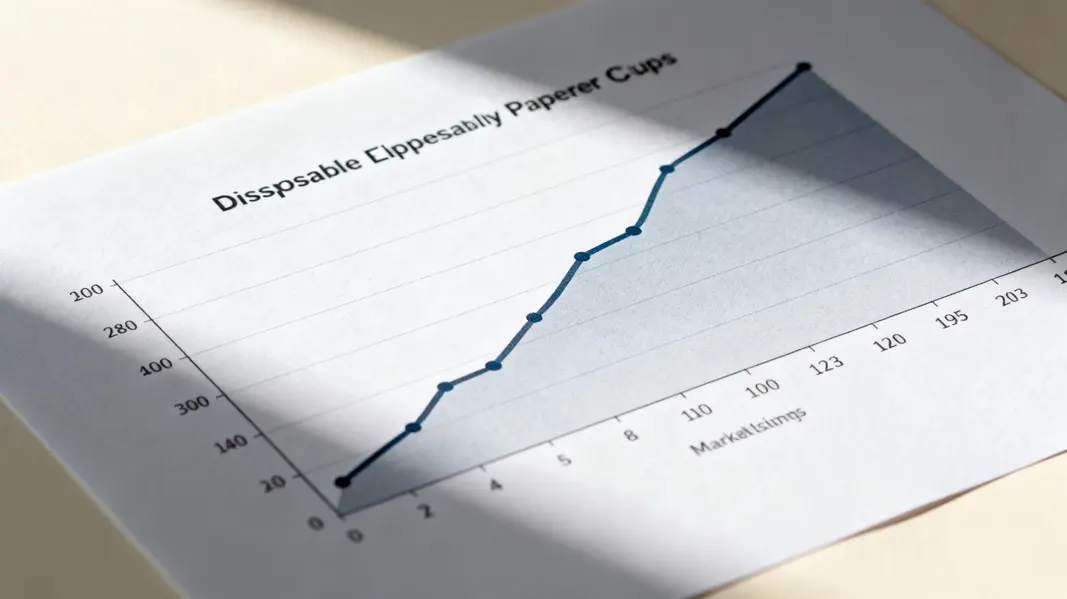
In recent years, the global paper cups sector has demonstrated a robust upward trajectory, projected to escalate from USD 15.0 billion in 2026 to an impressive USD 29.0 billion by 2036, boasting a compound annual growth rate (CAGR) of 6.8%. Such growth signals a burgeoning demand spurred by lifestyle trends such as on-the-go consumption patterns, the flourishing café culture, and a pressing need for hygienic packaging solutions within the foodservice sector.
A primary driver of this change is the increasing preference for biodegradable paper cups. Particularly in North America and Europe, there has been a decisive movement away from traditional plastic-lined cups toward options that offer a fully eco-friendly experience. These biodegradable cups not only comply with evolving regulations aimed at reducing plastic waste but also align seamlessly with a significant portion of the population actively seeking sustainable alternatives. For instance, the rise of brands like Circular&Co, collaborating with retailers to produce reusable cups from recycled paper, embodies this trend, ultimately aiming for a reduction in single-use packaging by 2025.
Moreover, the push for compostable materials has surged, mainly through the integration of products like PLA-lined paper cups and fiber-based designs, particularly suited for takeout applications. This aligns with regional environmental initiatives such as the European Union’s comprehensive bans on single-use plastics and similar regulations instituted by various U.S. states. Such legislative actions not only bolster consumer demand but also provide wholesalers with a framework for compliance, ensuring that they are aligned with sustainable practices.
Market demand in wholesale is significantly influenced by the lifestyle of consumers seeking quick-service restaurants and convenient dining options, making eco-friendly packaging essential for operation. Currently, eco-friendly packaging comprises approximately 10-12% of the sector, with beverage-related applications holding a majority share of 8-10%. This substantial market presence emphasizes the importance of sustainable offerings in satisfying consumer needs and addressing the larger issue of environmental impact.
However, pivotal challenges persist within the wholesale sector. Increasing regulations concerning single-use items and the competition posed by reusable alternatives require wholesalers to adapt swiftly. Innovations are pivotal to overcome these hurdles, particularly developments in compostable linings, spill-resistant lids, and insulated recyclable barriers, which enhance the functionality of disposable cups while maintaining their environmentally friendly ethos. These advancements not only enhance customer experience but also bolster brand reputation, allowing companies to position themselves as leaders in sustainability.
The interplay between consumer expectations and regulatory mandates is critical in shaping the future of disposable paper cups. Trends indicate that both consumers and governments are moving towards increased transparency in sourcing and packaging practices. With legislation such as extended producer responsibility laws encouraging sustainable practices, wholesalers are pressed to elevate their sourcing strategies, marked by a transition toward recycled paperboard and sustainably sourced materials.
For wholesalers, the actionable opportunities remain abundant. Prioritizing the supply of compostable and recyclable paper cups is essential, as is exploring material innovations that transcend conventional boundaries. Collaborating with industry organizations for compliance support underscores the importance of a robust operational framework that adheres to regulatory standards while meeting the expectations of an increasingly eco-conscious consumer base.
In conclusion, navigating the sustainability landscape in the disposable paper cup wholesale market not only involves compliance with evolving regulations but also a proactive approach towards leveraging consumer demand for eco-friendly solutions. Engaging with emerging trends, such as participating in ocean plastic offset programs, further highlights the commitment needed to remain relevant in this changing market. By aligning with these sustainability principles, wholesalers can effectively cater to eco-conscious buyers, ensuring their market relevance well into the next decade and beyond.
2. Key Economic Catalysts Shaping the Disposable Paper Cup Wholesale Industry
The market for disposable paper cups is inextricably linked to various economic factors that shape its trajectory within the wholesale sector. Significant growth within the foodservice industry, cost dynamics of paper versus plastic materials, and evolving consumer habits toward convenience are among the paramount influences driving demand. These factors not only inform purchasing patterns but also reflect broader trends in sustainability and sourcing practices in the disposable tableware market.
Central to the dynamics of the wholesale disposable paper cup market is the surging demand from the global foodservice industry. As consumers increasingly prioritize convenience, especially in a fast-paced world, the appeal of food delivery services has skyrocketed. This shift translates into a heightened reliance on disposable products, which resonate with the need for hygienic practices—particularly relevant in today’s climate where health and safety concerns dictate consumer choices. Single-use disposable cups, which facilitate quick service without the hassles of cleaning or potential contamination, thus find themselves firmly embedded in the evolving landscape of consumer preferences.
Additionally, economic factors play a vital role in the market’s landscape. The cost efficiencies presented by paper-based products significantly affect their position against plastic counterparts. In operational environments where volume is key, such as cafes, restaurants, and food stalls, the affordability of wholesale paper cups becomes a compelling reason for procurement. When considering factors such as bulk purchases that yield lower costs, the preference for paper cups further intensifies, making them a pragmatic choice for businesses aiming to maintain cost-effective operations while meeting customer expectations.
Empirical studies indicate that the takeaway and delivery models are thriving, consequently bolstering the demand for disposable cups. With the ongoing cultural shift towards takeout dining, triggered further by recent global events, consumers are favoring single-use items that offer practicality and speed. This trend is not going unnoticed; the disposable plates market—which shares many of the same consumer characteristics—projects robust growth, expanding from USD 9.24 billion in 2026 to USD 16.8 billion by 2036, at a CAGR of 6.2%. This data underscores the growing necessity for hygienic, single-use solutions that not only meet consumer demand but also help reduce labor and operational costs in higher volume operations.
Beyond market size and growth, it’s insightful to consider the share of paper-based products in the broader disposable products market. Projections suggest that by 2025, paper-based disposable items will claim a substantial 48.5% market share in related segments. This anticipated shift aligns with several key drivers: Firstly, there is an evident increase in environmental consciousness among consumers. The move towards biodegradable and compostable materials enhances the appeal of paper-based products, reinforcing their desirability in a market leaning increasingly towards sustainability.
Moreover, the cost-effectiveness of manufacturing paper cups further propels their popularity. In an era where economic pressures urge manufacturers to optimize their processes and materials, paper stands out as a compelling alternative to more expensive plastic solutions. The stability offered by paper in terms of production logistics, along with the demand for consistent quality and performance, positions its wholesale distribution favorably within the industry. The compatibility of these products within commercial contexts adds another layer of demand. With the need for durable, stackable, and affordable options, businesses are driven to source paper products as an integral part of their operations.
Regional trends also paint a dynamic picture of the disposable paper cup market. The UK, for instance, is expected to see a 5.2% CAGR through 2035, reflecting local businesses’ adaptations to changing consumer behaviors favoring disposable paper. This regional growth is indicative of a broader global trend, where economic growth coupled with a shift in consumer values enhances the relevance of disposable paper in various markets.
In summary, the interplay of these economic factors creates a robust foundation for the disposable paper cup wholesale industry. The heightened demand from the foodservice sector, combined with the advantageous cost of paper, the convenience it offers to businesses and consumers alike, and a clear pivot toward sustainability, positions wholesalers for success in a competitive marketplace. This evolving landscape promises continued growth, reflecting the seamless integration of economic rationale and consumer expectation. For businesses looking for customized solutions tailored to their needs, exploring options like eco-friendly paper products, such as custom biodegradable cups can further leverage market trends and consumer preferences.
3. How Geopolitical Trends and Societal Changes Shape Disposable Paper Cup Demand
The demand for disposable paper cups in the wholesale market is increasingly influenced by a myriad of geopolitical and societal developments. As we analyze this dynamic landscape, it becomes clear that the nuances of urbanization, sustainability imperatives, and evolving consumer preferences are driving significant shifts in purchasing behaviors and product innovations. While direct statistics on paper cup markets are sparse, insights drawn from related markets, such as disposable plates and tableware, reveal shared trends that are likely to impact paper cups substantially.
Societal Influences and Urbanization
Rapid urbanization remains a pivotal factor in shaping the demand for disposable paper cups. The rise of quick-service restaurants and cafés, especially in metropolitan areas, is a clear indicator of changing consumer habits towards convenience dining. With busy lifestyles increasingly dominant, operations that prioritize takeaway and delivery options have surged. Disposable paper cups facilitate this trend by minimizing cleaning burdens for foodservice operators while enhancing customer convenience. This societal push for efficiency is evident in places like the UK, where a well-established takeaway culture supports ongoing growth in the disposable tableware sector, with projections indicating a Compound Annual Growth Rate (CAGR) of 5.2% through 2035.
Furthermore, large-scale events, festivals, corporate gatherings, and institutional dining scenarios are prime venues for the increase in disposable cup consumption. As consumers continue to prioritize hygiene amidst growing health concerns, the appeal of stackable, single-use options becomes even more pronounced. Paper cups often emerge as a preferred solution in situations that demand sustainability without compromising on functionality. As such, consumer preferences are reshaping the market towards disposable options that enhance convenience while addressing sanitary needs.
Geopolitical Influences
On the geopolitical front, shifting regulations and sustainability mandates also substantially influence the wholesale demand for disposable paper cups. Progressive climate action policies in various countries are steering businesses and consumers alike toward paper-based disposables as environmentally preferable options. These developments echo a broader commitment to reducing plastic waste, a trend likely to position paper cups favorably in the competitive landscape of foodservice products. The disposable plates market, a closely related sector, is projected to capture 48.5% of the market share by 2025 owing to a heightened demand for biodegradable products. It is safe to assume that similar trends will translate to paper cups as sustainability takes center stage in consumer purchasing decisions.
Trade dynamics play a critical role in shaping availability and innovation within the disposable paper cup market. Investment in coating technologies that enhance the performance of paper products further strengthens their appeal. Businesses, motivated by sustainability commitments, are increasingly seeking suppliers who can provide eco-friendly customization options. For instance, BPI-certified compostable cups are gaining traction among operators who prioritize environmental consideration—and as these options become more accessible, demand is expected to increase substantially in geopolitically stable regions with robust foodservice sectors.
Market Projections
Drawing parallels from the projected growth of the disposable plates market, estimated to rise from USD 9.24 billion in 2026 to USD 16.8 billion by 2036, we can glean insights applicable to disposable paper cups. The anticipated CAGR of 6.2% for disposable plates underscores a widening societal acceptance of disposable, eco-friendly tableware, indicating a strong foundation for similar growth trajectories in disposable cups. Although the exact data on paper cups might be less defined, the overarching trend indicates a favorable market environment where hygiene, sustainability, and cost-efficiency converge to drive demand.
As businesses in the foodservice industry adapt to the demands of their customers, they are increasingly looking for suppliers that provide high-quality, eco-friendly paper cup solutions. With the emphasis on operational efficiency, sustainability, and convenience, disposable paper cups are poised to play a crucial role in future foodservice formats and events. For detailed insights about innovative cup designs and customization options, suppliers such as Cofe Cup offer a range of products that cater to these evolving needs.
In conclusion, both geopolitical imperatives and societal shifts are driving the wholesale demand for disposable paper cups in a significant way. Understanding these influences allows suppliers to more effectively align their offerings with market needs, ensuring relevance in a rapidly evolving landscape.
Final thoughts
In conclusion, the wholesale market for disposable paper cups presents a wealth of opportunities for business owners seeking efficient, sustainable, and customizable solutions. By understanding key suppliers, opting for eco-friendly materials, utilizing branding options, and recognizing market trends, companies can enhance their service offerings while addressing customer demands for sustainability. Embracing disposable paper cups not only supports operational efficiency but also aligns with the broader mission of environmental stewardship.
Choose our reliable disposable tableware and packaging solutions for your business. We offer quality products that meet safety standards, with fast delivery and flexible options. Partner with us today to elevate your service – contact our team now for a tailored quote!
About us
We specialize in manufacturing and supplying disposable tableware, packaging paper, and boxes. With years of experience, we prioritize safety, durability, and eco-friendly practices. Our goal is to provide businesses with trusted, cost-effective solutions backed by responsive customer support.