
Introduction
In the food service industry, ensuring the integrity and safety of products is paramount, especially when dealing with disposable containers. Paper cups, favored for their convenience, often face challenges with moisture and leakage. The solution? Wax coating. This article delves into the pivotal role of wax coating in preventing leaks, traces the historical advancements in its technology, and compares it with modern alternatives like polyethylene coating. Each chapter addresses a crucial aspect of wax-coated paper cups, enlightening business owners on how these coatings can enhance product performance and customer satisfaction.
Tables of Contents
Chapter 1: Innovative Coatings: Balancing Performance and Sustainability in Paper Cup Wax Coating
- Revolutionizing Paper Cup Wax Coating: Advances in Technology and Sustainability for Leakage Prevention
- Value Proposition of Wax Coating: Examining Economic Dynamics and Market Implications on Paper Cup Performance
- Navigating the Green Path: The Sustainable Future of Wax Coated Paper Cups
Chapter 2: Unveiling the Evolution: From Basic Wax to Advanced Coatings in Paper Cup Technology
- Landmark Innovations in the Dawn of Wax-Coated Cup Technology
- Forging New Frontiers: The Shift to Polymer Coatings and Advanced Production Techniques
- Navigating Economic Dynamics and Societal Shifts in Paper Cup Wax Coating Evolution
Chapter 3: The Evolution of Paper Cup Coatings: From Wax to Polyethylene and Beyond
- The Clash of Coatings: Advancements in Paper Cup Protection and Resilience
- Navigating the Economic Waters: Cost Dynamics and Market Trends in Paper Cup Coating Technologies
- Navigating the Environmental Landscape: Understanding the Societal Impact of Paper Cup Coatings
Chapter 1: Innovative Coatings: Balancing Performance and Sustainability in Paper Cup Wax Coating
1. Revolutionizing Paper Cup Wax Coating: Advances in Technology and Sustainability for Leakage Prevention
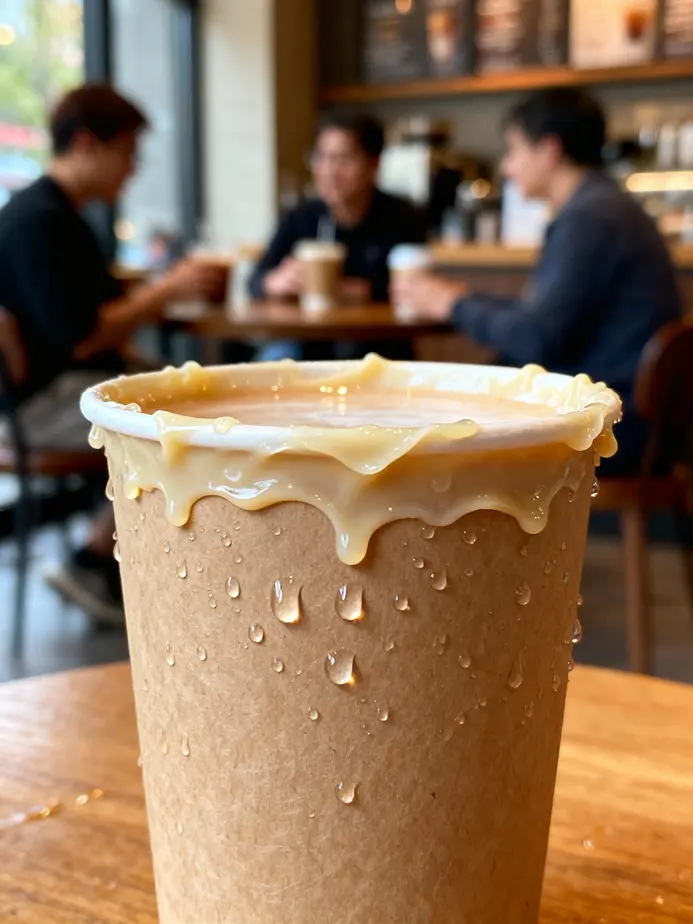
The evolution of wax coatings on paper cups has marked a significant chapter in food packaging technology, dating back to their introduction in 1932. These coatings serve as essential barriers against moisture and grease, ensuring that liquids do not penetrate the paper and compromise the integrity of the cups. Historically, it was recognized that while wax coatings vastly improved the performance of paper cups—enhancing smoothness by approximately 300%—they faced a pivotal limitation: their inability to withstand temperatures exceeding 60°C. This constraint necessitated the development of alternative materials for hot beverages, such as polyethylene and polylactic acid, which could endure higher temperature thresholds and thus expand the range of applications for disposable cups.
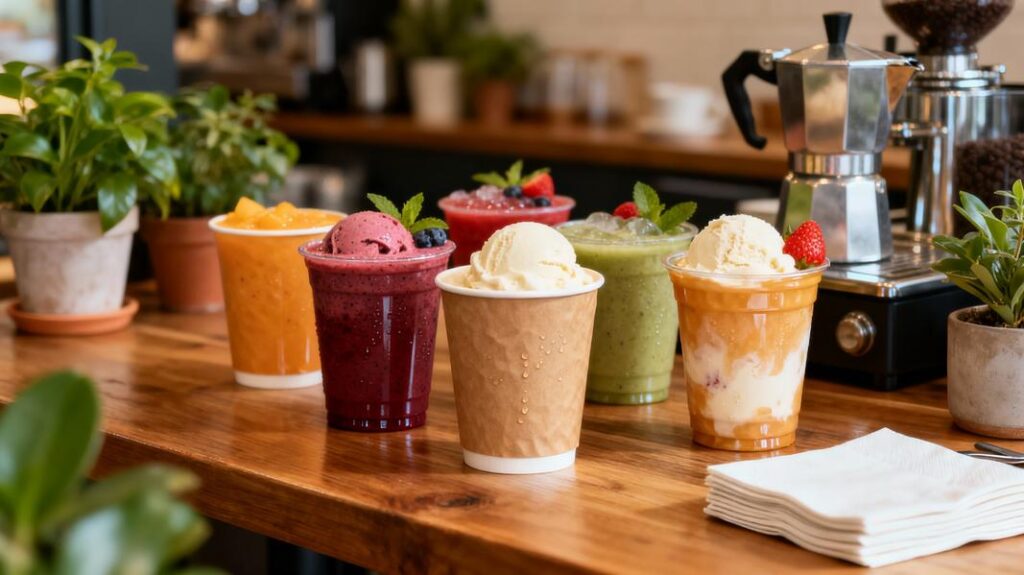
Despite the emergence of these alternatives, wax coatings remain relevant, particularly for cold beverages—think milkshakes and ice creams—where their moisture-repellent properties shine through. A glance at the historical context reveals that wax-coated cups gained prominence not only for their superior barrier properties but also for their practicality during World War II, serving the military with reliable vessels for consumption under challenging conditions.
Today, technological innovations in wax coating have been propelled by the dual impetus of performance enhancement and sustainability. In particular, there is a growing emphasis on creating biodegradable and compostable wax alternatives that maintain the core functional benefits of traditional wax—namely, moisture resistance—while addressing environmental concerns.
One notable advancement is exemplified by companies like Huhtamaki, which has spearheaded movements to design recyclable single-coated cups using less than 10% plastic content. Such innovations are laden with strategic foresight, as they not only improve the cups’ ecological footprint but also uphold their leak-proof integrity under cold conditions. Furthermore, the integration of artificial intelligence within manufacturing processes stands out as a particularly promising trend. AI allows for the optimization of quality control by simulating the lifecycle of packaging materials. This sophisticated approach helps to minimize waste while promoting the utilization of eco-friendly materials—paving the way for sustainable development in the packaging industry.
Moreover, the field has been energized by emerging technologies that challenge the status quo of traditional wax coatings. For instance, edible coatings have gained traction, offering a novel approach to providing moisture barriers without introducing non-biodegradable elements. Alongside these developments, advancements in nanotechnology could lead to enhanced moisture and gas barrier properties, extending the shelf life of products without compromising safety or introducing leakage risks. Techniques such as melt extrusion and solution casting are being explored to create uniform films that can adapt to the variable geometries of paper cups, potentially augmenting the protective functions of wax coatings.
Collaborative efforts are pivotal in broadening the narrative around sustainability. Initiatives like Pret A Manger’s commitment to introduce recycled cups by 2025 illustrate a forward-thinking stance towards not just improving cup performance but also promoting environmental responsibility. Such collective actions amplify the industry’s capacity to create packaging solutions that provide robust barriers against leakage while remaining cognizant of the need for recyclability and biodegradability.
Delving deeper, a comparative analysis of various coating types showcases the evolutionary triumphs in overcoming the pitfalls of earlier wax coatings. The table below highlights the essential characteristics of different coating options, allowing for a clearer understanding of how these innovations stack up against one another:
| Coating Type | Primary Use | Leakage Prevention Mechanism | Heat Limit | Sustainability Notes |
|————————–|———————-|————————————-|———————|————————————————|
| Wax | Cold drinks (e.g., ice cream) | Surface barrier, adhesive stability, strength boost | ~60°C (melts) | Limited recyclability; cold-specific |
| PE/PLA | Hot/cold drinks | Polymer lamination, high melt point | 100-130°C | Recyclable with difficulty; PLA is compostable |
| Compostable/Recycled | General | Bio-coatings, AI-optimized layers | Varies | High recyclability, low waste potential |
| Nanoscale Edible | Food packaging | Moisture/gas barrier, antimicrobial release | N/A (edible) | Sustainable, zero-waste potential |
As evident from these findings, while traditional wax still holds its ground for certain cold applications, its limitations have catalyzed the pursuit of alternatives that not only meet performance criteria but also adhere to contemporary sustainability goals. Innovations in wax coating technology reflect an industry in transition, one that is increasingly committed to offering functional solutions without sacrificing environmental responsibility. Thus, the future of wax coatings, as we move towards a more eco-conscious landscape, promises advancements that honor both consumer needs and the planet’s health.
In summary, the innovations within wax coating technology—enhanced by sustainable practices and emerging approaches—underscore an adaptive response to the challenges faced by the paper cup industry. This narrative of progress and improvement intersects with broader dialogues on environmental impact, showcasing how the ongoing refinement of wax coatings can address both leakage prevention and sustainability in a more effective, future-ready manner.
2. Value Proposition of Wax Coating: Examining Economic Dynamics and Market Implications on Paper Cup Performance
The adoption of wax coating technology in paper cups has shaped both the functionality and the economics of disposable beverage packaging. Wax coating creates a hydrophobic barrier that significantly enhances the water resistance of paper materials, making these cups ideal for cold beverages while serving as a preventative measure against leakage. This development, which originated in the early 1930s, paved the way for innovations in food service applications, particularly for items like ice cream and frozen drinks where maintaining integrity is essential. However, as the paper cup industry continues to evolve, the economic dynamics surrounding wax coating become increasingly intricate, reflecting broader market trends and regulatory shifts.
Historically, the introduction of wax coatings in 1932 represented a critical technological advancement, boosting cup smoothness and structural integrity by up to 300%. These early cups exemplified innovation, as the wax treatment allowed for better adhesion of inks and facilitated commercial branding efforts. Nevertheless, this promising technology was not without its limitations; wax begins to degrade at temperatures above 60°C, making these cups unsuitable for hot beverages. As consumer preferences shifted towards various beverage types, manufacturers sought alternatives, leading to the introduction of plastic-coated cups, particularly those laminated with polyethylene (PE), which offer superior heat resistance and can withstand temperatures ranging from 100°C to 120°C.
Despite these challenges, the economic implications of wax coating remain noteworthy. The global market for paper cups is projected to experience substantial growth, increasing from USD 8.06 billion in 2025 to USD 12.25 billion by 2035, corresponding to a compound annual growth rate (CAGR) of 4.27%. This growth is driven by a confluence of factors, including heightened environmental awareness, stricter regulations on single-use plastics, and the expansion of quick-service restaurants (QSRs) like Starbucks that capitalize on disposable packaging for efficiency and convenience. In cold beverage applications, where wax coatings excel, the demand for effective and cost-efficient solutions lends a degree of resilience to wax-coated cups, catering to niche markets even as alternatives gain traction.
With various stakeholders in the paper cup industry recognizing the shifting landscape, economic considerations guide product development and market strategy. While plastic and bioplastic coatings, such as polylactic acid (PLA), are gradually gaining favor in hot beverage applications, constant pressure for innovation persists. PLA, derived from crop materials, carries a premium cost—30% to 50% higher than standard PE coatings. However, regulatory trends favoring sustainable practices, such as plastic taxes, may impact relative pricing and create growth opportunities for bioplastics.
Moreover, the emergence of innovative water-based barriers presents both competition and possibility for wax coatings. Materials like starches, cellulose, and wax dispersions exhibit potential as recyclable and compostable alternatives, effectively addressing waste management concerns and compliance with anticipated eco-regulations. With the European Union aiming to phase out plastic-lined cups by 2030, manufacturers face increasing challenges to remain relevant and competitive, particularly in cold beverage applications where wax-coated products have historically thrived.
The economic viability of wax coatings leverages their lower production costs relative to PE options, placing them in a favorable position within specific segments. However, the requirement for specialized coating equipment heightens operational costs and complicates scalability, often limiting wax coatings’ broad market appeal. These factors necessitate a nuanced approach, balancing efficiency with sustainability as industry standards evolve.
Shifting focus beyond just the paper cup market, the related paper wrap segment demonstrates a similar growth trajectory, projected to rise from USD 5.1 billion in 2026 to USD 9.2 billion by 2036 at a CAGR of 6.1%. These insights underscore ongoing advancements in barrier coatings tailored for food service applications, reinforcing the need for continued innovation across the industry. As a case in point, historical precedents, such as the reliance on wax-coated cups for troop coffee service during World War II, highlight their effectiveness in providing reliable performance under pressure.
Nevertheless, the challenges of temperature limitations and environmental scrutiny are driving manufacturers to investigate alternatives that resonate with a more sustainability-conscious consumer base. This landscape is particularly evident in regions like Asia Pacific, which remains the largest market for paper cups, in which consumer preferences are rapidly evolving toward eco-friendly solutions. While modern trends gravitate towards bio-coatings and compostables, wax coatings can still carve out a role by emphasizing their cost-effectiveness and suitability for specific applications.
In conclusion, the economic dynamics of wax coating in paper cups reflect a broader narrative of adaptability and resilience amid fluctuating market forces. These coatings play a critical role in minimizing leakage, safeguarding product quality, and meeting regulatory demands. As innovations continue to emerge, the future of wax coatings amidst competitive alternatives presents opportunities for strategic market positioning, ensuring that the balance between functionality, cost, and sustainability remains front and center in shaping the paper cup industry’s future.
For more insights on the evolving landscape of paper products and their market implications, refer to the comprehensive analysis on disposable paper cups here.
3. Navigating the Green Path: The Sustainable Future of Wax Coated Paper Cups
In the landscape of modern consumerism, where sustainability is increasingly crucial, the wax coating on paper cups has become a focal point of discussion. While these coatings excel at preventing leakage in cold beverages, they pose significant environmental challenges. Understanding how wax coatings function and their broader implications is essential for transitioning to more sustainable practices.
Paper cups are indispensable in everyday life, especially in our bustling café culture. With high-quality paperboard from sustainably managed forests as the base material, the application of wax creates a moisture and grease-resistant barrier essential for holding thick beverages like smoothies and milkshakes. This hydrophobic property allows the cups to effectively contain liquids, thus ensuring a pleasant user experience without leakage – an innovation traced back to 1932. However, advancements in materials science have led to more effective heat-resistant coatings such as polyethylene (PE) and polylactic acid (PLA), especially for hot beverages.
Though wax-coated cups serve a crucial purpose in leak prevention, their environmental impact cannot be overlooked. Unlike polyethylene-lined cups which can often be recycled or composted under the right conditions, wax-coated cups face substantial recycling challenges. The wax coating complicates the process of separating paper from plastic, leading to inefficiencies in recycling facilities and an increase in landfill waste. Ultimately, those little cups that hold our favorite drinks can contribute significantly to the plastic pollution crisis.
Table 1 below highlights the environmental impacts across different types of cup linings and coatings:
| Cup Type | Coating/Lining | Leak Prevention Role | Sustainability Challenge |
|—————|—————-|———————————-|————————————————-|
| Hot Beverage | PE/PLA | Holds hot liquids | Difficult to recycle; PLA is compostable only in industrial settings. |
| Cold Beverage | Wax/PE | Seals for cold drinks | Wax complicates recycling—high potential for becoming landfill waste.|
| Double-Wall | PE + insulation | Provides extra durability | Similar recycling issues as wax-coated cups. |
Faced with the pressing need for sustainable practices, society is increasingly adopting strategies to mitigate the environmental effects of paper cup usage. A paradigm shift towards reusable cup programs can dramatically reduce the reliance on single-use wax-coated cups. Many businesses are incentivizing customers to bring their reusable containers, thus fostering a culture of sustainability that both consumers and producers can embrace.
Moreover, embracing recycled paper options for cup production can lessen environmental harm. When wax coatings are minimized or replaced with more eco-friendly alternatives, the challenge of sorting during recycling can be alleviated. Combining recycled paper with innovative, easily separable linings promises a dual benefit: reduced waste and enhanced drink container performance.
In addition to these strategies, the creation and promotion of compostable alternatives presents an exciting avenue toward sustainability. Advances in biodegradable coatings provide viable options for those seeking to reduce their environmental footprint. With dedicated consumers and companies committed to this shift, it is possible to significantly diminish the negative impact of disposable cups.
As wax-coated paper cups remain prevalent in the industry, insights into alternative materials and recycling solutions should also iterate upon the importance of education for consumers. Awareness campaigns detailing how best to dispose of or recycle these cups can empower users to make informed choices that align with environmental conservation efforts. Increasing knowledge about proper disposal methods can dramatically affect the lifecycle of these products and their end-of-life impacts.
A promising development in this field is the rise of innovative material solutions. Research into materials that can replicate the efficacy of wax but are easier to recycle or compost shows potential for redesigning our approach to paper cups. Companies are already exploring coatings derived from natural substances or alternative polymers that hold promise for effectiveness without recycling complications.
In conclusion, while wax coatings have historically provided an effective barrier to leakage in paper cups, their potential environmental repercussions can no longer be overlooked. Transitioning to sustainable practices within this sector requires a multifaceted approach involving the adoption of reusable systems, the integration of recycled materials, the promotion of compostable alternatives, and extensive consumer education on environmental impacts and recycling. By fostering accountability at both consumer and corporate levels, we can ensure that while enjoying our cold beverages, we are also safeguarded against contributing to environmental degradation. Addressing these challenges can usher in a new era for the paper cup industry, blending functionality with a commitment to sustainability. Innovations that pave the way toward a greener future serve not only the needs of consumers but the health of our planet for generations to come.
Chapter 2: Unveiling the Evolution: From Basic Wax to Advanced Coatings in Paper Cup Technology
1. Landmark Innovations in the Dawn of Wax-Coated Cup Technology
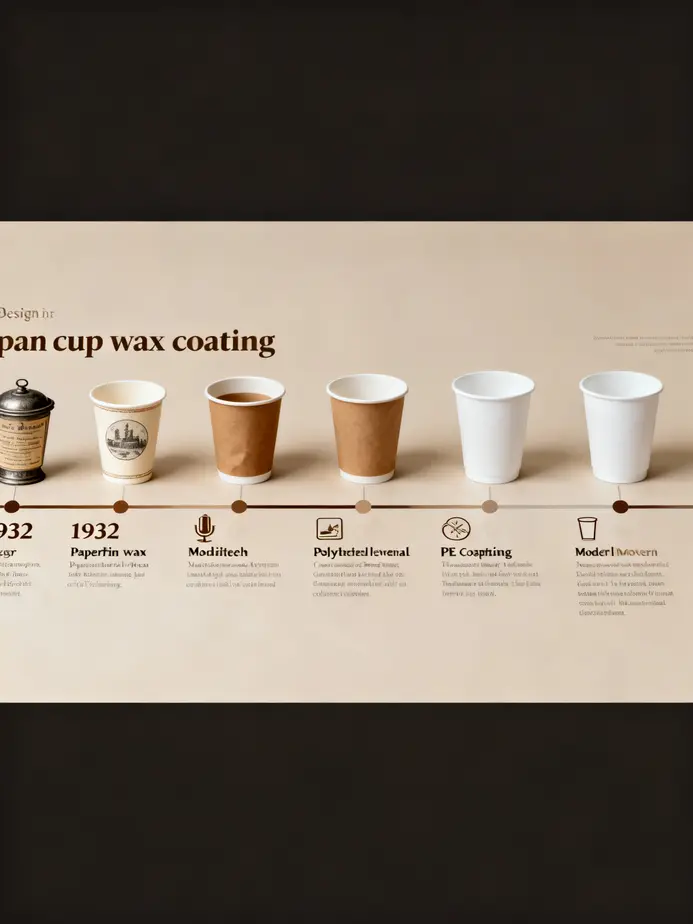
The inception of wax-coated paper cups in 1932 marked a revolutionary shift in the world of disposable drinkware, representing not just an innovative product but a technological leap that forever altered the landscape of commercial beverage service. Wax coating was more than a mere enhancement; it was a strategic advancement that addressed the pressing needs of the industry at that time, shaping the future of food packaging and disposable commodities.
At its core, the wax coating innovation introduced a robust two-piece structure that dramatically elevated the functionality and reliability of paper cups. This structure facilitated three critical improvements that laid the groundwork for broad market acceptance and operational efficacy. Firstly, the wax coating effectively acted as a barrier, ensuring that drinks remained isolated from the raw materials used in cup construction, particularly the adhesives that bound these components together. This separation was crucial in preventing chemical leaching into beverages, which not only safeguarded consumer health but also ensured flavor integrity.
Secondly, the application of wax not only protected the interior walls of the cup but also bolstered the structural stability of the adhesive compounds employed in building these cups. This enhanced durability was essential for maintaining cup integrity during use, significantly reducing the likelihood of leaks or unwanted collapses, which were frequent issues prior to the introduction of this technology. This increased wall strength represented a quantum leap in disposable cup design, shifting consumer perceptions about disposables from mere convenience to essential reliability.
The third major improvement tied into the previous two was the impressive boost in wall strength due to the added wax treatment. By enhancing the overall structural integrity of the cups, manufacturers could produce tapered models that were both lightweight and resilient. The combination of the wax barrier and this increased strength translated into packaging that could withstand transportation and handling without compromising performance.
One of the most intriguing aspects of this innovative technology was the drastic improvement in surface smoothness—by an astonishing 300%. This transformation made wax-coated cups particularly well-suited for high-quality printing. The smooth surface allowed for vibrant and detailed promotional designs that not only captured consumer interest but also served as branding opportunities for businesses. The ability to print intricate designs directly onto the cup opened up new avenues for promotion and advertising, becoming a key driver for widespread adoption in various commercial environments—from cafes and restaurants to large-scale event catering.
Despite its many advantages, the wax coating did have notable limitations, particularly with respect to heat tolerance. The melting point of wax presented a significant challenge: it was generally ineffective for hot beverages, as the wax began to lose its structural integrity at temperatures exceeding 60°C. Consequently, while the wax-coated cups excelled in cold drink applications—where their moisture-resistant properties could effectively guard against leaks—they proved unsuitable for hot drinks. This limitation eventually led to the development of polyethylene-coated cups, which gained popularity for their ability to withstand higher temperatures, significantly reaching up to 120°C without compromising on quality or performance. This move towards plastic coatings represented another technological evolution, albeit one that came with its set of challenges and environmental considerations.
In a historical context, the benefits of wax-coated cups went far beyond mere consumer convenience. During World War II, these single-layer waxed paper cups became standard equipment for delivering hot coffee to troops, highlighting their crucial role in military logistics. This practical application added to the credibility of wax coating technology during a time of scarcity and hastened its acceptance in civilian markets.
The commercial success of wax-coated cups took a significant leap in the 1950s with the advent of the famed Solo Cup Company, which fully embraced the wax coating process. Their strategic positioning aligned perfectly with the post-war boom in consumerism, notably coinciding with the rise of fast food culture and popular venues like drive-in theatres. This not only reinforced the practicality of the product but also positioned wax-coated cups as essential items in modern dining experiences.
The advent of these cups also brought about crucial sustainability discussions. As companies turned towards disposable solutions, the question of environmental impact came to the forefront. While wax-coated cups promoted convenience, their production and disposal have been scrutinized in the push towards sustainability in packaging. Given these evolving concerns, manufacturers had to adapt, looking toward more environmentally friendly alternatives that could meet both consumer safety and sustainability standards. Despite these challenges, wax-coated cups continue to hold a niche in the market, particularly for cold beverage applications, showcasing the lasting legacy of this pivotal innovation. The innovation in wax coating not only spoke to the advancement in material science but also to the changing consumption patterns of society, providing a lasting influence on how we package and enjoy beverages today.
For those interested in exploring the innovations in eco-friendly disposable packaging further, it’s valuable to acknowledge the spectrum of options available today that cater to both environmental and practical aspects, providing a glimpse into the future of packaging technologies.
2. Forging New Frontiers: The Shift to Polymer Coatings and Advanced Production Techniques
The evolution of paper cup manufacturing has seen a significant departure from traditional wax coating technologies. As the demand for versatile, reliable, and eco-friendly packaging solutions grows, manufacturers have explored innovative materials and methods that considerably enhance the functionality and efficiency of paper cups. At the forefront of this transformation are polymer coatings and advanced production techniques, which overcome the limitations of wax while ensuring the integrity and usability of paper cups across a broader spectrum of applications.
Polymer Coatings: Expanding Capabilities
Polymer coatings such as polyethylene (PE) and polylactic acid (PLA) have emerged as game-changing alternatives to wax coatings. The application of these coatings is accomplished using heated extrusion systems, a technology that facilitates the melting of the polymer into a non-permeable film. This bond to the cellulose fibers of the paper provides a robust barrier against moisture and heat, thereby significantly enhancing the cup’s performance in various capacities. Unlike traditional wax, which begins to melt at just 60°C, polymer-coated cups can withstand temperatures exceeding 90°C, making them suitable for a full range of beverages, including hot drinks. This thermal resilience has proven invaluable in a market increasingly driven by consumer preferences for both hot and cold drink options.
The precise control of coating thickness during the extrusion process ensures that the cups are both flexible and durable. This feature is critical when forming cups and during the heat sealing processes, as it assures that the cups maintain structural integrity under pressure, particularly relevant in high-speed production lines. By providing a higher degree of protection against liquid permeation, polymer coatings enhance the overall shelf life while maintaining the freshness of the contained products.
Advanced Production Techniques: Efficiency Meets Precision
Significant innovations have also transpired in the machinery used for paper cup production. The introduction of open cam technology marks a monumental shift from traditional chain-drive systems. This modern approach allows for a more precise and high-speed cup body forming, resulting in uniformity in roundness and tighter seams that oppose leaks more effectively. The technological leap these machines represent enables manufacturers to produce large volumes of cups swiftly while maintaining a consistent quality standard that meets varying consumer demands.
Accompanying these developments is the implementation of ultrasonic sealing technology. This method fuses cup seams by utilizing high-frequency ultrasonic vibrations, thus eliminating the need for adhesives that can complicate the recycling process and compromise product integrity. Ultrasonic sealing translates to stronger side seams that are particularly resistant to leaks, thereby meeting the escalating safety standards expected by consumers and regulatory bodies alike. The production process is streamlined through the integration of automated systems, which support the feeding of bottom discs, mechanical pressing, and precise heating. This melding of technology not only enhances the speed of production but also promotes a more efficient use of materials, lowering waste in manufacturing operations.
Additional Advancements: A Fully Integrated Approach
Beyond just the fundamental advancements in coatings and sealing technologies, paper cup production has embraced a philosophy of comprehensive efficiency that incorporates enclosed lubrication systems and high-speed forming techniques. These innovations contribute significantly to maintaining quality control throughout the production process, reducing the likelihood of defects arising from machine malfunction or operator error. Furthermore, integrated automatic packaging solutions streamline post-production logistics, facilitating a smoother transition from manufacturing to distribution.
The synergy of these advanced techniques allows manufacturers to not only respond to the immediate market needs of today but also to anticipate the demands of tomorrow’s environmentally-conscious consumers. As such, the industry’s trajectory has been toward creating cups that are not only robust and reliable but also part of a closed-loop recycling paradigm that minimizes environmental impact. The evolution of paper cups—from wax coatings that served a specific niche to versatile polymer-coated cups utilizing cutting-edge machinery—demonstrates a commitment to continuous improvement in product safety and environmental responsibility.
The commitment to innovation in paper cup manufacturing extends beyond mere functionality. It reflects the growing recognition that efficient production and environmental stewardship are not mutually exclusive but rather two sides of the same coin. As new sustainable materials and technologies evolve, they signal a promising horizon for an industry that aims to meet current needs while preparing for a sustainable future. Innovations in polymer coatings and advanced production techniques pave the way for a new era of paper cups that not only satisfy consumer demands for hot and cold beverages but also ensure the protection of our planet through thoughtful manufacturing practices.
Among the innovative products in this evolving landscape are various types of eco-friendly containers available in the market today. For those interested in exploring further, options such as customized kraft paper boxes for food can be viewed here. As the paper cup industry continues to advance, it is clear that the future holds a wealth of possibilities crafted from a commitment to smart technology and sustainable practices.
3. Navigating Economic Dynamics and Societal Shifts in Paper Cup Wax Coating Evolution
The evolution of paper cup wax coatings reflects a confluence of economic and societal trends that have profoundly transformed consumer habits and industry standards. Initially, traditional wax coatings pioneered in 1932 offered a functional solution for cold beverage containment, effectively reducing leakage and enhancing product shelf life. These coatings were not only instrumental in allowing beverages to maintain quality over longer periods, but they were also made from petroleum-based ingredients whose economic viability came into question as environmental considerations began to emerge in public discourse.
As we trace the historical path from wax to modern materials, we observe a significant shift towards convenience-driven products. This alteration was catalyzed in the mid-twentieth century with the introduction of polyethylene (PE) linings, which greatly improved heat resistance and thereby expanded the application of single-use cups to hot beverages. The economic implications of this innovation were substantial; the scale of disposable cup production surged, granting access to a broader consumer base and bolstering the emerging throwaway culture. This convenience came at a cost, however, as these widely utilized PE-coated cups presented formidable challenges regarding waste management.
The economic impact of this transition is not merely a reflection of manufacturing efficiency; it also underscores a dependence on virgin materials, raising sustainability concerns. Advancements in automated lining techniques and molding processes have streamlined production, effectively decreasing costs for manufacturers. Still, every cup produced ties economic sustainability to the exploitation of cheap raw materials while complicating the recycling landscape. With the global disposable cup industry now valued in the billions, the environmental repercussions cannot be overlooked.
Incorporating cost efficiencies often leads to increased waste management expenses for municipalities and businesses alike. The predominance of PE-coated paper cups engenders a domino effect, straining recycling systems that are ill-equipped to handle materials that intertwine plastic and paper. As most of these cups end up in landfills, the burgeoning issue of plastic pollution has impetus for reforms, advocating for a future where practices align economic viability with environmental responsibility.
In response to escalating waste crises, a new player emerged: polylactic acid (PLA). Portrayed as a compostable alternative to traditional coatings, PLA signifies a pivotal moment in the evolution of disposable paper products. However, for PLA’s environmental promise to be fully realized, access to industrial composting facilities is crucial, an infrastructure that remains inconsistently available. Herein lies a paradox: while PLA can mitigate reliance on fossil fuels, its effective disposal further complicates the sustainability narrative. The economic burden of developing specialized composting facilities adds an additional layer of complexity to the adaptation of consumers and businesses alike.
The societal shifts accompanying these changes paint a compelling picture, intertwining with the choices consumers make. The move from wax to PE and PLA has been framed within the rise of on-the-go lifestyles, allowing for increased consumption of coffee and other beverages outside traditional environments. This cultural shift not only reflects consumer preference but further catalyzes waste issues as single-use options thrive at the expense of more responsible practices.
Amid growing consumer awareness, there is a discernible shift towards reusable options, which has gained traction among environmental advocates and regulatory bodies. For instance, legislation in regions like the European Union has begun to ban certain single-use plastics, pushing manufacturers and consumers to reconsider their relationship with disposables. In lieu of single-use cups, reusable programs have been shown to cut costs by 20-50% for high-volume users, such as cafes, showcasing an economic incentive towards sustainability while simultaneously addressing environmental challenges.
As we navigate this complex landscape, there is an emerging focus on strategies that foster a cultural transformation away from disposables. Initiatives encouraging the usage of reusable cups and alternative packaging solutions are crops of a modern movement, which educates individuals on the implications of their buying habits. Social pressures are intensifying, advocating for collective responsibility among producers and consumers alike. Shifting towards sustainable practices can significantly reduce per capita waste and instill a greater sense of accountability in everyday choices.
Understanding these interconnected economic and societal dimensions is particularly essential as we grapple with the dual needs for consumption and environmental stewardship. Engaging with reusable and compostable alternatives could foster a hopeful trajectory for future innovation, driving the industry towards a sustainable paradigm capable of accommodating both profit and preservation.
The evolution of paper cup wax coatings thus illustrates a complex relationship between technological advances, economic imperatives, and societal behavior, representing a dynamic interplay where the challenges of today signal noteworthy opportunities for tomorrow. For businesses and policymakers alike, navigating these developments demands a commitment to sustainability that transcends traditional practices, ensuring that modern conveniences do not come at the unintended cost of ecological health and responsibility.
Chapter 3: The Evolution of Paper Cup Coatings: From Wax to Polyethylene and Beyond
1. The Clash of Coatings: Advancements in Paper Cup Protection and Resilience
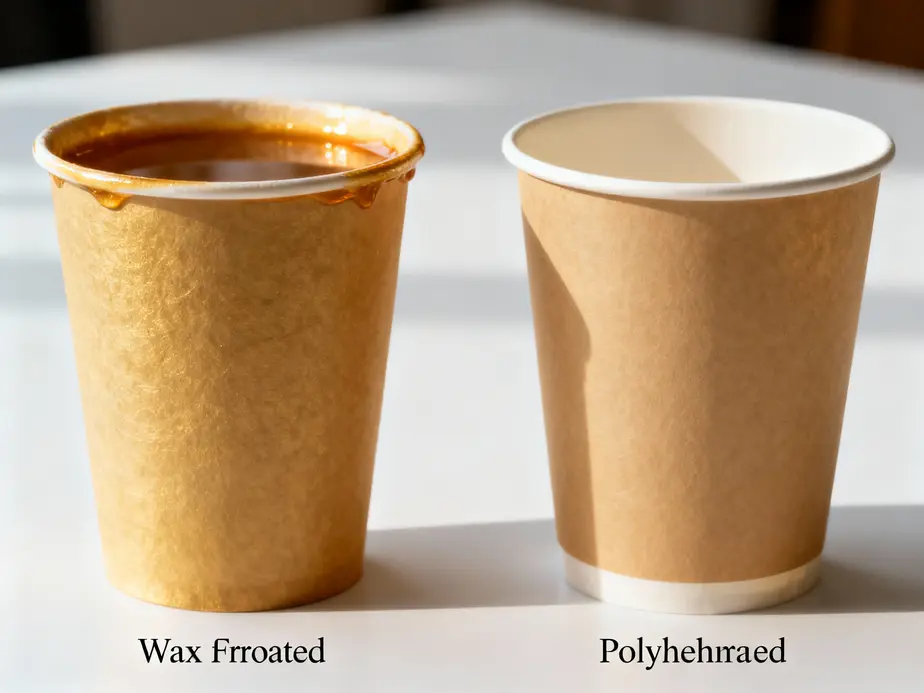
The wax coatings introduced in paper cup manufacturing in 1932 marked a significant development in the quest for effective moisture resistance. These early innovations provided a basic solution by creating a barrier that prevented liquids from seeping into the paper, thus reducing leaks and contamination while extending shelf life. However, this coating was limited, functioning optimally only in low-temperature applications, as it melted when temperatures exceeded 60°C. Early adopters of wax-coated cups found them particularly beneficial for cold beverages, including milkshakes and frozen desserts like ice cream. This offered a more user-friendly experience for consumers, alleviating concerns about leaks with thicker liquids. The introduction of wax was revolutionary at the time, providing manufacturers a means to create disposable cups that significantly improved their functionality and serviceability during events like the war, particularly in serving hot beverages quickly.
Yet, the limitations of wax coatings were soon apparent. As demand grew for hot drink disposables, the industry required a more robust solution. In the 1940s, polyethylene (PE) coatings emerged, ushering in an era of significant advancements. These coatings extended the temperature threshold from a mere 60°C to an impressive 100-130°C, making them suitable for both hot and cold beverages. The step up in thermal tolerance not only allowed for incorporating hot drink options but also meant that unlike wax, PE coatings maintained their structural integrity under higher temperatures. This made PE the preferred material for manufacturers looking to offer versatility in temperature applications, thus facilitating a broader spectrum of product offerings.
The increased heat resistance of PE was accompanied by another substantial advantage: cost efficacy. The transition to PE resulted in approximately a 40% reduction in production costs, a compelling benefit that helped it quickly become the industry standard. This economic efficiency, paired with higher durability, overshadowed the lighter benefits provided by wax coatings. The shift was monumental in the context of paper cup usage, creating a new norm in the industry that remained consistent over the decades. While PE generally required specific separation processes for recycling, its advantages in customer satisfaction and investor returns helped cement its place as the go-to option in the disposable cup market.
To further elucidate the advantages of each coating type, a comparative view is essential. While wax coatings provided suitable moisture barriers for frozen foods and cold drinks, they lacked structural reliability during exposure to heat. This often resulted in unexpected failures, risking consumer safety and brand integrity. In contrast, PE lamination could endure boiling water, enduring tests that confirmed it remained stable at infections lower than 0.01 mg/kg after prolonged exposure. This high degree of stability ensured that chemical migration—a key concern in food packaging—was negligible, which reassured both manufacturers and consumers.
Advanced designs like double-walled cups enhanced the usability of PE-coated cups further. This design innovation utilized an air gap between the inner and outer walls to improve insulation significantly, allowing consumers to handle hot cups without worrying about burns or discomfort. Thus, manufacturers no longer needed to provide sleeves for hot beverages, improving the overall user experience and operational efficiencies in service and recycling.
In light of modern environmental concerns, manufacturers are now exploring alternatives like polylactic acid (PLA) coatings. Created from renewable resources like corn starch, PLA presents a compostable option catering to the eco-conscious market. While PLA offers similar temperature resistance to PE, its value is primarily derived from its environmental footprint. However, it requires an industrial composting facility to break down, inherently limiting its applicability in regions without such infrastructure. This innovation reflects a growing trend towards sustainability that challenges traditional materials while striving to minimize ecological impact.
As we examine the historical progression of these technologies, it’s clear that advancements followed from genuine market needs. The introduction of wax during the 1930s served its purpose but was soon rendered insufficient due to the growing popularity of hot beverages in cafes and fast-food outlets. The rise of PE allowed the industry to meet the qualifications for quality and safety, extending the functionality of disposable cups in several domains. Meanwhile, PLA’s introduction provides insight into future innovations that consider both end-of-life disposal in addition to performance characteristics.
Ultimately, while wax coatings represent an important chapter in the history of disposable drinkware, their limitations have overshadowed any advantages they once conferred. The introduction of polyethylene not only fulfilled the demand for durability and cost-effectiveness but also presaged environmental and health requirements essential for modern packaging. Today, as sustainability takes precedence for consumers and industries alike, the ongoing evolution from polyethylene through to increasingly eco-friendly options signifies a future where functionality coexists with responsible practices. This continuum serves as a reminder that innovation is not merely an evolution in material but a reflection of changing consumer values and preferences in the marketplace.
For those looking to explore options that feature sustainable packaging without sacrificing performance, various modern products can be found in the marketplace here. By understanding the progression from wax to polyethylene to contemporary innovations, consumers and producers alike can make informed choices that balance needs with ecological responsibility.
2. Navigating the Economic Waters: Cost Dynamics and Market Trends in Paper Cup Coating Technologies
The transition from traditional wax-coated paper cups to modern polyethylene (PE) alternatives represents not only a technological shift but also a profound change in the economic landscape surrounding the disposable cup industry. The waxing process, while advantageous in certain contexts, has exhibited notable economic limitations that modern alternatives have begun to exploit extensively. To understand the full scope of this transition, one must consider production costs, market trends, regulatory effects, and overall economic viability, all of which play critical roles in shaping industry practices today.
Historical Economic Context
Introduced in 1932, wax coating in paper cups was hailed as a revolutionary step towards providing moisture resistance, particularly for cold items such as ice creams and milkshakes. However, this innovation came with its own set of economic constraints. The limited temperature threshold of under 60°C meant that manufacturers were often forced to maintain two separate production lines: one for hot beverages, which required alternatives like plastic coatings, and another specifically for cold applications allowing the use of wax-processed cups. This bifurcation ultimately raised production overheads, as it necessitated dedicated machinery and worker specialization to manage the separate supply chains efficiently.
In today’s market, PE-coated cups dominate, attractive for their capability to withstand temperatures ranging from 100 to 120°C. This higher temperature tolerance translates into a broader usability spectrum and provides manufacturers with the flexibility to cater to both cold and hot beverage segments. The emergence of PE has thus introduced a significant economic advantage that wax cups simply cannot match. The production cost for PE-coated singles-wall cups averages between $0.08 and $0.12 per unit in bulk, representing a substantial 40% reduction compared to wax-coated cups.
Production Dynamics and Cost Efficiency
The economic metrics delineating production costs reveal stark contrasts between the two coatings. Manufacturing with PE lamination is more cost-effective due to its scalable nature. Manufacturers benefit from streamlined logistics and less labor-intensive processes, leading to lower overall production costs. Wax-coated options, though sometimes cheaper for limited use cases of cold products, ultimately require more sophisticated production capabilities, which dilute cost savings and affect pricing strategies. This points to a fundamental shift in production methodology, steered by advancements in material science that enable greater efficiency.
Moreover, modern alternatives such as polylactic acid (PLA) cups, while positioning themselves as environmentally friendly and compostable, tend to incur higher production costs, often reaching between $0.18 and $0.30 per unit. The premium associated with such sustainable alternatives, although attractive from a branding perspective, necessitates businesses to weigh initial expenses against long-term consumer preference and compliance with evolving regulations.
Regulatory Pressures and Their Economic Implications
Regulatory frameworks also play a pivotal role in the evolving economic landscape. Rising Extended Producer Responsibility (EPR) regulations enforce increasingly stringent recycling and disposal requirements on manufacturers. This has significant implications for disposable products, including paper cups. For instance, many jurisdictions now impose fees that producers are obligated to cover for the recycling and disposal of their products, a cost that can range from 50% to 90% of net recycling costs. The implications for wax-coated cups are particularly acute, as traditional wax cannot be recycled, placing a heavier financial burden on manufacturers.
Simultaneously, PE cups, while technically recyclable, often contaminate recycling streams, contributing to their potential classification as waste. This raises the cost of obligations not only related to product disposal but also in managing brand reputation in a market that is increasingly sensitive to sustainability concerns. California and Oregon, for example, have initiated significant fees and funds aimed at plastic reduction, heightening the pressure on manufacturers to reconsider their material choices.
Market Trends and Future Outlook
The global market for paper wraps, encompassing coated paper cups, is projected to grow substantially—from $4.8 billion in 2025 to $9.2 billion by 2036, a compound annual growth rate (CAGR) of 6.1%. This growth is driven in part by increasing demand for grease-resistant, customizable options that stand at the intersection of price and ecological responsibility. The challenge for manufacturers will be to adequately balance cost and consumer preference during this period of transition. While PE has become the de facto standard due to its versatility, the economic landscape offers a window for innovation toward newer, more sustainable materials such as bagasse or other plant-based options that may afford cost competitiveness without compromising on ecological parameters.
Adopting these alternatives may reflect positively in long life cycle cost analysis, especially for businesses adopting reusable systems. The cost of bulk negotiation provides some respite, allowing companies purchasing minima of 5,000 units to reduce expenses considerably. Consequently, navigating the economic dimensions of paper cup coatings illuminates a pathway forward that leverages both traditional and emergent technologies, each with its own economic narrative shaped by market demand and regulatory landscapes.
In conclusion, as the industry grapples with these economic implications, the narrative surrounding disposable paper cups is set to evolve, marked by a transition towards findings that align profitability with responsible environmental stewardship. The pressing need for cost-effective and regulatory-compliant solutions signals a transformative period for manufacturers and consumers alike, highlighting the intricate interdependencies between materials used and the long-term viability of industry practices.
3. Navigating the Environmental Landscape: Understanding the Societal Impact of Paper Cup Coatings
The choice between wax-coated and polyethylene (PE)-coated paper cups extends far beyond mere functionality. This decision reflects a complex interplay of societal values, environmental concerns, and economic realities. As disposable culture continues to dominate consumer behavior, the type of coating used in paper cups represents a critical factor influencing waste management practices and environmental sustainability. While polyethylene has become predominant in the marketplace due to its cost-effectiveness and superior heat resistance, it comes with significant challenges that can adversely impact society.
In the race for convenience, PE-coated cups have positioned themselves as the industry standard, especially for hot and cold beverages. They offer excellent liquid barrier protection, making them highly resistant to leaks and ensuring that hot drinks are safely contained. However, the convenience of PE-coated cups comes at a greater societal cost. They introduce new challenges in waste management systems. Unlike their wax-coated counterparts, which are composed of biodegradable materials that break down more effectively in natural settings, PE cups contribute to the ever-growing problem of plastic pollution. As these cups are often not recyclable in standard facilities—due to difficulties in separating the plastic from the paper—many end up in landfills. This directly impacts municipal waste management, leading to increased landfill expansion and cleanup initiatives, which come with substantial economic implications for local governments and taxpayers.
The environmental fate of PE-coated cups hasn’t gone unnoticed. According to research, wax-lined cups offer improved recyclability compared to their plastic-coated alternatives. This is critical in an era when society is grappling with the ramifications of increasing waste and environmental degradation. Wax, being a more naturally occurring substance, integrates seamlessly with paper fibers during the recycling process, allowing cups to decompose more readily when discarded. This means they pose less risk as they decompose more naturally, lowering the long-term risks associated with microplastics and other environmental pollutants associated with PE cups.
On the topic of biodegradability, wax-coated cups come out ahead, allowing for a partial breakdown of materials in landfill and composting facilities, which adds a significant advantage over PE cups. While some modern alternatives like polylactic acid (PLA) linings are being developed to mimic the benefits of traditional wax coatings, their effectiveness hinges on the presence of industrial composting infrastructure—something that is often lacking in many areas. The innovative solutions revolutionizing the market must also contend with the reality of existing waste disposal pathways that may not align with new materials intended to provide sustainable options for consumers.
The resource utilization required for the production of these two types of coatings also bears mention. While both coatings originate from sustainably managed forests, the production of polyethylene is linked to petroleum-derived plastics. This reliance on fossil fuels raises immediate concerns about carbon emissions and global sustainability goals as society strives to phase out unsustainable practices. In contrast, traditional wax coatings benefit from being more derived from plant-based substances, which are typically viewed as more environmentally friendly and sustainable. Additionally, as the demand for sustainable packaging solutions grows, the wax coating can be seen as a surer bet to align with a circular economy—primarily due to its biodegradability and lower likelihood of causing pollution and systemic strain on waste management solutions.
Environmental and Societal Trade-offs
The comparative analysis of these coatings reveals salient societal trade-offs that must be considered in the broader context of environmental responsibility and sustainability. While PE has facilitated the growth of the single-use culture, supported by rapid production capabilities and low costs, this convenience has also culminated in soaring levels of plastic waste and the associated clean-up costs and pollution risks. Wax-coated cups, though less common today due to their limitations for hot beverages, offer a path that could reduce environmental heat damage effects and cultivate a culture of sustainability.
Table 1 summarizes these critical differences:
| Coating Type | Heat Resistance | Recyclability | Biodegradability | Societal Impact Notes |
|—————|——————-|—————————–|—————————–|—————————————————————————————————|
| Wax | Moderate (best for cold drinks) | High (pulps well with paper) | Good (breaks down naturally) | Encourages circular economy; lower pollution risks, but limited use due to leakage concerns. |
| Polyethylene (PE) | Excellent (for hot/cold) | Low (difficult to separate plastic from paper) | Poor (persists as waste) | Fuels disposable culture, increasing landfill needs, contributing to higher environmental cleanup costs.
| PLA (Modern Alternative) | Good | Moderate (compostable in industrial settings) | High (under appropriate conditions) | Could mitigate societal waste if appropriately supported through infrastructure; drives sustainability. |
The shift toward modern alternatives in packaging, particularly in disposable culture, cannot overlook the pressing need for improved waste management systems. While wax coatings are fading from prevalence due to their limitations, the environmental awareness and the necessity for sustainable practices drive a push for innovative materials. This dynamic environment brings forth challenges but also creates opportunities for businesses and industries to explore new materials and methods that resonate with today’s sustainability-conscious consumers.
Through smaller-scale initiatives and a push toward reusable and recyclable elements, society can steer toward a more sustainable model that values responsible consumption. Reducing dependence on single-use items and seeking alternatives like biodegradable wax coatings could yield beneficial results—a shift that could redefine disposable culture while fostering environmental stewardship.
As society navigates these complex choices regarding paper cup coatings, it must balance convenience with environmental accountability, driving towards innovation that is not only consumer-driven but also planet-friendly. This responsibility ultimately extends to both manufacturers and consumers alike, underscoring the significance of informed choices in shaping a better tomorrow.
Final thoughts
Understanding the significance of wax coating in paper cups is essential for business owners aiming to optimize product performance. Wax coating offers reliable moisture resistance, catering specifically to cold beverage applications and maintaining food safety. As technological advances continue, comparing wax with modern polyethylene alternatives can help businesses make informed decisions that match their operational needs. Ultimately, leveraging these insights can enhance customer satisfaction and ensure the safe delivery of beverages.
Choose our reliable disposable tableware and packaging solutions for your business. We offer quality products that meet safety standards, with fast delivery and flexible options. Partner with us today to elevate your service – contact our team now for a tailored quote!
About us
We specialize in manufacturing and supplying disposable tableware, packaging paper, and boxes. With years of experience, we prioritize safety, durability, and eco-friendly practices. Our goal is to provide businesses with trusted, cost-effective solutions backed by responsive customer support.