
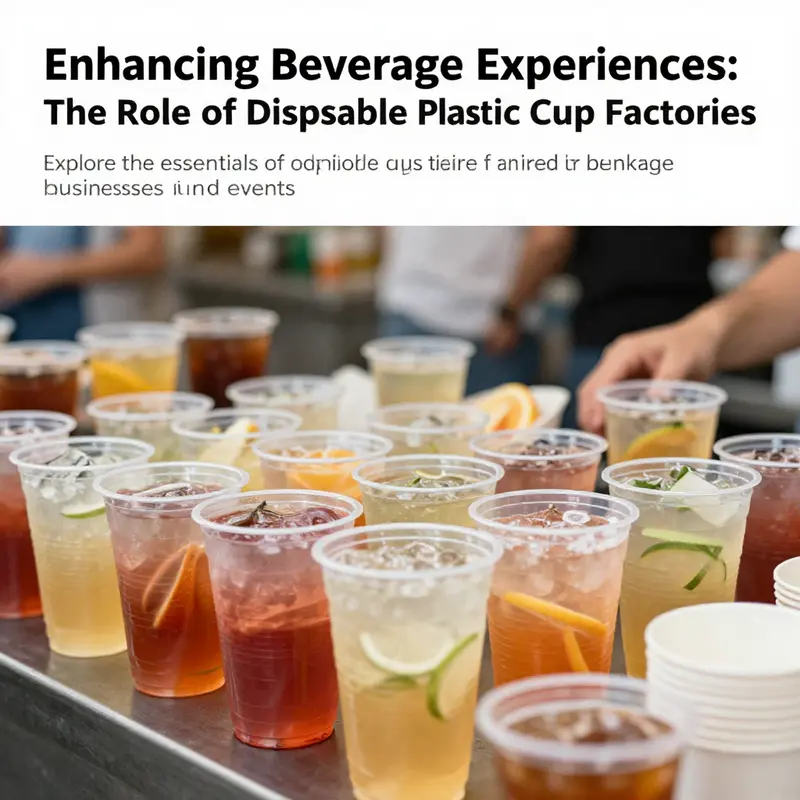
In today’s fast-evolving beverage industry, especially for bubble tea shops, restaurants, and catering services, the choice of disposable plastic cups holds significant importance. These cups are not merely functional; they play a pivotal role in branding, customer experience, and sustainability. Understanding the intricacies of disposable plastic cup factories sheds light on crucial factors such as material standards, production capacities, product range, pricing trends, and environmental considerations. By delving into these dimensions, businesses can make informed decisions, ensuring their cup choices align with both operational needs and customer expectations.
null
null
Scaling Throughput: Capacity, Flexibility, and Global Demand in Plastic Disposable Cup Factories
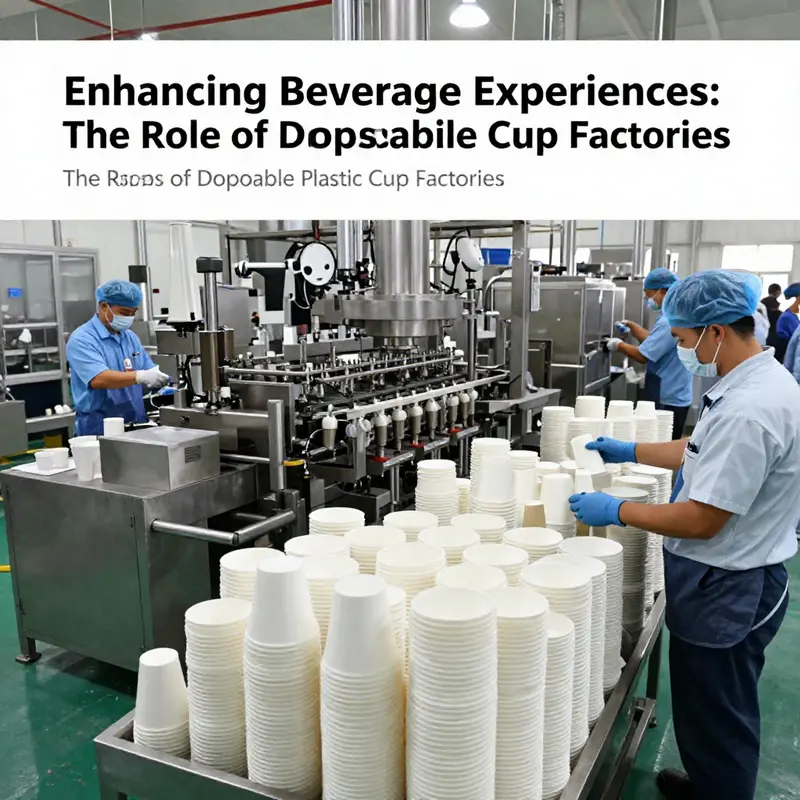
In the crowded landscape of single-use beverage packaging, plastic disposable cup factories function as quiet engines of global commerce. They translate resin, sheet, and pellet into billions of cups that move through restaurants, convenience stores, and event spaces. This chapter traces how these facilities achieve production capacity at scale and maintain the agility to respond to shifting demand, regulatory pressures, and evolving consumer preferences. It is a story not of a single grand machine, but of a system that is comprehensive, modular, and continually optimized, turning potential into consistent supply. Capacity emerges from a mix of line architecture, process discipline, and the ability to reconfigure quickly without sacrificing quality. In large scale plastics ecosystems, facilities can reach prodigious daily outputs when multiple lines run in parallel and changeovers are minimized. While some figures reference coated paper cups, the underlying implication for plastic variants is the same: every additional line, every faster cycle, and every smarter changeover adds to the factory throughput envelope. Across the sector, annual capacities can stretch into the millions of pieces, with cup diameters and wall thicknesses guiding how lines are staged, cooled, trimmed, and packed. The industry thus demonstrates a spectrum of scale from compact facilities designed for rapid customization to sprawling plants engineered to saturate regional and international markets. The capacity narrative is, in short, a story of throughput as an asset and a capability that extends beyond mere machine speed to include the orchestration of people, timing, and materials.
At the heart of scalability lies the physical architecture of the production line. Modern plastic cup lines are built for continuous operation, integrating thermoforming or precision molding with automated handling, cooling, and edging. A high-output plant optimizes the cadence from forming cavity to finished cup with a relentless focus on cycle time reduction, process stability, and scrap minimization. The ability to run multiple sizes and wall thicknesses on the same floor layout is a critical driver of scalability because it lowers per-unit costs when demand swings between different cup specifications. In practice, this often means a modular design where forming cells, trimming stations, and packaging modules can be added or reconfigured with minimal disruption. Parallelization—running several lines side by side—becomes the default mode for meeting large orders, while rapid tooling changes and standardized setups keep changeover times tight. The payoff is straightforward: higher daily production without sacrificing the precision that keeps cups within tight tolerances for fit against lids, stacking stability, and downstream conveying. The result is a factory that can scale with demand not by simply installing more machines, but by organizing capacity into a flexible, responsive system that can lean into spikes and deflect troughs with equal aplomb.
Flexibility is a companion to capacity. In today s markets, brands seek not only volume but versatility — the ability to package the right cup in the right size with branding options that align with campaigns and shelf strategies. Flexibility manifests in several dimensions: the capacity to switch between cup sizes with minimal downtime, the capability to support customization via printing, and the option to accommodate different materials or wall constructions while maintaining throughput. For many facilities, this means equipping lines with quick-change tooling, standardized pneumatic and servo controls, and color change capabilities that let the same line produce multiple SKUs in a single shift. Printing options, including multi color embellishment for branding or promotional messaging, become a strategic lever. When a factory can offer fast, reliable color or logo printing on cups, it effectively increases the value of each run and reduces the need for separate downstream finishing services. The practical benefit is a shorter lead time for customers and a more consolidated supply chain, which translates into stronger market responsiveness and competitiveness.
The material and design choices of cups shape capacity planning in ways that extend beyond the machine room. Polypropylene remains a dominant option for hot beverage cups due to its heat resistance and mechanical resilience, while polystyrene is favored for its clarity and stiffness in many cold drink applications. Yet the industry is steadily incorporating more sustainable approaches, prompting capacity to adapt to alternative resins, recycled content, and even fully recyclable formats. Each material class imposes specific process conditions—heat profiles, cooling rates, and trimming tolerances—that influence cycle times and downtime. For hot cups, the emphasis is on barrier properties and thermal stability; for cold cups, rigidity and resistance to ice induced deformation are paramount. When a facility introduces eco-friendly variants or blends, it often requires parallel streams or carefully sequenced process changes to avoid cross-contamination and preserve throughput. The capacity implication is clear: lines must be designed not just for today’s standard products but with the flexibility to absorb future material shifts and regulatory expectations, all without grinding to a halt.
Quality assurance and hygienic design are not quiet afterthoughts; they are the active levers that sustain capacity over time. In high-volume plants, the strongest throughput is achieved when quality checks are integrated into the flow rather than bolted on at the end. Inline measurements, automated vision systems, and end-of-line verification ensure that every cup conforms to dimensional tolerances, surface finish, and stacking compatibility. Hygienic plant layouts minimize manual handling of critical surfaces and enable rapid sanitation cycles without compromising cycle times. This integration of quality with throughput reduces the risk of batches rejected downstream and minimizes rework, both of which would erode capacity. The most successful facilities view maintenance as a strategic investment: predictive maintenance guided by machine data avoids unplanned downtime, and scheduled downtimes are harmonized with production calendars to keep lines productive. In this sense, capacity becomes less about maximal speed and more about enduring reliability, because a line that runs steadily can fulfill a larger portion of demand with lower total cost per unit.
The global dimension of capacity adds another layer of complexity. Manufacturers must comply with varied regulatory frameworks, labeling requirements, and export procedures. The ability to service international buyers depends on a reliable logistics backbone and a supplier network that can scale with orders while preserving quality. Flexible MOQs often in the tens of thousands allow smaller buyers to enter the market and gradually scale their needs, while larger orders drive plant-level optimization and capital utilization. To manage this, many facilities operate as part of broader supplier ecosystems that prioritize on-time delivery, transparent pricing, and secure verifiable production data. This collaboration not only supports current demand but also positions the factory to ride volatility in resin pricing or shipping costs. When capacity planning tools incorporate scenario analysis accounting for price shocks, port congestion, or sudden changes in demand, manufacturers gain a resilient posture that helps sustain throughput across cycles of growth and constraint.
The numbers behind capacity tell a measured story of scale: tens of thousands to millions of cups per year per line, with multiple lines in a single facility. The aggregate effect is a production landscape where capacity is a dynamic asset rather than a fixed capability. When combined with process discipline, modular line design, and a culture of continuous improvement, factories can expand throughput in a controlled, sustainable manner. The literature surrounding cup manufacture reinforces these themes, offering deeper guidance on standards, process variations, and industry performance that help practitioners benchmark their own plants. The narrative also acknowledges that external analyses exist to interpret capacity and performance in modern manufacturing. See external resource for further depth on standards and industry performance.
Embedded in this narrative of capacity and scalability is a practical reminder: the goal is not only to build bigger lines but to design smarter, more adaptable systems. The most successful plastic cup factories treat capacity as a living capability that evolves with technology, market demands, and policy shifts. They balance throughput with quality, speed with flexibility, and scale with sustainability. They plan for expansion not as a distant dream but as a sequence of well-timed investments in tooling, automation, and process control. They recognize that each incremental gain in cycle time or scrap reduction compounds into meaningful improvements in daily output and total cost. They understand that a cup is not merely a product but a link in a larger chain of hospitality, food service, and consumer experience. And they remember that the market s appetite for reliable, safe, and visually appealing disposables is robust precisely because these capacity minded factories deliver. As demand continues to travel across continents, the capacity and scalability of plastic cup production will remain a central measure of how quickly and efficiently the beverage ecosystem can serve its billions of moments of consumption, from a busy morning rush to a late night gathering. The chapter thus closes with a recognition that scaling is both technical and strategic, an orchestration of lines, materials, people, and plans that keeps the world stocked with cups when and where they are needed, and that keeps the story of packaging moving forward in step with the beverage economy.
Spectrum in a Cup: From Clear Vessels to Branded Beverages—Exploring the Product Range of Plastic Disposable Cup Factories
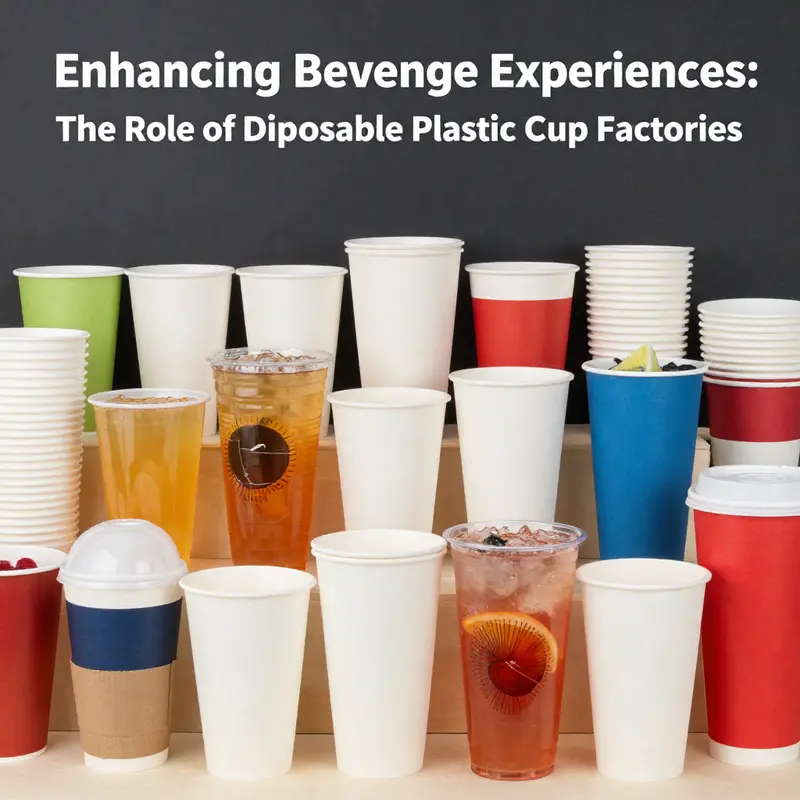
Disposable plastic cup factories operate as the engine behind a simple, everyday act: pouring a drink into a cup and handing it to a customer. Yet behind that ordinary moment lies a carefully choreographed spectrum of products, designed to meet a vast array of serving contexts, temperature needs, branding demands, and environmental expectations. The product range that emerges from these factories is not a single line, but a continuum that begins with the raw materials and stretches through wall thickness, clarity, lid compatibility, printing options, and, increasingly, sustainability credentials. Understanding this spectrum means tracing how material science, mechanical engineering, and design choices coalesce to produce cups that are not only affordable and functional but also capable of representing a brand, surviving transport, and aligning with evolving regulatory and consumer expectations. In practice, the range typically centers on three principal polymers—polypropylene (PP), polystyrene (PS), and PET—each chosen for a distinct blend of performance characteristics. PP is celebrated for its heat resistance and toughness, making it a reliable backbone for hot beverages and durable cold-fill applications. PS offers exceptional clarity, a quality long valued for cold drinks where visibility of a beverage matters to the consumer and to retailers seeking visual appeal on shelves or at events. PET brings high clarity and recyclability into the mix, aligning with sustainability goals that matter in both developed and emerging markets. This triad of materials supports a depth of product options that can satisfy quick-service cafés, large event operations, and office cafeterias alike, without forcing compromises on either cost or performance. Size, too, is a dominant axis in the product spectrum. A typical lineup spans from roughly 4 ounces to 32 ounces, a range designed to accommodate samples and taste portions, small hot beverages, large servings, and everything in between. The smallest cups are often used for samples, tasting flights, or condiments where lightness and ease of handling trump volume. Mid-sized models serve the everyday needs of fast-food chains and office kitchens, balancing stackability with rigidity. The largest formats cater to gatherings, buffets, and self-serve stations where capacity reduces refill frequency and space becomes a premium. Within this size continuum, walls are engineered not only for rigidity but also for thermal management and user experience. Cold-drink cups typically feature thicker walls or reinforced rims to resist deformation under the pressure of ice and liquids, while hot-beverage cups are designed with heat-shielding properties and closed, spill-resistant rims to enhance safety and comfort for customers who carry their beverages away from the counter. Alongside these base cups, a growing segment of specialty utensils and packaging components has emerged. Sauces and chutneys find their place in open-top condiment cups that pair with takeout menus and buffet setups, while lids and straws complete the on-the-move package for coffee runs, airport terminals, and commuter routes. In this landscape, the printing capabilities of a factory become a critical differentiator. Flexographic printing allows for vibrant, multi-color branding on cups, turning a plain vessel into a portable advertisement and a measure of consistency in color fidelity across batches. The real-world impact is not only aesthetic; it supports brand recognition in crowded venues and during takeout deliveries. The practical limit—about six colors in many standard production lines—drives thoughtful design, where simple logos and selective color palettes deliver strong shelf presence without driving up costs. An example of how these capabilities translate into real-world output can be found in the sustainable, customizable cup formats offered by suppliers who showcase flexible, multi-size, custom-logo options. See the detailed example here: senang-disposable-double-wall-craft-paper-cups-multi-size-6-24-oz-custom-logo-for-coffee-tequila. While this link points to a different material family—paper cups—it reflects the broader logic of branding through printing and customization that plastic cup factories increasingly mirror as they expand their own flexo-printing capabilities for plastic formats. The result is a spectrum that accommodates basic, unembellished serviceware and highly branded, promotional cups that travel from vending machines to airport lounges, all while remaining cost-conscious in high-volume production. The production environment behind these offerings is as important as the cups themselves. Injection molding and thermoforming underpin the different geometries found in PP, PS, and PET cups, enabling high-speed production lines that can churn out hundreds of thousands of units per day. This scale is essential because the markets these cups serve demand both reliability and price stability. As a consequence, factories often set MOQs in the tens of thousands, with many options available in the 50,000 to 100,000 range to amortize tooling and printing costs without compelling buyers into excessive inventory risk. Yet even with high-volume capacity, the market has shown a readiness to accept smaller runs when a brand seeks to test a colorway, a seasonal message, or a limited-edition cup series. In practice, customization becomes a strategic bridge between a utilitarian product and a marketing asset. The printing and finishing toolkit—beyond color—may include embossing, UV coating, and, increasingly, barrier coatings that enhance hot-water stability or condensation management. These options tie into consumer expectations about performance and perceived quality, particularly in premium or premium-cue segments such as grab-and-go beverages or event catering. In parallel with performance-driven design, sustainability continues to reshape both the product range and the way factories operate. Across markets, there is a clear shift toward materials that are recyclable, renewable, or compostable under specific industrial conditions. While traditional PP and PS cups remain widespread for their economics and functional reliability, manufacturers are exploring blends and coatings that facilitate recycling streams or reduce environmental footprints. The broader industry dialogue has also catalyzed investments in closed-loop recycling systems and in the adoption of biodegradable or bagasse-based substitutes for certain lines, particularly in regions where regulatory or consumer pressure is strongest. The product range thus increasingly encompasses not only the cups themselves but the entire ecosystem of accessories and packaging that accompanies serving occasions. Lids designed for leak resistance and stackability, and compatible straws with safety features, round out the portfolio and complete the user experience. In this sense, the spectrum expands beyond simple volume and clarity into consumer safety, convenience, and brand storytelling. The global manufacturing landscape supports this breadth by enabling clusters that blend injection molding, thermoforming, and in-line printing with precision quality control. Regions with mature clusters—especially in southern and eastern parts of China—have developed capabilities that bring raw materials, colorants, and automation into one corridor. This proximity reduces material variances, shortens lead times, and improves consistency—critical factors when a factory must meet tight MOQs and maintain a uniform color across millions of cups. The economics of this arrangement feed back into the product range itself. High output reduces unit costs, allowing more elaborate branding options to enter the mainstream rather than remaining exclusive to premium lines. Flexibility in scale means brands can choose a basic, price-conscious cup for everyday use or invest in a more elaborate, custom-printed line for seasonal campaigns and flagship promotions. The strategic value of this flexibility becomes visible in how buyers approach sourcing. Rather than simply selecting a cup by size, many buyers evaluate a supplier’s entire capability set: the breadth of materials, the range of sizes, the depth of printing options, the availability of lids and related accessories, and the alignment with safety and environmental standards that matter to their own customers. That alignment often dictates the speed and reliability with which a buyer can launch a new product, especially when a marketing campaign hinges on a specific cup design, a precise color match, or a distinctive lid style. In this sense, the product range operates as a living inventory of potential voices a brand can adopt in the crowded beverage landscape. It is also worth noting how strategic sourcing becomes a shared responsibility. Factories with strong quality control, traceability, and compliance with international safety and environmental standards attract partners seeking consistent performance across multiple regions. The ability to scale production without sacrificing quality is a decisive factor in choosing a supplier for large franchises or for events that require coordinated logistics across cities or continents. The conversation about product range then naturally extends to the future. As consumer expectations evolve toward greater sustainability, the range will likely broaden to include more environmentally friendly formulations and closed-loop strategies. Biodegradable materials, when used, will be accompanied by clear guidance on end-of-life options, ensuring that brands can communicate their responsible packaging narratives with credibility. The convergence of performance, cost, and environmental stewardship will likely push the industry toward standardized testing regimes, shared recyclability criteria, and more transparent labeling of cup materials and coatings. In the long view, the product spectrum becomes not just a catalog of shapes and sizes but a map of how disposable cups normatively travel through supply chains, from factory floor to consumer hand, and finally to disposal streams that cities and manufacturers must manage together. The end-to-end implications touch on logistics, retail display, food safety, and corporate responsibility, weaving a cohesive story about how a simple disposable cup supports complex systems of commerce and culture. As buyers navigate this landscape, they will increasingly look for suppliers who can articulate how their range translates into reliable operations, brand integrity, and sustainable outcomes—without compromising the fundamental utility that makes disposable cups indispensable in the modern economy. For readers seeking a broader context on how the industry organizes and scales manufacturing capabilities, industry-level resources such as Plastics News offer ongoing coverage of trends, technology investments, and regulatory developments that shape the future of disposable packaging. External context from the industry press can help illuminate the macro forces that influence product range decisions, from rising material costs to evolving recycling standards. For further industry context, see Plastics News: https://www.plasticsnews.com
Pricing Pulse and Market Currents: Navigating the Plastic Disposable Cup Factory Landscape
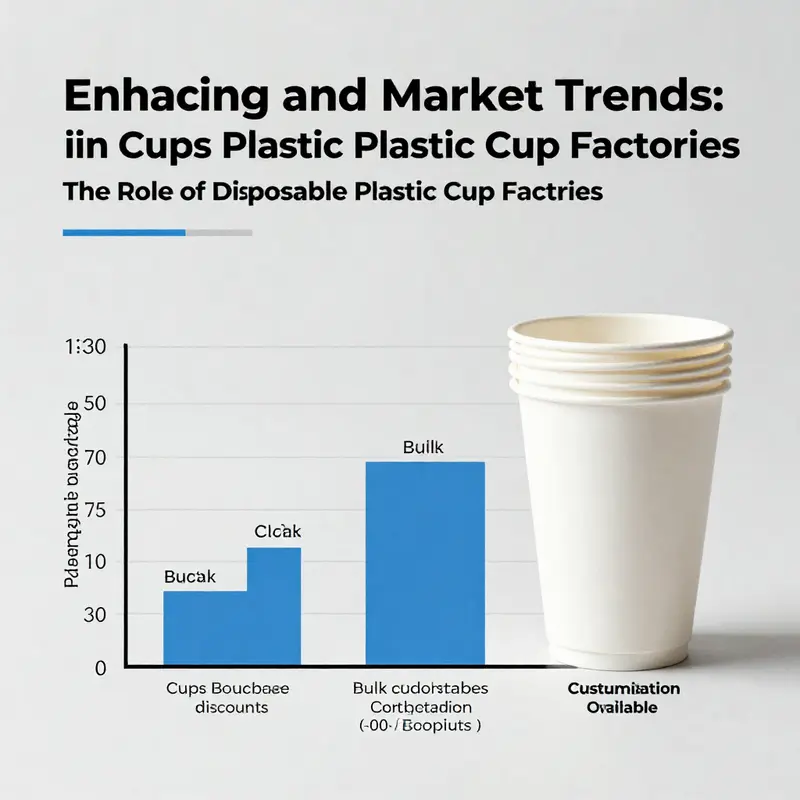
Pricing and market dynamics in the world of plastic disposable cups rise and fall with a complex blend of material costs, manufacturing scale, regional advantage, and shifting consumer expectations. The economic heartbeat of this industry is not a single price tag but a moving mosaic formed by the raw resin market, energy prices, labor costs, capital investment in tooling, and the relentless drive for efficiency. When a buyer asks for a cup, they are really asking for a bundle of costs and assurances: resin price stability, wall thickness uniformity, sealing integrity, regulatory compliance, and timely delivery. In this environment, price per piece is only a starting point. The true cost of ownership includes setup fees, minimum order quantities, lead times for design iterations, and the risk premium built into a supplier’s reliability. In such a system, efficiency is a competitive weapon. Large-scale injection molding facilities, particularly in regions with established plastics ecosystems, can spread fixed costs over hundreds of thousands of units per day. That scale translates into lower marginal costs for hot beverage cups, cold-drink cups, and specialty variants like condiment or sauce cups. But scale alone does not guarantee lower prices. The precision demanded by modern cups—thin walls that still resist cracking, consistent wall thickness within fractions of a millimeter, secure lids that minimize leaks, and clarity for cold drinks—requires tight process control and substantial continuous improvement investments. The result is a price spectrum that reflects both the economies of scale and the quality expectations that buyers increasingly insist upon.
Material choice remains a primary driver of price. Polypropylene cups, with their heat resistance and resilient rigidity, are favored for hot beverages and events that demand safety and durability. PET cups, prized for their clarity, target cold drinks and premium presentations. The choice between PP and PET often threads through the price, with PP typically offering lower costs at high volumes due to well-established molding processes and material performance that suits hot liquids. Wall thickness precision, often governed by tolerances of around ±0.5 millimeters in high-end applications, also factors into price. Cups that push these tolerances—where a small deviation could affect sealing, stacking, or stacking stability—require more careful tooling, inspection, and quality control, all of which add to the unit cost. As buyers seek thinner walls for cost savings and waste reduction, manufacturers respond with tighter process control and better quality assurance, a combination that can offset price pressures by reducing rejects and returns.
Regional cost structures shape the global price map. Chinese manufacturers have long held a dominant position in this market, anchored by integrated supply chains that cover resin processing, molding, finishing, packaging, and export logistics. Provinces with deep supplier ecosystems—such as Guangdong, Zhejiang, and Jiangsu—benefit from proximity to resin suppliers, mold makers, and logistics hubs, enabling rapid design iterations and shorter lead times. Guangdong, for example, is known for rapid design customization and fast turnarounds, sometimes delivering new design iterations in a matter of days. Jiangsu’s coastal proximity streamlines shipping to Europe and North America, compressing transit times and enabling just-in-time replenishments for large-volume clients. Inland provinces like Sichuan, while further from global ports, are developing distribution networks that can offer competitive pricing for regional supply strategies in Asia. Taiwan remains a benchmark for precision manufacturing, where tighter tolerances and consistent quality are pursued for specialized applications. These regional dynamics create a price gradient where buyers can negotiate not just on per-piece cost but on total logistics cost, lead times, and the speed with which a supplier can adapt to a brand’s evolving needs.
Supply chain structure matters as much as the sticker price. Vertically integrated operations that control resin procurement, compounding, molding, and packaging can deliver cost advantages and more predictable pricing. On the other hand, pure-play manufacturers with lean back-end operations may offer lower MOQs and more flexible payment terms, which can be attractive to startups and mid-size brands testing new concepts. MOQs, often ranging from the mid-five-figures to the low hundred-thousands, reflect the realities of high-volume production and the fixed costs of tooling and mold maintenance. Yet many suppliers are expanding options to accommodate smaller customers through variable MOQs or shared tooling arrangements, enabling brands to trial concepts without locking into heavy initial commitments. The ability to adjust production lines for faster design iterations—sometimes turning around new graphics or cup sizes in five to seven days—can substantially alter the perceived value of a supplier, even if the per-unit price remains higher in the short term.
The production technology itself drives price and performance. Injection molding remains the workhorse for high-volume, thin-walled cups with consistent wall thickness. It delivers precision and repeatability that are essential for brands seeking visual clarity and dependable performance in hot and cold scenarios. Thermoforming and other forming techniques fill a niche for shorter runs or customized shapes, though they typically trade some wall-thickness uniformity for flexibility and speed. The choice of technology echoes in the capital expenditure a factory must absorb, and that cost is reflected in the price per piece when capacity is constrained or when a plant is in a ramp-up phase. Packaging, printing, and branding add additional layers of cost. Flexo printing for up to six colors, embossing, and color-matching to brand standards allow a cup to become a walking advertisement, but each option adds to the bill of materials and the complexity of the production schedule. Buyers who view cups as branding assets may tolerate higher per-unit costs in exchange for stronger market impact and brand recognition, which, in turn, can influence the long-term value of a supplier relationship.
Sustainability pressures are reshaping price trajectories as well. Regulatory frameworks and consumer expectations are pushing manufacturers to pursue recyclable, reusable, and compostable options. While traditional plastic cups still offer low unit costs and proven performance at scale, sustainability-focused variants—such as those based on more easily recyclable resins or bio-based materials—often carry a premium. In markets where waste management infrastructure and consumer demand align, the premium can be justified by reduced end-of-life costs, improved corporate responsibility profiles, and favorable regulatory alignments. The industry is responding with innovations in resin blends, clearer separation of recycling streams, and collaborations with packaging ecosystems that value sustainability alongside cost efficiency. For brands, the decision to adopt eco-friendly cups often involves a multi-year cost of ownership analysis that weighs material costs against waste management savings, potential incentives, and consumer perception. The resulting pricing path is not simply higher or lower; it is a strategic recalibration that aligns production economics with environmental outcomes and market expectations.
Branding and customization continue to influence price and willingness to pay. In a crowded market, a cup that communicates a brand story through color, logo, and design can command a premium in certain channels, especially at the point of sale where visual impact matters. This adds a layer of value beyond the raw material and process cost, as customized cups can improve recall, drive promotions, and support premium experiences. Suppliers increasingly offer design iterations and branding options as part of a bundled package, allowing buyers to experiment with variations before committing to large runs. The practical effect is a market where the price is contingent on the breadth of branding, color fidelity, and the ability to maintain consistency across batches over time. In such environments, buyers often run pilot programs to validate performance, branding, and consumer response before committing to mass production. The approach reduces risk and can produce a more predictable pricing path as volumes grow.
Beyond the per-piece price, buyers evaluate a broader spectrum of reliability factors that influence total cost. On-time delivery performance, quality assurance procedures, and transparent communication are critical to maintaining production calendars for restaurants, events, and retailers that depend on steady supply. Inaccurate forecasts or inconsistent quality can force expensive contingencies, including expedited shipping, last-minute rework, and inventory write-downs. Market transparency—clear lead times, honest cost breakdowns, and documented quality controls—helps buyers make informed decisions and establish long-term partnerships. In turn, suppliers gain by building reputations for reliability, enabling smoother capacity planning and more stable pricing over time. For purchasers, the payoff is not only a lower unit cost but also reduced risk, more predictable replenishment, and better alignment with branding and promotional calendars.
As a result, the pricing picture for plastic disposable cups is best understood as a dynamic ecosystem rather than a single number. The lowest price may come with trade-offs in service, customization, or sustainability. A mid-range price can deliver a balanced package of quality, reliability, and branding support. The highest value often lies in a strategic partnership with a supplier who can offer scalable capacity, rapid iteration cycles, and consistent quality while helping the buyer navigate evolving regulatory and consumer demands. Buyers who succeed in this market learn to read signals beyond the sticker price: the strength of a supplier’s process controls, the clarity of the cost breakdown, the speed of response to design changes, and the presence of a robust quality assurance framework. In this landscape, the art of pricing blends with the science of manufacturing, and the result is a market that continues to evolve as new resins, new forming technologies, and new consumer expectations intersect.
For brands seeking fast, branded iterations, many suppliers offer fast design cycles and customizable cups. See an example of a page that highlights customizable disposable single-wall paper ice cream cups with lid for reference and context in the broader packaging ecosystem: customized disposable single-wall paper ice cream cups with lid.
External resources can provide a wider industry lens on these trends. A detailed external analysis of the plastic cups market, including pricing, sourcing, and supplier dynamics, can broaden understanding of regional advantages and global demand curves. For further reading, you can explore industry analyses and sourcing insights at the following external resource: https://www.linkedin.com/pulse/plastic-cups-market-trends-assessment-sourcing-2026-2026-02-23/
Environmental Considerations in Cups Plastic Disposable Factories
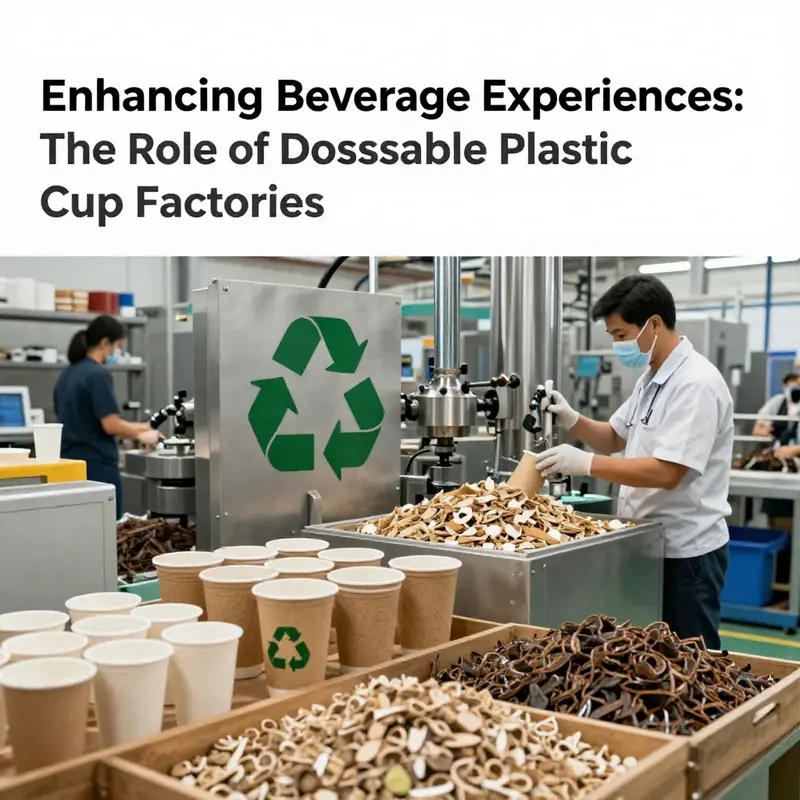
The environmental footprint of disposable cups begins long before they leave the factory floor. It starts with the choice of material, the energy mix powering the extrusion lines, the water used in cleaning and cooling cycles, and the ways waste streams are managed from the moment a cup is shaped, printed, and packaged for shipment. In factories that mass-produce cups from polypropylene (PP) and, less commonly, from polylactic acid (PLA), the tension between low cost, performance, and environmental responsibility is never far away. On one hand, PP cups offer the practical benefits of light weight, heat resistance, and clear visibility for beverages. On the other hand, the same polymer can contribute to persistent waste in the environment if it escapes collection systems. PLA cups promise a narrative of renewable origin and easier compostability, yet the reality of end-of-life performance depends heavily on how waste is treated after use. The chapter that follows examines these dynamics not to condemn production, but to illuminate the levers factories can pull to reduce harm while maintaining economic viability in a market that prizes speed, scale, and reliability.
PP cups are widely used because they are inexpensive to manufacture and robust in real-world conditions. But their environmental profile is dominated by persistence. Once discarded, PP can linger in ecosystems for centuries, slowly fragmenting into microplastics that travel through soil, waterways, and even the food chain. The persistence of this material is not just a waste management problem; it becomes a broader design challenge for factories. If the product cannot be efficiently collected, sorted, and recycled, the material value is lost and the environmental cost remains embedded in the waste stream. In addition, the energy required to melt, reform, and extrude PP contributes to greenhouse gas emissions, especially when energy comes from fossil-fuel sources. These emissions accumulate over the product’s life cycle, from cradle to grave, and they become a meaningful share of the factory’s overall environmental impact.
PLA presents a contrasting debate. Derived from renewable resources like cornstarch, PLA is marketed as biodegradable under industrial composting conditions. In practice, however, the story is more complex. The industrial composting infrastructure needed to render PLA truly eco-friendly is unevenly distributed across regions. In places where facilities are scarce or underutilized, PLA cups may end up in landfills where they degrade slowly and release methane, a potent greenhouse gas. In ocean environments, PLA fragments behave much like conventional plastics, breaking down into microplastics that pose risks to marine life and to humans who rely on these ecosystems for food and livelihoods. The environmental promise of PLA depends on robust waste management ecosystems, and where those systems are weak, the supposed advantage erodes.
This is not a call to abandon PLA or PP; it is a reminder that material choice cannot be divorced from waste processing infrastructure and consumer behavior. A 2023 study from the University of Plymouth highlights a stark reality: even packaging marketed as compostable may not achieve meaningful end-of-life benefits when facilities are missing or misaligned with consumer disposal practices. In such contexts, PLA’s advantage can evaporate, and the energy and resources invested in producing PLA cups may not translate into a commensurate environmental gain. For factory managers, the implication is clear: the lifecycle benefits of a material are inseparable from the systems that collect, treat, and reintroduce materials into the economy. Holistic strategies must span material selection, production, logistics, and post-consumer pathways to be truly effective.
Beyond raw materials, the production process itself shapes environmental outcomes. Extrusion, thermoforming, labeling, and printing demand energy, water, and consumables. Each stage offers opportunities to cut emissions and waste. In practice, this means prioritizing energy efficiency across equipment and operations, from pre-drying to cooling, from fault-tinding controls to compressor loads. Replacing or refurbishing legacy machinery with high-efficiency motors, heat exchangers, and drive systems can yield substantial reductions in electricity use. Water use, a critical concern in high-volume manufacturing, benefits from closed-loop cooling systems, intelligent wash cycles, and clean-in-place protocols that minimize fresh-water withdrawal and effluent generation. Waste streams—from sprues and trimmings to rejected prints—can be redirected into recycling streams, or even better, into feedstocks for secondary products. Each kilogram recovered reduces the environmental burden while preserving material value.
Factories must also confront the reality that color and clarity add value to the final product but complicate end-of-life processing. High-clarity, multi-color cups may fetch premium prices for branding, yet the pigments and additives increase recyclability challenges. This is not a simple binary choice between aesthetics and sustainability; rather, it is a design question about how to balance branding with circularity. Some manufacturers pursue design-for-recyclability principles, reducing or reconfiguring pigments, using mono-material constructions, or selecting inks and coatings that can be separated or recovered in recycling streams. These choices require collaboration with suppliers, converters, and downstream recyclers to ensure that the cup can re-enter the economy rather than becoming waste in a landfill or the natural environment.
Another critical dimension is end-of-life management. The environmental burden of cups is greatly influenced by the systems that handle them after use. In regions with robust take-back programs, deposit schemes, or convenient curbside collection paired with efficient sorting, the chance that PP and PLA cups are reprocessed increases substantially. In places where such systems are lacking or fragmented, even well-designed cups end up contributing to pollution and resource depletion. A factory’s responsibility, therefore, extends beyond manufacturing to participation in or support of extended producer responsibility (EPR) schemes, municipal waste programs, and industry-wide efforts to align product design with end-of-life capabilities. Consumer education plays a pivotal role here as well. Clear disposal instructions, widely distributed labeling, and visible recycling cues can improve collection rates and reduce contamination that complicates recycling streams.
The search for sustainable practice also invites exploration of alternative feedstocks and recycled content. Using recycled plastic feedstocks can reduce the virgin material footprint, provided the supply chain ensures quality and safety for food-contact applications. This approach requires rigorous quality controls, effective contamination management, and transparent traceability to satisfy regulatory and consumer expectations. For the factory, the economics must be balanced against the reliability of supply, the stability of prices, and the performance requirements of different cup formats. The most effective strategies often combine modest use of recycled content with process efficiencies and waste-minimization programs that cut both emissions and raw-material use.
One practical way to broaden the environmental conversation within the factory is to highlight opportunities for alternative packaging choices that maintain functionality while expanding the palette of options for sustainability-minded brands. For example, some buyers look to paper-based or bagasse alternatives for certain applications, particularly in segments where branding impact and environmental messaging are critical to market position. Linking to resources that showcase eco-friendly options helps bridge the gap between perception and feasibility. For instance, an eco-friendly paper cup product page can serve as a tangible reference point for brands contemplating a shift toward more sustainable packaging without sacrificing consumer engagement or performance. This kind of cross-material dialogue is essential for factories seeking to remain competitive while aligning with evolving environmental expectations.
Ultimately, the path forward for cups produced in plastic disposable factories is not a single solution but a systemic shift. It requires aligning material science with waste-management infrastructure, production efficiency with responsible sourcing, and branding with disclosure and accountability. The long-term health of the sector will hinge on a combination of smarter design, better process control, and a robust orientation toward reuse and responsible end-of-life management. Even with the inherently low-cost advantages of PP, or the renewable story of PLA, the industry will achieve meaningful environmental gains only when factories partner with policymakers, waste managers, and consumers to close the loop. This is not about chasing a utopian ideal; it is about pragmatic improvements that reduce emissions, conserve resources, and keep communities healthier as the appetite for convenient single-use packaging continues to grow.
For readers seeking a deeper technical context, the broader literature provides a rigorous lens on these trade-offs. A life cycle assessment comparing PP and PLA cups offers a structured way to weigh energy use, emissions, and end-of-life outcomes across pathways. Although the figures vary by region and waste system maturity, the central message remains stable: material choice must be evaluated within the full system in which a cup exists, from cradle to grave and back again. External research emphasizes the importance of waste-management infrastructure, consumer disposal behavior, and policy incentives in determining whether a given cup design translates into genuine environmental benefit. This integrated perspective helps manufacturers, brands, and regulators align on practical steps that advance sustainability without sacrificing the economic viability that keeps production lines running and communities supplied with affordable, convenient beverage containers.
External resource: for a detailed, peer-reviewed life cycle assessment that informs these debates, see the Life Cycle Assessment of PP versus PLA disposable cups. Life cycle assessment: PP vs PLA.
Internal link (example of related content on the same site): readers can explore eco-friendly alternatives and related product pages here: eco-friendly paper cup product page.
Final thoughts
As we conclude our exploration into disposable plastic cup factories, it is evident that understanding their material standards, production capacity, product offerings, pricing trends, and environmental practices is essential for businesses in the beverage industry. By making informed decisions about their disposable cup suppliers, bubble tea shops, restaurants, food trucks, and event planners can enhance their service offerings while also championing sustainability. Embracing quality and ecological responsibility in disposable packaging is not just a trend—it’s a pathway to better customer experiences and a healthier planet.