
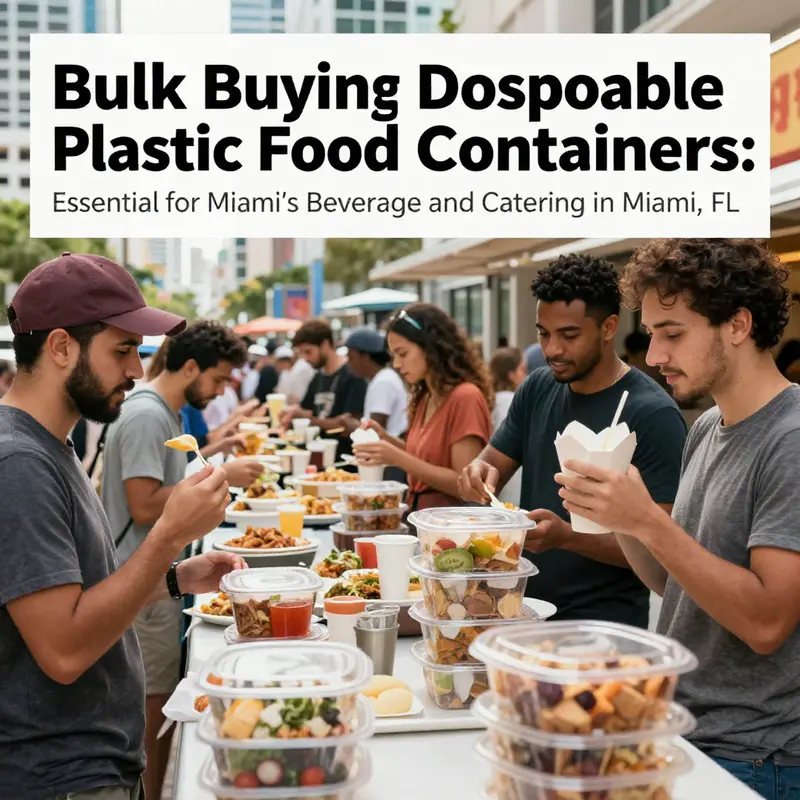
In Miami, the demand for disposable plastic food containers has surged as businesses recognize their versatility, convenience, and affordability, especially in the bustling food and beverage industry. These containers are ideal for bubble tea shops, restaurants, food trucks, catering services, and corporate procurement teams that require reliable packaging solutions. Understanding how to source these containers, identifying key manufacturers, and being aware of market trends and regulations is crucial for businesses looking to enhance their operations. This article provides a comprehensive overview of these aspects, ensuring that your business can navigate the wholesale market for disposable food containers smoothly and effectively.
From Global Factories to Miami Restaurants: A Coherent Pathway for Sourcing Wholesale Disposable Plastic Food Containers
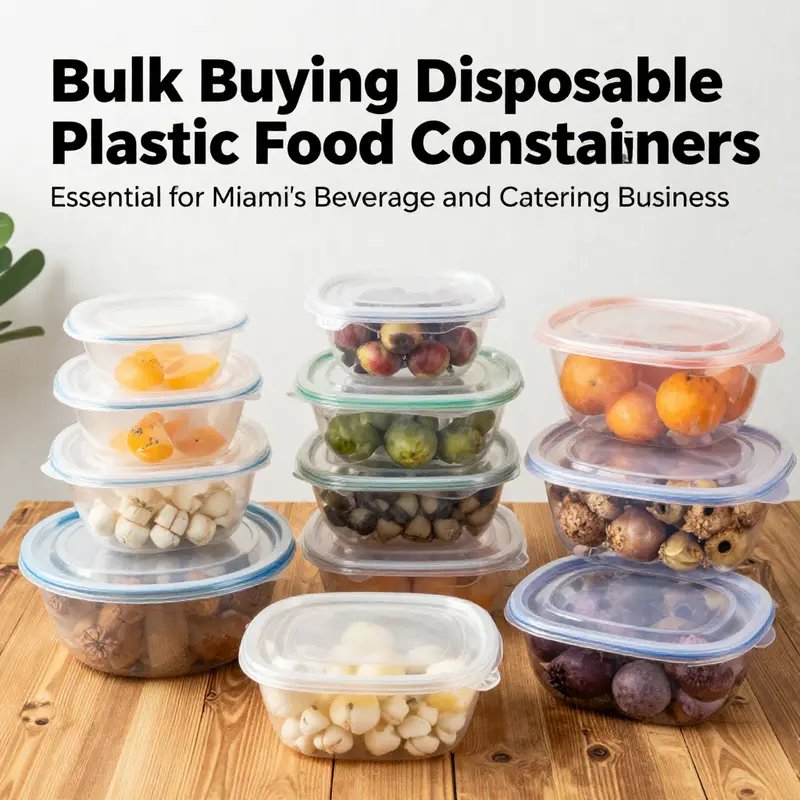
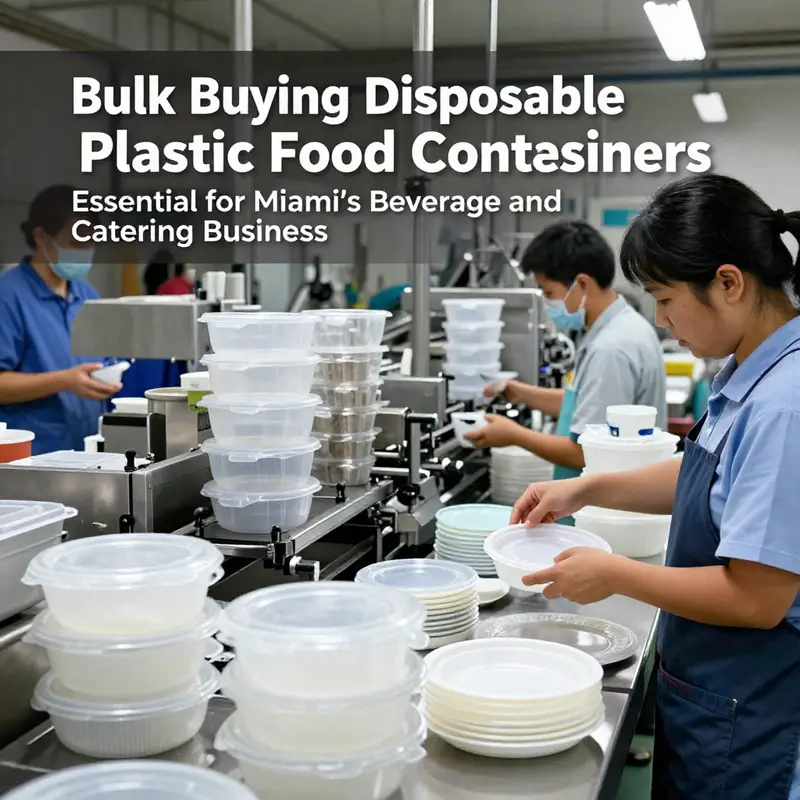
Miami’s diverse food scene and delivery economy create steady demand for scalable packaging solutions. Sourcing wholesale disposable plastic food containers involves more than price per unit; it requires reliable supply, regulatory compliance, acceptable lead times, and the agility to respond to changing menus and volumes. The pathway from global factories to a Miami kitchen starts with identifying robust manufacturers in major production centers, with China playing a central role due to scale and efficiency. For Miami buyers this yields access to formats such as PP, PS, PET and increasingly compostable or bio based variants. Typical factories are large automated plants capable of high volume output, with extrusion, molding and advanced packaging lines that enable both standard designs and customized runs. In practice a buyer may source standard 500 to 1000 ml hinged or non hinged containers, microwave safe options, freezer friendly varieties, and leak proof designs for soups and sauces. Private label branding can be supported through ODM capabilities and printing services are common for logos and colorways. The goal is a cohesive solution that balances cost, quality, and speed at scale for independent cafes as well as multi unit operators.
Materials and design affect performance in hot Miami climates and with heavy delivery. PP and PS remain workhorses for their clarity rigidity and cost efficiency. They offer microwave compatibility and BPA free formulations when specified. PET provides clear durable options, while biodegradable options derived from plant materials are increasingly available. A hybrid approach combining core plastic lines with sustainable options for premium items is common. Customization in size shape and lid design lets operators tailor packaging to salads soups hot meals and snacks. Features such as strong seals and leak resistance matter for delivery. Design can also support branding through printing and labeling to meet regulatory or marketing needs. The result is a packaging program that supports speed and brand differentiation.
The path from supplier to storefront requires diligence. Suppliers offer ODM capabilities to co create containers that fit exact dimensions labeling and packaging requirements. Certifications such as ISO 9001 ICTI and SEDEX help reassure buyers about quality and ethical manufacturing. For US buyers these credentials streamline import processes and risk management. Buyers should request samples to evaluate fit and performance and establish a reliable quotation process with transparent lead times. During pilot runs it is common to stage production and test logistics before large scale orders. The ability to customize labeling colorways and packaging carries value for private label programs and seasonal promotions.
Logistics play a central role. Sea freight is cost effective for large orders with typical transit times of 15 to 30 days, while air freight can shrink this to roughly one week to two weeks at a premium. In Florida the supply chain benefits from established ports freight forwarders and customs brokers who can integrate imports into local stock. The best practice is a staged procurement cycle starting with verified suppliers and samples followed by pilot orders and scaled mass orders with clear lead times and contingency plans for disruptions. A well designed procurement program also uses tiered sourcing with local distributors or packaging wholesalers to shorten time to shelf and provide regional warehousing while maintaining favorable MOQs and price breaks.
In summary wholesale sourcing of disposable plastic food containers in Miami is a global to local workflow that blends factory scale with local execution. A robust supplier network, transparent documentation, and a sustainability strategy aligned with brand promises create reliable service levels and resilient performance for a fast moving market. Providers who offer reliable export documentation, transparent pricing, and responsive communication differentiate themselves in a competitive environment.
From Port to Plate: Navigating the Miami Disposable Plastic Container Supply Chain
Miami sits at a dynamic crossroads of cuisine and commerce, where takeout and delivery drive demand for reliable packaging. The wholesale market for disposable plastic food containers hinges on material science, regulatory clarity, and logistics as much as price per unit. Buyers care about performance attributes such as heat resistance, leak prevention, and lid integrity, while balancing lead times and customization options like branding. Regulatory considerations, including food-contact safety standards and migration data, shape supplier qualification and documentation needs. The shipping mix—ocean freight for economy and air freight for speed—must align with restaurant calendars and inventory strategies, with production scheduling and port clearance playing critical roles. Biodegradable and compostable options add sustainability value but bring moisture sensitivity and cost considerations that operators weigh against operational practicality. In practice, the Miami channel favors platforms that connect buyers with verified exporters, enabling samples, documentation, and clear terms on minimum order quantities and freight responsibilities. A disciplined sourcing approach that combines due diligence, standardized specifications, and scalable customization helps operators secure stable supply, control costs, and protect brand reputation in a fast-paced hospitality market.
Demand, Regulation, and Branding: Navigating Miami’s Wholesale Market for Disposable Plastic Food Containers in a Regulated, Eco‑Conscious Era
Miami is a city of motion, where the fever of dining out, takeout, and delivery collides with strict rules and rising consumer expectations. The wholesale market for disposable plastic food containers in this region does not simply reflect global supply and demand; it translates those forces into local choices that affect menus, margins, and brand perception. In Miami, the appetite for convenient packaging runs parallel to a new caution about environmental impact and food safety. The result is a market that must balance cost efficiency with compliance, speed with sustainability, and scale with customization. For buyers in this environment, the story begins with demand and ends with a careful alignment of suppliers, logistics, and regulatory realities, all while keeping a hotel lobby’s worth of guests’ expectations in view. The city’s vibrant hospitality scene, its assortment of quick service and catering businesses, and its growing cadre of food delivery platforms create a robust demand for disposable containers that can perform under heat, moisture, and the occasional rough ride through city traffic. These containers have to be sturdy enough to hold a meal during a late-night journey, yet capable of performing in microwaves when customers reheat at home. They must seal securely to prevent leaks, stack efficiently in kitchen and delivery environments, and present well enough to carry a brand’s identity across a market that prizes aesthetics as much as convenience. The wholesale process in this setting is a marathon rather than a sprint. It requires a steady stream of options, reliable supply, and predictable lead times. It also demands that buyers understand when to pivot toward sustainable solutions and how to price those choices without compromising service levels.
Global trends have a direct influence on Miami’s wholesale dynamics. The broader market is projected to grow at a meaningful pace, with studies pointing to double-digit growth in the coming years. The underlying drivers are recognizable in the city’s own ecosystem: a steady stream of visitors who eat on the go, the proliferation of food trucks and pop-up concepts, and a fast-evolving delivery culture built on apps that push meals from kitchens to doorsteps in minutes rather than hours. But Miami does not exist in a vacuum. It sits at the intersection of policy, consumer sentiment, and global manufacturing patterns. Suppliers that can deliver containers in large volumes while complying with food safety standards and environmental regulations have a distinct advantage. They can offer a unified solution: packaging that protects food, supports branding, and aligns with a sustainability narrative that resonates with both retailers and diners.
The regulatory climate in Miami and the wider state of Florida matters every step of the way. Local restrictions aimed at reducing plastic waste, particularly the use of polystyrene foam in food service, have nudged operators away from certain traditional container types. While these laws push businesses toward alternative materials, they also encourage a broader conversation about recycling, compostability, and end-of-life management. For wholesale buyers, this means evaluating suppliers not only on price and lead times, but also on the presence of credible certifications and documentation that prove compliance with local ordinances and federal safety standards. The U.S. Food and Drug Administration provides the baseline safety framework for materials that come into contact with food. The rules here are clear: containers must be made from or lined with food-grade plastics such as polypropylene and certain polyesters, and any seal materials, inks, or coatings should not migrate harmful substances into food. In practice, this can translate into a two-tier assessment for buyers: first, the material’s food-contact compliance, and second, the supplier’s ability to provide clear documentation for FDA verification and for any state or city‑level requirements.
Customization also plays a central role in Miami’s market. Brand identity matters in a city where restaurants and caterers compete not only on flavor but on the whole experience—from logo placement on a takeout sleeve to the color and shape of the container itself. Wholesale providers that can print logos, choose colors, and tailor sizes respond directly to operators aiming to differentiate themselves in a crowded field. The benefits extend beyond aesthetics: customized packaging helps with marketing campaigns, supports loyalty programs, and reinforces the perceived value of a dining experience. The trend toward branding is intertwined with a broader shift toward sustainability. Consumers increasingly expect packaging to reflect a company’s values. In response, wholesalers offer options that blend branding with responsible packaging choices, such as PET or PP alternatives that provide strong seals and heat resistance while also accommodating branding elements through printed labels or directly imprinted designs.
Sustainability in Miami’s packaging landscape is not a single product choice; it is a spectrum. Some operators opt for compostable options made from plant-based materials, while others emphasize recyclable plastics and paper-based containers. The appeal of biodegradable and compostable solutions, especially for smaller operators and events with limited waste infrastructure, is clear. Yet the practical realities remain complex. Compostability requires compatible composting streams and consumer participation to avoid contamination. Recycling requires robust local infrastructure and clear labeling. Therefore, the wholesale decision often balances immediate operational needs against long‑term strategic goals. In the city’s fast-paced market, many buyers pursue a pragmatic path: retain containers that perform under heat and moisture, and gradually introduce more sustainable options as part of a well-communicated brand strategy. At the same time, brands increasingly demand transparency about the life cycle of packaging materials. They want suppliers who can demonstrate the environmental credentials of their products, from raw material sourcing to end-of-life outcomes.
The opportunity in Miami is not limited to standard takeout boxes and clamshells. It extends to a broader range of container formats that can support diverse dining experiences—from compact 500 ml meal bowls to larger 1,000 ml containers for catering and multi‑part meals. Operators seek containers with robust sealing performance, heat resistance, and leak resistance, especially for saucy dishes or packets of dressing. They also look for compatibility with common restaurant workflows, including batch preparation, freezer-to-mre cycles, and fast-paced delivery operations. The best wholesale partners understand these workflow needs and respond with a mix of sizes and configurations that can be produced in bulk while staying within regulatory bounds. They offer a portfolio that can be scaled without forcing operators to reinvent their packaging every season, a critical capability in a market that moves quickly and must adapt to changing menus and seasonal promotions.
Beyond the product itself, the logistics of procurement shape the Miami wholesale experience. Lead times, freight options, and the reliability of suppliers determine the rhythm of a business. Sea freight, while cost-effective for large orders, introduces longer lead times that can challenge restaurants running on tight inventory cycles. Air freight reduces transit times but raises costs. In a city where demand can surge during tourist seasons or major events, buyers must anticipate spikes and lock in arrangements with suppliers who can deliver on short notice without sacrificing quality. This is where the relationship between buyer and supplier becomes crucial. A credible wholesale partner provides more than a price list; they offer a predictable distribution pattern, clear communication, and a mutual understanding of risk management. They help operators forecast consumption, manage seasonal peaks, and avoid stockouts that could disrupt service during lunch rushes or late-night deliveries.
Another dimension of the Miami wholesale story is the potential for regional and cross-border sourcing. Chinese and other Asian manufacturers have long supplied the global market with a wide range of disposable containers, and many of these suppliers now export to the United States with established channels and documentation. For Miami buyers, this international dimension introduces both opportunities and responsibilities. The upside includes access to a broad array of materials, configurations, and customization options at scale. The downsides involve longer lead times, the need for accurate import documentation, and the imperative to ensure that all products meet FDA safety requirements as well as any state and local regulations. To navigate this landscape, buyers typically engage with vetted distributors who can manage the import process, confirm product certifications, and coordinate freight. They may also request samples to evaluate fit with specific applications, such as microwave reheating, stacking stability in delivery bags, or compatibility with branding elements. The process often begins with a careful screening of suppliers through recognized channels, verification of certifications such as food-grade material compliance, and a clear understanding of minimum order quantities, freight terms, and incoterms relevant to shipments arriving into Florida ports or direct to a facility in the greater Miami area.
For Miami operators seeking to balance cost with compliance, there is a practical path forward. Start with a clear specification for the container format, including material type, microwave compatibility, sealing performance, and printing or labeling options. Define the minimum order quantities that support a stable supply without overstocking. Request samples and test them in real kitchen conditions to verify performance across heat exposure, moisture, and stacking. Confirm that the supplier can provide export documentation and a certificate of conformity that aligns with FDA expectations for food contact materials. Check whether the provider can supply documentation in English and Spanish to support local compliance, labeling, and customer communications. And, crucially, discuss return policies on defectives and the process for handling recalls or product quality concerns. A thoughtful due diligence process not only minimizes risk but also lays the groundwork for a resilient supply chain that can weather fluctuations in raw material prices, currency movements, and transport disruptions.
In this climate, one of the most powerful levers for growth is branding integrated with sustainability. A container that bears a vivid logo, a set of brand colors, or a distinct shape can become a mobile ambassador for a restaurant or caterer, reinforcing memory and encouraging repeat orders. Yet branding must not compromise safety or performance. Suppliers who can deliver printed or embossed designs on food-grade materials, while maintaining barrier properties and heat resistance, help operators build a credible, coherent brand narrative. The synergy between brand and sustainability is particularly relevant in Miami, where diners often associate restaurants with not just flavors but with style, hospitality, and responsible stewardship of the local environment. As operators strive to differentiate themselves, they increasingly look for packaging partners who can deliver a combination of customization, sustainability, and logistical reliability.
The practical steps for moving from intuition to action in this market are straightforward but require discipline. Start with a market scan of potential suppliers and verify their credentials. Prioritize verified suppliers and those offering trade assurance or export documentation that covers the United States. Request samples and evaluate a range of sizes and materials to determine the best fit for the menu and the delivery model. Assess the supplier’s ability to customize branding and to provide packaging that aligns with sustainability goals. Confirm lead times under different demand scenarios and discuss contingency plans for peak periods. Ensure that all containers comply with applicable safety standards and labeling requirements, and seek confirmation of any state-level or local restrictions that could affect packaging choices.
The horizon for Miami’s wholesale market for disposable plastic food containers is nuanced. The global market’s expected growth signals ample opportunity for scale, but local regulations, waste management frameworks, and consumer expectations create a complex operating environment. Buyers who succeed tend to be those who embrace a dual focus: operational reliability and forward‑looking sustainability. They cultivate supplier partnerships that deliver consistent quality, transparent documentation, and the flexibility to adjust product mixes in response to new rules or new consumer preferences. They also invest in brand-aligned packaging strategies that tell a story about quality, care for the environment, and a commitment to the guest experience. In practical terms, this translates into a steady cadence of supplier reviews, a pipeline of tested samples, and a documented plan for migrating toward more sustainable packaging options as local infrastructure and customer demand evolve. For those who master this balance, the Miami market becomes less a battleground of price wars and more a marketplace of possibilities—where packaging speaks as loudly as the meals inside and where compliance and creativity travel in lockstep.
Finally, the regulatory outlook is not static. Policymakers and industry bodies continue to explore how best to reduce plastic waste while maintaining food safety and operational efficiency. The FDA’s ongoing guidance on food contact materials remains a critical reference point for any wholesale operation, especially those importing containers for use in the United States. Buyers should stay informed about changes in material recommendations, labeling requirements, and safety testing standards that could affect product eligibility or certification. In this evolving landscape, the most successful buyers will be those who maintain open lines of communication with suppliers, who insist on transparent documentation, and who view packaging not merely as a cost but as a strategic component of brand value, customer satisfaction, and environmental responsibility. For further federal guidance on food contact materials, see the FDA’s official resources on food contact materials. https://www.fda.gov/food/food-contact-materials/
Internal resource for further exploration:
In sum, the Miami wholesale landscape for disposable plastic food containers is defined by demand from a dynamic service sector, a regulatory regime that nudges toward safer, more sustainable packaging, and a supplier ecosystem capable of delivering both scale and customization. Buyers who navigate this terrain with a clear view of compliance, lead times, and the branding opportunities inherent in packaging will position themselves to meet guest expectations and to contribute to a more responsible, resourceful food service culture in a city that thrives on its vibrant, culinary diversity.
Final thoughts
Navigating the wholesale market for disposable plastic food containers in Miami involves understanding sourcing strategies, recognizing key manufacturers, and staying informed about market trends and regulations. As the food and beverage industry continues to evolve, leveraging reliable suppliers and adapting to consumer preferences will be paramount. With the insights shared in this article, businesses can confidently approach their packaging needs, ensuring they meet customer demands while adhering to safety standards and eco-friendly practices. Take charge of your sourcing strategy today to help elevate your service quality.