
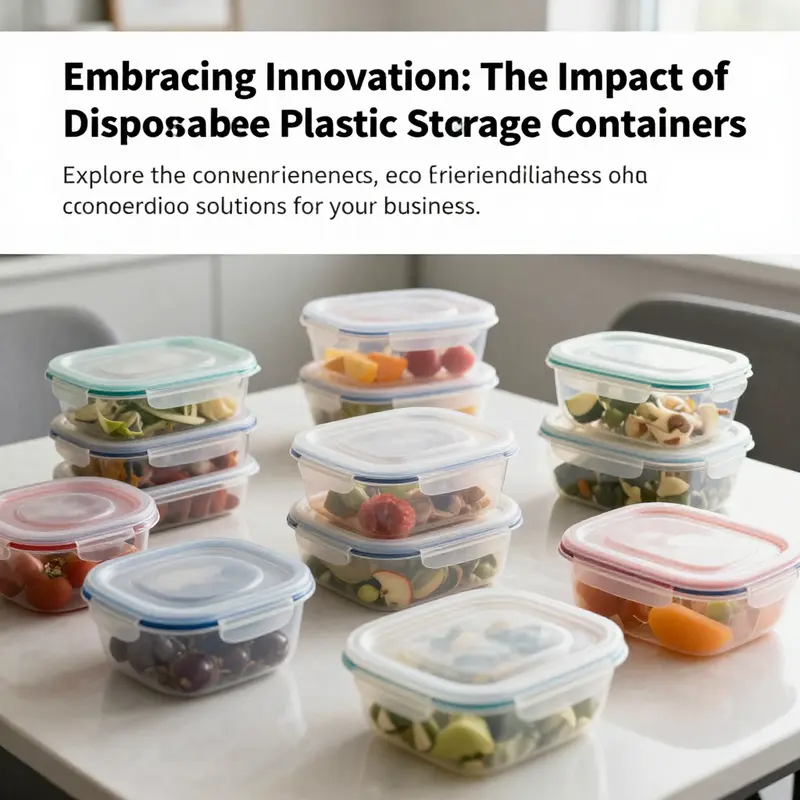
In today’s bustling food industry, disposable plastic food storage containers have become essential tools for businesses ranging from bubble tea shops to catering services. Their affordability, practicality, and diverse styles make them indispensable for meal prep, takeout, and food storage. This article delves into the multifaceted role of these containers, highlighting their versatility in modern meal preparation, exploring eco-friendly innovations in the industry, and analyzing the economic dynamics of sourcing and supplying them. Each chapter provides insights that will guide beverage chains, restaurants, food trucks, event planners, and procurement teams in making informed decisions to enhance their operations.
Seeing Through Convenience: The Silent Engine of Modern Meal Prep — Disposable Plastic Food Storage Containers
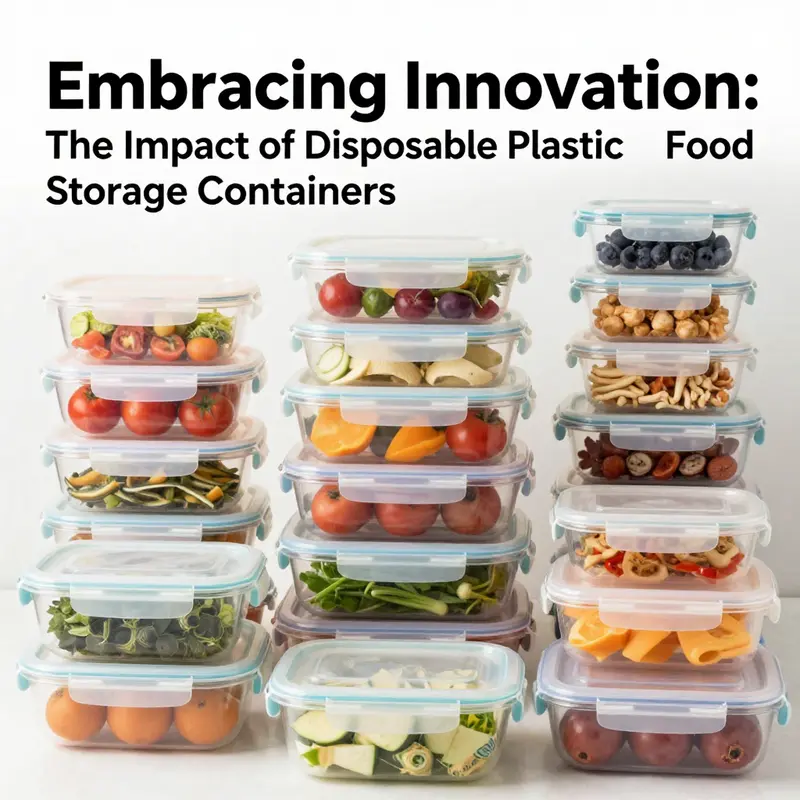
Disposable plastic food storage containers have quietly become the backbone of how modern kitchens, businesses, and households approach meals. They are not merely vessels for holding food; they maneuver the daily rhythms of prep, transport, and storage with a speed and reliability that many cooks and operators have come to depend on. The appeal lies not only in price or convenience but in a carefully engineered balance of visibility, protection, and versatility. When you lift a lid and glimpse the contents without exposing them to air, you sense a design aim: to preserve freshness, to make portions recognizable at a glance, and to reduce the chance of contamination from repeated handling. This balance is achieved through a constellation of features—high transparency, airtight seals, moisture control, and modular, stackable geometry—that together form a system adaptable to a spectrum of uses, from home meal-prep routines to high-volume catering and delivery services.
Transparency is more than a cosmetic trait in these containers. The clear or translucent walls allow cooks, servers, and customers to identify contents quickly, which minimizes guesswork and the needless opening of multiple containers. This is not merely about aesthetics; it reduces the risk of spoilage and cross-contamination by limiting the time food spends exposed to air and ambient contaminants. In busy kitchens, the ability to see a portion of salad, a sauce-bound curry, or a layered dessert simply by glancing at the container helps streamline service and supports portion control and inventory management. The design intent here is practical clarity: the food speaks through the container, and the container speaks back by revealing its contents at a glance.
Beyond visibility, airtight and moisture-sealing features address the realities of food storage. These containers are often engineered with robust seals that lock in freshness by shielding food from air, moisture, and odors that can erode texture and flavor. The result is a product suitable for a broad temperature spectrum—from room temperature storage to refrigerated environments—and capable of preserving delicate items like salads, sandwiches, and desserts during extended periods of time. For foods that rely on moisture balance, some models offer vented lids that regulate humidity inside the packaging, helping to prevent sogginess in vegetables or limpness in crusts. When food is later reheated, many containers can tolerate microwave reheating, but it is important to note that not all designs are universally microwave-safe. The nuance is that material choices and lid configurations determine heat resilience, and the best-performing options clearly label their compatibility with microwaves, dishwasher cycles, and high-temperature exposure.
Material choice lies at the heart of these capabilities. The workhorse polymer is polypropylene, renowned for its toughness, chemical resistance, and heat tolerance. Its flexibility makes it well-suited for lids that can withstand repeated opening and closing without cracking, a common failure mode in cheaper alternatives. Polypropylene’s light weight and resilience contribute to the overall convenience of disposable containers, especially when millions of units are deployed in bulk or used by food service operations that move quickly through shifts and deliveries. PET, another widely used resin, offers excellent clarity and barrier properties against moisture and gases, which complements the visibility appeal and helps preserve flavors and textures in more moisture-sensitive items. Recycled variants, such as rPET, bring sustainability into the picture by maintaining transparency while reintroducing post-consumer content into the production stream. This aligns with a growing expectation that packaging choices support a circular economy by reducing virgin resin consumption and enabling more reclaim and reuse cycles.
The environmental dimension of disposable containers is nuanced and evolving. On one hand, the clear advantage is the reduction of waste through lightweight designs and the possibility of recycling in established streams for PP and PET materials. On the other hand, plastic waste remains a critical concern, particularly when containers are used once and discarded for routine use. In response, manufacturers and researchers are exploring plant-based or biodegradable options derived from cornstarch, sugarcane, or other bio-based feedstocks which aim to reduce reliance on fossil fuels and soften the environmental footprint. Some systems introduce compostable lines that are intended for industrial composting; others lean into compostability notions for short-term use, paired with consumer education about proper disposal. Yet true compostability, especially in consumer settings, depends on the availability of appropriate composting infrastructure and the ability of facilities to process the material efficiently. In practice, this means a careful evaluation of end-of-life pathways for any given product. Still, eco-conscious design does not come at the expense of performance. Biobased or recycled-content options seek to preserve the visual appeal and barrier properties that customers associate with premium packaging while signaling a commitment to responsible material use. The result is a spectrum of choices rather than a single all-or-nothing path, enabling buyers—from home cooks to large-scale caterers—to align packaging with their sustainability goals.
The versatility of these containers extends well beyond the kitchen. In meal prep services, lunch delivery, catering, and restaurant settings, they support a wide array of culinary formats—from saucy curries and grain bowls to layered desserts and compact snacks. They are equally indispensable in fast-food outlets, food trucks, and delivery platforms where speed, hygiene, and consistent presentation are non-negotiable. The ability to tailor size, shape, and capacity means operators can curate branded assortments that suit specific menus and service styles. Round, square, or rectangular forms, with capacities ranging from modest 16 ounces to generous two-liter variants, enable a continuum of portion sizes and application-specific packaging. The capacity to customize color, shape, and labeling supports brand identity and helps foodservice operators convey information at a glance. In such contexts, container design becomes part of the customer experience, signaling freshness, care, and attention to detail before the first bite is even taken.
Portability and storage efficiency are other practical strengths. Airtight and vented containers stack neatly when empty, saving valuable shelf and freezer space in busy kitchens. In meal-prep households, stackability translates into cleaner refrigerators and more organized meal planning, reducing the likelihood of misplacing portions and enabling more predictable meal cycles. In professional settings, efficient storage translates into more throughput, better inventory control, and easier rotation of stock. The interplay of these design attributes—clarity, seal integrity, moisture management, heat tolerance, and stacking efficiency—creates a cohesive system that accommodates both everyday routines and high-demand operations.
Of course, no technology is without limitations. Hinged lids and complex latch mechanisms can wear down with repeated use, resulting in loose seals or cracked edges that compromise performance. Some plastics may warp if subjected to intense heat or long-term exposure to UV light, even when labeled as microwave-safe or freezer-friendly. These constraints highlight the importance of clear labeling and consumer education. Users need to understand where a particular container excels and where it does not; a container that shines in refrigeration might not be the best choice for a hot, freshly prepared dish that requires steaming or oven exposure. The ongoing challenge for manufacturers is to harmonize these competing demands—heat resistance, moisture control, light stability, and mechanical durability—within the same product family, or to offer complementary lines that cover different use cases without compromising safety and performance.
Safety and regulatory considerations underpin the trust that kitchens place in disposable containers. Many products in the category are certified to food safety standards, with disclosures about their suitability for direct contact with food and for reheating in microwaves. These certifications help ensure that the materials do not impart off-flavors or harmful substances into foods over time and that they maintain integrity during typical handling and reheating cycles. The regulatory landscape reinforces responsible packaging practices, guiding manufacturers toward formulations that are compatible with common culinary processes and storage conditions. In practice, this means prioritizing materials that resist chemical migration, that tolerate repeated temperature changes, and that can withstand the mechanical demands of daily use while remaining affordable and accessible to a broad base of buyers.
For buyers and specifiers, the sourcing landscape offers a broad spectrum of options. The modern procurement environment emphasizes not just the product but the entire package: customization, ODM support, secure payment options, and reliable logistics for bulk orders. In many cases, suppliers are ready to tailor containers to precise dimensions, shapes, and lid configurations, enabling brands and operators to maintain a cohesive visual identity while meeting functional requirements. Such customization extends to features like vent options, colorways, and labeling schemas, which can be critical for branding, portion control, or menu differentiation. The ability to specify exact tolerances and performance criteria can reduce waste and returns, while ensuring that every container performs as intended in a given service context.
From a consumer perspective, the intersection of practicality and presentation is where disposable plastic containers really earn their keep. The high transparency supports not only inventory management but also appetite appeal. A well-presented sauce, a neatly layered parfait, or a vibrant salad can be judged by sight alone, and the container’s clarity reinforces the food’s visual impact. Yet this advantage rests on disciplined disposal and recycling practices. Consumers are increasingly aware of the lifecycle of packaging and notice when a container offers an attractive solution that also makes recycling straightforward. Clear labeling, compatibility with local recycling streams, and the availability of recycling instructions help close the loop between use and responsible disposal. As a result, the most effective packaging strategies today combine attractive, functional design with transparent communication about end-of-life options and stewardship.
Within this evolving landscape, one can explore the broader ecosystem of packaging categories that surround disposable plastic storage. A key entry point for readers who want to broaden their understanding of packaging options and their interconnections with storage needs is the storage containers category. This hub offers a spectrum of container styles designed to meet diverse storage challenges, from pantry organization to large-volume catering. It serves as a practical junction between everyday cooking routines and the demands of professional food service, where the right container can simplify inventory, improve hygiene, and enhance the dining experience. For readers seeking a closer look at the kinds of containers that dominate home and professional kitchens, explore the storage containers collection here: storage containers.
In summary, disposable plastic food storage containers have matured into a multi-functional tool that supports the speed, cleanliness, and presentation required in contemporary meal prep. They are designed to be seen, to seal in freshness, and to adapt to a range of use cases without demanding undue complexity from the user. Their success rests on a careful orchestration of material science, ergonomic design, and market-driven customization, all while acknowledging the environmental conversations that increasingly shape how we think about convenience and waste. As meal prep routines become more sophisticated and delivery and catering platforms push for greater efficiency, these containers will continue to evolve in ways that honor safety, performance, and sustainability, shaping the everyday rituals of meals with the quiet power of well-chosen packaging.
External reference: https://www.alibaba.com/product-detail/Plastic-Disposable-Microwave-Safe-Takeaway-Food_1600627485931.html?spm=a2700.1.a0001.2.3f7b5d1aOqYzTg
Rethinking the Shelf: Bioplastics, Venting, and Circular Design in Disposable Food Containers
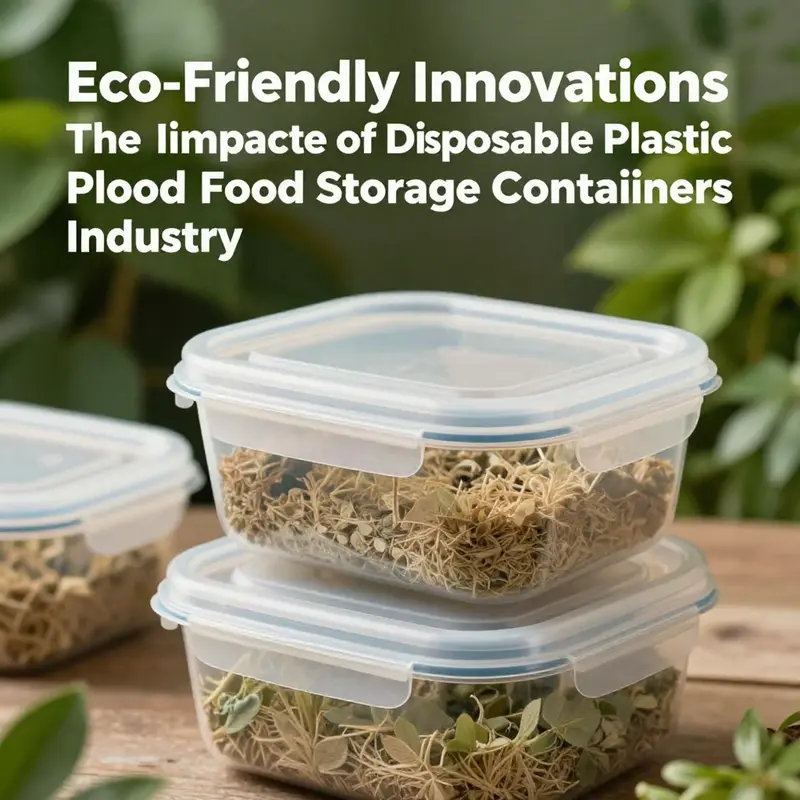
The landscape of disposable plastic food storage containers is undergoing a quiet, steady transformation. The drift is not away from convenience or durability but toward materials and designs that acknowledge a broader responsibility to the environment and to the systems that handle post-consumer waste. This chapter traces how bioplastics, smarter venting, and circular design ideas are reshaping an industry once dominated by simple, single-use items. It is a narrative that moves beyond the aisle to the back end of the lifecycle, where end-of-life realities and consumer expectations collide with the economics of mass production. In this context, the contemporary container is not merely a tool for holding soup or salad; it is a device that carries a message about how we value resources, how we manage waste, and how we design for reuse without sacrificing safety or convenience.
A core part of this shift is the rethinking of material choices. Traditional disposable containers have relied heavily on polyolefins such as polypropylene (PP) for their durability, heat resistance, and cost efficiency. PP has long been the workhorse of the sector, praised for its ability to perform in microwave reheating and to withstand a range of temperatures. Yet the environmental footprint attached to conventional petroleum-based plastics has compelled manufacturers and researchers to explore plant-based alternatives that can lower life-cycle emissions and, in some cases, offer end-of-life advantages. Plant-based plastics, most notably polylactic acid (PLA), are drawing attention for their renewable origin. PLA is derived from corn starch or sugarcane and is designed to break down under industrial composting conditions. The appeal is clear: a reduction in fossil carbon load during production and the potential for shorter overall lifecycles when the material can be returned to the soil or the composting stream.
However, this promise comes with caveats. Not all PLA products compost easily in home environments or in standard municipal facilities, and industrial composting infrastructure remains uneven across regions. This has prompted a nuanced approach in which bioplastics are paired with recycling streams or with mechanical or chemical recycling programs designed specifically for these materials. Some manufacturers are blending renewable feedstocks with recycled content to create hybrids that reduce reliance on virgin petroleum feedstock while retaining the performance characteristics that users expect from a disposable container. In practice, this often means a careful balancing act: preserving barrier properties and clarity, ensuring sufficient stiffness for stacking and handling, and maintaining barrier performance against moisture and oxygen for perishable foods.
The broader idea is not to replace every PP container with PLA overnight, but to expand the palette of options so that product designers can choose the most appropriate material for a given application, taking into account the product’s intended lifecycle, end-of-life infrastructure, and consumer expectations. Eco-conscious product design, in this sense, becomes a matter of system thinking rather than a single material race. As a result, the industry is seeing an increasing willingness to incorporate renewable materials into packaging portfolios, while simultaneously embracing recycled content and improved design for disassembly and recycling. In some cases, companies experiment with transparent bioplastics that maintain the sleek look consumers associate with clarity and cleanliness, even as their base resin is derived from renewable resources. The objective is not merely a green label but an actual reduction in environmental impact across the value chain, from feedstock extraction to recycling or composting.
Alongside these material shifts, functional innovations are extending the usable life and reducing the waste implications of disposable containers. One notable area is vented lids. Traditional airtight lids do a good job of keeping foods fresh, but certain foods, especially salads and hot items, can accumulate moisture or release steam that leads to soggy textures or spoilage. Vented lids address this by allowing controlled airflow that preserves texture and sensory appeal without compromising hygiene or safety. The venting feature can be designed to respond to humidity and temperature conditions, helping to maintain product quality during short-term storage and transport. In practice, this means a container that can be used for a wider range of meals—hot soups may travel with less condensation on the lid, while cold dishes stay crisper when briefly exposed to air during meals on the go.
Another area of innovation is structural design aimed at reducing shipping volume and waste. Collapsible containers, for example, can significantly shrink during returnable or reusable packaging programs, leading to lower logistics costs and less space required in storage facilities. While many disposable systems prioritise single-use simplicity, a growing subset is adopting collapsible or nestable architectures that support a more circular approach without sacrificing the ease of disposal for the end user. The goal is to preserve the benefits of disposability for consumer convenience, while enabling a smoother transition into reuse or recycling pathways elsewhere in the system. Clear, reusable-design concepts also appeal to a growing segment of consumers who want to see products that communicate ongoing value and honesty about their lifecycle. In this sense, aesthetics and function align with sustainability, producing a perception of longevity even within a disposable framework.
In terms of safety and performance, regulatory considerations remain central. Food-contact materials must meet stringent standards to ensure they are safe for direct contact with food and appropriate for microwave reheating where applicable. A landmark benchmark in the United States is the FDA’s 21 CFR 177.1520, which sets the criteria for materials that can be used in contact with food. Containers designed for hot and cold foods must maintain structural integrity in microwave environments, avoid leaching of additives, and resist deformation under typical usage conditions. The ongoing challenge is to maintain these safety assurances while optimizing for environmental outcomes. This is where closed-loop thinking becomes essential. If a product is designed to be recycled or repurposed after it leaves the consumer’s kitchen, the design can be optimized for disassembly, recycling efficiency, or compatibility with industrial composting streams. In practice, this means labeling, color choices, and even adhesive selections that facilitate separation and processing at end of life.
The market dynamics around eco-friendly innovations are also shaped by what happens after disposal. The EPA’s data underscore a sobering reality: only a fraction of the plastic produced is recycled. If nine percent is recycled, as some analyses suggest, the remainder ends up in landfills or incinerators, or escapes into the environment somewhere along the value chain. This statistic has spurred a more pronounced interest in closed-loop systems and take-back programs that aim to keep materials circulating rather than allowing them to become waste. Companies experimenting with these approaches often partner with municipalities, waste processors, and specialized recycling facilities to ensure that the container’s materials can be recovered and reintegrated into new products. The circular economy offers a compelling narrative for both businesses and consumers: by keeping resources flowing within a defined system, a product can deliver value repeatedly while reducing the need for virgin feedstock.
From a consumer perspective, the appetite for sustainability is increasingly sophisticated. Younger cohorts, in particular, tend to align health and environmental responsibility in their purchasing choices. They look for credibility—quantified through certifications and transparent life-cycle information—and they respond positively to brands that demonstrate a genuine commitment to reducing environmental impact. This means packaging claims must be accurate, verifiable, and supported by third-party validation where possible. Green marketing that relies on vague promises or ambiguous claims risks eroding trust and inviting skepticism. The most effective messages emphasize tangible outcomes: a material sourced from renewables, a lower carbon footprint across production and transport, a packaging design that enables reuse or high-rate recycling, and clear instructions for end-of-life options.
Supply networks for this shift are complex but increasingly accessible. Platforms that connect buyers with manufacturers across regions enable scale, which is essential for the adoption of new materials and designs. Large orders—think tens of thousands to millions of pieces—can unlock price points that make previously uneconomical options viable for mass-market use. For buyers aiming to source sustainable packaging solutions, these platforms offer access to a range of customizable options, from material blends to lid configurations and form factors. The ability to tailor logos, shapes, and materials through OEM (original equipment manufacturing) or ODM (original design manufacturing) services is a key driver of adoption, allowing brands to pursue sustainability goals without sacrificing brand identity or user familiarity. In this ecosystem, the choice of supplier becomes as critical as the choice of material. Responsible sourcing, incremental advances in material science, and the alignment of production with recycling and composting infrastructure create a coherent path toward meaningful reductions in environmental impact.
An important point about procurement is the potential for cost parity at scale. While early-stage eco-friendly containers often carried a premium, the economics of scale and process improvements are eroding that gap. Suppliers can offer competitive pricing for large-volume orders, and manufacturers are increasingly able to blend renewables with recycled content to reduce raw material costs while delivering the performance customers expect. For organizations that are outfitting hotel pantries, airline service ware, or retail catering, the prospect of mixing conventional and sustainable lines allows a phased transition that mitigates risk and stabilizes supply. In practical terms, this means a broader range of choices for buyers—from basic, low-cost disposables to higher-performing, renewably sourced alternatives—each matched to specific use cases and waste-management capabilities. The result is a more resilient packaging ecosystem in which sustainability goals can be pursued without compromising service levels or safety standards.
The design and material choices also influence the end-user experience. Aesthetics matter, even in utilitarian packaging. Clear, high-clarity materials that allow consumers to view the contents can improve trust and reduce the need for unnecessary handling. Bioplastics can deliver similar clarity to conventional plastics, though designers must be mindful of color, barrier performance, and printability. Labels and branding elements should convey the sustainability story in a way that is visible and credible. This often involves a combination of on-pack messaging and educational content about disposal options in the consumer’s region. In regions with robust recycling or composting streams, messaging can emphasize recyclability or compostability, while in others it may highlight reuse programs or take-back schemes that keep the material circulating. In all cases, honest communication helps to manage expectations and builds consumer confidence in the sustainability narrative.
To illustrate how these innovations connect to real-world procurement, consider the role of digital marketplaces in enabling scalable, sustainable packaging. Buyers can explore a spectrum of options, from materials that minimize petroleum use to designs that optimize stackability and storage efficiency. These platforms often provide access to a network of producers capable of customization, allowing brands to specify thickness, barrier layers, lid formats, and even packaging aesthetics that align with their sustainability goals. A practical implication of this is that a company can pilot a small batch of PLA-based or recycled-content containers to gauge user response, collect feedback, and gradually increase share as performance and consumer acceptance prove favorable. The path from concept to commodity becomes clearer when procurement is anchored in a few well-defined priorities: safety and regulatory compliance, material compatibility with food, end-of-life feasibility, and economic viability at scale. Within this framework, the industry can progress toward a future in which eco-friendly options are no longer exceptions but standard practice.
The interdependence of material science, design, and waste-management infrastructure also highlights the importance of credible certifications and transparent reporting. With consumers scrutinizing claims about renewables and recyclability, third-party validation helps separate genuine innovations from greenwashing. Certifications related to food safety, compostability, and recycled content provide a common language that buyers and regulators can rely on. At the same time, ongoing research is continually refining processing methods to improve the performance of renewable materials under real-world conditions. For instance, advances in polymer blends can yield materials with enhanced barrier properties that extend shelf life while retaining the environmental benefits of renewable content. These technical improvements, coupled with smarter lid designs and modular shapes, bring us closer to packaging that meets both usability and environmental standards without forcing compromises in food safety or convenience.
The future of disposable food packaging appears to converge around three pillars: renewable feedstocks, smarter functionality, and circular economy principles. Renewable feedstocks reduce the carbon footprint of packaging production and can diversify supply away from volatile fossil-fuel markets. Smarter functionality encompasses vented lids, collapsible structures, and modular designs that enable reuse, longer service life, or more efficient recycling. Circular economy principles focus on how materials are collected, processed, and reintegrated into new products, closing loops rather than letting resources exit the system as waste. Taken together, these pillars describe a packaging ecosystem that is not merely more sustainable in isolation, but more capable of delivering consistent performance, reliable safety, and practical end-of-life options for diverse users—from home cooks to large-scale foodservice operations.
Despite the optimism, challenges remain. In some regions, composting facilities are limited or unavailable, which constrains the end-of-life options for plant-based plastics. In others, the recycling stream may not be configured to handle multi-material laminates or non-recyclable components. Addressing these mismatches requires collaboration across stakeholders: manufacturers, waste-management operators, policymakers, and consumers. It also requires clear, verifiable information about what a given container should be composted, recycled, or reused as, rather than a generic claim. The goal is not to replace conventional plastics overnight but to broaden the toolkit with options that can be deployed strategically to minimize environmental impact while preserving the convenience and safety that have driven the growth of disposable packaging in foodservice and household use.
For readers seeking a practical entry point into the evolving landscape, practical considerations matter as much as aspirational goals. Evaluate the container not only on cost or performance but on how its lifecycle is managed. Ask suppliers about end-of-life pathways, recycling compatibility, and any credits or take-back programs that support material recovery. Consider how a product’s design may affect its rate of recycling or composting. For brands that want to align procurement with sustainability goals, it is worth exploring suppliers who offer customization options that explicitly address lifecycle performance, including labels that instruct end users on disposal pathways and logos or color codes that signal recyclability. In today’s market, credibility is a currency as valuable as price or performance.
If you want to see how this discourse translates into sourcing strategies, explore the wider ecosystem of packaging suppliers and their capabilities. A useful entry point for understanding the available spectrum of options is to examine the broader category of plastic packaging on industry platforms and supplier catalogs. There, buyers can locate a range of materials, from straightforward PP-based options to multi-material composites designed for extended shelf life and improved barrier properties. The diversity of these offerings—from simple, low-cost disposables to more complex, sustainability-focused lines—reflects the industry’s attempts to reconcile consumer expectations with the realities of waste management and resource conservation. For readers who wish to explore these avenues further, the literature and market intelligence provide rich detail on how suppliers tailor products to different markets and how OEM/ODM capabilities enable brands to imprint their sustainability narratives onto the packaging itself. The conversation then moves from “Can we make this cheaper?” to “Can we make this work within our supply chain’s environmental and regulatory constraints while preserving user experience?”
To connect this discussion to concrete sourcing avenues, many buyers access diversified supplier networks that span multiple regions and capabilities. A central facet of this approach is the ability to customize shapes, sizes, and materials to fit specific meal formats, storage needs, and service settings. The choice of volume is crucial: large-volume orders unlock economies of scale and enable more ambitious material choices, including plant-based or recycled-content options, while specialized or smaller batches can test new formats and gauge consumer response before committing to broader rollouts. The flexibility afforded by OEM/ODM arrangements means brands can control branding elements, packaging aesthetics, and even lifecycle messaging while still achieving sustainability targets. In practice, this means a packaging strategy that is not merely a one-off green claim but an integrated plan that aligns product design, supply chain performance, and consumer engagement with the overarching goal of reducing environmental impact without sacrificing reliability or affordability.
For readers who want a practical anchor amid this evolving landscape, consider the following takeaway: the most credible path forward combines material innovation with design for end-of-life processing and transparent communication. The packaging should be designed so that its materials can be recovered and reused, or at least processed in a way that minimizes environmental harm. In parallel, the messaging attached to the product should reflect real capabilities and limitations, avoiding overstatements about compostability or recyclability that may not apply in every jurisdiction. The industry is moving toward a model in which sustainability is embedded in the product’s DNA rather than appended as a marketing claim. In this sense, the container becomes a platform for responsible consumption—an enabler of convenience that acknowledges waste realities and participates in a broader effort to minimize the environmental footprint of everyday meals.
For those seeking further reading or direct inspiration from industry practice, a look at supplier ecosystems and product-category pages can illuminate the breadth of available options. A well-chosen link to a catalog that aggregates plastic packaging options can serve as a practical resource for teams evaluating potential partners and material choices. See the broader plastic packaging category for a sense of the landscape, and consider how a given supplier’s capabilities align with your sustainability goals and operational constraints. This approach is not about choosing a single perfect solution but building a portfolio of options that collectively advance environmental goals while supporting business objectives. By anchoring decisions in material science, design intent, and end-of-life feasibility, organizations can navigate toward packaging systems that are both responsible and reliable, ensuring that the convenience of disposables does not come at the expense of broader ecological health.
Internal link reference for further exploration: plastic packaging.
External resource:
External resource: https://www.alibaba.com/product-detail/Yasitai-YST-4016-Disposable-To-Go-Plastic-Food-Packaging-Containers_1601327834622.html
Riding the Economic Wave: Markets, Regulation, and Supplier Strategy in Disposable Plastic Food Storage Containers
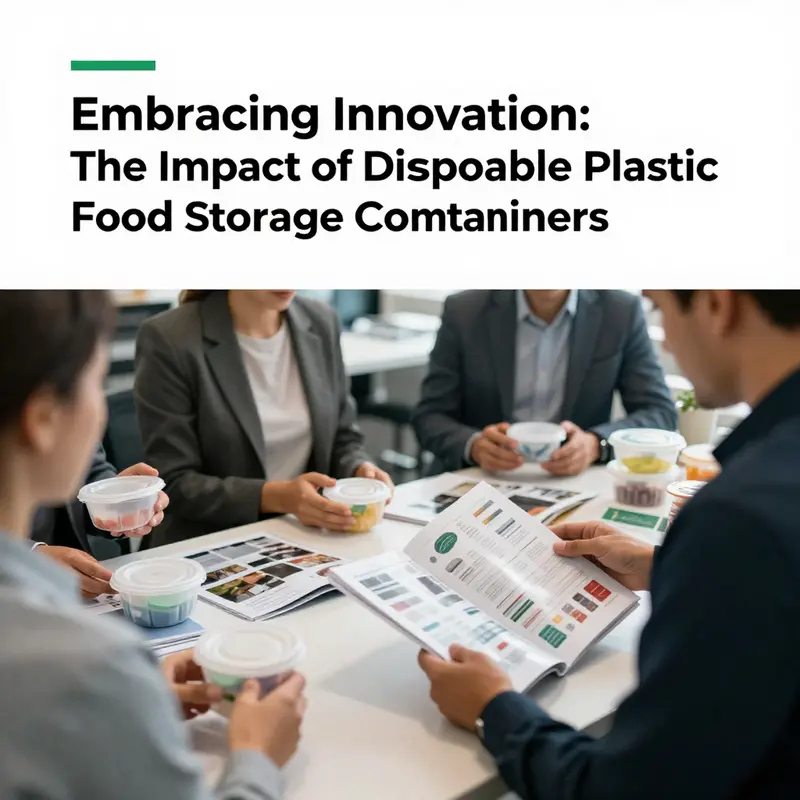
The story of disposable plastic food storage containers is a story of demand meeting design under constraint. It unfolds in a marketplace where convenience, cost, and compliance must align with evolving social expectations about sustainability. When we trace the currents underneath the surface, the trajectory is driven not by a single force but by a confluence of market growth, regulatory pressure, material costs, and shifting consumer preferences. This is a narrative of how a basic packaging item becomes a barometer for broader economic and environmental tensions, and how suppliers navigate the delicate balance between performance, price, and responsibility.
At the most visible level, the global market for disposable plastic food containers reflects a steady appetite from food service, catering, and the booming world of takeout and delivery. By the mid-2020s, market analyses place the size in the vicinity of tens of billions of dollars, with forecasts that emphasize sustained growth through a mix of channels—from quick-service restaurants racing to optimize throughput to retailers and service providers expanding their take-home offerings for homes and offices. The appeal is straightforward: these containers are lightweight, configurable, and adaptable to a spectrum of foods, from soups that demand warmth retention to salads that benefit from vented lids that slow moisture buildup. The practical flexibility—round, square, rectangular shapes; a range of capacities; stackable forms—translates into closed-loop efficiency on the supply chain and in kitchen workflows. In many cases, the conversation about these containers centers on material choice, with polypropylene (PP) occupying a dominant position thanks to its durability, microwave safety, and resilience under repeated reheating. The industry often touts these properties as the backbone of reliable performance; yet the deeper economic story hinges on cost structures and the fragility of supply chains that shape what manufacturers can offer and at what price.
Cost, a perennial driver of procurement decisions, takes on layers of complexity in this arena. The feedstock for many conventional plastics tracks closely to crude prices, and when energy markets swing, margins tighten for suppliers who must maintain quality and consistency while keeping price competitive. The volatility of petroleum-based inputs does not merely affect the bottom line; it shapes strategic thinking across the production cycle. For companies that depend on scalable, consistent output, price shocks can cascade into product redesign, packaging spec adjustments, or shifts toward alternative materials. In response, many manufacturers have begun to diversify their portfolios, exploring blends, co-polymers, or even bio-based materials that can meet functional benchmarks while reducing carbon intensity. The pursuit of eco-friendly options, however, is not a simple substitution; it is a balancing act that weighs barrier properties, heat tolerance, safety certifications, and the economics of manufacturing at scale.
Regulation adds a different, yet equally consequential, layer. Across jurisdictions, policymakers are tightening the screws on single-use plastics, driven by concerns about litter, marine litter, and the long-tail environmental footprint of disposable packaging. In markets where bans or taxes on certain plastics have taken effect, suppliers and buyers alike adapt in real time. The regulatory environment elevates compliance from a checkbox activity to a core design requirement. Companies must demonstrate that their products meet food safety standards, such as the FDA 21 CFR 177.1520 framework, while also proving that their packaging can be safely used for microwave reheating. These standards are essential not only for consumer protection but for enabling broad adoption in the foodservice and hospitality sectors. When rules are more stringent, the cost of noncompliance becomes a real economic threat, pushing suppliers toward certified facilities, traceable supply chains, and more transparent labeling. The need to maintain safety credentials while innovating keeps the market in a state of continuous improvement, where incremental gains in shelf life, moisture management, and seal integrity can translate into meaningful competitive advantages.
One of the most significant systemic shifts in this space is the growing emphasis on sustainability. The market is witnessing a graduated transition from petroleum-based plastics to materials that reduce environmental impact. Biodegradable options drawn from plant-based sources, such as cornstarch or sugarcane derivatives, are increasingly positioned as capable substitutes for certain applications. Yet even as these eco-friendly materials promise lower end-of-life footprint, they introduce new considerations. They may require different processing conditions, alter performance in heat or moisture exposure, and present distinct end-of-life pathways that customers must understand. The supplier ecosystem is responding by investing in research and development to close performance gaps, improve compostability or recyclability, and simplify the recycling stream so that waste does not become a barrier to adoption. In practice, this means sustainable options that still work in high-volume contexts like takeout operations or airline service must be reliable, cost-competitive, and compatible with existing infrastructure. The result is a dual-track dynamic: traditional, proven materials continue to fulfill demand where performance is non-negotiable, while greener alternatives gradually capture share through targeted applications and customer education.
Within this evolving landscape, supplier dynamics reveal two main currents. On the one hand, the pressure to innovate creates opportunities for suppliers adept at eco-friendly materials, advanced barrier coatings, and smarter packaging designs. On the other hand, price volatility in feedstocks reinforces the importance of scale, efficiency, and risk management. Smaller producers face a tougher path, as capital-intensive changes—such as adopting new extrusion technologies for bioplastics or upgrading facilities to meet stricter environmental standards—require significant investment. Larger players, with their broader balance sheets and integrated supply chains, are better positioned to weather fluctuations and to pursue strategic partnerships that spread risk and accelerate product development. This tension between nimble niche suppliers and scale-driven incumbents shapes the competitive landscape and influences how the market segments evolve. It also affects who can deliver compliant, scalable, and affordable options in a world where environmental and health considerations are increasingly non-negotiable for a growing number of buyers.
The regulatory and market environment is further reshaped by industry consolidation and collaboration. When regulations tighten, the cost of compliance rises, and smaller firms may be acquired by larger players who can more readily absorb the compliance burden and invest in end-to-end supply chains. Such consolidation can yield efficiency gains and create platforms for shared innovation. At the same time, collaborations between manufacturers, recyclers, and packaging engineers can unlock new pathways to circularity, enabling more of the packaging lifecycle to be captured in a sustainable loop. The consequence is a more resilient supply network that can deliver scale without sacrificing the adaptability that buyers value. Through partnerships, companies can align on specifications that meet evolving safety standards, reduce total cost of ownership, and standardize interfaces across different service contexts—whether it is a hotel, an airline, or a high-volume food court.
The consumer dimension cannot be overlooked in this economic equation. Buyers increasingly expect packaging to perform under real-world conditions: withstand transport without breakage, maintain product quality during storage, and offer practical features such as vented lids for moisture control or airtight designs for longer storage. These functional expectations intersect with sustainability goals, date labeling clarity, and the drive to minimize waste. In response, manufacturers have turned to modular designs that facilitate stacking, nesting, and efficient storage in kitchens and warehouses. The result is a product lineup that feels convergent rather than fragmented: a core set of container formats that can be customized by size, shape, and lid design to fit a range of use cases, accompanied by specialized lines for venting, microwave safety, or heat resistance. This convergence is not about reducing choice; it is about aligning the economics of mass production with the diverse needs of modern food ecosystems.
From a buyer’s perspective, the procurement journey now often begins with a clear sense of risk management. The best contracts consider not only price per piece but overall cost of ownership, which includes storage requirements, compatibility with existing equipment, and the ability to scale during peak demand. Companies are increasingly seeking suppliers who can offer reliable ODM (original design manufacturing) support, enabling customization that preserves performance while aligning with brand identity and operational realities. The availability of bulk orders at competitive prices, sometimes highlighted by supplier sourcing platforms, has historically lowered entry barriers for large buyers but can also introduce complexity in quality control, lead times, and post-sale service. The chemistry of risk, therefore, extends beyond material properties to include supplier reliability, certification provenance, and the robustness of the after-sales ecosystem. Those who succeed in this space tend to emphasize not just product specs but whole-value propositions: dependable supply, responsive quality assurance, and transparent communication about regulatory compliance and end-of-life options.
To illustrate how the supplier landscape translates into tangible options for buyers, imagine a sourcing scenario framed by a global marketplace that connects manufacturers with large-volume purchasers. The appeal of bulk production is clear: economies of scale translate into lower unit costs and easier long-term planning. Yet the reality demands meticulous vetting. Buyers must evaluate whether a supplier’s production capabilities align with their service requirements, whether the packaging meets all safety certifications, and whether the materials can reliably withstand the operational realities of their particular channel—be it in-restaurant service, delivery packaging, or airline catering. The best suppliers offer more than the raw container; they provide a continuum of value: clear specifications, rigorous testing, on-time delivery, flexible MOQ (minimum order quantity), and a willingness to engage in collaborative problem-solving when customization requests arise. In this ecosystem, the ability to navigate raw material costs, regulatory demands, and sustainability promises becomes a core competency that differentiates the market leaders from the rest.
As we examine the macro forces at play, it is worth returning to the practical implications for businesses across the spectrum—from global food service operators to regional cafés and home meal-kit providers. The interplay between market demand and supplier capability shapes how quickly new packaging innovations reach the field and how widely they are adopted. When a greener alternative is introduced, buyers weigh not only its environmental benefits but also its performance parity, pricing trajectory, and compatibility with existing infrastructure. If a compostable option demonstrates reliable degradation only in specific industrial facilities, its real-world impact may be limited unless there is a corresponding investment in local waste management and consumer education. Conversely, when a traditional plastic offers incremental improvements in barrier performance or heat resistance, it may fortify its position in markets where reliability and cost remain the top priorities. In this ongoing balance, the ultimate measure of success lies in a packaging solution that can be produced at scale, stored efficiently, transported without compromise, and disposed of responsibly within the region’s existing waste system.
The landscape of opportunity is broad for eco-conscious suppliers who can demonstrate not only environmental credentials but also the economic logic of their offerings. For these players, the path forward often involves a mix of product development investments, process optimization, and strategic partnerships that extend beyond the core packaging function. Waste reduction, improved recycling compatibility, and more transparent labeling can help tilt procurement decisions in favor of packaging that aligns with sustainability goals while preserving operational performance. This alignment matters because the cost of misalignment—whether through product failure, regulatory penalties, or reputational damage—can be steep in a market that increasingly treats packaging as a strategic asset rather than a disposable afterthought.
Within this broader framework, it is helpful to recognize the variety of procurement channels that buyers rely on. Trade catalogs, supplier directories, and digital marketplaces each offer pathways to scale, but they also carry different risk profiles. A well-balanced procurement strategy often combines the efficiency of established supplier networks with the flexibility to pilot innovative formats on a smaller scale. In practice, this means mixing standardized containers for mass-service contexts with customized solutions for particular brands or channels. It also means maintaining a portfolio of options—standard PP containers for everyday use, vented designs for products sensitive to moisture, and next-generation materials where the alignment between environmental impact and product performance is demonstrable. The goal is not to abandon the familiar workhorse formats but to expand the range of solutions available to customers while ensuring that every option can be traced, certified, and supported across the lifecycle of the product.
For readers seeking concrete connections to the real-world sourcing landscape, a practical note is that many suppliers now offer ODM services and bulk-order pricing that can enable rapid deployment of packaging across multiple sites. The ability to customize shapes, sizes, and capacities while meeting safety standards can be a decisive factor for buyers planning multi-location rollouts. In addition to product specifications, buyers should assess a supplier’s quality assurance protocols, traceability practices, and the robustness of customer support. A reliable partner will provide documentation that confirms compliance with applicable safety standards, plus practical guidance on use, reheating, and disposal. The ecosystem benefits when suppliers publish transparent testing results, material disclosures, and clear end-of-life pathways, helping buyers communicate responsibly with their own customers and reduce ambiguity around environmental impact.
To ground these reflections in a concrete reference point for readers who want to see how other researchers and industry watchers frame the dynamics, consider the broader market analysis that points to a sizeable and growing global market for disposable plastic food containers. The projected scale—tens of billions in USD by the mid-2020s—reflects not just appetite but the proliferation of channels that rely on these packaging solutions. The forecast captures the enduring demand from food service, e-commerce, and convenience-driven lifestyles, while also signaling the need for innovation to maintain margins in an environment of fluctuating raw material costs and tightening environmental expectations. This context helps explain why suppliers invest in sustainable formulations, why regulations matter more than ever, and why buyers look for partners who can deliver reliability, safety, and responsible stewardship in tandem with affordability.
At the same time, readers should be mindful of the dynamic balance between price and performance. A lower unit cost offers short-term advantages, but it can come with trade-offs in terms of supply security or long-term durability. The most resilient procurement strategies acknowledge this reality by diversifying supplier bases, hedging feedstock exposure, and adopting standard specifications that minimize the risk of compatibility issues across sites. They recognize that the benefits of scale must be weighed against the benefits of agility. In an era where sustainability is no longer a niche concern but a fundamental expectation, agility and transparency become core competitive levers. Suppliers who can demonstrate a track record of steady quality, reliable delivery, and responsible material stewardship are the ones best positioned to thrive as the regulatory and market forces continue to evolve.
Finally, the broader narrative includes a pragmatic reminder: the conversation around disposable plastic food storage containers is not purely about products or prices; it is about systems. It is about how packaging design, manufacturing efficiency, waste management, and consumer behavior intersect to shape the environmental footprint of the food system. Each container represents a node in a vast network that touches farms, factories, kitchens, and households. The more effectively this network can be managed—through better materials, smarter designs, and smarter policy—the greater the chance that the benefits of convenience can be reaped with a reduced ecological cost. In this light, the economics of disposable plastics is less a tale of abundance and more a story of coordination, where regulators, manufacturers, retailers, and consumers each play a role in determining the pace and the nature of progress.
For readers who want to explore related content on this site, the broader catalog of packaging and storage options can offer useful context about how different packaging families intersect with consumer needs and sustainability goals. You may find, for example, further discussions of storage containers and related products that illuminate how choice in one category can influence decisions in another. This cross-pollination of ideas helps illustrate why the economics of packaging cannot be divorced from the practical realities of storage, transport, and end-of-life management. If you want a direct pathway to a comprehensive range of storage solutions on this site, you can review the Storage Containers category for a broad view of form factors, capacities, and design features that align with the trends described here. Storage Containers.
External resource: https://www.marketsandmarkets.com/Market-Reports/disposable-plastic-food-containers-market-39685872.html
Final thoughts
Disposable plastic food storage containers are more than a simple solution for meal storage; they represent a changing landscape in food service that emphasizes convenience, sustainability, and economic viability. As bubble tea shops, restaurants, food trucks, and catering services evaluate their needs, understanding the versatility, eco-friendly innovations, and supplier dynamics of these containers will empower them to make informed choices that enhance their offerings and reduce their environmental footprint. Investing in the right disposable solutions can boost efficiency and promote a responsible business model.