

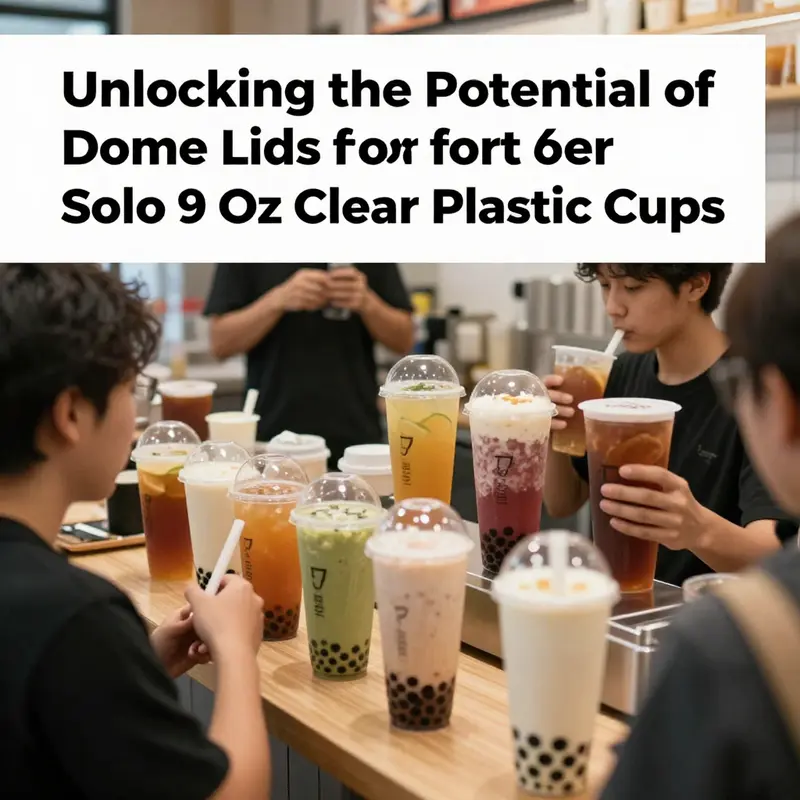
Dome lids for solo 9 oz clear plastic cups have become integral in the beverage industry, serving a diverse array of businesses from bubble tea shops to event planners. These lids not only enhance presentation but also streamline service efficiency. As the demand for quality disposable packaging grows, understanding the design, functionality, and sustainability of dome lids is essential for operators looking to boost their offerings. Each chapter will delve into the unique attributes of dome lids, their applications in various beverage settings, eco-friendly options, and sourcing strategies for procurement teams.
Clear Windows, Secure Seals: The Design Logic Behind Dome Lids for 9 oz Clear Cups

A dome lid designed for a standard 9 oz clear cup is more than a simple accessory; it is a carefully engineered interface between liquid and user, between the moment of purchase and the moment the beverage reaches the consumer’s lips. The dome lid embodies a balance of visibility, containment, and ease of use that makes it a staple in cold-drink service while signaling the practical maturity of disposable cup systems. At first glance, the dome creates an impression of openness, a transparent shield that reveals the drink’s color, texture, and level. This transparency is not merely aesthetic. It also communicates product integrity to the customer, allowing a clear read on ice, fruit chunks, or the crema that floats on a cold brew. The lid’s shape—concave within a rigid, clear shell—provides headroom for ice and foam without cramping the cup’s profile. In a busy café, juice bar, or event space, that extra space translates into fewer anxious moments during transport and a more confident handing off to customers who are balancing trays, bags, and conversation. Within the confines of a light, translucent shell, the lid’s geometry is tuned to support both presentation and performance.
Key design features begin with the smooth, tapered straw hole. This opening is engineered to cradle a straw while minimizing splash and maintaining a tight perimeter around the straw’s base. The tapering guides the straw into a snug position, reducing the propensity for the straw to slip or bend during movement. It is a small but consequential detail: a secure straw fit improves one-handed sipping and lowers the risk of leaks caused by sudden jostling or abrupt direction changes. The straw hole is part of a broader alignment system that ensures a reliable seal when the lid snaps into place. The seal itself relies on a secure snap-fit mechanism that locks the lid to the cup with a predictable click. This snap-fit has to balance two pressures at once: firm enough to resist leaks if the cup is tilted, and forgiving enough to allow quick, repeatable resealing for consumers who drink in stages or carry drinks while navigating crowds.
The dome form is a deliberate choice. A dome lid is tall enough to accommodate a generous ice load without displacing the drink, yet not so tall that the lid becomes cumbersome for stacking, storage, or on-tray transport. The dome also positions the straw opening in a way that minimizes contact with the drink’s surface, reducing the chance of spills when a customer leans or tilts the cup for a quick sip. The translucence of the lid is not an accident; it ensures maximum product visibility while offering a barrier to airborne dust and handling oils that might compromise the drink’s appearance. In many service environments, this combination of clarity and containment serves both the producer’s marketing goals and the user’s need for hygiene and convenience.
Designers of these closures also consider the lid’s suitability for cold beverages. The absence of a venting path is a deliberate choice for cold drinks, where steam generation is minimal and the risk of pressure build-up is low. A ventless variant is simpler, cheaper to manufacture, and more resistant to leaks because its lack of an air-escape path means the primary leak risk is liquid, not vapor. For hot beverages, vented lids with small escape holes are more appropriate, as they allow steam to escape and reduce the likelihood of deformation. The hot-drink variant, however, introduces a different set of challenges—namely, the need to manage heat transfer and potential scalding during transport. In practice, the cold-beverage design is prized for its leak resistance, transparency, and compatibility with iced tea, iced coffee, juices, smoothies, and fruit drinks. The design’s integrity hinges on ensuring the lid remains securely fastened even as the cup is carried, tilted, or set down briefly in a busy service environment.
From a functional standpoint, the dome lid’s performance hinges on three attributes: leak resistance, a secure snap-fit, and compatibility with the 9 oz cup format. Leak resistance comes from a combination of material choice, seal geometry, and the tolerance that governs the fit between lid and cup. When properly sealed, the lid resists minor bumps and casual tipping, which is essential for customers who walk, ride, or stand in line with a beverage in hand. The snap-fit mechanism, calibrated to the specific cup diameter, creates a predictable, repeatable closure. It provides a tactile cue—a distinct snap—that reassures staff and customers alike that the lid is properly secured. The third attribute—compatibility with standard 9 oz cups—ensures that these lids integrate seamlessly into existing workflows. Cafés and events often carry a mixed inventory of cup sizes; a lid that fits reliably across a fixed standard minimizes the risk of mismatches that can lead to leakage or customer dissatisfaction.
Beyond these core features, a growing segment of lids emphasizes sustainability. Eco-friendly options, such as biodegradable variants made from plant-based polymers, address concerns about end-of-life disposal while maintaining the same performance characteristics expected from conventional lids. In addition to material choices, some versions offer clear advantages in terms of recyclability and a reduced environmental footprint, aligning with broader packaging trends that favor responsible consumption. In practice, these variants demonstrate that a dome lid can be both functional and aligned with environmental objectives, enabling brands to showcase a commitment to sustainability without compromising drink quality or user experience.
Compatibility remains central to the conversation about these lids. The lids are designed to fit standard 9 oz clear plastic cups, ensuring a reliable seal across numerous service settings. This compatibility is crucial for operators who manage inventory and use a single cup line across a menu that ranges from iced tea to smoothies. The design also supports a wider sustainability narrative when biodegradable options exist, offering a path to reduce plastic waste without sacrificing product presentation or customer convenience.
In describing the commercial applications, these lids have become a standard in cafés, juice bars, and event services where hygiene, presentation, and ease of transport are critical. The dome shape provides a stage for visual appeal—customers can see the color and clarity of the beverage, while the absence of extraneous compartments or protrusions keeps the user experience straightforward. The on-site use-case emphasizes the importance of one-handed access and secure transport, qualities that matter when staff are busy and customers are navigating crowded spaces. Although these lids are largely designed for cold beverages, their role in quick-service environments underscores a broader principle: the lid should disappear into the workflow, performing reliably so that the beverage can be enjoyed without distraction.
In discussing material choices and sustainability, it is worth noting that there are eco-friendly, certified variants that still preserve the critical properties of clarity and leak resistance. The availability of biodegradable options demonstrates how packaging choices can evolve to meet environmental goals without requiring a compromise on reliability or presentation. The ongoing development in this area is driven by a combination of consumer demand for sustainable packaging and the packaging industry’s push toward responsible end-of-life management. For practitioners evaluating these options, the decision often hinges on the balance between environmental objectives, the desired shelf life of the product, and the specifics of the service environment—whether the beverage is consumed immediately or carried to a different location.
To explore related packaging innovations and to see how eco-friendly lid variants can align with branding and service models, consider a resource that highlights eco-conscious, lid-inclusive cup solutions. Eco-friendly disposable single-wall paper ice-cream cups with lid offer a practical parallel, illustrating how lid and cup systems can be designed to support branding, hygiene, and user experience in a cohesive package. This resource demonstrates how lid choices can harmonize with other packaging features to deliver a consistent customer experience while keeping sustainability goals in view. For readers seeking broader context on lid performance in real-world settings, an external reference provides practical, evidence-based insights into leakage behavior, stacking and transport, and customer perceptions in busy service environments. See this external resource for a practical look at lid performance under typical retail conditions: https://www.walmart.com/ip/SOLO-Cup-Company-Open-Top-Dome-Lid-for-9-22-oz-Plastic-Cups-Clear-1-9-Dia-Hole-1000-Carton/47653281
Internal note: for examples of eco-friendly lid variants that align with branding through printed logos and custom design, explore this related internal resource focused on eco-friendly, single-wall paper cups with lids. It offers a perspective on how lid systems can integrate with branding and sustainability goals while preserving the visual appeal of the beverage. Eco-friendly disposable single-wall paper ice-cream cups with lid. This reference helps illuminate how lid-compatible packaging can be extended to branding opportunities without sacrificing performance or hygiene.
In the broader arc of product design for disposable cups, the dome lid for a 9 oz clear cup represents a practical convergence of form and function. The playing field includes not only the mechanical interface between lid and cup but also the perceptions of the consumer who experiences the beverage through a transparent window. The result is a design that is at once modest in its footprint and sophisticated in its utility: a lid that vanishes into the act of drinking while actively supporting presentation, hygiene, and portability. The challenge and opportunity lie in continuing to refine the balance among clarity, seal integrity, and sustainability—ensuring that the dome lid remains a reliable partner to the cup, the beverage, and the people who serve and consume it. As service models evolve and consumer expectations shift toward more responsible packaging, the dome lid’s role in cold-beverage service is likely to grow even more central, serving as a small but meaningful instrument in the broader system of on-the-go drinking.
Taken together, these design considerations reveal a deeper narrative about how a simple closure can influence the customer experience, operational efficiency, and environmental impact. The 9 oz dome lid is not just a plastic cap; it is a compact, high-utility piece of packaging design that enables fast service, preserves drink integrity, and enhances the visual appeal of beverages in a crowded market. As the industry continues to iterate on materials, geometry, and end-of-life strategies, the lid will remain a focal point where engineering meets everyday practicality, ensuring that each sip is secure, clean, and satisfying while keeping pace with the speed of modern beverage service.
null
null
Beyond Clarity: Sustainable 9 oz Dome Lids for On-The-Go Packaging
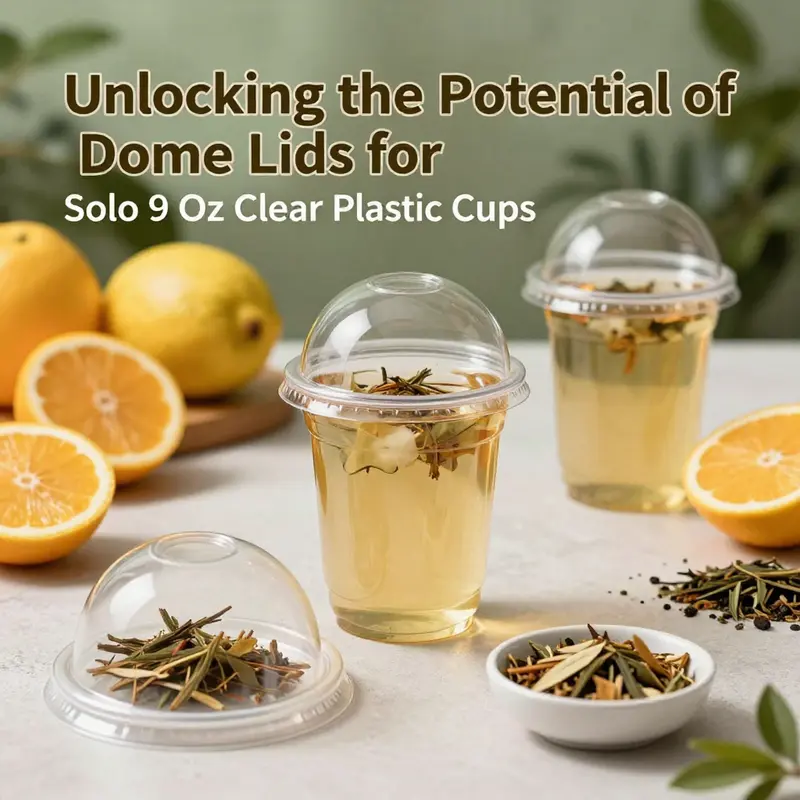
Dome lids for 9 oz clear cups sit at an important intersection of convenience and responsibility. They seal, protect, and showcase beverages while also inviting questions about how they fit into a circular economy. This chapter explores how material choices, design details, and end-of-life pathways shape the real sustainability impact of these common closures. From factory floor to curbside, the journey of a dome lid touches chemistry, certification, and consumer behavior, and each decision along the way can influence waste and resource use.
One central shift is the move toward BPI-certified biodegradable PET. This class of material keeps the familiar clarity and rigidity of traditional PET but is designed to break down in industrial composting environments rather than linger in landfills. Certification signals to brands and customers that the material meets recognized standards, which matters when communicating disposal options. Yet the environmental benefit depends on the availability of appropriate facilities; in places without industrial composting, the item may behave similarly to conventional plastics.
PLA-based lids derived from annually regrown crops offer a renewable feedstock pathway and are typically designed to be compostable under controlled conditions. In practice, the balance of benefits and trade-offs depends on temperature and end-of-life infrastructure. For cold beverages, PLA can reduce fossil carbon footprints, while hot drinks may require vented designs or special closures to maintain performance.
Beyond materials, modern dome lids emphasize secure snap-fit closures, leak resistance, and ease of use. For hot beverages, vented lids help release steam safely, but venting can complicate airtight performance during transport. Operators often pair vented lids for on-site service with unvented designs for takeaway and clear disposal guidance.
The ultimate sustainability outcome depends on how users dispose of lids. Clear labeling, in-store signage, and staff training help direct compostable or recyclable lids to the right stream. Without proper sorting, even well designed materials can fail to realize their environmental potential.
A practical approach combines certification with local waste realities. Seek products with recognized compostability or recyclability claims, run small trials, and partner with local waste providers to understand accepted streams. Align lid choices with the broader product family and regional disposal infrastructure to maximize lifecycle benefits.
The dome lid is a small component with outsized potential to embody responsible packaging. When design, materials and waste systems move together, 9 oz dome lids can support both customer experience and environmental goals.
Where to Find and How to Source Dome Lids for 9 oz Clear Plastic Cups
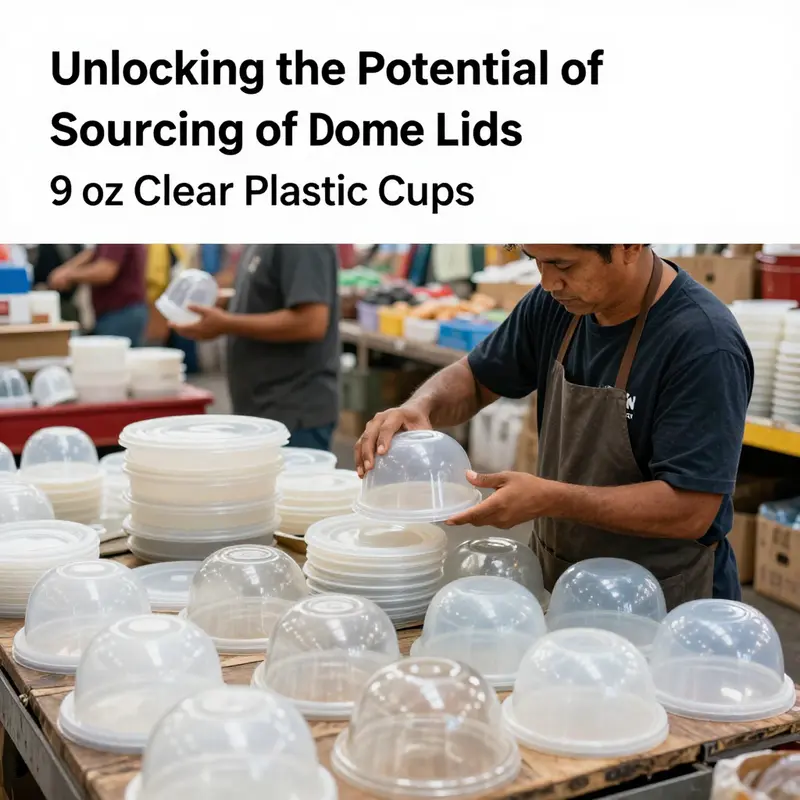
The market for dome lids that fit standard 9 oz clear plastic cups has matured beyond a handful of options. Buyers now choose from retail packs for occasional use, wholesale cartons for steady service, and custom-manufactured runs for branded outlets. Understanding where these lids are sold and how sourcing decisions affect cost, quality, and sustainability helps operators secure the right product for each use case.
Begin with the simple reality that lids are sold across three broad channels: retail marketplaces that serve single-order customers, wholesale platforms and distributors that support larger quantities, and direct manufacturers that accept OEM requests and bulk customization. Retail marketplaces are convenient for testing and small needs. They offer pre-packaged counts, usually in boxes of 100 or 200, and let you evaluate fit and clarity before committing to larger purchases. Wholesale platforms fill the middle ground. They provide a range of materials and counts, from 1000-unit cartons to mixed-case options. Direct manufacturers become the natural choice when custom printing, altered straw-hole sizes, or specific biodegradable materials are required.
Material options matter. Clear PET remains the most common choice for cold beverage dome lids. It is hard, transparent, and offers good snap-fit performance. Biodegradable alternatives have entered the mainstream; BPI-certified biodegradable PET variants mimic the clarity of conventional PET while meeting compostability standards. For applications involving hot liquids, vented dome lids are available in heat-resistant polymers and include small vents to relieve steam. Each material choice changes handling, shelf life, and transport constraints, so align material selection with the intended beverage and distribution model.
Packaging quantities and unit economics are tightly linked. Small cafes or event planners often prefer packs of 100, which minimize storage needs and upfront cost. Foodservice operations and distributors typically buy 1,000-piece cartons or larger to reduce per-unit cost. Bulk orders bring pronounced savings but also increase storage requirements and the cost of returns if a size mismatch occurs. Where possible, order a small sample pack before purchasing pallets. Many suppliers offer low-cost samples, and some manufacturers dispatch free samples for qualified buyers. Sampling is a low-risk method to confirm that the dome lid dimension, straw-hole diameter, and snap closure align with your cup inventory.
Compatibility is the single most critical technical factor. Dome lids must match cup rim diameter and bead design to achieve an effective seal. While many lids advertise compatibility with a “standard 9 oz” cup, cup variations exist. Verify the rim diameter and the lip geometry of your cups. When ordering, specify the cup model dimensions if available. If hinge or snap features are critical, request a dimensional drawing from the supplier. When possible, perform a fit test on three different cups from your stock to ensure a consistent seal and straw fit.
Customization and printing are practical for branded outlets and promotional events. Direct-manufacturing channels often accept OEM requests for logo printing, color tints, or subtle dimensional changes. Minimum order quantities for custom runs vary by factory; expect higher minimums for printed lids. Ask potential manufacturers for a proof sample showing print placement and ink adhesion on clear PET. A well-run vendor will provide a digital mockup, pre-production sample, and estimated lead time. Include quality assurance points in the purchase agreement, such as acceptable rates for cosmetic defects and clarity tolerances.
Certifications and regulatory considerations are essential for buyers who emphasize environmental claims. Look for independent certifications when purchasing biodegradable or compostable lids. BPI and similar organizations verify that materials meet recognized compostability standards. For recyclable PET lids, ask for the resin identification code and confirm local recycling infrastructure supports that material. Avoid relying solely on vendor marketing language. Request documentation that proves claims, and seek third-party lab reports if sustainability is a central part of your brand promise.
Lead times and minimum order quantities affect planning. Off-the-shelf retail packages ship quickly and often arrive within days. Wholesale purchases usually have lead times of one to three weeks. Custom-printed runs can take four to eight weeks, depending on tooling needs and order size. If seasonal demand is a concern, plan ahead. Negotiate phased deliveries or staggered shipments when storage capacity is limited. Also discuss return policies for mismatches or defective lots. Some suppliers accept returns for damage and incorrect dimensions, while others limit returns on custom items.
Quality checks should be part of every procurement cycle. Inspect incoming cartons for physical damage and verify counts immediately. Randomly sample lids from different cartons and test fit against your cup stock. Check for clarity, flash lines from molding, and consistent straw-hole sizing. For vented lids intended for hot drinks, perform a controlled heat test. Fill a representative cup with hot liquid, secure the lid, and observe for deformation or leakage. Maintain a short checklist and train staff to flag issues early. Proactive testing reduces waste and potential customer complaints.
Pricing depends on material, order size, and customization. Plain clear PET lids in large cartons are the most economical per unit. Biodegradable or certified lids carry a price premium. Additional charges apply for printed logos, die changes, and expedited production. Shipping and duties also influence landed cost for imported lids. When comparing quotes, calculate the total unit cost including shipping, customs fees, and expected defect rates. A low sticker price may not translate to savings if defects force frequent replacements or returns.
Logistics and storage considerations are straightforward but important. Keep lids in a dry, shaded area to avoid heat deformation. Stack cartons carefully to prevent crushing. For long-term storage, rotate stock to use older lots first. If lids arrive compressed or warped, allow them to acclimate to ambient conditions before use. For large operations, consider shelf racking and moisture control. Proper handling prolongs clarity and keeps sealing surfaces in good condition.
Sustainability claims deserve scrutiny. Biodegradable and compostable labels can be meaningful, but they depend on end-of-life infrastructure. BPI certification indicates a product meets composting standards, but industrial composting facilities are not available everywhere. Communicate clearly with customers about disposal expectations. If recyclability is the chosen path, confirm local recycling centers accept the material and provide clear signage at points of sale. Transparent communication avoids greenwashing and aligns packaging choices with real environmental outcomes.
Finally, build supplier relationships. Reliable vendors provide consistent quality, transparent lead times, and responsive support. Establish clear requirements up front: preferred material, straw-hole size, acceptable defect rates, and packaging counts. When volume justifies it, negotiate pricing tiers tied to order frequency. Ask about capabilities beyond off-the-shelf products, such as bulk packaging variations and emergency resupply options. A strategic supplier partnership reduces operational friction and helps you respond quickly to changing demand.
For an example of a typical retail-style option and to review a common product listing, you can view a representative online product page here: https://www.walmart.com/ip/SOLO-Cup-Company-Open-Top-Dome-Lid-for-9-22-oz-Plastic-Cups-Clear-1-9-Dia-Hole-1000-Carton/1187365145
If you want a sample of an eco-focused cup-and-lid offering to compare materials and prints, review the eco-friendly disposable double-wall coffee cup with lid and related products available from packaging suppliers for inspiration: https://cupbowlpack.com/product/senang07-eco-friendly-disposable-double-wall-craft-paper-coffee-cup-with-lid-12-oz-for-wine-tequila/
Choosing the right dome lid for a 9 oz clear plastic cup means balancing cost, material, and logistics. Sample broadly, verify compatibility, and document supplier promises. With careful sourcing, lids will protect beverages, preserve presentation, and support your operational needs without surprise costs or quality problems.
Final thoughts
In an increasingly competitive beverage industry, the right packaging can make a significant difference in both presentation and practicality. Dome lids for solo 9 oz clear plastic cups provide a versatile solution for a wide range of beverages while enhancing customer experience. As businesses navigate sustainability demands, options like biodegradable lids allow for responsible choices without compromising quality. Understanding market sourcing options further empowers businesses to align their packaging strategy with operational goals. By integrating these insights, operators can elevate their service and product presentation, ensuring they meet consumer expectations.