

As the demand for convenient and efficient serving solutions grows in the food and beverage industry, Great Value Clear Plastic Cups stand out as a top choice for businesses ranging from bubble tea shops to catering services. These cups combine functionality with affordability, making them ideal for various occasions. In the following chapters, we will explore product specifications and pricing, their versatile applications in events, environmental considerations, customer feedback, and how they compare to competitor products. This comprehensive overview will guide you in making informed choices that enhance your operations and customer satisfaction.
Value in Clear Form: Specs, Sizing, and Pricing of Versatile Clear Plastic Cups
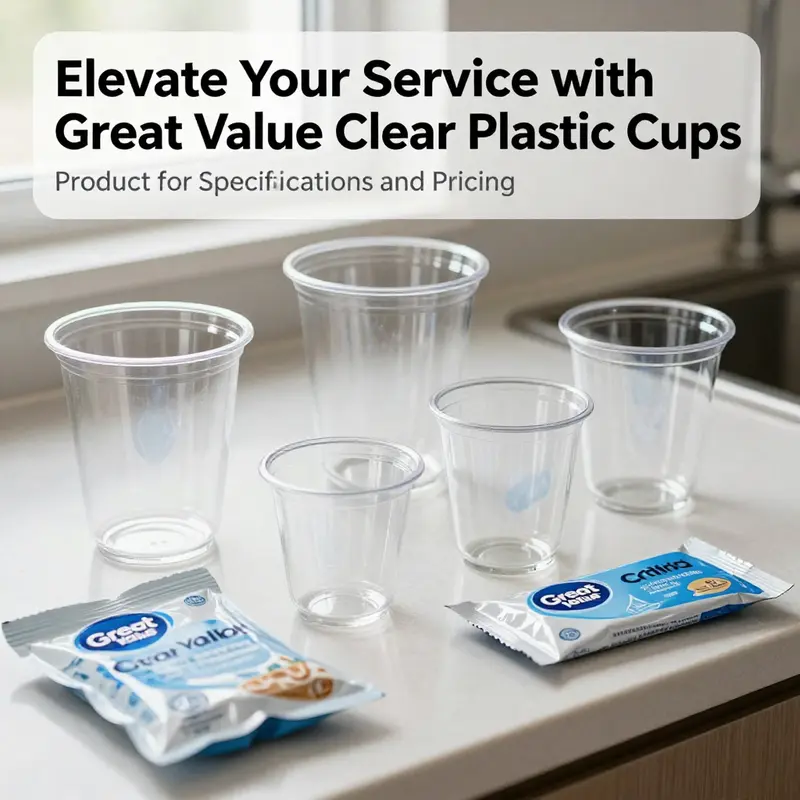
Clear plastic cups offer a deceptively simple blend of practicality and presentation, a combination that makes them a staple in homes, offices, and gathering spaces alike. When planning any casual event or routine daily use, the choice of cups becomes more than a matter of vessels; it is a subtle strategic call about convenience, cost control, and how easily a moment can be shared and cleaned up afterward. The value proposition rests not only in the price per unit but also in how a single design can handle a wide range of beverages, portions, and serving contexts. In this context, the available options break down into a few clear, measurable dimensions: size, quantity per pack, and the small but meaningful features that influence everyday practicality. The first dimension is capacity. A popular category centers on the 16-ounce cup, which is often chosen for standard fountain drinks, iced coffee, or generous desserts. This size also pairs well with meals that mix beverages and small portions, making it a versatile choice for both family meals and small office events. The 16-ounce option comes in packs of 25 and in bulk packs of 100, offering a straightforward way to scale for different event sizes or household needs. The 25-count variant is typically priced in a range that reflects affordability for smaller purchases, while the 100-count option targets larger gatherings or ongoing use in a busy setting. The capacity, in combination with the packaging, directly influences the total cost of ownership, especially when you’re budgeting for a party, a workshop, or a week of daily use. For those who anticipate a higher volume, the 100-count pack can provide a lower price per cup, reducing the incremental cost of serving beverages to a crowd. Maintenance and cleanup considerations also flow from capacity; larger cups tend to be sturdier for cold drinks and can be paired with domed or flat lids in combo packs, a setup that minimizes spill risk during transport or outdoor events. To these basics, a few design details add reliability and ease of use without complicating the purchase decision. Most options are made from a clear plastic that showcases the beverage’s color and aroma, an important factor for guests who want to gauge sweetness, creaminess, or carbonation at a glance. A leak-resistant or leak-reducing design is frequently highlighted as a feature, especially for environments where transport or busy hands might otherwise compromise a beverage’s integrity. The clarity of the plastic also supports easy inspection for cleanliness and quality before serving, a small but meaningful reassurance in both home and professional settings. The second major dimension is the range of sizes beyond the 16-ounce option. A 9-ounce cup provides a smaller serving choice, well-suited for beverages that are lighter, cooler, or intended as a tasting portion or snack vessel for a dessert kiosk. The 100-count configuration for this size is a common everyday option that underscores how economical these cups can be for frequent use, such as in catering bursts, school events, or snack stations at informal gatherings. The 5-ounce variant adds another layer of utility, appealing to portion control needs, dessert samples, or craft activities where tiny servings are desirable. Pricing for the smaller 9-ounce and 5-ounce packs tends to be very favorable, with the 100-count configurations priced in a way that makes them accessible for regular use without a heavy upfront investment. The price points mentioned in typical listings—around four to six dollars for a 25-count 16-ounce pack, eight to twelve dollars for a 100-count 16-ounce pack, around four dollars and sixty-eight cents for the 9-ounce 100-count pack, and roughly three dollars fifty cents to five dollars for the 5-ounce 100-count pack—illustrate how the economics shift with size and volume. It’s not just about the sticker price; it’s about price per cup and the logistics of storage and restocking. A thoughtful buyer considers the price per cup, not just per pack, and weighs storage space against anticipated consumption. The third dimension is the practical value conveyed by the packaging options, including color variants and lids. In addition to the clean, transparent look that enhances presentation, there are variants such as a red color option that can align with themed events or seasonality, a reminder that even basic materials can support mood and theme without added complexity. The existence of combo packs with lids further elevates versatility. Lids help prevent spills during transit, reduce condensation on surfaces, and enable a ready-to-serve approach for outdoor events, office receptions, or quick-service environments. This combination of lid-compatible designs and color or style variants helps organizers and everyday users tailor their setup to the occasion while maintaining the simplicity that makes disposable cups appealing. For someone planning a modest gathering, the ability to select a smaller pack size with a straightforward price point can keep waste down and planning simple. For larger events, choosing a larger pack improves efficiency, since there is less need to repeatedly reorder in the midst of preparation. The economics extend beyond individual events to ongoing consumption in homes and workplaces. In households that host frequent gatherings or in offices that regularly provide beverages, a larger pack can lower the per-cup cost while also delivering a stable supply channel. The math is straightforward: when you multiply the number of cups by the average consumption per person, you can forecast how many packs you’ll need across a series of days or weeks. If a standard event serves fifty people and each person has one cup, a 100-count pack represents a robust foundation for a single event, while multiple packs ensure continuity for repeated events without frequent restocking. It is in these everyday calculations that the appeal of clear plastic cups crystallizes. They strike a balance between durability and ease of disposal, offering a reliable vessel for beverages and even snacks in certain contexts. The leak-resistant design, coupled with the transparent material, helps maintain the integrity of the drink while letting guests appreciate the color and texture of what’s inside. This is particularly valued in settings like ice cream parlors or dessert kiosks where presentation matters and portions must be clearly visible. These cups also find a natural niche in picnics, office events, and casual parties. They are sturdy enough for cold beverages and resilient against minor bumps, and their disposability simplifies post-event cleanup, enabling hosts to transition quickly from service to socializing without lingering tasks. The decision-making process for choosing a cup is rarely about a single factor. It’s a balance between capacity, pack size, price, and convenience features such as lids. The most economical approach often involves comparing price per cup across different pack configurations and sizes, while also considering how many cups you truly need for the week or the event. In practice, rational budgeting for a party or a busy household means weighing the cost of a larger pack against the likelihood of needing more cups in the near term, plus the potential for wasted unused cups if plans change. It also involves considering the storage footprint of larger packs and ensuring that the chosen option fits available space. Beyond the arithmetic, there is a practical narrative about reliability and ease. A clear plastic cup with a leak-resistant rim earns trust from hosts who want a smooth service line for guests who might be on the move. The clear body also makes it easier to identify visually if a beverage is at the desired temperature or if it has components, like pulp or foam, that should be shown off for better presentation. The consumer experience improves when materials feel sturdy yet light, and when the design aligns with the everyday rhythm of life—quick grabs at a kitchen counter, a momentary showpiece for a dessert stand, or a simple, dependable option for a family gathering. For readers exploring related packaging decisions, a related resource offers a deeper look into eco-friendly, printed, or logo-customizable cup options that can expand branding opportunities while still prioritizing practicality. See eco-friendly printed-logo paper ice cream cups with lid for a sense of how branding and presentation can be integrated into disposable serving solutions. eco-friendly printed-logo paper ice cream cups with lid. While this chapter centers on clear plastic cups, the principle remains: the right packaging choice is not solely about the material but about how it supports the event, the budget, and the guest experience. The final word on value comes down to real-world usage and the clarity of what you’re buying. The numbers described here—16-ounce cups in 25-count or 100-count packs, 9-ounce cups in 100-count packs, and 5-ounce cups in 100-count packs—capture the typical spectrum that buyers encounter in retail channels. They reflect a market designed to accommodate everything from casual family dinners to larger social occasions, where ease of cleanup, presentation, and cost per serving all matter. For practitioners who are charting a purchasing plan, it is worth revisiting the price ranges in your local stores or online catalogs and calculating the per-cup cost under your anticipated usage pattern. This exercise helps prevent overbuying and ensures you’re investing in a practical, reliable option for daily life and occasional celebrations alike. External resources and current listings can provide the latest pricing and availability, which may fluctuate with promotions and retailer differences. As you weigh the options, keep in mind the dual goals of simplicity and value—clarity in appearance and clarity in cost—so that every beverage served reflects both taste and thoughtful planning. External resource: https://www.walmart.com/ip/Great-Value-Disposable-Plastic-Cups-Clear-16-oz-25-Count/14822348
Clear Value, Big Presence: How Budget Plastic Cups Elevate Events

Clear plastic cups offer a quiet kind of reliability at events. They are not the star of the show, yet they support every moment guests remember: the toast, the color of a signature drink, the easy cleanup at the end of the night. When an event calls for abundance without fuss, these cups stand in as a practical canvas. They are affordable enough to outfit a crowd, sturdy enough to withstand a long reception, and transparent enough to let the colors of beverages or desserts glow. The result is a seamless blend of function and presentation. They create order in the flow of service and, at the same time, do not demand attention away from the themes hosts want to emphasize. This dual role—value and versatility—defines their appeal across a range of occasions, from casual picnics to more formal gatherings.
Volume and variety matter when planning for events. The clear plastic cup lineage covers a spectrum of sizes that makes it possible to design a service that feels tailor-made for the moment. Smaller servings, such as 5-ounce cups, are ideal for tasting stations at product launches or for children’s parties where portions are intentionally modest. A 9-ounce option can serve juice flights or a light cocktail at a casual reception, while the 16-ounce cups strike a balance between a generous serving and easier handling during a busy service period. Some hosts even reach for larger 18-ounce variants when offering refills at outdoor festivals or DIY beverage bars. The explicit advantage of the clear design is not just visibility; it is the confidence guests gain as they see exactly what they are reaching for. There is no guesswork at the table—the color and clarity of the drink or dessert are immediately legible, which enhances the overall dining experience.
The practical value of these cups shows up most in two seasons of use: events that require quick turnover and those that demand clean, simple cleanup. In indoor spaces, where light and sightlines matter, the clear walls of the cups allow the colors of beverages to appear vivid and appealing. Outdoors, the same clarity helps staff monitor levels and replenishment needs without opening every cooler and cooler tray to check contents. The cups’ lightweight construction and stackable design contribute to efficient transportation, which is a critical advantage when teams must move between stations or when staff are managing multiple guest areas. The ease of disposal—pull off the lids, empty, and bin—transforms a potentially lengthy post-event cleanup into a straightforward, predictable process. This is especially valuable for schools, community centers, and nonprofit events where volunteers are managing tasks in addition to guest interaction.
Creativity also grows with the versatility of size. The 16-ounce format, in particular, enjoys broad usage. It is flexible enough to be used for a beverage, a layered dessert, or even a small portion of a snack like pudding or Jell-O, where the ability to see the contents clearly adds a sensory dimension to the serving. The result is not just a container but a small stage for presentation. The transparency invites guests to engage with what they are consuming, from the hue of the drink to the texture of a pudding topping. At larger events, this trait supports a consistent look across multiple beverage stations and dessert displays, helping maintain a cohesive aesthetic without the need for elaborate glassware while still delivering a polished, organized impression.
Color options, though limited, expand the ways to coordinate with event themes. A classic clear version blends with any palette. A red-tinted variant adds a pop for holiday parties, family gatherings, or brand-themed soirées where color cues help guide guests. The availability of a lid-compatible combo pack further increases the cups’ usefulness for events that require to-go or semi-branded experiences. A combined approach—using the clear cups for most beverages while reserving a red variant for a specific moment or station—can create a simple yet effective visual rhythm that enhances guest flow and keeps service lines moving smoothly.
From the host’s perspective, cost efficiency is a central reason to rely on these cups. For events with large guest counts, a value-focused packaging strategy matters. A typical packaging option includes high-count bundles that reduce the time spent on replenishment and inventory management. In practical terms, hosting a big gathering becomes less complex when the cups come in sizeable quantities with predictable pricing. The mindset is not about sacrificing quality; it is about maximizing value without compromising the guest experience. The ability to assemble a large number of servings quickly means staff can focus on warmth, efficiency, and hospitality rather than on the logistics of serving and cleanup. This practical advantage resonates with corporate events, charity fundraisers, and community festivals, where timelines are tight and the messaging needs to stay on track.
Suppliers of value-priced clear cups often offer additional configurations that reinforce their strategic role in events. For instance, there are lid-inclusive packages that enable a more controlled service, reducing spill risk at outdoor venues or busy indoor receptions. Branded or themed options are occasionally available through alternate product lines, enabling hosts to create promotional or thematic touches without overhauling the tableware strategy. The combination of reliable performance and adaptable packaging empowers organizers to scale their beverage service up or down in step with guest counts and space constraints. It is this balance—durability, ease of use, and low cost—that makes disposable, clear plastic cups a go-to choice for a wide array of event settings.
Of course, there are practical boundaries to how these cups should be used. They are designed for cold or room-temperature beverages and are not suitable for hot drinks. They should not be placed in microwaves or dishwashers, which means hosts should plan for separate warming stations and comply with standard post-event cleaning processes. Yet even with these limitations, the cups deliver strong performance across the environments where they matter most: at picnics, outdoor concerts, school functions, trade show floors, and intimate gatherings alike. Their ability to withstand a few hours of bustling service, then be disposed of with minimal fuss, is precisely what many hosts look for when evaluating tableware options for large-scale, time-constrained events.
In thinking about the broader event ecosystem, the cups function as a platform for other design and logistical choices. They do not demand expensive linens, crystal, or glass; instead, they support a clean, uncluttered table presentation that lets beverages and desserts shine. The cups pair well with simple signage, color-coded drink stations, or dessert displays that emphasize the subject matter of an event—whether it is a product reveal, a community celebration, or a school fundraiser. The ease of mixing and matching different sizes also supports a modular approach to service design. Hosts can allocate a tasting zone with smaller portions and reserve larger cups for main beverages, ensuring guests encounter a well-orchestrated sequence of flavors and servings.
In considering promotion and branding, there is value to be found in how affordable, adaptable disposables create opportunities for audience engagement. Large quantities reduce per-unit cost, which can free up budget for experiential elements such as live demonstrations, interactive booths, or branded signage. The cups themselves can be part of a broader brand narrative when paired with lids, wrappers, or complementary packaging that share colors or typography. They can become part of a larger story about accessibility, hospitality, and thoughtful event design, even when they are technically simple tools. This makes them more than just containers; they contribute to the perception of efficiency and care that guests notice, long after the event has closed.
To bring these ideas into practice, organizers can start with a practical planning mindset. Estimate guest counts and build in a small buffer for spill rates and last-minute additions. Use a mix of sizes to mirror the typical beverage flow: samples at the front, main drinks at the center, and to-go options at the exit or concession area. Consider color or lid variations to demarcate stations or beverage categories, while keeping the overall presentation cohesive. Place cups in accessible, clearly labeled stations with nearby napkins and straws to streamline service. Train volunteers and staff to refresh stations consistently, so guests enjoy clean, visible, and well-structured options at every turn. In short, the true value of these cups emerges not from any single feature but from how their combination of visibility, capacity, and cost supports a smoother, more enjoyable guest experience.
For those who want a quick reference point about the core value proposition, the essential message is straightforward. Clear plastic cups deliver reliable performance at scale, with a design that respects the guest’s eyes and the host’s budget. They are the kind of tools that helps events run without drawing attention to the tool itself, allowing the focus to stay on what matters most—the people, the moments, and the memories created around the beverages and desserts served. When hosts recognize this, they begin to see that the most important impressions often come from the quiet efficiency of well-chosen, value-led tableware. They become less about decoration and more about experience—the clarity of contents, the simplicity of service, and the confidence that guests can help themselves with ease.
For those curious about additional options that pair well with the concept of value-driven tableware, a related avenue is the broader world of eco-friendly serving ware that still prioritizes practical use and cost efficiency. This is not a call to abandon sustainability; it is a reminder that smart event design often combines multiple streams of value—clarity, convenience, affordability, and responsible choices. The conversation about what to choose should be anchored in the event’s goals, guest expectations, and the simplest way to deliver a positive, memorable experience without overcomplicating logistics. As planners weigh priorities, the decision to lean into clear, dependable disposables often emerges as a natural fit for events that prize speed, presentation, and budget discipline.
External reference: Walmart product page
Internal note: For teams exploring branded or eco-conscious alternatives alongside these basic disposables, see the dedicated option described here: eco-friendly printed-logo paper cups with lid. This reference illustrates how light, cost-conscious serveware can be paired with branding without sacrificing efficiency or guest experience.
Environmental Footprint and Recycling Realities of Affordable Clear Plastic Cups
Understanding the materials and the options
Affordable clear plastic cups are commonly used because they are lightweight, affordable, and clear enough to display contents. Many of these cups are made from PET, or polyethylene terephthalate. PET is a widely used, food-safe resin. It carries the benefit of being broadly recyclable. Some clear cups are labeled BPA-free, which means bisphenol-A was not used in production. That addresses certain health concerns, but does not automatically make a cup sustainable.
The environmental story of a disposable cup depends on three things. First, the material itself and whether it is made from virgin or recycled resin. Second, how the cup is disposed of. Third, the local recycling infrastructure. PET can be recycled into flakes and pellets. Those can be turned into new containers, fibers, or packaging. When a cup is manufactured with rPET, it contains post-consumer plastic. That reduces demand for fossil-fuel-derived virgin plastic. It also lowers embodied carbon compared to fully virgin material.
But rPET is not a magic fix. A cup labeled recyclable or made with rPET still needs to enter the correct recycling stream. Contamination with food, liquids, or other non-recyclable materials often causes whole batches to be rejected. Small or lightweight items can be lost in sorting equipment. Lids and cups may use different resins. If they remain stuck together, they complicate processing. Consumers who separate lids, rinse cups, and follow local guidance increase the chance that these items will actually be recycled.
Real-world recycling realities
Municipal recycling programs vary greatly. Some accept PET cups with the same processing as bottles. Others exclude foodservice plastics or only accept rigid containers that meet certain size thresholds. In cities with advanced sorting facilities, PET cups have a better chance of being recovered. In places without such systems, the same cups might end up in landfill or be incinerated.
Even where collection exists, the economics matter. Recyclers sell processed PET to manufacturers. When market prices for recycled resin fall, fewer materials are accepted. Seasonal surges in contamination, such as during large events, can temporarily overwhelm a sorting line. That reality underscores why labeling an item “recyclable” is not the same as saying it will be recycled.
Lids deserve special attention. Many clear cup lids are made from rPET or PET as well. Lids made from rPET can achieve high recycled content. That closes the loop and demonstrates circularity. Yet different lid styles and thin-seal films may belong to another resin family. Flat lids for iced drinks may perform well as rPET. Hinged, thin, or colored lids might pose challenges. Removing lids before disposal, when possible, helps sorting facilities handle each material correctly.
How to reduce the footprint when using disposable cups
Making better choices depends on context. For single-person daily use, switching to a reusable cup reduces waste the most. For events where disposables are necessary, aim to minimize impact. First, choose cups that explicitly state they are recyclable and, better yet, contain recycled content. Second, train guests or staff to rinse and separate lids. Third, consolidate waste streams with clear signage and separate bins for recyclable and compostable items. That last step reduces contamination.
When planning an event, consider combining clear plastic cups with durable serving strategies. Use larger dispensers for beverages to reduce the number of cups needed. Provide refill stations to encourage reuse during the same event. If disposables are unavoidable, source cups with rPET lids or high recycled content. These choices reduce embodied carbon and support demand for recycled resin.
Alternatives and complementary options
Paper-based cups offer a different set of trade-offs. Many modern paper cups use PE or PLA coatings to prevent leaks. Those coatings interfere with standard paper recycling. Some suppliers now offer recyclable or compostable paper cups with water-based coatings. Others produce double-wall craft paper cups that avoid plastic by design. These can be a good choice where local composting is available.
Compostable options such as bagasse or molded fiber are promising when managed properly. They break down in industrial composting facilities and return organic matter to soil. But they require the right infrastructure. If compostable items are placed in landfill, they may not decompose as intended and could produce methane. Match the material to local disposal capabilities.
If you want to explore a paper alternative, consider an eco-friendly printed paper cup option with lids designed for take-away drinks. Such cups combine a familiar single-use feel with materials intended for lower environmental impact. See a supplier example here: eco-friendly printed paper cups with lid options.
Evaluating eco claims and labels
Labels can guide choices, but they require scrutiny. “BPA-free” addresses specific chemical concerns. “Recyclable” describes potential, not outcome. “Made with recycled content” reveals a stronger circular intent. Certifications and third-party verifications matter. Look for clear statements about percent recycled content. Avoid vague claims without data.
Recycling symbols offer a quick hint. A chasing-arrows symbol with a resin identification code tells you the plastic family. PET is usually marked with a 1. That helps recyclers. However, the presence of a symbol does not guarantee local acceptance. Always cross-check with municipal recycling guidelines.
Practical tips for households and organizers
Rinse cups quickly after use when possible. Remove solid residues and stack cups nested to save space during collection. Separate lids and put them in the right bin if required by your local program. Educate guests with simple signage at disposal stations. When ordering supplies, ask suppliers about rPET content. Consider asking for consolidated shipping and packaging to reduce transportation impacts.
If you host frequent events, set a default that reduces waste. Offer a small discount for guests who bring their own reusable cups. Use reusable dispensers for self-serve beverages. Keep a few spare reusable cups for unexpected guests.
A pragmatic perspective on single-use plastics
Affordable clear plastic cups can be part of a responsible approach to single-use items. When manufactured from PET and collected properly, they can be returned to the material stream. When made with rPET, they reduce virgin material demand. But these benefits rely on behavior and infrastructure. The ideal solution is context-specific. In some places, reusables will win. In others, recyclable disposables with rPET lids represent the best immediate option.
Small choices add up. Selecting cups made with recycled content, ensuring proper separation, and supporting collection programs will improve outcomes. Combining clear cups with better event design and alternative materials can reduce the overall footprint. Over time, demand for recycled materials creates stronger markets. That helps shift the system toward more circular resource use.
For consumers and organizers, the practical path is clear: choose materials responsibly, manage disposal carefully, and match product selection to local recycling realities. For manufacturers and policymakers, the focus should be on clearer labeling, investment in collection systems, and incentives for recycled content. Together, these steps make disposable cups less of a waste problem and more of a material opportunity.
For deeper technical detail on material grades and lid performance, see this industry resource: https://www.researchgate.net/publication/398754674TheScienceBehindPlasticClearCupFlatLidsIcedCoffeePropertiesMaterialGradesandIndustrialPerformance_Insights
null

null
How Budget-Friendly Clear Plastic Cups Stack Up Against Higher-End Alternatives

How budget-friendly clear plastic cups compare with higher-end alternatives
Choosing disposable drinkware often comes down to balancing cost, durability, and appearance. Budget-oriented clear plastic cups offer a compelling value proposition for many uses. A large 16-ounce clear plastic cup sold in bulk can cost under five cents per piece. That price point makes it practical to supply large gatherings, everyday office needs, or high-turnover events without fretting about breakage or reuse. The economics here are straightforward: when each cup costs pennies, replacing lost or discarded pieces is a minor expense compared with cleaning, storing, or renting reusable glassware.
Price differences between economical and premium options are striking when measured per cup. For example, a bulk 16-ounce clear cup that sells for a few dollars per hundred pieces works out to fractions of a cent per ounce. Competing offerings marketed as premium or crystal-style often cost five to ten times more per unit, with some smaller-format premium packs far pricier on a per-cup basis. Even tinted or specialty party cups with slightly larger capacity frequently remain less economical than an unadorned, clear bulk option. That gap matters most when you plan for many guests or regular events.
Durability is another area where these budget clear cups perform reliably. They are typically made from a durable food-grade plastic that resists cracking and holds up well to cold beverages. Many reviewers highlight that the cups feel substantial enough for parties and outdoor events, and they rarely fail under normal use. Premium alternatives sometimes offer a firmer, crystal-like feel. That can deliver a more refined hand-feel and presentation, but it rarely translates into a functional difference for casual use. Where premium cups matter is when appearance is a priority and guests expect a higher-end presentation.
Size variety affects functionality and user experience. Economical clear cups are commonly sold in 16-ounce sizes in bulk, with smaller 9-ounce and 5-ounce options also available. The larger size covers a wide range of needs, from soft drinks to beer and mixed beverages. Smaller sizes are handy for sampling, children’s drinks, or serving small desserts. Premium ranges often include more size options, including larger 24-ounce party cups, which suit very specific event types. For most everyday occasions, a well-chosen 16-ounce bulk cup meets the need with minimal waste.
Perceived quality and presentation are closely related but distinct. A premium clear cup often looks and feels more refined. That aesthetic can matter at weddings, upscale receptions, or corporate gatherings where every detail contributes to an impression. In contrast, budget clear cups excel at blending practicality with acceptable clarity. They present beverages cleanly, allow colors to show through, and maintain a neutral look that fits casual parties, picnics, and family events. The choice between the two categories ultimately depends on whether function or form is the priority.
Customer confidence in a product often comes from broad, positive feedback. Bulk clear cups that combine low cost with consistent performance commonly receive high ratings and extensive positive commentary. Reviewers typically praise durability, value, and the convenience of disposability. Higher-end cups sometimes earn praise for appearance, but they seldom outscore the budget options on value metrics. For those focused on straightforward performance for regular events, consistent positive user feedback for inexpensive clear cups is a powerful endorsement.
Environment and disposal considerations shape decision-making today. Clear plastic cups are lightweight and recyclable in some areas, but recycling access varies. For events where compostable or paper options are preferred, high-quality paper cups present a viable alternative. If you are exploring eco-friendly choices, consider printed paper cups in standard sizes such as 8-ounce or 12-ounce models. These can offer custom printing options while reducing reliance on conventional plastic. If you want to examine one such paper alternative, see the eco-friendly printed logo paper cup (8 oz, 12 oz) for design and sourcing ideas: eco-friendly printed logo paper cup (8 oz, 12 oz).
Customization deserves a separate note. For branding or themed events, printing logos on disposable cups can elevate the look without significant cost when orders are large. Third-party suppliers offer printing services with per-piece pricing that falls dramatically as order quantities increase. For very large runs, unit costs can approach the basic price of an unprinted budget cup. However, custom printing typically requires minimum order sizes and lead times, so plan early when branding matters.
Cost-effectiveness also includes convenience factors. Buying a bulk pack of affordable clear cups reduces procurement frequency and administrative overhead. For businesses or event planners, lower per-cup cost simplifies budgeting. Staff can focus on setup and guest service rather than inventory management for expensive, breakable glassware. The cleaning and storage savings alone can justify a disposable approach when labor and time are limited.
There are specific scenarios where a higher-priced cup makes sense. If the event emphasizes ceremony or luxury, a crystal-like cup supports the overall aesthetic. If the beverage presentation requires a sturdier vessel—perhaps for tall cocktails or heavy garnishes—higher-end, larger-capacity cups may be justified. But for the majority of uses—family barbecues, community gatherings, office parties, or quick-service needs—a sturdy, clear bulk cup delivers the most practical balance of cost, clarity, and reliability.
Choosing the right cup also means matching accessories. Lids, for instance, add functionality for takeout or outdoor events and can slightly increase per-unit cost. Combo packs that include lids support spill prevention and easier transport. Tinted or colored cups serve thematic purposes but usually add to expense. If you aim for cost control, stick to clear cups and add lids selectively based on the event type.
Ultimately, the decision comes down to three guiding questions: will the cup meet functional needs, does its appearance suit the event, and does it fit the budget? Budget clear plastic cups answer the first and third questions affirmatively in most cases. They also deliver a neutral appearance that fits a wide range of settings. Premium alternatives answer the second question more often, providing a refined look at a higher price.
For planners balancing multiple events, it is reasonable to maintain a mix. Keep bulk clear cups for everyday and informal events. Reserve premium cups for special occasions where presentation is paramount. Consider eco-friendly paper options when minimizing plastic is a priority. And when branding matters, explore third-party printing for large orders.
For a quick reference on bulk purchasing and product specifics, consult the detailed listing provided here: https://www.amazon.com/dp/B08ZDQYJLH
Final thoughts
Great Value Clear Plastic Cups offer an exceptional combination of affordability, versatility, and positive customer feedback that make them an ideal choice for various businesses in the food and beverage industry. Their adaptability for events, eco-friendly options, and strong market presence further establish them as a reliable solution for professionals seeking quality disposable tableware. By considering these factors, businesses can enhance their service offerings and customer experience, ensuring satisfaction and success in every event.