
Introduction
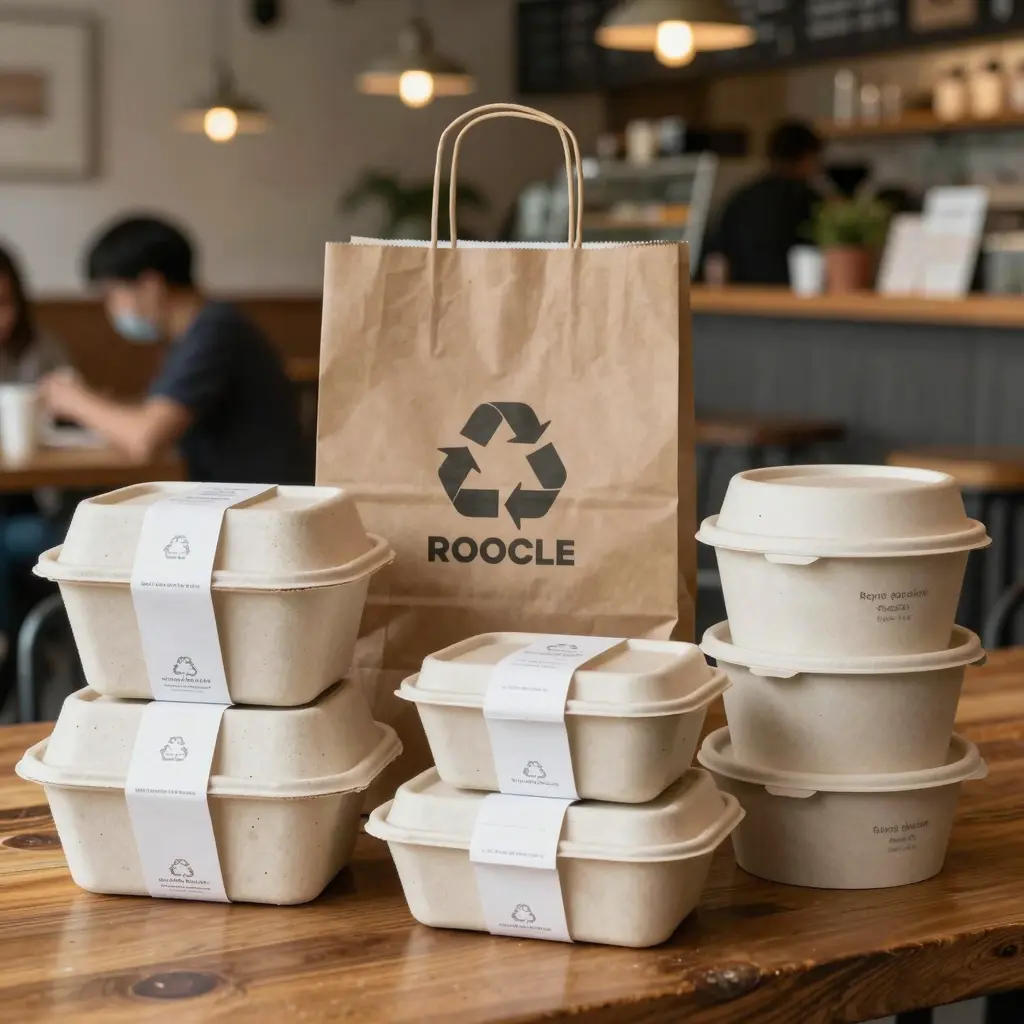
In today’s fast-paced world, particularly in the bustling bubble tea shops and busy restaurants, the packaging choices we make can significantly impact our customers and the environment. Bad plastic food containers have become a pressing concern, raising questions about safety and eco-friendliness. Many consumers are increasingly aware of the potential hazards associated with low-quality plastic, including harmful chemical leaching that can contaminate food and drinks. As a bubble tea vendor or restaurant owner, you understand the importance of maintaining high standards, both for the safety of your patrons and the sustainability of your operations.
Moreover, with a growing demand for eco-friendly alternatives, it’s essential to consider not just functionality but also the materials we use in our packaging. Choosing reliable, recyclable, and biodegradable options not only aligns your business with health-conscious trends but can also enhance your brand’s image in a competitive market.
By making conscientious decisions about food containers, you are not only protecting your customers but also contributing positively to the planet. Embracing better packaging solutions means given further value to your offerings and reinforcing trust with your clientele. To explore your options, check out our packaging solutions and eco-friendly alternatives that can elevate your business’s standards without sacrificing safety or commitment to the environment.
The Dangers of Bad Plastic Containers
Bad plastic food containers pose significant health risks and environmental impacts, particularly concerning the catering services, food trucks, and event planning industries. These sectors often rely on plastic containers for convenience, but understanding the dangers of substandard options is imperative for ensuring the safety and satisfaction of customers.
Health Risks
Research has shown that substandard plastic containers can leach harmful chemicals into food, particularly when subjected to heat. For instance, a study from Ningxia Medical University found that single-use plastic containers can release toxic substances when they come into contact with boiling water. Long-term exposure to these leached chemicals was associated with cardiovascular damage in animal models, raising alarms about risks such as heart failure for consumers.
Moreover, a groundbreaking study published in Nature Health disclosed that microplastics were found in 100% of brain tissue samples from healthy individuals, with a strong correlation to tumor proliferation in brain cancer patients. The implication is clear: the safety of what we consume is at risk when using poor-quality plastic containers that may allow these microplastics to invade our bodies (The Guardian).
Environmental Impacts
The repercussions of using bad plastic containers extend beyond human health to our environment. According to a review by PubMed Central, plastic food packaging accounts for a significant portion of global plastic waste, with nearly 800 million tons entering oceans annually, endangering marine life and contributing to long-lasting pollution. Furthermore, the production process of plastic is heavily dependent on fossil fuels, emitting greenhouse gases that exacerbate climate change (Environmental Science & Technology).
Notably, approximately 90% of plastic waste is not recycled, leading to persistent environmental damage as these containers degrade into microplastics. This degradation only serves to contaminate soil, water, and food supplies, effectively integrating microplastics into the food chain, where they can ultimately reach consumers.
Conclusion
For catering services and event planners, choosing high-quality, food-grade plastic containers is crucial to safeguarding public health and promoting environmental sustainability. Instead of risking the use of subpar products, businesses should consider alternatives such as paper-based packaging (explore options here). Our choices matter, and by advocating for better materials, we contribute to a healthier populace and planet.
Benefits of Using High-Quality Food Containers
Switching to reliable disposable tableware and packaging solutions can have a substantial impact on food service businesses. Here are some compelling advantages:
-
Enhanced Food Safety: High-quality food containers reduce the risk of contamination. They are often made from materials that prevent chemical leaching and microbial growth, ensuring that food remains safe for consumption. This aligns with health regulations and enhances customer trust.
-
Maintenance of Food Quality: Premium containers help maintain the freshness and temperature of food longer, preserving its aroma and taste. This is crucial for customer satisfaction, especially in the fast-paced environments of bubble tea shops and catering services.
-
Convenience and Efficiency: Reliable disposable tableware simplifies the service process. It allows for quicker service and eliminates the need for extensive washing and cleaning, particularly beneficial during peak hours in food trucks or restaurants. Consequently, staff can focus more on customer service.
-
Improved Brand Perception: Utilizing high-quality packaging can enhance the overall perception of your brand. Eco-friendly and well-designed packaging not only attracts environmentally conscious consumers but also communicates professionalism and care.
-
Sustainability Considerations: Modern disposable food containers often come with biodegradable options that appeal to eco-conscious patrons. This not only reduces waste but enhances brand loyalty among a growing segment of consumers who prioritize sustainability.
-
Customer Satisfaction and Loyalty: According to a report by the National Restaurant Association, diners are more likely to return to establishments that maintain high standards in food safety and packaging. This pathway to customer satisfaction can lead to increased repeat business and overall success.
For food service businesses looking to enhance their image and efficiency, high-quality packaging solutions and disposable tableware are essential investments that deliver lasting benefits.
Customer Testimonial
“Switching to quality disposable food containers has been a game-changer for our business. Our customers no longer complain about messy deliveries, and the leak-proof design means we can confidently serve sauces and soups without worrying about spills. Plus, our sales have increased because clients appreciate the sustainable options we provide. It’s amazing how the right packaging can enhance customer satisfaction and improve our brand image!”
- Lisa P., Owner of Sushi Express
This testimonial highlights the tangible benefits that modern disposable containers can bring to food service operations. For more information on sustainable packaging options, visit our collection.
Comparing Materials in Food Containers: Making Smarter Choices for Your Business
As the demand for sustainable practices grows in the food service industry, comparing materials used in food containers has never been more crucial, especially for restaurants, food trucks, and catering services. Here’s a friendly overview of various materials used in food packaging and their pros and cons, helping you make informed choices for your business.
1. Plastic Containers
- Pros:
- Cost-effective and lightweight.
- Versatile for various food types and storage needs.
- Durable against spills and breakage.
- Cons:
- Often made from petrochemicals, leading to environmental concerns.
- Potential to leach chemicals (like BPA) into food under heat or when in contact with acidic substances.
- Not biodegradable and contributes to plastic pollution.
Plastics like polypropylene (PP), polystyrene (PS), and polyethylene (PE) are commonly used but can pose health risks and environmental issues. For further choices in packaging, check out our packaging options.
2. Glass Containers
- Pros:
- Inert and does not leach harmful chemicals into food.
- Safe for use in microwaves, ovens, and dishwashers.
- Reusable and recyclable, supporting a sustainable lifecycle.
- Cons:
- Heavy and can break easily, increasing transportation concerns.
- Generally more expensive than plastic options.
Selecting glass containers could enhance brand image by promoting safety and sustainability. To explore elegant glassware for your enterprise, browse our drinkware collection.
3. Biodegradable Containers (e.g., PLA, Bagasse)
- Pros:
- Made from renewable materials like corn starch and sugarcane.
- Compostable in industrial facilities, decreasing landfill waste.
- Appeals to environmentally conscious consumers and aids branding efforts.
- Cons:
- Higher cost compared to traditional plastics.
- Limited moisture resistance can result in soggy containers.
- Require specific conditions for proper breakdown, often only met in industrial composting.
Biodegradable options like PLA and sugarcane bagasse cater well to eco-friendly initiatives, but they come with performance challenges. To see a range of biodegradable choices, check out our paper packaging options.
Summary Image
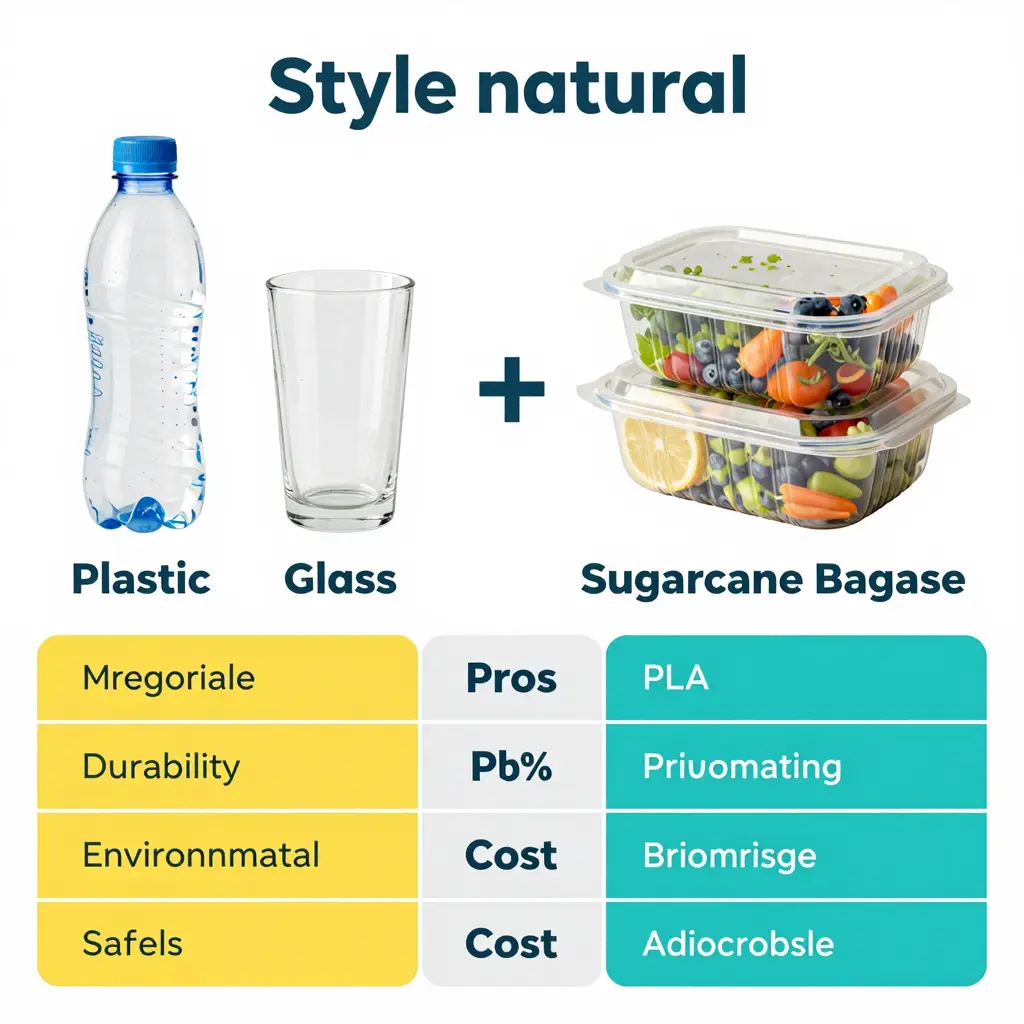
To wrap up, the choice of material for food containers impacts not only the environment but also customer perception and safety. Emphasizing sustainable and safe options by selecting appropriate materials can enhance your business’s reputation and profitability. Consider transitioning to eco-friendly alternatives, which can foster goodwill among your clientele while protecting the planet.
Top-Rated Food Container Brands
When it comes to storing food safely and sustainably, choosing the right container brand is essential. Here’s a curated table of some of the top-rated food container brands, including materials, safety ratings, and unique features that can help bubble tea shops, restaurants, food trucks, catering services, and event planners make informed purchasing decisions.
| Brand | Material | Safety Rating | Unique Features |
|---|---|---|---|
| Pyrex | Glass | NSF-certified | Microwave, freezer, and dishwasher safe; non-toxic; renowned for durability and safety. |
| Rubbermaid Brilliance | BPA-free Plastic | FDA-compliant | Leakproof, stackable design; resists stains and odors; suitable for long-term use. |
| Contigo Wave | Silicone | PFAS-free | Collapsible design; oven-safe up to 450°F; collapsible for easier storage; eco-friendly materials. |
| OXO Pop | BPA-free Polypropylene | FDA-approved | Full-rim gasket seals for airtight storage; child-safe design; highly recyclable. |
| Snapware | Glass | FDA-compliant | Patented locking lids; excellent for meal prep; freezer to oven safe. |
These brands not only prioritize safety but also offer features that enhance functionality and convenience. For more packaging options, check our available packaging materials. Additionally, you can explore disposable boxes designed for various food service needs.
Conclusion: Elevate Your Brand with Quality Packaging Solutions
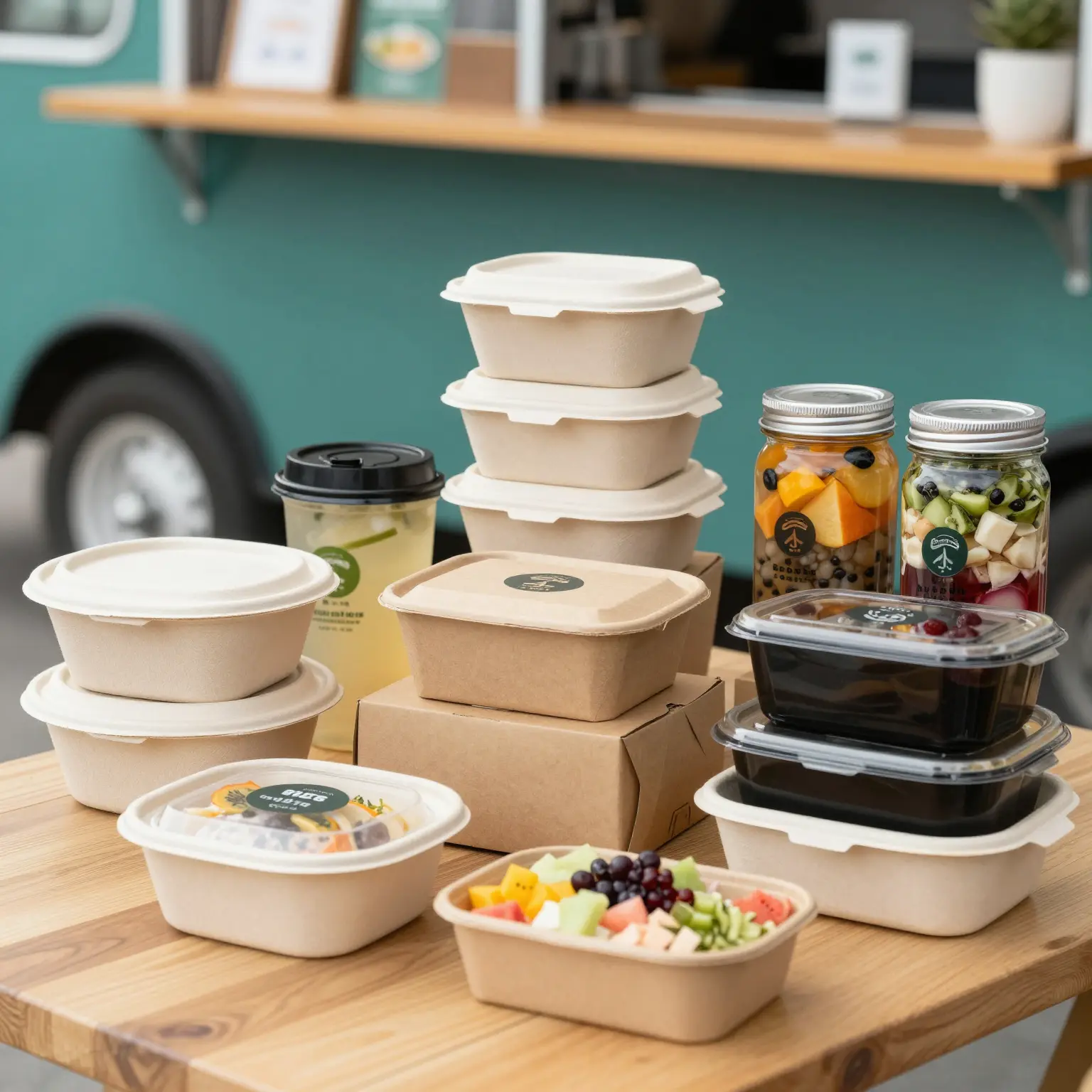
In a world where food safety, sustainability, and consumer satisfaction are paramount, investing in quality packaging solutions is not just a choice; it’s a necessity. This is especially true for businesses in the food and beverage industry, like bubble tea shops, restaurants, and catering services. We’ve explored how high-quality packaging not only protects your products but also promotes your brand identity and engages your customers.
Key Benefits of Investing in Quality Packaging:
- Enhanced Food Safety: Quality packaging acts as a barrier against contamination, ensuring that your food remains safe and fresh for consumption, as highlighted in the article The Impact of Packaging on Food Safety and Quality.
- Extended Shelf Life: By reducing oxidation and spoilage, quality packaging allows for longer storage times, decreasing waste and improving profitability.
- Sustainability: Today’s consumers are increasingly supportive of brand initiatives that emphasize eco-friendly practices. Quality packaging often encompasses recyclable and compostable materials, meeting the growing demand for sustainability in the industry.
- Consumer Engagement: Intelligent packaging designs, incorporating technology like QR codes, can enhance transparency and forge a deeper connection with your customers. (See more about this in Why Packaging Matters: The Role of High-Quality Food Packaging).
These benefits cumulatively not only boost your operational efficiency but also drive stronger brand loyalty and respect in the marketplace.
In light of all these advantages, why settle for anything less for your business? At Cofe Cup, we offer a range of high-quality, environmentally friendly packaging solutions tailored for your specific needs. Partnering with us means you are committing to surpass industry standards, enhancing your brand image while supporting sustainability. Reach out today to explore how our innovative packaging solutions can help elevate your business!
This conclusion reinforces the importance of quality packaging while guiding the audience toward the next step-engaging with the business for better packaging solutions, ultimately leading to improved safety, sustainability, and brand loyalty.
Industry Standards for Food Containers: A Must-Know for Food Businesses
Understanding the relevant safety standards for food packaging is essential for maintaining the integrity and safety of food products. Businesses in the food service industry must comply with various regulations to ensure the containers used in their operations are safe for consumers. Here are key standards to keep in mind:
Key Safety Standards
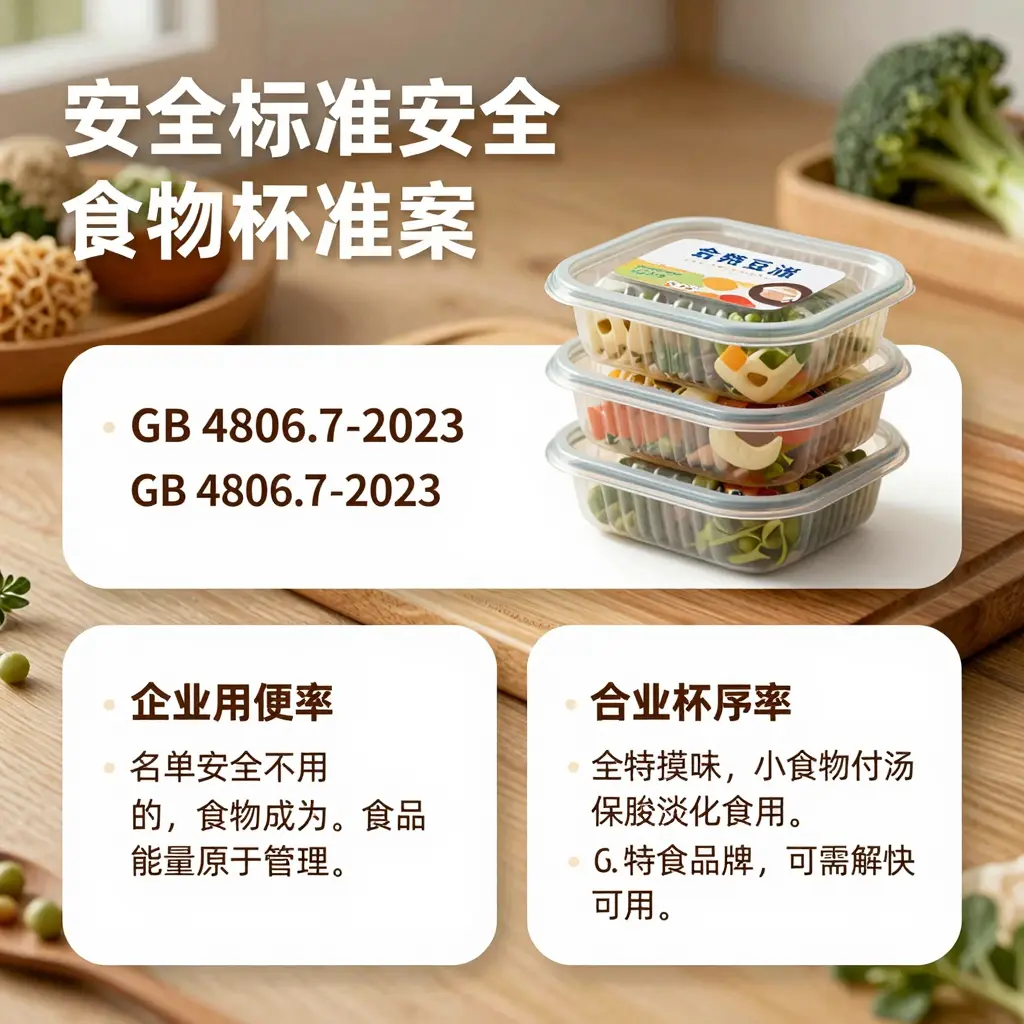
- GB 4806.7-2023: This is the latest safety standard for food contact plastic materials and products in China. Released by the National Health Commission on May 15, 2023, it will take effect from June 1, 2024. The standard outlines strict limits on migration and additives in plastic food containers, ensuring that harmful substances do not transfer to food. This standard replaces the older GB 4806.7-2016 and is crucial for any food business using plastic packaging.
- Verification by Suppliers: It is not enough to just purchase food containers; businesses should also ensure that their suppliers provide necessary documentation proving product compliance. This includes valid licenses, certificates of conformity, and third-party food safety test reports. Such measures ensure adherence to the GB 4806.7-2023 standard and protect the business from potential liability due to non-compliant products.
- More insight into supplier verification can often be found through industry updates and guidelines.
- Regulatory Guidance: Businesses should stay updated with local market supervision regulations. Continuous enforcement of new standards like those updated in 2023 highlights the importance of adhering to food safety protocols at every level-from production to consumer.
Ensuring compliance with these standards not only protects consumers but also enhances the credibility and reputation of food businesses. With consumers becoming more aware of packaging safety, businesses investing in compliant packaging are more likely to build trust and retain a loyal customer base.
Conclusion
As the food service industry evolves, staying informed about safety regulations significantly impacts operational success. For more options on food packaging that comply with safety standards, explore our collection of plastic packaging solutions.
Adhering to these standards is an investment in quality and safety, crucial for businesses across the food sector, from bubble tea shops to catering services.
User Satisfaction Levels with Food Containers
In the food service industry, user satisfaction with food containers plays a crucial role in meal delivery and overall customer experience. A recent survey highlighted several key dimensions affecting satisfaction:
| 满意度维度 | 用户满意度百分比 | 说明 |
|---|---|---|
| 容器损坏或泄漏时的负面评价 | 68% | 超过三分之二的用户在遇到容器破损或渗漏时给出负面评价 |
| 单次使用塑料容器导致食物变冷 | 52% | 近半数用户指出,使用普通单次塑料容器会使食物在送达时变凉 |
| 使用保温容器后的满意度提升 | +23% | 与非保温容器相比,使用保温容器可使用户满意度提高23个百分点 |
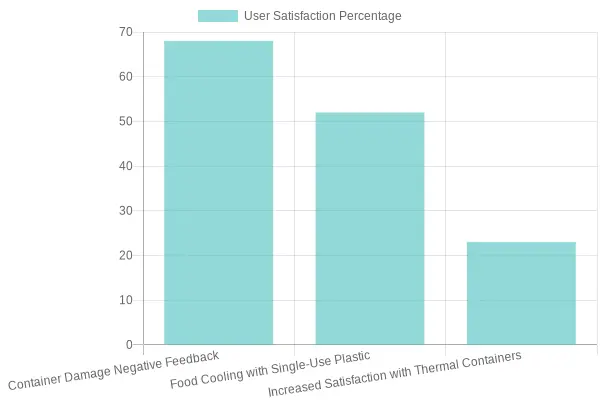
数据来源:
This chart and data reflect essential aspects of container quality influencing customer experiences in the food service sector. Switching to higher quality thermal containers could significantly boost user satisfaction, benefiting businesses aiming to deliver exceptional service.
For more information on packaging options, consider exploring our packaging solutions and various disposable containers.