
Introduction
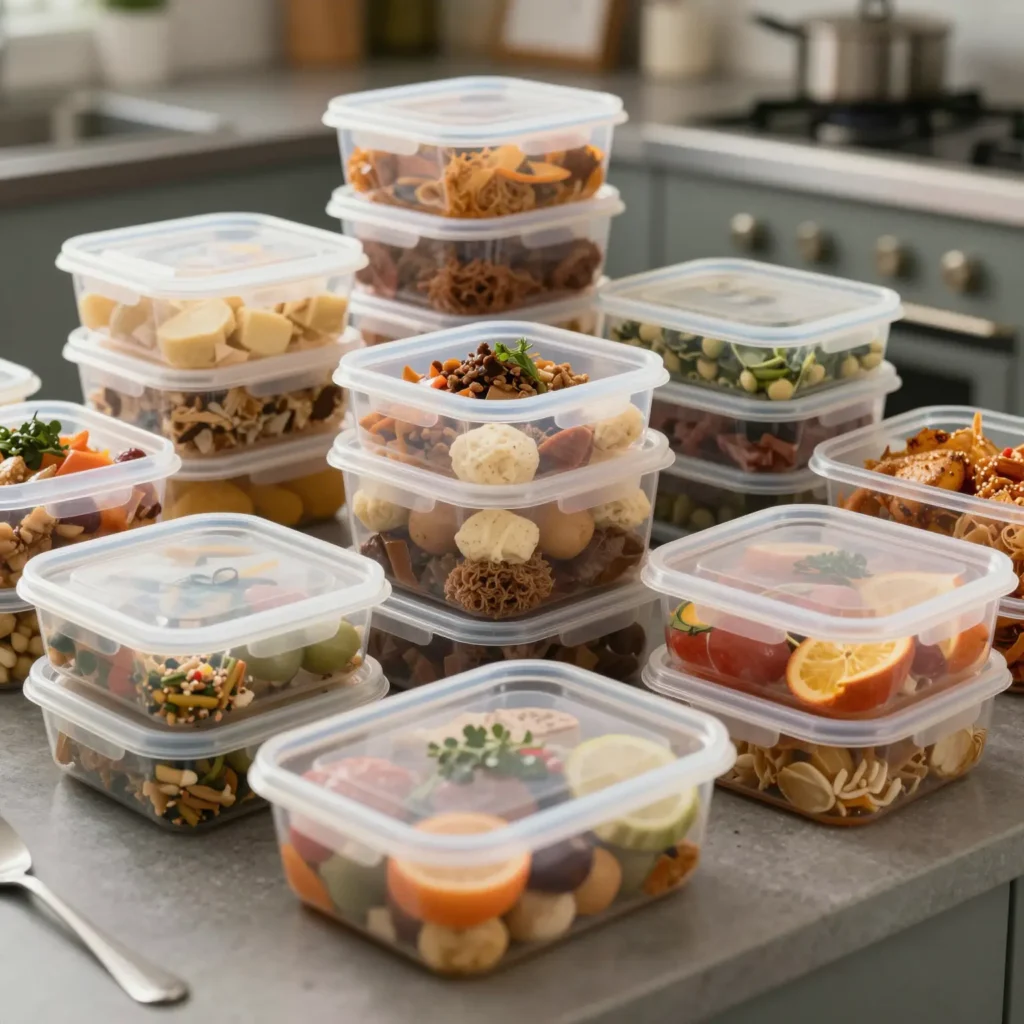
Welcome to the world of rectangular plastic containers for food, a versatile packaging solution that is essential for businesses operating in the food industry, such as bubble tea shops, restaurants, food trucks, and catering services. As these establishments strive to deliver quality food and beverages to their customers, the choice of packaging becomes increasingly significant. Rectangular plastic containers not only provide practical functionality-ensuring that orders remain fresh and secure-but they also contribute to an appealing presentation that can enhance the overall customer experience. At Cofe Cup, we understand the importance of quality packaging solutions and aim to cater to your needs by offering a diverse selection of containers that meet the demands of your business. Explore our range of options and see how our products can elevate the way you serve your delicious offerings. Browse our packaging solutions today!
With the right packaging, you can make a lasting impression while ensuring that every meal or drink reaches your customers in perfect condition.
Benefits of Using Rectangular Plastic Containers for Food Storage
Rectangular plastic containers have become an essential element in food packaging, especially for food-related businesses such as bubble tea shops, restaurants, food trucks, and catering services. Their design presents multiple advantages that enhance food storage and organizational needs. Here are some standout benefits:
-
Maximized Space Utilization: The rectangular shape allows these containers to fit snugly together, maximizing space in refrigerators and cupboards. This feature is particularly beneficial for businesses needing to store a variety of food items efficiently.
-
Stackability: One of the key advantages is their stackable design. Nesting containers saves valuable space both in storage and during transportation. This space-saving feature supports efficient organization in bustling kitchens and delivery vehicles, promoting better workflow and decreased clutter.
-
Ease of Transport: Rectangular containers can be easily transported due to their shape. They stack securely without toppling over, making them ideal for food trucks and catering events. Their durability ensures that contents remain protected, minimizing spillage and waste during transit.
-
Versatile Design: These containers are perfect for a wide range of food items including salads, pasta, dips, and more. They can be used for meal prepping, storing leftovers, or organizing ingredients – simplifying kitchen operations and enhancing service speed.
-
Durable Construction: Made from high-quality, BPA-free plastic, these containers are built to withstand various conditions, whether in freezers, microwaves, or dishwashers. Their robust nature ensures long-term use without compromise on performance, addressing the demands of food-related businesses.
-
Airtight Options: Many rectangular containers come with airtight lids, preserving the freshness of food for longer periods. This feature is critical for food establishments that prioritize quality and taste in their offerings.
-
Eco-Friendly Choices: An increasing number of eco-friendly rectangular plastic containers are available, appealing to businesses that wish to reduce their environmental impact. These options not only cater to sustainable practices but also attract eco-conscious consumers.
Conclusion
Incorporating rectangular plastic containers into your food storage strategy can significantly enhance operational efficiency and food quality. For more information on durable, eco-friendly containers for your business needs, check out our selection of food packaging solutions.
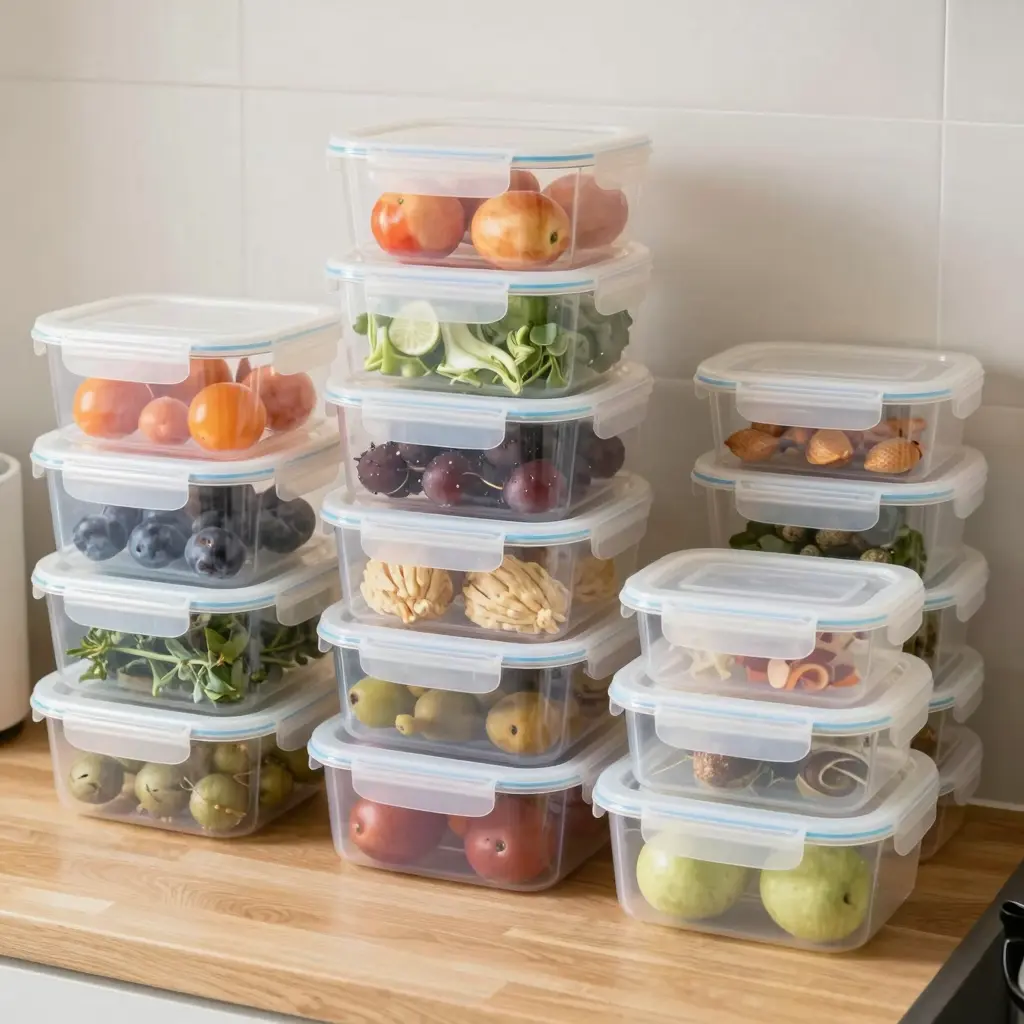
By leveraging the benefits of these containers, businesses can streamline their food storage processes and improve customer satisfaction.
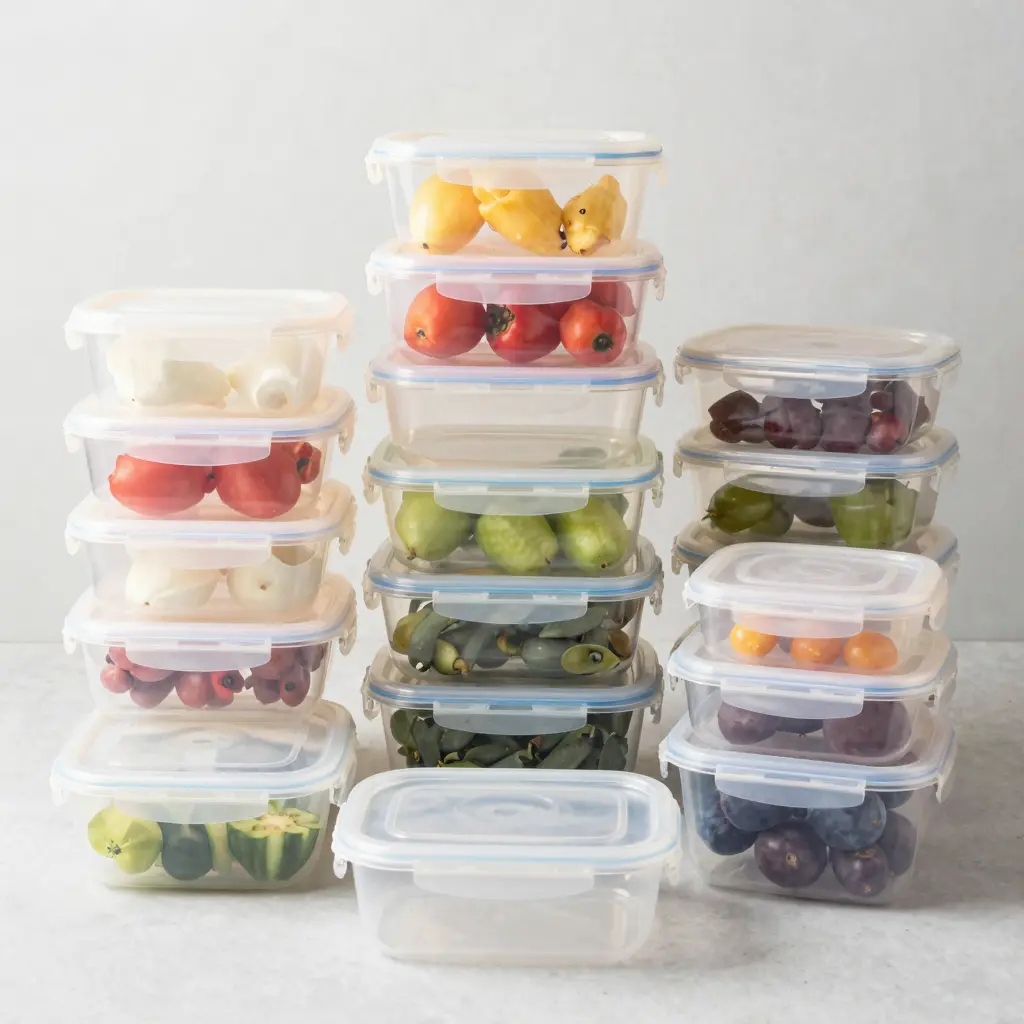
Specific Use Cases for Rectangular Plastic Containers
Rectangular plastic containers are widely acclaimed for their versatility and efficiency in various food-related scenarios. Here’s a list of specific use cases where these containers shine:
-
Food Trucks and Mobile Vendors: Rectangular plastic containers food are perfect for food trucks, as they can easily store and transport a variety of dishes, from salads to sandwiches. Their stackable design ensures that limited space is utilized efficiently, making it easier to manage inventory during busy events.
-
Catering Services: Catering businesses benefit immensely from these containers due to their airtight seals that keep food fresh during transport. They’re ideal for bulk food storage and are compatible with different temperature types (hot and cold), making them essential for any catering job.
-
Restaurant Take-Out: For restaurants offering take-out services, rectangular plastic containers provide a sturdy option for packaging meals. Their design allows for efficient stacking during delivery, reducing the risk of spills and maintaining the quality of the meal.
-
Meal Prep Services: Catering to health-conscious consumers, meal prep services utilize these containers to organize individual meals. The clear design allows customers to see their meals at a glance, promoting easy tracking of portions and ingredients.
-
Grocery and Prepared Food Stores: Many grocery stores use rectangular containers for storing prepped salads, meal kits, and deli items. Their ability to stack neatly maximizes refrigerated space and enhances the shopping experience by providing a well-organized display.
-
Home Storage: Beyond commercial uses, these containers are excellent for home storage and organization of leftovers or bulk ingredients. They can fit easily in refrigerators, ensuring that food stays fresh longer while reducing waste.
By incorporating rectangular plastic containers into their operations, businesses across the food industry can enhance organization, improve food safety, and offer a better customer experience. If you’re looking for reliable packaging solutions, explore our range of packaging products.
Safety Standards for Food Packaging
When it comes to food packaging, especially for rectangular plastic containers, adhering to safety standards is paramount. These regulations ensure that the materials used are safe for food contact and that they do not pose health risks to consumers. Key regulatory frameworks that govern food packaging safety include:
-
EU Food Contact Materials Regulation (EC) No 1935/2004: This regulation establishes safety requirements for materials intended to be in contact with food. It mandates limits on total migration and specific migration of substances, ensuring that materials do not leach harmful chemicals into food. This includes rigorous assessments for recycled plastics to maintain the safety of the food supply.
-
FDA Guidelines: In the United States, the FDA requires compliance with various food safety standards that protect against chemical contamination from packaging materials. This regulatory oversight not only safeguards public health but also prevents costly product recalls and enhances consumer trust in food brands. More detailed information can be found in the FDA’s benefits of complying with food packaging safety standards.
-
Global Standards by FAO: The Food and Agriculture Organization emphasizes harmonization of standards globally, particularly in the use of recycled plastics that may contain contaminants unless properly processed. They highlight the importance of cleaning and regulatory measures to ensure safety.
Complying with these safety standards not only protects consumers but also provides significant benefits for businesses in the food industry. Here are a few advantages:
- Enhanced Consumer Trust: Businesses that comply with rigorous safety standards position themselves as trustworthy brands, fostering loyalty among consumers who prioritize food safety.
- Reduced Legal Risks: Following established safety protocols minimizes the risk of litigation or regulatory penalties associated with non-compliance.
- Market Access: Compliance can open doors to international markets where food safety regulations are strict. As noted by the European Food Safety Authority, meeting EU regulations can facilitate easier market entry globally.
- Operational Efficiency and Waste Reduction: Implementing safety standards can improve manufacturing processes, leading to reduced waste and better resource management.
In conclusion, adhering to safety standards for food packaging, particularly for rectangular plastic containers, is not just a regulatory necessity but a strategic advantage for businesses. By ensuring compliance, companies can enhance their reputation, protect consumers, and improve their bottom line.
| Container Type | Durability | Cost | Eco-Friendliness | Typical Use Cases |
|---|---|---|---|---|
| Rectangular Plastic | Low to Moderate | Low | Low (if not recycled) | Takeout food, leftovers, meal prep |
| Glass | High | Medium | Medium (recyclable) | Long-term storage, marinades, baking |
| Metal (e.g., Steel) | Very High | High | High (recyclable) | Cooking, camping, food storage |
| Paper | Low | Low | Moderate (biodegradable but may have plastic lining) | Takeout, disposable serving, snacks |
Overview of Food Container Types
Rectangular Plastic Containers
- Durability: Often low, can warp or crack.
- Cost: Generally the cheapest option available.
- Eco-Friendliness: Plastic has a high environmental impact unless properly recycled.
- Typical Use Cases: Commonly used in restaurants for takeout food, in food trucks, for meal prep and food storage solutions.
Glass Containers
- Durability: Highly durable with excellent resistance to scratches; however, can break if dropped.
- Cost: Medium cost due to heavier nature and manufacturing processes.
- Eco-Friendliness: Environmentally friendly as they are infinitely recyclable.
- Typical Use Cases: Ideal for long-term food storage, baking, and presenting dishes.
Metal Containers
- Durability: Extremely durable and safe for a variety of cooking methods.
- Cost: Higher initial cost but offers longevity and thus lower lifetime costs.
- Eco-Friendliness: Very eco-friendly due to recyclability; minimal degradation during recycling.
- Typical Use Cases: Suitable for cooking, storage, and outdoor dining scenarios.
Paper Containers
- Durability: Low; typically not moisture-resistant, best for single-use.
- Cost: One of the least expensive materials.
- Eco-Friendliness: Biodegradable but often has a plastic lining making recycling challenging.
- Typical Use Cases: Commonly used in fast-food restaurants and for takeout packaging.
For more information on food packaging solutions, feel free to explore our selection of packaging options or disposable lunch boxes.
This table provides a quick reference for anyone looking to choose the right container type based on their needs. Whether you are managing a food truck or planning an event, understanding the differences in food containers can help in making informed decisions.
In conclusion, rectangular plastic containers are an indispensable asset for any food service or catering business. Their space-efficient design allows for optimal food storage while ensuring easy organization and labeling. Additionally, the durability and versatility of these containers make them perfect for both hot and cold food items, thereby enhancing the presentation while maintaining the freshness of your offerings. Designed with stackable features, they not only save kitchen space but also simplify storage during busy service hours.
As you consider solutions for your food packaging needs, we invite you to explore our range of packaging options tailored specifically for your industry. At Cofe Cup, we pride ourselves on providing high-quality products that are both functional and stylish. Don’t hesitate to reach out to us for a personalized quote and partnership opportunities. Your satisfaction is our priority, and we look forward to helping you elevate your food service experience!
“I absolutely love the GladWare rectangular containers! They’re so sturdy, and the tight-locking lids ensure no leaks during transport. The stackable design saves me so much space in the fridge, and they’re perfect for meal prep. Plus, they go right from the freezer to the microwave without any hassle!”
- Happy Customer
Check out our selection of packaging solutions to find containers that suit your needs!
Eco-Friendly Practices in Packaging: A Focus on Rectangular Plastic Containers
In an increasingly eco-conscious world, the importance of sustainable packaging solutions in the food service industry cannot be overstated. For businesses like bubble tea shops, restaurants, and catering services, adopting eco-friendly practices in food containers-particularly rectangular plastic containers-can make a substantial positive impact on the environment.
Why Eco-Friendly Practices Matter
The packaging sector is a significant contributor to plastic waste, which is notorious for its environmental impact. Traditional plastic containers not only take centuries to decompose but also contribute to pollution and harm wildlife. Therefore, switching to eco-friendly alternatives is a key strategy for businesses aiming to enhance their sustainability initiatives. Utilizing sustainable packaging helps brand image, meets consumer demand for green solutions, and can lead to cost savings in the long run.
Innovations in Eco-Friendly Food Containers
There have been notable innovations aimed at reducing the ecological footprint of food packaging:
- Biodegradable and Compostable Materials: Many businesses are now opting for containers made from renewable resources like corn starch and sugarcane. These materials can decompose in industrial composting facilities, lowering their overall environmental impact. According to a recent study, advancements in biodegradable plastics such as PLA (polylactic acid) are gaining traction and are poised to replace conventional options.
- Active and Smart Packaging: Innovations have led to smart technologies that can indicate the freshness of food, thereby minimizing food waste. This technology not only preserves the quality of food but also determines the right time for consumption, contributing to overall waste reduction.
- Recyclable Containers: With many consumers becoming more aware of recycling practices, manufacturers are innovating designs that facilitate easier recycling. Rectangular containers made from PP (polypropylene) are often the best option for recyclability without compromising on durability and functionality.
- Sustainable Sourcing: Companies like Shanghai Goodpak have started to focus on sourcing materials that are both environmentally friendly and high-performing, ensuring safety and sustainability standards are met. These practices reflect a broader commitment to responsible and sustainable production processes (Goodpak Solutions).
The Appeal to Your Target Audience
For businesses within the food service sector, embracing eco-friendly packaging can enhance customer loyalty. Consumers today prioritize brands that reflect their values and are willing to pay a premium for sustainable products. Whether it’s a bubble tea shop focused on trendy packaging or a catering service aiming to create sustainable events, the choice of packaging plays a crucial role in customer perception.
By choosing sustainable rectangular plastic containers, food businesses not only contribute to environmental conservation but also position themselves as leaders in the shift towards a more sustainable future. To explore a variety of eco-friendly packaging options, check out our product category of packaging printing or paper packaging offerings.
Advantages of Using Rectangular Plastic Containers for Catering Services
Catering services thrive on efficiency, presentation, and quality, making the choice of food containers essential. Rectangular plastic containers stand out for various reasons:
1. Space Efficiency
One of the major advantages of rectangular plastic containers is their space-efficient design. These containers can be easily stacked both when filled and empty, optimizing the use of refrigerator, freezer, and storage space. This is particularly beneficial for large-scale meal prep, allowing caterers to maximize storage capacity, minimizing the amount of time spent searching for food items. This stacking capability promotes organization throughout the catering process, crucial for high-volume operations.
2. Presentation and Visibility
Rectangular containers, often made from clear or semi-transparent materials, allow for excellent visibility of the food contents. This feature enables caterers to showcase their culinary creations attractively and encourages customers to view their selections easily. Additionally, a uniform shape enhances the overall presentation, appealing to the aesthetics that clients desire in catered events learn more about our packaging options.
3. Durability and Protection
Manufactured from high-quality food-grade plastic, these containers are designed to preserve the shape and integrity of foods during transportation. They protect delicate items like layered desserts from deformation, ensuring everything arrives in perfect condition. The snug, airtight lids help maintain freshness, which is especially important in a catering context where food quality is paramount explore our disposable dinnerware.
4. Versatility
These containers are highly versatile, making them suitable for various dishes-from hot entrees to cold salads and desserts. Their design not only supports portion control but also the separation of different food items, preventing flavors from mingling during transport. This is crucial for catering events where presentation matters.
Conclusion
In summary, rectangular plastic containers offer significant advantages for catering services, including efficiency, enhanced presentation, and reliable food protection. With their versatile design and practicality, these containers stand out as an indispensable asset for any catering operation.