
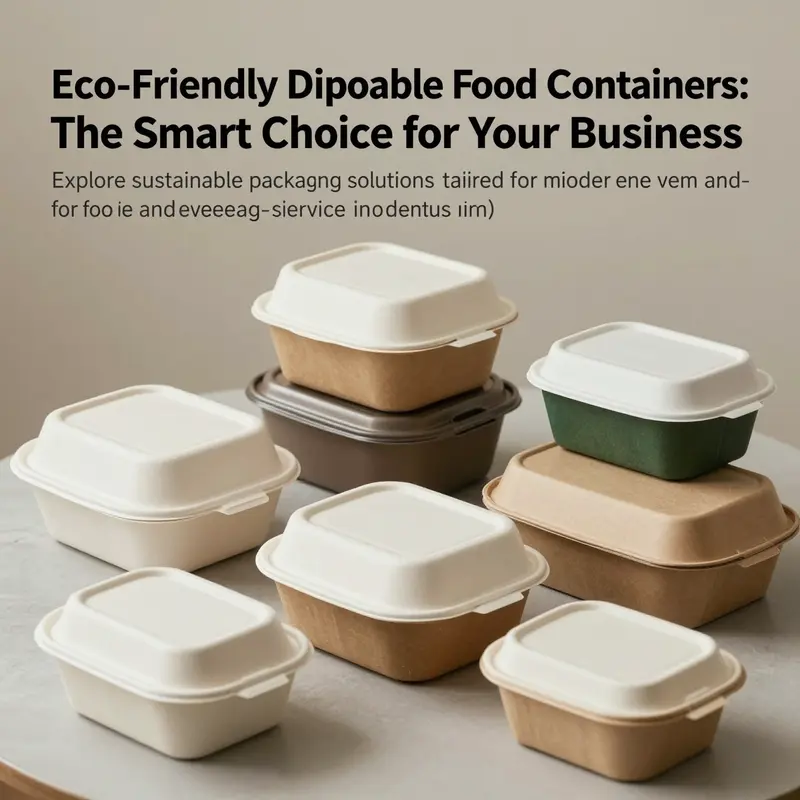
With the growing awareness of environmental issues, businesses are increasingly seeking eco-friendly solutions to meet consumer demands. Eco-friendly disposable food containers are a vital part of this shift, aligning with sustainability objectives and enhancing brand reputation. This article explores the sustainable practices behind these containers, the innovative materials employed, the economic impact of using them, and the latest market demands and trends. As we delve into each chapter, you’ll gain insights into how partnering with a reliable supplier can not only improve your eco-credentials but also support your business growth.
From Field to Fork: How Sustainable Practices Shape the Eco-Friendly Disposable Food Containers Supply
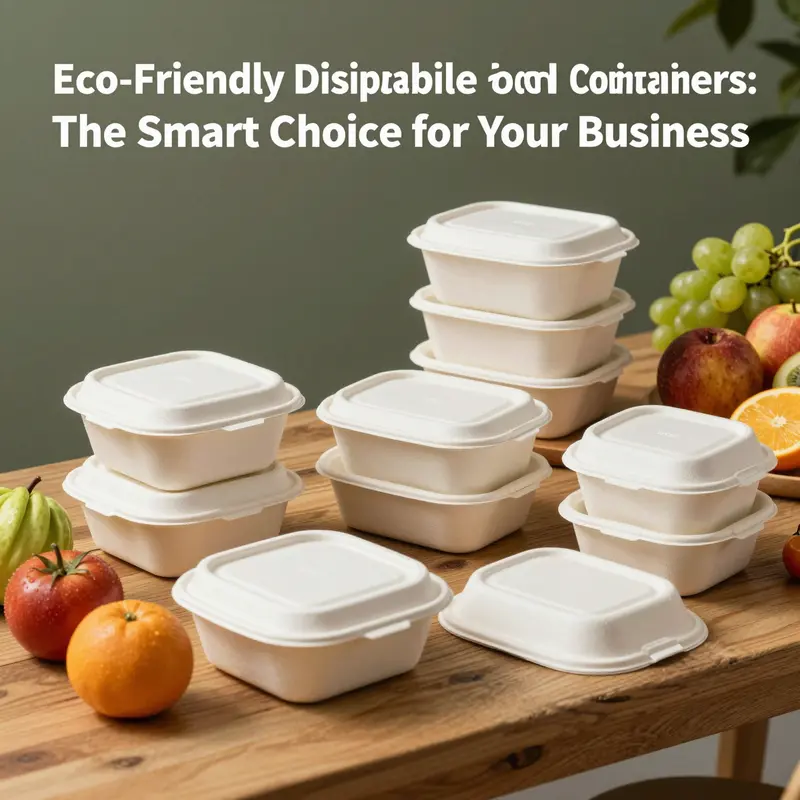
Sustainability in the eco-friendly disposable containers supply chain is a continuous, system-wide effort that starts with material sourcing and ends with responsible disposal. A robust program aligns material choice, certifications, manufacturing practices, and end-of-life considerations to deliver packaging that protects food while minimizing environmental impact. By integrating across the chain, suppliers can support a circular economy and earn trust from foodservice partners who seek accountability at every step.
Material choice matters most. Natural, renewable inputs such as bagasse, bamboo, and certified sustainable paper reduce reliance on fossil-based plastics. Bagasse, from sugarcane processing, can be a strong, compostable option for oil- and moisture-exposed applications. Bamboo offers rapid renewability and sturdy, biodegradable options, while certified sustainable paper reinforces a renewable narrative and supports closed-loop thinking when paired with proper end-of-life processing. All these materials aim to be biodegradable and compostable under appropriate conditions, which helps reduce persistent waste.
But true biodegradability and compostability depend on disposal context. Industrial composting facilities reach the temperatures and moisture levels needed for rapid degradation, while home composting often cannot achieve the same outcomes. Clear disposal guidance, product labeling, and customer education are essential so end users know how to dispose of items in their local waste streams. Manufacturers should design formulations that reliably meet industrial composting standards and communicate appropriate disposal methods.
A comprehensive, life-cycle view helps evaluate eco-friendly options. While plant-based packaging can offer advantages over conventional plastics, it is not a universal fix; some materials may be moisture-sensitive and affect shelf life. Recyclability depends on access to collection and processing infrastructure. Sustainable supply chains must span the full lifecycle—from raw material sourcing to manufacturing, distribution, use, and end-of-life processing—and encourage stakeholder education to support robust recycling and composting systems in communities.
Beyond materials, transparency and verifiable certification matter. Buyers should look for internationally recognized standards that verify compostability and ensure residues are non-harmful. For example, EN 13432 certifies industrial compostability, providing confidence that end-of-life performance aligns with environmental goals. Price matters, but it should not be the sole determinant. A rigorous supplier evaluation—covering capacity, reliability, traceability, and regulatory compliance—helps ensure sustainability claims translate into real-world reductions in waste and pollution.
End-of-life outcomes require collaboration with waste handlers, composters, and recycling networks to ensure material streams are properly sorted and processed. Education plays a pivotal role; informed customers are more likely to participate in recovery programs and close the loop. A practical approach includes scalable production capabilities, which enable consistent service while maintaining environmental standards, and the option for customization that aligns packaging with brands’ sustainability narratives.
In sum, a sustainable operating model for eco-friendly packaging integrates material choice, certification, life-cycle thinking, capacity, transparency, and end-of-life alignment. When suppliers and buyers commit to this holistic approach, packaging ecosystems can improve environmental performance without compromising safety, practicality, or cost-competitiveness.
From Bamboo to Bagasse: Innovative Materials Redefining Eco-Friendly Disposable Food Containers
The shift from conventional petroleum-based packaging to plant-forward, compostable solutions has moved from a promising trend to a practical necessity. For a supplier navigating the eco-friendly disposable food container landscape, material choices are not just about meeting a sustainability claim; they define performance, lifecycle impacts, and the volume of business that can be mobilized to meet demand. In this evolving space, the interplay between material science and manufacturing prowess shapes what is possible, enabling containers that offer robust heat resistance, reliable moisture management, and end-of-life pathways that align with circular economy principles. The narrative of innovation is no longer a niche discussion about greener plastics. It has become a holistic reconsideration of how, why, and where we design packaging.
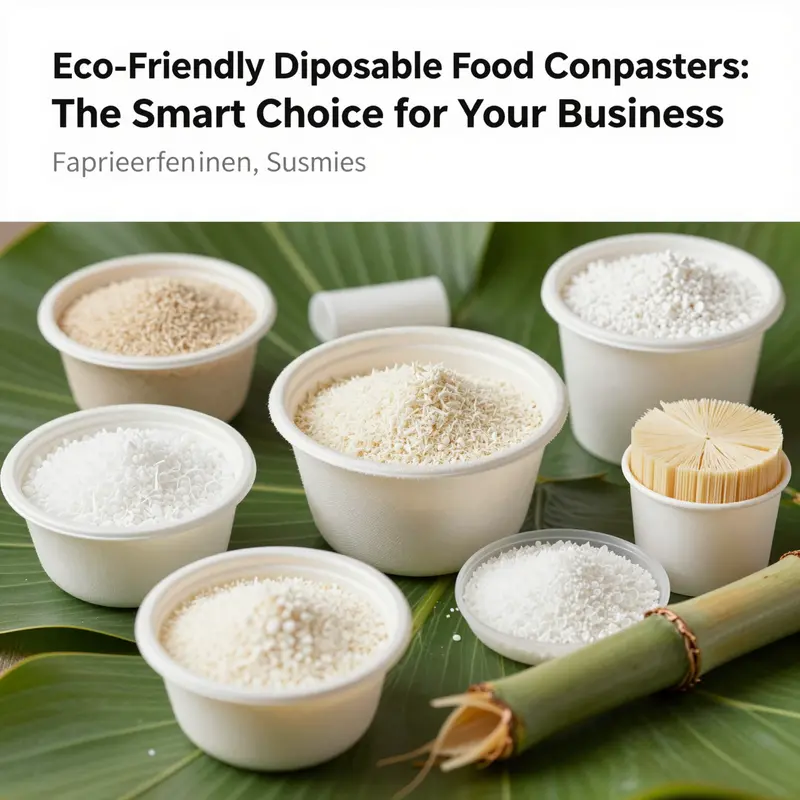
At the core of this evolution is a family of materials that can stand in for traditional plastics without sacrificing the reliability required by food service. Among the most influential are bamboo fiber composites and plant-based pulps that originate from agricultural residues. 100% compostable bamboo fiber, paired with PFAS-free kraft paper, has gained traction as a credible alternative in many markets. The appeal is multi-layered. Bamboo, as a fast-growing, renewable resource, reduces dependence on fossil-fuel feedstocks. When films and coatings derived from PFAS-free processes are used, the barrier performance rises without reintroducing the very substances that consumers and regulators are eager to avoid. Moreover, the end-of-life signature of bamboo fiber containers is compelling: they are designed to break down under controlled industrial composting conditions, integrating into a waste management system where organic streams can be diverted from landfills.
The practical strength of bamboo-based systems lies not only in their raw material properties but in how these fibers are engineered into a durable form. Bamboo fibers exhibit notable rigidity and thermal tolerance, which translates into containers that can handle hot foods, liquids, or layered meals without sagging or leaking. This resilience is essential for products like noodles, soups, or stews that would traditionally challenge disposable packaging. In many formulations, bamboo fibers are combined with barrier-enhancing additives in a way that preserves biodegradability while delivering reliable performance over a typical service window. Paired with PFAS-free kraft paper, these solutions also boast improved oil resistance and moisture management, creating a credible alternative for a broad spectrum of applications.
Another pillar of innovative materials is plant-based pulp, sourced from bagasse—the fibrous remainder of sugarcane after juice extraction—or from bamboo. This pulp is transformed into container bodies and lids that decompose in industrial composting facilities, a pathway that aligns packaging design with established waste infrastructure. The transition to plant-based pulps marks a meaningful departure from energy-intensive plastics toward materials that can be recycled or composted with substantially lower life-cycle energy and water footprints. In circular economy terms, bagasse- or bamboo-based pulps support multiple reuse and recycling loops. While the exact cycles depend on processing and end-of-life facilities, the general trajectory is toward a material that can be revalorized several times before fiber degradation becomes a constraint, offering a practical balance between durability and recyclability.
The benefits extend beyond end-of-life considerations. Plant-based pulps tend to require less energy and water in production compared with traditional plastics, contributing to reduced greenhouse gas emissions across the supply chain. This is particularly relevant for manufacturers seeking to scale up without compromising environmental integrity. The industrial ecology of these materials becomes clearer when you consider the entire production sequence: agricultural residues are diverted from waste streams, fibers are refined into curvatures and thicknesses suitable for hot or cold foods, and barrier properties are enhanced through careful formulation rather than adding synthetic additives. The result is a class of containers that maintain performance while telling a cleaner environmental story.
Crucially, these materials are designed to meet stringent safety and quality standards that reassure both food service operators and consumers. Regulatory bodies around the world increasingly require clear disclosures about composition and potential contaminants, and the trend toward PFAS-free and BPA-free formulations is accelerating in many markets. Materials used in these eco-friendly containers are aligned with food-contact regulations, including attention to migration limits and surface integrity. In practice, this means suppliers adopt processes that verify that additives, liners, and coatings do not compromise safety, while still delivering the moisture and oil resistance essential for practical use. For operators, this translates into less risk and more confidence when serving a range of foods, from stews to delicate salads, without the fear of leakage or delamination.
The enhanced functionality that accompanies these materials is not accidental. It emerges from an ongoing collaboration between material science and design engineering. Notched lids and sectional compartments are often integrated to accommodate wet or oily components, ensuring that liquids remain contained while solids and garnishes stay neatly separated. The safeguards extend to system-level considerations, such as compatibility with microwaves or refrigeration, and the ability to retain shape and integrity during transport. In many markets, such functional refinements are coupled with recognized certifications that demonstrate adherence to environmental and safety standards. For example, certifications that attest to compostability under industrial conditions, or to regulatory compliance across jurisdictions, help bridge the gap between innovation and adoption.
For a supplier aiming to deliver scalable, customizable, and high-performance options, the capacity to produce at scale is as vital as the materials themselves. A modern operation may feature multiple production lines dedicated to different material streams, from sheet production to thermoforming and paper-based manufacturing. The ability to process diverse inputs—bamboo fiber, bagasse pulp, PFAS-free kraft papers, and related composites—enables a supplier to meet a wide array of customer needs without sacrificing efficiency. In practical terms, this means a facility can yield substantial daily output, ensuring reliable supply for large events, restaurant chains, or food-service distributors. The combination of robust production capacity and flexible manufacturing paths helps keep lead times short and enables rapid response to fluctuating demand, which is a frequent characteristic of the sector.
A further layer of value comes from the ability to customize. OEM and ODM capabilities allow businesses to align packaging with brand identity while preserving sustainability goals. This includes options such as branded printing, UV coatings, embossing, and tailored shapes or sizes that fit specific menus or service formats. Customization is not merely cosmetic; it can optimize stacking, cold-chain performance, and ease of use, which in turn reduces waste during storage and transport. Importantly, suppliers in this space also recognize the importance of supporting small-batch orders, which enables newer brands or local operators to test concepts without prohibitive upfront costs. Complimentary samples, with shipping costs covered, provide a low-friction path to evaluation and iteration. And when orders align with production schedules, shipments can be arranged on tight timelines, sometimes within 24 hours, which is a practical advantage for event planners or seasonal menus.
The environmental and economic logic of these innovations ultimately converges on a broader shift in packaging philosophy. The materials are chosen for their natural end-of-life trajectories, not merely for their immediate performance. A 100% compostable bamboo fiber container, for instance, is designed with disposal systems in mind, ensuring that waste streams can be processed efficiently and with minimal pollution. The plant-based pulp options support a circular model by enabling multiple lifecycles before the fiber degrades, thereby extending the utility of the original feedstock. In this context, the supplier acts not only as a manufacturer but as a partner in guiding businesses toward packaging choices that align with local waste management capabilities and consumer expectations. This alignment is essential because it lowers the risk for operators who must guarantee that their containers actually perform in real-world conditions, while also delivering on sustainability commitments that resonate with customers and regulators alike.
To illustrate how these concepts come to life, consider how a bagasse-based design might be represented in a product catalog. The container would be described not simply as a “biodegradable option,” but as a system component capable of withstanding a typical service window, resisting oil exposure, and maintaining structural integrity during transport. It would be introduced with a careful note about end-of-life pathways, including compostability in industrial facilities and the importance of separating the material from other waste streams to maximize recovery. The narrative would emphasize that such a design supports a circular economy: the fiber can be reclaimed and transformed into new products multiple times before aging reduces its mechanical properties. For audiences familiar with the supplier’s broader capabilities, the page would also reference the possibility of customization—unique shapes, branding options, and packaging configurations that fit a particular cuisine or service model—while underscoring that all offerings comply with food safety standards and environmental regulations.
In this evolving landscape, the role of the supplier extends beyond material selection to the orchestration of a reliable supply chain. The capacity to produce at scale with five material production lines, ten thermoforming lines, and five paper product lines demonstrates how a single partner can manage diverse streams and still provide consistent throughput. The ability to yield up to ten tons daily is not merely a statistic; it is a practical guarantee that businesses can rely on for seasonal peaks, new launches, or geographic expansion. This reliability, combined with a willingness to support small orders and provide samples, reduces the friction often associated with adopting new packaging materials. It also signals a recognition that the market is not monolithic; spans of demand can vary from a local cafe to an international chain, and flexible, scalable supply is essential to meet those varying needs.
In a world where consumers increasingly scrutinize the environmental footprint of their purchases, the choice of material becomes a powerful storytelling device. Packaging that leverages bamboo fibers or plant-based pulp signals a commitment to renewable resources, reduced energy intensity, and responsible end-of-life management. Yet the success of these materials rests on more than the raw feedstock; it rests on the entire chain—from manufacturing processes and regulatory compliance to shipping logistics and customer service. The best-in-class suppliers balance practicality with purpose, delivering not only eco-friendly containers but also the assurance that those containers perform under real-world conditions and integrate seamlessly into existing waste-management ecosystems. The trajectory is clear: as the science of sustainable materials matures, packaging solutions will become lighter, stronger, and more adaptable, without compromising safety or convenience.
For readers exploring real-world applications, consider the potential of integrating plant-based pulps with brand-appropriate aesthetics and functional features. The combination of a compostable base with a visually appealing, branded surface can create a compelling value proposition for operators seeking to differentiate their offerings while reinforcing their environmental commitments. And when operators require rapid scalability, a supplier capable of handling both bulk orders and small runs, with the flexibility to accommodate customization, becomes a strategic ally. The convergence of innovative materials, rigorous safety standards, and scalable production creates a pathway toward a zero-waste future in disposable food containers, where performance and responsibility are not trade-offs but mutually reinforcing objectives.
To connect this discussion with concrete examples of how these principles translate into product families, one can explore dedicated pages that showcase containers designed for microwavable use, cold-storage stability, oil resistance, and leak-proof performance—all built on sustainable materials and manufactured at scale. Such references also illustrate how branding and design elements can be layered onto eco-friendly substrates to create compelling market offers without compromising environmental integrity. For instance, a product line described as a natural sugarcane bagasse pulp salad bowl demonstrates how the end user benefits from a practical, compostable solution that does not demand concessions on usability or aesthetics. The accompanying technical data would typically emphasize industrial compostability, the absence of PFAS, and compatibility with standard kitchen workflows, including microwaving and refrigeration within certain temperature thresholds—clear signals of readiness for commercial adoption.
In sum, the materials driving modern eco-friendly disposable food containers are not merely alternatives to plastic; they are enablers of a new packaging paradigm. They allow operators to deliver safe, reliable, and attractive food-service solutions while advancing sustainability goals and aligning with regulatory expectations. The material choices—bamboo fiber, plant-based pulp, PFAS-free kraft paper—represent a shift from just meeting minimum standards to exceeding them in ways that matter for the environment and the consumer experience. When supported by robust manufacturing capacity, customization options, and a commitment to rapid fulfillment, these materials empower suppliers to act as true partners in the transition toward sustainable packaging that can scale with demand and endure through a changing landscape. The journey from raw biomass to a finished, consumer-ready container is no longer a linear path but a dynamic ecosystem in which science, design, and logistics converge to redefine what is possible in eco-friendly disposable packaging.
For readers seeking a practical glimpse into a specific material pathway, the natural sugarcane bagasse pulp option offers a concrete example of how a plant-based feedstock can be transformed into a versatile, compostable container that meets current food-safety expectations while delivering on performance. See more about this pathway here: natural sugarcane bagasse pulp salad bowl.
External resource: https://www.alibaba.com/product-detail/Oolima-Bamboo-Paper-Box-Eco-friendly-disposable_1600485879558.html?spm=a2700.gallery-merchant-10000010.1.1a5d3b3fZjKU6C
Green Packaging, Global Markets: The Economic Pulse of Eco-Friendly Disposable Food Containers
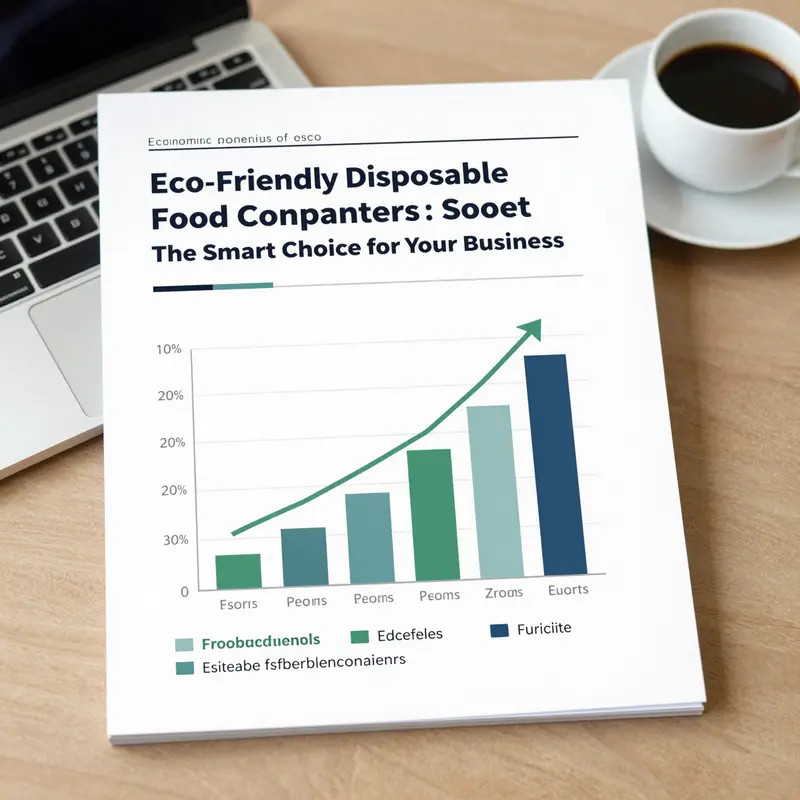
The shift toward eco-friendly disposable food containers is not merely a niche trend in packaging design; it is a structural realignment of how value is created, moved, and reused within modern economies. When agricultural byproducts, such as the fibrous remnants of sugarcane and corn, enter the packaging stream as feedstocks, they unlock a cascade of economic benefits that ripple from farm fields to factory floors, from municipal waste streams to international trade corridors. The emergence of biodegradable and compostable packaging reconfigures the cost calculus of waste management, energy use, and regulatory compliance, stimulating new revenue streams while reducing exposure to the price volatility of petroleum-based plastics. In this evolving landscape, suppliers that couple material innovation with scale and reliability become linchpins of a more resilient economy. They enable manufacturers and retailers to meet rising consumer expectations for sustainability without forfeiting performance, safety, or convenience. This convergence of material science, policy pressure, and market demand is reshaping how packaging is sourced, produced, and valued on a global stage.
The economic impact begins with circularity. Bagasse and cornstarch, derived from agricultural waste streams, transform what would otherwise be waste into a feedstock for packaging products. This creates value-added opportunities along the entire supply chain: farmers gain alternative revenue streams; processing facilities diversify their input mix; and packaging manufacturers develop new product platforms that align with environmental goals. As product designers optimize for compostability, the life cycle of packaging shifts from single-use disposal toward controlled end-of-life pathways. When packaging is engineered to decompose under specific conditions, municipalities can lower long-term waste treatment costs, and businesses can reduce the environmental liabilities tied to end-of-life management. The net effect is a downward pressure on the total cost of ownership for packaging over time, especially when combined with the energy efficiency and material efficiency embedded in modern production lines.
Global demand for compostable and biodegradable options has grown in tandem with regulatory change and consumer awareness. In regions where bans on single-use plastics have gained traction, the market has accelerated toward alternatives that are both legally compliant and economically viable. This regulatory backdrop is not a barrier but a catalyst, inviting suppliers to scale up and diversify their material portfolios. Coexisting with traditional plastics, these alternatives demonstrate that sustainability can be compatible with cost competitiveness, enabling cross-border trade and sustained investment in green manufacturing ecosystems. For example, manufacturers located in coastal regions of China have cultivated export networks that span North America, Europe, and Southeast Asia. Their business models emphasize cost-effective production, rigorous quality control, and a willingness to customize. They combine global reach with local production discipline, providing a reliable supply that meets environmental regulations while satisfying brand standards and consumer expectations for safety and performance.
Quality and safety are foundational to this economic equation. The ability to demonstrate compliance with recognized standards—such as FDA and LFGB food safety certifications—translates into predictable market access and reduced risk for buyers who must meet stringent regulatory regimes in different jurisdictions. By ensuring that products are free from harmful substances like BPA and compatible with practical uses such as microwaving or refrigeration, suppliers remove friction from decision-making in procurement. This combination of safety and reliability is essential when packaging migrates from the home kitchen to busy foodservice operations across multiple continents. It also underpins the cost efficiency of scale. When manufacturers operate multiple production lines—such as those dedicated to materials, thermoforming, and paper products—daily capacities rise, and lead times shrink. In this sense, production capability is not merely a technical metric; it is a driver of market confidence, enabling larger import orders, faster restocking, and consistent supply during periods of high demand.
The economic narrative is deeply interconnected with supplier capabilities and business models. A modern eco-friendly packaging supplier often offers a spectrum of materials—bagasse, cornstarch, bamboo, paper, and recyclable plastics—each selected for distinct performance profiles and end-of-life options. This material diversity supports a resilient portfolio that can adapt to fluctuating feedstock costs, seasonal demand, and evolving regulatory requirements. Moreover, the ability to support customization—through OEM and ODM options—enables producers and retailers to differentiate their offerings without sacrificing sustainability. Small batch production, pilot runs, and free sample programs further reduce market risk for customers exploring nascent green packaging lines. The reliability of shipment, with rapid fulfillment promises, strengthens supply chain resilience in an era of geopolitical and logistical pressures. In practice, this combination of scale, safety, customization, and service translates into a competitive edge for suppliers who can deliver consistent quality at a favorable total cost.
As this chapter threads through the broader economic fabric, it becomes clear that the ecological shift also reinforces employment and regional development. The scaling up of compostable-material production requires skilled labor across multiple stages—raw-material processing, polymer modification, extrusion, thermoforming, and quality assurance. Each stage adds value locally, creating higher-skilled jobs and fostering ecosystem thinking among suppliers, manufacturers, and distributors. The downstream effects extend to logistics and waste-management services, as more regions build capacity to handle compostable streams efficiently. Municipalities gain from reduced long-term waste-hauling costs and improved performance of local recycling or composting systems, depending on the end-of-life pathways chosen. In a wider sense, these dynamics contribute to a more diverse and resilient economy—one less exposed to single-point vulnerabilities in supply chains and more capable of sustaining livelihoods in the face of global disruptions.
Consumer behavior underpins the market’s trajectory. As awareness of environmental externalities increases, shoppers increasingly favor brands and retailers with credible packaging narratives. The demand for packaging that is renewable, compostable, and certified for safety has become an everyday criterion rather than a premium feature. Retailers, in response, seek packaging partners who can deliver not only sustainable materials but also consistent performance across a spectrum of use cases—from hot takeout foods to chilled desserts. The emphasis on performance—oil resistance, heat tolerance, and compatibility with microwaves or refrigeration—remains non-negotiable. Packaging must protect food quality, ensure safety, and maintain presentation, all while minimizing environmental impact. Suppliers respond by refining formulations, optimizing processing parameters, and expanding product lines to cover a broader set of applications. This refinement often coincides with heightened quality-control regimes and certification pipelines that reassure buyers and end consumers alike.
The role of customization and scalability cannot be overstated. A supplier with robust production capacity and agile manufacturing is better positioned to respond to shifting market demands. For instance, a company with multiple production lines dedicated to different materials can adjust output quickly in response to price signals and regulatory changes. This flexibility is crucial when new materials or end-of-life options become mainstream. It is also what makes international trade feasible in a sector that must balance competitive pricing with environmental promises. The ability to offer small-batch orders alongside large-volume production helps new entrants test market viability while allowing established brands to switch to more sustainable packaging with minimal disruption. The end result is a packaging ecosystem in which suppliers act not only as manufacturers but as integrators of supply chains, harmonizing raw materials, processing steps, and distribution networks to deliver dependable, eco-conscious packaging at scale.
In contemplating the broader economic landscape, the strategic value of such suppliers becomes evident. They are catalysts for the circular economy—turning agricultural byproducts into viable packaging, opening new revenue channels for farmers and processors, and enabling cities to rethink waste streams. The political economy around packaging is shifting, as regulatory mandates and environmental goals align with private-sector investments that prioritize lifecycle analysis, recyclability, and compostability. This alignment accelerates innovation and stimulates job creation within green industries, while also expanding export opportunities for regions that can supply high-quality, certified materials at competitive costs. The result is not only a more sustainable packaging sector but a more competitive, dynamic economy anchored in sustainable productivity and long-run resilience.
As readers reflect on these dynamics, they may consider the practical implications for boardrooms, procurement teams, and policy makers. The economic case for eco-friendly disposable packaging rests on several pillars: feedstock diversification that leverages agricultural waste, certified safety and performance that enable cross-border sales, scalable production that meets demand without compromising quality, and flexible business models that accommodate OEM and ODM collaborations. The interplay of these factors shapes a marketplace where sustainable choices become economically optimal rather than merely morally compelling. When buyers can access packaging that protects food, reduces waste, and aligns with regulatory standards—while also delivering cost advantages through scale and efficient logistics—the shift from conventional plastics toward sustainable alternatives becomes both inevitable and advantageous. This is the essence of how eco-friendly disposable containers influence global markets: they rewire cost structures, restructure trade flows, and reorient consumer expectations toward packaging that harmonizes with a greener economy.
For a concrete illustration of the practical potential, consider how a retailer or foodservice operator could select a sustainable solution that meets rigorous standards while staying responsive to demand spikes. A supplier with deep capabilities across materials, forming, and paper product lines can present a cohesive packaging suite that covers diverse needs—from hot and oily foods to chilled and delicate items—without sacrificing compostability or safety. The ability to source such a comprehensive set from a single partner reduces complexity, strengthens supplier accountability, and improves traceability throughout the supply chain. It also demonstrates how a well-integrated packaging operation can deliver measurable economic benefits to clients. The same logic applies to municipalities that seek to optimize waste-management costs while fostering a local green economy. When end-of-life outcomes are predictable and align with community goals, the total environmental footprint shrinks, and the financial case for sustainable packaging becomes more compelling.
To ground this discussion in a practical example, organizations can explore market-ready solutions that balance sustainability with practicality. For those who want a tangible representation of how sustainable design meets operational needs, a common takeout solution—an eco-friendly kraft paper cup with a lid—illustrates the principle well. This approach blends renewable materials with functional performance and a clear path to end-of-life processing. See more about this type of packaging solution here: Eco-friendly Kraft Paper Soup Cup with Lid. The page embodies how a single product family can showcase material diversity, safety assurances, and end-use practicality in a way that resonates with buyers across industries and geographies.
Finally, readers seeking a broader policy context for sustainable plastics management can turn to authoritative external analyses that detail the regulatory and environmental dimensions shaping this sector. The U.S. Environmental Protection Agency’s Sustainable Management of Plastics offers a comprehensive overview of strategies and best practices for reducing the environmental footprint of plastics and advancing circular economy approaches. This resource complements the market-level narratives discussed here and provides a broader framework for evaluating the economic implications of shifting packaging paradigms: https://www.epa.gov/sustainable-management-plastics
From Regulation to Brand Ethos: How Market Demand Is Shaping Eco‑Friendly Disposable Food Containers
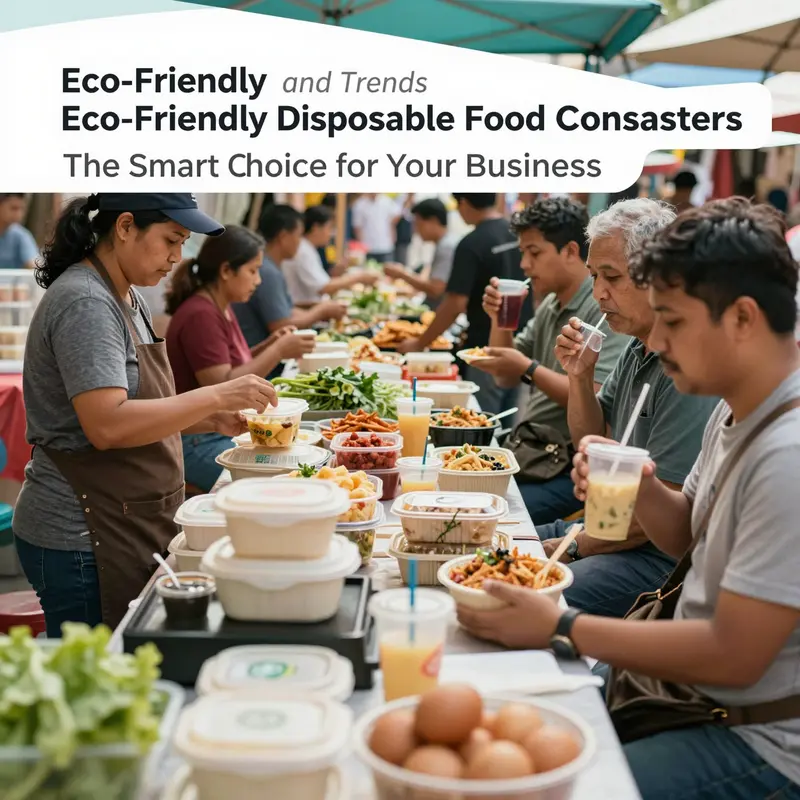
A changing regulatory landscape and a shifting consumer mindset are converging to redefine the market for disposable food containers. No longer a marginal segment, eco‑friendly packaging has become a central axis around which restaurants, retailers, and food‑delivery platforms organize their brand promise. The growth trajectory is real and multidimensional: regulatory pressure is narrowing the space for conventional plastics, consumer expectations are demanding transparent sustainability narratives, and material science is delivering viable, scalable alternatives. The result is a marketplace where volume and values align. In this environment, a supplier focusing on biodegradability, compostability, and safety can emerge as a strategic partner, not just a commodity source. The demand signals are reinforced by a global shift toward circular economy thinking, where packaging products are designed with end‑of‑life outcomes in mind and integrated waste streams, rather than treated as disposable afterthoughts.
Macro growth is driven by robust market dynamics. Industry analyses project that the global biodegradable food packaging market will expand at a double‑digit pace through the end of the decade. Growth is strongest in regions with mature regulatory frameworks and high consumer awareness, notably North America and Europe. In Europe, policies that limit or ban certain single‑use plastics create a strong incentive for compostable alternatives. In the United States and Canada, state and municipal initiatives wedge eco‑friendly materials into procurement standards and urban waste programs. These regulatory nudges translate into higher demand for materials that can claim compostability, safety, and a clear lifecycle story. Consumers reward brands that demonstrate environmental responsibility with loyalty, willingness to pay a premium for sustainably packaged meals, and a preference for packaging that clearly communicates its end‑of‑life pathway.
The materials conversation is central to what makes eco‑friendly disposable containers viable. Plant‑based options—bagasse fibers from sugarcane, cornstarch, bamboo, and wheat straw—are no longer niche demonstrations of sustainability; they are becoming mainstream performance alternatives. These materials offer credible compostability and biodegradability while delivering practical attributes customers rely on in food service: oil resistance, heat tolerance, microwave safety, and durability for hot or cold servings. In many cases, these bio‑based materials also provide competitive heat resistance and moisture management that once restricted their broader use. The evolution is not only about replacing petroleum‑based plastics but about rethinking the entire material portfolio to meet thermal, mechanical, and aesthetic expectations.
An essential consideration for buyers is safety and transparency. Food safety standards matter now more than ever as brands seek to reassure customers about what touches their food. Certifications such as FDA approval and LFGB compliance remain critical benchmarks. BPA‑free formulations are increasingly expected, not just as a regulatory checkbox but as a consumer assurance. Beyond safety, lifecycle claims matter. Companies want to know whether a package is truly compostable in industrial facilities, whether it can be recycled into a useful substrate, or whether it contributes to a circular loop. The best suppliers respond with traceable sourcing, documented manufacturing processes, and third‑party verification that aligns with international standards. In practice, this means pre‑production samples, rigorous final inspections, and transparent documentation that accompanies each batch.
Brand differentiation has moved from color and font choices to a more strategic focus on customization and storytelling. In the crowded food‑service landscape, packaging is a brand touchpoint that communicates values as effectively as the menu itself. OEM and ODM capabilities allow restaurants and food‑delivery platforms to embed their logos, color schemes, and messaging directly onto sustainable containers. Printing methods—silk screening, heat transfer, and digital printing—enable high‑fidelity branding without compromising the material’s performance in hot or greasy contexts. For operators who want to stand out while staying aligned with sustainability goals, the ability to customize packaging with a strong, consistent message is a competitive advantage. A relevant example in the market is the availability of eco‑friendly printed logo paper cups with lid, which illustrate how branding and sustainability can be harmonized in a single product line. This kind of customization helps food businesses reinforce their identity while signaling a commitment to responsible packaging. eco-friendly printed logo paper cups with lid.
Supply chains are widening and tightening at the same time. The Asia‑Pacific region, with a concentration of manufacturers in coastal hubs and industrial zones, has become a major production engine for eco‑friendly disposable containers. The ability to scale production, support low MOQs, and offer rapid lead times is critical in markets that experience seasonal demand spikes from holidays, festivals, or promotional campaigns. For buyers in North America and Europe, regional logistics considerations—faster replenishment cycles, reduced transit risk, and more predictable duty costs—make it feasible to source from reliable manufacturing hubs while still meeting sustainability goals. In this climate, a supplier’s capacity metrics—multiple production lines dedicated to different materials, automated thermoforming capabilities, and strong paper product lines—translate into reliable supply and predictable pricing. When a supplier can yield tens of tons per day, they not only meet routine demand but can respond quickly to large‑scale programs, such as corporate events or multi‑site restaurant chains that require standardized packaging across dozens of locations.
The regulatory imperative also shapes packaging ecosystems through waste reduction goals and waste management infrastructure. Cities and jurisdictions increasingly implement systems that favor compostable or recyclable packaging and increasingly tax or restrict conventional plastics. The EU’s single‑use plastics directive, along with national and regional policies in North America and parts of Asia, pushes the entire value chain toward solutions that work within extended producer responsibility regimes. This means not only meeting compostability or recyclability criteria but also delivering packaging that integrates into local waste streams and industrial composting facilities. The circular economy mindset drives demand for packaging designed for end‑of‑life recovery—a shift that elevates the importance of partnerships between packaging suppliers, composting facilities, and waste management networks. In practice, this translates into packaging with predictable disposal pathways, clear labeling, and robust performance during use that does not compromise the user experience.
A critical dimension of the market is the broader supply ecosystem’s emphasis on quality control and reliability. Buyers increasingly equate supplier credibility with rigorous testing, consistent batch quality, and transparent supply chain documentation. Pre‑production samples, inline quality checks, and third‑party certifications collectively reduce risk for customers who rely on disposable containers in high‑volume environments. The most successful suppliers position themselves as strategic partners that can deliver not only a product but a packaged service: timely quotations, clear specifications, responsive communications, and support for regulatory inquiries from customers in different regions. For brands, this means moving beyond a simple price comparison to a comprehensive evaluation of a supplier’s governance, traceability, and alignment with environmental commitments. The market rewards those who can demonstrate process discipline, reliable fulfillment, and a genuine commitment to reducing pollution through compostable and recyclable packaging options.
The drive toward branding and lifecycle transparency also intersects with consumer expectations around convenience and safety. Consumers want convenience—containers they can microwave, reheat, transport, and dispose of without second thoughts about safety or mess. They also want to trust that the packaging will perform under grease and heat without leaking, that it will not impart undesirable flavors, and that disposal won’t leave long‑term environmental scars. On the supply side, this has spurred innovations in barrier properties, oil resistance, and water resistance. In some cases, formulators have refined the surface properties of bagasse and paper composites to resist oil and moisture while maintaining the appearance and tactile appeal of traditional containers. The compatibility with microwaves and refrigeration remains a practical necessity for many operators, reinforcing the need for materials that can withstand repeated cycles of heating and cooling. The upshot is a portfolio of options that lets buyers tailor performance to application without compromising environmental claims.
For buyers navigating this evolving landscape, the decision matrix is not only about material choice but also about supplier capability and alignment with broader sustainability objectives. A reliable supplier demonstrates quality control diligence, transparent sourcing, and robust post‑sale support. They offer a spectrum of materials—from bagasse and cornstarch to bamboo and paper—so customers can match product performance with specific use cases, whether hot soups, greasy take‑out, or cold desserts. They also provide scalable custom solutions, ranging from small batches for pilot programs to large production runs for nationwide rollouts. In practice, this means a customer can source a compostable, food‑safe container that carries relevant certifications, fits the brand’s visual identity, and integrates into the customer’s waste management plan. The synergy between material innovation, regulatory alignment, and brand storytelling creates a compelling value proposition for forward‑thinking food businesses.
International buyers, in particular, benefit from suppliers who offer flexible procurement terms and clear communication around pricing, lead times, and product availability. The market is gradually moving away from opaque low‑cost options toward transparent partnerships that emphasize reliability and lifecycle thinking. Requests for quotation (RFQ) platforms and official channels remain common channels for securing information about lead times, batch sizes, and customization options. For organizations that require scalable branding across multiple markets, the ability to print logos and colors on sustainable containers becomes a crucial differentiator, tying together procurement efficiency with marketing impact. The convergence of cost, performance, and sustainability is what ultimately separates leaders from followers in this sector.
As the market evolves, potential buyers should approach supplier conversations with a clear set of priorities: define the end‑of‑life scenario and whether industrial composting is available or if recycling pathways exist in the target markets; specify performance needs for heat and oil resistance; confirm food safety certifications and absence of harmful substances; and evaluate customization options that support brand identity while remaining aligned with sustainability goals. The best suppliers respond with a well‑defined technical specification package, transparent material breakdowns, and a path to scale that respects both cost and environmental objectives. In a landscape where policy, consumer sentiment, and material science are all shifting, the only durable strategy is to partner with a supplier who can translate market signals into dependable, verifiable packaging solutions. The result is not only a product that protects food and protects the planet but a program that sustains brand loyalty and supports circular waste systems over the long term.
External resource: For a broader market sizing and trend perspective on biodegradable food packaging, see the industry analysis from Grand View Research. https://www.grandviewresearch.com/industry-analysis/biodegradable-food-packaging-market
Final thoughts
The shift towards eco-friendly disposable food containers is more than a trend; it’s a commitment to sustainability that aligns with the values of conscious consumers. Understanding the sustainable practices, innovative materials, economic benefits, and market trends will empower businesses across the food and beverage sector to make informed decisions. Adopting these solutions not only enhances your brand image but also contributes to a healthier planet. Together, with the right supplier, we can support a greener future, ensuring that our choices resonate positively with our customers.