
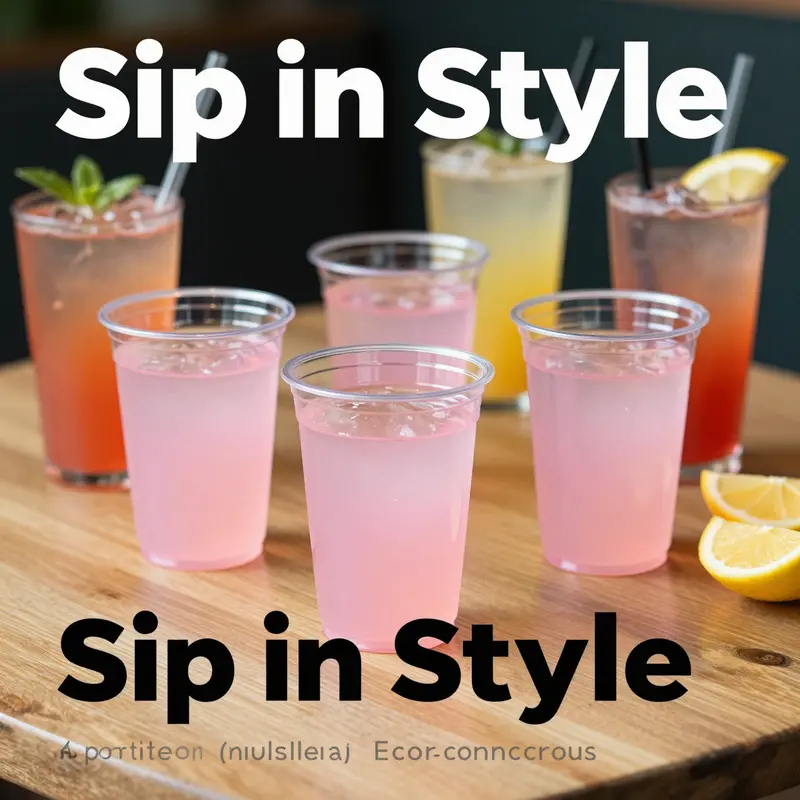
In the vibrant world of beverage service, pink portable cups made of clear plastic are making waves for their appealing aesthetics and practical convenience. These cups not only serve drinks but also enhance branding and marketing efforts for businesses across industries, such as bubble tea shops, restaurants, and catering services. This article explores their product overview, usage specifics, wholesale pricing, market trends, and environmental impacts, ultimately providing a comprehensive picture of these stylish and functional products ready to elevate any event or service.
Crystal Pink Portables: The Aesthetic, Practical, and Promotional Power of Clear Plastic Cups
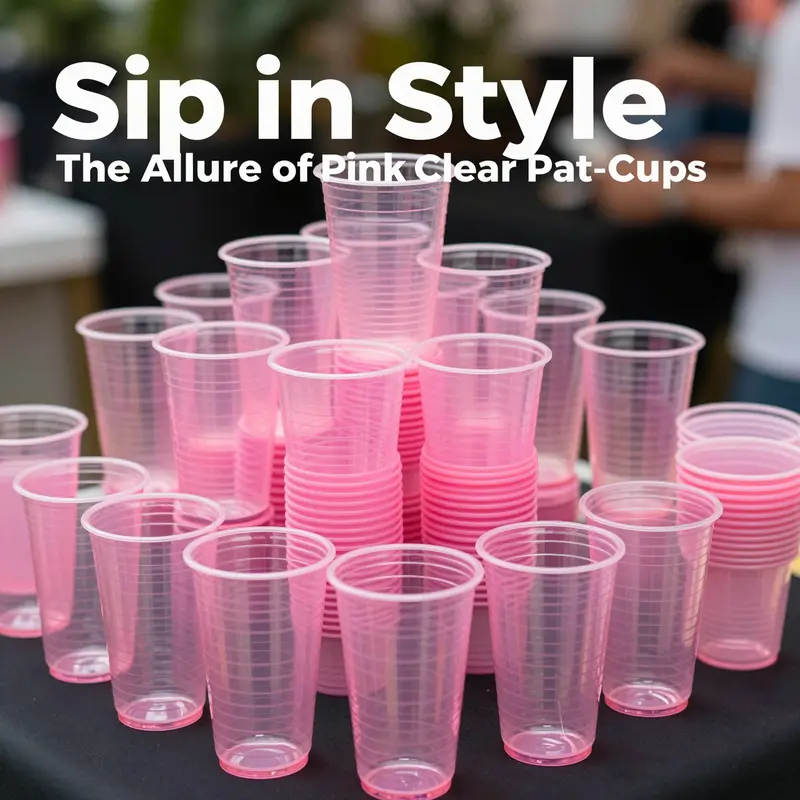
When a party starts or a trade-show booth hums with energy, the smallest details often carry the most resonance. A cup can be more than a vessel; it becomes a canvas for color, a cue for mood, and a portable carrier of a brand’s message. In the realm of beverage service, pink portable cups crafted from clear plastic rise above mere practicality by marrying visibility with simplicity. The translucent shell invites the eye to follow the beverage from rim to base, letting the color and texture of the drink do the talking. A smoothie glows with strawberry brightness, an iced tea reveals citrusy hues, and a cocktail can shimmer as light passes through the pink-tinted wall. This combination of color and clarity makes pink portable cups a versatile choice for events, promotions, and everyday service alike, especially when the aim is to capture attention quickly in busy environments where first impressions matter.
The material story behind these cups matters as much as their looks. Clear plastic cups used for cold beverages are commonly built from either polypropylene, prized for durability and cost efficiency, or polylactic acid, known for eco-friendly angles when responsible disposal or composting options exist. The choice between these materials shapes not just the user experience but the lifecycle footprint of the cup itself. Polypropylene brings resilience for on-the-go handling, stacking, and transport, reducing the risk of cracking at room temperature or in slightly cool outdoor settings. PLA, while offering a greener profile in terms of end-of-life options, invites a closer look at local waste streams and composting capabilities. In practice, many operators balance these considerations by selecting PP for everyday, high-volume use and exploring PLA where environmental claims can align with transparent recycling or composting infrastructure.
Size ranges for pink clear cups reflect the demand for versatility in servings. A spectrum from compact 8 ounces to sizeable 32 ounces covers everything from sample tastes at festivals to generous servings in casual dining or coffee-to-go contexts. A common, balanced capacity often cited in market discussions is the 9-ounce cup, which a promoter may deploy for color-coordinated beverage stations or themed events where the pink tint acts as a unifying design element. The design typically emphasizes a light, portable form—thin walls that resist heat transfer to the exterior while remaining sufficiently sturdy to hold cold drinks securely. The lightweight build aids in throughput at busy venues, speeds up service lines, and reduces the fatigue that staff experience during long shifts in outdoor settings.
Portability is reinforced through thoughtful lid design. A secure pop-on lid minimizes the risk of spills during transport from a kitchen to a curbside pickup, a food truck window, or a crowded conference hall. In many variants, lids are precisely sized to maintain a snug seal, and some models offer built-in or detachable straws to streamline the user experience. The portability and spill-prevention combination makes pink clear cups a viable choice for drive-thru operations, outdoor festivals, and promotional giveaways where a customer might be navigating crowds or commuting between venues. The visual appeal—the pink hue paired with clear walls—plays an outsized role in how a beverage looks when carried away from the source. The color peeks through the drink liquid itself, offering an inviting window into the sensory experience that awaits the consumer.
Yet the same clarity that enhances presentation also demands attention to hygiene and reuse. The non-porous surface of these cups supports easy cleaning and reduces the risk of residue adherence, making them feel cleaner to users who appreciate the option of reuse in at least the short term, even though most are designed for single-use convenience. The transparency also helps owners and staff monitor cleanliness, since any smudges or staining become readily visible and can be addressed quickly. However, the disclaimer about hot liquids remains essential. Exposing these cups to high temperatures can lead to warping or deformation, undermining the seal, compromising the structural integrity, and ultimately diminishing the consumer’s positive perception of the product. For this reason, many operators reserve pink clear cups for cold beverages, cold foams, or room-temperature offerings, and they communicate temperature expectations clearly to avoid mishaps.
Beyond the practical and aesthetic benefits, pink portable cups serve a distinct branding function. In settings where every touchpoint counts, these cups offer a moving surface for logos, color schemes, and graphics. The sheer surface area delivers a high-visibility canvas that works well with event signage, product launches, and promotional campaigns. When a brand is aiming to create a cohesive visual experience—from the color palette of the drink to the napkins and signage—the pink clear cup can act as a cohesive thread. Customization options can range from subtle color enhancements to bold graphic prints, enabling brands to imprint slogans, mascots, or seasonal motifs directly onto the cup surface. This level of customization elevates a simple drink into a memorable brand moment, one that attendees may carry with them as they move through a venue or walk away with samples. In such contexts, the cup ceases to be merely functional and becomes a portable advertisement that travels with the consumer as a tiny, daily reminder of the event or brand experience.
From a market perspective, the pink clear cup sits at an intersection of cost efficiency and consumer desire. The wholesale sector for disposable cups is highly competitive, with price variations driven by volume, material choice, and degree of customization. Basic, large-quantity orders typically see per-piece costs that align with the scale of operation; the economics tilt toward lower unit prices when orders reach ten thousand units or more. Specifics from market observations suggest that bulk pricing for standard clear plastic cups tends to hover in a narrow band, with occasional shifts driven by raw material costs and demand. When design complexity enters—the addition of color, logos, or other branding elements—the price per unit can rise modestly, but the enhanced visibility and recall often translate to a favorable return on investment for events and promotions. The dynamic is especially favorable for campaigns that aim to maximize audience engagement in a short window, such as festival weekends, expo booths, or launch events, where the visual impact of pink accents can accelerate audience uptake and social sharing.
The environmental dimension remains a central part of the conversation shaping how these cups evolve. The broader market is increasingly tethered to sustainability goals, with a growing preference for biodegradable or easily recyclable options. PLA cups, widely recognized for their compostable potential, reflect a regulatory and consumer shift toward responsible packaging. In some jurisdictions, policymakers are experimenting with pricing or deposit schemes designed to discourage single-use consumption and promote refillable or reusable alternatives. A notable regional policy movement has emphasized a cup-by-cup pricing approach, intended to discourage waste in high-traffic venues. While such policies vary by locale, they underscore a broader ambition: to preserve the convenience of disposables while reducing their ecological footprint. The discussion often returns to a simple but powerful dilemma—how to preserve the functional and aesthetic benefits of pink clear cups while steering users toward more sustainable habits or materials when feasible.
For readers evaluating the right balance, the pathways are not one-size-fits-all. Some operators lean into the strongest eco-claims by selecting biodegradable or compostable variants and partnering with venues that have robust waste management infrastructure. Others prioritize cost and convenience, embracing recyclable plastics and efficient supply chains that keep prices stable even as demand spikes. In this landscape, the pink clear cup is both a practical tool and a design instrument. It can be deployed as a neutral stage on which beverages shine, while also serving as a high-visibility brand surface that helps events, campaigns, and venues knit together a consistent visual identity.
As with any disposable consumer product, responsible choice extends beyond the moment of purchase. The lifecycle of a pink clear cup—from production to disposal—invites scrutiny of manufacturing practices, packaging, transport emissions, and end-of-life handling. Stakeholders across the value chain increasingly insist on transparency around material sourcing, recycling compatibility, and the feasibility of composting. For brands that want to keep pace with expectations, a hybrid approach can emerge: standard PP-based cups for everyday use, paired with PLA or paper-based alternatives in contexts where customers expect eco-friendly solutions or where municipal systems support composting. The future of the disposable cup market lies in this delicate balancing act—maintaining the benefits of portability and visual appeal, while embracing regenerative or at least reversible lifecycle choices.
The narrative around pink portable cups, then, is not solely about color and convenience. It is about how a simple vessel can carry multiple layers of meaning—style, practicality, promotional value, and environmental responsibility. Across events, cafes, and on-the-go service contexts, these cups enable color coordination and branding at scale. Their clear walls show the beverage inside, inviting curiosity and anticipation. They offer portability that fits modern schedules, reducing spillage and enabling seamless service lines. They also push brands to think strategically about what lies beyond the moment of consumption: how the cup will be disposed of, recycled, or repurposed, and how the branding will be experienced by the consumer at the next point of contact. In the end, the pink clear plastic cup is more than a commodity. It is a design element that travels, a marketing surface that circulates, and a barometer of how contemporary consumer culture negotiates color, convenience, and responsibility at the same time.
For readers and practitioners curious about related packaging options, explore further on eco-friendly disposable single-wall cups with lids, a resource that considers both practicality and sustainability in one accessible package. eco-friendly disposable single-wall cups with lids. This reference highlights the broader category of single-use cups that share a common goal: to deliver reliable, visually engaging serving solutions while inviting ongoing conversation about materials, disposal, and regulatory context. The pink clear cup, in this broader ecosystem, stands as a vivid exemplar of how color and transparency can elevate ordinary beverages into memorable experiences that travel with the consumer—and forever imprint a moment in time as it moves from venue to memory.
External resource: https://www.amazon.com/dp/B0CJXZK1VW
Bright Hues, Clear Impressions: The Practical Art of Pink Portable Clear Plastic Cups in Modern Events
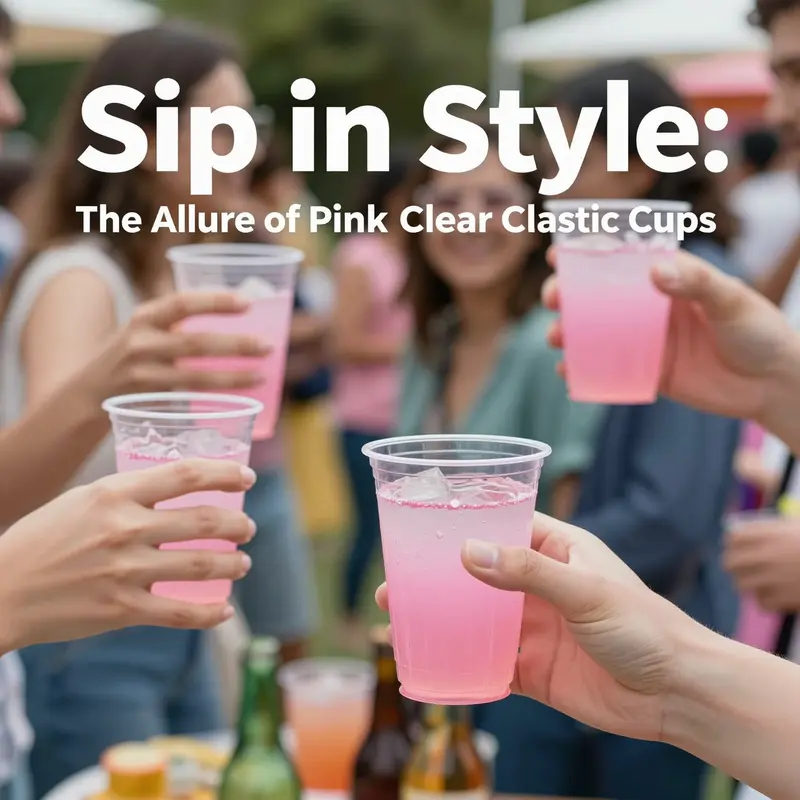
Pink portable cups made from clear plastic are more than mere drinkware; they are the tiny theater of an event, a stage where color, clarity, and convenience perform together to tell a brand’s story. In a crowded visual field, a pink cup can catch a guest’s eye, guiding attention to the beverage, the setting, and the moment itself. The choice of a bright pink hue against a transparent body offers a playful contrast that signals celebration while leaving the beverage on display. This combination—visibility and flirtation with whimsy—helps curtail the usual monotony of disposable serviceware. When the goal is to create a memorable guest experience at weddings, birthdays, baby showers, or cocktail parties, pink portable clear plastic cups become a versatile instrument in the event planner’s toolkit. They are lightweight enough to be passed around at a bustling reception, sturdy enough to hold a variety of cold drinks, and easy to stack for storage and transport between venues. Their portability and appeal make them a natural fit for picnics, beach parties, festivals, and pop-up tastings where form and function must travel together. The visual impact is immediate: pink cups, filled with a layered cocktail or a fruit-infused smash, reveal the drink’s gradient, inviting curiosity about flavor, aroma, and texture. The clarity of the plastic ensures that the beverage’s color remains part of the overall display, a factor that matters at a glance when guests are choosing a drink from a crowded table or a promotional tray. It is precisely this interplay between color and clarity that elevates pink cups from disposable props to branding assets that can be seen, remembered, and shared on social channels.
The core design of these cups is simple, yet it purposefully leans into portability. They are typically light in weight and designed to be stacked efficiently, which is a practical advantage for events that demand rapid turnover and easy reloading. The lightness reduces the burden of transport and minimizes the need for heavy, breakable glassware during outdoor gatherings, while the stackability aids storage in compact spaces, from kitchen prep areas to festive trucks and event tents. These traits are especially valuable when staff must serve quickly during peak hours or when the guest list swells with energy and activity. The size spectrum is broad, with standard options ranging from modest eight ounces up to the more generous 32-ounce capacity. In practical terms, this means a host can offer a sophisticated, palate-cleansing sample at a festival or a full-bodied serving at a reception, all within the same event footprint. A common, specific example—such as a 9 oz cup—offers a balance of portion control and presentation stability, enabling a glassy surface for layered beverages and a comfortable grip that suits both mingling and toasting.
Beyond weight and capacity, the materials chosen for pink portable clear cups influence both performance and sustainability. The spectrum typically includes durable options like polypropylene (PP) for cost-effective robustness, and polylactic acid (PLA) for an eco-conscious footprint. While PP is known for its durability and affordability, PLA serves as a biodegradable alternative that aligns with sustainability goals increasingly adopted by brands and venues. In practice, cups may be manufactured from PET—or other clear plastics such as PET variants—that deliver high clarity, good rigidity, and recyclability. PET’s clarity helps ensure that the pink color remains vibrant while the beverage inside is enticingly visible. For venues that require heat resistance, there are variants designed to handle both cold and warmer beverages, though the primary use remains cold drinks and iced options. The smooth-wall aesthetic associated with many of these cups communicates a premium impression, matching upscale beverage presentations with a clean, minimalist seat that resists residue and fingerprints better than rougher textures. The result is a versatile vessel that adapts to a range of drink offerings—from citrus-forward spritzes to silky smoothies—without overshadowing the liquid art within.
The customization potential of pink clear plastic cups is a central appeal for marketers, caterers, and event teams seeking to extend brand reach beyond a simple product. Color is not merely a cosmetic choice but a strategic branding tool. While pink is the focus here, the customization framework supports a broader palette, allowing suppliers and brands to select precise shades of pink or align the color with corporate colorways for a cohesive event theme. This color customization can be paired with tailored shapes and structures where needed, enabling brands to differentiate themselves through form as well as hue. The surface of the cup offers a canvas for branding that goes beyond the beverage itself. Logos, slogans, or graphics can be printed directly onto the cup surface, turning drinkware into a moving billboard as guests move through the venue. This level of personalization is particularly valuable at trade shows, product launches, and community outreach events, where every touchpoint contributes to brand recognition and memory. The value of customization extends further when considering functional add-ons. Many suppliers offer lids and straw compatibility, enabling a spill-resistant experience during transport or at the table. Lids are especially useful for events with outdoor exposure—where wind, movement, and crowded spaces can otherwise increase spill risk. In busy environments, the combination of pink color, clear body, and a secure lid creates a confident, consumer-friendly drinking experience that aligns with both practicality and aesthetics.
From a materials and durability perspective, the cups’ construction supports a wide range of service scenarios. PET-based cups provide robust clarity and dependable performance, making them a reliable choice for a majority of promotional and hospitality contexts. The possibility of heat-resistant variants expands the scope of beverage offerings, enabling hot drinks or near-hot beverages to be served safely in a single vessel. This is especially relevant for cafes, event pop-ups, and drive-thru services seeking flexible cupware that can handle a mix of drinks without requiring multiple different containers. The smooth-wall design enhances the perception of quality, resonating with guests who expect a polished, premium presentation even in disposable serviceware. In hospitality settings where presentation matters, the transparent wall allows the color of the drink to become part of the overall decor. A pink hue paired with a layered beverage creates a spectacle that appeals to guests seeking visually striking experiences, a factor that often translates into social media sharing and word-of-mouth promotion. The result is a cyclical effect: a memorable beverage presentation drives sharing, which amplifies brand presence and event resonance.
No product category is without its trade-offs, and pink portable cups are no exception. Slipperiness when wet can challenge both guests and servers, particularly in high-energy environments where condensation is common. Fingerprint visibility on a glossy surface may also demand more frequent cleaning to preserve an immaculate stall appearance during long events. From a sustainability standpoint, the disposable nature of these cups invites scrutiny about environmental impact. The industry’s response has been to diversify material choices, highlighting PLA-based options that offer biodegradability and a reduced ecological footprint compared with conventional polypropylene. Policy shifts in various regions further influence buying decisions. For example, some markets have started implementing pricing mechanisms that discourage single-use consumption, which nudges suppliers toward compostable or recyclable pathways. In this context, pink clear cups become part of a broader discourse about material selection, end-of-life considerations, and the social responsibility embedded in event planning and consumer marketing. The trend toward sustainable packaging solutions—ranging from biodegradable PLA cups to recyclable paper alternatives with water-based coatings—reflects evolving consumer expectations and regulatory landscapes. Pink clear cups, therefore, occupy a hybrid space: they satisfy short-term convenience and long-term brand ambitions while inviting ongoing attention to environmental stewardship.
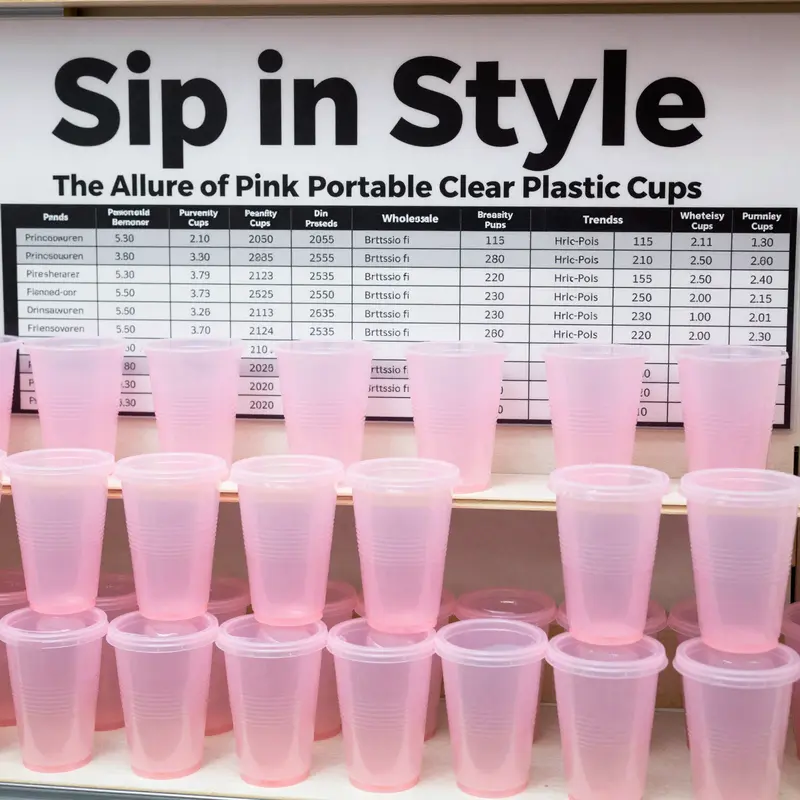
Wholesale markets for these cups reflect both volume-based pricing and customization-driven demand. Prices for standard clear plastic cups vary with volume, material, and printing complexity. The economics of a bulk order—such as 10,000 units or more—tend to reward lower per-unit costs, making larger events or campaigns more cost-efficient. When brands pursue specialized or custom designs—such as a specific pink shade or branded artwork—the unit price may rise modestly, but the incremental value in terms of visibility and guest engagement often justifies the investment. The real advantage lies in the speed and consistency with which customized pink cups can be produced and distributed, ensuring that an entire event or promotion maintains a cohesive look and professional standard. In many cases, the integration of color, branding, and practical features like lids creates a seamless pathway from concept to implementation, reducing the friction that often accompanies on-site branding efforts.
Importantly, pink portable clear cups are not isolated design artifacts; they sit within a broader ecosystem of packaging and promotional materials. A cohesive event experience may pair these cups with matching lids, napkins, signage, and other branded elements to create a unified aesthetic. The cups’ versatility supports this approach because the same base vessel can be used across multiple drink offerings and service contexts, simplifying procurement and inventory management for caterers and venue operators. The result is a practical, aesthetically pleasing, and brand-enhancing option that resonates with guests and clients alike. As the market evolves toward more sustainable solutions, this category of cups is likely to diversify further in terms of materials, coatings, and printing technologies. The objective will be to preserve the visual impact and user-friendly design that pink cups offer while reducing environmental impact and supporting responsible consumption.
For readers seeking practical references on color-led presentation and consumer appeal, consider the visual impact of pink pink-hued disposable cups in online product listings and promotions. They demonstrate how a single color choice can influence perceptions of quality, festivity, and value, reinforcing the idea that color is not merely decorative but a strategic lever in hospitality and marketing. This interconnection between color, clarity, and branding underlines why pink portable clear plastic cups have become a staple in many event planners’ arsenals. The cups’ adaptability makes them a reliable baseline that can be elevated through thoughtful customization, context-specific design, and responsible material choices. In the hands of skilled caterers and brand teams, a simple pink cup becomes a versatile vehicle for storytelling, guest satisfaction, and measurable promotional impact.
For brands seeking turnkey customization, the range of options extends to custom logos and surface finishes, enabling a spill-resistant experience during transport or at the table. A concrete example of this broad capability can be seen in offerings like senang01-custom-logo-eco-friendly-disposable-matt-lamination-brown-kraft-catering-takeaway-sushi-food-box. This reference, while anchored in a packaging context beyond plastic cups, illustrates the logic of surface customization and finish that brands often translate to cupware. The underlying principle remains the same: brands can imprint identity directly onto the vessel, growing recognition with every sip and every shared photo. For consumers and professionals who want a tangible nod to sustainability, the presence of eco-friendly finishes and materials further strengthens the connection between product, planet, and people. External references that showcase the appeal of pink, transparent cups can be found in consumer-facing listings, which highlight how the color and clarity contribute to the drinking experience and aesthetic appeal online and offline. External reference: https://www.amazon.com/dp/B09X6Q7Z5F
null
null
Color, Convenience, and Consequence: The Environmental Footprint of Pink Portable Clear Plastic Cups
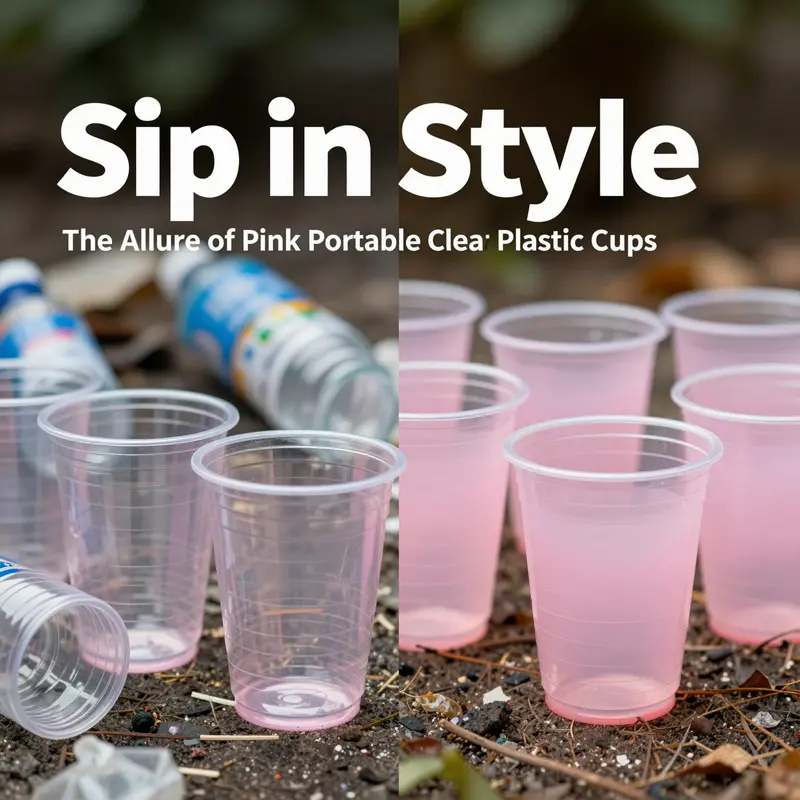
Pink portable cups made of clear plastic sit at a curious crossroads of style and practicality. They catch the eye in a crowd, lending a unified, brand-forward hue to events, festivals, and promotional gatherings while delivering the convenience of a disposable, on-the-go beverage vessel. Yet beneath this glossy surface lies a web of environmental realities that complicate their appeal. The chapter that follows traces the journey of these cups from production to disposal, examining how choices about materials, manufacturing, and end-of-life management shape their true ecological cost. It is not a critique of color alone but a call to understand how aesthetics and responsibility intersect in a single-use economy.
At the heart of pink portable clear plastic cups are two broad material families: polypropylene (PP) for durability and cost-efficiency, and polylactic acid (PLA) for a more eco-leaning profile. PP cups are renowned for their resilience in handling cold or moderately warm beverages, their lightness, and their ability to withstand the rigors of transport and stacking at crowded events. PLA, a biobased option, is promoted for biodegradability and a reduced fossil-fuel footprint, at least in theory. In practice, the choice between PP and PLA sets the stage for later debates about real-world end-of-life outcomes, recyclability, and the timing of environmental benefits. The pink hue itself is more than an aesthetic flourish; dyeing introduces its own set of chemical inputs and energy demands, which compound the cup’s overall environmental profile. A 9-ounce capacity is a common benchmark, favored for its stability and ease of hand-holding during mingling and sampling, and it often comes with a lid to prevent spills when on the move. These design features reinforce a perception of convenience that audiences relish, even as they overlook what happens after the last sip.
The lifecycle of a pink portable clear plastic cup begins with raw materials, continues through manufacturing and distribution, and concludes in disposal or potential reuse. In the modern market, manufacturers balance performance with price, often prioritizing mass production and uniformity. The dyes used to achieve the pink color require energy and chemical inputs, and the production steps add to the cup’s carbon footprint even before it reaches the consumer. From a materials perspective, the two most common pathways are conventional PP and PLA. PP’s durability translates into lower loss rates during use, but its recycling path is not always straightforward. PLA, while appealing for its biobased origin, faces a different set of challenges: industrial composting facilities must be available to realize its compostability claims, and not all municipalities accept PLA in curbside recycling programs.
Disposal and end-of-life management reveal one of the strongest tensions in this story. Even when a pink plastic cup is labeled as recyclable, many programs do not accept colored plastics or the blend of plastic types used in multilayer or thin-walled designs. Contamination becomes a critical barrier: food residue, color additives, and mixed recycling streams complicate processing, often resulting in material being diverted to landfill rather than re-entering the production cycle. In landfills, the story can become more troubling. Under anaerobic conditions, traditional plastics contribute to methane generation, a greenhouse gas with a much higher global warming potential than carbon dioxide in the near term. Although these scenarios vary by local waste infrastructure, they illustrate a common trajectory for many disposable cups when they miss the recycling loop.
The environmental footprint of the pink cup extends beyond end-of-life concerns. The dyeing process itself, along with the energy used to heat, extrude, and form the plastic, adds to the cup’s carbon intensity. Even when a product is marketed as BPA-free or optically aligned with recyclability, the broader lifecycle—comprising production energy, dyeing, transport, and final disposal—remains substantial unless robust recycling, reuse, or composting systems are in place. This interplay between aesthetics and responsibility becomes more pronounced as consumer expectations shift toward sustainable consumption patterns. People want color and branding that stands out, but they also want assurances that their choices do not leave an outsized environmental mark. The tension invites a more nuanced conversation about where to place emphasis: on material choice, on end-of-life options, or on a combination of both, tailored to local waste infrastructure and consumer behavior.
Market dynamics reflect this tension as well. The wholesale market for clear plastic cups remains fiercely competitive, with price sensitivity closely tied to volume, material selection, and the potential for customization. As of early 2026, bulk pricing for standard clear plastic cups ranges from a few hundredths of a dollar to five-hundredths of a dollar per piece for very large orders, with exact figures dependent on the mix of PP and PLA, the presence or absence of lids, and the degree of customization. For specialized pink cups with a distinctive 9-ounce capacity and branding elements, costs rise modestly as volumes scale, underscoring how sustainability considerations can influence total cost of ownership if brands decide to prioritize eco-friendly materials or reusable solutions. Those dynamics ripple through procurement decisions for events, trade shows, and promotional campaigns where the look and the practicality must harmonize with budget realities. In this context, many buyers begin to weigh not just the sticker price but the lifetime value of a cup that may be repurposed, recycled, or composted in a compatible system.
A crucial counterpoint to the push for convenience is the growing emphasis on circular economy practices. The most robust environmental gains emerge when cups are kept out of landfills through reuse programs, or when there is access to industrial composting or advanced recycling streams capable of handling colored plastics and PLA blends. The broader industry is increasingly oriented toward solutions that extend a cup’s life, either by encouraging return-and-refill models, incentivizing consumer participation in reuse schemes, or by offering recyclable or compostable variants that align with local facilities. In some regions, policymakers are experimenting with pricing mechanisms or deposit schemes designed to discourage single-use behavior, aiming to nudge consumers toward alternative formats or more responsible disposal practices. These shifts are not isolated; they are reshaping the conversation around even seemingly simple items like pink cups, linking product design to policy and behavior in meaningful ways.
When brands consider alternatives, the landscape broadens to include non-plastic or more sustainable plastic options. Paper cups with water-based coatings, biodegradable or compostable formulations, and reusable vessels with clear branding are increasingly positioned as viable substitutes for single-use pink cups at many events. The move toward more sustainable packaging does not require abandoning the branding impact of pink hues; rather, it invites creative exploration of colors and materials that minimize environmental harm while preserving the visual cohesion brands seek. For readers exploring these alternatives, there are practical pathways to pursue. For example, adopting eco-friendly printed-logo options in paper or PLA-based formats can be a strategic way to maintain visibility without locking the event into a single-use plastic loop. A practical starting point is to examine options that blend branding with sustainability, such as paper cups that carry strong visual identity and can be produced with low-impact coatings and inks. See the internal resource linked here for a concrete example of eco-friendly printed-logo paper cups with lids: senang07-eco-friendly-printed-logo-buy-paper-cup-take-away-coffee-cup-8-oz-12-oz-paper-cup.
From the consumer angle, the pink cup’s appeal is undeniable. The color offers a quick visual shorthand for branding, group identity, and momentary delight, which is valuable in crowded venues where quick recognition matters. Yet color is not merely aesthetic; it is a signal about the production process and the end-of-life story. When a brand leans into vivid pink without a clear plan for recycling, composting, or reuse, it risks sending a mixed message that undermines long-term trust with audiences increasingly attentive to environmental stewardship. The tension between color-driven marketing and sustainable practice is not a barrier to success but a prompt to design with intention. The most resilient campaigns will weave color, messaging, and practical waste strategy into a single narrative that can be communicated to attendees during and after the event.
Looking ahead, the future of pink portable cups—indeed, of any disposable cup system—likely hinges on the integration of advanced materials, smarter waste infrastructure, and consumer behavior shifts. Biodegradable or compostable options that perform as reliably as PP in real-world use require clear pathways for end-of-life processing. Recyclability must be reliable in curbside programs, or else reuse and return schemes must become cost-effective and logistically feasible. The push toward zero-plastic or low-plastic coatings, often described as zero-plastic cups or the use of recyclable paper with water-based coatings, signals a broader industry move toward products designed for circularity rather than one-way disposal. Each of these avenues brings its own challenges—manufacturing consistency, supply chain complexity, consumer perception—but they collectively illuminate a path toward balancing the benefits of portability and branding with ecological responsibility. The coexistence of convenience and conscience is not a paradox; it is a design brief for a new generation of event materials that honor both aesthetics and the planet.
In practical terms, consumers and organizers can start by prioritizing disposal-aware choices when selecting cups. Before choosing pink plastic cups, check whether local facilities accept colored plastics or PLA blends and whether industrial composting is an option for PLA-based products. If recycling is the goal, seek clear labeling and robust consumer education on rinsing and separating components. When reuse is feasible, consider logistics that support cleaning and return streams, turning a one-time event item into a value-generating asset rather than waste. Transparent communication about the lifecycle of the cup, reinforced by visible labeling and post-event messaging, helps attendees feel part of a sustainable solution rather than a detached consumer act. The lifecycle complexity behind a single pink cup becomes a narrative about responsibility, not a mere aesthetic choice.
For readers seeking broader context on waste management and policy frameworks, see the UK Environment Agency’s guidelines on single-use plastics, which offer a practical examination of how disposable items are treated within different waste systems and what steps communities can take to reduce environmental harm. This resource provides a useful reference point for designers, marketers, and organizers who want to align their events with responsible waste practices while preserving the visual continuity that pink cups provide. External resource: https://www.gov.uk/government/publications/single-use-plastics-what-you-need-to-know
Brilliant Hue, Transparent Function: The Case for Pink Portable Clear Plastic Cups in Modern Gathering Culture
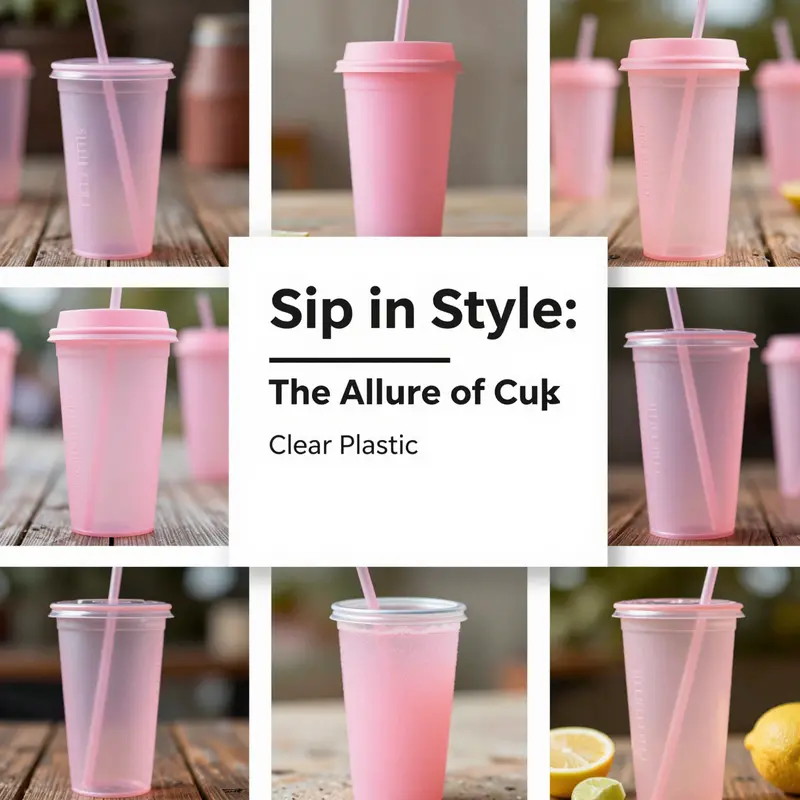
Pink portable clear plastic cups arrive at events with more than just a splash of color. They arrive with a promise—one that blends visual appeal with practical reliability. In settings ranging from intimate gatherings to bustling trade shows, the sight of a cup tinted in a vivid pink while its contents remain visible through crystal-clear walls can instantly signal a moment of levity, a wink of personality, or a brandable cue that attendees remember long after the last toast. This is not merely about aesthetics; it is about how a simple everyday object can become a quiet catalyst for memory, a vessel that communicates mood, quality, and organization all at once. The color pink, in particular, carries associative energy. It suggests approachability and warmth while still capturing attention in a sea of more ordinary, translucent plastics. When paired with portability—the cup’s lightweight form, stackable design, and compatibility with lids and straws—the pink clear cup becomes a versatile workhorse. It is designed to travel from a crowded event floor to a covered conference room, then into the hands of someone navigating a city street with a cold drink in hand. The outward appeal invites curiosity; the practical features invite repeat use. In this way, pink portable clear plastic cups function as micro-marketing tools that are also everyday conveniences, a rare combination that explains their rising ubiquity in contemporary display and service environments.
At the core of these cups are two material families that matter to stakeholders who weigh cost, performance, and environmental impact: polypropylene (PP) and polylactic acid (PLA). PP has long been the backbone of durable, cost-effective disposable cups. It resists cracking, tolerates temperature variations that accompany outdoor events, and stacks efficiently for shipping and storage. Its resilience makes it a reliable choice for cold drinks, iced beverages, smoothies, and even the occasional hot-tout scenario when the cup design accommodates temperature tolerance. For event organizers or brand managers who plan large-scale giveaways, the durability of PP translates into fewer complaints about leaks or collapses, a smoother experience for attendees, and a cleaner brand impression as people handle beverages during long, busy days. PLA, on the other hand, steps onto the stage as the eco-conscious alternative. Derived from renewable resources like corn starch or sugarcane, PLA cups offer biodegradability in appropriate industrial composting environments and align with consumer demands for greener packaging. The choice between PP and PLA is rarely about aesthetics alone; it is a deliberate calculation that weighs lifecycle considerations, regulatory expectations, and the logistics of waste handling in the event ecosystem. In addition to material choice, these cups often advertise themselves as BPA-free, aligning with safety concerns that rise to prominence as people increasingly associate disposable plastics with potential health concerns. The transparency of the clear plastic lets the beverage inside speak for itself, while the pink tint frames the drink as something special, a little moment of delight in the flow of a busy day.
Size versatility is another pillar of their appeal. The spectrum commonly spans from smaller 8–9 ounce servings up to generous 24 and 32 ounce capacities. The 9-ounce option is particularly well-regarded for stability and ease of handling, making it a favorite for sample promotions or quick tastings at a convention floor. The range accommodates both light, refreshing beverages and more substantial cold drinks, so brands can tailor their serve-time experience to the event context. A pink cup with a matching lid, sometimes accompanied by a reusable straw, becomes more than a single-use plastic item; it morphs into a portable, branded toolkit for beverage service. The lid is not merely a barrier against spills; it is a confidence booster for attendees who move from booth to lounge seating, from cocktail hour to post-presentation networking. The combination of color, clarity, and sealability helps keep drinks appealing while bundled with practical security for transport.
The portability story extends beyond the physical cup. In bulk markets, these cups are frequently sold in large quantities—300, 50,000, or more—reflecting how events, offices, and promotional campaigns scale. The economics of scale comes with a trade-off: higher volumes reduce unit costs, but they demand precise coordination of color consistency, lid compatibility, and printing feasibility. For many organizers, the ability to customize is as important as the price per unit. Clear pink cups are highly compatible with printing methods that allow logos, corporate colors, and graphics to appear directly on the surface. The result is a branded experience that remains visible through the contents while contributing to a cohesive visual identity across a trade show floor or a product launch environment. This customization capability turns a disposable cup into a canvas for marketing, a little billboard that participants hold for minutes and remember long after they have discarded it. It also supports donor recognition in community events and charity drives, where a consistent color and clear messaging can boost recall and engagement without incurring prohibitive costs.
Cost considerations are central to the decision-making process around pink portable clear plastic cups. In the wholesale market, base prices fluctuate with volume, material choice, and the extent of customization. For standard 32-ounce PP or PLA cups with a lid, a typical range might land around a few tenths of a cent per piece when ordered in tens of thousands, with FOB (free on board) terms reflecting logistics and carriage. For specialized, design-forward pink cups—whether they are 9-ounce or another capacity—the unit price can be modestly higher, particularly when a large order is involved that justifies the setup for color matching or branding accuracy. The picture that emerges is a pragmatic balance: the more you buy, the lower the average cost, and the more you can invest in a memorable visual presence without sacrificing functionality. The economics are not simply a function of the base material; they are shaped by the union of form, function, and flair. A well-timed investment in a pink hue and clear body can yield outsized returns in terms of brand recognition at large events, visitor engagement, and social media shareability when attendees post and tag their beverages in visually striking cups.
Yet, even as these cups thrill event planners with their aesthetic punch and logistical practicality, they exist within a broader sustainability dialogue that has gained urgency in recent years. The environmental footprint of disposable cups cannot be ignored, and growing public awareness has nudged manufacturers to advance eco-friendly alternatives and more responsible end-of-life options. Biodegradable PLA cups address some of the waste concerns, offering a pathway to reduce landfill persistence—though they require appropriate industrial composting infrastructure to realize their full environmental benefit. There is also a broader shift toward recyclable or renewable materials and to packaging ecosystems that minimize single-use waste. In some markets, policy instruments are already reshaping consumer behavior. For instance, regulatory approaches such as cup-by-cup pricing systems encourage consumers to reduce waste, deterring casual or habitual single-use consumption. These shifts pressure manufacturers and brands to innovate—both in materials and in how cups are designed for reuse or recycling. The pink color, once a purely aesthetic device, becomes an element of a broader communication strategy about sustainability. Brands can leverage the pink hue to signal support for eco-friendly practices and to remind consumers of the value of thoughtful disposal and recycling when the event ends.
In practice, the best paths forward combine durable design with responsible material choices. A pink portable clear cup may be durable enough to withstand daily use and easy to transport, but its true strength lies in how well it can be integrated into a sustainable narrative. The choice between PP and PLA becomes not just a trade-off between performance and environmental impact, but a statement about an organization’s values and commitments. The possibility of reusing the cups in future events or repurposing them for other programs creates a circle of use that stretches beyond a single gathering. For organizers who aim to minimize waste, suggestions such as providing lids and reusables where feasible, encouraging guests to reuse cups, and offering clearly labeled recycling streams can turn a simple promotional item into a lasting component of a responsible event framework.
The consumer experience with pink portable clear plastic cups can be surprisingly nuanced. The transparency of the plastic makes the drink itself part of the display, inviting curiosity about the beverage inside and the color of the liquid that sits within the pink frame. The pink tint does not obscure clarity; rather, it enhances perceived value by adding charm without concealing the beverage choice. This dynamic is important for vendors who are marketing premium cold drinks, cold brew coffee, iced tea, or craft lemonades. The cups’ ability to show the color and texture of the drink underneath while maintaining a visible brand message on the surface supports a sensory narrative: color, temperature, texture, and branding converge in a single, portable moment. For consumers, this can translate into a more memorable sampling or tasting experience. For marketers, it translates into better recall when the same pink, transparent cup appears at multiple touchpoints—a trade show, a concert, a pop-up, or a charity banquet—and becomes part of a recognizable, repeatable experiential pattern.
A practical example helps illustrate how these factors come together. Consider the 9-ounce clear pink cup. It is small enough to be handed out during a sign-up moment, yet sturdy enough to hold beverages without feeling flimsy. Its light weight simplifies logistics in crowded settings, which reduces labor costs and the risk of spills as staff move between stations. The lid adds a practical dimension that aligns with mobility, enabling attendees to carry drinks through hallways and into lounge spaces without creating a cascade of spills. The customization layer—logo, color, and messaging—transforms the cup from a disposable tool into a portable advertisement. In a busy trade show, where attention is scarce and every second counts, this combination of accessibility and branding becomes an efficient mechanism for reinforcing a message.
In the end, pink portable clear plastic cups embody a synthesis of aesthetics, practicality, and evolving social responsibility. They offer a visually appealing solution that can be tailored to reflect a brand’s identity while delivering dependable performance at scale. They accommodate a range of beverages, from light sips to more substantial cold drinks, and they travel with ease across venues and cities. The environmental considerations surrounding their use do not diminish their value; they rather invite thoughtful choices about materials, end-of-life options, and strategies to reduce waste. The future of the disposable cup market will likely continue to balance convenience with ecological accountability, and pink transparent cups will play a role in that balance as long as suppliers, brands, and consumers work in concert to refine materials, enhance recyclability, and promote responsible consumption. This is where the color pink ceases to be just a visual flourish and becomes a signal of a broader commitment to functionality, flexibility, and a more conscious approach to everyday packaging.
External resource: https://www.walmart.com/ip/300PCS-Clear-Pink-Plastic-Cups-9-Oz-Heavy-Duty-Plastic-Cups-Clear-Party-Cup-Disposable-Wine/18568799
Final thoughts
Pink portable cups clear plastic blend functionality with aesthetic charm, making them essential for beverage service providers and event planners. As industries shift towards embracing sustainability, these cups stand as a testament to that change, balancing style with responsible practices. Whether for a bustling food truck, an elegant catering event, or a lively bubble tea shop, these cups offer a versatile and attractive solution for all your beverage needs, paving the way for memorable customer experiences.