
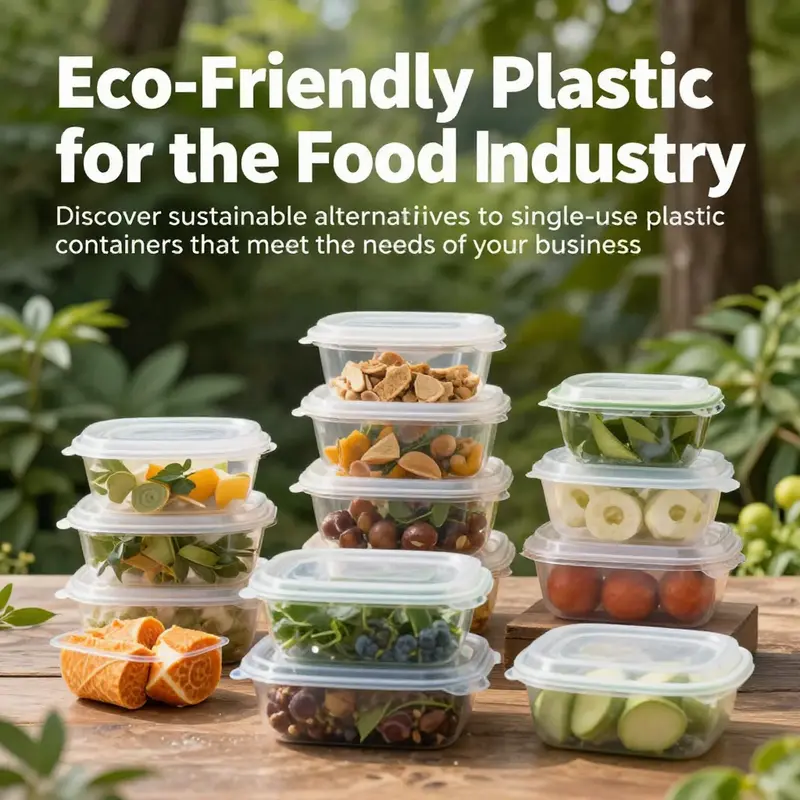
As environmental responsibility increasingly shapes consumer expectations, businesses in the food and beverage sector must explore eco-friendly packaging options. Single-use plastic containers, once considered a convenient solution, now contribute significantly to pollution and health concerns. It’s not just a trend; it’s a crucial shift towards sustainability. This article delves into the imperative to move away from single-use plastics, presenting effective eco-friendly alternatives that maintain quality and efficiency while securing compliance with performance standards. By understanding these options, businesses such as bubble tea shops, restaurants, food trucks, and catering services can make informed decisions that align with environmental values, enhance brand reputation, and contribute to a healthier planet.
From Convenience to Conservation: Why We Move Beyond Single-Use Plastic Food Containers
Choosing what we store and transport our meals in may seem like a small practice, yet it anchors a larger shift in how we relate to resources, health, and our shared environment. The world has grown accustomed to the instant availability of meals in lightweight, throwaway packaging. But the invisible costs of that convenience accumulate in ways that are hard to reverse: persistent waste, polluted ecosystems, and possible health risks that accompany the everyday contact between food and plastic. A growing body of research emphasizes that the leap from single-use plastics to more responsible options is not merely a trend, but a necessary recalibration of our daily routines toward a healthier planet and healthier bodies. The reasons span a spectrum from micro-level chemical exchange with food to macro-level impacts on wildlife and climate, all weaving together a narrative in which every container choice matters.
On the health side, the threat from single-use plastics begins at the moment a hot soup or hot curry meets a plastic lid or container with a sensitive lining. When food is heated or acidic, additives can migrate into the meal. The presence of these substances in our daily intake raises concerns about hormonal disruption, reproductive health, and even longer-term risks. There is evidence that plastics shed microscopic particles—microplastics—that can travel through the body, circulating in the bloodstream and potentially accumulating in vital organs. As scientists probe the implications, the concern broadens from immediate toxicity to subtle, chronic effects that may influence neurological function over time. While laboratory and epidemiological studies continue to refine our understanding, the weight of findings underscores a precautionary approach: minimizing exposure by reducing reliance on plastics in contact with food, especially under heat, oils, and acids.
Equally compelling is the environmental argument. Single-use plastics are designed for a fleeting life but endure in the landscape far longer than their usefulness. They persist in landfills, find their way into waterways, and eventually become microplastics that travel through soils and oceans. The scale of production compounds these problems: plastics are derived from fossil fuels, and the processes that manufacture and transport them contribute to greenhouse gas emissions. Waste management systems worldwide are strained by the sheer volume of discarded containers, often overwhelmed by contamination that makes recycling inefficient or impractical. A striking illustration is observed in fast-growing urban centers where daily volumes of disposable meal boxes and cups overwhelm collection streams, forcing materials into landfills or incineration rather than true recovery. The result is a cycle of waste that is resource-intensive and environmentally costly, with far-reaching implications for wildlife, soil health, and the quality of air and water we depend on.
This is not a call to abandon packaging altogether but to rethink packaging design and lifecycle. The goal is not merely to replace one plastic with another but to align packaging choices with principles of safety, recyclability, and end-of-life viability. In practice, that means recognizing that not all “eco-friendly” labels are equally effective. The most robust solutions share a handful of core qualities: non-toxicity, resilience under typical use, a pathway for responsible disposal, and a transparent certification trail that confirms performance and sustainability claims. A practical pathway combines reusable, durable materials for daily use with compostable or biodegradable options for single-use contexts where reuse isn’t feasible. This balanced approach respects both convenience and stewardship, providing a bridge from disposable habits to circular, low-impact practices.
Among the most promising avenues are plant-based materials and reusable systems that hold up under real-world conditions. Sugarcane pulp and other bagasse-derived options harness agricultural waste to create containers that are sturdy, microwave-safe, and compostable. Their strength lies in their ability to perform across hot and cold applications without venting toxic compounds into meals. They are designed to seal well, maintain temperature, and support meal-prep or takeout needs without sacrificing safety or convenience. In parallel, the family of cornstarch and sugarcane fiber fibers offers short-term, practical solutions for cold or mildly warm foods; their biodegradable nature aligns with composting channels, provided facilities exist to handle such end-of-life streams. The evolving body of guidance from industry guides and regulatory perspectives emphasizes that performance matters as much as end-of-life options. A container that leaks or degrades under heat defeats the purpose of shift away from single-use plastics and undermines consumer trust.
For daily reuse, durable options such as glass and high-quality silicone offers a different calculus. They trade the convenience of throwaway use for durability, longevity, and non-toxicity. Glass jars with silicone seals, or stainless steel containers, provide reliable airtight sealing and resilience against temperature extremes. They invite a long lifespan—potentially decades—with clean, simple care, and the absence of plastic additives that can migrate into food. The growing field of vacuum-insulated thermoses further demonstrates how modern materials engineering can preserve heat or cold for extended periods without resorting to plastic coatings or liners. When built with recyclable metals or glass and non-toxic seals, these vessels reduce waste dramatically over time. The practical takeaway is that the most successful strategies mix reuse with smart, occasional use of compostable alternatives for occasions where washing or long-term storage is impractical.
Yet the real-world adoption of such a mixed strategy relies on clear performance criteria and credible certifications. Consumers deserve assurance that what is claimed as “eco-friendly” stands up to scrutiny. Key indicators include FDA compliance standards for food contact, such as adherence to established guidelines that govern safety for packaging materials. A microwave-safe design is another practical criterion that minimizes the risk of transferring heat through a container to the surrounding environment or foods during reheating. Airtight and stackable designs not only preserve freshness but also improve storage efficiency, a small but meaningful factor in reducing food waste. Certification labels for compostability and biodegradability signal that a product has a defined end-of-life pathway beyond mere inert disposal. When these features come together—safety, heat tolerance, freshness preservation, and a clear route to disposal—consumers gain confidence that their choices align with long-term sustainability goals rather than short-term convenience.
The cultural shift toward better packaging is also a matter of scalable behavior. Transitioning away from disposable plastics requires a supportive ecosystem that includes access to reusable containers, community education about end-of-life options, and infrastructure that can handle compostable streams where appropriate. The goal is to foster a sense that choosing a more sustainable container is not a sacrifice but a practical, economical, and health-conscious decision. Over time, as materials science advances, the gap between performance and practicality narrows. Plant-based options become more robust, heat-tolerant, and reliably compostable, while reusable systems become lighter, easier to clean, and more versatile. In this evolving landscape, the consumer gains a stable anchor for daily decisions—whether packing a home-cooked meal for work, a hot takeaway for an afternoon excursion, or a family picnic—without compromising safety or convenience.
A concrete way to connect these ideas to everyday practice is to view containers as part of a broader system of sustainable living. Tiny changes can aggregate into meaningful outcomes: carrying a compact, durable glass or stainless-steel container for leftovers instead of accepting a disposable cup of soup; choosing a plant-based, microwave-safe option for meals that must travel; embracing a reusable lunch kit that travels from home to office to gym. Each choice reduces demand for virgin plastics, cuts waste, and signals demand for better containment technologies. And while we may not eliminate the need for takeout packaging entirely, we can redefine the norms around what we accept and what we require from manufacturers and service providers. The narrative becomes less about one perfect solution and more about a portfolio of well-understood options that meet different use cases while collectively shrinking environmental footprints.
To ground these ideas in concrete choices, consider the simple but powerful idea of sealing and storage quality. An ideal option seals tightly enough to prevent leaks during transportation, yet remains safe for reheating when appropriate. It should withstand the tempests of daily life—hot meals in transit, cold salads during a summer commute, soups that ride in a bag on a crowded bus. The durability of reusable systems is a hallmark, but even disposables can be designed with end-of-life in mind. Plant-based, compostable options, when paired with accessible composting streams, provide a practical bridge between single-use convenience and responsible disposal. The overarching message is clear: as we rethink containers, we’re not simply swapping materials; we’re shaping a more resilient, cleaner, and healthier everyday environment.
For readers seeking a tangible point of connection in this broad shift, an accessible option deserves attention. It demonstrates how a container can blend practical performance with environmental responsibility: eco-friendly kraft paper bowls with lids. This kind of choice preserves the benefits of single-use packaging for short-term use while leaning toward compostable life cycles where feasible. It embodies the principle that sustainability does not demand perfection at once but progress through thoughtful design, credible certifications, and clear information about disposal.
The chapter closes with a recognition that the move away from single-use plastics is not a single decision but a pathway. It invites us to weigh health, environmental integrity, and practicality in each packaging choice. It invites manufacturers to pursue safer formulations, durable designs, and transparent labeling. It invites policymakers to expand standards and to invest in infrastructure that makes composting and recycling workable rather than aspirational. And it invites each of us, as consumers, to treat packaging as a component of daily life that we can influence through mindful selection and consistent practice. The end of dependence on throwaway plastics is not a distant ideal; it is a set of reachable steps that align what we eat with how we live and how we share the planet with others. For those seeking more comprehensive insights into the health implications of microplastics and the steps we can take to reduce exposure, see the World Health Organization resource on microplastics and health: https://www.who.int/news-room/fact-sheets/detail/microplastics-and-health.
Rethinking Food Storage: Practical, High-Performance Eco-Friendly Alternatives to Single-Use Plastic
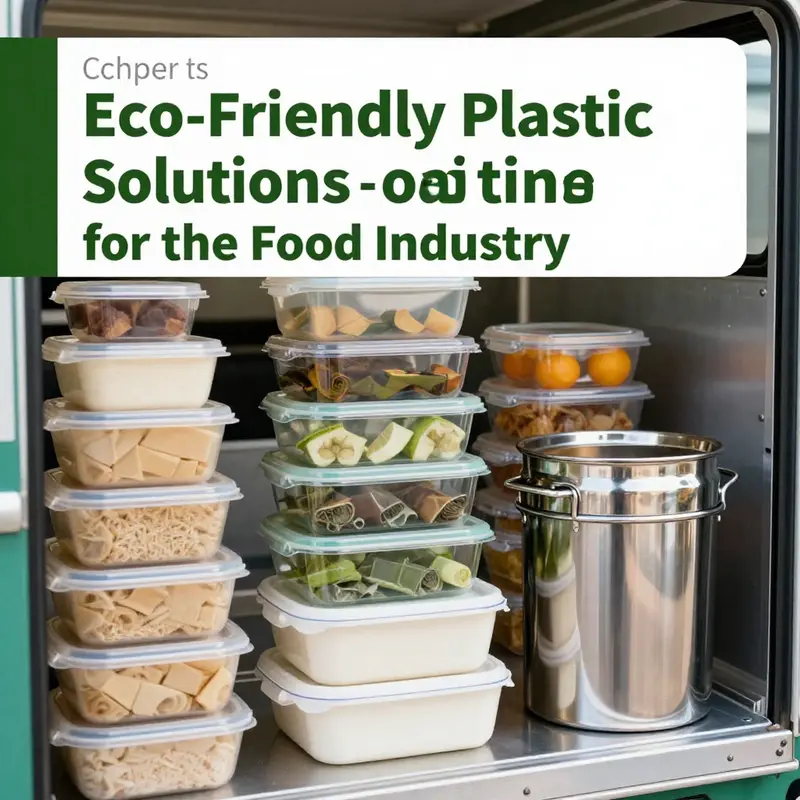
The move away from disposable plastic storage has matured from a moral call into a practical design challenge. Consumers ask whether they can store, transport, and reheat foods safely without creating waste. The answer lies in durable, non-toxic options that fit contemporary routines and budgets, while reducing landfill impact.
Glass containers with silicone lids stand out for safety and longevity. Glass is non-porous and inert, so flavors and colors stay pristine, and silicone lids provide a reliable seal for chilling, reheating, and stacking.
Stainless steel containers are light enough for everyday use, resistant to odors and staining, and highly recyclable at end of life. Lids made from food-grade silicone or BPA-free plastic seal tightly to prevent leaks.
Beeswax wraps offer a flexible alternative for small items and short-term storage. They are washable, reusable for many projects, and compostable when appropriate facilities exist.
Silicone storage bags replace disposable zip bags and tolerate freezing, microwaving, boiling, and dishwashing, enabling batch cooking and portioning with less plastic waste.
Reusable produce bags made from mesh or organic cotton cut plastic film use during grocery shopping and reduce waste in markets.
Where disposables are still needed, paper-based compostable containers from bamboo fiber or bagasse can be used, with the caveat that industrial facilities are required to realize true composting outcomes.
Design and selection should prioritize credible safety certifications, microwave compatibility, and clear end-of-life options such as reusable, recyclable, or compostable pathways.
A staged transition works best: start with high-use items like lunch containers and storage for leftovers, then expand to shopping bags and travel gear, and finally embrace compostable alternatives in places with suitable facilities.
With thoughtful use, these options reduce environmental impact while preserving convenience and health, helping households cut plastic dependence without sacrificing everyday practicality.
Seal, Safety, and Sustainability: How Performance Standards Shape Eco-Friendly Plastic Food Containers
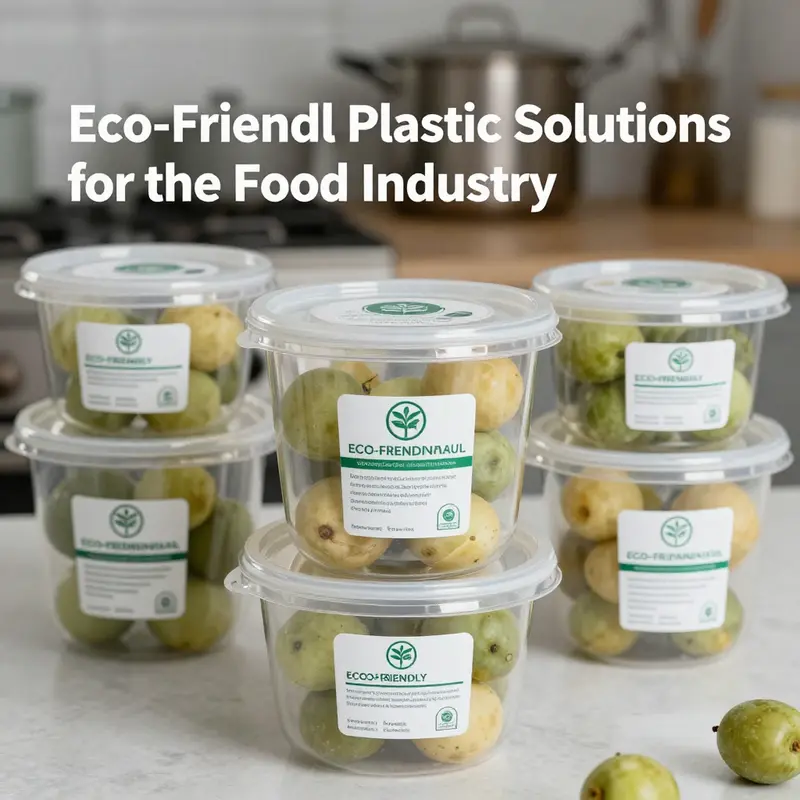
Eco-friendly plastic food containers sit at the intersection of safe food handling, practical use, and responsible end-of-life choices. They must perform under real-world conditions—retaining temperature and freshness, resisting leaks, and fitting into storage systems—while also meeting clear safety and environmental criteria. The materials chosen for these containers are more than a label of green intent; they define how reliably a container can perform and how easily it can be disposed of or recycled after use. In this chapter, we explore the material families that underpin modern eco-friendly containers, the certifications that verify their safety and sustainability, the features that make them practical in everyday settings, and the market dynamics that push manufacturers toward genuine, verifiable performance rather than mere advertising.
From a materials perspective, eco-friendly containers commonly rely on food-grade plastics such as polypropylene (PP), polyethylene terephthalate (PET), and polylactic acid (PLA). Each offers distinct advantages: PP provides robust durability and good heat resistance, traits important for hot foods and frequent reheating. PET is lightweight and widely recyclable, making it a practical option for both packaging and serving ware. PLA, derived from plant sources like corn, represents a path toward biodegradability, with composting under appropriate conditions enabling its end-of-life reduction. Importantly, these materials are specified to be free from the harmful effects associated with some legacy plastics, such as bisphenol A (BPA), a concern that has driven consumer preference toward safer, non-toxic formulations. The emphasis on BPA-free materials is not only about the moment of contact with food but also about the broader lifecycle, where low toxicity supports safer recycling streams and more confident disposal practices.
Certification plays a central role in translating material choices into credible performance and sustainability claims. A robust set of standards provides the reassurance that a container will behave as promised in kitchens, cafeterias, and households. Food safety management systems aligned with ISO 22000 demonstrate that a producer can manage hazards and control points across the manufacturing process. At the same time, ISO 9001 reinforces consistency in design, production, and testing, ensuring that every batch meets established quality criteria rather than varying with supply conditions. In the ecosystem of packaging, the British Retail Consortium (BRC) standards offer a consumer-protection framework that focuses on food safety and product quality across retail channels. For containers marketed as biodegradable or compostable, the Biodegradable Products Institute (BPI) certification remains a critical benchmark, indicating that products will decompose in appropriate composting environments rather than persisting as waste. Together, these certifications help buyers distinguish between well-tested, safe options and products whose environmental claims require closer scrutiny.
Performance features represent the practical side of certification. A container’s dimensional tolerance—manufacturing precision that keeps parts aligned within narrow margins—affects everything from stackability to lid compatibility. Precise tolerances reduce the likelihood of leaks or misfits during transport and storage, a factor that is especially important for takeout and meal-prep workflows where consistent performance shapes customer satisfaction. Microwave safety is another pivotal attribute. Many eco-friendly containers are designed to withstand reheating in conventional microwaves, enabling a seamless transition from delivery to hot meals without additional dishware. This feature minimizes the need for extra work, reduces waste from unnecessary transfers, and supports a smoother customer experience. Leak-resistant sealing is equally critical, particularly for liquids and sauces. A reliable seal prevents spills in transit and in the fridge or freezer, extending the usable life of a meal and reducing the need for cleanup or repeat packaging. Space efficiency, achieved through clever geometries and stackable designs, helps kitchens and retailers manage inventories more effectively and lowers logistical costs. Some newer formats even embrace foldable or nestable shapes that reduce storage space by significant margins, a practical advantage in busy operations where every square foot counts.
Beyond functionality, end-of-life considerations shape the true sustainability profile of eco-friendly containers. PLA-based and other compostable formulations can offer tangible benefits when composting infrastructure is available, but their advantage hinges on proper facilities. In settings without industrial composting, the benefits may be limited, or misalignment with local waste streams could occur. Conversely, reusable options—glass, stainless steel, or high-quality silicone—offer a markedly different sustainability calculus. They demand investment up front and disciplined care, but they can last for years, dramatically reducing single-use waste. The best practice in many programs is to pair durable, reusable options with short-term compostable alternatives for high-volume events or occasions where reuse is impractical. In all cases, consumers and businesses benefit from transparent labeling, clear end-of-life guidance, and third-party verification that aligns with local waste management realities.
Market dynamics reinforce the need for authentic performance verification. As demand for sustainability grows, so does the risk of greenwashing—claims that a product is eco-friendly without rigorous substantiation. The most credible impact comes from real-world testing that reflects everyday use: how a container performs when filled with hot or cold foods, how well it seals after being stacked for transport, and how it holds up to repeated reheating cycles. Third-party certifications provide a reliable compass for buyers navigating a crowded marketplace. They help ensure that a product’s environmental claims are backed by independent assessment rather than marketing language alone. In practice, successful eco-friendly containers balance performance with responsible engineering choices, a harmony that supports reliable use while reducing waste over time.
The evolving landscape of standards also invites careful attention to labeling and consumer education. Certifications illuminate a product’s capabilities and limitations, including the conditions under which biodegradability or compostability applies. A container labeled as compostable in a home setting signals a different pathway than one certified for industrial composting, with important implications for how consumers sort waste and how facilities process it. Clear communication about heat tolerance, leak resistance, and recyclability helps prevent misalignment between consumer expectations and product performance. As researchers and manufacturers refine materials and processes in response to environmental goals, the narrative around eco-friendly containers becomes more nuanced and more reliable. The best designs emerge not from a single feature but from an integrated system: a material that resists heat without compromising safety, a seal that prevents leaks, a form that stacks neatly in a crowded kitchen, and a certified end-of-life path that aligns with local waste infrastructure.
To illustrate how these principles come together in practice, consider the design implications of a salad rectangle takeaway box with a lid made from kraft-based materials. The choice of geometry influences how well the container accommodates a range of foods while maintaining a tight seal and minimizing spill risk. The use of a compostable or recyclable interior coating can extend the life of the product in the supply chain and in consumer hands without compromising safety. The dimensional tolerances need to be tight enough to ensure a stable stack yet forgiving enough to accommodate lid variations over time. A credible certification matrix would verify heat resistance suitable for hot components, a leak-resistance mechanism that performs under varying pressures during transit, and a robust end-of-life claim that reflects the actual processing pathway available in the target market. For readers who want to see a concrete example of how this translates into product design and packaging strategy, the internal reference to a real-world container design—such as a salad rectangle takeaway kraft paper octagonal box with lid—offers a tangible touchpoint for understanding the interplay between form, function, and certification. salad rectangle takeaway kraft paper octagonal box.
The larger takeaway is that performance and certification are not separate checkpoints but a unified framework guiding responsible innovation. When manufacturers align material choices with safety standards and end-of-life realities, they create products that not only protect health but also reduce environmental burdens across their entire lifecycle. For buyers—whether institutional foodservice operators, retailers, or households—this alignment translates into confidence in daily use and steadier waste management outcomes. It becomes possible to select containers that perform reliably in a microwave, resist leaks during transit, and still be compatible with the waste streams available in a community. And as new materials and processing methods emerge, the certification infrastructure must adapt, offering evolving benchmarks for durability, safety, and environmental stewardship.
In practice, the journey from concept to certified product involves rigorous testing, transparent documentation, and ongoing quality assurance. Real-world testing must capture the diversity of environments in which containers operate—hot or cold foods, freezer storage, high-traffic takeaway settings, and long-haul delivery scenarios. Third-party verifications help validate that the product meets stated performance claims across batches, not just in a best-case demonstration. As the market continues to push for less plastic and more sustainable solutions, the pace of innovation remains closely tied to the strength of these performance and certification systems. This ensures that eco-friendly plastic food containers deliver on their promise of safety, convenience, and environmental responsibility without compromising on the everyday practicality that users rely on.
For readers seeking further context on the compatibility of packaging choices with market needs, exploring broader packaging design and safety resources can be enlightening. A representative reference point on the spectrum of container options and their compliance pathways is available through comprehensive supplier profiles and industry guides that discuss end-to-end sustainability and safety considerations. External resources can provide additional perspective on how manufacturers translate certification standards into reliable, user-friendly products. As standards evolve and waste-management systems improve, the conversation around eco-friendly containers will continue to mature, reinforcing the idea that responsible packaging is both a technical achievement and a public-facing commitment to health and the planet.
From Waste to Wares: Reimagining Everyday Food Storage with Eco-Friendly Containers
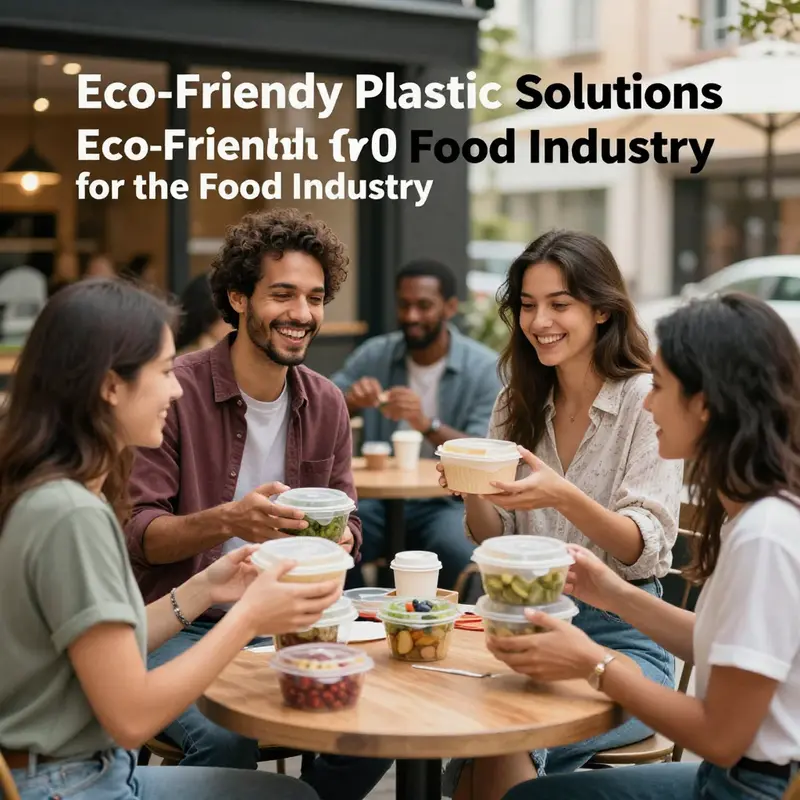
A new chapter is unfolding in how households, takeout operations, and community kitchens approach food storage. This shift is not only about preferences but about aligning everyday choices with health, land, and water stewardship. Many communities are confronting the long tail of plastic waste and seeking materials that are safer, durable, and easier to manage at end of life.
Plant-based options built from agricultural byproducts, such as sugarcane bagasse, are becoming increasingly common. These materials offer strength and heat tolerance while enabling composting in industrial facilities. Blends with cornstarch or other fibers expand the range of use cases, from hot soups to cold meals, without sacrificing performance.
Reusable glass and stainless steel vessels with airtight seals stay in households for years, reducing single-use purchases. They pair well with microwave safe design requirements and straightforward cleaning routines, making daily practice sustainable rather than burdensome. Vacuum insulated systems further cut energy use by minimizing reheating and repackaging needs.
Certification, labeling, and transparent safety information help consumers choose wisely. When waste management infrastructure supports compostable options, plant-based containers can close the loop. The broader goal is to design packaging that protects food, protects health, and respects the planet, while remaining accessible and affordable for families, schools, and businesses.
Final thoughts
Transitioning to eco-friendly plastic food containers is not merely a trend; it’s a strategic necessity for businesses in the food industry. With consumer demand shifting towards sustainability, adopting these alternatives can enhance your brand’s reputation while contributing to environmental health. Investing in high-quality, non-toxic options ensures safety and performance, allowing your business to serve delicious meals while protecting the planet. Whether it’s implementing sugarcane pulp containers for takeaway orders or utilizing durable glass jars for daily use, the shift is both feasible and beneficial. As you embrace this change, you’ll find that sustainability aligns harmoniously with satisfying customer expectations, leading to a brighter future for your business and the Earth.