
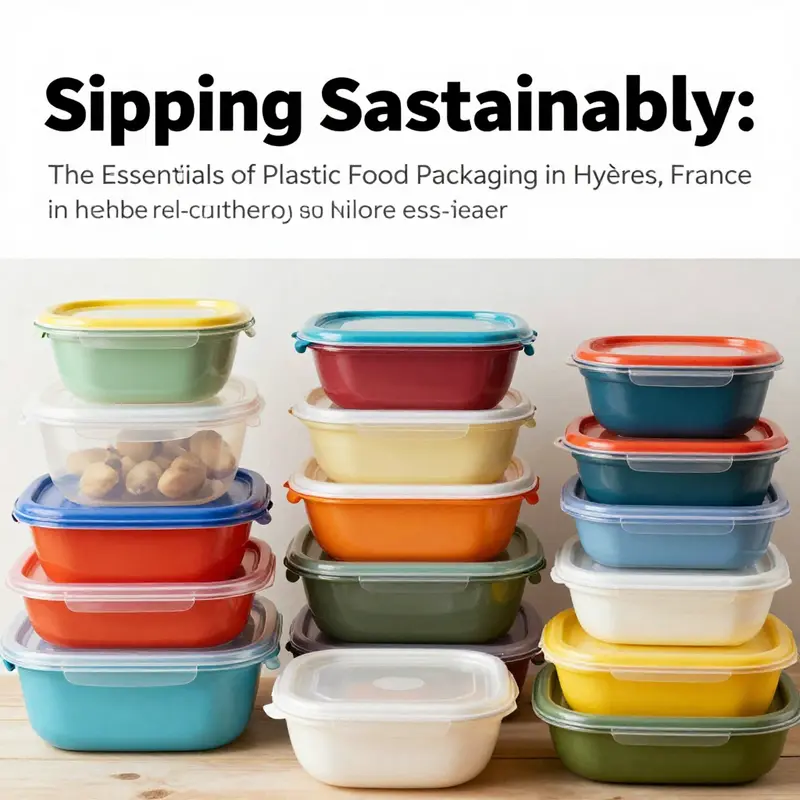
In an era where sustainability is crucial for businesses, understanding the dynamics of plastic food packaging is of paramount importance, especially in Hyères, France. This article explores the landscape of plastic food packaging containers, focusing on industrial-grade options catering to diverse sectors, including bubble tea shops, restaurants, food trucks, catering services, event planners, and corporate teams. Each chapter delves into a specific aspect of plastic food containers, from the materials and procurement channels available to ensure compliance with stringent environmental regulations. Readers will gain insights into how to navigate the market with confidence while considering eco-friendly practices that align with both regulatory requirements and consumer preferences.
Industrial-Grade Plastic Food Containers in Hyères, France: Safety, Scale, and the Green Shift Along the Riviera
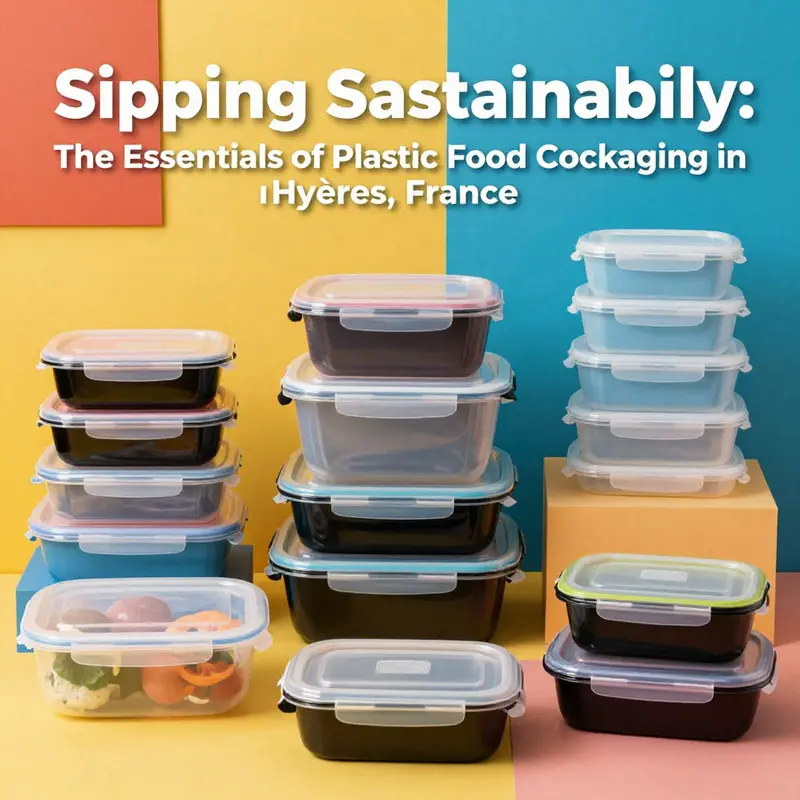
Hyères sits along the glittering edge of the Mediterranean, where tourism, fishing, and a steady stream of culinary activity create a steady demand for container solutions that can keep pace with busy kitchens. In such a locale, industrial-grade plastic food containers are more than storage tools; they are a critical part of the service chain that links a bustling street market to hotel banquets and bakery production lines. The city’s hospitality sector, along with its growing food-processing segment, relies on durable containers that survive repeated washing, frequent temperature shifts, and heavy handling without compromising safety. The logic guiding these choices is as much regulatory as practical: containers must safeguard food quality while fitting into a broader system of waste reduction and regulatory compliance that the European Union has built into its food-contact materials regime. In Hyères, where seasonal surges test inventories and logistics, the emphasis is on reliable performance and predictable lifecycle costs as much as on initial purchase price. This combination pushes buyers toward materials and designs that offer clear certifications, traceable origin, and compatibility with regional waste streams.
At the core of what makes these containers work in Hyères is a balance among material science, hygiene standards, and logistical practicality. The most common materials in this regional market are high-density polyethylene (HDPE), polypropylene (PP), and polystyrene (PS). Each of these polymers brings different strengths to the table. PP offers good heat resistance and fatigue strength, making it a favorite for containers that must endure repeated cycles of hot and cold handling. HDPE brings rugged impact resistance and chemical stability, properties that help containers survive the daily knocks of a busy kitchen and the rigors of long-term storage. PS, while less tolerant to heat, provides clarity and rigidity for certain line items and display applications. Across France and Europe, these materials are commonly certified as food-grade and aligned with Regulation (EC) No 1935/2004, ensuring that they meet baseline safety criteria for food contact materials. In Hyères, the choice among HDPE, PP, and PS often comes down to the specific workflow: a bakery might favor larger PP-lidded units for doughs and batters, while a market or catering operation might prioritize HDPE stacking boxes that can be nested and washed at high efficiency.
With the right material in hand, design features become the next major differentiator in Hyères. Industrial-grade containers are increasingly designed for efficiency in high-volume environments. Stackability reduces footprint in crowded prep rooms and in delivery vans that crisscross the Var coast while a busy service hour unfolds. Integrated lids, relocking mechanisms, and snap-fit seals help maintain temperature and protect contents during transit, a practical necessity for hot foods and ready-to-serve meals during peak tourist seasons. Some models include built-in wheels or rolling bases to ease the movement of large quantities through kitchens and into storage corridors, a feature that directly translates into faster service and safer handling. For those managing bakery and catering workflows, containers come in dimensions that fit standard rack and shelf systems, and in configurations that align with slicers, mixers, and ovens. The ability to tailor dimensions and lids, within regulatory limits, is a key advantage of the Hyères market, where local distributors and manufacturers offer customization options—logos, sizes, and compatibility with existing washing and transport equipment—that help sustain branding while preserving operational efficiency. In this context, a practical example of scale is the broad range of sizes seen in bulk-procurement catalogs: containers sized to accommodate large batches can be essential for a seaside town whose business rhythms swing with ferry arrivals and seasonal markets. For those exploring procurement channels, the emphasis on compliance remains paramount, not only to protect consumer safety but to align with the rigorous testing and documentation required by EU authorities. A careful supplier evaluation—one that looks for food-contact certifications, traceability, and documented compliance with safety standards—helps Hyères operators navigate the complex mix of cost, performance, and risk. If a buyer needs a tangible model to guide decisions, the market commonly offers options that match typical bakery and catering workflows, including large-volume storage, transport-ready units, and temperature-resistant configurations that can be used across a day’s service cycle. When options are framed by regulatory compliance as much as by practical utility, Hyères kitchens tend to choose containers that can be confidently scaled from a small café setup to a full-service restaurant or bakery operation. In this sense, the regional market mirrors broader European trends that favor materials like PP and HDPE for their balance of safety, durability, and recyclability.
A key dimension of the Hyères approach to industrial-grade containers is the emphasis on safety and regulatory alignment. European regulations, including Regulation (EC) No 1935/2004, create a baseline expectation that packaging intended for contact with food not only resists migration of harmful substances but also remains inert across ordinary use conditions. In practice, this means that suppliers provide documented evidence of compliance, including material data sheets and certificates that confirm the absence of harmful leachates, even after repeated wash cycles and exposure to heat. The Nordic and Western European markets that feed Hyères’s supply chain also emphasize the need for verification by third-party bodies. In France and beyond, agencies such as SGS play a central role in certifying that manufacturing processes meet food-safety and environmental standards. For Hyères buyers, these certifications are not static checkmarks but ongoing assurances that the containers can be trusted in a foodservice environment that values efficiency as highly as it values hygiene. The local procurement strategy thus weaves together material choice, design features, and compliance verification to create a package ecosystem that supports fast-paced service and stable food safety outcomes. As a result, a kitchen manager in Hyères is less focused on chasing the lowest bid and more on securing a predictable supply chain anchored by certified, recyclable options that align with the EU Single-Use Plastics Directive and broader waste-reduction goals.
In practice, the question of recyclability shapes both the design and the supplier selection process. Recyclability is not a badge but a performance criterion that must be demonstrated across the product’s lifecycle. In Hyères and similar regional markets, PP and HDPE are widely favored because they are widely recycled within European municipal streams. This alignment with recycling infrastructure helps reduce the city’s overall plastic footprint. It also supports business cases for reuse where feasible, a model increasingly discussed in hospitality and food-service planning as operators seek to minimize waste without compromising service quality. The emphasis on recyclability dovetails with a broader environmental consciousness that is visible along the Riviera, where businesses and residents alike are watching waste streams closely. Indoors, kitchen operations optimize container use by choosing stackable, robust plastics that resist cracking under pressure and retain shape even after repeated thermal cycles. Outdoors, the same containers must endure transportation and exposure to salt air, which in turn informs the choice of additives and stabilizers used in the plastics. In short, Hyères operators are balancing three core demands: safety and compliance, durability under heavy use, and end-of-life considerations that support a circular economy strategy in line with EU packaging directives.
The practical implications for procurement extend beyond material selection to the broader supply chain dynamics that characterize Hyères. Local buyers increasingly expect suppliers who can demonstrate reliable lead times, consistent product quality, and transparent pricing in bulk. They also look for customization options that fit unique kitchen workflows, such as specific interior dimensions that accommodate standard baking sheets, tubs, or display racks. Customization can include branding elements or logos, which helps a business preserve its identity even when operating with shared packaging in a busy service environment. In this context, a widely used approach is to evaluate suppliers that offer bulk ordering with clear payment terms, predictable shipping windows, and robust after-sales service. The objective is not merely to purchase containers but to establish a partnership that supports ongoing operations across seasonal peaks and off-peak periods alike. For Hyères businesses that export hospitality excellence to the surrounding region, these supplier relationships become a conduit for maintaining service quality, staff safety, and regulatory compliance, all of which contribute to a reliable, sustainable operation. A practical reminder in this landscape is the value of inspecting a container’s dimensions against the operational realities of the kitchen before committing to a large order. Dimensions that suit a bakery rack, a refrigerator shelf, or a meal-packing line help prevent workflow bottlenecks and waste. The market offers a spectrum of sizes, with common formats used for bulk storage and for transport to event venues and hotels. In many cases, Hyères buyers lean on the quiet efficiency of a well-designed container system that supports a stable, scalable service model across a vibrant coastal economy.
From an operational perspective, Hyères’s container strategy is also shaped by environmental and regulatory momentum outside the kitchen walls. The EU’s Single-Use Plastics Directive has sharpened the focus on reducing disposable plastic waste, pushing hospitality operators toward recyclable and reusable options while encouraging suppliers to innovate around design for recyclability and for easier separation in waste streams. In this milieu, the choice between a rigid PP solution and a more durable HDPE alternative is not a one-off decision but a long-term planning question. It requires evaluating not only the immediate costs but the container’s lifecycle, including maintenance, washing cycles, and the efficiency gains of a design that stacks neatly and travels well. In Hyères’s context, where seasonal demand can surge in a matter of days, the ability to scale quickly with a validated supply chain matters as much as the material’s safety profile. The result is a market that values clear, audit-ready documentation, consistent performance across repeated uses, and a packaging system that aligns with local waste-management practices and regional environmental priorities.
The potential for innovation in Hyères’s industrial-grade container sector is real, and it lies at the intersection of material science, design, and regulation. While many operations still rely on conventional HDPE and PP solutions, increasingly the market rewards solutions that demonstrate end-to-end traceability and robust documentation. Suppliers who can provide third-party certification, material safety data sheets, and clear migration testing are positioned to win long-term partnerships that benefit both the buyer and the broader community. For Hyères operators, the payoff is a packaging system that fosters trust with customers, supports efficient kitchen workflows, and contributes to a more sustainable tourism and dining ecosystem along the French Riviera. The path forward blends practical performance with responsible stewardship, a combination that resonates with the city’s balance of tradition and innovation. In this environment, a simple, practical choice—such as a take-away container with measurable dimensions and a reliable seal—becomes a cornerstone of service quality and safety. For those seeking a concrete example of how the market views large-volume, compliant containers, a representative product offering from regional and international suppliers demonstrates how dimensions, materials, and certifications come together to meet Hyères’s standards and expectations.
External reference: https://www.alibaba.com/product-detail/725x650x150mm-Food-Grade-Plastic-Bakery1600588246197.html?spm=a2700.galleryofferlist.pimage.7.1d1b3f7c3a4e5g&productId=1600588246197
Internal resource: For a practical example of a take-away container designed for efficient service with lid options, see the following page: take-away bowl with lids.
From EU Tenders to Local Sourcing: Navigating Hyères’ Plastic Food Container Landscape
Hyères sits along the Mediterranean with a bustling hospitality sector and a growing emphasis on sustainable, food-safe packaging. The city’s procurement reality mirrors a larger reality across the PACA region: a need to balance reliable supply with strict European and national rules on food contact materials and single-use plastics. In practice, this means traders, restaurateurs, and municipal buyers alike are looking for containers that perform under heat and handling while respecting recovery and recycling streams. A coherent approach to sourcing begins with understanding the channels that connect Hyères to compliant suppliers, then aligning those channels with France’s regulatory environment and the broader European framework that governs what may enter a kitchen, a takeaway counter, or a municipal waste program. The procurement puzzle is not merely about price or availability; it is about traceability, safety, and the lifecycle of the packaging that touches every plate and takeaway bag. In Hyères, as elsewhere in France, that lifecycle is increasingly scrutinized through the lens of extended producer responsibility and the push toward recyclable or compostable materials, all within the constraints of EU and national rules that govern food contact and consumer safety. The most practical pathway for Hyères buyers is a layered approach that starts with public sector opportunities, then moves to carefully curated industrial suppliers, and finally leverages local distributors for agility and local support. This layered approach satisfies two imperatives at once: compliance with EFSA-approved safety standards and real-world operational resilience in a region that serves both year-round residents and a steady stream of visitors. The first layer—the EU official procurement platform—provides a formal channel through which public institutions, schools, hospitals, and local government bodies publish tenders that specify material safety, recyclability, and lifecycle performance. In Hyères, this means scanning the EU Publications Office’s procurement portal for notices that mention containers designed for waste material or other food-contact packaging with defined safety and environmental criteria. The value of this channel lies not only in obtaining compliant products, but in developing a supplier base that can handle large contracts and demonstrate ongoing compliance. The portal itself, accessible through the Publications Office of the EU, serves as a critical reference point for public buyers who must justify decisions in terms of safety documentation, material provenance, and end-of-life options. As a practical step, Hyères buyers should routinely cross-check tender requirements with the EU portal’s project classifications, using them to screen suppliers who can meet both the technical specifications and the environmental expectations embedded in European procurement policies. For instance, a project like a municipal container program or a school kitchen upgrade may specify materials that are recyclable and compatible with existing waste streams, with explicit references to recycled content and end-of-life recyclability. The EU platform is not only a source of tender opportunities; it is also a signal of the regulatory and environmental expectations that drive procurement decisions. The second layer of the Hyères sourcing map is the industrial B2B marketplace. Platforms that specialize in plastic packaging can, in practice, connect Hyères buyers with suppliers capable of delivering large volumes of food-grade containers that comply with EU safety standards. The procurement logic on these platforms is straightforward: buyers seek products that are certified for food contact and demonstrate conformity to EU and EFSA requirements, with a visible record of compliance. B2B platforms also help buyers evaluate the range of options available—from heat-resistant containers designed for hot foods to multi-compartment boxes that support portion control and efficient service. A substantial advantage of this channel is the potential for scalable purchasing, where a city-wide or regional program can implement a uniform specification while still allowing for some local customization. Yet scale must be matched with due diligence. It is essential to filter suppliers by their ability to provide documentation that supports food contact safety, regulatory compliance, and environmental claims. Independent verification from accredited laboratories or certification bodies adds a layer of assurance that cannot be easily replicated through price alone. Independent verification matters because food safety regulators and environmental authorities prioritize credible evidence of safety and sustainability. In practice, Hyères buyers should request documentation such as European harmonized standards compliance, EFSA safety data, and REACH compliance. Verification with agencies or laboratories that maintain reputations for rigorous testing helps ensure that the chosen containers not only meet safety standards but also resist regulatory changes that could affect supply. Intertek, SGS, and similar bodies serve as conduits for this assurance by offering supplier verification networks and testing regimes that can be referenced in procurement dossiers. The third layer—local and regional suppliers—completes the picture by adding a flexible, responsive supply chain that can complement larger, more formal channels. In the Provence-Alpes-C Côte d’Azur region, nearby packaging distributors can offer shorter lead times, reduced freight costs, and a nuanced understanding of local restaurant and catering needs. Local suppliers may be especially valuable for small-batch orders, seasonal surges, or special events when a city or a hotel needs rapid replenishment. They can also provide on-site support, helping buyers tailor specifications to the realities of Hyères’ bustling dining scene. The integration of these three layers creates a procurement rhythm that is resilient and standards-aligned. It begins with public tenders that define the baseline requirements, proceeds to vetted industrial suppliers who can deliver cost-effective, safe solutions at scale, and is rounded out by local distributors who offer speed, adaptability, and local knowledge. Throughout this process, the safety and environmental implications of packaging choices remain central. France’s approach to single-use plastics is stringent, and the European Union’s broader regulatory framework reinforces the expectation that packaging used for food contact should be recyclable, recoverable, or compostable wherever feasible. This creates a practical hierarchy of preferences: first, materials that are suitable for contact with food and inherently recyclable; second, packaging with a proven track record of recyclability or compostability; and third, designs that minimize waste by being reusable or easily separable from recycling streams. Polypropylene (PP) and PET remain among the preferred materials for many containers because of their safety profile, mechanical performance, and compatibility with recycling streams common in France. When evaluating suppliers, Hyères buyers should examine not only the primary material but the full packaging system—closures, seals, and any coatings or printing that could influence recyclability. It is important to recognize that the regulatory environment requires robust documentation. Verification through established laboratories or certification bodies is not a luxury but a baseline expectation in order to guarantee that the containers will perform in a compliant manner across the supply chain. The idea of conformity is not abstract; it translates into test reports, safety certifications, and traceable supply chains. In practice, this means requesting EFSA or FDA safety data as applicable, REACH compliance documentation, and evidence of recyclability aligned with EU directives. The goal is to avoid scenarios in which a container meets the needs of a kitchen in the moment but fails to satisfy the standards when destined for a recycling stream. While the EU’s framework is consistent, Hyères buyers must also respect regional considerations, including the availability of local distributors who can offer technical support and after-sales service. In a region that hosts tourist peaks and intense seasonal activity, the ability to adjust orders quickly, secure replacements, and coordinate logistics with a local partner is a meaningful differentiator. The recommended procurement strategy thus emphasizes a staged approach: first, use the EU platform to uncover large-scale, standards-driven opportunities; second, leverage B2B channels to identify suppliers with recognized compliance credentials and scalable manufacturing capacity; and third, complement this with regional distributors to address the needs of immediate operational realities. When applied in Hyères, this approach aligns procurement with the French emphasis on circularity and the European emphasis on safe, traceable food-contact materials. It also supports the city’s service economy by enabling consistent, compliant packaging supply for restaurants, markets, and public institutions. To anchor this discussion in practical terms, consider the following integration point: a Hyères buyer searching for compliant food-contact containers might open a dialogue with a supplier via an industrial platform and request documentation showing EFSA-reviewed safety data, REACH registration status, and recycling compatibility. The same buyer can then coordinate a call with a local distributor to confirm delivery lead times, packaging variants, and regional support options. For ongoing governance and risk management, it is prudent to establish a supplier approval checklist that includes safety documentation, environmental claims verification, and proof of conformity with the EU Single-Use Plastics Directive where applicable. This approach avoids gaps between the procurement of containers and the realities of waste management systems, ensuring that packaging introduced into Hyères’ foodservice network remains aligned with the city’s sustainability objectives and regulatory expectations. In short, Hyères’ plastic packaging landscape is navigable through a disciplined sequence of channels: official EU procurement notices for large public projects; robust, certifiable suppliers on B2B platforms for scalable and compliant packaging solutions; and nimble regional distributors who can translate national standards into local service. A well-structured procurement process, underpinned by clear documentation and independent verification, produces a packaging ecosystem that supports safe food handling, efficient service, and responsible end-of-life management. This synergy is essential for Hyères as it seeks to balance the city’s hospitality vitality with its commitment to environmental stewardship. For those exploring the broader landscape of regional packaging procurement, a representative page illustrating the kinds of packaging formats commonly discussed in regional supply discussions can be found here: senang03-disposable-kraft-paper-takeaway-box-clear-lid-custom-print-matt-lamination-for-sushi-salad-wholesale-food-container. This link offers a concrete sense of how regional packaging players frame specifications, even as Hyères’ buyers verify suitability through safety and environmental documentation. External resources that illuminate the testing and certification standards that underpin these procurement decisions are also valuable. For example, independent testing and certification bodies provide the attestations that buyers rely on to confirm safety and recyclability claims. External resource: https://www.intertek.com
Coastline, Compliance, and Containers: Navigating Hyères’ Regulatory Landscape for Plastic Food Packaging
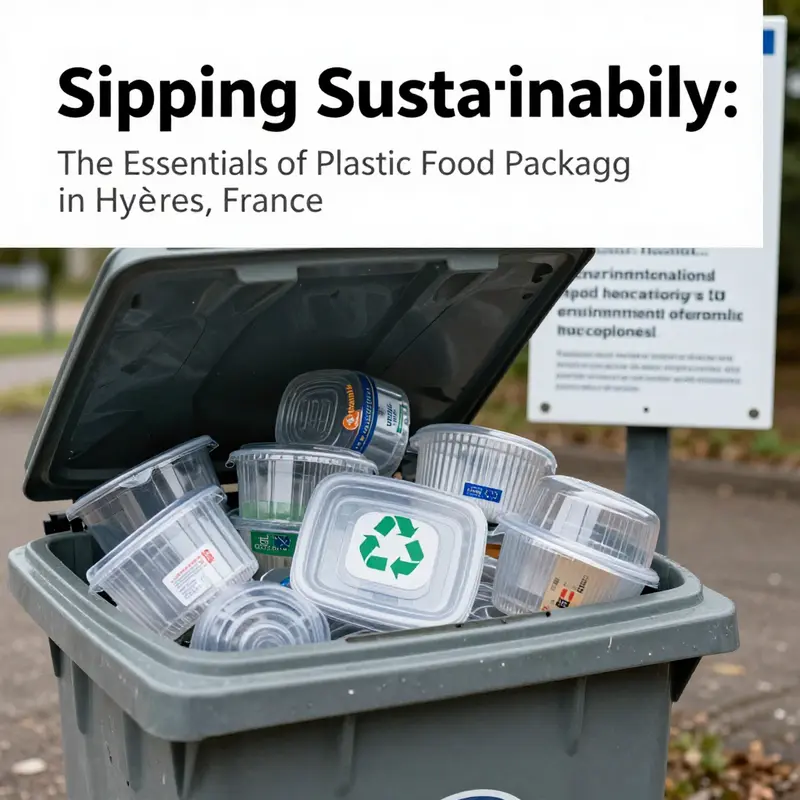
Hyères, perched on the sparkling coast of the Mediterranean, presents a vivid case study of how coastal communities grapple with modern packaging regulations. The town’s restaurants, cafés, markets, and take-away outlets operate in a landscape where environmental stewardship is not just a consumer preference but a legal and reputational obligation. Hyères sits at the intersection of global material trends and local governance, where EU directives shape what can be sold, how it can be used, and how it must be disposed of. The result is a narrative of adaptation: businesses recalibrating their packaging choices, supply chains, and waste management practices to align with a shifting regulatory climate, while still delivering convenience to visitors who expect teal-blue skies, coastal air, and ready-to-serve meals that travel cleanly from kitchen to table.
At the heart of the regulatory framework is the European Union’s Single-Use Plastics Directive (2019/904), which targets the most visible and persistent sources of plastic waste, including certain food-contact items. By 2025, a broad swath of single-use plastic items—such as cutlery, plates, straws, and specific categories of food containers—will be phased out or redesigned. For Hyères, a city that attracts a steady flow of domestic and international tourists, the directive translates into a concrete imperative: rethink the lifecycle of every container that leaves a kitchen, from the moment it is filled to how it is sorted for recycling or composting after use. This regulatory pressure resonates beyond mere compliance; it aligns with a coastal sensibility about protecting marine ecosystems, which are particularly vulnerable to microplastics and litter. The local environment becomes a barometer for the urgency of transitions in packaging design, material selection, and end-of-life pathways.
France complements the EU framework with its own national instrument—the Anti-Gaspi Law, or Loi Anti-Gaspillage—first enacted in 2020 and reinforced in 2023. This policy stance accelerates the shift away from non-recyclable plastic packaging for food products and sets a target: all plastic packaging should be recyclable or reusable by 2025. In practical terms, Hyères businesses face a dual objective: meet EU deadlines while also embracing national aims that push for more sustainable, often more expensive, alternatives. The law explicitly encourages biodegradable materials, including plant-based polymers, and promotes reusable systems in hospitality settings. The anticipated impact is not only on material choice but on business models: increased emphasis on take-back programs, on-site sorting, and customer engagement to ensure proper recycling or composting. The interplay of EU and national law creates a robust, albeit challenging, regulatory fabric in which Hyères operators must weave their procurement, labeling, and waste-management strategies.
Local authorities in Hyères have translated these broader directives into tangible municipal actions. The city has actively supported transitions away from plastic takeout containers, favoring compostable alternatives derived from paper, bamboo, or molded fiber. These local initiatives are not simply about compliance; they reflect a broader concern about microplastic contamination and the potential for packaging to leach particles into food during storage or heating. The regulatory logic is reinforced by scientific studies that connect packaging practices to microplastic exposure, reinforcing community expectations that packaging should minimize such risks. Hyères’ approach demonstrates how local governance can synchronize with national and European aims, providing pilots and incentives that help businesses experiment with alternatives while retaining service quality during peak tourist seasons. The official source for national and regulatory context, including how rules are implemented at the local level, remains a key reference point for operators seeking clarity in a rapidly evolving landscape: https://www.ecologie.gouv.fr.
For businesses operating in Hyères, the regulatory climate also defines the practical contours of procurement and compliance. The EU’s demand for recyclability and the French law’s push toward reusable systems press suppliers to offer packaging that can be reliably sorted and processed within existing waste streams. This means a preference for materials like polypropylene (PP) and other plastics that are widely recognized for recyclability, provided they are designed and labeled for end-of-life recovery. It also means a careful assessment of where packaging ends up after use; if a container is not easily recoverable through municipal recycling streams, its environmental advantage is diminished, especially in a tourist town where waste streams are diverse and fluctuating with seasonal demand. In this setting, verification becomes essential. Businesses often turn to third-party assessments, such as food-contact safety and environmental compliance verifications, to ensure that containers meet EFSA and REACH standards and to assure customers and regulators of responsible practices. The emphasis on verification underscores a broader theme: packaging decisions are not merely about initial costs or aesthetics but about lifecycle stewardship and risk management.
A practical consequence of this regulatory environment is how Hyères-based operators approach supply-chain decisions. The pressure to source recyclable or reusable packaging drives attention to supplier capabilities, product stewardship, and the reliability of compliance documentation. For buyers, the challenge lies in balancing regulatory alignment with cost and performance. While B2B procurement platforms can offer a broad catalog of options, the selection process must be anchored in EU compliance, local regulatory alignment, and a partner’s ability to deliver consistently across peak periods. In this context, it is prudent to prioritize containers designed for high recyclability or reuse, and to explore partnerships with suppliers who can provide clear declarations of conformity, lifecycle analyses, and end-of-life guidance. Such due diligence helps mitigate regulatory risk and supports Hyères’ broader sustainability narrative, which is increasingly important to residents and visitors alike.
The procurement conversation inevitably turns to product design and material selection. Although the EU and French directives push for recyclable or reusable packaging, there remains room for nuance in material choice. Recyclable plastics such as PP and PET, when sourced with proper additives and labeled correctly, can support robust recycling streams. Simultaneously, the anti-waste policy landscape nudges operators toward compostable or biodegradable materials for certain applications, especially where post-use collection infrastructure is strong enough to ensure proper composting. The challenge is twofold: ensuring that these materials perform in real-world conditions—resilience during transport, heat resistance for hot foods, and compatibility with cleaning cycles—while also guaranteeing that their end-of-life pathways are clear and viable. In Hyères, where the tourist economy is seasonal and logistics can stretch supply chains, the most resilient strategy combines durable, recyclable options with well- communicated recycling and composting instructions to customers.
From a consumer perspective, Hyères’ visitors are increasingly mindful of packaging choices. They expect convenience matched with responsibility. The regulatory push does not simply restrict what can be sold; it reframes consumer expectations and drives demand for packaging that is easy to sort, proofed for food safety, and transparent about its environmental performance. Restaurants and retailers can respond by clarifying labeling, offering on-site recycling guidance, and highlighting reusable or compostable options at the point of sale. These steps reinforce a culture of accountability and offer a competitive differentiator in a market where many travel with a keen eye on sustainability.
To illustrate a concrete pathway within the Hyères framework, consider the shift toward single-use containers that favor compostable or recyclable materials rather than conventional plastics. While supply challenges exist, some operators prioritize packaging that supports local waste-treatment capabilities and aligns with municipal collection schemes. In practice, this means selecting containers with clear, legible recycling or composting instructions, using packaging that minimizes mixed-material layers, and documenting the end-of-life options in supplier warranties or product declarations. A practical example of transitioning packaging types can be found in generic, plant-based or fiber-based options that are designed for compostability where industrial facilities exist, while ensuring that the same operators retain the ability to deliver hot or cold foods without compromising product integrity. For instance, many kitchens now favor sturdy, paper- or fiber-based takeout solutions that can withstand typical service temperatures while remaining compatible with Hyères’ waste streams. See a representative example here: disposable kraft paper soup cup with paper lid.
The regulatory journey also reshapes how Hyères positions itself within the broader supply network. Operators increasingly engage with local and regional suppliers who understand the municipal recycling and composting infrastructure, and who can provide assurances about end-of-life outcomes. This orientation encourages partnerships built on shared commitments to responsible packaging, rather than merely on price or convenience. It also supports a broader regional strategy to reduce the environmental footprint of hospitality and food service—the kind of initiative that resonates with residents who value clean shorelines, clear waters, and a city prepared to meet its sustainability targets with practical, scalable solutions. The outcome is a more intentional packaging ecosystem in Hyères, where each choice is weighed against its environmental footprint, its regulatory compliance, and its capacity to deliver reliable service during busy seasons.
As Hyères continues to evolve under EU and national directives, there is room for optimism about the direction of packaging technology and waste management. Advances in recyclable plastics, barrier materials that maintain food quality, and standardized labeling can simplify compliance and reduce confusion for both businesses and consumers. Moreover, the regulatory momentum creates an opportunity for local innovation: reusable systems in cafes and restaurants, deposit schemes for durable containers, and community education programs that foster better sorting at the source. The net effect is not merely compliance in a vacuum; it is the cultivation of a packaging culture that harmonizes coastal living, public health, and environmental integrity. In this context, Hyères serves as a microcosm of how coastal communities across France and Europe are translating high-level regulations into on-the-ground practices that protect the sea while preserving the vitality of local commerce.
For readers seeking a broader regulatory reference, the French Ministry of Ecological Transition provides a central portal to national rules and regulatory updates that frame Hyères’ local actions: https://www.ecologie.gouv.fr. This external resource anchors the discussion in a wider policy environment while acknowledging the unique coastal considerations that shape Hyères’ path forward. While the regulatory landscape can appear intricate, the underlying objective remains clear: align packaging practices with a cleaner coastline, safer food, and a more sustainable economy. In that sense, Hyères is not merely adapting to regulation; it is co-creating a resilient model for plastic food packaging that other seaside towns may look to as they confront similar environmental and logistical challenges.
Internal link note: when considering practical packaging options that marry regulatory compliance with operational realities, many kitchens and takeaways look to generic, recyclable or compostable single-use containers that are commonly used in takeout scenarios. A representative capacity and format example can be explored here: disposable kraft paper soup cup with paper lid.
External resource: for a broader understanding of the national policy landscape and how France translates EU directives into national practice, see the official government page on ecological transition and waste management.
Compliance Currents in Hyères: EU Food-Contact Plastics and Regulation
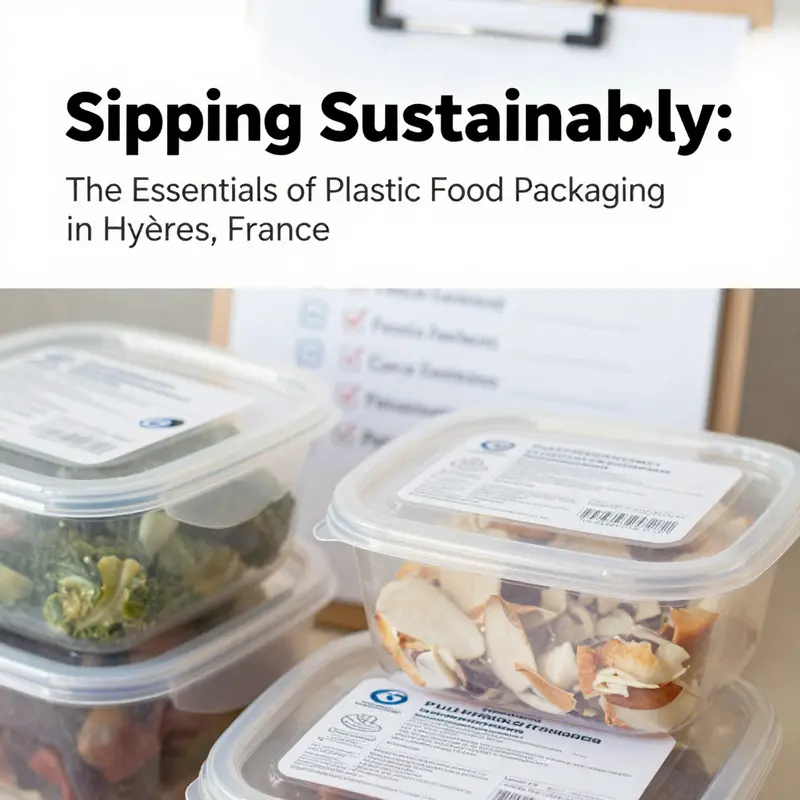
Hyères, perched on the sunlit shores of the French Riviera, sits within a regulatory ocean that frames every decision about plastic food packaging containers. In this coastal city, as in the broader European Union, the safety of materials intended to contact food is not a peripheral concern but a core obligation. The dominant compass guiding producers, suppliers, and buyers is Regulation (EC) No 1935/2004. It establishes the general rule that materials and articles coming into direct contact with food must not transfer substances in quantities that could endanger health or alter the food’s composition. That standard is a baseline, but its practical workability depends on a precise map of what can migrate, under which conditions, and to what extent. Movement through this map is governed by the system of specific migration limits (SMLs) laid out in Regulation (EC) No 1935/2004 and further detailed by Regulation (EU) No 10/2011. Those texts translate broad safety goals into concrete thresholds for monomers, additives, and processing aids that might migrate from plastic packaging into different kinds of food. For Hyères businesses serving meals, snacks, or groceries, this means that the choice of polymers, the processing methods, and even the storage or service conditions are all part of a single risk-management dialogue with regulators, auditors, and customers.
In practice, the packaging that circulates through Hyères’ kitchens, market stalls, and delivery routes is expected to be made from food-grade plastics such as PET, PP, or PS. These materials are recognized as suitable for direct contact with food when properly manufactured and tested, but their safety is not a blanket endorsement. Rather, it is a performance claim that must be supported by data showing compliance with SMLs for the relevant food categories—fatty, acidic, alcoholic, or with particular storage temperatures and durations. The regulatory framework does not stop at migration alone. It sits atop a broader ecosystem of chemical management, where REACH obligations require that hazardous substances be identified, assessed, and, where necessary, restricted. The aim is to avoid contaminants entering the chain that could compromise consumer safety or complicate downstream recycling and waste management, a concern that resonates in Hyères as elsewhere in France, where environmental responsibilities increasingly intersect with food safety mandates.
For businesses in Hyères, the regulatory picture translates into a three-layered operational discipline. First, the product itself must be designed and manufactured to comply with food-contact material (FCM) standards. That begins with material selection—PP and PET are prominent choices for many packaging applications—and extends to processing know-how that minimizes impurities and ensures stable performance during heat exposure or refrigerated storage. Second, the supply chain must maintain rigorous traceability. This means documenting the raw material suppliers, the chain of custody, testing records, and certifications that demonstrate conformity with EU standards. Third, ongoing compliance is verified through testing and documentation that can be audited by authorities, laboratories, or customers who demand proof of safety and performance. In Hyères, as in other EU locales, this framework is anchored by local enforcement, while operating within a more expansive EU system of rules and guidance.
The practical implications of this regulatory architecture extend into approach and procurement. Many Hyères-based caterers, retailers, and food-service firms operate within a marketplace that emphasizes the compatibility of materials with both safety and environmental targets. The EU’s broader Single-Use Plastics Directive and national policies push toward recyclable or reusable options, nudging businesses toward materials and designs that support waste reduction and higher recycling rates. Yet the directive also recognizes that safety and performance cannot be compromised in pursuit of environmental goals. In Hyères, this balance is achieved by prioritizing plastics with proven recyclability and low migratory risk, accompanied by robust supplier verification. Suppliers are expected to provide full traceability, material certificates, and compliance attestations. When questions arise, third-party verification from recognized testing bodies—such as SGS or equivalent laboratories—serves as an important signal of reliability and regulatory alignment. The goal is a predictable supply chain in which hospitality and retail operators can confidently source containers that perform under real-world conditions while meeting EU and national safety expectations.
The cross-border dimension adds another layer of complexity. Hyères is part of a EU-wide market where procurement channels routinely connect with manufacturers across Member States and beyond. The research literature highlights the value of transparent supply chains and regulatory alignment, particularly for businesses seeking long-term partnerships with producers that can consistently deliver compliant products. The EU framework emphasizes that safety data, material identification codes, and any necessary usage instructions—such as microwave non-compatibility or heat resistance limits—must accompany packaging. This clarity supports both consumer protection and efficient operations in Hyères’ food service and retail sectors. For firms navigating this landscape, the emphasis is on sourcing from suppliers that hold EU FCM certifications and can demonstrate end-to-end compliance through documentation and testing results. The objective is not only to pass inspections but to foster trust with customers who demand assurance about what touches their food and how it is disposed of.
Within this regulatory and operational tapestry, Hyères’ local authorities frequently engage in routine inspections of restaurants, caterers, and delivery services that rely on disposable or reusable plastic containers. Inspectors check that materials in use are appropriate for direct contact with food, that labeling is present and legible, and that any warnings not microwave safe are clearly conveyed to staff and customers. This is not a mere formality; it is a critical step in preserving public health and market integrity. In response, many Hyères-based operators implement internal quality-control systems that mirror EU expectations. They maintain supplier qualification records, confirm that incoming materials meet defined SMLs, and perform periodic migration testing or supplier audits as part of a broader food-safety program. The result is a supply chain that is less fragile in the face of regulatory change and more capable of adapting to evolving environmental targets.
From a business perspective, the Hyères market offers a potent reminder that procurement decisions are entwined with compliance realities and environmental considerations. The availability of recyclable plastics such as PP and PET, the potential use of alternative materials where appropriate, and the push toward reusable packaging all factor into strategic choices. Companies that align with EU FCM standards and maintain rigorous traceability—and that can demonstrate this alignment with credible documentation—are better positioned to meet the expectations of regulators, customers, and investors who increasingly require transparent, verifiable safety and sustainability practices. In this sense, compliance is not simply a box to check; it is a strategic capability that supports durable partnerships and resilient operations in a city that thrives on tourism, dining, and a sophisticated retail scene.
Beyond the immediate regulatory and operational considerations, Hyères’ packaging ecosystem is also shaped by global market dynamics and consumer expectations. Globally, manufacturers compete to offer containers that combine safety, performance, and environmental stewardship. Local buyers in Hyères weigh these products against regulatory compatibility and the availability of data to support due diligence. They seek packaging that maintains product quality under heat, protects food during transport, and preserves taste and texture, while also presenting opportunities for recycling or composting in line with France’s environmental objectives. The balancing act is delicate: heat-resistant and robust containers are essential for hot foods and for long delivery times, yet the materials must still be recyclable or suitable for disposal in compliant waste streams. This tension invites ongoing dialogue among suppliers, regulators, and end-users about best practices, evolving standards, and the practicalities of implementing safer, greener packaging within Hyères’ vibrant food economy.
In practice, the path to robust compliance in Hyères begins with a clear understanding of the regulatory base and a disciplined approach to supplier qualification. Businesses should verify that their packaging choices are appropriate for direct contact with food and aligned with SMLs for the intended food categories. They should require full traceability, material certificates, and evidence of conformity to EU and national regulations. They should consider engaging independent testing laboratories when in-house data is insufficient to confirm safety under diverse use scenarios. They should also stay attuned to the environmental dimension, recognizing that compostable, recyclable, or reusable options can contribute to a more sustainable footprint while maintaining safety and performance. When drafting procurement specifications or evaluating potential suppliers, Hyères-based teams can anchor their criteria in a shared understanding of the EU framework, the impact of REACH on chemical use, and the practical realities of serving a dynamic hospitality and retail market.
For readers seeking a concrete example of how packaging options can be discussed in a Hyères context while staying aligned with the guidance above, consider a page that highlights environmentally conscious, single-use options that still meet safety standards and permits. Internal links can help bridge materials dialogue with real-world procurement pages, such as a product page that showcases kraft-paper-based, take-away containers designed for safe food contact and compliant disposal. This example can serve as a practical touchpoint for teams drafting supplier specifications or negotiating terms with producers, ensuring that every choice supports safety, traceability, and environmental aims. While the landscape evolves, Hyères remains a living example of how a regional market can harmonize rigorous safety standards with evolving environmental expectations, delivering packaging solutions that keep food safe from farm to fork and from vendor to customer. 26oz kraft paper soup cup with paper lid can serve as a tangible reference point for discussions around design for safety and end-of-life considerations, illustrating how a single packaging choice can reflect the broader regulatory and environmental narrative that defines Hyères’ food packaging ecosystem. Concretely, stakeholders should also consult official guidance to stay aligned with evolving rules; see the European Commission’s Food Contact Materials database for authoritative context and updates: European Commission FCM database.
From Seaside Convenience to Sustainable Delivery: Hyères’ Takeaway Packaging Renaissance
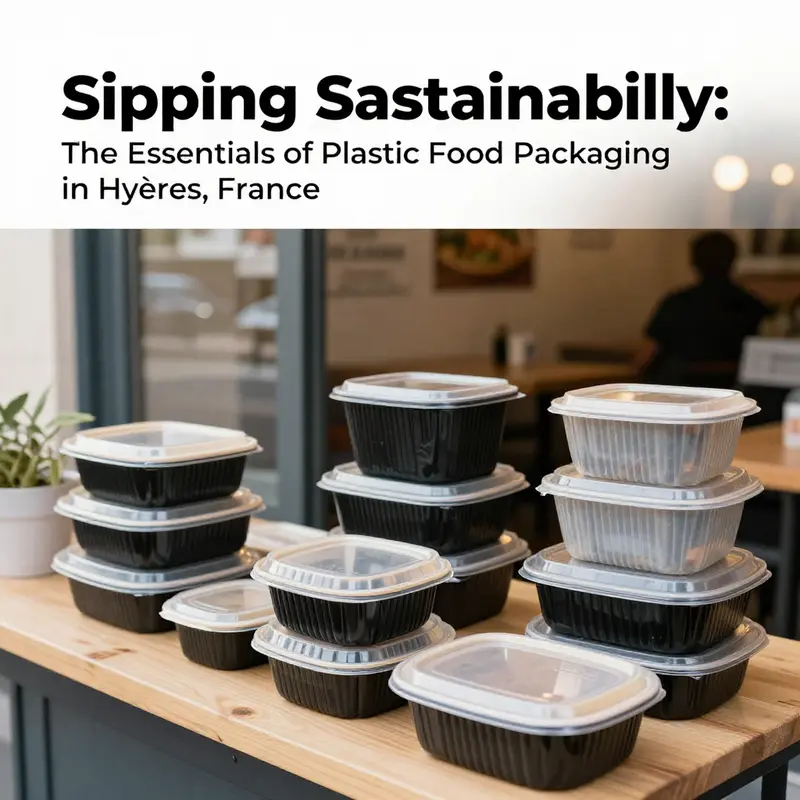
Hyères sits along the Mediterranean, where tourism, small commerce, and a busy harbor intertwine. In this setting, what arrives on a plate is mirrored by what arrives in a package. Take-away containers travel from kitchens to homes, but they also travel through regulatory channels, waste streams, and consumer expectations. In Hyères, restaurateurs, cafés, and market stalls face daily choices about materials, end-of-life options, and the ability to keep food safe and appealing on the move. The chapter that follows describes how these decisions fit within broader European trends toward sustainability, while also noting the unique pressures and opportunities of a coastal town that depends on visitors and local residents who prize freshness and care for the environment.
Material choices in Europe shift toward recyclability and compostability, with Hyères acting as a microcosm of these currents. Polypropylene remains widely used for its durability and heat resistance, but efforts to simplify recycling push operators toward monomaterial solutions or containers with higher recycled content. Plant-based polymers, such as PLA, and fiber- or paper-based options are increasingly offered for cold and room-temperature items, aiming to close the loop through composting or municipal sorting. In practice, restaurants experiment with compostable trays, recyclable cups, and paper or bagasse-like alternatives for items that travel, while still needing moisture resistance and leak control. The result is a more nuanced packaging ecosystem where performance cannot be sacrificed in pursuit of sustainability, and where waste-management infrastructure plays a decisive role in what can be adopted locally.
Procurement channels mirror this shift toward sustainability and compliance. Local buyers consult B2B platforms and regional distributors that can verify conformance with European safety standards and environmental regulations. EFSA and REACH govern what materials can contact food and what claims suppliers may responsibly make. Independent testing and certification remain common prerequisites for hospitality and retail chains that rely on consistent quality. For Hyères, the market’s integration within the EU means that documentation, testing, and traceability processes are familiar to suppliers and buyers alike, reducing risk when entering long-term partnerships. The emphasis on compliance not only protects public health but also supports predictable pricing and reliable supply through seasonal peaks.
Design and end-of-life considerations shape practical decisions in the field. Operators favor sturdy, recyclable, and compostable solutions that survive transport and keep sauces contained. This means a shift away from multilayer plastics toward monomaterial compositions where feasible, paired with clear labels signaling recycling or disposal. In Hyères, containers that can be processed in municipal streams or accepted by composters are preferred, while still delivering moisture control and heat retention. There are durable options in the market designed for long service life; see, for example, the kraft-based octagonal bowl with a lid, advertised as an eco-friendly, customizable solution that withstands everyday use. [senang kraft paper octagonal bowl with lid (1L)].
Digitalization and AI are quietly changing how Hyères organizes its takeaway packaging. Forecasting demand for peak tourist weekends and local market days helps shops minimize waste and hold appropriate stock of containers that meet evolving standards. AI-assisted inventory management supports suppliers and buyers by aligning production runs with projected needs and by reducing obsolescence in packaging lines. Online ordering platforms now promote standardized packaging families that balance cost, performance, and end-of-life compatibility. This standardization aligns with EU policy by making it easier to reuse, recycle, or compost containers across the supply chain. The net effect is subtler than a flashy technology narrative but profound for waste reduction, lifecycle costs, and the consistency of consumer experience across different neighborhoods in Hyères.
Hyères sustains a dynamic food scene where convenience must coexist with sustainability. Take-away offers must travel well, stay intact through transit, and minimize greasy residues while still presenting food as appealing. The packaging narrative in these streets reflects a community that values quick service without compromising environmental stewardship. Restaurateurs and market traders increasingly favor containers that can be reused or easily redirected to recycling streams after use. Seasonal menus and local specialties influence the choice of formats—from bowls to boxes—that can scale up during busy periods. In practice, this means a packaging portfolio built around a few flexible, high-performing families rather than a long tail of niche options. The result is a streamlined system that supports rapid service while reinforcing Hyères’s reputation as a destination where taste and responsibility travel together.
Policy momentum in France and across the EU further molds practice. The Single-Use Plastics Directive shapes what can be offered in takeaway formats and incentivizes materials that fit ordinary sorting facilities. National and regional agencies back the infrastructure needed to separate, collect, and process packaging waste, a backbone that makes recyclable and compostable choices viable at scale. In Hyères, operators are encouraged to prefer single-material packaging whenever possible and to label products clearly with end-of-life guidance. The idea is to reduce contamination and expand diversion rates, so materials travel from plates to recycling bins rather than into waterways or landfill. Compliance with EFSA, REACH, and third-party verification remains a critical guardrail, signaling to customers that safety and environmental responsibility go hand in hand, even in the busiest tourist months.
End-of-life thinking extends into the consumer experience. Customers increasingly expect transparent labels, simple icons, and accessible disposal options. Municipal programs that encourage composting or recycling influence not just what is chosen but how it is designed. A container that is hard to recycle undermines that program’s goals and dampens the pride residents feel in Hyères’s coastal character. Designers and suppliers respond with clearer communications, more legible instructions, and packaging that reduces confusion at the point of disposal. Beyond compliance, there is a practical advantage: when containers are easier to recycle or compost, waste crews can sort more accurately, and residents perceive a higher return on the environmental investment made by local eateries, markets, and their guests.
Looking ahead, Hyères will continue to benefit from a broader European market that supports sustainable packaging while accommodating local rhythms and preferences. The balance between barrier properties and recyclability remains central as operators evaluate whether to lean on recycled-content plastics, plant-based alternatives, or paper- and bagasse-derived formats for specific dishes. Collaboration across the value chain—designers, manufacturers, waste managers, and municipal planners—will determine how seamlessly packaging can be returned to productive use. The region’s competitiveness will hinge on the reliability of suppliers who can deliver compliant materials at scale, the clarity of labeling that guides end users, and the resilience of logistics networks that connect coastal communities with inland manufacturers. The takeaway packaging story in Hyères is less about a single choice and more about an adaptive system that can rise to seasonal demand, reflect environmental ambition, and maintain the hospitality that defines the town.
External perspective can illuminate local choices. A recent overview of the French takeaway container market highlights how digital transformation and sustainability imperatives are reshaping procurement, design, and waste-management practices across the country. For Hyères, staying informed about these broader dynamics helps ensure that local decisions remain compatible with continental standards and evolving consumer expectations. The linked discussion offers real-time insights into how French markets are navigating AI-driven logistics and shift toward greener packaging. By staying engaged with such resources, Hyères’s packaging ecosystem can adapt quickly to policy changes, supplier innovations, and shifts in tourist patterns, while continuing to protect its coastal identity.
https://www.linkedin.com/pulse/france-takeaway-food-container-market-outlook-amid-rapid-ai-digital-transformation/
Final thoughts
Navigating the plastic food packaging landscape in Hyères, France, requires an understanding of both compliance standards and market trends. As businesses adapt to a growing demand for sustainability, using the right type of packaging can make a significant difference in brand perception, regulatory compliance, and customer satisfaction. By leveraging the latest market trends and understanding procurement channels, food service providers can ensure they have the appropriate solutions that not only meet the needs of their operations but also align with their environmental commitments. The future of food packaging in Hyères is bright, and by making informed choices today, businesses can lead the way toward a more sustainable tomorrow.