
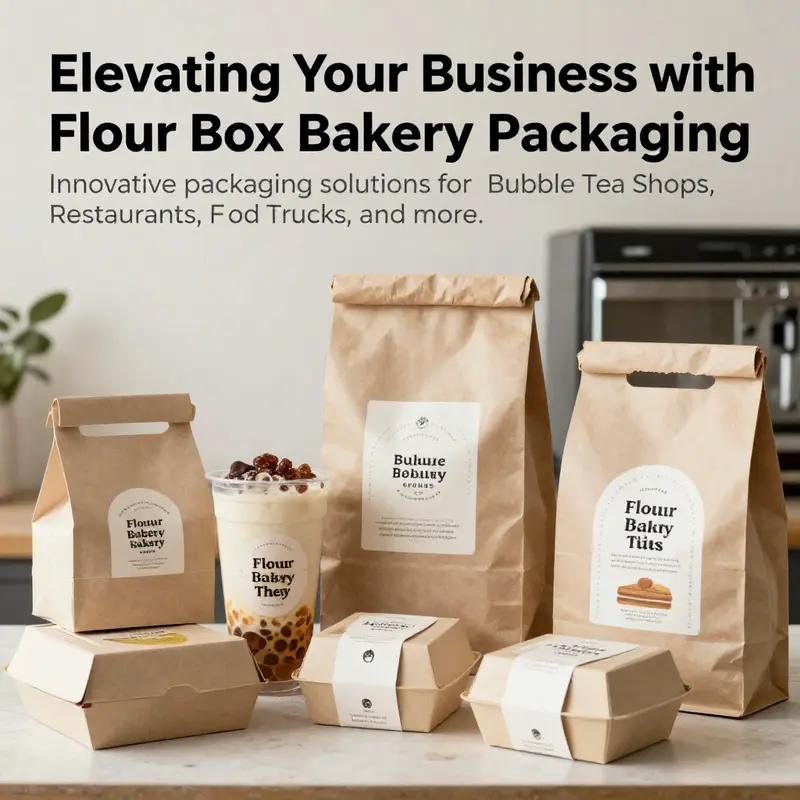
In today’s competitive food industry, the importance of effective packaging cannot be overstated. Flour Box bakery packaging provides not just practicality, but also enhances branding and sustainability. This article explores innovations in flour box packaging technology, the economic implications, environmental considerations, and cultural significance that can impact businesses ranging from bubble tea shops to catering services. By dissecting these four key areas, we will uncover how adopting sophisticated flour box packaging can positively influence customer satisfaction and operational efficiency.
Guardians of Freshness: How Innovative Packaging Technology Elevates Flour Box Bakeries
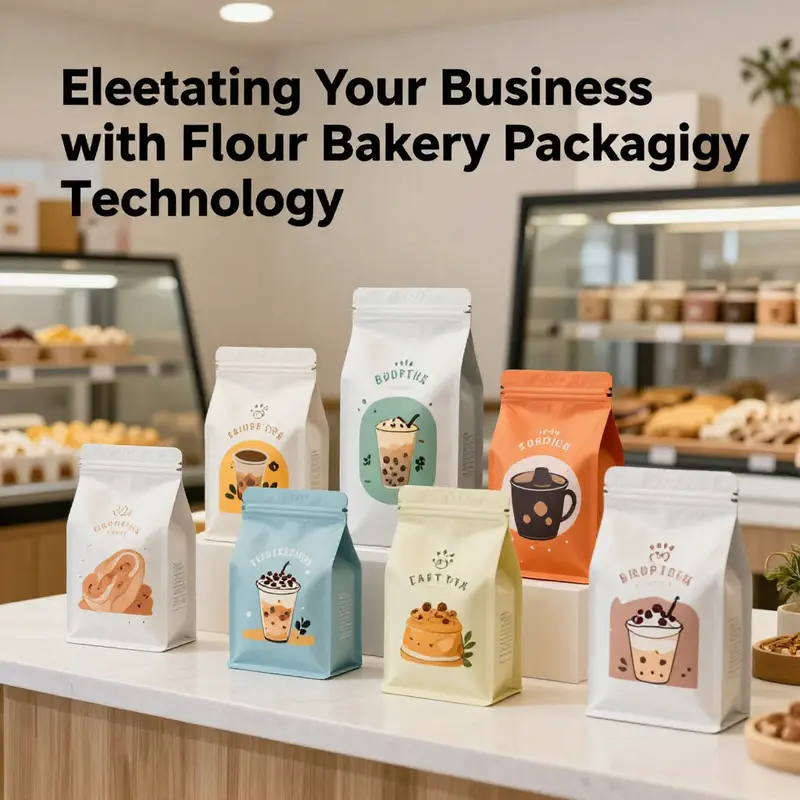
Every loaf, brick of bread, or delicate pastry travels a path from oven to customer that begins long before the first bite. In flour box bakeries, packaging is more than a shell; it is a critical steward of freshness, texture, aroma, and even brand story. The chapter that follows moves beyond the crate and crate label, into a realm where packaging technology actively guards quality, extends shelf life, and reduces waste. The shifts are not merely cosmetic. They redefine how bakers plan production, how distributors move products through the supply chain, and how customers experience the moment of purchase. A contemporary bakery must balance traditional craft with modern resilience. In this balance, packaging technology acts as a silent partner, ensuring that the artistry of a well-made loaf or a carefully layered pastry reaches the eater in near-pristine condition. It is in this tension between craft and science that a new era of flour box packaging takes shape, one that harmonizes performance with sustainability and brand identity with operational visibility.
At the core of this evolution lies a recognition that freshness is not solely a function of airiness in the crumb or the fragrance of a crust. Freshness unfolds as a chain of micro-decisions, from how flour is stored in a sack to how a finished product is shielded during transit. Active packaging concepts, which integrate functional additives into the packaging material or its immediate environment, have become increasingly influential. One strand of this approach centers on oxygen management. Oxygen is the stealth antagonist of many bakery items: it accelerates staling, promotes off-flavors, and provides a friendly environment for aerobic microbes that can alter texture and scent. Oxygen absorbers, embedded or incorporated into the packaging system, work quietly in the background. They scavenge residual oxygen as it enters the package or as the packaging itself interacts with the internal atmosphere over time. The result is a gentler milieu for bread and pastries, where moisture migration and crumb firmness are less prone to abrupt shifts that would betray a product hours or days after it has left the oven. Alongside absorbers, ethanol emitters—carefully controlled sources of volatile ethanol released within the headspace—offer another layer of protection. The presence of ethanol can suppress certain molds and microbes without imparting a noticeable odor or taste, creating a microclimate that keeps delicate aromas intact while safeguarding against spoilage isomers and surface contamination. These active elements do not replace quality; they complement it by preserving the conditions that define a bakery’s art: the tender bite of a sourdough, the crack of a crusty exterior, the fragrance of a bagel that still smells like a bagel when it is unwrapped at the counter.
These innovations sit within a broader evolution toward intelligent packaging, a term that captures the convergence of protection with information. While a consumer may not realize the science at work, their experience is shaped by small indicators that communicate product status. The active components, oxygen absorbers, and ethanol emitters are part of a larger system that can include time-temperature indicators, moisture sensors, and barrier-enhancing materials. The goal is simple but exacting: maintain the moist, chewy tenderness of artisanal loaves, preserve the fragile crumb of enriched doughs, and prevent the dryness that turns a beloved baguette into a memory. The most successful packaging systems achieve this with minimal interference to the unboxing ritual and without introducing flavors or textures that could compromise the product. In practice, bakers are embracing packaging materials that promise stronger moisture barriers and reduced oxygen transmission while remaining compatible with existing production lines and retail display requirements. This convergence is especially meaningful for short-shelf-life breads and seasonal pastries, where the difference between a product that tastes freshly baked at noon and one that tastes stale at 5 p.m. is not merely economic but emotional—consumers expect the sensory moment to align with the bakery’s reputation.
An equally critical strand of this narrative is the material science that underpins these advancements. Functional polymeric packaging, for instance, is moving beyond the traditional blister of film toward layered structures that deliver superior barrier performance against both moisture and oxygen while seeking to minimize environmental impact. The barrier properties of these advanced materials help to retard moisture migration, which is essential for preserving crust integrity and crumb moisture. They do so without sacrificing clarity when a bakery chooses to showcase its products through transparent packaging, a decision that has become more common in artisan lines. The environmental calculus, too, evolves. Bakers want packaging that can be recycled or composted and that uses fewer virgin resources. The most promising developments integrate material design with end-of-life considerations, offering a lighter ecological footprint without compromising the functional performance necessary to protect delicate products. The net effect is a packaging ecosystem that aligns with the baker’s emphasis on quality and sustainability, allowing a tangible reduction in waste while maintaining product integrity across distribution channels.
The practical implications for a flour box operation are substantial. When a bakery expands its distribution or introduces a new line—perhaps a rye loaf with a denser crumb or a pastry with higher fat content—the packaging must accommodate the unique moisture and oxygen dynamics of that product. Oxygen absorbers can be tailored to the specific headspace volume and expected shelf life, ensuring that a loaf destined for a regional market does not prematurely dry out or develop sensory off-notes. Ethanol emitters, calibrated for the microclimate of a particular packaging format, can further suppress mold growth without altering taste. In tandem, barrier-enhanced films and laminates maintain the delicate balance of keeping bread supple while preventing moisture from condensing on the inner surface, which could lead to soggy crusts and a compromised texture. A well-orchestrated combination of these tools allows bakers to maintain a consistent sensory profile from oven to table, even when logistical delays or fluctuating ambient conditions occur along the route.
This technical sophistication does not exist in a vacuum. The packaging choices of a flour box bakery are deeply connected to the broader logistics and digital solutions that modern food businesses rely on. A cloud-based order-tracking app, designed to provide real-time visibility into the status of orders and packages, integrates with the packaging strategy to close the loop between production, packing, and delivery. When a bakery can monitor shipment conditions, including temperature and time in transit, alongside product-specific packaging controls, it gains a powerful lever for maintaining quality. Such integration supports proactive decisions: adjusting packing density to minimize movement, selecting moisture-appropriate packaging for a given product, or expediting shipments where weather or transit constraints threaten freshness. The synergy between packaging innovations and logistics software helps transform a behind-the-scenes concern—keeping bread from losing its character—into a managed, measurable capability that enhances customer satisfaction and reduces returns or complaints.
In the marketplace, packaging choices are not solely about protection and performance. They are also about brand expression and supplier reliability. The ability to obtain packaging in moisture-proof, food-grade formats while enabling customization is increasingly valued by bakeries seeking to distinguish themselves in a crowded field. Custom branding on packaging—logos, colors, and graphics—reinforces a bakery’s identity at the critical moment of purchase. It also communicates quality and trust, signaling to customers that the product inside is cared for from production to consumption. The procurement pathway for these packaging solutions reflects the globalization of manufacturing and the need for scalable options. Many bakeries buy in bulk from large, established manufacturers that can certify their processes with recognized standards such as CE, BV, and ISO. Certifications help ensure material safety, hygienic production conditions, and traceability, all of which are essential when flour products are part of a broader recipe or distribution channel. The capacity to source from credible suppliers supports the bakery’s desire for consistency, reduced lead times, and predictable costs, enabling strategic planning across seasonal demand and new product launches.
Occasionally, the packaging conversation circles back to the practical realities of labelling, branding, and consumer perception. Aesthetic choices—color, finish, and typography—interact with the sensory experience that a bakery promises. Packaging that is too heavy or visually dense can undermine the perceived freshness of the product; meanwhile, overly minimalist designs must still convey the bakery’s story and guarantee of quality. The intelligent and active packaging systems discussed above offer a more nuanced layer of storytelling. For instance, a packaging solution that communicates a “still fresh” status through a visual cue or a time-temperature indicator invites trust and reduces the cognitive load on the consumer at the moment of choice. It also provides tangible feedback for retail staff, who can relay accurate product narratives and ensure customers receive items that meet their expectations. This fusion of science and storytelling is part of a broader shift in how baked goods are presented, stored, and consumed in modern retail contexts.
All these considerations feed into a broader ecosystem of procurement, design, and distribution. The packaging pathway is not a silo; it intersects with the bakery’s digital tools, branding strategy, and sustainability commitments. A practical illustration of this integration can be found in the way a bakery balances its packaging selection with online ordering and fulfillment. The packaging must be compatible with the packaging workflow on the shop floor, align with the packaging supplier’s capabilities, and offer the flexibility to adapt to changing product lines. A muffin box with a window, for example, demonstrates how packaging can respect the product’s form while providing retailers with visibility that enhances shelf appeal. The available design options, including windowed boxes and artisanal finishes, reinforce the brand message that the bakery is committed to quality and craft, even as it relies on advanced materials and production methods to maintain that quality in the real world of distribution and consumption. For readers curious about concrete packaging examples that align with bakery needs, one can explore a sample product such as a kraft white cardboard muffin box with window, which illustrates how a simple packaging element can elevate product perception while delivering the required protection. kraft white cardboard muffin box with window
As bakers plan growth, the choice of packaging becomes a strategic asset rather than a mere afterthought. The shift toward active and intelligent packaging, reinforced by functional polymers and responsible supply chains, offers a path to sustain product quality through longer distribution routes and more complex retail environments. Yet the success of these innovations depends on a thoughtful alignment with the bakery’s operational realities. Packaging must be compatible with existing lines, scalable for bulk orders, and adaptable to the varied shapes and moisture profiles of different products. It must also be compatible with the brand experience, presenting a coherent story from packaging to plate that resonates with customers who increasingly value transparency, sustainability, and quality. In this sense, flour box packaging is not simply about containment; it is about the dialogue between product, process, and consumer. When done well, it reduces waste, protects texture and flavor, and reinforces trust—one loaf, one pastry, and one smile at a time.
Looking ahead, the convergence of packaging science, digital logistics, and brand storytelling holds transformative potential for the bakery sector. The next wave will likely bring materials that are even more robust against moisture and oxygen, while also offering enhanced recyclability or compostability. The most successful options will be engineered with end-of-life in mind, enabling bakers to meet ambitious sustainability targets without compromising the integrity of their products. And because packaging does not exist in isolation, the systems that monitor and manage orders—like real-time tracking apps—will continue to play a crucial role in ensuring that these advanced packaging solutions are deployed where they can have the greatest impact. When a bakery can reliably protect texture on the shelf and in transit, while also telling a compelling brand story through packaging, it creates a virtuous cycle. The product remains faithful to its craft, the consumer experiences satisfaction, and the business gains a clearer path to growth.
For readers seeking a broader industry perspective on how bakery packaging innovations are evolving, a comprehensive overview is available in Bakery Packaging Innovations, which examines current and emerging trends in packaging technology for the sector: https://www.packagingdigest.com/packaging-technology/bakery-packaging-innovations.
Packaging for Profit: How Flour Box Bakery Packaging Solutions Shape Costs, Perception, and Performance
Every oven-fired batch that leaves a bakery carries more than just aroma and texture; it carries the story of how that product is wrapped, protected, and presented. In the modern bakery landscape, packaging is no longer a passive container. It is a strategic lever that touches everything from material costs and supply chain resilience to consumer perception and long-term sustainability. The Flour Box, in its push toward integrated packaging and logistics, hints at a broader truth: the economics of flour box packaging are inseparable from the bottom line of production, branding, and growth. When a bakery considers its packaging choices, it must weigh immediate expenses against longer-term benefits, including reduced spoilage, improved brand equity, and the ability to scale across markets. The economic reality is that packaging decisions reverberate through the entire value chain, shaping profitability as surely as flour quality or yeast vitality does. A comprehensive view of these impacts reveals a landscape where material science, digital logistics, and consumer expectations converge to redefine the cost structure and competitive dynamics of flour-based products.
At the core of the cost discussion lie the material options. Paper flour bags, in their bleached or kraft forms, present two distinct value propositions. Bleached paper can offer a premium appearance that aligns with upscale branding and in-store displays, signaling quality and care to discerning shoppers. This premium perception can justify higher shelf prices and more robust branding campaigns. The printing capabilities on paper bags support complex graphics, brand storytelling, and regulatory labeling, all of which contribute to higher conversion rates in retail settings. Yet these advantages come with higher manufacturing and processing costs, particularly when brands demand vivid, high-fidelity printing on packaging that also protects flour from humidity and moisture. In humid environments, designers often lean on laminated inner coatings or barrier layers. These additions improve product integrity but raise material costs and complicate the production line. For small bakeries, the trade-off may be acceptable when the premium positioning delivers greater contribution margins, but larger operations must carefully calculate the return on these coatings against incremental waste, storage, and handling fees.
Plastic-lined paper bags represent a middle ground, offering superior moisture resistance and pest deterrence compared with plain paper. They can significantly reduce spoilage and inventory waste, especially in export markets or environments with variable storage conditions. The upfront price premium may be offset by longer shelf life and reduced shrinkage, which lowers overall waste and insurance costs. For operations that plan to ship flour across borders or to regions with strict climate fluctuations, the durability of plastic-lined textures can translate into steadier inventory and smoother logistics. The math changes, though, when labor, coating materials, and recycling considerations are factored into the total cost of ownership. In many cases, the savings from reduced spoilage are real, but the payback period depends on the scale of the operation, the geographic spread of channels, and the sophistication of the supply chain.
Plastic flour bags, typically the most economical on a per-unit basis, maintain their appeal in bulk storage and industrial applications. Their light weight, resilience during transit, and compatibility with automated filling and sealing processes make them attractive to very large bakeries and distributors. The cost advantage is often amplified when transportation costs are a meaningful portion of the total expense, as lighter packaging can shave freight charges and improve loading efficiency. However, these bags are sometimes perceived as less sustainable, particularly in markets with strong consumer emphasis on eco-conscious packaging. The challenge for manufacturers is to balance functional economics with brand narrative, potentially adopting post-consumer recycled content or switching to recyclable multilayer structures that preserve performance while addressing environmental concerns.
Burlap, though less common for flour packaging in mass-market contexts, remains a valuable choice for niche artisanal brands. Its biodegradability and rustic aesthetic can align with a story of soil, farmers, and heritage. Yet burlap presents practical challenges: higher initial costs, variable moisture handling, and limited resealability. For brands prioritizing authenticity over convenience, burlap can reinforce a handmade, craft-oriented image. For most scale-driven bakers aiming for broad distribution, burlap is typically a storytelling ingredient rather than the primary packaging workhorse. The broader lesson is that packaging choices reflect a brand’s strategic posture: premium, sustainable, or functional efficiency each carry distinct cost structures and risk profiles, and the right mix depends on audience, climate, and channel strategy.
As sustainability ascends in consumer priorities, eco-friendly packaging becomes a market filter as much as a material choice. Compostable or recyclable options, including uncoated paper or burlap, may incur higher upfront costs but carry a premium in consumer perception and long-term ESG alignment. The regulatory environment and corporate governance expectations further shape these decisions. Tax incentives, access to green financing, and the prospect of reduced environmental fines create a future cost advantage for brands that invest early in sustainable packaging. The economics of green packaging extend beyond the label; they influence supplier selection, waste handling, and end-of-life stewardship. A bakery that maps its packaging to its sustainability goals can capture incremental value through enhanced brand loyalty, especially among customers who view packaging as part of the product’s overall story.
The market context for these choices helps illuminate the scale of the decision. The global Baking Food Packaging Bags Market was valued at about USD 8.57 billion in 2025 and is projected to grow at a CAGR of roughly 10.78 percent from 2026 to 2033. This growth signals robust demand for packaging that not only protects but also communicates. For flour and bakery producers, packaging strategy is a lever for profitability and scalability. It’s not just about cost per bag; it’s about how packaging enables new channels, reduces waste, and reinforces a brand narrative across markets. A bakery that plans to scale must consider this macro trend when negotiating supplier contracts, choosing materials, and designing branding that travels well across cultures and climates. The dynamics of this market also mean that suppliers are increasingly offering integrated solutions, from moisture barriers to branding capabilities and certifications, making it feasible for even mid-sized bakeries to access packaging that was once the realm of large manufacturers.
From a cost-management perspective, the supply chain for packaging is a critical arena. Sourcing packaging materials from global suppliers provides access to moisture-resistant, food-grade options that ensure stability during storage and transit. On platforms where vendors offer customization, a bakery can align packaging with a brand’s visual identity while maintaining the integrity of the product inside. The ability to print logos and graphics at the bag level enhances marketing effectiveness by elevating product visibility on retail shelves and online marketplaces. Branding is not a superficial add-on; it is a driver of consumer choice, often allowing bakeries to command price premiums that offset higher production costs. The alignment of packaging with branding strategies becomes particularly important when considering retail display, where the packaging itself becomes a point of sale.
Beyond color and print quality, material science and design choices affect shelf life and product safety. Moisture management is fundamental for flour, which is prone to caking or degradation when humidity breaches the seal. Laminations and inner coatings can act as barriers against moisture and oxygen, slowing deterioration. However, coatings add materials, processing steps, and potential challenges in recycling at the end of life. A well-calibrated packaging solution weighs the incremental cost of these layers against the value of extended shelf life and reduced returns. In export markets, where regulations and inspection regimes emphasize packaging integrity and product safety, having packaging that meets moisture and pest resistance requirements reduces the risk of spoilage during long voyages and customs handling. Certifications such as CE, BV, and ISO—while primarily associated with supplier credibility—also convey a degree of assurance about packaging safety and compliance, enabling bakeries to place large and recurring orders with confidence. The ability to source from suppliers with reliable certifications can translate into lower risk, smoother audits, and potentially better access to financing, all of which influence the cost of capital and working capital cycles.
Technology and logistics are inseparable from packaging economics in the modern bakery. Digital order-tracking and logistics optimization, including real-time monitoring of shipments and packages, directly influence the efficiency and reliability of the packaging ecosystem. A bakery that blends packaging choices with digital logistics gains a dual advantage: packaging protects quality on the way to customers, while the tracking system ensures visibility across the journey. Real-time updates reduce the incidence of misrouted shipments, enable proactive customer communication, and shorten the time-to-delivery window. This integration helps maintain product freshness, a critical factor for flour-based products where texture and aroma can be time-sensitive. It also reduces the operational friction that often accompanies complex supply chains, particularly when ingredients move across borders or when seasonal demand spikes occur. The practical takeaway is straightforward: the economic value of packaging is amplified when paired with a robust logistics framework that turns packaging from a passive container into an active contributor to customer satisfaction and repeat business.
On the sourcing side, marketplaces that connect bakers with packaging manufacturers—while often associated with bulk orders and cost efficiencies—also introduce considerations about quality control, lead times, and post-purchase support. For many flour producers and baking businesses, the decision to source packaging from global suppliers hinges on a balance between cost, speed, and risk. The ability to customize packaging with branding elements like logos and graphics supports a stronger market presence, but it also demands careful coordination with suppliers to ensure color accuracy, print durability, and print-run consistency. In markets that demand rapid adaptation—new product lines, seasonal flavors, or limited-time promotions—agility in packaging design translates into faster go-to-market timelines and capital efficiency. While some brands embrace the convenience of ready-made packaging, others demand bespoke solutions that align with a precise branding narrative or regulatory labeling requirements. The economics of this choice depend on order volume, supplier reliability, and the cost of changeovers in production lines.
The sustainability dimension adds another layer of strategic calculation. Eco-conscious packaging is increasingly embedded in consumer expectations and regulatory compliance. A bakery may face incentives in certain jurisdictions for adopting recyclable or compostable materials, making green packaging not just a reputational choice but a financially advantageous one over time. The long-term cost advantages may become apparent through tax incentives, improved access to green financing, and lower risk of fines related to sustainability disclosures and waste management. Yet there is a practical tension: sustainable options sometimes come with higher upfront costs. The way a bakery resolves this tension—by projecting waste reduction, brand loyalty, and potential pricing power—will determine the net impact on profitability. In this light, packaging decisions evolve from a simple cost-center into a strategic investment that supports resilience, growth, and competitive differentiation.
The broader market signals, coupled with operational realities, suggest a guiding framework for bakery leaders evaluating packaging choices. First, assess the climate and storage conditions in primary markets; second, evaluate shelf life requirements and distribution geography; third, quantify the costs and benefits of moisture barriers, resealability, and consumer-friendly branding; fourth, consider the branding impact and willingness of customers to pay a premium for perceived quality and sustainability; and fifth, integrate packaging decisions with digital logistics to maximize efficiency and visibility across the supply chain. In practice, a bakery might lean toward kraft paper bags with high-quality printing for premium lines, or toward plastic-lined paper for longer shelf life and export readiness, or toward more economical plastic bags for bulk industrial customers. Each path carries different implications for cost structure, waste streams, and consumer perception. The key is to map these implications to strategic priorities: profitability, growth, and brand integrity in a changing global market.
A practical glimpse into how this translates into business decisions can be seen in how packaging and branding intertwine with supplier credibility and manufacturing flexibility. Packaging suppliers offering certifications, reliable lead times, and scalable print capabilities enable bakeries to test new products or seasonal lines without destabilizing production. The ability to source moisture-resistant packaging in bulk, with options for branding and regulatory labeling, provides a platform for experimentation while safeguarding margins. In a world where trends shift rapidly—from gluten trends to sustainability mandates—the capacity to pivot packaging configurations without incurring prohibitive costs is a competitive advantage. The economic impact is not simply the price per bag; it is the entire system’s adaptability, from procurement to point of sale, enabled by packaging choices that align with strategic goals.
To connect theory with practice, consider how a bakery might implement a packaging strategy that supports growth without eroding margins. It begins with a clear understanding of the target market and distribution channels. In a neighborhood bakery selling ready-to-bake flour mixes and fresh loaves, packaging that communicates quality and artisanal craft—through kraft paper, selective printing, and a pleasing tactile experience—can command premium pricing and foster repeat purchases. In a regional or national expansion scenario, the packaging must endure longer transit times and diverse climates, making moisture barriers, resealability, and robust labeling critical. For exporters, the emphasis shifts toward regulatory compliance, international certifications, and the reliability of suppliers who can deliver consistent quality at scale. Across these scenarios, the cost calculus must weight the incremental value of packaging to consumer experience, brand equity, and supply chain resilience.
The economic narrative of flour box bakery packaging is thus not a monologue about material costs alone. It is a dialogue among product quality, consumer perception, logistics efficiency, sustainability, and growth strategy. The numbers tell a story—the market’s expansion suggests opportunity, while the specifics of material science and certification add nuance to how that opportunity is realized in different sectors and regions. For bakers aiming to optimize profitability and competitiveness, the path forward lies in designing packaging systems that harmonize with logistics capabilities, branding ambitions, and environmental responsibilities. The most successful packaging strategies are those that integrate with digital tools, enabling real-time order tracking, proactive customer communication, and transparent end-to-end visibility. When packaging becomes a driver of operational excellence rather than a separate cost line, flour-based products can reach consumers with confidence, flavor, and consistent quality—every step of the way from mill to market.
Internal link example: one practical way to see packaging in action is by exploring how a modern bakery packaging solution leverages adaptable design and branding across packaging types. For a concrete reference to packaging that supports bakery presentation and easy handling, look at a packaging example page here: kraft white cardboard muffin box with window for cupcakes.
External resource: for a broader market perspective on the economics of packaging in baking and related products, see the industry analysis from Grand View Research. External resource: https://www.grandviewresearch.com/industry-analysis/baking-food-packaging-bags-market
Greener Grain, Cleaner Boxes: Weaving Sustainability into Flour Box Packaging for Modern Bakeries
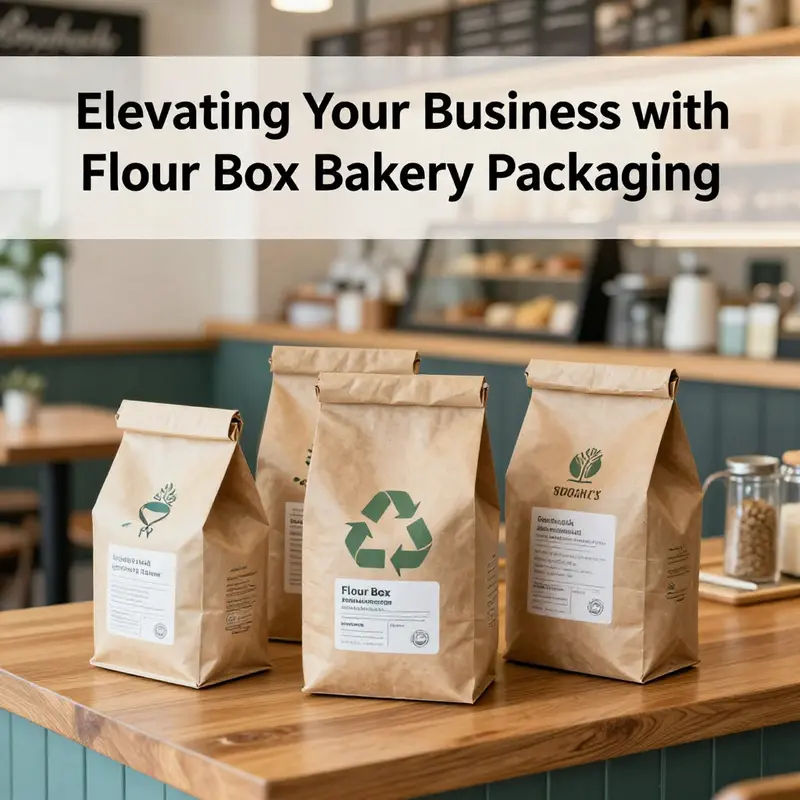
Sustainability in flour box packaging has moved from a niche consideration to a core condition of modern baking. Bakers and flour suppliers face a triple mandate: protect product quality, minimize environmental impact, and communicate a responsible story to both retailers and consumers. Flour, being a bulk commodity, has particular packaging needs. It must withstand transit, resist moisture, and foreclose contamination, all while remaining economically viable for small neighborhood bakeries and larger production facilities alike. The challenge is to design packaging that delivers on shelf life and hygienic integrity without piling up waste or complicating recovery streams in recycling facilities. In this context, packaging choices matter not only for the product inside but for the reputation of the brand that carries it. The shift toward greener packaging is not simply about substituting one material for another; it is about rethinking systems—from how raw fibers are sourced to how boxes are manufactured, used, and finally disposed of or repurposed. The narrative around flour box packaging, then, is less about a single material and more about an intelligent mélange of design, supply chain discipline, and consumer transparency that can strengthen a bakery’s competitive position while reducing its environmental footprint.
At the heart of this evolution lies the material conversation. Cardboard-based flour boxes have long been favored for their recyclability and relative ease of compostability in some contexts. Yet the environmental impact of cardboard depends heavily on the origin of the pulp, the energy profile of the mill, the presence of coatings, and the efficiency of the end-of-life stream. A substantial proportion of standard flour packaging relies on virgin paperboard or plastic-laminated substrates to deliver the moisture barrier necessary for flour storage. While these materials perform admirably in protecting product integrity, they complicate recycling when mixed materials are involved. The issue is not only whether a material can be recycled, but whether it can be recovered at scale without contaminating other recyclable streams. In many cases, the presence of plastic windows, PE coatings, or multi-layer laminates makes disassembly impractical for sorting facilities, effectively reducing recovery rates and pushing disposal decisions toward landfilling in regions with limited waste management infrastructure.
In response to these challenges, the industry is exploring compostable and recycled-content packaging that attempts to balance performance with end-of-life outcomes. But the road to true sustainability is not straightforward. Compostable materials require appropriate industrial facilities and clear, standardized labeling that helps consumers dispose of packaging correctly. When coatings or adhesives are non-biodegradable, or when compostability relies on home-composting rather than industrial facilities, the promised environmental benefits can unravel. This catch-a-can’t-keep-pace-with-disposal reality has driven a push toward simpler, mono-material designs and more transparent claims about end-of-life.
A set of innovations is quietly reshaping what sustainable flour packaging can look like. Uncoated paperboard, for instance, is easier to recycle and tends to carry a lower embedded carbon footprint than highly coated substrates. Plant-based films are gaining traction as a potential alternative to traditional plastics, offering moisture resistance without introducing fossil-based polymers. Mono-material designs, which prioritize a single material type throughout the packaging, reduce the complexity of recycling streams and can significantly simplify the sorting and recovery process. These advances are not purely environmental plays; they have practical implications for bakery operations too. For example, uncoated or lightly coated boards can be easier to print with while still maintaining presentable branding, enabling a cleaner product look that resonates with eco-conscious shoppers.
The life cycle of flour packaging deserves close attention. A responsible approach weighs not only the material composition but also the transportation footprint and the ultimate fate of the packaging after use. Material selection should consider the environmental costs at each stage—from the land-hearing impact of fiber sourcing to the energy consumed in converting pulp into finished boxes, and, finally, the opportunities for reuse or recovery in consumer households and municipal systems. In this lifecycle mindset, reducing weight, increasing compactness for transport, and optimizing inventory levels can collectively lower emissions and waste. For a bakery, this translates into smarter packaging design choices that curtail swirl of excess packaging while preserving product integrity and brand appeal.
Design strategies must also reconcile sustainability with the stubborn realities of moisture control and shelf stability. Flour is highly hygroscopic; it readily absorbs moisture, which can compromise quality and lead to clumping or caking if packaging fails. This demands moisture barriers that do not overly complicate recycling streams. One path forward is the use of barrier coatings that are increasingly based on sustainable polymers or paperboard surfaces treated with water-based, food-safe coatings. The goal is to deliver sufficient protection against humidity and temperature fluctuations without imposing a disassembly burden on recycling facilities. In practice, this means selecting coatings and inks that are low in toxic additives, adhere to food-contact safety standards, and remain compatible with standard recycling technologies.
Beyond materials, labeling plays a crucial role in whether a package is responsibly disposed of or treated as waste. Clear, consistent labeling helps consumers understand how to recycle or compost packaging within their local infrastructure. This is not merely a marketing feature; it is a practical road map that improves recovery rates and reduces contamination. Certifications and standards associated with packaging components—such as fiber origin, ink composition, and adhesive performance—are important signals to retailers who want to meet corporate sustainability commitments and to consumers who seek trustworthy products. In an industry that often relies on small, local bakeries in addition to larger producers, the ability to communicate credible sustainability claims through simple, verifiable marks matters a great deal.
The consumer and retailer dynamic also shapes how flour packaging evolves. Consumers increasingly demand transparency about what a package is made of, how it was produced, and what happens at end of life. Retailers, meanwhile, are seeking packaging that aligns with sustainability goals while still delivering shelf impact, product protection, and cost efficiency. The balance is delicate. Even as a mono-material box might be easier to recycle, it must still perform under the stresses of transit, stacking, and moisture exposure. The interplay between material science and practical bakery operations is where meaningful progress happens. Packaging designers who can translate sustainability claims into tangible performance gains—quieter, more effective moisture barriers; reduced weight while preserving strength; easier disassembly and recycling—create real value for the entire supply chain.
In this broader context, technology and digital tools play a facilitating role. Digital platforms that connect packaging suppliers with bakeries can help ensure that sustainable options with proven performance are readily accessible. Real-time ordering and tracking systems can also improve logistics around packaging—reducing stockouts, accelerating reorders, and enabling more accurate forecasting of packaging needs in concert with flour production cycles. When a bakery leverages such tools, it can avoid excess packaging or rushed, less-sustainable choices during peak periods. The integration of digital logistics with packaging decisions highlights a future where sustainability is part of the operational backbone rather than a separate, later consideration.
For those seeking concrete examples of how sustainable packaging options can be deployed in practice, consider the contemporary take-away packaging landscape that prioritizes paper-based, moisture-resistant options designed for easy recycling. A contemporary option exists in a stock design that emphasizes a salad-rectangle form factor with a kraft paper exterior and a lid, reflecting a growing interest in multi-use, recyclable containers that can cross between bakery and deli applications without compromising product safety or presentation. Such designs illustrate how the industry is moving toward packaging that serves both bakery workflows and end-of-life recovery pathways. You can explore this particular option here: in-stock-new-design-salad-rectangle-takeaway-kraft-paper-octagonal-box-with-lid. While this is just one example, it encapsulates a broader trend: packaging that is simpler to recycle, easier to store, and capable of carrying branding without sacrificing performance.
The implications for a flour box bakery are meaningful. If a bakery can source packaging that is mono-material, with a clear end-of-life path and a credible sustainability narrative, it can more effectively communicate its environmental commitments to customers and retailers. This, in turn, supports premium branding opportunities, particularly among consumers who are willing to pay a small premium for products packaged with a transparent sustainability story. Yet the path to scale is not without friction. Cost differentials between traditional and greener packaging, the reliability of supply chains in single-material formats, and the regional variability of disposal infrastructure all affect decision-making. Bakeries must weigh these trade-offs, recognizing that the most economical option in one market may be less favorable in another based on regional waste management capabilities and consumer expectations.
A foundational element of this discussion is the meaningful relationship between packaging design and product quality. The flour inside must remain dry, fresh, and free from contamination. Packaging that sacrifices performance for sustainability can backfire by undermining product integrity and disappointing customers who rely on consistent quality. Therefore, the design process should be collaborative, bringing together packaging engineers, suppliers, and bakery operators to validate that a sustainable box can deliver the same or better moisture protection, stack strength, and barrier performance as traditional options. This collaboration can unlock innovations that satisfy both environmental and functional requirements, enabling bakeries to maintain a strong market presence while reducing their environmental footprint.
The journey toward sustainable flour box packaging also encompasses broader policy and standards considerations. Industry bodies and regulatory agencies increasingly emphasize standardized labeling and recyclability criteria. Clear, uniform guidelines can reduce consumer confusion and accelerate the adoption of greener materials. In parallel, certification schemes that verify fiber origin, recycled content, and end-of-life performance help retailers and consumers discern genuinely sustainable choices from marketing claims. Where local waste management capacity exists, packaging that aligns with available recovery streams can significantly improve recycling outcomes. Conversely, in regions with limited infrastructure, the emphasis may shift toward compostable options or mono-material designs that are easier to recuperate through existing municipal systems.
To extend the conversation beyond materials and labeling, it is worth considering the role of education and storytelling. Savvy bakeries leverage packaging as a narrative device, explaining how their packaging choices align with broader environmental goals. This storytelling need not be lengthy; a concise message about recycled content, responsibly sourced fibers, or a clear end-of-life path can empower customers to participate in sustainable consumption. When packaging communicates a credible story, it reinforces trust and creates a cohesive brand experience, from the product on the shelf to the consumer at home.
Ultimately, sustainable flour box packaging is about balancing multiple objectives: maintaining product quality, enabling efficient logistics, and delivering environmental benefits that resonate with customers and retailers. In practice, this means embracing designs that minimize material complexity, optimize end-of-life recovery, and support transparent communication. It means selecting barrier solutions that keep flour fresh without creating recycling headaches. It means recognizing that sustainability is a system attribute—one that depends on fiber sourcing, manufacturing energy, packaging design, distribution efficiency, consumer disposal behavior, and the availability of appropriate recycling and composting infrastructure. When bakeries view packaging as an integrative system rather than a standalone product, they unlock opportunities to reduce waste, lower costs over the long term, and strengthen their market position in a world increasingly attentive to sustainability.
External resources provide broader context for these ideas. For a comprehensive perspective on standards and innovations in sustainable food packaging, consult national and regional guidelines that emphasize lifecycle thinking and standardized labeling. Such resources can help translate the principles outlined here into concrete decisions that fit the specific scales and markets of different bakeries. External resource: https://www.epa.gov/sustainable-management-food-packaging.
The Quiet Continuity: How Flour Box Packaging Shapes Craft, Trust, and Commerce in Modern Baking
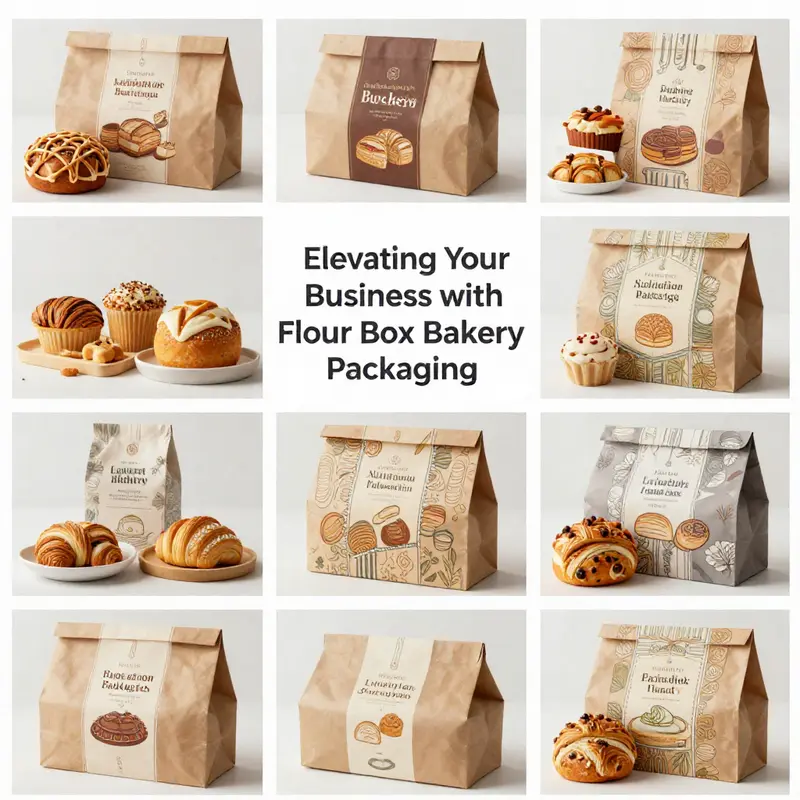
The flour box is more than a container; it is a quiet carrier of a profession’s memory and a bridge between small ovens and global markets. In the baking industry, the act of packaging flour has shifted from a purely practical task to a signal of reliability, hygiene, and responsibility. The container that holds flour—an ingredient so foundational that it is almost invisible in the final product—has become a frame for the entire journey from milled grain to warm loaf. Its significance rests not in romance or ritual alone, but in function: how a standardized, protective box preserves freshness, controls moisture, and keeps contaminants at bay through long, sometimes arduous, journeys from producer to baker to consumer. When we reflect on how bakers talk about their craft, the flour box often recedes into the background, yet its design decisions quietly determine how consistent a dough can be across dozens of kitchens, across days and months, across weather and storage conditions. The packaging speaks in a language of durability and trust, translating the care of the miller and the precision of the chef into a physical form that can travel with confidence.
In this sense, cultural significance emerges not from symbolism but from shared practice and visible quality assurance. The modern flour box is typically a robust, sealed container crafted to resist the assaults of humidity, air, and pests. It is engineered to hold a bulk product, sometimes in tens or hundreds of kilograms, yet also to reveal its contents when needed by a baker with a simple, efficient lift. The box’s walls, liners, and seals are chosen to protect the product from the moment it leaves the milling line until it enters the measuring bowl of a home kitchen or the mixing tub of a professional bakery. This practical reliability underpins the baker’s confidence. It reduces the guesswork in recipes and minimizes waste, which is a cultural value in a field that prizes yield, precision, and waste reduction. A box that keeps flour fresh, clean, and accessible supports the daily rituals of baking, from the quiet act of weighing to the transformative moment when heat and patience yield a loaf.
The design choices around flour packaging today mirror broader shifts in the industry toward efficiency and stewardship. Many contemporary boxes are made from recyclable cardboard, sometimes with laminated liners designed to extend shelf life while still allowing for recycling. The push toward sustainable materials reflects a broader cultural move: bakers as stewards of ingredients, packaging as part of a responsible supply chain. The choice of materials often carries implications beyond performance. A box that can be recycled or reused aligns with a bakery’s values and with consumer expectations that brands act with environmental conscience. Even when packaging is produced at scale, there remains room for small, thoughtful touches—quiet indicators of quality that customers can recognize, such as clean printing, legible information, and unobtrusive branding that does not overshadow the flour’s own identity. In this way, packaging becomes a canvas on which a bakery can tell a story of care and precision without compromising the material’s intrinsic function.
That story travels alongside a global network of producers, suppliers, and distributors that operate in a marketplace where customization and compliance matter as much as throughput. The packaging ecosystem offers a spectrum of choices, from moisture barriers and food-grade coatings to certifications that reassure buyers about safety and reliability. In the context of flour, where even small amounts of moisture can degrade quality, the barrier properties of the packaging are not merely technical specifications; they are commitments to consistency. A moisture-proof container helps ensure that a sack of flour retains its powdery texture, its ability to behave predictably in a bakery’s mixing schedule, and its capacity to deliver predictable results when a recipe is scaled across multiple batches. Customization options—logos, colors, and graphic elements—emerge as a modern form of storytelling, enabling a bakery to project its personality through the packaging itself. The packaging then becomes a portable storefront, speaking to a customer at the shelf or in online ordering and reinforcing the brand’s promises with every purchase.
The integration of digital logistics into the packaging story further reframes how bakers perceive this everyday item. A specialized app that tracks orders and packages in real time exemplifies how technology complements packaging in a seamless, end-to-end experience. When a flour box leaves a mill or warehouse, its journey is not a mystery; it is traceable. The pairings of packaging and tracking data empower bakers to communicate accurate timelines to their customers, improving delivery reliability and customer satisfaction. This digital thread does not erode the cultural value of packaging; it enhances it by aligning the practical needs of a fast-moving modern supply chain with the timeless trust that comes from a consistently performing product. In effect, modern flour packaging supports a culture of accountability, where a family baker, a neighborhood shop, and a large-scale producer can all share a common baseline for quality and delivery.
Branding within flour packaging also reveals how culture and economy intersect in the baking world. The box is a space to present a bakery’s story in visual terms—its origins, its craftsmanship, and its standards of cleanliness and care. Custom graphics can communicate a bakery’s commitment to quality, while practical labeling—ingredient lists, storage directions, and allergen information—serves as a form of public communication that supports consumer confidence. Yet branding through packaging is more than aesthetics; it guides decisions at the moment of purchase and shapes expectations once the flour is used. A well-designed box signals that the product has been produced with attention to detail, that the storage conditions in transit have been considered, and that the brand stands behind its supply chain. In markets where bakers source flour in bulk, standardized yet adaptable packaging becomes essential. It enables regional distribution without sacrificing the ability to tailor presentations for different markets, allowing a single core product to meet diverse consumer sensibilities while maintaining a recognizable, trusted identity.
The cultural implications here are subtle but meaningful. Flour boxes are not ceremonial offerings or heirloom containers; they are instruments of modern industrial baking that nonetheless participate in long-standing culinary rituals. The act of measuring flour into a bowl—whether in a home kitchen or a professional lab—begins with the packaging’s assurance of purity. The container holds not only flour but also the confidence that the ingredient will behave as expected, that the recipe will perform as written, and that the final product will meet a standard of quality that consumers have learned to anticipate. In many ways, the flour box embodies a bridge between the timeless craft of measuring, mixing, and baking, and the contemporary discipline of traceability, safety, and sustainability. When bakers see a reliable box on the shelf, they see a partner that shares their standard of care, one that helps them translate a recipe into a reliably delicious result across a neighborhood cafe, a regional bakery, or a national distribution network.
But packaging cannot fulfill these roles in isolation. It exists within a system of standards and certifications that validate its safety and reliability. The industry increasingly relies on materials and processes that meet stringent criteria for food contact, barrier performance, and environmental responsibility. From recyclable cardboard to barrier laminates that protect against moisture and pests, the packaging choices reflect a balance between practicality and stewardship. Certifications such as CE, BV, and ISO, when applicable, provide a broader assurance framework that underpins trust across borders. For bakers seeking to ship flour across regions, these assurances become practical enablers of growth: they reduce friction in customs, reassure customers about product integrity, and align with procurement protocols that require audited suppliers. The packaging thus becomes a critical link in a chain of reliability that supports scale while preserving the intimate quality that drew bakers to flour in the first place.
In the contemporary marketplace, the flour box is also a site of learning and adaptation. The market rewards those who can merge efficiency with care for the ingredient, who can offer standardization without resorting to bland uniformity. A box that can be manufactured at scale yet be readily customized for a local bakery embodies this balance. The packaging decisions—size, form, barrier properties, and print quality—affect not only the product’s performance but also the consumer’s perception of the brand. A modular packaging system, for example, can streamline production while allowing a bakery to maintain its unique identity in a crowded landscape. This is where the practice of packaging design intersects with consumer culture: the flour box becomes a touchpoint where the promise of wholesome, consistent baking meets the reality of a diversified, globally connected marketplace. It is no accident that packaging guides and standards have grown more sophisticated in the past decade; as more bakers scale up, the need for dependable packaging repeats across thousands of hands, and culture shifts toward valuing reliability as a shared standard rather than a margin advantage alone.
A practical illustration of this evolving landscape can be seen in the way packaging platforms offer a spectrum of options that combine performance with presentation. The ability to source moisture-proof, food-grade packaging in bulk, then tailor it with branding and regulatory labeling, enables both large manufacturers and small shops to maintain consistency without losing personality. In this context, the packaging becomes a strategic asset rather than a mere container. It is a vehicle for communicating care for the product, for customers, and for the environment. A bakery that embraces this approach signals to its audience that it treats every stage of production with the same level of attention as the final bake. It says: we measure, we protect, we deliver, and we care about what happens after the oven cools. This holistic stance resonates with consumers who are increasingly attentive to where their food comes from and how it is packaged along the way.
For readers who wish to explore practical examples of how packaging choices translate into everyday bakery operations, consider a widely used packaging option that demonstrates both visibility and protection. The packaging is designed to be clear enough for customers to perceive the product while robust enough to guard against the rigors of transport. Its form supports stacking and efficient storage in busy kitchens, and it can be customized with logos and graphics that reinforce brand identity across markets. The ability to pair such packaging with a real-time logistics tool completes a loop: the baker not only controls the physical environment around the flour but also the information surrounding its journey. When a customer can watch a package move from warehouse to doorstep, they experience a tangible sense of reliability that reinforces trust in the brand and in the product itself. This convergence of packaging, technology, and service marks a cultural shift toward a more transparent, accountable baking industry where the packaging and the story it tells are inseparable from the craft of baking.
The flour box’s cultural significance is thus not a static relic but a living aspect of how baking is practiced and perceived today. It embodies a philosophy of care—from raw grain to finished loaf—that values hygiene, efficiency, sustainability, and clarity. It supports the rituals of baking by preserving the ingredient’s integrity and enabling precise measurements, even when scaled across many kitchens. It tells a story about a brand’s values through materials, printing, and packaging choices, and it contributes to a culture of trust that customers rely on when they choose a product in a crowded market. As the industry continues to evolve—driven by digital tracking, green design, and supplier transparency—the flour box will remain a central, if unobtrusive, partner in the craft. Its quiet strength is a reminder that the most meaningful aspects of baking often begin long before the dough meets the bowl and end long after the aroma has faded from the oven.
For further context on industry standards and how packaging interacts with the broader supply chain, see the industry guide on flour box packaging standards referenced in recent literature. This external resource provides a grounded overview of how technical requirements, regulatory expectations, and practical design choices come together to support safe, efficient, and trustworthy packaging across markets. External resource: https://www.bakeryequipmentguide.com/industry-standards-flour-box-packaging. In addition, a practical example of packaging customization and its potential impact on brand presence can be explored through a representative packaging option that combines visibility with protection; see the internal reference to a robust, windowed muffin box that illustrates how design can balance display and durability while accommodating regional branding needs. kraft white cardboard muffin box with window for cupcakes.
Final thoughts
Understanding the multifaceted role of flour box bakery packaging highlights its importance in today’s culinary landscape. From innovative designs that streamline operations to economic advantages and sustainability efforts, the adoption of effective packaging solutions can significantly enhance business outcomes. Embracing these insights not only improves the customer experience but also cultivates a distinctive brand presence in a saturated market.