
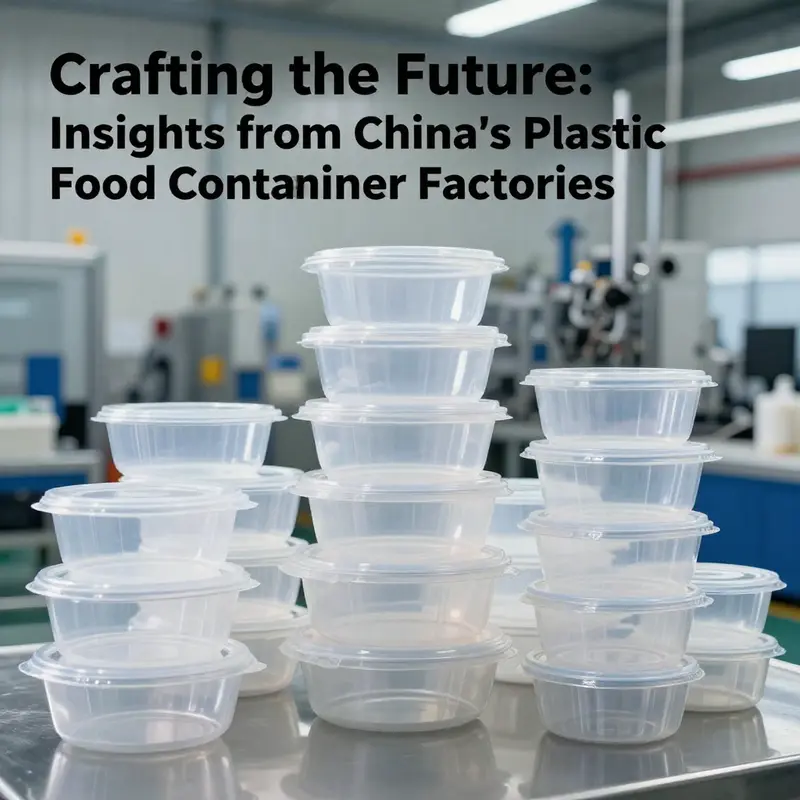
Plastic food containers play an indispensable role for various businesses, from bubble tea shops to corporate catering. With a thriving network of factories primarily located in coastal regions of China like Zhejiang and Fujian, these manufacturers deliver both innovation and cost-effectiveness. This article delves into how these factories influence supply chain dynamics, explore modern technological advancements in production, and assess their economic impact globally. By understanding these elements, businesses can better leverage manufacturing capabilities to enhance their operations and service offerings.
Between Materials and Markets: How Plastic Food Container Factories Shape Resilient, Sustainable Supply Chains
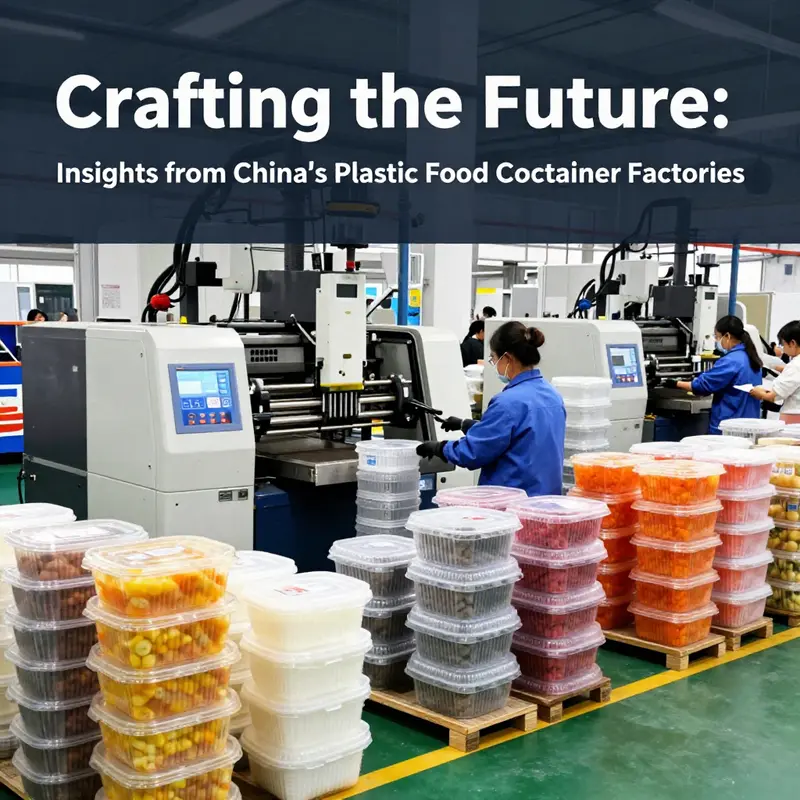
The modern food system hinges on a delicate choreography of materials, processes, and timing. At the heart of this choreography lie the plastic food container factories, not merely as makers of boxes and trays but as pivotal nodes that knit together raw material suppliers, manufacturers, wholesalers, retailers, and end users. Their role extends beyond production lines and into the realm of supply chain intelligence, where capacity, quality, and speed become strategic levers. In regions where coastal provinces anchor manufacturing ecosystems, these factories leverage dense logistics networks, specialized tooling, and standardized compliance to translate a volatile constellation of demand into predictable, reliable supply. This is especially evident in economies that depend on just-in-time fulfillment for food service, fresh-cut produce, and fast-moving consumer goods. The factories’ capacity to scale up or down in response to demand waves—holiday seasons, promotional events, or sudden shifts in consumer buying patterns—has a direct bearing on stock levels, cash flow, and the ability of downstream partners to meet customer expectations without sacrificing margins or service quality. The practical effect is a stabilizing influence on inventory cycles, production planning, and delivery timeliness across a spectrum of sectors that rely on one timely, safe, and cost-competitive packaging solution after another.
Scale, in particular, emerges as a defining attribute of modern plastic container manufacturing. When orders move from trials to mass production, the cost per unit typically falls, enabling downstream buyers to price competitively while maintaining quality. This dynamic matters most for small and medium-sized operators who must balance the risks of early-stage procurement with the realities of end-market demand. A factory capable of efficient high-volume runs can transform a supplier’s risk profile, giving retailers and food-service operators confidence to commit to longer planning horizons. The broader implication is that scalable production isn’t merely about meeting quantity; it’s about shaping a more resilient supply chain that can absorb shocks—whether a port congestion event, a transport delay, or a sudden spike in emergency orders—without cascading failures through the network. The capacity to switch quickly between formats, from spill-resistant containers to microwave-safe designs, also supports a diverse range of applications, reducing the need for multiple suppliers and enabling a more integrated sourcing strategy that favors reliability over transactional convenience.
The sustainability dimension adds another layer of complexity and opportunity. Factories are increasingly expected to align with stringent regulatory frameworks and rising consumer demand for responsibly produced packaging. The narrative here is not simply about replacing one material with another; it is about reconfiguring designs, materials, and supply chain partners to optimize recyclability, traceability, and lifecycle performance. In practice, this means adopting recyclable and bio-based plastics where feasible, validating that formulations comply with food-contact regulations, and investing in transparent supplier networks that can verify sources, processing, and end-of-life outcomes. The shift toward sustainable packaging also intersects with cost structures. While some bio-based or high-recyclability formulations may carry higher upfront costs, the long-term savings come from reduced waste, improved brand value, and lower regulatory risk. For manufacturers, the challenge is to balance eco-design with functional requirements—rigidity, moisture barrier, heat resistance, and clarity—so that sustainability does not come at the expense of performance. The factories that succeed in this space often partner with material suppliers who provide certified inputs, engage in lifecycle testing, and support effective end-of-life strategies such as recycling streams or consumer take-back programs. In this sense, the factory becomes a site of collaboration where engineering, compliance, and sustainability goals align to deliver packaging solutions that meet today’s safety standards while anticipating future regulation and market expectations.
A crucial feature of this evolving landscape is the integration of reusable systems into the traditional packaging ecosystem. Reusable plastic crates and container systems are increasingly deployed to optimize transport efficiency, reduce waste, and improve product integrity through the supply chain. This trend does not merely reduce material consumption; it redefines the economics of packaging logistics. By establishing standardized sizes and durable designs that withstand multiple cycles, factories enable retailers and producers to consolidate shipments, streamline warehousing, and shorten replenishment cycles. The result is a system that behaves more like a network of circulatory channels than a single-pass manufacturing line. The reusable approach also dovetails with regulatory and consumer expectations around waste reduction and circular economy principles. It requires meticulous coordination with growers, distributors, and retailers to ensure that return flows are efficient and that crates are cleaned, tested, and redistributed promptly. In regions where the infrastructure supports such reverse logistics, the benefits multiply: lower net material use, less packaging waste in landfills, and a tangible demonstration of corporate responsibility that resonates with environmentally conscious consumers.
The strategic importance of plastic food container factories becomes even more pronounced when considering global supply chain realignments. As trade patterns evolve, these factories serve as anchors of regional resilience, capable of absorbing shocks and rerouting production to meet new market demands. The ability to adjust lead times, switch between product families, and maintain compliance across multiple regulatory regimes is a critical determinant of a supply chain’s agility. In North American and European contexts, for example, regulatory trends toward stricter safety standards and more robust traceability create a demand for packaging partners who can demonstrate robust quality management and transparent sourcing. Factories that invest in certification programs, traceability technologies, and supplier quality audits reduce regulatory risk for downstream buyers and reduce the likelihood of costly production interruptions. The broader implication for global supply chains is that the health of the packaging ecosystem depends not only on the performance of the downstream brands and retailers but also on the capacity of these manufacturing hubs to deliver consistent quality at scale while maintaining a clear, auditable footprint of materials and processes.
The regional ecosystem itself matters. In coastal manufacturing clusters, proximity to raw material suppliers and to major logistics corridors translates into faster, more predictable cycles of production and delivery. Proximity reduces transportation costs and time-to-market, which in turn tightens the feedback loop between demand signals and manufacturing decisions. This dynamic is particularly valuable during peak seasons when demand surges can threaten stockouts and late deliveries. The factories that navigate these periods well are those that couple flexible manufacturing with real-time visibility into orders, inventory, and shipments. They can shift capacity, reallocate lines, and reroute shipments without sacrificing quality or safety. Such responsiveness is not incidental; it is engineered into the plant through process automation, modular tooling, and data-driven planning tools. The human element remains essential—skilled technicians, quality engineers, and logistics coordinators who interpret data, troubleshoot issues, and maintain the disciplined routines that keep operations predictable even under pressure. In effect, the manufacturing floor becomes a living system that responds to the market as a single organism, not a collection of isolated machines.
Beyond operational considerations, these factories contribute to the broader storytelling of sustainable development and responsible industry practices. They are increasingly evaluated not only on throughput and price but also on transparency and compliance. The global food packaging market has grown more complex as regulations tighten and consumer expectations broaden. In response, factories align their practices with recognized frameworks for food-contact materials, ensuring that the materials never compromise safety and that the supply chain remains auditable. This alignment requires meticulous supplier management, rigorous testing regimes, and traceable manufacturing records. It also invites ongoing collaboration with regulatory bodies, industry associations, and academic researchers to harmonize standards across regions. When factories can demonstrate clear documentation of material provenance, processing conditions, and end-of-life outcomes, they contribute to a more trustworthy packaging ecosystem. Brands relying on those factories gain confidence that packaging will perform under a range of conditions—microwave heating, freezing, or hot-fill processes—without unexpected degradation or leaching. In a world where food safety incidents can reverberate through entire chains, such reliability is a strategic asset.
From a market development perspective, the growth trajectory of plastic food container manufacturing is influenced by evolving consumer preferences and regulatory landscapes. In some markets, there is a clear push toward recyclable and compostable options, spurring investment in materials science and design optimization. In others, the emphasis remains on durability and reusability as pathways to reduce single-use consumption. Across these contexts, the factories act as translators between material science and practical packaging solutions. They translate the potential of new polymers, barrier technologies, and surface coatings into products that meet safety standards while delivering the performance needed by foodservice operators, retailers, and e-commerce platforms. In doing so, they shape not only the technical capabilities of packaging but also the business models around it. Many factories now offer flexible, modular production lines and design-for-manufacture capabilities that let customers switch formats with minimal changeovers. This flexibility is essential for serving a marketplace characterized by rapid trend shifts and highly customized orders.
To understand the broader strategic significance, consider the way regional networks enable cross-border collaboration and risk sharing. A factory with robust quality control, traceability, and regulatory compliance can support international buyers who require consistent performance across multiple geographies. It becomes easier to align with import requirements, demonstrate safety to consumers, and maintain a steady supply despite fluctuations in currency, demand, and transportation regimes. This capacity for cross-border resilience is increasingly valued as supply chains around the world adjust to new trade dynamics and governance regimes. The result is a packaging ecosystem that is less vulnerable to single points of failure and more capable of sustaining operations through varied conditions. In the long view, plastic food container factories may be judged by their contribution to a more predictable, transparent, and responsible global food system—one where packaging supports safety, reduces waste, and enables efficiency across the entire value chain.
This integrated view—of scalable production, sustainability-driven design, reusable-system adoption, and regional resilience—frames the strategic importance of these factories in a holistic way. It is not enough to produce containers that meet a price target or a delivery deadline; the factories must also foster collaboration across the supply chain, adhere to transparent practices, and anticipate regulatory shifts before they become constraints. The most successful players treat packaging as an enabling technology for the entire supply chain, shaping how goods move from concept to consumer with confidence and consistency. They function as both manufacturers and partners: suppliers of reliable packaging and co-creators of smarter, more sustainable logistics networks. In this sense, the factory is not a stop along the chain but a dynamic hub that connects raw materials, design, compliance, and logistics into a coherent system capable of supporting a modern, resilient food economy.
As discussed, the supply chain implications extend beyond immediate production metrics. The integration of sustainable processes and reusable systems creates a broader business case for customers who must balance cost with environmental responsibility and regulatory compliance. When a factory demonstrates that it can produce safe, compliant packaging at scale, and do so in a way that minimizes waste and supports circular economy goals, it earns a privileged position in the procurement landscape. The downstream effects include more stable supplier ecosystems, improved forecast accuracy, and a stronger ability to manage risk across geographic regions. The interdependencies are clear: material suppliers, machine technology, process engineering, quality assurance, and distribution logistics all interact to determine not only cost and lead time but also the reliability of food safety outcomes, which ultimately protects brand value and consumer trust.
To illustrate how these concepts play out in practice, imagine the lifecycle of a typical packaging project initiated by a retailer or food-service operator. It begins with a clear brief on performance requirements—barrier protection, heat resistance, leakage control, and compatibility with microwaves or freezers. The factory then translates this brief into a design, selecting materials that meet safety standards and establishing manufacturing processes that ensure repeatability across batches. The design phase also considers end-of-life pathways, seeking to maximize recyclability or compostability where appropriate. Once the product is validated, the factory executes a scalable production plan, aligning capacity with forecasted demand while maintaining rigorous quality checks. Finally, logistics teams coordinate delivery schedules, warehousing, and, where relevant, reverse logistics for returns or reuse loops. Each stage depends on committed partnerships and consistent information flow, underscoring the cooperative nature of modern packaging supply chains. When disruptions occur—whether due to material shortages, transportation delays, or regulatory changes—the factory’s ability to adapt quickly becomes the decisive factor in maintaining continuity across the entire chain. In that sense, the factory is less a solitary producer and more a coordinating hub that aligns multiple moving parts toward a shared objective: safe, reliable packaging that serves communities from production lines to dinner plates.
This integrated vision aligns with broader forecasts about the future of the plastic food container industry. Industry analyses emphasize growing demand for packaging that combines safety, performance, and environmental responsibility, while acknowledging the ongoing need for efficient, scalable production. In regional markets with well-developed manufacturing ecosystems, these needs converge with the advantages of proximity to raw materials, logistics networks, and skilled labor pools. The consequences for business strategy are meaningful. Firms that invest in process automation, supplier transparency, and modular design are better positioned to weather volatility, comply with global standards, and deliver packaging solutions that satisfy a range of customer requirements—from small trial orders to large-scale rollouts. In this way, the factory emerges not only as a production site but as a strategic asset within a broader supply chain architecture that prioritizes resilience, accountability, and long-term value creation.
For readers exploring practical implications, it is useful to connect these themes with the real-world dynamics of sourcing and procurement in today’s market. The price and availability of recyclable and food-safe plastics, the capacity of manufacturers to certify inputs and processes, and the reliability of delivery timetables all shape purchasing strategies. Buyers increasingly look for partners who can demonstrate a robust quality management system, clear material provenance, and a track record of meeting regulatory requirements across different jurisdictions. Such criteria help reduce regulatory risk, improve traceability, and support more accurate demand planning. In turn, packaging decisions influence every link in the chain: from how quickly a shelf-ready product can be produced and shipped to how efficiently vendors can replenish stock in stores and fulfillment centers. When these relationships are strong, retailers and food-service operators can focus on core activities—curating menus, optimizing store layouts, and delivering consistent guest experiences—while leaving the intricacies of packaging to trusted manufacturing partners who understand the full lifecycle of the product and its implications for safety, sustainability, and efficiency.
In closing, the role of plastic food container factories in supply chain management is best understood as a convergence of capability and responsibility. They provide scalable capacity and design flexibility that stabilize operations, support sustainability goals through careful material choices and lifecycle thinking, and enable new approaches to logistics through reusable systems and efficient reverse flows. Their strategic importance grows as markets realign, regulations tighten, and consumer expectations rise. The factories that thrive will be those that code their operations with transparent compliance, collaborative supplier networks, and a willingness to innovate at the intersection of safety, performance, and environmental stewardship. In such a configuration, packaging becomes more than a product—it becomes a trusted enabler of reliable, responsible, and resilient food systems.
For further reading on how industry standards shape the packaging landscape and how market dynamics influence supplier strategies, see an external resource that analyzes standards, types, and industry performance across plastic food containers. External resource: https://www.researchandmarkets.com/reports/5984728/plastic-food-containers-wholesale-uk-complete-analysis-of-standards-types-and-industry-performance
Internal note: for related discussions on sustainable packaging formats and design considerations, you can explore a relevant supplier portal through one of the following internal references: senang05-promotion-large-porridge-350ml-double-wall-eco-friendly-disposable-round-kraft-paper-soup-bowl-with-lid-cup-bucket/. While the focus herein centers on plastic container manufacturing, the broader narrative of packaging sustainability and lifecycle management intersects closely with eco-conscious packaging alternatives and reuse strategies, which often appear in adjacent chapters discussing material choices and end-of-life scenarios.
From Melt to Shelf: How Innovations in Plastic Food Container Factories Redefine Materials, Processes, and Safety
The landscape of plastic food container manufacturing is no longer defined by a single set of materials or a rigid workflow. It is a fluid ecosystem shaped by regional specialization, rapid advances in polymers, smarter manufacturing, and a growing emphasis on safety and sustainability. In coastal China, where supply chains have matured and scale economies drive competitive pricing, the convergence of advanced injection molding, precision tooling, and rigorous regulatory compliance has given rise to a new generation of factories that can move from concept to consumer-ready packaging with remarkable speed. The factories that dominate the sector in places like Zhejiang and Fujian have built their capabilities on a mix of deep process knowledge, access to global markets, and continuous investments in equipment that reduces cycle times while improving consistency. Ningbo, renowned for its injection molding prowess, illustrates how modern facilities can produce lightweight, leak-resistant containers that survive the rigors of cold storage, reheating, and transport at scale. These capabilities are not simply about making a container; they are about enabling an entire product ecosystem in which brands can test ideas, optimize formats, and deliver reliable experience to the consumer.
At the heart of this evolution lies a shift in materials and design philosophy. Traditional rigid polyolefins and APET have given way to a broader palette that includes bio-based polymers and biodegradable plastics, alongside more sophisticated barrier technologies. The goal is to reduce environmental impact without compromising performance. For many factories, this means selecting resin systems that can withstand microwaving, freezing, and stacking while maintaining clarity, rigidity, and moisture control. It also means rethinking the entire supply chain around the material: from resin suppliers with traceable source origins to compounding lines that can tailor color, stiffness, and heat resistance to specific customer specs. The result is a more versatile manufacturing platform capable of delivering customized packaging formats that align with different regulatory regimes and end-use environments.
One must appreciate how regulatory expectations shape both material choices and processing strategies. Across major markets, food-contact materials are governed by a framework of standards and directives designed to safeguard consumer health. In the United States, compliance with FDA food-contact regulations remains a baseline requirement for many producers aiming at the American market. In Europe, compliance with Regulation 10/2011 and related amendments dictates how additives and migration are evaluated, while LFGB standards in Germany provide another benchmark for safety and performance. The factories that thrive in Zhejiang and Fujian are those that integrate these requirements into their design ethos. They maintain robust supplier qualification processes, implement rigorous batch testing, and adopt traceability systems that can demonstrate compliance across the supply chain. The objective is not merely to avoid recalls; it is to build trust with distributors and retailers who demand demonstrable safety and consistent quality for millions of consumer units each week.
The manufacturing technologies themselves have evolved in tandem with material science. Modern plastic food containers come from machines that excel at precision injection molding, multi-cavity tooling, and high-speed automation. The tooling portfolio has expanded beyond simple cavities to include complex geometries that optimize wall thickness without sacrificing containment or durability. Lightweight yet high-barrier designs now enable longer shelf life for products that require protection from oxygen, moisture, or light. In practice, this translates to thinner walls, fewer material additives, and better overall performance under microwave and freezer conditions. Advanced cooling strategies, mold temperature control, and venting systems help ensure uniform crystallinity and surface finish, which in turn support superior optical properties and ink adhesion for branding or functional markings. These capabilities are especially important for fast-moving consumer goods, where the goal is to deliver a reliable experience in a compact, weight-conscious package.
Beyond the machine room, the factories are increasingly integrated with digital systems that optimize production by predicting variances and automating routine decisions. Real-time data from sensors on presses, robots, and conveyors feed into centralized control platforms that monitor throughput, energy usage, and defect rates. AI-driven quality control can detect subtle deviations in wall thickness or surface roughness faster than human inspectors, enabling rapid intervention before large batches are affected. The benefits cascade beyond yield and waste reduction; they improve brand consistency by ensuring every lot meets the exact same specification. In an industry built on trust and repeat orders, such reliability is priceless. The increased use of automation also reshapes the workforce, promoting safer working environments and allowing skilled technicians to focus on process optimization, material science collaboration, and advanced mold maintenance—areas where human insight still adds distinct value.
A recurring thread in contemporary packaging is the emphasis on sustainability. Sustainability is not merely about choosing a greener material; it is about designing for efficiency, recyclability, and end-of-life compatibility. In response, researchers and practitioners in these manufacturing centers are exploring multiple avenues. Bio-based polymers and biodegradable plastics occupy a growing share of pilot lines and small-batch runs, especially for product lines aimed at markets with stringent environmental expectations. At the same time, high-performance barrier films and lightweight container geometries reduce material consumption while preserving protection and shelf life. Some factories also explore the use of recycled content in resin blends, taking care to verify compatibility with migration standards and overall performance. While the industry still faces challenges around scale, cost parity, and consistent supply, the trajectory is clear: packaging that can perform as well as or better than conventional plastics while delivering improved environmental outcomes.
In practice, the path from concept to commercial viability involves close collaboration across a network of partners. A typical project begins with the customer articulating performance targets—microwave compatibility, leak resistance, optical clarity, or graphics versatility. Engineers and designers translate those targets into material specifications and mold designs. Tooling specialists develop multi-cavity molds with tight tolerances, and process engineers determine the right combination of cycle time, holding force, and temperature to achieve the desired balance of toughness and flexibility. Once a pilot run demonstrates fit-for-purpose performance, scale-up follows, with careful attention to process validation, quality control plans, and supplier audits that confirm ongoing compliance with regulatory obligations.
This integrated approach is especially important for the growing demand from global buyers who require fast turnaround from trials to mass production. The supply chains in these coastal regions have matured to support a wide spectrum of orders, from single-trial runs to multi-million piece programs. Vendors seek to minimize lead times without compromising performance, and this requires a deep pool of skilled operators, precise die and mold maintenance, and dependable logistics partners who can manage cross-border shipments in a cost-efficient way. The ability to offer flexible production planning—adjusting line configurations for different formats, colors, and print options—helps manufacturers absorb the risk that comes with new product introductions. It also enables them to respond quickly to seasonal shifts in demand, promotional campaigns, and retailer-driven packaging innovations.
In the broader context of supply-chain reliability, platforms that consolidate supplier information and compliance documentation play a crucial role. Buyers increasingly look for trusted sources with demonstrated capabilities in food safety and regulatory alignment. For instance, there are widely recognized certificates and manufacturing assurances that help buyers assess supplier readiness. Some buyers rely on trade platforms that prominently highlight supplier responsiveness, post-sale support, and trade-security assurances. These signals of reliability are not mere conveniences; they shape a supplier’s ability to win repeat business in a crowded market where margins are tight and the cost of non-compliance can be steep. In practical terms, this translates into a preference for factories that can deliver rapid response times, robust production planning, and clear documentation trails that verify quality and safety at every stage of production.
Despite the strong emphasis on plastics, the packaging ecosystem does not exist in a vacuum. End-users increasingly consider alternatives and complementary packaging formats that fit into broader sustainability narratives. Paper-based and bagasse-derived solutions are growing in visibility, not as a replacement for plastics in every use, but as part of a modular approach to packaging that helps brands optimize for specific categories and markets. The ecosystem is evolving toward smarter combinations of materials that meet functional requirements while aligning with environmental goals. For instance, some packaging lines explore the compatibility of paper-based or compostable inserts within plastic containers to enhance recyclability or to reduce the overall environmental footprint. In this context, the idea of a disposable, ready-to-brand packaging solution expands beyond a single material choice to a more nuanced packaging strategy that considers the entire lifecycle of the product. Such shifts, in turn, influence what manufacturers look for in raw materials, printing capabilities, and post-consumer waste handling, and they drive ongoing experimentation within the factory floor.
The human element remains essential even as automation intensifies. Skilled technicians bring tacit knowledge about material behavior, tool wear, and process idiosyncrasies that no machine can fully capture. Their expertise underpins predictive maintenance—anticipating when a mold might fail, or when a cooling circuit needs recalibration—thus preventing disruptions that could ripple across production lines and customer deliverables. In coastal manufacturing communities, this tacit knowledge is often cultivated through long-standing apprenticeship traditions, cross-training between facilities, and a culture that prizes continuous improvement. In one sense, these factors validate that the most advanced factories are not merely those with the latest robots, but those that blend digital intelligence with the judgment fostered by hands-on practice and field experience.
From a strategic vantage, the rise of these innovations in plastic food container factories aligns with broader manufacturing trends across regions committed to supplying global markets. The co-occurring pressures of cost containment, safety assurance, and regulatory clarity push factories to develop end-to-end capabilities that span material science, process engineering, and quality management. The consequence is not only better products but also more robust partnerships with retailers and brands that rely on consistent packaging performance under a range of conditions—from backroom storage to in-store displays, to consumer home use. The capacity to deliver customized, compliant, and Creative packaging formats at scale becomes a differentiator in a market where the speed of a new packaging concept can determine a brand’s ability to capitalize on a short-lived consumer moment.
In this transitional period, it is useful to reference a broader scholarly framework that maps the terrain of new packaging technologies, materials, and formats. A comprehensive treatment of the latest developments in fast-moving consumer product packaging discusses material innovations, structural designs, and advanced manufacturing techniques that resonate with the realities described here. That framework emphasizes how new materials—bio-based polymers and biodegradable plastics—are pursued with an eye toward sustainability without sacrificing functional performance. It also highlights the ongoing development of smart packaging features, time-temperature indicators, and active packaging systems that can actively monitor and preserve product quality through distribution and shelf life. The chapter underscores the interplay between material science, packaging design, and processing technology, which is precisely the kind of integrated thinking that modern plastic container factories must embody to stay competitive in a global market.
For readers who want to situate these developments within the practicalities of fast-moving consumer products, consider exploring one specific example of how sustainable packaging concepts are integrated with performance requirements in contemporary manufacturing environments. You can look at detailed product options and discussions around eco-friendly materials and print customization through a representative reference that illustrates how packaging solutions are evolving to meet both consumer expectations and regulatory demands. This kind of exploration helps connect the technical capabilities of a modern factory floor with the strategic choices brands make when selecting packaging partners and materials after evaluating life-cycle implications, processing constraints, and market preferences.
In closing the loop, the story of innovations in plastic food container factories is not just about better plastics or smarter machines. It is about an integrated network that combines regional specialization, material science, regulatory acumen, and a relentless focus on quality and reliability. It is about creating packaging that performs reliably from melt to shelf, while offering brands flexibility to adapt formats, branding, and functionality to evolving consumer needs. In this sense, the next wave of packaging will be defined by factories that can harmonize fast-paced change with unwavering safety and traceability, while also piloting new materials and formats that broaden the possibilities for sustainable and efficient packaging. The chapters ahead will continue to map these developments, showcasing how different regions and firms contribute to a global, dynamic packaging landscape that serves both industry and consumer alike.
Internal link note: For an example of a packaging option that demonstrates the kind of eco-conscious, customizable solutions increasingly explored in the industry, see this specific Kraft-based, octagonal design option: senang-kraft-paper-octagonal-bowl-pet-lid-waterproof-eco-friendly-disposable-customizable-snack-pet-food-salad-containers-1l. This link illustrates how shifts toward alternative materials can coexist with the same manufacturing philosophy that drives plastics-based solutions. It is one of many potential pathways brands can explore as they balance performance demands with environmental considerations in a global market.
External resource: For a comprehensive analysis of current and emerging trends in plastic packaging, including materials innovations, structural designs, and advanced manufacturing techniques relevant to the industry, refer to the broader literature here: https://www.sciencedirect.com/science/article/pii/B978012384945600020
From Global Markets to Local Molds: The Economic Footprint of Plastic Food Container Factories
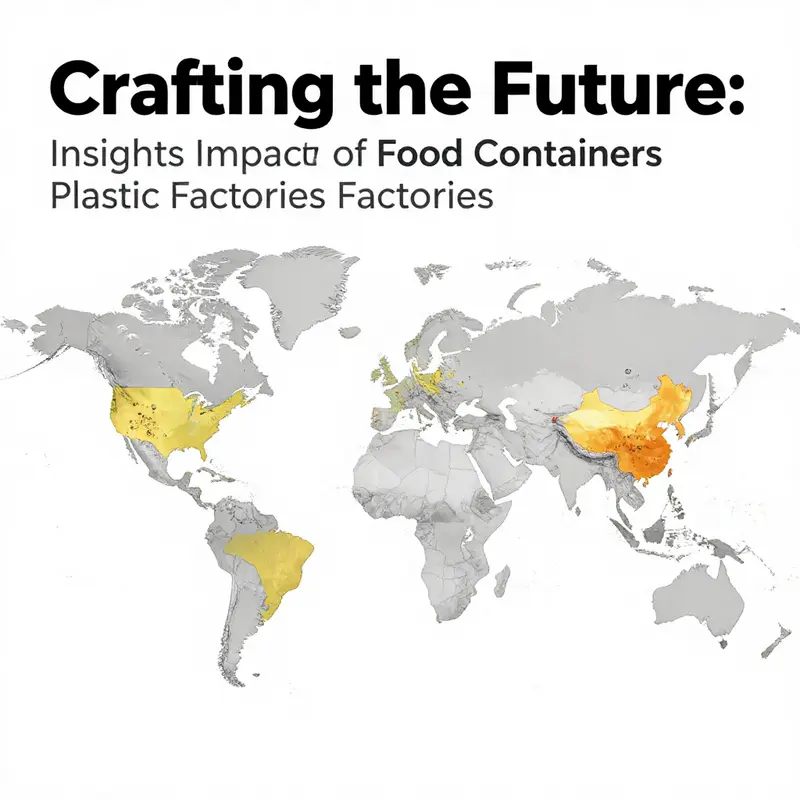
The economic footprint of plastic food container factories extends far beyond the walls of a single plant. It threads through global supply chains, reshapes regional development in coastal manufacturing hubs, and influences the strategic choices that buyers and regulators weigh every day. This chapter traces the arc from the surge of traded plastic materials to the intricate web of compliance, cost, risk, and opportunity that now defines the sector. It is a narrative grounded in the realities of global trade, where the basic act of packaging a meal becomes a hinge point for economics, policy, and innovation. The data are striking. Between 2005 and 2023, the volume of traded plastics rose by nearly half, a 48 percent increase that did not occur in isolation but as part of a broader shift toward durable, cost-effective packaging that can extend shelf life, reduce waste, and streamline distribution. This surge reflects a sustained integration of plastic materials into international commerce. For food manufacturers, consumer goods brands, and retailers, plastic containers have become a dependable, scalable solution that supports mass customization while keeping unit costs manageable. Yet the same dynamics that drive growth also expose the sector to a mosaic of risks and pressures—environmental scrutiny, shifting trade policies, and the challenge of maintaining consistent quality across borders. The economic story, therefore, is not a single line of ascent but a tapestry of costs, choices, and tradeoffs that shape competitiveness in both mature and emerging markets. The most visible implication of this tapestry is how price and reliability interact in buyers’ decisions. It is easy to be attracted by very low unit costs, sometimes well under a few cents per item, especially when orders are large or demand is cyclical. However, those price attractions rarely capture the full economic reality of long-term supply: the costs of compliance, the risks of quality lapses, and the consequences of delays. In regulated markets, the costs of noncompliance can dwarf initial savings. Rules governing materials intended for contact with food—whether through the European framework that seeks to ensure no harmful migration of substances or the U.S. safety standards that mandate food-grade performance—shape sourcing, testing, and certification. The practical effect is a shift in strategy away from short-term bargains toward relationships with suppliers who can deliver stable, certified materials, consistent performance, and traceability across batches. The economic calculus expands beyond price to encompass reliability, safety, and regulatory alignment. In coastal manufacturing clusters—where the concentration of experience, tooling infrastructure, and supplier ecosystems can accelerate production—these considerations are magnified. Regions renowned for advanced molding, precise tolerances, and scalable production have built dense networks of mold makers, raw material suppliers, and contract manufacturers. For the plastic food container sector, these ecosystems deliver several advantages. First, scale economies in tooling and production lines enable cost advantages that can be passed to customers without sacrificing quality. Second, the presence of multiple capable suppliers within a region increases resilience: if one supplier experiences a disruption, others can fill gaps more readily, reducing downtime and backlogs. Third, proximity to markets reduces lead times and logistics risk, a critical factor when fulfilling large, time-sensitive orders for retailers, foodservice chains, or private-label brands. Nevertheless, scale and proximity alone do not guarantee enduring success. The global trading environment is punctuated by policy shifts that alter the viability of certain materials, routes, or processing methods. Over the past decade, several policy developments have reshaped the economics of plastic containers. Some nations tightened their restrictions on plastic waste imports, and others imposed limits on recycled plastics entering their markets. The consequences rippled through supply chains: feedstock availability could become more volatile, recycling streams faced bottlenecks, and manufacturers found themselves adapting to new material mixes, compliance regimes, and traceability requirements. These shifts do more than affect costs; they alter how businesses plan capacity, schedule production, and structure inventories. Responsible players respond by diversifying feedstock sources, investing in in-house testing and certification programs, and strengthening supplier qualification processes. The regulatory environment in major markets further compounds the cost picture. In the European Union, for example, the regulation of food contact materials imposes stringent criteria to ensure that substances do not migrate into food at harmful levels. Compliance here requires robust supplier approvals, material declarations, and evidence of testing that can be costly and time-consuming to accumulate. Across the Atlantic, U.S. regulatory expectations under the food-contact framework compel manufacturers to demonstrate adherence to safety thresholds, with audits, certifications, and ongoing quality control embedded in the supply chain. In practice, this means that plastic container factories must invest not only in raw materials and equipment but also in a broad set of capabilities: process control systems that monitor polymer grade, wall thickness, and seal integrity; traceability solutions that can map each batch back to its source; and documentation pipelines that satisfy auditors and customs officials alike. These investments, while increasing unit costs in the short run, create a platform for predictable performance and stronger demand in the longer term. The strategic sourcing narrative has evolved from chasing the lowest price to seeking the right balance between cost, risk, and value. The drive for reliability is not merely about avoiding errors; it is about protecting brands and preserving consumer trust. A supplier that can demonstrate consistent heat resistance, stable sealing performance, and adherence to food safety standards reduces the likelihood of returns, complaints, and the reputational damage that attaches to a widely distributed product. In an industry where brand equity hinges on safety and consistency, minor deviations in material performance can ripple across millions of meals and shelves at a scale that is difficult to absorb for a single company. The economic implications of this shift extend into inventory management as well. Inventory turns become a critical metric when dealing with high-volume packaging. A factory that can forecast demand accurately, align production to seasonality, and coordinate shipments with retailers or distributors improves cash flow and reduces carrying costs. Conversely, misalignment can lead to excess stock or stockouts, each carrying its own cost: markdowns, waste, missed promotional opportunities, and operational bottlenecks. The balance between safety stock and lean operation becomes a central point of strategic planning, and it is here that the global nature of the market becomes most evident. Different regions experience different demand rhythms, different regulatory tempos, and different enforcement cycles. A plant that serves markets with stringent regulatory timing may maintain greater buffer capacity and more robust quality systems, while another plant focused on fast-turn, low-margin shipments may push for tighter throughput and leaner inventories. The resulting mosaic creates a diversified, though sometimes uneven, global production footprint. For a factory network, diversification is both a hedge and a challenge. The hedge lies in reducing exposure to a single market’s shocks: currency swings, political changes, or tariff surprises. The challenge lies in coordinating a dispersed mix of suppliers, manufacturing lines, and quality control standards into a unified product family that can be offered consistently across geographies. The economics of this coordination depend on data, communication, and governance. Modern factories increasingly rely on digital tools to manage complex supplier networks, monitor process parameters in real time, and document compliance across jurisdictions. Digitalization enables better demand forecasting, which in turn improves capacity planning and reduces waste. It also enhances traceability, enabling faster root-cause analysis in the event of a defect, a critical capability when dealing with high-volume orders and multiple SKUs. The interplay between technology adoption and regulatory compliance becomes a powerful driver of efficiency. Yet this is not merely a technology story; it is a human story as well. The people who design, mold, assemble, inspect, and certify plastic food containers carry the tacit knowledge that underpins performance. Skilled technicians optimize molding parameters, ensure consistent wall thickness, and verify seal integrity. Quality assurance professionals translate regulatory requirements into repeatable lab tests, supplier approvals, and documentation packages that satisfy auditors. In this sense, the economic vitality of plastic container factories depends as much on human capital as on capital equipment. The regional dynamics of manufacturing clusters amplify these effects. Coastal provinces with long-standing experience in plastics benefit from dense supplier ecosystems, access to port infrastructure, and proximity to international buyers. In these clusters, suppliers often compete on capabilities such as mold precision, barrier properties, and heat resistance, all of which translate into tangible performance differences in the field. The price advantage, when available, is still relevant, but it sits alongside a broader value proposition: a factory that can deliver consistent quality, regulatory compliance, and on-time delivery often secures repeat business even at a modest premium. Such preferences push buyers toward supplier segmentation rather than pure price competition. They also encourage the emergence of supplier verification programs and trade assurance services, which help buyers manage risk across borders. The net effect on global trade is nuanced. On one hand, the growth in traded plastics signals a robust, expanding market for packaging materials, supporting jobs, investment, and regional development in manufacturing hubs. On the other hand, the environmental costs and policy uncertainties associated with plastic waste and recycling complicate the trajectory. Countries that implement strict import policies for waste and set clear standards for recycled content can drive a shift toward more recyclable or compostable packaging, changing material mix and possibly creating new demand for alternative feedstocks. This transition requires capital, technical know-how, and strategic partnerships with material suppliers and compliance experts. It also creates opportunities for innovation in product design, packaging formats, and end-of-life solutions. For instance, manufacturers may explore multi-material systems that preserve barrier performance while enabling easier recycling, or they may invest in lab-scale or pilot-scale testing to demonstrate that their products meet evolving safety and environmental criteria. These shifts are not happening in a vacuum. They interact with consumer preferences, corporate sustainability commitments, and the broader policy landscape. The decision to use a particular plastic formulation or to adopt a certain packaging geometry can reflect a combination of cost, regulatory risk, customer demand, and brand strategy. In the final analysis, the economic story of plastic food container factories in global trade is one of adaptive resilience. It is a story of how a supplier network in a coastal region can leverage scale, tooling sophistication, and regulatory literacy to deliver consistent value to global buyers. It is a story of how policy developments and environmental concerns reshape how materials are sourced, how products are tested, and how supply chains are structured. It is a story of how, even within a single product category, the economics of packaging become a dynamic equilibrium among price, performance, risk, and responsibility. The chapter’s insights imply practical implications for buyers and policymakers alike. For buyers, the emphasis is on building supplier relationships that emphasize stability, compliant quality, and transparent testing regimes. This means prioritizing partners who can demonstrate end-to-end traceability, material declarations, and robust post-sales support, including rapid issue resolution and reliable delivery schedules. It also means recognizing that the cheapest option may carry long-run risk costs that erode total value, particularly when a brand must defend its reputation against quality failures or regulatory penalties. For policymakers, the central concern is aligning trade, health, and environmental objectives in a way that preserves the benefits of global trade while mitigating adverse externalities. This may involve harmonizing safety standards, encouraging innovations in recyclable packaging, and supporting the development of robust waste management systems that minimize leakage into the environment. The global trade narrative around plastic containers thus becomes a test case for how well economies can balance efficiency with responsibility, scale with sustainability, and price with protection. It asks four practical questions: How can supply chains retain reliability in the face of regulatory shifts and border measures? How can manufacturers invest smartly in compliance and quality without sacrificing competitiveness? How can markets reward innovation that improves performance while reducing environmental impact? And how can international cooperation translate into more predictable rules that help businesses plan, invest, and grow? The answers lie in a combination of disciplined operations, continuous improvement, and collaborative governance. They also require attention to the evolving toolkit of industry practices, from supplier qualification and third-party audits to digital traceability and predictive maintenance. In coastal manufacturing ecosystems, the convergence of advanced molding capabilities with mature supplier networks offers a platform for enduring success. Factories in these regions can capitalize on their proximity to markets, their deep bench of process expertise, and their ability to offer scalable production runs that range from samples to mass production. They can deliver customized packaging solutions that meet stringent food safety standards while maintaining competitive cost profiles. That is the essence of the economic footprint of plastic food container factories in global trade: the capacity to link disciplined process engineering with strategic sourcing, regulatory readiness, and adaptive capacity. The future will likely see even more emphasis on traceability, material science innovations, and circular economy principles. As the industry evolves, so too does the language of success. It becomes less about chasing the lowest price and more about shaping a robust, transparent, and resilient supply chain that can respond to the needs of a changing world. Consumers increasingly expect packaging that protects their food, respects safety regulations, and aligns with environmental values. Producers who can deliver on all three fronts—quality, compliance, and sustainability—stand to gain in both market share and brand trust. The economic implications for coastal manufacturing communities are equally meaningful. A robust plastics sector with strong compliance and reliability attracts investment, sustains skilled jobs, and supports ancillary industries such as mold making, material research, and logistics services. It also provides a platform for localized innovation in packaging design and production methods, enabling regional players to compete on quality and customization rather than relying solely on price. In this sense, the chapter concludes with a forward-looking view: the economic health of plastic food container factories depends on a continuing coupling of technical excellence, regulatory acumen, and supply chain resilience. The loudest signals come from the capacity to translate global demand into dependable on-shore or near-shore production, and from the discipline to manage risk without sacrificing speed. The result is a packaging ecosystem that can accommodate evolving standards, meet rising expectations for safety and sustainability, and adapt to the rhythms of international trade. A practical takeaway for readers is that the sustainable growth of plastic container manufacturing hinges on disciplined supplier management and continuous investment in compliance infrastructure. This includes building robust test protocols, maintaining up-to-date material declarations, and fostering collaborative relationships with customers that emphasize shared responsibility. It also involves embracing data-driven approaches to forecast demand, optimize resource allocation, and monitor performance across the supply chain. Such approaches strengthen the economic value proposition of plastic food container factories, reinforcing their role as a critical node in the global exchange of food and nourishment. As global trade policies continue to evolve, the sector will likely see a reconfiguration of competitive priorities. The winners will be those who can balance cost with risk management, and who can demonstrate that their products meet rigorous safety standards while aligning with environmental priorities. For researchers and industry observers, the evolution offers a rich field for analysis, from analyzing the impact of regulatory timelines on capacity planning to studying how supplier ecosystems in specific regions adapt to new testing requirements. The story told by the numbers—trade volumes, compliance costs, and delivery performance—will continue to inform strategic decisions for manufacturers, buyers, and policymakers alike. In the end, the economic footprint of plastic food container factories is not simply about money. It is about creating packaging that safeguards food, supports livelihoods, and harmonizes with a world increasingly attentive to health, safety, and stewardship. It is about building systems that can withstand shocks, absorb innovations, and translate global demand into local opportunity. And it is about recognizing that the container, in its seemingly humble form, is a conduit for broader economic narratives—signals of how nations, industries, and communities collaborate to feed people in an interconnected age. To illustrate the broader shift toward sustainable ecosystems within packaging, consider related advances in disposable accessories that accompany meals and beverages. For example, products designed to minimize environmental impact while maintaining user convenience reflect a growing preference for materials and designs that can be responsibly managed at end of life. A practical reflection of this shift is seen in consumer-grade disposable accessories such as bamboo utensils, which are increasingly positioned as part of eco-friendly packaging ecosystems. Disposable Eco-Friendly Biodegradable Bamboo Utensils illustrates how packaging ecosystems are expanding beyond the container itself to include complementary elements that enhance sustainability profiles and align with evolving consumer expectations. These trends do not negate the central role of plastic containers; rather, they reflect a broader industry movement toward responsible packaging that acknowledges environmental considerations while preserving the efficiency and protective functions that packaging delivers. As readers contemplate the trajectories outlined above, it is useful to frame the discussion against the backdrop of global policy developments that shape market incentives. The World Trade Organization’s August 2025 update on mobilizing trade to curb plastic pollution offers a window into how policy can nudge industry behavior toward safer, cleaner, and more sustainable packaging practices. The report underscores the importance of harmonized standards, transparent supply chains, and collaborative approaches to reduce plastic waste while maintaining the benefits that packaging provides for food safety and shelf life. For readers seeking a concrete policy frame to connect with the economics described here, the WTO discussion provides a valuable external reference that complements the industry dynamics described in this chapter. External resource: Global Trade Update (August 2025): Mobilising trade to curb plastic pollution. https://www.wto.org/english/newse/publicationse/5736_e.htm
Final thoughts
The plastic food container manufacturing sector is not just about producing goods; it’s about facilitating a global network that supports efficient trade and innovative solutions. These factories in China play a crucial role in ensuring that businesses, such as bubble tea shops and catering services, can operate seamlessly with quality and compliance. As technology advances and materials evolve, these factories will continue to be the backbone of the food and beverage supply chain, ultimately enhancing service delivery for customers around the world.