
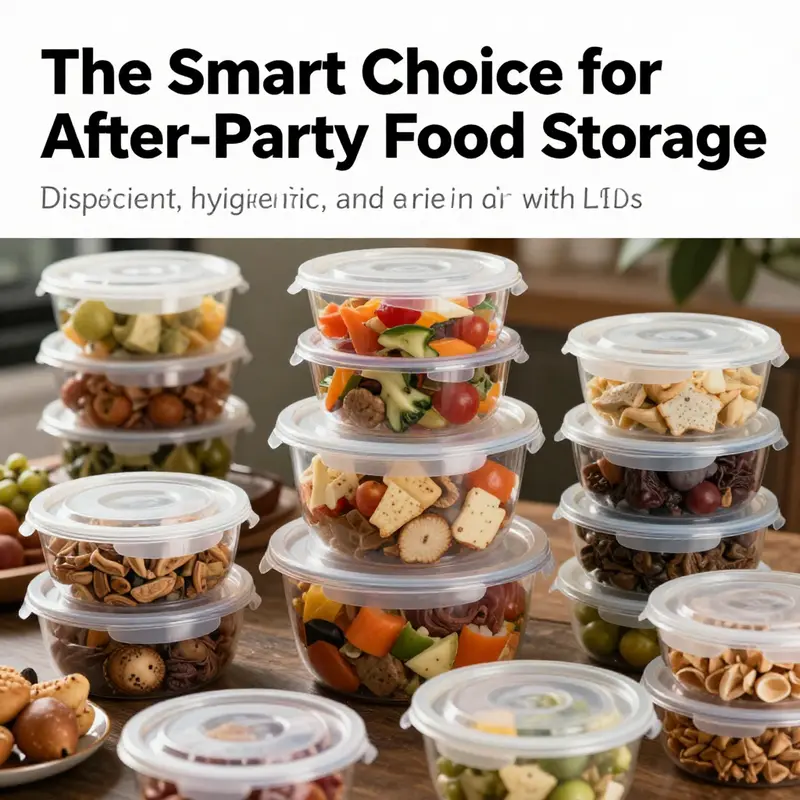
As the festivities come to a close and the after-party winds down, the importance of effective food storage emerges as a crucial concern for beverage chains, restaurants, food trucks, and event planners. With a growing trend towards sustainable practices, selecting the right disposable food containers with lids not only maintains food quality but also enhances operational efficiency. This article will delve into the types of disposable food containers available, evaluate their material choices, analyze their cost-effectiveness, and highlight the environmental impact they hold. Each chapter is designed to empower businesses to make informed decisions, ensuring the smooth handling of food after events while aligning with ethical practices.
Sealed Moments: How Lidded Disposable Containers Transform After-Party Leftovers
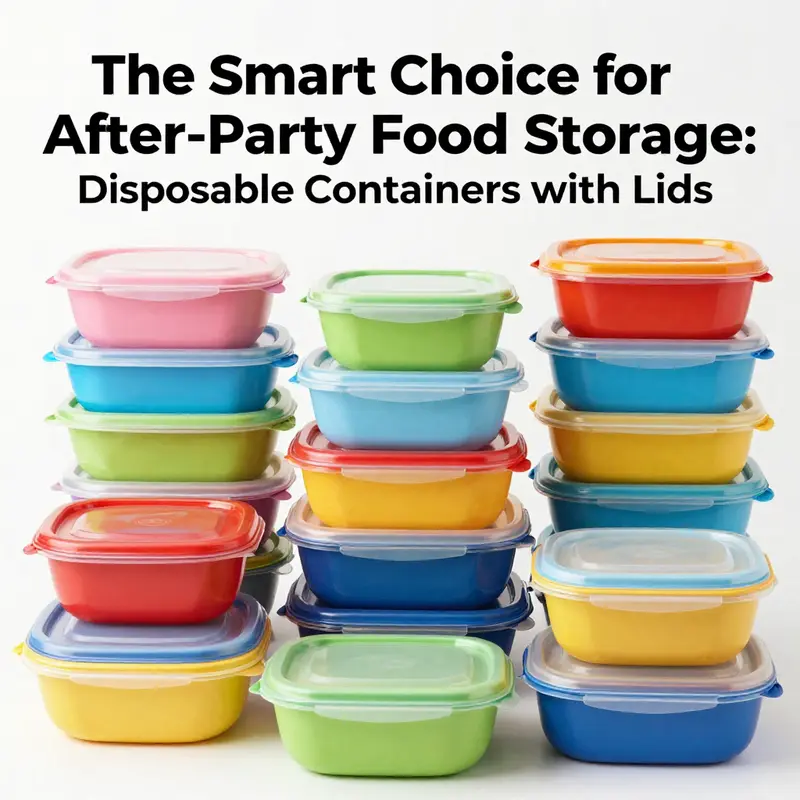
When the music fades and the last guest pockets a favorite bite, the true test of any party’s logistics begins: how to preserve the moment’s food without turning cleanup into chaos. After-party storage demands something more than a stylish display or a clever tote. It requires practical, hygienic, and convenient solutions that keep leftovers fresh, organized, and ready for the next day. Lidded disposable containers do not just hold food; they shield it from the drift of air, moisture, and contamination, while offering a straightforward path back to a satisfying meal. The right container choice can transform a post-event moment from a scramble for plastic wrap into a calm, orderly return to the kitchen, leaving hosts with one less thing to worry about and guests with a smooth transition from party treats to home comforts.
The spectrum of materials from which these containers are made mirrors the varied needs of after-party fare. Plastic, paper, aluminum, and biodegradable options like compostable paperboard or molded fibers each bring a distinct set of advantages. Plastic containers often provide reliable leak resistance and microwave compatibility, which is invaluable when reviving a portion of pasta, rice-based dishes, or saucy bites. Paperboard and molded-fiber alternatives, on the other hand, emphasize sustainability and a more eco-conscious presentation, aligning with the growing preference for compostable solutions. Aluminum foil containers deliver strength and heat retention, making them ideal for dessert servings or warm bites that benefit from steady temperature during transport. Biodegradable and compostable choices present an appealing middle ground: they handle moisture and heat adequately while offering a gentler environmental profile for hosts who want to minimize waste.
A well-chosen set of containers also simplifies the journey from party to pantry. Leakproof designs matter when a dish carries moisture, such as a curry, a creamy dip, or a gel-based dessert. Food safety considerations become practical at this stage: containers designed to be microwave-safe enable quick reheating without switching vessels, while others prioritize cold storage and easy freezing for longer-term leftovers. The ability to reheat directly in the container, or to store portions in clearly labeled, sealed receptacles, makes the after-party routine feel less like a spill-prone chore and more like an efficient, predictable process. In the end, the container is a tool that protects texture, aroma, and flavor while reducing the risk of cross-contamination between dishes.
Shape and visibility also shape the experience. Rectangular disposable takeout boxes with sturdy lids are particularly well suited to bounties of bites that tend to be spooned or scooped—rice and curry, noodles with sauce, or savory squares that need stable stacking in a fridge. Their shape encourages sensible packing, stacking, and portion control, which matters when you’re trying to prevent overcrowded shelves and ensure even cooling. Transparent plastic containers with clear lids, meanwhile, offer a different kind of clarity. When guests return to their leftovers, they can quickly spot a tray of bite-sized desserts, fruit platters, or neatly arranged dips without guessing what lies inside. The ease of identification translates into faster, tidier storage and fewer re-servings of items that were meant to be saved for later.
For an elevated, celebration-ready vibe, foil containers with lids can be a boon. Aluminum foil trays retain heat and present a polished, server-friendly appearance without creating extra cleanup demands. They convey a sense of generosity and abundance, which works well for dessert portions arranged in a row or for savory items that stand up to a brief, gentle reheat. Yet for guests who care about aesthetics and sustainability, kraft paper bowls with see-through lids offer a balanced alternative. The natural texture of kraft paired with a transparent cap communicates thoughtfulness and stewardship, while still maintaining a practical seal that protects against spills. These options together create a palette hosts can mix and match, aligning with the variety of foods typically featured at a party—from crisp vegetables to glossy sauces and delicate pastries.
Beyond the material and shape, the container’s lid itself is a quiet but decisive actor in the after-party equation. A good lid design delivers a secure seal that minimizes leakage and protects the food from airborne contaminants. It should accommodate light pressure from stacking when refrigerated or transported, while still allowing for straightforward removal when a guest or host wants to access the leftovers. Some lids feature venting or easy-peel mechanisms that reduce steam buildup, a small but meaningful detail for hot or heavily steamed dishes. The sum of these features is a more hygienic, user-friendly experience that translates into confident handling from the kitchen to the walk home or the fridge at home.
In planning for an event with a spectrum of dishes, many hosts find value in a mix of container types. A rectangular takeout box can hold hearty portions of grains and sauces with a reliable lid that won’t pop open during a commute. Transparent plastic containers become the go-to for desserts and fruit platters, where visibility reduces the energy spent on labeling or guessing what’s inside. Foil containers fill the role of convenient, heat-holding carriers for baked goods or larger servings that still require a tidy, presentable finish. Kraft paper bowls with clear lids combine function with a touch of eco-conscious elegance, ideal for salads, finger foods, or small snack portions that guests might like to carry home in a compost-friendly package.
In the quiet back-and-forth of event planning, the size and portioning strategy are the hidden gears of success. Think about the typical guest’s appetite and the event’s food density. For leftovers destined for a late-night snack or a quick reheating session, 16 to 32-ounce containers cover a broad range of needs while staying compact enough to fit into a home refrigerator. Smaller, single-serve portions help minimize waste and encourage guests to take exactly what they’ll eat, reducing the pressure to freeze or discard. The right assortment also reduces the chance of cross-contamination by ensuring each dish has its own closed, clean home. A pantry that can be quickly sealed with a dedicated lid, a label, or a color-coded marker will feel less like a last-minute scramble and more like a well-orchestrated after-party ritual.
Even as practicality drives decisions, the environmental footprint cannot be ignored. Eco-minded hosts increasingly balance convenience with responsibility by leaning into compostable options, recycled-content plastics, or plant-based materials that break down more readily in appropriate facilities. The shift toward sustainable sourcing doesn’t just benefit the planet; it can also elevate the host’s reputation in guests’ eyes, signaling care and consideration that extends beyond the evening itself. When feasible, choosing containers with clear end-of-life benefits—whether compostable, recyclable, or reusable—helps close the loop between the party and the plate once more, turning leftovers into a resource rather than waste.
In practical terms, the decision about which container to use often comes down to how the food was prepared and how it will be stored. A dish with heavy sauces or moist textures benefits from leakproof seams and snug-fitting lids to preserve texture and prevent sogginess. Dishes that are delicate or prone to fragrance transfer may benefit from separate compartments or clearly sealed lids to maintain their inherent flavors. The goal is not to force every dish into a single container type but to design a system that supports efficiency, hygiene, and a graceful return to the kitchen or dining table the next day. A well-thought-out approach also reduces the post-party cleanup burden, because properly sealed containers minimize mess and keep the storage area organized, even when several different foods share the space.
To illustrate how a thoughtfully chosen option can integrate into a cohesive post-party workflow, consider a kraft paper take-away box with a clear lid that marries presentation with practicality. For more details on this type of packaging and to see how such a solution can be implemented in a real-world setting, explore this option: disposable kraft paper take-away box with clear lid. The combination of a sturdy, eco-friendly base with a see-through lid provides a reliable seal, a visually appealing display, and a straightforward path to quick re-use or disposal after the night is over. It represents the best of both worlds: practicality for storage and a thoughtful touch that respects the environment and the guests who enjoyed the spread.
In the end, the choice of disposable containers with lids for after-party food is less about chasing the latest trend and more about designing a dependable system. It’s about recognizing that leftovers deserve respectful care, that hygiene matters, and that convenience matters just as much as aesthetics. The right containers keep flavors intact, reduce handling and cleanup time, and offer hosts the confidence to host boldly. They turn a potential post-party headache into a smooth, predictable routine, freeing energy for reflection on what made the night special rather than on what to do with the scraps after it ends. This is the quiet efficiency of modern after-party catering: seal the moment, protect the food, and make the return to home life as simple as possible.
External resource: https://www.alibaba.com/product-detail/Disposable-Take-out-Food-Containers-with_1600459377822.html?spm=a2700.123131.0.0.6d9f1b5aKuLjCv
Guardians of the Leftovers: Smart Material Choices for After-Party Food Containers with Lids
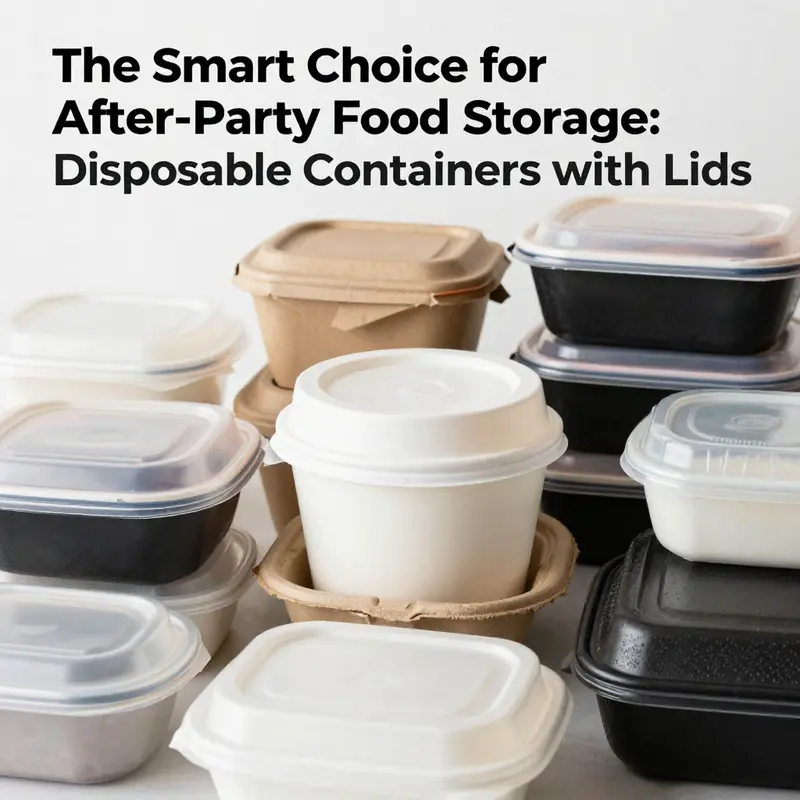
When the last song fades and the crowd thins, the true test of an after-party plan begins: how to keep the arriving leftovers fresh, safe, and transportable without turning cleanup into a mountain of dishes. The containers you choose, especially those with lids, are not just vessels. They are the quiet guardians of hygiene, portion control, and environmental responsibility. The material you select sets the tone for how easy it is to store, reheat, and ultimately dispose of or reclaim what remains. In this moment of practical decision-making, material science meets everyday logistics. It is about balancing safety with convenience, and convenience with a footprint that aligns with the values of the event and its guests. The best choices acknowledge the realities of hot and cold foods, potential leaks, how much space leftovers will occupy, and how the containers will be handled after guests depart.
Plastic remains a staple in many parties because of its durability and versatility. Containers made from polypropylene (PP) or polyethylene terephthalate (PET) are lightweight, strong, and often designed to withstand reheating in a microwave. This makes them particularly suitable for casseroles, stews, dips, and other hot offerings that guests may want to warm up at home. When sealed with a well-fitting lid, these plastics offer reliable leak resistance during transport and can help keep odors contained. Their flexibility also means a broad range of shapes and sizes, from narrow rectangular trays to round bowls, which supports efficient portioning and easy stacking. However, the flip side is environmental: these materials are not readily composted in most settings, and their end-of-life fate is tied to recycling streams that may not be universally accessible. In larger events, this can translate into substantial waste, even if the containers perform flawlessly in the kitchen and during transit.
For hosts who want to reduce waste while preserving convenience, eco-conscious alternatives to traditional plastics exist in the form of recycled paperboard and molded fiber. Recycled paperboard containers have come a long way. With appropriate coatings or linings, they can be moisture resistant and suitable for cold foods, soups, and sauces. They are lighter on the environment than pure virgin plastics and can be sourced from post-consumer materials, closing the loop with responsible disposal. The caveat is that not all paperboard options are leakproof or oven-safe, and some may require liners or coatings to prevent sogginess or seepage. When planning, it is wise to verify that any recycled-paper option is certified for food contact and is compatible with the types of food you intend to store or reheat.
Molded fiber, often derived from renewable fibers such as bamboo or sugarcane pulp, represents a step further toward sustainability. Modern molded-fiber trays and bowls have improved heat resistance and structural integrity, making them a practical choice for a variety of hot and cold foods. They can be designed to be leakproof and stackable, which helps with both serving and storage. The heat tolerance of molded fiber continues to advance, enabling safer reheating and reducing the need for double-encasing or extra packaging. The environmental benefit is clear: these containers are typically compostable or home-compostable where facilities exist, and they contribute to a lower overall landfill burden. Yet, as with any single-use option, one must weigh performance against cost and availability, particularly for high-volume events.
The decision framework for choosing between these materials hinges on several intersecting factors. First, consider the temperature profile of the food. Hot foods benefit from materials with higher heat resistance and robust sealing lids to prevent steam buildup or leaks. Cold dishes may require less stringent heat tolerance but benefit from rigid walls to maintain texture and prevent squashing during transport. Second, assess the moisture content and potential for seepage. Saucy dishes, gravies, or damp salads demand spill-resistant seals and perhaps coated interiors to discourage wetness from compromising the container’s integrity. Third, think about the user journey after the party—the transition from event space to waiting car to refrigerator at home. user-friendliness matters. A lid that snaps shut with a reassuring click, a container light enough to carry in one hand, and a design that stacks securely in a cooler or on a shelf all contribute to a smoother experience.
Beyond performance, the environmental narrative cannot be ignored. Many hosts aim to minimize waste without sacrificing service quality. In this context, the choice between a recyclable plastic option, a compostable container, or a recyclable paperboard or molded-fiber alternative becomes a strategic one. Recyclable plastics can be paired with clear labeling to guide guests on disposal, but the efficiency of recycling depends on local infrastructure. Compostable options—especially those labeled as home-compostable or industrial-compostable—offer the strongest environmental upside in areas with appropriate facilities. Molded fiber and recycled-paperboard packages often stand out at sustainability-focused events because they reduce reliance on fossil-fuel-based plastics and keep organic material out of landfills. The key is to source materials that align with the event’s waste-stream realities and communicated guidelines for guests.
In practice, a well-chosen material is rarely used in isolation. It often involves matching container format to specific food types and to expected handling. For instance, a hot overnight casserole or a reheated pasta dish might be best served in a sturdy PP or PET tray with a vented lid, designed to tolerate microwave reheating and to resist leaks at the edges. A dessert spread featuring creams, fruit toppings, or moisture-rich components may benefit from a molded-fiber base with a tight-fitting lid and a wrap or sleeve to reduce condensation. Dips and sauces, particularly those that travel with chips or bread, can be well served by weather-resistant paperboard or fiber-based trays with snug seals. The ecosystem of options grows even more nuanced when you consider multi-compartment designs that keep dips separate from chips or that divide salads from dressings, minimizing sogginess and preserving presentation.
Operationally, how these materials are sourced and delivered can influence the guest experience as much as the containers’ performance. Bulk orders with consistent lid fit and predictable stacking behavior simplify event logistics. For planners, the ability to pre-pack portions and seal them securely can dramatically reduce hallway chaos between farewell photos and last calls. A standardized set of sizes helps staff and guests alike know what to expect, reducing confusion and the time needed to locate the right container. In addition, labeling becomes practical and legible when formats are predictable; a simple, clear labeling system for leftovers helps guests decide quickly whether to reheat, refrigerate, or compost, which in turn reduces the risk of cross-contamination and waste. A subtle but meaningful detail is the lid design: a lid that’s easy to open with one hand yet provides a strong seal prevents accidental opening when containers are shuffled in transit.
A practical note on safety also guides material choice. Whatever material you select, ensure it meets food-safety standards appropriate for your region. Some containers advertise microwave safety or freezer compatibility, but it is crucial to confirm these claims with the manufacturer’s technical specifications and to check for any certifications that reflect compliance with relevant standards. For hot foods, it is prudent to consider containers with better heat insulation properties to protect hands and to maintain food quality over longer transport windows. For guests with sensitivities or dietary restrictions, using containers clearly marked for allergen-free handling can further elevate the service quality of the after-party experience.
To bring this together, many organizers find value in a hybrid approach. They lean on durable plastic for hot, mixed-temperature service and reliable reheating, while reserving eco-friendly options for dishes that benefit from compostable packaging or for display areas where sustainability is particularly celebrated. This approach allows for flexibility in menu design and for scaling to different party sizes without compromising hygiene or service speed. It also enables the team to align waste streams with guests’ expectations, offering a clear path to recycling or composting after the event. In practice, this requires careful planning, supplier coordination, and a well-communicated waste-management plan for guests. Clear signage, simple disposal instructions, and staff training on container handling can transform leftovers into a post-event success story rather than a logistical headache.
For hosts who want to see real-world examples of how eco-friendly packaging can pilot into a party workflow, the options are increasingly diverse. Containers made from recycled paperboard or molded fiber can be sourced in various shapes and sizes, including rectangular and round formats, often with crisp, leak-resistant interiors and snug lids. The aesthetics of these materials can also be tailored to the event’s theme, whether through natural textures, clear coatings, or subtle branding. Even when the priority is sustainability, there is room for design finesse that enhances presentation without compromising functionality. As with any material choice, the most important step is aligning the containers with the specific foods you plan to serve, the anticipated guest flow, and the local disposal infrastructure available to your attendees.
In the broader spectrum of material choices, one practical path is to explore a spectrum of options that can be mixed and matched according to need. For instance, choose plastic for items requiring heat tolerance and tight seals, and reserve molded-fiber or recycled-paperboard for cold dishes or desserts. The aim is to optimize for safety, ease of use, and environmental efficiency without sacrificing service quality. In this balancing act, the container becomes more than a passive vessel; it becomes an active contributor to a smoother, more responsible after-party experience. The end result is leftovers that are easier to refrigerate, reheat, or share, with containers that guests feel confident handling and disposing of in a manner that aligns with their values and local waste-management practices.
For readers seeking a deeper dive into the technical underpinnings of these materials and their performance, a comprehensive guide on foil-container compositions and lids offers valuable, engineer-focused insights into how different materials are engineered for strength, heat resistance, and seal integrity. This external reference can provide a broader technical context to the consumer-focused considerations discussed here, helping organizers make informed choices that pair practical experience with material science. Foil Containers With Lids Guide: Composition, Structure, and Performance for Engineers
As a final practical note, one can integrate a few targeted, low-friction decisions that pay dividends during and after the party. Prioritize containers with clearly defined lids that click shut and stay shut during transport. Favor stackable designs to maximize cooler and pantry space. Favor coatings or linings that resist moisture while still being compatible with your chosen reheating method. And, where possible, select materials with documented end-of-life pathways, whether recycling, industrial composting, or home composting, aligned with the event’s location and the guests’ disposal options. The interplay of food safety, guest experience, and environmental stewardship will then be reflected in the leftovers that arrive home with guests rather than piling up in landfills. The right material choice helps ensure that after the last guest leaves, the story of the night continues—through well-kept leftovers and a minimal, well-managed footprint.
For those who want to explore a concrete example of an eco-friendly option with robust lid design, consider a kraft-paper-based take-away container family that emphasizes both performance and sustainability. These containers, often designed for hot-and-cellophane-free packaging, can be sourced in multiple sizes and shapes and can include sturdy, leak-resistant lids. They offer an appealing combination of natural aesthetics and practical function, making them a popular choice for parties that want to communicate an environmental commitment without sacrificing convenience. See an example of such an option here: Eco-friendly Kraft paper soup bowls with lids. This kind of container demonstrates how material choice, packaging design, and waste-conscious messaging can align to improve the after-party experience for guests and organizers alike.
Ultimately, the material you select for disposable containers with lids should reflect a thoughtful synthesis of safety, practicality, and sustainability. The goal is to ensure leftovers travel safely from plate to refrigeration, remain appetizing after reheating, and exit the event with a clear, practical path to reuse, recycling, or composting. This approach supports a smoother logistical flow, enhances guest satisfaction, and respects the environment—an outcome worthy of any well-planned after-party program.
Stretching the Budget Without Sacrificing Hygiene: The Cost-Effectiveness of Disposable Food Containers with Lids for After-Party Food
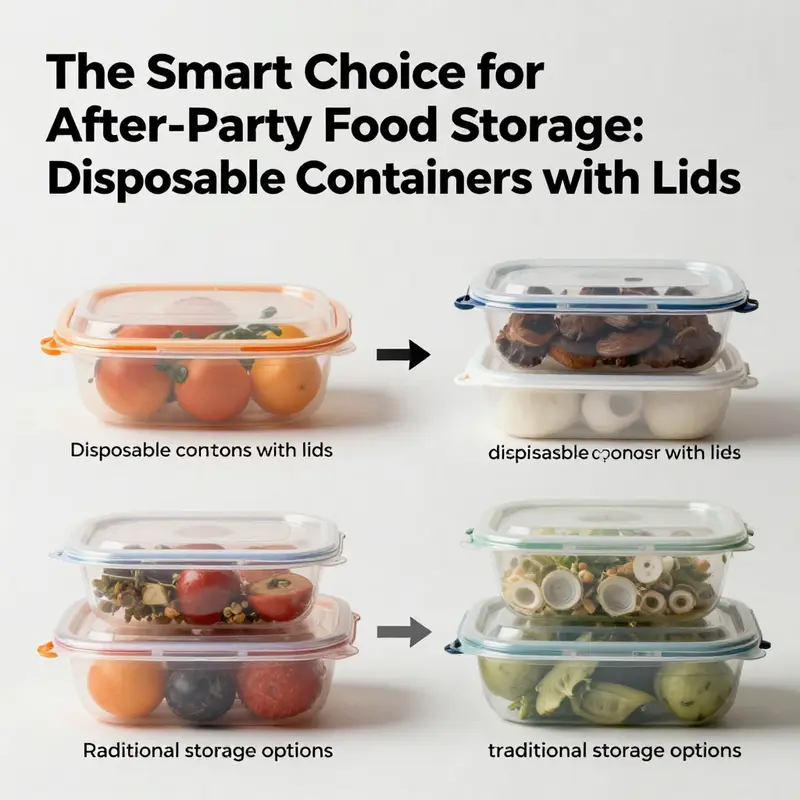
Leftovers after a party are a quiet test of planning. A well-run gathering leaves behind a kitchen full of small bites, desserts, and snacks that deserve to be stored safely, reheated if desired, and shared with guests who return home with a sense of satisfied appetite rather than a cluttered mess. The most practical path to achieving this balance is often in the choice of containers that come with lids. Disposable food containers with lids offer a compelling blend of convenience, hygiene, and scalability that can dramatically cut the labor, time, and potential waste associated with post-event cleanup. When the goal is to maximize efficiency while preserving the quality of the food, the argument for disposables becomes more than a matter of price per piece; it becomes a strategic approach to event management that pays dividends in the hours saved, the ease of organization, and the clarity of the waste stream you leave behind.
A core driver of cost-effectiveness is the simple truth that disposables eliminate the need for washing, drying, and stowing bulky dishes after a long night. The labor saved translates directly into lower staffing costs or reduced overtime, and it also reduces the risk of cross-contamination that can occur when multiple staff handle reusable wares. In large gatherings, even a modest reduction in cleanup time can free up staff for other essential tasks, from turning leftovers into neatly labeled portions for guests to restocking service areas to keep the event looking organized through the final moments. On a practical level, the cost per piece may appear small, but when multiplied across hundreds or thousands of servings, the savings compound quickly. This is where bulk pricing becomes a game changer. For bulk orders that require thousands of units, the per-piece cost drops to a level that makes disposables not just convenient, but financially prudent for high-volume events.
The numbers tell a clear story. Bulk packages that offer thousands of transparent containers with lids are often priced aggressively, with per-piece costs in the range of a few tenths of a dollar for substantial orders. Those figures matter most when you’re orchestrating a party that serves many different food types—dips, finger foods, desserts, and small meal portions—each needing a clean, visible, and hygienic package. The promise here isn’t merely a cheap box; it is a dependable, leak-proof vessel that keeps sauces from mingling with desserts or snacks. The structural integrity of these containers is essential: a leak-proof design, a secure lid, and a material that resists moisture and oils prevent waste from becoming a post-party headache. When leftovers remain after the event, the same containers can be used to portion and reheat in microwaves, reducing the risk of flavor loss and texture changes that can occur with cheaper, ill-fitting packaging.
Beyond the raw price per piece, the cost story grows more nuanced when you factor in features that protect food quality and reduce waste. Microwave-safe and freezer-safe options extend the lifespan of leftovers, enabling guests to take home meals that reheat without compromising texture. This means fewer soggy desserts or soggy chips and more consistent taste across portions. The ability to stack, nest, or compartmentalize can also cut storage space in half or more, making it easier to store leftovers in a fridge or a cooler before distribution. In practice, a host can allocate a handful of standard sizes to cover a wide range of foods, from bite-sized appetizers to larger dessert portions, and still keep the overall buying footprint modest. The economic calculus becomes a question of what appetite-driven portioning looks like for your event, and how much you save in labor and spoilage by choosing well-designed containers with lids.
Of course, the choice set is not monolithic. There are different material families—plastic, paper, aluminum, and biodegradable options—each with its own cost structure and environmental footprint. A basic plastic container with a lid may be the most economical on a per-piece basis, especially when purchased in bulk, and it often carries the advantages of being BPA-free, microwave-safe, and reusable in a pinch for future use. Aluminum trays with lids are excellent for heat retention and for serving or storing warm items such as pastries or hot appetizers; their per-piece cost can be very low, sometimes just a few cents, depending on the packaging format and the scale of purchase. Biodegradable or compostable options bring an environmental benefit that resonates with many hosts, particularly for eco-conscious events, but their unit price can be higher than that of conventional plastics or foil trays. The decision, then, rests on a blend of budget, environmental priorities, and the practical realities of the menu you’re serving.
A practical approach to budgeting for after-party storage is to map the anticipated demand against the expected yield of each container type. For major events, you might lean on a lean set of durable, leak-proof containers in larger sizes for the bulk of savory items, plus smaller, flatter containers for desserts and dips. The structure of the workflow matters just as much as the price. If your team can pre-portion servings and label them clearly for guests, you reduce the time spent on last-minute organization and reheating instructions. The right lid seal also reduces the likelihood of leaks and odors migrating through a cooler or storage area, which protects the quality of other foods and reduces the chance of spoilage. This is especially important when you’re juggling hot and cold items in the same storage space; a robust lid design acts as a barrier that preserves texture and moisture, a key factor in guest satisfaction and waste minimization.
To appreciate the scale at which cost-effectiveness unfolds, consider the nature of bulk pricing. For large events, vendors often offer a price break that drops the per-piece cost when you commit to thousands of units. A notional example might place clear containers with lids at a fraction of a dollar per piece when ordered in the thousands, with even lower costs for certain formats such as single-use aluminum trays. The savings are not limited to the initial purchase. The disposal and cleanup cost for a party without disposables can be substantial, especially when you add the labor and water usage associated with washing and drying. When the cleaner’s time is billed by the hour, even a small improvement in efficiency compounds into meaningful savings over the course of a multi-hour cleanup window. In other words, the marginal cost of an extra container is offset by the macro benefit of reduced labor, simpler organization, and quicker post-event turnover.
In balancing cost with quality, it becomes essential to consider the kind of food you store. Hot foods require lids that seal tightly enough to minimize condensation and maintain heat, while cold items benefit from a lid that keeps flavors contained and prevents cross-contact with other foods. Wet items, sauces, and dips demand leak-proof seals to prevent drips on other foods and to keep the fridge or cooler clean and odor-free. The available literature on after-party storage highlights a spectrum of options—from plain, clear, leak-resistant plastic containers to more premium, compostable takeout boxes that still deliver reliable performance. The key is to select a mix of sizes and materials that align with your menu and anticipated portions. If you plan to reheat, the container’s material must be vetted for microwave safety and temperature tolerance, ensuring the reheated dish preserves its intended texture and moisture level rather than becoming a dried-out remnant.
Choosing a packaging strategy also involves aligning with the flow of service. For a buffet-style spread, a stackable design is a real winner because it minimizes space while maximizing visibility and ease of access. For grab-and-go lunches, clear containers offer quick recognition of contents, which reduces the friction of guests selecting what they want and helps maintain order in the takeaway area. The visibility of the contents reduces waste because guests are less likely to pick items they cannot finish, and the labeling or numbering of portions helps staff track what’s left and what needs to be replenished. It’s a small but meaningful improvement in operational efficiency that, in turn, reduces waste and saves money.
The environmental angle cannot be ignored in a modern budgeting narrative. Biodegradable or compostable options change the calculus. They can align with corporate social responsibility goals or personal values and may attract a demographic of guests who prefer to minimize environmental impact. Prices for these options tend to reflect the value proposition: higher upfront cost, but with a post-use disposal story that can be pitched to guests and sponsors as part of the event’s sustainability footprint. The trade-off between cost and environmental benefit is rarely binary; it is a spectrum where you can mix disposables with a portion of eco-friendly alternatives to strike a balance between budget and impact. The resulting mix can deliver a cost-effective, practical approach that remains responsible and aligned with guest expectations.
To anchor these considerations in a practical frame, imagine planning for a mid-size after-party where leftovers are expected to be shared with attendees. You might budget for 1.5 to 2 containers per guest when portions are generous, with an emphasis on larger, leak-proof containers for main bites and smaller, dessert-size or dip containers for the finish. If you’re working with a fixed budget, you can secure bulk units at a favorable rate by ordering in advance and choosing a standard palette of shapes and sizes to minimize waste and expedite the post-event process. The mathematics will vary based on your guest count and the menu, but the principle remains clear: the more you lean into well-designed, lid-equipped disposables, the more you save in time, labor, and post-event waste management.
One practical pathway to keep costs predictable is to incorporate a single, clear anchor item in your order—something that can cover the majority of your needs, such as a versatile take-away container with a reliable lid that can handle a range of temperatures and textures. From there, you layer in a few specialty options for hot appetizers, cold desserts, and sauces, always keeping an eye on the per-piece price and the bulk discount tiers. It’s also wise to plan for a little extra, because spillovers and late-night requests are common, and having a few spare units can prevent a rushed impulse buy that disrupts the budget. In the end, cost-effectiveness is not merely a function of the cheapest option; it’s a careful orchestration of price, performance, and probability—how likely you are to save time, reduce waste, and maintain the integrity of every bite.
For hosts seeking more concrete pathways, one option is to explore the take-away packaging ecosystem through carefully chosen examples that emphasize lid reliability, moisture control, and recyclability. For readers who want to see a real-world anchor, an example of a practical, low-cost approach is to consider a range of take-away storage solutions that emphasize portability and seal integrity. You can learn more about accessible packaging options in related product listings that showcase the breadth of affordable configurations, including containers designed specifically for easy storage and reheating. For a snapshot of a cost-focused, high-volume scenario, consider the following practical note: bulk pricing for clear containers with lids can dip into the mid-to-lower range of a dollar per piece when purchasing thousands, while smaller packages aimed at home-use or smaller events typically hover around a dollar to a couple of dollars per unit, depending on size and material. Aluminum-based options, when used strategically for heat retention and display, can further trim the overall cost per portion when compared to other materials at scale. Meanwhile, the option to choose biodegradable or compostable formats adds a distinct environmental premium but may align with specific event themes and sponsor expectations.
As you plan, you may encounter the availability of various formats that offer different advantages. The practical takeaway is simple: prioritize containers with secure lids, leak resistance, and a material that suits your food type and service style. The conversation around cost-effectiveness should always circle back to the end goal—safe, hygienic storage that preserves quality, paired with a streamlined cleanup that frees valuable time and resources for future events. In short, the right disposable containers with lids can turn a potentially chaotic post-party scene into a smooth, well-orchestrated transition from celebration to reflection, with leftovers ready for tomorrow and a kitchen that recovers quickly rather than dragging on for hours.
For readers interested in exploring a concrete example of a cost-focused option outside the narrative, see this practical reference on take-away packaging: take-away bowls with lids. The resource underscores how a single, dependable container family can cover a wide range of foods while keeping the budget predictable and the post-party workflow efficient.
External resource: https://www.alibaba.com/product-detail/Transparent-Food-Containers-With-Lid-Household602735466724.html?spm=a2700.productlist.shop_home.2.1b7d3a26e1f61c&productId=602735466724
Environmental Impact of Disposable Food Containers with Lids for After Party Food
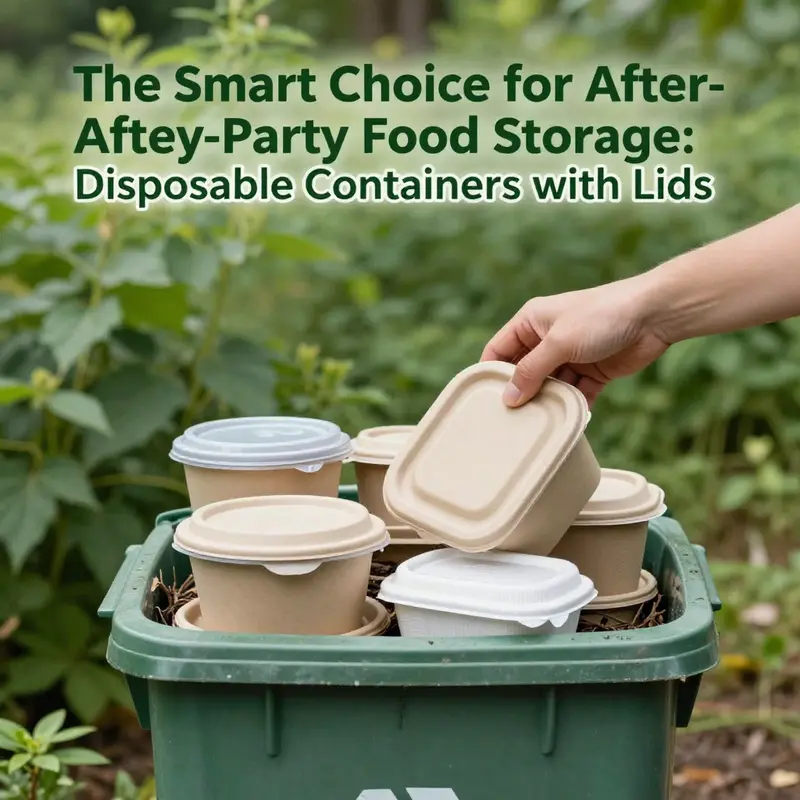
Leftovers are a common afterglow of celebrations, and disposable containers with lids make hosting easier. But their environmental footprint depends on material choices, end-of-life options, and local waste systems. A lifecycle view—from production to disposal—helps organizers balance convenience with responsibility.
Materials most often seen include polypropylene lids and bases, polystyrene clamshells, and aluminum trays. Polypropylene is light and inexpensive but recycling varies by region. Polystyrene offers clarity and cushioning but often has low recycling rates and potential microplastic concerns. Aluminum trays are durable and heat-resistant, yet they’re only recyclable if contamination is avoided and sorting is effective. Across these options, energy use and greenhouse gas emissions in production, plus end-of-life processing, shape the overall impact.
Lids introduce a multi-material challenge: if the lid differs from the base, recycling streams may struggle to separate them. Contamination from fats and sauces can also hinder recycling. Even containers labeled recyclable may end up in landfills when local facilities lack appropriate streams. This is why single-material designs and clear disposal guidance can improve recoverability.
Biodegradable or compostable options are not a guaranteed fix. Their benefits depend on disposal infrastructure—industrial composting facilities or home composting conditions—and on accurate labeling. Without compatible end-of-life pathways, these products may still contribute to waste.
A practical path for events is to favor single-material packaging where feasible, with integrated lids designed to work as a system. Clear labeling, guest education, and partnerships with local waste services help ensure leftovers are re-routed toward recycling or compost where available. Pilot runs and straightforward rinsing instructions can reduce contamination and improve outcomes.
External resources and practical references can guide decisions, but the key is aligning packaging choices with local capabilities and communicating end-of-life expectations to guests.
Final thoughts
In summary, utilizing disposable food containers with lids for after-party food storage not only contributes to an organized and efficient clean-up process but also enhances the experience for guests by allowing them to take home leftovers safely and conveniently. By understanding the various types, material choices, and cost-effectiveness, alongside acknowledging the environmental considerations, businesses can make informed decisions that align with industry trends and consumer expectations. Choosing the right containers is a practical step towards operational excellence while promoting sustainability in food service.