
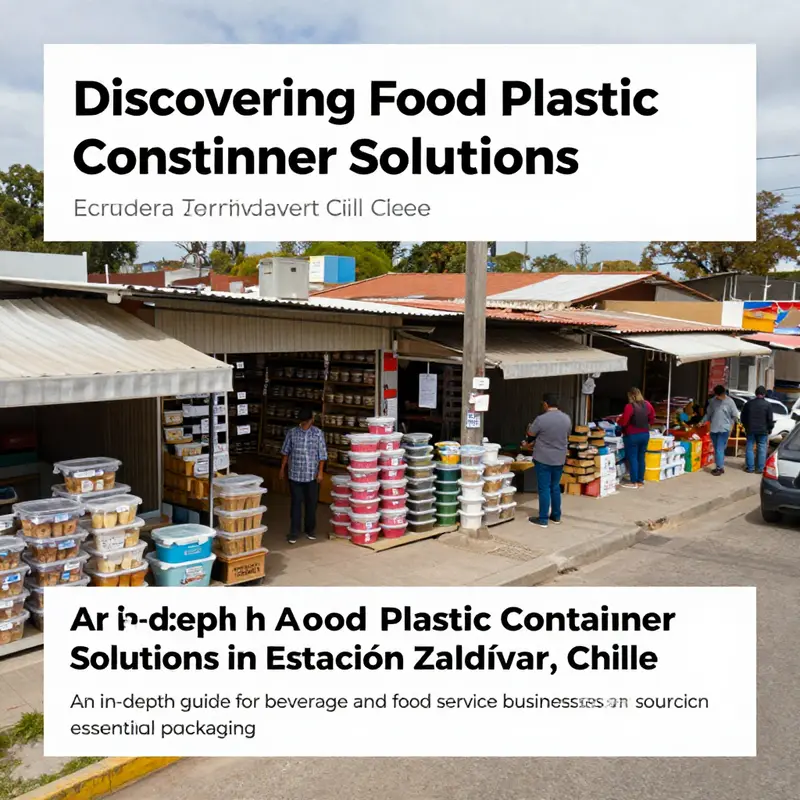
In the vibrant culinary landscape surrounding Estación Zaldívar, Chile, the demand for high-quality plastic containers for food is on the rise. This article aims to explore various aspects related to sourcing plastic food containers, including available options, local suppliers, the emerging market demand, and the sustainability considerations impacting the industry. With insights tailored for bubble tea shops, restaurants, food trucks, catering services, event planners, and corporate procurement teams, we set the stage for understanding how strategic sourcing can improve operational efficiency and align with consumer preferences.
Navigating Innovative Plastic Container Solutions: A Deep Dive into Estación Zaldívar’s Food Storage Options

In the bustling heart of Santiago, Chile, Estación Zaldívar stands as a vibrant locale where commerce, community, and culture converge. This area, celebrated for its mix of traditional ethics and innovative retail spaces, provides a unique gateway to acquiring plastic containers designed specifically for food storage. As one explores the avenues and local businesses in Estación Zaldívar and its adjacent neighborhoods, it becomes clear that the search for quality, sustainable, and functional plastic containers is not only about finding a product, but about embracing an evolving market that values safety, convenience, and environmental awareness.
The journey into the options available in this area is marked by multiple layers. At its most immediate level, residents have access to commercial hubs that serve as important waypoints for individuals and businesses alike. These hubs, which extend beyond the confines of a single street or building, provide an assortment of retail opportunities where consumers can source various kitchenware items, including food-grade containers. Although detailed records of outlets solely dedicated to plastic containers in the immediate vicinity of Estación Zaldívar are limited, the entire central region of Santiago offers a well-connected network of stores and vendors that ensure consistent supply. The narrative of retail in this area is enriched by both traditional stores and emerging outlets that have adapted to meet modern demands.
Local entrepreneurs and importers have recognized the potential of innovative storage solutions, which in turn has led to the integration of specialized items such as plastic food containers into established retail circuits. In a setting where daily life merges with commercial enterprise, the search for the perfect container transcends mere necessity; it becomes a matter of reliability, design, and environmental stewardship. For example, nearby commercial centers have authorities that highlight the importance of food safety compliance and the role that well-regulated food storage materials play in everyday routines. Such attention to detail is especially significant in a market that is steadily moving towards sustainable practices.
One noteworthy element fueling the industry’s evolution in Estación Zaldívar is an increasing awareness of sustainability. With the global push towards environmental responsibility, many local communities in Chile now promote recycling and the repurposing of plastic materials. This development is evident in ongoing DIY projects that transform everyday items like 5-gallon water bottles into attractive, multi-use food containers. Such innovative practices are increasingly embraced by local activists, community centers, and even small business owners. Their commitment is demonstrated by initiatives that encourage the repurposing of traditionally discarded items into resources that can reduce waste and improve the quality of everyday living.
Moreover, these creative endeavors are shared widely across social media platforms, where residents exchange ideas and techniques for crafting aesthetically pleasing yet functional containers. Digital communities and forums provide templates, tutorials, and ongoing discussions that highlight not only the importance of functionality, but also the joy of making everyday items more sustainable. This movement—integrating art and utility—illustrates the depth of local commitment to environmental causes, while simultaneously enriching the practical market for plastic containers. Local ingenuity, as evidenced by these digital exchanges, continues to inspire both personal projects and larger commercial adaptations.
Within Estación Zaldívar, the retail landscape is also influenced by traditional business values that favor reliability and quality. Many vendors have long been engaged in regional trade and now incorporate modern safety standards in their operations. Their experience in this competitive market places them at a distinct advantage when sourcing materials that meet rigorous food safety protocols and sanitary standards. As these vendors continue to adapt to modern technologies and consumer preferences, there is an increasing push towards the adoption of systematic quality-control procedures. Such measures not only boost consumer confidence but also elevate the standard of products available on the market.
In addition to the physical marketplace, there exists a significant digital component that guides consumers through the selection process. Many potential buyers are turning to the internet to research the best practices, reviews, and safety guidelines before making a purchase. The importance of digital safety cannot be overstated; using updated browsers and secure websites has become a crucial guideline in today’s e-commerce practices. In fact, major information outlets and trusted journals advise users on safe navigation and sensitive data practices—all of which are relevant for consumers looking to make informed choices about their plastic container needs. This dual focus on both physical and digital safety represents a holistic approach, ensuring that every step of the consumer journey from research to purchase is safeguarded.
The digital marketplace also plays a significant role in connecting local supply chains with a broader audience. For instance, reputable businesses in the area may utilize their online platforms to not only promote their offerings but to also share innovative ideas on repurposing plastics. In this way, the search for the ideal plastic container becomes intertwined with broader discussions about environmental consciousness and consumer well-being. Numerous online tutorials, user testimonials, and creative showcases highlight the worth of plastic containers that are designed to maintain food safety, reduce waste, and offer long-term durability.
Furthermore, an essential consideration within this region is the balance between affordability and quality. In Estación Zaldívar, consumers are particularly mindful of both the economic and environmental impacts of their purchases. It is in this context that the market for plastic containers has been notably influenced by trends in sustainability. Local suppliers are increasingly prioritizing eco-friendly practices, which not only comply with stringent local regulations but also resonate with the values of modern consumers. The push towards sustainable retail practices reflects a deep-seated commitment among local vendors to support the community’s long-term well-being.
The multifaceted market of Estación Zaldívar is further bolstered by the presence of neighboring areas with established reputations for diverse and quality-focused retail solutions. These neighborhoods offer complementary businesses that, while not exclusively dedicated to the sale of plastic containers, contribute to the overall ecosystem by providing products that address everyday needs. For example, innovative container designs are often integrated into larger packages that include takeaway bowls, lids, and other accessories intended to safeguard food quality during transportation. By leveraging the strengths of adjacent commercial centers, Estación Zaldívar benefits from a network of reliable sources that stand ready to fulfill the demands of local residents and businesses.
The interplay between traditional sourcing methods and modern digital practices creates a unique environment in which potential buyers can easily navigate the complex world of food storage options. Consumers are no longer limited by physical boundaries; local guidance and global best practices now converge in a seamless online experience. This integrated approach not only streamlines the acquisition process but enriches the consumer’s understanding of product safety, environmental impact, and economic feasibility. One can take advantage of detailed online resources that serve as practical guides to selecting containers that exceed conventional standards. For instance, frameworks and reports available on various digital platforms offer insights into innovative container designs that combine utility with aesthetic appeal. For a deeper look at innovative container options, check out this food-grade takeaway bowl solution, which exemplifies the type of practical adaptation readily available in the market today.
Safety, durability, and environmental adaptability remain at the core of the consumer discourse. Producers in the region emphasize that plastic containers used for food must comply with stringent food safety guidelines. This compliance is critical not only to secure consumer trust but also to guarantee that the containers perform as intended in various conditions. With many families, restaurants, and street vendors relying on these products daily, the margin for error is extremely small. Containment integrity, resistance to chemicals, and the ability to withstand temperature variations are all parameters that manufacturers in this space must rigorously test and validate.
Local businesses are keen to integrate feedback from consumer experiences into their design and production processes. This iterative method has led to the development of containers that are optimized for both domestic and commercial use. The convergence of consumer insights and technical advancements has driven a revolution in how everyday items are designed and manufactured. In Estación Zaldívar, this trend is supported by a community of users who continuously share insights, recommendations, and tips on achieving the best outcomes with their products. Such community-driven innovation not only enhances product design but fosters an environment where creativity meets necessity.
The evolution of plastic container solutions in Estación Zaldívar is also underscored by notable shifts in global manufacturing trends. As international markets turn their focus towards sustainability and efficiency, local manufacturers find themselves at the crossroads of innovation and tradition. The importation of quality materials and the implementation of advanced manufacturing techniques have allowed many local suppliers to meet higher standards without sacrificing affordability. At the same time, this global influence is tempered by local practices that emphasize traditional values and continuous improvement.
As local manufacturers and vendors adapt to these new paradigms, the importance of continuous education and digital literacy grows. Regular training sessions, online webinars, and informational campaigns have become vital, ensuring that both suppliers and consumers are abreast of the latest advancements in product safety and sustainability. This educational push is reflected in the availability of digital resources and safety measures, which together contribute to a cohesive marketplace that benefits all stakeholders.
The journey of discovering the ideal plastic container in Estación Zaldívar is emblematic of a larger story of innovation, community engagement, and sustainable business practices. Local retailers not only meet immediate market needs but also contribute to broader environmental initiatives. Whether it is through the repurposing of materials, embracing digital best practices, or ensuring rigorous safety standards, every layer of this market is carefully calibrated to provide both quality and sustainability.
In the midst of this dynamic interplay between commerce and environmental stewardship, consumers have come to expect more than just a basic product. They seek assurance that their plastic containers will meet evolving safety protocols and align with the broader goals of waste reduction and energy conservation. This synergy between consumer values and production standards has spurred local enterprises to integrate innovative practices that highlight the importance of sustainability in everyday products. The result is a resilient market where every purchase plays a part in a larger commitment to environmental consciousness and quality assurance.
Moreover, as Estación Zaldívar continues to expand its commercial ecosystem, the prioritization of community safety and digital trust remains paramount. Consumers are increasingly informed and cautious about online transactions, thereby prompting local businesses to invest in secure digital platforms and transparency in customer communications. By employing the latest cybersecurity measures and adhering to data protection protocols, vendors ensure that the online experience is as trustworthy as the physical store environment. This holistic approach not only protects consumer data but reinforces the credibility of the market as a whole.
Ultimately, the exploration of plastic container options in and around Estación Zaldívar is a microcosm of a broader cultural shift towards sustainable, safe, and reliable food storage practices. It is a narrative that spans traditional commerce, modern technology, and community-driven innovation—a story of how the small plastic container can represent significant advances in quality, safety, and environmental care. In this context, the very act of purchasing a container becomes an act of participation in a dynamic ecosystem committed to progress and environmental responsibility.
For those looking to explore further ideas and innovations in container solutions, innovative recycling and container ideas can often be found shared across a variety of social media channels. One particularly engaging source that has garnered attention is a TikTok profile dedicated to showcasing creative approaches to repurposing plastic products. This resource serves as a reminder that in today’s interconnected world, local production techniques and global digital trends are intricately linked. For additional insights and a fresh perspective on creative, sustainable ideas for everyday containers, visit Rey Plast Innovations and see how a blend of art and science is shaping the future of food storage solutions.
In conclusion, the vibrant market of Estación Zaldívar offers far more than just plastic containers for food; it offers a glimpse into a future where sustainability, innovation, and community converge. Each container available in this region is a testament to efforts that prioritize quality, safety, and environmental stewardship. Whether one is a home cook, a street-side vendor, or a restaurateur, choosing the right container means embracing a product that is built upon principles of reliability, design excellence, and environmental care. The story of these containers is one of continuous evolution—mirroring the ever-changing landscape of trade and technology in central Santiago, and ultimately reinforcing a commitment to a healthier, safer, and more sustainable future.
Navigating Local Supply Channels: Discovering Food Plastic Container Options Near Estación Zaldívar, Chile

In the bustling urban landscape of Santiago, Chile, the search for specialized packaging solutions can be as intricate as the network of public transport that threads its way through the city. The area around Estación Zaldívar is no exception. While the available data might suggest that local supplier information is sparse, sellers and distributors of plastic containers for food are an integral part of the supply chain, catering to a daily demand from busy commuters, local eateries, and food service professionals. In this comprehensive chapter, we trace the contours of the supply ecosystem, exploring regional characteristics, market practices, and the interplay between local businesses and international market players, while delicately weaving in the realities of sourcing in one of Chile’s most vibrant urban spaces.
The landscape around Estación Zaldívar is characterized by its dynamic blend of old-world charm and modern commercial activity that offers a fertile ground for entrepreneurs and vendors alike. Food packaging, a seemingly mundane component of the food industry, has grown to become a pivotal element in ensuring that food is delivered safely, efficiently, and attractively. Despite the challenges in obtaining immediate local data, one can infer that the city’s central hubs still serve as meeting points for local suppliers, distributors, and importers—each contributing to the overall supply chain. The transportation nexus provided by nearby stations such as Estación Central and the surrounding areas, including Zaldívar, facilitates the import of essential materials such as food-grade plastics, making the region a subtle transit point for goods that eventually make their way into local markets.
This interconnected network, though not immediately evident from traditional directories or online listings, urges potential buyers to leverage both modern digital tools and time-tested local connections. For instance, local directories and trade associations in Santiago may not list every supplier, but they paint a broader picture when combined with regional market intelligence and word-of-mouth recommendations. The narrative here is not solely about locating a shop on a map; it is about understanding the millennial shifts in consumer expectations and business collaboration that force suppliers to maintain a close grip on quality control, pricing strategies, and distribution methods. Establishing personal relationships and visiting the market in person are time-honored strategies that can yield remarkable insight into the availability and innovation related to food plastic containers.
Many vendors in the region recognize that the quality of food packaging directly influences a restaurant’s brand reputation and customer satisfaction. Observers within the business community often note that locally sourced food plastic containers and subsequent packaging solutions are more than utilitarian items; they represent assurances of hygiene, convenience, and reliability. Such quality considerations are foundational in a country where culinary tradition meets modern speed and efficiency. The design, durability, and safety of these containers are not merely technical specifications, but part of a broader brand narrative that can be communicated to consumers through every facet of the food service experience. Accordingly, suppliers are compelled to align themselves not only with local standards but also with internationally recognized certifications for food-grade materials and best practices in production.
Navigating this market requires a multifaceted approach. A combination of digital research, direct inquiries, and on-ground scouting is necessary to build a complete picture. A practical tip for potential buyers is to explore business directories using relevant local search terms in Spanish; phrases such as “proveedores de contenedores plásticos para alimentos Estación Zaldívar” might reveal hidden gems that have been serving neighborhoods for years. This search method unlocks access to local knowledge and may even introduce you to importers who bring in high-quality products from abroad. Despite the lack of immediate online evidence, anecdotal knowledge and local expertise form a bridge between digital data and tangible business opportunities.
Of particular interest is the contrast between the global market and the local supplier ecosystem. While international platforms like Alibaba offer extensive catalogs of high-quality products from numerous manufacturers—often at competitive prices—they can fall short in addressing the nuances of localized demand, regulatory compliance, and logistical coordination in specific neighborhoods. In many cases, sourcing directly from a manufacturer in China, for instance, may produce cost-effective results; however, the benefits come with their own sets of challenges in terms of lead times, quality control, and after-sales support. In contrast, local vendors provide a more immediate connection and a level of personalized service that can be invaluable, providing solutions that are tailored to the tastes, expectations, and requirements of local businesses.
Understanding how local suppliers integrate into a global framework is itself an intriguing study. Buyers who invest the time to audit local options often discover that many vendors in areas like Estación Zaldívar have built symbiotic relationships with larger importers. These importers, who frequently function as intermediaries between large-scale international suppliers and local retailers, ensure that food plastic containers meet the necessary sanitation and safety standards that Chilean authorities enforce rigorously. It is this collaboration that underpins a level of trust and assurance, aligning the needs of individual small businesses with those of broader corporate strategies in the food service industry.
For many local restaurateurs and food service providers near Estación Zaldívar, convenience and consistency are paramount. They require packaging solutions that not only preserve the integrity of the food but that also uphold an image of sustainability and modernity. In a time when environmental concerns tip the balance in consumer purchasing decisions, a notable shift is observed where even plastic containers are being evaluated based on their ecological footprint. This dual imperative drives many suppliers to explore innovative materials and production techniques that mitigate waste while still satisfying durability needs. The transformation of traditional plastic containers through innovations like biodegradable additives or recycled components has begun to resonate with chefs and restaurant owners who see value in both sustainability and cost-effectiveness.
The evolving consumer mindset about sustainability exerts pressure on suppliers to deliver products that not only function well but also tell a compelling story about environmental stewardship. In these situations, a conscientious supplier is one who acts as a partner to the local business community—not merely as a vendor of plastic containers, but as an advocate for improved production practices that reduce chemical and material waste. As businesses become more aware of their role in the larger environmental conversation, the demand for packaging that has been ethically produced and responsibly sourced grows steadily. This trend has, in turn, bolstered the standing of local suppliers who invest in higher quality, sustainable packaging options that sit at the center of both economic and ecological value chains.
Local suppliers in and around Estación Zaldívar often adopt a hands-on approach, fostering an environment where dialogue and direct feedback from customers lead to improvements in product design and functionality. Instead of relying purely on mass-produced, generic items, localities have seen the emergence of bespoke solutions tailored to the specific needs of regional businesses. The advantage of these custom options is enhanced by mutual trust, communication, and the capacity to rapidly adjust production parameters in response to market changes. This synergy between supplier and buyer creates a resilient marketplace where innovations can be quickly scaled and adapted, ultimately benefiting everyone in the supply chain. The development of this kind of adaptive business model speaks volumes about the maturity of the local market and the readiness of suppliers to invest in long-term relationships with their customers.
Practical examples abound where local vendors have successfully filled gaps that larger, less nimble manufacturers may overlook. They have developed a reputation for agility and personalization—a crucial advantage in an era marked by frequent shifts in both consumer demand and regulatory frameworks. Local suppliers may not always boast an extensive online catalog or flashy marketing campaigns; rather, their strength lies in a deep understanding of the local market’s pulse, having cultivated experiences over many years of operation. This often translates into products that are specifically engineered to meet the local food safety laws and import regulations, ensuring that every container is fit for its intended purpose. Such reliability is essential in a sector where the slightest deviation from quality standards can lead to significant repercussions in public health and customer trust.
Vendors and food service professionals in the vicinity of Estación Zaldívar must often weigh the benefits of local sourcing against those available on a global scale. Although the allure of a massive selection and competitive pricing on international platforms is undeniable, the tangible advantages of local sourcing—immediacy, customization, and ongoing relationship support—offer a compelling argument. Local suppliers also have a greater incentive to maintain consistent quality due to their proximity to regulatory bodies and a better understanding of regional consumer preferences. These advantages empower businesses to maintain an uninterrupted supply chain and bypass the uncertainties of international logistics, such as delayed shipments or customs challenges. By staying rooted in the local market, businesses often experience a more efficient procurement process, where speed and reliability are as important as cost savings.
The process of locating and verifying a trustworthy local supplier is not entirely straightforward, yet it is immensely rewarding when conducted with diligence. Building a network often begins with personal visits to local markets, where the energy of the neighborhood and direct observations provide unfiltered insight into the available options. Conversations with longtime vendors reveal much about product history, dedicated customer service, and the embedded values within the local business community. Gradually, one builds a nuanced understanding of which sellers are committed to excellence and which are better suited to high-volume, standardized products. As businesses mature, they learn to negotiate not just on price but on the quality and sustainability of the packaging—factors which have become as crucial as the containers themselves.
In many cases, the selection of the appropriate food plastic container goes beyond basic functionality into the realm of brand identity. The container is a silent ambassador that communicates warmth, care, and a commitment to quality. It is not uncommon to find small cafes and eateries adopting distinctive container designs that reflect their brand colors or logo. This personalization makes import substitution even more attractive for local suppliers who can offer a variety of options, from clear, utilitarian designs to more inventive solutions that capture the essence of a brand. For those looking to integrate a deeper sense of identity into their packaging, tapping into local expertise is an investment that pays dividends in customer recognition and loyalty.
For those ready to embark on this journey, an effective strategy is to combine both digital research and traditional fieldwork. A promising starting point is to explore available online resources using Spanish key phrases relevant to the industry. Yet it is equally important to follow up on any leads with physical visits and personal discussions. For example, exploring options such as food-grade takeaway bowl solutions can provide a tangible sense of the product quality, design flexibility, and vendor reliability available in broader regions, insights that are often transferable to local contexts. In a similar vein, engaging with community networks or local trade associations may offer tips on trusted suppliers who have successfully collaborated with local businesses for years.
While some may feel overwhelmed by the lack of immediate online data directly referencing Estación Zaldívar, seasoned professionals know that persistence and local engagement reveal much more than digital search queries ever can. Lending an ear to entry-level vendors, who often serve as the lifeblood of local supply chains, can clarify the often occluded paths to high-quality packaging solutions. Observations from these vendors further suggest that many local business operators prefer to rely on dedicated supplier relationships rather than sporadic online orders—a trend that underscores the importance of trust, consistency, and direct communication. This dynamic marketplace thrives on repeated interactions and referrals, which over time contribute to a stable supply network that benefits all stakeholders.
The factors that influence supplier selection are many and varied. Cost is an important metric that cannot be overlooked, yet quality, reliability, customization, and sustainability now play an equally significant role. Business owners near Estación Zaldívar are increasingly aware that any compromise on these parameters can lead to broader operational challenges, such as food safety concerns or a diluted brand image. A supplier that offers food plastic containers which have undergone rigorous safety testing and have achieved relevant certifications becomes a critical asset. Likewise, a supplier willing to collaborate on customized orders—even if it means adjusting production lines to accommodate unique design specifications—becomes a partner in the growth and sustained success of a business.
All these elements converge to create a narrative of robust local engagement. The local marketplace is not simply a collection of isolated vendors; it is a tightly knit network wherein every actor, from established importers to new local entrepreneurs, plays a crucial role. This integrated ecosystem is a testament to the resilience and adaptability of the supply chain in Chile’s capital. It is a market that thrives on a combination of modern technological applications and traditional, relationship-driven business practices. These practices, deeply embedded in the community, offer an authentic alternative to conventional online procurement.
As local businesses continue to grow and evolve, the search for reliable and innovative food plastic container suppliers near Estación Zaldívar is likely to intensify. Business owners should remain cognizant of both international trends and the evolving local preferences that are reshaping consumer expectations. In a world increasingly defined by fast service and rapid delivery, the seamless integration between quality assurance and logistical efficiency becomes paramount. This symbiotic relationship between supplier and customer not only ensures that businesses remain competitive but also reinforces the cultural fabric of the local entrepreneurial community.
The journey of sourcing food-grade packaging within a competitive market such as Santiago involves meticulous planning, careful due diligence, and a nuance that only comes from genuine, on-the-ground engagement. More than a transactional process, it is a venture that demands emotional investment and a continuous commitment to quality improvement. Local suppliers, by virtue of being part of the local narrative, are often more in tune with the subtle shifts in consumer patterns and expectations—insights that large international markets may overlook. This in-depth understanding leads to the creation of packaging that is not merely a vessel for food, but a statement of care, sustainability, and cultural identity.
For businesses that wish to excel and cultivate lasting relationships with their customers, sourcing from local trusted vendors becomes not just a pragmatic choice, but a strategic one. By embracing the local supply channels, companies can enjoy faster turnaround times, more authentic customer service, and the capability to quickly pivot in response to evolving market trends. Furthermore, these localized engagements bring with them a treasure trove of historical knowledge and regional insights, which when combined with modern technology, pave the way for a future where every package tells its own story of connection, reliability, and a shared commitment to quality. For further insights and a broader perspective on global sourcing practices, you may also consider exploring resources available on Alibaba.
Local Demand Soars: Insights into the Plastic Food Container Market in Estación Zaldívar, Chile
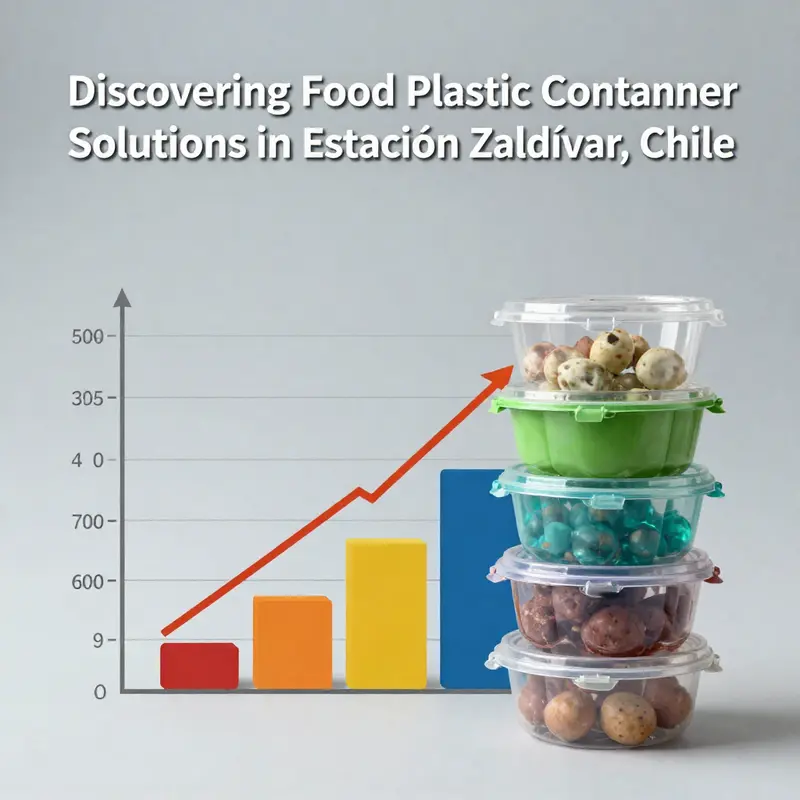
In Estación Zaldívar, Chile, the market for plastic food containers is on the rise. The locality is part of a region that benefits from steady urbanisation and evolving consumer habits. Located close to major transit hubs, Estación Zaldívar has emerged as a focal point for businesses and local vendors alike. The daily hustle and dynamic urban environment shape the demand for packaging solutions that are reliable, cost-effective, and versatile.
Local vendors and small business owners in Estación Zaldívar appreciate the benefits of plastic food containers. These containers find use among street food vendors, local restaurants, and families who require durable storage options. The combination of affordability and lightweight design offers advantages that are hard to overlook. The containers not only safeguard the food but also support the fast-paced nature of modern food service. They are built to withstand transportation and handling, thereby ensuring that food quality is maintained even in challenging conditions.
The strong national trends in plastic food container demand lend support to local market observations. A detailed report on the Chile Food And Beverage Packaging Market (2025-2031) shows that plastic continues to hold a dominant position nationwide. Market analysts have noted that plastic packaging remains popular due to its low production costs and efficiency in production. The material’s durability, ease of fabrication, and flexibility in design make it highly suitable for a host of food service applications. Although there is no publicly available disaggregated data for Estación Zaldívar specifically, the locality benefits from macroeconomic trends observed throughout urban Chile. In many ways, Estación Zaldívar reflects the broader national appetite for packaging solutions that combine functionality with economic viability.
A crucial aspect of this trend is the remarkable cost efficiency associated with plastic. Many small and medium businesses in the area rely on packaging options that keep overhead costs low. Lightweight plastic containers contribute to lower transportation costs and reduce the overall handling burden. Additionally, these products offer a competitive edge through their durability. Even when exposed to multiple cycles of use and replacement, plastic containers maintain their structural integrity. Their resilience is particularly important in fast-paced environments such as market stands and busy food courts.
The modern lifestyle in Chile, and especially in urban pockets like Estación Zaldívar, is rapidly evolving. Consumers now favour ready-to-eat meals and quick takeaway options. This transformation has spurred a demand for packaging that meets both hygiene and convenience standards. Today’s consumers expect food to be securely stored and easily transported, without compromising on quality. Consequently, plastic food containers have emerged as a favored solution not only for storage but also for preserving freshness and preventing spills during transit. They have become integral to the smooth functioning of restaurants and food retailers in the area.
The region’s food vendors benefit greatly from the versatility of plastic containers. Whether the product is a hot meal or a cold dessert, these containers are engineered to handle different temperature ranges and types of food. The design of modern plastic containers caters to various food products, ensuring that each container meets the specific requirements of its intended use. The ability to customise container sizes and shapes further enhances their appeal, which is crucial in markets where product presentation can influence buying decisions.
Local supply chains in Estación Zaldívar have adapted to meet this growing demand. Several importers and wholesalers operate in and around the major transit hubs, ensuring a steady supply of these essential packaging items. Business owners often coordinate with these suppliers to secure bulk orders at competitive prices. Many distributors in the region also observe trends from neighbouring metropolitan areas, particularly Estación Central in Santiago. These connections between central urban markets and local outlets help in predicting demand patterns and arranging logistics accordingly.
In the context of the Chilean market, consumer behaviour has evolved alongside technological advancements. Increased use of digital platforms for purchasing and delivery has stimulated demand for food-grade plastic containers. E-commerce platforms and food delivery services prefer packaging that is both lightweight and robust. The convenience offered by these materials cannot be understated. Consumers are now accustomed to a seamless service that starts at the restaurant and ends at their doorsteps. As a result, many local businesses in Estación Zaldívar have integrated digital ordering systems into their operational strategies, further boosting the need for reliable packaging.
The versatility of plastic containers extends beyond food safety and convenience. These containers also serve as a canvas for branding and marketing. Many food vendors take advantage of the customization options available to imprint their logos and corporate identities on the packaging. This practice not only builds brand recognition but also instils confidence in customers about the quality of the product on offer. Small enterprises in urban zones like Estación Zaldívar now see packaging as an integral part of their promotional and operational strategy. The emphasis on visual appeal and functionality creates a notable market advantage.
Several pragmatic advantages underlie the continuing preference for plastic among food vendors in Estación Zaldívar. The production costs associated with plastic containers remain lower compared to many other materials. This cost advantage translates directly to the bottom line for businesses that operate with thin profit margins. In addition to financial benefits, the manufacturing process for plastic is highly scalable. This scalability allows manufacturers to quickly adapt to fluctuations in demand, particularly during peak seasons or local festivals. Businesses that serve a large flow of customers, such as those at local food markets, appreciate the ability to stock up on containers without incurring excessive costs.
One intriguing facet of the local market is the emphasis on hygiene and food safety. Plastic containers are favoured for their ability to be produced with strict controls, ensuring that they meet food-grade safety standards. Food service businesses in Estación Zaldívar tend to select containers that are compliant with local regulations, as well as international standards. This reliability is a key factor in earning customer trust. In many cases, the durability and hygiene of plastic containers have fostered loyal patronage among consumers. Local manufacturers and suppliers have responded to these demands by offering products with enhanced sealing and leak-proof designs.
Established vendors and new entrants in the food service industry often look for products that provide both efficiency and sustainability. Some vendors have begun to explore eco-friendly variants of plastic containers that maintain the durability and cost benefits of traditional plastic. These alternatives are designed to lessen the environmental impact while remaining competitive in price. The shift towards environmentally conscious packaging does not drastically alter the overall market dynamics but adds an important layer of innovation. By offering options that cater to both economic and ecological considerations, suppliers in Estación Zaldívar demonstrate their willingness to adapt to evolving consumer priorities.
The growth in local demand is also influenced by broader consumer trends that value convenience. The increasing popularity of fast food and takeaway meals has brought about a continuous need for robust and hygienic packaging options. With the rise of food delivery services, ensuring product safety and presentation during transit has become paramount. Plastic containers that meet these criteria are now central to the operations of many local eateries. They are used for everything from serving fresh salads to packaging piping hot soups. The reliability of plastic packaging reinforces its status as a critical component of the local food technology ecosystem.
Manufacturers have further capitalised on the benefits of plastic in terms of design flexibility and innovation. Advances in plastic processing techniques have led to the creation of containers that feature improved temperature control and structural integrity. Such enhancements are particularly valuable for food items that require precise storage conditions. Local producers are quick to incorporate these design improvements, ensuring that their customers receive products that are both safe and visually appealing. Additionally, the relatively low cost of modifying production parameters allows manufacturers to experiment with innovative designs without significant financial risk.
Local businesses in Estación Zaldívar have also benefited from improved supply chain logistics. Proximity to key transportation routes facilitates the efficient distribution of plastic food containers across various market segments. These factors support a resilient supply chain that reinforces the steady availability of packaging materials. Several importers based in central Santiago have noticed that the suburban demand, including in areas near Estación Zaldívar, is rising steadily. The interconnectedness of local and national supply chains ensures that even small local vendors can access high-quality, compliant packaging products. This distribution mechanism is critical to maintaining the robustness of the local market.
The role of packaging in supporting consumer lifestyles cannot be underestimated. Many families now rely on ready-to-eat meals during busy weekdays. Plastic containers, which secure food quality and safety, have become indispensable in urban households. In Estación Zaldívar, the use of such containers spans both on-the-go consumption and traditional meal preparation. In urban centres, where time is a valuable commodity, the reliability of packaging reflects broader societal shifts in how people consume food. From home kitchens to bustling street stalls, the low-cost efficiency of plastic containers offers functional and economic benefits that reinforce their market presence.
Designers and manufacturers are increasingly attentive to consumer feedback. By prioritising features such as leak-proof lids and lightweight construction, they have ensured that plastic containers remain a preferred packaging option. Product designs now often incorporate ergonomic features that simplify storage and handling. Businesses can, for instance, order products with specially designed handles and secure closures. Such innovations add value and encourage repeat purchases among businesses and individual consumers alike. For example, vendors looking for a robust solution might explore a range of tested options such as a highly rated food grade takeaway bowl available in the local market food grade takeaway bowl. These improvements further cement the role of plastic as a leader in food packaging technology.
In addition to design innovation, the practical performance of plastic containers remains a significant driver of local demand. They are typically resistant to breakage and can be manufactured to meet a wide array of temperature conditions. This versatility is crucial in accommodating a range of food items, from chilled desserts to steaming hot dishes. The chemical stability and inert properties of plastics used in food packaging assure consumers that their food remains uncontaminated. Such properties are especially valued by businesses that serve a diverse clientele. Consistent product performance encourages trust in the packaging system, ensuring that plastic continues to maintain its lead in the market segment.
Local market analysts anticipate that the demand for plastic food containers in Estación Zaldívar will grow steadily over the next decade. The upward trajectory is supported by ongoing urbanisation and the integration of modern technology into daily life. As new food trends emerge and consumer preferences shift towards convenience, the need for adaptable packaging solutions is likely to increase. Businesses are expected to adjust by innovating further on design, cost-efficiency, and sustainability. The steady growth of the urban population in areas around central hubs only reinforces these market dynamics. Technological advancements in material handling and processing imply that plastic containers will continue to evolve in line with demand.
Societal changes also contribute to the sustained demand. As more people adopt busy lifestyles, the importance of reliable packaging rises. The stability of supply chains, combined with technological advancements in production, contributes to the reliability of plastic containers. Moreover, local business owners have begun to view these containers as strategic assets. Their role goes beyond mere functionality; they actively contribute to brand building and consumer trust. Reliable packaging that maintains food quality and safety is a vital asset for businesses in competitive urban environments. This has led to an investment in more advanced and customisable solutions that meet current market needs.
The evolution of consumer expectations is both a challenge and an opportunity for local suppliers. Companies are increasingly responding by developing products that reflect modern tastes and higher quality standards. The market now demands packaging that not only protects but also enhances the presentation of food items. These evolving requirements drive continuous improvements in product quality. Local manufacturers monitor global trends and adapt quickly to integrate features like better insulation, transparency, and secure sealing mechanisms. Such proactive changes ensure that every batch of plastic food containers adheres to both local demands and international benchmarks.
Supply reliability remains a key factor in maintaining the competitive edge of plastic packaging. Local supply networks in Estación Zaldívar have demonstrated remarkable resilience in keeping up with demand surges. Strong partnerships between manufacturers, distributors, and retailers have enabled a smooth flow of products throughout the urban corridor. These relationships are built on trust and long-term commercial ties, which are reinforced by consistent product performance. As the marketplace evolves, these networks continue to adapt and innovate. The reliable presence of plastic food containers thus remains integral to the day-to-day operations of local businesses.
Looking ahead, the outlook for plastic food containers in Estación Zaldívar appears optimistic. Analysts expect a modest but steady growth in demand that will reach its peak by 2031. As consumer lifestyles evolve further, the need for light, durable, and economic packaging will persist. Forward-thinking businesses are already exploring additional applications for plastic containers beyond food storage. They are assessing opportunities in sectors such as retail, healthcare, and logistics, where similar packaging needs exist. Each of these sectors benefits from the adaptable nature of plastic packaging. The multi-use characteristic of these containers fosters a broader market potential that goes beyond the immediate needs of food storage. This expansion reflects a positive future for both manufacturers and consumers.
Furthermore, the potential introduction of eco-friendly solutions could reshape market dynamics. Companies are conducting research to improve the environmental footprint of plastic containers. Collaborations with research institutions and industry experts promote the development of biodegradable variants. While these eco-friendly options may carry a slightly higher cost, they meet the growing consumer demand for sustainable alternatives. Through extensive testing and refinement, plastic packaging producers strive to maintain performance while enhancing environmental sustainability. Such innovations not only benefit the planet but also build consumer loyalty in a market where environmental concerns are increasingly important.
In conclusion, the market demand for plastic food containers in Estación Zaldívar is a reflection of broader trends in Chile’s food and beverage packaging industry. The locality mirrors national patterns driven by efficiency, low cost, versatility, and a rapid cultural shift towards convenience. Urbanisation, coupled with the growth of fast food, takeaway meals, and e-commerce, supports sustained demand for these products. Local businesses and vendors have adapted their strategies to include modern packaging solutions that meet rigorous standards of hygiene and durability. Manufacturers continue to improve product designs and supply chain logistics, ensuring that the containers remain robust and adaptable to diverse needs.
For further insights into the national trends that shape local markets, readers may find additional details in the comprehensive market analysis provided by the Chile Food And Beverage Packaging Market report available here: Chile Food And Beverage Packaging Market (2025-2031). Through a combination of consumer feedback, technological innovation, and pragmatic market adaptation, the plastic food container remains a cornerstone of food service operations in Estación Zaldívar. The future appears promising as advancements continue to drive improvements in both performance and environmental compatibility, ensuring that local businesses can meet the demands of a growing urban population with confidence and efficiency.
Ultimately, the vibrant market of Estación Zaldívar illustrates the dynamic interplay between economic trends and everyday consumer needs. Businesses, manufacturers, and distributors have formed a resilient network that embraces modern challenges. This network continuously adapts to ensure a steady supply of innovative, cost-effective packaging solutions. As the local economy evolves and embraces the digital age, plastic food containers remain at the forefront of practical solutions that support urban lifestyles. Their durability, affordability, and versatility ensure that they will continue to play a vital role in serving community needs. Each new development in this sector builds on decades of experience and technical expertise, providing a stable foundation for growth. The ongoing evolution of consumer preferences guarantees that innovation will never cease in the plastic packaging industry.
The story of Estación Zaldívar is one of adaptation and progress. The rise in demand for plastic food containers encapsulates the broader changes taking place in Chile’s urban centres. With increasing reliance on convenient, reliable, and sustainable packaging options, local vendors are well-positioned to benefit from the shifting market landscape. As they navigate the challenges of modern commerce, the small community of Estación Zaldívar continues to foster a thriving economic ecosystem. In this vibrant setting, every plastic container symbolizes not only innovation and practicality but also the promise of future growth and sustained market relevance.
Navigating the Sustainable Shift: Plastic Food Container Regulations and Innovations in Estación Zaldívar, Chile

In the heart of Santiago, the vibrant neighborhood of Estación Zaldívar has become a living laboratory for sustainability and innovation, particularly in the realm of food packaging. Historically, plastic containers have served as a convenient and cost-effective solution for storing and transporting food. However, escalating environmental concerns and stringent government regulations have transformed the landscape for these everyday items. Today, Estación Zaldívar stands as a testament to how communities and businesses can respond to national mandates with resourcefulness and forward-thinking strategies.
Local food vendors, supermarkets, and small businesses in Estación Zaldívar have been at the forefront of a dramatic change. In 2023, the Chilean government enacted robust legislation that sought to curb plastic waste by prohibiting a host of single-use products. This law, targeting items that include common plastic bags, straws, and, notably, polystyrene containers, aligns with a global movement to reduce the environmental footprint of disposable plastics. The regulation has spurred businesses to reimagine their packaging methods, prompting rapid innovation among local suppliers and distributors.
While the law appears restrictive on the surface, it has encouraged the adoption of sustainable practices that ensure public health, environmental protection, and economic viability. Food businesses have been quick to transition, exploring alternatives such as reusable containers, recyclable options, and compostable packaging made from materials like paper, sugarcane fiber, and plant-based plastics. This transition is not merely a legal compliance issue; it represents a paradigm shift in the way local enterprises view packaging as an integral part of their brand and environmental responsibility.
In Estación Zaldívar, the repercussions of the new law are visible in the streets, where vendors have replaced their traditional plastic containers with innovative, eco-friendly alternatives. Many local stores now offer products in biodegradable packaging, which not only meets regulatory standards but also appeals to a growing customer base that values sustainability. This shift has been accompanied by an educational campaign spearheaded by municipal authorities, aimed at informing the public about the benefits of reducing plastic waste and the importance of proper waste management. Municipal efforts have included public workshops, promotional materials, and active social media campaigns that highlight the environmental gains of these small but significant changes.
The transition to sustainable food-grade containers is multifaceted. One aspect involves the complete overhaul of supply chains that once prioritized cost and convenience over ecological impact. Local businesses now actively seek new vendors who specialize in environmentally sound packaging solutions. Such alternatives include containers crafted from recycled materials and biodegradable plastics that decompose efficiently and safely. For instance, one notable development has been the introduction of food-grade reusable bowls that are designed to meet the highest hygiene and safety standards while significantly reducing environmental waste. Businesses striving for innovation have turned to options such as high-quality, eco-friendly paper containers. These alternatives not only adhere to the legal requirements but also serve as a competitive edge by appealing to socially conscious consumers. Detailed examples of these innovative offerings can be found in discussions surrounding products like the food-grade take-away bowl with lids, which represent the new face of sustainable packaging.
Beyond the immediate economic benefits, the switch to sustainable packaging items in Estación Zaldívar is a critical component of Chile’s broader environmental strategy. The legislation was not enacted in isolation; rather, it forms part of an aggressive nationwide effort aimed at reducing plastic pollution in the oceans and improving urban waste management infrastructures. Such a coordinated approach helps to mitigate the long-term ecological impacts of plastic waste, which include hazardous microplastics contaminating water supplies and degrading natural habitats. By transitioning to alternative materials that are both recyclable and biodegradable, Estación Zaldívar is significantly contributing to national sustainability goals.
Local enterprises have also benefited from government incentives designed to encourage sustainable practices. One of the most promising initiatives is the deposit-return system for beverage containers. Under this system, consumers are encouraged to return containers in exchange for a refund or deposit incentive. This program not only reduces the volume of waste but also fosters a culture of recycling and environmental stewardship. It is a clear example of how policy-driven incentives can lead to positive behavior changes among consumers and producers alike. Such programs are integral to the broader plan of transitioning to a circular economy, where waste is minimized, and materials are continuously reused in production processes.
The regulatory framework implemented in Chile has demanded a careful rethinking of traditional supply chains. Food vendors have now had to evaluate every step of their procurement and distribution processes. The challenge has been to balance cost, quality, and environmental sustainability. In turn, this has led to considerable investments in research and development, as local businesses work closely with material scientists and engineers to develop cutting-edge alternatives that align with government standards. The outcome is a diverse selection of innovative packaging options, each tailored to meet the specific needs of different sectors within the food industry. Manufacturers have not only replaced obsolete products but have also developed entirely new product lines that combine durability, convenience, and environmental responsibility.
A significant aspect of the transformation witnessed in Estación Zaldívar is the increase in consumer awareness. As more people learn about the environmental impact of plastic waste, their purchasing decisions are increasingly influenced by considerations of sustainability and ethical production. Consumers now actively seek out products that boast eco-friendly credentials, and this trend has had a noticeable impact on local markets. The narrative of sustainability is seamlessly integrated into the overall identity of Estación Zaldívar’s business community. This integration has been instrumental in changing the perception of what it means to be an environmentally responsible business and has set a benchmark for other neighborhoods and regions to follow.
Despite these advances, challenges remain. Transitioning away from widely used plastic containers involves overcoming issues related to production cost, supply chain reliability, and consumer acceptance. Biodegradable and recycled materials often come at higher prices, especially during the early stages of technology adoption. In response, many businesses have adopted a gradual transition strategy, ensuring that they remain competitive while still contributing to environmental objectives. Furthermore, logistical challenges exist in scaling up production and distribution systems to meet increasing demand for alternative packaging options. These challenges are not insurmountable, however, and are being actively addressed through collaboration between government agencies, private enterprises, and industry associations.
As these challenges are navigated, the successes achieved in Estación Zaldívar serve as an inspiration for broader environmental reforms throughout Chile. The district has emerged as a small-scale model for what a sustainable urban environment can look like in practice. Here, everyday items such as food containers have become symbols of a larger movement that seeks to harmonize industrial growth with environmental care. Entrepreneurs and local innovators have seized the opportunity to contribute to a circular economy that minimizes waste and maximizes resource efficiency. They are creating products that are not only compliant with current regulations but also anticipate future challenges and opportunities in environmental management.
A further dimension of the ongoing transformation in Estación Zaldívar is the role of technology in tracking and managing waste. Modern tracking systems and smart recycling bins are being tested as part of pilot projects aimed at optimizing the waste collection process. These technologies provide real-time data on waste levels and container usage, offering valuable insights that help to streamline recycling efforts and reduce overall waste. These data-driven approaches are complemented by community participation, as citizens take an active role in reporting and addressing local inefficiencies. This convergence of technology and community engagement is indicative of the comprehensive approach adopted by local authorities.
The regulatory impulse has also spurred an evolution in public spaces and urban planning. Streets once dominated by discarded plastics are now being repurposed into cleaner, greener spaces. Municipal authorities have succeeded in integrating sustainability into the physical fabric of Estación Zaldívar, promoting vibrant public areas that encourage eco-friendly lifestyles. Continued urban development projects now include environmental considerations at their core, with a focus on reducing the urban heat island effect and enhancing the quality of life for residents. These advancements have resonated across various sectors, demonstrating that sustainable practices are not limited to the realm of packaging but extend to an entire urban ecosystem.
Local schools and community groups have been integral to promoting sustainability in the neighborhood. Educational programs on environmental responsibility have been introduced, ensuring that all generations understand the importance of reducing plastic waste. These initiatives are not only transforming how food containers are used but are also instilling broader values of environmental stewardship. In this way, Estación Zaldívar is preparing a future generation that is better equipped to navigate the challenges of sustainability and environmental management. As education and community involvement grow, the long-term impact of these regulatory changes becomes more profound, embedding eco-friendly practices into the social fabric of the area.
The evolution of sustainable packaging formats has not been an isolated effort but has seen cross-industry collaboration that spans multiple sectors. Researchers from local universities are partnering with industry leaders to explore new materials that are both cost-effective and environmentally benign. These partnerships are fostering a culture of innovation that benefits everyone involved—from consumers who enjoy safer, cleaner products to businesses that can reduce their regulatory burdens. The conversations around sustainability in Estación Zaldívar have thus become a microcosm of the global dialogue on environmental responsibility, resonating with challenges and trends on an international scale.
Importantly, regulatory bodies continue to engage with all stakeholders through periodic reviews of legislation and its impact. Policy adjustments are made when necessary to balance economic growth with environmental preservation. This dynamic regulatory environment ensures that laws remain responsive to emerging technological advances and market needs, striking a sustainable equilibrium. Feedback from local businesses plays a significant role in shaping policy; their insights help authorities refine measures, making them more practical and effective in terms of implementation. As this feedback loop strengthens, legislative frameworks evolve, setting new standards that future-proof the industry against environmental challenges.
While the journey toward a fully sustainable system in Estación Zaldívar is ongoing, the progress achieved so far is undeniable. The neighborhood has transformed from a reliance on traditional plastic containers to a diverse ecosystem of sustainable alternatives that reflect the region’s commitment to environmental health. Consumers, businesses, and government institutions are jointly navigating this transition, building resilience and adaptability along the way. The story of Estación Zaldívar is one of hope, determination, and a shared vision for a cleaner, safer future.
This unique evolution not only highlights a successful model of compliance with environmental policies but also paves the way for future innovations. New product lines and business ventures are emerging in response to the evolving needs of the marketplace. These ventures are driven by a desire to combine functionality with ecological mindfulness, ensuring that both consumer demands and environmental responsibilities are met. In short, the transformation in Estación Zaldívar reflects how adaptive practices and innovation can lead to substantial progress when guided by clear regulatory frameworks and community involvement.
Technological innovation, community participation, and robust policy are the pillars that have propelled Estación Zaldívar into a new era of sustainable food packaging. The neighborhood’s experience acts as both a blueprint and a beacon for other regions undergoing similar transformations. With every biodegradable container, every innovative recycling program, and every informed consumer, Estación Zaldívar reaffirms the potential of collective action in the face of environmental challenges. As society navigates the balance between economic needs and ecological preservation, the approaches taken here provide a profound example of how targeted regulations can lead to broad-based and meaningful change.
For those looking to learn more about Chile’s transformative measures in the plastics industry and how they are reshaping market practices, further details can be explored in resources such as the article on Chile’s Ban on Single-Use Plastics. This external insight offers an expansive view on a subject that continues to influence communities not only in Estación Zaldívar but throughout the nation.
In essence, the sustainable shift in food packaging realized in Estación Zaldívar encapsulates a dynamic interplay of legislative mandates, market innovation, and community spirit. It is a narrative built on resilience and adaptation, driven by the relentless pursuit of a future where environmental health and economic progress are not mutually exclusive but mutually reinforcing. The journey, while complex and occasionally challenging, is a powerful reminder that transforming everyday practices can lead to lasting, positive change—a change that begins with a single plastic container and extends to every facet of urban life.
Final thoughts
Summarizing, the journey to finding suitable plastic containers for food in Estación Zaldívar, Chile, underscores a thriving market filled with opportunities for food service businesses. By leveraging local suppliers, understanding market demands, and embracing sustainable practices in packaging, businesses can enhance their operational strategies and cater to environmentally conscious consumers. Now is the time to take advantage of these insights and elevate your service offerings with high-quality plastic food containers.