
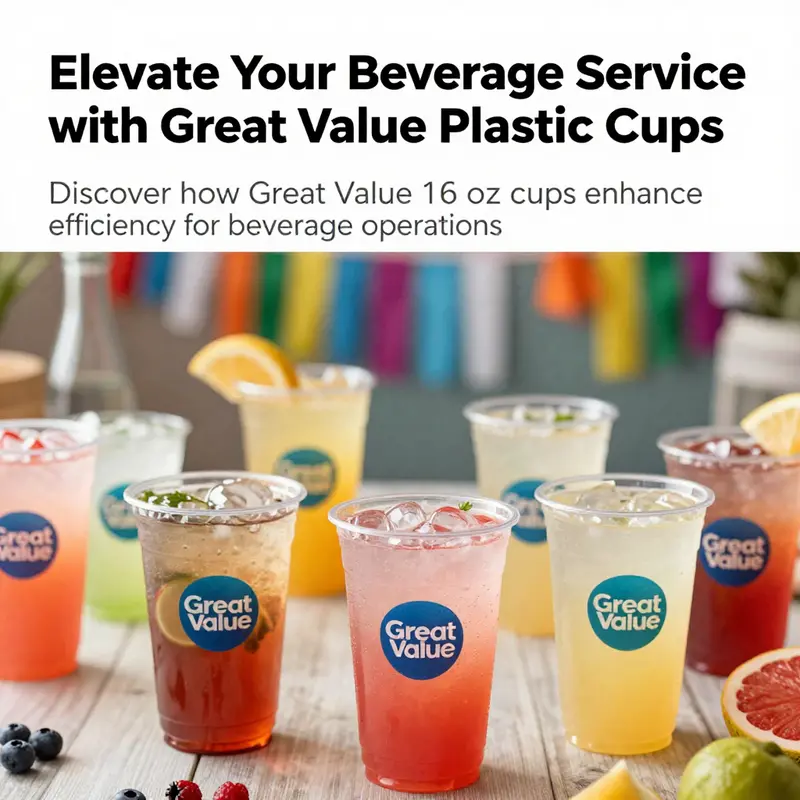
In the world of food and beverage service, efficiency and presentation are key drivers of success. Great Value Plastic Cups, Clear, 16 oz, 100 Count offer a practical solution for bubble tea shops, restaurants, food trucks, event planners, and more. These disposable cups are not only durable and transparent, allowing customers to see the contents, but they also simplify clean-up, making them the perfect choice for busy environments. This article will explore the versatile use cases of these cups, their economic impact on business operations, and the important environmental considerations.
Clear Confidence for Every Gathering: A Comprehensive Look at 16-Ounce Clear Disposable Cups in a 100-Count Pack
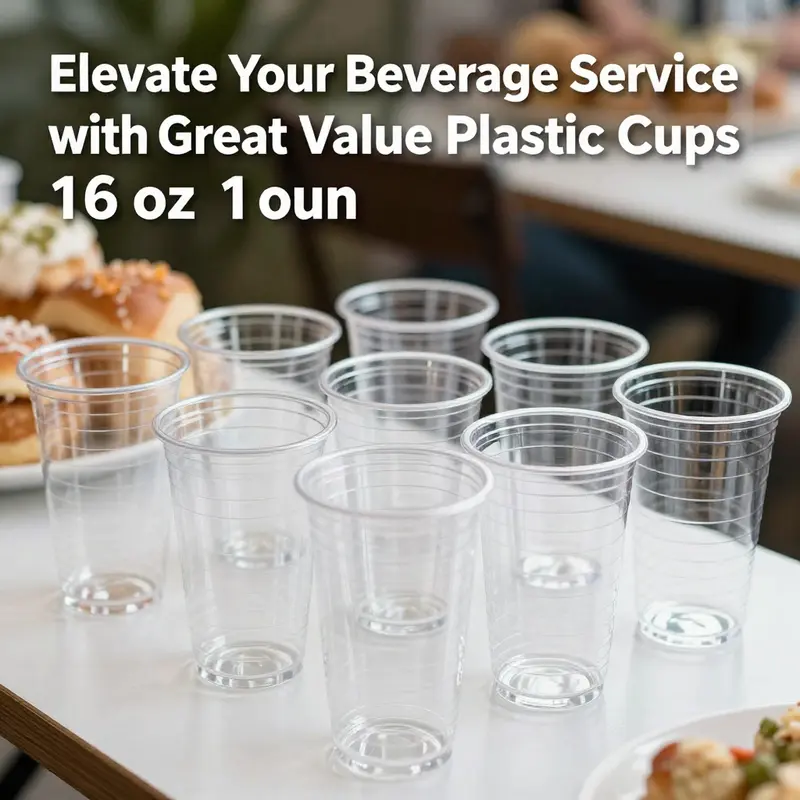
When planning a gathering, the choice of drinkware is more than a matter of taste; it shapes the rhythm of a party, the flow of cleanup, and the overall ease of hosting. The 16-ounce clear disposable cups in a 100-count pack offer a practical balance between utility and simplicity. They present a transparent profile that showcases the beverage itself, a feature that matters when color and presentation count as much as flavor. This is not merely about convenience; it is about the clarity of a well thought out hosting strategy. When you can see exactly how much liquid remains, you can pace refills, manage ice, and keep guests happy without the constant checking that makes planning feel reactive rather than proactive. In this sense, the value of a large pack of clear cups extends beyond the moment of pouring. It becomes a quiet backbone for efficient service, smooth transitions, and predictable costs, especially in settings where beverages flow freely and time is of the essence.
At their core, these cups are designed for everyday use. Their 16-ounce capacity addresses a familiar need: a generous serving that can handle water, soda, juice, smoothies, iced coffee, and even cocktails without forcing guests to pass multiple cups. The size is large enough to minimize the risk of spills during transport or movement, yet compact enough to fit neatly in standard cold storage or stacked in kitchen cabinets. The ability to serve a robust drink without constantly refilling is a practical advantage, especially for events that require quick pacing between courses or activities. The packaging of a 100-count set adds another layer of efficiency. When hosts or event organizers can stock up in one transaction, they reduce the frequency of reorders, lower administrative overhead, and simplify inventory management. A single purchase can cover a weekend barbecue, a community gathering, or multiple smaller events, providing a consistent supply that reduces the guesswork that often accompanies planning.
The design story of a clear cup is often told through its material and its silhouette. A durable plastic construction offers a sturdy feel in the hand, with a rim that maintains its shape under normal use and a body that resists cracks when stacked or carried. The transparency of the material is more than cosmetic; it allows you to monitor the liquid level at a glance. In a busy serving line, this clarity translates into faster refills, less confusion, and fewer awkward moments when guests ask for a second drink or a different option. A cup that remains steadfast through a night of holiday punch or a yard-full of lemonade makes hosting feel confident rather than improvised. It removes the friction that can arise when guests worry about spills or if they should ask for a replacement because their beverage is nearly gone. The lack of opaque coloring also means you can mix beverages without worrying about mismatched hues or the appearance of clashing shades on the table, which is particularly valuable when presenting a thoughtful spread that includes several varieties.
Safety often sits behind the scenes in discussions of disposable drinkware, yet it matters at the table. The 16-ounce clear cups commonly emphasize BPA-free construction, a reassurance that aligns with the expectations of many households and event planners who want simple, straightforward safety assurances. This is not about adding complexity to the table setting; it is about providing peace of mind in a familiar format. When guests reach for a drink, they rely on a product that feels dependable, and a BPA-free claim helps boost that trust without demanding extra attention or special handling. In a broader sense, safety in disposable drinkware intersects with convenience. If a product can deliver a steady performance without requiring extra steps or special storage conditions, it becomes a reliable tool in the hosting toolkit. And reliability, in turn, underpins the kind of social environment where people feel comfortable letting loose and enjoying the moment rather than worrying about the details.
From a practical standpoint, the cups’ stackable design addresses two core constraints that every host faces: space and transport. Storage space is a frequent constraint in busy kitchens, garages, or event spaces, and the ability to stack cups compactly helps protect them from dust, moisture, and accidental damage. When it comes time to move supplies to a venue, stackability translates into fewer trips, more efficient use of vehicles, and less strain on logistical planning. This becomes especially valuable for hosts running multiple events in a short period or for small businesses that offer beverage service at pop-up markets or casual gatherings. The same property also lends itself to easy restocking and quick reorganization during the event itself. A neatly stacked supply line means staff can quickly access the cups without creating bottlenecks at the service area, contributing to smoother guest flow and a more pleasant guest experience overall.
The question of value inevitably arises in any discussion of disposable drinkware. The combination of a generous 16-ounce capacity, a 100-count pack, BPA-free safety, and a straightforward, leak-resistant design positions these cups as a strong contender for both home entertaining and low to mid volume commercial use. For households that host frequent gatherings, the per-cup cost tends to be compelling, especially when you factor in the time saved on cleanup and the simplicity of disposable products that eliminate the need for washing, drying, and storing fragile glassware. For small businesses offering beverage service in a low-stakes, no-fruss environment, the economic logic becomes even clearer. A pack of 100 cups can align with moderate sales and no assertive overhead for glassware maintenance, while still delivering a presentable, customer-friendly presentation that supports a friendly, relaxed brand image. In this sense, the value proposition is not just about the price tag; it is about the way the product fits into a streamlined operation where guests feel attended to and the host can devote attention to the event itself rather than the tools of service.
Event planning also benefits from predictability. When you know you are working with a standard 16-ounce option, you can choreograph your beverage station with greater confidence. Beverage stations can be organized with ice wells, lids, and straws in a way that reduces spill risk and accelerates service. Even without lids, the 16-ounce size offers a balanced approach to counter service and self-serve layouts, helping to prevent over-pouring and the accidental overflow that can occur with larger, less controllable cups. In outdoor setups, the clear cups allow natural light to reveal the drink’s color and level, which is aesthetically pleasing and adds to the sensory experience of the event. The clean lines of the cups complement a variety of decor styles, from casual backyard gatherings to more polished, family-friendly celebrations, while maintaining a focus on practicality and ease of cleanup when the festivities wrap up.
It is worth noting that scent, texture, and tactile cues also play a role in the guest experience. The feel of a sturdy, pliable plastic and a well-defined lip can influence how comfortable guests are handling their beverages. Even in a crowd, a well-made disposable cup can minimize the awkward moment of trying to sip a drink from a cup that betrays its own fragility. This is not about luxury fittings but about the confidence that comes with predictable performance. When guests can trust the vessel in their hand, they can focus on conversation, music, or the shared experience itself, which ultimately enhances the overall tone of the event. The practical benefits of a clear, 16-ounce cup echo across different contexts, from a casual family gathering to a community fund-raiser, and they reinforce the idea that well-chosen drinkware contributes to smoother logistics and more enjoyable social interaction.
For those who also want to streamline the serving process, options exist that pair these cups with lids and straws. A lid and straw combination helps prevent spills on the move, supports drive-thru or on-the-go consumption, and is especially valuable for events with a strong outdoor component or for guests who are mobile during the celebration. Such variants can extend the use of disposable drinkware to more dynamic settings and provide a no-spill, no-leak experience that aligns with the needs of small businesses or bustling crowd environments. The ability to upgrade a basic cup with add-on accessories demonstrates how even a simple product can adapt to a wide range of use cases without sacrificing the core advantages of simplicity and efficiency.
In the broader landscape of disposable tableware, the clear 16-ounce cup occupies a practical middle ground. It avoids the heaviness and formality of larger glassware while offering more presence than very small cups used for sampling or tasting. The balance between capacity, durability, and cost makes it a versatile option for everyday use, seasonal events, and temporary setups where there is a high turnover of guests. While these cups are designed for single use, their design philosophy centers on minimizing waste by reducing the need for breakable materials, enabling quick cleanup, and enabling hosts to transition swiftly from service to post-event wrap-up. The net effect is a hosting experience that feels seamless, efficient, and approachable, which in turn invites guests to relax and enjoy the moment rather than worry about logistics. This is the essence of what a practical, well-considered disposable cup can contribute to any gathering.
To connect this discussion toward ways to integrate these cups into a broader catering or event strategy, consider a resource that highlights compatible take-away options with lids and secure fit. This linked option provides a glimpse into how disposable ware can be paired with other single-use items to create a cohesive, spill-resistant service line. senang05-food-grade-500-750-1000ml-take-away-bowl-with-lids-packing-food-single-wall-fast-food-salad-bowls.
As you envision the next gathering, you can see how a simple 100-pack of clear 16-ounce cups becomes more than a container. It is a facilitator of flow, a canvas for beverage presentation, and a practical ally in delivering a host experience that is both efficient and enjoyable. When planning, imagine the moments the cups will touch hands, frame conversations, and mark the end of a busy afternoon with a quick, clean wrap-up. In this light, the value of a straightforward, well-made disposable cup extends beyond the cost per unit. It becomes a reliable partner in crafting an atmosphere where guests feel cared for, moments feel unhurried, and cleanup feels almost ceremonial rather than burdensome.
External resource: https://www.walmart.com/ip/Great-Value-Disposable-Plastic-Cups-Clear-16-oz-100-Count/14597893
Clear-View Service: The Versatility of 16-Ounce Disposable Cups for Every Gathering
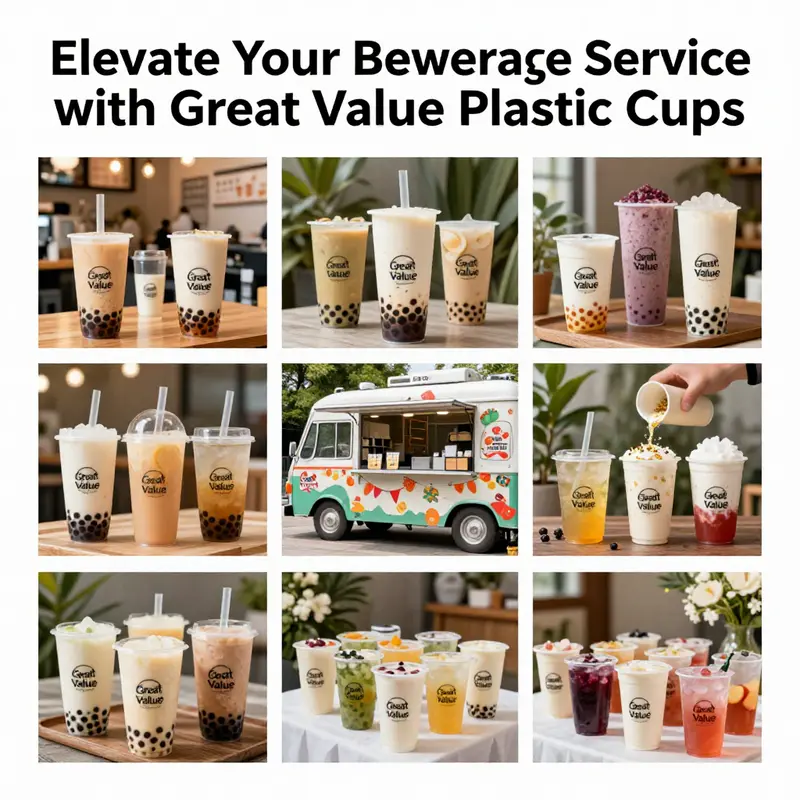
Beneath the practical simplicity of a clear, 16-ounce disposable cup lies a story of adaptable design meeting everyday need. The element is humble yet powerful: a transparent vessel that shows what it holds, a sturdy cylinder fashioned to endure a stream of pouring, sipping, and sharing across a spectrum of occasions. When we unpack its role in hospitality, school cafeterias, outdoor events, and home gatherings, we begin to see how a single, well-made cup can carry more than a beverage. It can carry convenience, safety, and a sense of calm in moments that demand both efficiency and style. The core appeal rests in the combination of capacity, visibility, and disposable practicality—features that align with an increasingly dynamic lifestyle where hosts balance preparation with spontaneity.
Capacity matters. A 16-ounce cup sits at a sweet spot for many serving scenarios. It accommodates most standard beverages—from ice-cold water, lemony lemonades, and iced tea to cocktails and coffee-based drinks—without feeling oversized or prone to spill during movement. The size also supports generous pours when guests come back for seconds, while still fitting comfortably in portable coolers and in the hands of movers and shakers at a backyard barbecue or a quick office gathering. The clear design adds a visual dimension to service. When a drink’s color or texture is part of the experience—layered beverages, vibrant fruit infusions, or coffee with a distinct crema—the glass-like clarity lets color play out. This is not merely functional; it’s a small aesthetic enhancement that makes beverages feel more intentional, even in casual settings.
From a practical standpoint, the transparency is a quiet ally for safety and etiquette. It makes it easy to check a liquid level at a glance, which reduces the awkward moments of someone reaching for a cup only to discover it’s nearly empty. The same clarity helps servers and hosts keep track of refills, ensuring guests aren’t surprised by sudden shortages during a busy event. In kid-friendly environments, the visible contents also reassure adults that bottles and cups aren’t mixed with unintended liquids. The clear cup communicates cleanliness and straightforward service in a way that opaque alternatives often cannot. This transparency carries through the logistics of event planning, where visibility speeds up service, minimizes confusion, and supports a smoother flow of traffic in a buffet line or drink station.
Durability is another thread in the narrative. While the cups are designed to be disposable, they are not indulgently fragile. They hold up to the weight of ice and a few sturdy pours without bending or cracking under typical hands and table contact. That balance between lightness and strength matters in settings that demand mobility—think outdoor picnics, park gatherings, or mobile catering where cups must be stacked, transported, and quickly distributed without introducing a fragile bottleneck in the workflow. The stackable nature of the design further contributes to organization. When space is at a premium—think narrow pantry shelves, school supply closets, or a catering trunk—being able to stack cups compactly saves room for other essentials and makes re-stocking a breeze.
The disposable aspect is often framed as convenience, and it is indeed a practical cornerstone of modern service, especially in busy homes and casual venues. The ability to forgo washing and return to hosting with minimal downtime is a relief that resonates with today’s rhythms. Yet the value goes beyond quick cleanups. The disposable model supports hygiene standards in high-traffic settings where reusing glassware is neither practical nor desirable. It also invites a mindset of hospitality that keeps guests comfortable without requiring a post-event dive into a crowded sink. For many hosts, the choice to use disposable cups aligns with a larger plan to focus on guest experience—engaging conversations, a well-curated beverage station, and an atmosphere of easy generosity—rather than getting bogged down in the chores that come after entertaining.
In mixed settings—where families, friends, and colleagues intersect—the ability to keep drinks visually distinct becomes important. A clear 16-ounce cup enables quick recognition of beverages at a glance. For hosts serving multiple drinks—water, juice, lemonade, iced tea—clear cups help guests distinguish their choices without rummaging or asking for confirmation. This simplicity reduces friction and supports smoother social interactions, especially in gatherings where conversations surge and time feels compressed. When hosts consider the logistics of serving, the cup’s design also supports speed and efficiency. The tall, slim profile allows multiple cups to be handled in one motion, and the flat rim makes sipping comfortable for a wide range of ages. Even as beverages are placed on tables, the cup’s balance and shape contribute to a stable drinking experience, reducing the likelihood of spills as guests move around a space.
Looking beyond the household, the same attributes translate well into more formal or semi-formal events. A backyard wedding, a graduation party, a small company celebration, or a community fundraiser can benefit from a simple, adaptable serviceware choice that doesn’t demand a heavy investment in glassware or specialized accessories. The cup’s neutrality becomes a canvas for presentation. It complements a broad spectrum of beverage kinds—from homemade punch to artisan lemonade and from cold brew to craft sodas. Hosts can tailor the beverage station to the event’s mood without worrying about clashing colors or inconsistent materials. In these environments, the option to pair cups with lids or with straws adds another layer of control. A lid can elevate a cups-and-go scenario, offering spill resistance during transport or outdoor wind gusts, while straws introduce a touch of practicality for younger guests or for beverages that are easier to slurp than sip. Even without a lid or straw, the cup remains a dependable workhorse: quick for refills, easy to stack, and forgiving during busy moments when guests converge around a central drink station.
The conversation around value also includes accessibility and inclusivity. An affordable, widely available 16-ounce option helps ensure that beverage service isn’t constrained by budget or supply. In institutions such as schools, workplaces, and community centers, predictable availability reduces the risk of outages and last-minute substitutions. This stability matters in planning and can help organizations maintain a consistent standard of hospitality across events. The clear cup reinforces a straightforward approach to service that works well for a broad audience, including families with children, caregivers coordinating group activities, and volunteers who are managing refreshments during long events.
From a sustainability perspective, audiences are increasingly mindful of waste streams and recycling options. Disposable cups are often part of a broader conversation about waste reduction, reuse where appropriate, and choosing materials that fit into local recycling programs. While a single cup might seem small in the grand scheme, the collective impact of thoughtful consumption—ordering the right quantity, selecting recyclable or recyclable-compatible options, and encouraging proper disposal—can influence outcomes at scale. Hosts can combine the practical attributes of these cups with responsible habits: setting up clearly labeled recycling and trash stations, providing guidance to guests about proper disposal, and encouraging returnable or reusable alternatives when feasible for longer events. In this way, the cup becomes part of a thoughtful system rather than a stand-alone convenience item.
The broader context also invites us to consider how these cups fit into a larger ecosystem of drinkware options. For many hosts, the decision to use clear 16-ounce disposables is about balancing cost, speed, and guest experience. The availability of variations—such as cups with lids and straws—addresses the needs of on-the-go consumption, quiet indoor service, or settings where spill containment is valued. This flexibility is essential as events move between indoor and outdoor environments, as weather, terrain, and movement patterns vary, and as different beverage service models are needed across occasions. In short, the value of a clear 16-ounce disposable cup emerges from its combination of visibility, capacity, durability, and the adaptability to pair with other serviceware when the moment calls for it.
For hosts planning ahead, a practical approach is to estimate needs based on guest count, duration, and the nature of the beverages offered. A simple rule of thumb can guide ordering: consider a slightly higher headcount than the number of attendees, account for refills, and factor in the tendency for some guests to take multiple servings. The result is a reliable supply that minimizes shortages and reduces the need for emergency runs to a store in the middle of an event. Storage efficiency matters here as well. The stackable design allows cups to be tucked into a cabinet or a back-of-house area with minimal footprint, freeing up space for important supplies like napkins, straws, and lids. The ease of handling translates into smoother setup and teardown, saving time for hosts and volunteers who are juggling many tasks at once.
As with any beverage service strategy, context matters. In a family backyard, the focus might be on practicality, kid-friendly features, and a relaxed pace. In a corporate or community setting, the emphasis shifts toward consistency, quick turnover, and a neutral backdrop that lets beverages shine without competing with the décor. Whether the goal is a simple afternoon picnic or a more curated tasting event, the clear 16-ounce cup offers a dependable platform on which a thoughtful beverage experience can be built. It is the quiet backbone of hospitality—a tool that supports connection, conversation, and celebration by removing friction and enabling hosts to focus on what truly matters: the people, the moment, and the memories being created.
If readers wish to explore related materials that expand on the practical properties of clear beverage cups and their material choices, a detailed external resource offers deeper technical context on performance, properties, and industrial applications. This resource helps illuminate why certain plastics perform well under ice, heat, or prolonged handling, and how variability in thickness, clarity, and rigidity can influence the user experience and durability in real-world use. For those who want a deeper dive beyond everyday use, this external reference provides a broader perspective on how clear PET cups behave in different environments, informing smarter selection for future occasions.
Within the broader ecosystem of event supplies, the discussion of cups intersects with several other decisions—whether to upgrade to a disposable system with lids, to incorporate branding through printed lids or labels, or to consider compostable or bagasse-based alternatives for venues with green goals. The choices you make about cups reverberate through the efficiency of your service, the guest experience, and the sustainability footprint of your gathering. Even a modest, transparent cup can become a vehicle for thoughtful, well-executed hospitality when paired with deliberate planning, careful stocking, and a clear-eyed view of how beverages fit into the rhythm of an event.
Internal link note: For a real-world example of related packaging and eco-conscious design, see the discussion around eco-friendly printed logo paper cups with lids. eco-friendly-printed-logo-paper-ice-cream-cups-with-lid.
External resource for deeper context: 16 oz clear PET plastic cups guide—performance, properties, and types for industrial applications.
The Quiet Engine of Everyday Entertaining: Budget Clear 16-Ounce Cups
A plain, clear 16-ounce disposable cup may seem ordinary, yet it sits at a crossroads of household budgets, mass production, and environmental considerations. In homes, events, and casual gatherings, these cups offer a fast, reliable way to serve beverages without washing up. Their price, availability, and compatibility with lids or straws ripple through families and retailers alike. A typical 100 pack costs a few dollars, making them accessible to a broad range of households and organizers.
From a production standpoint, the appeal lies in economies of scale and standardized processes. The underlying materials are plastics derived from petrochemical feedstocks, which enable rapid manufacturing lines and low marginal costs. This efficiency helps retailers offer promotions and volume discounts, while keeping shelves stocked with a product that is expected to stay in steady demand. But these advantages come with trade offs: plastic dependence and the need for waste management solutions.
Retail dynamics are shaped by the imperative to attract foot traffic and convert it into regular sales across categories. High volume, low margin items like these cups can act as traffic generators that benefit more than just the disposable category. When customers visit for value priced essentials, they often pick up related items such as napkins, condiments, or party supplies, extending the retailer’s footprint and stabilizing daily revenue. Handling large quantities also requires efficient inventory management and robust distribution networks that keep the cups available when they are most needed.
Beyond the store, the environmental dimension cannot be ignored. The economic logic of affordability collides with concerns about plastic waste and resource use. End of life management and recycling infrastructure influence policy and product design. Retailers and manufacturers increasingly explore recyclable or compostable alternatives and reusable options that preserve convenience while reducing environmental impact. The trend toward greener packaging does not erase the appeal of low cost and speed, but it nudges the industry toward solutions that balance affordability with stewardship.
Looking ahead, a couple of forces seem likely to shape the market. Advances in materials science and recycling infrastructure may enable higher recycled content without raising prices. Regulatory frameworks that encourage responsible packaging can push innovation in sustainable designs and collection systems. For practitioners and researchers, the practical takeaway is that budget friendly, high volume disposables illuminate how households, businesses, and policymakers coordinate to allocate resources, manage risk, and respond to changing consumer values. In short, the story of budget clear cups is not only about a simple product; it is a window into the economics of everyday life.
Clear Footprints: The Environmental Story Behind 16-Ounce Plastic Cups and the Path Toward Smarter Packaging
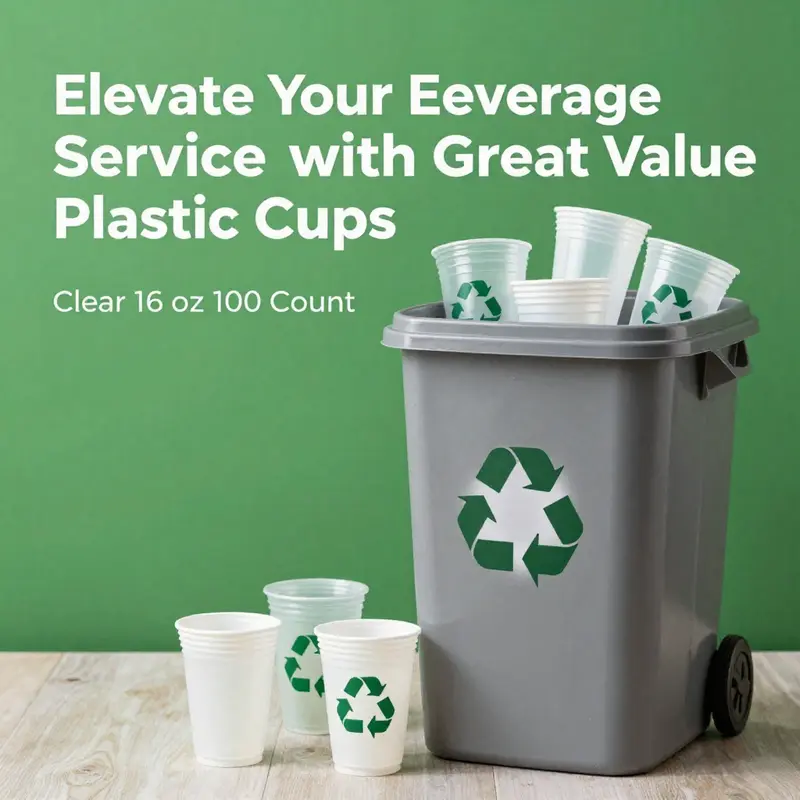
The sight of clear plastic cups stacked in tidy rows is almost universal at gatherings, picnics, and quick-service takeout lines. They embody a simple promise: easy hosting, fast cleanup, and nothing to cleanup afterward. Yet behind that promise lies a more complex equation about materials, waste streams, and long-term consequences for the places where we live and the communities that help us celebrate moments big and small. When we examine the 16-ounce clear disposable cups that come in large counts, we see not only a practical tool for serving beverages but also a case study in how convenience can intersect with durability, disposal realities, and evolving consumer expectations about sustainability. The cups themselves are typically made from polypropylene, a plastic that earns a reputation for strength and heat resistance but also raises questions about end-of-life options in many municipal recycling programs. The transparency that makes them visually appealing—letting you see how much liquid remains—also makes them a reminder of the invisible journey of a disposable item from origin to disposal, a journey that often ends far from the party table in a landfill, a recycling bin that cannot accept the resin, or an improperly sorted stream that contaminates a batch of recyclables.
Polypropylene, known in many product descriptions as a durable, heat-resistant polymer, sits at a crossroads in the circular economy. On one hand, PP resists cracking under cold and heat and holds up well to daily wear, which is why it is a staple for casual drinkware and a broad spectrum of food-contact containers. On the other hand, the same properties that make PP so useful also contribute to the stubbornness of waste. In many cities, PP is not accepted in curbside programs or is accepted under limited conditions, often with additional sorting requirements or contamination risks. When a cup winds up in a landfill, it can persist for hundreds of years, gradually breaking down into smaller fragments that can become microplastics—substances that can migrate through soil and water and eventually into the broader ecosystem. This is not a dramatic scare story but a real, observable pattern in waste streams worldwide. The environmental footprint of these cups, therefore, depends not only on what they are made from but also on how they are disposed of, where they are recycled, and what happens to the materials after use.
Describing the lifecycle of a disposable cup helps illuminate a broader market dynamic. Disposable items thrive in a system that prizes convenience and speed, and the cost structure often relies on low per-unit prices to enable frequent replacement. This creates a tension between affordability and sustainability: when a business or household purchases in bulk, the unit cost of the cup seems low, but the aggregate volume of waste can be substantial. The question becomes not simply whether a cup can be recycled, but whether the recycling stream will accept it, whether the consumer will separate it correctly, and whether the local infrastructure can handle the material without contamination. These are practical concerns that influence how a product like a 16-ounce clear cup is used, reused (when feasible), or disposed of in a way that aligns with local rules and environmental goals. For many consumers, the quick wipe, the empty cup dropped into a bin, and the next cup on the shelf all form part of a routine that is deeply familiar, yet the repercussions of that routine ripple into the community’s waste management systems and the natural environment.
The environmental considerations also invite a conversation about alternatives. The packaging landscape has increasingly highlighted the possibility of compostable options, plant-based materials, or recycled-content designs. Some manufacturers and retailers have introduced cups derived from renewable resources or engineered for industrial composting, which can, under the right conditions, break down more efficiently than conventional plastics. Yet compostability is not a universal solution. It requires appropriate facilities, proper labeling, and consumer behavior that channels used cups into the correct compost streams. Labels and certifications can help, but they can also add complexity for shoppers who want clear guidance at a glance. When a cup is labeled only with generic terms or lacks explicit guidance on disposal, the likelihood of improper sorting grows, diminishing any potential environmental benefit from a shift away from traditional PP-based cups.
Beyond compostable alternatives, there is a broader menu of sustainable packaging decisions that influence the environmental footprint of beverage service. One path is to reduce reliance on disposable options by promoting reuse. Reusable cups, combined with a deposit or return program, can dramatically decrease waste while maintaining the convenience that customers expect. For some venues, the upfront investment in a robust washing-cycle system, inventory management, and staff training is offset by lower long-term waste costs and a stronger alignment with sustainability goals. Another path is to embrace alternative disposable materials that offer improved end-of-life outcomes, such as bagasse (a pulp fiber derived from sugarcane) or paper-based cups with coatings designed to be compostable in industrial facilities. Each option carries trade-offs: the environmental benefits depend on local infrastructure, the performance in real-world use, and the tolerance for price differences in tight-margin environments. The core idea is that the choice of cup should be informed by a holistic view of the supply chain, not just the price tag on a shelf.
This broader view invites consumers and businesses to consider how packaging decisions intersect with waste management practices, education, and policy signals. Clear cups that reveal the liquid level are not just neutral containers; they are part of a system that communicates value and responsibility simultaneously. When a beverage is poured into a transparent cup, the consumer can assess factors such as portion control and consumption patterns, which ties into health-mindedness and waste reduction protocols. Yet, the same transparency also underscores the visibility of waste after consumption. If the end-of-life pathway for that cup is a landfill, the immediate convenience comes at the cost of long-term environmental persistence. If the cup is diverted to recycling and handled correctly, the material can re-enter the manufacturing cycle, contributing to a more circular economy. The difference between these outcomes often hinges on small, practical decisions: did the user rinse the cup? Was it contaminated with food or other materials? Was it placed in the correct bin according to local guidelines? These are not abstract questions; they determine whether a single cup contributes to waste or to a materials recovery system.
In conversations with small business owners and event planners, the environmental conversation around these cups often meets the realities of tight budgets and predictable demand. The need to serve beverages efficiently, keep costs predictable, and manage waste during large gatherings creates a complex calculus. The role of a supplier or brand that can offer guidance on disposal, recycling, and alternative packaging becomes valuable, not merely as a sales pitch but as part of a broader reputation for sustainability. When a business communicates clearly about disposal expectations, it can influence consumer behavior in ways that reduce contamination and improve recycling rates. For example, providing simple, accessible disposal instructions at the point of use can help participants sort materials correctly. In this sense, packaging choices are not isolated decisions; they are part of an integrated approach to waste management that includes education, infrastructure, and logistics.
The environmental narrative around a 16-ounce clear cup also intersects with public information campaigns and regulatory guidance. Agencies that monitor packaging waste often publish guidelines that help consumers understand what can and cannot be recycled, or what kinds of composting facilities exist in their region. These resources contribute to a more informed marketplace where customers can make choices aligned with their values and local conditions. In addition, labeling on cups and packaging can play a dual role: informing the consumer about practical disposal steps while signaling a company’s commitment to environmental stewardship. When labels clearly indicate whether the cup is recyclable, compostable, or requires industrial processing, they reduce guesswork and increase the likelihood that the product will follow an appropriate end-of-life path. This is not just about compliance; it is about cultivating trust with customers who are increasingly attuned to environmental impacts and willing to support brands that demonstrate responsibility.
For readers exploring alternatives within the packaging ecosystem, there are practical avenues to consider. Some readers may seek examples of corresponding products that align more closely with sustainability goals while still meeting performance benchmarks. In the broader context of disposable cup choices, paper-based alternatives with eco-conscious designs have gained traction, offering lighter environmental footprints in certain scenarios. These options can maintain the convenience and user experience that many events rely on while offering different end-of-life pathways. The emphasis is on choosing material systems that fit local recycling or composting capabilities and on communicating those choices transparently to customers and participants.
The environmental considerations also emphasize the importance of data-informed decisions. Retailers and institutions can track disposal outcomes to identify where improvements are possible. Small changes in packaging choices can yield meaningful reductions in waste when paired with education and behavioral nudges. Even shifts in the way cups are presented, stored, or replenished—such as placing clearly labeled disposal bins nearby and providing short explanations of how to dispose of different materials—can influence behavior at the point of use. In turn, those behavioral shifts can translate into measurable environmental benefits over time, contributing to cleaner streams of recyclables and a reduction in landfill waste.
As this chapter moves forward, the conversation remains grounded in the practical realities of everyday use. The goal is not to demonize familiar, convenient products but to illuminate the environmental trade-offs embedded in the choices we make when we buy, use, and dispose of them. The 16-ounce clear cup, with its combination of affordability, availability, and straightforward design, stands at the intersection of consumer habit and waste management infrastructure. Acknowledging its environmental footprint opens space for more nuanced conversations about how to preserve the benefits of convenient servingware while advancing toward packaging systems that are more compatible with circular economies. In this sense, every cup becomes a data point in a broader story about how communities, suppliers, and individuals can collaborate to reduce footprint without sacrificing the everyday rituals that bring people together.
For readers who want to explore related packaging categories and real-world examples, consider looking at the broader landscape of eco-friendly disposable options. One practical entry point is the world of paper-based, lid-enabled options that are marketed as environmentally friendlier alternatives. These products aim to deliver the same level of convenience while offering pathways for different end-of-life outcomes, depending on local facilities and consumer participation. The overarching idea is that informed choices, paired with supportive infrastructure and clear communication, can make a meaningful difference in how packaging waste is managed after events and daily use. The environmental narrative of a seemingly simple item thus becomes a lens through which to evaluate broader systemic possibilities—how we design, how we use, and how we dispose of the everyday things that fill our lives with color, flavor, and shared moments. And while no single change can transform a material’s fate, coordinated, informed choices across households, venues, and municipalities can accumulate into a more sustainable future for packaging in the years ahead.
External resource for readers seeking additional context on recycling options and plastic waste management: https://www.epa.gov/recycle/understanding-plastic-recycling
For those curious about alternatives within the packaging space, you can also explore related options in the broader ecosystem of take-away ware. For instance, readers interested in sustainable categories outside traditional plastics may find value in examining eco-friendly disposable options in other material families, such as compostable or recycled-content cups. These alternatives can offer different end-of-life performance while maintaining the user experience that drives demand at gatherings, food service, and community events. In practice, the choice between a conventional plastic cup and a more sustainable alternative becomes a decision about context, expectations, and local capabilities. The goal is not to prescribe a single path but to illuminate the possibilities so that individuals and organizations can select packaging that aligns with their environmental priorities, operational realities, and budget considerations. The chapter thus situates the familiar clear 16-ounce cup within a larger conversation about packaging, sustainability, and the evolving norms of how communities choose to host and celebrate, one ready-to-use cup at a time.
Internal resource for further reading: eco-friendly disposable single-wall paper ice-cream cups with lid
Final thoughts
Great Value Plastic Cups, Clear, 16 oz, 100 Count serve as a practical, economical, and versatile solution for a variety of beverage-focused businesses and events. By integrating these cups into your operations, you can enhance customer experience while streamlining our processes. Consider the environmental impact and ensure responsible disposal; with a keen focus on efficiency and sustainability, these cups are not just a product choice, they are a strategic enhancement to any beverage service environment.