
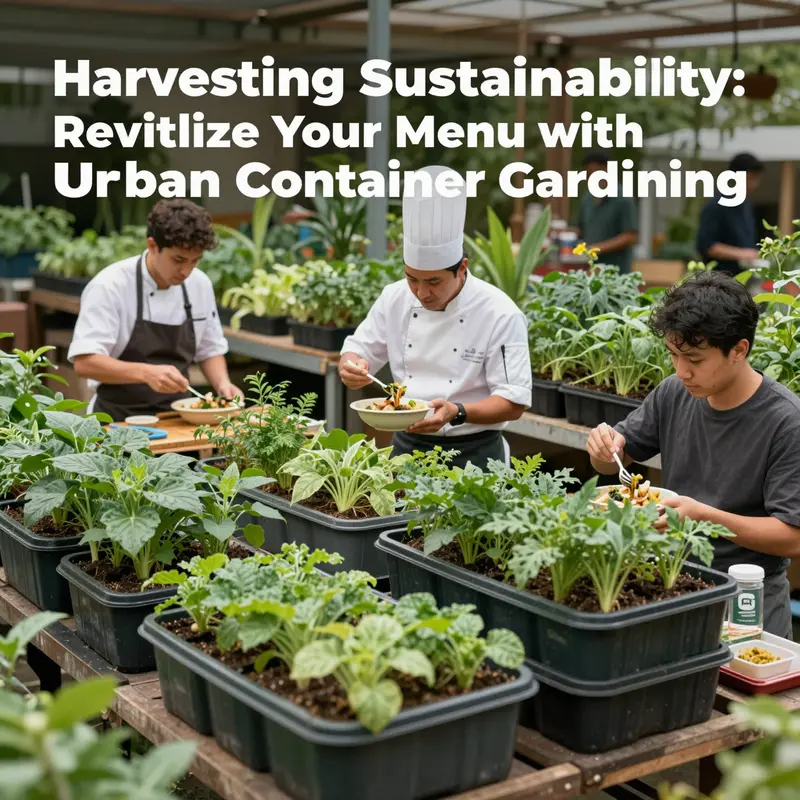
Growing food in plastic containers stands as an innovative solution for urban settings, allowing restaurants, food trucks, and catering services to explore new avenues for menu enhancement while promoting sustainability. The method not only resonates with eco-conscious consumers but also provides fresh, organic produce right at your fingertips. This article dissects the practice into three engaging chapters. First, we explore urban gardening’s potential, focusing on its accessibility for food businesses. Next, we discuss practical techniques to effectively cultivate produce using everyday plastic containers. Finally, we delve into the economic and environmental benefits that underscore why transitioning to this model can be advantageous for culinary professionals. The conversation surrounding growing food in plastic containers delves deeper than merely planting; it presents a chance to enrich menus, reduce costs, and foster community goodwill.
null
null
From Bottle to Bounty: Practical Techniques for Growing Food in Plastic Containers
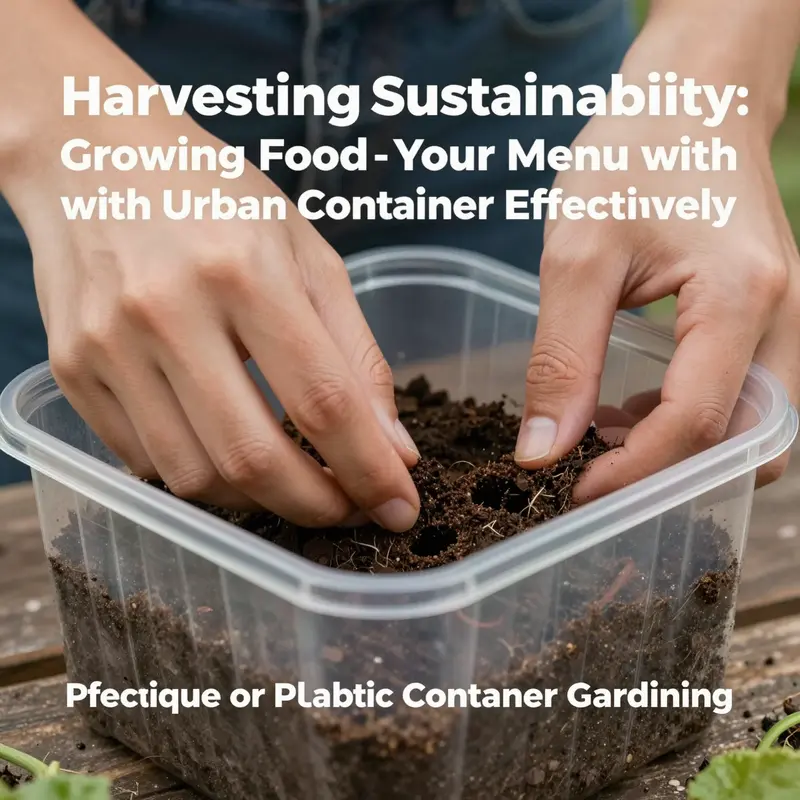
In many cities, balconies and small yards become the unlikely frontiers of homegrown harvests. The sight of leafy greens, herbs, and even small fruiting plants thriving in plastic containers is more than a novelty; it is a practical response to limited space, cost concerns, and the desire for fresh, chemical-free produce. The appeal lies not only in the accessibility of repurposed vessels but in the discipline of method. When you treat plastic containers as purposeful gardening structures rather than disposable décor, they can yield lasting rewards. The core idea is simple: with thoughtful selection, proper preparation, and a light touch of ingenuity, discarded bottles, boxes, and tubs can metamorphose into efficient planters. The result is a compact, modular system that you can adapt as seasons change and sunlight shifts. It is about turning everyday waste into nourishment and about reclaiming a small slice of urban life for sustainable abundance.
The practical techniques that follow synthesize decades of wisdom on container gardening with the specific advantages and cautions of plastic. They emphasize careful material choice, an air-filled soil environment, and a watering strategy that respects both plant needs and the constraints of small-scale setups. This approach is not merely about saving money; it is about reducing waste, enabling mobility, and aligning daily routines with a more deliberate rhythm of growth. The picture is compelling: a vertical stack of bottles becomes a vertical harvest, a single compact unit grows a handful of herbs, and a shallow tray brims with baby greens. Yet the science behind it matters as much as the quick wins. The best outcomes emerge when you honor drainage, soil structure, light balance, and the subtle art of feeding without overdoing it. What follows weaves a practical narrative, drawing on tested techniques and real-world successes, to guide even a beginner toward a flourishing, low-cost, low-waste mini-farm.
Choosing the right vessel sets the tone for everything that follows. Transparent or translucent bottles, especially those labeled as food-grade, offer a clear view into soil moisture and root development. The transparency is not merely cosmetic; it is a diagnostic aid that helps you adjust watering and soil texture before problems take hold. The most versatile approach uses standard bottles—think 500 milliliters to 2 liters—in both upright and cut formats. A horizontal cut about one-third from the bottom creates a shallow base that can function as a reservoir while the upper portion serves as a planter. This arrangement is particularly effective in vertical configurations where bottles stack into a tidy column. The bottom reservoir, once filled, can feed the soil above through capillary action, or in a simple single-bottle setup, a side opening becomes the planting chute. The key is to ensure that each container maintains a steady, unobstructed drainage path. A handful of small holes drilled with a heated implement prevents waterlogging and root rot, a common pitfall in compact planters. Even when using more robust containers like foam boxes or sturdy plastic buckets, the same drainage principle applies. They must breathe, and they must shed excess water quickly enough to keep roots healthy.
Soil is the unloved hero of many home gardens yet the decisive factor in success with plastic containers. Heavy garden soil tends to compact in shallow planters, choking air spaces that plants crave. The recommended strategy is to use a light, well-draining mix. A practical blend is roughly three parts standard potting soil to one part perlite or vermiculite, which creates a fluffy, aerated medium with good drainage. For those seeking a more organic path, a mix of coconut coir and worm castings delivers a balanced, living substrate that retains moisture without becoming waterlogged. This approach echoes what many urban growers discover: soil texture matters as much as soil composition. The wrong mix can smother roots, while the right blend supports steady growth and reduces the frequency of watering. Seedlings and small starts often respond best to lighter mixes, especially when used in the upper levels of a vertical stack where airflow is still relatively robust.
Plant selection should align with both space and light. Fast-growing, forgiving varieties are the natural starting point. Leafy greens such as lettuce, spinach, kale, and mustard greens thrive in partial sun and cooler conditions, while herbs like basil, mint, and parsley offer fragrance and utility for daily cooking. Radishes sprout quickly and provide a quick sense of accomplishment, and compact cherry tomatoes or dwarf peppers can be accommodated in larger containers with stable support and consistent light. The beauty of container systems is their flexibility: you can rotate crops, move containers to chase sun, and harvest on a rhythm that feels manageable within urban life. In many success stories, a four-to-six week window between sowing and first harvest keeps motivation high, especially for beginners who see tangible results sooner rather than later.
A self-watering approach often tips the balance from regular maintenance to a rhythm you can sustain. A woven wick system, created by threading a length of cotton rope or string through a cap hole and allowing one end to dangle into a water reservoir while the other end rests in the soil, creates a passive feed mechanism. The plant draws moisture as needed, reducing the risk of both underwatering and overwatering. If a wick system is not feasible, a disciplined watering schedule helps: check the top inch of soil and water when it feels dry, adjusting frequency with the heat of the day. In hot seasons, daily checks may be necessary, while in cooler months, less frequent attention suffices. Feeding becomes a gentle, ongoing practice rather than a heavy-handed dose of fertilizer. Homemade liquid amendments made from fermented kitchen scraps or diluted compost tea can deliver a steady stream of nutrients while avoiding synthetic products. This aligns with the broader ethos of eco-conscious and budget-aware gardening, where the goal is nourishment with minimal environmental cost.
Placement and light are paramount when working with plastic containers in small spaces. South-facing balconies that enjoy six or more hours of direct sun are well-suited to fruiting vegetables like tomatoes and peppers once established, though they demand sturdy containers and consistent watering to handle the heat. East or west-facing spots with three to four hours of sun are excellent for leafy greens and herbs, while north-facing locations with indirect light support shade-tolerant crops like lettuce and spinach. When light is insufficient, supplemental grow lights offer a practical augmentation that keeps plants thriving through short winter days. The deliberate arrangement of containers to optimize light exposure also helps minimize competition among plants for sunlight within the same micro-site. A simple rule of thumb is to elevate plants that need more light and group shade-tolerant varieties together to maintain a stable microclimate inside the miniature garden.
Even with careful planning, pests and disease will test your resilience. Regular daily observation creates an early-warning system. Insects such as aphids or whiteflies can exploit the close quarters of a container garden, but solutions are approachable and low-toxicity. A homemade spray made from garlic and chili pepper, mixed with water, can deter visitors without introducing harsh chemicals. Neem oil remains a trusted option for many urban growers seeking a natural remedy that disrupts pest life cycles without harming beneficial organisms. To maintain plant vigor, keep the foliage dry during application to avoid fungal issues, and consider introducing a small amount of mineral oil or insecticidal soap if pests persist. Harvesting plays a dual role here: frequent picking of mature leaves from the outside of greens stimulates new growth and reduces the likelihood of pest hotspots being established near harvest points.
Direct heat and photo-stability pose concerns for some plastic containers. Although food-grade PET plastics are designed to withstand typical gardening conditions, they are not invincible. Direct, intense sunlight over long periods can degrade plastic and, in some cases, affect the interior environment. To extend container life, shield the planters from the sun’s harshest rays or rotate the system so the same surface isn’t constantly exposed. If a container shows signs of weakening or chalky film on the surface, it’s sensible to replace it. The practical upshot is a small, temporary investment in robust, purpose-built containers for long-term persistence; in many setups, a rotating system of a few reusable vessels keeps the garden fresh and the average cost down over time.
The garden’s success hinges on a few iterative truths. First, do not overlook drainage. Even the most well-prepared soil can struggle if water sits at the roots. Second, soil structure matters as much as soil composition. A well-aerated mix improves root respiration and encourages more vigorous growth, especially in shallow containers. Third, light is not optional—too little light leaves you with leggy, pale plants that fail to develop robust flavor. Fourth, feeding should feel incremental, not transformative. A steady infusion of nutrients through fermented tea or compost-derived liquids can nourish microbial life in the root zone, which in turn supports plant health. The beauty of this approach is its adaptability: you can scale up by adding more vertical bottles, or scale down to a few potted herbs on a sunny balcony rail. The same principles apply whether you are cultivating crisp lettuce, fragrant basil, or a small, productive cherry tomato plant.
Real-world momentum supports these techniques. A widely reported urban success story from a major city highlights a balcony garden built from hundreds of repurposed plastic bottles. The project demonstrates not only feasibility but also meaningful cost savings and personal satisfaction. The bottles were cut to create planter sections, drainage holes were added with a heated tool, and a simple stacking system allowed vertical growth without consuming valuable floor space. The gardener reported a noticeable reduction in grocery expenses and a consistent supply of fresh greens, herbs, and even baby tomatoes during the warmer months. The story underscores that with careful preparation and ongoing maintenance, plastic containers can function as resilient, affordable, and aesthetically pleasing components of an urban edible landscape. While each setting is unique—different light, wind exposure, and microclimates—the underlying message is universal: thoughtful container choices plus disciplined care translate into tangible harvests.
For those who worry about the aesthetics of growing in plastic, the answer lies in design and arrangement. A well-curated row of bottles can form a living wall that changes with the seasons, and the clear side of a bottle reveals the plant’s moisture needs, turning daily checks into a simple routine rather than a chore. If space is at a premium, vertical stacking is not merely a space-saver; it is a climate control strategy that can moderate temperature around shallow root zones and create small microhabitats for different crops. While the concept originated in parts of Asia and Europe where urban densities demand clever space use, its relevance is global. The method invites experimentation: try a mix of greens on top with fruiting or flowering varieties in the lower layers, or set up a tiered sequence that allows you to rotate duties—seed, transplant, harvest—across days and weeks. The rhythm becomes a personal cadence that matches work schedules, meal planning, and the natural cycles of plant life.
In sum, growing food in plastic containers is not a mere stopgap solution; it is a scalable, adaptable approach that aligns environmental sensitivity with practical urban living. It reduces waste by repurposing everyday plastics and lowers grocery costs while reconnecting growers—novice and seasoned alike—with the soil, even if the soil is a shallow blend of potting mix and perlite. The approach rewards careful preparation: selecting the right vessel, preparing soil that breathes, ensuring consistent moisture through a self-watering or disciplined watering system, and providing appropriate light. It rewards ongoing attention: monitoring for pest signs, adjusting the watering schedule with the changing seasons, and harvesting promptly to encourage continued growth. It rewards resilience: being willing to replace containers that degrade under sun, reconfigure a vertical stack to chase light, and embrace a modular, moveable garden that can travel with you between balconies, rooftops, or exterior walls. If you begin with a clear plan and a modest, steady routine, your plastic containers will not be disposable props but legitimate little ecosystems that bring vitality to urban life. They will become, in their own way, a compact, resilient mini-farm that reduces waste, supports seasonal eating, and invites daily interaction with the living world outside your door. For readers who want a practical starting point that blends affordability with reliability, consider sourcing simple, food-safe vessels that blend with your space and your cooking needs—and remember that every bottle, box, or tub repurposed for growing is a small victory against throwaway culture. The garden you build becomes a statement of possibility: productive, beautiful, and deeply grounded in everyday materials.
To explore broader practicalities and additional case studies, you can look at the available guidance on self-watering systems and soil mixes that have proven effective in compact environments. If you’d like a concise reference to a broader retailer ecosystem and container options, you can explore examples of safe, food-grade containers designed for reuse and easy maintenance, which align with the principles outlined here. food-grade take-away bowls.
External resource for further reading: for a broader overview of growing food in plastic containers and what research shows about safety and practicality, see The Spruce guide on growing food in plastic containers. The Spruce guide.
Small-Scale, High Return: The Economic and Environmental Promise of Growing Food in Plastic Containers
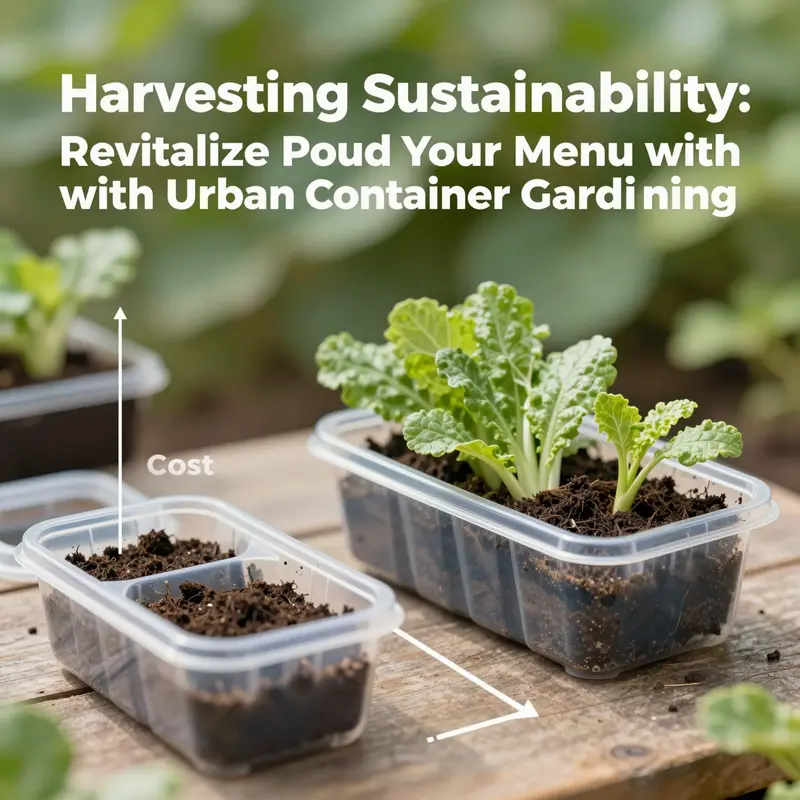
On urban balconies and in tiny yards, plastic containers have become unlikely vessels for fresh food. The shift to container gardening is not simply a trend in aesthetics; it is a practical, adaptable response to the constraints of modern city life. It turns scarce space into a productive micro-farm and reframes waste as a resource. A Beijing story encapsulates the idea in a memorable way: a woman repurposed over a hundred discarded plastic bottles into a vertical garden that yielded leafy greens, herbs, and even small tomatoes. She cut the bottles to create planters, drilled drainage holes, and hung the vessels in layers to maximize sun exposure. The result was more than a pretty urban garden; it reportedly lowered her annual grocery bill by a substantial margin. While such anecdotes are striking, they point to a broader pattern. Plastic container gardening, when done with attention to materials, drainage, soil, and light, can offer tangible economic benefits without demanding a large plot of land or heavy capital. The appeal lies in space efficiency, flexibility, and the ability to bring fresh produce closer to home, which reduces both time and transportation costs. Yet the deeper value resides not only in cost savings, but in the way these systems invite a different relationship with food and waste, transforming everyday plastik into a platform for resilience and learning.
A key economic thread runs through the logic of plastic container gardening: land efficiency. In cities where every square meter is precious, the ability to stack, hang, or terrace planters multiplies the productive footprint. A shallow bottle or a compact fruit box may seem modest, but when arranged vertically or along balcony rails, these containers accumulate a surprising amount of edible biomass. This spatial economy matters because it lowers the barrier to entry for households that might otherwise be priced out of homegrown produce. It also makes it feasible to experiment with a wider variety of crops in small patches. Tomatoes, peppers, and peppers with dwarf varieties can still demand deeper containers, but greens, herbs, root vegetables, and baby vegetables often thrive in compact volumes. The cumulative effect is a diversified harvest that can supply a portion of a family’s daily needs, which translates into real savings over the course of a growing season.
A second economic lever is the potential reduction in transportation costs. When a portion of the food supply is produced locally, the energy and money spent moving produce from farm to market can be cut, especially for high-water and quickly perishing items. Container gardens on balconies or in courtyards become nodes of local food production, shrinking the distance between where food is grown and where it is eaten. In urban contexts, even modest reductions in travel distance for fresh greens or herbs can add up to meaningful savings over the year. The effect is not solely monetary; it can also buffer households from price spikes that accompany supply chain disruptions, especially for staple greens and herbs that are common in many diets.
But the economic benefits extend beyond the obvious cost categories. The elevated control that containers offer over temperature, moisture, and pest exposure can translate into higher yields per unit area, a factor that matters for urban growers seeking to maximize return on space. In a well-managed container system, plants experience fewer soil-borne problems, and the use of lightweight, well-aerated growing mixes improves root health and nutrient uptake. This combination can lead to more consistent harvests and a steadier supply of fresh produce, which, in turn, supports more predictable household budgeting. The result is not a single bumper harvest but a steady cadence of yields that accumulate over weeks and months, helping households reduce waste and stretch their food dollars further.
The possibility of year-round cultivation is another economic pillar. With plastic containers, growers can create micro-environments that extend growing seasons beyond the limits of local climate. In winter months, shelter from wind and consistent moisture management can keep greens and herbs productive, while supplemental light or sun exposure optimization can push tomatoes and peppers to produce outside their usual window. The psychological and financial payoff of year-round harvests is substantial: a steady supply of fresh produce lowers steady grocery costs, diminishes reliance on out-of-season imports, and introduces an advantage in local markets where small-scale urban farmers can offer freshly picked items at a lower logistical cost than long-distance suppliers.
These economic dynamics do not unfold in a vacuum. They depend on careful material choices and on practices that preserve the long-term viability of the containers themselves. Food-grade PET bottles, commonly labeled as #1 plastic, are often recommended because they are designed for contact with consumables and tend to be stable under normal gardening conditions. The caveat is that containers with a history of chemical storage or oil exposure should be thoroughly cleaned before reuse. Practical setup steps, such as creating drainage holes with a heated tool or drill and adding a layer of gravel or perlite at the base, help prevent root rot and ensure the plants receive adequate aeration. For leafy greens and shallow-rooted crops, smaller containers can suffice, while deeper-rooted vegetables benefit from larger vessels that offer more soil volume for root growth. This alignment between crop type and container depth is essential to maximize both yield and plant health, which ultimately underpins the economic case for container gardening.
Soil selection plays a critical supporting role in the economics of container systems. Heavy garden soil is a poor choice for containers because it tends to compact and stifle airflow, undermining root development and nutrient uptake. A lightweight mix that maintains moisture without becoming waterlogged is preferable. A common recipe includes coconut coir for moisture retention, worm castings for nutrient enrichment, and perlite for aeration. This blend, or pre-made potting soils designed for containers, keeps the soil structure open and forgiving, which reduces the frequency of amendments and plant losses. The cost of soil mix versus home-composting inputs must be weighed, but many enthusiasts find that a well-balanced container mix pays for itself in healthier plants, quicker germination, and fewer failed crops.
Fertilization strategies in container systems can also influence economics. Some growers favor homemade compost tea or fermented kitchen waste as a low-cost organic feed. While such inputs require careful preparation to avoid imbalances, they can reduce reliance on commercial fertilizers, further lowering operating costs. The controlled environment of containers often reduces pest pressure compared with open-field cultivation, which can decrease pesticide expenditures. Yet the economics of pest management should not be oversimplified. Even in containers, some pest challenges persist, and resilient varieties, regular monitoring, and well-timed interventions are essential to protect yields. The overall cost picture is one of balancing inputs, crop choices, and labor, with the potential for meaningful savings when practiced with consistency and care.
Labor is another critical factor shaping the economic equation. Container gardens typically require daily or near-daily attention to watering, drainage checks, and occasional pruning or harvesting. For some households, the time invested translates into tangible benefits beyond money saved at the store. The act of tending a balcony garden can lower perceived food costs by generating a sense of ownership and connection to what is grown, which in turn reinforces prudent consumption patterns. For others, the time invested is a net cost that must be weighed against the value of convenience and the intangible rewards of fresh produce and urban resilience. As with many home-based farming systems, the economics of plastic container gardening are highly place-specific, influenced by climate, sunlight, water access, and the price points of local groceries. Still, across diverse urban contexts, the core proposition remains robust: you can produce a meaningful share of your own greens and herbs with modest, repeatable inputs and a scalable approach.
The environmental dimension of the container gardening revolution adds another layer to the economic picture. Efficient water use, membered by drip irrigation techniques and targeted watering, minimizes waste and supports long-term savings on utility bills that accompany gardening. Container systems also help preserve soil health by avoiding heavy tillage and erosion, practices that degrade soil quality over time in conventional farming. In addition, the portability and reusability of these containers translate into reduced waste when you repurpose existing vessels rather than purchasing new planters each season. The broader environmental logic is simple: by localizing food production through compact, adaptable containers, communities can lessen the ecological footprint of food systems and reduce the energy and material costs associated with long supply chains.
Of course, no economic case is complete without acknowledging challenges. The very material that makes container gardening possible plastic can carry environmental concerns, particularly when single-use plastics dominate behavior. Microplastic pollution, the marginalization of end-of-life pathways, and the energy embedded in producing plastics all require thoughtful counterbalances. To address these concerns, sustainability practices emphasize reuse, repair, and repurposing rather than disposal after a single season. Recycled plastic, durable, reusable containers, and deliberate end-of-life management help reduce the downsides of container-based food production. The aim is to keep the throughput of plastic low, extend container lifespans, and design systems that can be refreshed without creating wasteful cycles. Climate, sun exposure, and heat can also affect container longevity and material safety. Shielding planters from extreme sun or rotating them to balance light can extend their life and maintain crop health, while selecting food-grade materials minimizes potential leaching concerns under typical growing conditions. With these safeguards, the benefits can be enjoyed with more confidence and fewer worries about long-term waste.
In sum, growing food in plastic containers offers a compelling package of economic and environmental advantages, especially in urban settings where space, resources, and access to fresh produce are constrained. The economics hinge on land efficiency, local production, and the potential for year-round harvests that improve dietary quality and budget stability. The environmental case rests on water efficiency, soil health preservation, and reduced chemical inputs when practiced with care. Yet the story is not one of perfect sustainability or guaranteed profit. It is a practical invitation to rethink waste, space, and food in cities, balancing short-term costs with longer-term environmental and social gains. It is about learning to select appropriate containers, building soils that breathe, and cultivating crops that fit the microclimates created by balconies, patios, and small yards. The path forward invites experimentation, careful design, and a willingness to adapt as conditions shift, while maintaining a clear eye on the broader implications for the urban ecosystem.
For readers curious about broader packaging and sustainability perspectives that intersect with this topic, see the linked resource on eco-friendly packaging practices senang07-eco-friendly-printed-logo-buy-paper-cup-take-away-coffee-cup. This connection helps situate container gardening within a wider conversation about materials, reuse, and end-of-life decisions that influence both household costs and environmental outcomes. Moving from individual balcony plots to neighborhood and city-wide food networks, the same principles of reuse, durability, and thoughtful design apply across scales. The result is a more resilient food system that starts at home, with containers that once held something else now becoming miniature farms that teach patience, responsibility, and the value of lightweight, adaptable infrastructure.
To deepen the ecological and systemic context, consider the broader research on how plastic-based agricultural systems interact with regional ecosystems and services. A recent study in Frontiers in Ecology and the Environment explores whether plastic greenhouse arrangements can enhance ecosystem services beyond food yield alone. Readers interested in that broader environmental lens can consult the external reference at the end of this chapter for a more technical framing of the tradeoffs and potential benefits. The ongoing conversation about plastic use in agriculture is not a simple yes or no; it is a nuanced assessment of how to balance short-term gains with long-term stewardship. As urban growers, we can pursue container strategies that maximize safety, minimize waste, and support local food security, all while fading the line between waste and nourishment through careful design and mindful practice.
External reference: https://www.frontiersin.org/articles/10.1002/fee.23456/full
Final thoughts
Urban gardening through the use of plastic containers is more than just a trend; it’s a viable strategy for food businesses to tap into sustainability while enhancing product offerings. By embracing this innovative method, you can cultivate fresh ingredients, which can significantly reduce procurement costs and attract eco-conscious clients. The landscape of dining is changing, and businesses that adapt to these sustainable practices stand to not only improve their bottom line but also contribute positively to the environment. Take the leap into sustainable gardening and watch your culinary creativity flourish.