
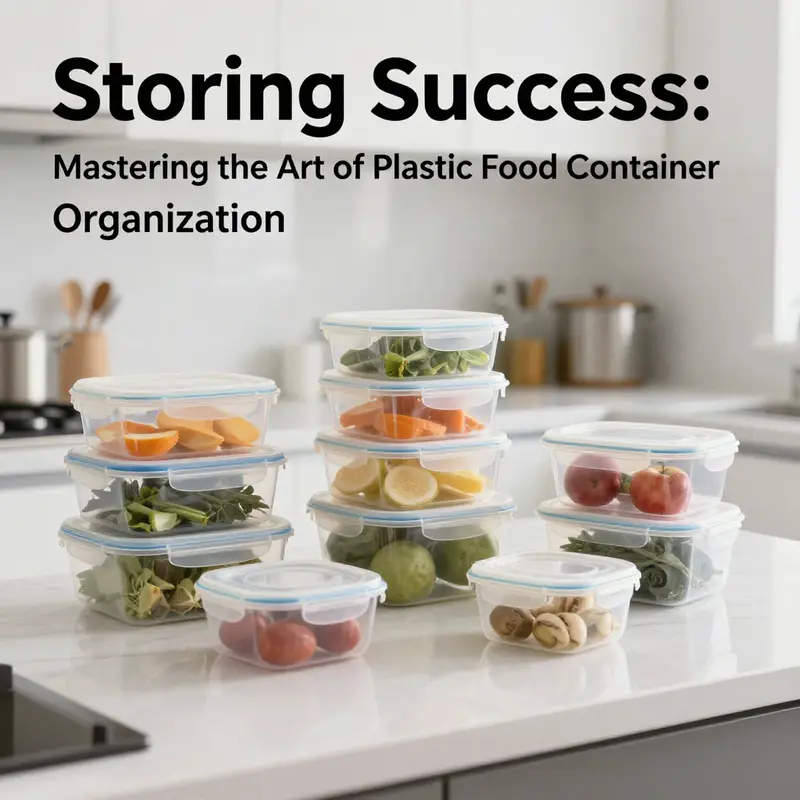
Efficient storage of plastic food containers and their lids is crucial for any food-driven business, from bubble tea shops to catering services. Keeping these essential items organized not only maximizes space but also enhances operational efficiency and reduces stress during busy hours. This comprehensive guide explores practical methods for storing plastic food containers—helping you maintain quality while ensuring ease of access and longevity across your operations. In the chapters that follow, you will discover how to maximize efficiency and suitability in container storage, organize your containers and lids for seamless service, and implement maintenance strategies that prolong their life, ultimately contributing to a more organized and productive workspace.
Stack, Sort, and Seal: A Cohesive Guide to Preserving Plastic Food Containers and Their Lids
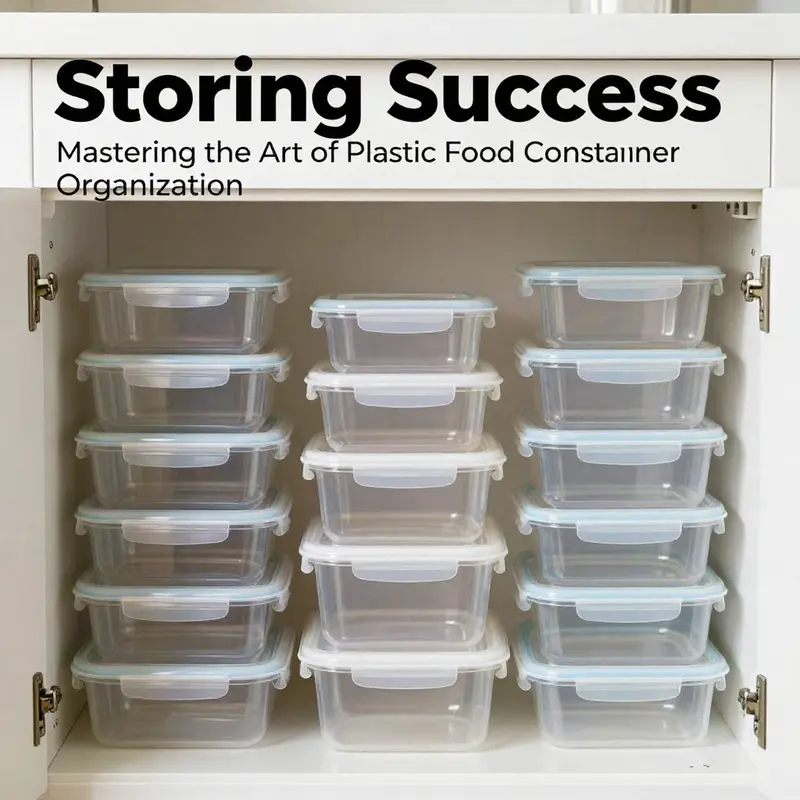
Storing plastic food containers and their lids is more than a matter of tucking away a toolbox of kitchenware. It is a small but meaningful practice that keeps food safer, reduces waste, and preserves the quiet efficiency of a well-run kitchen. When you approach storage as a system rather than a series of random piles, you end up with a space that breathes: containers you can see, lids you can pair in seconds, and a workflow that prevents stains, scratches, and the little annoyances that turn simple tasks into daily frictions. The practice begins with cleanliness, a quiet but essential ritual that sets the stage for everything that follows. Before any container finds its resting place, it should be cleaned in warm, soapy water, paying special attention to the sealing edges and crevices where residue tends to linger. You can imagine the micro-world inside a lid that has collected moisture or oil; once that moisture is allowed to linger, it can become a home for odor, mold, and bacteria that survive even after a quick dry. The goal is to dry completely, ideally by air-drying upside down on a rack or towel so that water drips away from the seal and away from any tiny cracks where moisture could pool. This seemingly small step protects the container in two ways. First, it prevents the growth of odors and microbial life that thrive in damp, dark corners. Second, it helps preserve the structural integrity of the plastic itself. Residual water or heat during storage can, over time, contribute to warping or developing a cloudiness that makes future use less reliable. After cleaning and drying, the containers step into their organized destiny. Here, design becomes destiny. The most practical approach is to choose stackable and nested designs. Nesting—placing smaller containers inside larger ones—can dramatically shrink the footprint of your cabinet or drawer. Stacking, when done with care, builds a tall, stable tower that minimizes the chance of tipping and toppling. To get the most out of this arrangement, look for containers with flat sides, uniform rims, and interlocking lids that align as neatly as the bases do. A good nesting system respects vertical space without creating a “jungle gym” effect where one misalignment sends an entire stack wobbling. If your current set lacks perfect compatibility, you can still achieve order through a consistent routine: designate a primary product line for everyday storage and keep mismatched lids and bases in labeled bins or bags so that you can quickly locate a match when the moment arrives. The idea is to reduce the “mental load” of storage decisions in the moment of need, so you can focus on the meal ahead rather than the mystery of mismatched parts. Consistency is not merely about uniformity; it is a practical safeguard against waste and confusion. To reinforce this, many households find it useful to maintain a small ledger of what is in rotation. A simple mark on a note inside a cabinet or on the back of a container with a date and contents helps you use older items first, which is especially important for leftovers and for items that may degrade with repeated washing or exposure to heat. The practice of labeling, in itself, is a gentle reminder of stewardship: you are extending the usable life of your containers by ensuring they are used in a timely fashion, reducing the likelihood of stale odors lingering in the back of a drawer. When you begin to separate lids from bases, you unlock another axis of efficiency. Lids engender the most persistent chaos in many kitchens because their shapes and sizes accumulate quickly, and they tend to migrate throughout drawers and shelves. The simplest cure is to store lids by size in a designated organizer or a clear bin. A practical tray can become a lid library, with sections labeled for small, medium, and large. This approach makes it obvious where to look when you need a specific size, reducing the impulse to rummage and rearrange. The lid organization also protects the seal of each container. When lids are shuffled and squeezed into tight spaces, their rims can become nicked or warped, which undermines the reliability of the seal. The seal, after all, is the heart of food safety and freshness in plastic storage. A damaged seal is a signal that a container’s performance may be compromised, and this is a cue to retire that particular set rather than risk a leak or contamination. In this light, the concept of consistency extends beyond aesthetics; it is an operational standard that makes everyday cooking and meal planning smoother and safer. Another practical dimension of storage is the deliberate avoidance of overcrowding. It can be tempting to cram as many containers as possible into a single cabinet, but the risk of scratches, dents, or warping increases with density. A crowded space invites friction when removing a container or lid, and friction is not the friend of longevity. When you leave a little space—enough to access each item without shoving others aside—you protect the surfaces that carry the brunt of repeated washing and stacking. Even the air around plastics matters. Heat and sunlight are stealthy enemies of plastic containers. Direct light and heat sources, such as stoves, ovens, or bright sun on a kitchen shelf, can soften plastic and accelerate degradation over time. Prolonged exposure can lead not only to warping and discoloration but also to the release of chemical residues into food, particularly if the container has a history of heating or microwaving. Fresh storage advice, then, is to place the containers in a cool, dry, shaded cabinet or pantry, away from heat vents and windows that invite the sun’s glare. This is more than a precaution; it is a proactive step toward preserving the clarity of the plastic and the integrity of the sealing edges. Cleanliness and proper storage interact with temperature control to create a stable micro-climate inside your kitchen drawers. After cleaning and drying, while it may be tempting to leave a few containers close to the sink or stove for convenience, a more thoughtful practice is to group them in a corner of a cabinet with a gentle air flow and a consistent ambient temperature. A calm storage environment reduces the risk of warping and helps preserve the plastic’s rigidity. Each container’s life, after all, is a balance between routine usage and quiet, patient care. When a container has reached the end of its useful life, the signs are clear: cloudiness that won’t go away, cracks that appear with the smallest flex, persistent odors that resist washing, or a lid that simply won’t seal, even after thorough cleaning. Experts suggest treating these indicators as invitations to retire the item. Not every worn piece must disappear at once, however. Old containers can be repurposed for non-food tasks. They can hold small hardware, craft supplies, or bathroom essentials, or be used to organize drawers and closets. This approach supports a lifecycle mentality rather than a throwaway culture. If you are mindful of the full arc of your containers, you recognize that the act of retiring items is not a failure; it is part of a sustainable loop, one that closes by recycling or repurposing. As tastes and standards evolve, many households are increasingly considering safer, long-lasting alternatives to conventional plastics. Glass and stainless steel, for example, are inert, robust, and generally free from leaching under typical household use. This shift is not simply about keeping foods as fresh as possible; it is about a more fundamental approach to kitchenware that reduces potential hazards while offering a different kind of durability. The trend toward durability reflects a broader conversation about sustainability and toxin avoidance that has grown louder in recent years. In this context, it is worth noting the broader shift toward standards and shared language around reusable packaging. The recent launch of China’s first Reusable Container Group Standard in January 2025 signals a growing global emphasis on durability, recyclability, and safe reuse. This development aligns with a global trajectory toward circular packaging systems that aim to minimize waste and maximize the life of containers, regardless of their material. For a healthier, more sustainable kitchen, many people choose to invest in better storage systems now, while staying open to alternative materials that perform well for their particular needs. There is also value in thinking about storage as a continuous improvement process rather than a one-time setup. The initial decision to buy a stackable, nested, and lids-with-bases-compatible set can catalyze habits that persist across years. It becomes easier to keep the system intact if you make it part of a weekly routine: a quick inventory check, a quick wash of any containers used in the last several days, and a deliberate re-grouping of lids and bases after the dishwasher cycle. The emotional payoff of this approach is notable. When your kitchen feels orderly, planning meals and managing leftovers becomes less stressful, and this calm becomes a kind of fuel for healthier, more mindful cooking. And when you couple this with thoughtful decisions about the future of your material choices—perhaps a gradual shift toward glass or stainless steel for frequently used containers—you reinforce a stronger, safer, and more resilient kitchen ecosystem. An important nuance in maintaining this ecosystem is how you document and track contents. Labeling each container with a clear description and the date of storage helps you firm up the habit of using older items first, which is a practical line of defense against food waste. It is remarkable how simple a practice this is and how quickly it pays off. A few seconds spent writing the contents on a small removable label or marking the lid’s interior with a date can save hours of rummaging and uneaten leftovers later. The more you adopt this discipline, the more you begin to perceive storage not as a passive task but as an ongoing commitment to food safety, hygiene, and efficiency. Within this framework, the choice of container design matters. Stackable and nested designs reduce clutter while offering a predictable geometry that makes it easier to grab what you need, even on busy mornings. When you add lids stored by size in an organizer, you gain an additional layer of reliability: you can retrieve a matching lid in seconds, and you avoid the confusion that often accompanies mixed-brand collections. This is not merely about convenience; it is about preserving the integrity of the seal through repeated use, washing, and stacking. The interplay between the container and its lid is central to the practice of safe storage. A well-fitting lid prevents spills and reduces the chance of air exchange that might accelerate the growth of odors or degrade the food’s quality. When the seal remains strong, leftovers can be preserved much longer, which translates into less waste and a more economical kitchen. As you explore these principles, you may encounter one more practical invitation: the chance to explore durable, lid-inclusive container designs that are compatible with your existing system. For a practical example of a durable, lid-inclusive design that can guide your storage planning, consider this option: eco-friendly kraft rectangular take-away container with lid. Although it is a non-plastic example, the emphasis on a well-contained lid and a lid-organized approach mirrors the discipline you can apply to plastic storage as well. This cross-pertilization—between materials and storage ergonomics—helps you see how the core ideas travel beyond one material and enrich the entire kitchen ecosystem. In contemplating these choices, you may also reflect on the sustainability narrative that has driven much of the conversation around food packaging in recent years. The materials we choose, the ways we reuse or recycle, and the design of our storage systems all contribute to a larger question about environmental responsibility. The China Daily report on the new reusable container standard adds a layer of context to this discussion. It is a reminder that the way we store and reuse containers is part of a broader, evolving framework that seeks to balance practicality, safety, and environmental stewardship. The standard itself embodies a move toward durable, recyclable, and reusable packaging, and it invites households to think about long-term use and end-of-life options in a more deliberate way. The practical upshot for your kitchen is straightforward: the smarter you design your storage, the easier it is to reuse containers confidently and to retire them responsibly when they reach the end of their life. In this light, the decision to prioritize stackable, consistent lids and baselines becomes not only a personal convenience but a contribution to a culture of careful consumption. The path forward is steady and incremental. You do not need to replace your entire collection in one go; you can begin by identifying the most-used sizes, rearranging your cabinet to create a clean, visible system, and adopting a routine of cleaning, drying, and labeling. Over weeks and months, you will notice a quiet transformation: more space, less confusion, and fewer lost lids. The benefits extend beyond the kitchen. A well-thinking storage system reduces the mental load that comes with meal planning, reduces waste by making leftovers more usable, and lowers the risk of contamination by ensuring containers are thoroughly dry before return to storage. In time, you may even discover that organizing plastic containers prompts a broader evaluation of the materials you bring into your home. As you consider safer, more durable options, you begin to weigh not just the immediate convenience of plastic but the longer-term health and safety implications for your family. The conversation about sustainability becomes actionable, grounded in daily routines that are easy to sustain. The knowledge you gain from organizing plastic containers—about fit, seal integrity, stackability, and the effect of heat—transforms how you approach all storage in the kitchen. It teaches you to respect the role of design in everyday life. It also invites you to consider the global context—the standards, the evolving expectations, and the shared responsibility that comes with managing packaging in a way that honors health, efficiency, and the environment. In short, storing plastic food containers and lids can be a confident blend of practical engineering and mindful habits. It is a discipline that rewards patience and consistency, and it links closely to broader efforts to improve how we package, reuse, and recycle. When you treat containers as a system rather than a collection of arbitrary parts, you unlock efficiencies that compounds into savings—of time, space, and even money. If you keep that mindset, then the day you finally clear a cluttered shelf becomes more than just a tidy room—it becomes a small victory over chaos, a moment where your kitchen feels calmer, cleaner, and better prepared for whatever the week will bring. And that is the essence of storing plastic containers and lids well: a steady, thoughtful process that protects the planet, protects your food, and protects your time. External resource for broader context on sustainable storage standards and trends: https://www.chinadaily.com.cn/business/2025-01/14/content_49428938.htm
From Chaos to Flow: A Practical Chapter on Storing Plastic Food Containers and Lids for Everyday Ease
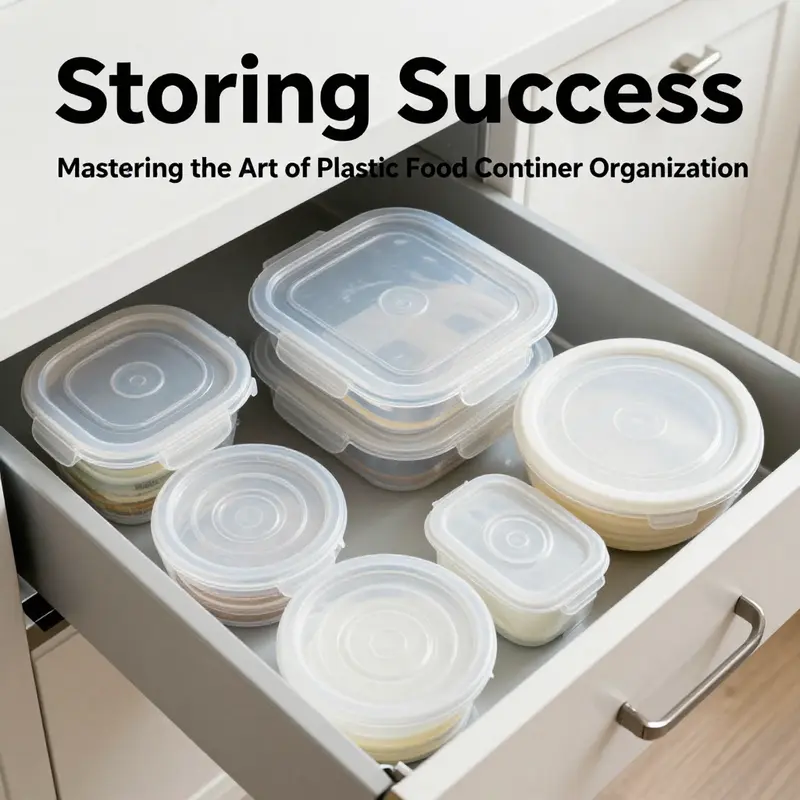
The kitchen is a workshop where organization is not a luxury but a daily practice. When plastic food containers and their lids drift into a tangle of misfits and mismatches, meal prep becomes more about hunting for the right piece than about cooking. The goal of a well-run storage system is not just to hide clutter; it is to create a reliable rhythm in which the right container, the right lid, and the right size are always within arm’s reach. This chapter invites you to see storage as a live system that can be tweaked and improved, a system that protects the containers from damage, extends their life, and makes everyday cooking more efficient. A carefully chosen setup does not merely hold plastic; it reinforces a habit of cleanliness, respect for the materials, and smarter decision-making about what you bring into your kitchen in the first place.
The backbone of an enduring storage approach is a dedicated system designed specifically for plastic containers and lids. The sheer variety of shapes, sizes, and lid types means that a one-size-fits-all approach rarely yields lasting order. A dedicated storage system recognizes that containers and lids are two halves of a whole; they need to live together, but not so tightly that the pairs become inseparable. Stackable bins or drawers that can be nested cleanly underneath a countertop offer a simple yet powerful solution. When you slide a bin open and see a complete family of containers, each nestling into the next one, you gain a sense of control that translates into less time spent rummaging and more time for actual cooking. Similarly, wall-mounted racks with labeled slots give a quick visual inventory of what you have and what you regularly use. The space released by a wall system can be tremendous; it frees cabinet space for other essentials and makes the containers more accessible for day-to-day tasks. If you’re working with a smaller footprint or a pantry that’s tight on depth, consider an over-the-door organizer. It is not flashy, but it is practical, especially for lids that tend to drift away from their containers. When you treat lids as a family unit rather than a stray assortment, you dramatically cut down on the time spent matching and re-matching during meal prep.
In practice, the most effective approach is to invest in a storage arrangement that fits your kitchen’s geometry and your daily routine. A system that combines a few complementary elements often yields the best results. Stackable bins or pull-out drawers give you tangible containment for all container sizes in a single place. A wall-mounted rack can hold the most-used sizes in clear sight, with labels so you can glance at a quick inventory and retrieve the one you need without moving a mountain of lids. An over-the-door option can be a strategic addition for lids that rarely leave the drawer but deserve easy access when you need them. The beauty of this multimodal setup is that it creates a clear, repeatable workflow. It’s a gentle reminder that order is a practice, not a one-off achievement.
Beyond choosing the right hardware, the way you arrange by size and type matters as much as the hardware itself. Sorting by size—small, medium, large—keeps the lineup predictable. You can then dedicate a specific portion of the system to dedicated lids for a given family of containers. The idea of a “lid keeper” comes in handy here; some small organizers or dividers are specifically designed to hold lids in one place, preventing the lid avalanche that drives many kitchens to distraction. The lid-related friction that often undermines kitchen efficiency can be eliminated by design. When lids live in their own designated area, you remove the cognitive load of sorting while the lid you need is seen at a glance. The challenge is to find a balance between segregation and accessibility. A lid kept too far from its container is a step away from efficiency; a lid that lives with the wrong size is another form of friction. The correct lid stewardship is a straightforward compromise: keep like with like, but keep the lineup visible and within reach.
A critical part of the system is prioritizing accessibility based on how often you use different sizes. The cabinets that hold daily-use containers should be at eye level or within easy reach, while rarely used pieces can reside on higher shelves or in a back corner of a pantry. This is not about hierarchy so much as about reducing friction. If you can locate your most-used sizes quickly, you will naturally spend less time rummaging and more time doing what matters—prepping meals, portioning leftovers, and planning ahead. Clear containers can further help by letting you see contents at a glance, which reduces the temptation to repeatedly open and inspect. A transparent system has the added benefit of keeping you honest about what you truly use and what has become dormant or degraded over time. The storage plan should be a living thing—adjustable as your cooking style changes, as family size shifts, or as you decide to transition some routine to different materials.
The maintenance side of storage deserves equal attention. Containers wear. They become cloudy, scratched, or warped with heat, and lids can lose their seal when the plastic deforms. The storage system should prompt regular checks, not just occasional ones. A quick monthly inspection can identify any containers that show signs of wear: scratches that harbor residues, cloudiness that suggests a breakdown in the plastic, or warping that indicates past or repeated overheating. Damaged containers are a risk not only for leakage but for potential chemical exposure if the material has degraded. The rule here is simple: replace damaged items promptly rather than letting a compromised container join the repertoire of usable pieces by default. This is a practical measure that protects both the food you store and the health of your household. In parallel, a robust cleaning routine is essential. After each use, wash containers and lids with warm, soapy water. Avoid abrasive sponges that can scratch surfaces, and steer clear of harsh chemicals that could accelerate wear. Thorough drying before storage is equally important. Moisture left inside a lid or a seal invites mold growth and lingering odors, especially for containers that sit in their bins for long periods. The practice of drying and fully air-drying before stacking ensures that the next user experiences a pristine piece every time.
All practical storage needs to consider the environmental conditions in which plastic thrives or falters. Heat and direct sunlight are not merely nuisances; they are active accelerants of degradation. Plastic can warp or become brittle when exposed to heat, and some compounds may migrate slightly under prolonged exposure to sunlight. Keeping containers in a cool, dry place away from heat sources like ranges or ovens is a simple but powerful safeguard. If your pantry sits near a sunny window, consider repositioning or shielding the storage area to minimize UV exposure. The doorways of the kitchen can also be a trap for heat in certain layouts; a thoughtful approach to placement—avoiding the hottest zones—helps extend the life of both containers and lids. For families that use containers for school lunches or road trips, this principle translates into choosing a storage location that protects the items in transit as well as within the home. The goal is not only to preserve the seal but also to maintain the material’s structural integrity so that food remains safe and odors stay at bay.
The practical rhythm of keeping plastics organized also benefits from an adaptive mindset about what to store in plastic versus what to transition away from. Health experts often encourage considering alternatives when appropriate. It is not a matter of purging plastics wholesale but of recognizing which applications benefit most from different materials. For daily storage of hot foods or for parts that frequently come into contact with high temperatures, many households explore glass or silicone options for improved heat resistance and durability. This does not diminish the value of plastic in many contexts; it simply adds flexibility to your storage approach. When you plan storage with the future in mind, you create a system that remains useful even as your kitchen evolves. You reduce the risk of hoarding and the tendency to hold onto containers that no longer perform as they should. In doing so, you preserve space, protect food quality, and cultivate a kitchen culture centered on practical longevity rather than quick replacements.
As you refine your approach, a few practical design choices can yield outsized gains in daily life. A dedicated storage system is not a single purchase but a thoughtful combination of layout, accessibility, and routine. The right setup balances containment with visibility. A bin or drawer that stores all containers and lids together reduces the number of places you must search. A wall rack with clearly labeled slots for sizes makes it easy to grab the correct container on the way to the fridge. An over-the-door organizer is a clever way to reclaim space on doors while keeping lids out of mind when you are focusing on the food inside. And because clarity helps memory, consider labeling each section or using clear bins so you can see what’s inside without pulling pieces out. A well-labeled system reduces the cognitive burden and creates a sense of mastery over the kitchen, which in turn reinforces a habit of keeping things tidy rather than letting clutter creep back in.
In practice, you might begin with a simple audit of your current setup. Take stock of the number of containers you own, their most common sizes, and the lid types that accompany them. Observe how frequently you reach for specific sizes, and note where mismatches tend to occur. Then design a plan that aligns with your cooking cadence. If you often cook in bulk, you may benefit from a tall, shallow bin that can hold multiple rows of containers with lids stacked vertically above. If you routinely prepare meals for a small household, a compact wall rack near the prep zone can keep the most-used sizes accessible. The goal is to create a workflow that feels almost effortless—a system that encourages you to put things back in the right place and to keep the lids with their matched containers rather than scattering them across drawers or on countertops. This kind of routine does not just streamline cleanup; it reduces food waste by making it easier to locate the right container for leftovers, reheating, and portioning. A calm, well-lit storage space reduces the mental friction that accompanies clutter, allowing you to approach cooking with a steadier pace and more focus.
To illustrate the practical payoff, imagine you could locate the exact container you need within seconds, see at a glance whether a lid is missing, and know precisely where to find that lid’s match without digging through a pile. This is not a fantasy; it is what a well-thought-out system can deliver. You gain more time for meal planning, more confidence in portion control, and less stress when planning the week’s lunches. The very act of organizing becomes a sustainable habit; it reduces waste and encourages smarter purchasing choices. When a container is dented or a lid no longer seals properly, you can retire it from the system with minimal disruption, replacing it with something that better serves your current needs. The ongoing health of this system rests on small, regular decisions: cleaning as you go, returning items to their designated spots, and occasionally reassessing whether the chosen setup still matches how you live and cook.
If you are curious about a concrete example of how to stage this kind of system, you can explore a practical resource that discusses dedicated storage options and lid organization in a way that mirrors many of these ideas. For a direct example aligned with container sizes and lid management, you can explore this implementation that demonstrates how to centralize lids and keep containers neatly aligned: senang05-food-grade-500-750-1000ml-take-away-bowl-with-lids-packing-food-single-wall-fast-food-salad-bowls. This kind of link can serve as a practical touchstone when you’re considering the specific dimensions and compatibility of your own collection, reminding you that the goal is not perfection but steady improvement toward a more intuitive kitchen workflow.
As you move toward a refined system, it is worth keeping an eye on the broader picture. The materials you choose for storage should support the integrity of the contents they cradle. A robust shelving plan, a thoughtful combination of vertical and horizontal space, and careful attention to the temperature and humidity of the storage area collectively protect your investment in containers. This is not merely about keeping things neat; it is about extending the life of your kitchenware and the quality of your food. When the system is designed with durability in mind, you also cultivate a habit of assessing each item’s function and condition before it becomes waste. The habit is a quiet, continuous act—a daily ritual that says, you value the tools you use to feed yourself and your family.
Finally, there is a broader conversation about materials and future choices. As you maintain and refine your plastic container collection, consider whether a long-term transition to glass, silicone, or other durable materials could align with your health considerations and environmental values. This does not demand abandoning plastic altogether; rather, it invites a balanced approach that respects both practicality and safety. A kitchen that embraces measured flexibility—using plastic where it remains the best tool, and glass or silicone where it offers advantages—can achieve both a calmer space and a more resilient system. The result is not only a tidier cabinet but a kitchen that feels calmer, more predictable, and better prepared for the rhythms of everyday life.
In closing, the way you store plastic containers and lids matters because it shapes your daily experiences in the kitchen. A dedicated, well-organized system reduces the time you spend hunting for the right container, protects the containers from damage, and maintains the freshness and safety of the foods you store. It is a practical investment in your cooking efficiency and your home’s cleanliness. The guidance above provides a cohesive framework for building that system: invest in the right storage solutions, sort by size and type, prioritize accessibility, maintain your collection with regular checks and thorough cleaning, and keep heat, sun, and crowding at bay. Allow the organization to adapt to your needs over time, and consider safer or more durable alternatives when appropriate. With a little thoughtful setup, the routine of putting away containers becomes a small, steady act of care that pays dividends in time saved, stress reduced, and meals made with confidence.
External resources can complement this approach by offering broader perspectives on food storage and safe materials. For additional guidance on compatible storage options and related products, you can consult an industry resource that outlines practical container systems and lids: https://cupbowlpack.com/product/senang-kraft-paper-octagonal-bowl-pet-lid-waterproof-eco-friendly-disposable-customizable-snack-pet-food-salad-containers-1l/.
Staged Lifecycles: A Cohesive Approach to Storing Plastic Containers and Lids for Longevity and Safer Meals

Storing plastic food containers and lids is more than a matter of tidiness. It is a disciplined practice that protects the integrity of the containers, safeguards the foods they hold, and reduces the daily friction of meal prep. When storage becomes a deliberate system, you extend the life of each piece and keep your kitchen running smoothly. The guiding idea is simple: create a quiet, predictable home for every size, every seal, and every lid so that the right match is always at hand and the risk of damage, contamination, or misplacement is minimized. In practice, that means thinking through the entire lifecycle of the container—from the moment you finish washing it to the moment you pull it out for the next use. It means recognizing that proper storage is not a luxury but a foundational habit that keeps your kitchen functional, safe, and organized for years to come. This approach blends practical steps with a philosophy of careful stewardship that aligns with how people actually live in busy homes, where space is finite and time is precious.
The journey begins with cleaning. Cleanliness in storage starts at the sink, not in the cupboard. After each use, containers and lids deserve a warm, soapy rinse and a thorough drying before they return to their designated spots. The goal is to prevent any residue from hardening or sticking to the surface, which can create stubborn stains, harbor odors, or invite mold during longer storage periods. A soft sponge or cloth is essential here; abrasive scrubbers, while tempting for stubborn grime, can create micro-scratches that compromise the surface and may accelerate wear over time. If you run the dishwasher, place containers on the top rack where temperatures are gentler. The lower rack experiences hotter cycles that can hasten the aging of plastic, especially on the sealing gaskets that keep food fresh. This initial ritual—wash, rinse, and dry completely—sets the stage for everything that follows and serves as a quiet indicator of whether a piece needs replacement.
Drying is not a trivial step. Condensation can linger between a lid and its container, creating a damp microclimate that promotes mildew and can degrade the sealing gasket. The best practice is to air-dry upside down on a rack or drying mat, ensuring air can circulate around every surface. Only after the moisture has evaporated should the containers be stacked or stored. It is remarkable how often a small amount of patience in drying translates to fewer odors and less mold risk months later. A dry system also helps preserve the structural integrity of seals. When moisture is trapped inside, seals can weaken, leading to less effective closure and a higher chance of spillage or contamination during use. In short, a thorough dry is as important as a thorough wash.
Space utilization follows drying. The most reliable approach is to store lids and containers in separate, clearly labeled zones. Lids can be kept flat or upright in a drawer organizer, which prevents them from becoming a jumbled sea of mismatched pieces. Stacking containers is advantageous, yet it must be done with care. Place smaller containers inside larger ones to save space and reduce the risk of tipping that can cause dents or warping. A heavy load pressed onto a stack can distort the shape of plastic containers over time, which weakens their seal and invites leaks. If you use a lid organizer, or a magnetic lid holder, you will quickly notice how much more accessible every lid becomes. The key caveat is simple but crucial: never store lids face-to-face in a way that compresses the sealing edge. Compression over time is a subtle but real form of damage that can ruin the lid’s effectiveness and create stubborn, long-term warps.
A practical lens on this storage philosophy is to design a system that aligns with how you actually use containers. That means a cool, dry cabinet or pantry that is shielded from sunlight and heat sources such as stoves or ovens. UV exposure and high heat can age plastic more quickly, leading to discoloration, brittleness, or even chemical leaching in the most extreme cases. A dark, cool space not only preserves the appearance of your containers but also slows down the gradual aging process that comes with everyday use. In such a setting, a simple rule becomes a reliable compass: keep plastic away from direct heat and bright light. This is not an aesthetic choice alone; it is a safety and longevity measure that protects both the container and the food you store inside.
An integrated maintenance mindset also means periodic inspection. Every few months, take stock of your collection and assess for signs of wear: cracks, warping, cloudy surfaces, persistent odors that resist washing, or visible pitting on scratch-prone surfaces. Discoloration—often a yellowing tone—can indicate prolonged exposure to heat or aggressive cleaning agents, and it is a signal that the container may have surpassed its safe useful life. If any of these warnings appear, replacing the item is prudent. Damaged plastic can release microplastics and potentially harmful chemicals into food, which defeats the purpose of storage as a safeguard for health.
Understanding the materials landscape adds another layer of prudent decision-making. The bottom codes on many plastic items indicate their composition and inform safe usage limits. Codes #2 (HDPE), #4 (LDPE), and #5 (PP) are typically considered acceptable for food storage and repeated reuse. Conversely, containers with codes #3 (PVC), #6 (PS), or #7 (the broad “other” category) should be approached with caution, and many households choose to avoid them altogether, especially in households that microwave, heat foods, or store acidic or fatty items. This knowledge is not merely academic; it translates into safer choices in daily routines. If a container predates a global shift toward BPA-free manufacturing, it is wise to treat it with heightened caution unless its labeling clearly confirms it is BPA-free. The reason is straightforward: older plastics can contain bisphenol A, a compound linked to health concerns, and the safer course is to minimize, or ideally avoid, its use for hot or fatty foods.
The real-world implications of these codes show up in how you structure your storage zones. For example, containers made from safer polymers should occupy the most accessible shelf or drawer in your cabinet, while more fragile pieces should be stored with lighter items and away from heavy, sharp-edged objects that can scratch or dent. This approach aligns with the broader idea of a system that prevents damage, protects seals, and maintains clean surfaces that resist odors and contamination. It also helps you manage the collection as you grow it—by prioritizing the pieces most often used and gradually retiring those that show stubborn wear.
Beyond plastic itself, many households consider safer alternatives when planning long-term kitchen changes. Glass containers, known for non-porous surfaces that resist staining and do not leach chemicals under typical use, are a growing preference for those seeking durability and peace of mind. Silicone storage bags offer a flexible, foldable option that reduces dependence on rigid plastics, while stainless steel containers provide robust durability and universal temperature tolerance. The idea is not to denigrate plastic storage but to recognize when a shift in materials fits your health, cookware, and lifestyle goals. If you are contemplating a transition, a gradual, thoughtful approach works best: keep using plastic for non-heated storage and rotating foods while testing glass or silicone for daily use, microwaving (when labeled microwave-safe), and long-term freezing where appropriate. This measured approach preserves benefits while lowering risk, and it keeps kitchen routines predictable rather than disruptive.
The practice of storage also benefits from a nuanced view of how often you reuse containers, particularly in households that emphasize waste reduction. Reuse should be done with care. Single-use containers should not be repurposed for long-term storage, as repeated use can alter the plastic’s integrity, increasing the chance of leaks and chemical exposure. The recommended path is clear: treat plastic as a durable tool for repeated use, but recognize when its condition warrants retirement. If a container has become scratched or discolored, if its seal no longer holds reliably, or if odors persist after washing, it is time to retire it and substitute a fresher option. In this sense, longevity is not merely about keeping containers intact but about preserving the safety and effectiveness of each seal for every future meal.
With all these considerations in mind, the practical rhythm of storage becomes a daily yes to organization and a careful no to clutter. Designate a specific space for containers by size, and pair that zone with a separate space for lids. A compact, clear bin or drawer can hold lids of a given size, while another area houses the corresponding containers. This separation reduces the friction of finding matches and minimizes the frustration that accumulates when mismatched pieces are returned to the wrong places. The idea is to envision storage as a living part of the kitchen, not as a passive backdrop. When you see storage as a system you care for, you are more likely to maintain it, and that maintenance compounds over time. The result is a kitchen where the right lid sits with the right container, where space is used efficiently, and where the risk of damage, odor, and contamination is substantially reduced.
To anchor these ideas in concrete, consider how a single, well-structured storage step can ripple outward. A dedicated lid organizer keeps all tops visible and accessible, making routine tasks like packing lunches or quick leftovers far less chaotic. A set of stackable containers, designed to nest inside one another, minimizes cabinet depth and enables you to store a variety of sizes without creating a towering pile. When you combine these spatial strategies with the habit of washing and drying thoroughly, you create a durable loop of care that enhances safety and longevity. The result is a kitchen that is easier to navigate, where cleanup is simplified, and where the confidence that comes from a well-organized system extends to every meal you prepare.
A practical reminder that ties these threads together is to keep lids away from direct contact with other lids in ways that compress the sealing edge. A small habit like avoiding face-to-face stacking can prevent permanent deformation of the seal, which otherwise would compromise the container’s ability to keep food fresh. This subtle, everyday detail matters because it translates into meaningful gains in seal integrity over months and years of use. The goal is to preserve the seal, the surface, and the overall performance of every container.
For readers seeking a tangible example of how to apply these principles in a real-world setup, imagine a simple, scalable system: a cabinet with clearly labeled shelves for large, medium, and small containers, a shallow drawer or tray for lids grouped by size, and a dividers-based organizer that prevents tipping and makes each unit easy to retrieve. The beauty of such a system is its adaptability. As your collection grows or shrinks, you can adjust the layout without tearing apart the entire setup. The spirit of the approach is to create a stable, repeatable process that reduces rummaging, protects seals, and minimizes damage. In this sense, storage becomes not a chore but a practical workflow that supports healthier cooking and smarter eating every day.
In the broader arc of kitchen choices, these practices are not isolated tips but part of a coherent philosophy: plan for longevity, guard against damage, and respect safety. This means recognizing that certain plastics, when used improperly, can contribute to health concerns over time, and choosing to limit high-heat exposure or avoid microwaving non–microwave-safe plastics. It also means being mindful of the conditions in which containers are stored—away from heat, out of direct sunlight, and in dry spaces where moisture cannot encourage mold or warping. The practical outcomes are clear: less clutter, longer-lasting containers, fewer odors, and a kitchen that runs more smoothly because every piece has a ready home and a clear purpose.
As you implement these ideas, you may find that a few small changes yield outsized benefits. For instance, marking shelves by function—storing all lids in one shallow drawer, stacking containers by size in a single cabinet, keeping frequently used items at eye level—helps you move through your routine with greater efficiency. The time saved in selecting the right container and lid translates into more predictable meal prep, less frustration during busy mornings, and fewer impulse purchases of new storage systems because your existing setup is working so well. The cumulative effect is a kitchen that feels calmer, more systematic, and more aligned with your goals for health, safety, and sustainability.
If you are curious to explore a ready-made storage option that embodies these principles, consider a practical example of accessible storage that highlights the relationship between size, accessibility, and lid management. A dedicated product page featuring a 1L salad container with a lid illustrates how a compact footprint, clear labeling, and secure sealing come together in a package designed for easy stacking and retrieval. In practice, a single well-chosen container can act as a touchstone for a wider system: it demonstrates how to balance space efficiency, seal reliability, and everyday utility. This small implementation shows that even modest organizational choices can have a meaningful impact on your kitchen workflow and on the longevity of the containers themselves.
The path to durable, safe storage is not about perfection in every act but about consistency across daily routines. The most effective containers and lids thrive when treated as an integrated set rather than as isolated items. The habit of cleaning, drying, separating, and storing by size becomes second nature, and the health and safety benefits accrue over time. As these practices become familiar, you will notice fewer headaches around leftovers, less waste from spoiled contents, and a sense of mastery over your kitchen environment. This is the essence of maintenance and longevity: a steady, thoughtful approach that protects both the materials you rely on and the meals you share.
For readers who want to anchor this approach in a specific, actionable step, a simple, reliable starting point is to adopt a two-zone storage mindset. Zone one holds the containers by size, with nested sets ready to go. Zone two holds the lids, organized by diameter and depth. A lid organizer or a shallow drawer can prevent lids from slipping and mixing, while a top-loading shelf can make the larger, less frequently used containers easier to access. This dual-zone method reduces friction, preserves the seal, and reinforces the habit of regular maintenance. It also provides a scalable framework: as your collection grows, you expand the zones to accommodate new pieces without sacrificing order or function.
In closing, the goal of storing plastic containers and lids is to harmonize safety, longevity, and practicality. Cleanliness, thorough drying, and careful organization are not mere routines; they are acts of care that extend the life of your kitchen tools and protect your food. By keeping lids separated, avoiding overcrowding, and shielding plastics from heat and sun, you create conditions that preserve the seal, reduce wear, and support healthier choices over time. With a measured approach to reuse and a willingness to consider safer materials when appropriate, you can maintain a kitchen that works with you rather than against you. The result is a more organized space, fewer headaches in the daily routine, and the peace of mind that comes from knowing your containers are doing their job—season after season, meal after meal.
Internal link note: A practical example of applying these principles in a real setting can be seen through a simple lid-and-container system such as this 1L salad containers with lids, which demonstrates how a compact, organized setup can support daily use while preserving the integrity of the seals. This kind of setup embodies the core ideas of spacing, accessibility, and care that underlie longevity in plastic storage. 1L eco-friendly salad containers with lids
External resource for deeper reading: For a broader, research-based perspective on safe material use and storage, consult the Drexel University Food Science page on food safety and plastic materials. https://www.drexel.edu/college-of-science-and-engineering/food-science/
Final thoughts
Properly storing plastic food containers and lids is crucial for any beverage or food service business. By following the outlined strategies, you can enhance efficiency, ensure ease of access, and prolong the lifespan of your containers. A well-organized storage system not only saves time but also contributes to overall cleanliness and professionalism in your establishment, allowing you to focus on delivering exceptional service to your customers.