
IKEA 365+ plastic food containers offer a smart solution for bubble tea shops, restaurants, and catering services aiming to enhance food storage and presentation. With their robust design and versatility, these containers help minimize food waste while optimizing your kitchen space. This article explores their design and functionality, materials and safety standards, and economic impact, each aspect revealing how IKEA 365+ containers can meet the dynamic demands of your business.
Innovative Storage Solutions: How IKEA 365+ Plastic Food Containers Redefine Design, Durability, and Daily Functionality
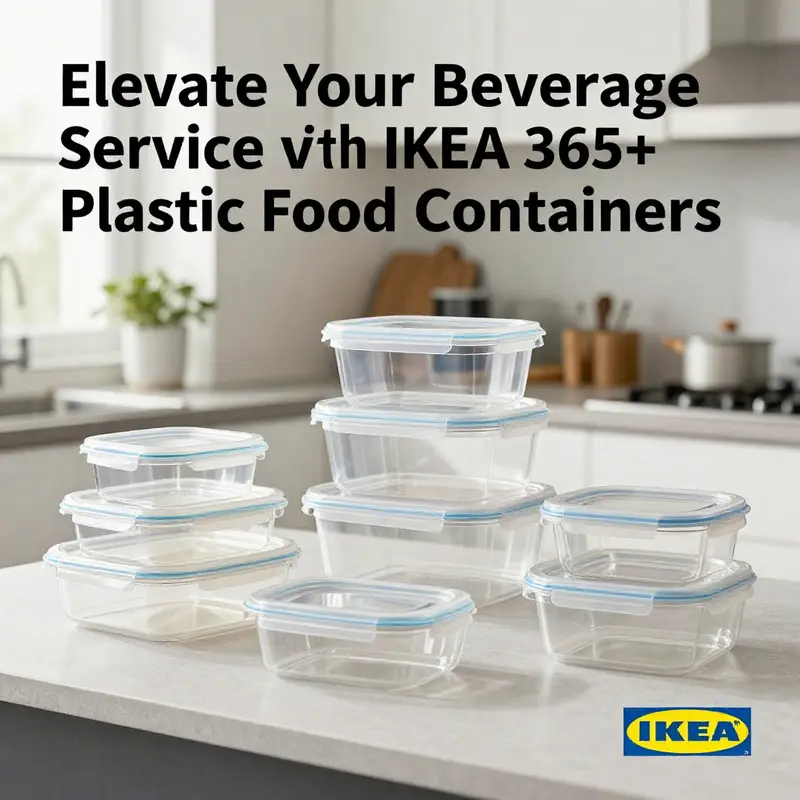
The IKEA 365+ plastic food containers represent more than just everyday kitchenware; they embody a holistic approach to modern living that values efficiency, sustainability, and a refined design aesthetic. At the core of these containers lies a commitment to reducing food waste and streamlining food storage in every home. With carefully considered materials and engineering, these containers have quickly become a trusted companion for families seeking to optimize kitchen space and preserve the freshness of their food.
From the moment you first encounter these containers, their visual appeal is unmistakable. Crafted from transparent, durable polypropylene plastic, each piece is designed with simplicity and elegance in mind. The clear nature of the material allows for quick identification of contents without the need for labels or guesswork. This feature is especially useful when you are juggling multiple dishes or trying to find a specific ingredient in a crowded fridge or pantry. The choice of polypropylene is intentional; this material not only withstands the rigors of daily use but also maintains its shape even when the container is dropped into a bag or pressed down by other items in a stack.
Each container’s design is a study in versatility. Whether in the compact, square shapes that maximize space or the rounded edges that offer a softer aesthetic, every variant has been engineered for optimal stacking. This interlocking characteristic means that when it comes to storing leftovers, preparing meals in bulk, or packing lunches for work or school, the containers can be organized neatly to avoid wasted space. Their proportional dimensions and inter-compatible lids contribute to a uniform appearance that aligns with the overall IKEA ethos of functional yet attractive home solutions.
Beyond aesthetics, the practicality of these food containers is evident in every detail. The series includes a variety of shapes—square, rectangular, and even round—to cater to different storage needs. This variety is not arbitrary; it reflects a thoughtful appreciation for the diversity of modern kitchens. A family may require a container to accommodate a large salad, another to store a bunch of sliced fruits, and yet another to hold a smaller portion of leftovers. By offering a range of sizes and shapes, IKEA acknowledges that every meal and every ingredient has its own storage requirement.
The transparency of the containers plays a vital role in daily use. When you open a fridge or scan a cabinet, the ease with which you can spot what you need becomes a priority. This simple design choice helps reduce time spent searching and eliminates unnecessary waste, as you can instantly recognize if a container is nearly empty or filled with something that needs to be used soon. The clarity of the plastic, free of ornate patterns or opaque coverings, allows the natural colors of food to take center stage, emphasizing a direct relationship between the consumer and the ingredients.
A remarkable feature of these containers is their compatibility with the entire IKEA 365+ range. Each container is designed to work seamlessly with specially engineered lids, which include both secure locking mechanisms and a design that promotes airtight sealing. The locking lids ensure that even if the container faces the jostling of a busy commute or the movement of a packed backpack, the contents remain secure and uncontaminated. This meticulous attention to detail is a reflection of a design philosophy that values both form and function. In kitchens where food is prepared, stored, and then taken on the go, these containers allow users to follow a seamless culinary workflow without compromise.
The reliability of these containers is further enhanced by their performance in a variety of settings. They are carefully engineered to be safe for use in microwaves, refrigerators, and dishwashers. This multi-functionality means that a container that once held a freshly cooked meal can later be used to store leftovers, then quickly reheated without the need to transfer the food to another receptacle. This durability across different appliances is a key consideration in modern kitchen design where simplicity and efficiency are paramount. For the busy individual, the ability to go straight from the oven or stove into the container—and later into the microwave or dishwasher—represents a significant convenience that saves both time and effort.
Moreover, the food container design addresses the ever-important matter of food safety. The secure lid and the flawless seal it creates ensure that no liquids leak out and that air and contaminants do not alter the taste or quality of the food. This reliable sealing is not just an aesthetic or practical decision; it is central to extending the shelf life of perishable items, thereby contributing to reduced food waste and ensuring that meals remain appetizing longer. For households that concern themselves with nutrition, this represents a crucial component of daily meal planning, as the freshness and preservation of food are inextricably linked to health and well-being.
The portability of these containers cannot be understated. In an era where meals are frequently taken on the go, these containers offer a level of resilience that meets the demands of a dynamic lifestyle. Whether you are packing lunch for a day at work, preparing a picnic during a weekend outing, or even carrying a meal during travel, the sturdy construction of the container guarantees that it will not bend or break under pressure. This portability, combined with a sleek design, makes the containers a natural choice for those who value both aesthetics and functionality. They merge gently into day-to-day life, adapting to the challenges it presents without sacrificing their core functions.
Part of what sets these designs apart is their inherent versatility. While many storage solutions are narrowly focused—designed solely for refrigeration or nesting in cabinets—these containers offer multi-stage functionality. They transition seamlessly from a storage solution in the cold of the fridge to a reheating vessel in the microwave, or from an in-home organizer to an on-the-go lunch box. This flexibility is particularly beneficial for families that operate on tight schedules and need every tool in their kitchen to perform multiple roles. The idea of a container that can mirror the phases of everyday meal consumption underscores a larger vision: that kitchen tools should evolve with the needs of their users rather than constrain them.
In addition to their technical merits, the aesthetic consistency of the IKEA 365+ food containers reinforces a sense of order and calm. In many households, the visual clutter of mismatched storage containers can add to a general sense of disorganization and inefficiency. However, when every container shares a similar clear, minimalistic look, the overall storage environment feels more coordinated and accessible. This consistency is aesthetically pleasing and functionally advantageous, as it permits easy stacking and alignment whether in the pantry or on the dinner table. The minimalist design language also harmonizes well with a wide range of kitchen decors, making these containers a universally appealing choice for those who appreciate both design and practicality.
Furthermore, the innovative design of the lids is deserving of special mention. They are engineered to not only provide a secure seal but also to ensure that the containers can be easily opened and closed with one hand. This ease-of-use is critical for situations where multiple tasks must be performed simultaneously—such as when cooking, transporting meals, or cleaning up after a meal. The lids, whether of the locking variety or those that employ magnetic closures, exhibit a balance of rigidity and flexibility that underscores the core principles of the overall design philosophy. Their engineering accounts for the dynamic nature of a kitchen environment, ensuring that they function effectively even under less-than-ideal conditions.
Sustainability also plays a quiet yet commanding role in the appeal of these food containers. In recent years, there has been a significant push towards reducing single-use plastics and embracing materials that are built to last. The durability of these containers means that they can be used repeatedly, lowering the overall environmental impact compared to disposable alternatives. A container that maintains its integrity over many wash cycles and extended use not only supports an environmentally conscious lifestyle but also offers long-term value for money. This is a key consideration for modern households that wish to balance cost, convenience, and ecological responsibility without compromise.
The integration of form and functionality is perhaps most evident in the way these containers are designed to fit into the broader ecosystem of kitchen tools. They are not isolated items but are conceived as part of a comprehensive system that includes similarly styled utensils, dishware, and storage solutions. This integration creates a harmonized environment where every tool complements the others, reducing the cognitive load on the user and making kitchen organization both intuitive and satisfying. The compatibility of the containers with other items in a home is a testament to the careful thought invested in every design decision. For instance, the stacking capability and the uniformity of the lids not only enhance visual appeal but also translate into a practical benefit: a kitchen that operates more smoothly because every component fits perfectly into place.
Moreover, these containers embody the philosophy that everyday objects can contribute to broader lifestyle improvements. With an emphasis on reducing waste and encouraging sustainable practices, every time a user chooses these food containers, they participate in a larger initiative to minimize unnecessary environmental impact by decreasing the need for disposable options. This point resonates on both a personal and a societal level. Families who opt for these reusable containers are not only simplifying their meal preparations and storage logistics; they are also making a subtle but profound statement about the importance of durability, sustainability, and mindful consumption.
The user experience, from the first touch to repeated use over time, is carefully enhanced by the intelligent design choices that underpin the product’s success. The tactile feedback from the secure lids, the ease with which the containers nest to save space, and the resilience of the material even after prolonged exposure to heat or cold all contribute to an overall sense of reliability and quality. This attention to detail builds confidence in the product, reassuring the user that a transfer from one appliance to another, or from one stage of meal preparation to the next, will be conducted with minimal hassle. This trust is vital in a modern kitchen where efficiency and reliability are paramount.
A further advantage of these containers is the system’s inherent adaptability. The modular design means that they can be mixed and matched depending on the need of the moment. For instance, a larger container might be used for storing a full meal, while a smaller one may be better suited for organizing ingredients during meal prep. This modularity supports not only a diverse range of culinary activities but also accommodates changes in lifestyle or family size over time. The system’s flexibility is a direct response to the evolving demands of contemporary living, where consumers seek products that can grow and adapt with them rather than requiring frequent replacements.
The containers have been rigorously tested under a variety of conditions to ensure that they consistently perform at a high level. From serving steaming hot soups to cooling freshly chopped vegetables, the product’s thermal resistance and sealing effectiveness have proven themselves time and again. Each container is designed to withstand temperature fluctuations without warping or losing its shape. This thermal stability is critical in maintaining the container’s overall functionality because it guarantees that the safety and aesthetic of the product persist over extended periods of use. As a result, these containers present a reliable solution for multifaceted food storage needs.
Equally important is the ease with which the containers can be cleaned and maintained. Their smooth, non-porous surfaces ensure that food residues do not linger, making them ideal for use in dishwashers or for a quick hand wash after use. This hygienic design not only promotes safe food storage but also helps to sustain the longevity of each product. In an age where cleanliness and hygiene have taken a forefront in consumer priorities, having a container that is easy to care for adds immensely to its overall appeal. The rational design thus minimizes both time and energy spent on maintenance, leaving more room for enjoying the benefits of a well-organized kitchen.
An illustrative example of these advantages in practice can be found when comparing the IKEA 365+ containers to alternative storage solutions. Other products may offer one or two of these features, but rarely are all integrated with the same finesse. The combination of clarity, durability, versatility, and eco-conscious design creates a user-friendly experience that outperforms many other market alternatives. This holistic design encourages a deeper engagement with everyday objects, prompting individuals to re-evaluate the items they choose for daily living and to consider the long-term benefits of investing in high-quality, multipurpose solutions.
The journey from an unorganized kitchen filled with mismatched containers to one that epitomizes order and efficiency begins with a reassessment of how storage solutions are integrated into daily life. The IKEA 365+ plastic food containers serve as a reminder that even the simplest objects can have a transformative effect on the way we manage our homes and routines. Their ability to seamlessly bridge the gap between practicality and design innovation enables households to not only enjoy the convenience of organized storage but also to contribute positively to larger environmental goals. In this respect, every usage of the container reinforces a commitment to both personal efficiency and societal sustainability.
A noteworthy aspect of these containers is how they encourage users to adopt new practices in meal planning and food consumption. By offering a range of sizes that promote precise portion control, the containers can help in reducing food waste significantly. When ingredients are measured out and stored appropriately, it becomes easier to keep track of supplies, plan meals effectively, and avoid purchasing excess food that might otherwise spoil. This proactive approach to food storage is part of a larger trend towards mindful consumption—a trend that values planning, efficiency, and a reduction in waste. The containers thus become a tool not only for physical storage but also for a mental shift towards a more organized, cost-effective, and environmentally friendly lifestyle.
For many users, the decision to invest in such quality food containers comes after extensive research and an evaluation of different options available in the market. The overwhelmingly positive feedback regarding their ability to hold up under stress—be it temperature fluctuations or the everyday movements associated with transportation—cements their reputation as a reliable choice. The intuitive design and robust performance have been acknowledged by design awards and positive reviews from users who appreciate that each container feels like a well-thought-out solution rather than an afterthought in the overall kitchen assembly. This acknowledgment from both professionals and domestic users alike stands as a strong testament to the product’s multi-dimensional excellence.
When considering the lifestyle enhancements these containers offer, one can hardly ignore the underlying philosophy of integration and continuity that defines modern storage solutions. They do not simply reside in a countertop drawer or on a shelf; they actively contribute to an ongoing dialogue about durability, design, and environmental responsibility. Every time a container is used, it reinforces a commitment to reducing waste and supporting a sustainable way of life. This enduring impact is not only measured in the number of meals that remain fresh but also in the broader cultural shift towards products that are built to last and to serve multiple purposes without compromising on style.
For example, those who lead busy lives and must constantly balance professional and personal commitments find that switching between food storage, reheating, and transporting meals is made significantly easier when using containers that are designed with these transitions in mind. The secure seals, robust construction, and aesthetic uniformity all contribute to an effortless experience that minimizes disruptions. This seamless transition between roles—whether in the kitchen, the office, or on the move—highlights how a simple design element such as a well-constructed lid or a perfectly proportioned container can elevate everyday tasks into moments of efficiency and satisfaction.
Adopting the use of such thoughtfully designed containers can even encourage a ripple effect of positive behavior in other areas of household management. With storage solutions that simplify the process of meal preparation and reduce the likelihood of food spoilage, families may find themselves incentivized to buy fresh ingredients in more mindful quantities. The resulting decrease in both food waste and overall expenses reinforces a cycle of sustainable practices that extend well beyond the bounds of the kitchen. This broader impact is exactly what modern design strives to achieve—a harmonious balance between practicality, beauty, and responsibility.
Undeniably, one cannot discuss the benefits of these food containers without acknowledging the finely tuned engineering that supports them. Every curve, every edge, and every locking mechanism has been deliberately designed to withstand the unpredictable demands of daily use. Their resilience is such that even under routine strains—whether it be the stress of frequent washing, exposure to varying temperatures, or the minor shocks of transport—the containers continuously deliver optimal performance. This level of engineering excellence is a reminder that true innovation often lies in the seamless integration of multiple small advantages that, when combined, result in a product that significantly enhances daily routines.
A practical demonstration of this engineering excellence is visible in scenarios where food is transported for work or school. The containers’ reliable sealing mechanisms ensure that even in the dynamic environments of busy commutes or fluctuating ambient temperatures, the food stored inside remains uncompromised. This reliability is invaluable, particularly in settings where the risks of spillage or contamination can not only ruin a meal but also contribute to a sense of disorganization and waste. The ease with which these containers adapt to a variety of conditions supports the notion that intelligent design is not confined solely to static, ideal environments but must also excel in the unpredictability of real life.
In light of all these features, it becomes clear that the IKEA 365+ plastic food containers are a testament to the idea that everyday items can be elevated to sources of continuous inspiration and practical innovation. Every design decision—from the choice of polypropylene material to the nuanced configuration of the locking lids—serves a dual purpose: to enhance daily utility while also echoing a commitment to sustainability and long-lasting design. This makes the containers not just a storage option, but a philosophy encapsulated in a tangible form that meets the practical demands of the modern home.
It is also interesting to note how the versatility of these containers encourages creativity in the kitchen. The ability to store a wide variety of foods safely and effectively can inspire new culinary habits and meal presentations. Whether it is organizing leftovers for a quick soup, compartmentalizing fresh salad ingredients, or even using a container as a makeshift serving dish at a small gathering, the flexibility offered by these products is an enabler of both efficiency and creative experimentation in meal planning and presentation. This results in a dining experience that is both organized and enriched by the intuitive and multipurpose nature of everyday kitchen tools.
For those interested in exploring other high-quality storage solutions that share similar benefits in terms of durability and design, you may find further details in this insightful review on a complementary food-grade container with secure lids. The review illustrates how well-thought-out design principles can dominate in the realm of everyday kitchen storage, reinforcing the idea that quality and efficiency go hand-in-hand when it comes to managing modern meal preparation and storage.
Ultimately, the IKEA 365+ food containers stand as a paradigm of modern design that merges aesthetic simplicity with high-level functionality. They appeal not only to those who value an organized and stylish kitchen space but also to consumers who appreciate practical design solutions that are built with longevity and environmental responsibility in mind. This product line encapsulates a future-forward approach where everyday objects are reimagined to support the fluid lifestyle of today’s families, ensuring that every meal is stored safely, every ingredient is readily identifiable, and every moment in the kitchen is made a bit simpler.
For further details on their innovative design and multifunctional benefits, you can find an in-depth look at the product specifications and user experiences at IKEA 365+ Food Container – Product details.
In sum, the journey through the features and capabilities of the IKEA 365+ plastic food containers is a journey into modern design, thoughtful engineering, and a commitment to sustainability. With each container perfectly balancing durability with simplicity, they are designed to fit not just your food, but also your busy lifestyle. Their innovative design invites users to reimagine how everyday kitchen tasks can be made more efficient, and their resilient construction ensures that this efficiency endures over time. This fusion of practicality, durability, and elegant design is what makes the IKEA 365+ range a standout in the realm of food storage solutions, setting new standards for how we manage the perpetual challenge of food preservation and kitchen organization.
Ensuring Safety and Durability: The Material Excellence Behind IKEA 365+ Plastic Food Containers
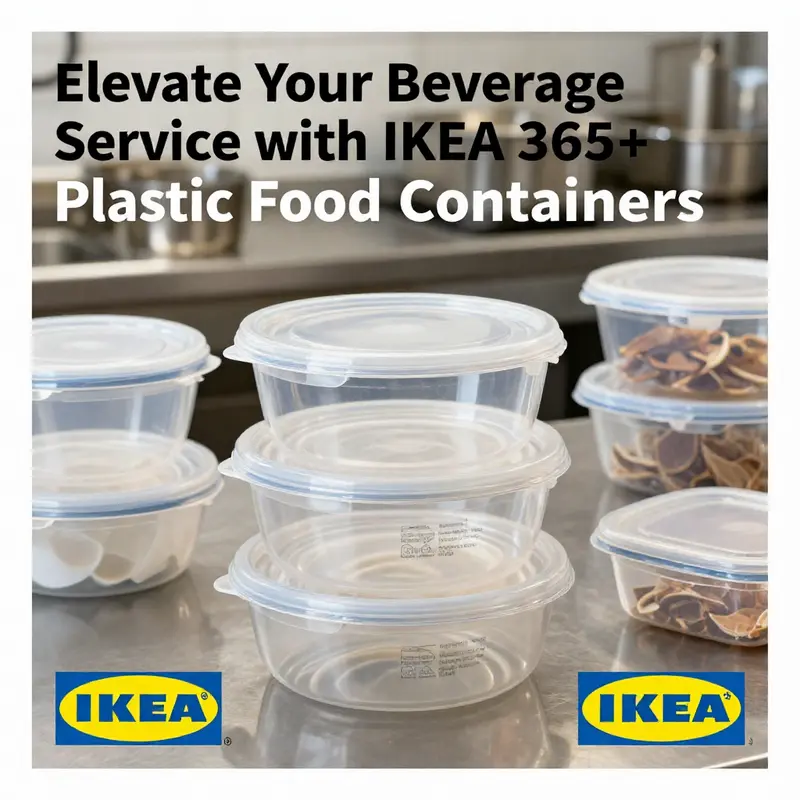
The IKEA 365+ plastic food containers represent an intersection of innovative design, rigorous safety standards, and a commitment to everyday practicality. At the heart of these containers is a choice of materials that not only meets the needs of modern households but also reassures consumers about the integrity of their food storage solutions. Crafted from BPA‐free plastic, these containers are engineered to ensure that every meal, snack, or ingredient stored within them remains untainted by harmful chemicals. This careful selection of material speaks to a broader effort in the industry to prioritize consumer health and environmental sustainability while offering an aesthetically pleasing and functional product.
Attention to safety is a primary concern for manufacturers and users alike. The decision to use BPA‐free plastic is not arbitrary; it is the result of extensive research and regulatory pressure to eliminate substances known to be toxic if leached into food. This plastic has undergone numerous tests to confirm its stability, ensuring that the material does not degrade or interact with the contents during everyday use. The inherent transparency of both the container and its accompanying lid enhances usability by allowing you to easily identify what is stored inside without the need to open each container. This not only aids in organization but also minimizes the time food spends outside prescribed storage conditions, thereby maintaining freshness and reducing waste.
Beyond the safety of the materials, the design of the containers is a testament to both engineering expertise and thoughtful user experience. The containers are constructed to maintain their shape under pressure, whether nestled snugly in a refrigerator or thrown into a backpack for a meal on-the-go. Their ability to withstand compression and minor impacts without warping or breaking is achieved by a combination of material composition and structural design. Each container’s form factor has been refined to allow efficient stacking in cabinets or drawers, a design element that results in optimal use of space in even the most compact kitchens. The robust, well-engineered construction ensures that repeated use, washing, and occasional knocks do not compromise the integrity or security of the container.
Safety standards for food contact materials are internationally recognized and rigorously enforced, and the IKEA 365+ series is no exception. Although the explicit certification numbers or specific regulatory details may not be listed on every package, the products themselves adhere to a framework of stringent international guidelines. In Europe, standards such as those outlined in EC No 1935/2004 dictate that all materials coming into contact with food must not transfer substances that could endanger human health. Similar measures are in place under Chinese national standards, such as the GB 4806 series regulations for food safety. These frameworks ensure that every plastic molecule in the container has been screened through precise quality control tests. The reliability of these food contact standards offers consumers peace of mind, knowing that the very material walls that protect stored food are themselves free from hazardous substances.
Beyond strict regulatory compliance, the IKEA 365+ plastic food containers have been designed with versatility in mind. Many of the models are equipped with secure, transparent closures that not only provide an extra layer of protection against spills and contamination but also allow for quick visual confirmation of the container’s contents. This dual functionality reduces unnecessary handling and serves as an essential mechanism for preventing potential cross-contamination in busy households. For busy families and individuals alike, the combination of clear visual cues, ergonomic design, and reliable sealing results in a system that significantly reduces food waste. Consumers benefit from the assurance that their food remains secure for longer periods, and that compromised or perished food is less likely to accidentally mix with fresh ingredients.
The durability factor of these containers also plays a critical role in their overall design philosophy. In daily usage, the repetitive cycle of filling, washing, and refilling demands that each container withstand mechanical stress without losing its structural integrity. Manufacturers have thus engineered these plastic containers to be highly resistant to deformation, maintaining their shape even after prolonged and repeated use. This ease of maintenance is particularly appreciated by households that use the containers both for storage and on-the-go meal solutions. Certain models even boast microwave-safe properties, though users are cautioned to check the specific packaging instructions to ensure compatibility with microwave heating. Such versatility means that the container can transition seamlessly from refrigerator to microwave, a feature that is not only practical but also a technological marvel in material science.
A significant advantage of the design of the IKEA 365+ series is its ability to integrate seamlessly into modern lifestyles. In an era where minimalism and efficiency are held in high regard, the sleek appearance of these containers complements any kitchen interior, while their compact design makes them ideal for consumers living in urban environments with limited storage space. Their utilitarian design is a result of countless hours of testing and iterative redesign; each container has been optimized for strength, flexibility, and ease of use. The innovative design has not only earned the series accolades such as the World’s Excellent Design Award but has also spurred a shift in consumer behavior towards products that do not sacrifice safety nor functionality for aesthetic appeal.
Environmental sustainability is another core pillar embedded in the story of the IKEA 365+ food containers. Modern consumers are acutely aware of the impact their choices have on the environment, and products that are durable, reusable, and free from harmful chemicals contribute significantly to a more sustainable lifestyle. The BPA‐free nature of the plastic ensures that, even if the containers are used repeatedly over many years, they do not contribute additional toxins to the environment or to human bodies. Additionally, by promoting a shift away from single-use plastics, these containers actively help in reducing food packaging waste. In this way, the IKEA 365+ series is aligned with global trends that emphasize responsible consumption patterns. The emphasis on sustainability is reflected not only in the end product but also in the processes by which these containers are manufactured, consistently meeting both environmental regulations and consumer expectations.
Integral to the reliability of these products is the commitment to comprehensive testing and quality assurance. Before reaching the retailer’s shelves, each container is subjected to performance trials that simulate various everyday scenarios. From repeated exposure to heat and cold to physical stress tests such as stacking and compression, the containers have been put through numerous challenges to ensure they meet the high standards expected of IKEA products. This rigorous testing protocol encompasses evaluations for thermal stability, chemical inertness, and resistance to everyday impacts. The outcome is a plastic food container that continues to perform efficiently and remains safe for food storage despite the rigors of daily use. For those who wish to explore similar durable food-grade container solutions, further details can be found in discussions on platforms highlighting modern food storage technologies, such as insights provided in a review of durable food-grade container solutions.
The commitment to long-term user satisfaction is evident from the clear instructions that accompany each container. Prior to first use, customers are advised to clean the containers thoroughly, a simple yet crucial step that guarantees the removal of any potential manufacturing residues. This initial cleaning process, combined with user-friendly maintenance instructions, reinforces the longevity and sustained performance of the product. Many of these containers are also designed to be dishwasher safe, which confirms their resistance to elevated temperatures and aggressive cleaning agents. The ability to cleanse these containers easily means that users can maintain pristine, contaminant-free storage environments without devoting extra time or resources. This aspect of the design further echoes the overarching theme of combining practicality with modern health and safety requirements.
The transparent design of the containers is more than a visual choice; it is a functional feature that enhances everyday convenience. With no need to open every container to determine its contents, the risk of accidentally leaving a container exposed to air for too long is minimized. This design nuance proves especially valuable in households where multiple containers are used daily for meals, leftovers, or ingredients awaiting preparation. The straightforward observation enabled by the transparent lids promotes efficient kitchen management and helps consumers organize their food storage systems effectively. Moreover, this clarity supports a more mindful approach to food storage, where consumers are more aware of the shelf life of stored items, reducing the likelihood of spoilage and thereby minimizing waste.
The robust safety measures embedded in the manufacturing process of these containers are informed by decades of research and evolving regulatory benchmarks. The use of BPA‐free plastic not only adheres to current health and environmental standards but also anticipates future regulations that may call for even higher levels of scrutiny. The testing protocols are continuously updated to reflect the latest scientific findings, ensuring that each new batch of containers is as safe as possible. This proactive stance on safety is indicative of a broader institutional commitment to both consumer health and the responsible stewardship of technological advancements in food storage. Laboratories around the world conduct experiments with similar materials, confirming through empirical evidence that these containers maintain their chemical neutrality throughout prolonged exposure to common household conditions. This body of research serves as a cornerstone for consumer confidence and underlines IKEA’s reputation as a leader in designing household solutions that marry form, function, and safety.
Delving deeper into the design philosophy, the choice of a transparent material for both the container and its lid is integral to the user experience. The interlocking system of these containers is designed to ensure that food remains securely enclosed, even when the container is partially jostled or stored in less-than-ideal conditions, such as during travel. Beyond its practical merits, this design element reflects a broader trend in product engineering where visual accessibility enhances functional efficiency. Consumers appreciate the ability to quickly ascertain whether a container holds leftovers, fresh produce, or ingredients waiting to be cooked. This ease of identification not only speeds up meal preparation but also contributes to overall food hygiene. The subtle yet effective incorporation of clear, secure closures is a prime example of how careful material selection and thoughtful design can converge to produce a product that is both highly functional and elegantly simple.
As we examine the broader context of safety standards in the realm of food storage, it becomes clear that the IKEA 365+ series is built upon a foundation of transparency, durability, and strict adherence to internationally recognized guidelines. Every step of the production process, from the selection of raw materials to the final quality checks, is guided by a commitment to ensuring that the end product is not only reliable and user-friendly but also safe by the highest possible standards. This integrated approach has helped establish the containers as a benchmark in the field of food storage, providing an ideal example of what can be achieved when cutting-edge material science meets pragmatic design. Consumers who choose these containers can be confident that the item they are adding to their kitchen is the product of meticulous planning, rigorous testing, and a deep-seated concern for their well-being.
The evolution of food storage containers over the decades has seen numerous iterations, each attempting to address the twin challenges of durability and safety. The legacy of earlier designs, sometimes plagued by issues of chemical leaching or structural instability, has provided a valuable roadmap for modern developments. In this context, the IKEA 365+ series stands out as a clear evolution from prior models, embracing new materials and techniques to overcome the shortcomings of the past. The move away from materials that contained bisphenol A (BPA) in favor of safer alternatives reflects broader societal demands and advances in polymer science. By taking a proactive stance in eliminating potentially hazardous substances from consumer products, manufacturers of these containers cater to a market that is increasingly informed and discerning about the origins and composition of everyday items. Thus, each container not only performs a functional role but also symbolizes a commitment to improving public health through better product design.
It is also important to note that the safety considerations extend to the practical aspects of usage. The convenience of being dishwasher safe and, in some cases, microwave compatible, makes these containers particularly appealing. However, adherence to the manufacturer’s guidance ensures that the conditions under which these containers are used will not compromise their structural or chemical properties. The clear instructions for cleaning and the recommended practices prior to their initial use help maintain the integrity of the container much longer. This comprehensive approach, where proper care and maintenance are as much a part of the product’s safety net as its material properties, underscores the holistic design philosophy that has gone into creating these containers. Users are provided with not only a product but with a roadmap for how to maximize its benefits while ensuring long-term safety.
In summary, the IKEA 365+ plastic food containers are an embodiment of modern design principles and safety-first thinking. Through the selection of BPA‐free materials and adherence to strict international safety standards, these containers secure their place as a reliable tool in contemporary kitchens. Their durability, ergonomic design, and clear visual accessibility address the everyday challenges faced by busy families while reinforcing the importance of food safety. Moreover, the emphasis on environmental sustainability and responsible manufacturing practices helps to align everyday consumer choices with broader ecological goals, fostering a cycle of trust and reliability that benefits both the individual and the community at large. In an era where the minutiae of material science can have a profound impact on daily life, the ingenuity behind these containers represents a significant step forward.
This narrative is not just about plastic and polymers; it is about the challenges and triumphs of modern design in meeting everyday needs. The containers serve as quiet witnesses to a shift in consumer culture—a move towards products that do more than simply store food, but that actively contribute to a lifestyle built on efficiency, sustainability, and trust in the science behind everyday items. The careful balance of aesthetics and performance seen in these containers speaks volumes about the attention given to every detail during their design and testing phases. Every layered test, every structural reinforcement, and every cleaning guideline contributes to a product that feels not only reliable in function but also reassuring in its design intent.
For those who wish to delve even deeper into the rigorous standards and material science behind food contact items, further insights can be gathered from resources provided by industry leaders. One respected source is the comprehensive guide offered by IKEA itself, which outlines responsible practices in selecting materials and the ongoing commitment to safe, hygienic design. Detailed explanations and frequently asked questions regarding food safety can be found through reputable resources such as IKEA’s official food safety guidelines, where scientific research meets everyday application in a seamless blend of form and function. This external resource serves not only as a source of deeper technical knowledge but also as a reassurance that every measure has been taken in the design of these containers to safeguard consumer health.
Thus, the story of the IKEA 365+ plastic food containers is one that combines careful material selection, robust safety testing, and an enduring commitment to environmental consciousness. The containers stand as a symbol of what can be achieved when modern technology, rigorous scientific testing, and user-centric design come together. It is this union of thoughtful engineering and a deep awareness of public health that continues to drive innovation in household products, setting a benchmark for both performance and reliability in the realm of food storage. Each time a container is used—be it for storing leftovers after a family meal, for packing a quick lunch for work, or for preserving ingredients that will soon be transformed into a home-cooked dinner—it carries with it the legacy of sound material science, meticulous design, and an unwavering dedication to consumer safety.
In every aspect, from material composition to end-user instructions, the IKEA 365+ series reflects the pinnacle of what can be accomplished when ingenuity meets necessity. With sustainability at its core and safety as its guiding principle, this product line invites us to reimagine the everyday act of food storage as one of deliberate, informed choice. In a world where every detail counts, the assurance provided by these BPA‐free, rigorously tested containers serves as a reminder that excellence in design is measured not only by aesthetic appeal or convenience but by the commitment to protect what matters most: the food we eat and the health of those who consume it.
Sustainable Value and Economic Ingenuity: How IKEA 365+ Plastic Food Containers Revolutionize Kitchen Storage

The evolution of household storage solutions is encapsulated in the emergence and success of the IKEA 365+ plastic food containers. These containers have come to symbolize a synthesis of design innovation, economic strategy, and consumer expectations. At the heart of their appeal is an emphasis on durability and functionality, attributes that extend beyond mere practicality to influence economic behavior in the modern marketplace. In an era that values sustainability and efficient resource use, the 365+ series has successfully reshaped consumer perceptions around everyday kitchenware by intertwining affordability with a commitment to reduce food waste and streamline household management.
A defining characteristic of these containers is their construction from BPA-free plastic. This careful material selection not only ensures that they are safe for everyday use but also signals a mindful approach to environmental responsibility. Consumers increasingly demand products that do not compromise health or ecological standards. The assurance that these containers do not leach harmful chemicals encourages a form of conscientious consumer spending where cost-effectiveness meets health and environmental stewardship. The robust nature of the plastic used in the series means the containers maintain their shape and integrity even when placed inside bags or subjected to daily wear and tear. This reliability boosts customer confidence and reinforces the product’s reputation as an indispensable kitchen companion.
From an economic perspective, these food containers represent an ingenious pricing strategy that opens up the product to a diverse demographic. The ability to offer multiple sizes—from compact, space-saving units perfect for small apartments to larger options suitable for families and bulk storage—means that consumers are able to fine-tune their choices based on needs and budgets. For instance, lower-priced models, such as the 750 ml square container offered at an attractive price point, have found favor with cost-conscious households that seek to optimize kitchen space without overextending financially. This pricing elasticity not only enhances the brand’s market penetration but also fosters repeat purchases, as customers quickly recognize the cost-per-use value offered by maintaining fresh food over extended periods.
Consumer reviews reflect a strong preference for the practical design and functional versatility of these containers. The ease of stacking, the transparency that allows for quick identification of stored contents, and the seamless compatibility between containers and various types of lids are all features that resonate deeply with users. One of the aspects frequently highlighted by users is the modular approach to design, where individual components such as lids can be purchased separately. This design feature is particularly valued because it allows for the replacement of damaged parts without necessitating the discard of an entire set, thereby extending the product’s life cycle and reducing overall waste. This long-term usability is a testament to the product’s design integrity and has positioned the IKEA 365+ series as more than just disposable storage: it is a long-term investment in household efficiency and sustainability.
Economic trends indicate a clear and growing shift towards products that facilitate a “cook, serve, store” lifestyle. Consumers are not just buying storage containers; they are investing in kitchen solutions that empower them to reduce food waste and improve the overall efficiency of their meal planning and preparation. In particular, the airtight lids that ensure food remains fresh longer are a critical component of this paradigm. They ensure that leftovers are efficiently stored and can be safely reheated, thereby promoting a culture of sustainability where every morsel of food is valued. This feature aligns with broader economic trends that emphasize waste reduction as a key aspect of sustainable consumption. As food prices continue to fluctuate and economic volatility becomes a recurring theme, products that promote the extended preservation of food assume a dual advantage—benefiting the household financially while contributing to environmental goals.
The economic impact of the IKEA 365+ plastic food containers is further amplified by periodic promotions and discount strategies. Seasonal discounts, such as the one observed in January 2026 where select sizes enjoyed up to 20% off, not only provide immediate savings but also encourage bulk purchasing. In one instance, consumers were able to save CHF 2.90 on a 3.1-liter container during a promotional period. Such pricing strategies serve as an incentive for customers to invest in multiple sizes, ensuring that every dimension of their kitchen storage needs is met. This strategy, while seemingly simple, has a profound effect on customer loyalty and repeat business. It reinforces the perception that IKEA is committed to providing value at every price point, thus strengthening the economic viability of the brand’s entire home goods segment.
The consumer narrative around these containers is strongly influenced by their ease of use and broad applicability. The design is such that it caters to multiple functions, from storing dry goods with precision to handling moist leftovers without any fear of leaks. The transparent nature of both the container and its lid eliminates the need for guesswork, thereby speeding up the process of finding the right container in busy kitchen environments. This design is particularly popular among urban dwellers who face space limitations and require storage options that maximize the effective use of every inch of their kitchen. In a review echoing the sentiment of many, one customer noted that the modular storage approach transcended simple utility—transforming mundane kitchen organization into a strategy for improving overall household efficiency.
The consumer appeal is not limited to merely practical attributes. The aesthetic balance between form and function is another reason behind the broad acceptance of this product line. The understated design lends itself to modern kitchens, blending seamlessly with various interior décors. The emphasis on minimalist aesthetics paired with maximal functionality has redefined what consumers expect from everyday kitchenware. This convergence of style and practicality is particularly significant in a market where design awards help shape public perception. The global recognition of the design excellence of the 365+ series, as evidenced by accolades like the World Excellent Design Award, further bolsters consumer confidence and enhances its market appeal. The acknowledgment by international bodies is a testament to how the product integrates robust engineering with visually appealing design—a rare combination in kitchen storage solutions.
Underlying these consumer preferences is a robust economic model that combines efficiency with strategic versatility. The IKEA 365+ series is a prime example of how businesses can hit the sweet spot between affordability and quality. The decisions on product material, size variations, and compatible accessories all reflect a deep understanding of the contemporary consumer’s psyche. Not only do these choices lower the individual cost of usage, but they also propagate a message of sustainability, as consumers are encouraged to buy only what they need and replace only what is broken. This modularity is evident in the manufacturing process and contributes directly to reducing both production waste and environmental impact.
The comprehensive design of the IKEA 365+ containers also plays a significant role in shaping consumer purchasing behavior. Given their multiple functionalities—including being microwave-safe and, in some models, freezer-safe—the containers are ideal for households that prioritize sustainability without sacrificing convenience. In an age of multi-tasking and busy lifestyles, the dual functionality of storage and reheating is a critical selling point. Consumers have come to expect that each product should serve several purposes, and the design of these containers meets that expectation with precision. The assurance of safe reheating, in particular, addresses a common concern among consumers that stored food might lose its quality or become unsafe to consume after a few days. This multifaceted usability is key to driving consumer satisfaction and ensuring that every dollar spent is backed by multiple layers of utility and innovation.
The sustainability discussion around plastic food containers is complex, and while concerns remain regarding the use of plastic materials, the industry’s shift towards BPA-free options serves as a compromise. IKEA’s careful selection of BPA-free plastics is a response to both regulatory pressures and evolving consumer demands. Consumers are now more informed and are actively seeking non-toxic alternatives that do not compromise environmental ethics. Recognizing this, IKEA has also expanded its product line to offer glass alternatives within the 365+ series. These glass containers, known for being odor-resistant and suitable for oven use, appeal to a segment of eco-conscious buyers who are prepared to invest in a slightly higher price point in exchange for a more sustainable solution. This dual-offering strategy allows IKEA to capture a wider audience and reflects an adaptive economic model that embraces diversity in consumer preferences. It verifies that a successful product line must be able to balance user convenience, safety, environmental considerations, and cost efficiency simultaneously.
An important aspect of understanding the economic impact of these containers is their role within the broader ecosystem of household appliances and storage solutions. The 365+ series acts as a linchpin that not only improves kitchen organization but also enhances overall food management. In many households, proper storage is directly linked to reduced food waste—a factor that has significant economic implications when viewed on a global scale. Reduced food waste means a decrease in the cost of daily living and a positive impact on resource consumption. Furthermore, by helping households extend the shelf life of their foods, these containers contribute to lowering the frequency of grocery shopping trips, which in turn reduces carbon footprint associated with transportation. Such cumulative economic benefits, when scaled across millions of households, represent a sustainable economic paradigm that benefits not only individual users but the environment and the economy at large.
The consumer’s decision-making process is further influenced by the ergonomics of the product design. The ease with which these containers nest and stack is not merely a design novelty; it directly translates into more efficient use of limited kitchen space. In urban settings where space is at a premium, the ability to store items in a compact yet accessible manner is a game changer. The modular design enables consumers to organize their storage units in a way that maximizes every available inch of space, thereby reducing clutter and enhancing efficiency. In this respect, the product can be compared to high-quality food-grade plastic containers that have been engineered with the modern lifestyle in mind. This level of optimized design not only elevates the user experience but also reinforces the notion that economic value and practicality can coalesce harmoniously in everyday products.
In a broader context, the market presence of the IKEA 365+ plastic food containers offers a microcosm of contemporary consumer trends towards sustainable living. The interplay between cost, functionality, and environmental responsibility has catalyzed changes in how everyday products are conceived, manufactured, and marketed. Consumers today are more willing than ever to invest in products that demonstrate a clear return on investment not only in terms of monetary savings but also in quality of life. The economic ripple effect of such well-conceived products can be traced to improved household budgeting, reduced waste, and a heightened sense of control over daily living. The clear advantage of having a well-organized kitchen extends to better nutritional habits and enhanced food safety, indicating that the benefits of these containers are both tangible and far-reaching.
Moreover, the story of the 365+ series is one of adaptive response to a rapidly changing market landscape. The design evolution reflects a responsive feedback loop where consumer input, economic constraints, and environmental demands converge. In an era where design awards affirm the excellence of product innovation, the influence of these containers extends beyond mere household use—they have become symbols of a thoughtful and progressive approach to modern living. Their success is underpinned by meticulous research, a keen understanding of consumer behavior, and an unwavering commitment to quality. The economic strategy behind the product line not only bolsters immediate sales but also creates long-term value by fostering customer loyalty and reinforcing positive associations with the brand.
As the market continues to evolve, the factors that drive consumer choice are set to become even more complex. Future iterations of kitchen storage solutions will likely build on the foundation laid by the IKEA 365+ series, incorporating smart technologies such as IoT integration and enhanced material science that further optimize usage and sustainability. The lessons learned from consumer feedback on durability, design, and multi-functionality will undoubtedly guide subsequent innovations. The economic footprint of these containers is thus a harbinger of broader trends in household product design—where every item is scrutinized not simply for form or function alone, but for its integrated ability to contribute to an ecosystem of sustainable, efficient, and health-conscious living. The idea that everyday items can drive an economic narrative is both powerful and transformative, inviting manufacturers to challenge conventional concepts and to innovate relentlessly.
The current landscape of kitchen storage underlines a clear shift towards value-driven products where every feature is designed to extend usability and improve living standards. In this environment, consumers are empowered not only by the immediate benefits of organized storage but also by the long-term financial savings that come from reduced food waste and enhanced preservation of perishables. This dual impact on personal economics and environmental sustainability is what sets apart successful products in the modern market. As households continue to navigate the intricacies of daily life, the importance of having reliable, efficient, and safe storage options cannot be overstated. The IKEA 365+ plastic food containers embody this balance, providing practical solutions that respond directly to the economic pressures and lifestyle preferences of today’s consumers.
In conclusion, the economic impact and consumer preferences surrounding the IKEA 365+ plastic food containers provide a compelling case study of how thoughtful design can drive sustainable value. By addressing key concerns such as durability, affordability, and multi-functionality, the product line has not only captured consumer interest but also set new benchmarks in household efficiency. With every container designed to enhance the quality of everyday living, the series redefines what it means to invest in sustainable kitchen solutions. The synthesis of economic ingenuity with forward-thinking design principles demonstrates that everyday products have the power to influence broader trends in consumption, waste reduction, and environmental stewardship. For more detailed information on product availability and innovative design strategies, additional insights can be found at https://www.ikea.com/us/en/p/365-food-container-with-lid-70359203/.
Final thoughts
By investing in IKEA 365+ plastic food containers, businesses in the beverage and catering industries can enjoy a unique combination of sturdy design, safety compliance, and economic benefits. These containers not only enhance the aesthetic appeal of your food offerings but also contribute to reducing waste and improving functionality. Embrace the efficiency and innovation of IKEA 365+ containers to take your service to the next level.