
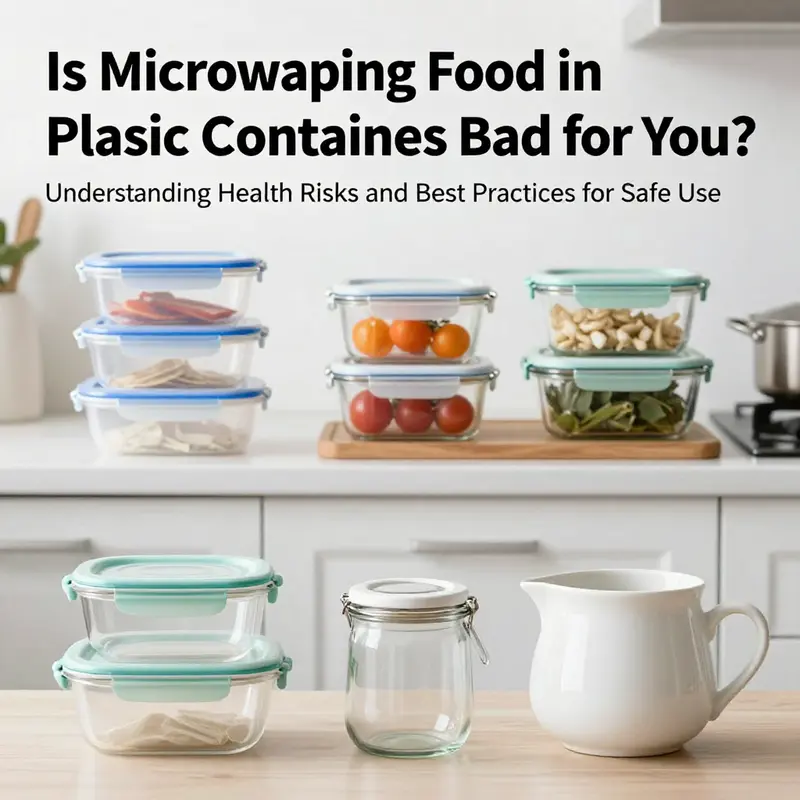
The convenience of microwaving food in plastic containers is tempting, especially for busy bubble tea shops and catering services. However, it’s crucial to recognize the potential health risks associated with this practice. This article delves into the health concerns surrounding microwaving food in plastic containers by examining the scientific insights into chemical migration. We’ll also explore best practices to ensure the safety of your food and beverages, empowering you to make informed decisions that protect your customers and enhance the reputation of your business.
How Heating in Plastic Can Affect Your Body: The Science of Chemical Leaching and Real Health Risks
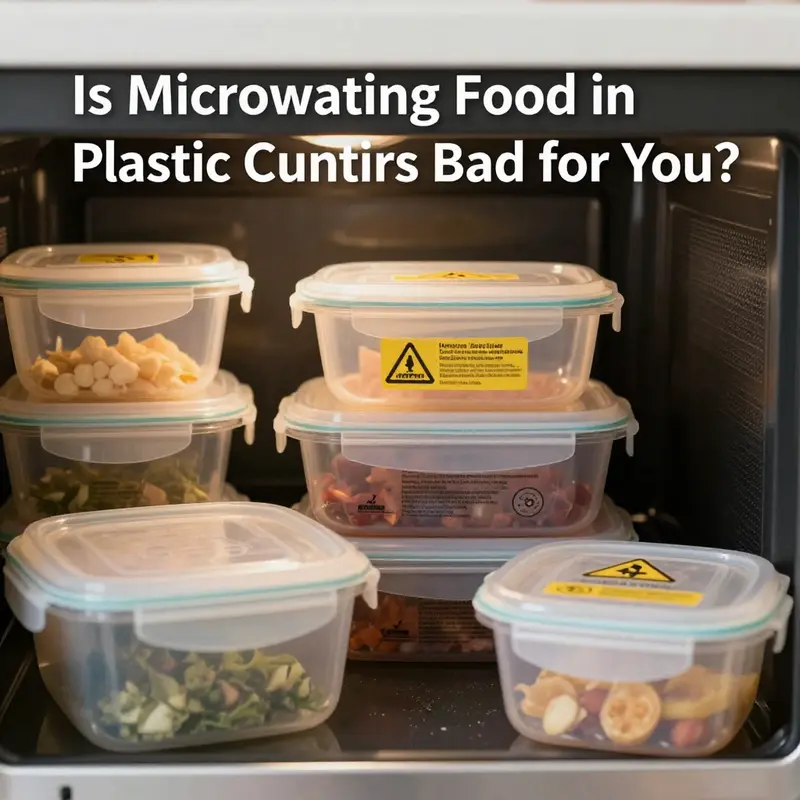
Microwaving food in plastic containers often feels convenient. Yet that convenience comes with a trade-off: the potential for chemicals to migrate from the container into the food. Understanding what moves, how it moves, and who is most at risk helps you weigh that trade-off. This chapter explains the mechanisms behind chemical leaching, the kinds of compounds involved, how different foods and container conditions change exposure, and what the scientific evidence says about actual health effects. It also offers practical, realistic steps to reduce your risk without asking you to abandon the microwave entirely.
Plastics are a diverse set of materials made from long polymer chains. Manufacturers add ingredients such as plasticizers, stabilizers, flame retardants, and colorants so plastics perform well. Many of these additives do not bind tightly to the plastic matrix. Heat, friction, and certain foods can free them. When heat is applied in a microwave, the energy excites water molecules unevenly. Hot spots form. Polymers can soften. Additives can migrate to the surface. From there, they can dissolve into food or into the condensation that collects on lids.
The most commonly discussed chemicals are bisphenols and phthalates. Bisphenol A, or BPA, was widely used to harden polycarbonate plastics. Concerns about BPA’s ability to mimic hormones led to its removal from many baby products. But alternatives such as bisphenol S (BPS) and bisphenol F (BPF) have risen in use. They are structurally similar and may act similarly in the body. Phthalates, used to make plastics flexible, are another frequent migratory group. Both bisphenols and phthalates are classified as endocrine disruptors. That means they can interfere with hormone signals. Even low doses, repeated over time, can affect development, reproduction, and metabolism.
Not all plastics present equal risk. The term “plastic” covers many polymer types. Polyethylene and polypropylene are relatively simple, with fewer harmful additives. Polycarbonate and PVC, on the other hand, have a history of leaching bisphenols and phthalates. Labels such as recycling codes help identify plastics, but they can be misleading. Code 1 is PET; code 2 is HDPE; code 3 is PVC; code 5 is polypropylene. Many containers marked “microwave-safe” are polypropylene. That polymer is often more stable under heat. But labeling alone is not a guarantee. A container labeled microwave-safe can still leach additives if it is old, scratched, or used incorrectly.
Microwave-safe designation focuses on immediate physical changes. A container that will not melt, warp, or shatter under normal microwave conditions is often deemed microwave-safe. The regulatory test typically checks for dramatic failures, not subtle chemical migration. In other words, a container might survive a heating cycle unchanged to the eye while still releasing trace chemicals. Studies have repeatedly shown this. Researchers heating food simulants in containers found measurable amounts of bisphenols and phthalates after microwaving—even from containers declared microwave-safe. The amounts varied by plastic type, the condition of the container, and the nature of the food.
Food composition matters. Chemicals dissolve in fatty and acidic environments more readily than in water. Fats act like solvents for many nonpolar additives. Acidic foods can accelerate hydrolysis or other chemical reactions that release additives. For example, tomato sauce, cheese, and soups with oil are more likely to extract chemicals from plastics. Temperature and time matter too. Higher temperatures and longer heating increase migration. A brief 20-second warm-up may transfer far less than fifteen minutes on high. The uneven heating common to microwaves raises another issue: localized overheating can create tiny hot zones that stress the plastic more than the oven’s average temperature would suggest.
Container condition is a major factor in migration. Scratched, clouded, stained, or warped plastics have greater surface area and micro-damage. That damage creates weak points where additives can escape more easily. Reusing single-use plastics is a particularly poor practice. Thin disposable containers and takeout trays were not designed for repeated heating. Their coatings and layers can break down quickly. If you find a plastic container difficult to clean, brittle, or discolored, treat it as a sign the material is degrading.
Vulnerable populations deserve special emphasis. Fetuses, infants, and children have developing endocrine systems and can be more susceptible to hormone-disrupting chemicals. Exposure during pregnancy can alter developmental pathways. Adolescents, whose endocrine systems are also developing, may face risks to reproductive health. People with chronic conditions, such as hormonal imbalances or metabolic disease, could be more sensitive to small disruptions. An exposure that seems trivial for an adult could be significant for a developing fetus. Public health agencies have therefore prioritized reducing exposure in these groups, which is why infant feeding products were among the first to be reformulated.
What does the evidence show about health outcomes? Lab and animal studies link bisphenols and phthalates to reproductive harm, developmental changes, and metabolic disruption. Epidemiological studies in humans report associations between higher levels of these chemicals in urine and altered hormone levels, decreased sperm quality, early puberty, and higher rates of obesity and insulin resistance. Causation is difficult to prove in human studies because exposures are ubiquitous, and many factors influence outcomes. Still, the consistency across many studies raises concern. Importantly, substitutes marketed as safer have not always been validated. BPS and BPF, for example, may have endocrine activity similar to BPA. The pattern is familiar: regulate one chemical, industry substitutes a similar compound, and researchers later find the replacement just as problematic.
Risk in daily life depends on dose and frequency. Single, rare exposures are unlikely to cause disease. The concern comes from chronic, repeated contact. If you microwave meals in the same plastic container every day, you increase your cumulative exposure. That cumulative exposure matters more than any single heating event. It is also possible for multiple low-dose exposures from different sources to add up. Plastics in food packaging, receipts, canned linings, and household items all contribute to total exposure. Reducing one source reduces total burden.
Practical strategies allow you to lower risk while retaining convenience. First, prefer nonplastic containers for reheating. Glass, ceramic, and stainless steel tolerate microwave heat without leaching additives. Use bowls and storage designed for high heat. Second, if you must use plastic, reserve it for short, low-power warming and for foods that are not fatty or acidic. Avoid heating sauces, cheese-heavy meals, and oily soups in plastic. Third, avoid microwaving food in plastic wrap, especially if it touches the food. Some plastic wraps soften and adhere to food when heated. The direct contact increases the chance of migration. Fourth, stop using cracked, scratched, clouded, or greasy plastics. These signs mean the material is degrading. Fifth, do not reuse single-use containers meant for takeout or retail packaging. Thin plastics degrade faster. Sixth, consider letting food cool briefly before covering it with plastic. Steam and high temperatures increase migration. Seventh, rotate containers. Using many different containers reduces repeated stress on any single one.
There are also smarter purchasing choices. Look for durable plastic labeled microwave-safe only when you need the convenience. Seek containers with minimal additives. Avoid those with foam, polycarbonate, or PVC. When buying disposable options for events or on-the-go meals, consider compostable or microwave-safe paper alternatives. Some paper-based soup cups are designed to handle heat and reduce plastic contact. For tasks like reheating soup, stew, or porridge, these cups offer a practical compromise between convenience and lower chemical migration. You can learn more about microwavable paper soup cups and similar eco-friendly options here: microwavable paper soup cups.
Policy and testing matter too. Current microwave-safe testing often misses subtle migration. Regulators define safe thresholds, but those thresholds change as science evolves. Ongoing research and tighter testing that measures migration directly under real-world conditions would provide stronger protection. Public health measures that limit known endocrine disruptors in food contact materials would help reduce population exposure.
In summary, microwaving food in plastic can increase your exposure to chemical additives that affect hormones and health. The risk varies by polymer type, container condition, the food heated, and heating conditions. Vulnerable groups face higher stakes. Scientific evidence links bisphenols and phthalates to adverse outcomes, and substitutes may not be safer. The practical approach combines substitution, smarter use, and product choices. Use glass, ceramic, or stainless steel where possible. If plastic is necessary, choose durable microwave-safe containers, avoid heating fatty or acidic foods in them, and discard damaged pieces. By making informed, consistent choices, you can retain microwave convenience while markedly reducing chemical exposure.
For readers who want to explore the original research on plastic migration during microwaving, the study in Environmental Science & Technology provides direct experimental evidence of chemical migration under simulated use conditions: https://pubs.acs.org/doi/10.1021/es204587h
When Heat Meets Plastic: How Chemicals and Microplastics Move from Containers into Your Food
The migration of chemicals and microplastics from plastic containers into food is not an abstract laboratory finding. It is a practical hazard shaped by everyday kitchen choices. Heating, storage, food composition, and the type and condition of the plastic each determine how much and which contaminants move into meals. Understanding the mechanics and the likely health consequences helps people make safer choices when reheating leftovers or cooking in the microwave.
Plastic is not a single material. It is a class of polymers mixed with additives that give it flexibility, durability, color, and stability. Common additives include plasticizers such as phthalates, antioxidants like butylated hydroxytoluene (BHT), UV stabilizers, slip agents, and pigments. Some additives are intentionally present to add function. Others are accidental impurities or degradation byproducts. When plastics contact food, especially under heat, these chemicals can migrate into the food. The volume and identity of migrants depend on the polymer type, additive formulation, surface damage, and the food’s chemistry.
Heat is a key driver. Scientific studies have repeatedly shown higher migration rates when plastics are warmed. High-resolution mass spectrometry analyses reveal dozens of distinct chemicals transferring from typical packaging into food during cooking simulations. Some compounds only appear in food after heating, which confirms temperature’s central role. Microwaving creates rapid, uneven heating and can cause local hotspots where migration accelerates. Even brief exposure to microwave heat can release volatile or semi-volatile compounds into the food.
Fat and acid in food increase extraction. Fatty matrices and acidic sauces are far better solvents for many plastic additives than plain water. Oily foods draw lipophilic compounds such as phthalates and certain antioxidants out of polymer networks. Tomato-based or vinegary dishes can accelerate migration by altering the chemical equilibrium at the plastic-food interface. That means the same container can be relatively safe for reheating rice but far less safe for a rich tomato pasta sauce.
Material type matters a great deal. Low-density polyethylene (LDPE), widely used for flexible microwave bags and wraps, tends to release more hazardous additives than high-density polyethylene (HDPE) in some tests. That difference arises because LDPE’s looser polymer packing and greater flexibility allow additives to diffuse more freely. Polypropylene (PP) and certain engineered polymers are often more heat-resistant, which helps reduce migration, but they are not exempt. Even materials labeled as “microwave-safe” can leach chemicals when old, scratched, or heated with fatty or acidic foods.
Container condition amplifies risk. Cracks, warping, cloudiness, and surface damage signal polymer breakdown. Degradation increases surface area and weakens binding between additives and the polymer matrix. That makes migration faster and releases tiny plastic fragments. Repeated use and cleaning cycles can progressively degrade plastic, so a container that was safe on day one may pose a greater risk months later.
Alongside soluble chemical migration, microplastic shedding is an emerging issue. Microscopic particles can break free from containers while heating and become part of the meal. Experiments show that a single microwaving event can release hundreds of millions of microplastic particles into food. Animal studies demonstrate the potential for these particles to enter the bloodstream, lodge in tissues, and trigger inflammatory responses. In mice, microplastics were associated with changes in arterial lining cells, promoting a pro-atherogenic state that can accelerate plaque formation. While translating animal data to direct human outcomes requires caution, the mechanisms—chronic inflammation and oxidative stress—are well-known contributors to cardiovascular disease and other chronic conditions.
Certain chemical migrants deserve special attention. Phthalates, used as plasticizers, are well-documented endocrine disruptors. They interfere with hormone signaling and are linked to reproductive issues, developmental problems, and metabolic dysfunction. Compounds such as di-iso-nonyl phthalate (DINP) are among those frequently detected in migration studies. Antioxidants and preservatives like BHT can also migrate, and although they stabilize the polymer, they may exert toxic actions in biological systems. Bisphenols—BPA and its substitutes BPS and BPF—have long been scrutinized for estrogenic activity. Even when manufacturers market items as “BPA-free,” substitution with structurally similar bisphenols can maintain endocrine-disrupting potential.
The combined exposure picture is complex. Individuals rarely encounter one compound at a time. Meals heated or stored in plastic can receive a cocktail of chemicals and microplastic fragments. Toxicologists warn that mixtures can have additive or synergistic effects, where the combined impact exceeds predictions based on individual compounds. Chronic, low-level intake over years or decades is therefore a concern. Endocrine disruption, metabolic effects, reproductive harm, neurodevelopmental impacts in children, and contributions to atherosclerosis are among the potential outcomes that studies have linked to plastic-derived contaminants.
Regulatory systems are evolving in response to these findings. Some authorities have restricted specific additives in food contact materials, and newer rules have updated migration testing protocols to better simulate real-world conditions like microwaving. Regulation now increasingly acknowledges that simple laboratory tests at room temperature do not capture the true exposure scenario for heated or fatty foods. Policy shifts aim to tighten allowable impurities and control high-risk additives, and they encourage migration testing under conditions that reflect actual consumer use.
What does this mean for everyday practice? First, reduce the use of plastic when heating food. Prefer containers made from inert, heat-resistant materials that do not contain plastic additives. Glass and ceramic are the top options for microwaving. Stainless steel serves well for stovetop reheating but is not microwave-safe. For single-use or takeaway meals, some engineered paper and bagasse products are designed to withstand microwave temperatures and resist oil and acid. Choosing these alternatives can cut exposure significantly. For instance, microwavable paper soup cups offer an alternative for reheating fatty or acidic dishes without introducing plastic-derived migrants; vendors supply many food-grade, microwavable paper products suitable for reheating and takeaway needs (see microwavable paper soup cup).
If you must use plastic, follow strict precautions. Only use containers explicitly labeled as “microwave-safe.” Avoid thin or flexible containers that are not rated for microwave use. Do not microwave plastics that are visibly damaged. Refrain from reheating fatty or acidic meals in plastic containers. Use short heating intervals and stir food to reduce hotspots. Transfer food out of single-use plastic packaging into a safer vessel before heating. Also avoid using cling films or plastic wraps in direct contact with food while microwaving, since these thin films heat unevenly and can shed chemicals and microplastics more readily.
Reusing single-use containers is a common habit that increases risk. Many disposable items are not designed for repeated heat cycles or dishwasher cleaning. Repeated exposure to heat and detergents accelerates polymer breakdown, raising migration rates. When disposable plastic has been used once, treat it as disposable and avoid subjecting it to further heating.
Children and pregnant people warrant special caution. Early life stages are particularly vulnerable to endocrine disruption and developmental toxicants. Regulatory bodies have already limited certain additives in infant feeding products. For household practice, avoid heating baby food in plastic containers when possible. Use glass bottles and ceramic or glass feeding vessels for warmed foods.
Beyond consumer behavior, industry and policy responses matter. Manufacturers can reduce risk by minimizing risky additives, employing safer alternative materials, and designing packaging with realistic migration testing in mind. Regulators need to continue closing testing gaps so that migration limits reflect real-world heating and storage practices. This includes assessing substitutes for banned chemicals, because structurally similar replacements can carry analogous risks. A precautionary approach favors non-plastic contact surfaces for hot, fatty, or acidic foods whenever feasible.
There is also a public information component. Clear labeling on food contact items should indicate not just “microwave-safe” but also the conditions for safety. A container that is microwave-safe for reheating water or plain rice may not be safe for a greasy curry. Labeling that differentiates food types and maximum heating times would help consumers use containers correctly and reduce inadvertent exposure.
On the scientific front, ongoing research must refine exposure estimates and health effect links. Non-targeted chemical screening techniques reveal a much wider range of migrants than older, targeted tests. These methods have found dozens of distinct chemicals that move into food during heating simulations. Paired with studies showing microplastic bioaccumulation and vascular effects in animals, the evidence supports minimizing routine heating in plastic. Long-term human epidemiological studies that integrate dietary, product-use, and biomonitoring data will help clarify which exposures are most harmful and at what dose.
In practice, small changes lower risk substantially. Swap plastic for glass or ceramic when microwaving. Use microwave-safe paper or bagasse products for takeaway items when glass is impractical. Inspect plastic containers; discard ones with damage. Avoid heating fatty or acidic foods in plastic. Rotate food into safer vessels if reheating is necessary. Store leftovers in non-plastic containers. These measures reduce the number and concentration of chemical migrants, and they lessen microplastic shedding.
The migration of chemicals and microplastics from plastic into food is more than a theoretical worry. It is a measurable process driven by heat, food chemistry, polymer type, and container condition. The health implications span endocrine disruption to cardiovascular risk, and may include developmental harm and metabolic effects. Given the mounting evidence, choosing safer materials for heating and storage is a clear, practical step toward reducing chronic low-level exposure. Policymakers and manufacturers must also act to tighten controls and invest in safer packaging design so that everyday meals do not become a source of hidden chemical burden.
For those interested in regulatory developments and the frameworks shaping food contact materials, see the updated European regulation on food contact materials: https://eur-lex.europa.eu/eli/reg/2011/10/oj
How to Heat Food in Plastic Without Inviting Hidden Chemicals: Practical Rules and Safer Choices
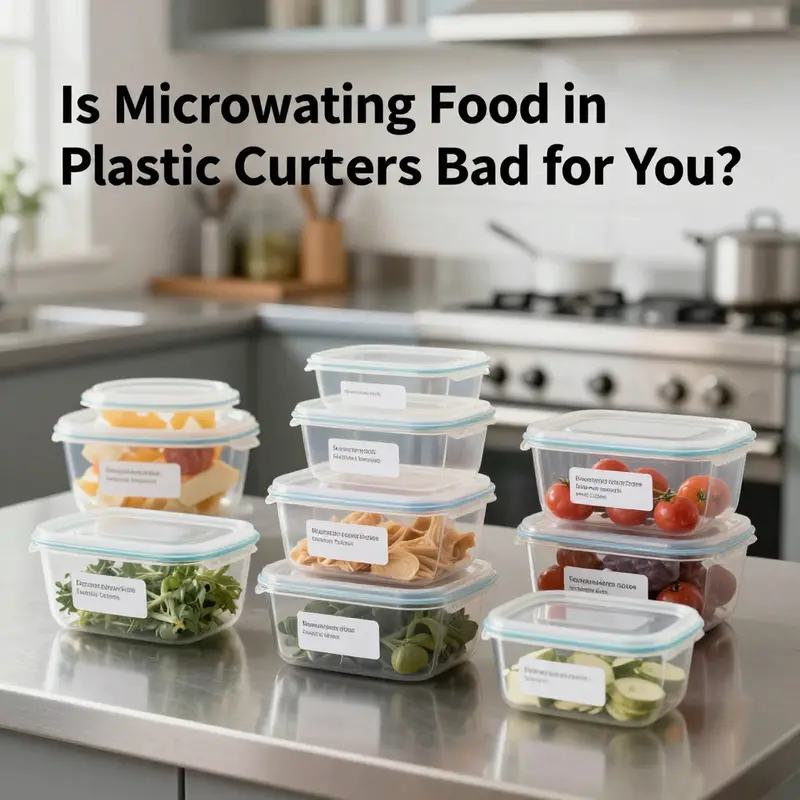
Microwaving food in plastic is convenient. It is also an activity where a few simple choices greatly reduce risk. The core idea is straightforward: not all plastics behave the same when heated. Some are designed to resist heat and chemical migration. Others soften, break down, or carry additives that can move into food. Understanding the material, watching the container’s condition, and adjusting how you heat food make a real difference in exposure to unwanted chemicals.
Start by learning to read what’s on the container. The recycling triangle with a number tells you about the plastic family. A clear and reliable indicator is the number 5 or the letters PP. Polypropylene resists heat, handles microwave temperatures better than most other common plastics, and is the safest choice among widely available plastics. But even polypropylene has limits. Heat it repeatedly, overheat dense foods, or use a damaged container and its resistance drops. Equally important is the explicit label “microwave-safe.” When both the recycling code and that label appear, you have the best chance of safe use. If a container lacks these signs, assume it is not meant for microwave heating.
Other codes signal real hazards. Containers labeled #1 (PET) can soften and release chemicals as the temperature climbs. #3 (PVC) and #6 (PS) are prone to releasing plasticizers or styrene. #7 (Other) can include polycarbonate, which may release bisphenol A (BPA) or similar compounds. These materials are best avoided for reheating. Single-use items, foam trays, and thin takeout plastics are especially risky; they were not designed for repeated heating. Also avoid plastic wrap unless it is clearly labeled microwave-safe and you keep it from touching the food: melted wrap can transfer chemicals directly onto what you eat.
Container condition matters as much as composition. Scratches, cloudiness, warping, or cracks indicate that the polymer structure is breaking down. Those defects create more surface area and pathways for additives to migrate into food. When a container looks worn, replace it. Do not rely on old containers out of habit just because they fit in your cupboard. The safest routine is to use plastic for short-term storage and glass, ceramic, or stainless steel for reheating.
How you heat food matters as well. Fatty, oily, or highly acidic foods extract chemicals from plastic more effectively than watery, neutral foods. Tomato-based sauces, cheese dishes, oily leftovers, and sugary foods are more likely to pull plastic additives into the meal. Similarly, microwave heating creates hot spots. These localized high temperatures can exceed a container’s safe limit, even if the rest of the food is cooler. Stirring food midway through heating and using shorter intervals help even out temperature and reduce extremes that stress the plastic.
Lids and seals deserve special attention. A lid made from a different material than the container can be the weak link. If the lid does not match the container’s rating, remove it to avoid trapping steam or subjecting a softer plastic to heat. If you must cover food, use a vented microwave-safe lid or a microwave-safe plate placed loosely on top. Avoid sealing food in an airtight plastic lid in the microwave; pressure can build and deform the container.
There are practical habits that reduce risk without sacrificing convenience. First, keep heating times short and use medium power settings. This reduces intensity and helps prevent hot spots. Heat in 1–2 minute bursts, stirring between cycles. Second, avoid heating just a small amount of fatty sauce in plastic. Transfer items such as gravies, soups, or cheese-rich leftovers into a glass or ceramic bowl. Third, do not microwave single-use containers, even if they survived one prior use. They are thin and degrade faster than containers designed for multiple uses. Fourth, never microwave plastic that contains food wrappers, labels, or foam components. These materials change behavior when heated and can off-gas or melt.
When choosing replacements, make safety the first filter. Glass is the best all-around option. It is chemically inert and tolerates high heat without leaching. High-quality borosilicate glass resists thermal shock and is excellent for moving food from fridge to microwave to table. Plain ceramic, without metallic paints or decorations, is also safe when marked microwave-safe. Stainless steel should not go in the microwave, but it is great for reheating on the stovetop. If you need disposable convenience, consider certified microwavable paper or bagasse containers that specify microwave use. For single-use hot food, a microwavable paper soup cup is a safer disposable choice than thin plastic. (See a sample microwavable paper soup cup here.)
Cleaning and reuse matter too. Do not scratch plastic with abrasive pads or metal utensils. Clean gently and rinse thoroughly. That helps preserve the polymer surface and reduces sites where chemical migration accelerates. Also avoid using plastic containers as a direct storage-to-microwave pair for months on end. Rotate containers so they are retired before they become fragile. If you freeze food in plastic and then microwave it, check the container’s temperature rating. Freezing can create microcracks that worsen during heating. When in doubt, transfer food to a fresh microwave-safe glass or ceramic dish.
Children and pregnant people deserve extra caution. Developing bodies are more sensitive to endocrine-disrupting chemicals. If you prepare food for infants or pregnant people, avoid heating in plastic almost entirely. Use bottle warmers designed for infant use, or warm water baths for bottles. For family meals, favor glass or ceramic when heating foods that will be consumed by children. Reducing repeated low-level exposure helps protect long-term health.
Practical choices extend to how you reheat takeout. If your takeaway arrives in an unlabeled plastic container, transfer the food into a microwave-safe bowl. Restaurants often use low-cost plastics for transport. Those containers are convenient for delivery, not microwave use. When ordering, ask for packaging that is safe for reheating or request a paper container if you plan to microwave your meal.
Recycling codes are a guide, not a perfect safety guarantee. A number 5 container is generally safer than a number 6. Yet manufacturing standards, thinness of the plastic, and additives can vary. A thin number 5 food tub may still degrade if microwaved repeatedly. Always combine the code with other clues: explicit microwave-safe labeling, the container’s thickness, and its condition. When labels conflict, choose the most conservative option.
If a container is stamped with a temperature range, use that information. A container rated for higher temperatures tolerates more robust heating. Still, take care with fatty foods and long heating. If the food smokes, smells plasticky, or the container emits an unusual odor, stop and discard the container and food. Those signs indicate material breakdown and potential contamination.
Some common myths need clearing. Freezing a plastic container does not render it safe for subsequent microwaving if it was not meant for heat. Conversely, a microwave-safe container may not be safe for oven use. Do not assume labels are interchangeable. Also, “BPA-free” labels are not a full safety passport. Many BPA alternatives, such as BPS or BPF, can have similar biological effects. The best defense is choosing materials that are inert at food temperatures, such as glass or certified ceramic.
In settings where plastic use is unavoidable, follow a conservative checklist. Use only containers explicitly labeled microwave-safe. Prefer polypropylene (#5, PP). Avoid damaged containers. Keep heating times short and at medium power. Stir foods frequently during heating. Transfer fatty, oily, or acidic foods into glass. Remove lids or vent them. Replace containers periodically. These steps are simple to adopt and cut exposure dramatically.
Finally, consider how small changes add up over time. Replacing a few commonly used plastic containers with glass or ceramic reduces the number of exposures in your household. Changing the habit of reheating directly in takeout tubs prevents repeated contact with suspicious plastics. Teaching children early to use safe containers creates lasting habits. These are low-effort moves with a meaningful payoff for health.
For readers who want to explore official guidance, an authoritative overview of plastics and food is available from the National Institute of Environmental Health Sciences. That resource covers the science behind chemical migration and how different plastics perform under heat. https://www.niehs.nih.gov/health/topics/agents/plastics/index.cfm
Final thoughts
Navigating the complexities of microwaving food in plastic containers is vital for health and safety in the food industry. By understanding the associated health risks and being aware of the impact of chemical migration, food businesses can better protect their customers. Implementing best practices during food preparation can significantly reduce health risks and enhance customer trust. When safety is prioritized, your business not only thrives but also establishes a loyal customer base that values quality and integrity.