
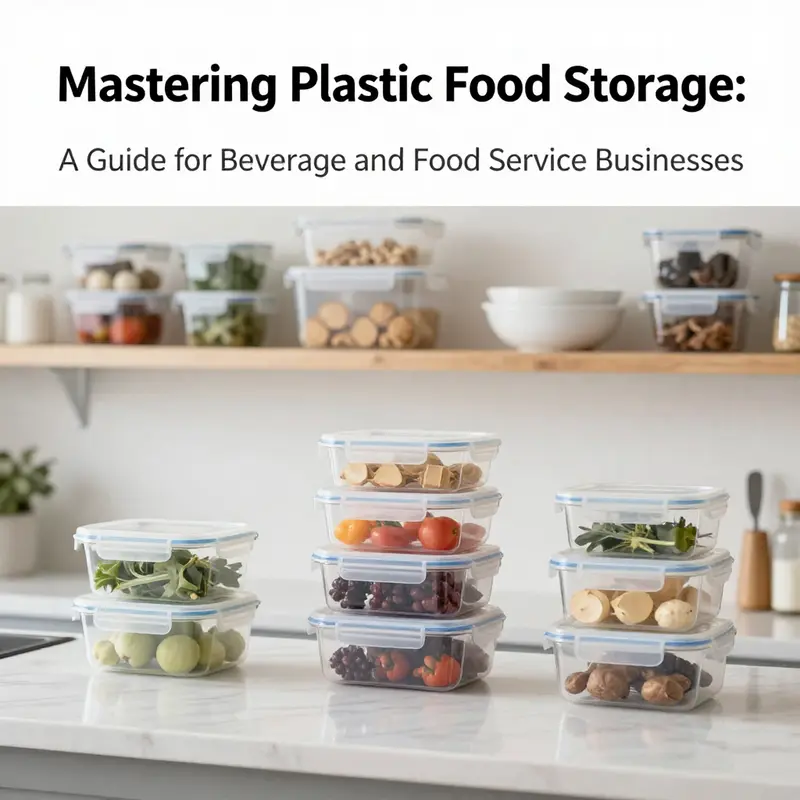
For bubble tea shops, restaurants, food trucks, and catering services, the effective organization of plastic food storage containers is crucial for maintaining efficiency and food safety. Each type of food service has unique needs, and this guide will help you streamline your storage practices. In the following chapters, we will explore how to assess and purge your collection to keep only the best containers, categorize them according to their purpose and size, utilize smart storage solutions to maximize your workspace, and ensure proper storage methods that maintain both safety and longevity. By the end of this guide, you’ll be equipped with the knowledge to optimize your container organization, reduce waste, and enhance the overall service in your establishment.
Purging with Purpose: Assessing Plastic Food Storage Containers for Safety and Organization
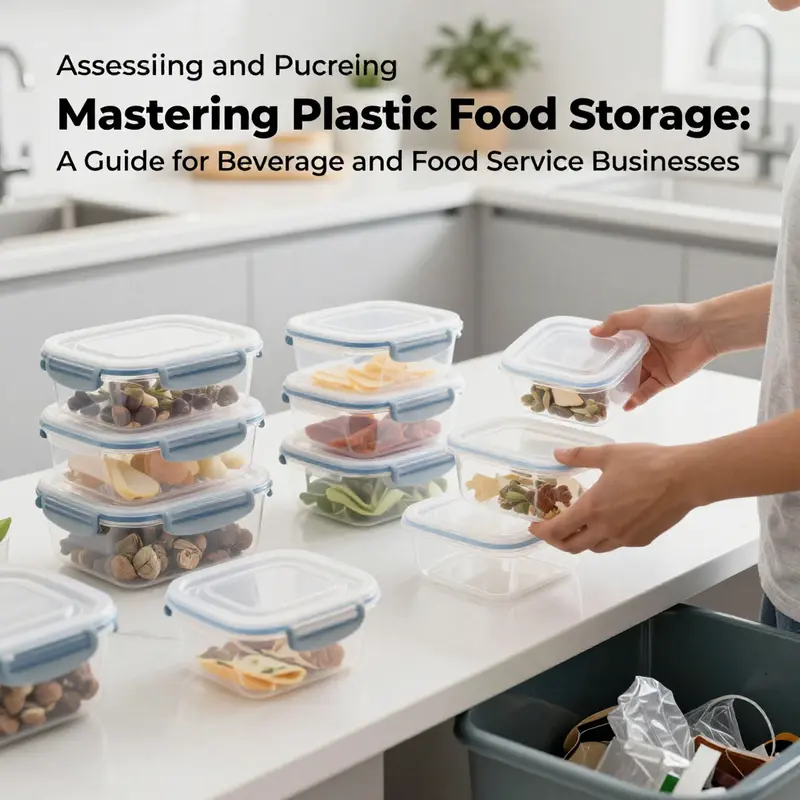
The kitchen is a quiet battlefield where daily habits shape health, waste, and efficiency. Plastic food storage containers sit at the center of that battleground, offering convenience but also raising questions about safety, longevity, and clutter. As the research self reflects, a disciplined approach to assessing and purging these containers can transform a crowded cabinet into a calm, clearly labeled system that supports healthier eating and less waste. The aim of this chapter is not only to tell you what to discard but to illuminate the reasoning behind each decision, so the purge feels purposeful rather than punitive. It starts with material awareness, then moves through temperature realities, storage habits, and finally replacement choices that honor safety without sacrificing practicality. The result is a kitchen that respects health guidelines and makes daily routines smoother, from meal prep to leftovers to freezer storage.
Material matters are the first and most practical compass. The resin identification codes etched on the base of containers signal more than recycling possibilities; they offer a window into potential chemical behavior under pressure and heat. Generally, containers labeled with #3, #6, or #7 should raise red flags for most home storage scenarios. #3 PVC and #6 PS have been tied to higher risks of leaching under certain conditions, particularly when exposed to heat or acidic and oily foods. The catch is that not all uses of these plastics are equally dangerous, but the risk profile is high enough to justify a cautious purge. In contrast, #5 polypropylene is considered the safer bet among common food storage plastics, and it is the material most often deemed microwave-safe. Yet even PP is not a magical guarantee; repeated high heat can degrade it, potentially releasing microplastics or chemical fragments. And #1 PET, often found in single-use bottles, is not suitable for reuse in food storage, especially for hot liquids or oily foods. The everyday temptation to reuse might feel economical, but the health calculus cautions against it.
These material realities intersect with temperature in a way that many households misjudge. Heat drives chemical migration from plastics into food, especially when containers are used to heat food in the microwave or when hot foods are poured directly into plastic. The straightforward rule is simple: allow hot foods to cool to room temperature before transferring them to any plastic container, and limit heating to short intervals if you are using plastic at all. Even containers marketed as microwave-safe can degrade with time, and the long-term health effects of microplastics remain under study. This is not fear-mongering but prudent risk assessment: the goal is to minimize the potential for leaching while maintaining kitchen practicality. The same logic applies to the kinds of foods that are stored, because chemical migration can be accelerated by acidity, oils, alcohol, and carbonation. Acidic items such as tomatoes and citrus, oily dressings and fatty foods, and even carbonated beverages can interact with plastic in ways that increase the likelihood of material migration. Raw meats and eggs add another layer of concern, because the sealed environment can promote bacterial growth if the container has any imperfection or if sealing lids trap moisture in ways that encourage microbial habitation.
Against this backdrop, the purge strategy unfolds as a practical, repeatable sequence that respects both science and daily life. Start with inventory and inspection, gathering every container you own and laying them out in a well-lit space where you can assess color changes, cracks, warping, and odors. Discoloration such as yellowing or cloudiness is more than cosmetic; it can indicate material breakdown and residue buildup that harbor bacteria or microplastics. Cracks and scratches create microhabitats for contamination and can compromise the integrity of the seal. Persistent odors signal trapped residues or degraded material and warrant discard. Deformation is particularly telling: warping or softening from heat exposure signals that the container has already endured damage that can affect sealing and safety, making replacement the safer option.
The next step is to identify hazardous types by clear codes and practical signs. Containers with the notorious codes #3, #6, and #7 should be removed from any routine food storage, especially when heated or used for flexible purposes like storing hot liquids or oily foods. #3 PVC is a common culprit in cling wraps and some takeout containers, making it one of the first to replace in food storage rituals. #6 PS appears in disposable items and certain foam products, while #7, a catch-all category, often includes BPA-containing polycarbonate. Replacing these with safer alternatives becomes a cornerstone of a healthier kitchen. This purge is not just about discarding; it is about choosing a safer baseline for everyday meals, snacks, and meal prep.
The replacement phase invites thoughtful but practical decisions. Glass stands out as an inert, non-toxic option that resists leaching and remains versatile for microwave, dishwasher, and freezer use in many households. The lids, however, are a reminder that safety is a system, not a single component. Lids may still be plastic, but selecting BPA-free designs helps reduce exposure risks. Stainless steel offers another robust alternative, especially for dry goods, leftovers, and cold meals. While not suitable for microwave use, stainless steel is prized for durability and ease of cleaning, making it ideal for lunchboxes and pantry storage. Silicone rounds out the trio of non-plastic options, offering flexibility for bags and molds that can handle freezing and reheating—an appealing choice for those who want compact, leak-proof solutions for snacks and bulk storage. The purge thus becomes a balancing act: maintain the convenience you need while swapping out the most problematic plastics for safer, durable materials.
Repurposing the remaining safe plastics is a wise final step and one that mirrors a broader commitment to reducing waste. Not every container is a health risk, and many can be redirected to non-food uses such as organizing craft supplies, tools, or bathroom essentials. This reallocation is not merely frugality; it is a smart way to preserve useful items while eliminating the riskier containers from contact with food. In this way, the purge becomes a chance to reframe your kitchen storage as a system with clear rules, not a chaotic collection of mismatched pieces that promise more than they can safely deliver. A clear system reduces the mental load each time you open the pantry, because you know where everything lives, and you know the history of each piece—the last time it was used, the type of food that was stored, and whether that container can safely handle it again.
With the decision-making framework clarified, organization follows naturally. A key organizing principle emerges from the purge: first in, first out. This method, often summarized as FIFO, isn’t just a pantry hack; it is a health-aware practice that minimizes waste and ensures you use older containers and contents before newer ones. In practice, this means arranging containers so that the oldest items are the most accessible, while newer additions settle behind them. It also means labeling with simple markers or dates to track when items were prepared or stored, so nothing lingers past the point of best quality. The act of labeling reinforces accountability and makes the system more intuitive for anyone else sharing the kitchen. The organization then extends to how you place containers in cabinets and drawers. Stacking similar sizes, using rings or dividers, and employing adjustable shelving make the most of vertical space. Drawer organizers offer a quiet efficiency for small lids and tops, while wall-mounted racks or pegboards keep frequently used containers within sight and reach. Even over-the-door organizers can become practical allies for storing smaller containers and lids, freeing up counter and cabinet space for preparation and cooking tasks.
A central aspiration of this approach is to align storage choices with safety without surrendering convenience. The idea is to replace the most problematic plastics with safer, long-lasting options while keeping a practical system for everyday use. When considering replacements, it helps to think in terms of a core set of options: glass for main storage and reheating, stainless steel for durability and portability, and silicone for flexible, sealable solutions that can withstand temperature swings. This triad covers the majority of storage needs from leftovers to meal prep to freezing. To keep the cycle sustainable, the purge also invites a thoughtful end for the containers that must go. The goal is not to discard everything and start anew but to replace strategically and repurpose where feasible. Such a transition reduces exposure risks and creates a kitchen that respects both health and the planet.
In the spirit of practical, real-world change, you can reinforce the new system with a few actionable practices. Begin by keeping a standing list of the containers you use most and the foods you store most often. This inventory becomes a living document that guides your shopping and replacement decisions. When you encounter new containers, apply the same assessment lens—examine material codes, check for wear, consider heat exposure, and think about how the container will be used within your routine. The goal is continuity, not disruption. Small, incremental changes accumulate into a robust, safer kitchen that reduces energy use, minimizes waste, and protects your health over time. The following example of daily practice shows how this can look in a typical week: you plan meals, designate certain containers for batch-prepped meals, and rotate them using FIFO. If a container shows any sign of degradation or if its seal no longer holds effectively, move it to repurposed storage or retirement rather than continuing to use it for food.
The narrative of this chapter ties directly into the broader conversation about how to organize plastic storage containers with a safety-first mindset. It is about acknowledging the limits of plastic, recognizing the heat-related risks, and choosing safer, longer-lasting options when possible. It is also about embracing a disciplined purge as a learning opportunity—a chance to understand your own habits and to align them with evidence-based practices. As you carry this framework into the rest of the article, you will see that a thoughtful approach to storage containers influences every kitchen task, from planning a week of meals to reusing leftovers to preparing for freezer-friendly batch cooking. It becomes clear that organization is not a rigid set of rules but a flexible system that can adapt to different foods, family routines, and personal priorities, while always maintaining the central commitment to safety and sustainability.
For those ready to take a concrete step, consider practical options for modern, on-the-go storage that meet safety expectations without sacrificing convenience. A straightforward starting point is to explore safe, food-grade take-away bowls designed for reuse and easy cleaning. These options align with a practical, health-conscious kitchen and can be integrated into the reorganized system with minimal friction. Food-grade take-away bowls provide a reliable bridge between the home kitchen and quick, portable meals, which helps reduce reliance on disposable plastics and supports a more sustainable routine. If you want to explore this type of solution further, you can review options such as safe, food-grade take-away bowls from reliable suppliers. food-grade take-away bowls. This link offers a sense of the kind of durable, safe containers that can seamlessly fit into a reorganized kitchen that prioritizes safety, ease of cleaning, and long-term use.
The purge and reorganize approach described here is not just about reducing risk; it is also a path toward greater kitchen efficiency and environmental mindfulness. When you minimize the number of questionable containers and replace them with trusted, durable options, you reduce unnecessary handling, cleaning time, and decision fatigue. In the end, the work of assessing and purging becomes a daily practice that extends beyond the cabinet to the way you plan meals, handle leftovers, and store batch-prepped foods. The benefit is a kitchen that is easier to navigate, safer to use, and more respectful of health and environmental concerns. The chapter closes not with a final pronouncement but with an invitation to continue refining your system. As you proceed to the next stage of the article, you will apply the same principles to the broader storage ecosystem in your home, including pantry organization, refrigerator layout, and freezer planning. The thread that ties these topics together is a shared commitment to safe materials, responsible use, and practical organization that makes everyday cooking less stressful and more healthful.
External perspective for deeper understanding can be found in the broader safety literature. For a detailed view of how plastics interact with food under various conditions and why many organizations advocate for food-grade, BPA-free options, see the external resource on safety considerations and health implications linked in the further reading. https://www.consumerreports.org/food-storage-plastic-containers-a7189152552/
A Well-Ordered Kitchen: Categorizing Plastic Food Storage Containers by Purpose and Size

A well-ordered kitchen begins with a disciplined view of the containers themselves, not just the food they hold. The plastic vessels that line a cabinet or drawer are more than receptacles; they are systems that determine how quickly leftovers become meals, how efficiently a family can portion meals during a busy week, and how safely ingredients are protected from air, moisture, and cross-contamination. When we approach plastic storage with a mindset that blends purpose, size, and practicality, we move beyond a cluttered pantry into a streamlined workflow that reduces waste, saves time, and supports healthier eating. The journey starts with a careful assessment, then moves into thoughtful categorization by how we use the containers and how much space they occupy. In practice, the goal is to create a coherent ladder of options: the right container for the right task, in a size that keeps space and visibility in balance, all managed by a routine that stops clutter before it takes hold.
To begin, consider the primary purpose behind each container. General food storage in the refrigerator or pantry is the backbone of daily life. These containers are designed with enterprising lids and tight seals that minimize odor transfer and spoilage while accommodating a broad range of foods—from chopped vegetables to cooked grains. The emphasis here is on a dependable seal rather than flashy aesthetics. Then there is fresh produce preservation, a niche that acknowledges fruits and vegetables require careful moisture management. Containers in this category often feature breathable lids or built-in ventilation so grains of ethylene gas or excess moisture don’t cause premature ripening or wilting. For fruits and leafy greens, the ability to balance airflow with protection against crushing becomes the crucial design element. In practice, you want a system that gently modulates humidity and air exchange, rather than a one-size-fits-all seal.
A third important category centers on freezer storage. Freezing dramatically expands the lifespan of soups, sauces, and prepared meals, but it also places demands on plastic: the material must resist cracking and deformation under low temperatures and repeated thawing. Rigid plastics like high-density polyethylene or certain grades of polypropylene are often favored here for their durability and stability. The key feature to look for is freezer-safe construction that minimizes leaks and maintains form after freezing and reheating. Then comes microwave and oven use. Containers designated for reheating should be labeled microwave-safe or oven-safe and made from heat-resistant plastics, typically polypropylene. The lids should be vented or removed during heating to prevent pressure buildup and deformation. In this context, the system rewards containers that clearly communicate their heat tolerance, so reheating becomes a quick, reliable part of meal-prep rather than a guessing game.
Specialized storage rounds out the spectrum. This category includes containers for sauces and condiments, bulk or dry goods, and meal-prep kits. Each subcategory has its own ergonomic considerations—small, airtight rounds for condiments; wide mouths and tall profiles for powders like flour or sugar; and compact, stackable sets for meal-prep components. The overarching principle remains the same: choose designs that minimize air exposure, make contents easy to identify, and support efficient rotation within the pantry or fridge. Seeing these categories together helps reveal a simple truth: cohesive organization isn’t about filling every inch with containers; it’s about ensuring that every container you do keep is purpose-driven, and that its size fits the food it’s meant to hold.
Size matters in a kitchen that aims for efficiency. The size spectrum naturally aligns with the typical amounts you prepare, store, and portion. Small containers, roughly half a liter to one liter, are ideal for single servings, dressings, sauces, or small leftovers. They are also practical for repacking portions for children’s lunches or for organizing bite-sized ingredients like chopped herbs. Medium containers, from about one to three liters, form the workhorse of most homes. They accommodate a week’s worth of leftovers, prepped vegetables, or a single large recipe’s components. Large containers, three liters and up, enable bulk storage of dry goods, larger volumes of soups, or family-sized meals. They also exist in the realm of commercial or multi-family use, where the volumes and handling demands exceed typical household needs. In practice, the trick is not to chase larger containers for everything but to reserve them for items that truly benefit from bulk storage while balancing cabinet or drawer depth. A well-structured cabinet uses a simple rule: containers should fit without forcing you to move other items or rearrange the space each time you retrieve something.
As you refine your categories, it becomes helpful to think in terms of a few practical defaults. For general storage, stackable, rectangular or square shapes fit neatly into shelves, drawers, and pantry cubes, maximizing surface area and minimizing wasted space. For produce, consider containers with ventilation that can be adjusted or opened to suit the produce’s moisture needs. For freezing, prioritize rigid, deeply shaped vessels that resist cracking; for reheating, lean toward containers with proven heat resistance and easy-lid management. For dry goods, clear or semi-clear containers are advantageous so you can see what’s inside at a glance, reducing the time spent rummaging and guessing.
The minimal yet powerful principle of FIFO—first in, first out—helps keep the system moving. Placing newer items behind older ones or in a clearly organized row ensures older contents are used before they lose quality. This approach is particularly effective in the refrigerator and pantry, where the pace of daily cooking often accelerates the accumulation of ingredients and prepared meals. A simple labeling habit can reinforce FIFO without adding cognitive load: date labels or a one-line note on the lid to indicate when a container was filled or opened. A habit of rotating stock this way reduces waste and keeps your container system functioning as a cohesive whole rather than a scattered assortment of mismatched pieces.
In designing the actual storage setup, the physical arrangement matters almost as much as the containers themselves. Stacking becomes a fundamental strategy when you select containers that share compatible dimensions. When possible, use ring stacks or dividers to stabilize a vertical column of containers so that the stack doesn’t tilt or topple. Drawer organizers are a quiet but powerful ally in keeping lids, small containers, and other accessories neatly separated. Wall-mounted racks or pegboards can transform a kitchen wall into an extension of the cabinet, freeing up counter space and keeping frequently used items visible and reachable. If space is at a premium, over-the-door organizers provide a practical home for smaller containers or disk-like lids, maximizing existing real estate without requiring new furniture. Even the furniture in your kitchen can be leveraged; modular shelf inserts can redefine how tall shelves are used, turning spare vertical space into a highly organized, easy-to-access storage corridor.
All of these choices hinge on a core caution: keep containers out of heat and sunlight, and build your system with materials that are truly food-grade and durable. The longest-lasting containers often combine clear visibility with sturdy construction, allowing you to identify contents at a glance while resisting dents, warping, and staining. When clear visibility isn’t possible, labeling with content and date becomes the next best thing, ensuring you can quickly locate what you need and discard what has exceeded safe use.
Maintenance is the unseen engine that keeps the system reliable. Regular cleaning—after every use for the container and the lid—prevents odor transfer and residue buildup. Pay particular attention to seal edges and grooves; stubborn crumbs can harbor bacteria if left unaddressed. A soft-bristled brush or even a toothpick can dislodge trapped particles in the crevices where food tends to cling. For odors, natural remedies can restore freshness without harsh chemicals: a vinegar-water soak, a baking soda paste, or a lemon slice left inside overnight can reset the interior. Before stacking after washing, ensure everything is thoroughly dry to prevent mold or mildew from forming in dark corners of the cabinet.
Lifecycles matter too. Plastic containers typically last three to five years under normal household use. If you notice color fading, cloudiness, cracks, warping, or persistent off-odors that resist cleaning, it’s time to replace. Even if the container still seals, degraded plastic can leach more readily, especially under heat or repeated exposure to acidic foods. Reusing single-use containers is a separate risk; those vessels are not designed for ongoing use and should be discarded to avoid potential chemical leaching. This practical threshold—knowing when a container has outlived its safe utility—helps you maintain a kitchen that is not only organized but safe.
As you refine your system, you’ll discover that the act of categorizing by purpose and by size is more than a filing exercise. It becomes a lens through which you evaluate every purchase, every new container, and every kitchen ritual. When you know the specific tasks a container will perform and you can match it with a precise size, your cabinets stop being a museum of mismatched shapes and start behaving like an engineered workflow. You’ll notice fewer duplicates, less wasted space, and a remarkable reduction in the time spent searching for the right lid or the right container. The end result is not a rigid, inflexible approach but a flexible framework that adapts with your family’s routines, meal patterns, and even seasonal shifts in produce and bulk goods.
In this ongoing process of refinement, an example from the broader ecosystem of storage design helps illustrate the point without anchoring the discussion to any single product line. Consider a practical reference to a container system that emphasizes food-grade safety and reliable sealing for take-away and meal-prep contexts. This resource demonstrates how a well-made, purpose-built vessel can reinforce a routine of cleanliness, portion control, and freshness, aligning with the structural approach described above. senang05-food-grade-take-away-bowl-with-lids-packing-food-single-wall-fast-food-salad-bowls. While the specifics of that example are merely one instantiation of the broader principle, the underlying idea—selecting containers for their sealed performance, their suitability for the task, and their compatibility in a shared system—remains central to building an organized, healthy kitchen.
Finally, it’s worth anchoring these reflections in credible safety guidance as you shape your own cabinet. The broader literature on food storage plastics emphasizes using food-grade, BPA-free materials and following heat-use guidelines to avoid unintended chemical exposure. A respected external resource summarizes these safety considerations and offers a durable framework for thinking about material choices, usage limits, and health risks associated with plastic food storage. For a deeper dive, consult the guidelines and safety notes at the end of this chapter.[external resource]: https://www.consumerreports.org/food-storage-plastic-containers-a7189152552/
In sum, organizing plastic containers by purpose and by size creates a living system rather than a static pile. It requires an upfront assessment, a careful match between task and vessel, and a practical storage strategy that respects both space and safety. The result is a kitchen that not only looks orderly but works more efficiently, trims waste, and supports a calmer, more intentional approach to daily cooking and meal planning. The routine may begin with a purge and categorization, but it becomes a habit—the kind of habit that turns a busy house into a place where food, resources, and time are handled with clarity and care. By embracing the principles of purpose-driven design and scalable sizing, you gain a framework that adapts as needs change, while maintaining a clean, accessible, and safe kitchen space. The chapter on categorizing by purpose and size thus connects naturally to what comes next: how to implement a practical storage system that harmonizes with daily life, supports long-term safety, and remains resilient against the inevitable changes in family routines and culinary ambitions.
Smart Storage Solutions for Plastic Food Containers: Designing Space, Safety, and Style
Smart Storage Solutions for Plastic Food Containers: Designing Space, Safety, and Style
Organizing plastic food containers hinges not just on sorting by size or function, but on how design choices translate into everyday practicality. When you carry the logic of assessment and purging into the realm of storage, smart solutions emerge as more than clever hacks. They become a cohesive system that respects space, safety, and the rhythm of a busy kitchen. The core idea is simple: choose containers that stack neatly, seal reliably, and let you see what you have at a glance. From this stance, the storage area stops feeling like a cluttered catchall and starts behaving like a well-planned workspace.
The smart storage approach is grounded in materials and engineering. Modern options often use eco friendly materials that balance durability with responsible choices. An important feature in these designs is translucence, a clear advantage in a kitchen where speed matters. Translucent plastic lets you identify contents without opening every lid, which cuts down on rummaging and delays. It also helps you keep a running mental inventory of staples, leftovers, and meal prep components. In practice, this translates into fewer duplicate purchases and less waste.
A second pillar is modularity. Containers with adjustable compartments or compatible dividers let you tailor a single unit to hold everything from diced vegetables to snack packs. This flexibility is especially valuable for families with evolving needs, or for anyone who rotates meals through a small repertoire of containers. The modular principle also supports a cleaner, more predictable line of stacks. When each piece has a defined role and a compatible neighbor, you can create stable configurations that stay put during drawer or cabinet movement.
Design details matter here as well. Rectangular shapes maximize the footprint of each storage unit, allowing you to fit more containers in a given cabinet or shelf with less unused space. A precise fit is not only about aesthetics; it reduces wasted air and makes stacking efficient. Some designs push this further with tight dimensional tolerances, for example a 1.0 millimeter tolerance that ensures a snug seal between the container body and its lid. That snug fit is a quiet but powerful way to prevent leaks, spills, and the sort of misalignment that creates a domino effect of misfit lids and awkward stacking. The result is a streamlined block of containers that mirror the neat lines of a well organized pantry or cupboard.
In addition to practical efficiency, there is a subtle but meaningful aesthetic at work. A clean, minimalist look harmonizes with a modern kitchen philosophy. The Japanese minimalist influence referenced in smart storage design emphasizes clear lines, restrained color palettes, and uncluttered surfaces. When a kitchen uses this approach, the containers themselves contribute to a calm, orderly environment rather than competing with it. Translucence and modularity support that calm by providing visual clarity and adaptable structure. This is not about fashion; it is about creating a durable, repeatable pattern for how you store and retrieve items.
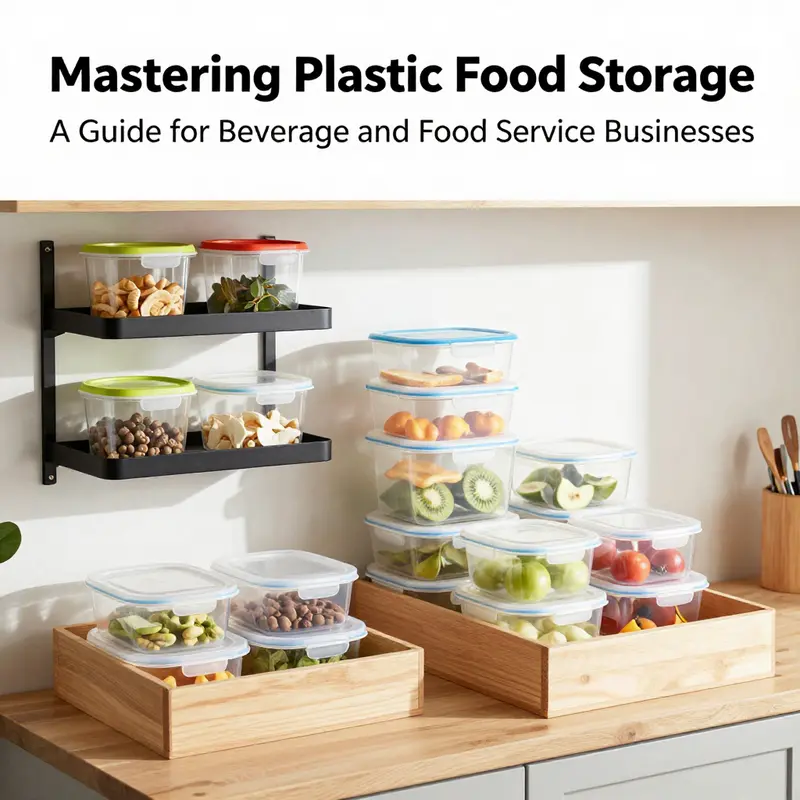
The practical benefits extend beyond the cabinet. Drawer organizers and adjustable bins turn a single drawer into a segmented workspace. Small containers stay upright and stable, while larger ones can be nested without losing access to the lids. The result is a space that behaves like a toolbox, where every piece has a designated place and easy reach. Wall mounted racks and pegboards can extend the same logic to vertical planes. They keep frequently used containers visible and within arm’s reach while freeing counter and shelf space for food preparation. Over the door organizers and modular shelf inserts further multiply the available real estate. The goal is deliberate accessibility without turning the kitchen into a maze of mismatched pieces and lids.
Along with spatial ingenuity, there is a strong emphasis on safety and longevity. Smart storage solutions are designed with durability in mind, especially for high-use environments. Translucent, durable plastics can resist immediate damage from everyday handling, and precision engineering helps minimize deformation during use. Yet even the best design cannot be permanent if it does not tolerate routine kitchen realities. Keeping containers in a cool, dry, and dark place helps preserve the material and maintain seal integrity. Extended exposure to heat or direct sunlight accelerates polymer degradation, which can lead to discoloration, warping, or brittle edges over time. In practical terms, this means choosing a dedicated storage zone that stays cool even when the oven or stove is in use nearby. It also means avoiding aggressive exposure to spills from acidic foods or carbonated beverages that can compromise the polymer matrix over long periods.
In addition to storage conditions, there is a careful use of microwave and reheating practices. The safest approach for reheating is to use containers designed for microwave use, and to remove lids or leave them ajar to prevent pressure buildup. Heating time should be conservative, with a typical cap of a few minutes depending on the container and the contents. This approach protects both the container and the food, reducing the chance of deformity or unintended leaks. It is worth noting that single use plastics are not candidates for repeated reuse in a meal prep system. The guidance is clear: containers marketed as single use should be set aside after the first use. This practice protects both safety and performance over time.
The design conversation also extends to the material composition of the containers themselves. The term eco friendly appears in many smart storage discussions, reflecting a growing demand for responsible choices. Some modern options emphasize recycled content in the plastic mix, paired with clear labeling that helps users avoid materials that might pose safety concerns for food storage. Transparency about what the container is made from is a practical step toward informed usage and better long term planning. It is not simply a matter of reducing waste at the consumer level; it is about selecting products that perform well under the conditions typical of a kitchen environment.
In addition to materials and form, smart storage champions the rhythm of daily life. The FIFO principle, which many households adopt for pantry items, translates neatly into container management as well. Place newer leftovers behind older ones so you consume the oldest items first. This simple habit dovetails with the modular and translucent strategies to create a flowing system rather than a rigid catchall. The difference is measurable: less waste, less rummaging, and a clearer sense of what is actually in the fridge and in the cabinets.
As you weave these ideas into a practical routine, you may discover the value of a one piece one purpose philosophy. A container with a built in divider can handle a meal prep batch and stay adaptable for a different use later in the week. The modular approach makes it possible to store snacks, dry goods, and prepared meals in the same family of containers without sacrificing stability in stacks or accessibility in drawers. It is a design that keeps pace with changing routines, from busy weekday meals to weekend batch cooking.
The argument for smart storage does not end with function. It moves into the experiential realm where forms align with how a kitchen is used daily. The rectangular shape, the visible contents, and the clean lines all contribute to a sense that the kitchen is organized for ease rather than chaos. This alignment reduces the cognitive load of meal planning and makes it more likely that you will follow through on good storage practices. In terms of market reality, smart storage solutions have become widely available through platforms that connect manufacturers with households and small businesses. The beauty of this reality is that you can access a broad range of sizes, configurations, and prices, all while maintaining a focus on safety and durability. A consequence of this accessibility is that you can experiment with configurations before committing to a full overhaul of your cabinet space. If you want a concrete example of space optimized modularity in action, consider a practical reference in the related product page that showcases a kraft paper octagonal bowl with a lid. It illustrates how a simple design can maximize space and provide a secure seal, even when nested with other items. For readers curious about that option, you can visit the product page that demonstrates the concept in a tangible form. kraft-paper-octagonal-bowl product page. The point is not to chase novelty, but to embrace a coherent system that supports your daily routines and reduces the friction of storage tasks. In practice, this means thinking about where you keep containers and how you access lids. A simple weekly audit can prevent the accumulation of mismatched lids and broken seals in the long run. Pair this with a designated space for seals and a separate zone for larger, freezer safe containers. The result is a kitchen corner that feels curated rather than chaotic.
It also helps when you consider the long view of maintenance. Regular cleaning of seal grooves and removal of trapped residue preserves the effectiveness of the lids. A soft brush or a thin tool can reach those awkward channels, which often harbor odors or mildew if neglected. The maintenance routine is not glamorous, but it yields a more hygienic and efficient kitchen. As you build your system, remember that aesthetics and efficiency reinforce each other. A calm, organized cabinet reduces stress and invites you to prepare meals with confidence. The minimalist design language does not require sacrificing storage density. On the contrary, it invites you to maximize every inch with a thoughtful approach to shape, size, and grouping. When you combine translucent materials, modular compartments, robust stacking, and clean lines, you arrive at a storage solution that supports both routine and experimentation.
If you want a concrete backlink to a practical example of modular storage in action, explore the kraft-paper octagonal bowl product page linked above. This reference illustrates the core idea that small changes in how items are designed and organized can yield outsized benefits in a busy kitchen. For readers seeking broader safety guidance on materials and usage, the broader food storage safety landscape is well summarized by official resources that discuss food grade materials and leakage risks in plastics. External resources provide an essential perspective on long term health considerations and best practices for safe use of plastic containers in food storage. External resource: https://www.consumerreports.org/food-storage-plastic-containers-a7189152552/
From Clutter to Clarity: A Practical, Safety-Focused Guide to Organizing Plastic Food Storage Containers
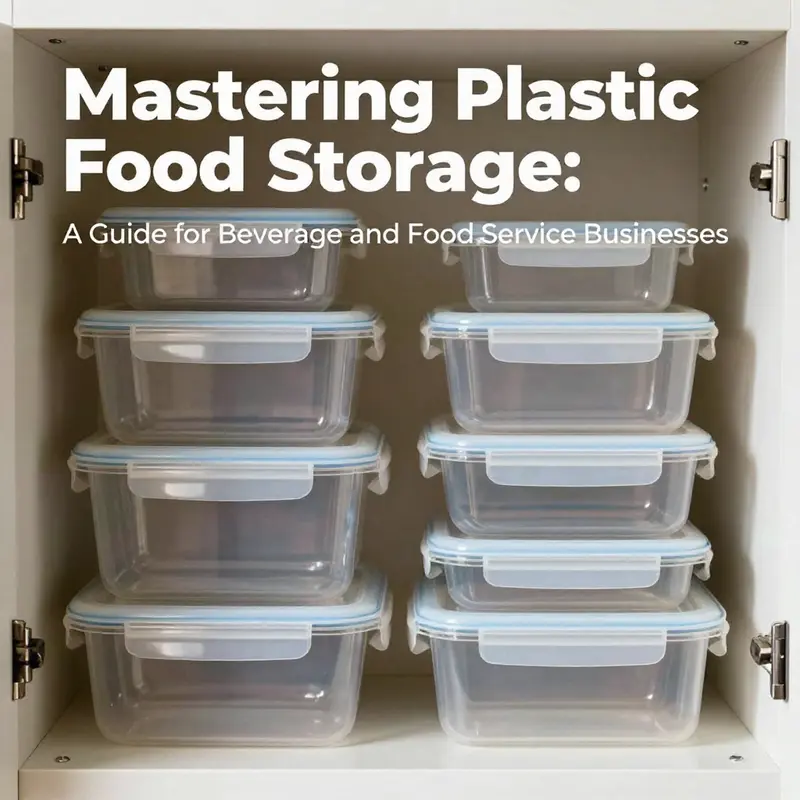
Organizing plastic food storage containers is more than a housekeeping chore; it is a quiet act of kitchen stewardship. When done thoughtfully, it reduces waste, saves time, and protects the health of everyone who meals appears on the table. The goal is not merely to fit more lids into a drawer, but to cultivate a system that supports safe food handling, efficient cooking, and easy cleanup. The journey toward that system begins with a clear-eyed assessment and moves through purposeful categorization, smart storage approaches, steady maintenance, and mindful replacement. Each step builds on the last, so the whole effort feels natural and almost invisible in daily life rather than a perpetual project hanging over the counter like a tangled necklace. In this chapter, we fuse practical wisdom with safety considerations drawn from current guidance on food-grade materials, aging plastics, and long-term storage practices to create a cohesive path from chaos to reliability in any kitchen.
The first move is a rigorous yet nonpunitive purge. Gather every plastic container and lid from cupboards, the pantry, and the fridge, then ask three questions about each item: Is it still safe for food storage? Is it structurally sound—free from cracks, warping, cloudiness, or deep scratches that harbor bacteria? And does it still seal properly, with a lid that fits snugly and a gasket that isn’t degraded? The reasoning is simple: damaged, discolored, or ill-fitting containers undermine food safety by creating small niches for bacteria and by letting air, moisture, or odors seep in. Discard any container that shows signs of aging—yellowing, brittleness, or a warped shape—especially if the lid or seal is missing or compromised. Equally important is to retire anything that isn’t clearly labeled as food-grade. This initial pruning does more than reduce clutter; it reduces risk. It also sets the stage for a rational system where every piece has a defined place and purpose, which in turn makes future decisions easier and faster.
Once the collection is pared down to safe, functional pieces, the next step is categorization by purpose and size. This is less a rigid taxonomy than a practical map of use, designed around the rhythms of your kitchen. For meal prep, prioritize compact, stackable, airtight containers. When possible, choose materials known for durability and microwave safety, such as common food-grade polymers that tolerate reheating without compromising structure. For leftovers, select larger, rigid containers with tight-fitting lids to minimize spills and preserve flavors and textures. When freezing foods, ensure the containers are rated for freezer use and worry less about volume than about avoiding thin, flimsy plastics that may crack at low temperatures. For dry goods, clear, stackable jars or boxes that let you see contents at a glance help you keep pantry staples organized and stress-free. A simple, practical tip that keeps waste from creeping back: use the FIFO method. Place newest items behind older ones so you routinely use up older contents first, minimizing the chance of forgotten leftovers.
The categorization naturally feeds into storage solutions that maximize space and ease of access. The aim is to create a system that feels intuitive, so you don’t have to rummage through stacks or hunt for mismatched lids at mealtime. Stacking remains a cornerstone of efficiency, but it must be done with care. Store containers by similar sizes, and use dividers or adjustable rings to stabilize vertical stacks. Lightweight containers should not bear the weight of heavier ones on top, which can warp lids or deform rims. In drawers, slender, adjustable bins or modular inserts help keep small containers and lids separate and orderly. When wall space is available, wall-mounted racks and pegboards can free cabinets for larger items, while keeping frequently used pieces within easy reach. Even over-the-door organizers can be a boon for lids and smaller toppers, turning neglected space into a functional zone. If space is tight, consider modular shelf inserts that segment tall shelves into multiple compartments, allowing you to store a large quantity without the chaos of loose lids and mismatched bottoms. The ultimate objective is a sense of flow: containers that pair with lids that match, stored in a way that mirrors your cooking routines and the way you navigate your kitchen each day.
Alongside physical organization, there is a crucial layer of material awareness that safeguards health and longevity. Not all plastics are created equal when it comes to food contact. The most reliable options for repeated food storage are plastics such as high-density polyethylene (HDPE) and polypropylene (PP), noted for chemical resistance and durability. When selecting containers for hot foods, consider polypropylene in particular for its thermal tolerance and microwave compatibility. It is prudent to avoid repeatedly reusing single-use containers or plastics with unclear labeling. Even products marketed as BPA-free should be weighed with caution, because the search for safety has revealed that other bisphenols or related compounds may pose risks similar to BPA. In practical terms, this means prioritizing containers clearly labeled as food-grade and designed for repeated use, while staying wary of the broader plastics family that lack explicit safety assurances. A broader, safety-conscious approach invites you to be mindful of what you store in plastic, how long you store it, and in what conditions, since heat, acidity, and storage duration can influence the integrity of the material over time. The aim is not fear but informed restraint: treat plastic as a durable tool, not a universal solvent for every cooking and storage need.
With the framework of materials and purposes in place, you can tune your storage practices to protect both food and containers over the long term. A cool, dry, dark place is ideal for most plastic storage sets. Excessive heat, bright light, and high humidity can accelerate material degradation and influence chemical migration, especially when containers are stored near heat sources or in direct sunlight. This is a practical rule that quietly guards both your health and the lifespan of your investment. Do not expose containers to aggressive conditions, such as prolonged heat near stoves or ovens when not necessary, and avoid storing acidic or highly fatty foods in plastic for extended periods. The literature on chemical leaching underscores the importance of limiting contact with aggressive foods and avoiding repeated heating when the container is not explicitly rated for it. In operation, this means using glass or ceramic for long-term storage of highly acidic sauces or lemony dressings, and reserving plastic for everyday meals and shorter-term uses that stay within the design specs of the container. Thoughtful use of heat implies that only microwave-safe PP containers should be considered for heating, and even then, lids are best left ajar or removed to prevent pressure buildup. The rule of thumb is simple: never heat containers beyond the manufacturer’s guidelines, and never rely on a single container to perform every role in your kitchen.
Maintenance and cleanliness form the bridge between organization and long-term performance. After every use, wash containers with warm, soapy water, paying particular attention to the seal edges and grooves where residue can linger. A soft brush or even a toothpick can help dislodge stubborn bits that could harbor odors or bacteria. To neutralize odors, you can rinse with a vinegar-water solution, apply a baking-soda paste, or tuck in a lemon slice for a night. It is crucial to allow containers to air-dry completely before stacking them again; moisture trapped in seals can promote mold or mildew and compromise the seal over time. Regular maintenance also involves a candid appraisal of the lids themselves. If a seal is cracked, a gasket torn, or a lid permanently warped, it is time to retire that component to avoid future leaks and compromised freshness. A practical corollary of cleanliness is the mindful replacement cycle. Plastic containers typically endure about three to five years, depending on usage, exposure, and care. When color fades, cloudiness grows, or odors persist despite cleansing, it is prudent to retire the item and replace it with something that meets current safety standards and material expectations. This rule does not merely preserve function; it preserves peace of mind in everyday cooking and storage.
The organization you build should be a living arrangement, not a static display of shelves. It must adapt to your changing needs, from batch-cooking plans to the idiosyncrasies of family life. A robust system recognizes that lids can come in several styles—snap-on, screw-top, and flip-lid—and that keeping them separate from their corresponding containers reduces clutter and confusion. A color-coding scheme or simple labeling with tape can dramatically improve accessibility, as can keeping smaller containers in a designated bin to prevent scattering. The goal is to add small layers of order that compound into real-time ease: you reach for a container, you recognize whether it is freezer-ready or microwave-appropriate, you know where its lid lives, and you can confirm that the contents behind the seal will stay fresh. It is not a rigid checklist but a practiced habit of care that saves time, lowers waste, and supports food safety through every meal prep and leftovers night. In practice, a well-tended kitchen emerges not from spectacular overhauls but from consistent, small, thoughtful choices applied day after day.
As you refine your method, you may still encounter the occasional dilemma—should a particular container be kept for dry goods or moved to the freezer? A practical approach is to sort by actual use rather than mere size. Small containers excel for small portions, condiments, and snacks, while mid-sized options support single-serving meals or preportioned ingredients. Large containers suit batch-cooked meals and bulk storage, provided they are made from sturdy materials and can bear the weight without buckling. The separation of lids by type can also ease daily use: organizing lid varieties by fasteners, hinges, or sealing mechanisms makes retrieval quick and reduces the dreaded lid hunt. An effective system respects both present needs and future possibilities. If you anticipate frequent changes in your cooking routine—more batch cooking, for instance—opt for a modular, expandable approach that can accommodate growth rather than forcing a complete overhaul later.
In short, the art of organizing plastic storage is a blend of mindful assessment, purposeful categorization, resilient storage design, rigorous maintenance, and prudent replacement. It is a quiet discipline that pays dividends in safety and longevity. The safety framework you adopt—prioritizing food-grade materials, avoiding questionable reuses, and heeding heat and chemical exposure—serves as a guardrail for every choice you make about what to store and how to store it. The organization you achieve will reflect your own cooking rhythm: the times you meal-prep on Sunday, the evenings you reheat leftovers, the never-ending parade of school snacks, and the occasional foray into freezer dinners. When you finally experience the ease of a cabinet that aligns with your routines, you will recognize that a well-organized system is not a luxury but a practical, health-conscious standard. And as you implement and maintain these practices, you will note a subtle shift in your kitchen energy: less search time, fewer wasted leftovers, and more confidence in the safety of what you eat.
For readers who desire a tangible starting point, practical access to safe, reusable containers can be a helpful aid in aligning your collection with your daily routine. A widely available option to consider is a set designed specifically for food-grade, reusable use, which can accommodate a range of meal types and reheating needs without compromising safety. The important thing is to choose pieces designed for multiple uses, with clear labeling of their heat tolerance and storage capabilities, and to pair each container with a properly fitting lid that seals effectively. This approach supports a sustainable, healthy kitchen cycle in which you can confidently prepare, store, and reheat foods while maintaining the integrity of both the container and its contents. If you want a concrete example of sourcing safe, reusable take-away style containers, you can explore options that emphasize food-grade materials and reliable lids. For a practical reference, see the linked resource that presents a selection of such containers and discusses their suitability for regular use. As you consider these options, remember that the best choice is the one that fits your cooking habits, storage space, and safety standards—the one that you actually will use consistently.
The overarching message is straightforward: the safer you are with materials, the longer your containers will last, and the more efficient your kitchen becomes. This is the essence of organizing plastic storage with longevity in mind. It is a disciplined, informed practice that yields a calmer, cleaner, and safer culinary environment. When you walk into your kitchen and see a well-ordered system rather than a mountain of lids and mismatched bottoms, you are witnessing the fruits of deliberate care that protects your food and your time. In this spirit, your next step is to implement the core principles—assess, categorize, store smartly, maintain, and replace as needed—and to weave them into everyday routines so that safety and longevity become second nature.
If you would like to explore further considerations about material safety and reusability, you can consult external health and safety resources that discuss chemical leaching and the prudent use of plastics in food contexts. For a deeper dive into these safety considerations, see Johns Hopkins Bloomberg School of Public Health’s overview on chemical leaching and related risks in plastic containers: https://www.jhsph.edu/
Final thoughts
In conclusion, effectively organizing your plastic food storage containers is essential for any beverage or food service establishment. By carefully assessing and purging old or damaged containers, categorizing them based on their intended use, adopting smart storage solutions, and adhering to proper storage guidelines, businesses can ensure food safety, extend the life of their containers, and improve overall operational efficiency. Implementing these strategies will allow for a cleaner, more streamlined workspace while helping to reduce waste and enhance service quality across your business.