
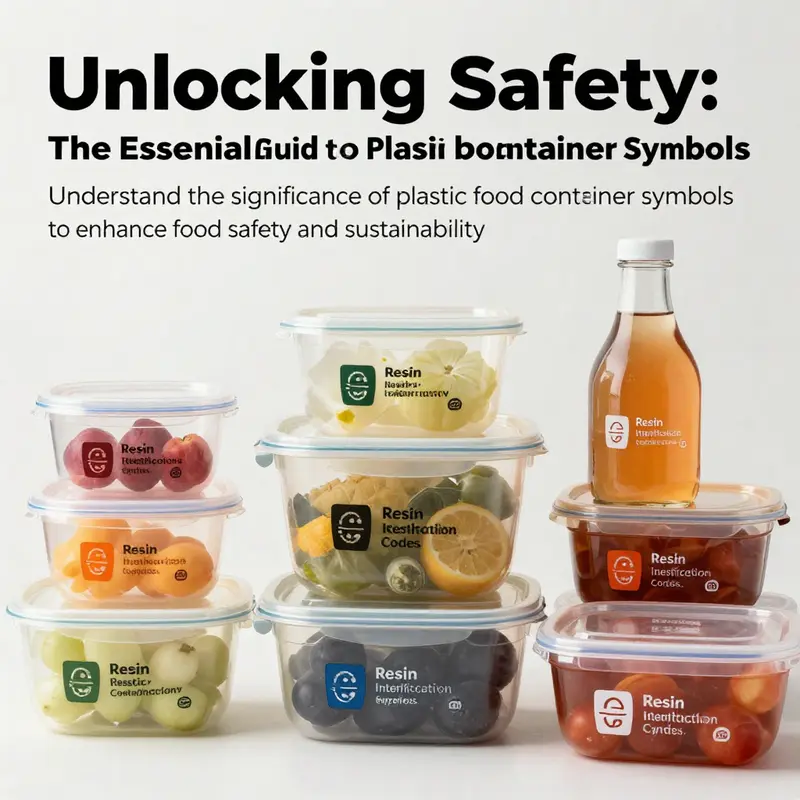
Understanding the symbols that accompany plastic food containers is crucial for businesses in the food and beverage industry. These symbols, known as resin identification codes (RICs), inform you about the type of plastic used and its safety for food contact. From bubble tea shops to catering services, knowing how to interpret these symbols ensures the safety of your products and helps you make informed choices about packaging. In this guide, we will explore each aspect of plastic food container symbols—from their meanings and safety implications to their environmental impact and how consumer awareness can affect your business.
Decoded Delicacies: The Meaning Behind Plastic Container Symbols and How They Shape Safe Food Storage
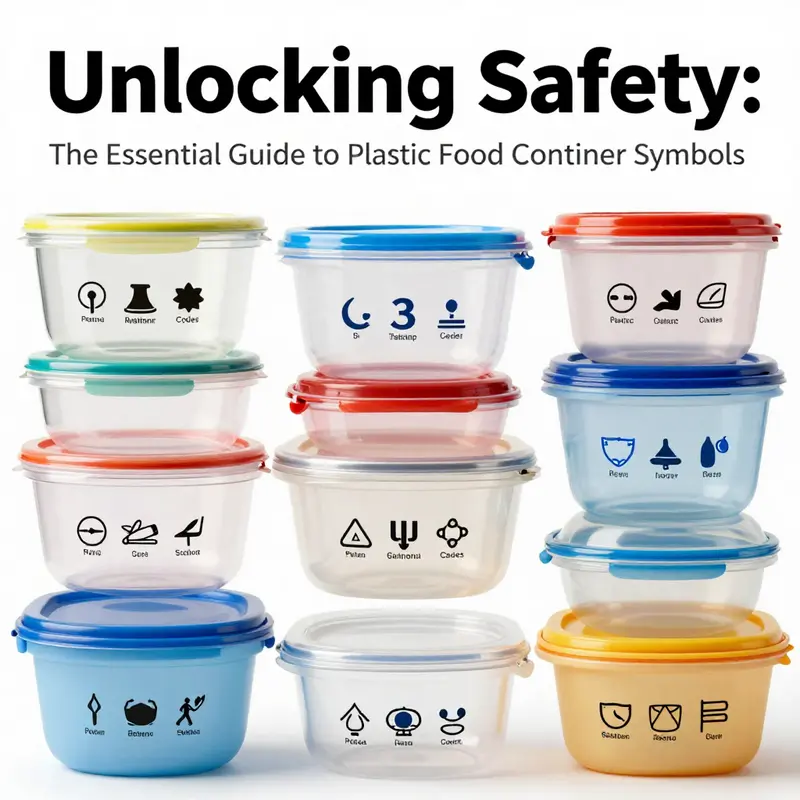
Every time a shopper glances at a plastic food container, a small triangle with a number sits almost invisibly on its base. To the casual observer it may seem like a decorative index, but to anyone who wants to store, heat, or reuse food safely, that symbol acts as a key. It unlocks a spectrum of questions: What is this plastic made of? Is it safe for cold storage, or is it better kept away from heat? Can I reuse it, or should I replace it after a single use? The resin identification codes, the numbers 1 through 7 encircled by the triangle, are not merely trivia; they map a family of materials with distinct properties, risks, and uses. The chapter that follows treats these codes as more than compliance markings. It treats them as practical guides for everyday decisions in the kitchen, a language that translates an opaque world of polymers into concrete steps for safer food handling.
At their core, plastic container symbols are a standardized shorthand designed to identify the resin composition of a container. The codes provide a first-line answer about how a container will behave under various conditions—refrigeration, microwaving, or simple daily wear. The international standardization of these codes helps consumers, manufacturers, and regulators speak the same language across borders. Yet the reality of safety is layered. A number on a container tells you the base material, but it does not guarantee that every product labeled with that number is equally safe for every use. Additives, processing methods, aging, and the specific food–chemical interaction profile all matter. What follows is a careful unpacking of each code, the typical uses associated with it, the heating and reuse considerations, and the broader context of safety research that has shaped these guidelines.
Code 1, PET or PETE, polyethylene terephthalate, is ubiquitous in single-use beverage bottles and some food containers. It is light, clear, and relatively inexpensive, which explains its widespread adoption. The temperature threshold for PET is modest: a maximum recommended temperature around 70°C, or 158°F. This limit is crucial because it frames how PET should be used in daily practice. It is not designed for long-term reuse, and repeated use or heating can increase the chance of chemical migration into food or drink. The risk is not uniform across all foods; acidic or fatty substances can interact with the material differently, potentially elevating leaching under heat over time. The practical implication is straightforward: treat PET as a one-time-use material for beverages or cold foods, and avoid baking or reheating in PET containers. In the broader narrative of safety, PET’s reputation rests on its simplicity and its confinement to low-temperature contexts.
Code 2, HDPE, high-density polyethylene, represents durability and chemical resistance. Milk jugs and many sturdy containers fall into this family. HDPE can withstand higher temperatures than PET—up to about 110°C (230°F)—which often positions it as a robust choice for storing beverages and foods in the fridge or freezer. Despite its resilience, the guidelines commonly caution against relying on HDPE for long-term food storage if there is concern about odor or flavor absorption. It is safer to keep it as a container designed for packaging and transit rather than as a long-term food reservoir. The practical takeaway is clear: when you need a container for colder or possibly mildly warm foods, HDPE is a sensible option, but for extended use or for repurposing, you may want to consider alternatives that are easier to clean and less prone to fragrance uptake.
Code 3, PVC, polyvinyl chloride, is a category that has drawn significant scrutiny. PVC has historically been used in rigid packaging and some film wraps. The principal concern lies in additives such as phthalates, which have been flagged as potential endocrine disruptors. Given these additives and the likelihood of contact with fatty or acidic foods, PVC is generally not recommended for food contact, especially with heating or long-term storage. In practice, this means you should avoid PVC for containers that will hold hot foods or be heated in any way. The safety calculus here is straightforward: minimize exposure by selecting alternatives and rely on materials with more robust safety profiles for food contact.
Code 4, LDPE, low-density polyethylene, is the familiar, flexible plastic used in bags, some wraps, and squeeze bottles. LDPE is regarded as safe for food contact and is commonly employed for short-term storage and wrapping. It is not ideal for high heat, as heating can increase the risk of chemical release. The core recommendation for LDPE is to use it for what it does well—encasing, lining, and protecting food during transport—while avoiding microwave use or direct heating. The nuance with LDPE emphasizes the importance of context: it can be a reasonable choice for certain cold or room-temperature applications, but it is not a substitute for heat-tolerant containers in the kitchen.
Code 5, PP, polypropylene, is notable for its heat resistance. PP appears in many microwave-safe containers and reusable food storage options. The chapter’s research notes emphasize that PP is among the safest plastics for food contact and supports both refrigeration and microwave use. This combination of stability and versatility makes PP a go-to material for daily food preparation and storage. Yet even with PP, prudent use remains essential. Containers should be intact, free from cracks or warping, and devoid of changes in color or odor. Reuse should be guided by the container’s condition and the manufacturer’s guidelines, and heating should follow the product’s stated instructions.
Code 6, PS, polystyrene, is best known for foam takeout containers and certain clear trays. PS can be convenient for single-use items, but leaching poses notable concerns, particularly when containers are heated or come into contact with acidic foods. Styrene, a compound associated with PS, has raised health concerns as a possible carcinogen under certain conditions. The safe approach, therefore, is to avoid PS for hot foods or foods with high acidity. In many households, this translates into choosing other materials for reheating or storing leftovers kept hot. The overarching message here is caution: convenience should not eclipse safety.
Code 7, other, is a catchall category that includes all plastics not described by codes 1 through 6. Within this group, polycarbonate has been a notable member, and it is the source of ongoing debates due to its potential BPA content. BPA, a chemical of concern for hormone disruption, has prompted labeling efforts and regulatory scrutiny around its use in consumer packaging. When encountering code 7, the safest stance is to check for BPA-free labeling and to consider alternatives when possible. The presence of code 7 signals the need to review more detailed material disclosures if your goal is minimizing chemical exposure.
Beyond the codes themselves, the broader literature on plastic safety highlights a recurring pattern: heat, acidity, and physical wear accelerate leaching. A growing body of research, including studies in Environmental Science & Technology, underscores that plastics can release bisphenols and phthalates into food under certain conditions. The takeaway for everyday practice is not to panic, but to adopt a cautious approach to heating and to prioritize containers with robust safety records for hot or acidic foods. The moment you reuse a single-use container, you step into the zone where the risk can escalate if the container has sustained wear, has cracks, or has been subjected to repeated heating.
These insights reinforce several practical guidelines. First, treat each resin code as a guide to suitable use, not a universal guarantee of safety. Second, avoid heating any plastic container not explicitly rated for microwave use. Third, minimize long-term reuse of single-use plastics, especially those with codes associated with potential leaching concerns. Fourth, keep hot, acidic, or fatty foods away from plastics that are not proven adequate for those conditions. Fifth, when in doubt, transfer hot foods to glass, ceramic, or metal containers before reheating. This approach is not a rejection of plastics per se but a balanced practice that acknowledges the limitations and strengths of each material.
In the living room of the kitchen, choices about containers are influenced by more than the numbers. The story of plastic symbols intersects with concerns about environmental impact, the risk–benefit calculus of reuse, and the evolving regulatory landscape. Consumers increasingly seek transparency about the materials they bring into their homes. Labels such as BPA-free offer a level of reassurance, but it is wise to remember that “free of one chemical” does not automatically guarantee broad safety. Additives beyond BPA and phthalates can influence how a given material behaves under different storage and heating scenarios. The resin code is part of a larger map that also includes processing methods, the presence of stabilizers, and the overall integrity of the packaging.
As guidance evolves, the conversation also touches on healthier pairing decisions—what to store, how to store, and when to choose alternatives. If a container bears a code that signals potential concerns with heat or acidity, consider using it for non-heated storage. If the item will contact hot foods or will be microwaved, prioritize containers with codes tied to higher heat tolerance, notably PP. If you anticipate frequent reuse, lean toward HDPE or PP options with clean histories regarding food contact. And if you simply want to minimize contact with plastics altogether for certain meals, the long-standing option of glass or stainless steel can reduce exposure risks while preserving flavor and texture.
To connect these concepts to everyday practice, consider the broader ecosystem of packaging choices that extend beyond plastic symbols. A shift toward sustainable and recyclable options does not have to compromise safety. The availability of safer, reusable containers in diverse shapes, sizes, and materials provides a spectrum of choices that can meet both practical needs and health considerations. When evaluating packaging for a home kitchen, a nuanced approach—one that respects the resin codes, recognizes the influence of heat and acidity, and values clean, well-maintained containers—serves as a practical framework for safer storage.
For readers who want a concrete example of how packaging choices translate into everyday use, you can explore a product page that highlights durable, recyclable materials designed for regular use in takeout and meal prep. This reference illustrates how a shift toward alternative materials is not simply about aesthetics but about behavior under everyday conditions. Kraft paper octagonal bowl product page. It demonstrates how packaging designers and users think about a balance between convenience, safety, and environmental impact, reminding us that the safety of our food storage choices rests on a mosaic of decisions rather than a single number on a symbol.
Ultimately, understanding resin codes is a first step in a longer education about safe food handling. The codes help us distinguish the baseline performance of materials, but the safety profile emerges from attention to how containers are used, how they are cleaned, and how they are heated. In the end, the most robust defense against unwanted chemical exposure is a thoughtful, informed routine in the kitchen: choose appropriate containers for each task, follow the manufacturer’s guidelines for heating, minimize reuse of single-use plastics, and when in doubt, opt for non-plastic while maintaining the integrity and flavor of the food you prepare, store, and reheat. The chapter you have just read is not a rigid decree but a lens through which to view the everyday decisions that define safe food storage in a world full of varied packaging materials.
For those seeking authoritative guidance in a broader sense, official guidelines and resources from regulatory bodies provide a tested framework to rely on. The U.S. Food and Drug Administration, for example, offers detailed information about plastics in food contact materials, including how safety assessments are conducted and what considerations apply to different polymers. This resource helps translate consumer concerns into actionable knowledge and supports ongoing conversations about what constitutes truly food-safe packaging. https://www.fda.gov/food/food-contact-materials/plastics-food-contact
Reading the Triangle: What Plastic Food Container Symbols Reveal About Safety and What to Do
Understanding the small triangle stamped on the bottom of a food container can change how you store, heat, and reuse plastic. Those little numbers are resin identification codes, and they tell you what the container is made of. They do not, however, guarantee safety on their own. Interpreting them correctly helps you reduce chemical exposure, avoid risky reheating habits, and choose safer alternatives for everyday food use.
Consumers often assume a symbol equals approval. The triangle simply identifies the material family. It does not tell you if the product meets local food-contact regulations, whether it contains troublesome additives, or how it behaves under heat. That distinction matters. Code 1, for example, indicates polyethylene terephthalate. This material performs well as a one-use bottle for drinks but is not designed for repeated heating, long-term storage, or reuse as a lunchbox. Repeated washing and warming can accelerate chemical migration from the material into food. In contrast, code 5, polypropylene, resists heat and is commonly labeled microwave-safe. Yet even with code 5, damage from cracking or aggressive detergents can change its behavior over time.
Health concerns tied to specific codes reflect both the polymer itself and typical additives. Code 3, polyvinyl chloride, often contains plasticizers such as phthalates. These additives are used to make the material flexible but can act as endocrine disruptors when they leach into fats and acidic foods. Polystyrene, code 6, is widely used for disposable trays and foam cups. It can release styrene, especially when heated or in contact with fatty food. Even small amounts of leached chemicals matter, because many have hormonal effects at low levels. Meanwhile, the catchall code 7 includes polycarbonate and other blends. Some of these materials historically included bisphenol A. Manufacturers now market many products as BPA-free, but substitutes like BPS and BPF can have similar biological activity. In short, absence of a particular chemical does not guarantee safety if other active substitutes are present.
Context and use determine risk more than the code alone. Acidic and fatty foods draw out different chemicals more readily than neutral, dry foods. Heat speeds migration. Scratches, cracks, and long-term wear increase surface area and create channels for chemicals to escape. Microwave reheating of leftovers in the original container, especially one not labeled microwave-safe, is a frequent source of exposure. That is why reading the full set of markings matters. Look for a resin code, yes, but also for microwave-safe icons, food-contact symbols, and clear guidance from the manufacturer or seller. If the item lacks such labels, treat it conservatively: avoid reheating, limit reuse, and prefer alternatives for hot or fatty foods.
Regulatory frameworks provide guardrails, but they are not absolute shields. Agencies set migration limits and list approved polymers for contact with food. However, rules vary by jurisdiction, and they cannot fully account for the many combinations of additives used worldwide. The presence of a code does not mean a container meets every regional standard. That nuance underscores the value of practical habits: avoid prolonged storage of hot food in older plastics, avoid microwaving in unlabeled plastics, and avoid using plastics for fatty and acidic dishes whenever possible. For vulnerable populations, like infants and pregnant individuals, stricter habits make sense because developmental windows are sensitive to endocrine-disrupting chemicals.
When making daily choices, simple heuristics help. Single-use PET bottles are for one-time consumption. Do not use them to store soup overnight or to warm in a microwave. HDPE containers, marked code 2, are durable and good for storage, but inspect them regularly for wear. Polypropylene, code 5, is your best bet for reusable food storage that will sometimes be reheated. Still, check for microwave-safe symbols and avoid placing very hot oily meals in old or damaged containers. Steer clear of PVC and polystyrene for food use where possible. When you encounter code 7 without explanatory labeling, favor caution: consider replacing those items with clearly labeled food-grade alternatives.
Labels like microwave-safe and food-safe have meaning, but they also rely on user behavior. A microwave-safe label means the container will not deform or release excessive substances under specified conditions, not that it is invulnerable. Manufacturers often test materials with defined times and power levels. Home microwaves and reheating habits vary, so treat the label as guidance rather than an absolute permission slip. Similarly, BPA-free labels matter, but they are not a certificate of overall safety. The substitute compounds used instead of BPA may still have biological effects. The safest route for sensitive uses remains materials with a long track record and low additive profiles, or non-plastic alternatives altogether.
Interpreting an unlabeled or faded symbol requires judgment. If the container is missing a code or the marking is unreadable, assume it is not intended for repeated heating or long-term food storage. Disposable clamshells, many deli containers, or mystery plastics from takeout may not be rated for long-term food contact. If you must reuse such containers, reserve them for dry, cold food and avoid microwaving. Replace them promptly when you notice changes in color, flexibility, or surface texture.
Disposal and recycling are part of the safety conversation. The resin code was created for sorting plastics for recycling, not to indicate food safety. Recycling streams vary by region, and not all codes are accepted everywhere. Avoid confusing the symbol’s recycling implication with a green light for reuse. Also, washing a container to reuse it does not remove embedded additives. Recycling helps reduce environmental burden, but the best safety step for your health is replacing dubious plastics with safer options and minimizing repeated use of low-grade items.
Practical swaps reduce risk while supporting waste reduction. Paper and bagasse alternatives are increasingly available for hot, takeout foods. Choose certified microwavable paper bowls or compostable containers for reheating and leftovers. When you need a reusable option, glass and stainless steel offer inert surfaces that do not leach. If you must use plastic, choose containers with code 2 or 5, clear microwave-safe and food-contact labels, and a known manufacturer. When selecting disposable options, prefer materials explicitly labeled food-grade and microwavable when you plan to heat them. For single-use takeout, consider transferring hot dishes to a safe container at home rather than reheating in the original packaging. If you want a specific microwavable paper alternative, consider a microwavable food-grade paper soup cup as an option for reheating and takeaway.
Cleanliness and maintenance extend container life and reduce risk. Use mild detergent and avoid abrasive scouring pads that can scratch surfaces. Heat can accelerate deterioration, so cool a hot container before washing to reduce thermal stress. Replace containers when they show cloudiness, brittleness, or deep scratches. For food storage that requires freezing, verify the container is rated for low temperatures. Freezing changes polymer behavior and may cause microfractures over time, which in turn increase leaching potential.
Decision-making in the face of imperfect information depends on risk management. If you face repeated exposure to the same container type, choose safer materials where possible. For occasional use, follow the triangle and labels: single-use PET for one use, HDPE or PP for reuse, avoid PVC and PS for hot or fatty foods, and treat code 7 with caution unless provenance is clear. For infants and those particularly vulnerable, err on the side of non-plastic options and avoid plastics with unclear or absent labeling.
Understanding the resin identification code gives you the power to make safer choices. It is not the whole story, but it is the starting point. Think of the triangle as a prompt: check for microwave-safe and food-contact labels, consider food type and temperature, inspect the item for wear, and when in doubt, choose a safer material. For many household uses, substituting clearly labeled, food-grade paper or reusable glass containers reduces both exposure risk and plastic waste. For more on how regulatory agencies interpret and advise about these recycling codes and their safety implications, see the FDA guidance linked below.
External resource: https://www.fda.gov/food/food-contact-substances/understanding-plastic-recycling-codes-and-their-safety-implications
Internal resource: consider using a microwavable food-grade paper soup cup as a safer disposable option for reheating and takeaway: https://cupbowlpack.com/product/senang05-food-grade-disposable-kraft-paper-12oz-porridge-bucket-portable-microwavable-paper-soup-cup-with-lids/
Reading the Codes: Unpacking Environmental Impact, Recycling Realities, and the Meaning Behind Plastic Container Symbols
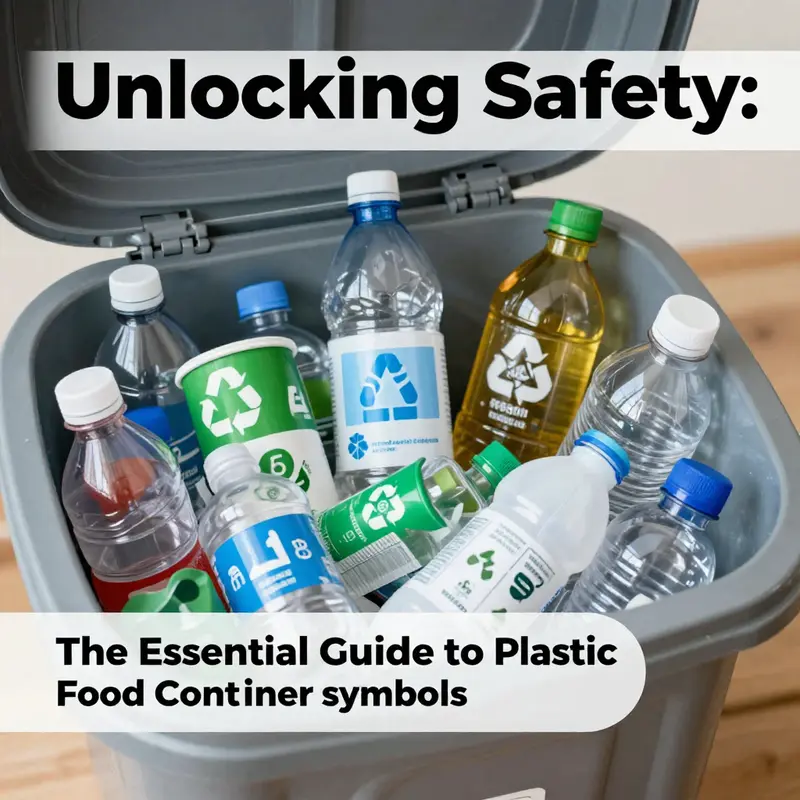
Reading the codes printed on the inside of a plastic food container reveals more than a risk assessment or a safety recommendation. It opens a door into the broader story of how materials are sourced, processed, used, and finally managed at the end of life. The resin identification codes, those familiar numbers tucked inside chasing arrows, were created to help sort plastics by type for recycling. But they also encode a set of environmental trade offs that become most visible when we trace a container from cradle to grave. This chapter keeps the focus on the environmental implications of those symbols while showing how consumer choices, waste management systems, and industrial design intersect with daily life in meaningful ways. It is not a simple map of safe versus unsafe, but a map of consequences and potentials, where the symbol guides both what we buy and what happens to it after we dispose of it.
At their core, resin identification codes are a standardized shorthand. The symbols appear as a number from 1 to 7 inside a triangle of arrows. They were designed by an industry group to facilitate the recycling process. When a recycler sees a container labeled with a specific code, they know which melted stream to feed into a reprocessing line and which additives or contaminants to expect. For consumers, the symbol can be a quick cue about how resilient the container is under reuse, heat, or acidic or fatty foods. Yet the same code that helps sort plastics for recycling can also mask more complex truths about environmental impacts or safety concerns that vary with the life cycle of the material.
The seven codes map to different polymers, each with its own physical properties and production footprint. PET or 1, the code most people recognize on water bottles, is convenient for single-use applications and widely recyclable. It is relatively efficient to produce but its end-of-life outcomes depend heavily on local recycling capacity and consumer behavior. HDPE or 2, used in milk jugs and many food tubs, is praised for chemical resistance and durability; it is also among the more recyclable plastics, with a long track record of being reprocessed into new containers and a range of durable products. PVC or 3, while once common in packaging, raises concerns about additives like phthalates and other contaminants. This has led many manufacturers and recyclers to limit its use in food contact roles, and some regions restrict PVC in extensions of the recycling stream because the contaminants can complicate processing and end results.
LDPE or 4 is the light, flexible cousin of HDPE. It is used in bags, squeeze bottles, and some wraps. Its lower heat tolerance is a constraint, but its recyclability is improving in some places as collection and sorting technologies advance. PP or 5, polypropylene, is one of the most heat-resistant plastics and appears in microwave-safe containers, yogurt cups, and many reusable food storage options. PP’s resilience makes it favored for repeated use, yet its recycling rates remain uneven across regions, which creates a paradox: a container that can perform many uses may still contribute to waste if the local infrastructure does not capture and recycle it efficiently.
Polystyrene or 6, commonly found in disposable cutlery, foam takeout containers, and clear food trays, carries with it concerns about styrene migration, particularly when heated or used with acidic foods. This has led to guidance to avoid heating PS packaging and to be mindful of its suitability for hot or fatty foods. Finally, 7 encompasses all other plastics not covered by the first six codes, including polycarbonate and several newer materials. Some of these may contain bisphenol A (BPA) or related compounds. This is where consumer caution and regulatory scrutiny intersect with packaging design.
What follows is not a simple ranking of which code is safest, but an exploration of how each code sits in the larger environmental matrix. A 2018 comparative study examined aluminum, polypropylene, and extruded polystyrene single-use containers across a dozen impact categories. The results were instructive: polypropylene containers showed higher environmental impact in several categories, including global warming potential, across multiple life cycle stages. Aluminum containers affected other dimensions, such as ozone layer depletion and human toxicity, reflecting the energy intensity of metal production and the subsequent recycling dynamics. Extruded polystyrene, despite a comparatively modest footprint in manufacturing and energy use, presented a different set of challenges. Its near-zero recycling rate in many locales means the material largely exits the system as waste, contributing to marine and terrestrial pollution. The contrast underscores a critical insight: an apparently lightweight or energy-efficient option can become a heavier burden if it cannot be recycled or reused effectively at scale.
The environmental story does not end there. A second axis of the analysis concerns reuse. Reusable polypropylene containers—think of the durable, everyday practice of refilling and cleansing—can substantially reduce environmental impact, but this benefit depends on how many times the container is reused. The cited study found that the break-even point for polypropylene to outperform single-use alternatives in the full life cycle can range from modest to substantial, with reuse counts spanning between 16 and 208 cycles, depending on the specific impact metric. In other words, reuse is powerful, but it requires discipline, durability, and a system that supports proper cleaning and long service life. When reuse is achieved, the benefits can compound, helping to offset the material’s initial energy and resource costs. Conversely, if a container is discarded after only a single use or a few uses, the advantages of choosing a more durable plastic can be quickly erased by wasteful end-of-life outcomes.
To understand why these dynamics matter in everyday life, it helps to tie symbol meaning to disposal behavior. The resin codes were created to support a more efficient recycling stream, but their influence extends into consumer habits, waste collection policies, and even the design decisions manufacturers make about what goes into a product. A code does not automatically guarantee a container will be recycled. Local facilities determine what plastics they can process, what contamination levels are acceptable, and how plastics are sorted and baled for shipment to reprocessors. In some places, a container labeled with a specific code may be readily recycled; in others, the same code could lead a consumer to a landfill or an incinerator due to gaps in the system. This variability highlights a broader truth: the environmental footprint of a plastic container is not fixed by the symbol alone. It is shaped by the interplay of material science, consumer behavior, and the effectiveness of post-consumer waste infrastructure.
The safety questions that often accompany these codes intersects with the environmental narrative too. The potential migration of chemical additives into food is both a health and environmental concern. BPA, a compound previously used in certain polycarbonates classified under code 7, raised alarms about hormone disruption and potential health risks. Phthalates used as plasticizers, particularly in some flexible plastics, are another area of concern that can influence regulatory choices and consumer confidence. As awareness of these issues has grown, many producers have moved toward BPA-free formulations, while regulators have tightened testing and labeling requirements. When we map symbol meaning to environmental outcomes, we must also account for how safety considerations influence product design, usage patterns, and end-of-life management. A container that reduces leaching risk and fosters safe reuse is preferable not only for personal health but for the entire supply chain that must manage its waste responsibly.
The environmental story also reveals the limits of recycling alone as a silver bullet. Even as recycling rates improve in some regions, the overall global recycling rate for plastics remains stubbornly low. The Environmental Protection Agency notes that less than 9 percent of all plastic ever produced has been recycled. That stark figure highlights the gap between the potential of recycling technologies and the realities of collection, sorting, and processing. It also emphasizes why the discussion around container symbols cannot be limited to the micro-level of what goes into a single kitchen bin. Policies, manufacturing choices, and consumer culture all play a role in shaping whether a given resin code translates into a closed loop or a one-way trip to landfill or incineration.
Given this complexity, the most effective path toward environmental improvement involves both better design and smarter use. Design can reduce the need for hazardous additives, improve the durability of containers used for reuse, and enable more efficient recycling streams. Smarter use includes choosing containers that are appropriate for the intended purpose, cleaning and maintaining them to maximize their lifespan, and selecting materials with higher recycling rates in local contexts whenever possible. This is not about strict avoidance of certain codes, but about understanding where the environmental costs accumulate most heavily and seeking alternatives that lean toward durability, lower toxicity, and higher recoverability. For many households, that means prioritizing reusable options crafted from durable materials like glass or stainless steel for everyday storage, while reserving ready-to-use plastics for short-term uses where appropriate. It also means recognizing when single-use items are likely to end in environments where recycling infrastructure is insufficient, to avoid adding unnecessary microplastics and waste to fragile ecosystems.
In practice, recognizing the symbolism embedded in plastic container codes can empower better choices without demanding perfect adherence to a single ideal. For instance, a two-pronged approach can guide daily decisions: first, favor containers that are known to be widely recycled in the community and that have a track record of successful post-consumer processing; second, when possible, reduce reliance on single-use packaging altogether by embracing reusable alternatives. When reusability is chosen, it is critical to design routines that sustain the container’s integrity over many cycles, including proper cleaning, avoiding high-heat exposure when not appropriate, and preventing contamination that can derail recycling downstream. The symbol then functions as a compass, pointing toward higher reuse potential and greater compatibility with local waste systems, rather than as a definitive statement about safety or environmental impact in isolation.
This approach also invites a broader conversation about material substitution and circular economy design. The environmental footprint of a takeout container can be lowered not only by switching materials but by rethinking the business model around packaging. Some producers experiment with recyclable, compostable, or renewable-content materials, while others emphasize refillable formats and service models that reduce overall packaging needs. These shifts are easier to implement when consumers demand them and when municipalities provide robust recycling or composting options. The symbols help in decision making precisely because they are part of a larger ecosystem of information—one that includes local policy, recycling facilities, and the availability of reusable alternatives. In the end, the goal is not to vilify any single code but to understand where each material lies on a spectrum of environmental performance and how consumer actions can tilt that spectrum toward sustainability.
For readers seeking a tangible direction beyond the conceptual, consider the growing emphasis on durable, reusable options and the environments that support them. The broader message is clear: longevity and proper end-of-life management matter as much as the material’s intrinsic properties. Reuse, when feasible, offers outsized benefits, but only if ecosystems support it through responsible maintenance and secure handling. Consumers wield real influence through disposal behavior, cleaning routines, and the willingness to opt for alternatives that fit the local infrastructure. In this light, resin codes become part of a practical framework for evaluating trade-offs rather than abstract labels about risk. They serve as a starting point for a deeper inquiry into how everyday packaging choices align with a broader commitment to environmental stewardship.
To close this thread, consider how a simple reset in daily habits—rinsing and reusing containers, choosing recyclable or reusable options, and supporting designs that prioritize material recovery—can translate into meaningful shifts in waste generation and resource use. The symbols are not the end of the conversation but an invitation to engage with the life cycle of materials. As communities refine their recycling capabilities and as manufacturers continue to innovate toward higher recyclability and lower hazard profiles, the codes will continue to adapt. The objective remains consistent: to minimize environmental impact while safeguarding health and safety in food contact contexts. The journey from symbol to system is not instantaneous, but it is navigable with informed choices, robust infrastructure, and a culture that values durable, recoverable packaging over ideation without consequence.
External resource for further reading: https://www.epa.gov/sustainable-management-plastics/plastics-waste-management
Internal link for readers exploring durable packaging alternatives: senang05-wholesale-brown-udon-thai-takeaway-soup-1250ml-pasta-packaging-16oz-kraft-paper-noodle-box-matt-lamination-embossing
Reading the Triangle: How to Decode Plastic Food Container Symbols for Safer Use

Understanding the small triangle on a plastic container changes how you store and heat food. That tiny symbol, typically a triangle with a number inside, is called a resin identification code. It tells you the polymer family used to make the item and gives clues about heat tolerance, durability, and the potential for chemicals to migrate into food. Read as part of a practical habit, these symbols can help you choose safer containers, reduce exposure to additives, and decide when to replace or retire a piece of plastic.
Start with the basics: the numbered codes are not a safety rating. They identify the plastic type. The difference matters because each polymer behaves differently under heat, mechanical stress, and exposure to acidic or fatty foods. For example, containers marked with #5 (polypropylene) generally hold up well to heat and microwaving. Those marked #1 (PET) are lightweight and clear but were designed for single use. Others, like #3 (PVC) or #6 (polystyrene), raise more concerns because they commonly contain additives that can migrate into food, especially when stressed by heat.
1 PET (polyethylene terephthalate) is familiar as clear water and soda bottles. It is lightweight, transparent, and has a maximum heat tolerance around 70°C. That low limit means PET should not be used repeatedly for food storage, and it should never be heated. Microwaving PET or pouring hot liquids into it increases the chance of structural breakdown and chemical leaching. Scratched, cloudy, or warped PET parts deserve immediate retirement. For safety, treat PET as effectively single-use and recycle it promptly when empty.
2 HDPE (high-density polyethylene) appears in milk jugs, juice containers, and some rigid storage tubs. HDPE is tougher than PET and tolerates higher temperatures—often up to about 110°C—yet that does not make it impervious to problems. HDPE can be porous at the microscopic level, and long-term storage of strongly flavored, acidic, or fatty foods raises the risk of chemical migration. While many HDPE containers are labeled safe for food, regular inspection is essential. Replace containers that show staining, warping, or persistent odors.
3 PVC (polyvinyl chloride) is best avoided for direct food contact. Plasticizers and phthalates often found in PVC improve flexibility but have been linked to health concerns. Acidic and fatty foods increase the likelihood that additives will transfer from PVC to food. PVC rarely appears in modern food containers for these reasons; when it does, steer clear for storage or reheating.
4 LDPE (low-density polyethylene) is flexible and used for sandwich bags, squeezable bottles, and some cling wraps. LDPE can handle light use but will soften and deform at higher temperatures. Do not microwave LDPE bags or store hot foods in them. Reusing thin LDPE wrap or thin bags invites damage and increases leaching risk, particularly if the plastic becomes scratched or oil-saturated.
5 PP (polypropylene) is the most reliable mainstream choice for reusable food storage and heating. It is common in microwave-safe containers, yogurt pots, and reusable lunch boxes. Polypropylene typically tolerates temperatures up to 160°C, making it suitable for microwaving, dishwasher cleaning, and hot liquids. Its chemical resistance and lower tendency to leach make PP the preferred plastic when you need convenience without the increased risk associated with other resins. Still, no plastic is indestructible: repeated rough use, scraping, or long exposure to high heat can degrade PP over time. Inspect items periodically and replace them when they become brittle, cloudy, or heavily stained.
6 PS (polystyrene) comes in rigid clear trays, disposable plates, and foam takeout containers. Polystyrene is lightweight and inexpensive, but it can release styrene, a compound classified as a possible carcinogen when it leaches into food. Heating or contact with oily, fatty, or acidic foods magnifies this risk. Avoid heating food in PS containers and do not use them for hot or long-term storage.
7 Other covers a variety of plastics that do not fit the six categories. This bucket includes polycarbonate (PC) and blends that may contain bisphenols such as BPA or BPS. Some plastics in this group are engineered for high performance, but the tradeoff is uncertainty about additives. Unless a container in this category explicitly states “BPA-free” and lists safe-use instructions, treat it with caution. For repeated food contact, prefer proven food-safe materials.
Beyond the number, other markings matter. Look for microwave-safe, dishwasher-safe, and food-grade labels. A microwave-safe symbol indicates the manufacturer has tested the product under controlled conditions. Still, this label does not guarantee safety forever. Over time, repeated heating and mechanical wear increase the risk of migration. Scratches, clouding, or a persistent odor indicate the polymer’s surface is compromised. When you see these signs, stop using the container for food.
Certain behaviors accelerate degradation. Heating plastic above its tolerance, aggressive dishwashing at high temperatures, and cutting or scraping contents out of containers introduce stress. Acidic foods like tomato sauces and fatty foods like oils encourage additives to migrate. Store such foods in glass or stainless steel when possible. If you must use plastic, avoid prolonged storage and never heat those foods in plastics that show wear.
A growing body of research reinforces caution. A 2026 study from a national environmental health institute found that repeated use of many plastic types raises the likelihood of chemical transfer into food, particularly under thermal stress or mechanical wear. That study confirms a pattern: time, heat, and damage amplify risk. It is prudent to minimize repeated exposure to plastics under those conditions.
So how should a consumer act on this information? First, prefer containers labeled #5 PP for everyday reusable food storage and reheating. Polypropylene balances heat resistance, durability, and lower chemical migration. Second, adopt a routine inspection habit. Check for cloudiness, scratches, cracks, persistent stains, or odors. Any of these signs mean the container should be replaced. Third, avoid heating food in containers intended for single use. Thin PET bottles, LDPE bags, polystyrene trays, and other low-tolerance plastics are not suitable for hot food.
When convenience or portability is required, look for safer single-use options designed for food contact. Paper-based bowls and cups with appropriate linings and PP lids can offer a better compromise than pure plastic foam or thin plastics. For an example of a disposable option suited to hot or mixed foods, consider a recyclable kraft paper salad bowl with a PP lid that is built for food contact and brief microwave use: kraft paper salad bowl with PP lid. Such combinations often reduce direct contact between food and less stable plastics while maintaining the convenience of disposable service.
If you seek long-term safety and sustainability, switch to glass or stainless steel for storage and reheating. These materials do not leach plasticizers and tolerate heat and dishwashing over years. Reserve plastic for transport where weight and shatter resistance matter, and then choose durable PP containers rather than flimsy, single-use pieces.
Recycling is useful but does not eliminate safety concerns. The recycling symbol and number can guide proper disposal and recycling streams, but recycling does not restore a container to a safer state for food reuse. Also, recycled plastics can contain mixed polymers or residual additives that complicate their suitability for food contact. Check local recycling rules and follow them, but do not assume that recycling makes a worn container safe to keep using.
Practical habits reduce exposure. Use glass for hot soups and sauces. Place oily or acidic foods in non-plastic containers. Avoid microwaving plastics unless they explicitly state microwave-safe and show no signs of wear. Store leftovers in small portions to minimize repeated reheating. When buying food on the go, select packaging that identifies the material or uses safer alternatives.
Finally, trust but verify. Manufacturers that provide clear labeling, including resin codes and usage instructions, make it easier to make safer choices. Regulatory guidance, such as that from food safety authorities, sets baseline standards. For further authoritative details on acceptable materials and food contact guidance, refer to official resources like the U.S. Food and Drug Administration’s page on food contact materials: https://www.fda.gov/food/food-contact-materials.
Taking the time to read the triangle and the accompanying markings will change routine choices. That change reduces avoidable exposure to additives and helps you manage the tradeoffs between convenience and safety. Keep the triangle as a small but powerful ally: it does not tell the whole story, but it gives essential clues. Use those clues to store smarter, heat safer, and replace plastics before they fail.
Final thoughts
In conclusion, understanding plastic food container symbols is essential for not only ensuring food safety but also supporting sustainability efforts in your business. By recognizing these symbols and their implications, you empower your customers to make informed choices and enhance your brand’s reputation. Ensure compliance with safety standards, engage in responsible sourcing, and create an open dialogue with your customers about packaging choices. Stay ahead in the industry by becoming an informed leader in food safety.