
Introduction
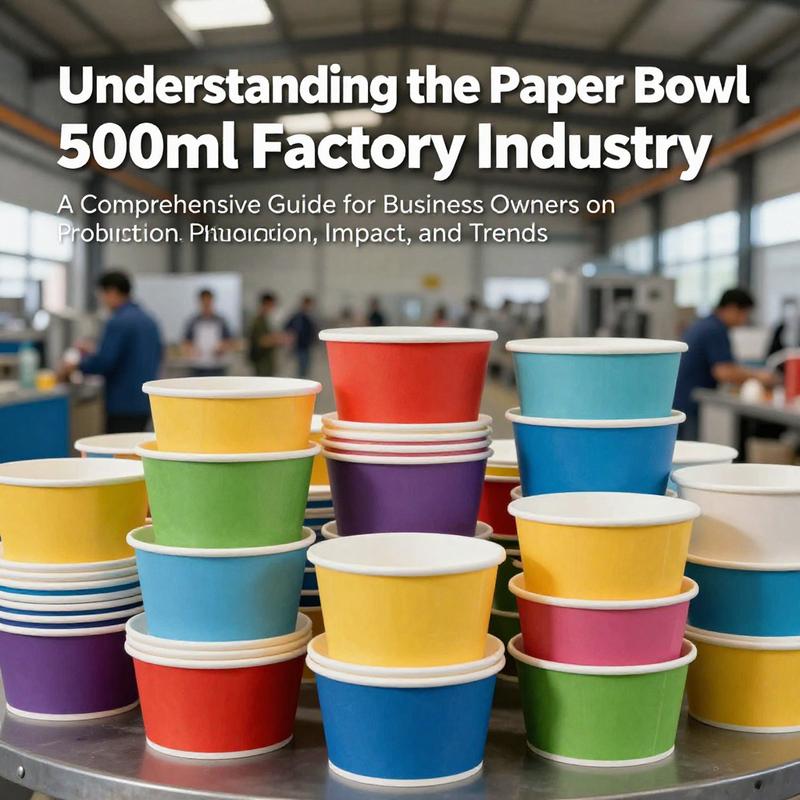
The paper bowl industry, particularly the production of 500ml disposable bowls, has become increasingly vital in today’s eco-conscious market. This article explores various dimensions of the industry, including technological innovations that enhance production efficiency, the economic impacts on businesses and local economies, and key environmental considerations. Through a detailed examination of market trends, this guide aims to equip business owners with insights necessary for navigating and leveraging the evolving landscape of disposable tableware manufacturing.
Tables of Contents
Chapter 1: Advancements in Production Techniques for 500ml Paper Bowls
- 1.1 Pioneering Technologies Transforming the Paper Bowl 500ml Manufacturing Landscape
- 1.2 Navigating Economic Challenges in the Sustainable Packaging Boom
- 1.3 The Intersection of Sustainability and Consumption in the Paper Bowl Industry
Chapter 2: Embracing Sustainability: The Role of Coatings in Modern Paper Bowl Production
- Transformative Coating Innovations for 500ml Paper Bowls: Balancing Functionality and Sustainability
- Streamlining Efficiency with Automation and Monitoring in Paper Bowl Factories
- Championing Sustainability: Innovations in Eco-Friendly Paper Bowl Materials
Chapter 3: Driving Local Economies: The Transformative Impact of Disposable Paper Bowl Manufacturing
- Empowering Communities Through Job Creation in Paper Bowl Manufacturing
- Driving Growth through Innovation and Strategic Investment in the 500ml Paper Bowl Sector
- Exploring the Interconnection of Supply Chain Resilience and Market Entry Strategies for Paper Bowl Factories
Chapter 4: Sustainable Practices in the Manufacturing of 500ml Paper Bowls
- Raw Material Sourcing and Its Ecological Impact in 500ml Paper Bowl Production
- Maximizing Energy Efficiency in the Manufacturing of 500ml Paper Bowls: Innovations and Best Practices
- Navigating Waste and End-of-Life: Sustainable Practices in 500ml Paper Bowl Production
Chapter 5: The Evolution of Sustainability in the 500ml Paper Bowl Market
- Emerging Trends Shaping the Future of 500ml Paper Bowl Manufacturing
- Technological Innovations Paving the Way for Eco-Friendly Paper Bowl Production
- Harnessing Green Innovation for Economic Growth and Ecological Sustainability in Paper Bowl Manufacturing
Chapter 1: Advancements in Production Techniques for 500ml Paper Bowls
1. 1.1 Pioneering Technologies Transforming the Paper Bowl 500ml Manufacturing Landscape
Within the paper bowl manufacturing industry, particularly focused on the 500ml variant, innovative technologies have emerged as game changers, driving efficiencies and enhancing sustainability practices. One of the most significant leaps in this sector is the refinement of paper pulp manufacturing techniques. Modern advancements have led to the creation of stronger and more resilient disposable bowls, all while adhering to strict food safety standards. Sophisticated pulping processes now utilize less water and energy, translating to minimized ecological footprints and optimized fiber yields. This shift not only contributes to reduced production costs but also aligns with global sustainability goals, making it a proactive approach toward environmentally responsible manufacturing.
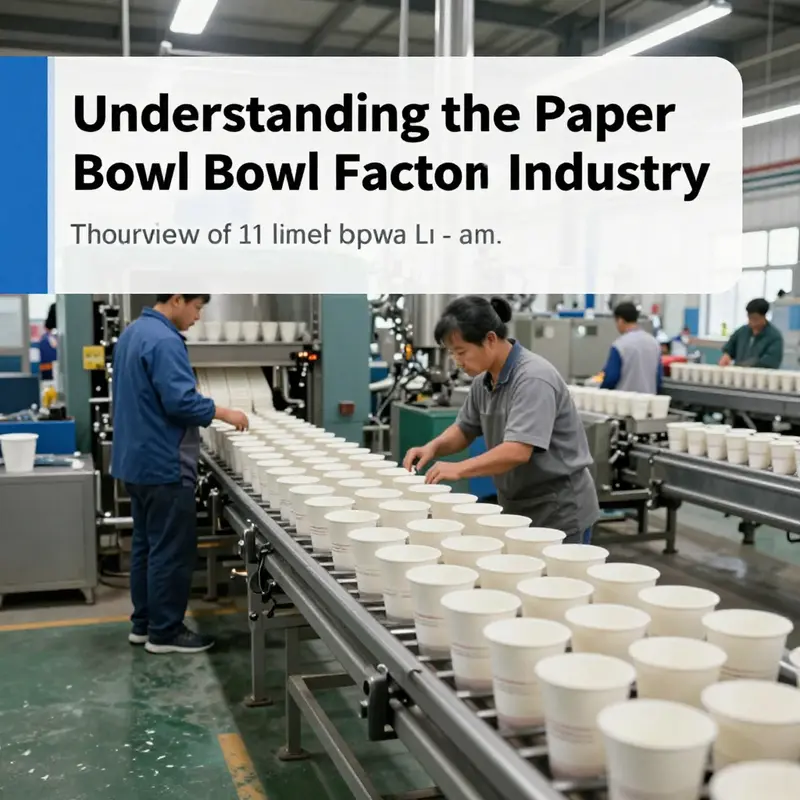
Another critical innovation is the introduction of automated molding and forming systems. These technologies enable highly precise shaping of 500ml bowls, ensuring uniformity across production lines while drastically curtailing waste. The consistency achieved through automation enhances the overall quality of the product and ensures that manufacturers can reliably meet the demands of their clients. This evolution in manufacturing processes not only increases output but also reduces labor costs, making the industry more competitive.
Digital printing technologies represent another facet of innovation that has drastically changed the landscape of the paper bowl industry. The ability to customize logos and designs directly onto the bowls caters to the diverse branding needs of wholesale clients. This level of personalization strengthens brand identity and customer loyalty while simultaneously allowing manufacturers to respond swiftly to market changes and consumer preferences. As consumers increasingly gravitate towards products that reflect their values and tastes, these innovations play a pivotal role in enhancing market relevance.
Moreover, innovations in material sourcing have propelled the commitment to sustainability within the industry. Many factories have started utilizing recycled or rapidly renewable fibers, including sugarcane pulp, to produce 500ml bowls. By integrating these sustainable materials into production, companies not only support ecologically sound practices but also appeal to a growing base of environmentally conscious consumers. The transition towards these eco-friendly resources underlines a significant shift in the industry’s ethos, focusing on long-term environmental impacts.
The blend of these technological innovations articulates a robust narrative of progress within the 500ml paper bowl factory industry. It encompasses a commitment to lower carbon emissions, enhanced product quality, and the ability to adapt to changing customer needs. As the industry continues to evolve, these advancements will serve as essential pillars upholding the integrity of sustainable manufacturing. This progress is evident in the market offerings, such as those from Qingdao LAFU Packaging Technology Co., Ltd., which emphasize both customization options and eco-friendliness. Manufacturers are increasingly expected to strike the balance between operational efficiency and environmental stewardship, which these innovations achieve beautifully. The ongoing journey towards innovation in the paper bowl manufacturing processes exemplifies a forward-thinking approach that is essential in today’s market.
For a closer look at some of the customization options available for biodegradable products, you can explore the eco-friendly bowl selections that are increasingly popular among consumers.
2. 1.2 Navigating Economic Challenges in the Sustainable Packaging Boom
The 500ml paper bowl factory industry stands at a crossroads, shaped by the significant economic impacts of both rising environmental awareness and stringent regulatory demands. As businesses pivot towards sustainability, driven by consumer preferences and market trends, they encounter both opportunities and hurdles that fundamentally alter their economic landscape.
At the forefront of this transformation is the increasing demand for eco-friendly packaging solutions. Across markets in regions like Japan and India, companies are not just adopting sustainable practices for ethical reasons; they are leveraging them as strategic tools to enhance their brand image and capture larger market shares. Market research indicates that consumers are willing to pay a premium for products that demonstrate a commitment to sustainability, creating a lucrative opportunity for manufacturers in the paper bowl sector. This shift not only drives revenue growth but also invites businesses to innovate, producing products such as biodegradable paper bowls made from sugarcane pulp—a key offering from factories like Qingdao LAFU Packaging Technology Co., Ltd.
However, this growth is not without its challenges. Regulatory pressures in various countries, especially the United States, are reshaping the operational viability of manufacturers. A notable concern is the scrutiny surrounding per- and polyfluoroalkyl substances (PFAS), frequently utilized in food packaging for their grease-resistant properties. With federal and state regulations tightening around the use of these substances, the industry faces substantial economic risks. Recently, projections revealed that PFAS emissions linked to food packaging could reach 2,300 kilograms annually, incurring wastewater treatment costs of about USD 3 billion each year. While manufacturers strive to comply, legal liabilities connected to PFAS have resulted in settlements exceeding USD 11.9 million for past pollution, further inflating operational costs.
As factories grapple with the financial implications of these regulations, the urgent need for an industry shift toward non-fluorinated alternatives becomes evident. Failing to adapt not only risks facing direct penalties but also threatens significant indirect economic losses. For instance, sales growth could plummet by as much as 70% in certain segments if brands cannot prove their commitment to sustainability. Moreover, loss of sustainability certifications could diminish a company’s competitive edge.
Nevertheless, the challenges presented by transition demands do not overshadow the opportunities available within the green economy. The 500ml paper bowl industry has the potential to create job opportunities and integrate seamlessly into a more sustainable market future. As manufacturers invest in safer materials and innovative manufacturing technologies, they not only enhance compliance with regulations but also position themselves favorably in a landscape increasingly characterized by eco-conscious consumer behavior. The path forward requires proactive strategies, investment in research and development, and a commitment to sustainable practices that will determine the industry’s long-term viability. By acknowledging and navigating these economic challenges, the paper bowl factory industry can harness sustainability as a catalyst for growth.
For businesses looking to explore viable packaging options, integral designs such as customizable biodegradable bowls exemplify the movement towards sustainability, bridging economic profitability with environmental responsibility.
3. 1.3 The Intersection of Sustainability and Consumption in the Paper Bowl Industry
In recent years, the paper bowl industry, particularly the 500ml segment, has found itself at the crossroads of sustainability efforts and shifting consumer attitudes. As ecological awareness rises, the demand for eco-friendly products, including biodegradable paper bowls, has surged. This change in consumer preference is heavily influenced by the growing consciousness around climate change and waste management, with many individuals and organizations prioritizing sustainable choices in their purchasing decisions. Alongside environmental concerns, societal trends affect the production and distribution of paper bowls. The increasing adoption of a disposable lifestyle, driven by convenience, sees foodservice businesses leaning towards single-use products. However, this trend is tempered by a burgeoning emphasis on recyclability and biodegradability. Companies like Qingdao LAFU Packaging Technology Co., Ltd. reflect this duality by offering 500ml disposable paper bowls made from sugarcane pulp, highlighting their commitment to sustainable practices while meeting the needs of the market. Such innovative uses of materials not only reduce the environmental footprint but also address consumer desires for responsible products. Furthermore, the geopolitical landscape plays a pivotal role in shaping the paper bowl industry. Trade agreements and policies aimed at reducing plastic waste are encouraging manufacturers to pivot towards paper-based solutions. In areas where plastic bans are enforced, the demand for alternatives like paper bowls has spiked. This shift not only benefits manufacturers who adapt swiftly but also positions them advantageously in an industry increasingly scrutinized for its environmental impact. As disposable culture meets the urgent call for sustainability, the paper bowl sector must continue to evolve. The ability to customize products, as offered by many suppliers, allows them to cater to specific client needs while promoting environmentally friendly practices. Companies are now not just manufacturers; they are innovators pushing the boundaries of what sustainable packaging can achieve. The competitive pricing, often ranging from $0.02 to $0.03 per bowl for large orders, makes these products accessible for both small and large food service operators seeking green alternatives. The societal shift towards sustainability extends beyond consumer behavior; it manifests in corporate responsibility and compliance with environmental regulations. Businesses today face pressure to demonstrate their commitment to sustainability, not just through marketing strategies but by integrating eco-friendly materials into their supply chains. This broad-based shift aligns with the global Sustainable Development Goals (SDGs), as organizations across various sectors strive to contribute to a more sustainable future. Finally, the paper bowl industry is poised for significant growth as awareness and demand for sustainable practices escalate. Manufacturers must remain vigilant and adaptable, seizing opportunities created by regulatory changes and societal shifts. Understanding the interplay of these factors will help ensure that the paper bowl industry not only survives but thrives in an increasingly eco-conscious marketplace. By focusing on sustainable manufacturing practices and recognizing evolving consumer demands, players in the 500ml paper bowl sector can position themselves at the forefront of this vital and dynamic industry.
Chapter 2: Embracing Sustainability: The Role of Coatings in Modern Paper Bowl Production
1. Transformative Coating Innovations for 500ml Paper Bowls: Balancing Functionality and Sustainability
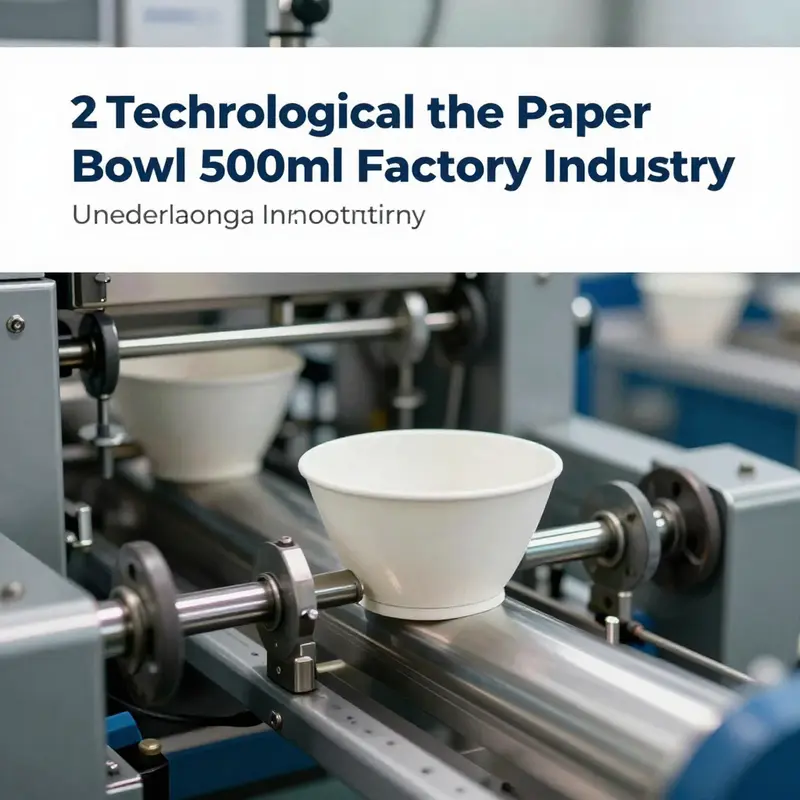
The advancement of coating technologies has dramatically enhanced the production capabilities of 500ml paper bowls, setting a new standard for functionality, safety, and environmental responsibility. Within this evolving landscape, the focus has shifted towards not only achieving operational efficiency but also aligning production processes with the growing consumer demand for eco-friendly packaging options.
Central to these innovations is the application of polyethylene (PE) coatings. Leading manufacturers have successfully implemented precision coating techniques that involve a thin, uniform application of food-grade polyethylene directly onto kraft paper. This process results in a product that resists liquid leakage effectively, providing the necessary barrier for soups, salads, and other liquid foods. Recent developments have seen a push towards thinner layers that minimize plastic content while optimizing performance, adhering to global trends advocating for reduced plastic use across industries.
As sustainability concerns have intensified, alternative materials have emerged as viable options in the realm of packaging coatings. One outstanding example is water-resistant polylactic acid (PLA) coatings, derived from renewable resources such as corn starch. This alternative not only meets but often exceeds stringent safety standards stipulated by regulatory bodies like the FDA and the EU. Factories, especially those situated in technologically advanced regions like Zhejiang Province, are integrating PLA coatings into their production lines, marking a significant leap towards sustainability in packaging. Their development involves specialized machinery and precise control over application conditions, allowing for a product that is not only biodegradable but also safe for food use.
The synergy of these innovations is particularly pronounced within vertically integrated manufacturing clusters found in regions such as Fujian, Zhejiang, and Shanghai. The co-location of coating processes and other manufacturing stages fosters a collaborative environment that facilitates real-time quality assessment and rapid research and development. As a result, factories can innovate continually, exploring advanced multi-layer composite coatings that bolster strength and barrier properties while still maintaining compostability. This integrated approach enhances production efficiency by approximately 25%, a significant improvement compared to traditional setups that may engage multiple third-party suppliers.
Moreover, advancements are seen in how these coatings are tested and validated, with the guidance of external bodies such as China’s Paper Industry Association (CPIA) providing benchmarks for performance. Such benchmarks assist factories in optimizing their operational protocols for coating thickness, adhesion strength, and biodegradability, ensuring that their products meet market demands without compromising environmental values.
In conclusion, the transformative nature of coating technologies in the production of 500ml paper bowls exemplifies the balance between modern functionality and sustainable ideals. From enhanced PE applications to the adoption of innovative PLA coatings, manufacturers are striving to meet consumer expectations while navigating the complexities of environmental impact. As the industry evolves, these advancements will continue to play a crucial role in shaping the future of disposable packaging, emphasizing the significance of responsible production processes that do not sacrifice quality for sustainability.
2. Streamlining Efficiency with Automation and Monitoring in Paper Bowl Factories
The landscape of paper bowl manufacturing, especially for standard capacities like the 500ml variant, is experiencing a transformative shift driven by automation and advanced monitoring systems. These technological innovations are not simply enhancements but vital components that define the efficiency and output quality of modern production lines. With the emphasis on sustainability and scalability, factories are leveraging these systems to not only boost productivity but also to adhere to strict environmental regulations.
At the core of this transformation are Computer-Aided Manufacturing (CAM) systems, which act as the backbone of automated production processes. For instance, certain advanced machines, designed in Korea, can produce an impressive 50 bowls per minute while maintaining precision and reducing errors. The CAM technology orchestrates the mechanical movements within these machines, allowing for highly repeatable operations that minimize waste—an essential factor given the environmental implications of raw material usage. With these systems, manufacturers can confidently ensure that each 500ml paper bowl is dimensionally accurate, fostering consistency across vast production runs.
However, automation goes beyond simple mechanical efficiency. Modern factories are integrating comprehensive monitoring capabilities that operate in real-time, allowing managers to track key performance indicators (KPIs) that reflect operational health. Parameters such as production speed, material consumption rates, and even machine temperature are meticulously monitored. For example, innovative paper bowl filling machines have been developed that automatically adjust to ensure precise filling levels, mitigating the risks of overfilling or underfilling, both of which have direct repercussions on product quality and customer satisfaction.
The move toward intelligent manufacturing enables manufacturers to anticipate maintenance needs before they escalate into costly breakdowns. German-engineered machines, known for their reliability and speed, employ sophisticated sensors that continuously gather and analyze operational data. This predictive maintenance is a game-changer; it transforms reactive approaches into proactive strategies, resulting in extended equipment lifespans and enhanced production reliability.
In addition to improving operational efficiency, these monitoring systems contribute significantly to the sustainability narrative that surrounds paper product manufacturing. By closely tracking material usage and automatically adjusting processes, factories can reduce their carbon footprint and align with global sustainability goals. This is particularly crucial as consumers and regulatory bodies increasingly demand not just eco-friendly products but also responsible production practices.
In summary, the integration of automation and real-time monitoring systems in paper bowl production facilities underscores a new era of manufacturing. These innovations facilitate a high level of precision and efficiency that meets the growing demand for environmentally sustainable products, ensuring that manufacturers can continue to thrive in an ever-competitive market. As factories evolve, embracing these cutting-edge technologies is essential for maintaining a leading edge in the paper bowl manufacturing sector, paving the way for both economic and environmental achievements.
3. Championing Sustainability: Innovations in Eco-Friendly Paper Bowl Materials
The production of 500ml paper bowls has shifted dramatically towards a more eco-conscious model, highlighting the essential role of sustainable materials in contemporary manufacturing practices. As global environmental awareness grows, manufacturers face mounting pressure to adopt materials that not only meet consumer demands but also address pressing ecological concerns. Consequently, the very fabric of the paper bowl industry is woven with innovations that prioritize biodegradability, recyclability, and a minimal carbon footprint.
Central to this evolution is the rise of biodegradable and compostable materials, which are now more readily utilized in the crafting of paper bowls. Leading the charge are innovations in coatings for paperboard substrates that enhance both usability and environmental responsibility. For instance, the use of water-based or plant-based coatings has emerged as a significant advancement. These coatings provide critical liquid resistance to ensure the integrity of the bowl during use, while also being designed to decompose naturally after disposal. This dual performance capability exemplifies a technological breakthrough, as it combines the durability needed for food service applications with the environmental benefits that modern consumers increasingly expect.
Pioneering companies, such as Xiamen Ebelee Environmental Protection Technology Co., Ltd., are at the forefront of developing these advanced coatings that comply with international food safety standards. Their research into water-based coatings is particularly noteworthy since it reduces reliance on harmful chemicals typically used in conventional coatings. These efforts are vital, as they not only enhance the product’s sustainability but also cater to an ever-more discerning consumer base that prioritizes health and environmental safety.
In parallel with advancements in coatings, the sourcing of raw materials has undergone a significant transformation. The renewed focus on recycled fiber content alongside sustainably managed forests represents a profound shift in how manufacturers approach their supply chains. Such practices not only align with principles of the circular economy but also ensure the entire lifecycle of the paper bowl—from extraction to disposal—reflects an environmentally friendly ethos. Regions such as Xiamen are emerging as significant players in this endeavor, renowned for their commitment to eco-friendly practices and innovative research and development in packaging technology.
Moreover, enhanced production technologies have streamlined the integration of these sustainable materials into vigorous manufacturing processes. Factories in provinces like Anhui and Zhejiang employ automated production lines capable of high-efficiency outputs, addressing the growing demand for such environmentally sound products without sacrificing quality or speed. This operational advancement is crucial for facilitating the transitional phase where sustainable packaging solutions must compete in price and performance with their traditional counterparts.
For B2B buyers navigating this landscape, a wealth of specialized suppliers is available, each offering unique advantages. In China, firms like HeFei Yuanchuan Package Technology Co., Ltd. and Wenzhou Baoshijie Technology Co., Ltd. exemplify the successful merger of technological sophistication and sustainability in their operations. Furthermore, with countries like Malaysia bolstering their industrial capabilities, the opportunity to source eco-friendly products continues to expand, catering specifically to a market that values sustainability without compromising on quality or cost. As the foundation of paper bowl production increasingly rests on sustainable innovations, it is clear that the future of the 500ml paper bowl industry is not just bright—it’s decidedly green.
For a closer look at custom eco-friendly takeaway solutions, consider exploring various biodegradable paper bowl options.
Chapter 3: Driving Local Economies: The Transformative Impact of Disposable Paper Bowl Manufacturing
1. Empowering Communities Through Job Creation in Paper Bowl Manufacturing
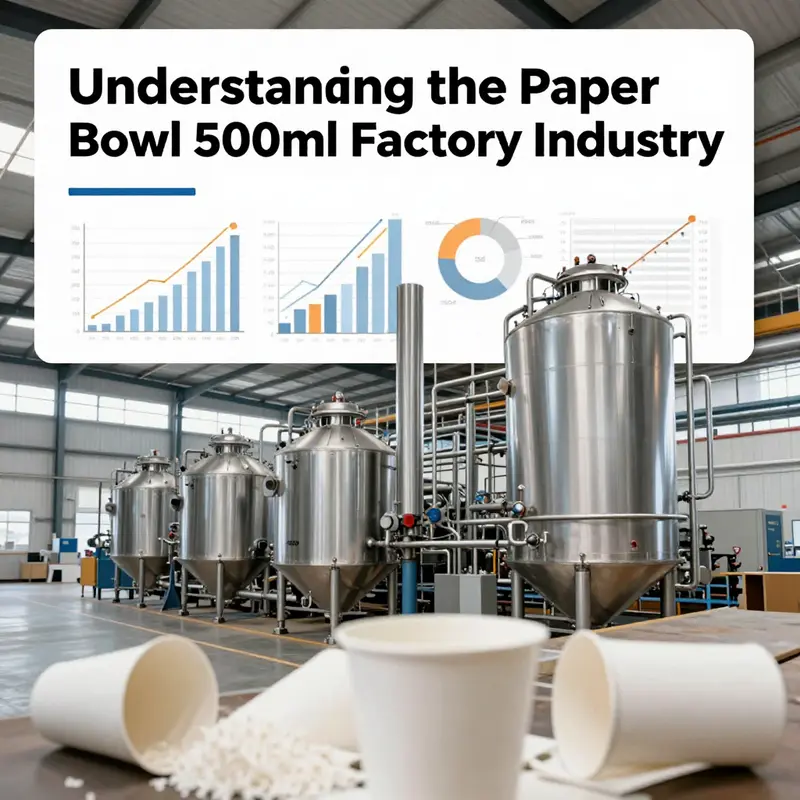
The establishment of a 500ml paper bowl factory significantly transforms local economies by generating employment opportunities that empower communities and strengthen household incomes. At the heart of this economic revitalization lies the direct creation of jobs across various operational tiers, each playing a critical role in the factory’s success and sustainability.
Initially, position roles such as machine operators command attention. These individuals are vital, responsible for operating the specialized machinery that produces the paper bowls efficiently. Their skills must be honed through training, making these jobs a resource for career development and vocational enhancement. Quality control inspectors follow closely behind as essential personnel, tasked with ensuring that every paper bowl adheres to the highest standards. This vigilance upholds both brand reputation and consumer trust, thereby contributing robustly to customer satisfaction.
The factory also employs maintenance technicians, who guarantee that the machinery operates smoothly and efficiently, preventing costly downtimes that can occur through mechanical failures. Furthermore, the logistical framework relies heavily on logistics coordinators, who oversee the distribution of raw materials and finished products, ensuring seamless inventory management. Collectively, these direct employment opportunities form a solid foundation for a healthier, more resilient local economy.
Beyond direct employment, the factory’s operational dynamics catalyze widespread indirect job creation across various ancillary sectors, amplifying its economic influence. Transportation services significantly benefit as demand for delivery and logistics ramps up to transport both raw materials to the factory and the end products to various marketplaces. The raw material supply chain, which includes industries that provide the sugarcane pulp essential for producing biodegradable paper bowls, also experiences growth, leading to new job opportunities in related sectors.
Moreover, packaging services see heightened activity, adapting to the needs of the factory in creating effective and sustainable packaging solutions for the finished goods. This abundance of employment radiates outward, invigorating local retail services as increased consumer spending occurs in response to heightened disposable incomes from new jobs created.
In alignment with insights from the International Labour Organization (ILO), medium-sized manufacturing plants can substantially boost regional employment, especially in areas grappling with high unemployment rates. This places 500ml paper bowl factories as catalysts for broader industrial growth, playing an indispensable role in poverty alleviation within communities. The concept of employee relations emerges as a fundamental principle here, emphasizing that sustainable job creation must not only meet economic metrics but also adhere to social responsibility standards that support the well-being of the workforce.
Elements such as fair compensation, safe working conditions, and clear opportunities for advancement are crucial in maintaining workforce morale and productivity, thereby enhancing the factory’s operational efficiency and profitability. This comprehensive ecosystem demonstrates how a single factory can emphasize job creation while simultaneously bolstering local economies.
For those interested in sustainable practices in disposable product manufacturing, examining the various eco-friendly solutions such as those offered in custom packaging could provide further insights into this evolving industry: Customized Kraft Paper Packaging Solutions.
2. Driving Growth through Innovation and Strategic Investment in the 500ml Paper Bowl Sector
The economic performance of a 500ml paper bowl factory is significantly shaped by the adoption of advanced manufacturing technologies. As the industry leans towards sustainability, manufacturers are obligated to innovate—not only in product design but also through their production processes. Key technological advancements, such as automated production lines and smart quality control systems, empower these factories to enhance operational efficiency. Consequently, companies can reduce waste and cut long-term production costs.
As outlined by experts from Deloitte Insights, a strategic focus and targeted investment in technology are imperative for maintaining a competitive edge. This necessity will continue through 2026, marking innovation as a cornerstone for sustaining profitability in a rapidly changing market. Thus, the trend of integrating smarter manufacturing solutions is not merely beneficial; it is essential for survival.
Manufacturing innovation encompasses a broad spectrum of facets, spanning product design, research and development, supply chain optimization, and logistics management. For a factory specializing in 500ml paper bowls, leveraging digital tools for material sourcing and streamlining machine uptime through predictive maintenance illustrates how technology can substantially improve resource allocation. Enhanced product consistency and increased output lead to reduced downtime, creating a more cost-effective and profitable operation.
However, with these benefits come challenges. Manufacturers face considerable initial investment costs for acquiring new equipment and must continuously adapt to shifting market demands. The increasing preference for alternative packaging solutions, such as biodegradable films or reusable containers, places additional pressure on paper bowl producers to explore innovative materials and methods.
Strategic investment in scalable and sustainable technologies is essential for overcoming these hurdles. Implementing energy-efficient presses not only reduces energy consumption but also lowers operational costs. Moreover, focusing on recyclable material processing systems aligns with consumer trends towards eco-friendliness. As brands commit to sustainability, aligning investment strategies with long-term environmental goals is increasingly crucial.
The integration of such technologies can markedly improve operational metrics, thus positively influencing the factory’s economic bottom line. New manufacturing systems that focus on environmentally responsible practices will better resonate with a growing eco-conscious consumer base.
Looking ahead, those in the paper bowl manufacturing industry that prioritize technology investments will likely emerge as market leaders. Companies are encouraged to engage with emerging technologies to bolster competitiveness in an evolving economic landscape. In doing so, they not only secure their market posture but also contribute to a more sustainable future. For further exploration of how technological investment can influence manufacturing, users can explore detailed resources on innovative manufacturing strategies.
For further reference and insight on manufacturing strategies, visit this resource on sustainable packaging solutions.
3. Exploring the Interconnection of Supply Chain Resilience and Market Entry Strategies for Paper Bowl Factories
The operations of a 500ml paper bowl factory hinge significantly on the intricate dynamics of supply chain resilience and effective market accessibility. These elements not only shape operational efficiency but also play a fundamental role in the broader economic viability of these manufacturing entities. Central to this discussion is the reality that paper bowl manufacturers encounter formidable challenges, particularly regarding initial investment costs and the competitive landscape dominated by a variety of alternative packaging solutions. These factors can notably constrain a factory’s capacity to scale operations and maintain a competitive edge in an evolving market landscape.
Small and medium-sized enterprises (SMEs) face additional hurdles, as their financial resources are often limited. This restriction can hinder investments in advanced machinery necessary for efficient production and affect their ability to secure reliable sources of raw materials. In the context of producing 500ml paper bowls, the choice of materials becomes critical; opting for sustainable options such as sugarcane pulp for packaging can signal to consumers a commitment to environmental responsibility. However, procurement of these materials requires robust supply chains that can withstand market fluctuations and disruptions.
Market access can be considerably enhanced by fostering strong supply chain resilience. Recent studies suggest that resilient supply chains enhance market access by allowing manufacturers to quickly adapt to potential disruptions—be it from shortages in raw materials or logistical delays in product distribution. Improved market accessibility reinforces supply chain agility, enabling firms to optimize their operations and respond dynamically to changing consumer demands. This interplay between supply chain and market orientation emphasizes how manufacturers can sustain consistent production levels while navigating fluctuations in order patterns, ultimately leading to improved economic performance.
Moreover, integrating technological enhancements into supply chain management plays a pivotal role in boosting SME performance. Factories that adopt advanced digital tools, such as enterprise resource planning systems, can gain real-time insights into inventory levels, production timelines, and distribution networks. Utilizing platforms like Microsoft Dynamics 365 for Supply Chain Management can transform operational strategies, allowing companies to identify inefficiencies and respond swiftly to market demands while managing costs effectively. Although the subscription fees for such systems represent an investment, when scaled properly, they yield substantial returns by facilitating smoother operations.
In summary, a 500ml paper bowl factory must navigate a landscape that requires both innovative supply chain strategies and effective market penetration approaches. By focusing on resilience in supply chains and adopting smart operational strategies, manufacturers can enhance their economic standing while addressing the growing consumer demand for sustainable, eco-friendly packaging solutions. As these enterprises aim to carve out their positions in the competitive market, the interplay of these strategic considerations will be instrumental in driving their long-term success.
Chapter 4: Sustainable Practices in the Manufacturing of 500ml Paper Bowls
1. Raw Material Sourcing and Its Ecological Impact in 500ml Paper Bowl Production
The environmental considerations involved in the manufacturing of 500ml paper bowls begin prominently with the sourcing of raw materials. This stage is crucial, as the choices made during procurement echo throughout the entire production process and the ecological footprints left behind. In regions like Sichuan, Hunan, and Guangxi, known for their abundant bamboo resources and recycled pulp supply, paper bowl production thrives. This geographic advantage not only diminishes transportation costs but also underscores a commitment to using renewable resources. Utilizing bamboo or certified renewable wood pulps, such as those bearing FSC certification, mitigates reliance on virgin forest resources, thus combating deforestation.
The environmental benefits of shifting towards renewable fiber materials are significant, particularly when placed alongside traditional plastic alternatives. Paper bowls crafted from sustainably sourced materials typically carry a lower carbon footprint over their lifecycle. Innovative manufacturers are increasingly adopting closed-loop water treatment systems and energy-efficient drying technologies, which substantially reduce both energy consumption and water pollution during production.
However, the environmental advantages associated with paper bowls are contingent upon the sustainability of the entire supply chain. For instance, if the pulp originates from illegal deforestation or is subjected to heavy chemical bleaching during processing, the ecological costs may overshadow any potential sustainability benefits. This highlights the pressing necessity of selecting suppliers that uphold international standards, such as those established by the FSC, BPI, or OK Compost. Such certifications not only guarantee the sustainable sourcing of raw materials but also validate the ability of products to decompose under composting conditions, thereby enhancing their environmental credentials.
Over recent years, the Chinese government has placed a significant emphasis on promoting green manufacturing policies. These initiatives encourage manufacturers to adopt cleaner production technologies and renewable resources, striving for a holistic approach to sustainability. In tandem with these government efforts, advanced automated production lines in coastal provinces like Guangdong and Fujian are making ongoing refinements to reduce waste throughout the manufacturing process.
The sustainable manufacturing of 500ml paper bowls, therefore, serves not merely as a technical issue but as a multifaceted transformation involving raw materials, production methods, logistical strategies, and recycling practices. This comprehensive approach is essential for maintaining a commitment to environmental stewardship while meeting the growing demand for eco-friendly products. The evolution of manufacturing processes to incorporate green practices not only fosters a healthier environment but also aligns with the increasing consumer expectations for sustainability in everyday products, reinforcing the importance of informed operational choices.
For further reading on sustainable paper products and their certifications, the FSC International website provides a wealth of information.
2. Maximizing Energy Efficiency in the Manufacturing of 500ml Paper Bowls: Innovations and Best Practices
The production of 500ml paper bowls has emerged as a notable sector within disposable packaging, yet it grapples with substantial energy demands that challenge its sustainability. Traditional manufacturing practices often rely on outdated technology, such as inefficient steam drying systems and uninsulated heat transfer components. These antiquated methods can consume between 180 and 220 kWh daily in typical paper cup machinery, significantly contributing to the industry’s carbon footprint. To counter these immense energy needs, progressive manufacturers are increasingly turning toward innovative processes and technologies that prioritize energy efficiency while maintaining product quality and safety.
A prime example of this shift is reflected in the practices of companies like Baba Cups, a forward-thinking paper bowl manufacturer based in India. Recognizing the environmental implications of high energy consumption, they have implemented strategies aimed at minimizing their ecological impact. A pivotal aspect of their approach is the adoption of modern machinery designed to optimize power usage. These state-of-the-art paper bowl machines enhance production efficiency through fully automatic systems that combine sealing, forming, and stacking, thereby minimizing human error and labor costs while maintaining consistency in product quality.
Despite the benefits of modern machinery, the transition is not without challenges. The initial costs for acquiring advanced paper bowl manufacturing equipment can be significantly higher, and the need for specialized technicians for installation and maintenance complicates the investment. Furthermore, these modern systems often require larger operational footprints, which may not be feasible for all manufacturers. Nevertheless, for large-scale producers and companies engaged in export-oriented operations, the long-term savings and environmental benefits can outweigh upfront costs, making it a worthwhile investment in the quest for sustainability.
Broader industry data supports the urgent need for these innovations. According to the Confederation of European Paper Industries (CEPI), the pulp and paper sector accounts for over 60% of its total energy consumption during the production phase. This statistic underlines the crucial necessity for both innovation and capital infusion into energy-efficient technologies throughout the supply chain. Integrating optimized drying systems, enhancing insulation, and utilizing renewable energy sources represent critical steps toward achieving sustainable paper bowl production.
The manufacturing of biodegradable paper food packaging, such as PE-coated 500ml disposable paper bowls made from food-grade paper, exemplifies this commitment to sustainability. These products not only mitigate waste but align well with eco-friendly production goals when produced alongside energy-efficient machinery and clean energy practices. For those seeking to delve deeper into the advancements in energy efficiency within paper manufacturing, resources like the official CEPI website provide extensive guidelines and data, paving the way for informed decision-making and strategic planning in the realm of sustainable manufacturing.
As eco-conscious consumers drive demand for more sustainable products, the paper bowl manufacturing industry must continue to adapt. By maximizing energy efficiency, companies can not only reduce their operational costs but also contribute positively to the broader environmental landscape, creating a win-win situation for both business and planet. The future of paper bowl production lies in these innovative practices, ensuring that businesses can thrive while prioritizing planet-friendly manufacturing methods.
3. Navigating Waste and End-of-Life: Sustainable Practices in 500ml Paper Bowl Production
The manufacturing landscape for 500ml paper bowls is increasingly defined by environmental accountability, particularly in waste management and end-of-life strategies. As manufacturers strive to align with sustainable practices, the emphasis shifts to minimizing material waste throughout the production process. This can be achieved through techniques that optimize cutting patterns, allowing for greater material efficiency. By recycling offcuts back into the production of paper pulp, factories can reduce the need for virgin materials and ensure that fewer resources are wasted.
Equally important is the monitoring and reduction of energy and water usage within these manufacturing facilities. Incorporating renewable energy sources such as solar or wind can significantly lower a factory’s carbon footprint. Moreover, implementing closed-loop water systems can minimize water waste, ensuring that this critical resource is reused wherever possible. These sustainable practices not only support environmental considerations but also align with international sustainability goals, fostering a manufacturing ecosystem that prioritizes ecological care.
Addressing the end-of-life challenges of paper bowls is pivotal to creating a circular economy. Manufacturers are increasingly prioritizing compostable and biodegradable materials that break down naturally, such as virgin fiber-based paper without plastic linings. This choice ensures that the bowls can seamlessly transition from consumer use back to the earth. However, the effectiveness of this strategy relies heavily on consumer awareness and education. Packaging that includes clear labeling with proper disposal instructions can guide consumers toward composting rather than landfill disposal, thereby enhancing the end-of-life outcomes for these products.
Incorporating educational initiatives about the benefits of composting and the impact of plastic pollution can further heighten consumer engagement. As individuals become more informed about their disposal choices, they are likely to make decisions that support sustainable practices. These efforts not only reduce environmental harm but also reinforce the message that responsible waste management is a shared responsibility among manufacturers and consumers alike.
To fully embrace the principles of a circular economy, manufacturers must not just focus on the products they create but also the lifecycle of those products. By ensuring that 500ml paper bowls can decompose into nutrient-rich compost, factories play a crucial role in fostering ecological resilience. Such commitments are reflected in comprehensive strategies that mitigate waste, such as those advocated by the Environmental Protection Agency’s guidelines on sustainable materials management.
As the global market increasingly demands eco-friendly options, companies that embrace these sustainable practices stand to gain a competitive edge. The transition toward producing biodegradable and compostable materials solidifies their role at the forefront of environmental stewardship in the food service packaging sector. This progressive mindset not only benefits the environment but also resonates with conscientious consumers eager to make ethical purchasing decisions. Ultimately, the success of the paper bowl industry is intertwined with its capacity to innovate and adopt practices that reflect an unwavering commitment to sustainability. For those interested in customizing their sustainable packaging, options abound in eco-friendly designs that meet these pressing demands.
Chapter 5: The Evolution of Sustainability in the 500ml Paper Bowl Market
1. Emerging Trends Shaping the Future of 500ml Paper Bowl Manufacturing
In the rapidly evolving landscape of the paper bowl market, particularly for the 500ml variant, several key trends have emerged that are significantly influencing manufacturing processes and consumer preferences. As sustainability becomes an increasingly central theme in consumer choice, the demand for biodegradable and environmentally friendly products has surged. The global paper bowl market, projected to grow at a compound annual growth rate (CAGR) of 3.1% from 2023 to 2030, highlights this shift, with expectations of rising from $10.61 billion in 2022 to approximately $13.55 billion by 2030. This growth is propelled by heightened consumer awareness about the detrimental effects of plastic pollution and a collective push towards sustainable practices across various industries, including food service and retail.
To keep pace with this evolving market, 500ml paper bowl factories are actively integrating technological innovations into their production lines. The adoption of automated production systems and smart packaging technologies is enhancing both efficiency and product quality. These advancements not only streamline operations but also contribute to lower operational costs. The use of eco-friendly coatings, such as plant-based or water-based options, is becoming more common, ensuring that the paper bowls exhibit necessary protective qualities against moisture and grease while being environmentally considerate. This aligns with international certification standards for sustainability, making these products more appealing to environmentally conscious consumers.
However, the growth of the paper bowl sector does not come without its challenges. As manufacturers strive for scale, the industry remains fragmented, often characterized by an overwhelming number of small players. This fragmentation leads to intense competition, resource wastage, and complications in supply chain management. Consequently, consolidation is anticipated in the forthcoming years, where larger manufacturers merge with or acquire smaller entities to optimize supply chains and enhance their competitive edge in the global market. Such mergers can facilitate the implementation of best practices and accelerate the shift toward sustainable manufacturing.
Regional dynamics also play a pivotal role in shaping the demand for 500ml paper bowls. While North America and Europe continue to be significant markets due to stringent environmental regulations and a mature culture of sustainability, the Asia-Pacific region, particularly countries like China, India, and those in Southeast Asia, represents the most substantial growth opportunity. With urbanization on the rise, the increasing popularity of takeout dining options, and government initiatives aimed at banning single-use plastics, the demand for paper bowls in these regions is expected to soar. The 500ml capacity is particularly well-suited for various food offerings, including soups, sauces, and snacks, thereby solidifying its market position as an essential product line for local factories.
Looking ahead, the future trajectory of 500ml paper bowl manufacturing is deeply intertwined with the broader themes of green transformation and smart production. Manufacturers are encouraged to adopt transparency in their supply chains—using responsibly sourced materials and renewable energy solutions. The integration of IoT and big data analytics will be vital in establishing smart factories that not only optimize production workflows but also ensure a thorough understanding of the environmental impacts throughout the product lifecycle. As the market evolves, companies that embrace these trends will likely lead the way in meeting the growing consumer expectations for sustainability and quality.
For industries moving towards eco-friendly practices and consumers seeking sustainable choices, these trends foster a unique opportunity. Solidifying a commitment to innovation and responsible manufacturing can position 500ml paper bowl factories as leaders in the ongoing quest for a more sustainable future in packaging and food services. To explore customizable options in sustainable packaging, consider insights from Cofe Cup.
2. Technological Innovations Paving the Way for Eco-Friendly Paper Bowl Production
The paper bowl industry is undergoing transformative changes driven by technological advancements that streamline production and bolster sustainability efforts. Within this context, the 500ml paper bowl factory stands at the forefront, leveraging innovations to meet the burgeoning demand for eco-friendly packaging solutions. Recent statistics reveal that the European paper bowl market alone, valued at USD 1.02 billion in 2024, is projected to reach USD 1.58 billion by 2033, growing at a compound annual growth rate (CAGR) of 5.1%. This growth is a direct response to heightened environmental awareness, government regulations against single-use plastics, and industry-wide shifts towards sustainable practices.
One of the key drivers of this evolution is the integration of automated production lines that not only enhance precision but also significantly reduce labor costs. Such advancements ensure that 500ml paper bowls are produced consistently—each bowl meeting strict quality standards vital for maintaining consumer trust. The machinery now available allows factories to manufacture leak-proof, sturdy bowls while adhering to global quality control benchmarks such as ISO 9001 and ISO 14001. By establishing high standards for both product quality and environmental management, these factories position themselves as leaders in the market.
Moreover, advancements in paper molding technology have facilitated the emergence of durable products crafted from sustainable materials like sugarcane pulp. A significant leap in material choice reflects the changing demands of eco-conscious consumers. As demonstrated by vendors such as Qingdao LAFU Packaging Technology Co., Ltd., who focus on producing biodegradable paper bowls, the industry recognizes that adopting plant-based materials not only meets consumer expectations but also aligns with stringent industry regulations.
Looking ahead, real-time monitoring and Internet of Things (IoT) integration in manufacturing processes are redefining efficiency. These technologies enable predictive maintenance practices, which preemptively address equipment failures, reduce downtime, and enhance operational continuity. Continuous improvement of production processes is achieved through data-driven insights, leading to minimized waste and optimized resource use.
The future of paper bowls increasingly ties to the principles of the circular economy. Innovations such as biodegradable coatings and water-based adhesives illustrate the industry’s commitment to reducing environmental impact. There is a growing exploration of alternative raw materials—like bamboo pulp and agricultural by-products—which serves as a response to both regulatory pressures and consumer expectations for greener products.
In summary, for a 500ml paper bowl factory, embracing these technological advancements not only bolsters environmental sustainability but also paves the way for penetrating new market segments characterized by premium, eco-conscious consumers. As regulations accelerate in favor of sustainable packaging solutions, early adopters of these innovations will find themselves well-positioned for sustained success in an evolving landscape. Such a forward-looking approach enables these industrial players not just to compete but to lead the charge towards a more sustainable future in food packaging. To explore further, consider examining various products that embody these fresh approaches to sustainability in packaging, such as customized disposable kraft bowls.
3. Harnessing Green Innovation for Economic Growth and Ecological Sustainability in Paper Bowl Manufacturing
The expanding market for paper bowls, particularly the 500ml variety, epitomizes a significant shift in consumer behavior and environmental awareness. As we witness a growing global initiative to phase out single-use plastics, the demand for eco-friendly alternatives has surged. The paper bowl sector, valued at USD 1.02 billion in 2024, is poised for impressive growth, expected to reach USD 1.58 billion by 2033, at a compound annual growth rate (CAGR) of 5.1% starting in 2026. This growth underscores the convergence of economic opportunity and environmental necessity, where manufacturers can thrive by pivoting to sustainable products.
At the heart of this shift is a pronounced economic advantage for factories focusing on the 500ml paper bowl manufacturing. This particular size caters to a wide range of uses—from salads and ice cream to ready-to-eat meals—making it a staple in foodservice and retail industries. The customization options offered by leading manufacturers, such as branded containers or unique designs, not only enhance their market appeal but also allow for improved profit margins. As factories invest in advanced production capabilities and tailor their offerings to meet diverse consumer needs, they position themselves competitively within the fast-evolving landscape of disposable packaging.
Moreover, the economic landscape for paper bowl factories is bolstered by supportive government regulations aimed at curbing plastic usage. Various countries have enacted policies that either ban or heavily tax the use of plastic disposable utensils and containers. This shift not only nudges consumers towards accepting biodegradable options but also incentivizes manufacturers to innovate and scale their production processes. Factories are increasingly adopting automated systems and sustainable materials, driven by a dual objective: enhancing operational efficiency while minimizing ecological footprints.
From an environmental perspective, manufacturing paper bowls brings significant benefits over traditional plastic alternatives. Paper bowls are biodegradable and compostable, thus addressing the concerning issue of plastic pollution in ecosystems and landfills. Utilizing renewable resources, such as sustainably sourced wood pulp, supports forest conservation efforts, provided such sources are managed intelligently. However, it is vital to remain cognizant of the raw material extraction’s environmental costs, including energy consumption and water usage during processing.
Green manufacturing practices are pivotal for factories aspiring to strengthen their environmental credentials. Many leading firms are now adopting innovative technologies such as closed-loop water systems and relying on renewable energy sources to reduce their carbon emissions. Certifications from reputable organizations like the Forest Stewardship Council (FSC) further emphasize a commitment to responsible sourcing and sustainability at every stage of production.
As we look ahead, the evolution of the 500ml paper bowl market will likely be defined by innovative materials and smart design. Developments in plant-based coatings promise enhanced durability without sacrificing recyclability. Features like QR codes on packaging for traceability and improved branding align with the increasing consumer preference for transparency and sustainability. This ensures that the paper bowl industry does not merely replace plastic but leads the charge in creating a sustainable circular economy, offering both economic viability and environmental resilience.
Final thoughts
The paper bowl 500ml factory industry plays a crucial role in modern manufacturing, driven by technological advancements and the growing emphasis on sustainability. This industry not only enriches local economies but also informs a progressive approach to environmental challenges. By understanding the dynamics of this industry—from production methods to market trends—business owners can position themselves strategically to capitalize on future opportunities, ensuring growth and competitiveness in a rapidly evolving market.
Choose our reliable disposable tableware and packaging solutions for your business. We offer quality products that meet safety standards, with fast delivery and flexible options. Partner with us today to elevate your service – contact our team now for a tailored quote!
About us
We specialize in manufacturing and supplying disposable tableware, packaging paper, and boxes. With years of experience, we prioritize safety, durability, and eco-friendly practices. Our goal is to provide businesses with trusted, cost-effective solutions backed by responsive customer support.