

Introduction
With growing environmental awareness, businesses are increasingly seeking sustainable packaging solutions. Sugarcane clamshell boxes, crafted from the fibrous by-product of sugarcane juice extraction, offer a biodegradable and eco-friendly alternative to traditional plastic containers. These boxes not only contribute to lowering environmental impact but also respond to consumer demand for green practices. This article will explore the environmental benefits of sugarcane clamshell boxes, their applications in the food industry, economic considerations in production, and the rising consumer trends that are making these boxes a staple in sustainable business practices.
Tables of Contents
Chapter 1: Harnessing Nature: The Sustainability of Sugarcane Clamshell Boxes
- Sugarcane Clamshell Boxes: A Game Changer for Sustainable Packaging
- Transforming Waste Management: The Role of Sugarcane Clamshell Boxes in Pollution Reduction
Chapter 2: Dynamic Uses and Innovations of Sugarcane Clamshell Boxes in Foodservice
- Transforming Food Packaging: The Multifaceted Role of Sugarcane Clamshell Boxes in the Industry
- Harnessing the Power of Sugarcane Clamshell Boxes: A Greener Path Forward for Food Service
Chapter 3: Navigating the Financial Landscape of Sugarcane Clamshell Box Production
- Unlocking Market Potential: Economic Forces Driving Sugarcane Clamshell Box Adoption
- Balancing Sustainability and Cost: The Economic Dynamics of Sugarcane Clamshell Box Manufacturing
Chapter 4: Driving Change: The Surge of Sustainable Packaging in the Food Industry
- The Eco-Conscious Shift: Sugarcane Clamshell Boxes at the Forefront of Sustainable Consumer Choices
- The Rise of Sugarcane Clamshell Boxes: Consumer Preferences and Market Dynamics
Chapter 1: Harnessing Nature: The Sustainability of Sugarcane Clamshell Boxes

1. Sugarcane Clamshell Boxes: A Game Changer for Sustainable Packaging
In a world increasingly plagued by the issues stemming from plastic use, the quest for sustainable solutions has never been more critical. One promising alternative lies in the humble sugarcane clamshell box, a product that harnesses the power of nature to forge a path towards eco-conscious packaging. Made from bagasse—the fibrous byproduct of sugarcane processing—these containers are an innovative response to the call for environmentally responsible solutions. By prioritizing renewable resources, such clamshells emerge not only as practical containers but also as pivotal players in the larger ecological narrative.
The foremost advantage of sugarcane clamshell boxes is their renewable resource base. Sugarcane is classified as a rapidly renewable crop, capable of being harvested multiple times a year without exhausting soil or water resources. Each harvest produces a significant amount of bagasse, which would otherwise be treated as agricultural waste. By converting this byproduct into valuable packaging materials, we minimize waste and maximize resource efficiency. This circular approach not only capitalizes on agricultural production but also stimulates local economies that depend on sugarcane cultivation, thus promoting sustainable farming practices that benefit all stakeholders.
Biodegradability is another defining feature of sugarcane clamshell boxes that sets them apart from conventional plastic packaging. While most plastic containers take hundreds of years to decompose, sugarcane clamshells can break down completely within 90 days in a composting environment. This efficient decomposition process significantly reduces the burden of landfill waste and curtails the adverse environmental impacts associated with long-term plastic pollution. By facilitating swift breakdown, these containers contribute to a healthier ecosystem and promote biodiversity—a vital cornerstone of environmental stability.
The lower carbon emissions associated with the production of sugarcane clamshell boxes further solidifies their status as eco-friendly packaging solutions. The energy required to manufacture these containers is considerably less than that needed for producing traditional petroleum-based plastics. This reduction in energy consumption translates to lower carbon dioxide emissions, aiding the global fight against climate change. With society grappling to mitigate its carbon footprint, adopting sugarcane clamshells is a proactive step in the right direction.
These environmentally friendly packaging solutions also encourage the promotion of a circular economy. By transforming bagasse, an abundant agricultural residue, into functional packaging, a valuable resource chain is nurtured. This not only helps in reducing waste but also fosters innovation in utilizing byproducts from other industries, thereby creating a symbiotic relationship among various sectors. It’s a holistic approach that exemplifies sustainability—turning potential waste into a useful product, enhancing resource productivity while minimizing environmental degradation.
Moreover, the transition towards sugarcane clamshell boxes signifies a broader cultural shift in consumer behavior. As society becomes more aware of environmental issues, there is a growing demand for businesses to adopt sustainable practices. By integrating sugarcane packaging into their operations, companies not only demonstrate their commitment to environmental stewardship but also align themselves with the values of their customers. This can enhance brand loyalty and customer engagement—criteria that are vital in today’s competitive market. When businesses showcase sustainable ingredients and packaging, they resonate with conscious consumers who are keen to support brands taking tangible steps towards environmental responsibility.
In terms of utility, sugarcane clamshell boxes deliver exceptional performance for various food applications. They are sturdy and functional, making them suitable for serving a diverse range of dishes, from bento boxes to take-away meals. Their heat-resistant and microwave-safe properties allow for easy reheating, providing convenience without compromising on safety or integrity. As foodservice sectors pivot towards eco-friendly practices, offering an efficient and reliable packaging option like sugarcane clamshells becomes a strategic advantage.
One illustrative example is the 8” Eco-Friendly Bagasse Clamshell Food Container available from various suppliers. Known for its compatibility with both hot and cold foods, this container is marketed as a nontoxic and compostable alternative to plastic. With a competitive minimum order requirement and sample options available, businesses can easily integrate this product into their sustainable packaging lineup. Larger sizes are also on offer, catering to different meal portions and bakery needs, thus providing flexibility for various enterprises.
Sustainability in packaging also extends to waste management and pollution reduction. As highlighted previously, the widespread adoption of biodegradable packaging can alleviate the strain on waste disposal systems. Sugarcane clamshell boxes contribute to reducing the increasing volumes of non-biodegradable plastics littering the environment, as they naturally revert to the earth. This dynamic shift not only enhances waste management efforts but also empowers consumers to align their purchasing choices with sustainable practices, thereby impacting the environment in a positive manner.
In conclusion, sugarcane clamshell boxes emerge as more than just an alternative to plastic packaging; they represent a significant advancement towards achieving sustainable practices within the food service and packaging industries. By utilizing renewable resources, ensuring rapid biodegradability, minimizing carbon emissions, and supporting a circular economy, these innovative containers mark a pivotal shift in how industries can align their operations with environmental goals. As businesses and consumers increasingly recognize the importance of sustainability, sugarcane packaging offers a compelling answer to the growing crisis of plastic pollution. In this ongoing journey towards greener solutions, sugarcane clamshell boxes are undeniably leading the way, redefining what it means to package responsibly.
2. Transforming Waste Management: The Role of Sugarcane Clamshell Boxes in Pollution Reduction
Sugarcane clamshell boxes are emerging as a leading alternative in the quest for sustainable packaging solutions, particularly in addressing the pressing issues of waste management and pollution. These boxes, crafted from bagasse—the fibrous residue that remains after the extraction of juice from sugarcane—serve not only as functional food containers but also as a means to mitigate environmental impacts associated with traditional packaging materials. The inherent renewability of bagasse sets the foundation for an eco-friendly lifecycle, making these clamshell boxes increasingly popular among environmentally conscious consumers and businesses alike.
One of the most staggering advantages of sugarcane clamshell boxes is their biodegradability. Unlike plastic clamshells, which can linger in landfills for hundreds of years, sugarcane-based packaging is fully compostable. Under industrial composting conditions, they can break down into organic matter within just 90 days. This rapid decomposition significantly reduces the burden of long-term waste accumulation that has fueled the plastic pollution crisis affecting our oceans and terrestrial ecosystems. By opting for biodegradable alternatives, businesses and consumers make a decisive step toward reducing non-degradable waste, thus contributing to cleaner environments and healthier ecosystems.
The environmental implications of this biopackaging extend beyond mere waste reduction. The production of sugarcane clamshell boxes generates considerably lower greenhouse gas emissions as compared to traditional petroleum-based plastics. The growth of sugarcane itself absorbs carbon dioxide (CO₂), creating a near carbon-neutral lifecycle for these products. This dual action of serving as both a container and a carbon sponge underlines the boxes’ friendly relationship with the planet. By utilizing materials that naturally recycle CO₂, businesses bolster their sustainability goals while still meeting consumer demand for reliable food packaging.
In addition to their low emissions, sugarcane clamshell boxes also tackle the risk of microplastic contamination. Traditional plastics can fragment into millions of microscopic particles, contaminating water sources and entering food chains. This not only poses a threat to human health but also disrupts marine and terrestrial animal life. Sugarcane clamshells, on the other hand, do not fragment into harmful microplastics, ensuring that they decompose safely without endangering living organisms.
Transitioning from conventional plastic packaging to biodegradable sugarcane containers supports a circular economy—a system where waste is minimized, and resources are continually reused. Businesses can leverage sugarcane clamshell boxes to align their operations with sustainability targets. For example, in food service applications like takeout packaging, these compostable boxes enhance brand image and meet customer preferences for environmentally responsible products. As consumers become more selective about the origins and lifecycle of their packaging, companies adopting sugarcane clamshell boxes position themselves as leaders in sustainability.
Moreover, the compatibility of sugarcane clamshell boxes with existing composting infrastructure makes them an ideal choice for municipalities focused on achieving zero-waste initiatives. Many urban areas struggle with rising landfill burdens and the need for eco-friendly alternatives. By incorporating these biodegradable containers into their waste management strategies, cities can significantly reduce landfill contributions, promote organics recycling, and foster community-wide sustainability practices. Campaigns to educate the public on responsible disposal methods further enhance the positive impacts of these clamshell boxes, creating a culture of environmental consciousness within the community.
For businesses in fields ranging from food delivery to meal preparation, the adoption of sugarcane clamshell boxes is not just an environmental obligation but also a savvy economic decision. The growing demand for sustainable packaging options reflects consumer preferences. According to market research, an increasing number of consumers actively seek out brands that prioritize environmental responsibility. By adopting sugarcane-based packaging, companies not only fulfill this demand but also gain competitive advantages in a crowded marketplace. This shift towards eco-friendly products can drive brand loyalty and stimulate consumer engagement, fostering a strong relationship between brands and their customers.
Furthermore, the specter of regulatory changes could further endorse the use of clamshell boxes made from renewable resources. As governments worldwide examine legislation aimed at curbing plastic production and usage, businesses that have already transitioned to biodegradable alternatives will meet these regulations with ease. Companies can avoid penalties associated with non-compliance while staying ahead of the sustainability curve. This proactive approach may also enhance their reputability among environmentally-conscious consumers, reinforcing a positive brand perspective in a rapidly evolving market landscape.
While the environmental benefits of sugarcane clamshell boxes are substantial, it is essential to recognize that their successful adoption relies on holistic approaches that integrate sourcing, production, and disposal practices. Stakeholders in the packaging supply chain, including manufacturers, retailers, and consumers, must work collaboratively to maximize the potential of these eco-friendly options. By proactively integrating sugarcane clamshells into their operational practices, companies contribute to a more sustainable future—one where waste is minimized, and the burdens on our planet are alleviated.
Ultimately, the adoption of sugarcane clamshell boxes represents a pivotal shift in how we manage waste and address environmental challenges. As businesses make this transition, they enhance their sustainability profiles, respond to consumer demand for eco-friendly packaging, and participate in a larger solution to global pollution. As the marketplace evolves, so too must our strategies for effective waste management, and sugarcane clamshell boxes are poised to play a crucial role in that transformation. Through collective action and informed choices, we can reduce our ecological footprint and cultivate a healthier planet for future generations. For those looking to embrace environmentally friendly packaging alternatives, resources are readily available to support this vital initiative.
Chapter 2: Dynamic Uses and Innovations of Sugarcane Clamshell Boxes in Foodservice
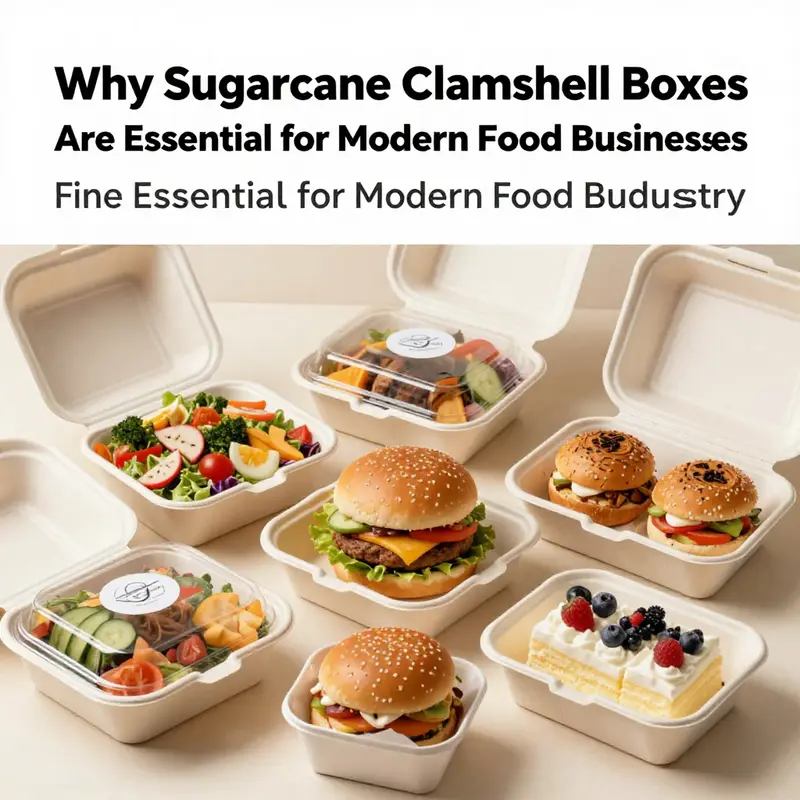
1. Transforming Food Packaging: The Multifaceted Role of Sugarcane Clamshell Boxes in the Industry
Sugarcane clamshell boxes have rapidly gained prominence as an integral part of the food industry’s packaging ecosystem, underscoring a pivotal shift towards more sustainable practices. These boxes, made from bagasse—the fibrous byproduct of sugarcane juice extraction—serve as eco-friendly and compostable alternatives to traditional plastic and foam containers. As the ramifications of plastic pollution gain increasing recognition, foodservice businesses are turning to these versatile containers to meet both their operational needs and the rising consumer demand for environmentally responsible packaging.
One of the most significant applications of sugarcane clamshell boxes can be found within the takeout and meal delivery sectors. The rapid expansion of food delivery services has made convenient and dependable packaging solutions more essential than ever. Sugarcane clamshells excel in this area by safeguarding the freshness and temperature of meals while providing a reliable barrier against leakage. Their natural strength and durability facilitate a seamless transit experience, offering both consumers and vendors peace of mind when it comes to food safety and quality on-the-go.
In fast food and casual dining establishments, sugarcane clamshell boxes have found wide acceptance for packaging a diverse array of items—from burgers and sandwiches to fried foods and salads. The design of these boxes often mirrors traditional clamshell styles, making them user-friendly for both customers and staff. Notably, their microwave-safe properties allow patrons to conveniently heat their meals without transferring them to another container, thereby reducing waste. The fusion of functionality and sustainability encapsulated in sugarcane clamshell boxes caters effectively to today’s fast-paced lifestyle while advocating for responsible consumption.
Moreover, specialty variants such as three-compartment clamshell boxes have reshaped how food is packaged and presented. By dividing meals into designated sections, these containers enhance the aesthetic of the meal while preventing flavors from mingling. This feature supports effective portion control, making them particularly appealing in settings that prioritize health and wellness. Diners appreciate the ability to discern their meals, which can bolster consumer satisfaction and help brands convey their commitment to quality and wellness-centric offerings.
The functional advantages of sugarcane clamshell boxes extend beyond their use case scenarios. One of their most compelling attributes is their sustainability. Under industrial composting conditions, these containers can fully decompose within 90 days, substantially alleviating the pressure on landfill sites. This quick breakdown is a stark contrast to their petroleum-based counterparts, which could take hundreds of years to degrade. As municipalities and businesses alike face mounting pressure to adhere to environmental sustainability initiatives, the adoption of biodegradable packaging options like sugarcane clamshells exemplifies a proactive approach to waste management.
In addition to their environmental benefits, sugarcane clamshell boxes demonstrate impressive thermal resistance. They can withstand temperatures up to 120°C (248°F), making them suitable for both microwave reheating and serving hot dishes without risking structural integrity. This versatility allows foodservice operators to streamline their operations and maximize resources by utilizing the same container for multiple food types and temperatures. Furthermore, the option for customization adds an appealing dimension for brands looking to enhance their marketing. Custom labeling and branding can be effortlessly incorporated into the design of these clamshells, allowing restaurants to promote their eco-friendly initiatives while also creating a memorable experience for customers.
Market trends indicate a clear trajectory toward the integration of sugarcane clamshell boxes across various segments of the food industry. As consumer awareness of environmental issues continues to rise, businesses are increasingly adopting these containers not only to comply with legislation banning single-use plastics but also to cultivate a positive brand image. The growing public appetite for environmentally friendly options directly influences sales. Implementation of sustainable practices showcases a brand’s dedication to social responsibility, fostering loyalty among consumers who prioritize ecological consciousness in their purchasing decisions.
Additionally, the transparency surrounding sourcing and manufacturing processes adds another layer of value. Brands that utilize sugarcane clamshell boxes can readily convey the benefits of their packaging choices to customers, creating a narrative that resonates with environmentally conscious diners. As cities enact more stringent regulations on plastic usage, companies adopting sustainable practices stand to gain a competitive edge in a crowded market.
The alignment of sugarcane clamshell boxes with emerging sustainability criteria is a hallmark of modern food industry innovation. For instance, street vendors are no longer relegated to basic styrofoam trays but can take pride in offering meals presented in biodegradable boxes, elevating the customer experience while supporting the environment. Upscale catering firms are also discovering that these boxes can serve as chic, yet planet-respecting, alternatives for a range of culinary presentations—from elaborate multi-course meals to simple finger foods.
Amidst these evolving applications, suppliers of sugarcane clamshell boxes are augmenting their offerings to meet heightened market demand. Wholesale distributors cater to both finer dining establishments and fast-casual outlets, ensuring that the variety of available sizes and designs can accommodate the multifaceted nature of foodservice operations. Innovations in packaging materials, enhanced design efficiencies, and robust manufacturing standards ensure that the quality of sugarcane clamshell boxes meets the stringent expectations of culinary professionals.
In conclusion, sugarcane clamshell boxes are redefining what disposable food containers can be within the food industry. Their adaptability, sustainability, and enhanced functionality position them as ideal vessels for a vast array of food products, making them an invaluable asset for modern foodservice operators. As regulations and consumer preferences evolve in favor of eco-friendly solutions, the loyalty of both businesses and their patrons to sugarcane clamshell boxes is poised to strengthen, marking these containers as a pivotal element in the growing movement towards an environmentally balanced future in food packaging.
2. Harnessing the Power of Sugarcane Clamshell Boxes: A Greener Path Forward for Food Service
As the food service industry grapples with increasing environmental concerns and rising consumer demand for sustainable practices, sugarcane clamshell boxes have emerged as a pivotal solution that marries functionality with eco-friendliness. These containers, crafted from bagasse—an agricultural byproduct from sugarcane processing—offer a compelling alternative to conventional plastic and styrofoam packaging, which have long been at odds with sustainability goals. A deeper examination reveals not only the applicability of these boxes across various food service contexts but also their substantial positive environmental impact.
The versatility of sugarcane clamshell boxes is evident in their extensive usage in fast food, casual dining establishments, and food delivery services. Packing a range of meals from sandwiches and burgers to salads and bento boxes, these containers are designed to be robust and efficient. Their sturdy construction allows them to withstand high temperatures, making them microwave-safe, a characteristic not universally available in traditional takeaway containers. This performance capability aligns perfectly with the modern consumer’s lifestyle, which often necessitates reheating meals and enjoying them on the go.
In addition to their microwave-safe property, sugarcane clamshell boxes are thoughtfully designed to serve various culinary needs. Available in multiple sizes, they can accommodate everything from single-portion meals to larger family servings. Notably, the design of these clamshells often incorporates multiple compartments, allowing for the separation of different food items, which is particularly appealing for meal prep applications. The sustainability of these boxes does not limit their practicality; rather, it enhances their usability in today’s fast-paced food culture.
Transitioning to the topic of environmental impacts, the use of sugarcane clamshell boxes stands as a robust strategy in the quest for a greener planet. Traditional plastic containers have been criticized for their long degradation periods, leading to significant landfill accumulation and environmental degradation. In stark contrast, sugarcane clamshell boxes are compostable; they can break down in a mere 90 days under industrial composting conditions, returning to the earth as organic matter and thus contributing to soil health rather than harming it. This rapid biodegradability reinforces the circular economy principle by ensuring that resources are utilized efficiently and waste is minimized.
Compounding their ecological benefits, sugarcane clamshell boxes are produced from a renewable resource. Their creation stems from bagasse, a material that is a byproduct of sugarcane juice extraction. This means that the production of these boxes does not necessitate the depletion of food crops or the controversial deforestation that has often accompanied the cultivation of alternative sustainable materials. Moreover, the shift towards sugarcane-derived packaging supports local agriculture, adding another layer of sustainability to their use.
In striving for sustainability, food service providers have increasingly recognized the importance of aligning with consumer values. As mindfulness around environmental issues continues to grow, customers are looking to patronize businesses that reflect their care for the planet. By incorporating sugarcane clamshell boxes into their packaging solutions, restaurants and food vendors not only reduce their environmental footprint but also enhance their brand reputation. Businesses demonstrating commitment to sustainability often experience greater customer loyalty, which is invaluable in a competitive market.
The practicality of utilizing sugarcane clamshell boxes can’t be overlooked either. Their lightweight structure contributes to lower shipping costs, and many suppliers offer bulk purchase options—further reinforcing their appeal to businesses. Suppliers, like Ningbo Greenhome International Trade Co., Ltd., cater to the growing demand with options that include sample sets for testing prior to extensive orders, ensuring that companies can confidently make the switch to sustainable packaging solutions without compromising on quality.
Despite the numerous advantages sugarcane clamshell boxes offer, it is essential for food service providers to navigate the sales pitch effectively. Businesses must also remain transparent about the sourcing and manufacturing processes to satisfy increasingly discerning consumers. By educating customers on the benefits of transitioning to these eco-friendly packaging options, restaurants can encourage a broader acceptance of sustainable practices, fostering a community ethos regarding environmental responsibility.
It is also notable that innovation does not stop with basic clamshell designs. The food service sector embraces creativity, leading to the expansion of product offerings that can include customized designs. These customized options allow businesses to extend their branding onto sustainable containers, making packaging an integral part of the customer experience while still adhering to eco-friendly principles. For instance, providers can explore options such as printed logos on bagasse containers, blending marketing and sustainability seamlessly.
Moreover, as regulations tighten worldwide regarding single-use plastics, sugarcane clamshell boxes may soon become more than just a preferred choice; they could become a necessity. As municipalities and governments push for bans on non-biodegradable materials, businesses entrenched in sustainable practices will be believably positioned to adapt swiftly and confidently.
In conclusion, sugarcane clamshell boxes represent a vital intersection of innovation, practicality, and environment stewardship within the food industry. They not only fulfill the immediate needs of food service operations but also actively participate in the larger movement towards sustainable consumer practices. By adopting these eco-friendly solutions, businesses effectively contribute to combatting plastic pollution and climate change. Embracing such sustainable practices illuminates a clear path to a more responsible, eco-conscious food service industry, ensuring that future generations inherit a healthier planet. As the demand for green alternatives grows ever louder, sugarcane clamshell boxes stand out as a beacon of hope, delivering both functionality and environmental integrity to the table.
Chapter 3: Navigating the Financial Landscape of Sugarcane Clamshell Box Production
1. Unlocking Market Potential: Economic Forces Driving Sugarcane Clamshell Box Adoption
The rise of sugarcane clamshell boxes is not merely an environmental choice; it embodies a confluence of economic factors that enhance its market viability. As industries strive towards sustainability and consumers grow increasingly conscious of their environmental impact, the demand for biodegradable packaging solutions like sugarcane clamshell boxes has surged. Underpinning this trend are key economic drivers that collectively create a robust landscape for production and adoption.
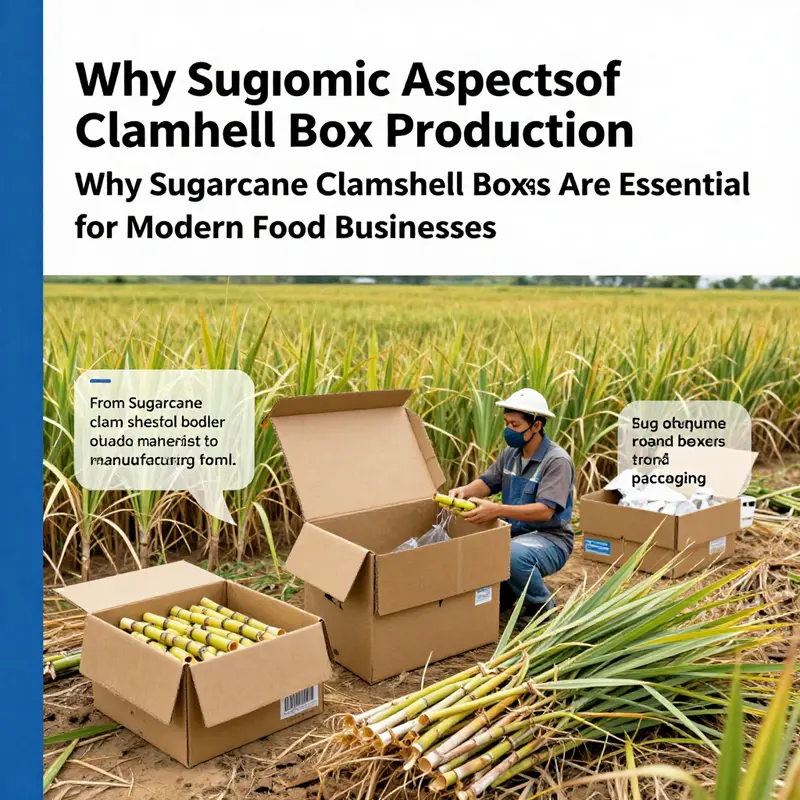
Fundamentally, sugarcane clamshell boxes are crafted from bagasse, the fibrous remnant of sugar production. This not only makes them a renewable resource but also contributes to their low-cost production model. Since bagasse is predominantly a byproduct, it is abundant and inexpensive, which significantly reduces raw material costs for manufacturers. As such, businesses can produce eco-friendly packaging without inflating prices, positioning sugarcane clamshell boxes as a cost-effective alternative to conventional plastic or styrofoam containers.
Moreover, advancements in manufacturing processes are further enhancing the economic appeal of sugarcane clamshell boxes. Companies embracing integrated supply chains, for instance, can streamline operations from raw material acquisition to end-product distribution. Efficient logistics frameworks, coupled with rigorous quality control measures, ensure that the production process remains cost-efficient while maintaining product integrity. Manufacturers like GangXuan exemplify these operational efficiencies, using optimized methods to scale production without substantial cost increases. The resulting economies of scale not only lead to competitive pricing but also facilitate broader market penetration.
The regulatory environment has also shifted dramatically, creating fertile ground for biodegradable options like sugarcane clamshell boxes. As governments worldwide address pollution and impose stricter regulations on single-use plastics, the incentives for businesses to adopt sustainable alternatives have never been more compelling. Many regions now offer tax breaks or subsidies for companies transitioning to eco-friendly packaging, while others are considering outright bans on plastic containers. This legislative landscape encourages restaurants, cafes, and food delivery services to consider biodegradable packaging solutions, propelling demand for sugarcane clamshell boxes even higher.
Market growth projections underscore the financial viability of sugarcane clamshell box production. Industry analyses indicate that the demand for compostable food packaging is expected to grow at a compound annual growth rate (CAGR) exceeding 8% through 2030. This robust growth trajectory means businesses engaged in sugarcane clamshell box production are well-positioned for sustained profitability, driven by increasing consumer acceptance and regulatory support.
Another significant economic driver is the expanding supplier landscape. As more manufacturers enter the market, the availability of customized packaging solutions has become a game changer. For instance, suppliers now offer various options, including 9×9 inch clamshell boxes, with flexible minimum order quantities—starting as low as 10,000 pieces. This growing accessibility allows even small businesses and startups to incorporate sustainable packaging solutions without the need for large financial outlays. The emergence of these diverse suppliers does not just enhance accessibility to clamshell packaging; it promotes innovation within the market, giving businesses a broader array of choices that cater to specific customer needs.
In addition, the market is witnessing an increasing integration of innovative designs that cater to consumer trends. For example, features such as leak resistance and heat resilience enhance the functionality of sugarcane clamshell boxes, making them ideal for hot and greasy foods. This functionality is appealing to fast-food chains and gourmet restaurants alike, who are seeking packaging that not only aligns with sustainability goals but also performs under the demanding conditions of food service. The ability to support both hot and cold items without leaking reinforces consumer trust in these products, facilitating their broader acceptance across the food service spectrum.
Furthermore, the adaptability of sugarcane clamshell boxes in various settings—be it bento boxes, sandwich holders, or salad containers—confirms their versatility, making them a preferred packaging choice across culinary sectors. As businesses shift towards serving takeaway meals, the demand for such multipurpose packaging solutions expands. Retailers are now responding proactively to these needs by stocking sugarcane clamshell boxes, solidifying their role in the food packaging landscape.
Looking towards the future, the sustainability narrative surrounding sugarcane clamshell boxes will likely continue to resonate with consumers and businesses alike. As society commits to reducing plastic waste and investing in environmentally sound practices, those engaged in the production of sugarcane clamshell boxes stand to benefit from this transitional phase. Not only do these boxes offer a solution to immediate packaging needs, but they also contribute to a larger movement towards ecological responsibility.
In summary, the economic aspects driving the viability of sugarcane clamshell box production are multifaceted, encompassing raw material economics, manufacturing efficiencies, regulatory support, market growth, and supplier diversification. These factors collectively position sugarcane clamshell boxes as a sustainable, cost-effective packaging solution, aligning perfectly with evolving consumer demands for environmentally friendly products. As businesses continue to recognize the utility of such alternatives in their operations, the economic landscape surrounding sugarcane clamshell boxes is poised for positive growth. For businesses wishing to explore their options further, platforms like Alibaba.com provide comprehensive insights into available solutions, pricing, and supplier capabilities in the realm of sugarcane clamshell packaging, making it easier than ever for entrepreneurs to adopt sustainable practices.
2. Balancing Sustainability and Cost: The Economic Dynamics of Sugarcane Clamshell Box Manufacturing
The economic viability of sugarcane clamshell boxes hinges on a delicate balance between sustainability and cost-effectiveness. As the demand for eco-friendly packaging surges, these containers leverage their unique material properties not just to cater to environmental concerns, but also to offer competitive pricing structures that appeal to a broad range of consumers and businesses alike.
Utilizing Agricultural Byproducts for Economic Gain
The crux of the production process lies in the use of bagasse, the byproduct of sugarcane processing. Once merely a waste material typically discarded or incinerated, bagasse is now a pivotal component in the creation of sugarcane clamshell boxes. This shift not only contributes to a circular economy but also symbolizes a breakthrough in utilizing agricultural waste, thereby creating additional revenue streams for farmers and manufacturers. Transforming waste into valuable products minimizes landfill contributions and reduces pollution, making it a commercially attractive and environmentally responsible practice.
The cost-effectiveness of utilizing bagasse is particularly important in today’s market. As traditional raw materials escalate in price due to supply chain instability or regulatory pressures, bagasse offers a stable, scalable alternative that can significantly reduce production costs. The impact is twofold: consumers benefit from more affordable packaging options while manufacturers enhance their profit margins. The mechanism behind this is straightforward; as demand for sugar increases, so does the production of bagasse, ensuring a continuous supply of this cost-effective material.
Innovations in Production Technology
Recent advancements in manufacturing technology further bolster the economic framework within which sugarcane clamshell boxes operate. Modern processes, such as high-efficiency thermoforming, not only streamline production but also amplify output capabilities. For example, the integration of advanced machinery like high-speed thermoformers enables the rapid production of sugarcane boxes that meet diverse consumer needs while adhering to quality standards. This automation fosters precision in manufacturing, which in turn lowers labor costs per unit, enhancing overall profitability.
The scalability offered by newer technologies is another critical aspect of how manufacturers can meet fluctuating market demands without sacrificing quality or increasing expenses. By being able to adjust output levels rapidly in response to consumer trends—such as the rising demand for takeout and delivery options—the industry remains adaptable. This adaptability allows manufacturers to offer competitive prices, which is crucial amid competition from both plastic alternatives and other biodegradable packaging solutions.
Navigating Regulatory Landscapes
In many regions, especially in the European Union, impending regulatory frameworks emphasize environmental accountability in food packaging. These laws often mandate that products meet stringent compostability standards and comply with Extended Producer Responsibility (EPR) initiatives. For manufacturers of sugarcane clamshell boxes, the ability to meet such certifications is not merely a legal obligation; it represents a strategic market advantage.
Companies like Ningbo Greenhome International Trade Co., Ltd., champions in this sector, are well-equipped to navigate these regulations and offer products that align not only with legal requirements but also with consumer values. Through these supply chain practices, manufacturers need to codify their commitment to sustainability, bolstering their market reputation as businesses that genuinely care about their ecological footprint while also appealing to the conscience of consumers.
Consumer Preferences as Economic Drivers
Driven by increasing awareness of environmental issues, consumers now prioritize sustainability in their purchasing decisions. The shift towards renewable materials signifies a broader trend in consumer behavior, where purchasing decisions are increasingly influenced by the eco-friendliness of packaging. The economic landscape for sugarcane clamshell boxes is thus enriched by a demographic eager to support companies that demonstrate social responsibility.
This trend translates directly to sales growth for manufacturers who capitalize on consumer willingness to pay a premium for sustainable options. Moreover, businesses that offer sugarcane clamshells often experience heightened customer loyalty, as patrons feel better about their choices when supporting sustainable practices. The cycle thus becomes self-perpetuating; as brands reinforce their commitment to sustainability via their packaging choices, they cultivate a loyal consumer base eager to return for repeat purchases.
Economic Integration Across Supply Chains
One significant advantage of sugarcane clamshells is their integration within broader agricultural and manufacturing supply chains. Transitioning to biodegradable materials supports local economies by uplifting farmers who grow sugarcane and work with manufacturers to convert bagasse into packaging. Additionally, businesses gain economic incentives for sourcing locally produced materials and potentially reducing logistical costs associated with long-distance transportation.
The collaborative nature of this ecosystem fosters innovation as stakeholders explore new uses for waste materials and refine the production of sustainable packaging. This synergy creates win-win scenarios: businesses achieve lower materials costs, farmers receive a steady income, and the environment benefits from reduced waste.
Future Economic Landscape
As global awareness around environmental sustainability amplifies, the niche occupied by sugarcane clamshell boxes is poised for growth. The economic foundations supporting these containers are not only strong but increasingly relevant, aligning with supply chain transparency, consumer values, and regulatory compliance.
The convergence of these factors underscores the economic viability of sugarcane clamshell box production. As technological advancements continue to reduce manufacturing costs and sustainably sourced materials become more commonplace, the economic landscape for these innovative containers will likely expand, solidifying their place in future packaging solutions. The better these products can meet consumer expectations while adhering to budgetary constraints, the more firm their footing shall be in an evolving market landscape.
The promise of sugarcane clamshell boxes lies in their ability to transcend traditional barriers between sustainability and economic feasibility. In doing so, they pave the way for a more environmentally conscious and economically sound future in food packaging.
For more insight on innovative packaging solutions, consider exploring eco-friendly packaging options available today.
Chapter 4: Driving Change: The Surge of Sustainable Packaging in the Food Industry
1. The Eco-Conscious Shift: Sugarcane Clamshell Boxes at the Forefront of Sustainable Consumer Choices
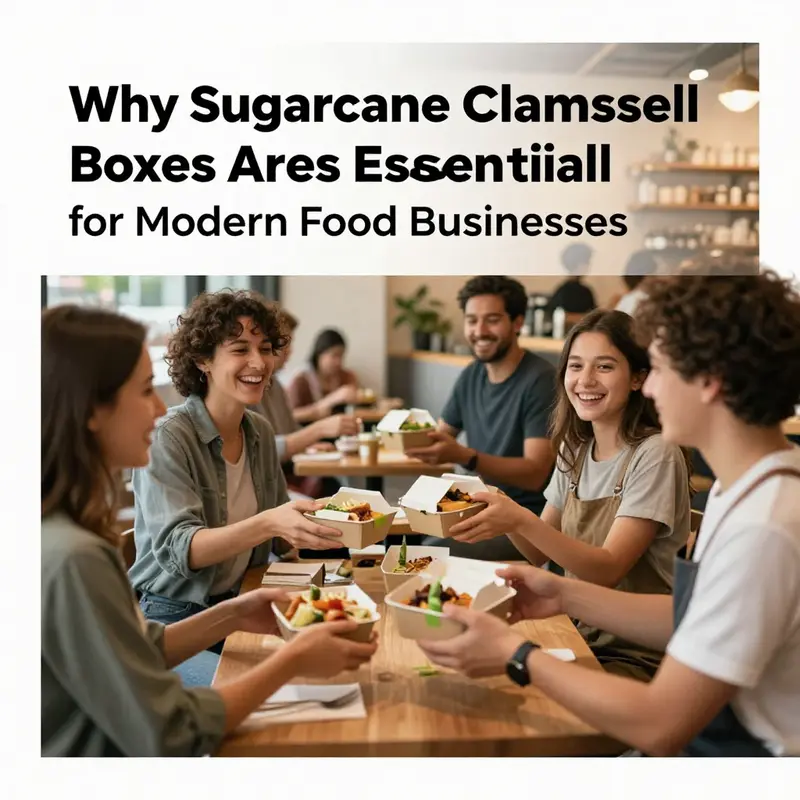
The evolving landscape of consumer preferences is increasingly shaped by a desire for environmental sustainability, a trend that is transforming the food packaging industry. Among the various options available, sugarcane clamshell boxes made from bagasse have emerged as a prominent solution, capturing the attention of eco-aware consumers and businesses alike. As awareness about the environmental impact of traditional packaging materials grows, there is a compelling shift toward compostable, biodegradable, and resource-efficient alternatives such as these sugarcane-based containers.
This shift toward sustainability is not just a passing trend; it reflects deeper societal changes influenced by urgent environmental issues. Climate change, plastic pollution, and the depletion of natural resources are pressing concerns that have prompted consumers to re-evaluate their purchasing decisions. In a world where plastic waste continues to accumulate in our oceans and landfills, packaging made from renewable sources offers a tangible way to contribute to a solution. Sugarcane clamshell boxes represent this sustainable choice, built from bagasse—the fibrous byproduct left after juice extraction from sugarcane. This means they are not only derived from a renewable resource but are also designed to decompose naturally, further distinguishing them from their plastic counterparts.
The advantages of sugarcane clamshells extend beyond their environmentally friendly characteristics. They are lightweight yet incredibly durable, which is essential for the food industry. As consumers increasingly demand takeout and delivery options, these boxes satisfy the need for functional packaging that can withstand both hot and cold foods. Businesses embracing sugarcane clamshell boxes find that these containers align with their brand values, demonstrating a commitment to sustainability while simultaneously meeting practical needs. The aesthetic appeal of sugarcane packaging—its natural look and feel—also resonates with a consumer base that values authenticity in the products they purchase.
The fact that sugarcane clamshells are compostable within 90 days under industrial composting conditions further enhances their attractiveness. Unlike traditional plastics, which can take hundreds of years to break down, these boxes offer a practical solution to the single-use plastic crisis. Consumers are becoming increasingly educated about the lifecycle of their purchases, and many now actively seek out products that contribute to a circular economy. The biodegradability of sugarcane containers plays a critical role in reducing overall waste and encourages a more sustainable disposal process.
Interestingly, this demand for sustainable packaging is being reflected not only at the consumer level but also through regulation. Governments across the globe are implementing stricter regulations on single-use plastics, incentivizing businesses to explore alternatives like sugarcane clamshell boxes. As these policies evolve, the pressure on businesses to adopt sustainable practices intensifies, fueling a significant market shift toward renewable packaging solutions. It is projected that the demand for sugarcane-based packaging will continue to rise significantly over the next decade, indicating a strong consumer preference for eco-friendly options. This aligns not only with growing environmental awareness but also with financial motivation; sustainability efforts enhance brand loyalty and attract a customer base that prioritizes ethical consumption.
An example of this burgeoning demand can be seen among retailers and food service providers aiming to position themselves as leaders in sustainability. The integration of sugarcane clamshells into their product offerings assists not only in reducing carbon footprints but also in aligning with consumer values. Businesses that embrace this shift ultimately work to enhance their reputations as forward-thinking and responsible, thereby attracting ethically-minded customers. The commitment to sustainability can serve as a powerful differentiator in an increasingly competitive market, appealing directly to consumers’ preferences for packaging that reflects their values.
Moreover, the performance of sugarcane clamshells makes them suitable for a diverse range of culinary applications, from burgers and salads to sushi and deli meals. This versatility, combined with their sustainable profile, ensures they can meet the needs of various consumer segments, from health-conscious eaters to gourmet diners. As more food establishments adopt these containers, the positive perception of sustainable packaging will further permeate everyday consumer experiences. This helps to reinforce a cultural shift toward eco-friendly practices, pushing sustainable packaging into the mainstream narrative of food consumption.
As we navigate the complexities of the global economy, the food industry must acknowledge the role that packaging plays in environmental impact. By choosing sugarcane clamshell boxes, businesses contribute to daily decision-making that supports a healthier planet. This choice resonates with the increasing number of conscious consumers who prefer to support companies that reflect their environmental beliefs.
In summary, the acceleration of consumer trends favoring sugarcane clamshell boxes illustrates a profound movement towards sustainable practices in the food packaging sector. Environmental sustainability acts as a key driver, influencing purchasing decisions and encouraging manufacturers to adopt practices that resonate with eco-conscious consumers. The widespread adoption of biodegradable packaging not only meets current consumer demands but also fosters future awareness about environmental stewardship, paving the way for a greener food industry. By embracing sugarcane clamshell boxes, brands position themselves at the intersection of ethics and functionality, ultimately reaping the benefits of a conscientious consumer base eager to champion sustainability.
To explore more about sustainable food packaging options, visit the product range on this page for eco-friendly solutions that meet your business needs: Eco-Friendly Disposable Sugarcane Products.
2. The Rise of Sugarcane Clamshell Boxes: Consumer Preferences and Market Dynamics
The landscape of the food service industry is undergoing a seismic shift, driven largely by growing consumer preferences for sustainable and environmentally responsible packaging. Among the frontrunners in this evolution are sugarcane clamshell boxes, deriving from bagasse—the fibrous byproduct left from extracting juice from sugarcane. These biodegradable food containers have garnered attention for their robustness and capacity to decompose within a short period under composting conditions, positioning them as a viable alternative to plastic and polystyrene disposables that are prevalent in takeaway and fast food operations. As environmental consciousness deepens among consumers, businesses find themselves compelled to align their operational practices with this ethos, and the adoption of biodegradable packaging solutions is no longer a luxury but a necessity.
As of 2024, the global market for sugarcane-based packaging is estimated at over USD 351.60 million, with projections indicating a compound annual growth rate (CAGR) of 9.7% from 2025 to 2030. This anticipated growth does not merely reflect a niche segment but is indicative of a larger movement within the food service sector, which is expected to expand significantly—reaching USD 4.34 trillion by 2025 and growing at a CAGR of 11.89% until 2030. The intertwining of these sectors illustrates how sustainability initiatives have catalyzed a robust demand for innovative packaging solutions, which include sugarcane clamshell boxes that fulfill both regulatory mandates and consumer expectations.
Notably, restaurants and catering services are leading this transformation, prioritizing eco-friendly packaging to attract a conscientious customer base. The consumer population is increasingly discerning, favoring businesses that reflect a commitment to sustainability. A survey indicated that more than two-thirds of consumers are more likely to patronize restaurants that use green packaging practices. The shift in consumer behavior is not solely based on preference; it also stems from a growing awareness of the detrimental effects of plastic waste on the environment. Regulatory pressures further catalyze this shift, with local governments worldwide instituting bans on single-use plastics, nudging businesses toward sustainable alternatives like sugarcane clamshells.
Sugarcane clamshell boxes exhibit unique features that align seamlessly with the expectations of modern consumers. Their durability makes them suitable for a range of applications—from wraps and salads to hot meals—without compromising the integrity of the food they contain. Moreover, their microwavable properties and nontoxic nature enhance their versatility, allowing for greater convenience in serving and reheating meals. Importantly, when compared to traditional packaging materials, sugarcane containers do not leach harmful chemicals into food, which is increasingly becoming a crucial aspect of consumer decision-making.
The vast array of food services utilizing these clamshells—ranging from fast food chains to fine dining establishments—underscores their adaptability in various contexts. Bulk suppliers, such as Ningbo Greenhome International Trade Co., Ltd., further facilitate this transition by offering products designed specifically to meet the demands of a sustainability-focused industry. For instance, their 8-inch Eco-Friendly Bagasse Clamshell Food Container presents optimum quality for those seeking a reliable yet eco-conscious packaging solution, cementing the box’s status as a staple in modern takeaway dining.
Market dynamics are further enhanced by the rising competition within the sugarcane clamshell sector, compelling suppliers to innovate continually. Companies are investing in research and development to improve the structural quality and aesthetic appeal of their products, ensuring that they not only meet functional requirements but also resonate with consumer aesthetics. As packaging has become an integral aspect of brand identity, businesses are looking to leverage unique designs while promoting their commitment to environmental responsibility. This can be seen in the growing appeal of customizable options, where companies can incorporate branding and messaging that aligns with their sustainability values while simultaneously capturing the attention of eco-aware consumers.
The synergy between consumer preferences and sustainable practices has prompted an unprecedented shift toward renewable materials. The rise of social media and digital marketing has played an instrumental role in this transformation, amplifying the voices of awareness campaigns and reinforcing the notion that every purchase contributes to a larger ecological footprint. Consumers feel empowered by the choices they make and are more inclined to seek alternatives to products that contribute to pollution and waste. Thus, brands that prioritize and promote sugarcane clamshells are positioned not just as participants in a market but as champions of a broader movement toward sustainability.
Additionally, educational initiatives about compostable packaging materials continue to proliferate, as many consumers remain unaware of the benefits and effective usage practices of biodegradable containers. The food service industry plays a crucial role in driving this education, as staff can guide customers on the environmentally friendly nature of sugarcane packaging compared to traditional options. In doing so, companies not only foster customer loyalty but also elevate the discourse surrounding sustainable practices in the marketplace.
Furthermore, the operational benefits of switching to sugarcane clamshell boxes extend beyond consumer appeal; they also encompass economic advantages. As production technologies advance and economies of scale are realized, the cost of sugarcane packaging is anticipated to decrease, making these solutions increasingly accessible to smaller businesses which traditionally struggled to compete with larger corporations in the environmental realm. By adopting these materials, businesses not only enhance their profitability through potential cost savings but also contribute positively to their brand story, differentiating themselves in a crowded market.
In the evolving context of food service dynamics, the demand for sustainable solutions like sugarcane clamshell boxes is anticipated to intensify further. This trend is projected to manifest in various food delivery models, including ghost kitchens and meal prep services, where portable packaging solutions that align with eco-friendly practices will play a crucial role in operational success. The push for sustainable initiatives is here to stay, and businesses that are proactive in adapting to these consumer trends will likely reap the long-term benefits both in terms of customer loyalty and brand reputation, solidifying their position as pioneers in the eco-conscious packaging movement.
Final thoughts
Sugarcane clamshell boxes represent a significant shift towards sustainable packaging in the food industry. With their eco-friendly properties, versatility in applications, and alignment with consumer preferences, these boxes are quickly becoming a preferred choice for businesses aiming to reduce their environmental footprint. As the demand for sustainable practices continues to rise, incorporating sugarcane clamshell boxes can not only enhance your brand’s reputation but also contribute to a healthier planet for future generations. Embrace the switch to eco-conscious packaging solutions to position your business as a leader in sustainability.
Choose our reliable disposable tableware and packaging solutions for your business. We offer quality products that meet safety standards, with fast delivery and flexible options. Partner with us today to elevate your service – contact our team now for a tailored quote!
About us
We specialize in manufacturing and supplying disposable tableware, packaging paper, and boxes. With years of experience, we prioritize safety, durability, and eco-friendly practices. Our goal is to provide businesses with trusted, cost-effective solutions backed by responsive customer support.