
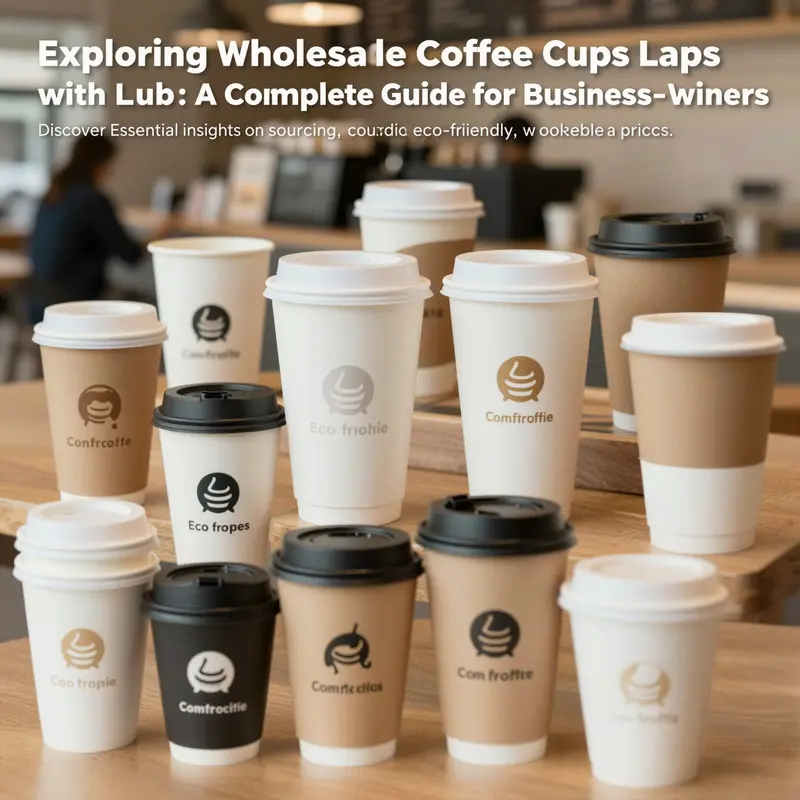
In the booming coffee industry, having the right packaging is crucial for branding and customer satisfaction. Paper coffee cups with lids are essential for businesses serving hot drinks, and the wholesale market offers numerous options to cater to various needs. This guide delves into the composition and characteristics of these cups, explores pricing and economic viability, highlights customization opportunities for branding, discusses market trends, and examines the environmental considerations that come with choosing paper coffee cups. By understanding these key aspects, business owners can make informed decisions that align with their operational goals and sustainability commitments.
Exploring the Versatility of Wholesale Paper Coffee Cups with Lids: Materials, Design, and Sustainability
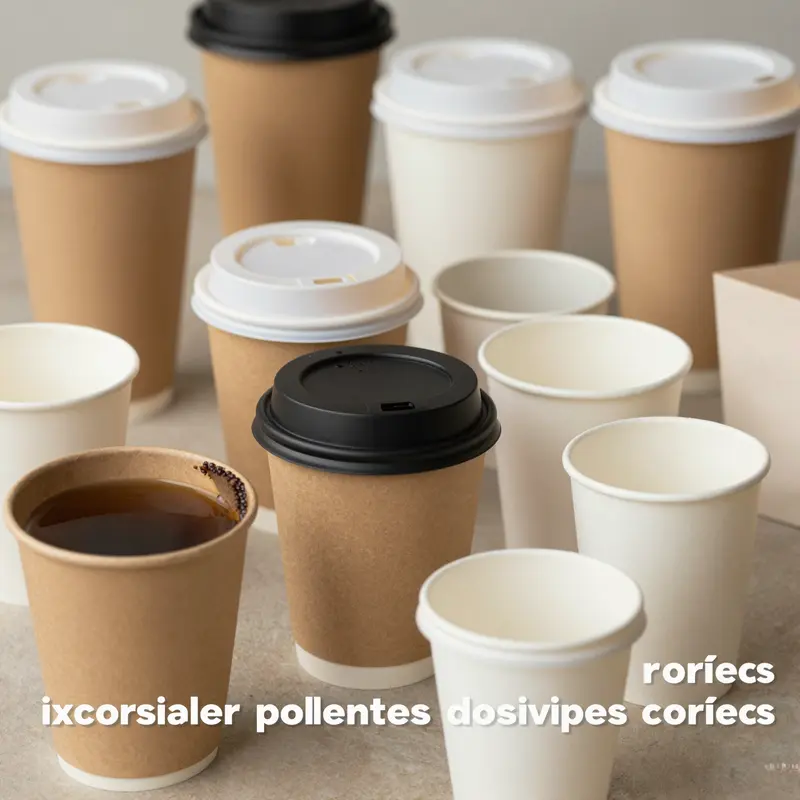
The demand for paper coffee cups with lids has surged dramatically in recent years, particularly as more businesses pivot towards sustainable practices and eco-friendly packaging. Within this growing wholesale market, various options abound, each differing in material composition, design aesthetics, and functional characteristics. Delving deep into these facets not only showcases the diversity available for businesses but also highlights the importance of making environmentally responsible choices in product selection.
At the core of paper coffee cups with lids is the material used in their construction. The primary components generally include food-grade paper or kraft paper. Food-grade paper is notable for its ability to safely hold warm beverages, as it adheres to strict safety regulations. Kraft paper, renowned for its strength and durability, is often favored for the manufacturing of disposable cups, as it withstands the rigors of use while also providing a semblance of eco-friendliness.
The design and structural integrity of these cups play a crucial role in their utility. Most wholesale paper coffee cups are engineered to accommodate both hot and cold beverages, making them incredibly versatile for cafes, restaurants, and mobile vendors alike. Two of the most prominent designs include the double-wall construction and the ripple wall options. The double-wall design features an insulating layer between two paper walls, which significantly boosts heat retention while also preventing burns for the consumer handling hot drinks. This is particularly vital, as today’s consumers are increasingly conscious of their safety and comfort when enjoying beverages on the go.
Complementing the double-wall models is the ripple wall option, which is designed to enhance grip and provide additional strength—this design is particularly advantageous when dealing with hot liquids. The breatheable design not only traps heat but minimizes condensation, thus ensuring that the outer wall remains dry to the touch, further enhancing the consumer experience.
Leak resistance is another fundamental characteristic of high-quality paper coffee cups. Many suppliers offer innovative solutions that incorporate leak-proof technology, allowing these cups to maintain their integrity during transport without accidental spills—an essential feature for customers using these products on the move. As lifestyle changes drive the need for convenience and portability, these cups have become indispensable for beverage providers.
The sustainability angle surrounding paper cups is becoming increasingly salient. As consumers demand products that are not just functional but also environmentally responsible, companies have begun to move towards compostable alternatives. These eco-friendly cups are frequently made from materials such as polylactic acid (PLA), a biodegradable polymer derived from renewable resources such as corn starch. This trend towards biodegradable options reflects a broader movement within the packaging industry towards reducing plastic waste and advancing a circular economy.
To this point, many manufacturers ensure compliance with international environmental standards, providing certifications like OK Compost and ASTM D6400. These certifications signify a company’s commitment to creating products that break down naturally within industrial composting facilities, thereby easing concerns regarding landfill contributions and environmental degradation.
When it comes to the cups’ lids, they are typically crafted from compatible materials such as paper or PLA, designed for a tight fit over the rim of the cup. This not only helps in preventing spills but also in retaining the beverage’s temperature for longer periods. In the realm of customization, the wholesale market stands out, offering businesses opportunities to emblazon logos, brand names, or distinctive designs on both the cups and lids, thus enhancing brand visibility.
While exploring wholesale options, it is important to consider the minimum order quantities (MOQs) imposed by suppliers—often starting at 50,000 pieces. While this quantity may appear daunting for smaller businesses, it facilitates lower per-unit costs and provides ample stock for high-volume demands. Moreover, certain suppliers may offer the flexibility of accepting smaller orders, particularly for specialized products. Such options can empower businesses to explore various designs and make informed choices catered to their target market.
Beyond mere product attributes, sourcing these cups today can be streamlined through platforms that specialize in B2B transactions. For example, Alibaba.com positions itself as a leader in global trade, providing access to numerous certified factories and suppliers that specialize in disposable coffee cups. With this accessibility, businesses can compare products, read reviews, and connect directly with vendors to secure options that align with their operational goals.
It is crucial, however, for businesses to remain vigilant about supplier credibility, ensuring that the chosen manufacturers uphold both quality standards and environmental compliance. In doing so, they not only invest in superior products but also engage in practices that positively impact the environment.
Ultimately, wholesale paper coffee cups with lids represent more than just packaging; they are critical components that communicate a brand’s values and commitments to consumers. Combining functionality with sustainability offers businesses a unique advantage in a competitive market, as they cater to rising consumer expectations for responsible consumption. As these cups continue to evolve with advancements in materials and design, businesses must stay informed about trends while aligning their offerings with the preferences of today’s eco-aware consumers.
In conclusion, the wholesale market for paper coffee cups with lids provides a myriad of options that allow businesses to reflect their brand image while prioritizing sustainability. The material properties, structural designs, and customization capabilities form a well-rounded product line that is poised to meet the ever-changing demands of the food and beverage industry. By harnessing these opportunities, businesses can create memorable customer experiences, drive brand loyalty, and contribute positively to the environment. For those interested in strategic sourcing of high-quality paper coffee cups with lids, an excellent starting point would be to explore the resources available through B2B platforms that specialize in these products.
To further explore various sustainable packaging options, you may visit the resources offered at Cofe Cup’s Packaging and Printing Options.
The Economics of Eco-Friendly Sip: Understanding Wholesale Pricing for Paper Coffee Cups with Lids
In the competitive landscape of the foodservice industry, the need for effective and cost-efficient packaging solutions cannot be overstated. This is particularly true for coffee vendors, cafes, and catering businesses that rely on disposable cups to enhance customer experiences while maintaining operational efficiency. With the increasing demand for eco-friendly solutions and the growing emphasis on sustainability, businesses are seeking reliable wholesale suppliers of paper coffee cups with lids that not only meet their budgetary requirements but also align with their brand values. Understanding the economics behind these products is crucial for making informed purchasing decisions, ultimately enhancing profitability in a competitive market.
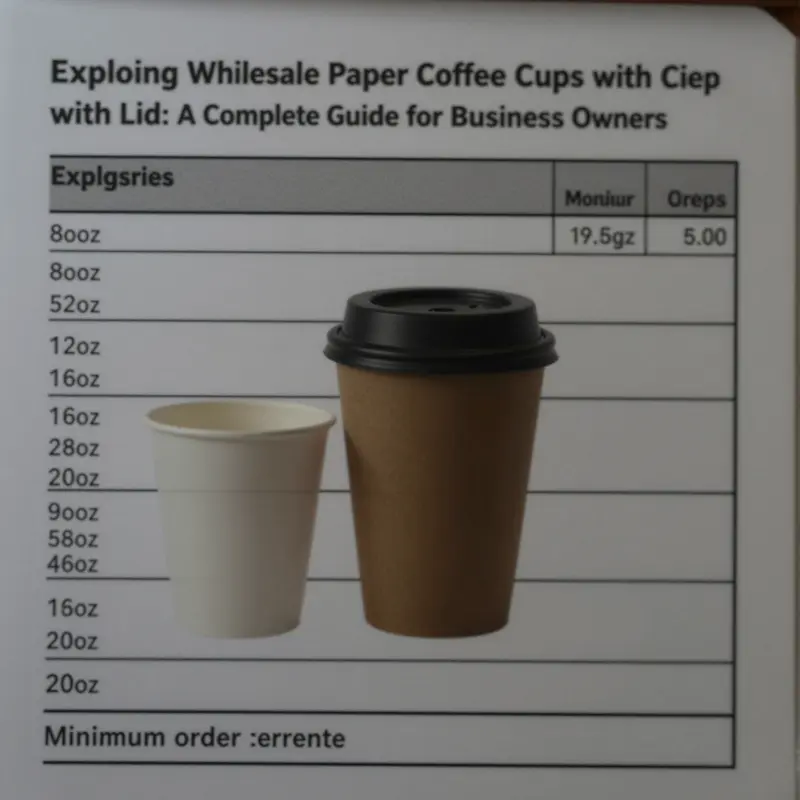
When exploring wholesale pricing of paper coffee cups with lids, it becomes evident that several factors influence overall costs. The price fluctuates widely depending on the cup size, material quality, and customization options. Standard options, such as basic single-wall cups, are typically the most affordable, with costs ranging from $0.015 to $0.04 per unit for sizes like 16 oz and 20 oz. However, these economy-grade cups are primarily suitable for cold beverages and short-term hot drink service, making them less ideal for businesses that prioritize quality and customer satisfaction as main selling points.
Double-wall and insulated paper cups represent a step up in terms of thermal efficiency, designed to maintain beverage temperature while providing added durability. The pricing for these cups generally starts around $0.036 per unit. This moderate increase from basic models reflects the investment in improved design and performance, which can be a deciding factor for many businesses looking to enhance their coffee-drinking experience. A customer enjoying a hot beverage is not just looking for taste but also for a product that safeguards against temperature-related discomfort like burning fingers or spills. Thus, double-wall cups often prove to be excellent candidates for cafes and mobile vendors aiming to elevate their service.
Customization further elevates the discussion on pricing. Branded drinks in personalized cups have been shown to enhance customer recall, thus serving as an essential marketing tool. However, with the introduction of customized and eco-friendly options, prices can escalate significantly. For instance, custom-printed corrugated ripple wall cups can land in the vicinity of $0.55 per unit for large orders—usually extending beyond 50,000 pieces. This investment covers the costs of advanced printing techniques, high-quality food-grade materials, and compliance with eco-certifications, all of which bolster brand credibility while appealing to environmentally conscious consumers. It’s essential to evaluate the potential return on investment for brands that opt for this strategic avenue to spark recognition and loyalty among consumers.
It is also critical to consider the additional costs associated with customization. Often, businesses overlook sample costs when budgeting for cups, which can range from $100 depending on design complexity and quantity. Potential production lead times are typically around 5–7 days for samples with the final delivery of orders crafted into manageable 15-day timeframes following the approval of designs. Knowing these timeframes allows businesses to better plan their inventory and manage customer expectations, especially during peak seasons or special events.
While basic disposable cups are undoubtedly economical at large scales, the incorporation of premium features such as insulation and eco-friendly materials has a noteworthy impact on economic viability. Bulk purchases often yield better per-unit pricing, particularly for businesses looking to order 100,000+ units, making them viable for high-volume operations like coffee shops and event caterers. Sourcing directly from reputable B2B platforms like Alibaba lets businesses tap into lower-cost manufacturing avenues, ensuring consistent quality while preventing supply chain disruptions.
Engaging with certified factories and suppliers opens myriad doors to sourcing, notably amplifying options not only for cup designs and materials but also for flexibility in customization and order quantities. With options ranging from basic to bespoke solutions designed for specific consumer segments, such platforms serve as invaluable resources for any business looking to optimize their procurement.
In terms of economic viability, the net margin an operator can achieve is often contingent on cup selection, the volume of orders, and the overall quality perception by the end consumer. For instance, the perception of value extends beyond the price tag; it’s equally about the user experience—the feel of the cup, the effectiveness of insulation, and aesthetic appeal all play intricate roles in consumer satisfaction and brand loyalty.
Moreover, as businesses navigate eco-conscious paradigms, investing in sustainable packaging such as paper coffee cups aligns with contemporary consumer values. Today’s consumers are more likely to choose products that reflect their ethical standards, advocating for brands that make a concerted effort toward sustainability. Therefore, selecting cups made from food-grade paper or biodegradable materials can provide both practical benefits and align with branding strategies aimed at attracting socially and environmentally aware patrons.
Despite the fragmented pricing structures across different suppliers, it is paramount for business owners and decision-makers to conduct thorough market comparisons. This may involve reaching out to multiple suppliers to gauge overall pricing and assess bulk purchasing incentives or discounts for larger commitments. As competition increases, utilizing platforms that aggregate various suppliers facilitates easier price comparisons, ultimately streamlining procurement processes.
In conclusion, the dynamics of wholesale pricing for paper coffee cups with lids illustrate a nuanced landscape. While basic models offer cost-effective solutions for short-term needs, elevated cup designs respond to the desire for quality, branding, and sustainability, prompting businesses to rethink their product choices. Understanding these variances empowers operators to make balanced decisions addressing both cost demands and the rising expectations of discerning consumers. Therefore, diving into the economics of packaging, particularly through the lens of wholesale channels, does not merely affect the bottom line but also plays a vital role in shaping brand image and delivering memorable customer experiences. By aligning product offerings with consumer trends and operational exigencies, businesses can secure their place in a thriving market while contributing positively to environmental stewardship.
For detailed product offerings and current pricing strategies specifically related to custom paper coffee cups, businesses should review platforms like Alibaba that provide insights into available products tailored to specific requirements.
Unleashing Your Brand’s Potential: Customization Options for Wholesale Paper Coffee Cups with Lids
In the bustling world of coffee and takeaway beverages, standing out from the crowd is vital for any business aiming for success. One of the most effective yet often overlooked strategies is leveraging the power of branding through customized paper coffee cups with lids. These cups are not just functional items for carrying delicious drinks; they can also serve as a canvas for your brand, telling your unique story while simultaneously making an eco-conscious choice for your customers. As the demand for environmentally friendly products continues to rise, the wholesale market offers a plethora of options tailored to businesses looking to enhance their visibility while being mindful of their carbon footprint.
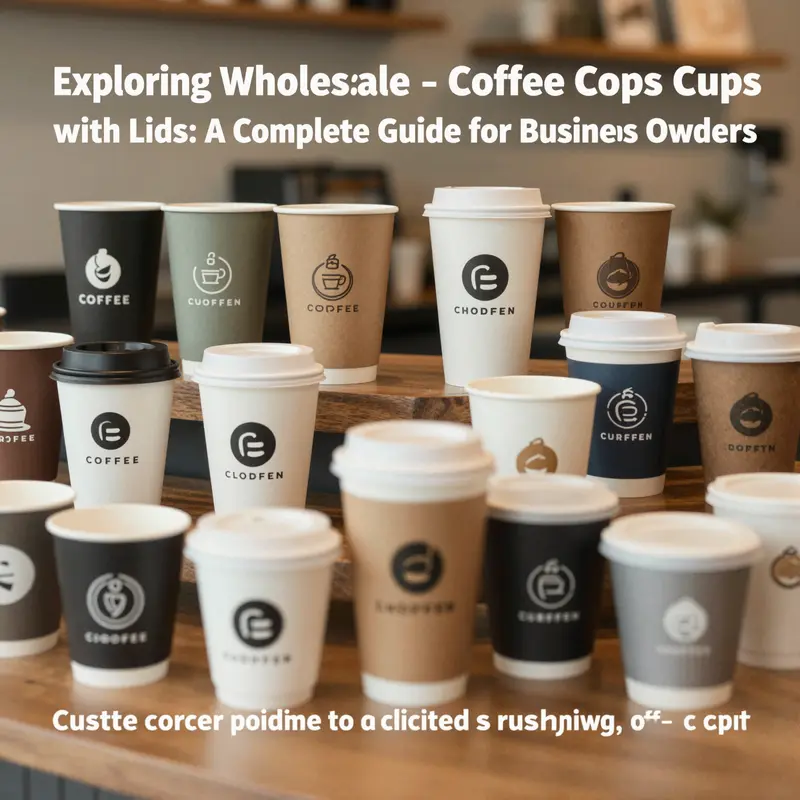
Customization is one of the key features that differentiate wholesale paper coffee cups with lids from generic packaging solutions. The ability to print corporate logos, brand names, or customized designs directly onto the cups can significantly enhance brand visibility. Every time a customer sips their favorite beverage, they are unknowingly participating in a marketing campaign that extends beyond the walls of your establishment. With each cup, your brand name travels into the hands of consumers, reinforcing familiarity and recognition in a highly competitive marketplace.
Businesses must also consider that customization goes beyond mere logos; it’s about creating an experience that aligns seamlessly with corporate identity. With advanced printing technologies, companies can personalize the design of cups to reflect seasonal campaigns, promote special events, or cater to specific cultural themes. For example, a local coffee shop can utilize festive designs during the holidays or create limited-edition cups that commemorate community events. Such strategies elevate the product from a basic beverage container to an engaging branding tool that can spark conversations among consumers.
Furthermore, engaging potential customers with well-designed cups enhances the overall perception of quality and care associated with the brand. The tactile experience associated with double-wall cups adds a layer of sophistication, appealing to an increasingly design-conscious consumer base. A variety of color options and graphics can cater to diverse audiences, ensuring that your customization resonates with customer preferences and expectations.
The customization journey begins with sample availability, an essential first step in the branding process. Suppliers typically provide standard stock samples, often free of charge (with some shipping costs). Businesses can also request custom-printed samples, a very effective option for those needing to visualize their branding before committing. While custom samples may incur a fee—usually around USD 100—the investment is invaluable when it comes to ensuring that the final product aligns with the vision of the brand.
Another exciting avenue for creating a comprehensive customer experience is the concept of mixed product orders. Many suppliers support this need, allowing businesses to combine various products within a single shipping container. This flexibility opens the door for companies to tailor their packaging solutions according to their diverse needs, covering everything from food items to durable packaging solutions across the board. It simplifies the procurement process and enhances logistics, allowing businesses to focus more on their core operations and less on managing multiple suppliers.
When designing custom paper coffee cups with lids, sustainability remains an essential consideration. Many suppliers provide eco-friendly options crafted from recycled paper, in compliance with international environmental standards. The use of food-grade materials reinforces the importance of safety while minimizing environmental impact. Consumers increasingly prefer brands that prioritize sustainability, tapping into the growing market of mindful consumers who seek to make ethical purchases. In this regard, businesses can appeal to eco-conscious customers by ensuring that their branding choices reflect their commitment to sustainability.
The quantities involved in wholesale orders can sometimes be daunting for smaller businesses. Typically, the minimum order quantity stands at 50,000 pieces per item or design; however, many suppliers may negotiate lower quantities upon request. This flexibility makes it possible for even smaller enterprises to enter the wholesale market without being overwhelmed by excessive stock.
Production timelines are another factor that businesses must consider when delving into custom orders. Once an order is confirmed and a deposit is made, production usually takes between 25 and 30 days. Efficient time management becomes crucial, especially for businesses aiming to align their promotional campaigns with particular timelines or seasonal events. Thus, an understanding of lead times helps ensure that orders are placed at the most opportune moments to maximize impact.
In conclusion, customized paper coffee cups with lids present an incredible opportunity for businesses to elevate their branding while engaging with their customers in a lasting way. These cups do more than just serve beverages; they play an integral role in marketing strategies and sustainability efforts. As companies increasingly seek innovative packaging solutions that resonate with consumers, investing in customizable options can provide measurable impacts on brand recognition, customer loyalty, and overall sales. Whether you are a budding coffee shop looking to establish your foothold or an established brand wanting to refresh your image, consider how vibrant and eye-catching customized paper coffee cups can serve as a canvas for your marketing endeavors.
For further exploration on the various product options available in this category, you can visit Alibaba Wholesale Custom Printed Paper Coffee Cups Lids. The platform showcases a host of suppliers eager to help businesses navigate the nuances of bulk orders and creative designs, ensuring that you find the perfect fit for your branding needs.
Evolving Trends in Wholesale Paper Coffee Cups with Lids: A Path to Sustainability and Innovation
The market for wholesale paper coffee cups with lids is currently experiencing a noteworthy transformation, primarily driven by evolving consumer preferences and increased environmental awareness. As we navigate through 2026, it becomes imperative to delve into the emerging trends that are shaping the future of this essential product, fundamentally altering not only how businesses procure these items but also how they align their practices with global sustainability efforts.
One of the most significant shifts occurring in the industry is the movement away from traditional polyethylene (PE)-lined paper coffee cups toward more eco-friendly and biodegradable alternatives. The transition has been catalyzed by growing regulatory pressures, particularly from regions such as Europe and North America, where the emphasis on reducing waste and fostering sustainable practices has become a legislative priority. At the forefront of this change is the introduction of cups made from polylactic acid (PLA), a biodegradable material derived from renewable resources like cornstarch.
PLA offers compelling characteristics that align with contemporary environmental standards. It is compostable, which means it can decompose under the right conditions, contributing positively to waste management efforts. Businesses that choose to utilize PLA cups not only comply with regulations but also present themselves as responsible entities in the eyes of environmentally conscious consumers. Importantly, suppliers are now required to provide verifiable proof of compostability in these products, adhering to robust certification standards such as OK Compost or ASTM D6400. This shift emphasizes the need for transparency in claims related to sustainability, ensuring that businesses deliver genuine eco-friendly products rather than indulging in marketing gimmicks.
Compounded with this environmental focus is a growing demand for premium features within paper coffee cups. Consumers today are not just looking for standard disposable cups; they are increasingly valuing functionality and design. This inclination towards better-designed products encompasses both enhanced thermal insulation and ergonomic features that improve grip. Recent innovations, including double-wall construction and textured exteriors, serve a dual purpose: they enhance user experience while offering businesses a way to differentiate their brand in a crowded marketplace. These features complement the efficient branding opportunities offered by customizable printing on packaging, enabling companies to present vivid, eye-catching designs that resonate with their target audience.
The evolution of consumer preferences also underscores the broader implications for the supply chain dynamics within the wholesale coffee cup market. China remains a dominant production hub owing to its advanced manufacturing capabilities. Notably, the competitive pricing and wide-ranging options available make it an appealing choice for businesses seeking to source these products in bulk. However, it is crucial that buyers prioritize reliability and sustainability from their Chinese suppliers. The emphasis on forming long-term partnerships has started to gain traction in the marketplace, shifting the focus from merely seeking low-cost options to finding suppliers who are committed to innovative sustainable practices and scalable solutions.
Moreover, B2B platforms like Alibaba have revolutionized how businesses source wholesale paper coffee cups with lids, serving as a bridge between suppliers and buyers. These platforms provide access to a vast array of verified suppliers, ensuring that businesses can find products that range from simple single-wall disposable cups to sophisticated double-wall options designed specifically for a variety of hot and cold beverages. Minimum order quantities vary widely, usually hovering around 10,000 to 50,000 pieces, making them accessible for both small businesses and larger enterprises. This digital landscape also supports informed decision-making by offering free samples and comprehensive product specifications, including material grades, printing capabilities, and delivery timelines, which can significantly enhance a buyer’s ability to make timely and effective purchasing choices.
As we reflect on these trends, it becomes clear that the future of wholesale paper coffee cups with lids is not just a tale of shifting products or changing market dynamics; it is tied closely to the larger narrative of sustainability and innovation driving the packaging industry as a whole. Companies that adapt their operations in line with these emerging trends will likely find themselves well-positioned to succeed in a competitive landscape that increasingly values ecological integrity.
Looking ahead, businesses must embrace these evolving practices by integrating eco-friendly materials and prioritizing product functionality and consumer experience. This strategic focus will not only enhance operational efficiency but also fortify brand loyalty, creating a compelling reason for consumers to choose their products over those of competitors.
In conclusion, the wholesale paper coffee cup market is at a pivotal juncture characterized by changes that reshape how products are conceived, produced, and consumed. By remaining attuned to these trends and proactive in their approach, companies can weather the challenges of this evolving landscape and thrive as stewards of sustainability and innovation in the coffee packaging sector.
Elevating Sustainability: The Role of Eco-Friendly Paper Coffee Cups with Lids in Wholesale Markets
In today’s environment-conscious marketplace, the sustainability of wholesale paper coffee cups with lids has become a focal point for both consumers and businesses alike. The increasing shift towards more sustainable practices has stirred innovations in materials, designs, and manufacturing processes. As the demand for eco-friendly products grows, brands must navigate the complex landscape of sustainability to align their offerings with the values of their customers.
At the heart of this transformation is the recognition that traditional paper coffee cups, while often regarded as more environmentally friendly than their plastic counterparts, are not without their challenges. One of the critical issues lies in the coatings used for water resistance, which is typically a polyethylene layer. This layer, although it efficiently prevents leaks and keeps beverages hot, poses significant hurdles when it comes to biodegradability. It complicates the recycling process, meaning that, despite being made from paper, these cups often end up in landfills, undermining their supposed environmental benefits.
Fortunately, the industry is evolving. The emergence of alternative materials such as water-based coatings and polylactic acid (PLA)—a biodegradable plastic sourced from renewable materials like corn starch—has paved the way for more sustainable options. These innovations not only improve the end-of-life management of coffee cups but also enhance their compostability, significantly reducing the ecological footprint associated with their use. Brands that integrate these environmentally sound materials into their products not only address consumer demand for sustainability but also position themselves as leaders in an increasingly competitive market.
As companies explore the wholesale landscape for these products, it’s vital to consider who they are sourcing from and how responsibly. China has emerged as a dominant player in the manufacturing of these eco-friendly cups due to its ability to scale production efficiently while keeping costs competitive. However, sourcing responsibly requires due diligence. International environmental standards must be verified to ensure compliance, including certifications such as FSC for responsibly sourced paper and OK Compost or TÜV Austria, which validate the compostability of products. The significance of these certifications cannot be overstated; they serve as crucial indicators of a supplier’s commitment to genuine sustainability.
A further layer of complexity arises when examining the full lifecycle impact of wholesale paper coffee cups. Brands must consider not only the emissions generated during manufacturing but also the carbon footprint associated with transportation. This necessitates a strategic evaluation of suppliers, factoring in their location relative to the end market and the efficiency of their logistics. In this regard, collaborating with local or regional suppliers can be an effective strategy, minimizing transportation emissions while also supporting local economies.
Regulatory trends also play a pivotal role in shaping the market dynamics of paper coffee cups with lids. With increasing legislation aimed at reducing single-use plastics and promoting circular packaging solutions, the landscape is rapidly changing. Decisions made today regarding product sourcing, material selection, and waste management will significantly impact a brand’s future viability and competitive edge. In this context, it is paramount for brands to prioritize partnerships with suppliers who embody true sustainability practices rather than mere greenwashing strategies. A commitment to transparency throughout the supply chain, coupled with clear documentation of sustainable practices, will help solidify brand integrity in the eyes of eco-conscious consumers.
Moreover, integrating sustainability into a brand’s core values can lead to long-term benefits beyond just meeting compliance standards. It positions the brand not only as a responsible entity but also as a market innovator. Today’s consumers are increasingly inclined to support companies that champion environmental responsibility, and aligning product offerings with these values can enhance customer loyalty and brand perception. The growing expectation that brands should assume the burden of environmental stewardship means neglecting these aspects could pose a significant risk to a company’s reputation and market share.
Thus, engaging with suppliers that provide recyclable or compostable materials, and offering customization services around sustainability can create an appealing narrative for consumers. Such approaches serve dual purposes: they comply with increasingly strict regulations while resonating with a demographic that prioritizes eco-friendly choices. Additionally, brands that actively communicate their sustainability initiatives in marketing campaigns not only fulfill a consumer demand but also foster a sense of community and shared responsibility.
The future of wholesale paper coffee cups with lids is bright, buoyed by the collective push towards sustainability and innovation. However, success lies in the commitment to an eco-conscious approach at every stage, from manufacturing to end-of-life management. Brands that adopt this comprehensive view, collaborating closely with suppliers and consumers alike, will emerge as frontrunners in this transition towards greater environmental responsibility. It’s imperative that the sustainable wave is embraced fully, driving both innovation and market change, creating a new standard where paper coffee cups are not just disposable items but part of a broader conversation on sustainability and eco-innovation.
For further insights on the trajectory of paper coffee cups and the industry’s sustainability efforts, explore this comprehensive study: The Future of Single-use Paper Coffee Cups: Current Progress and Outlook.
Final thoughts
In summary, wholesale paper coffee cups with lids are not only a practical solution for businesses serving beverages but also embody a commitment to environmental responsibility and brand identity. By understanding their material composition, pricing structures, customization options, market trends, and sustainability impacts, business owners can make well-informed choices that enhance their operations and appeal to eco-conscious consumers. As the market continues to evolve, staying informed and adaptable will allow businesses to lead effectively in this competitive landscape.