
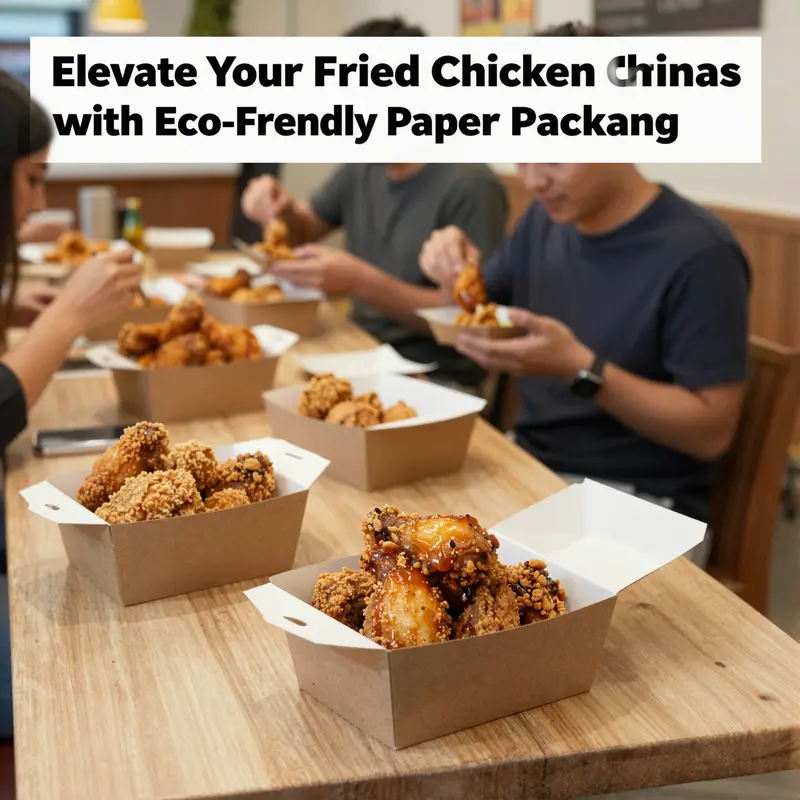
In a competitive food market, the packaging you choose speaks volumes about your brand. For fried chicken retailers, paper fried chicken boxes have emerged as a leading eco-friendly solution to both protect food and meet modern consumer demands. This article delves into the intricate details of these specialized boxes, exploring their sustainability, customization trends, technological advancements, and the economic factors influencing their production. Each chapter will equip business owners with insights on optimizing their packaging approach, building consumer trust, and enhancing overall culinary experiences.
Eco-Friendly Innovations: How Paper Fried Chicken Boxes are Changing the Fast-Food Landscape
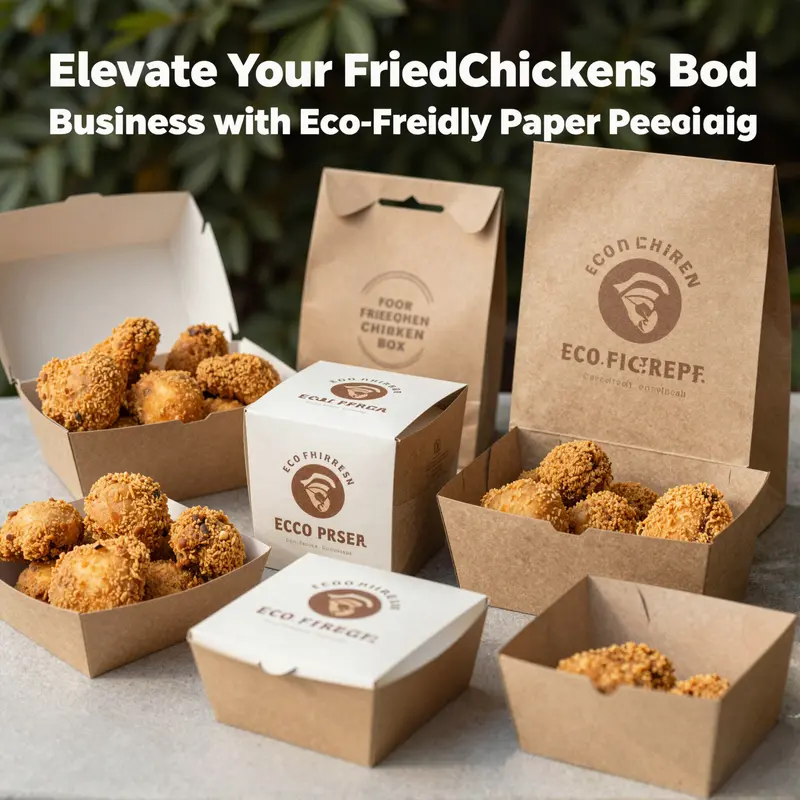
In recent years, the fast-food industry has experienced a significant transformation, driven by growing environmental awareness among consumers and businesses alike. One of the leading advancements in this sector is the rise of eco-friendly packaging solutions, particularly the paper fried chicken box. This innovative packaging is not merely a temporary trend but a substantive shift toward more responsible practices in food service that acknowledges the urgency of sustainability.
The paper fried chicken box serves as a remarkable solution that combines functionality, safety, and eco-consciousness. Crafted from high-quality food-grade kraft paper, these boxes are designed specifically to cater to the unique demands of transporting fried chicken. Unlike conventional plastic packaging that contributes to environmental pollution, these paper boxes are recyclable and biodegradable, effectively reducing the overall footprint associated with single-use materials. By embracing such alternatives, fast-food businesses are actively participating in a larger movement toward sustainability and responsibility.
When we delve deeper into their design, we find that these boxes are engineered to meet the needs of both the food and the customer. Their structure is robust yet lightweight, resulting in a product that is around 30% lighter than traditional plastic takeout containers. This reduced weight not only decreases shipping costs but also minimizes carbon emissions during transportation—a critical factor in industries where logistics play a significant role in operational costs. Lower emissions align with global efforts to combat climate change, making the paper fried chicken box a responsible choice for both businesses and consumers.
The environmental benefits extend beyond mere weight savings. These boxes utilize a heat-resistant kraft paper construction that helps to preserve the temperature of fried chicken for up to two hours, ensuring peak enjoyment upon delivery. This capability addresses a prominent concern in the fast-food industry: maintaining food quality during transport. The high insulation properties of the kraft paper prevent temperature loss, meaning that consumers receive their meals in the same state they would have been if served directly in a restaurant.
A pivotal feature in the design of paper fried chicken boxes is their grease-resistant coating. Many consumers have experienced the inconvenience of leaks and stains from poorly designed containers, but these boxes effectively prevent such mishaps. Thanks to innovative coatings and multi-layer construction methods, oils and moisture are contained, keeping the exterior of the packaging clean and dry. This attention to detail translates into enhanced customer satisfaction, as it alleviates the worries of having to deal with unsightly spills or greasy fingers after enjoying a delicious meal.
Usability is equally prioritized in the design of the paper fried chicken box. Many of these containers include ergonomic handles and a folder-style opening, making them user-friendly and convenient. These features encourage a seamless dining experience, especially in high-volume settings where efficiency is paramount. Imagine fast-paced food trucks or bustling fast-food outlets where a quick, easy, and hassle-free unboxing experience can significantly impact customer retention and satisfaction. The transparent viewing windows in some designs further enrich the experience, allowing customers to preview their order without needing to open the package, thereby enhancing both visual appeal and practical usability.
Customization options also play a vital role in the adoption of these paper boxes. Businesses can personalize their packaging with unique branding elements, colors, and eye-catching designs. This feature transforms each box into not only a functional item but also a marketing tool that travels with customers, spreading brand awareness in a way that resonates with environmentally conscious consumers. In an era where shoppers increasingly prioritize brands that align with their values, opting for eco-friendly packaging like the paper fried chicken box bolsters reputation while fulfilling customer demands.
Moreover, the versatility of the paper fried chicken box should be noted. While they are tailored primarily for fried chicken, their design is adaptable, making them suitable for containing a variety of items beyond poultry. Crispy fries, wet salads, and more can be safely packed within these boxes, underscoring their potential for widespread application in restaurants, food trucks, and catering services. This multi-functionality can streamline inventory requirements, as a single box type can handle multiple menu items without compromise.
Adopting paper fried chicken boxes also aligns with regulatory trends pushing for more sustainable packaging practices. Global certification standards like the FDA and SGS are increasingly imposing restrictions on single-use plastics and non-biodegradable materials. This regulatory landscape makes eco-friendly packaging not just an option but a necessity for modern food businesses. Utilizing certified food-grade materials, manufacturers ensure safety for consumer use while remaining compliant with international environmental standards. This diligence in materials sourcing not only mitigates risks but also enhances trust between consumers and brands.
Additionally, suppliers specializing in this innovative packaging solution are readily accessible. Platforms like Alibaba.com provide businesses with the opportunity to source these eco-friendly boxes easily and reliably. With competitive minimum order quantities starting as low as 3,000 units and prices ranging from $0.10 to $1.00 per unit, businesses of all sizes can capitalize on eco-friendly options without straining budgets. This accessibility empowers entrepreneurs in the hospitality and food service industries to align with contemporary environmental expectations while pursuing their operational goals.
At the core of this movement is a broader trend where sustainability infuses itself into all aspects of business from sourcing to packaging. The option to customize these paper fried chicken boxes not only enhances marketing strategies but also showcases a brand’s commitment to ecological stewardship. As consumer expectations evolve, companies face mounting pressure to demonstrate responsibility on environmental fronts, and sustainable packaging choices like these can be the differentiators that resonate with the modern eco-conscious customer.
In conclusion, the paper fried chicken box represents a synthesis of sustainability, user-centric design, and culinary preservation. As the fast-food sector increasingly embraces such eco-friendly solutions, it not only improves its environmental performance but also enhances customer experiences and brand loyalty. As we inch towards a greener future, the paper fried chicken box stands out as a prime example of how innovative packaging can redefine industry standards and pave the way for responsible consumption. Those interested in exploring more about sourcing such eco-friendly packaging should visit resources like Alibaba.com – Custom Fried Chicken Packaging Carton for a detailed overview of available options and suppliers.
Elevating Experience: Customization Trends in Paper Fried Chicken Box Designs
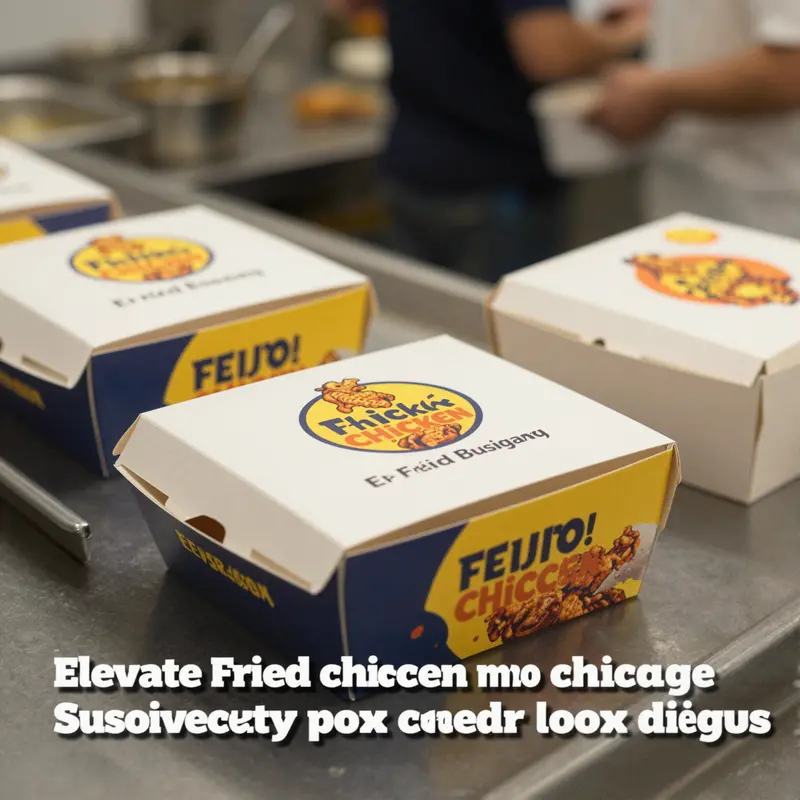
In the competitive world of food service, especially in the realms of delivery and takeout, how meals are presented can significantly affect consumer perception and, ultimately, their dining experience. One of the key innovations reshaping this aspect is the customization of paper fried chicken boxes. These boxes, designed not only for functional safety and transport but also for visual appeal, reflect an evolving consumer landscape that values sustainability, practicality, and brand representation.
Sustainability Trends
As awareness grows regarding environmental issues, consumer preferences are shifting towards products that showcase sustainable practices. This change is particularly visible in the realm of food packaging. The paper fried chicken box stands out due to its eco-friendly materials. Made from kraft paper and cardboard that are food-safe and biodegradable, these boxes align with global sustainability standards. Many brands are opting for recyclable options, capturing the essence of environmental consciousness. The choice of materials like brown or white kraft paper not only enhances the brand image but also communicates a commitment to reducing waste and promoting a greener future. This shift is further bolstered by stringent safety certifications such as FDA and SGS, reassuring consumers of their safety while reinforcing brands’ dedication to quality and responsibility.
Functional Enhancements
While sustainability addresses the environmental concerns, the functionality of packaging remains paramount. Innovations in design are transforming the traditional paper fried chicken box into an experience-driven product. One notable feature is the introduction of folding opening structures. This design allows ease of access for customers while maintaining the integrity of the seal, reducing the chance of spills during transit. The inclusion of ergonomic handles enhances user convenience, making it simpler for customers to carry their meals.
Further highlighting these advancements, some high-end designs are incorporating ventilation systems. This feature becomes particularly vital for fried foods, as it combats humidity retention and maintains that desired crispy texture that fried chicken aficionados expect. Moisture-proof coatings not only protect the integrity of the food but also contribute to an overall enhancement of customer satisfaction, demonstrating that attention to detail can elevate the dining experience.
Visual Presentation
The visual aesthetics of the packaging also play a crucial role in consumer perception. Appearance has a notable influence on purchase decisions, making it essential for brands to invest in high-quality printing techniques. Various methods, including four-color printing (CMYK) and flexographic printing, allow brands to incorporate visually striking designs, accurate logos, and unique patterns.
By enhancing the visual appeal of paper fried chicken boxes, brands are not just packaging food – they are showcasing their identity and values. The adoption of innovative printing techniques supports brand recognition and allows for personalized messaging, thus connecting more deeply with the consumer. To support this creative endeavor, many suppliers offer design services and free samples, enabling businesses to experiment with their packaging solutions and refine their branding strategies.
Customization for Various Use Cases
One of the most exciting aspects of today’s packaging trends is the emphasis on customization. The paper fried chicken box can be tailored to accommodate a diverse range of use cases. Whether for individual servings or bulk orders, customizable sizes, shapes, and structural designs can fit the specific needs of different consumers.
This flexibility goes beyond aesthetic modifications; it integrates core brand values and operational requirements. For instance, when catering to families or offering commercial orders, brands can craft boxes that perfectly suit the occasion, all while maintaining the integrity and quality expectations of the product inside. The multifaceted nature of these boxes allows them to serve as effective communication tools that resonate with the customers they aim to attract.
Economic Viability and Sourcing
Customization trends do not only enrich the customer experience but also align with economic considerations. The affordability of paper fried chicken boxes — with prices ranging between $0.10 and $1.00 per unit — makes customization accessible for businesses of all sizes. Offering minimum order quantities (MOQs) starting at 3,000 pieces allows startups and larger food chains alike to invest in tailored packaging while capitalizing on their unique selling propositions.
Effective sourcing solutions, such as platforms like Alibaba.com, provide tailored and compliant packaging options, connecting brands with certified suppliers. These partnerships guarantee that businesses can find food-grade paper packaging that meets the necessary environmental and safety certifications, reinforcing their market presence. Furthermore, full-service OEM and ODM support enriches brand opportunities, allowing comprehensive packaging solutions that support various operational goals.
Conclusion
Custom paper fried chicken boxes represent more than just packaging; they are a reflection of evolving customer expectations, innovative design trends, and a commitment to sustainability. As businesses navigate this competitive food service landscape, integrating these customization trends into their packaging strategies can result in enhanced brand loyalty and customer satisfaction. The marriage of functionality, visual appeal, and eco-consciousness within paper fried chicken box designs will undoubtedly play a central role in shaping the future of food packaging.
Innovations in Eco-Friendly Paper Fried Chicken Boxes: A Sustainable Approach
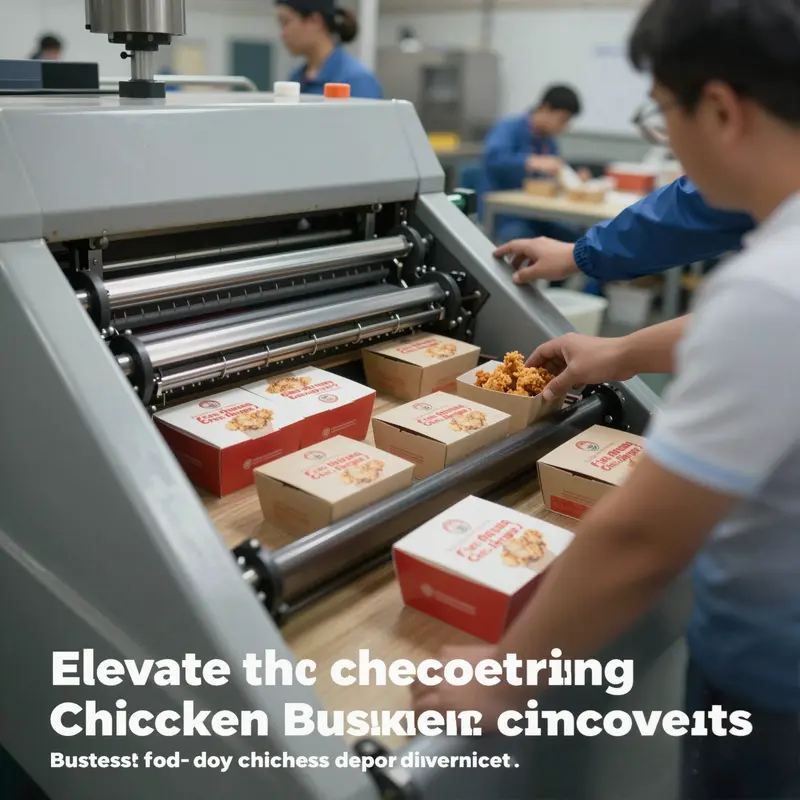
The evolution of paper fried chicken boxes has been nothing short of remarkable, particularly in the context of technological advancements that emphasize functionality, sustainability, and branding integration. As the fast-food industry leans increasingly towards eco-friendly practices, innovative designs in packaging are not just a trend but a necessity. Businesses are not only looking to preserve the quality of food for a better consumer experience, but they also want to ensure their packaging resonates with a growing demographic that prioritizes sustainability.
One of the standout features emerging from these advancements is greaseproof coated paper technology. Traditional packaging often succumbed to the heavy oils and greases that accompany fried foods, leading to leaks, consumer dissatisfaction, and ultimately, waste. Today’s greaseproof materials prevent oil and grease leakage while ensuring the package remains recyclable. This dual advantage makes them ideal for fried chicken and similar items. Furthermore, certifications from organizations like the Forest Stewardship Council (FSC) and SEEDLING underline the environmental integrity of these products, guaranteeing compliance with global standards. With grease resistance improved by up to 30% compared to older versions, businesses can confidently serve their fried chicken without the fear of messy spills.
Maintaining the quality of fried chicken involves considerable challenges, especially during transport, where moisture loss can sap both texture and flavor. Modern packaging technology addresses these issues through moisture-resistant coatings and ventilation systems. These innovations ensure the chicken retains its crispiness, a critical factor for consumer satisfaction that extends beyond the storefront. By innovating with ventilation systems built into the packaging, producers are able to regulate the internal environment, helping to maintain food quality during transit and storage. This function is essential in a market where consumers expect their meals to taste as good as they would straight from the fryer.
Additionally, advancements in embossing and custom printing techniques have allowed brands to enhance their visibility and relevance. High-quality, visually appealing designs serve more than just an aesthetic purpose; they enhance customer engagement and foster brand recognition. As consumers make decisions in a split second, a well-branded package can be the difference between choosing one restaurant over another. By investing in custom designs that cater to their unique audiences, businesses position themselves as more than just food providers; they become storytellers through their packaging. This adds an experiential layer to the customer’s interaction with the product, making the package itself a medium for advertising and brand development.
The efficiency of food service operations has also benefited from heat-seal technology, which has modernized how fried chicken boxes are closed. By utilizing secure, staple-free closures, preparations times have been slashed by around 20%. This reduction in preparation time delivers significant operational efficiencies, especially in high-volume environments like fast-food chains and commercial kitchens. Faster preparation means quicker service, enhancing customer satisfaction and improving turnover rates at busy locations.
As businesses embrace these innovative technologies, they are simultaneously addressing pressing environmental concerns alongside performance demands. Today’s paper fried chicken boxes exemplify a broader trend towards responsible packaging within the food industry—one that prioritizes not only the needs of businesses and consumers, but also the planet. As sustainability increasingly guides purchasing behavior, these boxes serve as a testament to the notion that quality, practicality, and responsibility can coexist innovatively.
Amid the rapid advancements in food packaging, customization options remain a crucial feature that enables businesses to differentiate themselves. Brands can design boxes of various sizes and shapes, and even incorporate special features tailored to their offerings, be it for Korean-style fried chicken, burgers, or other takeout specialties. This flexibility doesn’t just support logistics; it allows for a tailored marketing approach that engages customers. Every customized detail, from brand colors to intricate designs, transforms simple packaging into a powerful advertising tool. In this way, the humble paper box evolves into a dynamic ambassador for a brand, carrying its message far beyond the delivery point.
Eco-friendliness extends beyond immediate packaging functionalities. The industry is seeing an increased awareness of sourcing practices, with businesses now looking to suppliers who can demonstrate commitment not just to product quality, but also to sustainable practices. Platforms like Alibaba.com connect restaurants and caterers to certified suppliers that prioritize eco-friendly options, enabling them to find customized solutions without sacrificing their environmental ethos. The emphasis on full-service OEM/ODM support ensures that even small businesses can implement innovative packaging solutions that meet international standards without breaking their budgets.
These advancements are critical as the industry aligns itself with consumer preferences that increasingly favor sustainability. Modern consumers exhibit a genuine concern for environmental impacts, and their choices reflect a desire for brands that are socially responsible. The capabilities of today’s advanced paper fried chicken boxes make them more than just functional products; they represent a progressive shift in how food is marketed, packaged, and ultimately valued by consumers.
Moreover, the cost-effectiveness and scalability of these solutions make them accessible to businesses of varying sizes. With minimum order quantities starting at just 3,000 pieces and costs fluctuating between $0.10 to $1.00 per unit, such packaging options provide an affordable solution that encourages scalability while ensuring quality. Bulk packaging options enhance logistical efficiency, allowing restaurants and food service providers to manage inventory seamlessly. With the right suppliers, firms can ensure a consistent supply of quality packaging that meets the demands of their unique business model and customer expectations.
By leveraging the benefits of modern packaging technologies, businesses can not only uplift their brand image and streamline operations but also engage in sustainable practices that appeal to conscientious consumers. The paper fried chicken box is fast becoming an emblem of progress within the food service industry—balancing quality, efficiency, and environmental responsibility all in one cohesive package. For more details on the latest eco-friendly packaging innovations, check out this external resource that highlights various options available in the market.
Navigating the Economic Landscape of Paper Fried Chicken Box Production
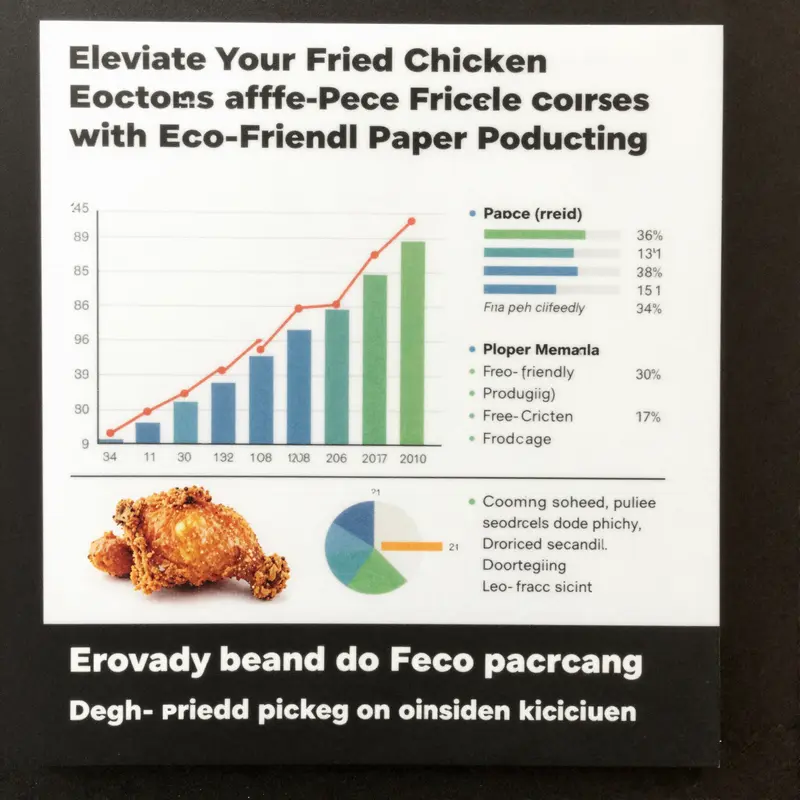
The production of paper fried chicken boxes is a reflection of broader market dynamics intertwining with economic trends, particularly within the fast-food industry. As consumers demand not only convenience but also sustainable practices, the factors influencing the manufacturing of these packaging solutions are profoundly shaped by economic fluctuations, regulatory changes, and shifts in consumer behavior.
At the core of the production process lies the cost of raw materials. The primary components—virgin fiber and recycled paper—significantly impact manufacturing prices. With the global movement towards sustainability, many companies are under increasing pressure to integrate eco-friendly materials into their products. This progressive shift, fueled by environmental regulations and an evolving consumer landscape that favors greener options, often results in higher production costs. As businesses strive to comply with these demands, they frequently face the dilemma of whether to absorb these additional costs or pass them on to fast-food chains, such as KFC or regional players, thus influencing their operational expenses.
Furthermore, consumer preferences have dramatically shifted towards convenience and sustainability. The rapid expansion of delivery services in the fast-food sector has led to an increased demand for packaging that is not only durable but also visually appealing and capable of preserving the quality of food, especially fried chicken. In response, manufacturers are innovating their designs, utilizing advanced materials and coatings that provide grease-resistance and structural integrity. This innovation is a double-edged sword; while it allows producers to meet consumer expectations effectively, it also raises production costs due to the investment in research and development.
Economic conditions outside the immediate realm of packaging production also play crucial roles. Factors such as inflation and fluctuating currency rates can affect the procurement of materials. For instance, a rise in oil prices might not only inflate transportation costs but also escalate the prices of materials like plastic-coated liners that are essential for manufacturing high-quality paper boxes. This volatile landscape challenges manufacturers to remain agile, often necessitating strategic pricing adjustments that reflect real-time market conditions. During periods of oversupply, the dynamics may shift, compelling suppliers to implement discounts or offer enhanced features such as custom branding or claims of recyclability as methods to retain market share in a saturated environment.
More specifically, the emergence of e-commerce and food delivery ecosystems has instigated significant changes in consumer behavior. As more consumers opt for takeout, the efficiency of packaging has become paramount. Paper fried chicken boxes now not only serve a practical function but have also become critical touchpoints in customer interaction, essentially acting as mini-billboards that showcase brand identity through custom prints and designs. Restaurants capitalize on this by designing boxes that reflect their brand colors and logos, enhancing brand visibility while delivering a product that remains intact and appealing during transport.
The interplay between environmental advocacy and consumerism influences both production and purchasing decisions. As such, consumers are increasingly aware of the environmental impact of their choices, often opting for brands that champion sustainability. This awareness incentivizes manufacturers to innovate and to communicate their commitment to using recyclable and biodegradable materials effectively. For packaging businesses, the incorporation of sustainable practices is not merely a regulatory necessity but a competitive advantage that can set them apart in a crowded market.
While external economic pressures can impose challenges, they also prompt innovation. As the demand for eco-friendly packaging surges alongside the expectation for high-quality, visually appealing designs, manufacturers are exploring new production technologies. For example, advances in manufacturing techniques could lead to the use of alternative raw materials that reduce reliance on traditional paper sources, ultimately mitigating costs associated with fluctuations in the supply chain. Additionally, the shift towards greater automation in the manufacturing process can enhance efficiency, enabling production lines to scale more rapidly in response to market demands without sacrificing quality.
As fast-food chains increasingly monetize convenience through advanced logistic solutions and effective branding, the packaging evolves into a critical component of their market strategy. The paper fried chicken box, therefore, becomes not merely a vessel for chicken but an embodiment of the restaurant’s commitment to quality, sustainability, and consumer satisfaction. By navigating these market dynamics and harnessing economic strategies effectively, manufacturers can align their business models with the evolving demands of the fast-food industry.
With the complexity of navigating these interrelated factors, staying updated on trending practices within the fast-food and packaging industries is essential. Companies willing to adapt to these changing circumstances are likely to thrive while those that remain stagnant risk falling behind in a competitive environment.
For deeper insights on how macroeconomic factors influence the fast-food packaging industry, consider exploring further details on how inflation and supply chain disruptions are reshaping fast-food packaging costs.
Final thoughts
The future of packaging in the fried chicken industry is intricately linked with advancements in sustainability, customization, and technology. Business owners must embrace these trends to not only meet consumer expectations but to also promote a brand image that values environmental responsibility. As you’ve explored the various factors surrounding paper fried chicken boxes, consider how integrating such solutions could elevate your offerings and resonate with your customers. Opting for eco-friendly packaging is not just a choice; it’s a testament to your commitment to quality and sustainability.