
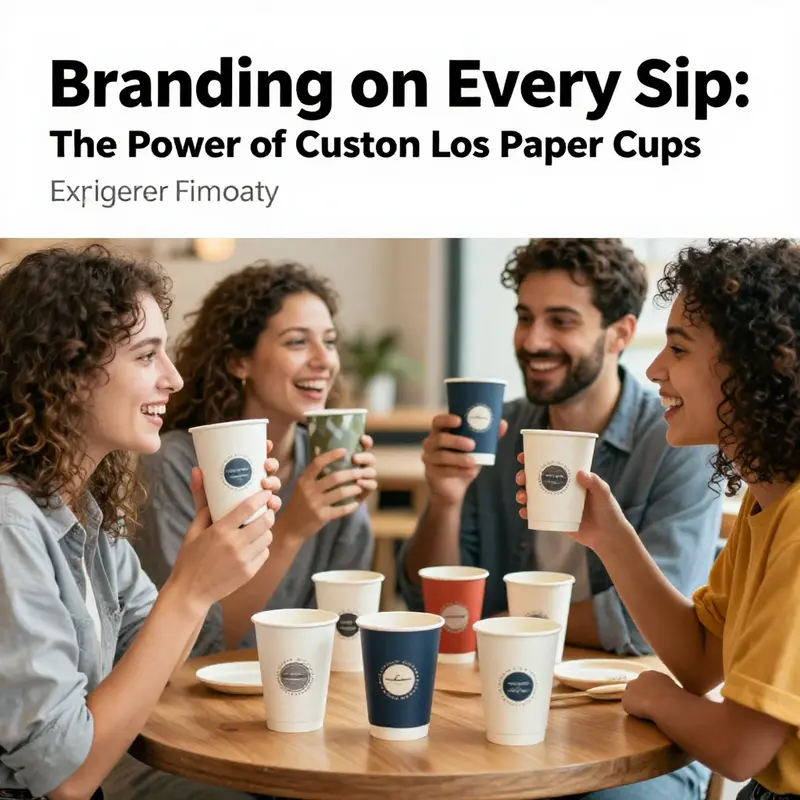
Custom logo paper cups have become an essential element of branding for businesses in the food and beverage industry. These cups not only serve a functional purpose but also act as mobile marketing tools that can enhance visibility and recognition. In culinary settings—from cozy bubble tea shops to bustling food trucks—effective branding can significantly influence customer preferences. Throughout this article, we will delve into the importance of branding with custom logo paper cups, explore their technical specifications, highlight sustainability practices, discuss market trends, and touch on manufacturing and supply chain considerations, collectively showcasing how these tailored cups can contribute to a brand’s success.
Brand Impressions in Every Sip: Crafting Identity with Custom Logo Paper Cups
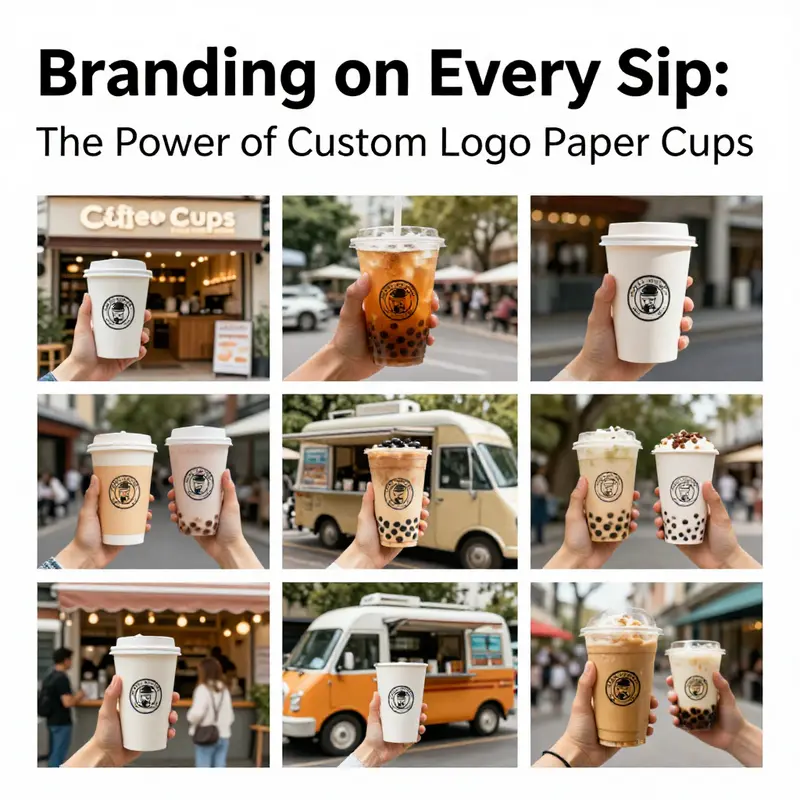
Every interaction a customer has with a brand is an opportunity to tell a story, and the cup in their hand becomes a tiny, moving billboard for that narrative. When a logo sits on a cup, it isn’t just a symbol stamped onto a disposable container; it’s a cue that reinforces memory, trust, and a sense of belonging. In an environment crowded with choices, the cup that accompanies a morning coffee or a midafternoon pick-me-up can quietly imprint a brand’s personality on the daily routine. The science behind branding on disposable vessels is simple in concept but powerful in effect: repeated exposure compounds recognition, and recognition drives preference. A well-crafted cup design invites familiarity, signals quality, and suggests consistency across product and service experiences. Over time, those impressions accumulate into a relationship—one where the customer reaches for a familiar cup not just for caffeine, but for reassurance that the experience will align with their expectations of the brand. The result is less about a single encounter and more about a continuity of perception that travels with the consumer through commutes, offices, and errands. In this sense, custom logo paper cups are less a convenience than a strategic touchpoint, a portable extension of a brand’s identity that travels with the customer long after the beverage has been finished. This is why the branding conversation around cups has shifted from decorative add-on to a central component of brand architecture. The latte art on the surface may fade, but a crisp logo on a well-made cup can endure through minutes of use and multiple trips. It is a quiet revolution in marketing, one that favors persistent visibility over fleeting moments and seeks to turn ordinary packaging into an experience that feels both personal and professional.
The core idea is straightforward: print quality matters as much as placement. A logo that remains legible when the cup is warm, when condensation steals the ink, or when the cup is handled by hands in motion—these are the markers of thoughtful branding. The surface becomes a canvas where color, typography, and branding motifs must work in harmony with the cup’s functional requirements. The image has to be resilient against heat, moisture, and the rough rhythms of a busy service environment. This means investing in premium materials and high-resolution printing, where six-color capability can reproduce the vibrancy of a brand’s palette with fidelity that handheld viewing demands. In practical terms, brands should expect color accuracy and sharpness to translate into perceived value. When customers see a logo rendered crisply on a bright white surface, the impression is one of attention to detail. Conversely, a faded print or a muddy color can undermine the perceived quality of the product and, by extension, the brand itself. The cup then becomes more than a vessel; it becomes a direct channel for quality signaling, a tangible connection between product integrity and brand promise. The difference may seem subtle, but it is consequential, especially in competitive environments where first impressions are formed in seconds.
Material choice is an essential part of that signaling. Premium-grade paperboard, such as solids with a bright white SBS finish, provides a smooth, receptive surface that enhances logo reproduction and color saturation. A smooth finish helps ensure that the ink lays down evenly, producing crisp edges and consistent fill. When a cup’s surface looks and feels high quality, it reinforces a brand’s positioning as attentive and professional. The material choice also interacts with the user experience. A cup with the right heft communicates reliability; a sturdy double-wall design adds thermal protection and grip, reducing the chance of slips or burns for hot beverages. The insulating air gap in double-wall constructions keeps hands comfortable and helps beverages stay at the desired temperature, which in turn supports a more favorable overall perception of the brand. A tactile, reassuring grip can translate into positive associations, transforming a routine self-serve moment into a moment of satisfaction aligned with the brand’s values. In today’s market, sustainability often sits beside aesthetics in the branding conversation. Coatings such as PLA offer a compostable, plant-based alternative to traditional petroleum-based options, aligning with environmental objectives that many consumers now prioritize. Yet, every material choice involves trade-offs. PLA coatings can be more sensitive to heat exposure and may require composting infrastructure to realize their end-of-life benefits. PE coatings, by contrast, tend to deliver proven moisture resistance and durability at lower costs, making them reliable for high-volume operations. Brands must balance these realities against their sustainability goals, their supply chain capabilities, and their audience’s expectations. The best outcomes come from a thoughtful equilibrium: a cup that holds its print integrity under heat and moisture, a coating that supports environmental aspirations without compromising performance, and a design that communicates the brand’s ethos with clarity.
Beyond the cup’s physical construction, the branding strategy embedded in the cup’s graphics matters just as much as the material itself. A logo that occupies a prominent, well-proportioned area within the cup’s printable surface has a higher likelihood of being noticed and recalled. Strategic use of color contrast can elevate legibility and recognition even in quick, passing glimpses during busy moments. The alignment of branding elements with the cup’s curvature—avoiding distortion and ensuring a natural focal point—contributes to a professional appearance that signals quality and consistency. In practice, this translates to design work that anticipates how the cup will be held, rotated, and read from different angles. A logo that remains legible when the cup is tipped toward the mouth or when it’s wrapped in the hand during a crowded commute is a small but meaningful driver of recognition. The narrative embedded in the cup’s design extends beyond the logo; it can incorporate color schemes, typographic choices, and even subtle patterns that echo a brand’s broader identity. When done well, these elements collectively communicate a coherent story—one that customers internalize as the brand’s personality in everyday rituals. Such coherence is essential when a brand seeks to stand out not only within a category but within a consumer’s personal landscape of routine brands.
From an experiential standpoint, custom logo cups function as touchpoints that reinforce trust and loyalty. Consumers who repeatedly encounter a brand through a well-branded cup begin to associate the cup with reliable service, consistent quality, and a respectful approach to sustainability. This triad—consistency, quality, responsibility—becomes a powerful loyalty engine because it aligns with contemporary consumer expectations. The brand’s message is reinforced at multiple junctures: at the point of purchase, during the enjoyment of the drink, and in the cup’s afterlife as it moves through a workday or a commute. The portable nature of the cup makes it a vehicle for word-of-mouth promotion, as friends, colleagues, and family members glimpse the design during shared moments. In this way, a single cup can be seen by dozens of people, each exposure contributing to a quiet, cumulative impact on brand perception. The cumulative effect matters in a marketplace where shoppers often rely on recognition to guide decision-making in the moment—whether they are in line for a daily coffee or choosing a quick-service partner for a larger event. The branding strategy then becomes a matter of harmonizing aesthetic, material science, and user experience into a single, seamless narrative that travels with the cup every time it is lifted.
Operational realities shape how brands realize this potential. The ability to scale production, deliver on time, and maintain consistent print quality across thousands or millions of cups is critical. A reputable supplier can offer robust governance around food-grade materials, regulatory certifications, and quality assurance processes, ensuring that the branding remains consistent across all batches. In addition, the availability of compatible accessories—lids, straws, and compatible packaging—enables a cohesive branded ecosystem. When these elements are aligned, the customer’s branded experience extends beyond the cup to a complete takeaway solution, reinforcing memory and satisfaction. The opportunity to pair a logo with a reliable packaging solution makes the branding effort more economical and impactful in the long run. It also reduces the cognitive load on the customer, who experiences a smooth, predictable ritual from purchase to consumption. The result is a branding system that is not merely decorative but integral to the customer journey, capable of elevating everyday moments into meaningful associations with the brand.
As brands navigate this landscape, they encounter a simple but essential decision: how to balance creativity with practicality. The designer’s task is to deliver bold, recognizable branding without compromising the cup’s handling, print longevity, or environmental considerations. The operations team must translate that design into scalable production with consistent color reproduction and reliable weathertight performance under varying service conditions. When these disciplines converge, the cup becomes a shared platform for storytelling—a micro-episode of the brand that travels with the consumer and surfaces repeatedly in the course of a day. The net effect is a growing asset for the business, one that compounds by expanding reach through everyday usage. A well-executed custom logo cup does more than promote a product; it reinforces values, signals care for the customer, and helps cultivate a sense of community around the brand. For marketers and operators alike, the cup offers a practical, high-visibility channel for branding that aligns with modern preferences for personalization and sustainability. In short, the branding power of custom logo paper cups lies in their ability to turn ordinary packaging into an enduring, portable ambassador for the brand, capable of shaping perception with each sip.
For readers who want a concrete example of how this branding philosophy translates into real-world practice, consider the practical integration of an eco-conscious, logo-forward cup in a multi-venue rollout. The design speaks to consistency across locations, while the material choices reflect a commitment to responsible sourcing and waste management. The result is a scalable, coherent brand expression that travels with customers from office coffee runs to festival lines and back to the kitchen table. To explore a practical catalogue of options that embody these principles, you can review a supplier’s eco-friendly printed-logo cup selection, which demonstrates how a single design can adapt to multiple formats and serving contexts. This approach ensures that the brand presents a unified face across channels while delivering the tactile reassurance that modern consumers expect from sustainable, well-crafted packaging. For further reading on how custom paper cups can elevate branding beyond the counters and into the broader marketing mix, see the external reference below.
External resource for further reading:
https://www.printingcenterusa.com/blog/custom-paper-cups-branding
Internal reference for related product options:
eco-friendly printed-logo paper cups
Behind the Brand: A Technical Blueprint for Custom Logo Paper Cups
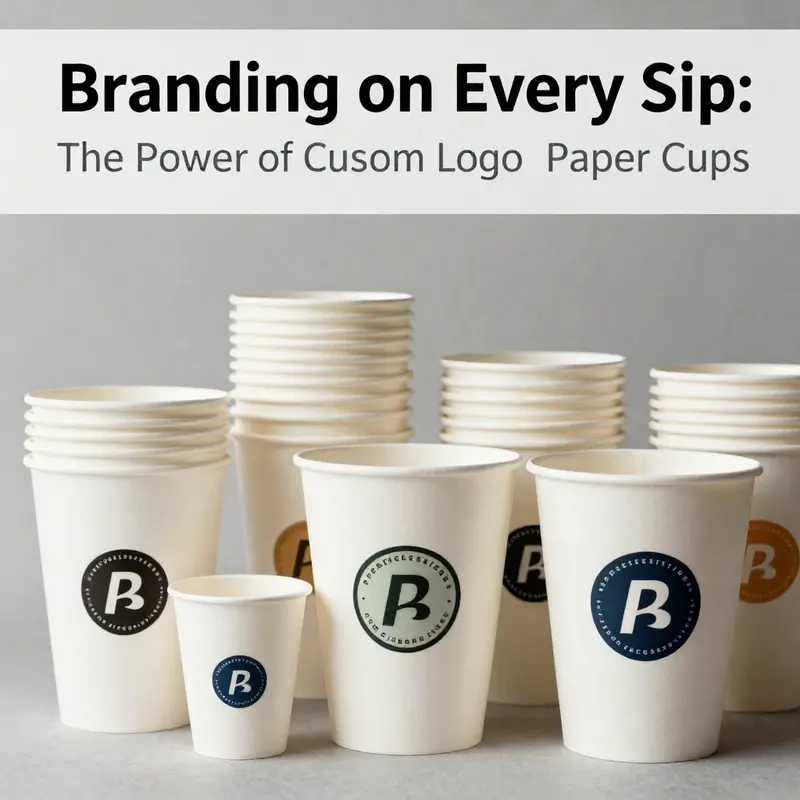
When a cup carries a logo, that mark travels beyond a mere graphic. It becomes a portable piece of brand citizenship, a tiny ambassador that sits in a customer’s hand and in their memory long after the drink is gone. The technical specifications that make this possible are surprisingly nuanced. They must balance the practical demands of hot and cold beverages, the tactile feel of a printed surface, and the environmental story a brand wants to tell. To understand how a custom logo on a paper cup achieves that balance, it helps to walk through the core elements that constructors, designers, and buyers wrestling with every batch must consider. The journey begins with material composition and expands into surface finish, coating chemistry, printing capabilities, and the way all of these factors converge to deliver a reliable, brand-right experience from the first sip to the last drip.
At the heart of any custom logo cup is a multi-layer construction that gives strength and shape while managing temperature. Most high-quality options rely on three-layer paperboard, a configuration that provides the rigidity needed to resist crushing in transit and the stiffness necessary to maintain a clean, tall profile when gripped. This tri-layer approach supports even heat distribution and helps the cup resist deformation under pressure, whether it is filled with a scalding latte or a frosty cold beverage. The exterior of the cup is typically textured, a design choice that reduces slip and improves handling, especially in busy environments like cafes and events. The interior, by contrast, is finished smooth to optimize print fidelity. A smooth inner surface makes high-resolution logo reproduction crisp and legible, allowing brands to push vibrant color, fine lines, and subtle gradients onto the cup without blurring at the lip or around the rim. The contrast between a tactile exterior and a refined interior is not just a quirk of style; it is a deliberate engineering choice that aligns user experience with promotional impact.
Coatings are the central hinge between form and function. Many cups employ a double-wall design that creates a small air gap between two layers. This insulation is a practical win for hot drinks, reducing external heat transfer so the consumer can hold the cup without discomfort while keeping the beverage hotter for longer. For cold drinks, the same architecture can help prevent condensation on the outer surface, preserving grip and reducing slip on slick countertops. The coating itself can vary, and this choice speaks to a brand’s sustainability goals as much as to cost and performance. Polylactic acid, or PLA, is a plant-based coating that has grown in popularity as an alternative to traditional petroleum-based plastics. PLA coatings align with sustainability narratives because they are derived from renewable resources like corn starch and can be compostable under appropriate conditions. On the other hand, polyethylene, or PE, remains widely used for its proven moisture resistance and economic reliability. Each coating brings its own trade-offs in terms of barrier properties, heat resistance, and end-of-life considerations. Brands often select a coating strategy that harmonizes with their environmental commitments and the expected service life of the cup.
Surface texture, too, plays a pivotal role in the perceived quality of a branded cup. The exterior texture is not merely about grip; it also influences how ink adheres and how the final print reads at a distance. A well-executed textured exterior supports a high-clarity finish for logos and couleur schemes, enabling crisper edges and richer color reproduction. Inside, the surface must be smooth enough to maintain print fidelity during the application of branding graphics, because the interior surface is critical for branding through close-up details and micro-typography that may be visible when a drink is poured or taken to-go. The interaction between texture and print quality is a technical dance: we want a surface that looks premium up close, while maintaining legibility and glow at a glance in a busy setting.
The customization options extend far beyond a single logo. Brands can select from a spectrum of colors and patterns, but the true power of customization lies in the ability to tailor thematic designs to seasonal campaigns or special occasions. In practice, this means the printing process must support high-resolution, multi-color graphics with precise color matching and repeatable output across large production runs. The capability to print up to six colors enables branded cups to convey complex identity cues—brand palette, iconography, and even subtle texture effects that emulate metallic finishes or embossed surfaces. Achieving vivid color reproduction on a curved, porous surface requires a tightly controlled printing workflow, including pre-treatment of the substrate, calibrated press settings, and color management across batches. The end result is a cup that not only holds a beverage but also communicates a brand story through every line and hue.
Performance standards are the quiet but essential grammar of quality. Leak resistance is non-negotiable; a cup must reliably contain the contents without seepage through the seam, especially when the vessel contains hot liquids. Durability under heat and pressure is another baseline expectation: abusive handling, stacking, and long transport times should not compromise integrity. Compostability and environmental compatibility have become increasingly important for many buyers. While not all cups are designed to be compostable, those intended for eco-conscious programs often come with certifications or labeling that indicate compliance with recognized standards. These standards cover material safety, ease of disposal, and the environmental impact of the cup through its lifecycle. In premium segments, some configurations incorporate features like gold foil linings as a design flourish. While they may offer an elevated aesthetic, these finishes typically demand careful moisture management because metallic accents can affect the coherence of the moisture barrier over time. In practice, designers and manufacturers weigh the trade-offs between a premium look and long-term performance under exposure to humidity, heat, and repeated handling.
Industry standards underpin trust across the supply chain. Certifications that validate sustainable sourcing, safe manufacturing, and responsible waste management provide reassurance to buyers who need to demonstrate due diligence to regulators, retailers, and customers. For example, Forest Stewardship Council (FSC) or similar certifications, along with quality and safety benchmarks, signal that the cups come from responsible origins and meet established environmental and social norms. Beyond certifications, the technical specifications also embrace practical considerations for large buyers. Minimum order quantities can be substantial, typically in the tens or hundreds of thousands, reflecting the scale at which these products are produced and distributed. In exchange for quantity, buyers often gain not only favorable unit pricing but also improved consistency in color fidelity, print alignment, and material uniformity across orders. For brands, that consistency translates into a predictable brand presence in every venue—no matter where the cup travels.
From a supply-chain perspective, the capacity to align branding with packaging solutions matters as much as the cup itself. The best practices in the field emphasize a holistic approach: matching lids, straws, and other takeaway items to create a cohesive, branded experience across the entire to-go ecosystem. A capable supplier can provide a suite of complementary items that echo the logo’s color story and typography, turning a simple cup into part of a broader branded toolkit. This alignment not only reinforces recognition but also reduces the administrative burden for brands seeking to manage multiple suppliers for different components of a single packaging ecosystem. In situations where speed is essential—such as large events or promotional campaigns—the ability to deliver within tight timelines becomes a critical factor in decision-making. Fast delivery windows, scalable production lines, and responsive customer support all contribute to a reliable branding program that can meet the unpredictable rhythms of consumer engagement.
Sustainability narratives increasingly shape the design decisions behind these cups. When a brand foregrounds eco-conscious messaging, the selection of materials, coatings, and end-of-life pathways takes on greater significance. PLA coatings, for instance, offer a renewable-origin option that aligns with circular economy goals in environments where composting streams exist and where end-of-life options are clearly communicated to customers. In other contexts, a robust moisture barrier with a PE coating may be chosen where the priority is durability and predictable performance in a broad range of climates and beverage types. The decision ultimately hinges on the lifecycle expectations of the cup within the brand’s broader sustainability commitments. The ability to communicate these choices clearly to customers—through labeling, messaging, and visible indicators—becomes a part of the branding strategy itself. A well-communicated sustainability approach can elevate a logo from a visual symbol to a statement of responsibility that resonates with audiences who care about the lifecycle of the products they use.
As these layers of technical specification intertwine, the result is not merely a container but a carefully engineered vehicle for brand expression. Each element—from the substrate and the coating to the surface texture and the printing method—feeds back into the look, feel, and performance of the cup in real-world use. The aesthetic impact of a logo print must be matched by practical reliability: a cup that holds heat without burning the hand, that resists moisture without warping, and that maintains color integrity across thousands of units. When brands evaluate potential partners, they are really weighing how well a supplier’s technical capabilities align with their marketing objectives and consumer expectations. A good match yields cups that not only carry a brand’s emblem but also carry its credibility, reinforcing recognition with every sip.
For readers seeking a deeper dive into the technicalities and standard practices behind custom logo cups, a comprehensive technical guide offers a structured overview of coatings, printing processes, and performance benchmarks. See the external reference for a broader technical context: Technical Specifications Guide. In addition, for those exploring the practical aspects of eco-friendly branding on cold-food-branded cups, a real-world example of eco-friendly-printed-logo-paper-ice-cream-cups-with-lid can illuminate how finishes and design choices play with temperature and handling in a retail setting. A broader look at the landscape of branded, single-use packaging can also help frame decisions about whether to pursue embossing, ripple-wall construction, or smooth-wall options that suit the intended service model and customer expectations. The synergy between design aesthetics and material science is what makes the cup a capable ambassador for a brand, a small but mighty artifact that travels from the barista station to the customer’s hand and into the daily memory of the audience.
Branded, Biodegradable, and Bold: The Sustainable Promise of Custom Logo Paper Cups
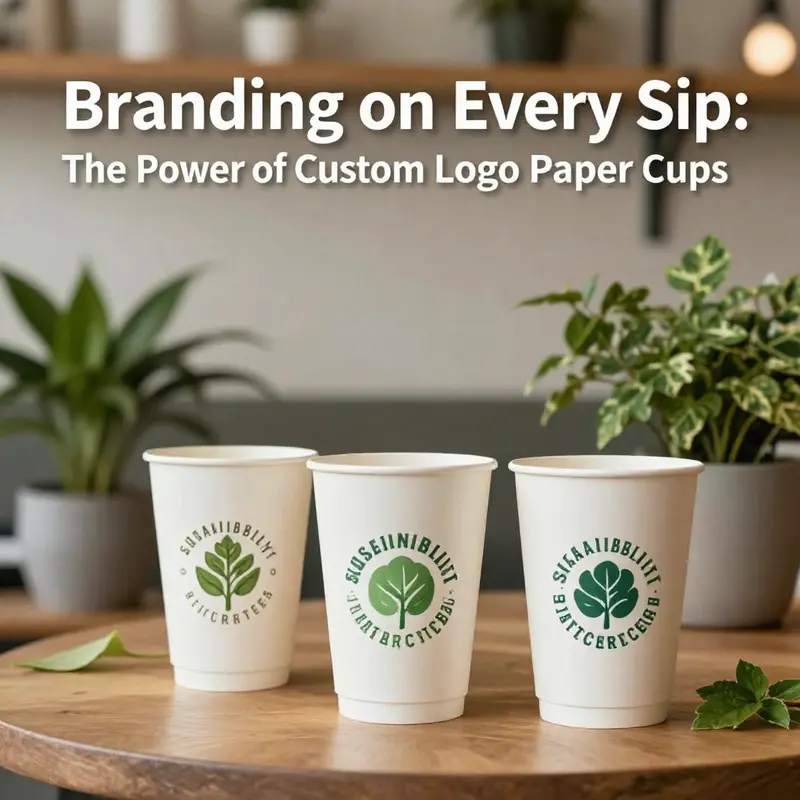
Branding and sustainability have become two sides of the same coin for modern businesses in the food and beverage space. When a shop hands a customer a cup, that small vessel is more than a container for a drink. It is a moving billboard, a touchpoint for recall, and, increasingly, a statement about how a brand chooses to engage with the world. The chapter that follows examines the sustainability and eco-friendliness of paper cups with custom logos, not as a footnote to design, but as a core dimension of how brands build trust, reduce footprint, and influence behavior at the moment of consumption. In many cases, the cup is the first and last impression a guest has of a brand during the visit, and it carries with it an opportunity to reinforce responsibility, transparency, and care for the environment. This is not merely about using green materials; it is about aligning every stage of the lifecycle with standards that customers can verify and feel good about while still enjoying the product and the branding it carries. A sustainable approach begins with the materials themselves, extends through the design and production process, and culminates in disposal and post-consumer behavior. Each phase offers choices that can either enhance or erode the brand’s environmental credibility, and those choices are increasingly scrutinized by consumers, regulators, and investors who value accountable packaging as a signal of long term stewardship.
At the heart of eco-friendly paper cups is the material composition. Today’s sustainable options lean on eco-friendly, recyclable materials such as coated paperboard that carries a clay or mineral based coating. This coating is not a mere surface finish; it serves as a print-friendly shield that preserves logo fidelity and color vibrancy. The coating path can influence whether the cup remains recyclable, compostable, or destined for specialized processing. Two coatings that often appear in discussions of sustainability are plant-based options and conventional moisture barriers. A plant-based coating, frequently associated with polylactic acid or similar biopolymers, can align with sustainability goals in branding narratives, yet it is crucial to recognize the practical realities of disposal infrastructure. PLA and other compostable layers generally require industrial composting facilities to break down effectively. In many communities, curbside composting or recycling programs do not accept PLA lined cups, or they require strict waste separation that can be challenging in high-volume settings. In such contexts, the cup’s ultimate fate depends on local facilities and consumer behavior, rather than the label alone. Conversely, polyethylene based coatings may offer robust moisture resistance and broad compatibility with existing recycling streams, but they can complicate older or less common recycling processes if not properly handled.
This tension between performance and end-of-life outcomes drives the design and production decisions brands face when choosing a custom logo cup. The double-wall design, popular for its insulation and tactile comfort, adds an insulating air gap that helps hot beverages stay warm and avoids the discomfort of a paper sleeve directly against the skin. Yet insulation should not be conflated with sustainability. The two walls must still coordinate with the coating and the adhesive system to ensure the cup remains strong under pressure and temperature while remaining as recyclable as possible given the local waste management landscape. Ripple or embossed wall variants, while offering grip and aesthetic appeal, can complicate recycling streams if the embossing traps residues or interferes with standard processing.
From a materials science perspective, the GSM rating of the paper—commonly around 250 to 300 gsm—signals how robust the cup is under temperature stress while providing a sturdy surface for high-resolution branding. A higher gsm can improve durability and heat tolerance, reducing the risk of leaks or deformation when hot liquids are involved. However, thicker paper may require more resource input during production and may affect recyclability if not paired with compatible coatings. The ongoing balance is between achieving crisp logo reproduction on a smooth finish and maintaining end-of-life clarity about how the cup should be disposed of. High-resolution, multi-color printing is now feasible on smooth surfaces, yet brands must weigh the aesthetics of a vibrant logo against the practical realities of recycling infrastructure and consumer disposal habits. The messaging here is subtle but important: sustainability is not simply about printing less or using a lighter cup, but about choosing a path that harmonizes design quality with responsible waste management.
Certifications and standards emerge as a compass in this complex landscape. Recognized seals such as FSC indicate responsible forest management behind the raw paper stock, offering a traceable assurance to buyers that the material stemmed from well managed sources. Safety and quality frameworks like BRC and EN standards, alongside DIN specifications, provide a backdrop of formal processes for production, packaging, and hazard management. Social and ethical dimensions are captured by schemes such as BSCI, which emphasize fair labor and supply chain responsibility. When combined with environmental benchmarks like the Biodegradable Products Institute (BPI) certification, brands can articulate a clearer narrative about the cup’s lifecycle. In practice, these certifications help retailers align consumer trust with the expectation that branding sleeves, lids, and related accessories are produced under consistent environmental and social governance criteria. The result is not a mere claim but a credible credential that can be referenced in marketing materials and store signage.
The lifecycle of a custom logo cup, from forest to landfill or compost facility, invites brands to think through each stage with intention. Responsible sourcing is just the starting point. The manufacturing phase—where energy use, water consumption, and waste generation can accumulate—benefits from energy efficiency, waste heat recovery, and process optimization. Printing and coating lines, when driven by eco-conscious practices and low-VOC inks, reduce volatile emissions and improve indoor air quality for workers. The distribution network then comes into play. Optimizing transport routes, consolidating shipments, and selecting bulk orders over frequent small runs can lower carbon footprints and minimize packaging waste related to the cup itself. Each step, even seemingly minor choices like the number of colors in a logo or the selection of a gloss vs a matte finish, interacts with the environmental calculus in meaningful ways.
The end-of-life story is where consumer education, municipal capabilities, and product design converge. In markets with robust recycling programs, cups with water-based inks and recyclable coatings can be diverted from landfills if residents separate them correctly and if facilities honor the materials used. In places lacking such infrastructure, plant-based coatings may still be appropriate if facilities exist to process them efficiently. It is here that branding and sustainability collide with consumer behavior; a bright logo on a sturdy white surface may actually aid recycling by signaling a straightforward disposal path, reducing contamination in the recycling stream. Conversely, a vibrant, multi-layer cup with a barrier coating that complicates the separation process risks confusing customers and undermining the environmental message. The opportunity for brands lies in pairing a clean, legible design with clear disposal guidance, thereby turning a routine purchase into a moment of environmental accountability.
An important consideration is the alignment of product design with in-store practices. In fast-paced environments, staff training and clear signage matter as much as the cup design itself. When a cafe or event space uses cups with easy recycling instructions and provides clearly labeled bins, the chance of correct disposal rises substantially. This is particularly relevant for bulk orders or event-specific runs, where the cup becomes part of a larger sustainability narrative that includes cups, lids, straws, and other takeaway packaging. A cohesive branded ecosystem—one that presents a consistent message about responsible disposal, alongside a bold logo—tends to resonate with customers who value transparency and stewardship. For brands, this means considering not only how the logo looks on the cup but how the entire takeaway packaging suite communicates sustainability at the point of use.
In practice, a growing number of suppliers are responding to these priorities by offering eco-friendly, printed-logo options that emphasize recyclability and responsible sourcing. The design philosophy favors minimalism and clarity, allowing the logo to stand out on a bright white or light surface while avoiding excessive inks or color layers that could complicate recycling. By choosing coatings and inks with proven recyclability or compostability, brands can preserve the aesthetic impact of their logo without sacrificing environmental responsibility. An example of this approach can be seen in eco-conscious product lines that highlight the combination of a simple surface with bold branding and a transparent message about end-of-life options. For those curious about specific examples, a representative option features an eco-friendly printed-logo cup designed for ice cream or similar cold menu items, paired with a lid that supports an integrated, efficient disposal process. You can explore an example of this approach at eco-friendly, printed-logo ice cream cups with lid.
Ultimately, sustainability in custom logo cups is a continuous conversation between brand identity and environmental responsibility. It is about choosing materials and processes that deliver the desired print quality and performance while maintaining a clear path to responsible disposal for the end user. It is about recognizing the limitations of current waste systems and designing to fit within them, not fighting against them. It is about communicating a truthful story to customers—one that honors both the brand’s visual presence and its ecological commitments. As markets evolve, brands that pursue this integrated approach will likely see benefits not only in reduced waste and lower footprint, but also in stronger customer loyalty born from trust and consistency. The cup becomes more than a container; it becomes a tangible extension of the brand’s values, a portable reminder that good design can coexist with responsible stewardship.
For readers who want to dive deeper into real-world specifications and broader industry applications, an external resource that sheds light on scalable, biodegradable options can be informative. While the landscape is complex and varies by region, the example of bulk biodegradable options illustrates how suppliers and buyers collaborate to balance branding needs with sustainability goals. External resource: https://www.alibaba.com/product-detail/Custom-Printed-Paper-Cups-Bulk-Biodegradable_1600798553742.html
Brand Signals on the Go: The Economic Rise and Market Dynamics of Custom-Logo Paper Cups
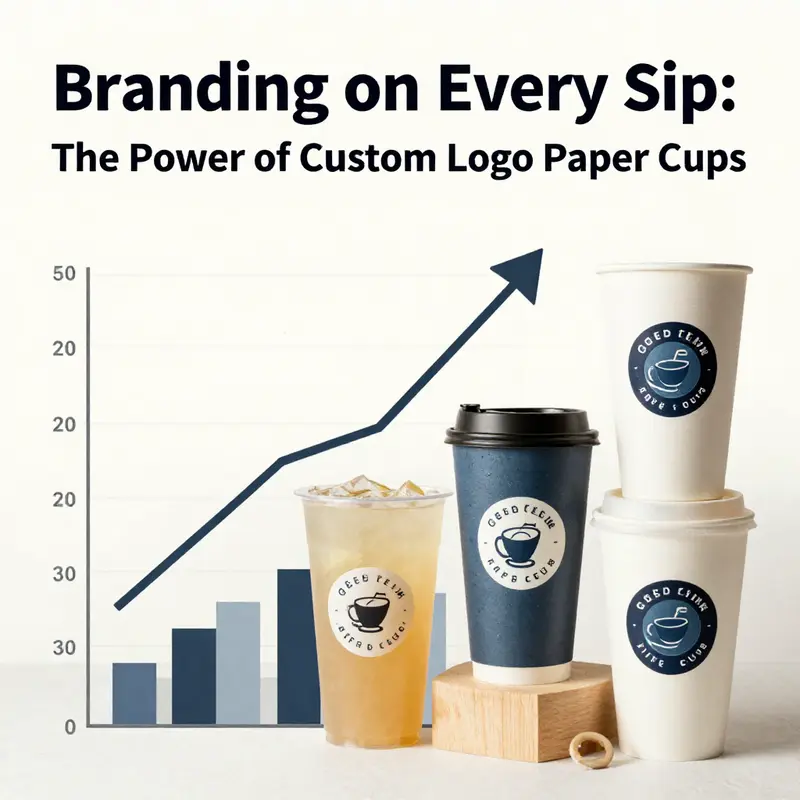
Across storefronts, events, and casual corners of everyday life, a small, disposable vessel has quietly become a powerful vehicle for brands. Custom-logo paper cups started as simple containers, but they have evolved into portable billboards that travel with customers from the counter to the street, from the moment a warm scent fills the air to the final sip of the drink. The market surrounding these cups is not merely a niche segment of packaging; it has grown into a robust, dynamic ecosystem that intertwines design, sustainability, manufacturing efficiency, and consumer psychology. In 2026, the custom paper cup service market is valued at roughly US$2.5 billion, and projections place it at about US$4.0 billion by 2033. Those figures reflect more than rising demand; they signal a structural shift in how branding can operate at the point of consumption, turning every cup into a touchpoint for recognition and loyalty. The growth is not accidental. It is propelled by two intertwined trends: environmental awareness and the hunger for personalization.
Environmental concerns are no longer optional in the branding conversation. Consumers increasingly expect companies to align with sustainable practices, and cup manufacturers have responded with a spectrum of eco-conscious options. The market’s pivot toward recyclable and compostable coatings, responsibly sourced paperboard, and transparent certifications mirrors broader regulatory and societal expectations. Yet sustainability is not a single feature; it is a narrative thread woven through every stage of production, from raw material selection to end-of-life disposal. In tandem, the demand for personalization has intensified. Branded cups function as mobile marketing tools, extending a brand’s presence beyond a storefront or a digital banner. They carry a visual identity—the color palette, typography, and emblem—that reinforces recall during the brief window when a customer’s attention is trained on the drink. Coffee shops, wellness cafes, event organizers, and catering services increasingly rely on these branded cups to cultivate a consistent brand experience, one that travels with the customer and returns in memory when the cup is discarded or recycled.
From a practical perspective, the appeal of custom-logo cups rests on a blend of cost efficiency, technical capability, and material quality. The economics of scale are favorable: bulk orders can be remarkably affordable, with low per-unit costs when produced at scale. Reports indicate that bulk orders can start as low as 5,000 pieces for about US$0.03 per unit, making branding through packaging accessible not only to established brands but also to startups and SMEs testing market resonance. This affordability underpins a broader trend where branding investments migrate from sporadic, large campaigns to continuous, everyday visibility. Companies can embed logos, color schemes, and message motifs into daily consumer rituals, turning ordinary moments into brand-building opportunities. The financial model complements this strategy by enabling predictable budgeting for promotional packaging, without compromising on quality or performance at the point of service.
Technological advances have made this combination of affordability and impact possible. Modern production lines often feature single-polyethylene (PE) paper cup machines integrated with flexo printing, enabling high-volume throughput without sacrificing the fidelity of multi-color branding. The result is a reliable, repeatable print that can render crisp logos and vibrant hues across capacities that suit hot beverages or cold drinks and even some light food packaging. Material science also plays a critical role. Premium-grade papers, notably SBS (solid bleached sulfate) paperboard, provide the bright white canvas desirable for branding and offer a smooth surface that supports high-resolution printing. On the coating side, choices between PLA and PE reflect a balancing act between sustainability goals and pragmatic cost considerations. PLA-coated cups align with plant-based, compostable narratives and offer a path toward reduced environmental impact, while PE coatings deliver robust moisture resistance and broad compatibility across a range of temperatures and beverages. For brands seeking a tactile edge, ripple-wall or embossed variants add grip and a distinctive texture that can become part of the sensory branding, reinforcing recognition even before the logo is seen.
Beyond the printed surface, the broader supply ecosystem matters as much as the cup itself. Certifications and standards function as trust signals in a market where buyers must balance aesthetics with safety and environmental responsibility. Certifications such as FSC for responsible forest stewardship, BRC for packaging safety, and other internationally recognized standards underscore a commitment to responsible manufacturing. Technical data sheets, MSDS, and related compliance documentation provide assurance to buyers and regulators alike that cups meet food-grade requirements and environmental expectations. In an era of tightening sustainability regulations, those assurances are not optional, but essential; they translate into greater confidence for buyers who must navigate supply chains that cross borders and regulatory regimes.
The economic ripple effects of this shift are meaningful for local economies and the broader packaging sector. By expanding demand for custom-printed cups, the market supports a network of suppliers specializing in printing, coating, and packaging integration. This includes providers with sizable manufacturing footprints capable of meeting tight delivery schedules. For importers and exporters, the availability of fast-turnaround options—often within weeks—helps brands respond to seasonal demand, promotional campaigns, or special events with confidence. The procurement of branding-critical components like lids, straws, and related takeaway packaging is often coordinated to deliver a cohesive branded experience. When a customer sees a logo across the cup, lid, and perhaps a companion food container, the interaction becomes a unified brand moment rather than a disconnected touchpoint.
From a strategic standpoint, cups with custom logos function as mobile advertising and loyalty enhancers. The physical presence of a logo on a cup keeps a brand in view during a customer’s routine, reinforcing recognition beyond the initial purchase. This is particularly valuable in high-traffic settings where repeated exposures can translate into stronger recall and preference. In addition to recognition, branded cups communicate a brand’s values. A consumer who sees a logo associated with sustainability, premium print, or a commitment to environmental stewardship may infer corresponding behaviors in the brand’s other practices. The branding story thus extends beyond the cup’s surface, shaping perceptions of quality, responsibility, and trust. For marketers, this means that the packaging itself becomes a channel—one that travels with customers and creates opportunities for social sharing, event-based engagement, and post-purchase conversations that extend the brand narrative.
The market’s trajectory is also shaped by consumer expectations around customization options. Advanced printing technologies support multi-color designs and high-resolution reproductions, delivering crisp logos and dynamic color schemes that reflect a brand’s personality. This level of customization makes every order a design exercise as much as a procurement decision. Brands can experiment with seasonal colorways, limited-edition graphics, or event-specific artwork, and see the effect across a broad, high-visibility audience. The design process becomes a strategic investment rather than a merely decorative element. In many deployments, the branding on cups aligns with broader packaging ecosystems, including napkins, bags, and food containers, producing a visually coherent brand story at the point of sale and beyond.
To illustrate the broader narrative around accessibility and scale, consider how the industry accommodates small to mid-sized players. The market emphasizes flexibility in production planning and order size, enabling smaller brands to compete without incurring prohibitive setup costs. The rhythm of production—short-run capabilities alongside long-run efficiency—helps brands test concepts, refine designs, and escalate production in response to demand. This balanced approach is particularly advantageous in promotional campaigns and events where branding needs may spike temporarily but require reliable fulfillment. The result is a marketplace where creativity can flourish without compromising on consistency, speed, or quality.
Within this framework, the branding cup becomes part of a larger ecosystem of takeaway packaging that supports a cohesive customer experience. Manufacturers increasingly offer matching accessories—lids, sleeves, and companion packaging—so brands can present a uniform aesthetic across all touchpoints. This capability fosters a holistic brand environment in which customers encounter the same color palette and typography from the moment a beverage is handed over to the moment it is enjoyed. The importance of materials also extends to end-of-life considerations. With regulators and consumers alike prioritizing recyclability and compostability, cups that meet environmental standards contribute to circular economy goals. The availability of coatings that balance durability and compostability, alongside clear labeling about disposal, helps brands align operations with sustainability objectives and customer expectations.
In the dialogue between branding ambition and market realities, one practical step stands out: the ease with which brands can access consistent, high-quality branding at scale. The combination of premium substrates, robust printing technology, and reliable coating systems makes it possible to reproduce intricate logos and color schemes across millions of units while maintaining uniform gloss, texture, and moisture resistance. This reproducibility is essential for brands that aim to sustain recognition as volumes grow and distribution expands. It reduces the risk of deviations that might otherwise erode the integrity of the brand’s visual language. As the market continues its ascent toward 2033, the capacity to deliver consistent branding at scale will remain a defining differentiator for suppliers and a strategic advantage for brands seeking to translate design into measurable impact.
For readers who want to explore practical, real-world implications of these trends, consider the broader content on this platform that delves into eco-friendly design and branding timelines. One resource offers deeper insight into how eco-conscious, logo-bearing packaging fits into contemporary marketing strategies, with an emphasis on sustainable materials and responsible manufacturing practices. This link provides a practical case for how brands can align identity with environmental stewardship while maintaining efficiency at scale. If you’re curious about the production and branding interplay in more detail, see the following resource: eco-friendly-printed-logo-paper-ice-cream-cups-with-lid.
The economic story of custom-logo paper cups is not just about marketing returns. It is about building capacity within local economies, empowering small and mid-sized printing and packaging specialists to upgrade their capabilities, and enabling global brands to maintain a consistent brand voice across diverse markets. Although the figures are impressive, what matters most is the strategic shift they reflect: branding at the point of consumption is a durable, scalable asset that complements digital channels, events, and in-store experiences. It translates abstract identity into tangible interaction and turns everyday acts of drinking into moments of brand reinforcement. As sustainability considerations become more central to corporate strategy, the cups bearing a logo will continue to serve as gentle reminders that branding is not a one-off investment but an ongoing relationship with customers—one that travels with them, season after season, through promotions, celebrations, and ordinary days alike.
External resource: https://www.linkedin.com/pulse/custom-paper-cup-service-market-turning-point-198726/
From Pulp to Presentation: Manufacturing and Supply Chain Mastery for Custom-Logo Paper Cups
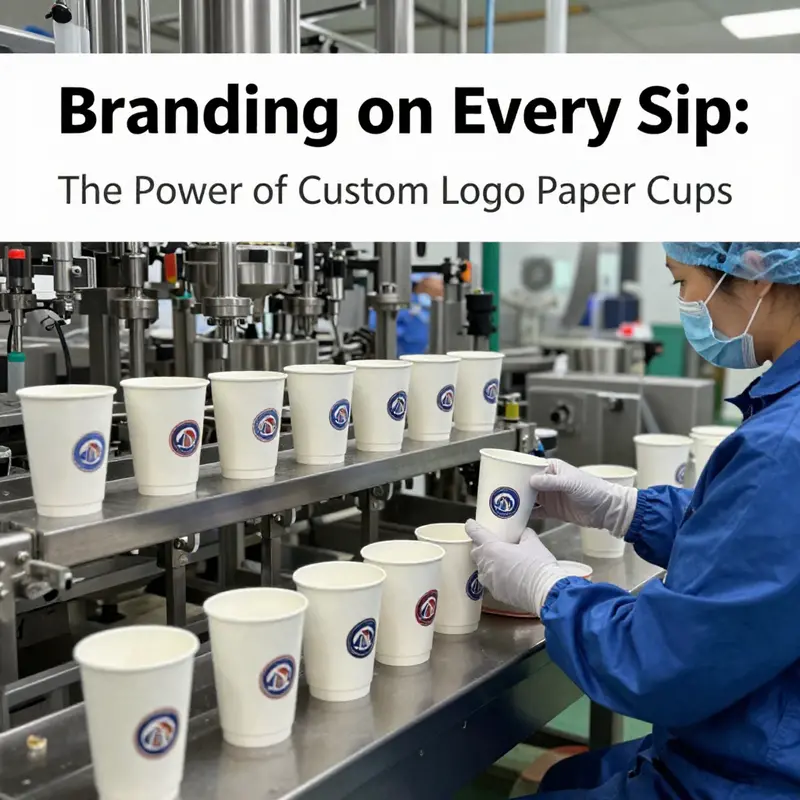
Every cup that leaves a factory floor begins as raw wood pulp destined to become a safe, reliable vessel for a brand’s message. In the world of custom-logo paper cups, material choice is the quiet hinge on which quality and sustainability swing. Reputable producers insist on pure, food-grade pulp that is untreated and free from bleaching residues or fluorescent additives. The aim is a surface that not only holds ink crisply but also keeps taste unaffected and mouths safe. This is more than compliance; it’s a promise to guests that the coffee or tea they sip is served in packaging that respects hygiene and the environment. The base paper is often backed by a barrier layer and then formed into a cup with a coating that resists moisture and heat. Standards such as ISO 22000 frame the system that monitors every step—from pulping to final packing. The chain must prevent contamination, track raw material provenance, and ensure traceability should an issue arise. In practice, that means suppliers who can document pulp sources, bleaching processes, and storage conditions, all while maintaining a transparent, auditable flow of information to buyers. The result is a foundation that supports bold design without compromising safety or function, a baseline that every logo must ride above with clarity and confidence. When sustainability goals guide selection, designers and producers consider the energy footprint of pulping, the recyclability of coatings, and the end-of-life options available in target markets. The most responsible operations align sourcing with environmental certifications and transparent ökologies, reinforcing a brand message that is as respectful of the planet as it is memorable on the shelf.
Once the material is selected, production lines translate design into cup. Modern mills and packaging facilities harness six-color flexographic printers to render logos with depth, brightness, and color fidelity. Offsets presses handle different runs and substrates, ensuring consistency across batch sizes. The most demanding lines braid automation and precision: fully automated die-cutting and forming systems shape the paper into cups at speeds that keep up with demand while preserving tolerances. Cleanroom environments—ten-thousand-level cleanliness or better—minimize dust and fibers that could mar ink or contaminate the food-contact surfaces. The result is a stable platform for high-resolution printing on smooth finishes, enabling sharp edges and faithful color reproduction even on thin paper stock. This is essential for brands that rely on multiple colors and subtle gradients to communicate personality—one small misregister or color shift can undermine a logo’s impact. In practice, a single production run might push through thousands of cups per day, with tight controls over ink depth, print sequence, and curing times to ensure the surface remains food-safe and readily printable in future orders. The integration of digital proofs with on-press monitoring reduces the gap between concept and production, turning a creative brief into a finished, print-perfect cup.
Efficiency in the supply chain emerges from more than the speed of presses. It rests on how design is integrated with manufacturing. In-house or partner design support lets clients translate a brand’s visual language into printable templates that align with cup dimensions, coating types, and lid compatibility. In some operations, ink choices are not merely cosmetic; soy-based, non-toxic inks are favored to reduce environmental impact and support safety during recycling or composting processes. The breadth of formats—from small 8 oz to larger 16 oz or more—demands flexible tooling and adaptable die-cutting sequences, as well as CAD-driven proofs that can be scanned and checked before a single sheet is cut. MOQs fluctuate with product type and finish, ranging from pared-down orders of around a thousand units to bulk runs of tens of thousands. This flexibility is critical for startups testing new campaigns and for large chains replenishing seasonal stock. Buyers often encounter transparent pricing along with predictable lead times; typical cycles from design approval to ready-for-shipment can be measured in weeks, with many facilities promising delivery within about 30 days for standard configurations. The procurement ecosystem, while diverse, increasingly favors suppliers who can short-circuit friction—providing not only cups but also complementary accessories like lids and sleeves in a coordinated branding package. For inspiration on how a cohesive branded experience can be executed, see senang-disposable-double-wall-craft-paper-cups-multi-size-6-24-oz-custom-logo-for-coffee-tequila.
Beyond the base paper, the cup’s performance hinges on coatings and wall design. Double-wall cups add an insulating air gap that reduces heat transfer and makes holding the beverage more comfortable. The inner layer might be a smooth, ink-friendly surface that takes high-resolution printing; the outer layer often includes a textured finish to improve grip and durability. Coatings may be PLA, a plant-based alternative that aligns with sustainability goals, or PE for cost-effective moisture resistance. Some customers demand ripple-wall or embossed cups for added tactile appeal and structural strength, which helps during high-velocity service in busy stores. The coating choice affects compostability, recyclability, and end-of-life handling, and it must be communicated clearly to buyers who intend to meet specific environmental certifications or municipal guidelines. The GSM, or weight per area, commonly sits in the 250–300 gsm range, a balance that resists deformation while remaining compatible with printing. The result is a packaging solution that not only carries a logo but also carries the brand’s story—eco-credentials, craftsmanship, and attention to user experience.
Quality control runs like a quiet drumbeat through every stage. Audits, material testing, and batch sampling are standard practice rather than exceptions. The existence of environmental and safety certifications—FSC for responsible forestry, BPI for compostability, EN and DIN standards, and MSDS documentation for safe handling—gives buyers confidence in risk management and supplier ethics. In addition to formal certifications, practical checks—surface cleanliness, precise seam formation, consistent lid compatibility, and leak resistance—save failures on spec and in the field. Fast-moving settings demand robust quality processes because a single cup can define a customer’s first impression of a brand. That’s why many manufacturers invest in traceability systems that track raw-material lots from pulp to finished cup, enabling rapid response if a problem arises in transit or usage. They also emphasize packaging integrity during shipping, ensuring that cups arrive dust-free and ready to print, with pallets and cartons designed to withstand handling through storage and distribution networks. The attention to quality is not just about preventing defects; it’s about preserving the visual integrity of a logo across thousands of units and maintaining uniformity from batch to batch.
Logistics and vendor management complete the triad of factors that determine whether a custom-printed cup makes it from concept to customer hands on time. Efficient logistics hinge on predictable turnaround, reliable carriers, and a modular catalog that accommodates reorders with minimal design changes. Lead times are influenced by the complexity of the coating, the degree of customization, and the scale of the run. In practice, facilities with large footprints—over 20,000 square meters of production space—can organize parallel lines, segregate different coating types, and maintain clean zones that prevent cross-contamination between hot and cold beverage cups. The capability to offer in-factory design support and rapid prototyping helps align customer expectations with physical output, reducing revisions late in the cycle. For buyers seeking to streamline procurement, the presence of integrated services—design, proofing, printing, and packaging—reduces the risk of miscommunication and the likelihood of incorrect logo placement or color mismatches. The journey from concept to carton then continues through freight modes, port clearances, and last-mile delivery, all coordinated to preserve ink fidelity and minimize handling damage. It is this orchestration that turns a disposable item into a reliable branding instrument, capable of reinforcing memory at every coffee stop or concession moment.
In a market where consumers judge brands in a fraction of a second, the marriage of disciplined manufacturing with agile supply chains becomes a strategic asset. Suppliers that can demonstrate consistent color fidelity, reliable delivery windows, and transparent sustainability data empower brands to move quickly from concept to curb. The appetite for eco-friendly coatings, traceable pulp sources, and responsible packaging continues to grow, pushing factories to invest in cleaner processes and smarter logistics. At the same time, buyers gain confidence when they see a coherent ecosystem: design support that translates branding into production-ready files, transparent MOQs that fit growth trajectories, and the ability to scale without compromising the logo’s legibility or the cup’s performance in heat and humidity. The result is a branded cup that speaks with a clear voice across the entire consumer journey—on the shelf, at the drive-thru, and in the hands of a new customer who might become a repeat guest because the cup looked as good as the drink tasted. For a broader market view of trends and scale in the paper cup industry, see https://www.marketresearchfuture.com/reports/paper-cups-market.
Final thoughts
Custom logo paper cups are not just functional items; they serve as potent marketing instruments that align with branding strategies across various food and beverage domains. By understanding their technical specifications, embracing sustainability, recognizing market trends, and addressing supply chain considerations, businesses can harness the full potential of these customized cups. As brand visibility becomes increasingly competitive, making a meaningful statement through well-designed, logo-adorned paper cups can significantly impact customer loyalty and recognition. Take the opportunity to elevate your brand today with customized paper cups that resonate with your audience.