
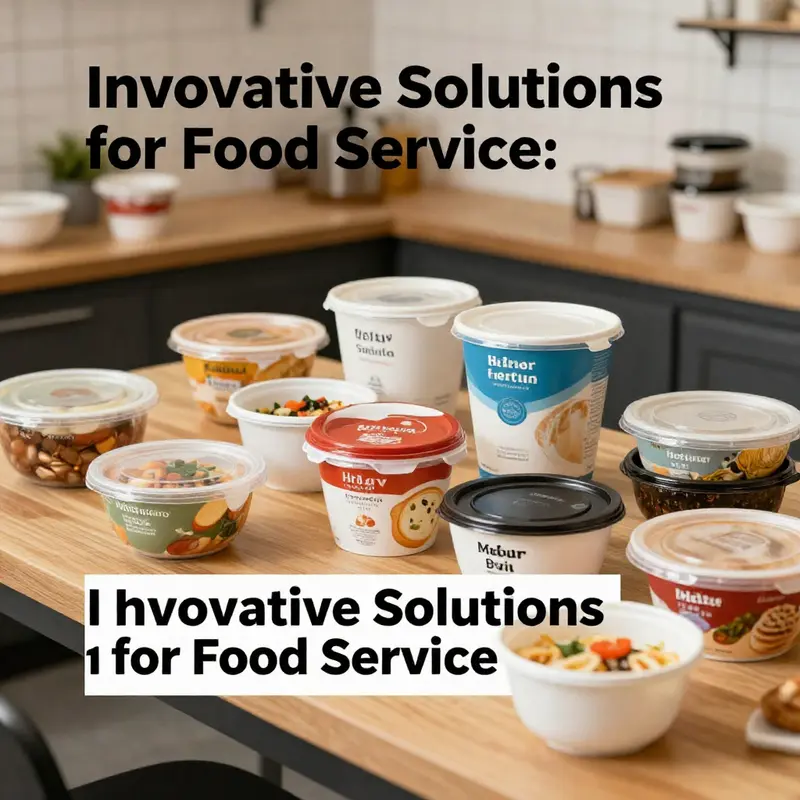
In today’s dynamic food service sector, convenience and sustainability aren’t just trends; they are key to success. The spotlight, particularly, is on versatile 24 oz microwavable freezable disposable soup bowls with lids, which offer a perfect blend of functionality and eco-friendliness. These innovative soup bowls are not just any disposable containers; they respond to the growing demands of Bubble Tea Shops, Restaurants, Food Trucks, Catering Services, Event Planners, and Corporate Procurement Teams. Each chapter will delve deeper into their features, applications, sustainability aspects, consumer preferences, and the market trends surrounding these bowls in 2023, providing a comprehensive understanding of their value in today’s food service landscape.
From Freezer to Flame: The Quiet Power of 24-Ounce Microwavable Freezable Disposable Soup Bowls with Lids
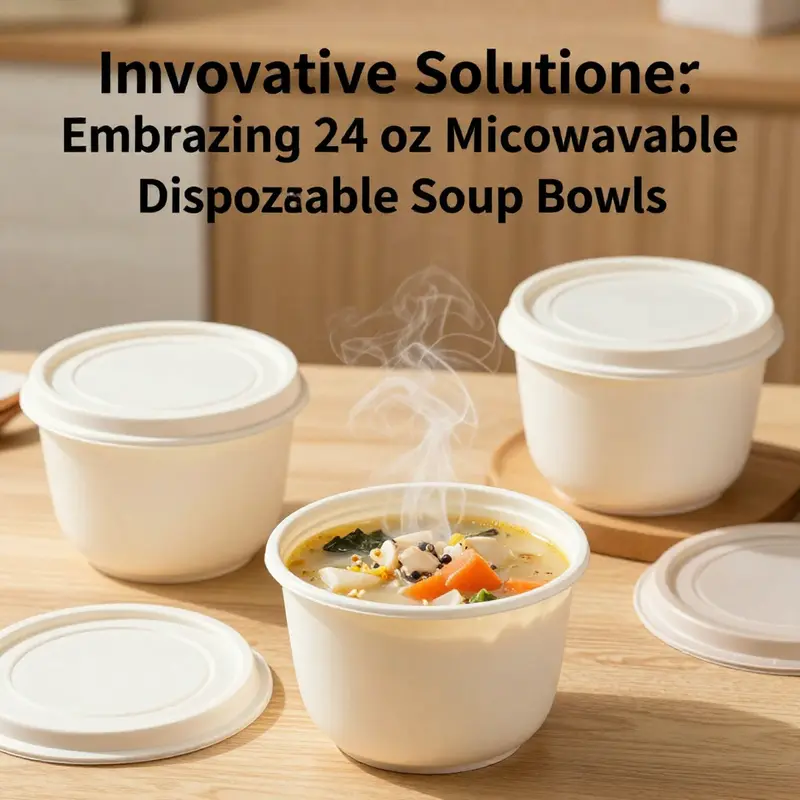
The 24-ounce microwavable freezable disposable soup bowls with lids sit at a quiet crossroads in modern food culture. They are not flashy innovations, but they embody a practical philosophy: make it easier to prepare, store, transport, and enjoy hot or cold meals without sacrificing safety or sustainability. In kitchens, catering operations, and even busy homes, these bowls function as a reliable bridge between bulk preparation and individual meals. Their design centers on one core capability—robust transition across temperature boundaries—without demanding special equipment or tedious cleanup. They are made to perform in a wide range of environments, from the refrigerated shelf to the microwave, and then back into the freezer, all while preserving flavor and texture. This seamless cycle matters as much for soup lovers who batch-cook weeknight dinners as it does for meal-prep enthusiasts who want a simple reheating ritual after a long day. The practical payoff is clear: less guesswork, less waste, and more time to enjoy what’s inside the cup rather than worrying about whether the container will fail under heat or cold.
Material choice lies at the heart of this utility. Most bowls in this category are crafted from food-safe polymers that tolerate extreme temperatures. Polypropylene (PP) has long been a staple due to its balance of rigidity and resilience, while certain variants of polystyrene (PS) are engineered to resist cracking during freezing and to endure the quick heat surge of microwaving. The common thread is a careful formulation that minimizes leaching while preserving the integrity of the bowl even after repeated cycles. For users who seek a smaller ecological footprint, options labeled as compostable or plant-based remind us that sustainability can be woven into everyday choices. These alternatives often use materials rooted in nature, like cornstarch or bamboo fibers, and they point toward a broader shift in disposable dining toward compostability within appropriate facilities. Yet even as markets expand with greener materials, the underlying message remains pragmatic: safety and performance should never be sacrificed for a cleaner label.
Capacity matters deeply when a bowl is intended to carry a substantial meal. A 24-ounce capacity—roughly 680 milliliters—strikes a balance between portion size and manageability. It accommodates hearty soups and stews, generous servings of chili, or a substantial mix of grains, vegetables, and a sauce that ties the dish together. The size supports complete meals rather than a starter course, which makes it especially attractive for catering services, corporate meal programs, and family meal prepping where portion control and convenience are essential. The sheer volume invites a certain confidence: leftovers won’t require tasting portions or additional containers, and a single vessel can systematically replace multiple smaller cups in a kitchen routine. In practice, the form supports not just quantity but also the ease of reheating—food remains accessible and appetizing after a brief stint in the microwave, with less risk of scorching or uneven heating that can plague smaller, less robust vessels.
The temperature transition—from freezer to fridge to microwave—happens in a single, coherent process. The bowls are engineered to resist the stress that comes with freezing, thawing, then reheating. They are built to resist warping, cracking, or leaking when subjected to cold extremes and then heat. This durability matters because it preserves the appearance and texture of the contents, which in turn preserves flavor. It also reduces the anxiety around transport: sturdy walls and a secure lid mean a container won’t surrender its contents during a busy commute or a catering drop-off. Lids play a pivotal role here. They aren’t mere caps; they are designed to seal tightly, sometimes with an airtight snap that minimizes leakage and exposure to air. An airtight seal helps maintain moisture and flavor while protecting the food from contamination. When a lid locks in place, it also supports safe stacking and transport, which is invaluable for batch preparation and for services that shuttle meals between kitchens and delivery points.
Design touches aimed at everyday use elevate these bowls from simple containers to reliable tools. Many versions feature built-in handles that make hot contents easier to carry, reducing the need for bulky sleeves or oven mitts. The walls of some bowls are transparent, allowing quick visual verification of contents without removing the lid—an added convenience during service or meal prep. The availability of stackable designs minimizes space use in storage, a subtle but meaningful benefit for busy kitchens that juggle inventory along with a crowded schedule. In contexts where presentation matters, these small details—handle placement, transparent walls, and secure lids—can influence how easily meals move from the point of preparation to the plate. Packaging considerations also influence cost-effectiveness. Bowls are often sold in bulk packs, such as ten or twenty per box, which aligns with the economics of catering and large households. The packaging is designed to protect the integrity of each bowl and lid while minimizing waste and confusion at the point of purchase.
Among the most notable shifts in this category is the rising availability of environmentally conscious options. Some bowls are offered in versions made from plant-based or compostable materials, which hold the promise of reducing long-term plastic waste when industrial composting facilities are accessible. This trend reflects a broader push toward sustainable dining that respects the need for disposables in fast-paced service scenarios while still acknowledging environmental responsibility. It is, however, important to recognize that compostability depends on the infrastructure available in a given community—industrial facilities are often required to break down these materials efficiently. In everyday use, this means choosing the right product for the right context and understanding disposal instructions so that the container’s end-of-life plan aligns with local capabilities.
For individuals planning meals ahead of time, the recommendation is straightforward: consult the manufacturer guidelines for temperature thresholds and disposal instructions. Clear directives help ensure safe use, particularly when reheating in a microwave and then freezing leftovers. Do not overfill the bowl; leave space to prevent overflow during heating. Allow foods to cool slightly before sealing and refrigerating to maintain quality and safety. These small practices matter because they maintain the integrity of the food and extend its shelf life, while also keeping the container intact for reuse or disposal according to local rules. In practical terms, these bowls empower home cooks and professionals alike to assemble meals that travel well, reheat evenly, and fit neatly into a practical workflow, whether that workflow is a family routine, a school cafeteria, or a catering schedule.
This chapter’s exploration of form, function, and feasibility is not isolated from larger discussions about efficiency, safety, and environmental stewardship. The 24-ounce size, the ability to transition cleanly through temperature changes, the lid’s reliable seal, and the subtle conveniences built into the design all converge to support a cooking and dining ecosystem that values both speed and stewardship. In a world where meals are increasingly preplanned and delivered, such bowls become more than containers; they are enablers of consistency and reliability across countless meals, from the first batch in a home kitchen to the final plate in a kitchen for a large corporate event. The story they tell is one of planned resilience: containers that keep heat or chill, preserve flavor, minimize spills, and respect the planet as much as possible when paired with appropriate recycling or composting streams.
Within this evolving landscape, one example of the broader trend toward larger, versatile, and environmentally aware disposable ware can be explored further through related resources. For a closely related variety in the same family of take-away solutions, you can look at this option: 26oz kraft-paper-soup-cup-with-paper-lid. This link points to a contemporary interpretation that echoes the same emphasis on heat tolerance, leak resistance, and the practical realities of bulk meal provision. External references can also provide concrete product validations and user feedback that illuminate how these bowls perform in real-world settings. For a broader product example that mirrors the features discussed, see the external listing here: https://www.amazon.com/dp/B0B6Q9KZ3Y
Carriers of Convenience: The Strategic Value of 24-Ounce Microwavable Freezable Soup Bowls with Lids in Food Service
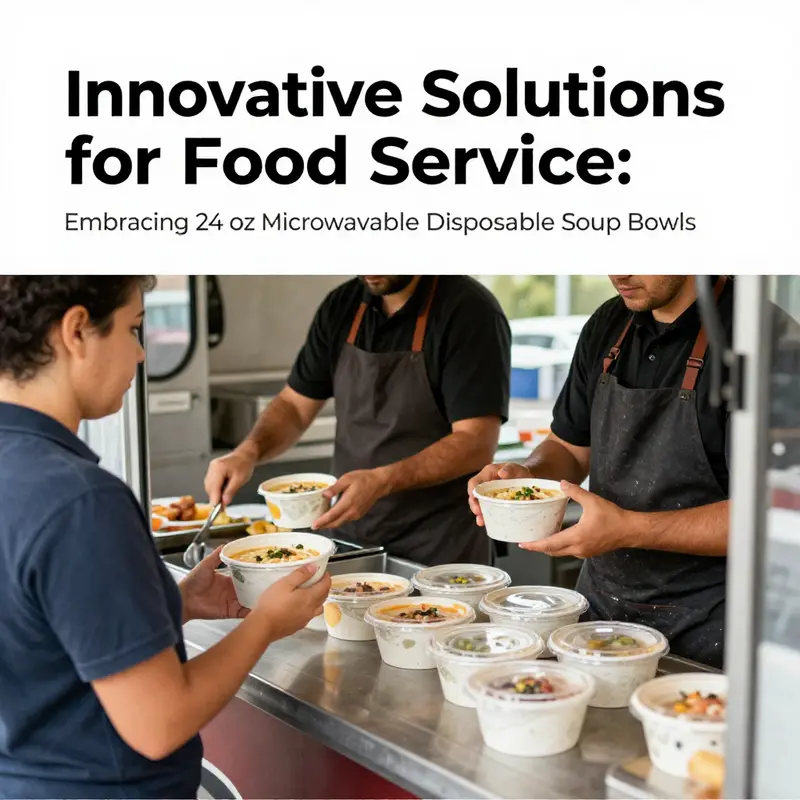
A single disposable bowl can carry more than soup; it can carry efficiency, safety, and sustainability through a kitchen’s daily routine. The 24-ounce microwavable and freezable disposable soup bowls with lids are more than just a packaging choice. They are a logistical tool that aligns operational practicality with evolving expectations around heat retention, leak resistance, and environmental responsibility. In food service, where speed and reliability determine guest satisfaction, these containers offer a confluence of features that support both the front of house and the back of the house. They stand at the intersection of hot foods and cold storage, ready for a hot pour, a quick reheat, or a preplanned freeze that preserves texture and flavor until service. The result is not simply a container, but a versatile platform for menu execution, inventory discipline, and brand narrative without saying a word at the point of service.
From the moment a server places a bowl on a tray or hands it to a customer for takeout, the design considerations become evident. The temperature range that a typical 24-ounce vessel can tolerate is one of its core strengths. It is engineered to withstand high heat during serving and to maintain stability under the rigors of transport. This means soups, stews, chili, ramen, or porridge can travel intact, with the lid sealing in aroma and steam while keeping the contents free from spills. The inclusion of a secure, easily removable lid reduces leakage risks during delivery and improves the dining experience upon arrival. In a market where a single spill can sour a customer’s perception, the reliability of a leak-resistant lid is as consequential as the dish itself. The same container can grip cold storage duties just as effectively. When a kitchen plans for batch prep, the ability to freeze portions without compromising texture or moisture is a valuable asset. Freezability ensures that a kitchen can produce large batches in advance, hold them for days or weeks, and reheat directly in the same bowl. This minimizes the number of dishwashing cycles and speeds up the cycle time from kitchen to customer.
The materials used for these bowls often reflect a broader shift toward sustainability without sacrificing performance. Many 24-ounce options are crafted from BPA-free polymers such as polypropylene (PP) or from compostable alternatives like kraft paper with a protective coating, designed to be compatible with industrial composting streams. This material choice speaks to a dual mandate facing modern food service operators: protect food safety and align with environmental goals. Food safety is anchored in compliance standards that govern how the material contacts food and how heat is transmitted during microwaving. A bowl that meets FDA guidelines for contact with food and demonstrates stability under microwave and freezer conditions provides peace of mind to operators who must keep customers safe across high-volume periods. Simultaneously, the environmental narrative matters to guests who increasingly view packaging as part of the overall dining experience. The use of compostable materials, when paired with proper disposal infrastructure, indicates a commitment to reducing plastics and expanding circular economies. Yet the sustainability story is nuanced; not all compostable materials behave identically in every setting. Industrial composting facilities are more equipped to handle these materials than home composting setups, a distinction operators must understand to communicate accurately to guests and to align with local waste streams.
Operationally, these bowls contribute to a smoother workflow in multiple ways. Their stackable design saves shelf and cold-room space, an everyday advantage in busy kitchens, catering hubs, and delivery-focused operations. The single-serve but sizable 24-ounce portion accommodates a hearty meal, which translates into fewer dish changes and simpler portion control for staff. For delivery services and office catering, the combination of a sturdy lid and a leak-proof seal ensures that liquids don’t slosh during transit, reducing complaints and returns. In a setting where recurring deliveries arrive within tight windows, the predictability of container performance is a quiet but powerful efficiency driver. When the bowls are used for meal prep, their freezer-safe properties support pre-plating and portioning. Food items can be frozen in large volumes, thawed, and heated without rearranging containers or transferring contents, which minimizes handling and the potential for contamination. This is not simply about convenience; it is about preserving texture and flavor across the thaw-reheat cycle, a critical factor for soups and broths where composition and viscosity can change with time.
The material science behind these bowls also speaks to a broader conversation about consumer expectations for convenience without compromise. The microwave safety of the container reflects a careful balance between durability and heat transfer. The lid, often molded to fit snugly and designed to resist pressure build-up, enables quick rehydration or reheating without necessitating a transfer to another dish. For operators, this means fewer steps between serving and eating, a reduction in labor costs, and a more streamlined customer experience. It also reduces the risk of contamination associated with multi-dish handling, especially in high-volume environments where cross-contact is a concern. The lids do more than prevent leaks; they preserve the integrity of the food’s aroma and appearance, which can influence perceived quality at the moment of opening.
Beyond the practicalities, the choice of 24-ounce capacity aligns with menu variety and portion strategy. A hearty bowl fills the conventional appetite for a substantial, satisfying meal, making it an attractive option for a range of offerings—from comfort foods to heartier bowls of grain and vegetables. In takeout and delivery contexts, the size supports a consumer expectation for value; it signals a complete meal rather than a starter or side. The bowls also fit seamlessly into existing kitchen logistics: they are compatible with standard cold and hot holding equipment, can be stacked in prep areas, and simplify inventory forecasting because their usage patterns are predictable across meals and shifts.
Another facet of the conversation that often surfaces in practice is branding and customization. While these bowls are designed primarily for function, they also serve as a canvas for messaging. The exterior surface can accommodate branding through paper coatings or printed finishes in an eco-conscious palette, reinforcing restaurant identity even when the setting is off-premises. The combination of functionality and potential for customization makes these containers a practical ally for brands looking to communicate care for both customers and the environment. When a menu relies on daily specials, seasonal soups, or allergen-aware dishes, the packaging becomes part of the service language. It conveys to guests that the food is prepared with intention, that the container keeps its contents secure, and that sustainability considerations are part of the restaurant’s operating philosophy. In this sense, the bowl is not merely a vessel; it is a communication tool that quietly reinforces quality, reliability, and environmental stewardship.
For those following the procurement landscape, it is worth noting the breadth of sourcing options that exist for these 24-ounce vessels. Vendors around the world offer variations that emphasize microwave compatibility, freezer resilience, leak resistance, and compostability, sometimes with tailored lids or branding features. The landscape is rich enough to support bulk purchasing for food service operations while allowing for flexibility in material choice to suit regional waste-management practices and regulatory environments. In the broader narrative of food service packaging, these bowls exemplify how a well-engineered disposable container can support a range of service models—from quick-service kitchens that prioritize speed to catering operations that value portion control and reliability. They also underline a growing willingness among operators to integrate eco-friendly materials with performance requirements, rather than choosing between sustainability and practicality.
As a practical example of the kind of option discussed here, consider this category of packaging: 26oz kraft paper soup cups with paper lids. They illustrate how disposables can marry heat tolerance, leakage prevention, and compostability in a single package. For readers who want to explore similar options, a representative listing demonstrates how these features can come together in a ready-to-use format. 26oz kraft paper soup cup with lid
External reference: For a broader view of how disposable, microwave-safe, and freezable bowls are positioned in today’s retail and foodservice ecosystems, an external resource provides useful context on material performance and consumer expectations. https://www.amazon.com/dp/B0CQZ7VXH9
From Convenience to Conscience: The Sustainability of 24-Ounce Microwavable Freezable Disposable Soup Bowls with Lids
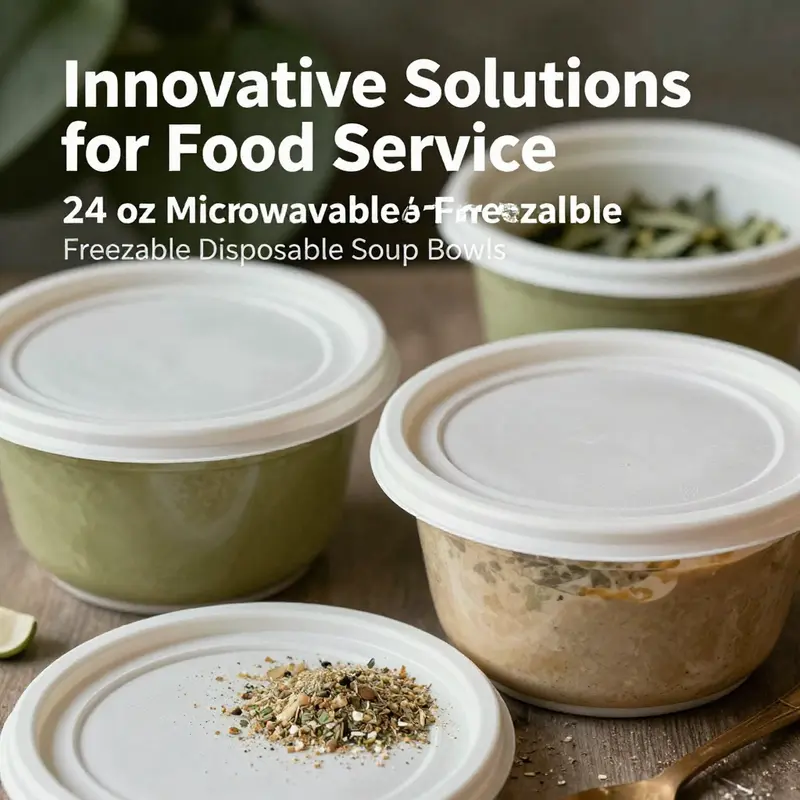
Choosing a 24-ounce microwavable freezable disposable soup bowl with a lid promises convenience and secure transport, but true sustainability depends on the full lifecycle from raw materials to end of life. The most responsible option emerges when design production and disposal systems align with waste management infrastructure and informed consumer behavior rather than when one attribute is optimized in isolation. Plastic based bowls often use polypropylene and similar polymers prized for durability, but recycling rates are typically low and contamination and sorting limitations undermine circularity. When a bowl is reused rarely and treated as disposable, the environmental footprint grows with each unit. Paper based options using rapidly renewable fibers such as bagasse can offer better compostability in the right facilities, yet coatings and lids can impede compostability and even certified compostable products require appropriate industrial facilities. Certifications such as OK Compost or BPI provide assurance but depend on facilities; home composting is rarely sufficient. The lid matters: a plastic lid or mismatch with the bowl can reduce end of life performance, so sustainable designs often use lids made from the same family of materials or certified plastics designed for high recycling rates. Embodied energy and logistics also shape impact: fiber based materials can reduce upfront carbon but disposables still consume energy and water, and transportation adds to emissions. The decision in catering contexts often reflects risk management and portion control, but waste streams must be optimized to avoid sending more to landfills. Industry is moving toward materials that are both compostable and recyclable in local systems, with coatings and adhesives that align with standards and consumer education about disposing correctly. In different settings, the availability of industrial composting or recycling can determine whether fiber based bowls with compatible lids actually reduce waste. A practical approach includes clear labeling about industrial versus home composting and recyclable options, selecting single well aligned choices in given contexts, and pursuing take back or reuse programs where feasible. For consumers seeking concrete choices, kraft paper based options that advertise compostability can be paired with properly designed lids and credible certifications, ensuring alignment with local waste capabilities. See a representative example and additional guidance on disposal and policy through credible resources and industry standards.
Rethinking Convenience: The 24-Ounce Microwavable, Freezable Soup Bowl with a Lid as a Bridge Between Quick Service and Sustainable Home dining
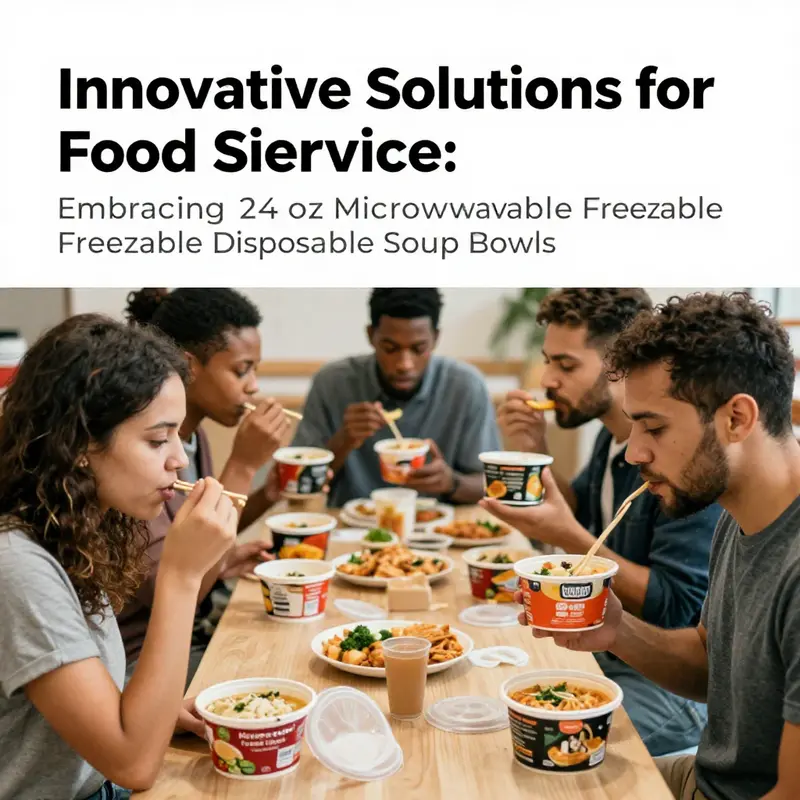
Every meal today carries its own notion of portability. The 24 oz microwavable, freezable disposable soup bowl with a lid sits at a quiet crossroads where convenience, safety, and responsibility meet. For both a busy home cook and a foodservice operator, this single package stands in for multiple steps: cooking, portioning, sealing, transporting, and reheating. The design that goes into these bowls—materials, lid mechanics, and the claim of being freezer-safe and microwave-ready—speaks to a broader shift in how people plan meals, how brands communicate quality, and how packaging can support a sustainable lifestyle without sacrificing everyday practicality. The conversation around these bowls is not merely about a container; it is about the choreography of a modern kitchen, a customer’s pocket, and a planet that demands smarter choices from every bite.
At the heart of this conversation lies a practical paradox. Consumers want speed and reliability when they heat a bowl of soup or stew. They also want confidence that the vessel won’t soften, warp, or spill when it meets heat in the microwave or chill in the freezer. A 24-ounce capacity is deliberate: it offers a generous portion for a main course or family-sized meal prep, while still fitting into standard freezer shelves and microwave turntables. This balance—ample volume without overhang that could compromise stability—speaks to a broader demand for packaging that supports portion control as a feature, not a consequence. In kitchen practice, reliability under heat is non-negotiable. People fear leaks, uneven heating, and burns. When a container deforms or a lid pops during transport, trust erodes and the meal experience degrades before the first bite is taken.
The materials behind these bowls matter as much as their shape. Food-grade paperboard and compostable coatings, often described in consumer literature as plastic-free or PLA-based, aim to provide a tough, heat-resistant barrier against moisture and oils. The science behind these choices is not cosmetic. A well-engineered coating reduces seepage during reheating and prevents the interior from becoming soggy or compromised. The choice of material also signals a brand’s stance on sustainability. Compostable packaging, especially when aligned with recognized standards such as ASTM D6400, offers a pathway to reducing waste after use. Yet consumers increasingly recognize that compostability is not a universal solution; it depends on local infrastructure. When an item is labeled as compostable, buyers want clear guidance about industrial composting facilities and expected timelines. This transparency converts a mere claim into a reliable promise, reinforcing the perceived value of the product in both home kitchens and large-scale kitchens.
Lid design, in particular, shapes user experience at multiple touchpoints. A secure seal that remains leak-proof in freezing temperatures, a vented top or a tab for sipping, and an easy open-and-reseal mechanism all contribute to a smoother user journey. For busy households, a lid that snaps into place without excessive pressure reduces the risk of spillages on shelves, in bags, or during the commute. For foodservice operators, dependable lids translate into fewer complaints and a clearer path from kitchen to consumer. The ability to open the lid safely for pouring hot contents, without risking burns, also supports a more confident reheating process. In practice, this means more predictable portioning and a more controlled dining experience, which can elevate a brand’s reputation in a crowded market.
Beyond safety and functionality, sustainability remains a defining differentiator. The consumer mindset has shifted from simply avoiding plastic to actively seeking packaging that supports an ethical life-cycle. Compostable designs that align with redemptive disposal streams are not just a badge; they are a commitment to a cleaner environment. In tandem with this, many buyers treat the packaging as an extension of the meal itself. They crave clean-label cues—fewer artificial additives and straightforward ingredient disclosures tied to the packaging’s narrative. This alignment echoes the broader trend toward premium meal experiences that prioritize authenticity and simplicity. A growing segment of consumers looks for packaging that communicates quality at a glance: natural textures, Kraft-tinged aesthetics, and a sense that the container itself tells a story of care and responsibility.
From a consumer experience perspective, the 24-ounce size interfaces with lifestyle rhythms that favor meal prepping, delivery, and solo dining. In a world of fast-casual dining and takeout culture, a ready-to-heat container that can safely traverse the path from freezer to microwave to table makes a real difference. It supports batch cooking for families, packs well for office lunches, and is adaptable for warming a substantial lunch during a long workday. The practical benefits extend to operational realities as well. For restaurants and catering services, standardizing on a common 24-ounce format can streamline inventory, reduce waste, and simplify training. A well-designed bowl with an airtight lid reduces leakage during transport and minimizes the risk of customer dissatisfaction over soggy or spilled meals. In this way, packaging does not merely contain food; it helps ensure it reaches the diner in its best possible form.
The economics of these containers also come into view when considering their lifecycle. The choice between a compostable cardboard-based option and an alternative that relies on foil or polymer coatings affects both cost and sustainability outcomes. Buyers weigh the upfront purchase against the downstream benefits of reduced waste, ease of disposal, and potential alignment with corporate sustainability goals. For many, the decision is not simply about price per unit but about total cost of ownership: the value of easier storage, less spillage, and a longer shelf life for prepared meals. In markets where green packaging regulations are tightening, these bowls become more than a convenience; they are a compliance choice that can shape procurement strategies and supplier relationships.
In practice, consumer preferences for 24 oz microwavable freezable disposable soup bowls with lids crystallize around four pillars: reliability under heat, secure and user-friendly lid design, sustainability that respects the entire lifecycle of the product, and the ability to deliver a premium, clean-label dining experience. When these pillars align, the result is a container that feels more like a carefully designed tool than a disposable afterthought. It supports fast, efficient food service without asking consumers to compromise on safety or environmental values. It enables meal-prep enthusiasts to plan with confidence and allows office workers to enjoy a hot, comforting meal without the mess of traditional takeout packaging. It also offers a meaningful signal to brands that packaging can be a strategic asset in communicating quality, responsibility, and modernity.
For practitioners and researchers alike, these insights point toward a future where packaging design acts as a bridge rather than a barrier between convenience and conscience. As urban life accelerates and time becomes an even scarcer resource, the demand for reliable, recyclable, or compostable single-use containers will intensify. The conversation will continue to weave together heat resistance, leak prevention, and lifecycle considerations in new and more sophisticated ways. Industry literature and case studies increasingly emphasize not only what the container can do for food safety and convenience but how it can support a more sustainable social contract between producers, retailers, and diners. This dynamic remains at the core of the evolving dialogue about modern dining and the evolving expectations of the consumer.
To explore hands-on perspectives from the field and keep abreast of material innovations shaping disposable food packaging, readers may find practical, industry-informed discussions on related packaging resources. For a contemporary overview of consumer trends and material innovations in disposable food containers, refer to the latest industry report from Packaging Digest. This resource provides a broader view of how sustainability claims intersect with heat performance, leak-proof design, and consumer trust, enriching the conversation about why a 24-ounce bowl with a lid matters so much in today’s dining landscape. See https://www.packagingdigest.com/ for context and deeper analysis. Additionally, practitioners can explore related product pages that illustrate how the practical attributes discussed here translate into real-world packaging solutions. One such example is the internal resource linked here: senang05-disposable-26oz-kraft-paper-soup-cup-bowl-with-paper-lid-takeaway-lunch-packing-takeout-food-packaging-bucket-bowl. This page showcases a 26-ounce kraft paper option that aligns with the same values—heat resilience, leak resistance, and a compostable or recyclable lifecycle—that define the category discussed in this chapter.
Shaping Convenience and Sustainability: The 2023 Trajectory of 24-Ounce Microwaveable Freezable Disposable Soup Bowls with Lids
The year 2023 reframed what counts as convenient in food packaging, particularly for single-serve portions that want to hold steady from freezer to microwave and back again. The 24-ounce size, long a standard for substantial portions of soup, hearty stews, and reheated leftovers, emerged as a focal point in a market increasingly defined by sustainability as much as speed. Buyers and sellers alike learned that the pressure to deliver hot meals quickly could align with a larger conversation about waste, resource use, and the safety of the containers that carry meals from kitchen to consumer. In this context, the most influential narratives around these bowls centered on three interlocking ideas: material choices that reduce environmental impact, multi-functionality that supports the full lifecycle of a meal, and a rising expectation of safety and branding that makes disposable packaging a value-add rather than a liability. When suppliers, retailers, and food-service operators look back at 2023, they see a pattern where convenience does not erase responsibility; it redirects it into smarter material science, better design, and clearer consumer communication.
Sustainability rose from a backdrop to the main event for these bowls. Consumers grew more attentive to the life story of a product—from cradle to grave—and many buyers demanded a credible alternative to traditional plastics. In practice, this translated into a shift toward materials that could claim biodegradability, compostability, or at least a reduced reliance on fossil-fuel-derived polymers. Sugarcane fiber (bagasse), bamboo fibers, and certified compostable paper emerged as the leading options, offering structural integrity at microwave temperatures and reliable performance in freezer conditions. The practical upshot was not merely a greener label; it was a tangible reduction in plastic waste and a clear pathway to industrial composting networks that could handle post-consumer packaging. Industry players, increasingly aware of regulatory scrutiny concerning additives and leachables, prioritized food-safe formulations that avoided residual chemicals and ensured compliance with evolving international standards. This alignment between safety, sustainability, and performance became a selling point that resonated with both institutional buyers—cafeterias, catering services, and schools—and households that wanted to minimize cleanup while preserving the quality of warmed leftovers.
The demand for multi-functional containers grew in step with eco-conscious consumer values. The 24-ounce footprint was not just about capacity; it was about the flexibility to use a single vessel across a spectrum of food experiences. A bowl could serve as a prep container for batch-cooked soups, function as a transport vessel for a ready-to-reheat meal, and double as a serving dish for a casual salad or pasta. The capstone feature—the lid—addressed the classic pain point of leakage during transit, enabling easy packing for takeout, office lunch programs, or school meals without the fear of spills. This functional versatility dovetailed with the needs of commercial kitchens that sought to minimize dishwashing and streamline food-handling. In the 2023 landscape, the ability to convert a left-over into a new serving without transferring contents to another vessel became a benchmark of quality. The market rewarded bowls that could endure repeated temperature swings—from a chilly freezer environment to a hot microwave cycle—without degrading, warping, or compromising seal integrity. In practical terms, this meant thicker wall construction, reinforced rims, and reliable lid-fit systems that could withstand hundreds of cycles in a busy food-service setting, thereby reducing waste through longer product life and lowering total cost of ownership for operators.
Customization and branding emerged as a powerful lever for market differentiation. As food-service brands competed on more than taste and price, packaging became a vehicle for identity and trust. Suppliers began offering bulk runs with customizable prints on kraft-paper bowls and compatible lids, allowing restaurants, caterers, and program managers to project a cohesive brand story even as they relied on disposable packaging for efficiency. The 26-ounce size, in particular, appeared in bulk offerings designed for print-ready branding, enabling companies to signal quality, sustainability claims, and menu cues at the point of service. The convergence of customization with eco-friendly materials created a compelling value proposition: a disposable product that still felt deliberate, on-brand, and aligned with a green ethos. In the procurement process, this meant that buyers could specify not only the material and safety certifications but also branding features that reinforced consumer perception of care and responsibility. The result was a packaging ecosystem that treated disposables as part of the brand experience rather than as a generic last-step solution.
Safety and regulatory considerations also nudged the market toward choice and clarity. Heightened attention to chemical leaching and food-contact safety reinforced a preference for containers explicitly certified as food-safe and compliant with international standards. This safety-first approach often translated into a move away from any materials perceived as uncertain. While some non-disposable models emphasize BPA-free plastics, the disposable segment leaned toward fully compostable or paper-based options with clear disclosures about material sources and end-of-life options. In parallel, there was a growing expectation that suppliers provide documentation or third-party certifications that reassure buyers about performance during microwave heating and freezer storage. The net effect was a marketplace where food safety was not a byproduct but a primary differentiator, influencing both price and procurement speed. Retailers and caterers found themselves balancing cost with confidence, choosing options that could withstand the rigors of busy service while staying true to stated safety standards.
Beyond the store shelves and supplier catalogs, 2023 illuminated a broader shift in how these bowls moved through the supply chain to households and institutions. The 24-ounce capacity became a standard for single servings of soups, stews, and reheated meals, but its success also depended on a supportive ecosystem: reliable supply chains, scalable manufacturing practices for compostable inputs, and an infrastructure for end-of-life disposal. Household adoption grew as meal-prep culture and portion-control practices gained traction, while institutional use expanded in school lunch programs and corporate catering where predictable portioning, reduced waste, and quick-service delivery mattered most. The narrative here is not merely about a product category; it is about a packaging system that honors the tension between convenience and stewardship. When buyers asked for a packaging solution that travels well, heats evenly, and surrenders easily to recycling or composting streams, the market answered with materials and designs engineered for that exact path—from freezer to plate without compromise.
For practitioners and researchers looking to map 2023’s trajectory, the emphasis on sustainability as a non-negotiable feature cannot be overstated. The trend lines suggest that next-generation packaging in this category would likely blend barrier properties with compostability, ensuring that liquids stay contained yet biodegradation remains feasible in appropriate facilities. The design language would continue to favor lids that seal securely, reduce leakage, and allow for clear visibility of contents, meeting both safety and user experience expectations. And while customization remains a differentiator, its value will increasingly hinge on a transparent narrative—one that communicates the environmental promise, the safety assurances, and the practical benefits of a 24-ounce, microwaveable, freezable disposable bowl that truly serves as a bridge between home kitchens and professional kitchens. The 2023 market snapshot thus reveals not a single winner but a developing framework in which material science, product design, and brand storytelling converge to make disposables smarter, safer, and more sustainable.
To explore a real-world example of customization and mass production in this space, consider how bulk orders can be tailored with printed branding on compostable kraft-paper bowls that are microwave and freezer safe. A pragmatic reference point is the 26-ounce kraft-paper soup cup with a paper lid, a model that highlights how form, function, and environmental considerations can align under a common objective: providing a reliable, convenient, and responsible way to deliver hot and cold foods. Organizers and buyers can take away a core lesson from 2023: the most influential packaging choices are those that reduce waste without sacrificing performance or brand value. As the sector evolves, practitioners who invest in verifiable safety certifications, clear end-of-life pathways, and adaptable designs will likely outpace rivals who treat disposables as a one-off convenience rather than an integrated part of a sustainable food system.
Internal link note: for an example of bulk, customizable, eco-friendly disposable packaging that aligns with these trends, see the bulk kraft-paper option here: 26oz kraft paper soup cup with paper lid. External resource for broader context on supplier capabilities and material options can be found at the linked industry listing, which provides a sense of the global landscape around compostable, microwave-safe packaging solutions: https://www.alibaba.com/product-detail/Custom-Print-Eco-Friendly-Disposable-Kraft_1600629582484.html.
Final thoughts
As the food service landscape evolves, adopting innovative solutions like 24 oz microwavable freezable disposable soup bowls with lids can significantly enhance operational efficiency and customer satisfaction. Their unique combination of convenience, environmental responsibility, and diverse applications positions them as an essential item for businesses aiming to thrive in today’s competitive environment. Adopting these versatile bowls ensures not only direct benefits to food service providers but also aligns with the growing consumer demand for eco-friendly options. By choosing products that prioritize sustainability and functionality, businesses can navigate the future of food service with confidence.