
Plastic clear cups have become integral to the beverage industry, particularly in bubble tea shops, restaurants, and catering services. With their versatility and widespread appeal, these cups facilitate the presentation of various drinks, enhancing the overall customer experience. This article explores the aesthetic qualities of plastic clear cup images, dives into their commercial applications, assesses societal impacts, evaluates technological advancements in image capture, and discusses environmental considerations linked to their use. Each chapter offers a unique perspective that will help beverage chains and event planners understand how these images play a role in branding, marketing, and sustainability efforts.
The Clarity Principle: Visual Narratives with Clear Plastic Cups
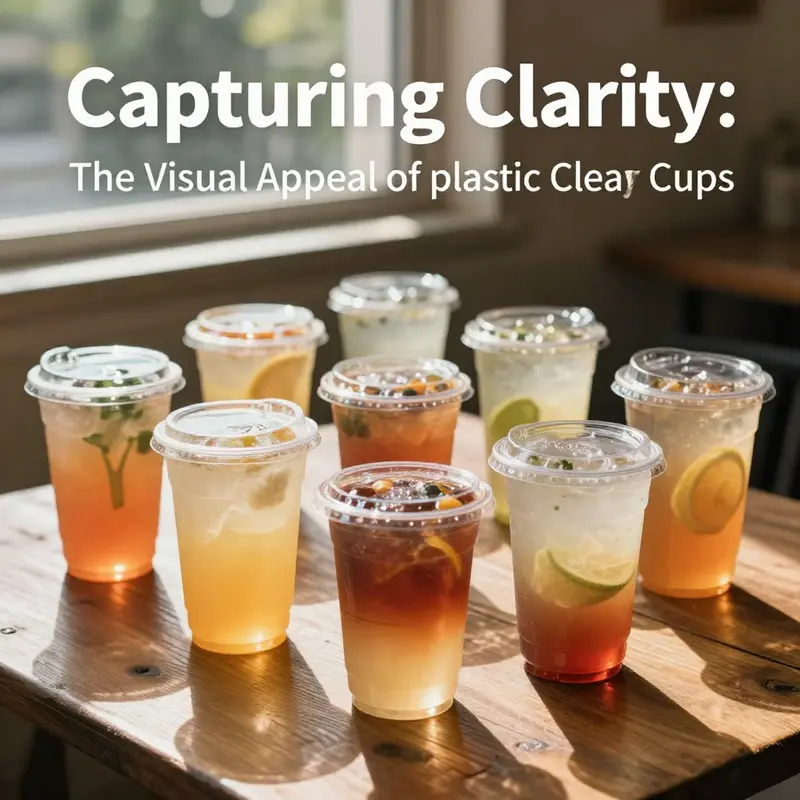
Images of plastic clear cups do more than document a disposable item. They translate material transparency into a visual language that communicates color, texture, and quality at a glance. In menus, social feeds, and product photography, the clear cup acts as a lens through which beverages are read. This chapter surveys how stock and original imagery harness light, backdrop, and composition to keep the drink legible while letting the vessel feel essential to the story.
Transparency invites color fidelity and texture. A smoothie can glow with a sunlit gradient; iced tea may reveal amber depths; milk-based drinks showcase cream and pearls precisely because the cup remains transparent. When the cup is a nearly invisible boundary, the drink becomes the protagonist and the cup quietly supports the narrative by preserving color accuracy and depth cues.
Light and material choice shape what viewers perceive. The plastic’s clarity, thickness, and finish influence edge sharpness, highlights, and color shift. A soft backdrop can let color stand out, while a textured surface adds context without overwhelming the liquid. Condensation, reflections, and subtle refractive effects become tactile cues that communicate chill, freshness, and care in presentation.
In practice, curation of clear-cup imagery benefits from consistent framing and purposeful props. Close crops emphasize color integrity and liquid texture; wider frames provide context such as garnishes or condensation patterns. Internal linking across related product imagery reinforces a cohesive brand narrative, while external references to material guides ground the visuals in real-world clarity. The result is a visual language where the cup facilitates reading of the drink rather than competing with it.
This approach supports designers and marketers aiming to balance clarity, color fidelity, and storytelling. By selecting images from diverse libraries, experimenting with light and backdrop, and aligning visuals with product narratives, teams can produce compelling visuals that show the drink and its context without distraction.
Clear Appeal: The Commercial Power of Transparent Plastic Cup Imagery
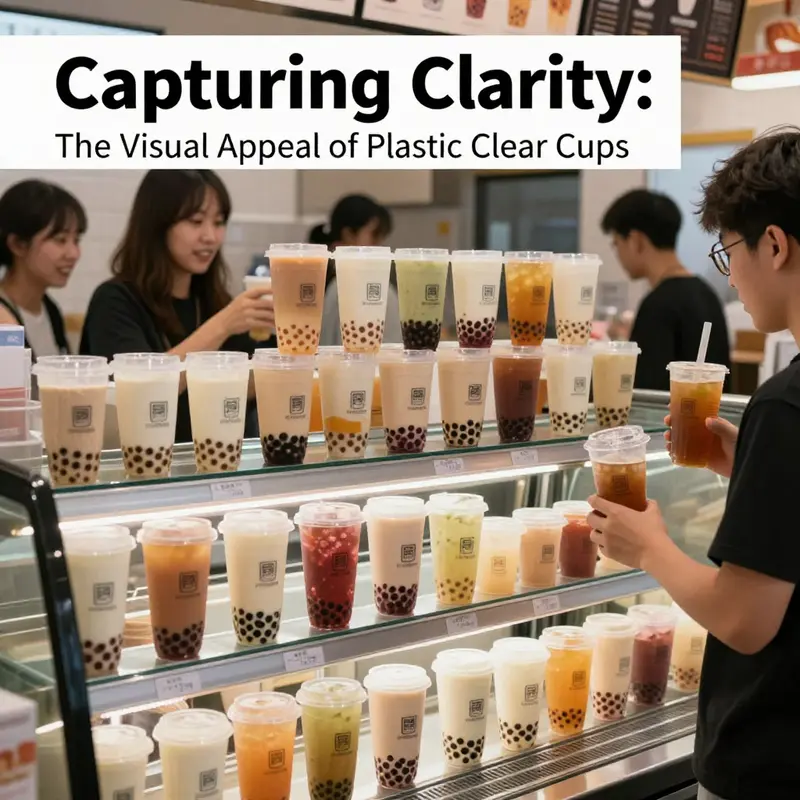
Images of plastic clear cups do more than illustrate a product. They tell a story about transparency, appetite, and the careful balance between function and aesthetics that drives consumer choices in modern food and beverage contexts. When a picture showcases a cup so clear you can read the ice and the color of a drink through its walls, it communicates a promise: purity, cleanliness, and a straightforward consumer experience. In commercial terms, such imagery is a core asset because it reduces cognitive load for buyers and design teams. It invites viewers to judge the contents before they taste or sample, which is precisely where a successful marketing image earns its keep.
The visual language of transparent cups is surprisingly rich. The texture of the beverage, the hue of the liquid, the way light passes through the plastic, and even the reflections on the cup’s surface contribute to a narrative about quality. Ice crystals catching the light, frothy milk tea peeking through a curved edge, or the even color of a chilled coffee can all be conveyed with a single, well-lit image. This is not merely about showing a container; it is about revealing what sits inside in a way that feels immediate and honest. In many campaigns, this honesty translates into a sense of trust. Consumers feel they are seeing the real product, unadorned by opaque packaging or opaque lids, and that trust is the first step toward a purchase or a brand recall in a crowded display.
In practice, the commercial usefulness of clear cups extends across industries and settings. In dessert-focused venues, especially ice cream parlors and dessert kiosks, the cup becomes a transparent pedestal that elevates the dessert. A glossy scoop of ice cream or a swirl of whipped cream reads more vividly when perched in a cup whose walls do not compete with the product for attention. In promotional events and sampling at outdoor festivals, small clear cups, often in 50ml portions, become practical tools that allow attendees to sample quickly while still appreciating the product’s visual appeal. The small size is not a limitation; rather, it is a way to maximize exposure, enabling numerous taste experiences in a single venue and letting visuals do part of the selling work.
Coffee shops and takeout chains also rely on the power of clear cups. The transparency of the cup is a natural stage for iced beverages, where layers of syrup, milk, or espresso create a color story that can be read from across a counter. The clarity helps baristas and customers alike to monitor portion consistency and presentation. In settings with rapid throughput, the visual cue of a perfectly layered drink can communicate quality and care even when spoken explanations are impractical. The same logic applies to high-volume operations where 3D clear cups offer an appealing blend of structural integrity and affordable aesthetics. The visible walls of a cup give a premium look without the premium price tag, making them especially suitable for busy environments that still want a clean, professional image.
Sustainability has also become a visual conversation in these scenes. Brands increasingly pair clear cups with recycled content and recycled lids, and the image language reflects that shift. When a picture includes a lid made from post-consumer material, viewers receive a message about responsibility without sacrificing the appealing clarity of the cup itself. The visual pairing of transparency with sustainable elements helps brands position themselves as modern and mindful, a combination that resonates with consumers who want to see how a product aligns with environmental values. In this context, the image becomes a shorthand for a broader narrative about material choices and end-of-life options, making photography an important ally in sustainability storytelling.
From a design perspective, the decisions that shape these images are about more than lighting and angle. They involve choices about background, contrast, and the way the cup interacts with the setting. A bright, minimalist backdrop often places the cup in sharp relief, emphasizing its clarity and the contents. A darker, textured background can evoke a café atmosphere, suggesting warmth and craft. Small details matter: the way condensation beads on the outside of a cold drink, the subtle glare on the cup’s rim, or the way a straw cursor intersects the image. These microelements can elevate an ordinary product shot into a persuasive visual story, reinforcing the cup as a reliable vessel rather than just packaging.
The market demand for effective cup imagery also shapes how brands curate their image libraries. Stock image platforms and product catalogs become the backstage of marketing campaigns. The right image library offers a spectrum of contexts—drinks in a café, desserts showcased in a kiosk, samples at an event—so creative teams can assemble campaigns that feel cohesive while remaining flexible. In this landscape, images of clear cups act as versatile visual building blocks. They can be combined with different beverages, textures, and backgrounds to fit seasonal promotions, new menu launches, or rebranding efforts without the cost of staging new photos for every variation. The result is a more agile marketing workflow where visual assets travel across menus, online stores, social feeds, and in-store displays with consistent messaging about lightness, clarity, and appetizing presentation.
A practical implication of this clarity-driven imagery is the ease with which designers and buyers can evaluate options. When the cup is transparent, it becomes a standard against which product color and texture can be measured. This reduces guesswork in catalogs and on menus. For sample and portion cups, the visual demonstration of size and proportion is essential. A 50ml cup, for example, becomes a precise reference point in both physical displays and digital mockups. Such references streamline decisions about portioning, pricing, and promotional strategies, particularly in outdoor events where speed is critical. The image then serves as a benchmark for real-world use, guiding kitchens and marketing teams toward consistent presentation across venues and campaigns.
The material and manufacturing considerations behind these cups also subtly influence how imagery is produced. Clarity depends on material grade and thickness, as well as the presence or absence of additives that affect color or optical properties. In photography, even a slight tint or a cloudiness can alter the perceived quality of the product. Capturing the true appearance of the cup and its contents requires careful lighting, polarizing filters to reduce glare, and sometimes post-processing to maintain true-to-life color and transparency. These technical nuances matter because they affect consumer perception. An image that accurately represents the material and the contents communicates reliability, which in turn supports confidence in the purchasing decision.
In the broader storytelling arc of an image-driven market, clear cup imagery helps suppliers and retailers craft a seamless visual narrative. It aligns with the way a product is displayed in a physical space—from in-store fixtures to digital menus. The cup becomes a constant reference point that anchors continuity as brands rotate flavors, add seasonal beverages, or test new mixtures. The consistency afforded by transparent cups supports a unified brand language across touchpoints, a crucial factor for retailers who want customers to recognize a product line instantly, whether seen on a storefront display, a mobile app, or a social media post.
Alongside the practicalities of color and cleanliness, the ethical and environmental aspects of packaging are increasingly visible in image choices. When an image includes the cup paired with a lid that is described as recycled or recyclable, it signals a commitment to responsible design without compromising clarity. The visual combination communicates a future-facing stance: a straightforward, visible product that also carries a message about waste reduction and resource stewardship. In markets where consumers scrutinize packaging materials for sustainability, such imagery can move from being merely compelling to being persuasive, reinforcing a brand narrative that is both honest and forward-looking.
For teams building an image library, the inclusion of various contexts—beverage visuals, dessert-focused shots, sample portions, and takeout configurations—creates a robust portfolio that supports diverse campaigns. It is also practical to organize visuals around common use cases, so designers can quickly locate images that match a menu item, a promotional banner, or a digital advertisement. An accessible library reduces the friction of image sourcing and helps ensure that the visual language remains coherent across channels. When a viewer sees a familiar, transparent cup depicted in a new flavor or setting, the memory of that clear, appetizing vessel reinforces the association between the product and quality, further supporting marketing goals.
In sum, the commercial value of plastic clear cup imagery lies in its ability to reveal, not conceal. The cup acts as a transparent stage for the contents, while the surrounding visuals convey the mood, the context, and the sustainability story that brands want to tell. This combination—clarity of material, honesty of presentation, and strategic use of imagery across channels—creates a compelling, repeatable visual doctrine that supports product launches, daily menus, and seasonal campaigns alike. For teams assembling or refreshing their image libraries, prioritizing clear cup imagery means investing in visuals that accelerate decision-making, strengthen brand trust, and amplify appetite in a look that is unmistakably clean and commercially powerful. Readers and practitioners who want to explore practical image options can navigate to the Plastic Cups category to see how these vessels are visually framed in catalogs and galleries and to discover assets that fit a range of campaign needs. For those seeking deeper technical context on materials and performance, a leading packaging solutions resource provides detailed data on properties, grades, and industrial applications. This external reference can offer insights into how imaging choices intersect with material behavior in real-world use, helping designers align visuals with what customers can expect from durability and stability over time. In the meantime, the central lesson from the commercial use of clear cup imagery remains clear: when you let the contents speak through a transparent vessel, you invite trust, enhance perceived quality, and enable faster, more confident consumer decisions. The image becomes a catalyst for every step along the customer journey, from first glance to purchase, and beyond into brand loyalty.
Clear Reflections: Images of Plastic Clear Cups as Mirrors and Meters of Society
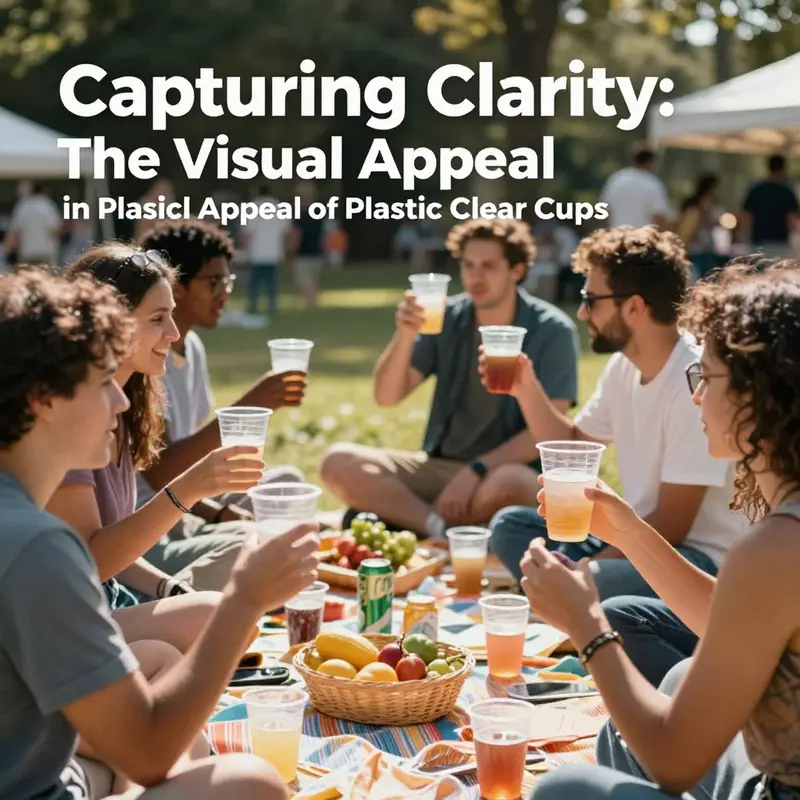
Images of plastic clear cups fill online catalogs, news features, and editorial spreads with striking regularity. Light travels through the transparent walls, catching the glint of ice, the whisper of condensation, and the hue of the beverage inside. The cup itself is often treated as a neutral vessel, a stage where color and texture can shine. In this setup, the cup becomes more than a container; it functions as a cultural proxy for a moment defined by speed, convenience, and the mobility of everyday life. Yet the charm of the visual is only a surface, a lens that reflects deeper currents in how people live, consume, and imagine a cleaner future. The cup thus serves a double role: it is at once a practical tool and a potent symbol, a common object that reveals divergent attitudes toward waste, resource use, and social responsibility.
But these visuals do more than capture a moment. They become a quiet language of disposable culture, a watermark of a society that often treats single use as a default setting. The clear cup appears across continents and in diverse settings, from street-side takeout to shaded cafe corners, signaling a vast, linear system of production, use, and disposal. The image participates in a shared aesthetic that makes convenience feel normal, almost inevitable. In that sense, stock photos of clear cups do political work by normalizing repetition of a wasteful habit and shaping expectations for when and where a drink should be consumed. The cup becomes a signpost indicating what is easy today and, perhaps, what should be reconsidered for tomorrow.
Environmental consequences rise quickly from that ordinary usage. The cup is not merely a plastic object in a staged scene; it is part of a waste stream that accumulates across landscapes and oceans. The visible traces of litter are only the foreground of a more troubling reality: microplastics infiltrate soils, waterways, and even the foods and drinks that people rely on. A critical review from 2025 highlights a disconcerting twist: even products marketed as eco-friendly can shed microplastics into beverages. Paper cups and tea bags, often presented as greener alternatives, are not exempt from this problem, which complicates the simple substitution narrative many people rely on. The review notes that the risk is uneven, with regions grappling with different waste-management capabilities and consumption patterns, including parts of India where disposable items remain deeply embedded in everyday life. This evidence reframes the conversation from a binary choice between plastic and paper to a more nuanced reckoning of how materials interact with environments and human bodies over time.
The social dimension of the cup’s image extends beyond environmental science into behavior and policy. Consumer behavior research paints a picture of a public that is often environmentally aware yet trapped by convenience and a lack of accessible, appealing alternatives. Many people want to do the right thing, but the path to doing so is cluttered with practical hurdles: the ubiquity of single-use options, limited access to durable alternatives, and the fragmented incentives that make waste reduction feel like an individual burden rather than a collective project. Studies published in late 2025 argue that the most effective approach blends public education with economic measures that realign incentives. Taxes or levies on disposable items, paired with investments in recycling, reuse infrastructure, and curbside education, can shift purchasing patterns and reduce the overall volume of waste. In other words, the image of a clear cup can be reframed from emblem of convenience to a signal for systemic change, if policy and industry respond with coherent, well-funded strategies.
The visual ecology surrounding the clear cup also invites reflection on the ethics of representation. A bright, pristine photograph can obscure the messy realities of post-consumer waste, emissions from production, and the energy costs embedded in a disposable product’s lifecycle. Conversely, a more candid or documentary approach to the same object can highlight litter, improper disposal, and the downstream effects of waste. The tension between these photographic modes matters because it trains viewers to perceive waste through different moral lenses. When the image foregrounds cleanliness and order, it can stifle critical inquiry; when it foregrounds fragility and consequence, it can mobilize attention and accountability. For image-makers, educators, and communicators, the challenge is to harness the persuasive power of visuals without reducing complexity to a single cosmetic narrative. The goal is to illuminate lifecycle pathways—from raw material extraction to end-of-life processing—so that audiences can chart the most meaningful routes toward reuse, recovery, or responsible substitution.
Within the broader discourse on packaging and consumption, the cup image sits at a crossroads. It invites viewers to weigh the trade-offs between convenience and stewardship, between the immediacy of a drink now and the longer arc of a healthier environment later. For practitioners who design and source packaging, the cup image can serve as a prompt for exploring alternatives that align with broader sustainability objectives. The visual prompt becomes actionable guidance when paired with tangible options: durable, reusable systems; standardized return-and-refill models; and packaging designs that simplify recycling and reduce carry-over waste. In practice, images of clear cups often accompany discussions about how packaging redesigns, public subsidies for recycling, and community waste-education programs could shift the balance from disposal to stewardship. When such conversations are anchored in compelling imagery, they can move from abstract debate to concrete planning.
This chapter also looks to the practical terrain of catalogs and catalogs’ audiences. For those building or curating product displays, the visual language of the clear cup translates into decisions about how and where to show alternatives. In the packaging and disposable-dinnerware ecosystem, a single image can point toward a family of options that includes reusable options, compostable materials, and improved end-of-life processing. To explore these possibilities in a structured, accessible way, practitioners can navigate the disposable drinkware category that aggregates a variety of solutions designed to curb environmental impact while maintaining the convenience that users expect. See the disposable drinkware category for ideas about reusable or recyclable options, which can help reframe the cup from a symbol of waste to a catalyst for change. disposable drinkware.
As the conversation about plastic clear cups moves forward, it remains essential to avoid oversimplification. The images can inspire both empathy and accountability, inviting audiences to imagine a different economy of use and disposal. They can encourage industry toward materials research, better waste infrastructure, and policies that align economic incentives with environmental outcomes. They can also remind readers that individual actions, while important, operate within a larger system that shapes what is easy, affordable, and normal. The challenge is to keep the discourse balanced: to acknowledge the aesthetic appeal and practical utility of these cups while foregrounding the environmental costs, the health considerations related to microplastics, and the societal necessity for collective action. Only by connecting images to systems—from production lines to policy frameworks—can the discourse move from mere critique to constructive transformation.
For readers seeking a broader, evidence-based framing of this dilemma, an external source offers a comprehensive view of the tensions between single-use plastics and paper alternatives. It argues that the dilemma requires societal change, combining information, incentives, and governance to drive durable solutions. This literature helps situate the chapter’s visual observations within a policy-relevant context and points toward the kinds of integrated approaches that might move communities beyond personal choice toward shared responsibility. External reading: Single-use plastic or paper products? A dilemma that requires societal change. https://www.sciencedirect.com/science/article/pii/S136403212500798X
Seeing Through the Surface: Imaging Plastic Clear Cups in Practice
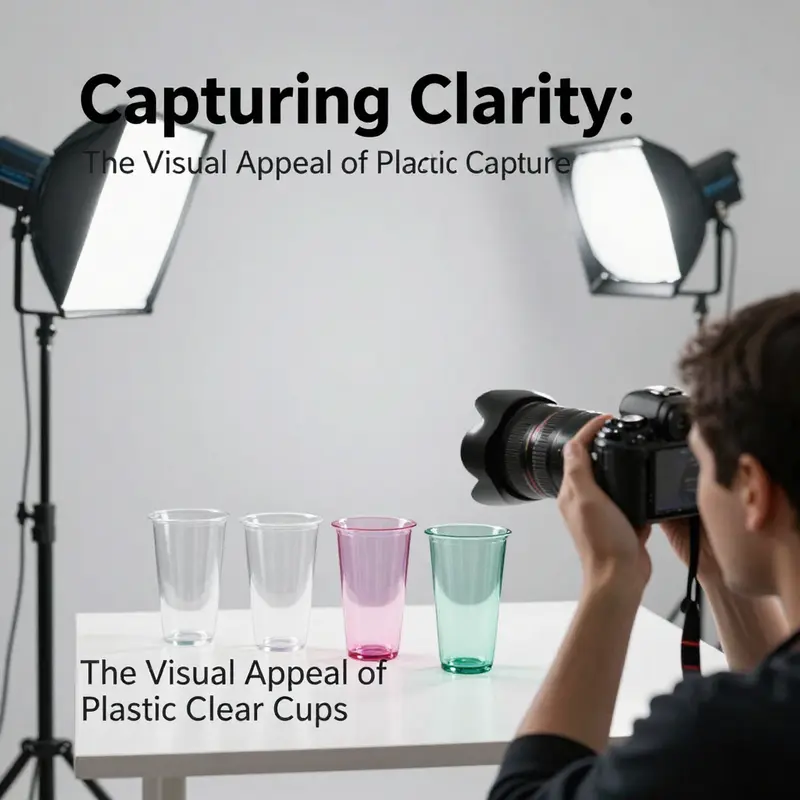
Clear plastic cups are ubiquitous yet surprisingly revealing. This chapter examines how advanced imaging changes the way we understand these everyday objects. Raman imaging maps molecular fingerprints to identify polymers and potential additives in cup materials, while laser direct infrared imaging traces the sources of microplastics that may shed during use. The technique is non-destructive and capable of operating at scales relevant to consumer products, allowing researchers to connect material choices with real world outcomes. The insights are not limited to what is seen at a glance; they open questions about heat exposure, liquid interactions, and wear during repeated handling. In practice, imaging studies guide better design decisions by pinpointing which layers or interfaces contribute most to particle release and by clarifying how manufacturing steps transport residues to the consumer surface. Such findings illuminate how a transparent container can be both aesthetically pleasing and environmentally consequential. Beyond the lab, image libraries and repositories provide accessible visuals that translators, educators, and policymakers can use to communicate risk without sensationalism. Free image platforms offer ensembles of cup images that illustrate different materials, finishes, and contexts, helping audiences imagine how micro-scale processes link to environmental footprints. The images ground abstract concepts in concrete visuals, enabling readers to follow the logic from material formulation to end-of-life outcomes. The core advances converge on a single idea: clarity on display does not automatically guarantee safety, but it invites a closer look at what happens at micro and molecular scales when cups are filled, heated, shaken, or disposed of. By tracing emission pathways and material interactions, imaging studies support safer design choices and more responsible stewardship of disposable tableware. Finally, the chapter considers the communication implications, showing how rigorously obtained visuals can strengthen education, journalism, and policy discussions around material safety, sustainability, and consumer experience. The trajectory of imaging in this field demonstrates how technology moves from niche lab demonstrations to practical tools for everyday decisions, turning a familiar object into a focal point for thoughtful design and informed choice.
Clear Lenses, Hidden Footprints: Environmental Realities Behind Plastic Clear Cup Imagery
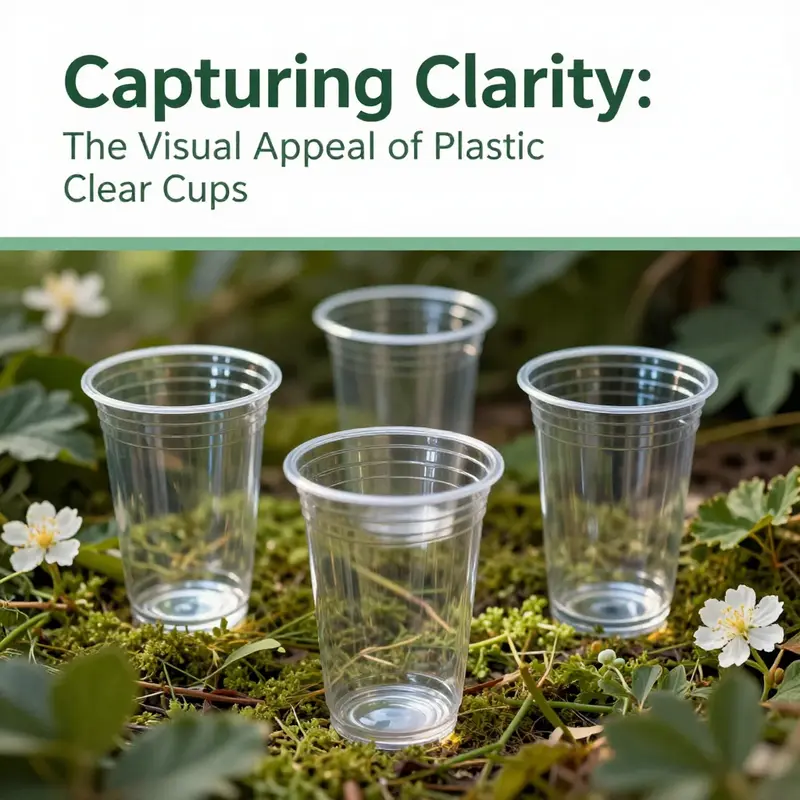
Images of plastic clear cups populate menus, social feeds, and promotional visuals with remarkable frequency. They are chosen for their clarity, their ability to showcase color, texture, and condensation, and for the convenience they represent in fast-service culture. Yet the visual clarity of a cup does not translate to environmental clarity. Beyond the glassy surface, a set of material choices, production processes, and end-of-life pathways shapes a much larger ecological footprint. The chapter this image-focused article invites us to consider moves beyond the aesthetic and into the lifecycle realities of the cups themselves. In practice, the imagery that accompanies beverages—sparkling liquids, ice clinking, and smooth sides—can obscure the more complex story of how those cups come to be, how they are used, and how they vanish from view after their moment in the spotlight. The visual narrative and the material narrative should be read together, with equal attention paid to what happens before and after the moment a photo is taken or a frame is captured. This chapter examines these layers, highlighting where environmental concerns intersect with the visual culture surrounding plastic clear cups and the images used to promote them.
The production and raw material extraction phase is the first major chapter in the environmental story of clear cups. The modern clear cup is predominantly made from polypropylene (PP) and polylactic acid (PLA), two polymers that carry distinct trade-offs. PP is valued for its strength, clarity, and recyclability under certain conditions, while PLA is often marketed as a compostable alternative. In reality, the environmental burden begins long before a consumer ever holds a cup. The feedstocks for PP are derived from fossil resources, and the transformation from raw material to finished cup requires substantial energy and chemical processing. Even when the cups are lightweight and efficient at the point of use, the energy embedded in extraction, refining, polymerization, and molding contributes to greenhouse gas emissions and resource depletion. PLA’s bio-based origin—from fermented sugars or corn feedstock—might appear to reduce fossil energy use, but the story is more nuanced. Growing crops, converting them into fermentable sugars, and processing lactic acid into a polymer all demand land, water, fertilizers, and energy. In some supply chains, these steps can yield lower emissions per unit of resin compared with traditional petroleum-based plastics; in others, they may shift burdens toward agriculture, water systems, and fertilizer runoff. The net outcome hinges on farming practices, energy sources, and the efficiency of industrial processes. The production phase also carries a set of environmental justice questions, including the localized impacts of manufacturing facilities on nearby communities and the distribution of environmental burdens along global supply chains. In short, even a single cup embodies a cascade of decisions about energy, land use, and emissions that ripple beyond the point of sale.
Lifecycle emissions offer a broader lens to evaluate how plastic clear cups contribute to climate change and ecological disruption. A cradle-to-grave perspective encompasses extraction, processing, manufacturing, distribution, consumer use, and end-of-life treatment. The study by Galafton in 2025 provides a concrete reminder that the emissions tied to these cups extend far beyond their brief utility. Transportation through global supply chains adds another layer of energy demand, as cups traverse long distances from raw material sites to packaging facilities and finally to retailers or food-service distributors. In many cases, the most significant emissions occur not within the cup itself but within the chain of activities that deliver and dispense it. The overall climatic imprint is influenced by manufacturing efficiency, the energy mix of the producing region, and the durability of the cup in real-world use. If a cup is used once and discarded, the energy cost per unit of use tends to be higher than for more durable alternatives; if recycled appropriately, some portion of that energy may be recovered, but recovery depends on sorting, collection, and processing capacity that often fails to keep pace with consumption. This reality frames a key tension in the imagery surrounding plastic clear cups: the visuals often celebrate convenience and abundance while the lifecycle realities carry significant, sometimes hidden, emissions that emerge over months or years.
A parallel thread in the environmental narrative is plastic pollution. The disposable nature of many clear cups contributes to a staggering waste problem when disposal is incomplete or improper. The study cited in the research results underscores alarming statistics about plastic waste accumulation in ecosystems, particularly in oceans and waterways. When cups are discarded into the environment, they begin a journey that can persist for years, breaking down into microplastics and contributing to harm across terrestrial and marine habitats. The durable materials that make clear cups popular in the short term can become persistent burdens in the long term, especially in regions with insufficient waste collection, limited recycling infrastructure, or weak litter-control practices. The imagery of a clear cup, gleaming in sunlight with a bright beverage inside, can contrast starkly with the reality of what happens when the lid comes off and the cup is tossed aside. This contrast is not just a physical difference but a perceptual one: when the visual narrative foregrounds ease, it can inadvertently deprioritize the complex systems required to manage plastic waste responsibly.
Biodegradability, particularly of PLA, adds a further layer of complexity to the environmental calculus. PLA is often marketed as a biodegradable or compostable solution, but the environmental benefits of such labeling only materialize under specific industrial composting conditions. These facilities require high temperatures, humidity, and controlled microbial environments that are not universally available. In typical landfill or marine environments, PLA may not decompose as intended, leading to continued persistence in the environment. This reality challenges a common consumer assumption that PLA automatically offers a greener outcome. For images that depict PLA-based cups in pristine contexts, the reality of disposal pathways remains less visible. The social and policy implications are clear: labeling alone is insufficient to guarantee environmental outcomes without the corresponding infrastructure and consumer behavior to support proper disposal.
Recycling concerns for polypropylene, the other primary constituent in clear cups, further complicate the lifecycle. Although polypropylene is technically recyclable, real-world recycling rates for PP cups are often lower than ideal due to contamination, sorting challenges, and a lack of accessible facilities. Cups can easily become contaminated with beverages, ice, or other residues, which lowers the quality of the recovered material and makes processing less economically viable. End-of-life scenarios frequently skew toward landfills or informal disposal in the environment because recycling streams for PP cups are fragmented across regions, and the post-consumer waste hierarchy is not consistently implemented. This disconnect between theoretical recyclability and practical recovery is a recurring theme in environmental assessments of disposable tableware. The visuals that celebrate a single-use moment risk masking the imperfect recycling reality that follows. Images can shape behavior, but they cannot substitute for systemic improvements in collection, separation, and processing that determine whether a clear cup is transformed back into a useful feedstock or simply ends up as litter.
Beyond the technical and logistical dimensions, the role of imagery itself in shaping behavior deserves attention. Photographs of beverages in transparent cups often emphasize freshness, cleanliness, and social ritual. In such frames, the cup becomes a signifier of easy enjoyment rather than a node in a broader environmental chain. When audiences internalize these visuals, there can be a disconnect between what is seen and what is required to close the loop on material waste. The challenge for designers and marketers is to balance the aesthetic appeal of clear cups with responsible storytelling about disposal and recovery. One practical approach is to embed visuals that acknowledge end-of-life considerations, such as showing labeling cues, recycling symbols, or even contextual indicators of the disposal infrastructure that supports responsible consumption. Here, the visual language can contribute to a more holistic understanding of sustainability rather than a narrow focus on form and function alone. For campaigners and designers aiming to steer audiences toward responsible choices in the visual repertoire, consider visuals within the Disposable Drinkware category. The latter provides a touchpoint for exploring how imagery can align with practical sustainability goals while maintaining aesthetic appeal.
The environmental conversation surrounding plastic clear cups is inseparable from the broader systems that govern production, consumption, and waste. A key takeaway from the lifecycle and pollution analyses is the need for more robust waste-management infrastructure and clearer disclosures about end-of-life options. Without accessible recycling streams, robust composting networks, or consumer education about proper disposal, the environmental benefits of alternatives like PLA or other biopolymers remain limited in practice. This is not a plea for image abstinence or for abandoning visuals of cups in marketing; rather, it is an invitation to integrate environmental literacy into visual culture. When images are paired with clear, actionable guidance—such as labeling, recycling instructions, or notes about available recovery programs—they can become more than decorative elements. They can function as reminders of a shared socio-environmental responsibility, signaling that what is seen in a snapshot has implications that extend far beyond the moment of capture. In this sense, imagery and lifecycle realities are not separate tracks but converging threads that, together, tell a more accurate story of how modern disposable tableware interacts with ecosystems, economy, and society.
As the industry and its audiences continue to evolve, the relationship between visuals and environmental outcomes will depend on three interlocking forces: better design and labeling that clarify disposal options; investment in waste-management infrastructure that increases recovery rates for PP and PLA-based products; and a consumer culture that values the lifecycle of a product as much as its moment of use. This triangulation can help align the allure of clear cup imagery with the practicalities of responsible stewardship. It invites creators to reflect on what their images communicate about consumption, waste, and responsibility, and it encourages audiences to read beyond the surface of a gleaming cup toward the broader, longer-term consequences of the choices those images normalize. In this way, the image becomes not just a reflection of a beverage but a prompt to consider the entire journey of that cup—from raw material to end-of-life—and the actions required to ensure that journey ends in a way that respects environmental limits and social equity. The chapter closes, not with a verdict but with an invitation to continue exploring how visuals, materials, and systems intersect in the commonplace objects that populate our daily scenes, and to seek pathways where beauty and responsibility can coexist in the same frame. For readers seeking further context on these environmental dimensions, an external study offers a deeper technical exploration of disposal and littering impacts associated with disposable cups: https://doi.org/10.1016/j.jclepro.2025.143210.
Final thoughts
The visual appeal of plastic clear cups goes well beyond their practical use in the beverage industry. By understanding their aesthetic qualities and commercial applications, professionals in bubble tea shops, restaurants, food trucks, and event planning can utilize these images effectively to enhance branding, engage customers, and promote sustainability. As the industry evolves, embracing innovative ways to market and present products will remain essential. Ultimately, the choices made today in the kinds of imagery and materials used will shape the future of the beverage market.