
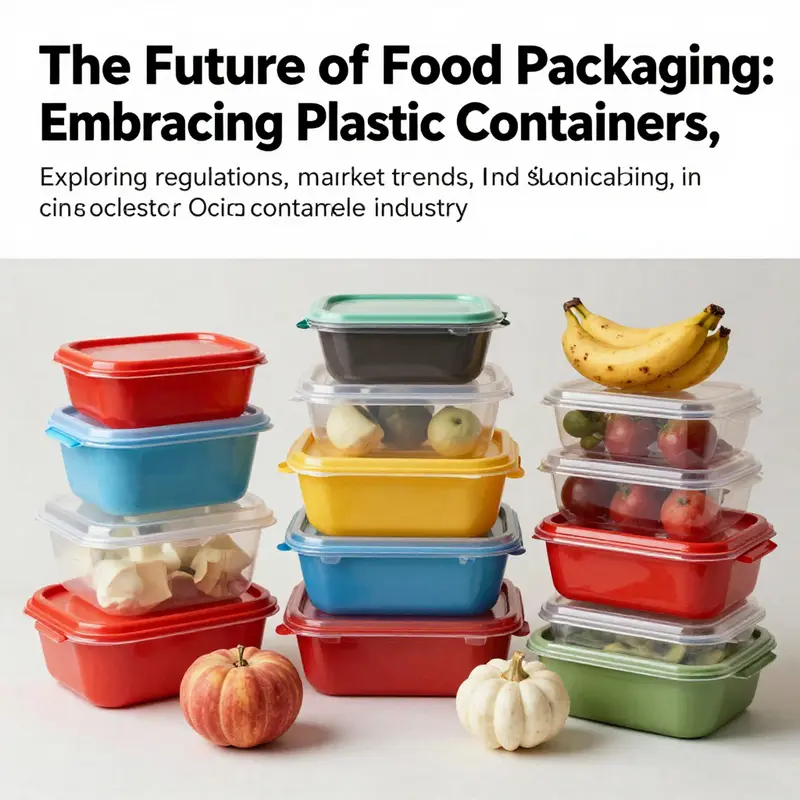
As the culinary scene evolves, the role of food packaging becomes increasingly significant. In Nancagua, Chile, plastic containers have emerged as a popular choice for restaurants, beverage shops, and event planners. This article delves into the essential aspects of plastic containers for food—from FDA regulations and market dynamics to sustainability concerns and consumer preferences. Each chapter will provide insights to help business owners and decision-makers understand how to navigate this vital component of their operations effectively.
Navigating Chile’s Food-Contact Plastics: Nancagua’s Regulatory Landscape
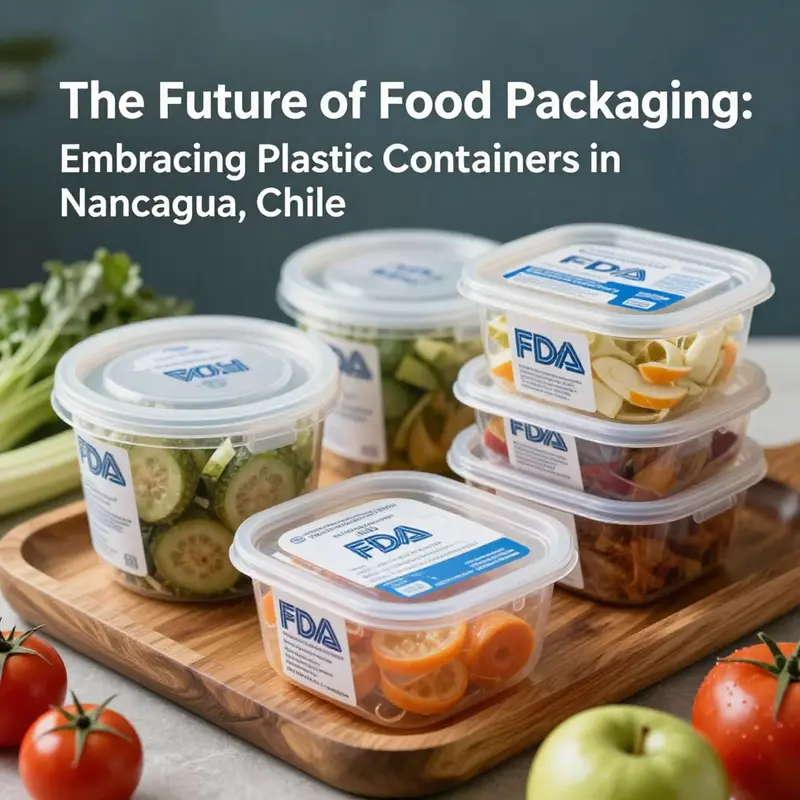
Chile’s framework for food-contact plastics in Nancagua emphasizes migration limits, labeling, and traceability as core pillars of safety, verification, and market access. Regulators, industry, and researchers collaborate to ensure that materials used in contact with foods do not release harmful substances under typical use conditions. Migration limits are established through toxicological assessments and realistic exposure scenarios, guiding what additives or monomers may be present and what testing is required for different food types such as liquids. The Ministry of Health oversees these expectations, while manufacturers must document material provenance, conduct supplier qualification, and maintain auditable records to support recalls or investigations. Labeling communicates contents, handling instructions, and compliance with standards, whereas traceability creates a chain of custody from raw materials to finished packages, enabling rapid response to quality issues. In practice, local producers in Nancagua balance economic realities with safety by selecting appropriate plastics, validating compatibility with specific foods, and engaging suppliers who can demonstrate conformity to Chilean requirements. Recycled plastics can be used where allowed, but impurities and migrants are carefully controlled to protect consumer health and maintain confidence in packaging. Practitioners are encouraged to monitor regulatory updates, perform real world testing, and document ongoing compliance, recognizing that the goal is not only to meet rules but to foster a culture of safety and trust across the food system. For businesses in Nancagua seeking clarity, official resources from the Chilean Ministry of Health provide migration limits, labeling standards, and policies on recycled materials, ensuring that packaging choices support safe, reliable products for domestic markets and international trade.
From Local Shelves to Global Standards: The Evolving Role of Plastic Food Containers in Nancagua, Chile
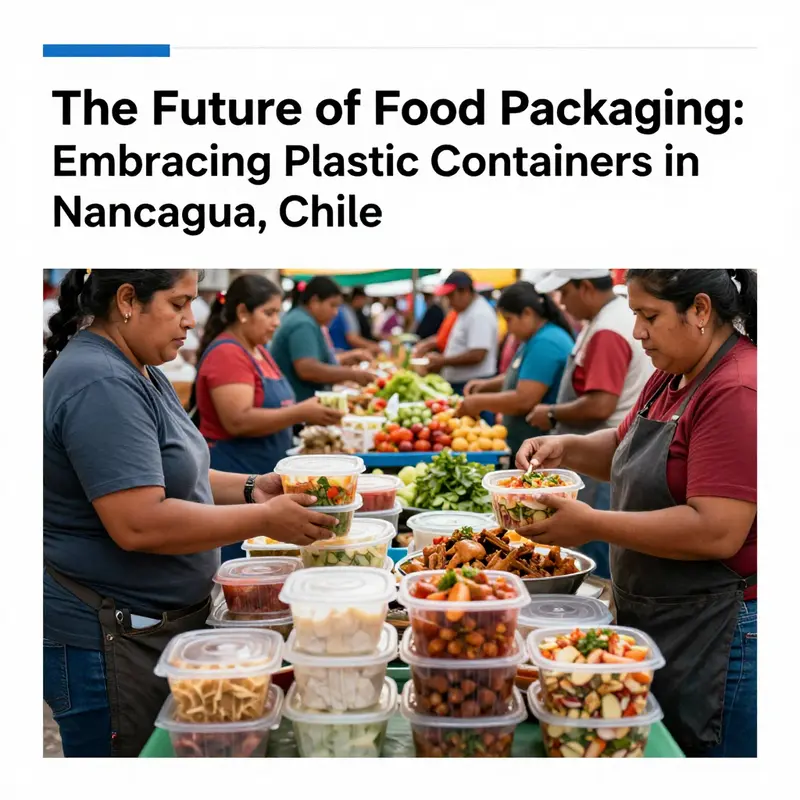
In Nancagua, a quiet town in the heart of Chile’s O’Higgins region, the story of plastic containers for food is, at heart, a story about how local habit intersects with global demand and regulatory discipline. It is a narrative that begins with the practical needs of small and mid-sized food operations—efficiency, hygiene, and the ability to move perishable goods from oven to shelf with minimal risk—then expands into a broader conversation about safety, sustainability, and the evolving regulatory landscape that frames every decision a producer makes about packaging. When one reads the latest cross-regional data on packaging, it is clear that the Chilean plastic market is not standing still. In 2024, the sector represented a substantial throughput, and projections show continued growth to 2032, underscored by a modest but steady CAGR of around 2.6%. This trajectory reveals both opportunity and responsibility for local manufacturers, distributors, and retailers who rely on plastic containers to keep foods safe, fresh, and visually appealing as they travel through supply chains that may cross multiple borders and regulatory regimes.
Within this context, the daily operations in Nancagua illuminate a practical synthesis of tradition and modernization. Local producers often combine inner packaging that protects product integrity with outer packaging designed to withstand handling and transport. The mix described in nearby packaging workflows—where plastic inner bags work in tandem with fiber drums for outer containment—offers a nuanced example of how materials are chosen to balance hygiene, cost, and logistics. Plastic bags serve as a barrier against moisture, contaminants, and air ingress, preserving the delicate textures of baked goods and other perishables that define the regional palate. The outer fiber drums provide sturdy protection during transit, stacking stability in storage, and a sense of traditional robustness that resonates with local retailers who value dependable performance on crowded shelves and in busy marketplaces. Such configurations reflect not only current production realities but also the pragmatic adaptability that has long characterized Chile’s food-processing sector.
The regulatory lens through which these practices are viewed is increasingly global in scope, even as it remains rooted in national and local institutions. A pertinent example from the broader regulatory environment is the registration and validation of food products in international verification portals, which show how packaging decisions align with accepted safety and hygiene standards. In a recent case study, a liquid product described as “LIQUID FERNA” was noted to be packaged in both glass and plastic containers, with a low-risk classification and a defined validity period. While the specifics of that product are not the focal point here, the broader implication is clear: packaging materials chosen for liquids must meet stringent safety benchmarks, and the existence of such verifications signals to local producers in Nancagua that their own plastic container choices can be evaluated against recognized international criteria. For Nancagua’s liquid and semi-solid products, this reality translates into a cautious confidence that plastic containers—when properly selected and used in conjunction with other hygienic controls—can play a reliable role in safeguarding public health.
In practical terms, this means that the local packaging ecosystem must be able to demonstrate its performance across multiple dimensions: barrier properties against moisture and oxygen, mechanical durability during transport, compatibility with product chemistry (including potential interactions with fats, oils, and acidic components), and the ability to withstand the temperature fluctuations often encountered in distribution networks. It also means that producers must stay attentive to evolving consumer expectations around safety and sustainability. The global trend toward greener consumption is not confined to distant markets; it exerts real pressure on Chilean packaging strategies, encouraging reductions in single-use plastics and the exploration of reusable or recyclable alternatives. While this trend has its strongest momentum in other regions—where policy shifts and consumer campaigns explicitly favor sustainability—the ripples are felt in Chile through policy discussions, industry initiatives, and shifts in consumer behavior. In Nancagua, this translates into a practical, incremental approach to packaging: maintain the high performance of plastic containers for protecting food quality, while seeking opportunities to reduce waste, improve recyclability, and communicate environmental responsibility to customers who increasingly value transparency and stewardship.
From a regulatory standpoint, the Chilean Customs Directorate and related ministries offer a critical backbone for ensuring that packaging materials meet sanitary and phytosanitary standards, particularly for imported ingredients and finished products destined for export. Compliance considerations extend beyond the walls of the manufacturing site to encompass import-export dynamics, labeling, and traceability requirements that can affect container choices. Producers in Nancagua who source plastics, films, and bags for food packaging must navigate a landscape where safety data sheets, material compatibility, and regulatory updates are part of daily operations. In addition, regional bodies tied to the Ministry of Economy, Development and Tourism, alongside the National Institute for Agricultural Production, play a role in monitoring agricultural and food production trends that influence how containers are used for different product lines. These institutions collectively shape the permissible designs, materials, and handling practices that keep local foods competitive both within Chile and on international shelves.
The interplay between local practice and global pressures also invites a deeper look at how packaging choices align with the broader supply chain. For a bakery or snack producer in Nancagua, the decision to use plastic inner bags for freshness and hygiene is not merely a cost calculation; it is part of a narrative about reliability, speed, and customer satisfaction. The inner bags help maintain product quality by reducing exposure to air and moisture during the critical moments between baking and display. They also support customization—different bag materials and thickness can be chosen to reflect the texture and moisture content of specific products, enabling a consistent consumer experience across batches. Outer containers, such as fiber drums or other rigid packaging, add a layer of protection that supports freight handling, stacking stability, and product integrity through long journeys to retailers both near and far. This layered approach illustrates how local businesses balance performance with economic viability, ensuring that packaging remains a tool for quality rather than a source of waste or risk.
In this light, the notion of “low risk” packaging is not merely a label but a lived reality that depends on a confluence of factors: the inherent properties of plastics used, the compatibility with food contents, adherence to hygiene and sanitation standards, and the ability to withstand storage and transport conditions typical of Chile’s diverse climate and geography. The perception of risk is also shaped by public health data, consumer expectations, and the scrutiny that comes with international trade. A packaging solution that proves effective in a small town grocery may still be tested in global markets, where additional criteria—such as recyclability, carbon footprint, and end-of-life management—become gatekeepers to wider distribution. In Nancagua, this means that packaging engineers, operators, and managers are increasingly required to think beyond the immediate convenience and cost of a plastic container. They must consider lifecycle implications, the potential for reuse or recycling, and how packaging materials are perceived by environmentally conscious consumers who expect accountability along the value chain.
The local market data, though not always granular for every town, points to a broader pattern: plastics remain a dominant solution in food packaging across Chile, driven by versatility, light weight, and the ability to preserve freshness in a country that has a strong agricultural and baking traditions. The numbers from national market analyses indicate steady growth in plastic packaging demand, a trend that translates into ongoing investments in manufacturing capacity, supplier networks, and distribution infrastructure that support efficient cold chains and hygienic handling. For a town like Nancagua, the practical takeaway is clear: plastic containers will continue to be a central tool in the kitchen, bakery, and retail corridor, but their success will increasingly hinge on how well producers can demonstrate safety, optimize material choices for specific product categories, and communicate a commitment to sustainability to customers and regulators alike.
To connect these threads to a concrete resource for practitioners, consider the growing body of packaging material categories and suppliers that now frame their offerings around the needs of food makers in Latin America. An internal resource that aligns with this direction is the expansive catalog of plastic packaging options available online, where practitioners can explore materials, barrier properties, and processing compatibility. For instance, one is often reminded that the spectrum of plastic packaging includes not only bags but also various forms of packaging films, thermoformed trays, and container systems designed to meet hygiene and containment criteria. The right selection usually rests on a careful balance of product compatibility, regulatory compliance, cost, and environmental considerations, alongside the ability to integrate smoothly with existing packaging lines and warehouse workflows. In Nancagua, such decisions are made with a practical focus: ensure that the chosen containers support the integrity and safety of the local foods while keeping operations efficient and economically sustainable.
From a forward-looking perspective, the region’s packaging ecosystem will need to grapple with both the current realities and the anticipated shifts in consumer expectations and policy landscapes. The Chilean market data suggest resilience in plastic packaging, yet the global push toward sustainability may nudge producers toward lighter-weight materials, more recyclable formats, and improved recyclability of multilayer structures. This ongoing evolution will require ongoing collaboration among growers, bakers, distributors, and packaging suppliers to identify solutions that align with local production realities while meeting broader environmental and health standards. For Nancagua’s smaller operations, partnerships with material suppliers who can offer guidance on material selection, process compatibility, and end-of-life considerations will be critical in maintaining safe, efficient, and responsibly packaged foods. This collaborative approach helps ensure that plastic containers remain a trusted component of the local food system, one that supports both the regional economy and the health of consumers who rely on safe, quality food products every day.
In summary, the story of plastic containers for food in Nancagua reflects a larger global pattern: packaging materials that enable safe, reliable, and efficient food distribution are continually shaped by advances in materials science, regulatory oversight, and evolving consumer expectations. The local practices—inner plastic bags that safeguard freshness and outer, protective containment—embody a practical, cost-conscious approach that aligns with national market trends while remaining open to improvements in recyclability and lifecycle thinking. The alignment with global safety norms, as illustrated by cross-border verification efforts, confirms that even small towns can participate meaningfully in a packaging system that prioritizes health, safety, and trust. As the market grows and policies shift, Nancagua’s packaging choices will likely become more sophisticated, integrating smarter materials, better labeling for traceability, and stronger commitments to environmental stewardship, all without compromising the fundamental goal: delivering safe, high-quality foods to families who rely on local producers for everyday nourishment. For readers seeking to anchor these ideas in practical supply-chain decisions, exploring the range of plastic packaging options available in the broader market can provide valuable insights into how to balance performance with sustainability, while maintaining the reliability that customers expect from their favorite local foods.
External resources that provide a broader context for these trends can be found at the Chilean plastic market analysis, which offers deeper insights into market size, growth, and regional dynamics across the country: https://www.grandviewresearch.com/industry-analysis/plastic-market-chile
Rethinking Plastic Food Containers in Nancagua: Health, Waste, and a Path Toward Sustainable Storage
External resource: https://www.sciencedirect.com/science/article/pii/S095605422300258X
Plastic Containers in Nancagua: Navigating Safety, Sustainability, and Everyday Choices
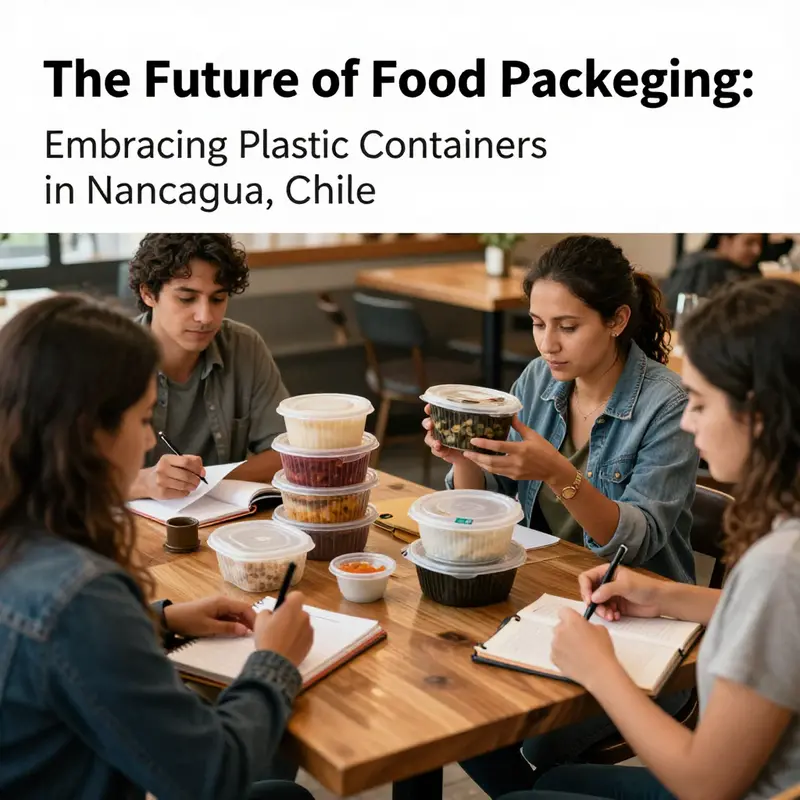
In the warm light of Nancagua’s markets, the humble plastic container sits at the center of daily life, quietly shaping how families store, transport, and savor food. To the casual observer, a plastic tub or a sealed bottle may seem only a practical tool. Yet when you step back and map the broader currents—public health standards, environmental priorities, and evolving regulations—you see how these containers become threads in a larger tapestry of safety, trust, and sustainability. A Chilean case worth noting is a liquid product registered in the FDA verification system, described as packaged in glass and plastic vessels with a low overall risk profile. While the specifics of that product live in a regulatory archive, the underlying story is universal enough to illuminate Nancagua’s packaging choices: the need to balance protection of the contents, ease of handling, and the growing demand for responsible packaging. In this town and in towns like it across Chile, plastic containers are not simply containers; they are signals of how communities weigh convenience against environmental responsibility, how manufacturers align with safety norms, and how consumers react when policy shifts push sustainability from aspiration into daily practice.
National currents inevitably shape local behavior. A telling national sentiment is the remarkable 81 percent of Chilean consumers who favor banning expanded polystyrene takeout containers. This figure, though not a direct measure of Nancagua’s preferences, signals a broader public appetite for reducing waste and rethinking packaging. It hints at a marketplace where the visibility of plastic waste, the cost of disposal, and the aesthetics of a clean environment all inform everyday decisions. Local retailers in Nancagua sense this shift in the air. They see shoppers increasingly compare packaging options not only on price and convenience but also on how well the package communicates safety and value while aligning with a cleaner, more sustainable town image. The path forward, then, is not simply to sell more plastic containers but to offer packaging choices that feel trustworthy, practical, and respectful of the town’s environmental aims.
Chile’s regulatory arc further amplifies these considerations. The country has moved decisively to phase out most single‑use plastic products, requiring a transition toward biodegradable alternatives by 2025. The policy trajectory almost guarantees that plastic containers for food will be scrutinized more closely for their life cycle, recyclability, and compatibility with compostable substitutes. For a small producer or retailer in Nancagua, this means planning beyond next quarter’s production run. It means thinking about how a container’s material interacts with the product’s shelf life, how easily the package can be recycled or composted by local consumers, and how the design communicates compliance with evolving rules, even for a modest bottle or tub used to store liquids or semi‑liquids. Alongside these changes, Chile is developing new rules governing food contact materials. These standards will define acceptable plastics, surface treatments, and adhesives, and they will demand that equipment in contact with food meets specific performance criteria. In practice, this translates to a more predictable framework for safety and quality, but it also raises the bar for producers who must stay current with both national and municipal guidance.
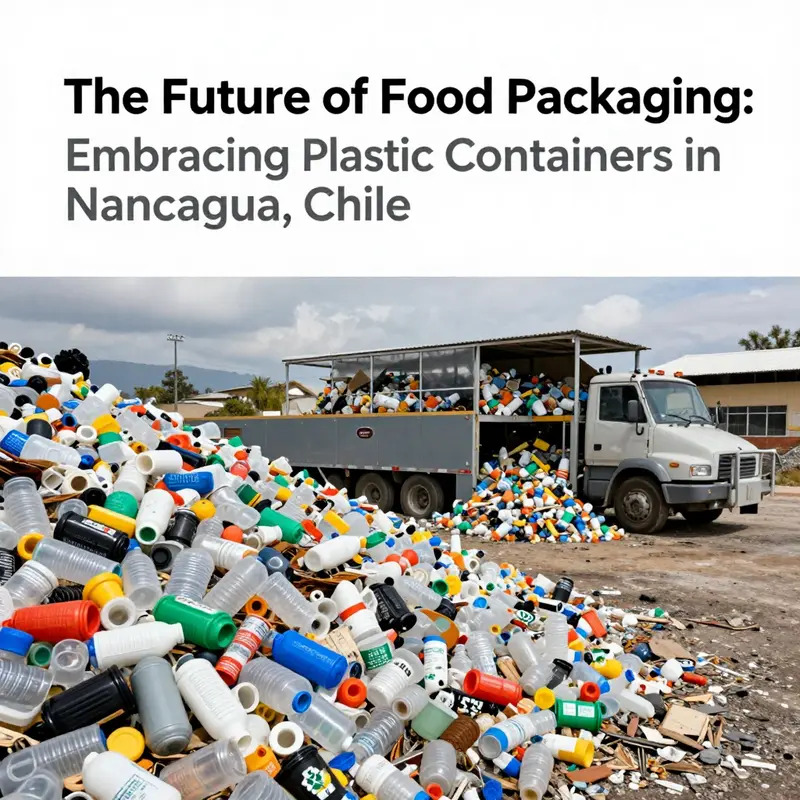
For residents of Nancagua, the implications are tangible. Packaging decisions ripple through price, logistics, and consumer trust. Plastic containers can offer reliable barrier properties that protect liquid contents from oxygen, moisture, and contamination, helping to preserve flavor and safety during transport from producer to consumer. Yet plastics raise concerns about waste, litter, and the health of ecosystems. In a region known for its landscapes and agricultural roots, shoppers increasingly connect the dots between a container’s end‑of‑life story and the community’s well‑being. The challenge is to harmonize packaging that protects food with systems that minimize environmental impact. This is where the idea of a circular economy begins to feel less theoretical and more pressing: a local approach that favors containers that are durable, recyclable, or compostable; systems that facilitate take‑back and recycling; and practices that encourage households to dispose of plastics responsibly rather than letting them accumulate in streets or fields.
From a materials perspective, plastic containers serve distinct roles in food storage and handling. For liquids, rigid plastics such as PET and HDPE are common for their clarity, strength, and chemical resistance. They provide reliable seals and light barriers that help preserve freshness. For some products, however, the advantages of glass—health perceptions, inertness, and perceived premium value—still hold sway among consumers. In practice, many vendors in Nancagua may offer both glass and plastic options to meet diverse needs: glass for premium or traditional products and plastic for everyday use, value packs, and convenience. This dual approach underscores a broader truth about packaging in markets like Nancagua: choice matters. The same consumer who appreciates the perceived purity of glass may also select plastic when it reduces breakage risk during transport or lowers the price of a family‑sized purchase.
The conversation about plastic in Nancagua is not only about material performance. It touches on design, communication, and behavior. A container’s shape, color, and labeling influence how a product is perceived on the shelf and how confident a shopper feels about its safety. Clear plastics allow visibility of the liquid’s color and clarity, reinforcing trust in freshness. Induction‑sealed caps and tamper‑evident features reassure customers that contents remain uncontaminated from the moment they purchase to the moment they open. Yet the same features can complicate recycling if caps and bottles use different plastics or if labeling complicates separation. Here is where a practical, local focus helps: packaging that is straightforward to recycle in municipal systems, with labels that do not hinder the sorting process, can empower households to act on their environmental intentions without sacrificing convenience.
The local supply chain also matters. In a town like Nancagua, the ability to source packaging materials locally or regionally can reduce costs, shorten lead times, and support stakeholders who are learning to navigate new rules about food contact materials. Small manufacturers and retailers may find value in working with packaging providers who understand both safety standards and the realities of rural distribution. The packaging landscape includes a spectrum of options—from basic consumer grade to more specialized forms designed for liquids and semi‑liquids. For readers seeking practical examples of available options, one can explore the broader category of plastic packaging to understand the types of containers, closures, and plastic resins commonly used in food applications. For example, the plastic packaging category highlights options that balance barrier protection with recyclability and cost considerations. You can explore curated selections in this category to gauge what might work for local products, from everyday sauces to beverages that travel from farm to table in Nancagua. (Note: for broader product ideas, see the plastic packaging category.)
Beyond the technicalities of material choice lies the heart of consumer preference: trust, convenience, and responsibility. Even when a plastic container offers optimal barrier performance, if households perceive it as wasteful, they may seek alternatives or demand better packaging practices. Conversely, a well‑designed plastic package that demonstrates safety, ease of disposal, and alignment with environmental values can win loyalty. In a country moving toward phasing out single‑use plastics, the appeal of reusable or refillable solutions is likely to grow. Vendors who can offer cost‑effective, reusable packaging alongside clearly labeled disposal guidance will resonate with customers who want both practicality and peace of mind. In Nancagua, the social dimension matters, too. Packaging choices reflect community norms, which are shaped by education, social networks, and the visible cues that signal environmental stewardship. A shopper who sees a neighbor returning containers for reuse or recycling may be more inclined to adopt similar practices, reinforcing a shared, evolving standard for responsible consumption.
Despite these promising directions, there remains a gap in locally specific data for Nancagua. National trends and regulatory signals help explain the broader context, but they cannot substitute for focused local research about how residents perceive plastic containers for food, which packaging formats they prefer, and why. Local surveys could reveal whether households favor certain containers for particular food groups, how much weight consumers give to eco‑labels, and whether price differentials between glass and plastic influence purchase choices. Such insights would empower local businesses to tailor packaging strategies that meet safety standards while aligning with consumer expectations. In designing these inquiries, researchers could consider a mixed approach that combines doorstep interviews with brief online surveys to capture a cross‑section of the town’s demographics, from families shopping for school lunches to small cafés serving beverages and light meals. The goal would be to map not just preferences but actual behaviors—what people do with containers after use, how they dispose of them, and which channels they trust for information about plastic waste and recycling.
The path forward for Nancagua, then, lies in a collaborative ecosystem that aligns regulation, business pragmatism, and consumer values. Producers and retailers can invest in packaging that satisfies safety requirements while offering visible sustainability benefits. Municipalities can enhance recycling infrastructure and provide clearer guidance on disposal. Educational outreach can help households understand how to sort plastics, the importance of tamper‑evident features, and the advantages of choosing recyclable or reusable options when feasible. Importantly, the journey should be practical and incremental: begin with easily implementable packaging improvements, document outcomes, and gradually scale to more ambitious shifts as the regulatory and market signals evolve. In this way, plastic containers in Nancagua become more than mere vessels; they become instruments of health protection, environmental responsibility, and local pride.
For anyone exploring packaging design or supply in this region, a look at the broader category of plastic packaging can offer a useful frame. It helps illuminate the range of containers, closures, and materials that are technically suitable for food and compatible with current and pending regulations. As a practical takeaway, consider how a given container’s material and design affect not only shelf life but also end‑of‑life options for consumers. Simple choices—using a single resin type, adopting easily separable components, or labeling disposal instructions clearly—can reduce confusion and improve recycling outcomes. The challenge is not to chase a single ideal but to build a simple, transparent packaging strategy that resonates with local users and stands up to evolving safety and environmental standards.
External context can sharpen this local perspective. For a broader look at how Chilean policy is shaping plastic use and food packaging, readers may consult official guidance on the country’s extended producer responsibility framework and related regulations. Such resources provide a backdrop against which Nancagua’s packaging decisions can be evaluated and improved. See the external resource: https://mma.gob.cl/ley-rep/ for information on how the REP system informs packaging choices and product stewardship across the market.
Internal link reference: for insights into a broader range of packaging options relevant to this discussion, you can explore the plastic packaging category, which highlights container types, materials, and design considerations that balance safety, cost, and environmental impact. This resource offers practical examples of how packaging choices play out in real-world settings and can serve as a starting point for local suppliers and retailers seeking to adapt to the evolving Chilean landscape. plastic packaging.
Final thoughts
Embracing the right packaging solutions is crucial for food-related businesses in Nancagua, Chile. With stringent FDA regulations ensuring safety, a dynamic market landscape, growing sustainability concerns, and evolving consumer preferences, understanding these elements can directly impact your operational success. As you navigate these factors, prioritizing quality and compliance will not only enhance your brand’s reputation but also meet the demand for safe and reliable food packaging, paving the way for a sustainable future.