
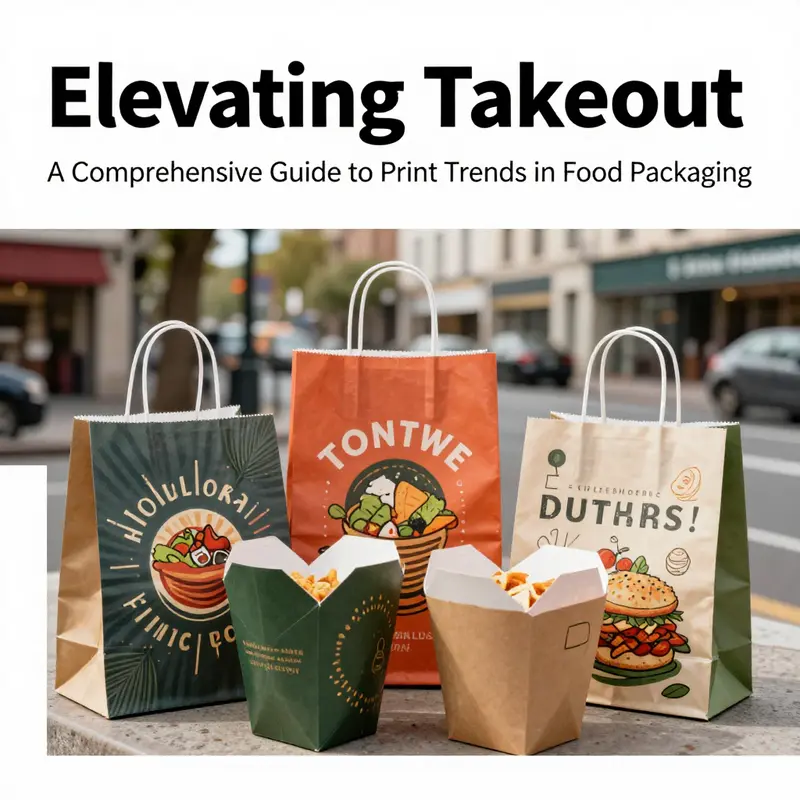
As food delivery services gain momentum, the role of takeout bag print becomes increasingly vital in shaping brand identity and meeting consumer expectations. For bubble tea shops, restaurants, food trucks, catering services, event planners, and corporate teams, understanding the evolving landscape of takeout bag print is essential. This article delves into the market’s current state, highlights innovative design trends, and emphasizes sustainable practices that are transforming food packaging. Each chapter offers insights that empower businesses to choose packaging solutions that resonate with their brand values and cater to environmentally conscious consumers.
From Cart to Canvas: Navigating the Dynamic Landscape of Takeout Bag Printing
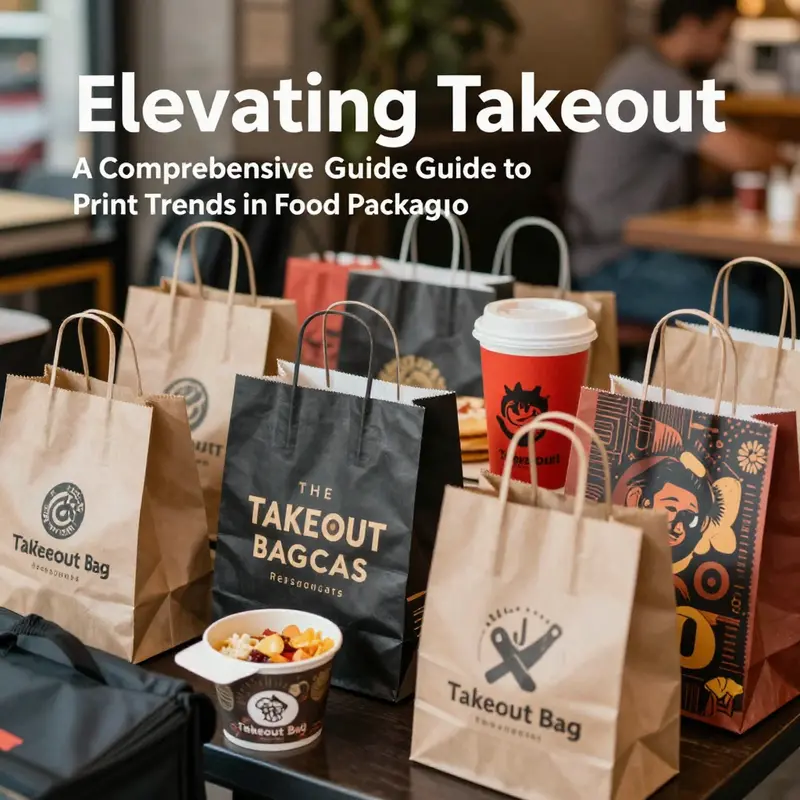
The takeout bag print market sits at a crossroads where function meets storytelling, where a simple disposable container can become a moving canvas for brand experience and consumer engagement. As food delivery and takeout culture continue to expand, restaurants and food brands increasingly view every bag not merely as a vessel but as a stakeholder in their communication strategy. The extended life of a bag, carried through streets and shared on social feeds, elevates the role of the print itself from mere label to message, from package to advertisement. This shift helps explain why the global print and packaging sector, which includes custom printed takeaway bags, has attracted sustained attention from operators who want to differentiate themselves without sacrificing efficiency or sustainability. The market’s scale and trajectory are clear: a growth arc that began in earnest long before the pandemic has accelerated into an era of heightened branding expectations and smarter material choices. A 2021 baseline showing a market size in the hundreds of billions has given way to projections that push well beyond seven hundred billion by the early 2030s, signaling not just a rebound but a redefinition of what constitutes value in packaging design and production. In practical terms, this translates into more brands investing in bags that can perform as portable brand ambassadors—more than a simple box holding a meal, more than a neutral carrier, more than a one-off printing experiment. The bag becomes a turnkey element of a cohesive ecosystem that includes the restaurant’s interior, its digital touchpoints, and its evolving storytelling through seasonal and thematic designs that resonate with local markets and global audiences alike.
The sustainability imperative sits at the core of these shifts. Consumer expectations are moving toward packaging that respects the environment without compromising aesthetics or durability, and regulators in key markets are nudging or mandating compostable or biodegradable options. Recycled kraft paper, bamboo pulp, and bagasse-based substrates are no longer niche choices but mainstream options that support circular economy goals while delivering the high-quality prints brands require. The material palette matters as much as the ink on the paper. Kraft and recycled supports offer the dual benefit of recognizable texture and good printability, allowing designers to craft visuals that feel premium while remaining aligned with waste management systems. In 2025, this alignment has become a decisive factor in supplier selection, with buyers gravitating toward suppliers who can demonstrate end-of-life performance, consistent color reproduction, and reliable moisture resistance. The narrative of sustainability is not merely about compliance; it is about creating a positive association with the act of consumption, turning a routine carryout moment into a conscious choice that aligns with broader values.
Behind the scenes, the geography of production shapes what is possible in bag printing. China remains a powerhouse for high-volume disposable food containers and printed bags, drawing on established industrial clusters in provinces such as Guangdong, Fujian, and Sichuan. These regions offer end-to-end capabilities—from raw material sourcing to prepress, printing, lamination, and finishing—creating a highly efficient pipeline that can deliver both large-scale runs and small-batch customization. The ability to move quickly between formats and sizes, while maintaining consistent brand fidelity, is a core strength for suppliers in these hubs. This flexibility is increasingly critical as brands seek shorter lead times without sacrificing print quality or environmental performance. Digital printing capabilities are enabling this acceleration; high-speed digital presses, supported by a growing ecosystem of UV-curable inks and water-based coatings, can print intricate designs with excellent color accuracy and weather resistance on recyclable substrates. In practice, this means orders that previously took weeks to complete can now be fulfilled in the span of a few days for small runs and within a few weeks for larger ones, depending on complexity and volume. Lead times in the range of 15 to 25 days for standard orders have become a practical benchmark in many supplier networks, supporting quick market tests and responsive brand campaigns that react to seasonal opportunities and consumer trends.
Design innovation in this space has moved beyond bold logos and bright colors. Modern takeout bags increasingly embrace storytelling and experiential elements, weaving narrative into the packaging itself. Seasonal motifs, cityscapes, or culinary themes can be rendered in ways that invite curiosity and sharing. These designs function as portable billboards, inviting a conversation about the brand, the origin of the ingredients, or the ethos of the restaurant. The print quality matters as much as the message; durable prints resist smudging and moisture, ensuring that the visual story remains legible from the moment the bag leaves the kitchen to the final mile of delivery. This durability is achieved not only through robust inks but also through intelligent coatings and lamination strategies that balance aesthetics with environmental considerations. Digital printing, in particular, has unlocked new possibilities for variable data and personalization. Brands can experiment with region-specific artwork, localized messages, or limited-time graphics that align with promotions or partnerships, all while preserving the ability to ramp up production quickly when the next trend emerges.
Beyond visual appeal, the integration of interactive elements is redefining how a bag communicates. QR codes, promotional offers, and social media handles can be embedded into the design in a way that feels native rather than gimmicky. When scanned, a QR code can unlock a loyalty moment, reveal a recipe, or direct a customer to a curated online experience that deepens engagement after the meal is eaten. This kind of design literacy elevates the takeaway bag from a single-use artifact into a gateway for ongoing brand interaction, blurring the line between packaging and digital marketing. It is a practical acknowledgment that a bag travels long distances and often meets customers in environments away from the restaurant, turning each exchange into a data point and a subsequent opportunity for connection.
The economic logic supporting these developments is grounded in user experience, sustainability, and supply chain robustness. The takeaway thermal bag segment, while still a specific niche within the broader packaging landscape, illustrates how a focused category can drive broader innovations. The market is projected to grow in tandem with the growth of takeout and delivery platforms, and it benefits from the convergence of several trends: the demand for sustainability, the acceleration of print technologies, and the appetite for richer, more immersive branding. The numbers attached to this evolution are not abstract; they reflect a market that seeks to balance environmentally responsible choices with the practical realities of shipping, handling, and tolerating a day-to-day hazard of moisture and abrasion during transit. In this sense, the bag becomes a test bed for new materials, inks, coatings, and design strategies, offering a blueprint for how packaging can do more without compromising the bottom line.
In practical terms, procurement ecosystems are adapting to these expectations by aggregating capabilities in a way that meets diverse client needs. Buyer-supplier relationships are increasingly built on a mix of standardization and customization, with suppliers offering modular options that can be combined to achieve a unique brand expression without sacrificing speed or scale. This is where platforms that connect buyers to verified manufacturers play a critical role, enabling buyers to compare options, verify compliance, and place orders with a clarity that was not always possible in the past. The interplay between centralized production strength and local design customization is a hallmark of the current era, allowing brands to maintain consistent identity while tailoring visuals to regional tastes and cultural nuances. The result is a market that feels both global in capability and intimate in execution, a dynamic tension that keeps the sector moving forward.
Amid this momentum, it is important to acknowledge the practical realities of sourcing and fulfillment. For brands exploring supply options, a growing number of suppliers in the relevant production corridors emphasize digital printing as a core competency, leveraging high-resolution capabilities that maintain color fidelity on recyclable substrates. The digital shift does not supplant traditional print methods; it complements them, offering rapid prototyping, cost-efficient short runs, and the ability to test variants quickly before committing to large-scale production. Flexographic printing and UV-curable inks continue to co-exist with water-based coatings, providing a spectrum of options for achieving durability, moisture resistance, and vibrant color through different environmental and regulatory contexts. The resulting portfolio of capabilities supports a diverse client base—from small, experimental eateries to large multi-unit operators—each seeking a packaging solution that aligns with their brand voice and logistical constraints.
Sustainability remains a through line that threads through material selection, printing methods, and end-of-life outcomes. Compostable and biodegradable packaging are increasingly mandated or incentivized in North America and Europe, shaping procurement strategies and supplier evaluation criteria. The emphasis on recyclability drives a preference for substrates that can be integrated into existing waste-management streams without adding complexity. The move toward eco-friendly materials is not merely a trend; it is becoming a baseline expectation that informs design choices, color palettes, and finish options. In this context, the bag design must harmonize with the material’s properties, ensuring that the final print resists wear while maintaining legibility when the bag is subject to moisture, rubbing, and the unpredictable rhythms of delivery.
From a business perspective, the takeout bag print market is a compelling case study in how packaging innovation can parallel and amplify a brand’s broader growth strategy. The bag is not incidental to the dining experience; it is now a strategic touchpoint that carries the brand into the street, into homes, and into social conversations. As such, the market rewards those who can marry design sophistication with practical performance, while also demonstrating a credible commitment to sustainability and ethical manufacturing. The path forward involves continued investment in digital capabilities, a broader palette of responsibly sourced materials, and a more nuanced understanding of consumer expectations across regions. It also requires a willingness to experiment with form factor, from bag dimensions to closures and handling features, to optimize both user experience and operational efficiency.
The dialogue around takeout bag printing is evolving in a way that leans into collaboration across the supply chain. Brands, packaging suppliers, and logistics partners are building closer alignment to reduce waste, shorten lead times, and improve overall impact. In this ecosystem, the bag becomes a node of connection—a compact, portable platform that communicates values, welcomes loyalty, and travels far enough to extend a brand story beyond the dining moment. For those who approach this space with intention, the rewards are not limited to aesthetic appeal or perceived quality; the packaging itself becomes a driver of customer perception, a predictor of brand memory, and a measurable contributor to the business’s growth. The takeout bag print market, therefore, is less a single product category and more a dynamic, integrated channel for design intelligence, sustainability discipline, and strategic storytelling that travels as readily as the meals it carries.
For readers seeking a practical entry point into supplier networks, the landscape offers a robust set of pathways. Buyers can connect with established producer clusters that offer scalable capacity and consistent quality, while also exploring boutique operations capable of delivering highly customized, limited-edition designs that test new concepts. The balance between scale and customization is a defining feature of today’s market, enabling brands to iterate quickly and learn from real-world feedback. In this way, the takeout bag print landscape mirrors the broader shifts in consumer packaging: convergence of performance and personality, a shift toward materials that respect the environment, and a reliance on digital tools and data to drive smarter decisions about color, finish, and messaging. The result is a packaging ecosystem that is not only more visually compelling but also more efficient, resilient, and responsive to the needs of both businesses and their customers.
For organizations seeking to source customized printed takeout bags, platforms such as Alibaba provide access to a wide network of certified suppliers with international trade competence and scalable production capacities. This connectivity can shorten development cycles, enable more precise cost estimation, and support compliance with cross-border requirements. The broader implication is clear: the market is increasingly democratized, with opportunities for brands of all sizes to experiment, scale, and communicate their values through thoughtfully designed, sustainably produced takeout bags. External resource: Alibaba Custom Takeout Bag Printing Solutions.
Carrying Brand Stories: The Evolution of Takeout Bag Print in a Sustainable, Digital Era
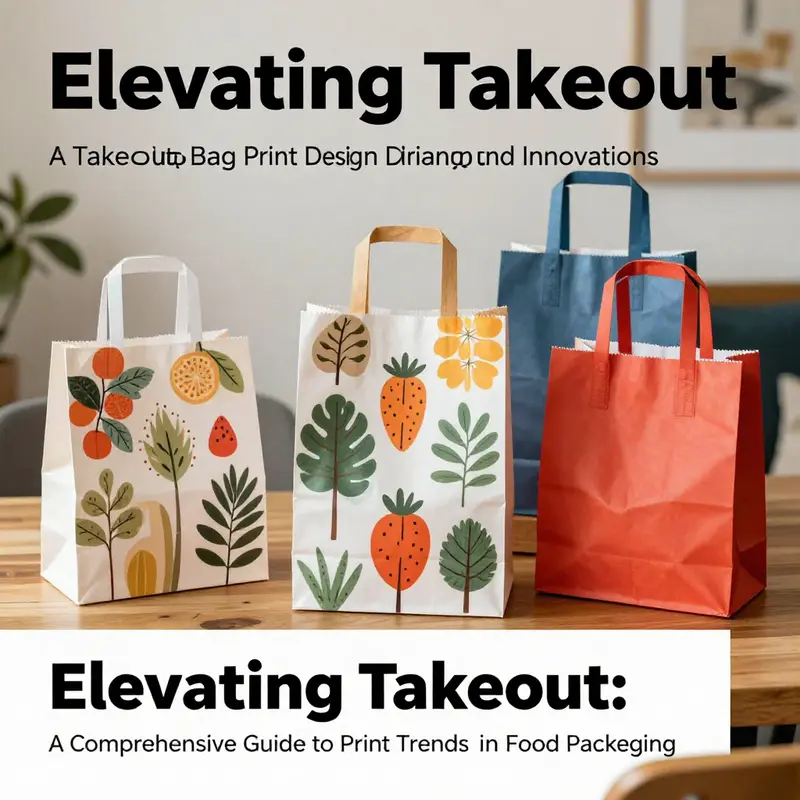
Takeout bag print is less a purely functional detail than a moving surface where brand personality, consumer values, and packaging technology converge. The bag becomes a tiny billboard that travels through city streets, couriers’ backpacks, and customers’ hands, translating a restaurant’s voice into color, texture, and form. In recent years, the pace of change in takeout bag printing has accelerated as the food-delivery ecosystem expands and as diners increasingly expect packaging to reflect responsible choices. This shift is not only about catching the eye at the moment of order pickup; it is about creating a lasting impression that can be shared on social feeds, archived in memory, and recalled during repeat visits. The print on a bag can hint at a culinary identity, a mood, and a promise of quality, while also signaling respect for the environment. In this sense, bag design becomes an integrated element of brand strategy, a tactile extension of a restaurant’s narrative that travels with the consumer wherever they go.
To understand where takeout bag print sits today, it helps to anchor the discussion in market context. The broader print and packaging sector, which encompasses custom printed takeaway bags, crossed a substantial threshold in the early 2020s, with analyses estimating a global value near three hundred and thirty-four billion dollars in 2021. Projections point to a new plateau by the mid-2030s, with estimates suggesting the market could reach around seven hundred and five billion dollars, riding a CAGR of roughly 6.4 percent. This growth is driven by a confluence of demand from fast-casual operators seeking functional branding tools and consumers who increasingly favor packaging that aligns with environmental stewardship. Such dynamics place takeout bag print at the intersection of commerce, design, and sustainability, making it a bellwether for how brands communicate, compete, and connect with guests in a crowded, highly visual market.
The manufacturing map behind takeout bag print also helps explain the shape of the industry today. China remains a dominant hub for high-volume bag production, leveraging established industrial clusters in regions like Guangdong and Shandong. These clusters offer end-to-end supply chain solutions—from material sourcing to sophisticated printing processes and final delivery—so brands can scale efficiently while maintaining consistency across thousands of bags. That concentration of capability has a direct bearing on the options available to restaurateurs and packaging designers. It also places a premium on the ability to source eco-friendly materials, inks, and adhesives that meet rising sustainability expectations without sacrificing color, durability, or cost effectiveness. In this ecosystem, the material choices for takeout bags—particularly kraft paper stock and other recyclable options—are pivotal, because they communicate a brand’s environmental commitments as clearly as any logo or tagline.
Sustainability is no longer an afterthought in bag design; it is a core criterion that informs every decision from fiber selection to ink chemistry and print method. Kraft paper, often bleached or unbleached depending on the desired aesthetic and compostability, has emerged as a favored option for many brands due to its recycled content potential and recyclability. The goal is to balance performance with responsibility: bags must withstand the rigors of transport and handling, resist wear during the chain of custody, and still break down in recycling streams or compost at the end of their life cycle. The adhesives and coatings used on these papers are increasingly scrutinized, with a preference for materials that align with circular economy ideals. Inks play a critical role as well, with water-based and soy-based formulations gaining traction for their reduced environmental footprint compared to more traditional solvent-based inks. In a market that prizes vivid expression, these greener inks must still deliver crisp color and legible typography, a balance that requires continuous innovation in printing technology.
From an aesthetic vantage point, the bag design field in 2026 demonstrates a strong tilt toward bold, energetic visuals. Designers are embracing vibrant color palettes and bold typography to ensure that a bag performs as a moving advertisement while conveying the brand’s personality with immediacy. This boldness is not merely about attention retention; it’s about translating a dining experience into a visual promise. A powerful typographic statement can signal honesty, playfulness, luxury, or clever irreverence, depending on the brand’s voice. The use of striking imagery—whether illustrative motifs, stylized food photography, or abstract patterns—serves a dual purpose: it creates a memorable silhouette on shelves and counters, and it reinforces a memorable association with the cuisine itself. In practice, these designs aim to be legible at a glance, even when viewed from a distance during a line, a curbside pickup, or a passing glance through a city window.
But bold aesthetics alone are not enough in a market where speed and personalization matter. The rise of print-on-demand (POD) technology has democratized bag design, enabling small businesses, pop-up concepts, and independent chefs to experiment with their branding without incurring prohibitive upfront costs. POD makes it feasible to test motifs, phrases, and seasonal shifts while maintaining the ability to pivot quickly in response to customer feedback or changing promotional campaigns. In a dynamic food landscape, this flexibility can turn a simple carry-out bag into a canvas for storytelling—an evolving piece of packaging that can reflect a chef’s seasonal menu, a pastry chef’s holiday collection, or a neighborhood cafe’s community initiative. In effect, POD lowers the barrier to experimentation and helps brands cultivate a more intimate relationship with their guests by delivering unique, limited-run bags that celebrate individuality as well as appetite.
This democratization intersects with a broader trend: personalization. Consumers respond to packaging that feels tailored to them, and POD makes it economically viable to offer customized takeout bags for events, celebrations, or even individual preferences. A bag might feature a guest’s name on a special occasion order, or it could present a limited-edition design tied to a seasonal campaign. Beyond name personalization, brands can experiment with localized motifs, festival-inspired colorways, or collaborative graphics that reflect the neighborhoods they serve. The net effect is a more engaging consumer experience, one that invites sharing and dialogue between the restaurant and its customers. As the design language becomes more expansive, brands are also learning to calibrate readability and brand recognition with complexity. A bag can carry multiple messages—brand identity, sustainability statement, and a seasonal narrative—provided the typography remains legible and the color contrast remains strong at small sizes.
The design vocabulary of takeout bags also gravitates toward material-informed aesthetics. Eco-friendly materials are not merely an ethical choice; they enable sensory experiences that align with the brand’s values. The texture of the stock, the heft of the bag, and the matte or glossy surface can all influence perceived quality. Designers are exploring finishes that elevate the bag’s tactile appeal while maintaining performance in transit. Textures that hint at natural fibers, or finishes that suppress glare to improve readability, can significantly affect how a bag is perceived during a customer’s journey. The integration of design with material science is increasingly evident, with packaging professionals testing coatings that resist grease, moisture, and abrasion while still allowing inks to render bright, clean images. The result is a packaging ecosystem that feels premium without compromising sustainability or practicality.
One practical consequence of these tendencies is the need for robust color management and print fidelity across runs. Bags travel from printers to warehouses to delivery routes, and color consistency becomes a defining factor for brand integrity. Flexographic printing has remained a workhorse for high-volume jobs because of its speed and efficiency on corrugated, kraft, and paper stock. Its capabilities have evolved to accommodate more varied inks and substrates, enabling more expressive color with less material waste. At the same time, digital printing technologies have expanded the realm of possibility for personalization and small-batch runs. Digital workflows enable rapid proofs and on-demand iterations, shortening the path from concept to curbside handoff. The blending of flexographic and digital methods—often referred to as hybrid printing—gives brands a pragmatic path to scale while preserving the option to tailor designs for communities, events, or customer segments.
The convergence of design with supply chain realities also shapes what is feasible in takeout bag print. The push for sustainable packaging is driving not just what is printed, but how it is printed and what happens to the bag at the end of its life. Manufacturers and brands are increasingly mindful of the entire lifecycle—from raw fiber sourcing and energy use in the pressroom to end-of-life disposal options for consumers. Recyclable paper stocks and inks that do not hinder recycling streams are no longer mere preferences; they are near-necessities in many markets. The emphasis on environmental responsibility intersects with regulatory frameworks and consumer sentiment, which in turn influences the creative brief and production plan. As a result, a bag’s design must balance aesthetic impact with practical constraints like color durability, print speed, and the ability to withstand the rough dynamics of courier networks.
In practice, this means that a successful takeout bag design in 2026 is not a static graphic but a dynamic system. The visual identity must be legible in motion, resonant at a distance, and resonant upon close inspection. It should reflect the brand’s story while accommodating seasonal or event-driven appearances. The design also has to respect the environment and respond to the modern consumer’s demand for transparency around materials and processes. When these elements align—bold, compelling visuals; personalization options; eco-friendly materials and inks; and efficient, scalable production—the result is a packaging experience that reinforces trust and loyalty. In the best cases, a bag becomes a shared space for storytelling—an invitation to linger on the consumer’s social feed, to recall the dining moment, and to return for another taste.
To those seeking ongoing inspiration, industry observers point to the role of design platforms and social media in shaping real-time trends. Data from a major design-oriented platform indicates that searches related to takeout bag designs have surged, underscoring the appetite for fresh, trend-forward concepts. This social feedback loop feeds into production planning and creative briefs, accelerating the adoption of new motifs, color systems, and materials. The ecosystem thrives on a balance between being visually arresting and being pragmatically producible at scale. The best bags negotiate this balance with elegance, turning packaging into a visible extension of a restaurant’s values and ambitions.
For practitioners who want to anchor their design thinking in concrete resources while preserving an eye toward sustainability, there is practical guidance to be found in both material and content libraries. From a materials perspective, selecting paper stocks that combine recyclability with a desirable tactile impression can elevate a bag’s perceived quality. The interplay between the stock’s texture, the ink’s finish, and the chosen coating—if any—will influence how the final bag reads in a quick glance or up-close inspection. Design teams are increasingly collaborating with printers early in the concept phase to explore how different combinations perform under real-world handling, weather exposure, and long delivery routes. The outcomes of these collaborations can yield a printing strategy that preserves color vibrancy while protecting the environment—an essential combination in today’s packaging economy.
Conceptually, the bag is part of a broader narrative about how brands communicate through everyday objects. The aesthetics are not isolated bits of decoration; they are integrated signals that convey intent, taste, and social responsibility. Seasonal designs can evoke festivities, cultural motifs, or local pride, while ongoing campaigns can create a sense of continuity and anticipation. The story-driven approach—where a bag hints at the menu’s origins, the chef’s craft, or a community initiative—adds a layer of engagement that extends beyond the restaurant’s interior and digital touchpoints. In a marketplace where a customer might encounter dozens of brands in a single week, these narrative cues help a bag stand out, while the underlying material decisions reassure the guest about the brand’s commitment to sustainability.
As the discourse around takeout bag print continues to evolve, one constant remains: design is a collaborative, iterative process. It requires input from brand managers, designers, packaging engineers, and printers who understand not only how to render a strong image but also how to optimize for cost, durability, and environmental impact. The most successful outcomes emerge when teams treat the bag as a living ambassador—one that can adapt to new menus, seasonal campaigns, and local partnerships without sacrificing coherence. In this sense, 2026 represents a turning point where aesthetic boldness meets practical stewardship, and where the bag’s surface becomes a narrative thread that binds the dining experience to a responsible, forward-looking production ecosystem.
If you’re seeking a practical spark for your next project, consider how a single bag design can reflect multiple layers of intention: brand personality, seasonal relevance, sustainability commitments, and operational feasibility. The most effective designs don’t merely catch the eye; they invite conversation, encourage sharing, and reinforce trust at the moment of takeout. They also acknowledge the realities of rapid delivery and high-volume packing by employing clear typography, high-contrast color schemes, and durable print methods that endure in transit. In a world where the takeout bag has become an important touchpoint, investing in thoughtful, sustainable, and creatively bold print design is one of the strongest ways to translate a restaurant’s culinary excellence into a visually compelling, portable experience.
For those looking to explore further inspiration and real-time trends in takeout bag design, a useful reference point is the broader ecosystem of packaging-related visuals and ideas that circulate on design platforms. Paper-backed, print-forward bags can be a starting point for brands aiming to balance color vitality, legibility, and environmental responsibility. If you’re seeking a curated source of ideas and contemporary patterns, you can explore our tactile, design-driven materials in the Paper Bags category, which presents a range of options from minimalist to expressive. Paper Bags.
External resource: https://www.pinterest.com/
Ink, Impact, and the Circular Promise: Rethinking Sustainability in Takeout Bag Printing
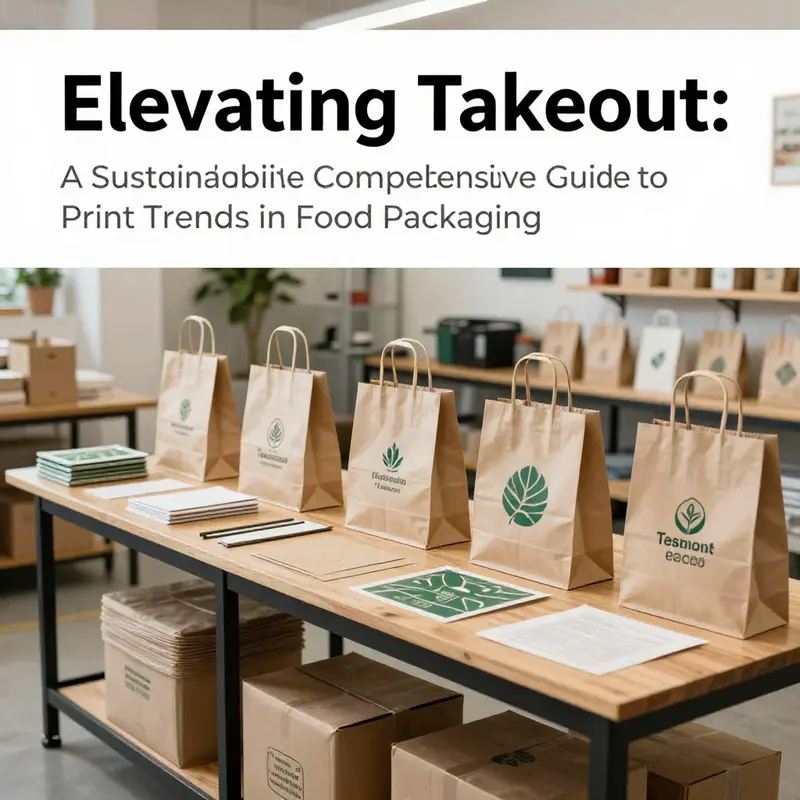
The takeout bag printing landscape is no longer a simple run of color on cardboard or kraft. It has become a complex negotiation among brand storytelling, operational efficiency, and a growing commitment to environmental responsibility. As delivery platforms scale and consumer expectations shift toward eco-conscious choices, brands are increasingly asking printers to treat packaging as a strategic asset rather than a disposable afterthought. In this context, sustainability is not a singular feature to be bolt-on; it is an end-to-end mandate that shapes material selection, printing technology, waste management, and the long arc of product lifecycle thinking. The result is a marketplace where the core decisions are not just about how bags look, but about what they mean to people, to the planet, and to the broader economy that sustains the foodservice sector.
At its heart, sustainable takeout bag printing begins with the lifecycle of the bag itself. A paper bag, once inside the workflow, has different routes depending on its construction: uncoated or lightly coated kraft, laminated structures for moisture resistance, or innovative bio-based laminations designed to seal in freshness while enabling composting or recycling. Each choice shifts the bag’s end-of-life path. The designers and printers who drive these choices must understand how the bag will be used in real-world conditions. A bag in a busy cloud kitchen needs to withstand a short, intense transport cycle and a quick unwrap at the counter, while still remaining compatible with local recycling streams. This is where sustainability stops being abstract and becomes practical guidance for material science, print fidelity, and supply chain coordination.
One of the most transformative shifts in this space is the adoption of water-based inks. Traditional solvent-based inks bring high performance in terms of color vibrancy and fast production, but they release volatile organic compounds that can affect air quality in production facilities and create potential health concerns for workers. Water-based inks, by contrast, offer a safer, lower-VOC profile that aligns with evolving workplace safety standards and urban air quality expectations in and around manufacturing hubs. The shift to water-based inks does not merely reduce environmental impact; it also simplifies regulatory compliance in many markets that scrutinize emissions and worker safety more closely. When a printer integrates water-based inks with precise color management and on-press curing techniques, the result can be a bold, consistent brand message that is easier to certify as sustainable by third parties and buyers alike. This is not a marginal improvement; it is a foundational change in how a takeout bag can communicate a brand’s values while staying faithful to the required performance standards of high-volume output.
Certification plays a central role in translating these efforts into credible, market-ready claims. In practice, many leading Chinese manufacturers—central to the global supply chain for high-volume takeout bags—are pursuing recognitions such as FSC and PEFC. These certifications attest that the paper used comes from responsibly managed forests and that the chain of custody is maintained through the printing and packaging process. For brands exporting to Europe and North America, these credentials carry substantial weight. They provide a verifiable basis for claims about sustainable sourcing and help brands meet the growing expectations of retailers, regulators, and increasingly informed consumers. Certification is not a checkbox on a bill of materials; it is a signal that sustainable intent is embedded in procurement choices, supplier audits, and ongoing governance across the packaging supply chain.
Beyond the forest, the packaging materials are evolving as well. Biodegradable laminations and compostable coatings are advancing the environmental profile of printed takeaway bags, enabling end-of-life scenarios that align with broader circular economy goals. Yet the real value lies in understanding how these materials behave in actual waste streams. Compostable coatings, for example, may require industrial composting facilities to break down efficiently. In regions where industrial facilities are scarce, such coatings may not deliver the anticipated benefit unless the local waste infrastructure evolves in tandem. The industry is responding by designing laminations that offer a balance between barrier performance and recyclability, aiming to preserve the integrity of recycling streams while still providing moisture resistance and product integrity. This balancing act demands collaboration among material scientists, packaging engineers, waste managers, and brand sustainability teams to determine the most appropriate structure for a given market, product category, and consumer behavior pattern.
Minimizing waste within the production process is another pillar of sustainable takeout bag printing. Digital printing technologies have become a central lever for reducing waste in high-volume production, where the cost of make-ready and plate setup can be a major contributor to overproduction. Shorter print runs, flexible design changes, and on-demand production enable brands to respond to seasonal campaigns, limited editions, or city-specific promotions without generating excess inventory or obsolete stock. In practice, this means a printer can deploy a seasonal colorway or a limited-time motif without committing to a long, expensive production cycle. The environmental payoff is tangible: less paper waste, lower energy consumption per bag, and reduced need for storage space in the supply chain. This approach is particularly impactful in manufacturing hubs such as Guangdong, where exporters’ expertise in compliance and logistics intersects with the adoption of cutting-edge digital workflows. The result is a more responsive supply chain that can align design cycles with consumer interest while maintaining high print quality and color accuracy across tens or hundreds of millions of bags.
Procurement and supply chain transparency complete the sustainability puzzle. The modern takeout bag ecosystem increasingly calls for visibility across the material journey—from forest to finished bag. Digital product passports, carbon footprint reporting, and supplier sustainability declarations are becoming standard features in procurement playbooks. For brand teams, this transparency supports ESG (Environmental, Social, and Governance) reporting, investor relations, and consumer trust. It also encourages a more thoughtful approach to supplier selection: not only which facility can deliver top-line print quality, but also which partner can verify inputs, monitor emissions, and share progress toward declared goals. In some configurations, this translates into closer collaboration with suppliers to integrate circular economy principles, such as using post-consumer waste streams for fiber content, or enabling take-back programs that allow restaurants and consumers to return bags for recycling or composting where feasible. This shift toward a more circular approach is a natural evolution from the linear model of production to a system where packaging materials are designed with their next life in mind.
The design field itself is evolving to support these sustainability goals without sacrificing brand impact. Designers are increasingly embracing seasonal and thematic motifs that engage customers while staying mindful of print runs and material choices. The luxury of endless variation is tempered by the pragmatic need to minimize waste and ensure that color, texture, and legibility remain consistent across large production batches. Interactive and story-driven designs are gaining traction, but they are paired with smarter production planning that reduces misprints and scrap. In this environment, the design brief becomes a roadmap for material compatibility, ink systems, and lamination choices that harmonize with recycling or composting streams. The challenge is to deliver a compelling consumer experience—an identity that travels well with a customer through the city, then re-enters the waste system in a way that aligns with local infrastructure and regulatory expectations.
For brands that insist on paper-based packaging, the options within the paper bags category reflect a conscious effort to harmonize aesthetics with environmental performance. The packaging ecosystem now frequently features bags designed to optimize fiber sourcing, enable efficient printing, and support post-use separation. The goal is to ensure that the visual language of a brand’s packaging remains strong without compromising the bag’s end-of-life pathway. To illustrate how this works in practice within the broader ecosystem, one can explore the paper bags category as a living catalog of choices, from the weight and texture of the paper to the coatings that influence moisture resistance and recyclability. This is not merely a catalog of materials but a practical toolkit for balancing form and function in a way that respects both consumer expectations and planetary boundaries. For those who want to see concrete options in context, the paper bags category provides a useful reference point and a tangible starting place for brands seeking to align their packaging with sustainability objectives.
The broader industry context reinforces that sustainability in takeout bag printing is inseparable from market dynamics. The global print and packaging market continues to expand, propelled by the growth of food delivery and the demand for branded, functional packaging. Yet the trajectory is not a straight line up; it is a path shaped by regulatory developments, consumer activism, and corporate sustainability programs. As brands and manufacturers invest in greener inks, certifiable forest stewardship, and packaging designs that can be credibly integrated into recycling or composting streams, the takeout bag becomes a test case for how packaging can be both visually engaging and environmentally responsible. The value proposition extends beyond compliance. It is about building brand loyalty through transparent practices, enabling consumers to feel good about the choices they make when they grab a bag of food and a story about a company’s values along with it.
In this evolving landscape, the relationship between material science, printing technology, and supply chain governance is increasingly collaborative. Engineers and chemists partner with sustainability leads to chart the most effective balance of barrier performance, fiber origin, ink systems, and end-of-life pathways. Digital workflows enable more precise control over color and waste, while certification programs provide the external assurance that the work being done aligns with recognized environmental standards. The Guangdong region’s prominence in high-volume production is not an accident; it reflects a mature ecosystem where material sourcing, printing expertise, and logistics networks converge to deliver both scale and sustainability. The region’s capacity to implement responsible practices at scale—paired with export compliance knowledge and a growing emphasis on circular economy principles—helps explain why sustainable takeout bag printing is increasingly feasible for global brands.
The conversation about sustainability in takeout bag printing is not a single act but a continuum. It includes educating consumers about proper disposal, designing for recyclability, and collaborating with municipal waste programs to align packaging with local infrastructure. It involves ongoing refinement of lamination technologies to reduce the time and energy required for manufacturing while preserving barrier properties. It also encompasses developing procurement strategies that reward suppliers who publish verifiable data on carbon footprint, water use, and end-of-life outcomes. In short, sustainability is an operating principle that redefines what success looks like in takeout bag printing. It is about creating packaging that honors a brand’s story and a community’s needs, without sacrificing performance or reliability in a fast-moving, high-volume sector.
As the market expands toward the 2030s and beyond, the role of sustainability in takeout bag printing will continue to ascend. The projections for the global print and packaging market imply a sustained appetite for innovations that reduce environmental impact while enabling more expressive, relevant branding. The challenge will be to keep pace with consumer expectations, regulatory requirements, and advances in materials science. The path forward will likely feature deeper collaboration among forest stewards, ink formulators, laminator designers, and waste-management systems. It will also demand more sophisticated metrics and reporting that translate design decisions into measurable environmental benefits. If the industry can sustain this collective effort, takeout bags will be seen not as disposable carriers but as responsible vessels that carry stories, values, and a shared commitment to a healthier planet. To that end, continued attention to forest certification, recycled or responsibly sourced fibers, low-VOC inks, and transparent supply chains will remain essential anchors. And for brands seeking to participate actively in this transformation, the paper bags category and its growing ecosystem offer both a practical pathway and a symbolic promise: packaging that respects both peoples and place, while continuing to perform in the hands of millions of diners every day.
External resource: https://www.fsc.org/en
Final thoughts
The takeout bag print market is more than just a functional aspect of food delivery—it’s a vital component of brand identity and customer engagement. By keeping abreast of market trends, innovative designs, and sustainable practices, businesses in the food service industry can leverage takeout bags as powerful branding tools. As consumer preferences evolve towards sustainability and personalization, embracing these insights will empower companies to thrive in an increasingly competitive landscape. Remember, your packaging is often the first interaction customers have with your brand; let it tell your story effectively.