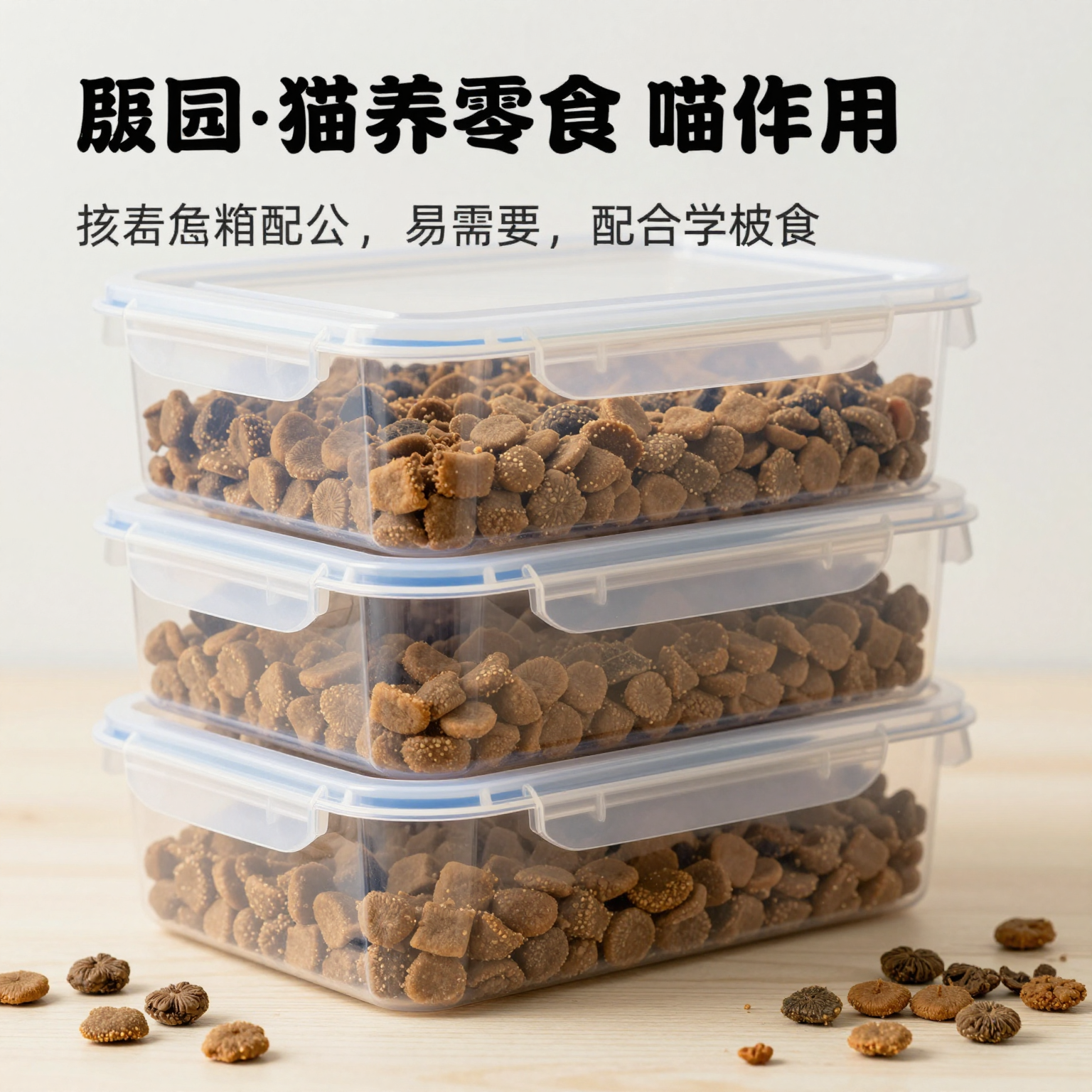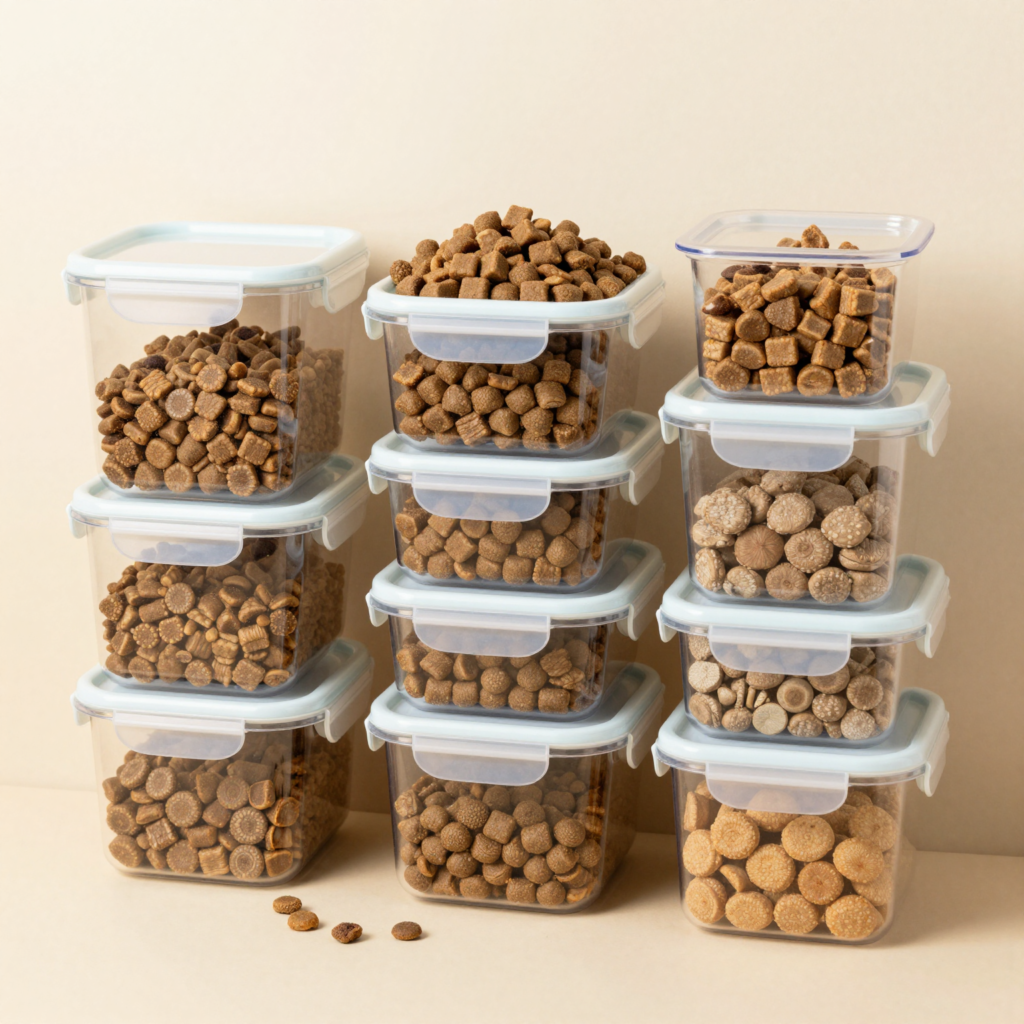
In the food industry, maintaining quality control is paramount, especially for businesses like bubble tea shops, restaurants, food trucks, and catering services. Proper food storage plays a crucial role in ensuring that ingredients remain fresh and safe for consumption. Inadequate storage methods can lead to spoilage, foodborne illnesses, and even tarnish a brand’s reputation. As consumers increasingly seek transparency and quality in what they eat, businesses must prioritize not just the taste of their offerings, but also how they handle ingredients. For instance, storing cat food in inappropriate containers can compromise the food’s integrity and nutritional value, which can be a concerning issue for businesses that cater to pet owners, like catering services that include pet-friendly options. Therefore, understanding the best practices for food storage is critical to maintaining high standards of quality and safety. Learn more about the benefits of using sustainable materials and proper packaging methods.
Benefits of Using Plastic Containers for Cat Food Storage
When it comes to storing cat food, utilizing plastic containers offers a wealth of benefits that resonate well with food service professionals, particularly in the context of beverage shops, restaurants, and catering services. Here are some significant advantages:
1. Convenience
- Lightweight & Portable: Plastic containers are far lighter than glass or metal options, making them easy to transport and rearrange within any food storage area.
- Easy to Clean: Most plastic containers are dishwasher-safe, ensuring you can maintain hygiene without much effort. This is crucial to providing safe food storage for your feline friends.
- Variety of Sizes: Available in various sizes, they fit different storage needs, from small home-use containers to larger units suitable for multiple locations.
2. Cost-Effectiveness
- Affordable: Generally, plastic containers are less expensive than their glass or metal counterparts. This price point makes them an attractive option for food service operations that need to manage costs effectively.
- Durable: While they come at a lower price, many durable plastic containers are designed to withstand repeated use, thus offering longevity that can lead to cost savings in the long term.
3. Protection from Environmental Factors
- Moisture Resistance: Plastic containers help prevent moisture penetration, critical for preserving the freshness of cat food and maintaining its nutritional quality, reducing waste caused by spoilage.
- Insect and Pest Protection: A tightly sealed plastic container keeps out pests that can compromise food integrity. This feature is especially important for food service providers who need to adhere to strict hygiene standards.
- UV Protection: Many plastic containers are designed to block harmful UV rays that can degrade food quality, ensuring that the food stays fresh longer.
Conclusion
Using plastic containers for cat food storage is a smart choice for those in the food service industry. Not only does it ensure convenience and cost savings, but it also provides vital protection against environmental factors that can affect food quality. For insights on sustainable packaging options, learn more about sugarcane cup benefits and how they compare to traditional storage methods.
Potential Downsides of Storing Cat Food in Plastic Containers
Storing cat food in plastic containers may seem convenient, but there are significant health concerns and contamination risks to consider, especially for businesses prioritizing food safety.
Health Risks
Certain plastics can leach harmful chemicals into food, particularly those not designed for long-term storage. Chemicals like bisphenols (BPA, BPS) and phthalates can migrate into your cat’s food when the plastic is exposed to heat, moisture, or acidic ingredients. These endocrine disruptors may lead to hormonal imbalances and digestive issues in pets, impacting their overall health over time. The American Veterinary Medical Association (AVMA) recommends using food-grade, BPA-free containers or switching to glass or stainless steel for safer long-term storage.
Contamination Risks
A recent study in the Journal of Veterinary Environmental Health found that reusable plastic containers can shed microplastics and migrate chemicals when reused for pet food. Elevated levels of phthalates were detected in kibble stored for more than a week, raising concerns about oxidative stress and gastrointestinal inflammation in pets. Thus, transferring pet food to opaque, food-safe containers made from high-density polyethylene (HDPE) or non-plastic alternatives is crucial to minimize these risks (PetMD).
Comparing Storage Options for Cat Food
When choosing how to store cat food, several options stand out: plastic containers, metal containers, and glass jars. Each has its pros and cons, costs, and best usage scenarios. Below is a helpful comparison of these storage solutions:
| Storage Option | Pros | Cons | Average Cost | Recommended Usage |
|---|---|---|---|---|
| Plastic Containers | – Lightweight and portable – Generally more affordable – Variety of sizes |
– Can retain odors – May leach chemicals – Not as durable over time |
$10 – $30 | Good for short-term storage; great for frequent use. |
| Metal Containers | – Airtight seals prevent pests – Long-lasting and durable – Generally more eco-friendly |
– Heavier than other options – Can be expensive – Not see-through |
$25 – $60 | Best for storing large quantities; great for long-term use. |
| Glass Jars | – Non-reactive surface; maintains purity – Easily cleaned – Attractive design |
– Fragile and heavy – More expensive than other options |
$15 – $50 | Ideal for display or in-home storage; best for smaller amounts. |
Conclusion
Choosing the right storage option for cat food depends on your specific needs, whether you prioritize cost, durability, or aesthetics. Learn more about suitable storage solutions that can fit your requirements.
Best Practices for Food Storage in Food Service Businesses
Food safety is a significant concern for any food service business, from bubble tea shops to catering services. Implementing proper food storage practices not only enhances safety but also affects quality and freshness. Here are some best practices that resonate with food service professionals:
- Maintain Proper Temperature Control
- Cold Foods: Store refrigerated items below 41°F (5°C) to inhibit bacterial growth.
- Hot Foods: Keep hot items above 135°F (57°C) to ensure they remain safe for consumption.
- Adopt FIFO (First In, First Out)
- Ensure older stock is used before newer stock to prevent spoilage and waste. This is crucial in maintaining the freshness of ingredients, especially perishables.
- Prevent Cross-Contamination
- Store raw meats separately from ready-to-eat items and use distinct storage containers. This reduces the risk of foodborne illnesses.
- Use Appropriate Packaging Materials
- Choose food-grade containers that are durable and will not leach harmful substances into the food. Ensure they are correctly sealed to avoid contamination.
- Effective Labeling
- Clearly label all storage containers with contents and expiration dates. This helps staff manage inventory efficiently and keeps track of food safety.
- Regularly Monitor Storage Conditions
- Conduct frequent checks on temperatures and cleanliness of storage areas. This includes ensuring that shelves are free from spills and debris, which can lead to contamination.
- Staff Training
- Train your team in food safety protocols and the importance of proper storage techniques. Consistent practices across your staff can greatly enhance safety and quality.
By following these best practices, food service businesses can significantly improve their food safety protocols and deliver quality products to their customers. More on food safety guidelines can be found in the FDA Food Code and in USDA’s outline on food safety standards for restaurants.

Visual representation of best practices for food storage in food service businesses.
User Reviews on Plastic Food Storage Containers
User experiences with plastic containers for food storage are mixed, focusing heavily on safety and reliability. Here are key takeaways from various testimonials:
- Many users appreciate the lightweight and portability of plastic containers. They find them practical for home use, meal prep, and food service in settings like restaurants and food trucks.
- Safety Concerns: Health experts warn against potential risks associated with plastic, especially regarding BPA and other harmful materials. Several reviews recommend choosing containers labeled “BPA-Free” or “Food-Grade” to mitigate risks. Long-term storage, especially of acid or oily foods, can lead to chemical leaching.
- Reliability: Brands that adhere to FDA and EU standards tend to receive higher trust ratings among users. High-quality containers are recognized for their durability and effectiveness in preventing leaks and maintaining food freshness.
- However, concerns linger about the longevity of plastic containers, as many users reported that wear and tear could lead to food contamination and odors.
For more insights on eco-friendly alternatives, you can learn more about sustainable options in food storage.
In summary, safe storage practices for cat food are essential to ensure the freshness and well-being of your feline friends. By transferring dry cat food to airtight containers made of BPA-free materials and keeping it away from moisture, light, and heat, you can significantly extend its shelf life. For wet cat food, always refrigerate opened cans and discard any remaining food after a few hours at room temperature.
It’s crucial to check expiration dates regularly and maintain a clean environment to prevent contamination. Using proper storage strategies not only benefits your pets but can also save your establishment money by reducing waste.
As a professional in the food industry, consider incorporating high-quality storage solutions into your offerings to meet safety standards and customer expectations. If you’re interested in sustainable and effective food storage options, explore our range of products designed specifically for the catering and hospitality industries. Learn more about safe food storage solutions and enhance your business today!

Consumer Preferences for Food Storage Solutions
Understanding consumer preferences for food storage solutions is essential for businesses in the food industry. Based on recent studies, consumers tend to favor solutions that are not only functional but also sustainable and convenient. Here’s an overview of statistics that reflect what consumers are looking for in their food storage products:
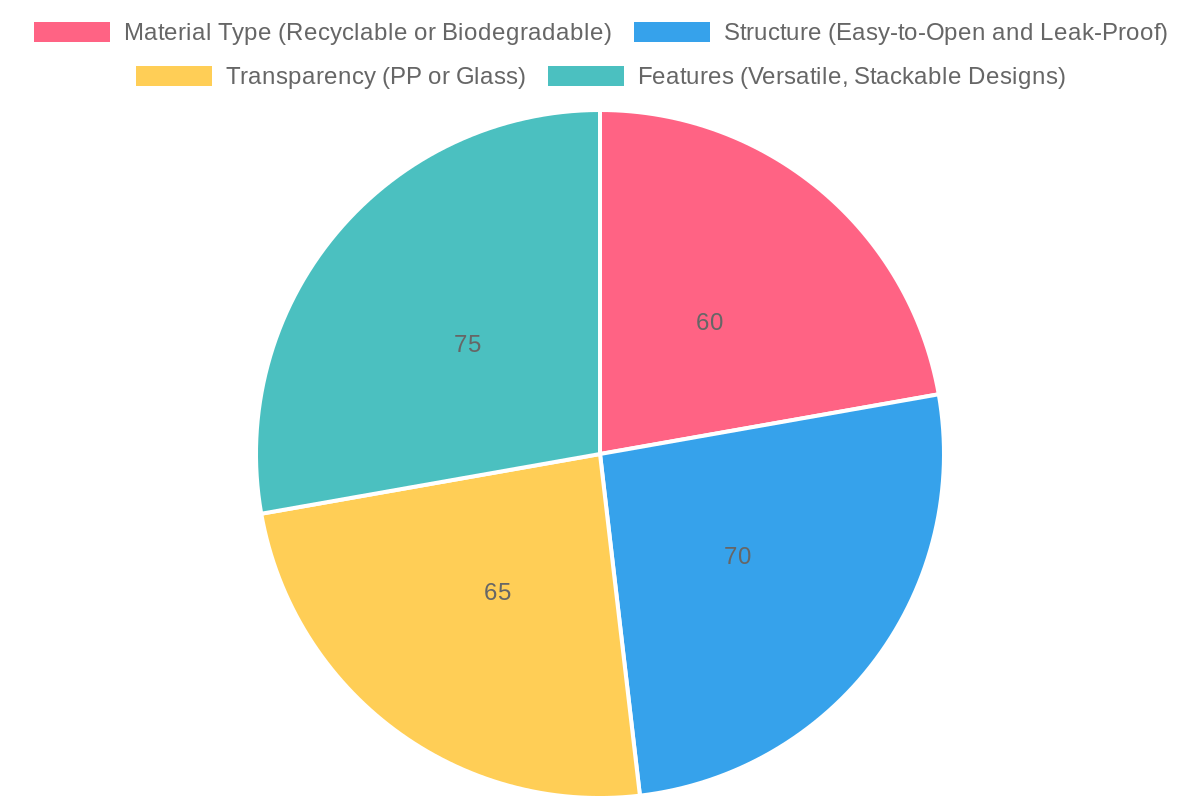
Key Preferences:
- Material Type: 60% of consumers prefer recyclable or biodegradable materials.
- Structure: 70% favor products that are easy to open and leak-proof.
- Transparency: 65% like transparent materials such as PP or glass for better visibility of contents.
- Features: 75% prefer versatile and stackable designs that save space.
These insights illustrate the shift towards eco-friendly and user-friendly storage solutions. For more information regarding sustainable packaging options, feel free to explore our blog on sugarcane cup benefits.
“Using food-grade, non-toxic, and temperature-resistant storage materials is essential for preventing contamination and ensuring compliance with food safety regulations. Avoid using cracked or non-specific containers for food storage.”
- Food Safety Expert
Storing cat food properly not only preserves its quality but also safeguards your pet’s health. Ensure that any containers you use are labeled as food-safe to minimize risks associated with plastic degradation. For further insights on sustainable food packaging, learn more about sugarcane cup benefits and disposable paper buckets technology.