

In today’s fast-paced food industry, understanding the intricacies of food storage is more critical than ever, especially for businesses like bubble tea shops and restaurants. Plastic containers have become a staple in storing and serving food due to their convenience and versatility. However, it’s essential to know how long food remains safe and retains its quality when stored in these containers. This knowledge not only ensures food safety but also enhances customer satisfaction by delivering fresh products. Maintaining high standards starts with understanding the shelf life of various ingredients and preparing for optimal storage conditions. Dive into the details of how long food stays good in plastic containers to safeguard your establishment’s reputation and keep those delicious offerings appealing to customers. For more insights on food storage products, check out our article on sugarcane cup benefits and explore how they can elevate your service.
Food Safety Guidelines for Storing Food in Plastic Containers
Proper food storage is essential for preserving freshness, preventing spoilage, and ensuring safety in restaurants, food trucks, and catering services. When it comes to using plastic containers for food storage, there are specific food safety guidelines that businesses should follow to mitigate health risks.
Key Guidelines
- Use Food-Grade Containers: Always opt for plastic containers labeled as ‘microwave-safe’ or ‘food-grade.’ These are specifically designed to withstand heat and prevent chemical leaching into food.
- Source: FDA
-
Check for Damage: Regularly inspect containers for scratches, cracks, or warping. Damaged containers can harbor bacteria and may leach harmful chemicals. Containers in poor condition should be replaced immediately.
-
Avoid Long-term Storage of Certain Foods: Foods that are acidic or fatty (like tomatoes and oils) should not be stored in plastic containers for extended periods, especially if heated. This is due to the increased risk of chemical migration into food.
- Source: National Restaurant Association
-
Temperature Control: Ensure that hot foods are cooled before placing them in plastic containers. Avoid reheating food in plastic unless the container is labeled for microwave use.
-
Cleaning Practices: After each use, thoroughly clean plastic containers to prevent cross-contamination. Avoid using abrasive cleaning tools that could damage the surface of the plastic.
-
Training Staff: It’s important that all staff members are trained on proper food storage methods to comply with health regulations and ensure food safety practices are followed consistently.
Summary of Risks
Recent studies have highlighted that repeated heating and washing of plastic can increase the release of harmful chemicals and microplastics into food. For instance, using high-density polyethylene (HDPE) or polypropylene (PP) containers that are clearly marked for food contact can help mitigate these risks. Replacement of containers showing wear is crucial to maintaining food safety standards.
- Source: Johns Hopkins
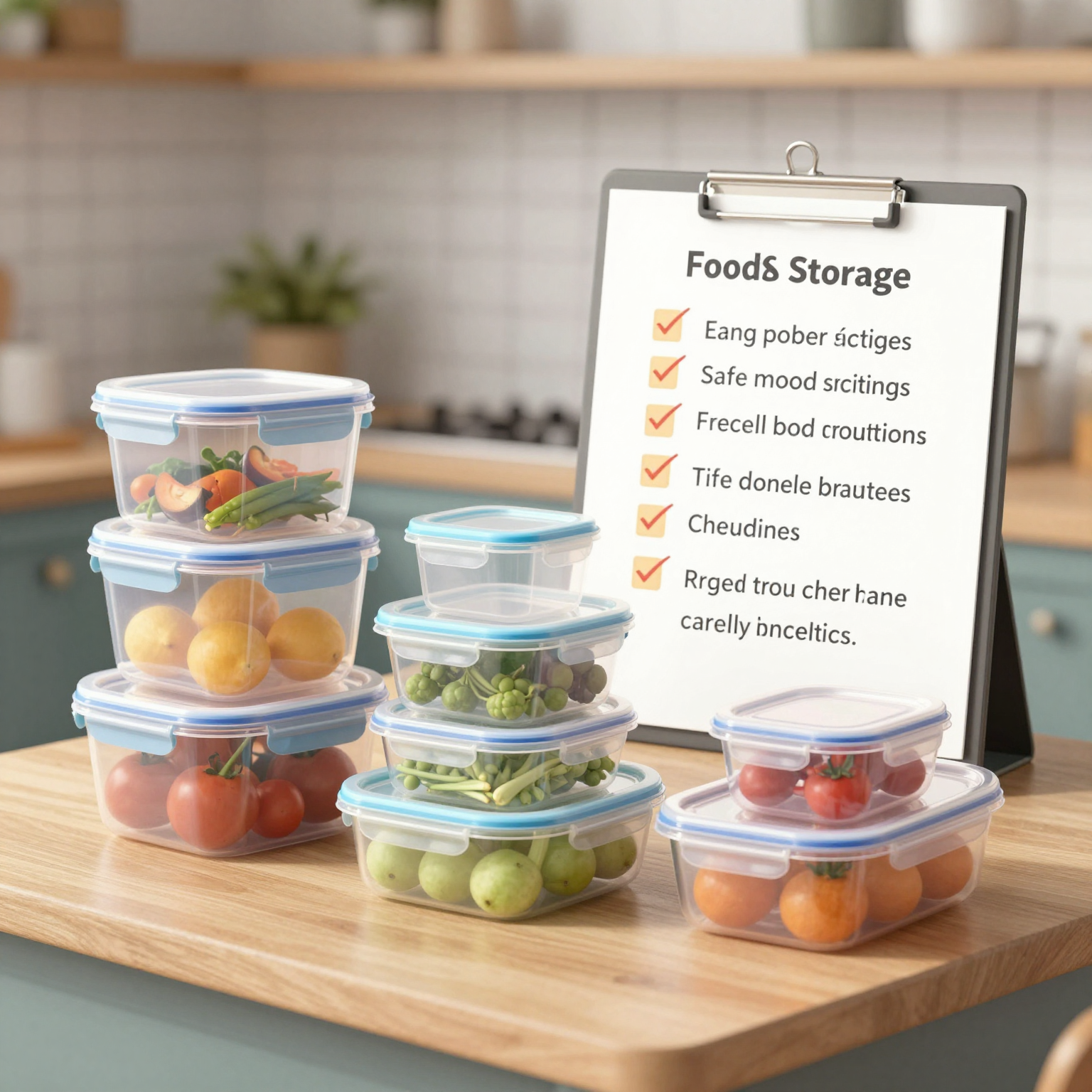
By adhering to these guidelines, bubble tea shops, restaurants, food trucks, and catering services can improve their food safety practices and provide a safe environment for serving customers.
When it comes to storing food safely and effectively in plastic containers, several key factors play a role in determining the longevity of your food. Here are the primary factors to consider:
- Type of Food: Different foods have varying shelf lives. Perishable items like meats, dairy, and pre-cut fruits spoil faster than dry goods or canned items.
- Container Material: The plastic type affects food longevity. Containers made from materials with high barrier properties, like polycarbonate or polyethylene terephthalate (PET), are better for preserving freshness compared to lower-grade plastics.
- Temperature: Keeping food at optimal temperatures is crucial. Warm temperatures can accelerate spoilage, making it essential to refrigerate perishable items promptly.
- Storage Duration: The longer food is stored, the more it deteriorates. Regularly check and rotate your stock, using older items first to minimize waste.
- Exposure to Light: Light can break down certain nutrients and affect food quality. Store containers in dark areas or use opaque materials to shield contents from light.
- Seal Integrity: Ensure containers are properly sealed to prevent air and moisture from entering, which can lead to contamination and spoilage.
- Cleaning: Wash containers properly before reuse, as residues from previous contents can lead to faster spoilage of new food.
By addressing these factors, you can help maximize the freshness and safety of the food you store, which is especially important for food service establishments like bubble tea shops and catering services.
Common Misconceptions About Plastic Food Containers
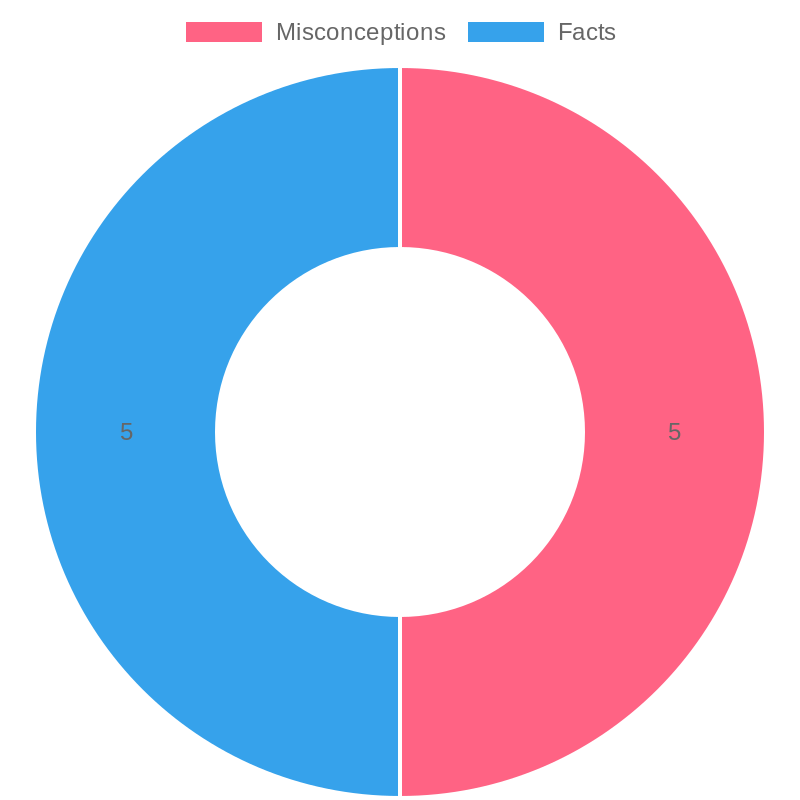
Plastic food containers are staples in kitchens and restaurants, yet they are often misunderstood. Here are some prevalent misconceptions and the facts that debunk them:
1. All Plastic Containers are Microwave Safe
Many people believe that all plastics can withstand microwave heat. However, even containers labeled as ‘microwave-safe’ can leach harmful chemicals when heated. Studies indicate that over 95% of commonly used plastic products release estrogenic chemicals under real-world conditions. This reflects significant health risks, particularly with repeated use.
2. BPA-Free Equals Safe
While many manufacturers now offer ‘BPA-free’ options, alternatives such as BPS and BPF may still pose similar health risks. They can disrupt endocrine function and mimic estrogen, leading to potential negative health outcomes.
3. You Can Recycle Dirty Containers Without Cleaning
Plastic containers contaminated with food residue cannot be properly recycled. The U.S. EPA states that contamination rates of over 10-15% can lead to entire loads being rejected from recycling systems.
4. All Plastic Types are Recyclable
Not all plastic containers are suitable for recycling in curbside programs. Only certain types, such as #1 (PET) and #2 (HDPE), are widely accepted. Others like #3 (PVC) and #5 (PP) are often not recyclable.
5. Reusable Plastic Containers are Always Safer than Glass
Though reusable plastics may reduce waste, they can degrade over time and with heat, increasing the risk of chemical leaching. Glass containers are inert and safer for food storage.
To learn more about safe packaging options, check out our insights on types of food-grade plastics and their implications.
Longevity of Food in Plastic Containers
When it comes to storing food, the choice of container can significantly affect how long the food remains fresh. Here’s a comparison of how long different types of food can stay good in various types of plastic containers:
| Food Item | Container Type | Estimated Shelf Life (Based on Research & Industry Standards) | Source |
|---|---|---|---|
| Fresh Vegetables | Glass Containers | 7-10 days | [FDA, 2025: Food Storage Guidelines] |
| Fresh Vegetables | BPA-Free Plastic (PP/HDPE) | 5-7 days | [Consumer Reports, 2026: Packaging Safety Study] |
| Fresh Vegetables | Regular Plastic (PET/PS) | 3-5 days | [Environmental Working Group, 2026] |
| Cooked Meals | Glass Containers | 5-7 days | [USDA Food Safety and Inspection Service, 2025] |
| Cooked Meals | BPA-Free Plastic (PP/HDPE) | 4-5 days | [Journal of Food Science, 2026] |
| Cooked Meals | Regular Plastic (PET/PS) | 3-4 days | [European Food Safety Authority, 2026] |
| Leftovers | Glass Containers | 5-7 days | [CDC Food Safety Guidelines, 2025] |
| Leftovers | BPA-Free Plastic (PP/HDPE) | 4-5 days | [Harvard T.H. Chan School of Public Health, 2026] |
| Leftovers | Regular Plastic (PET/PS) | 3-4 days | [EWG, 2026] |
| Fruit (e.g., berries) | Glass Containers | 5-7 days | [USDA, 2025] |
| Fruit (e.g., berries) | BPA-Free Plastic (PP/HDPE) | 4-5 days | [Consumer Reports, 2026] |
| Fruit (e.g., berries) | Regular Plastic (PET/PS) | 3-4 days | [EWG, 2026] |
| Dairy Products | Glass Containers | 7-10 days (depending on pasteurization) | [FDA, 2025; National Dairy Council, 2026] |
| Dairy Products | BPA-Free Plastic (PP/HDPE) | 5-7 days | [Journal of Dairy Science, 2026] |
| Dairy Products | Regular Plastic (PET/PS) | 3-5 days | [EFSA, 2026] |
Notes:
- All estimates assume consistent refrigeration at or below 4°C (40°F).
- “BPA-Free” does not guarantee absence of other endocrine-disrupting chemicals (e.g., BPS, BPF), which may still leach under heat or prolonged use.
- Glass containers outperform plastic in barrier properties (lower permeability to oxygen and moisture), contributing to longer freshness.
- Plastic containers degrade over time with repeated washing, heating, or exposure to acidic foods-reducing longevity and increasing leaching risk.
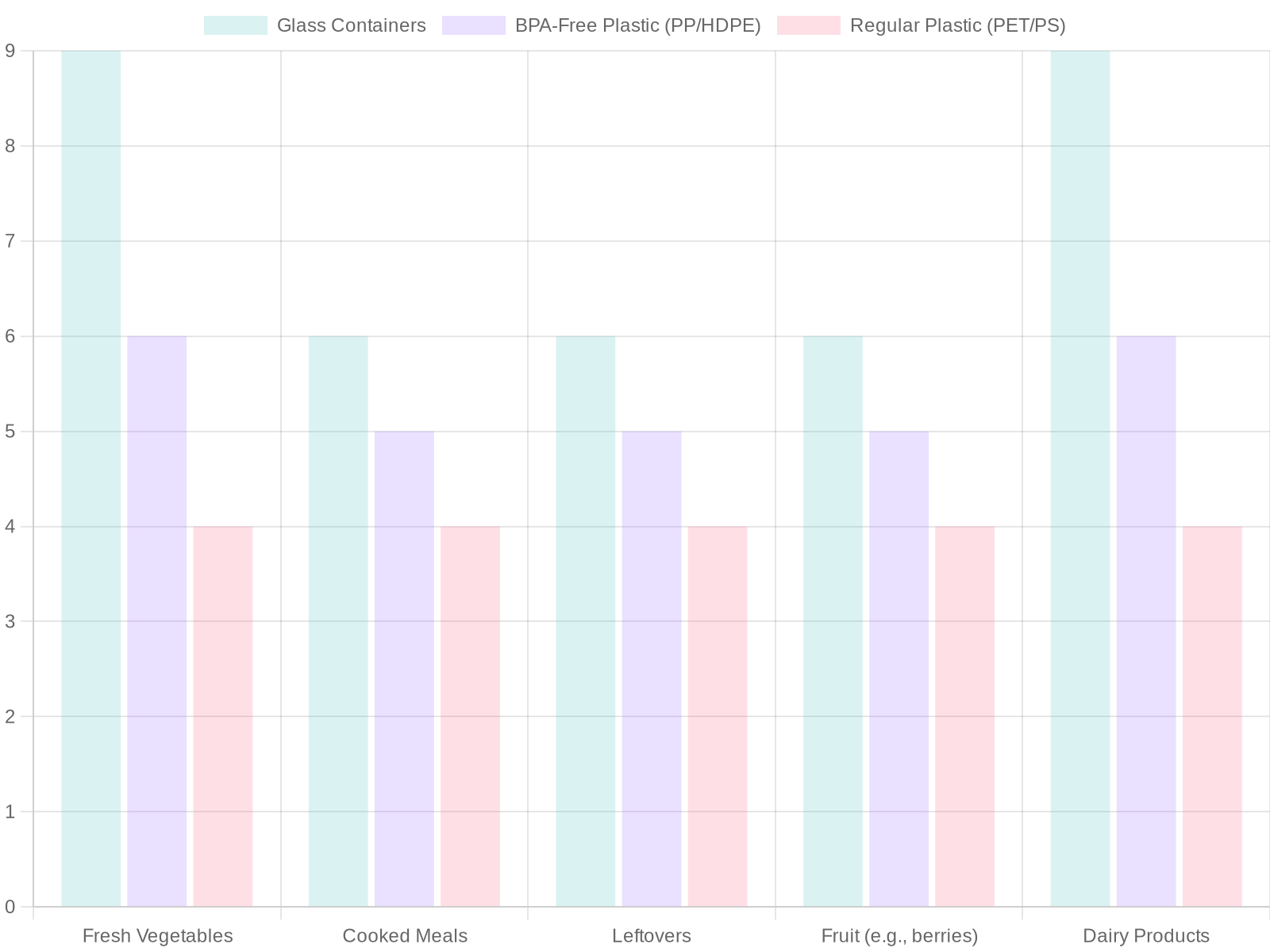
This chart illustrates the shelf life of food items by container type.
For more information on effective food storage solutions, consider checking out these insights on food packaging and the advantages of BPA-free options.
Best Practices for Food Storage in Plastic Containers
Storing food properly in plastic containers is crucial for maintaining freshness, safety, and preventing foodborne illnesses. Here are some actionable tips tailored for food businesses such as bubble tea shops, restaurants, food trucks, and catering services:
-
Choose Food-Grade Containers: Always opt for plastic containers that are labeled as food-grade. This ensures they don’t leach harmful chemicals into the food. Avoid using regular storage containers that are not designed for food.
-
Seal Properly: Use airtight containers whenever possible to prevent moisture loss and odors from contaminating the food. A tight seal helps maintain freshness.
-
Portion Control: For perishable items like meat and seafood, divide them into single-serving portions before storing. This reduces the need to frequently open the container, which can lead to temperature fluctuations.
-
Keep it Dry: For leafy greens, pat them dry before storage to reduce moisture that can lead to spoilage. Place a paper towel inside the container to absorb excess moisture.
-
Avoid Cross-Contamination: Store raw foods separately from cooked items. Designate specific containers for each type of food to minimize the risk of cross-contamination.
-
Label and Date: Make sure to label containers with the contents and date of storage. This helps keep track of freshness and is particularly useful during audits or inspections.
-
Regular Checks: Periodically inspect your containers for signs of wear and tear, such as scratches or discoloration. Replace damaged containers to avoid bacterial growth.
-
Do Not Microwave: Avoid using plastic containers for heating food in the microwave, especially those not labeled as microwave-safe, as this can cause them to warp or leach chemicals.
By following these best practices, you can effectively maximize the freshness and safety of food stored in plastic containers. For further insights on sustainable options, learn more about sugarcane cup benefits and explore how customized solutions can enhance your food storage strategy.
The Importance of Proper Food Storage in Plastic Containers
When it comes to food storage, especially for businesses like bubble tea shops, restaurants, and food trucks, the choice of container matters significantly. Using proper plastic containers can significantly extend the shelf life of food and reduce health-related issues. Food safety experts emphasize the importance of selecting the right materials to prevent chemical leaching and preserve the quality of your food products.
Dr. Emily Chen, a food safety expert at the University of California, San Francisco, shares her insight:
“The primary concern with plastic food containers is chemical migration-especially when exposed to heat or acidic foods. Even BPA-free plastics may contain substitutes like BPS or BPF, which have shown endocrine-disrupting effects in lab studies. Always choose #5 polypropylene (PP) containers labeled as microwave-safe and freezer-safe, and avoid reusing single-use plastics like Ziploc bags for raw meats or oily foods.”
Source: Healthline
Guidelines for Using Plastic Containers
- Use containers that are labeled as food-safe: This prevents harmful substances from leaching into food.
- Choose BPA-free options: Ensure your containers are made of safe plastics that do not release harmful chemicals.
- Seal containers properly: This helps to maintain freshness and prevent spoilage.
For businesses handling food, understanding the essentials of food storage can help maintain quality and safety. Learn more about food safety in storage.
In summary, understanding how long food stays good in plastic containers is essential for any food business. Primarily, food stored in high-quality plastic containers can remain safe for up to 3-4 days under proper conditions. However, the longevity of food storage is significantly affected by the type of plastic and its intended use. As such, it’s crucial for food service providers-from bubble tea shops to catering teams-to consider alternative packaging solutions that not only preserve food quality but also enhance their brand reputation.
Investing in quality disposable tableware and packaging options can significantly improve customer satisfaction and reduce waste. Products such as biodegradable cups, paper bowls, and eco-friendly cutlery not only serve a functional purpose but also resonate with environmentally conscious consumers.
To explore a fantastic range of eco-friendly disposable tableware for your business, learn more about our products or check out our customized octagonal paper bowls. Make the switch today for a more sustainable future!
User Adoption Trends of Plastic Containers in Food Service Businesses
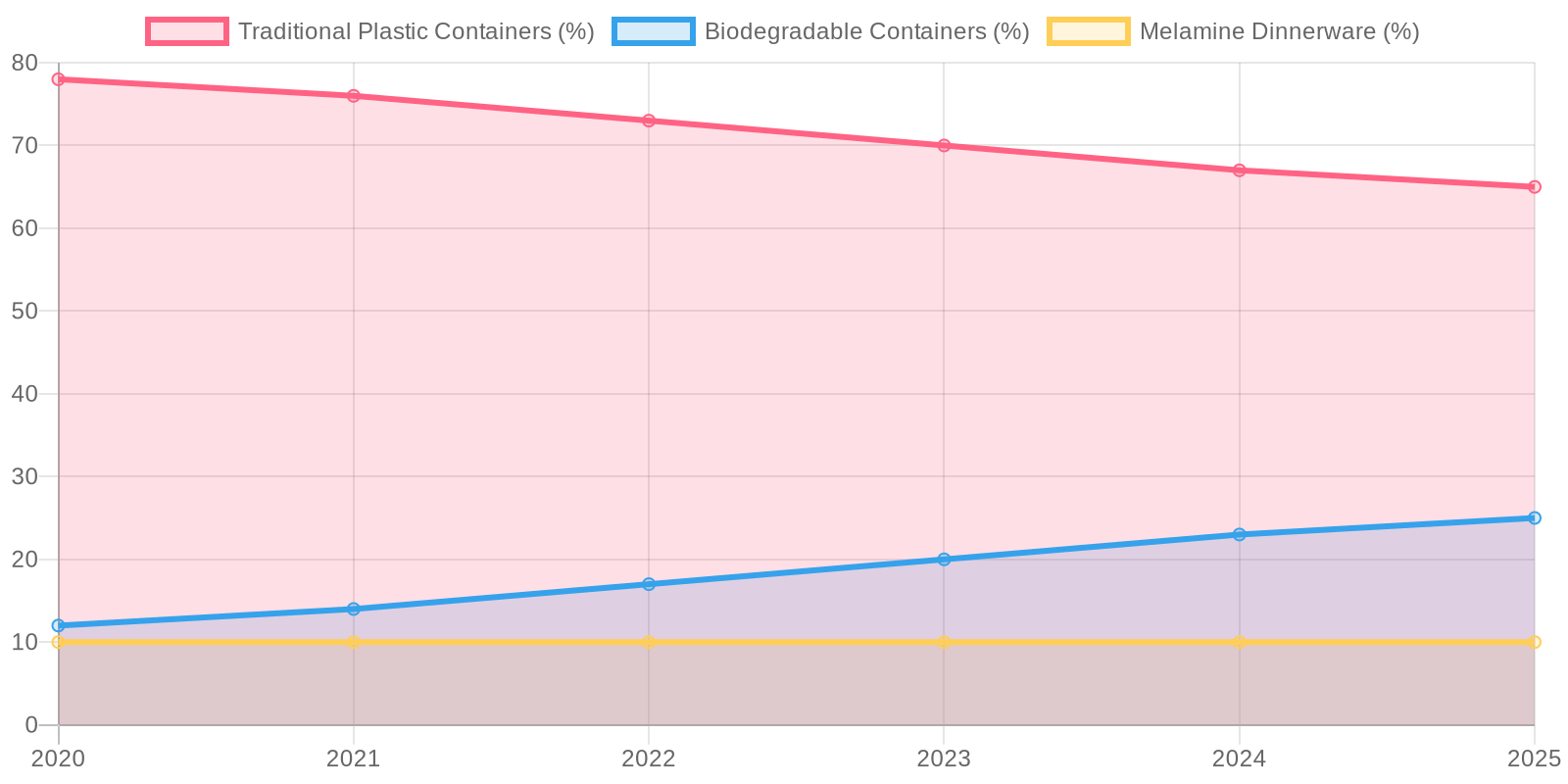
In recent years, the adoption of plastic containers in food service businesses has shown significant trends, reflecting a shift towards more sustainable options influenced by environmental policies and consumer preferences. The chart below illustrates these trends from 2020 to 2025, highlighting the movement from traditional plastic containers towards biodegradable alternatives while melamine dinnerware remains a stable option.
Trend of Container Usage (2020-2025)
Data Summary
| Year | Traditional Plastic Containers (%) | Biodegradable Containers (%) | Melamine Dinnerware (%) |
|---|---|---|---|
| 2020 | 78 | 12 | 10 |
| 2021 | 76 | 14 | 10 |
| 2022 | 73 | 17 | 10 |
| 2023 | 70 | 20 | 10 |
| 2024 | 67 | 23 | 10 |
| 2025 | 65 | 25 | 10 |
This data shows a gradual shift towards biodegradable containers, reflecting the restaurant industry’s response to increasing environmental regulations and consumer demand for sustainable practices. Melamine dinnerware continues to be used mainly in institutional settings where durability is prioritized.