
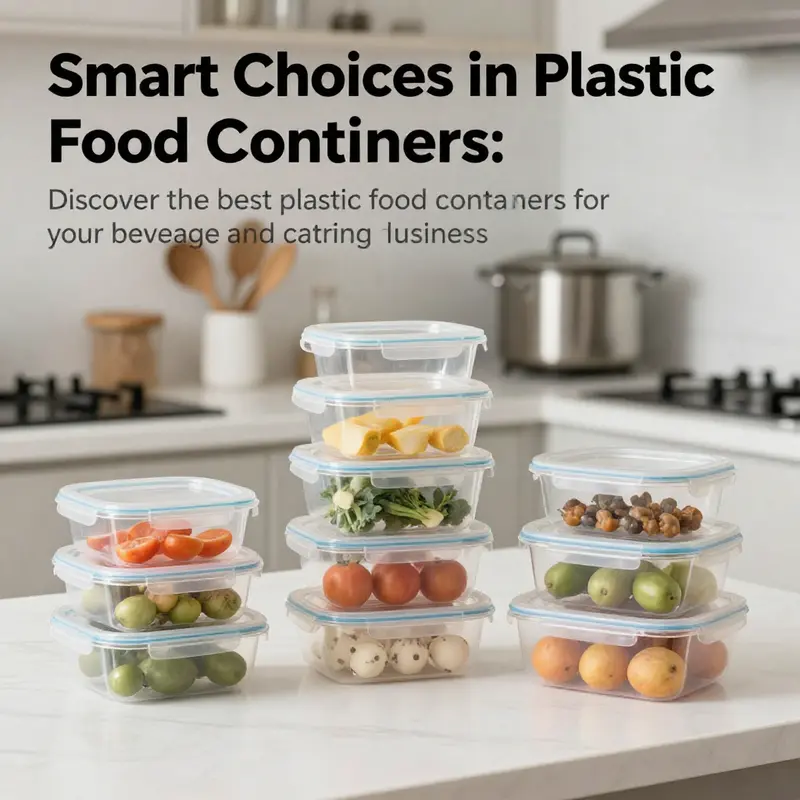
In a world increasingly dictated by convenience, choosing the right food container is crucial, especially for businesses like bubble tea shops, restaurants, food trucks, and catering services. Understanding the myriad options available can be overwhelming. That’s why Wirecutter’s evaluations are invaluable. With their expert-tested insights, you’ll learn which containers excel in safety, durability, and cost-effectiveness. This article will delve into five essential aspects based on Wirecutter’s comprehensive recommendations, guiding you to make informed choices for your establishment.
Rethinking Plastic Food Storage: How Wirecutter-Style Evaluation Shapes Safer, Smarter Container Choices
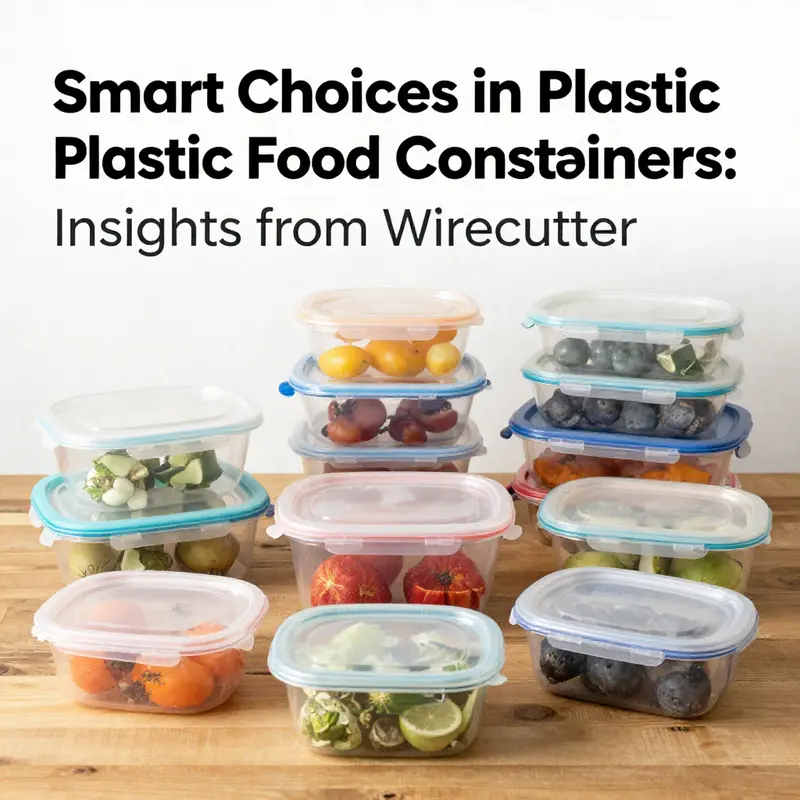
The search for durable, safe, and affordable plastic food containers has always sat at the crossroads of everyday convenience and long-term health and environmental considerations. When Wirecutter, a guide trusted by many home cooks and organizers, published a piece focused on high-quality alternatives to traditional Tupperware, it did more than spotlight products. It underscored a method. The article, anchored in real testing and user feedback, invites readers to weigh sealing performance, durability, safety, and cost against the everyday temptations of a slick lid and a low sticker price. In this sense, the Wirecutter approach reframes the task: not simply to pick a plastic container that looks good in a photograph, but to measure how a container behaves in real kitchens over time, under heat, under pressure, and under the spill of a curious toddler’s snack attack. Even as this chapter accepts that some households will keep plastics on hand, the spirit of Wirecutter’s evaluation nudges consumers toward a more deliberate standard—one that blends materials science with practical, lived experience.
A practical starting point is safety, a topic often glossed over in glossy packaging. Plastics are not a single material; they are a family of resins, each carrying a recycling code and a set of known performance characteristics. The resin identification codes—Numbers 1 through 7—offer a quick, though imperfect, guide to what you’re dealing with. Some codes correspond to materials that resist absorbing flavors or odors, while others are more permeable, more reactive, or more prone to leaching when heated. Yet even these codes don’t tell the whole story. Additives, colorants, and shared-use practices can alter a plastic’s behavior in ways that the code alone cannot predict. The health questions extend beyond the bottle-green BPA era; even BPA-free plastics are not a universal assurance. Phthalates, residual monomers, and unintended contaminants have shown up in various studies as potential concerns, especially when containers are scratched, heated, or used well beyond their recommended lifespan. Microplastics—minuscule fragments shed from the container’s surface or from degraded packaging—enter the conversation as a modern hazard readers are learning to navigate.
This is not merely a theoretical debate. Real-world usage tests reveal that safety is interwoven with how a container is designed and used. Sealing methods matter. A reliable seal reduces the risk of leaks and contamination, but it also helps preserve the integrity of the contents by limiting the migration of aromatic compounds into and out of the plastic. Lids with robust gaskets, accessible locking mechanisms, and clear indicators of a closed position often outperform those that rely on a snap-on or press-fit approach alone. Yet a perfect seal depends on the whole system: the lid, the container bottom, and the compatibility of the container with its common uses, whether it be microwave reheating, freezer storage, or dishwashing. In the absence of a direct Wirecutter plastic-container guide, consumers can still borrow the same logic: test for how the product performs under common stressors, and look for evidence of field testing and user feedback that confirms long-term reliability.
Cost, durability, and environmental impact complete the triad Wirecutter-like reasoning elevates. It is tempting to gravitate toward a package with a single, low price tag. But the lifetime cost of a container—how many times it can be used, how often it must be replaced, how many cycles of washing and heating it endures—often swells beyond the initial sticker price. Durable containers that resist cracking, warping, or staining may carry a higher upfront cost, but they frequently offer better value over several years of daily use. When consumers compare options, they should weigh material performance against the lifecycle costs, including the hidden costs of replacement, disposal, and the energy costs associated with cleaning and heating. Wirecutter’s testing framework consistently pushes readers to see beyond aesthetics—glossy exteriors, colorfully printed lids, or clever shapes—toward measurable performance: how well a container resists staining, odors, and heat-related degradation; how easy it is to stack; and how well it nests for compact storage when not in use. This approach helps cut through hype and guides shoppers toward products that stand up to real kitchen rhythms rather than a few days of novelty.
The chapter’s ongoing tension, of course, is the environmental dimension. Plastic storage has a long, complicated life cycle, and many households are seeking to reduce plastic waste without compromising food safety and convenience. The conversation has evolved from a simple “avoid all plastic” stance to a more nuanced view: favor container designs that maximize reuse, minimize disposal, and maintain safety across applications. In practice, this means acknowledging other practical options like glass, stainless steel, and silicone in place of hard plastics for a broad range of storage tasks. It means recognizing that many households already rely on a mix of container types, each chosen for a specific use case—freezer, refrigerator, pantry, lunchbox, or microwave. And it means understanding that not every plastic is equal in its environmental footprint; some can be recycled more easily, some are fabricated with fewer additives, and some are designed to endure repeated use without degrading in ways that threaten food safety or taste.
In this frame, a concrete example helps illustrate the broader shift. Consider a common take-away scenario: you buy lunch in a container, and you want to preserve freshness while transporting it safely, without fear of leaks. A well-sealed lid and a sturdy body can make the difference between a still-pleasant lunch and a soggy, compromised meal. While many households reach for familiar plastic options, there is a growing appreciation for alternatives that promote safer storage and better reuse habits. For readers seeking practical options that align with these principles, a take-away kraft paper box with a lid offers a tangible, lower-plastic alternative for certain foods and uses. A representative example is a salad rectangle take-away box with a lid made from kraft paper, designed to be robust, food-grade, and recyclable after use. For readers curious about such solutions, a practical example to explore is the salad rectangle takeaway kraft paper octagonal box with lid, which demonstrates how packaging design can balance durability, portability, and sustainability. salad rectangle takeaway kraft paper octagonal box with lid.
This approach—while not a direct Wirecutter plastic-container review—embodies the spirit of the Wirecutter standard: test, question, compare, and anchor decisions in actual use rather than marketing promises. Consumers who want to apply this standard in their homes should start with a simple diagnostic: ask how a container behaves in four practical contexts—storage, transport, reheating, and washing. A container that excels across these contexts is more likely to earn a place in daily life for a long time. In that light, even if a guide focuses on “alternatives to Tupperware” rather than “best plastic containers,” the underlying method remains the same: prioritize safety, durability, and function, while keeping an eye on total cost of ownership and environmental impact.
The evolving consumer conversation also invites a broader educational thread. Labels and certifications are not always a guarantee of safety or sustainability. A critical reader will look beyond bold claims and scrutinize the practical implications: Does a container withstand repeated microwave heating without warping or leaching? Is it easy to clean, even after sticky sauces or strong odors? Does the design enable secure sealing without over-tightening, which can crack lids or distort rims? How easy is it to recycle the container at the end of its life, and does its packaging reflect a lower-waste manufacturing process? These questions sharpen the decision matrix and help shoppers build a kitchen toolkit that supports both health and habit.
In the same breath, this chapter recognizes that not all families can or will transition away from plastic entirely. For many, plastic remains a pragmatic option due to weight, price, and the need for versatile, leakproof containers for kids, travel, or bulk meal prep. The best path forward is layered: understand the material realities, choose designs with tested performance tracks, and embrace a portfolio of containers—plastic where it makes sense, and robust non-plastic options where feasible—to reduce risk while preserving convenience. Wirecutter’s emphasis on testing and real-world feedback provides a blueprint for how to evaluate these options continually. It is a reminder that the goal of storage solutions is not merely to look tidy on a shelf but to support safe, reliable, and sustainable eating habits over time.
As you navigate the next shopping round, keep in mind an approach that mirrors the best of Wirecutter’s ethos: start with your actual needs, test what you already own, observe how it performs with a variety of foods, and compare it against alternatives that promise greater safety, durability, or ease of use. The practical takeaway is simple but powerful: a thoughtful, evidence-based approach to choosing plastic food containers can unlock a kitchen that is both safer and more efficient, while also leaving room for eco-conscious options when appropriate. With a clear framework in hand, you can separate short-lived trends from durable improvements, making decisions that pay off in daily life and long-term well-being.
External resources can deepen this understanding and provide ongoing updates on kitchen-storage testing. For readers who want to explore Wirecutter’s testing philosophy and related guides in greater depth, a broader view of how Wirecutter tests and ranks kitchen storage products can be found at https://www.nytimes.com/wirecutter/.
Reading the Fine Print: Safety Standards, Materials, and Real-World Choices in Plastic Food Containers
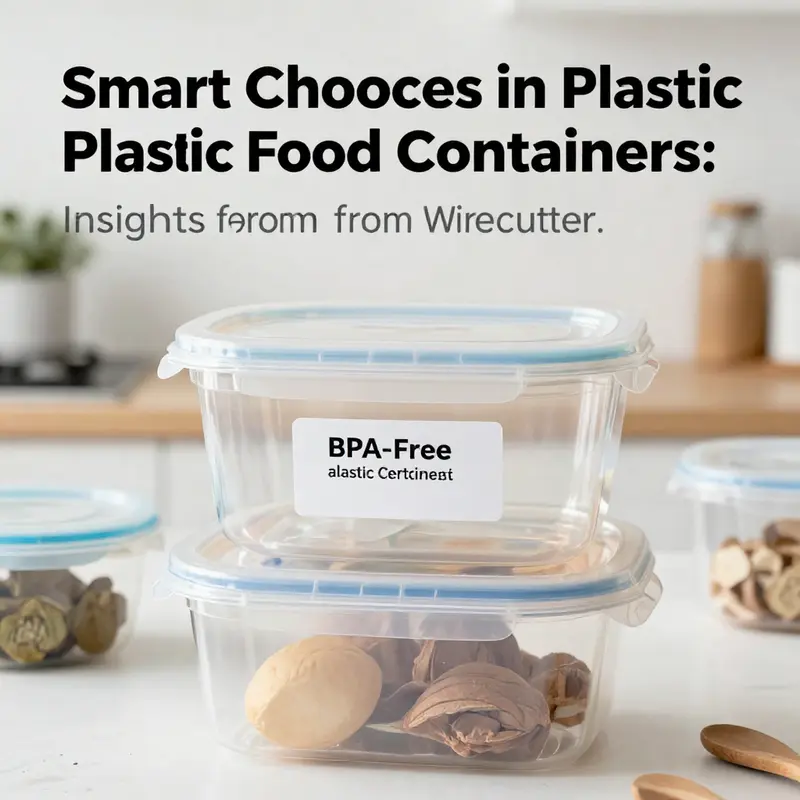
When you stand in the kitchen aisle, the plastic food container that appears sturdy can feel like a small everyday victory. Yet the choice you make goes beyond price or color. It sits at the intersection of science, regulation, and daily habit. A reader guided approach to storage hinges on what sits inside the plastic itself, how the material behaves under heat or acidity, and how easily it can be recycled at end of life. In discussions about kitchen storage, real world testing has emphasized performance: durable seals, dependable longevity, and transparent safety profiles. This evaluation is essential because the smallest chemical detail can influence what you end up feeding your family. The best guides connect lab findings with everyday use and practical decisions in home kitchens.
Central to safety conversations about containers is BPA, or bisphenol A, a chemical that has shaped public discourse for decades. BPA is used to manufacture polycarbonate plastics and epoxy resins present in many food-contact products. The concern is not just presence but migration into food and drinks, especially under heat, agitation, or acidity. BPA exposure has been linked to endocrine disruption in studies, and regulators have pushed toward scrutinizing how much leaching is acceptable, at what temperatures, and in what contexts. A 2024 study by Palsania highlights that trace amounts of BPA have been detected in daily use containers, and the toxicity profile of leachates in environmental samples remains a factor in risk assessments. This helps explain why readers increasingly seek containers that minimize BPA exposure from the start.
If you step back from BPA, the material family matters as well. Polypropylene and high-density polyethylene are often treated as safer default choices for everyday storage. They tend to offer lower risk of leaching and are generally more recyclable than other plastics. The practical upshot is straightforward: for cold storage or room temperature foods, PP and HDPE containers can deliver solid performance with fewer safety tradeoffs. In contrast, polystyrene, common in takeout packaging and some meal prep uses, can release problematic chemicals when heated and is often less recyclable or durable for repeated use. The distinction matters because real kitchen use varies: a container that must withstand microwaving, a dish for hot leftovers, or a lunchbox that travels through school or work all press different safety and performance needs.
Beyond material mix, the safety landscape has evolved as manufacturers seek BPA-free formulations. Yet BPA-free does not automatically guarantee a benign profile. Substitutes such as bisphenol S or bisphenol F have drawn scrutiny because they can show similar endocrine disrupting properties. Regulators respond with updated standards and ongoing surveillance to ensure substitutes do not replace one hazard with another. A 2023 review in PMC underscores the need for ongoing monitoring of all chemicals used in food contact materials, not just BPA, because safety of an alternative is only as strong as the testing behind it. Practically, readers should read labels with a cautious eye and demand transparent information about the full chemical profile of a container, not just absence of BPA.
A practical framework helps shoppers balance sealing performance, durability, heat resistance, and the ability to reuse. Sealing efficacy determines how well a lid keeps out moisture and odors, and it can influence transit safety. Durability matters because a container that cracks after a few uses is wasteful and can lead to micro leaks. Heat resistance matters for reheating and safe use with hot foods, as higher temperatures can increase chemical migration in some plastics. Recyclability and end-of-life considerations are increasingly central as well. A material that can be recycled responsibly reduces environmental impact, a factor households weigh alongside cost and convenience.
The way goods are tested matters. A credible evaluation combines lab data with real-world use and consumer feedback. It asks not only which container seals the tightest or lasts longest, but which material choices and design features minimize chemical risks while preserving usability. The result is a nuanced view of what makes a storage solution fit for cooking, meal prep, and family life. It invites readers to weigh heat tolerance versus recyclability, price versus longevity, and the assurance of a BPA-free claim against the reality of substitute chemistries. The goal is not to push a single choice but to illuminate trade-offs so readers can align purchases with health priorities, cooking habits, and environmental values.
To translate theory to practice, consider how a shopper might navigate the aisle. If the goal is to minimize risk while retaining routine versatility, prioritize containers that clearly label their resin type and offer credible assurances about BPA-free formulations without relying on marketing language. In everyday use, a decision maker might choose a container that performs well in typical storage scenarios: salads that stay crisp, sauces that do not leak, and meals that travel between home and work. A well rounded choice factors in washing performance, dishwasher durability, and whether color or clarity holds up over time. These considerations sit inside the broader regulatory and scientific context that safety is not a single checkbox but a continuous conversation among researchers, manufacturers, and consumers.
For readers seeking practical navigation aids, there is a path that honors science and day-to-day practicality. Reading material labels should become a habit, with attention to resin codes and explicit statements about safety testing. When heat is involved, leaning toward materials with proven heat resistance and safer leaching profiles can ease daily use. For those who value reuse and longevity, choosing a design with robust sealing and durable walls helps extend the life of the container, while careful cleaning supports safety and performance. A linked example of take-away products that emphasize safety-forward design can serve as a real-world touchstone, such as food grade bowls with lids. The presence of secure seals and clear labeling helps consumers gain confidence that the container will perform as expected across the culinary life cycle.
Reading the safety landscape also means acknowledging independent testing and authoritative summaries guiding decisions. While the marketplace offers a spectrum of options, the best containers balance test-validated performance with transparent safety disclosures. The ongoing discussion about BPA and its alternatives reinforces the importance of not treating a single label as a substitute for full chemical transparency. A credible, evidence-based approach to choosing plastic containers remains essential: it helps you separate claims from demonstrated safety profiles and recognize when a product design supports the way you cook, store, and reuse food.
In shaping a coherent chapter of understanding, the thread connecting science, rules, and kitchen life becomes clear. The safest path is not a universal answer but a disciplined approach: assess material, verify safety data, consider use case, and balance cost with longevity. The result is practical choices that respect health, fit how your household cooks, and align with values about waste and recycling. The broader discourse—grounded in reports and reviews, reinforced by real-world testing, and sharpened by regulatory updates—offers a durable framework for evaluating plastic food containers in any home. For deeper reading, an external resource provides a synthesis of BPA findings and evolving regulation. External reference: https://www.ncbi.nlm.nih.gov/pmc/articles/PMC10589675/
Durability in the Real Kitchen: How Wirecutter’s Tests Reframe Plastic Food Containers
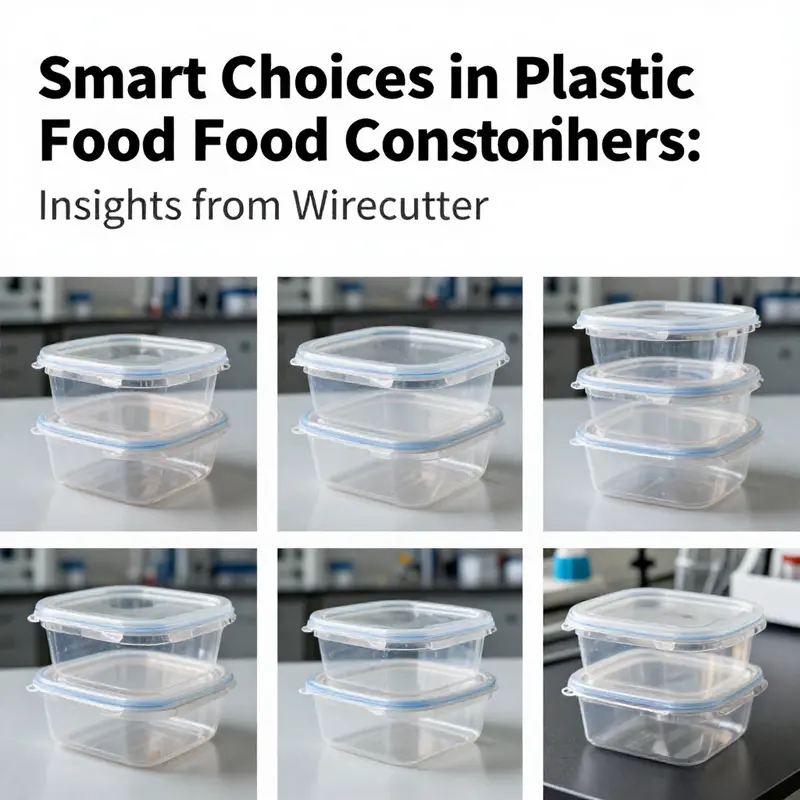
When a kitchen staple travels from fridge to lunch bag to office desk, its fate is decided not by glossy specs but by real-world stamina. Wirecutter’s best-plastic-food-containers analysis peels back the curtain on what durability really means in daily use. The tests, conducted under conditions millions of households actually face, go beyond glossy impressions. They push containers through a stubborn cycle of heat, cold, rough handling, and repeated cleaning, and then they ask a simple, uncomfortable question: will this container hold up long enough to justify its cost and the peace of mind it promises about safety?
In the core of the testing lies a practical logic. Plastic is favored for its lightness, its affordability, and its convenience. Yet these advantages carry a hidden cost if durability is treated as an afterthought. A container that warps in the dishwasher, clouds with every pass, or cracks after a single drop changes not just how food looks, but how people trust the product enough to use it again and again. Wirecutter’s evaluation homes in on three closely linked failure modes that recur in households everywhere: deformation under heat, visual degradation from repeated washing, and structural failure from impact or aging. The pictures of warped lids, cloudy bodies, and cracked rims are not just about aesthetics. They are about the user experience—about whether a lid seals tightly after months of use, whether the clarity of the plastic helps you inspect the contents, and whether small compromises accumulate into a larger hassle.
Durability, in this frame, is a function of material science and design intent working in concert. The materials themselves matter. BPA-free plastics are non-negotiable for safety, but safety is not an end in itself if a container cannot endure daily routines. The tests emphasize that a material’s safety profile must align with practical durability—dishwasher cycles, microwave usage, and freezer storage—in order to be genuinely reliable. The card-carrying contenders in Wirecutter’s round typically exhibit polymers that resist heat without turning brittle, resist clouding in the long wash, and resist micro-scratches that invite foggy translucence. They also tend to feature robust, well-sealed lids with gaskets that remain pliable after repeated cycles, rather than shrinking or peeling away from the rim.
The testing sequence reads like a typical kitchen week and then some. Containers are stacked into dishwashers for multiple cycles, a stress test that reveals how much a plastic wall can bow or a lid’s seal can loosen when exposed to high heat and strong detergents. Then comes the microwaving phase, which probes whether the container supports safe reheating without leaching heat into the lid or warping the walls. Finally, the freezer portion challenges the material’s resilience to cold shocks and the risk of cracking when frozen food expands or when rapid temperature shifts occur during thawing. Each stage contributes a data point to a larger story about longevity, ease of use, and value.
From these conditions emerge several clear patterns. First, durable plastic containers often resist warping when heated, maintaining their shape through repeated cycles. Yet even the sturdier designs show warning signs after a long run: a lid that loses its snap, a body that looks clouded rather than clear, or a hinge that begins to creak under pressure. Second, clouding is more than a cosmetic blemish; it signals the microscopic wear that can hide food residues and complicate cleaning. When plastic becomes opaque, it also becomes harder to assess what’s inside at a glance, nudging people toward more frequent disposal or replacement. Third, cracks, while less common, emerge from cumulative stress. A single careless drop might not break a container, but a fragile rim or a weak joint can form a fault line that grows with each use. In practice, these issues translate into practical consequences: spills, inconsistent sealing, and a slower, more burdensome cleaning routine.
The Wirecutter evaluation makes a pointed case for material and design choices that maximize durability without sacrificing safety. BPA-free plastics are essential, but not sufficient on their own. A container must be designed to withstand routine dishwasher heat and mechanical action. It should be clearly labeled as dishwasher- and microwave-safe, with a lid that remains secure under vigorous shaking in a lunch bag or in a crowded cabinet. The emphasis on impact resistance does not merely protect the container; it protects the user’s confidence. When a container can blunt an accidental knock in a backpack and still perform as expected, it reduces the cognitive load on the user—no constant re-checking of seals or fearing leaks during transit.
Beyond materials, the Wirecutter study illuminates the role of ongoing testing in helping consumers separate hype from practical value. A container may look sleek in a catalog and feel sturdy in the hand, yet fail under the routine rigors of kitchen life. The best performers emerge from a combination of thoughtful geometry, sturdy lids, and plastics with stable optical properties after repeated heat and wash cycles. A good lid design often deserves extra emphasis here; a lid that seals confidently, resists warping, and remains easy to open with one hand during a rushed morning becomes a quiet but decisive factor in daily usability. The lid’s performance can define the entire experience—whether a meal stays fresh, whether condensation drips onto the counter, and whether the user feels satisfied enough to reuse the same container rather than discarding it.
In translating Wirecutter’s findings into practical guidance, readers should balance several dimensions: safety, durability, and cost. The emphasis on BPA-free materials is an acknowledged baseline for safety, but durability should inform value. A container that lasts longer, maintains its seal, and requires fewer replacements can ultimately be more affordable even if its upfront price is modestly higher. Conversely, a seemingly economical option that requires frequent replacement or constant adjustment can end up costing more over time and generate additional waste. This is where the durability narrative intersects with environmental consideration. A product designed for long life and steady reusability aligns with a consumer preference for less waste and fewer trips to the store, reinforcing that the most sustainable choice is not always the cheapest in the moment but the most reliable across years of use.
For readers seeking to anchor these insights with concrete, day-to-day decisions, the Wirecutter framework offers a way to evaluate personal needs. If a household frequently uses containers for microwave reheating, a model with proven heat stability and a robust lid gasket becomes important. If dishwasher use is heavy, a design that resists clouding and keeps its clarity after hundreds of cycles deserves priority. If the kitchen schedule is hectic and space is at a premium, a compact, stackable configuration with a dependable seal may trump larger, deeper options that ship with more dramatic sealing systems. These are not abstract trade-offs. They map directly onto how families plan meals, store leftovers, and care for their kitchen gear day after day.
The conversations this chapter prompts extend beyond the physical product itself. They touch the rhythm of everyday life—the way a family reorganizes routines around leftovers, the shared rituals of washing and drying, and the quiet assurance that a container won’t betray a trusted meal. In that sense, the Wirecutter findings do more than rate plastic containers. They illuminate the friction between convenience and durability that many shoppers experience. They remind us that the most effective storage solutions are not merely those that hold contents securely but those that persist reliably through time, that resist the invisible wear of common household processes, and that maintain the clarity and integrity of what they carry.
As readers approach their next purchase, a practical approach emerges. Prioritize safety as a baseline, but weigh durability as a crucial driver of long-term value. Look for evidence of resistance to heat, clouding, and impact, and seek out designs that demonstrate a durable lid system and a strong seal. The most convincing outcomes come from products that behave consistently across cycles rather than performing brilliantly for a brief moment. In the end, the goal is to reduce the effort cycle of storage, cleaning, and replacement, so that mealtimes remain predictable and containers remain reliable companions in the kitchen journey. For those who want a tangible point of reference while shopping, an example of how such considerations translate into product choices can be found in a rectangle take-away kraft paper octagonal box with lid, a container family that demonstrates how design choices oriented toward ease of use and durability can apply across materials and purposes. For a visible link to a related take-away container option, you can explore this page: rectangle take-away kraft paper octagonal box with lid.
To deepen the understanding of how these durability principles align with expert testing, readers can consult Wirecutter’s comprehensive plastic-container review. The article details the testing methodologies, the subtle differences in performance, and the nuanced judgments that emerge when safety, durability, and price intersect in real consumer scenarios. For those who want to review the broader testing landscape and see where the field currently stands, the external resource at the end of this chapter provides a detailed overview of the testing framework and results: https://www.nytimes.com/wirecutter/reviews/best-plastic-food-containers/.
Counting the Cost: What Wirecutter’s Plastic Container Picks Really Cost to Keep Food Fresh
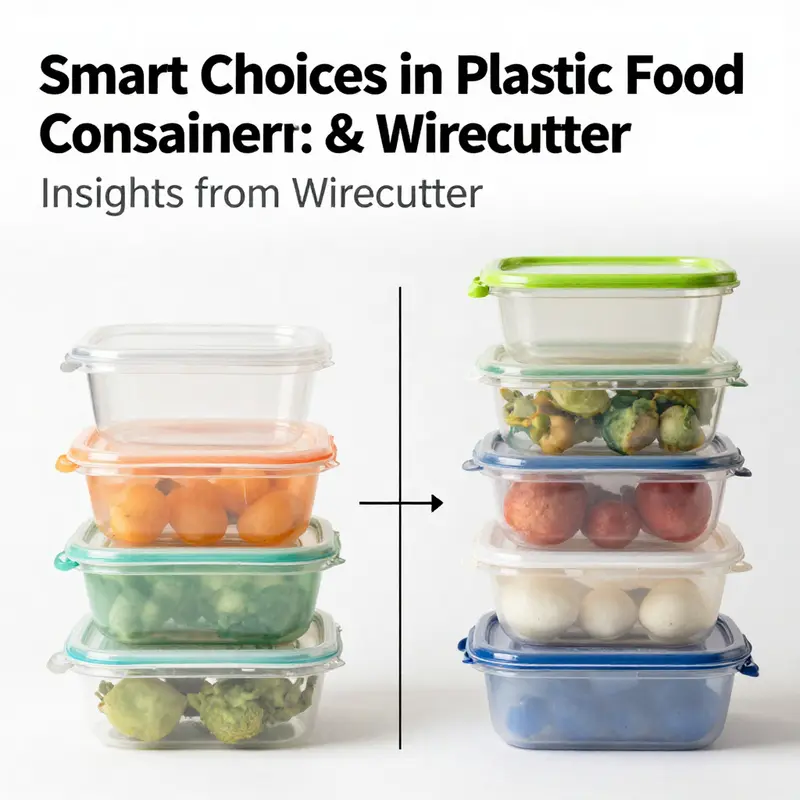
When you sift through recommendations for plastic food containers, the first instinct is often to tally price tags and count sealable features. But a true cost analysis goes beyond sticker price. It travels through the life of a product, from its material makeup to its performance after years of dishwasher cycles, drops from the counter, and the final fate of the packaging after disposal. In the case of Wirecutter’s recent focus on high-quality alternatives to the classic kitchen staple, the analysis becomes a study in balancing safety, durability, usability, and cost over time. The objective is not merely to pick the cheapest option or the one with the fanciest sealing system, but to understand how a given choice behaves as a long-term investment in meal organization, waste reduction, and daily convenience. This is especially important in households and institutions aiming to minimize waste and maximize value from everyday habits that revolve around leftovers, batch-prepping, and school or work lunches.
The core of any practical cost analysis rests on three intertwined questions: What is the upfront price, what is the expected lifespan of the container under typical use, and what are the ongoing costs or savings associated with its use? Wirecutter’s testing framework, which combines controlled durability trials with real-world feedback, emphasizes these dimensions. In their evaluations, containers are not judged solely on how well they seal or how attractive they look on a shelf. They are assessed on how many days a week they will be used, how many times they move from fridge to microwave to dishwasher, and how likely they are to replace or complement other storage options in a busy kitchen. This approach illuminates a practical truth: the best long-term value often comes from a well-chosen core set of containers that perform consistently across a broad range of tasks, rather than a larger assortment of specialty pieces that excel in one scenario but falter in others.
Material choices illuminate the cost story in tangible ways. Polypropylene and other commonly used plastics offer a balance of heat tolerance, stiffness, and price. Yet safety considerations—particularly about bisphenol A (BPA) and related compounds—shape both consumer choices and the selection criteria Wirecutter highlights. BPA-free labels have become a proxy for perceived safety, but the cost analysis recognizes that the absence of a certain chemical does not automatically guarantee longer life or lower total cost. A container that resists staining, warping, or crack formation after hundreds of dishwasher cycles may, in the long run, justify a higher upfront price. Conversely, a cheaper option that degrades quickly—through clouding, micro-scratches, or a diminished seal—will demand sooner replacement, eroding any initial savings.
The environmental and logistical dimensions of cost are equally central. Life-cycle costs extend beyond the kitchen into the waste stream and beyond. Production energy, transportation emissions, and end-of-life handling all contribute to the true price of a plastic container in a world that increasingly values circularity. Wirecutter’s context often intersects with broader studies that look at institutional or campus settings, where the financial logic of reuse and recycling becomes even more pronounced. There, a reusable system’s economics depend on more than the price of a single box or tub. They hinge on how rental or replacement models are structured, how conveniently users can access recycling or return points, and how well the system integrates with existing campus logistics. A cost-benefit lens that includes these factors can reveal net benefits that might not be visible in a simple per-unit calculation.
To ground these ideas, consider the kind of trade-offs Wirecutter consumers are really weighing. A high-performing container that remains reliably airtight and microwavable for years can justify a higher price when you average the cost over its lifespan. Yet that same premium only pays off if the container remains free from odor retention, does not warp or crack, and fits well with the user’s typical portion sizes and freezer space. The calculator expands when you factor in reuse: if a household uses one container for five meals per week over a decade, the annualized cost diminishes, but only if the container endures. If a seal diminishes after a few years or a color fades in the sunlight near a kitchen window, replacement becomes a recurring expense that erodes the perceived savings.
Wirecutter’s published framework also highlights how storage needs vary with family size, cooking style, and even the culinary calendar. People who batch-prep meals frequently require containers that are not only leakproof but stackable and space-efficient. Those who freeze often need clear, microwave-safe lids that resist fogging and cracking. In such cases, the value proposition shifts away from novelty toward reliability and predictability. The cost implications also shift accordingly: multi-pack deals that bundle several medium-sized containers might appear attractive, but if a portion of the pack sits unused or duplicates already owned capacities, the marginal savings dissolve. In other words, the prudent cost analysis is not about acquiring the most affordable option in every situation; it is about aligning the choice with the user’s actual routines to minimize waste and maximize durable utility.
Economic models used in cost analyses often suggest that the real-world savings from reusable systems accrue through higher utilization and smarter logistics. A campus-based study published in Environmental Science and Pollution Research International, while not a Wirecutter report, provides a useful parallel. It shows that positive net benefits can emerge when rental prices are optimized and recycling cabinet locations are strategically positioned. The insight is simple but powerful: the value of reusable containers rises when the ecosystem around them is designed to support easy access, minimal friction, and straightforward disposal. While this study does not address Wirecutter’s specific recommendations, it offers a context for understanding what makes a container program financially viable in a collective setting. It also underscores that the cost story is not purely technical; it is logistical and behavioral. If users are more likely to reuse when it is easy to store, transport, and return containers, the cost per use declines, and the environmental footprint shrinks accordingly.
In translating Wirecutter’s emphasis into practical decisions for a household or a small business, several patterns emerge. First, invest in a compact, dependable core set of containers with airtight seals and durable construction. The premium paid upfront can be justified by longer service life and higher confidence in leak resistance, microwave safety, and dishwasher endurance. Second, recognize that the cheapest option can be the most expensive over time if it requires frequent replacement due to scratches, warping, or seal failure. Third, consider the broader logistics of the storage and cleanup routine. A well-organized system reduces the temptation to replace containers prematurely, especially when leftovers are frequent. The goal is not to fetishize a single model or material, but to curate a practical kit that minimizes waste while keeping daily routines smooth and predictable.
As you weigh these factors, remember that alternatives to plastic itself can illuminate the boundaries of cost and value. Paper-based or compostable options may reduce long-term environmental impact in some contexts, while necessitating different cost and performance trade-offs, such as lower durability or different reheating limitations. The internal example senang05-food-grade-disposable-kraft-paper-12oz-porridge-bucket-portable-microwavable-paper-soup-cup-with-lids serves as a reminder that the life-cycle costs of kitchen packaging extend beyond a single use. Even as consumers, we face a spectrum of choices where durability, convenience, and recyclability intersect with price. The central takeaway remains: the most cost-effective solution is one that aligns with your actual use, reduces waste, and stays resilient across the rhythms of your life.
For readers seeking a broader empirical anchor, Wirecutter’s own analysis of the plastic container landscape emphasizes the point that performance must justify price through consistent, long-term value. The article’s testing standards, which blend controlled experiments with user experience signals, encourage shoppers to parse not just what a container does in a showroom, but how it behaves after months of real-world use. The upshot is a decision framework: prioritize reliability, then weigh durability against price, and keep an eye on the environmental and logistical dimensions that shape true lifecycle cost. In that sense, cost analysis becomes a practical discipline—one that helps households build a compact, efficient kit while supporting responsible consumption patterns that reflect the realities of modern kitchens and science-informed design.
For readers who want to explore broader packaging choices beyond plastic and a deeper dive into Wirecutter’s methodology, the following external resource provides a complementary perspective on the current landscape of kitchen storage options and the evolving calculus of value and sustainability: https://www.nytimes.com/wirecutter/best-tupperware-alternatives-kitchen-storage. This material grounds the discussion in contemporary testing practices and market realities, offering a data-informed lens on what makes certain containers more economical over time and how those judgments differ across households, offices, and campus environments.
In sum, a rigorous cost analysis of plastic food container options—especially those highlighted by Wirecutter—must weave together upfront price, durability, safety, and the broader logistical ecosystem that supports reuse. When these threads are pulled together, the resulting picture is not a single price tag but a nuanced balance sheet of daily convenience, long-term reliability, and environmental responsibility. The aim is to empower readers to select a core kit that remains functional and economical across the changing patterns of meals, leftovers, and takeout habits, while remaining mindful of the broader system that shapes the true cost of container choice. As technology, materials science, and waste-management practices evolve, so too will the calculus of value, urging shoppers to revisit and recalibrate their containers as part of a thoughtful, ongoing cost-aware routine.
Between Portability and Purity: Interpreting Wirecutter’s Take on Plastic Food Containers and Safer Storage

A careful read of consumer testing on plastic food containers reveals a landscape where practicality and safety pull in opposite directions, and where the numbers behind a seal or a label rarely tell the full story. The chapter that follows traces how a rigorous, consumer-focused evaluation—one that blends lab-style testing with real-world feedback—helps readers sort through the most visible trade-offs. On one side sits portability, lightness, and ready affordability. On the other, a suite of health concerns that become most pressing when heat, acidity, or repeated use come into play. The tension between these forces shapes what households end up choosing for everyday storage and meal prep, and it guides how readers should interpret any review that groups plastic containers with glass, metal, or other alternatives under a single category.
In contemporary testing circles, the critique of plastic food containers often centers on the possibility of chemical migration. Substances such as legacy additives and other acceleration-prone components can migrate into food under certain conditions. Heat is a common trigger, especially when containers are used to reheat meals in microwaves or when they are exposed to acidic or oily foods. In addition, repeated washing, especially in high-temperature dishwashers, can alter the surface chemistry of plastics, potentially increasing the likelihood of residue transfer. The consensus emerging from well-done consumer feedback is nuanced: plastics deliver convenience and cost benefits, yet long-term safety remains a legitimate concern that many households weigh against the immediate benefits of portability and light-weight design.
Against this, glass is often highlighted for its chemistry and inertness. It does not react with most foods, it does not readily absorb odors, and it does not migrate substances into meals when heated. For families that routinely heat leftovers or who want to minimize any risk of chemical exposure, glass storage often rises as a preferred option. The general message in credible feedback is not a blanket rejection of plastic, but a calibrated view: plastics may be perfectly adequate for certain uses—cold storage, short-term meals on the go, or portioned snacks—but they are not always the safest choice for every heating or every storage scenario. In this sense, the Wirecutter-style review that many readers respect is valuable not because it supplies a one-size-fits-all verdict, but because it translates complex testing results into practical guidance that reflects how people actually live, shop, and cook.
Yet the dialogue does not end with safety alone. Practical considerations—cost, durability, and ease of care—often strongly shape consumer choices. Plastic containers typically win on price and resilience to accidental drops or everyday bumps. They tend to nest for compact storage and can be cheaper to replace in bulk, which makes them appealing to households that manage large kids’ lunches or on-the-go meals. The flip side is the reality of odors and stains that become hard to remove after repeated use. Even when a container is labeled as BPA-free or phthalate-free, the absence of a single substance does not necessarily guarantee complete safety. Additives interact in more complex ways than a single label can capture, especially when materials are challenged by heat and acidic foods. This is part of what makes consumer feedback so essential: it pushes laboratory findings into the realm of everyday experiences, where people notice when a lid no longer seals properly, or when a plastic tray becomes discolored after weeks of use.
The review culture surrounding plastic storage is also attentive to environmental and lifecycle concerns. While plastics are recyclable in principle, the practical realities of recycling programs vary widely by region, and the durability of a well-used plastic container can argue in its favor from a sustainability perspective. A plastic option may ultimately outperform a more fragile glass alternative if it survives many more cycles with minimal replacement. Still, the environmental calculus is not simple. If a container is used less frequently because people fear safety issues or odor retention, its environmental advantage may erode. The conversation, therefore, shifts from a simplistic “plastic is bad” stance to a more layered assessment that weighs safety, durability, and environmental impact in a way that aligns with daily habits and values.
What emerges from this synthesis is a pattern of reader guidance that favors a hybrid approach. For many households, it makes sense to reserve plastic containers for short-term storage, light meal-prep, and on-the-go use, where heating is infrequent and the risk of chemical exposure is limited. For longer-term storage, reheating leftovers, or feeding children, households often lean toward alternatives that minimize chemical migration and heat-related concerns. In practical terms, this means cultivating a kitchen kit that includes clear, glass or other inert alternatives for heated dishes, paired with a durable, lightweight plastic option for cold or non-heated uses. The goal is not to abandon plastic altogether but to deploy it where its advantages are strongest while mitigating its risks with safer materials where heat and acidity are involved.
In translating this approach to everyday shopping decisions, readers benefit from a few core criteria that emerge from the Wirecutter-style testing ethos, even if the brand names themselves are not the focal point. First, sealing performance matters more over time than it does in a single test. A container that seals reliably when new but gradually loosens over months may create the impression of poor performance, even if the lid is still usable for short-term lunch packing. Second, heat resistance and chemical inertness must be considered in tandem. A container that holds up under microwave use but begins to show off-gassing or odor transfer after a few cycles is not a durable option for a family that relies on reheating leftovers. Third, the ease of cleaning and the feedback from users about lingering smells or staining should weigh into any recommendation. A container that resists odors after multiple dishwashing cycles is often judged more favorably, even if its initial price is slightly higher.
This discussion also foregrounds an important operational point for readers seeking guidance: how to interpret a review that aggregates many consumer experiences with a variety of uses. The review’s value lies in how clearly it dissects typical use-case scenarios—like daily school lunches, office meals, or weekend meal-preps—and then maps those scenarios to material choices. The dynamic between cost and durability becomes a practical lens through which readers can decide what matters most to them. If a household prioritizes microwave reheating, look for evidence of safe heating performance and non-reactive materials under heat stress. If minimizing odor transfer is paramount, pay attention to postings about staining and aroma retention after repeated use. If budget constraints drive the purchase, consider the long-term cost of replacement alongside the upfront price.
To those who want to explore non-plastic storage options in a concrete way, a related practical resource offers a real-world example of how alternative materials perform in everyday use: senang-750ml-eco-friendly-kraft-rectangular-take-away-salad-paper-container-square-paper-bowl-with-lid. This example illustrates how households balance the environmental and health considerations of different materials while still meeting the need for portability and convenience. The link points to a kraft-paper container system that is designed for take-away and daily storage needs, highlighting an option that avoids plastic altogether while delivering a practical, washable, reusable approach in some contexts.
Readers who want the broader landscape of consumer testing on storage options can consult additional perspectives from credible product-review platforms. A respected source that has synthesized the strengths and limitations of various container categories emphasizes that the conversation about safe, practical storage should remain nuanced. The report notes that while plastic options provide unmatched lightness and cost efficiency, the safety and longevity questions often favor glass or metal alternatives in heated or frequently used contexts. The guiding principle remains pragmatic: tailor the storage choice to how you actually use food, not how you wish you used it. That is the heart of the consumer feedback story—the story of how real households navigate a spectrum of materials, prices, and performance expectations to keep food safe, fresh, and convenient.
External resource: https://www.wirecutter.com/reviews/best-tupperware-alternatives/
Final thoughts
Choosing the right plastic food containers is essential for maintaining the quality and safety of the items you serve. Leveraging resources like Wirecutter can streamline this vital decision-making process, ensuring you get the best options available. Integrating safety, durability, and consumer insights into your selection is not just smart; it’s essential for your continued success in catering and food service.