
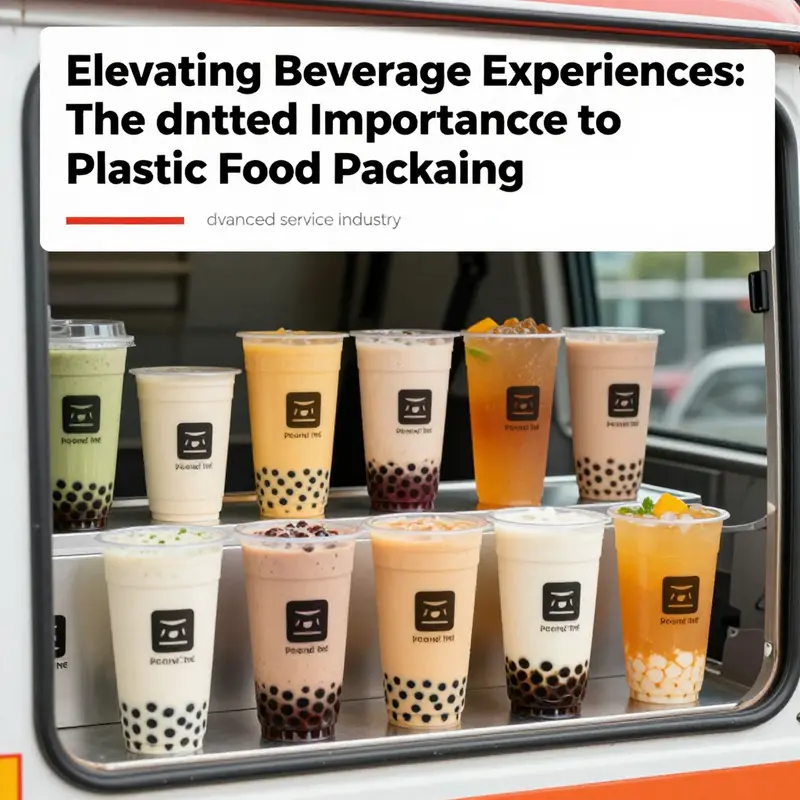
In the dynamic world of food service, particularly within bubble tea shops, beverage chains, restaurants, food trucks, and catering services, the significance of packaging often goes unnoticed. However, packaging plays a pivotal role in informing consumers about product safety, convenience, and sustainability. This article explores the advancements in plastic food packaging materials, delving into their economic implications, environmental considerations, and the critical aspects of consumer safety and regulations. Each chapter unpacks how selecting the right materials can enhance service delivery and align with modern expectations for packaging.
From PET and PP to PBAT and Beyond: Crafting the Next Generation of Safe, Sustainable Food-Container Materials
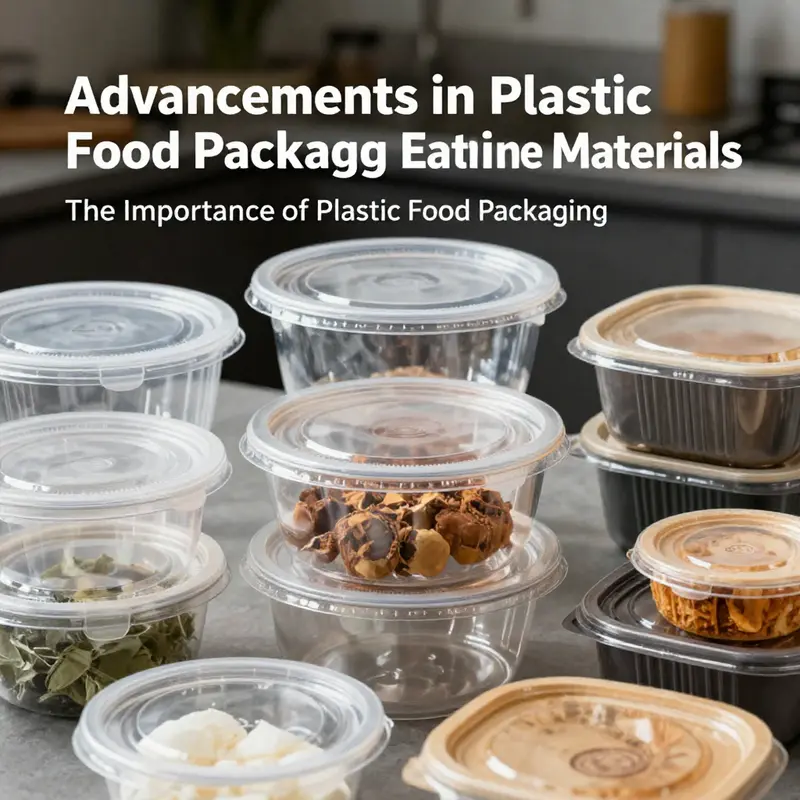
Plastic food packaging containers have long been the quiet workhors of modern food systems. They enable clean, portable meals, safe cold storage, reliable transport, and efficient takeout service across a spectrum of food formats. Yet as supply chains tighten, consumer expectations hinge not only on performance but on safety, recyclability, and a lighter environmental footprint. The shift underway in material science is not about discarding PET or PP overnight, but about expanding the material toolkit with biopolymers, nanocomposites, and smart packaging concepts that can deliver the same or higher levels of functionality while aligning with evolving sustainability goals. In this evolving landscape, the practical question becomes how to balance barrier performance, heat tolerance, mechanical integrity, and safety with end-of-life considerations that fit circular economy models. The answer lies in a nuanced blend of durable, high-performance traditional plastics and innovative, bio-based alternatives that can be engineered to perform in demanding storage and heating scenarios while offering improved end-of-life outcomes.
At the heart of this transformation is the growing role of biodegradable and compostable polymers, notably PBAT—Polybutylene Adipate Terephthalate—and related biopolymers. PBAT has emerged from the realm of academic curiosity into a viable backbone for packaging matrices that require a meaningful reduction in petroleum content without sacrificing the protective barriers that keep foods fresh. When PBAT is engineered into nano-composites, it gains a level of mechanical strength and thermal stability that makes it competitive with conventional plastics for a range of consumer-ready containers. The nano-reinforcement, often in the form of carefully dispersed clays, silica, or other nanoscale fillers, can tune the modulus, impact resistance, and creep behavior without dramatically increasing material thickness. The result is a family of materials that can withstand the rigors of cold storage, frozen transport, and even some microwave exposure, while offering a route to faster, more energy-efficient recycling streams and, in some cases, compostability through industrial facilities.
This is not a purely end-of-life story, however. The performance demands of modern food logistics pressure materials to be resilient not just during transit and storage but through multiple cycles of use, or at least through periods of extended storage in a consumer’s home or a food-service operation. PBAT-based nanocomposites are being tailored to deliver controlled degradation rates that align with the life cycle of products—from short-lived takeout packaging to longer-use containers in bulk storage. The idea is to engineer a material whose structural integrity persists through storage and handling, while its environmental fate becomes more predictable and less resource-intensive at disposal. In practice, this means optimizing crystallinity, chain mobility, and the dispersion quality of nano-fillers to manage heat transfer, moisture migration, and gas permeability. The end result is a packaging matrix that can act as a robust barrier to oxygen and moisture when needed, yet readily participates in composting or other sustainable disposal pathways when its life ends. The challenge remains ensuring that these materials meet stringent food-contact regulations, particularly migration limits for additives and stabilizers, and that any compostability claims are verified in appropriate industrial facilities rather than assumed in home compost environments.
While PBAT and its nanocomposites expand the material palette, traditional plastics such as polypropylene continue to evolve in ways that reinforce their central position in heated and microwavable applications. PP already offers a high melting point, chemical resistance, and excellent clarity in certain grades, making it a reliable choice for warm-fill and microwaveable containers. Recent advances focus on enhancing clarity without sacrificing toughness, improving heat resistance, and reducing overall weight through optimized semi-crystalline structures and tailored compatibilizers. For microwave-safe applications, the core requirement is stability under rapid temperature cycling and avoidance of substances that might migrate or degrade under heat. In this context, PP remains an ideal platform for high-heat exposure while also benefiting from process innovations like co-extrusion and multi-layer configurations that preserve a user-friendly, single-material recycling path in some regions. The push toward mono-material or near-mono-material architectures—where possible—aims to simplify recycling streams and reduce the separation and sorting work required at end-of-life facilities. It is here that labeling strategies and material traceability become critical, as consumers and waste processors rely on clear, accurate information to maximize recoveries.
In parallel with advances in PBAT and PP, PET retains a central role in beverages and certain ready-to-eat applications, thanks to its superb gas barrier properties and high recyclability. PET’s enduring relevance comes not only from its performance but from its compatibility with emerging recycling streams, including mono-material approaches that preserve clarity and barrier integrity while enabling high recycling yields. Innovations in labeling, authentication, and sorting technologies are helping to maintain PET’s position in high-volume sectors by reducing contamination and enabling more efficient recycling. The converging trends—better barrier performance, safer heating performance, and smoother integration into circular systems—signal a broader movement toward materials that can deliver reliable, food-grade performance across a wider range of temperatures and use cases.
One of the most exciting strands in material design is the development of sustainable manufacturing practices and new fabrication approaches. Extrusion coating, co-extrusion, and solvent-free nanocoatings allow for multi-functional packaging layers that provide enhanced heat resistance, moisture control, and structural integrity without resorting to multiple, dissimilar materials or solvent-intensive processes. These fabrication techniques enable the creation of barrier systems that remain compatible with recycling schemes, a critical consideration as waste streams evolve and infrastructure expands. The goal is to produce packaging that performs where it matters—resisting moisture and oxygen ingress, tolerating temperature fluctuations, and preserving the organoleptic qualities of food—while ensuring that the materials can be separated, recovered, or degraded in a way that minimizes environmental impact.
Alongside these engineering feats, the market is seeing a growing emphasis on safety and sensory neutrality. Consumers expect packaging to be inert under normal use, free from odors and contaminants, and free from leaching even after exposure to heat. This has intensified scrutiny of additives, stabilizers, and residual monomers, particularly in the context of PBAT and biopolymers. Regulators require rigorous testing for food contact safety, including migration studies that quantify how much additive or degradation product might migrate into food under various conditions. In this landscape, the advantage of biopolymers lies not in a blanket replacement of conventional plastics but in a dual strategy: where feasible, substituting petroleum-based content with bio-based, potentially compostable alternatives; and where substitution is not yet practical, enhancing the performance and recyclability of existing materials to reduce waste and energy use.
Another pillar of this evolution is active packaging, which moves beyond passive barriers to actively influence the shelf life and safety of foods. By embedding antimicrobial agents, oxygen scavengers, or moisture regulators directly into the packaging matrix, these systems can slow spoilage, inhibit microbial growth, and maintain quality over longer periods. Edible films and coatings made from biopolymers such as chitosan or starch represent an intriguing frontier, offering natural preservation mechanisms without synthetic additives. While still a developing field, such technologies hold promise for reducing spoilage-related waste and offering alternative routes to extending freshness without relying solely on nuts-and-bolts barrier properties. Yet active and edible packaging must be carefully balanced with safety concerns, regulatory compliance, and cost constraints to ensure consumer acceptance and scalable production.
From the perspective of the supply chain, the trend toward sustainable materials often intersects with the push for more transparent and traceable manufacture. Mono-material approaches, where feasible, improve recyclability by avoiding the complexity of disassembling multi-material constructs. When multi-layer configurations are necessary to achieve the required performance, material scientists and packaging engineers seek ways to keep layers compatible with recycling streams, minimize the use of adhesives and barriers that complicate sorting, and ensure that any coatings or nanocomposites can be recovered or deconstructed in a controlled manner. In practice, this translates into a manufacturing philosophy that emphasizes process efficiency, energy minimization, and waste reduction—goals that often align with the broader corporate sustainability agendas driving packaging innovation across industries.
In this continuum of innovation, the role of testing and materials characterization becomes more sophisticated. Advanced spectroscopy, thermal analysis, and mechanical testing help verify that PBAT-based nanocomposites meet the required performance criteria across storage, transport, and heating conditions. Life cycle assessments, while complex, provide a framework for comparing different material choices in terms of energy use, greenhouse gas emissions, and end-of-life outcomes. The insights gained from these assessments inform not only material selection but also design decisions about container geometry, wall thickness, and labeling strategies. In a market that demands both performance and responsibility, such cross-disciplinary evaluation is essential to ensure that a given packaging solution can deliver on its promises without unintended environmental costs.
The dynamic interplay between new biopolymers, reinforced nanocomposites, and refined traditional plastics is reshaping what is possible in food packaging containers. It invites manufacturers, retailers, and processors to rethink how containers are selected, designed, and disposed of. Rather than a simple choice between “bioplastic” and “conventional plastic,” the emerging paradigm favors a spectrum of solutions tailored to specific uses, climates, and supply chains. A cold-chain container may rely on a PBAT-based matrix with a nano-reinforcement to maintain rigidity and barrier properties, while a microwaveable meal cup could exploit a PP-based system with a carefully engineered crystalline structure to withstand heat cycles with minimal weight while remaining recyclable. PET continues to be an anchor for clear, high-barrier applications, but even there, innovations in labeling and process optimization are reducing the environmental footprint of recycling and improving compatibility with modern waste management infrastructures.
For readers exploring sustainable packaging alternatives that still rely on polymer-based or paper-based materials, the range of kraft-paper take-away containers demonstrates an expanding toolkit that complements high-performance plastics. The conversation about material choice is less about a single “best” option and more about a portfolio approach that matches performance with end-of-life pathways. When discussing the broader trajectory of plastic food packaging, it is essential to recognize that advances in PBAT nanocomposites, smart packaging concepts, and processing innovations are not merely academic exercises. They are practical means to shrink waste, improve shelf life, and reduce energy demands across logistics networks. The advances also reflect a commitment to safety—ensuring that migration remains within regulatory limits and that materials do not impart unwanted odors or flavors to food during normal use.
As the field advances, the next generation of packaging designers will benefit from a clear framework that integrates material science with regulatory compliance, waste management realities, and consumer expectations. The balance they seek—strength, clarity, heat tolerance, and end-of-life clarity—will likely hinge on hybrid strategies that leverage the best of each material family. PBAT and related biopolymers may offer superior degradation profiles, while optimized PP and PET grades will continue to deliver dependable performance. The evolving ecosystem will also encourage more transparent communication with consumers about material choices and disposal options, acknowledging that environmental impact is a product of both material properties and the systems that handle them after use.
In closing, the trajectory toward a more sustainable, high-performance packaging future is not a straightforward substitution. It is a sophisticated orchestration of chemistry, processing, and logistics that seeks to preserve safety and performance while reducing environmental burdens. By embracing nano-enhanced PBAT, smarter packaging matrices, and continued refinement of mono-material and near-mono-material structures, the industry can meet the needs of modern food supply chains without compromising food safety or ecological integrity. This integrated approach—where advanced materials science, responsible manufacturing, and thoughtful end-of-life planning converge—holds the potential to redefine what a plastic food packaging container can be: a reliable guardian of freshness, a responsible consumer of resources, and a step toward a more sustainable circular economy.
For readers who want to explore practical examples of sustainable packaging alternatives, consider reviewing the disposable eco-friendly kraft box page that highlights how kraft-based solutions can pair with modern design to deliver performance in real-world settings. You can learn more here: disposable eco-friendly kraft box. This glimpse into current offerings illustrates how the packaging ecosystem is expanding beyond traditional plastics to embrace materials that support a more circular model while remaining aligned with the needs of food service and retail environments.
External resource: Recent Advances in PBAT (Nano) Composite Materials for Food Packaging: A Comprehensive Review. https://onlinelibrary.wiley.com/doi/10.1002/app.54378
Priced for Preservation: The Economic Currents Behind Plastic Food Packaging Containers
Plastic food packaging containers sit at the intersection of storage science, consumer convenience, and the broader economics of our food system. They are not just vessels; they are the completed infrastructure that moves, preserves, and primes foods for shelf life, service, and sale. That practical role translates into a web of cost drivers and externalities that shape pricing, profitability, and policy. When we trace the money from resin to retail shelf, the first layer to consider is the obvious: production costs. The plastics that form packaging—whether thin, single-use film or rigid, molded containers—benefit from well-established supply chains, mature polymer chemistries, and economies of scale that push unit costs down as production volumes rise. For manufacturers, this means an attractive baseline: a material that can be produced in immense quantities with predictable performance. For consumers, this translates into lower prices on many daily essentials, especially when brand or retailer margins are thin and the volume sweet spot is high. The math here is not merely about the sticker price; it is about the cumulative effect of lower per-unit costs across millions of packages that move through supermarkets, restaurants, and households every day. The same production efficiencies also influence the availability of specialized packaging: clear PET for high-clarity displays, or robust PP for heat tolerance in microwavable formats. Each resin brings its own set of performance credentials, but the economic logic remains: high-throughput production reduces per-unit overhead, which helps keep prices competitive in a crowded market.
Beyond the initial price tag, the lightweight nature of many plastic containers delivers tangible savings in transportation. Freight costs scale with weight and volume, and even small improvements in container weight or rigidity can yield meaningful downstream savings. Lightweight, compact packaging amplifies the efficiency of logistics networks by enabling more units per truck, ship, or conveyor line. In turn, retailers and food-service operators can optimize stock turns, reduce spill losses, and shorten replenishment cycles. The distribution system benefits from less damage and more predictable handling, which curtails waste at multiple nodes of the supply chain. This acceleration of throughput may not always show up as a line-item on a cost sheet; its financial value emerges in the form of steadier cash flow, lower spoilage risk for perishable items, and the ability to offer fresher products with less marginal expense at scale.
The durability and protective performance of plastic packaging add another dimension to the economic calculus. Containers that resist crushing, leakage, and deformation in transit protect product integrity and reduce the incidence of costly returns or disposal. For retailers and manufacturers, fewer damaged units mean less wasted product, fewer refunds, and lower customer-service costs. This is particularly salient for frozen and refrigerated foods, where temperature control and physical protection are both critical to taste, texture, and safety. The monetary consequence is a smoother, more predictable supply chain, where the risk of spoilage declines as packaging design and materials are matched to product requirements. In markets with high throughput and demanding demand curves, such as large-scale catering or retail pharmacy lines that depend on precise portioning, the economic premium for dependable packaging can be worth the investment because it curtails expensive waste and protects brand reputation through consistent presentation.
Yet the bright line of savings ends where the waste stream begins. Post-consumer costs are the stubborn counterweight to near-term production and logistics advantages. Packaging waste represents a substantial portion of total plastic waste—about 63% in many analyses—creating a heavy financial burden on municipal waste systems, disposal facilities, and environmental remediation programs. This is not a theoretical concern; it translates into real budget allocations, steeper tipping fees, and, in some communities, additional charges passed to residents or businesses. The higher the segment of packaging that ends up in landfills or incinerators, the more resources a city must mobilize to manage and mitigate the environmental footprint. The economics of waste management are complicated further by the recycling challenge itself. Sorting, cleaning, and separating contaminated or mixed plastic streams require labor-intensive processes and sophisticated infrastructure. Even when recycling capacity exists, the yield is often constrained by material quality, collection rates, and consumer participation. The financial implications are clear: recycling and waste handling add costs to the system, costs that can be borne by producers through extended producer responsibility schemes, packaging fees, or higher end-user prices. In turn, these costs influence corporate strategies around packaging design, material selection, and end-of-life pathways.
Regulatory and health considerations increasingly sculpt the cost landscape as well. Public health concerns about chemical migration from packaging into food and repeated-use scenarios drive a steady push toward safer materials and better testing regimes. The migration risk associated with substances such as bisphenol A (BPA) has generated regulatory scrutiny in several jurisdictions, even as enforcement confidence and consumer preferences evolve. The nuanced reality is that, in some markets, detectable BPA migration may be absent in certain contexts—such as specific take-out scenarios—yet the risk remains with repeated exposure or under conditions that stress the packaging, such as high heat or long storage. These uncertainties complicate the investment calculus: firms must forecast regulatory trajectories, invest in safer materials, and implement more robust testing, all of which raises up-front costs but can reduce long-run liabilities. In practice, the move toward materials perceived as safer or more recycled-friendly—such as PET and PP in many applications—can influence procurement choices and capital expenditure. The safety and compatibility standards required to sustain food-contact legitimacy may necessitate additional process controls, supplier audits, and quality assurance protocols that translate into continuous operating costs. The subtlety here is that the cheapest option in isolation may not be the most economical when compliance risk, product recalls, or reputational damage are factored in over time.
Market dynamics reflect these tensions in a telling way. As regulatory and consumer pressures mount, there is a discernible shift toward safer, recyclable, and functionally appropriate materials. PET, prized for its transparency and chemical resistance, remains a favorite for beverages and some ready-to-eat foods, while PP is widely regarded as a reliable choice for microwavable applications. This alignment with safety and performance carries an economic dividend for large-volume users such as supermarkets and processing facilities. The willingness of end markets to pay a premium for materials that meet strict food-contact standards, while still delivering on cost and performance, can shape supplier competition, capital allocation, and product development pipelines. Yet this transition is not costless. Upgrading lines, retooling for new resins, validating new packaging configurations, and retraining staff all require upfront investment and downtime. The price path of plastic packaging thus becomes a balancing act: short-term cost discipline against long-term risk management, brand equity, and consumer trust. In markets where waste management costs and regulatory expectations converge with consumer demand for sustainable packaging, the economic case for shifting away from less durable or harder-to-recycle options becomes more compelling. The net effect is a landscape where strategic packaging decisions weigh the immediate savings of conventional plastics against the longer-term benefits of safer, more recyclable solutions and the social license that accompanies them.
A broader, often underappreciated consequence of these dynamics is the shift in who bears the economic burden and how it compounds across society. The true cost of plastic packaging extends far beyond the price paid at the checkout or the cost of a pallet in a distribution center. It includes environmental remediation costs, climate-related externalities, and public health implications linked to plastic waste and chemical exposure. Public agencies, taxpayers, and future generations absorb much of this burden through cleaner-up campaigns, water and soil remediation, and the need to invest in resilient waste management infrastructure. The economic picture thus becomes a story about the risk of underpricing the externalities associated with packaging and the benefits of adopting broader lifecycle thinking in product design. When policymakers and industry players align on incentives that reward recyclability, reusability, and material safety, the economy of packaging can tip toward more sustainable choices without sacrificing efficiency or affordability. The challenge lies in coordinating investment across the supply chain, from resin producers to packaging converters to retailers, so that the costs and benefits are apportioned in a way that preserves competitiveness while advancing environmental and public health goals.
In the end, the economics of plastic packaging containers reveal a ledger in which short-term gains coexist with long-term responsibilities. The production and logistics advantages of plastics contribute to affordable, durable, and convenient packaging; these gains, however, are counterbalanced by waste management costs, recycling challenges, and regulatory pressures. The result is a complex calculus for manufacturers, retailers, and policymakers. It demands strategic alignment across product design, material selection, and end-of-life solutions—an alignment that recognizes packaging as a critical link in the system that feeds, stores, and serves countless meals each day. The objective of this balancing act is not simply to minimize expense but to optimize value across the product’s lifecycle: from creation to consumption to eventual disposal or reuse. In that sense, the economics of plastic packaging containers are not only about dollars saved at the point of sale; they are about the wider distribution of costs, benefits, and responsibilities that define the sustainability and resilience of our food economy.
External resource: https://www.epa.gov/organics/plastic-waste
Beyond Convenience: Navigating the Environmental Footprint of Plastic Food Packaging Containers and the Path to Sustainable Design
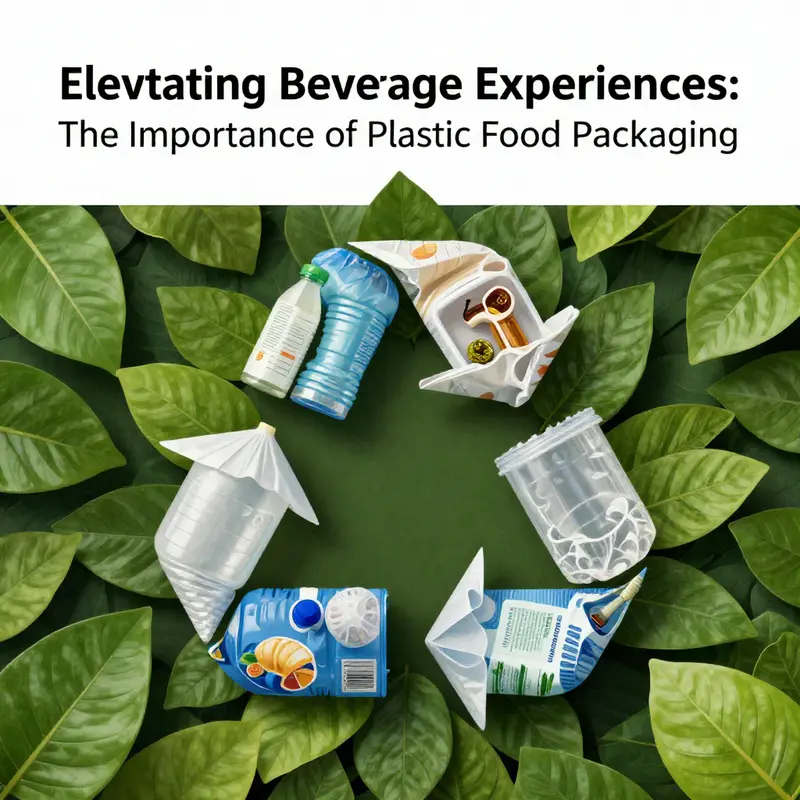
Plastic food packaging containers have become an invisible backbone of contemporary food systems. They enable long-distance transport, reduce weight in supply chains, and help preserve freshness from farm to fork. Yet their rise has coincided with rising concern about waste, litter, and the health of ecosystems far from the consumer. The narrative is not simply that plastic is bad or good; it is that the everyday choices about what kind of plastic to use, how it is manufactured, how it is used, and how it is managed at the end of life collectively shape the environmental trajectory of our food economy. A single container may seem small in isolation, but when millions are produced, used, and discarded daily, their cumulative impact becomes a major feature of our environmental landscape. In this context, the environmental chapter of plastic food packaging containers must examine not only the material properties that enable performance but also the long arc of waste, recovery, and environmental costs that often lie outside the visible consumer experience.
The environmental challenges associated with packaging plastics are driven by persistence, scale, and the complexity of waste streams. Most used packaging eventually enters the waste system, and a substantial fraction escapes collection and recycling, ending up in waterways and, ultimately, the ocean. Once in the environment, plastics break down into microplastics that infiltrate soils, rivers, and marine habitats. Wildlife ingest these particles, mist disguise tissue, and ultimately, trace evidence suggests, microplastics may enter the human food chain through a chain that begins with contaminated resources. This trajectory raises urgent questions about the true costs of packaging decisions, not only in terms of material efficiency and energy use, but also in terms of ecological services—habitat provision, water purification, climate regulation, and nutrient cycling—that are degraded when plastic litter disrupts marine and coastal ecosystems.
To grapple with these questions, researchers are turning to assessment tools that fuse conventional life cycle thinking with the economics of ecosystem services. A life cycle assessment (LCA) extended with costs on marine ecosystem services offers a quantitative lens on the environmental burden caused by plastic litter, focusing on a major endpoint of end-of-life fate: the health of marine ecosystems. This approach addresses a common critique of traditional LCAs, which can overlook the economic and ecological depreciation associated with environmental degradation. By assigning a monetary contribution to the loss of services such as biodiversity, coastal protection, and fisheries productivity, the LCA becomes a more policy-relevant instrument. It translates abstract environmental impacts into a framework policymakers and businesses can weigh against production costs, material efficiency, and consumer demand. In practice, this means that an otherwise attractive packaging option could be re-evaluated if its end-of-life scenario yields higher expected costs to ecosystem services than previously recognized. The method remains evolving, but its promise lies in aligning the durability and safety benefits of packaging with a more nuanced accounting of environmental costs that propagate beyond the bin or the recycling plant.
The positives of plastic containers are not erased by these concerns. The material properties that have driven their success—lightweight strength, chemical resistance, and barrier performance—continue to hold relevance in a world seeking to reduce food waste and extend shelf life. Polypropylene, for instance, with its relatively high melting point, supports microwave-safe and dishwasher-safe applications, enabling convenient reheating and reuse in household and food-service settings without compromising safety. PET, a mainstay for clear, rigid packaging, offers exceptional transparency, strength, and low-temperature performance, characteristics that bolster product visibility and protection for perishable items. In a circular economy frame, these attributes are valuable because they facilitate efficient transport, reduce food waste, and improve product integrity. Yet when these same materials are consumed at scale and not properly managed at end of life, the trade-off shifts toward significant environmental costs that ripple through ecosystems and communities.
A key challenge lies in the diversity of plastics used in packaging systems. Although PET and PP are widely recognized for food-contact safety and performance, other resins—such as polystyrene and polycarbonate—persist in parts of the market. Their presence often reflects historical design choices, specialized barrier requirements, or cost dynamics. However, heated or repeated use of certain plastics raises health and safety considerations, underscoring the importance of labeling and compliance with food contact regulations. Consumers and businesses alike benefit from clarity about which resins are appropriate for heating or hot liquids and which materials should be avoided in those contexts. In practice, the resin identification codes act as a starting point for assessing safety, recyclability, and end-of-life pathways, but the broader ethical and environmental costs require a deeper, system-level assessment that links material choice to ecosystem vitality.
The environmental narrative of packaging is inseparably linked to end-of-life infrastructure. Recycling rates, sorting technologies, and the presence of contaminated streams influence whether a given container completes a circular loop or becomes litter. The reality is that many packaging systems, especially those relying on multi-layer or multi-material constructs, resist straightforward recycling. This reality invites a design-based response: moving toward monomaterial configurations that maintain performance while increasing recyclability, removing incompatible components, and selecting inks and adhesives that do not hinder material recovery. The optimization is not only technical; it is economic and social. Efficient recycling reduces material inputs and energy use, but it also demands robust collection systems, convenient consumer habits, and stable markets for recycled feedstocks.
With these dynamics in mind, consumer education becomes part of the environmental equation. When households understand resin codes, how to sort materials, and why certain containers are unsuitable for heating in microwaves, they participate in the chain that preserves resource value and minimizes waste. At the same time, businesses can pursue design-for-recyclability as a product feature, not a compliance checkbox. For example, selecting materials that can be recycled in existing municipal streams, avoiding coatings or layered constructions that complicate separation, and communicating clearly to consumers how to dispose of packaging are practical steps that align daily behavior with broader environmental goals. In addition, the economic incentives around recycling must be aligned with packaging choices. If recycled content and end-of-life recovery are valued within corporate accounting and policy frameworks, manufacturers can invest in the needed technologies and processes without sacrificing performance or cost efficiency.
In the broader context of environmental stewardship, the discussion turns toward alternatives and improvements that complement recycling. Biobased or compostable options capture attention, yet their environmental performance is not automatically superior to conventional plastics. Without appropriate composting infrastructure or consumer behavior, some of these alternatives may accumulate in the same waste streams or create new challenges for contamination and collection. The most robust path forward tends to be a combination of design for recyclability, enhanced end-of-life infrastructure, and cautious exploration of alternative materials where ecologically sound and scalable. The essential truth remains: plastic packaging is an instrument of modern food systems, and its environmental footprint is a function of how it is engineered, discharged, and recuperated across the entire life cycle.
To connect these ideas back to practical decision-making, consider the role of material choice in a value chain that prioritizes safety, cost-efficiency, and environmental responsibility. PET’s transparency and barrier properties make it an excellent option for many applications, while PP’s heat resistance supports consumer convenience. Each of these choices interacts with waste management realities, recycling markets, and ecosystem costs in ways that are not immediately visible at the point of sale. The challenge is to cultivate a holistic perspective in which design, production, consumer behavior, and policy choices are synchronized to reduce environmental costs while preserving the benefits of modern packaging. This requires not just technological innovation but also governance and cultural change that recognize the true costs of discarded materials. In this sense, the environmental chapter of plastic packaging becomes a conversation about stewardship—how we balance the immediate benefits of packaging with the long-term health of the oceans, the resilience of coastal communities, and the integrity of the ecosystems that sustain food production and human well-being.
For readers seeking a deeper empirical perspective on how these dynamics unfold in practice, the Environmental Performance of Plastic Food Packaging: Life Cycle Assessment Extended with Costs on Marine Ecosystem Services offers a rigorous treatment of how end-of-life impacts translate into economic terms and policy relevance. The core message is that improved recycling, smarter packaging design, and stronger end-of-life governance can jointly reduce environmental costs while maintaining the essential functions of packaging in food systems. More detailed exploration of this approach can be found in the linked external resource.
Within the landscape of sustainable packaging, practical decisions can also reflect the growing interest in alternatives to conventional plastics where appropriate. One avenue is the adoption of monomaterial packaging that preserves barrier properties without creating insurabilities for recycling streams. Another is the promotion of reusable or refillable systems where feasible, paired with robust return and cleaning processes to sustain a circular flow of materials. While these strategies do not eliminate environmental concerns, they contribute to a portfolio of solutions that reduces the overall burden on ecosystems while supporting the operational needs of retailers and food-service operations. The balance between performance and environmental responsibility remains delicate, requiring ongoing evaluation, transparent reporting, and adaptive management as technologies and markets evolve.
In sum, the environmental considerations surrounding plastic food packaging containers demand a synthesis of science, design, policy, and consumer engagement. The path forward lies in recognizing that the true cost of packaging extends beyond the price tag and the shelf life. It encompasses the health of marine ecosystems, the resilience of coastal economies, and the long-term viability of resource cycles. By embracing advanced assessment tools, pursuing recyclable and monomaterial designs, and aligning incentives across stakeholders, the food packaging industry can navigate toward outcomes that honor both safety and stewardship. This integrated approach does not diminish the utility of plastic containers; it redefines their value in a world that must steward finite environmental resources with equal care to human needs. For readers who want to explore concrete design-and-policy implications, one relevant entry point is a comprehensive study that quantifies marine ecosystem costs within a lifecycle framework, illustrating how environmental accounting can inform better packaging decisions in practice. kraft paper octagonal box with lid. For a broader, external scholarly treatment of the environmental performance of plastic food packaging, see the following resource: https://www.mdpi.com/2071-1050/11/9/2568.
Safeguarding Food, Science, and Stores: The Regulatory Fabric Surrounding Plastic Food Packaging Containers
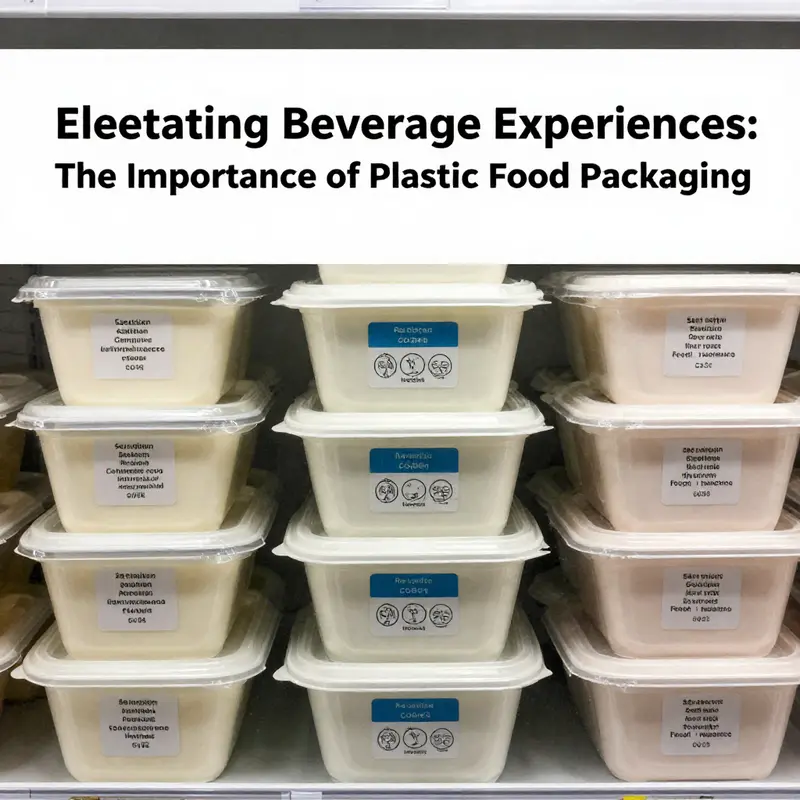
When plastic packaging comes into contact with food, safety becomes a shared obligation among manufacturers, regulators, retailers, and consumers. The goal is straightforward in intent yet complex in practice: keep harmful substances from migrating into meals while preserving the integrity of the food, whether it is hot, cold, or somewhere in between. This chapter traces the core ideas shaping safety expectations for plastic food packaging containers, moving from broad regulatory principles to concrete choices about materials, design, and everyday use. It also considers the evolving concerns that push the system toward safer, more sustainable options, without losing sight of the practical needs of high-volume food service and everyday home storage. In this landscape, the resin identification codes, the chemistry of migration, and the engineering of containers all play essential roles in safeguarding public health and supporting trustworthy food systems.
At the European Union level, safety regimes for food-contact materials are anchored in Regulation (EC) No 1935/2004. This framework imposes general rules for materials and articles intended to contact food, with the aim of ensuring that plastics do not pose risks to human health or alter the composition of food. The regulation articulates a precautionary standard: materials must be manufactured in a way that minimizes any unintended transfer of substances to food under normal use. The details are not left to chance. Specific migration limits (SMLs) set by the European Food Safety Authority (EFSA) translate broad safety goals into actionable thresholds. These SMLs define the maximum amount of a given substance that may migrate from the packaging into food during typical storage, handling, and consumption scenarios. The system thus links material science to practical use. It is a dynamic regime, continually revisited as new scientific evidence emerges, including concerns about microplastics and endocrine-disrupting chemicals. As of January 2026, updates to these regulations reflect an ongoing balance between enabling modern packaging functionality and minimizing potential risks, a balance that remains central to both consumer trust and regulatory credibility.
For consumers and product developers alike, understanding the resin identification codes adds another layer of practical clarity. The codes help distinguish families of plastics by their chemistry and typical performance, which in turn informs safety considerations. In current research, HDPE (code 2), certain polyethylene variants used for flexible still or lightly branched forms (code 4), and polypropylene (code 5) are highlighted as materials with favorable stability profiles under a range of conditions. These resins are generally more resistant to leaching and less prone to releasing harmful substances when exposed to heat, acids, or fats. They are widely used in reusable food storage, meal-prep containers, and many commercial distribution systems because of their durability and temperature resilience. Yet even within these codes, safety hinges on how the material is manufactured, what additives are used, and how the container is designed for its intended use.
The mechanisms of safety extend beyond the base resin. Additives, surface finishes, closures, and seals all contribute to overall performance. Modern food-grade plastics are engineered with a suite of features intended to protect both the product and the consumer. Airtight seals help preserve freshness and reduce contamination risk; leak-proof lids prevent spills and maintain barrier integrity during transport. Robust construction resists deformation and maintains protection against environmental factors encountered in domestic kitchens and food-service settings. These design features are not decorative; they are essential elements of the food safety system, helping to maintain food quality and minimize opportunities for contamination during storage and handling.
Alongside design, temperature considerations are central to safe use. Plastics intended for food contact are developed with application windows in mind. Some containers are explicitly designed for reheating or serving hot foods, while others are intended for cold storage or room-temperature presentation. The key caveat is that heating and extreme temperature fluctuations can alter the migration profile of certain substances, particularly when contact time is prolonged or when fats and acids are present in the food. The implication for operators in catering and retail is practical: avoid exposing containers beyond their stated temperature range and follow guidance about microwave use where applicable. The regulatory framework supports these precautions by tying safe-use directions to the intended purpose and tested performance characteristics of each container type.
Environmental and health concerns push the conversation beyond immediate safety to the broader life cycle of packaging. Plastic packaging does emerge from fossil-fuel-derived feedstocks, and the end-of-life story matters for ecosystems and human health through potential microplastic exposure. This reality motivates regulators and manufacturers to pursue safer additives, clearer labeling, and more robust recycling and waste-management practices. While safety during use remains the regulatory priority, there is growing emphasis on sustainability as an integral part of the overall risk assessment. The aim is not to choose between safety and sustainability but to align both in ways that advance consumer protection and environmental stewardship. In regulations, this alignment appears as requirements for traceability, clear labeling, and demonstrable conformity with food-contact safety standards, all of which support responsible decision-making for businesses and informed choices for households.
For businesses operating at scale, regulatory clarity becomes a strategic asset. Compliance is not a one-off certification but a continuous process that touches material selection, supplier qualification, testing regimes, and product labeling. Migration testing, stability studies, and conformance verification help assure that packaging remains compatible with the intended foods across diverse storage and preparation scenarios. Labeling communicates essential information to users, including whether a container is rated for heating, whether it should not be heated, and what kinds of foods are suitable for storage. The risk-based approach embedded in the regulation recognizes that some foods—highly acidic or fatty substances, for instance—can pose greater challenges to container performance. The practical takeaway for processors, distributors, and retailers is to design packaging systems that are fit for their specific use cases, insulated from misapplication, and supported by robust testing data.
From the consumer’s perspective, the resin codes and regulatory signals translate into tangible guidance. Choosing a container becomes a choice about safety, performance, and trust. A consumer may see a code on the base of a container and interpret it as a simple recycling cue; the same code, however, also implies a set of material properties that influence reaction to heat, contact with fatty foods, and potential interactions with dietary acids. When a container is intended for reheating, the user should look for explicit statements about microwave resistance and heat tolerance, and should avoid heating in containers without such clearance. When in doubt, opting for clearly labeled containers designed for heat and for specific food types supports both safety and performance. Yet even with clear labeling, the ultimate test remains the integrity of the product under normal conditions of use, an outcome governed by the cumulative effects of material choice, manufacturing quality, and appropriate handling by the consumer.
A nuanced picture emerges when considering the interaction between regulations, materials, and real-world use. PET and PP then appear not simply as idealized “safe plastics” but as pragmatic choices with proven performance profiles. PET’s high clarity, strength, and low-temperature resistance make it a favored option for transparent packaging that still meets safety and recycling requirements. PP’s heat resilience underpins many microwavable and hot-food applications. These materials, used correctly, contribute to safe storage, reliable reheating, and consistent product quality. At the same time, PS and PC, previously common in some applications, raise concerns around heat exposure, leaching, or chemical additives such as BPA in certain PC formulations. The guidance remains clear: prioritize materials that are explicitly labeled as food-grade and compliant with relevant safety standards, and exercise caution with containers outside these classifications or lacking clear safety certifications.
For researchers and policy-makers, the evolving landscape invites ongoing vigilance. Regulatory updates reflect advances in analytical techniques, new insights into migration mechanisms, and emerging concerns about microplastics and endocrine disruptors. The goal is to preserve consumer safety while supporting innovation in packaging chemistry and design. The dialog between regulators, manufacturers, and consumers continues to shape standards that are informed by science, yet attuned to practical realities in grocery aisles, kitchens, and commercial kitchens. It is in this dialog that the everyday act of choosing a container—whether a single-use bin for a take-away meal or a reusable storage solution for a family meal prep—becomes a concrete exercise in health protection, environmental responsibility, and informed consumption.
In practice, the safety and regulation story is not a single rulebook but a web of linked requirements, tests, and labeling conventions. The underlying principle remains the same: packaging should preserve food safety and quality, protect against contaminants, and be designed for the conditions of use. A robust system gives manufacturers the latitude to innovate within defined boundaries while providing consumers and retailers with clear expectations. As the science evolves, the regulatory framework will continue to adapt, driven by new evidence about migration, extractables and leachables, and the broader questions of how plastics interact with the body and the environment. In this ongoing evolution, the strongest assurances come from transparent communication, consistent testing, and materials chosen with both safety and performance in mind.
For those who want to explore a practical example of packaging options that align with safety and sustainability goals, a related internal resource highlights eco-friendly packaging choices that can complement plastic-based solutions where appropriate. Access the resource through the linked entry: senang05-promotion-large-porridge-350ml-double-wall-eco-friendly-disposable-round-kraft-paper-soup-bowl-with-lid-cup-bucket. This example underscores how non-plastic alternatives can play a role in a safety-conscious and sustainability-minded packaging strategy for take-away and meal-prep contexts. While the focus here is on plastic containers and their regulatory landscape, recognizing the broader spectrum of packaging options reinforces the importance of choosing materials that meet food safety standards while aligning with environmental priorities. For further reading on formal regulatory texts that govern these considerations, consult the official EU legislation portal: https://eur-lex.europa.eu/legal-content/EN/TXT/?uri=CELEX%3A32004R1935.
The regulatory fabric surrounding plastic food packaging containers is a living system. It binds together scientific assessment, manufacturing controls, and consumer behavior into a coherent hedge against risk while accommodating the needs of restaurants, retailers, and households. The practical takeaway for professionals in the field is clear: safety is built through rigorous material selection, transparent testing, and precise application guidance. Removal of uncertainty comes not from vague assurances but from adherence to tested performance under real-use conditions, supported by labeling that communicates appropriate use. Consumers, in turn, benefit from clear signals about which containers are suitable for heating, which foods are compatible, and how to handle packaging in ways that minimize risk and extend product freshness. As the science advances and regulatory expectations evolve, the core objective remains stable: protect food as it moves through the supply chain, from factory floor to dining table, while fostering responsible innovation in packaging design and materials.
External resource for further regulatory detail: EUR-Lex Regulation (EC) No 1935/2004, which lays out the overarching framework for materials and articles intended to come into contact with food. This authoritative source anchors the standards discussed and provides access to the precise language and updates that shape compliance practices across the EU.
Final thoughts
The selection of plastic food packaging containers can make or break a food service operation. Through advancements in material technology, economic efficiencies, environmental sustainability, and strict adherence to safety regulations, businesses can optimize their packaging solutions. Embracing safe and responsible materials like PET and PP not only ensures the well-being of consumers but also strengthens brand reputation in a competitive marketplace. The right choice in packaging reflects a commitment to quality and care that resonates with today’s environmentally conscious and health-savvy consumers.