
In the picturesque city of Châlons-en-Champagne, plastic packaging food containers play a vital role in the culinary landscape. Not only do they cater to the demands of vibrant industries like bubble tea shops, restaurants, and catering services, but they also intertwine with local economic activities and sustainability initiatives. This article offers an in-depth look at the economic relevance of these containers, the pressing environmental considerations, innovative technological advances in packaging materials, and the regulatory framework shaping their use. Additionally, it highlights emerging market trends that food businesses can leverage to remain competitive in an evolving marketplace.
Packaging in the Champagne Crossroads: Plastic Containers and Hospitality in Châlons-en-Champagne
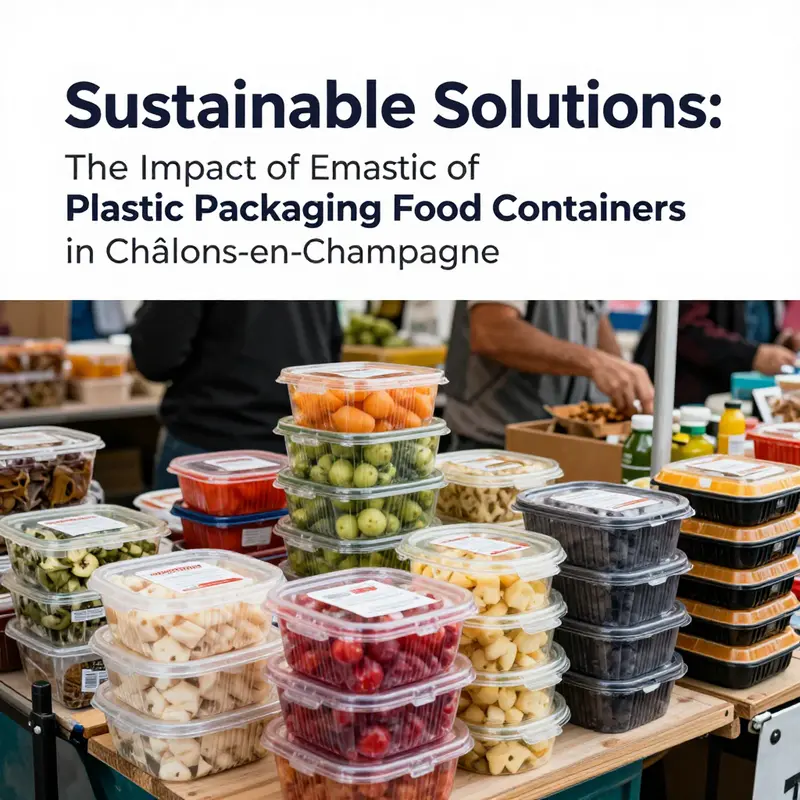
Châlons-en-Champagne sits at a logistics crossroads in the Marne department, where plastic food containers play a quiet but essential role in hospitality, tourism, and daily service. The city itself does not manufacture packaging, but its hotels, cafés, restaurants, and event venues rely on reliable, hygienic containers to keep food safe, warm, and easy to transport. Distributors connect regional centers with local operators, creating a steady rhythm of orders that underpins quick-service dining, takeout, and room service. Environmental and safety standards drive choices toward recyclable or reusable designs, while suppliers broaden catalogs to include bio-based options and clear end-of-life information. In this ecosystem, packaging becomes the infrastructure that supports guest experience, operational efficiency, and regional connectivity to the Champagne corridor. Proximity to Paris and Belgian markets keeps transportation costs predictable, helping small businesses compete for visitors during market days and festivals. The narrative is one of continuous improvement, with branding, traceability, and safety labels playing a growing role in procurement decisions. Thus, plastic containers—whether sealable boxes, microwavable trays, or compostable alternatives—enable a resilient local economy while aligning with responsible waste management.
From Convenience to Contamination: Tracing the Environmental Footprint of Plastic Food Containers in Châlons-en-Champagne
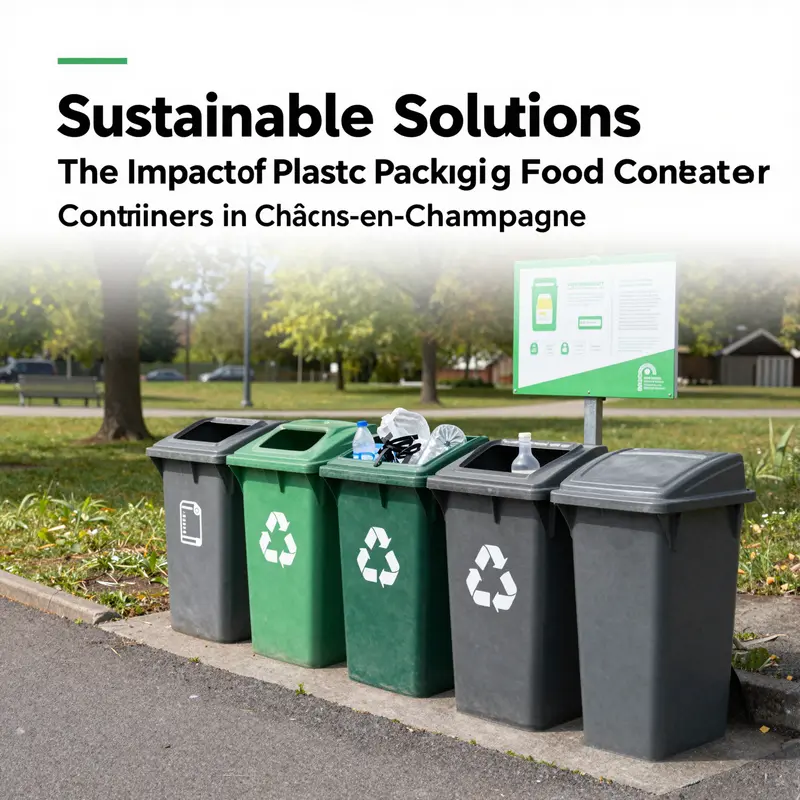
Châlons-en-Champagne sits along the Marne River, a city whose streets carry the hum of daily commerce and the constant rhythm of meals on the go. In such an environment, plastic food packaging containers are not a novelty but a quiet necessity. They enable quick service in cafés, bakeries, and take-away shops; they keep groceries clean and portable; they help a busy workforce pack lunches for hours away from home. Yet the same practicality that fuels their ubiquity also raises questions about the long arc of their life, from manufacture to waste, and the quiet, stubborn persistence of the material in the landscape and in the soil. When you walk the edge of the town’s markets today, you can feel the tension between the ease of single-use plastics and the growing call to reduce waste. The city’s position as a logistical hub—well connected to Paris, Belgium, and beyond—means that the supply lines for containers are as immediate as the meals they help transport. Local retailers, even as they chase efficiency and hygiene, increasingly weigh options that balance convenience with responsibility. In this landscape, plastic packaging becomes both a tool for operation and a test case for environmental stewardship in a region that values proactivity and practicality in equal measure.
The environmental narrative around plastic packaging is not about vilifying a single material but about understanding its role across a complicated life cycle. Across Europe, researchers and policymakers have long observed that the environmental footprint of packaging is often a fraction of the product’s overall impact. A broad spectrum of studies on 30 foods showed that in 23 of them, the packaging contributed less than 10 percent of the total life-cycle emissions. This finding can sound counterintuitive: plastic’s reputation for pollution is rooted in its durability and visibility, not in the raw score of emissions alone. The takeaway is not that plastics are harmless but that energy and emissions embedded in packaging might be smaller than many fear, especially when the packaging is light-weighted, optimized for reuse where feasible, and designed for high recyclability. In a city like Châlons-en-Champagne, where the flow of goods remains brisk and consumer demand for hygienic, sealed containers persists, this nuance matters. It suggests that the most meaningful gains will often come not from a wholesale rejection of plastics but from smarter choices—highly recyclable resins, minimized thickness, and packaging designed to be collected, separated, and processed efficiently by local waste streams.
But even as the emissions picture looks comparatively favorable in some cases, plastics’ durability translates into a stubborn persistence that becomes the central environmental challenge. Plastic waste tends to endure in the environment for decades, and unwanted products accumulate in landfills, urban litter, waterways, and, on a much smaller scale, in soils and organisms. Microplastics, formed through fragmentation and weathering, have raised concerns about ecosystem health and potential human exposure through the food chain. The global stats are sobering: about 79 percent of plastic waste ends up in landfills somewhere along the line of management, while the rate and quality of recycling vary widely across regions and municipalities. The research underscores a paradox familiar in many European contexts: while the direct greenhouse gas impact of plastic packaging may be modest, the long-term consequences of waste, leakage, and microplastic proliferation are not. In the Champagnes’ broader environmental discourse, this paradox sharpens the conversation around how best to reduce harm without compromising the efficiency that supports local business and daily life.
Within this frame, differences among packaging materials become part of a broader risk-benefit calculus. The literature comparing packaging types in various beverage and food contexts has yielded a surprising insight: for many products, the microplastic contamination risks associated with glass or other closures vary in ways that complicate simplistic assumptions about “green” packaging. For example, some materials outside plastic, when used for beverages, can present different microplastic exposure profiles across product categories. This nuance pushes communities to adopt a more integrated approach to packaging that accounts for hygiene, shelf life, and waste management in addition to environmental footprints. In Châlons-en-Champagne, such integrated thinking resonates with municipal and business leaders who are trying to balance consumer expectations for safety and convenience with a robust commitment to reducing long-lived waste and preventing microplastic leakage into ecosystems.
The policy landscape in France and the European Union adds further texture to this conversation. There has been a broad push toward making packaging more recyclable, more reusable, and less reliant on materials with problematic end-of-life scenarios. This has involved standards for material safety—REACH compliance and EFSA safety considerations—alongside design-for-recycling guidelines that steer manufacturers toward easier separation and higher recovery rates. In practice, local businesses in Châlons-en-Champagne are increasingly confronted with decisions about which containers to stock: those with strong barrier properties and sealability that guarantee food safety, versus those with simpler, more recyclable compositions that align with waste management capabilities. The regional logistics network, which connects suppliers from broader France and neighboring countries, makes it feasible to source a spectrum of options, including recyclable plastics and bio-based alternatives. In such an environment, the choice of container becomes a strategic decision that touches on hygiene, cost, supply reliability, and environmental impact—and it does not rest on a single metric but on a constellation of interlocking considerations.
This nuanced decision-making is nowhere more visible than in the everyday practice of take-away and retail food service. A small restaurant or bakery in the heart of the town may weigh the trade-offs between a container’s barrier properties and its end-of-life pathway. They consider whether a container can be recycled locally, whether it keeps food fresh during the peak hours of service, and whether it aligns with the city’s waste management capabilities. They may also consider a shift toward materials that reduce overall waste when used in combination with recycling systems and consumer education. The practical path often involves layered choices: using containers that are light yet sturdy, sealed to reduce leakage, and designed to be accepted by the municipal recycling stream. In one sense, the local market is a living laboratory for the broader European experiment in sustainable packaging. It demonstrates how a city with strong logistical ties can implement incremental improvements that accumulate into meaningful change over time, reshaping consumer habits, supplier standards, and municipal practices alike.
In this context, retailers and food-service operators are not simply vendors of meals but actors in a regional waste ecosystem. They can contribute to a feedback loop that informs manufacturers about what works in practice: containers that withstand the vagaries of transport, that perform well in microwaves or coolers, and that are easy to dispose of in the city’s recycling lines. When a retailer considers changing packaging, the decision is anchored not only in price and performance but in the container’s compatibility with the local end-of-life system. This is where the idea of a smarter packaging mix comes into sharper focus: one that favors high-recyclability and, where possible, materials that fit into extended-use or return schemes. It is also where digital tools begin to matter. Businesses can use simplified procurement platforms to compare material options against compliance criteria, including local recycling capabilities and safety standards. In this sense, the environmental footprint is not an abstract calculation but a real driver of procurement and a catalyst for process improvements across the supply chain. A practical example of this shift is a movement toward containers with proven recyclability in the European system, paired with clear labeling that helps consumers sort properly and enhances the efficiency of recycling facilities. Such a strategy minimizes mis-sorting and reduces contamination, which is essential for maintaining high-quality recyclables.
To connect the broader conversation to concrete choices, consider the moment when a local cafe hosts a catering event for a regional office. The event hinges on a portable, sealed container that preserves temperature and prevents leakage, yet the supplier offers a range of options: some that are designed for recycling streams, others that are compostable or made from bio-based renewables. The cafe manager weighs the costs and benefits, including the container’s environmental credentials, the ease of disposal by attendees, and the reliability of the local recycling network. In the end, the decision may lean toward a solution that reduces nervousness about contamination, simplifies sorting for guests, and aligns with city goals for cleaner streets and waterways. Such decisions accumulate, slowly reorienting purchasing habits and signaling to suppliers that the market favors materials that play nicely with the waste system while still delivering the necessary performance. The chorus of these everyday choices works in tandem with policy shifts, research insights, and consumer expectations to shape a packaging landscape in which plastic is not simply a symbol of convenience, but a material that must prove its worth across the whole life cycle.
As the chapter closes, the message for Châlons-en-Champagne is not a binary verdict on plastics but a pragmatic path toward balance. It is about acknowledging the essential role packaging plays in food safety and distribution while actively cultivating recycling, redesign, and reduction strategies that respect local realities. It means supporting suppliers who design with end-of-life in mind and empowering businesses to access choices that reflect both their operational needs and the city’s long-term environmental ambitions. It also invites residents and visitors to engage with the question of what a responsible packaging system looks like in a place where tradition, industry, and environmental stewardship intersect every day. In the dialogue between convenience and care, small shifts in container selection, waste collection, and consumer sorting can add up to a cleaner river, clearer streets, and a more resilient local economy. The chapter thus turns from a catalog of challenges to an invitation for collaborative solutions, with Châlons-en-Champagne as a test case for how a mid-sized European city can align packaging practices with a sustainable future.
For readers seeking a broader lens on this topic, broader research on plastic pollution offers critical context about the long-term environmental and health considerations linked to packaging choices. See an accessible overview here: https://www.sciencedirect.com/topics/engineering/plastic-pollution
Champagne and Change: Technological Innovations in Plastic Food Containers in Châlons-en-Champagne
In Châlons-en-Champagne, plastic food packaging sits at the intersection of local commerce, policy, and global supply chains. The city’s restaurants, retailers, and food-service operators rely on hygienic and practical containers that protect food through the distribution chain. As European and French waste policies tighten, and as demand grows for higher recycled content and lower environmental impact, local businesses balance safety, convenience, and end-of-life considerations. The region’s proximity to Paris and cross-border routes also broadens the set of packaging options available to buyers, influencing how packaging is sourced and used in daily operations.
European-wide efforts to improve sustainability shape choices beyond traditional plastics, with emphasis on recyclability, reusability, and, where feasible, bio-based content. Local suppliers increasingly provide material declarations and safety certifications to help buyers verify compliance with EU safety standards and government regulations, while considering transport, storage, and reuse logistics. Plastic remains indispensable for many applications that require heat resistance, moisture protection, and tough handling, but the focus is shifting toward materials and designs that reduce environmental cost without compromising hygiene or performance.
A practical trend is the move toward bio-based and biodegradable content where appropriate, alongside traditional recyclable plastics. Biopolymers designed to maintain barrier performance during shelf life are becoming more viable for many food categories, and when possible, materials that can be recycled in the same resin stream or safely degraded in the local waste system support a more circular economy.
In Châlons-en-Champagne, innovations in packaging technology—such as thin-wall molding and improved heat-sealing materials—seek to reduce material use while maintaining barrier and functional performance. These advances lower transport weights and emissions and enable better logistics for local shops and diners. The result is a packaging ecosystem that blends safety, convenience, and sustainability with the practical realities of local business.
From Policy to Plate: Navigating the Regulatory Terrain of Plastic Food-Contact Packaging in Châlons-en-Champagne
In Châlons-en-Champagne, as in much of France, the fate of plastic packaging for food is written not only in factory floors and supplier catalogs but in a layered scaffold of European and national rules. Local restaurants, retailers, and logistical hubs operate at the intersection of demand for hygienic, convenient containers and the obligation to safeguard public health and the environment. The city sits near major transport corridors and urban centers, which makes it a node in a broader supply chain for plastics and alternatives. In practice, this means that what is permissible for a takeaway container is determined long before the container touches a customer’s plate. Compliance is a collective effort that starts with the rules themselves and ends with how products are selected, tested, labeled, and ultimately dispensed to consumers in the Châlons-en-Champagne region. The regulatory framework thus acts as both map and compass for every actor in the local food-packaging ecosystem, guiding choices about materials, processing methods, and end-of-life strategies while anchoring them in a shared European vision for safety, sustainability, and consumer trust.
At the heart of this framework is Regulation (EC) No 1935/2004, which establishes the general principles for all materials and articles intended to come into contact with food. It is a broad but precise compass: food-contact materials must not transfer constituents to food in a way that endangers health, or alter the food’s composition, taste, or smell. In a regulatory landscape where a simple seal or a translucent surface may carry the weight of a national policy, the 1935/2004 rule anchors the expectation that anything touching food must be technically and chemically inert enough to preserve the integrity of what people eat. This overarching standard shapes how local distributors evaluate every packaging option, from the choice of plastic polymer to the compatibility of surface coatings with hot or oily foods. It also frames how suppliers document material safety, trace the production history of their substrates, and communicate with buyers about what is permissible under EU law. The emphasis is not on a single dimension of safety but on a holistic assurance that a container can perform its intended function without imparting hazards or sensory changes.
Building on that foundation, Regulation (EC) No 282/2008 focuses specifically on plastics in food contact applications. It introduces concrete requirements—migration limits, good manufacturing practices, and the need for authorization of substances used in plastics. Migration limits define how much of a substance can move from the packaging into food under defined conditions. These limits are not abstract numbers; they translate into practical testing regimes, supplier qualifications, and ongoing monitoring. For a city like Châlons-en-Champagne, where eateries and retailers frequently rely on a steady stream of plastic containers for take-away and prepared foods, the regulation means that every material inventoried by a local wholesaler has to be assessable under rigorous migration testing and GMP. The result is a marketplace where suppliers must demonstrate both that their products are fit for purpose and that their production processes adhere to consistent quality standards. This, in turn, helps restaurateurs and retailers manage risk—reducing the chance of leakage, taint, or regulatory non-compliance across a busy service day.
The European Food Safety Authority (EFSA) serves as the technical advisor that translates these regulatory requirements into scientifically grounded safety assessments. EFSA’s work on food-contact materials involves reviewing substances used in plastics, evaluating potential risks, and publishing opinions that inform EU-wide policy adjustments. For example, EFSA has revisited concerns around popular substances such as bisphenol A (BPA) and styrene, and it continues to investigate micro- and nanoplastics, among other concerns. In practice, EFSA’s scientific opinions shape the risk management decisions of national authorities, including France’s DGCCRF, which implements these policies on the ground. Local businesses thus navigate a dual pathway: compliance with real-world checks and alignment with evolving EFSA conclusions about what is safe for contact with a broad spectrum of foods. The dialogue between EFSA’s risk assessments and national enforcement creates a dynamic where updates to safety evaluations can lead to adjustments in permitted substances, testing requirements, and labeling expectations at the local level.
Recycled plastics have emerged as a focal point within the EU’s safety discourse. The central challenge is straightforward in concept but intricate in practice: the original production history of recycled plastics is often unknown, and contaminants from non-food sources can accompany recovered materials. As a result, the EU requires that recycled plastics intended for food contact undergo rigorous safety assessments before they can be authorized for such use. This has profound implications for the Châlons-en-Champagne supply chain, because many local packaging options increasingly rely on recycled content to meet environmental objectives and consumer demand. For small and medium-sized enterprises operating here, it means that choosing recycled-content plastics goes beyond cost and recyclability. It requires an assurance framework—traceability of input streams, documented reprocessing conditions, and evidence of compatibility with food-contact requirements. The industry response has been to expand the repertoire of materials that can be used with confidence, while investing in processes that minimize contamination and improve consistency from batch to batch. In this environment, local suppliers and buyers alike must balance sustainability goals with the stringent safety criteria that keep food contact materials within EU standards.
France’s national administration, including the DGCCRF, translates EU rules into practical guidance and enforcement within the country. While the EU sets the rules and EFSA provides the scientific foundation, DGCCRF is the touchpoint for local businesses in Châlons-en-Champagne. The agency issues guidelines on labeling, safe handling, and compliance verification, and it conducts inspections to ensure that products sold in French markets meet the relevant safety and consumer-protection requirements. For retailers, this means clear expectations about what to verify when selecting packaging—documentation of any substance restrictions, proof of adequate migration testing, and assurances regarding the safety of recycled-content plastics. For manufacturers and distributors, it means maintaining robust documentation trails and establishing supplier audits that confirm materials meet the specific demands of the French market. The local application of these rules reinforces a culture of accountability, where packaging choices are assessed not merely for cost or convenience but for their alignment with a web of standards designed to protect public health and to enhance consumer confidence.
In the everyday operations of Châlons-en-Champagne’s food service and retail sectors, these regulatory directives translate into concrete decisions about what kinds of containers to stock, how to test them, and how to communicate with customers about safety and sustainability. The regulatory framework encourages a cautious approach to introducing new materials, especially those involving recycled content or novel biobased polymers. It also supports a broader shift toward stronger end-of-life stewardship. From a business perspective, this encourages procurement strategies that emphasize compatibility with existing waste streams and local recycling infrastructures, while maintaining the essential functional requirements of a food container—sealing performance, barrier properties, and heat tolerance for reheating in microwaves or ovens when appropriate. The result is a local market that values not only the immediate performance of a container but also its longer-term safety profile, its recyclability, and its acceptance by consumers who are increasingly attentive to environmental and health considerations.
As a practical guide for local operators, the regulatory framework also nudges the market toward clarity in procurement. Buyers are advised to seek materials with explicit safety data, to verify that any recycled-content plastics have undergone appropriate EFSA-guided risk assessment, and to confirm compliance with EU and French migration and labeling requirements. For those exploring the supply landscape, a careful search for sources that provide transparent documentation—substance lists, migration test data, and approvals for recycled components—becomes as essential as the container’s shape or capacity. In today’s cross-border logistics environment, the city’s role as a regional logistics hub amplifies the importance of such due diligence. Imports from neighboring countries or other EU states can bring competitive options, but only if the materials meet the same stringent standards that govern products sold locally. The resulting marketplace in Châlons-en-Champagne reflects a consistent standard: packaging must protect the food, safeguard health, and respect the environment, all within a framework that is actively updated as science and policy evolve.
For practitioners seeking concrete pathways to align with these rules, one practical route is to engage with a spectrum of packaging formats while privileging materials that demonstrate compliance and safety. This does not imply abandoning new materials but rather integrating them within a transparent governance structure. When selecting suppliers, buyers should examine the full safety dossier—chemical composition, migration test results, processing conditions, and end-of-life data. When evaluating recycled content, the emphasis should be on the material’s production history, cleaning processes, and any EFSA-recommended post-consumer processing controls. In an era of tightening European regulation, the local market in Châlons-en-Champagne benefits from a disciplined approach that pairs rigorous safety checks with a pragmatic openness to innovations in packaging design and materials science. As the region continues to attract food service and retail operations that aim to balance efficiency with responsibility, the regulatory framework remains a living guide. It helps ensure that the containers used today will continue to protect health, uphold hygiene standards, and align with long-term environmental goals, even as new materials, coatings, and recycling technologies enter the market.
Ultimately, the regulatory framework for plastic packaging food containers in Châlons-en-Champagne is a story of convergence. It is a convergence of EU-wide safety science, national enforcement, and local business practice. It is a convergence of practical needs—protecting food quality, ensuring safety, enabling efficient take-away service—and broader public expectations around health and sustainable consumption. For a city that serves as a regional logistics hub and a gateway to EU markets, this framework offers both discipline and flexibility. It demands careful selection and verification of materials, continuous dialogue among manufacturers, distributors, and regulators, and an unwavering commitment to protecting consumers while supporting the vibrant gastronomic and retail life that characterizes Châlons-en-Champagne. The result is a packaging ecosystem that not only complies with the letter of the law but also earns the trust of chefs, shopkeepers, and shoppers who rely on packaging as an unseen but essential partner in everyday meals.
For readers seeking to explore related packaging formats beyond plastics, a representative example of the broader packaging landscape can be found here: senang05-disposable-26oz-kraft-paper-soup-cup-bowl-with-paper-lid-takeaway-lunch-packing-takeout-food-packaging-bucket. This link points to a paper-based alternative, illustrating how the market’s regulatory emphasis on safety and compliance applies across materials as operators weigh options for meeting both hygiene standards and environmental expectations. Local buyers can compare such alternatives against plastic options, ensuring their choices support the city’s regulatory obligations while aligning with customer preferences for sustainability and convenience. In the end, the choice of packaging in Châlons-en-Champagne is a balancing act—between safety limits, material performance, recycling practicality, and the evolving science that EFSA and EU agencies continually integrate into policy. The outcome is a more resilient local economy, where packaging decisions reinforce public health and environmental stewardship as effectively as they support the business of feeding people well.
External resources for further reading on the safety framework governing food contact materials include the European Food Safety Authority’s official portal on Food Contact Materials: https://www.europeansafetyauthority.europa.eu/en/food-contact-materials
Market Trends in Plastic Packaging for Food Containers in Châlons-en-Champagne: Sustainability, Supply Chains, and a Local Shift Toward Circularity
In Châlons-en-Champagne, the market for plastic packaging containers used in food service sits at a crossroads of practicality and responsibility. The city, a vibrant hub within the Marne department, embodies the blended pace of a region with deep retail and dining roots while facing the tightening expectations of European environmental policy. Restaurants, grocery stores, and street-food stalls continue to rely on lightweight, hygienic packaging to meet high service standards and quick turnover. Yet beneath the surface, a series of structural shifts are recalibrating how plastic containers are chosen, manufactured, and disposed of. The result is less a dramatic pivot than a gradual rebalancing—one that prizes recyclability, reusability, and the intelligent design of packaging systems that make waste less likely to become waste in the first place.
A salient indicator of this shift is how local communities and businesses are rethinking the life cycle of containers. Rather than treating plastic packaging as a disposable end in itself, there is increasing emphasis on systems that keep materials circulating. In this regional context, a notable move has been the adoption of refurbishing practices for glass containers through a coordinated, city-scale or inter-municipal effort. This approach reflects a broader regional strategy to push circular economy principles deeper into the food packaging sector. Rather than discarding glass and plastics after a single use, refurbishing glass containers and improving their post-consumer handling creates synergies with recycling streams and reduces the total amount of new material entering the supply chain. The underlying logic is clear: if containers can be upgraded, cleaned, and re-entered into the service loop efficiently, the environmental footprint shrinks without compromising safety, hygiene, or convenience.
From a policy perspective, the region mirrors a wider European trajectory that favors recyclability and compostability where feasible, and prioritizes systems that minimize pollution and resource extraction. This means that packaging choices are increasingly evaluated against criteria such as compliance with REACH and food-contact safety standards, as well as the ability to be processed by local recycling infrastructure. For businesses in Châlons-en-Champagne, the practical implication is a heightened scrutiny of materials—where plastics that are clearly recyclable and compatible with existing sorting streams are favored, and where education campaigns help consumers understand what can be recycled, and how to prepare it for collection. The tension remains real, however. Plastic packaging remains indispensable for many fast-service operations that demand moisture resistance, leak-proof features, microwavable compatibility, and reliable seals for take-away. The question becomes less about an outright ban and more about smart material selection and design for end-of-life recovery.
An important facet of the local conversation is logistical accessibility. Châlons-en-Champagne’s position near Paris and its geographic openness to neighboring Belgium makes it a strategic node in regional distribution networks. This locale functions as a conduit for a variety of plastic packaging options sourced from broader European markets, including neighboring countries and other French regions. The proximity to major logistical corridors means that retailers and food-service operators can access a spectrum of container formats—transparent plastics, sealed options, microwavable variants—without sacrificing transit efficiency. This accessibility is critical for small and mid-sized businesses that need dependable supply and timely restocking. It also helps these businesses respond rapidly to evolving consumer expectations around hygiene and convenience, while maintaining compliance with increasingly stringent packaging directives.
The practical upshot for local buyers is that choices are not simply about low price or flashy convenience. They involve a careful assessment of material life cycles, waste management capabilities, and the economics of recycling streams. In many cases, suppliers and buyers now evaluate packaging on a broader scorecard that includes post-use recovery, ballast-free shipping, and compatibility with local sorting and processing facilities. With this in view, the market is gradually tilting toward recyclable plastics and, where feasible, toward alternative materials that can offer comparable performance with less environmental impact. While the region is not a manufacturing powerhouse for plastics, its role as a regional distribution hub means it remains a focal point for the assortment of options that local businesses can deploy in daily operations. The diversity of available products supports a pragmatic approach: use the right container for the right context, while ensuring the container can be recovered, remanufactured, or disposed of responsibly after use.
The consumer side of the equation also matters. Urban and peri-urban customers increasingly expect packaging that aligns with a sustainability ethos. This is not merely about signs of environmental stewardship but about tangible outcomes—clean recycling streams, reduced litter, and materials that can be effectively processed by municipal and private facilities. In response, many eateries and retailers in the area have begun to balance the demand for feature-rich packaging (such as clear visibility of contents, secure lids, and microwavable safety) with the need to cut down on materials that are difficult to sort or recycle. The consequences are nuanced: a container that performs impeccably during service but cannot be efficiently recovered at end-of-life is less attractive to a future-oriented supply chain. Conversely, a well-designed container that blends usability with recyclability can synchronize with local infrastructure and municipal waste strategies, thereby reinforcing a circular flow of materials.
A practical signal of this integration of sustainability with daily operations is the way some local actors are exploring refurbishment and improved recyclability strategies for their existing assets. Rather than treating waste as an afterthought, the emphasis shifts toward enhancing the recovery potential of materials already in circulation. In particular, there is interest in packaging systems that enable easier sorting and cleaning, which directly improves recycling outcomes and reduces contamination. Such emphasis aligns with broader regional goals to optimize resource use and lower the environmental footprint of the food services sector. The move toward smarter packaging design also dovetails with the region’s logistics realities. When containers are easier to refurbish or recycle, the cost of recovery declines, and the incentive to reuse or re-enter the supply chain grows stronger for businesses that play a role in the local economy.
Beyond the walls of individual shops and kitchens, these trends reflect a collaborative stance among municipalities, aggregations, and service providers. The aggregation community in Châlons-en-Champagne has publicly underscored its commitment to sustainable packaging pathways, signaling a readiness to adopt and support innovative systems that improve material efficiency. This collaborative ethos is essential because it translates policy aspirations into concrete actions on the street level. It also helps clarify the long-term viability of recyclable and refurbishable packaging solutions in a market that prizes speed and reliability. In this context, local businesses gain a clearer picture of how to align their procurement, storage, and waste management practices with regional sustainability ambitions while continuing to meet consumer demands for safe, convenient, and affordable food packaging.
As with any transition, challenges remain. The cost of recyclable or refurbishable packaging can be higher upfront, and the supply chains for certain materials may be more complex than for conventional plastics. Moreover, consumer education remains a necessary component; people must recognize which materials belong in recycling streams and how to prepare them for collection. Nonetheless, the direction is evident: the market in Châlons-en-Champagne is embracing a circular logic that values the end life of packaging as much as its immediate performance. This does not negate the essential role of plastics in providing hygienic, leak-proof, and transport-friendly solutions for a busy food economy. It does, however, encourage smarter use of materials, better integration with recycling ecosystems, and a clearer path toward reducing waste overall.
For readers looking to explore local options that balance performance with environmental considerations, the city’s packaging landscape offers concrete entry points. Some local suppliers now present recyclable, paper-based options alongside traditional plastics, expanding the toolkit available to restaurateurs and retailers. These options illustrate how the market adapts to policy pressures and consumer expectations without sacrificing the operational needs of everyday food service. The result is a more resilient packaging ecosystem in which material choices support a longer, more circular life cycle. It is a trend that makes sense not only for Châlons-en-Champagne but for other regional hubs that navigate the same tension between convenience and responsibility. In practice, it means choosing containers that can be safely processed, reused, or refurbished, and investing in systems that keep materials moving through the economy rather than letting them become waste.
For those curious about the specific packaging formats that are gaining traction in the region, there are concrete examples of how packaging design can enable better end-of-life performance. Local operators are increasingly asking suppliers to demonstrate compatibility with sorting streams, to provide clear labeling, and to offer products with sealed lids that preserve freshness while enabling efficient recycling. They are also seeking materials that tolerate storage and heating conditions common in take-away contexts, yet which do not complicate the collection of post-use streams. The balance is delicate, but the momentum is real. In the longer term, the interplay between policy, logistics, and consumer behavior will continue to shape how plastic packaging containers are chosen, used, and finally recovered in Châlons-en-Champagne.
As part of this evolving story, a practical example of regional emphasis on sustainability can be observed in coordinated refurbishment initiatives for glass containers. Although not a production center for plastics, the area leverages its logistical advantages to facilitate innovative approaches that improve recycling efficiency and reduce environmental impact. The broader takeaway for the local market is straightforward: smarter packaging design, supported by robust recovery systems, can deliver the same level of service while moving the needle on waste. This alignment of practical needs with environmental objectives is what makes the current market outlook in Châlons-en-Champagne unique. It demonstrates that the path toward sustainable packaging does not require a single grand solution, but rather a mosaic of targeted strategies—refurbishment, recyclability, consumer education, and efficient logistics—that together strengthen the local economy and its environmental footprint.
For readers who want a deeper dive into the region’s sustainability practices and official decisions, the Aggregation Community’s announcements provide context and specificity about this shift toward circular packaging. The official documentation outlines the rationale, criteria, and expected outcomes of the refurbishment initiative, offering a tangible window into how regional policy translates into on-the-ground practice. Moreover, it is instructive to observe how a mid-sized city can chart a pragmatic course that respects both the necessities of a busy food economy and the imperative to reduce plastic waste. The experience in Châlons-en-Champagne thus serves as a microcosm of a broader European movement—one that reconciles the value of plastic packaging with the imperative to keep materials in use longer and more effectively within the economy.
External resource: For more details on the official regional decision and the refurbishing initiative for glass containers, see the Aggregation Community announcement at https://www.chalons-en-champagne.fr/actualites/choix-du-systeme-optik-igloo-pour-la-refurbissement-des-conteneurs-de-verre
Final thoughts
The landscape of plastic packaging food containers in Châlons-en-Champagne is not merely about convenience; it’s nested within the broader narrative of economic opportunity and environmental stewardship. By understanding the economic implications, addressing environmental impacts, tapping into technological advancements, complying with regulations, and recognizing market trends, local businesses can make informed decisions that sustain both their growth and their commitment to the planet. Ultimately, choosing the right packaging options now will shape the future of the food industry in Châlons-en-Champagne.